



• Overview
  • Private Jet Options
  • Private Yacht Options
  • Suggested Itineraries
  • Our Special Services

Indochina by Private Jet

Asia's Top Tees | Treasures of India's Northwest | Eastern China by Private Jet | Western China by Private Jet
Map
Uncover the triumphant and tumultuous histories behind modern Thailand, Cambodia, Vietnam and Laos

Our 23-day private jet journey to the former French colonies of Indochina and Thailand illustrates the confluence of cultures and influences that can be seen throughout the region, in addition to each country’s distinctive qualities. Jet from the Parisian-style boulevards of Hanoi, to the deserted beaches of Kep, Cambodia, the former playground of the Khmer elite; and from the serene Buddhist temples in Laos, to the minority hill tribe villages in northern Thailand, marveling all the while at how this region has developed over the centuries.


Day 1

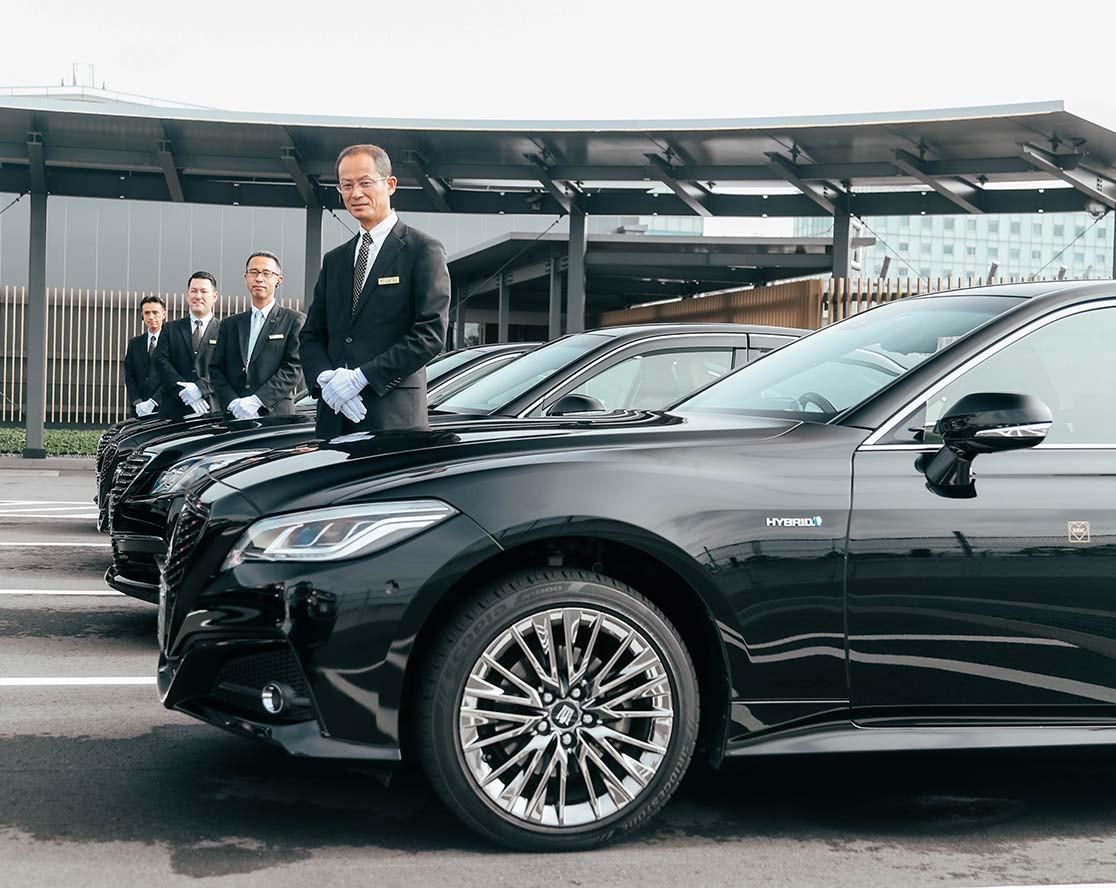
VIP Arrival in Bangkok: a Remote Lands representative will escort you through immigration and customs and help you to collect your luggage. After customs, you will be taken to your private, chauffeured car for the one-hour ride into town. Check in to the opulent Oriental Hotel, one of the most legendary properties in Asia, where past guests have included famous Asia hands such as W. Somerset Maugham, Graham Greene and James Michener.


Day 2

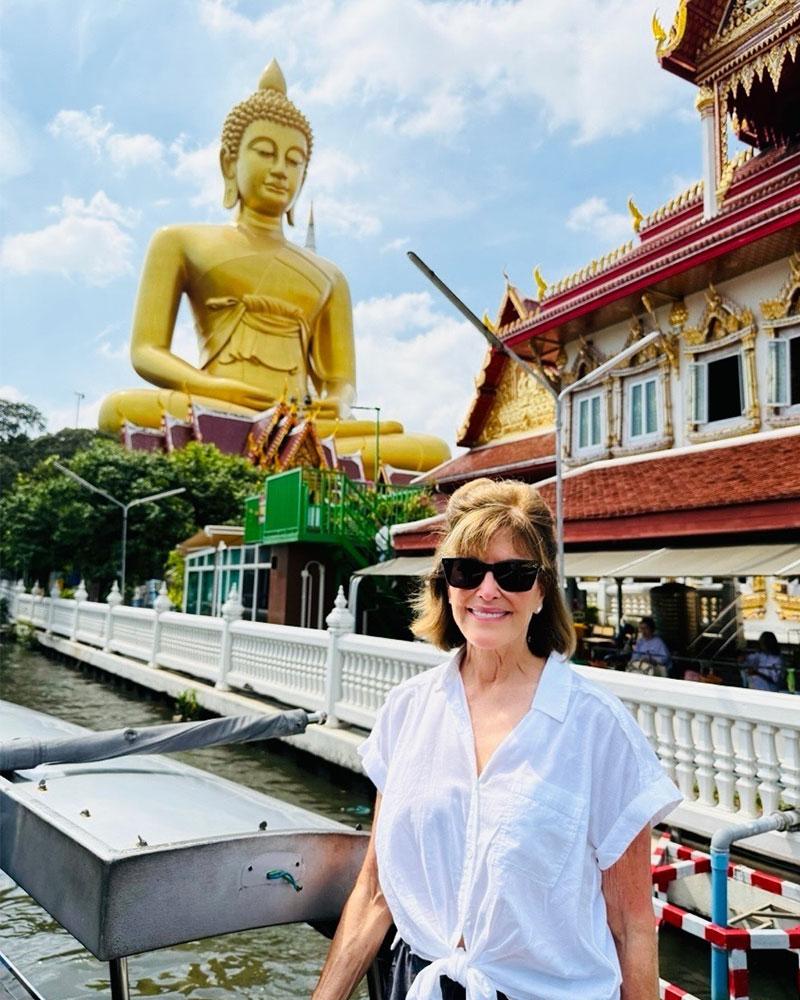
Take a private boat up the Chao Phraya to visit Nothaburi, which is located on the outskirts of the city. Here, you can see how the locals live in Bangkok’s authentic canal-side neighborhoods, with homes and gardens dotted along the waterfront of the klongs, or canals, which once criss-crossed the city.


Have lunch like the locals who ply their wares along the river. Many vendors of food and drink will float by you in two-man operated dug-out canoes; the person in the front handles the money and takes orders, and in the back is the chef, wok at the ready. Alternatively, return to the hotel for lunch, a spa treatment and a rest.


Take a peek into the exciting world of Thai contemporary art at H Gallery, one of Bangkok’s foremost art galleries. H. Ernest Lee, the founder of H Gallery, is a southern gentleman from Virginia, and is considered one of Thailand’s leading contemporary art dealers.


Day 3

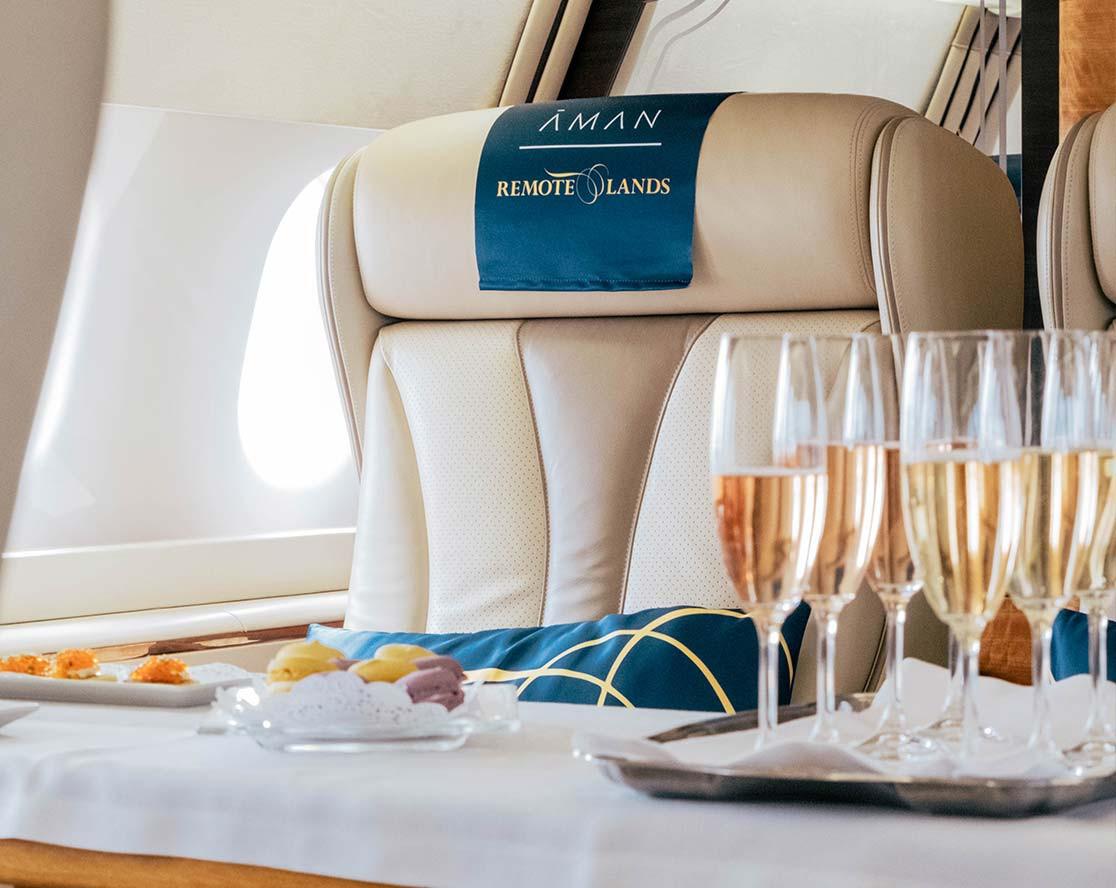
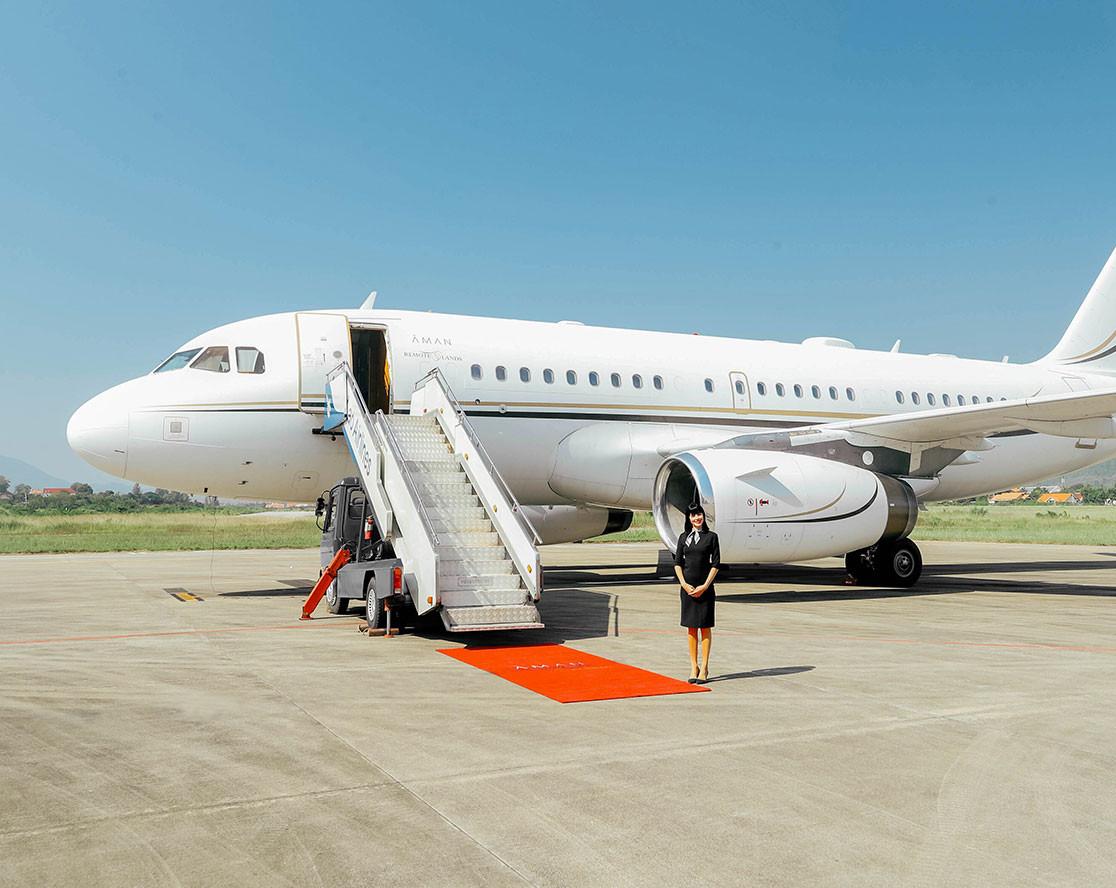
In the morning you will meet your luxurious private jet (such as a King Air 350), and fly to the atmospheric city of Hanoi and check into the Metropole, one of Asia’s most fabulous old colonial hotels.


With your private guide, wander along Hanoi’s grand wide boulevards – reminiscent of Paris – and be awed by its gorgeous old French colonial architecture. Explore the bustling and hectic streets of the Old Quarter, with its small boutiques and charming cafes. Hanoi has the best shopping in Vietnam; spend the afternoon browsing for tea, silk, clothes and accessories.


Day 4

After breakfast, go for an early morning stroll around Hoan Kiem Lake, a tranquil and scenic spot, ringed by weeping willows, where locals come to relax and socialize. The surrounding park is a popular spot to practice the ancient, meditative art of tai chi. Join in with one of the large groups of locals who gather for classes, or, if you like, we can arrange a private lesson for you. Stroll around the water’s edge and view the 18th-century pagoda Thap Rua at the center of the lake.


Browse in the contemporary Vietnamese art galleries (many local artists paint in lacquer), perhaps the next great art trend after the exploding contemporary Chinese art scene. You will have a private gallery tour with an artist or gallery owner.


Have dinner at the Metropole and dine at Le Beaulieu, Hanoi’s finest restaurant, which serves the best French cuisine in this former French-colonial town.


Day 5

Board your jet for a short 1-hour flight to the charming town of Hue. Take a cruise along the Perfume River, which is lined with dynastic mausoleums, temples and monasteries. Each mausoleum was built when the emperor was still alive and was meticulously planned right down to the last detail, according to his personal preferences. Hidden for years by sworn vows of secrecy, they are now open to the public. Stop at Thien Mu Pagoda where you will meet with resident monks and learn about Buddhism and life as a monk.


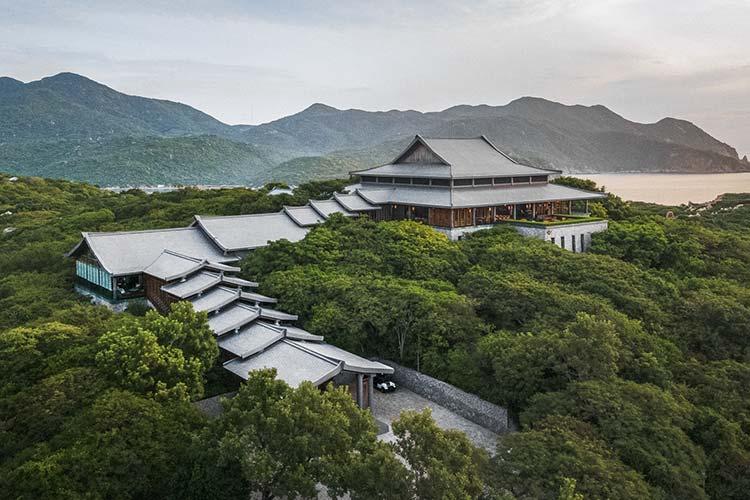
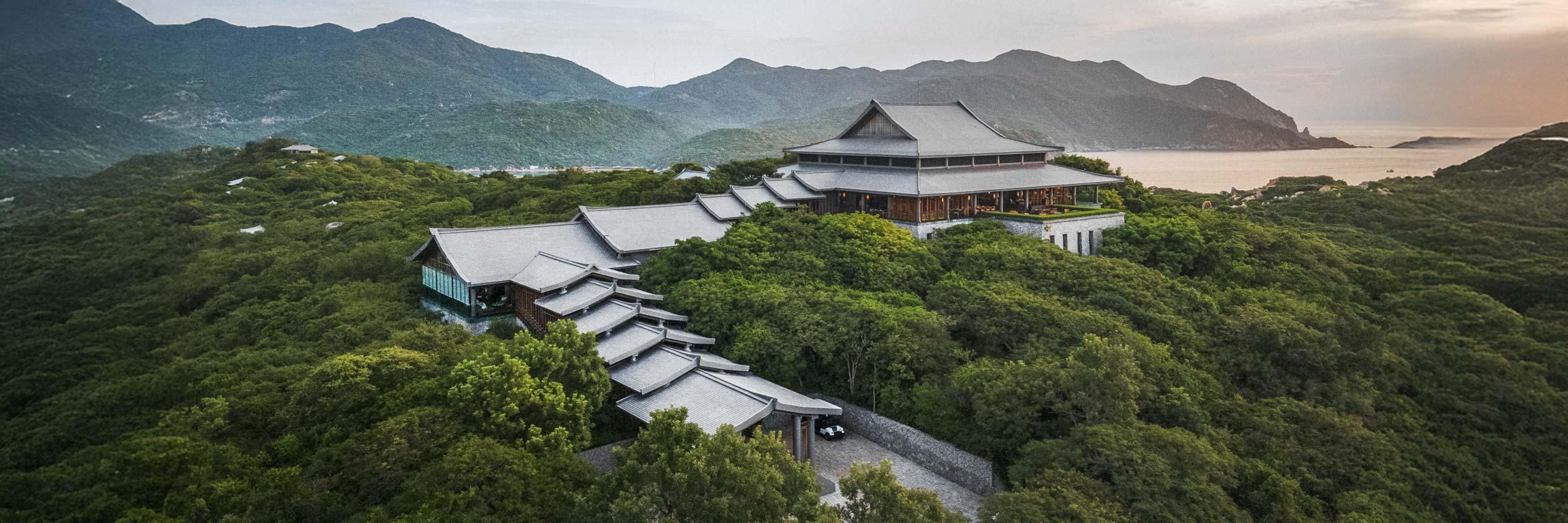
Drive from Hue to Hoi An (3 hours). Check into the Nam Hai, one of the most exclusive and luxurious resorts in Southeast Asia.


Day 6

One of Hoi An’s most distinctive features is its mix of cultures, which comes from its history as a trading port. It used to be a major trading hub in Southeast Asia between the 15th and 19th centuries, when it was known as Faifo. By the 17th century the town’s foreign settlers included people from China, Japan, the Netherlands and India. This afternoon, explore the confluence of cultures in the old city of Hoi An, where Chinese, Vietnamese and Japanese aesthetics mingle in the area’s architecture.


Hoi An is also the artistic center of Vietnam, known for the quality of its crafts, and is also one of the best places in Vietnam to get tailor-made clothing – turnaround can be as fast as a few hours. For a look at locally made materials, browse the Hoi An cloth market and bring your favorite fabric to any of the 200 tailors in Hoi An.


Have dinner at Brother's Café, a grand U-shaped colonial by the Thu Bon River that is a window into a bygone era with its gourmet Vietnamese cuisine and romantic garden courtyard.


Day 7

Return to Hue by car and meet your jet for a flight to Saigon. Have lunch at the Temple Club, hidden on a shopping street downtown. Outwardly unimpressive, the Club occupies a former Chinese temple. A relaxed 1930s ambience pervades and there’s a classic old wooden bar. Everything in the club is for sale, from the antique throw rugs and Buddhist tapestries to the retro designer furniture. The menu is Vietnamese, with dishes such as shrimp in tamarind sauce and fried monkfish. Fanny’s, downstairs, has wonderful ice cream, including exotic local flavors such as durian.


Explore the streets of Saigon and see some of the gorgeous old colonial architecture, such as the stunning Opera House, the former Hôtel de Ville town hall (now the People’s Committee Building), Nôtre Dame Cathedral and the lovely Continental Hotel, made famous by Graham Greene’s novel The Quiet American.


A retired Vietnamese Communist Party Colonel will join you at the hotel for a fascinating dinner. He fought for North Vietnam, the winning side against the United States – but that is “water under the bridge” and relations are now very warm. Through his English-speaking translator, he will tell you all about his amazing experiences and his life as a military man.


Day 8

Take a private tour of the city including some of the following depending on your wishes:

  • The War Remnants Museum with very moving and sometimes quite graphic photographs from the “American War”
  • The History Museum, with Khmer stone carvings from the 10th–13th centuries, relics from the ancient Oc Eo culture of 1st–6th centuries, and photographs of Vietnam’s 54 different ethnic groups
  • Reunification Palace Museum, the former presidential palace which became world famous when tanks crashed through its gates in 1975, ending the Vietnam Civil War
  • Shopping on the Rodeo Drive of Saigon, the very fashionable Dong Khoi Street, formerly known as Rue Catinat.
  • The lively Ben Thanh Market where you can buy some lovely hand-made silk goods and other Vietnamese handicrafts
  • Chinatown’s Thien Hau Temple honoring the Goddess of the Seas
  • Have a delicious seafood dinner at Maxim’s, an upscale Vietnamese restaurant rated among the very best in Saigon.


Day 9

Meet your jet for a short, 40-minute flight from Saigon to the capital of neighboring Cambodia, Phnom Penh.


Check in to Hotel Le Royal, a colonial-era classic established in 1929 and now under Raffles’ careful management.


Visit the nearby National Museum, which has the world’s top collection of Khmer sculpture and art. The majority of the exhibits are of works from the same period as the construction of the vast temples at Angkor, but there are some from as early as the 4th century. Following an age-old tradition, have a sunset drink at the famed Foreign Correspondents Club on Sisowath Quay, and then have dinner at one of the many fine riverside restaurants.


Day 10

Visit the somber but revealing Tuol Sleng Museum, a former security prison of the Khmer Rouge now turned into a museum detailing all the horrors of Pol Pot’s genocide and the crimes perpetrated by the Khmer Rouge. The visit may upset you, but is yet another vital link in understanding the bitter history of this beautiful country.


Have lunch at Friends, a restaurant run by Friends International, an organization that provides vocational training, education, health programs, cultural activities, and emotional support for street children and their families. After lunch, you will have the opportunity to meet some of the children and hear about their experiences on and off the streets.


Take a one and a half-hour drive to Phnom Udong, the royal capital of Cambodia from the 17th to 19th centuries, where temples, stupas, and even a mosque cover the three lovely hills. There are great views of the Cambodian countryside here, and a walk through the area is well worth your time. Phnom Udong is quiet, particularly on weekdays, and few tourists come here, giving you plenty of time to reflect on the former glory of the Khmer kingdom, and the newfound tranquility of Cambodia’s present.


Day 11

After breakfast, board your jet for a short flight (45 minutes) from Phnom Penh to Siem Reap, the site of the incomparable temples of the ancient Cambodian capital of Angkor.


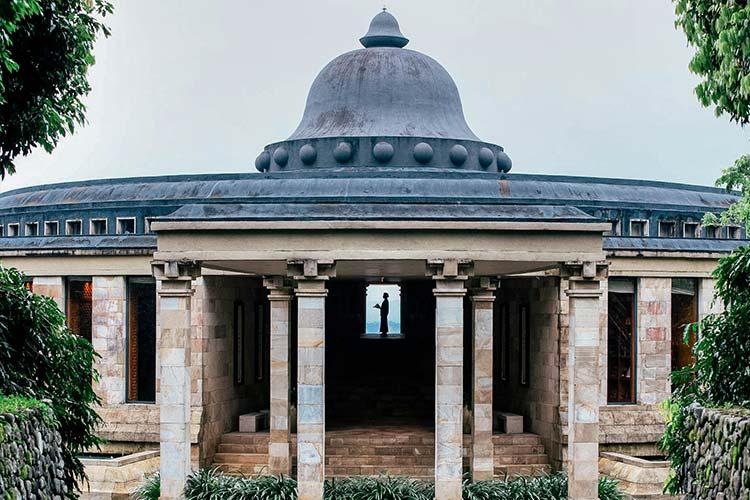
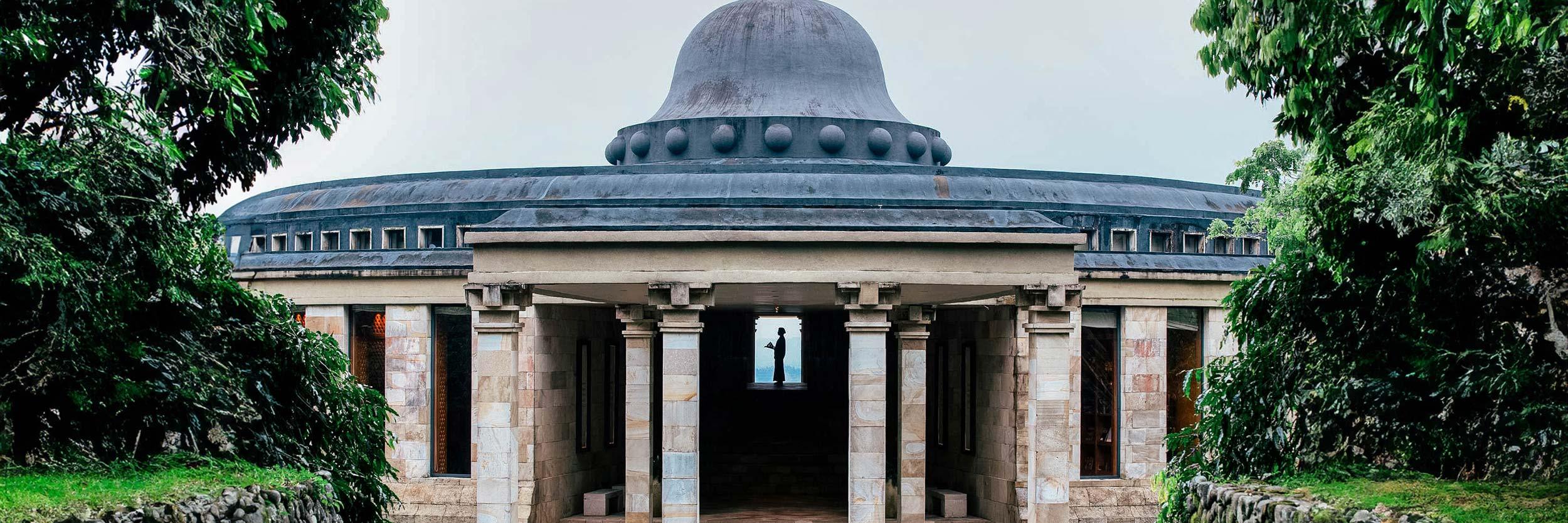
Stay at Amansara, the former guest villa of King Norodom Sihanouk has been transformed into a 24-suite retreat that provides an ideal base for exploring the temples of Angkor and the sophisticated culture of the Khmer civilization.


Drive 35 minutes to Cambodia’s Great Lake, the Boeung Tonle Sap, and discover a unique way of life. This huge body of water, stretching across the northwest section of the country, is one of the largest freshwater lakes in Asia. During the wet season, the water inflow expands the surface area of the lake more than five-fold, inundating the surrounding forested flood plain. Markets, schools, churches, flower gardens, vegetable farms and even police stations literally float on the surface of the lake.


Have dinner at the hotel’s fine international restaurant, The Dining Room, which offers world-class Asian and western cuisines.


Day 12

Cambodia comes to life early in the morning, and Siem Reap is one of the few places in Asia where we will strongly recommend that you rise early. The light is at its most beautiful just after dawn (especially for photography), and the weather is at its coolest and most comfortable. You will leave your hotel while it is still dark and arrive at Angkor Wat just as the sun is beginning to rise, an unforgettable sight.


Find a peaceful spot in the shade for your breakfast picnic with freshly squeezed juice, pastries, muffins, fruit, yogurt, and coffee and tea.


Visit the incomparable Ta Prohm (AD 1186), the unfinished Ta Keo (AD1000-1025), the rarely visited Ta Nei, and King Jayavarman’s Chapel Hospital. Though Angkor Wat is undoubtedly the most famous, there are over 1,000 temples in the Angkor area, a UNESCO World Heritage-protected site that covers 155 square miles of architectural wonders built between the 9th and 15th centuries.


After lunch at a casual restaurant near the site, visit Angkor Thom, the largest city in the world in the 12th century, the much earlier Phimeanakas temple, and the state temple of Bayon.


Dine tonight at Meric in the hip, design-centric Hotel de la Paix. Choose from international dishes or a seasonally inspired Khmer menu showcasing the harvests of local farmers.


Day 13

Charter a helicopter for a single-landing flight that includes views of a temple complex once the center of a large city, a sandstone pyramid and moat now subsumed by the jungle, and mountainous ruins. Total flight time is 40 minutes. Land at the lost temple of Banteay Ompeul, a charming monument hidden away in the jungle, and have a delicious alfresco picnic lunch, beautifully prepared for you by the hotel.


The trip continues with a flight over the Angkor temples so you can appreciate their awe-inspiring architecture — including a vast, perfectly symmetrical moat surrounding the complex — from above. You will also get a bird’s-eye view of Tonle Sap Lake.


Have dinner with a local friend of Remote Lands. As a child, he lived through the horrors of the Khmer Rouge regime, and has experienced firsthand the gradual recovery from those tumultuous times. He is well-placed to introduce you to the challenges facing contemporary Cambodia.


Day 14

Drive three hours through the picturesque Cambodian countryside, to the remote beach town of Kep.


In the 1950s and 1960s, Kep was Cambodia's premier beach town, drawing beachgoers to its tranquil shores and sporting the oceanside villas of the Khmer elite. In recent times Kep has come back to itself, but retains an atmospheric remove from the hustle of other Southeast Asian resort towns, with jungled mountains, empty beaches and few tourists.


Three of these historic villas have been restored into a new, exclusive oceanfront resort, Knai Bang Chatt. The graceful, Le Corbusier-inspired buildings have only 11 rooms between them, all with generous terraces facing the water, and are supplemented with an infinity pool, a private beach with canopied daybeds, and a gracious staff including a private chef and tai chi and yoga instructors.


Have dinner in town at one of the many small seafood restaurants that serve excellent Khmer dishes featuring the freshest of the day's catch.


Day 15

After an alfresco breakfast including delicious local fruit, take the hotel's boat for a half-day of snorkeling at nearby Rabbit Island, where the waters are home to a technicolor display of tropical fish. Lunch will be a barbecue prepared for you on the white sand beach, under the shade of the coconut palms.


In the afternoon, venture into the mountains surrounding Kep, and visit the ghostly former villa of King Norodom Sihanouk, now home to no one except a band of monkeys. Then continue on to the Buddhist cave temple of Phnom Chhnaugk, an ancient carved structure that predates the temples of Angkor Wat.


Day 16

Rise early for the return trip to Phnom Penh, then fly to Vientiane, Laos' relaxed capital, and check in to the luxurious Settha Palace Hotel, a lovely turn-of-the-century, French-colonial gem, with immaculate landscaped gardens and custom-designed furniture, ideally located near the city center.


Explore the city on foot, visiting the exotic Talat Sao market and various interesting private shops, including Sandra Yuck's Caruso gallery of ebony wooden creations, and Carol Cassidy's Lao Textiles. World-renowned, Carol uses local weavers to create exquisite contemporary fabrics with traditional motifs. This is a great opportunity to talk with locals while they work on their looms, and the operation is housed in a fantastic colonial home, worth a visit of its own.


Day 17

Fly to the delightful little town of Luang Prabang, Laos’ celebrated UNESCO World Heritage Site and the former capital of the Kingdom of Laos. Check in to the Maison Souvannaphoum, the former residence of Prince Souvannaphoum, a gorgeous, small colonial hotel with 24 rooms and 3 suites that is just outside the town and within walking distance from the Mekong.

Take a short drive to the beautiful Kuang Si waterfall where water tumbles 180 feet down staggered cliffs before crashing into the clear, azure pools below.


Enjoy a hand-packed picnic, provided by Maison Souvannaphoum.


Wander the lush, jungle-covered hills surrounding the falls and take in the flora and fauna that abounds, then spend the rest of the afternoon sunning and relaxing in this secluded spot.


This evening, you will be welcomed into the home of a local family as an esteemed guest with a traditional Baci ceremony. The Baci is used to celebrate a special event, whether a marriage, a homecoming, a welcome, a birth, or one of the annual festivals, and combines a blessing in the local folk religion with a festive meal of Lao delicacies.


Day 18

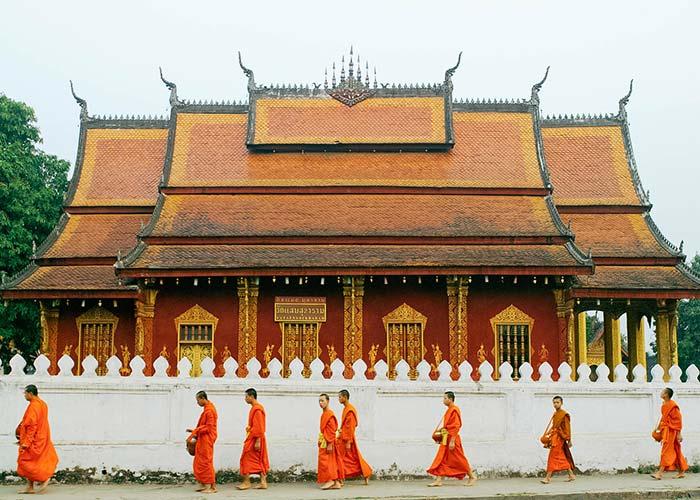
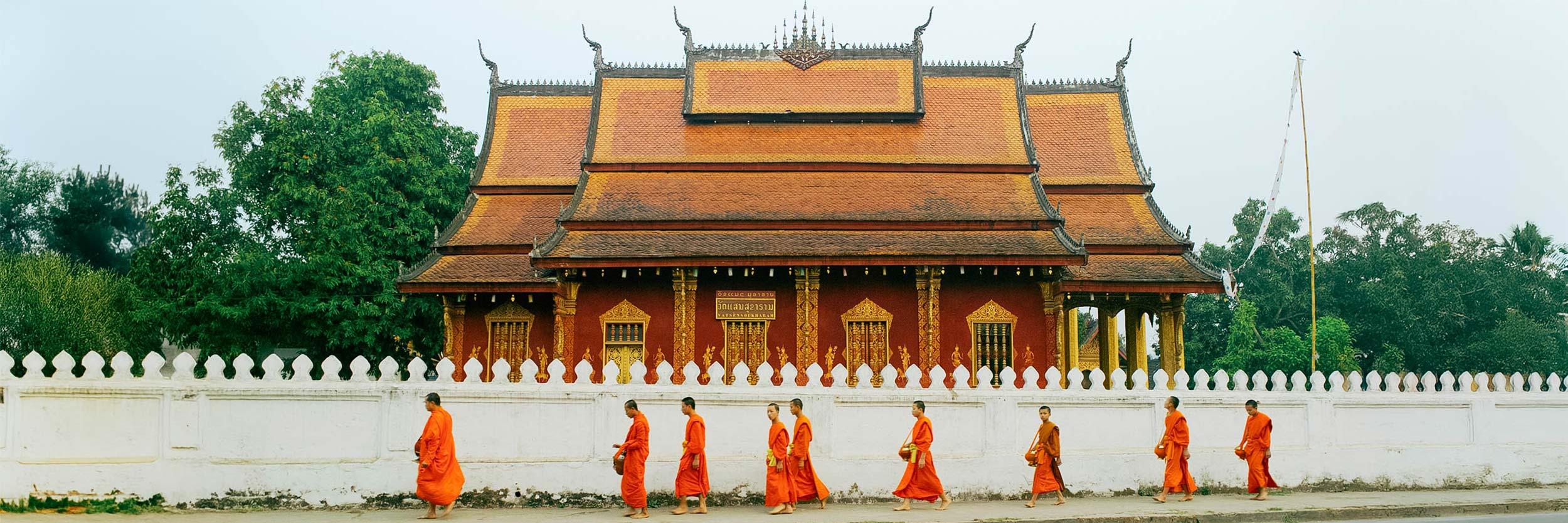
Take part in the age-old tradition of making rounds for alms. Awake at sunrise, and join a procession of monks as they make their way to homes and shops to receive their daily rice, an event of great merit for all Lao people.


After breakfast at the hotel, board a small boat and head two hours upriver to the awe-inspiring Pak Ou Caves filled with over 10,000 statues of Buddha in a massive cavern overlooking the Mekong River.


On the return trip, go to a secluded village where Mekong seaweed (known as kai) is collected and dried and eaten as the main source of protein. Visit a village family for a simple lunch of fish and vegetables, and of course the tasty dried local seaweed.


Return to Luang Prabang, and have dinner at l’Elephant, an exquisite little French restaurant, the best in town. Enjoy a postprandial stroll through the nearby Night Market, where the hill tribe people gather to sell their textiles and other hand-made creations every evening.


Day 19

Meet your jet for a short hop across the border into Thailand. Land in Chiang Rai, the heart of the infamous Golden Triangle: a landscape of spectacular beauty and the amazing confluence of the cultures of three different countries: Thailand, Laos and Myanmar.


Your hotel, the Anantara, is a gorgeous luxury lodge and spa located atop a hill overlooking the lush jungles of Myanmar (Burma) and Laos — the windows of your room will offer a vista over three countries. Another unique feature is The Elephant Camp at Anantara, which is designed along the lines of the traditional mahout’s villages found in the hills of Northern Thailand in the days when logging employed the majority of Thailand’s elephants.


Take a speed-boat down the Mekong River to visit Laos and Myanmar and visit Ban Huak Market. This area was once very famous for opium but today Thai and Laotian traders sell narcotic-free products. The market is only held on days when the border is open.


Return to Anantara and walk down to the Elephant Camp and assist the mahouts, the elephants’ minders, in caring for their pachydermal charges. A host of elephant activities are offered. Help their mahout handlers in the bathing and feeding of the massive and enchanting beasts, often including adorable baby elephants.


Day 20

Have an early breakfast at the hotel, then meet your driver for a full day of exploring the diverse cultures of the Golden Triangle.


The 1.5-hour drive to the enchanting mountain retreat called Doi Mae Salong will take you past spectacular jungle-covered mountains and hill tribe villages. Once opium country, Doi Mae Salong is now home to Thailand’s premier oolong tea production. Take a short one-hour hike through the tea fields and hill tribe villages. You’ll have a special opportunity to sip tea with the owner of one of the largest plantations in Thailand, followed by tea with a prominent member of the Doi Mae Salong community.


Take a journey up the ‘Burma Road’, a hair-raising route straddling the narrow and mountainous border between Thailand and Myanmar. Along the way stop at strategic lookout points and cross through several Thai army bases which patrol and monitor movements along the border.


Stop by the bustling town of Mae Sai, right on the Burmese border. Mae Sai is the northernmost point in all of Thailand, and has a vibrant market where sellers from all around the Golden Triangle ply their wares. After an exhilarating afternoon you’ll drive roughly 28 miles back to the Anantara, which will feel a thousand miles away from this rugged mountain highland.


Day 21

Fly from Chiang Rai to Chiang Mai, Thailand's northern capital and second largest city, noted for its old walled city and hundreds of ancient temples.


Check in to the Rachamankha, whose design is based on the viharn (chapel) of one of Thailand’s most beautiful temples, Wat Phra That Lampang Luang in Lampang province. The hotel was planned according to ancient principles of Chinese architecture and the interior design is based on northern Thai Lanna culture.


Have lunch at the hotel where you will be met by an expert on Lanna culture and architecture. He will explain the principles of Lanna design and the adoption of this aesthetic at Rachamankha, and take you on a tour by bicycle of the city’s Lanna sites.


Day 22

Visit the prestigious Chiang Mai University and its excellent Tribal Museum. As most of northern Thailand is made up of various ethnic minorities, a trip to this highly informative museum will give you a chance to reflect on your experiences in the Golden Triangle.


Drive to Doi Suthep, a mountain, which is just nine miles from Chiang Mai. Wat Prathat Doi Suthep, a Buddhist temple, sits atop the mountain. Every temple with a name starting with Wat Prathat contains Buddha relics and is therefore holy to Buddhists. Although there is actually no relic (by one account, it was a piece of Buddha’s scapula) here, the temple is home to a set of impressive murals picturing scenes from the life and teachings of the Buddha. On the way down, you’ll see some beautiful tropical birds if you’re lucky.


Day 23

Fly aboard your private jet one last time as you return to Bangkok, then meet your return flight home.


^Top

Bangladesh - Bhutan - Cambodia - China - Hong Kong - India - Indonesia - Laos - Japan
Malaysia - Maldives Mongolia - Myanmar (Burma) - Nepal - North Korea - Papua New Guinea
Philippines - Singapore - South Korea - Sri Lanka - Thailand - Vietnam

Home | Bespoke Travel | Private Jet Journeys | Giving Back | News | Destinations | About Us | Site Map | Contact

India Luxury Travel | North Korea Tours | North Korea Travel

© 2006-2010 Remote Lands, Inc. All Rights Reserved