


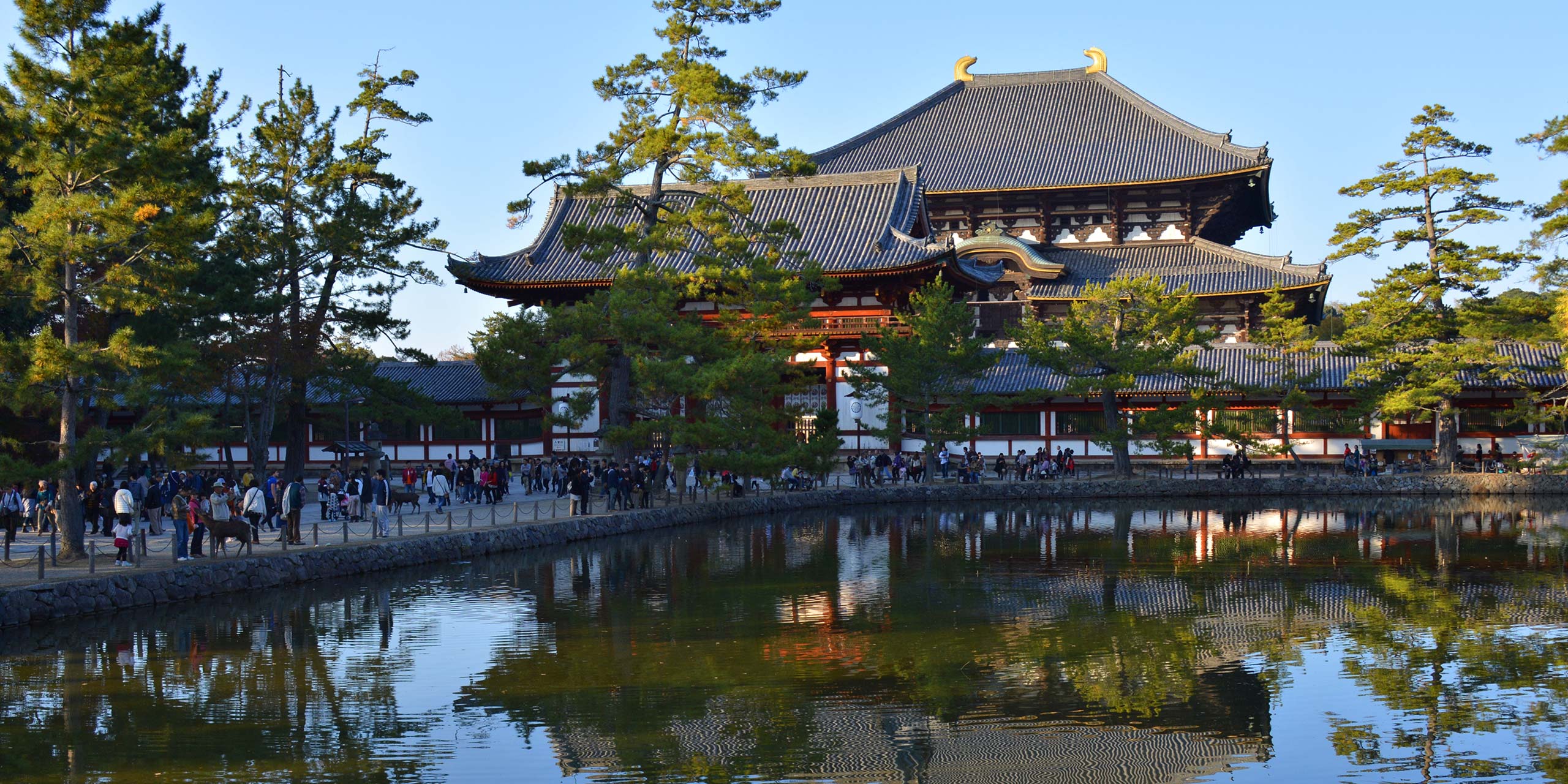
Kyoto’s popularity is well deserved. As Japan‘s ancient imperial capital, it is home to more than 1,600 Buddhist temples, hundreds of Shinto shrines, exquisite gardens and some of the country’s most celebrated historic neighborhoods. But its global appeal has also brought unprecedented visitor numbers, making it one of Japan’s busiest destinations.
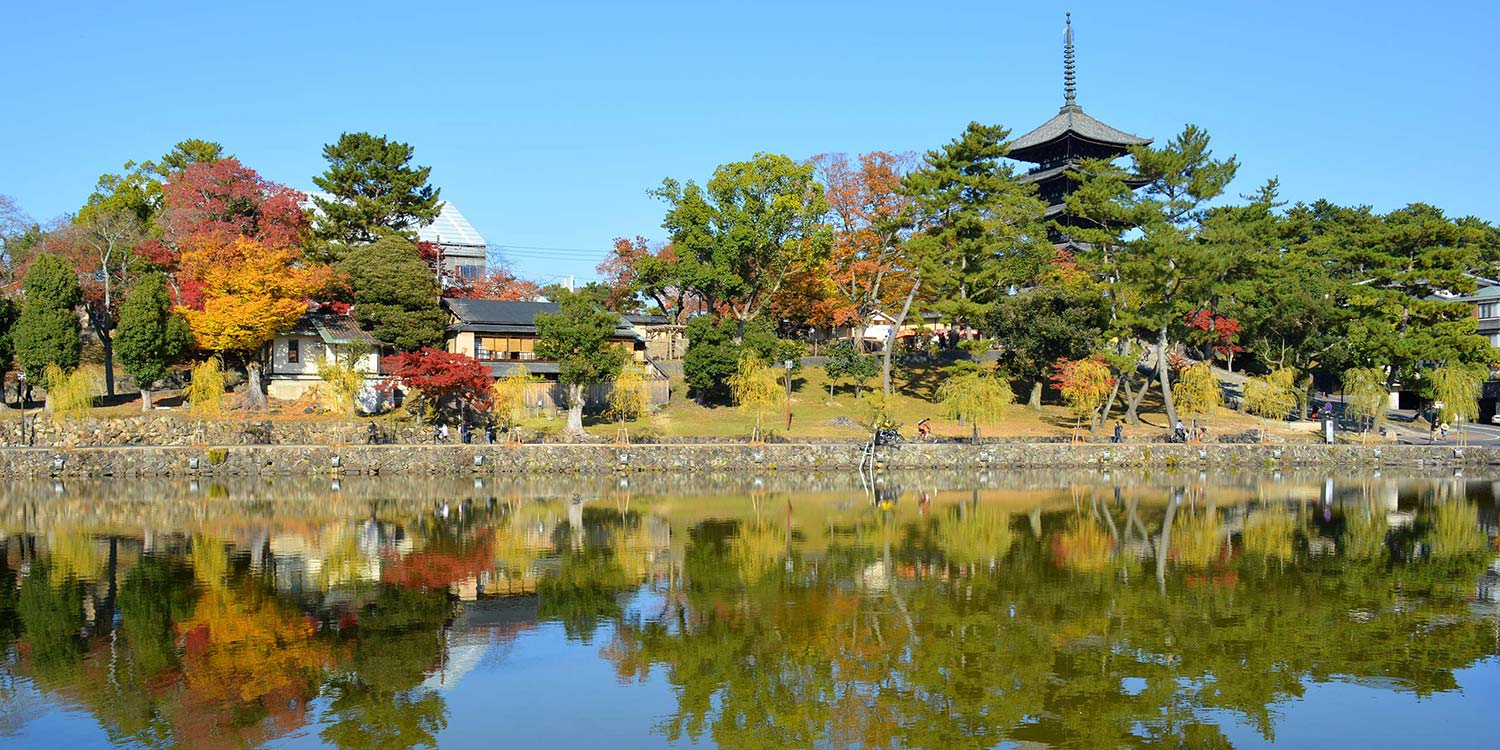
Japan itself is in the midst of a remarkable tourism boom, with annual visitor arrivals rising from 8 million in 2012 to 43 million last year. While Tokyo’s vast size and modern infrastructure allow it to absorb much of that growth, Kyoto‘s compact historic center can become particularly busy, especially around its most famous temples and the atmospheric streets of Higashiyama.
Fortunately, visitors exploring the Kansai region need not choose between iconic sights and quieter experiences. Less than an hour from Kyoto by train, Nara offers many of the same cultural rewards in a more relaxed setting. As Japan’s first permanent capital, it is home to magnificent temples, beautiful gardens, revered shrines, outstanding museums and one of the country’s most distinctive wildlife encounters. Together, Kyoto and Nara make an ideal pairing, combining two of Japan’s richest historic cities in a single itinerary.
Here are four experiences that deserve a place on any visit to Nara.
Buddhist temples
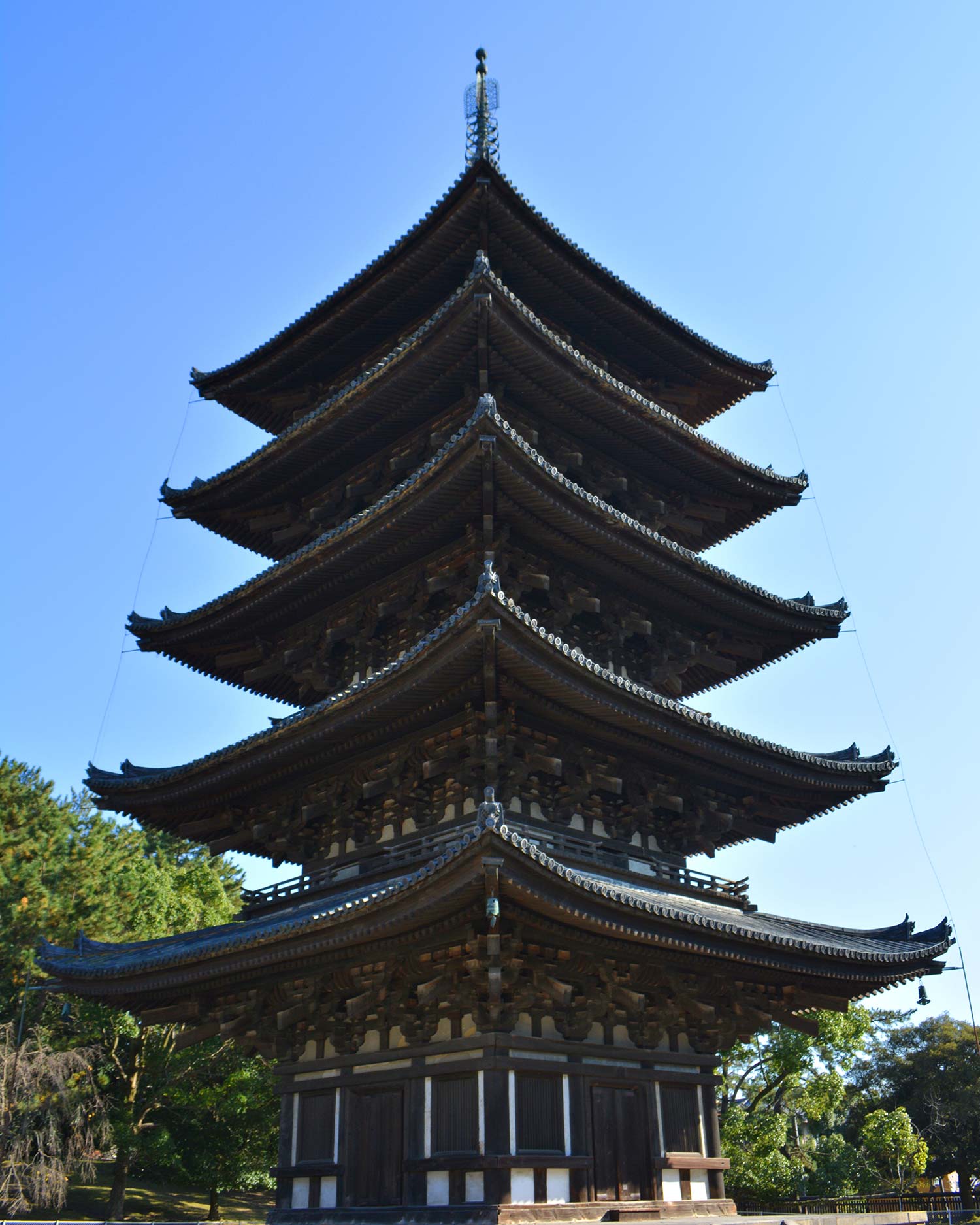
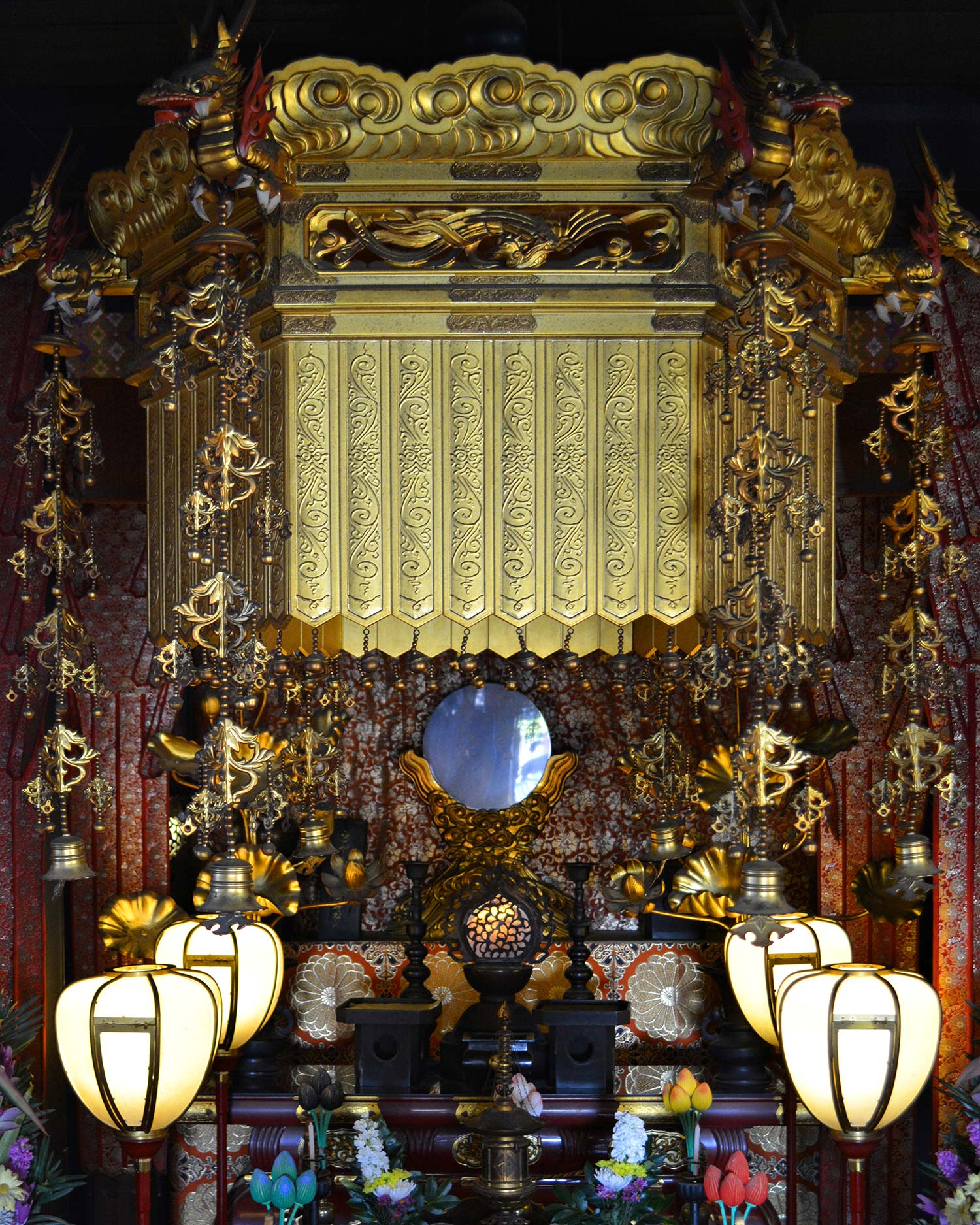
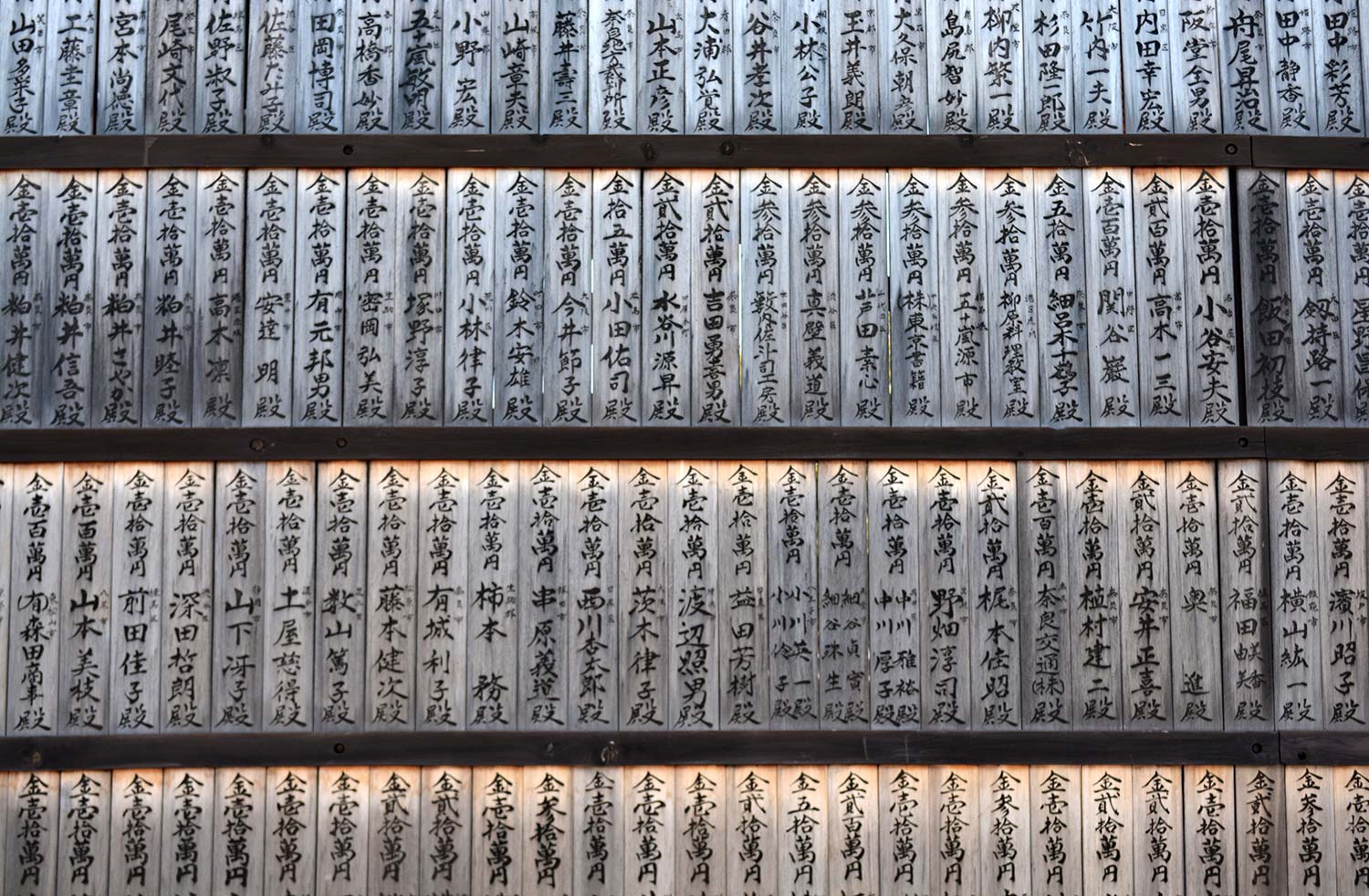

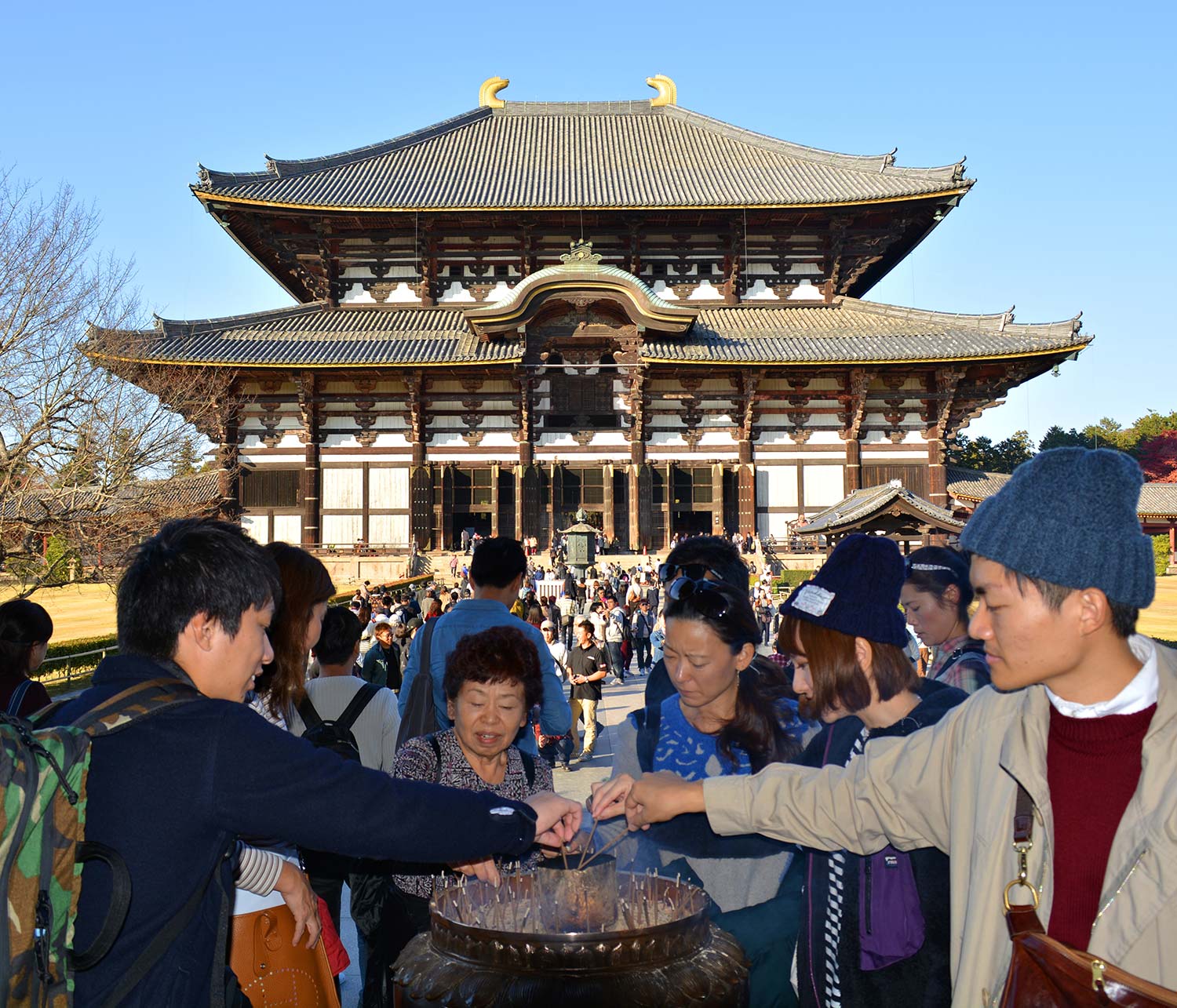
It was here in Nara that Buddhism became one of Japan’s two principal religions alongside Shinto. In the eighth century, Emperor Shomu embraced Buddhism, which had arrived from Korea around two centuries earlier, and elevated it to official prominence.
He commissioned an array of magnificent Buddhist temples and monasteries throughout Nara, which at the time served as Japan’s capital before that title passed to Kyoto. As the country’s first permanent capital, Nara benefited from enormous investment in architecture and urban development.
Many of these remarkable religious complexes survive in exceptional condition and today form part of a sprawling UNESCO World Heritage Site. Its centerpiece is Todaiji, a colossal temple standing almost 50 metres tall and one of the world’s largest wooden buildings. Almost as impressive are the nearby temples of Gangoji, Toshodaiji, Kofukuji and Yakushiji, all of which remain open to visitors.
Meet the deer

I arrived in Nara expecting to be most impressed by its temples and left captivated by its elegant, free-roaming deer. As if the city were not already photogenic enough, thanks to its magnificent architecture and forested surroundings, it is further distinguished by the presence of around 1,200 wild deer.
These graceful animals enjoy a revered status in Japan, where they are regarded as messengers of the gods. They roam freely throughout Nara Park, a 660-hectare expanse of woodland at the foot of Mount Wakakusa that encompasses dozens of ancient temples, shrines and classical gardens.
All of this scenery remains vividly etched in my memory. Yet none of it matched the simple pleasure of hand-feeding a family of deer beneath a shady canopy of trees. For around USD2, visitors can buy packets of Shika Senbei crackers, made from bran, flour and water, to feed the ever-hungry deer, which have become so accustomed to people that they will happily accept a gentle pat while they eat.
Classical gardens
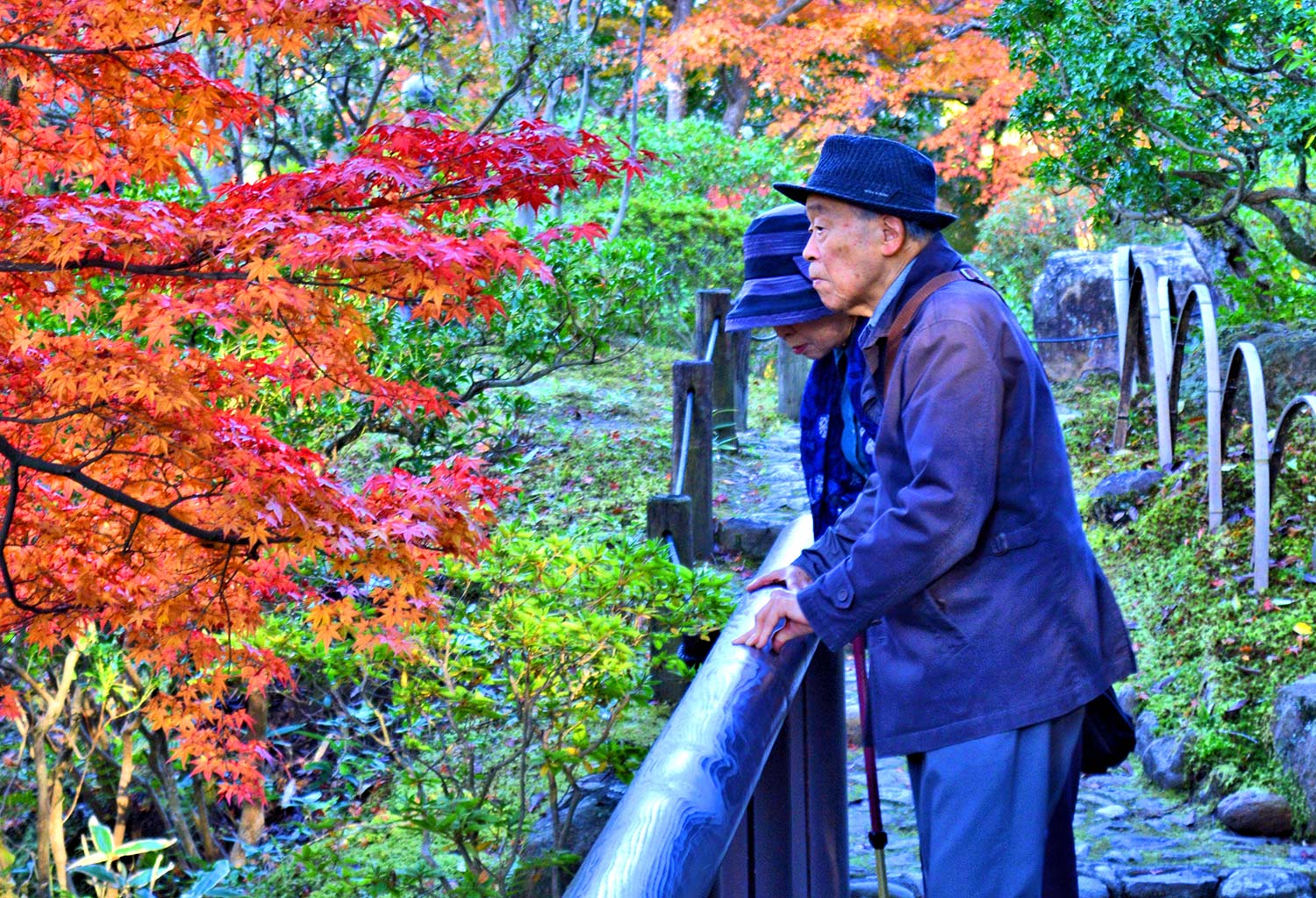
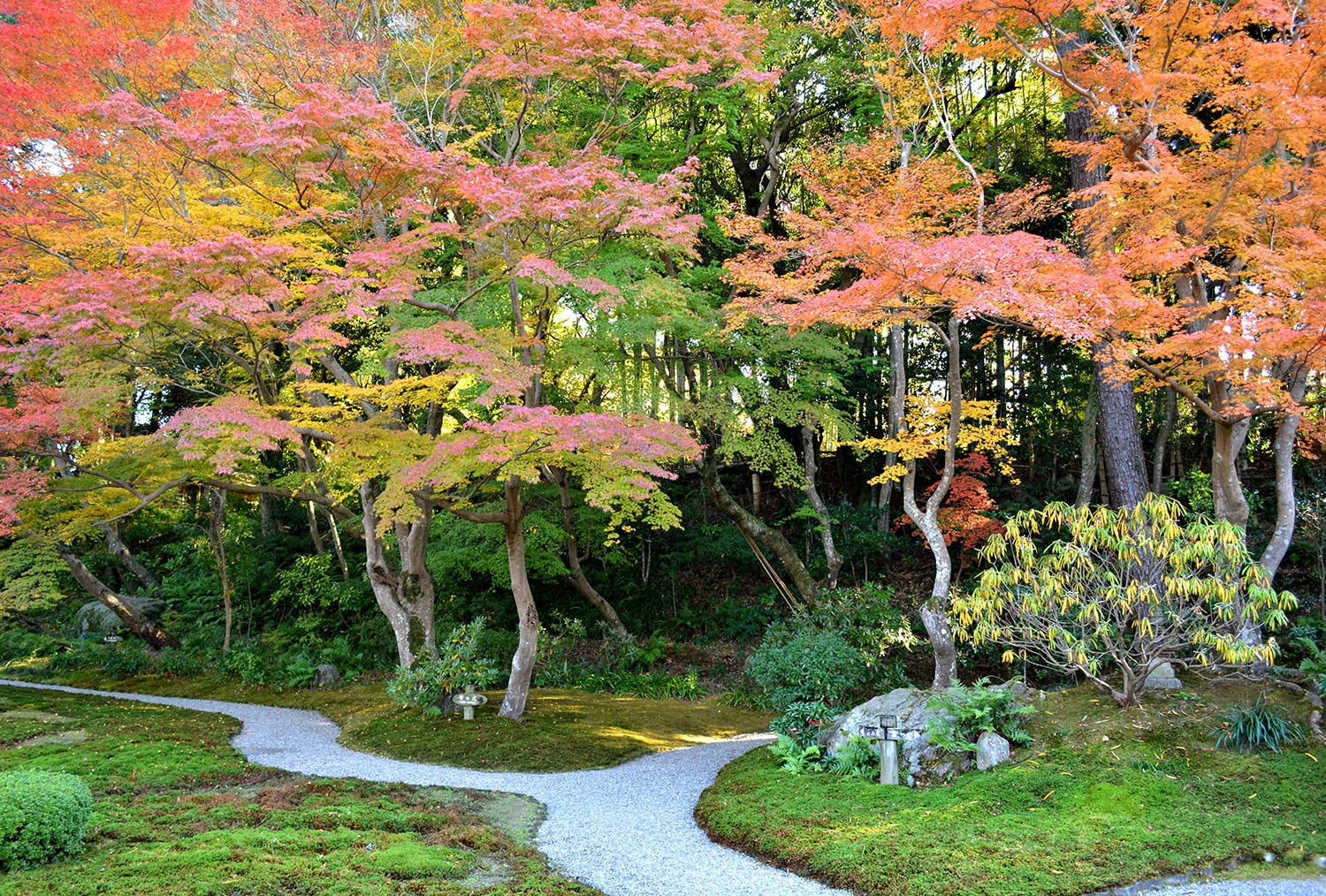
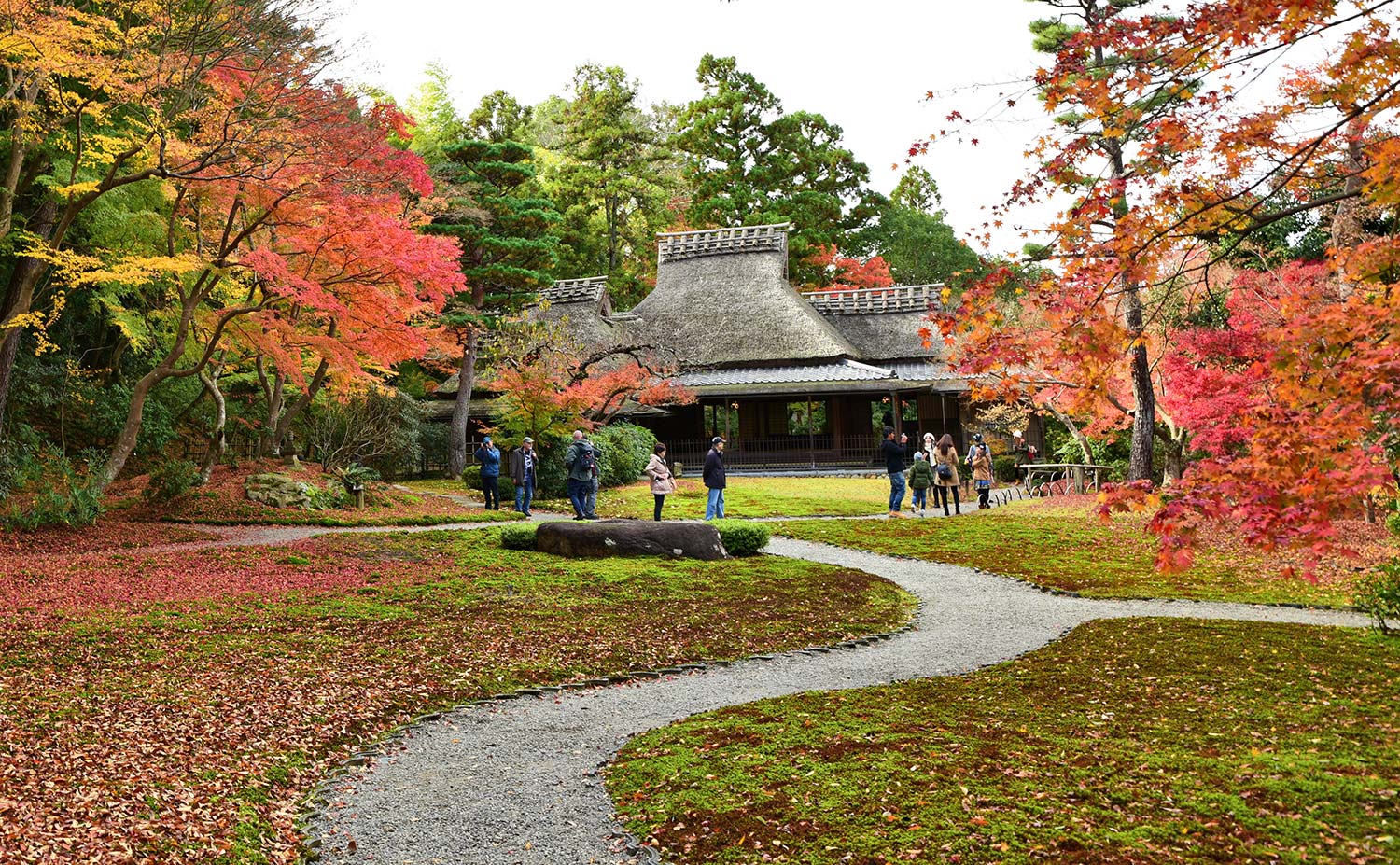
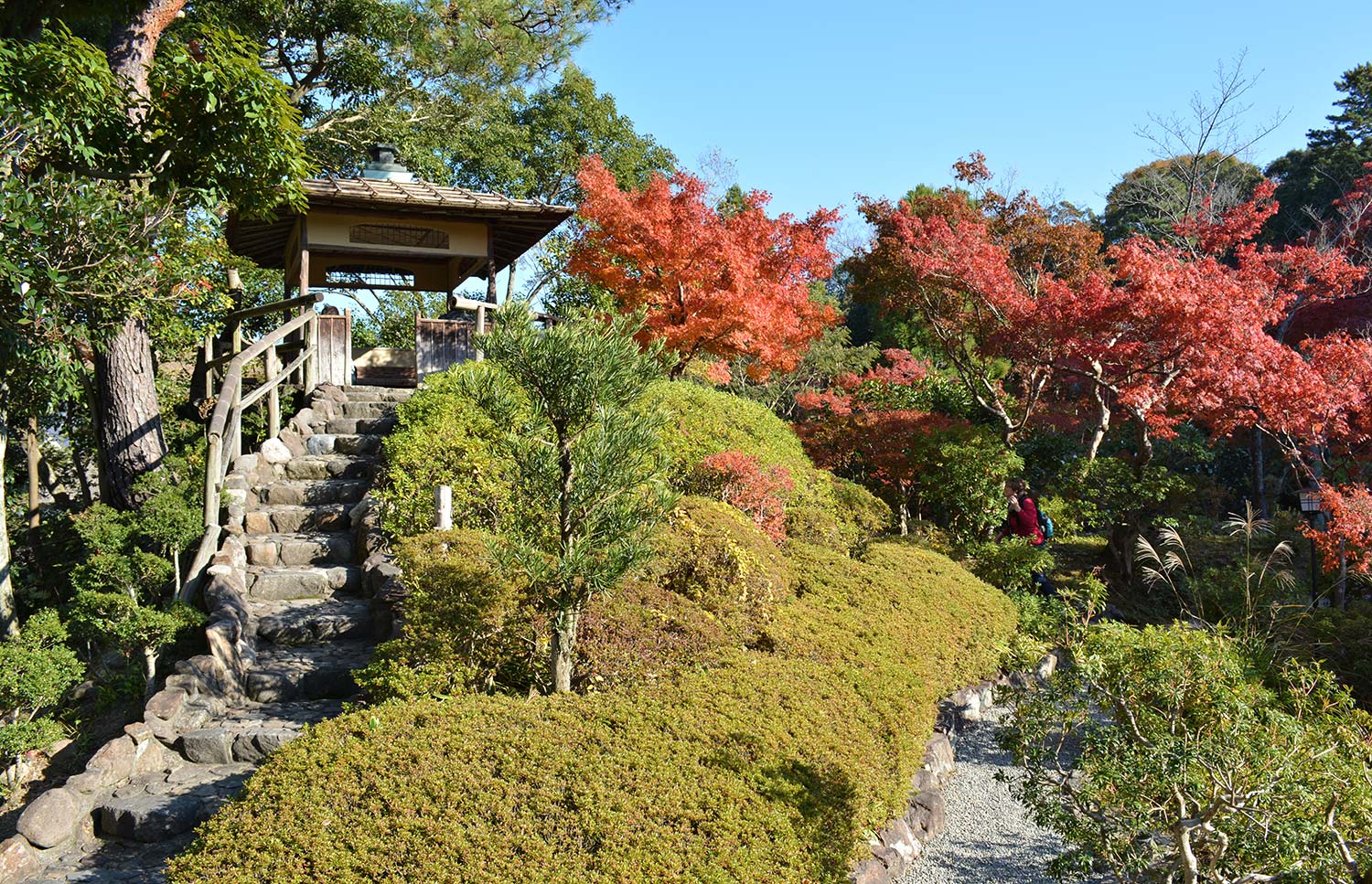
Japanese gardens have evolved over more than 1,500 years into some of the world’s most refined landscapes. Inspired by China’s even older garden traditions, designers developed their own distinctive style, blending the unrestrained beauty of nature with meticulous human craftsmanship.
Every rock, pond, tree, bush, bridge and pavilion is positioned with extraordinary care. Nara is home to several of Japan’s finest classical gardens, among them Isuien and Yoshikien. At Isuien, winding paths lead through willow groves, across elegant bridges and past tranquil ponds that mirror the garden’s collection of historic buildings.
While Isuien dates back to the mid-1600s, nearby Yoshikien is comparatively young. Created about a century ago beside a former priest’s residence, it comprises a tea garden, a moss garden and a pond garden. Both are especially memorable in November, when Nara’s forests erupt into rich shades of gold, orange, crimson and russet.
Shinto shrines
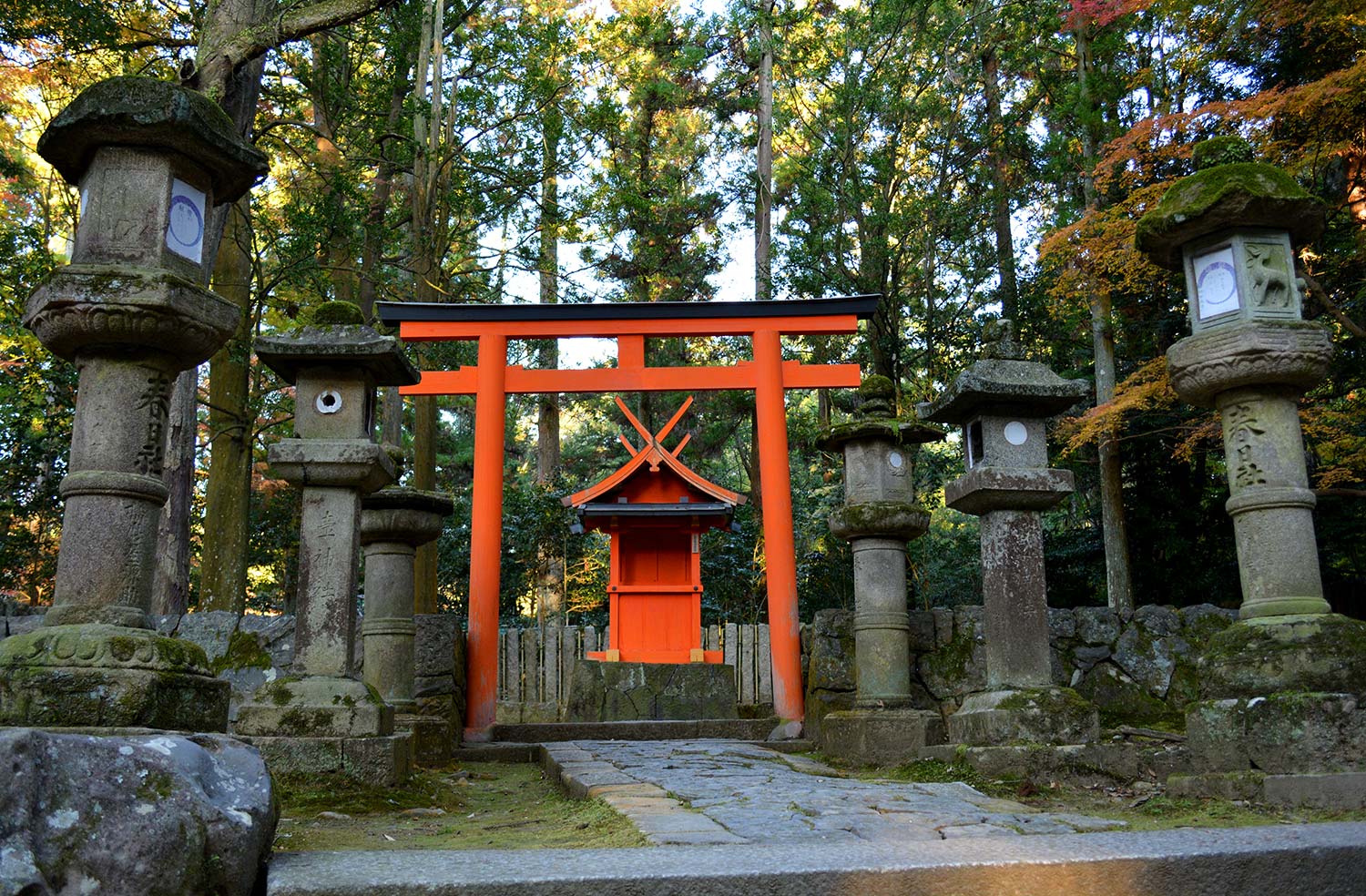
One of Japan’s most important Shinto shrines, Kasuga Taisha, stands among the forests of Nara Park. Painted a vivid vermilion that contrasts beautifully with the surrounding greenery, it forms one of the eight sites included within Nara’s UNESCO World Heritage listing.
More than 1,250 years old, the shrine is approached via a pathway lined with hundreds of ancient stone lanterns. Visitors can join the shrine’s morning prayers at 9am each day, admire its collection of historic weaponry at the Kasuga Taisha Shrine Museum and explore the adjoining Kasugayama Primeval Forest, a protected nature reserve that has remained remarkably untouched for centuries.