
KOGEI-USA-banner-m

KOGEI: A Journey Through Japan’s Living National Treasures

Route
Tokyo · Kyoto · Yamanaka Onsen · Kanazawa · Kurashiki
Nov 12–22, 2026
11 Days, 10 Nights
Per Couple
Hotels
Janu Tokyo, Tokyo
Hotel The Mitsui Kyoto, Kyoto
Hanamurasaki, Yamanaka Onsen
Hyatt Centric Kanazawa, Kanazawa
Ryokan Kurashiki, Kurashiki

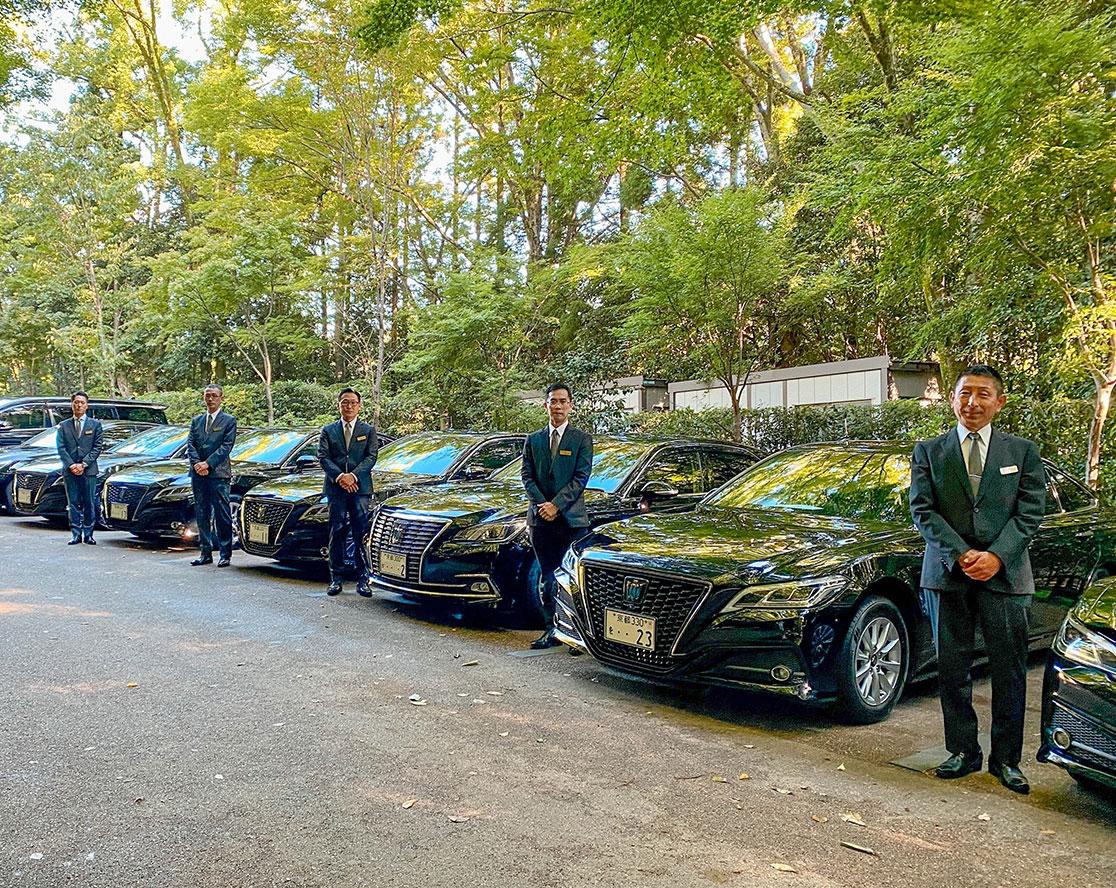
Delve into the world of living Japanese craftsmanship with this one-off small-group experience. Developed with KOGEI USA and with special thanks to Onishi Gallery, this 10-night journey is centered around kogei—Japanese art and craft—bringing up to 14 guests into private contact with Living National Treasures and other distinguished makers working in lacquer, metalwork, ceramics, textiles, and related traditions around Japan. Travel by shinkansen Tokyo from Kyoto, Yamanaka Onsen, Kanazawa, and Kurashiki, enjoying special access throughout. On all Remote Lands-organized touring days, guests travel with a private English-speaking guide, plus private car and driver. 

PRIVATE ACCESS TO JAPAN’S LIVING MASTERS

This is a journey of studio doors opening. Across Tokyo, Kaga, Kanazawa, and Okayama, guests are welcomed by Living National Treasures — master artists recognized by the Japanese government for safeguarding important cultural traditions — alongside other respected makers, for private visits, conversations, and workshops that would be exceptionally difficult to arrange independently.


KOGEI-USA-Day-4_Miho-Museum.jpg

A GROUP JOURNEY THAT STILL FEELS PERSONAL

Limited to just 14 guests, this is a group journey by design, but not in the usual sense. On all Remote Lands-organized touring days, each couple or solo traveler has a private guide, vehicle and touring preserving flexibility, individual pace, and room for personal connection throughout.

KOGEI-USA-Private-car.jpg

ACROSS JAPAN BY BULLET TRAIN

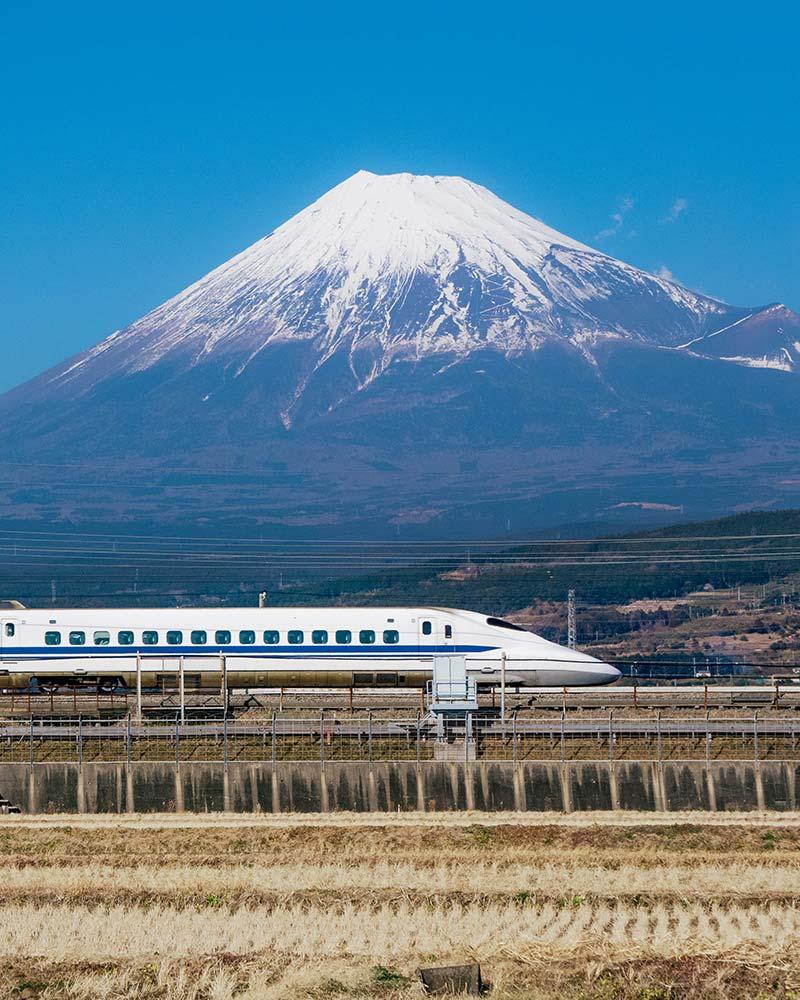
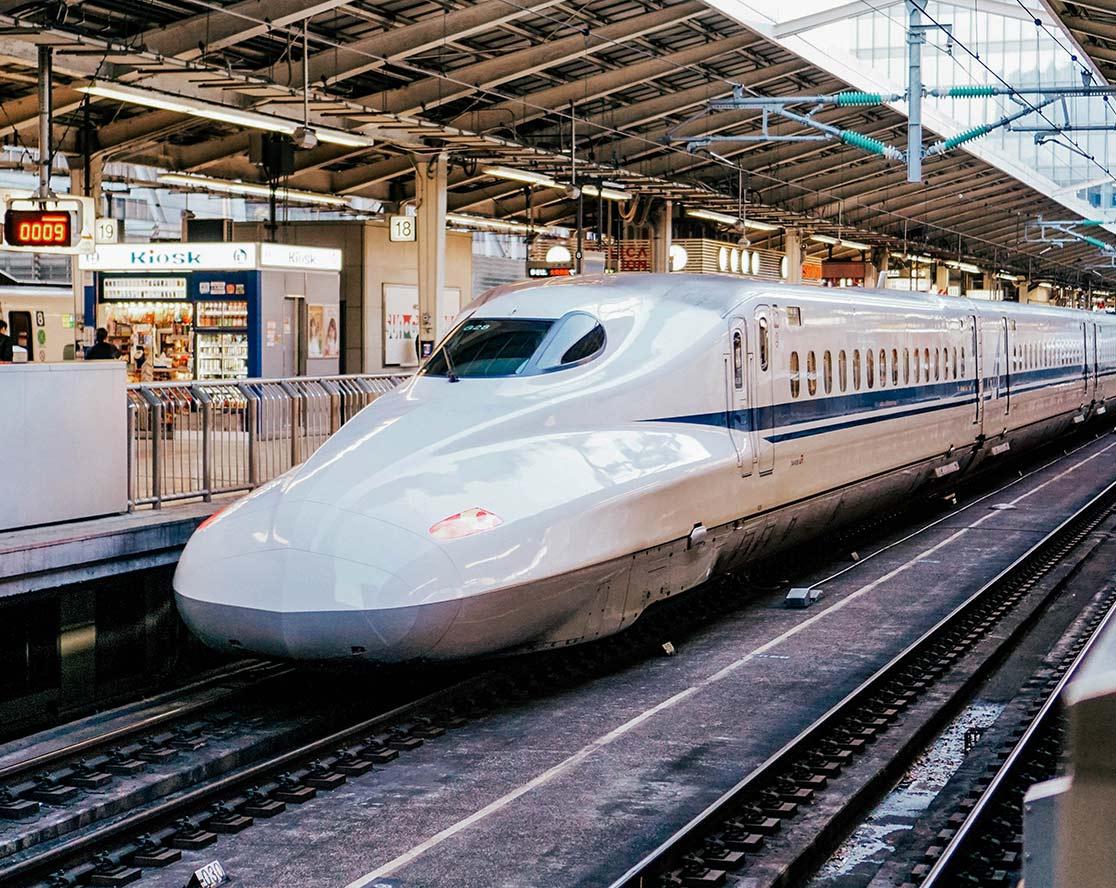
Enjoy the journey, not just the destination. Travel by shinkansen from Tokyo to Kyoto, onward through Kaga and Kanazawa, and across to Okayama, with Green Class and Gran Class rail segments connecting some of the country’s most important cultural regions. 

KOGEI-USA-Day-3-Train.jpg
Janu-Tokyo.jpg

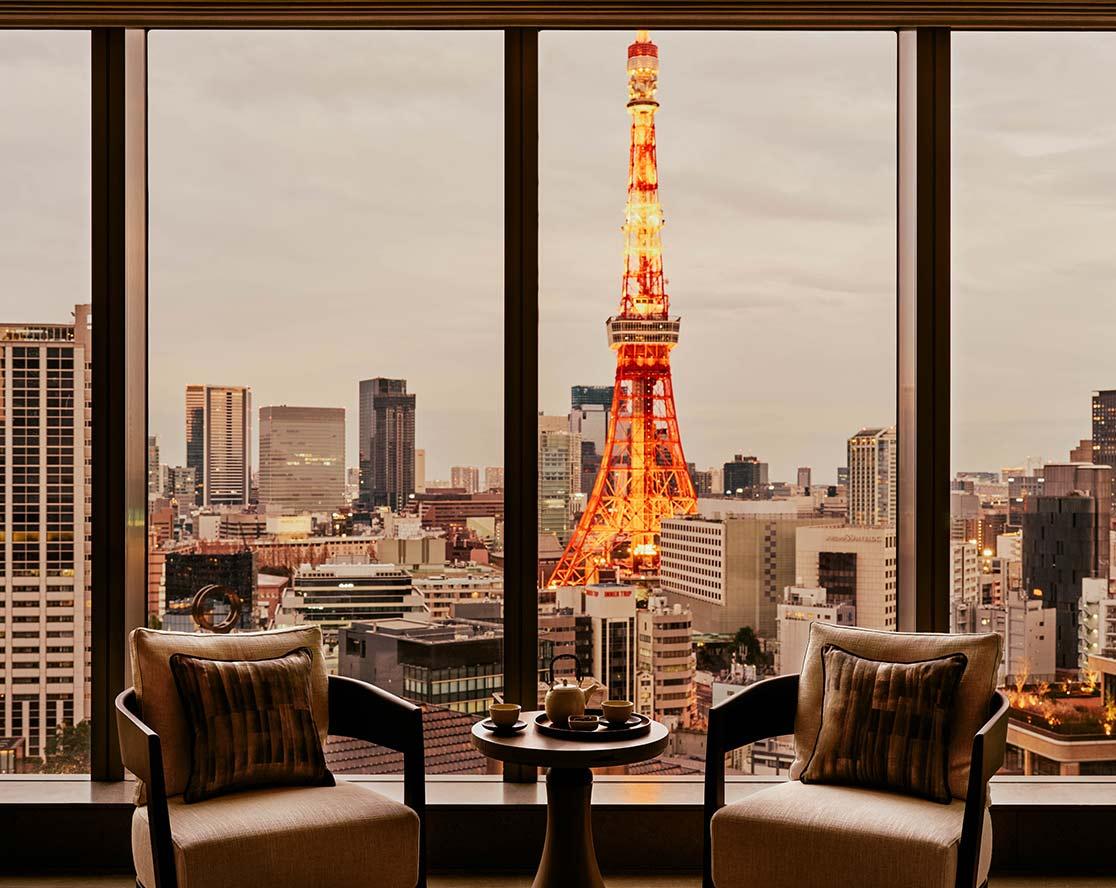
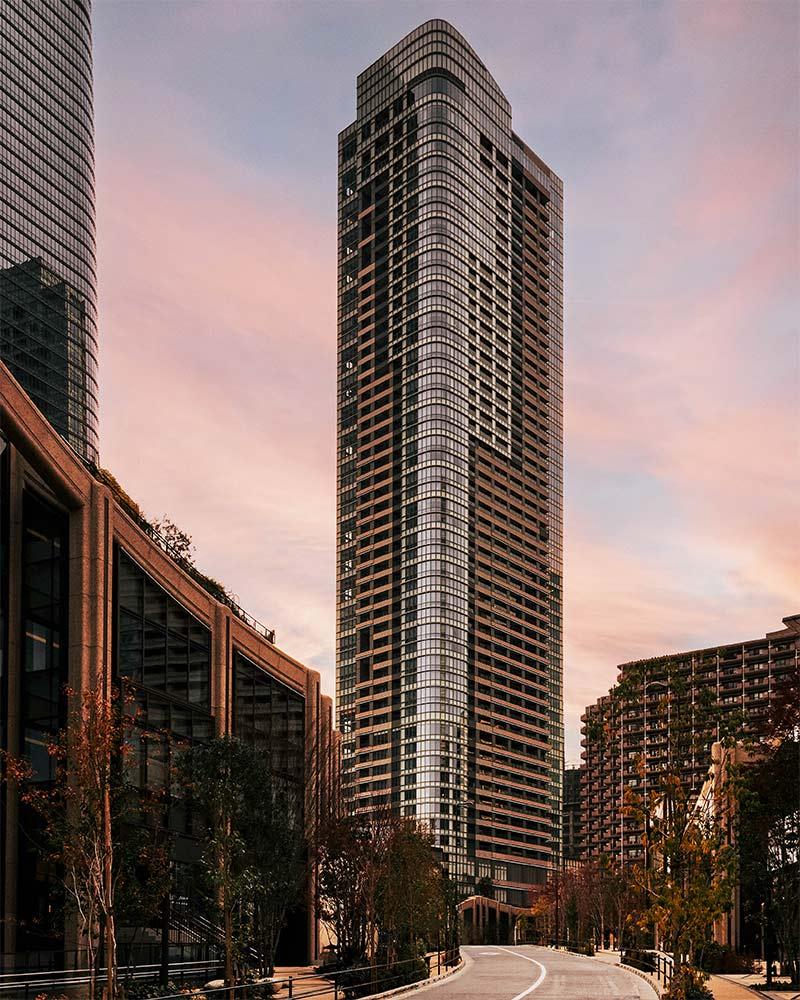
Set in Azabudai Hills, Janu Tokyo brings a more contemporary energy to the city, with design-led interiors, eight dining destinations, and a 4,000-square-meter wellness center that includes one of Tokyo’s largest gyms and a 25-meter pool. Rooms and suites are notably generous by Tokyo standards, with floor-to-ceiling windows, private balconies, and broad city views. For the opening of the journey, it offers a polished urban base that feels current, spacious, and distinctly international without losing sight of place.
Hotel-The-Mitsui-Kyoto.jpg

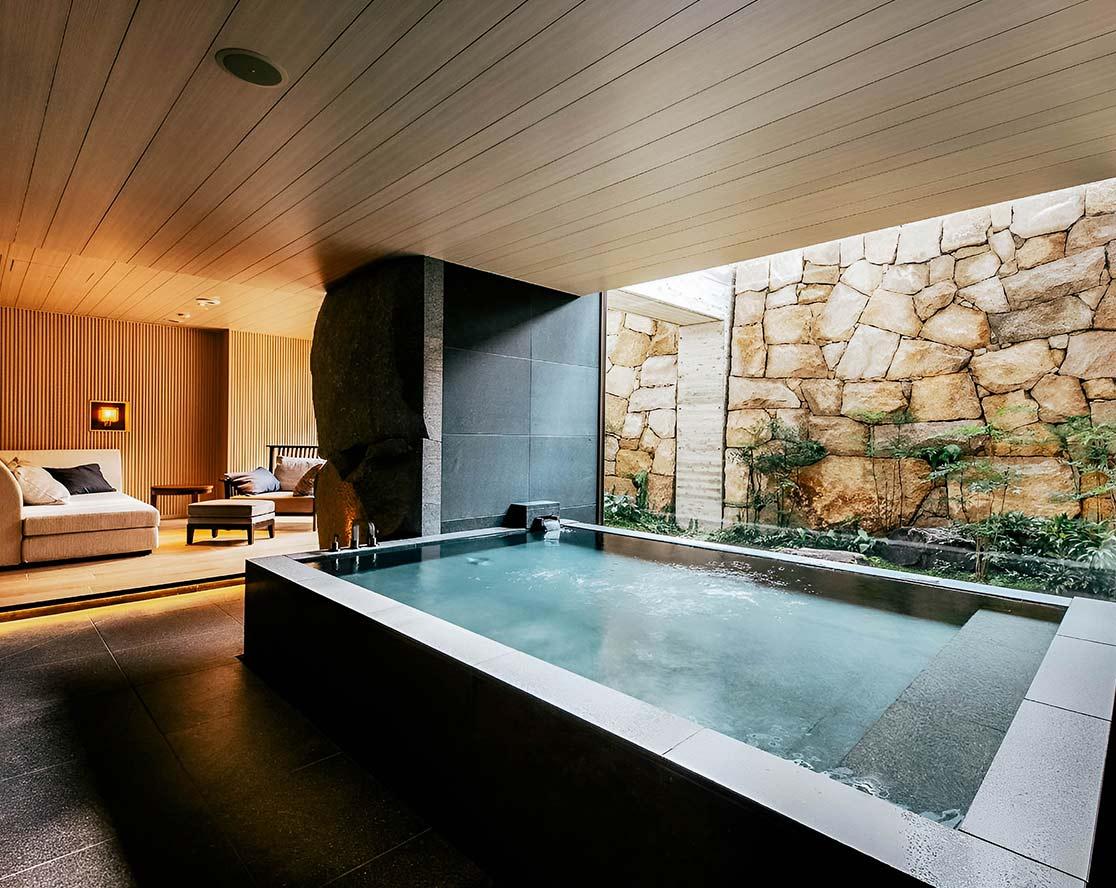
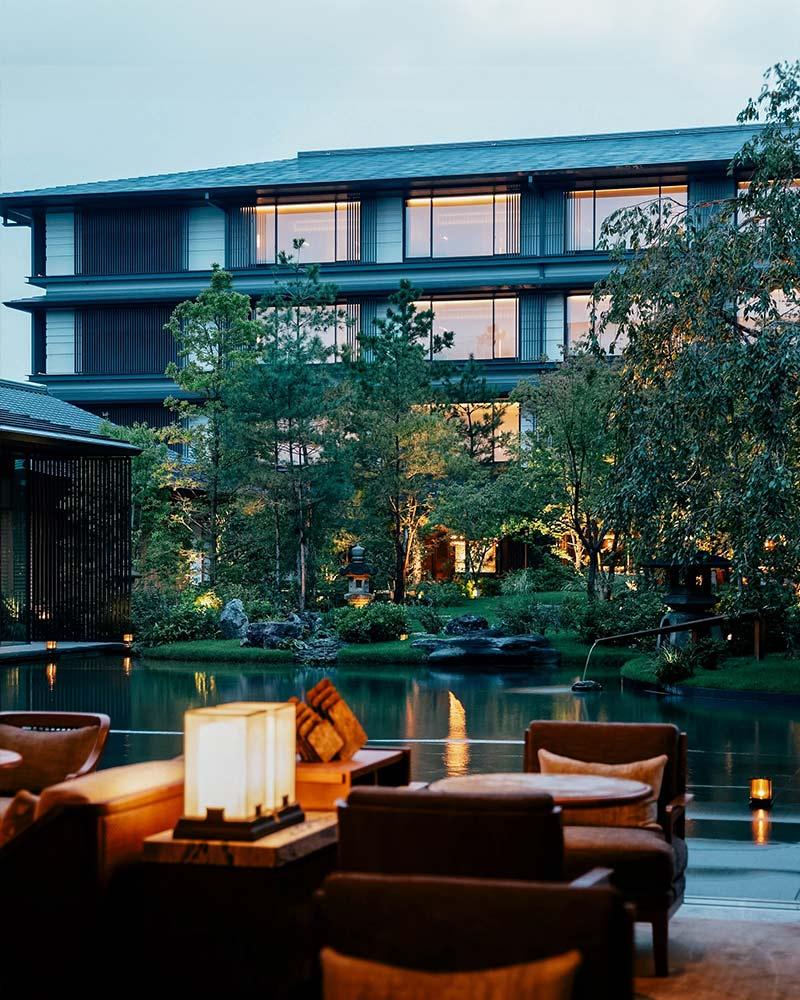
Adjacent to Nijo-jo Castle, HOTEL THE MITSUI KYOTO stands on the former Kyoto residence site of the Mitsui family, a setting the hotel interprets through restrained architecture, natural materials, and a strong sense of historical continuity. Guest rooms are conceived as a modern reimagining of the traditional Japanese tearoom, while the property also includes a thermal spring spa fed by natural water drawn on site. Calm rather than showy, it is a fitting Kyoto counterpart to an itinerary centered on craftsmanship, cultural depth, and quiet refinement.

Hanamurasaki.jpg

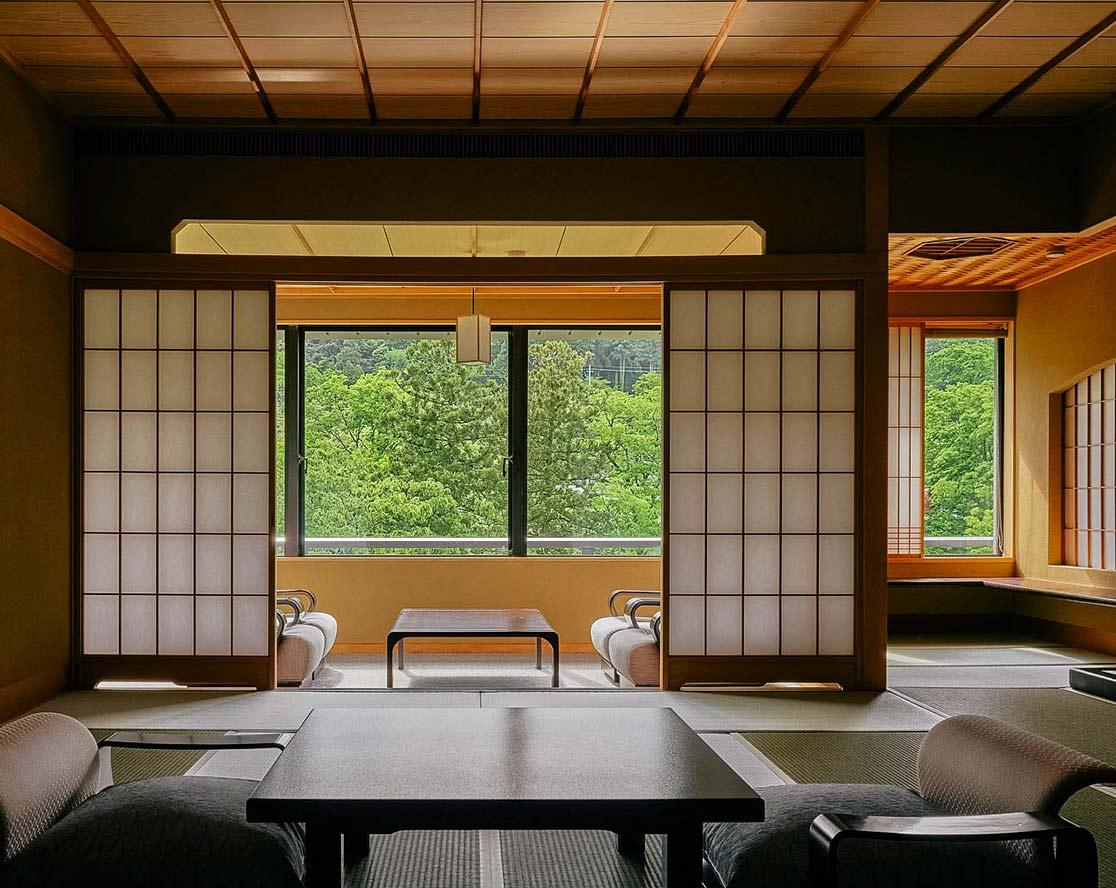
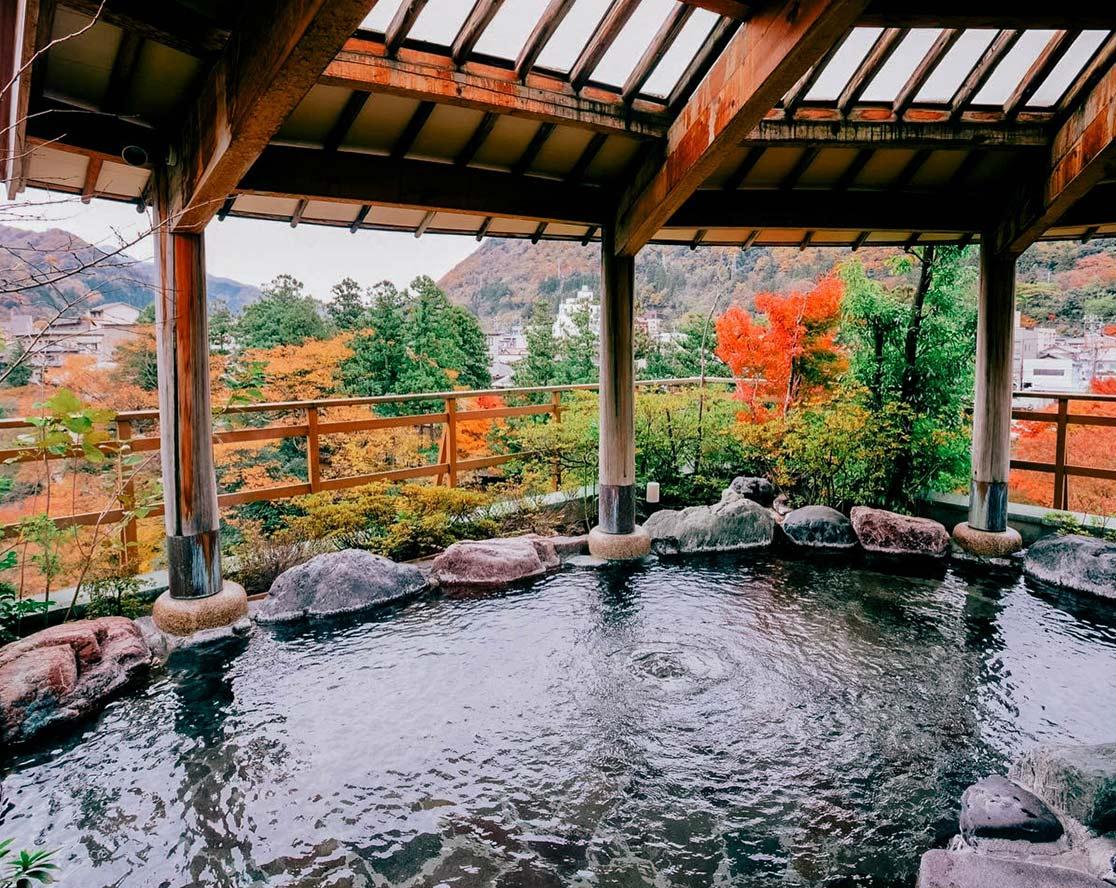
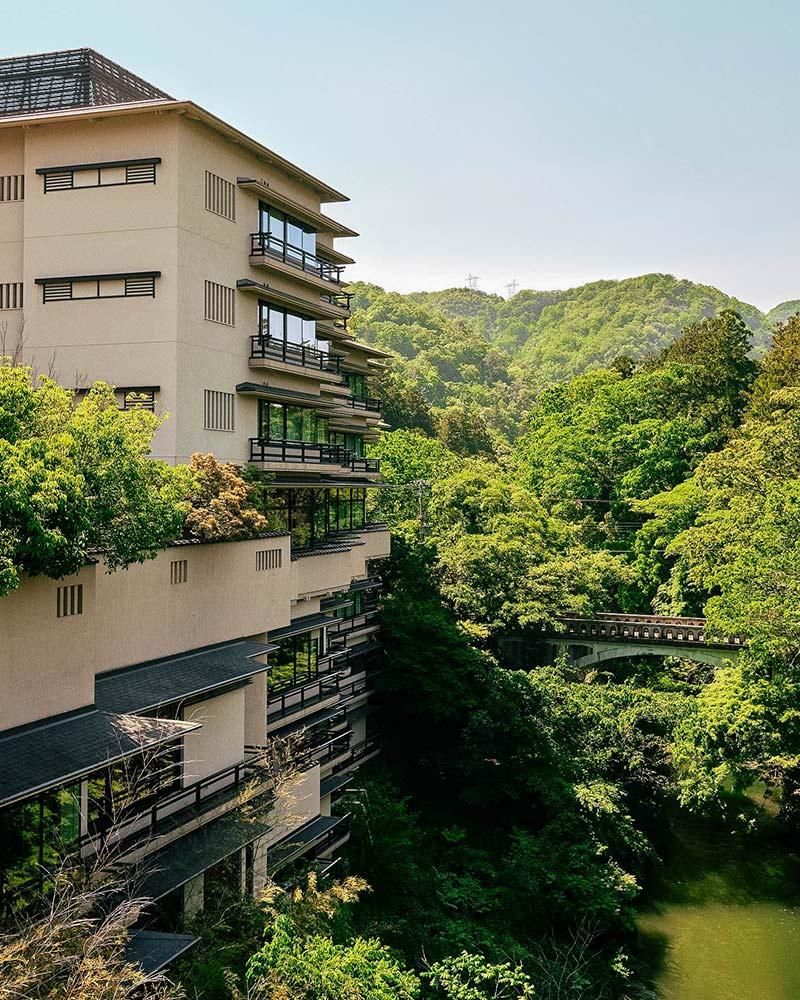
Overlooking Kakusenkei Gorge in Yamanaka Onsen, Hanamurasaki brings together hot-spring tradition and a more contemporary cultural sensibility. The inn notes that Yamanaka Onsen has more than 1,300 years of history, and every guest room faces the valley, drawing the surrounding landscape directly into the stay. Under its recent evolution, Hanamurasaki has also developed a gallery, tea room, and growing collection of contemporary art and craft, giving the property a more thoughtful, salon-like character than a conventional ryokan.

Hyatt-Centric-Kanazawa.jpg

Just by Kanazawa Station, Hyatt Centric Kanazawa is a modern, well-positioned base for a busy sequence of museum and studio visits. Its 253 rooms and suites are bright and spacious, with oversized windows and a clean contemporary feel, while the hotel’s dining draws on ingredients from the Hokuriku region. Above the city, the RoofTerrace Bar adds a welcome sense of elevation, with open-air views across Kanazawa and a more relaxed evening atmosphere after the day’s appointments. 

Ryokan-Kurashiki.jpg

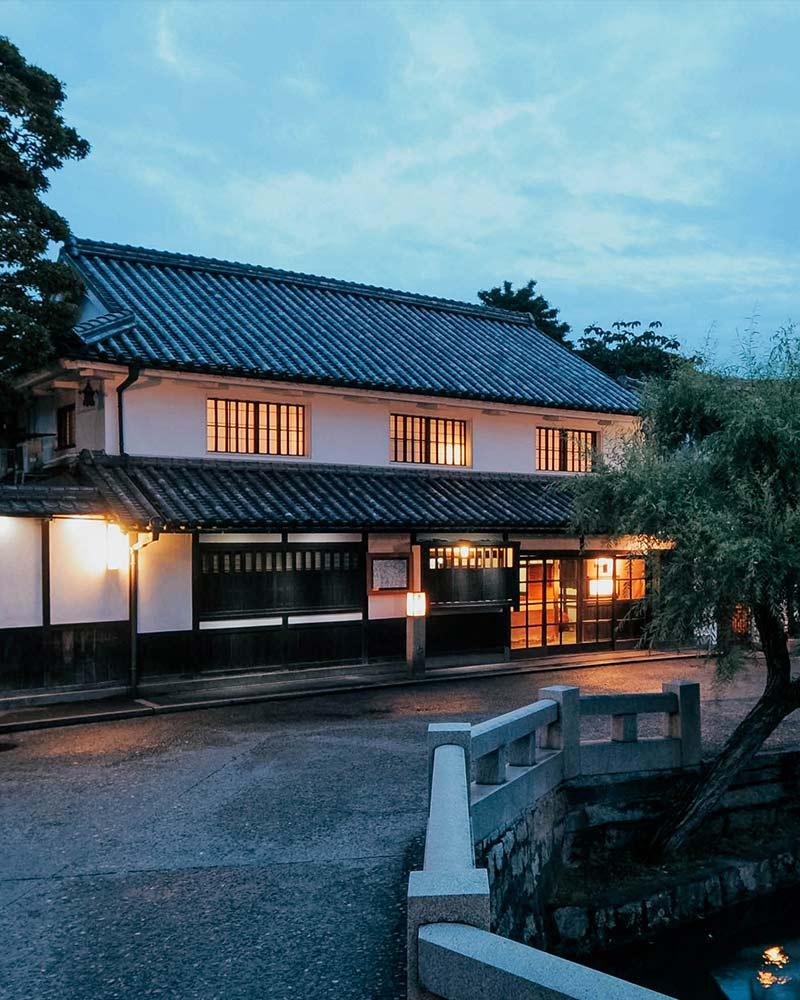
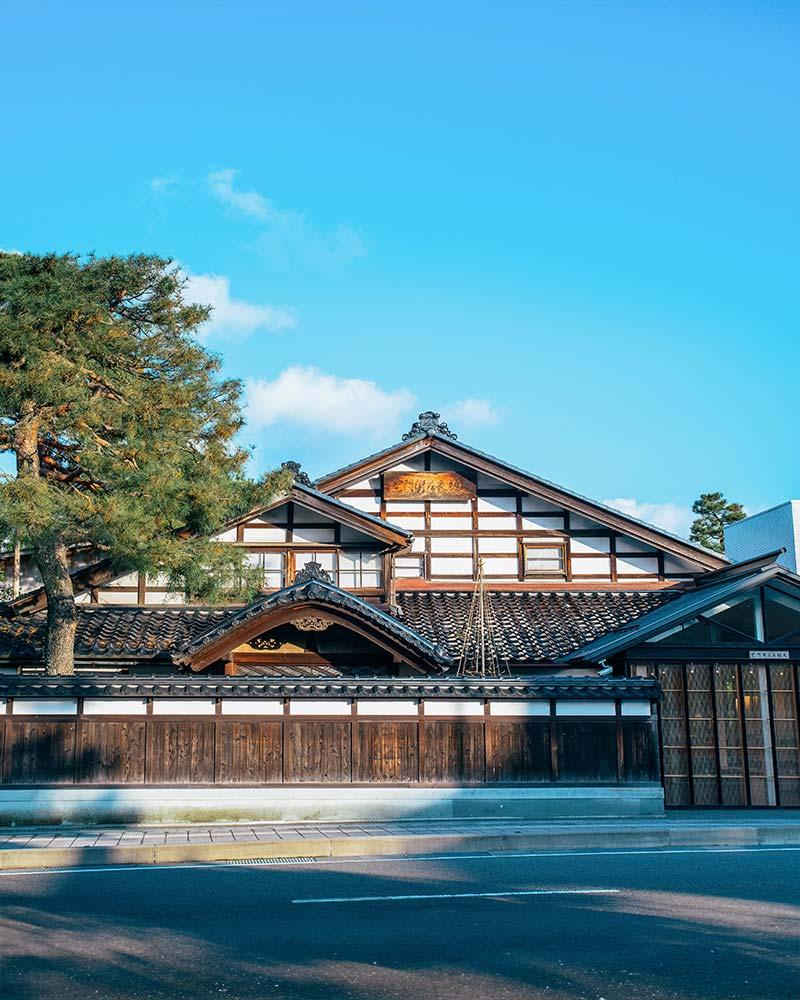
Established in 1957 in Kurashiki’s Bikan Historical Quarter, Ryokan Kurashiki occupies a renovated former sugar wholesaler’s mansion and storehouse from the Edo period. The atmosphere is quietly traditional rather than overtly nostalgic, shaped by historical architecture, garden views, and the measured hospitality of a long-established inn. Set within one of the country’s most beautifully preserved merchant districts, it provides an appropriately atmospheric setting for the final stretch of the journey.

WAKO-Ginza.jpg

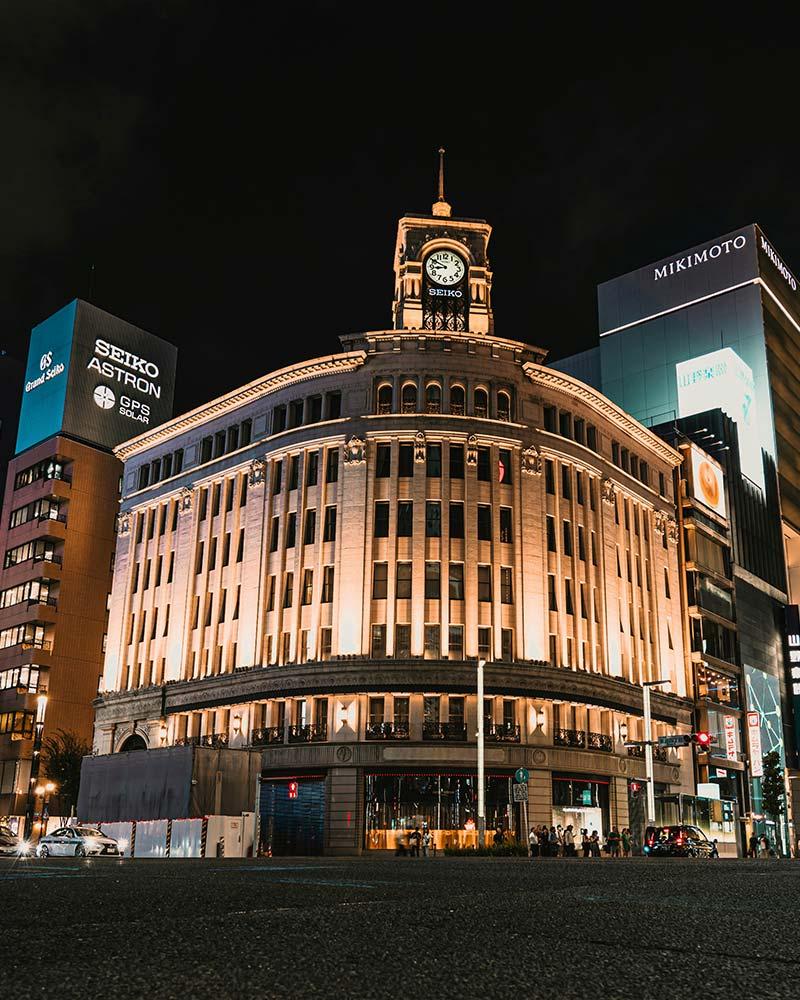
WAKO Ginza Takeover

Take over the top floor of the iconic department store, WAKO, in Ginza for a private event and soirée at Wakō Gallery. 

Ceramic-workshop-in-Okayama.jpg

Among Living Masters

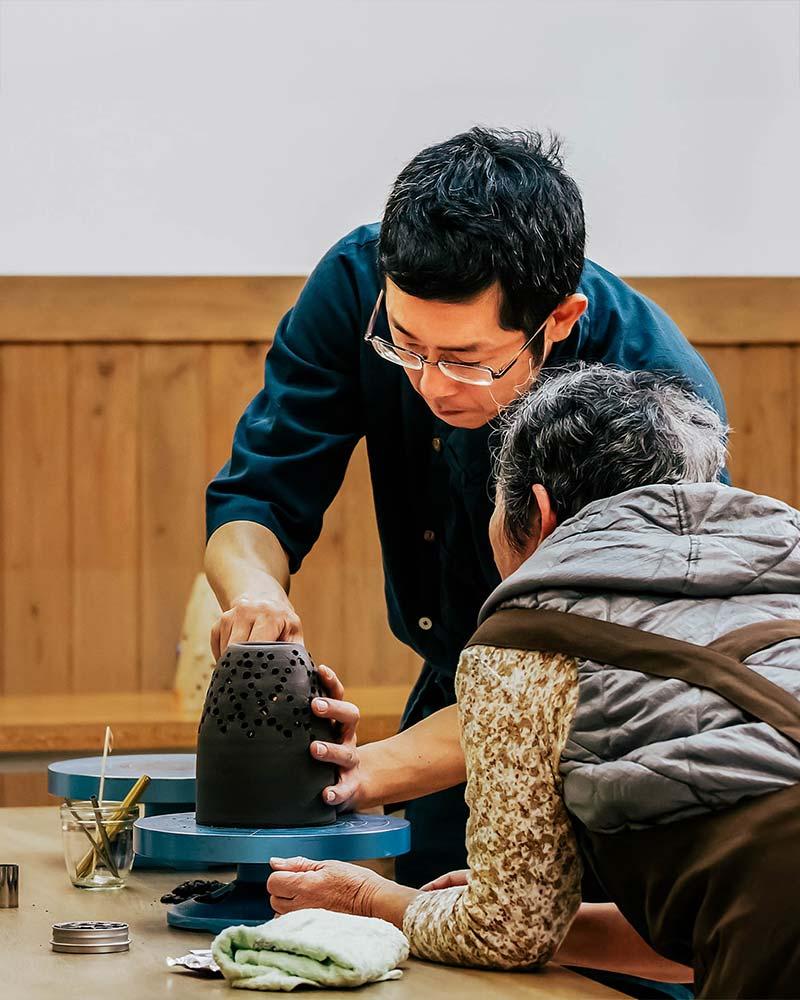
Across Tokyo, Kaga, Kanazawa, and Okayama, the journey opens the doors of private studios and workshops to reveal Japanese craftsmanship at its highest level. Guests meet Living National Treasures and other master makers not as distant names on a wall label, but in the spaces where their work is still being shaped by hand.

Hands-Making-'Kutaniyaki'.jpg

Kutani, from Kiln to Table

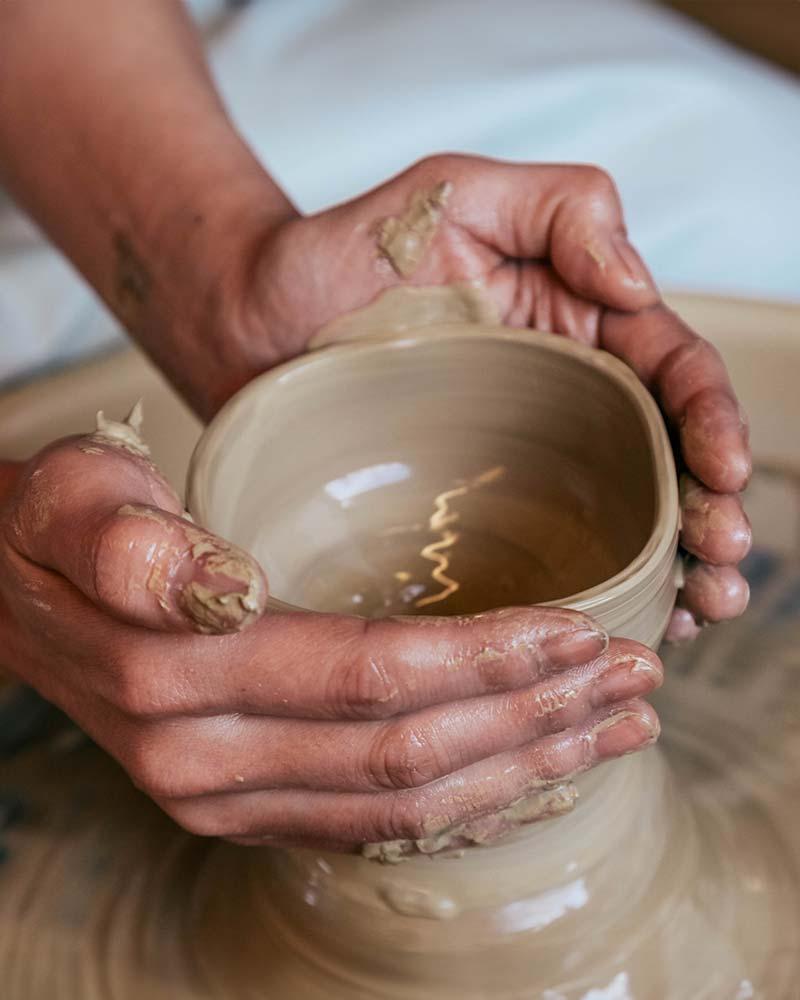
In Yamanaka Onsen, the world of Kutani porcelain is encountered both as art and as lived tradition. After private visits and workshops with Yoshita Minori and Tokuda Yasokichi IV, the experience culminates in a special meal served on plates created by the artist himself.

Ohi-Museum.jpg

A Family Kiln, Centuries Deep

In Kanazawa, a private visit to Ohi Toshio Chozaemon XI and the Ohi Museum traces the story of Ohi ware across generations. Founded in 1666, the family kiln offers a rare chance to see how heritage, authorship, and innovation remain closely intertwined in Japanese ceramics.

shinkansen.jpg

Japan by Bullet Train

The route itself is part of the pleasure. Traveling by shinkansen and limited express train from Tokyo to Kyoto, onward through Kaga and Kanazawa, and across to Okayama, the journey unfolds with a distinctly Japanese sense of rhythm, precision, and movement between cultural centers.

Woodcarving-studios---Inami.jpg

Cedar and Chisel in Inami

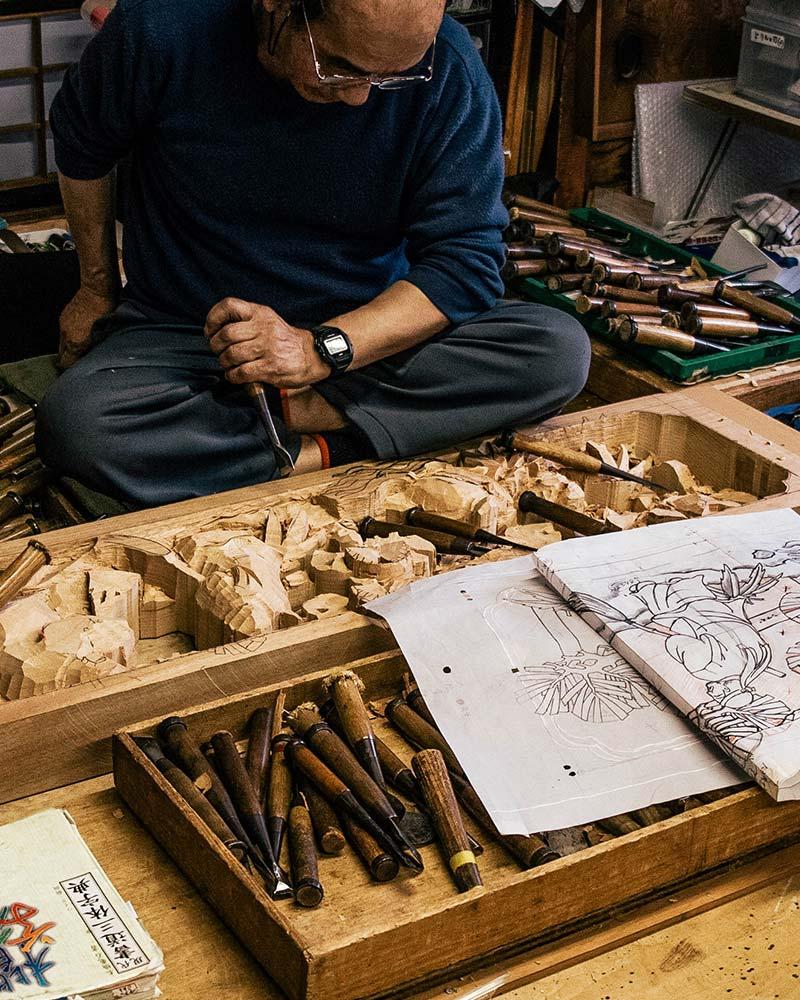
A day trip into Toyama Prefecture leads to the historic town of Inami, where private visits to renowned woodcarving studios reveal a tradition still very much alive. Surrounded by cedar, tools, and the steady pace of handwork, guests encounter an art form passed down through generations.

Bizen-Osafune-Japanese-Sword-Museum.jpg

Fire, Clay, and Steel

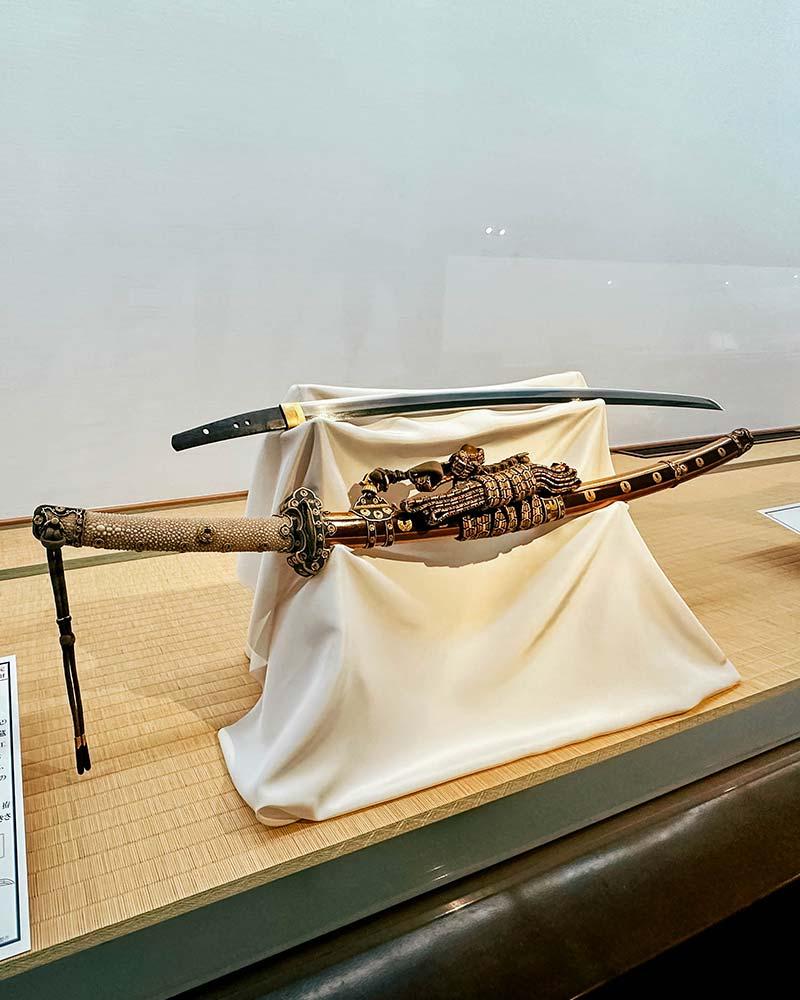
The final stretch of the journey brings together several of Okayama Prefecture’s defining traditions. From a private studio visit with Bizen ceramic master Isezaki Jun to the Bizen Osafune Japanese Sword Museum and a Mokumegane metalwork visit with Sako Ryuhei, it closes on a powerful sequence of material, technique, and lineage.

Day 1–3

KOGEI-USA-Day-1.jpg
Nezu Museum-2.jpg

Tokyo Janu Tokyo

Arrive in Tokyo and settle into Janu Tokyo before gathering for a welcome dinner.

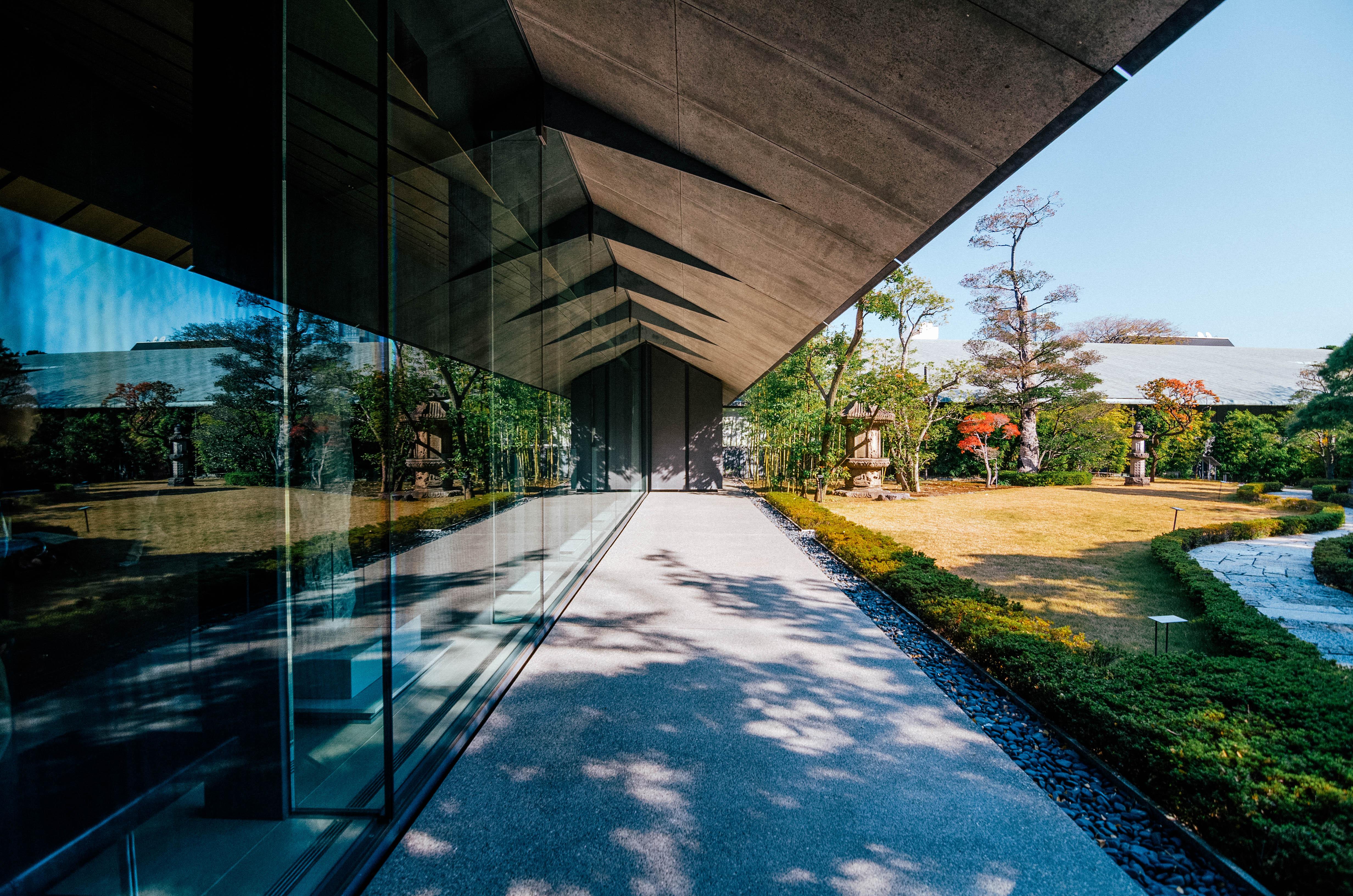
The following day begins with an exclusive visit to the Living National Treasure Exhibition at WAKO Ginza, where a private talk and guided tour introduce the techniques and cultural legacy behind some of Japan’s most revered craft traditions. From there, continue into the private studios of Osumi Yukie and Murose Kazumi, two Living National Treasures working in metalwork and lacquer respectively. The day closes at the Nezu Museum in Aoyama, where architecture, collection, and setting provide a wider frame for the traditions encountered earlier.

Day 2–4

KOGEI-USA-Day-4_Miho-Museum-2.jpg
KOGEI-USA-Day-3.jpg
KOGEI-USA-Day-3_Kodaiji-Temple.jpg

Kyoto Hotel The Mitsui Kyoto

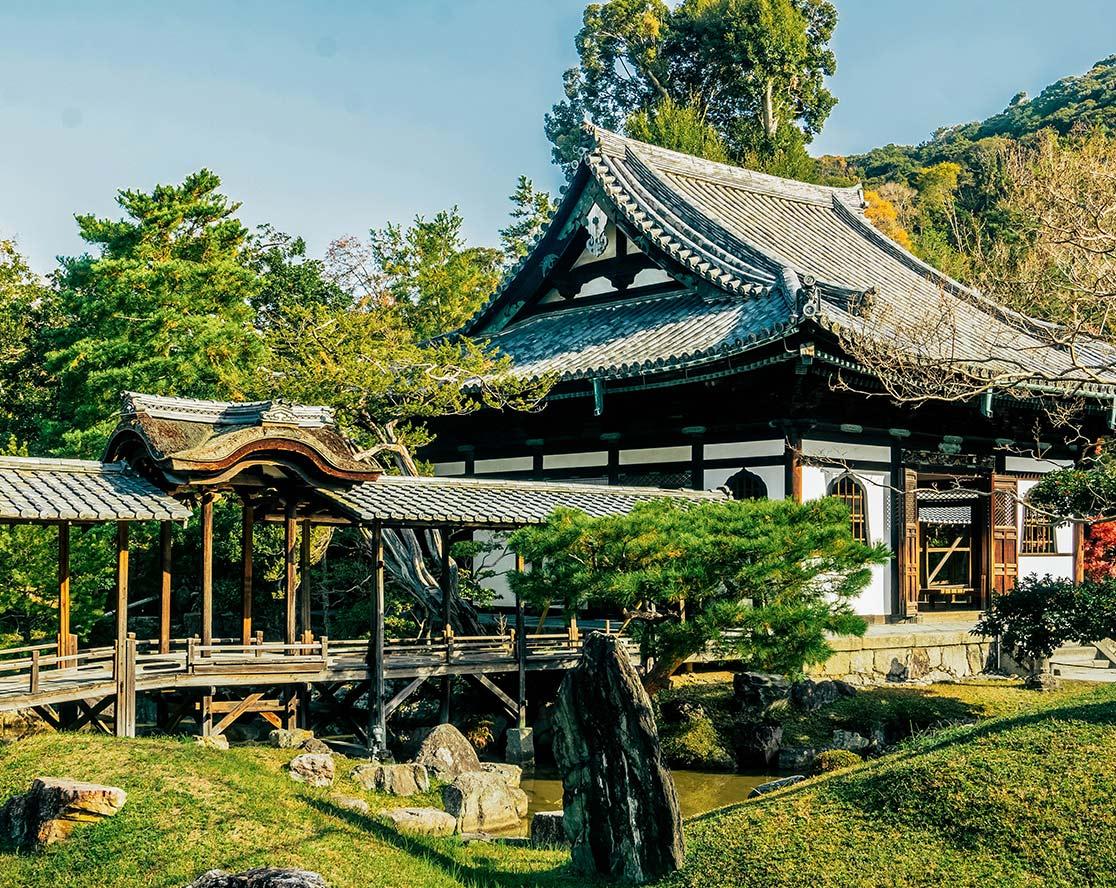
Travel by bullet train to Kyoto, where the journey shifts from capital-city energy to temple precincts and older cultural lineages. On arrival, enjoy a private visit to Entokuin Temple, a subtemple of Kodaiji, where Kyoto-based kogei artists offer personal reflections on their practice in a setting that underscores the relationship between Japanese craftsmanship, spirituality, and space.

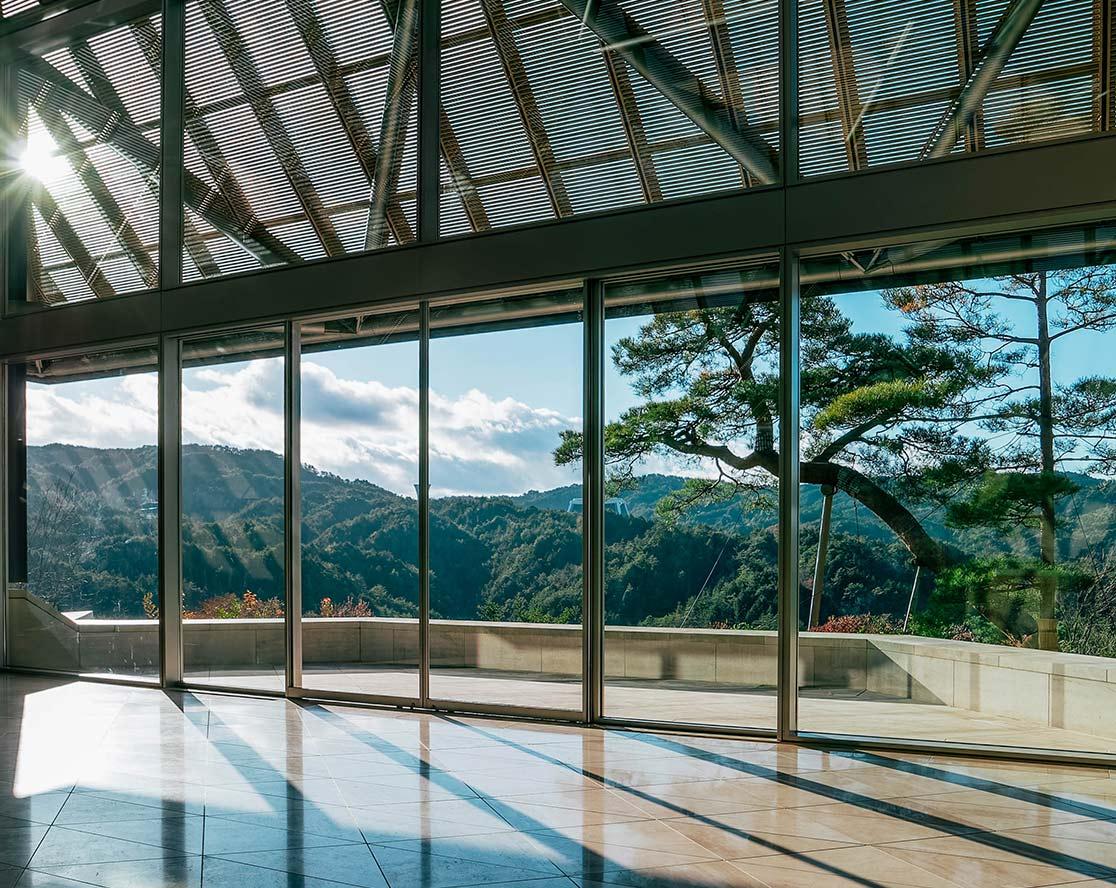
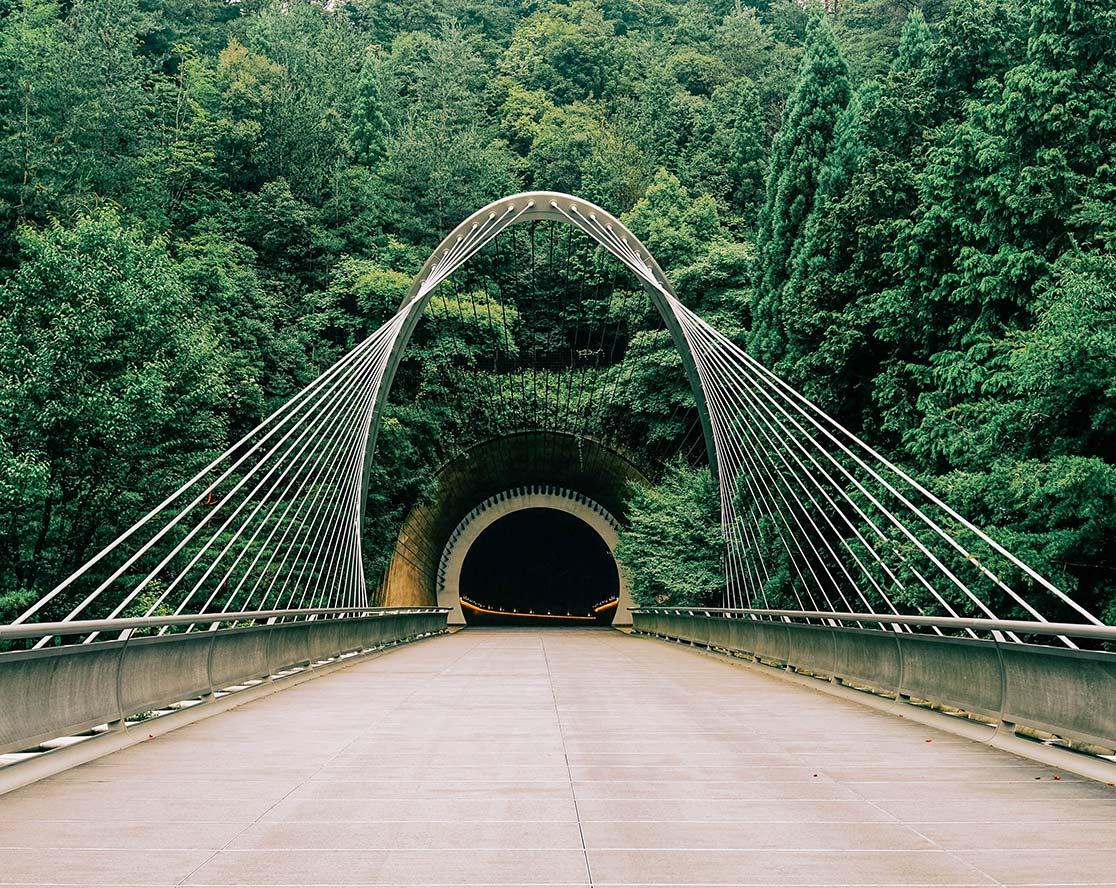
The next day, step inside the private studio of Fujikawa Kosei for a closer look at his metalwork practice. Later, make a half-day excursion to the Miho Museum, the I.M. Pei-designed institution whose careful presentation of art and antiquities adds a broader museum dimension to the journey.

Day 3–5

KOGEI-USA-Day-5-3.jpg
KOGEI-USA-Day-5-2.jpg

Yamanaka Onsen Hanamurasaki

Leave Kyoto for Kaga and Yamanaka Onsen, where the pace softens. After a morning at leisure, transfer to your ryokan and settle in for an afternoon of rest before an in-room kaiseki dinner.

The following day is built around Kutani porcelain and intimate access to master makers. Visit Yoshita Minori, a Living National Treasure in ceramics, for a private tour and hands-on workshop, then continue to the studio of Tokuda Yasokichi IV for a private visit and workshop. A special meal served on Tokuda’s own plates brings the day’s themes of artistry, use, and refinement together in a particularly direct way.

In the evening, enjoy a special kaiseki meal. 

Day 4–6

KOGEI-USA-Day-8_Toyama.jpg
KOGEI-USA-Day-7.jpg

Kanazawa Hyatt Centric Kanazawa

Transfer to Kanazawa for one of the journey’s most concentrated sequences of studio access. Begin with Nakagawa Mamoru, a Living National Treasure in metalwork, whose private visit and workshop foreground material, patience, and precision. Continue with Uozumi Iraku III for another perspective on metalwork, then visit Futatsuka Osao, a Living National Treasure in textile arts, for an introduction to Yuzen kimono and a hands-on encounter with the discipline behind it.

The next day tracks a different lineage. Visit Ohi Toshio Chozaemon XI and the Ohi Museum, following the story of Ohi ware from its 1666 origins into the present. From there, continue into Toyama Prefecture for lunch centered on seafood from Toyama Bay, before private visits to Inami’s woodcarving studios, where another regional tradition is still very much alive in the hands of working artisans.

Day 5–7

KOGEI-USA-Day-10_-Kurashiki.jpg
KOGEI-USA-Day-10_Okayama.jpg
KOGEI-USA-Day-10_Ryokan-Kurashiki-2.jpg

Kurashiki Ryokan Kurashiki

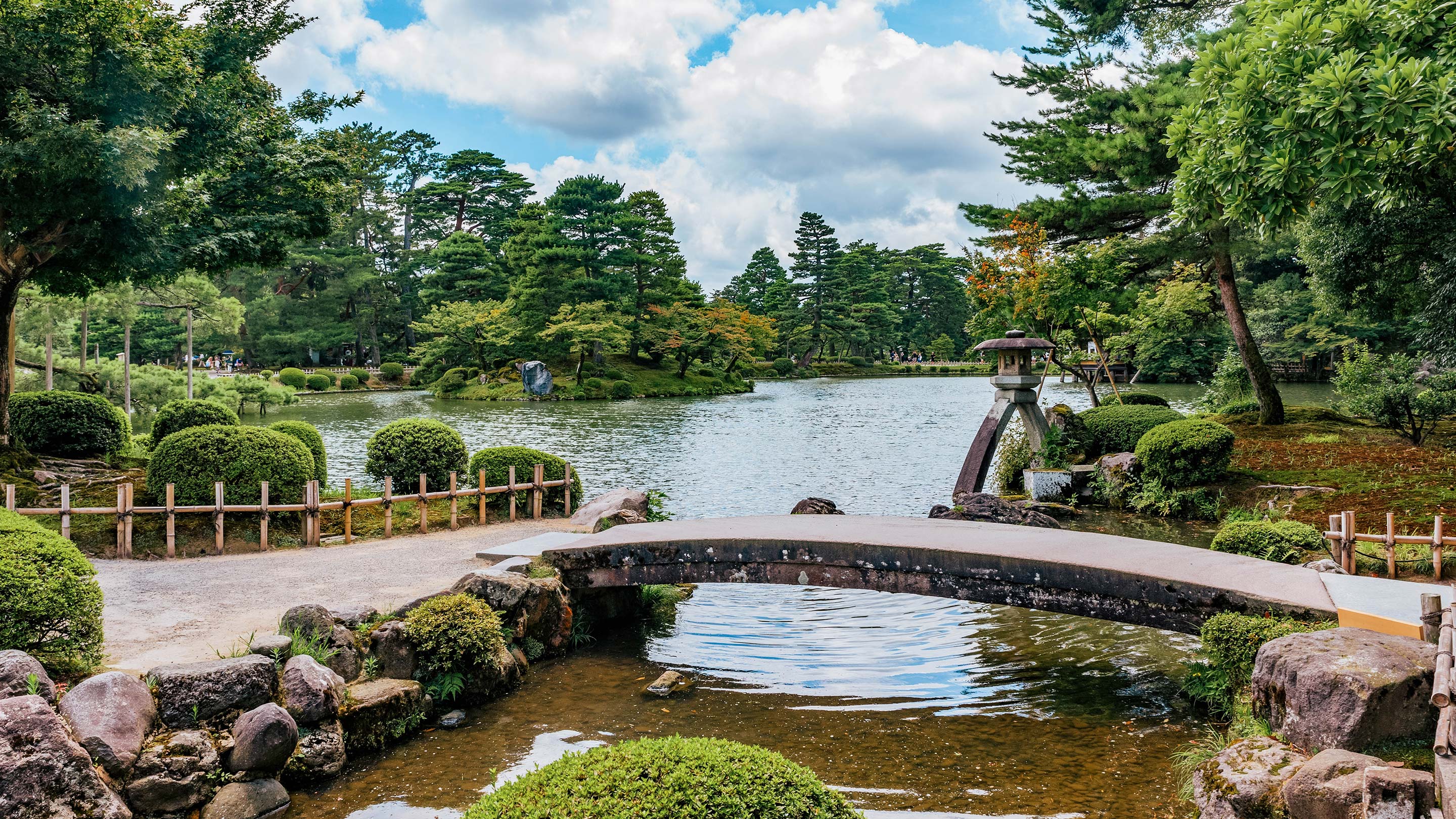
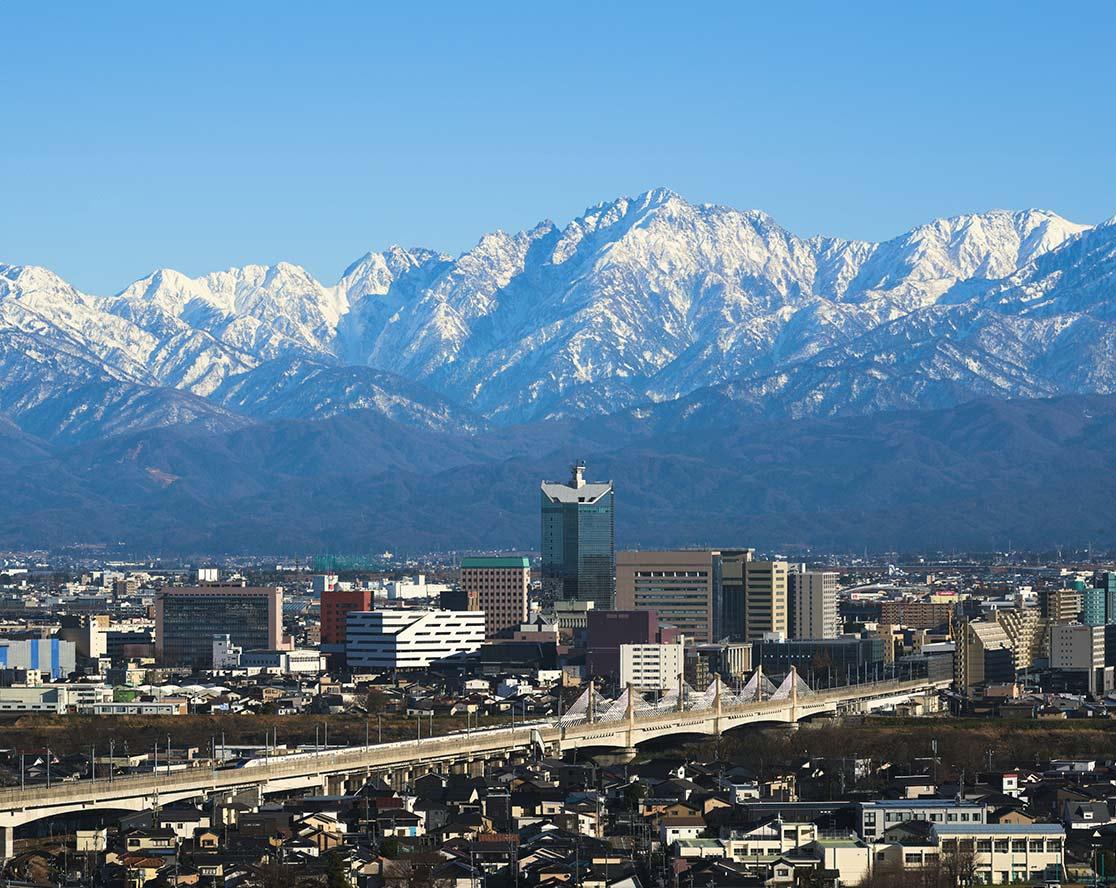
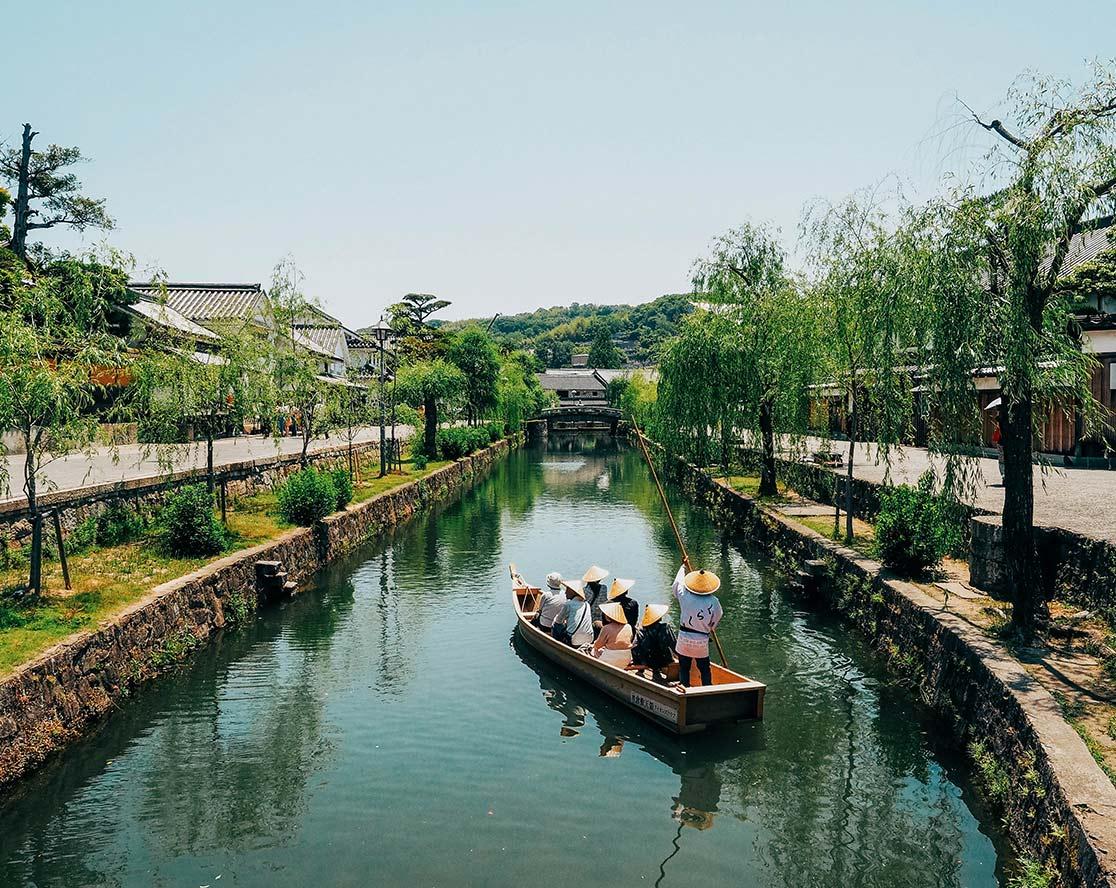
Depart Kanazawa by train for Okayama, changing at Tsuruga and Kyoto. On arrival, visit Korakuen Garden, one of Japan’s three great gardens, followed by the Yumeji Art Museum. Then continue to Kurashiki, whose beautifully preserved Bikan Historical Quarter provides an atmospheric base for the final days of the journey.

From Kurashiki, step into the world of Bizen ceramics with a private studio visit to Isezaki Jun, a Living National Treasure carrying forward one of Okayama Prefecture’s most enduring traditions. A private visit to the Bizen Osafune Japanese Sword Museum adds another layer, bringing guests face to face with traditional swordsmithing techniques. On the following day, visit Sako Ryuhei for an introduction to Mokumegane metalwork, then spend time exploring Bikan’s old merchant quarter before a farewell dinner.

The following morning, return by train from Okayama to Tokyo, then continue by private transfer to the airport for onward departure.