



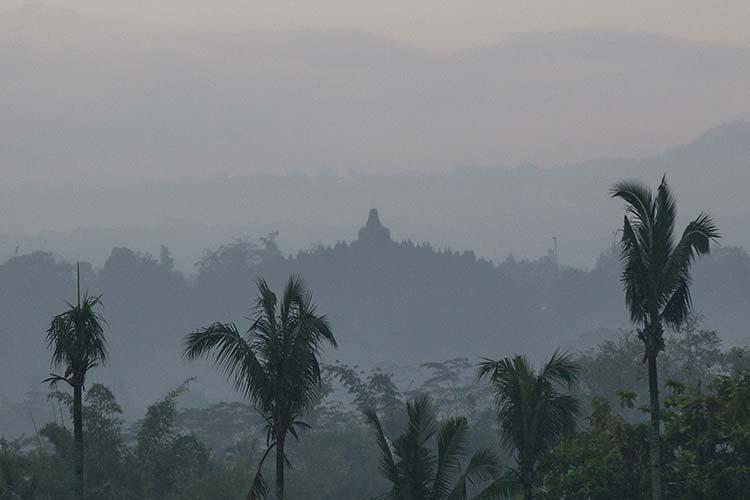
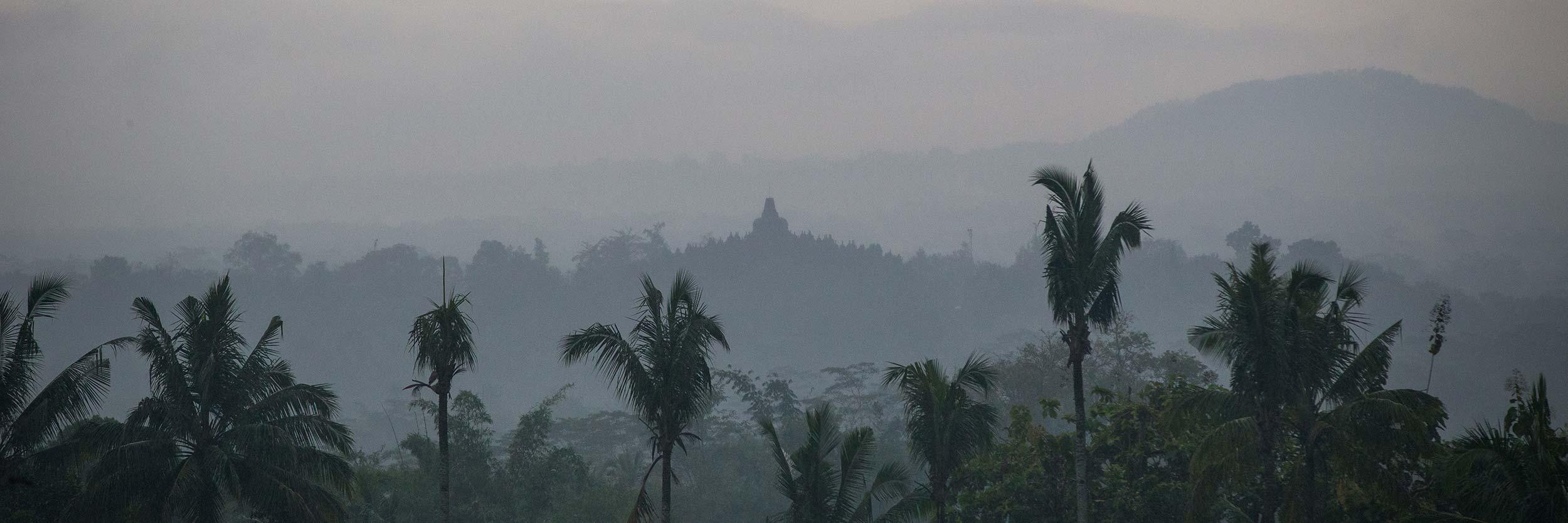
Eastern China is the cradle of one of the world's oldest civilizations, with evidence of several thousand years of history, as well as booming, ultra-modern cultural and commercial capitals. Traveling the region by private jet puts all of Eastern China's treasures within easy reach. From the arts and architecture of Bejing and Shanghai, to the works of China's legendary First Emperor at the Great Wall and the ancient capital of Xian, to the elegant landscapes of Hangzhou and Guilin, Remote Lands opens up the best that China has to offer.
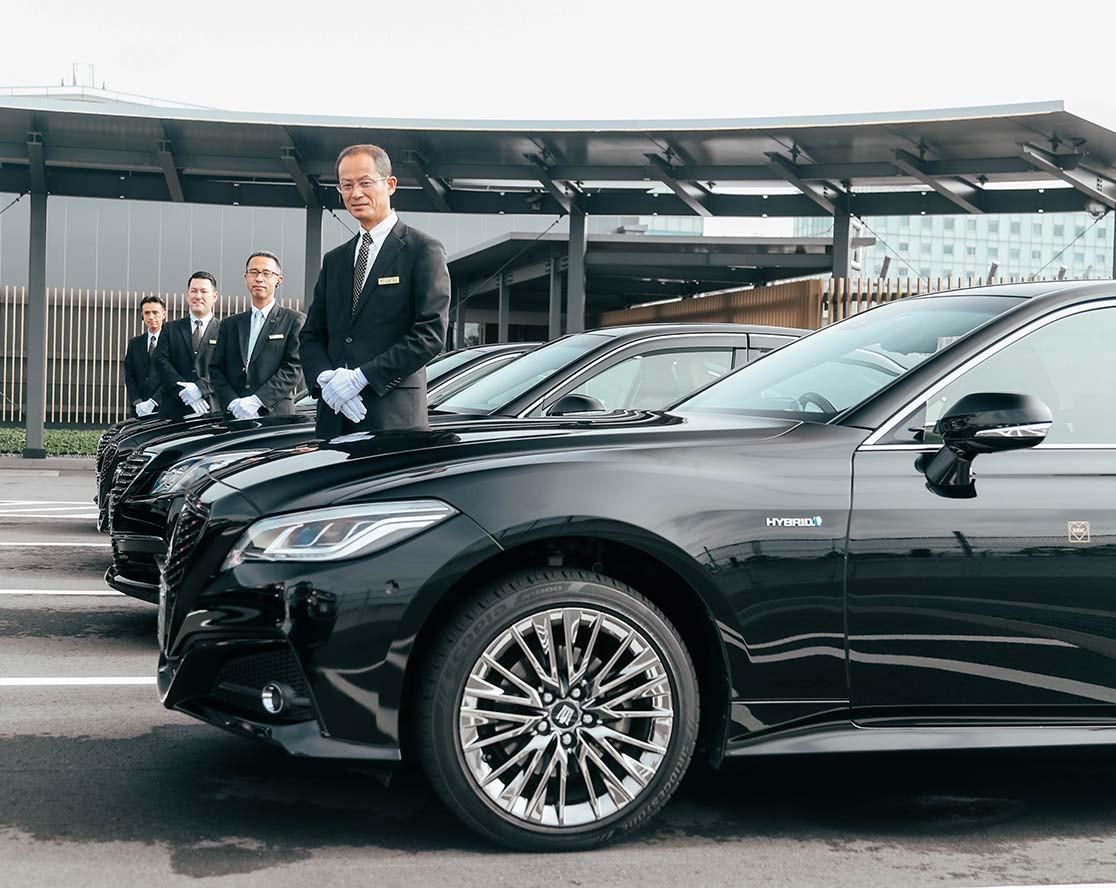
VIP arrival in Beijing in the late afternoon, where you will meet your private car and driver and be taken to your hotel outside the city near the Great Wall.
Check in to the Commune by the Great Wall, have a traditional Northern Chinese dinner at the hotel and relax for the evening
The Great Wall is of course one of the Seven Manmade Wonders of the World, and a sight everyone should see in their lifetime. Try to fathom the years of toil required to build it as we follow its steep, winding path through the country side (1-2 hours hike). The views of crumbling, original sections of the Wall in Jinshanling, snaking over the precipitous mountain ridges into the far distance are beyond memorable. If you prefer a less active visit, a shorter walk through Mutianyu, where the wall has been partially reconstructed, will be just as exciting.
Have a picnic lunch by the wall or at Mutianyu, at the Xin Shuang Quan restaurant right near the wall, a local favorite.
Spend half a day in Sancha Village, located in the relatively dry and harsh climate of Huairou. Located near an older section of the Great Wall, families in Sancha village cultivate the surrounding lands in time-honored fashion, growing a variety of grains, fruits and nuts. Have tea with a family in their home, and learn about their lives and traditions.
Tonight's dinner will be a special experience: a renowned expert in the history and architecture of the Great Wall will join you for a gourmet dinner specially prepared for you by a private chef and served to you on the Great Wall itself.
Drive to Beijing and start the day with a fascinating lesson in several hundred years of Chinese political history as you visit Tiananmen Square, the heart of the capital with an expert in Chinese political science. Tiananmen's vast expanse is bordered by the Forbidden City, the mausoleum of Chairman Mao, the Great Hall of the People, and was the site of the June, 1989 democratic uprising that led to a brutal crackdown by the PRC government. It was ultimately a harbinger of the end of the hard-line Communist era.
Step into the daily life of China's emperors as a scholar in Chinese art gives you an exclusive tour of off-limits areas of the Forbidden City, a monumental palace that housed up to 800 buildings and 9000 rooms. Highlights include the Clock Museum, Treasure Hall and Chonghua Palace (the Hall of Double Glory), where the emperors gave a spectacular banquet in the Forbidden City almost every year during the Qing Dynasty.
Leave the bustle of Beijing behind as you get lost in the hutongs, a labyrinth of narrow streets and low, graceful courtyard homes (siheyuan), which have housed Beijing residents for hundreds of years. Receive a private kite-making lesson from a traditional craftsman, partake in a tea ceremony, and sample any number of Beijing's famed and very popular street-foods, such as jian bing (savory dough pancakes) or baozi (steamed buns stuffed with meat, egg, or vegetables).
Dinner tonight will be at the CourtYard, an innovative contemporary restaurant and gallery housed in a beautiful courtyard building just across from the Forbidden City. The restaurant is one of Beijing's best; many notable visitors have dined there while taking in its perfect view of the Imperial Palaces.
This morning, further your exploration of the contemporary art world in China by visiting the best galleries in the Caochangdi area with an artist based in Beijing or a professor of art history: Universalstudios-Beijing which features work by top young artists, headed by noted critic and curator Pi Li; Galerie Urs Meile, purveying the work of some of China's best painters; and Three Shadows, a new photographic museum founded by the artist Rong Rong.
Visit Panjiayuan, the capital's largest antiques and flea market, set in a vast open-air pavilion. Vendors have everything from pottery and sculpture to old machines, instruments, and Cultural Revolution kitsch laid out on blankets. Much, but not all, of what's displayed is fake, but the spectacle is fascinating. More legitimate antiques of every kind imaginable can be found in stalls around the edges of the market.
Visit the Capital Museum, a brand new cultural center with wonderful state-of-the art exhibits on the history of Beijing, Chinese art, architecture, customs and traditions.
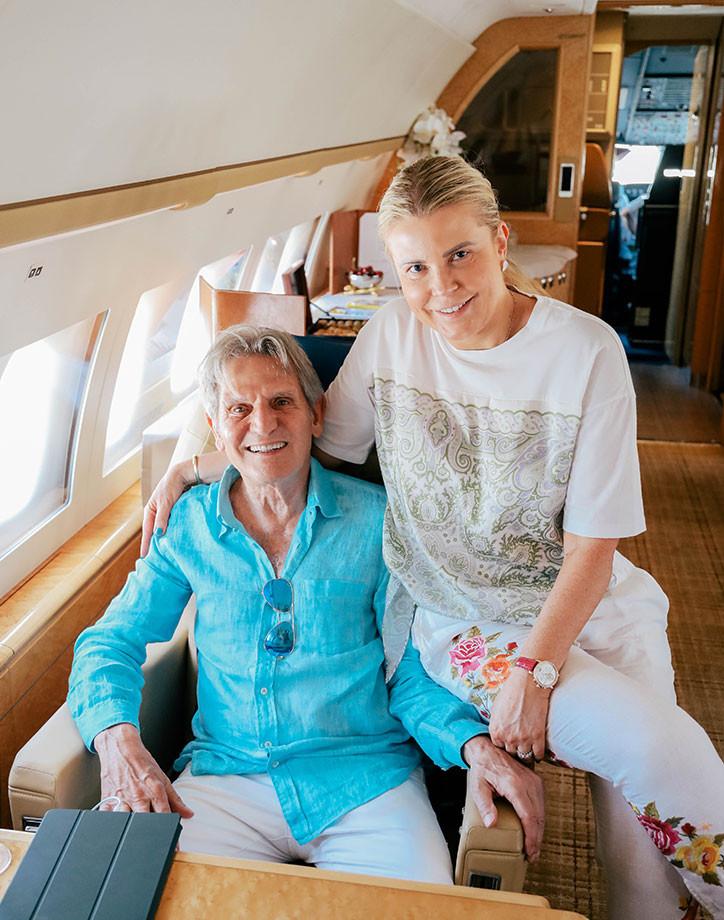
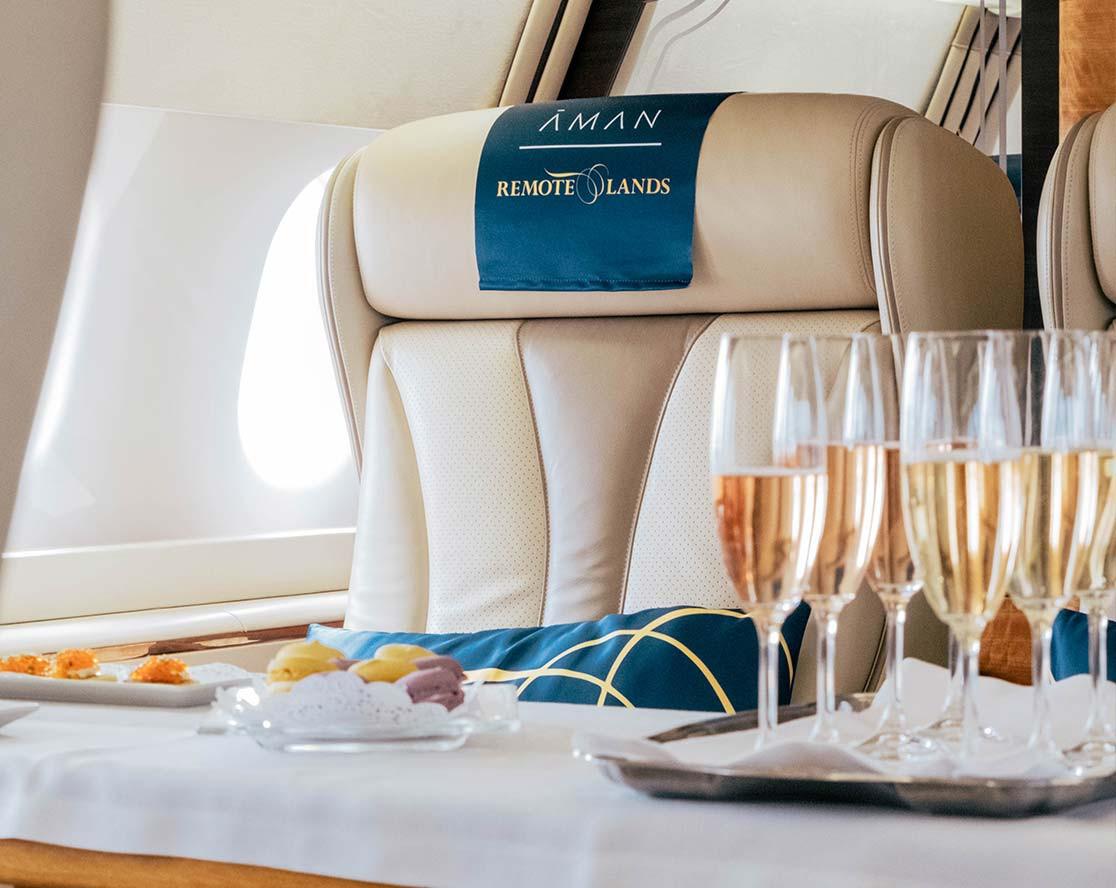
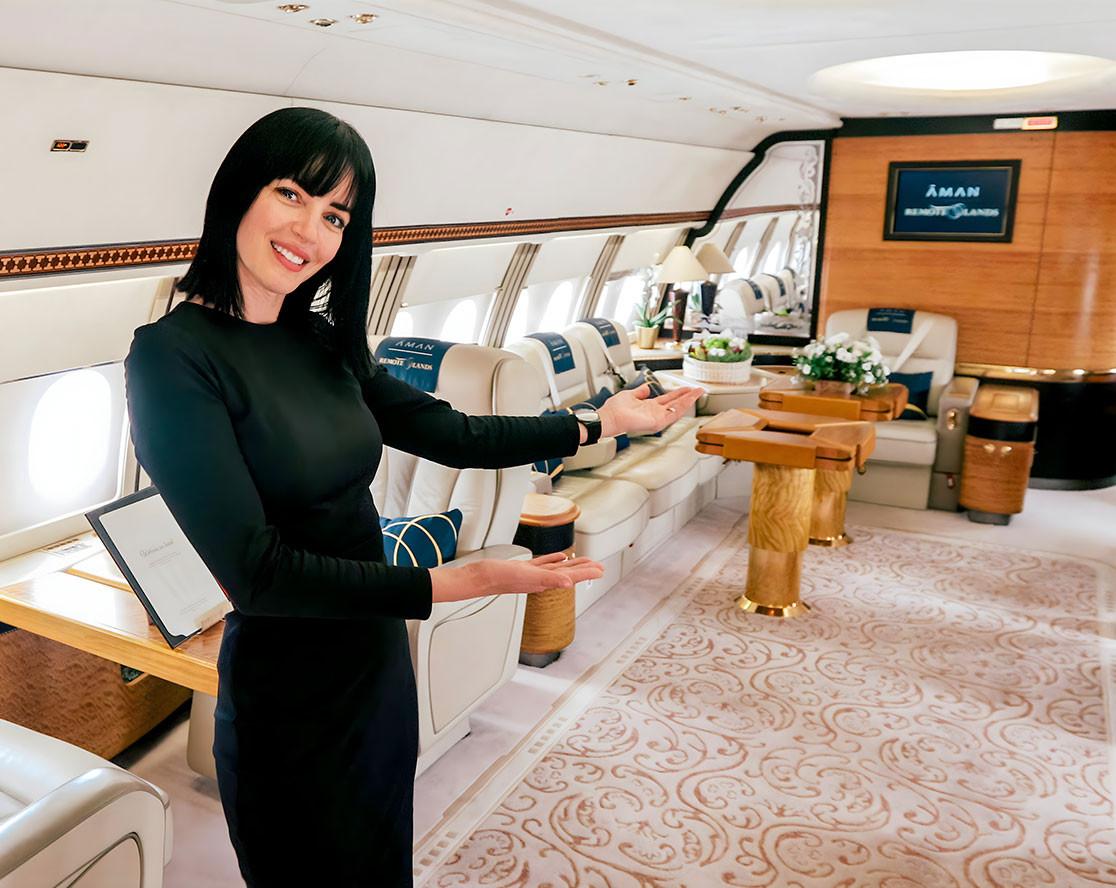
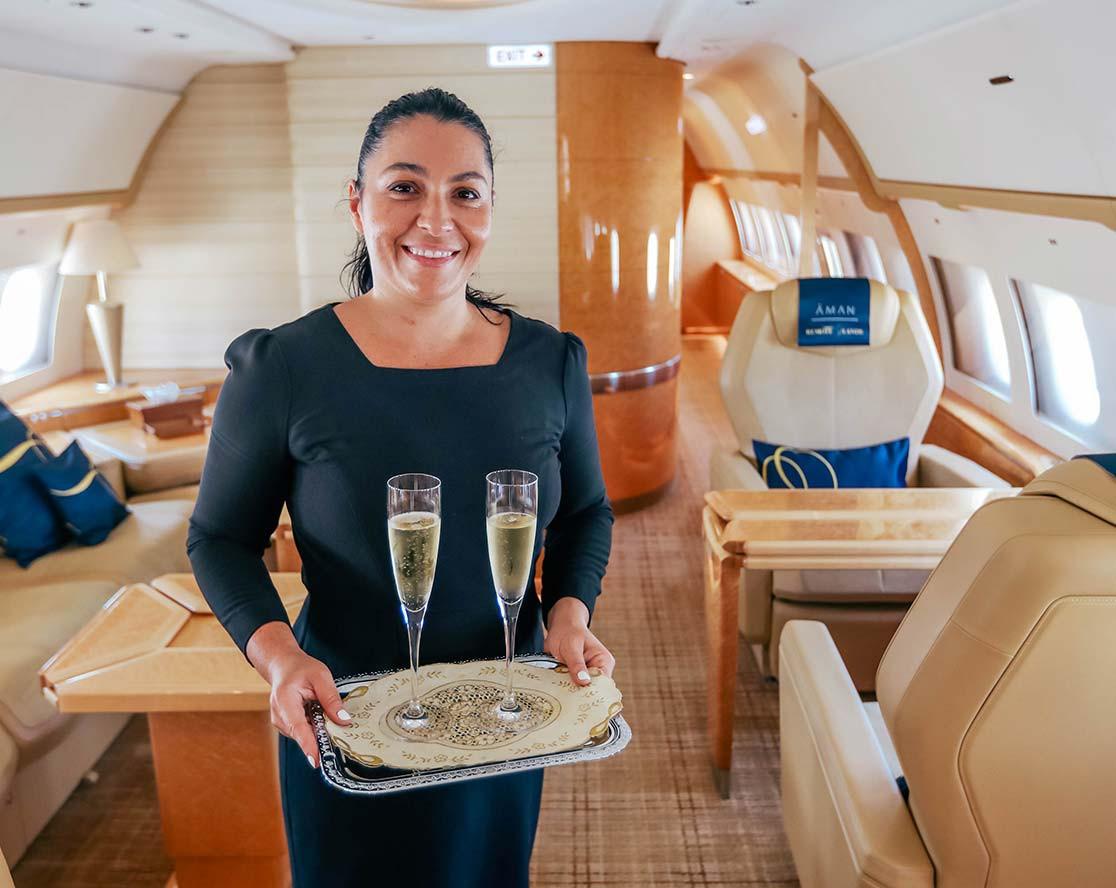
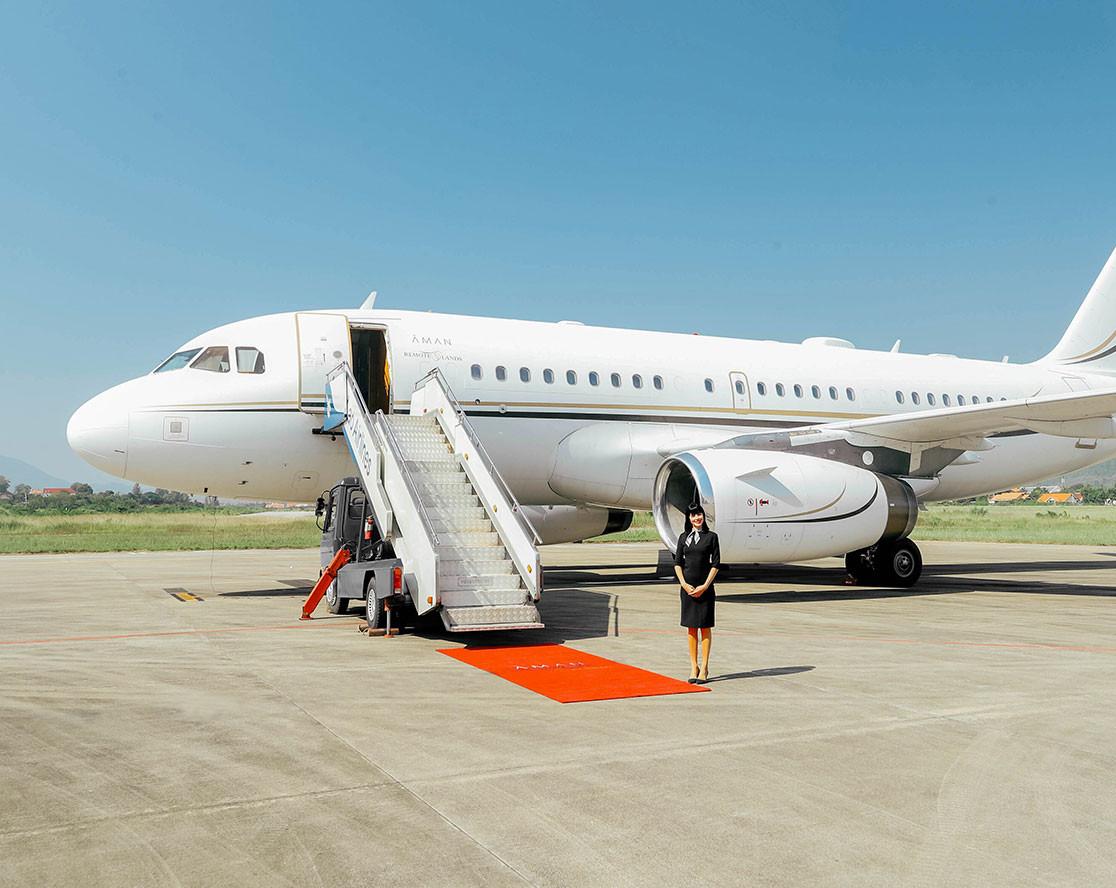
In the evening, board your luxurious private jet, such as a Gulfstream G200 or G450, and fly from Beijing to Taiyuan.
Your local guide and driver will meet you at the Provincial Airport of Taiyuan for the drive to Pingyao, a small town located 60 miles to the south. Pingyao, built during the Ming Dynasty, is one of the few towns left in China with fully extant Ming Dynasty walls encircling its borders. Most of the buildings in the town date from the Qing Dynasty, Pingyao's prosperous heyday. The town's remarkable state of preservation, and its importance as the point of origin for banking in China, has earned Pingyao a listing as a UNESCO World Heritage site. One of the town's lovely siheyuan mansions was the setting for director Zhang Yimou's famed film Raise the Red Lantern.
Today, walk part of the four-mile circumference of the ancient city wall, renowned for its remarkable state of preservation and marked with a watchtower every 165 feet.
Upon completing a circuit of the town, we visit several ancient courtyard homes and a complex of old private houses converted into museums and exhibiting their exquisite collection of art and traditional Chinese furniture.
Stop for lunch and tea at a casual local restaurant, where one of the museum's top curators will join you for a discussion of the town's art, architecture and history.
In addition to appreciating the ancient architecture, learn of the origins of Chinese banking and how it all started in this small yet important town. Of particular interest is the Qing Dynasty yamen, or county magistrate's complex.
Wander around the town and its charming markets before dinner. The Jing Merchant restaurant serves local Shanxi specialties in a style worthy of the property's original owner, a wealthy local trader.
Meet your jet for a flight to Xian, one of the four ancient capitals of China, which ruled over the land during four different dynasties. It reached its greatest prominence during the Tang Dynasty, and was renowned for its elegant literary and artistic culture. It was also the Eastern terminus of the Silk Road, situated at the edge of China's arid Western deserts, and was enriched both materially and culturally by the influx of goods and traders from all over Asia.
Xian is most famous, though, as the burial place of Emperor Qin Shi-huang: the controversial "First Emperor" who united China into one country and began the construction of the Great Wall, and whose tomb complex incorporates an entire life-size army and royal court cast in terra-cotta. To date, only the army has been excavated.
To guard his massive mausoleum complex, Qin Shi-huang commissioned an army of over 8,000 terracotta warriors, 100 chariots and 600 horses, no two identical. The location of the burial site was lost to history until a team of well diggers discovered the warriors in 1974; the main tomb of the Emperor has been located but remains unopened. One of the most remarkable archaeological discoveries of all times, the Terracotta Army is designated a UNESCO World Heritage Site.
During your private visit you will have exclusive access to the floor of the excavation site with one of the top curators, where you will be allowed to get up-close to the life-size figures to appreciate their fine details.
You will also be able to visit the private store room at the Xian Archaeological Institute. Under the guidance of an expert and having donned gloves, you may handle invaluable relics, some of them nearly 3,000 years old, such as bronze urns from the Zhou period, gold ingots from the Western Han dynasty, celadon porcelain from the Tang dynasty and many other items.
Visit the Great Mosque of Xian. Though it may seem surprising, Islam has strong roots in Xian; the city's Hui minority people trace their roots back to Persian and Arabic traders who arrived via the Silk Road. The Great Mosque's oldest buildings date back to the Qing Dynasty. This is a wonderful place to stroll and admire the tranquil environs of the mosque's four courtyards, as well as view rare pieces such as a Ming-dynasty handwritten copy of the Koran and Chinese calligraphy rendered in gently curving, Arabic-like script. The prayer hall, which features intricately carved Koranic proverbs, is off-limits to non-Muslims.
Continue exploring the Muslim Quarter and enjoy a distinctively Xian dinner featuring lamb (reflective of the area's Silk-Road roots) at the Lao Sun Jia Restaurant, which has been in operation since 1898.
After dinner, stroll the town and mingle with local people, visiting shops that remain open until late in the evening.
Fly from Xian to Zhangjiajie on your private jet.
From Zhangjiajie, it is a short drive to the amazing, UNESCO World Heritage-protected bioregion at Wulingyuan. Unknown to most of the outside world until very recently, Wulingyuan is a remarkable landscape on par with the Grand Canyon or Ayers Rock. With almost 65,000 acres of mountains, forest and limestone caves, unique sandstone pinnacles tower thousands of feet in the air like an image from a classical Chinese watercolor.
Spend the day exploring the park with your private guide. While Wulingyuan has recently become quite a popular destination for Chinese travelers, it is enitrely possible to have an individual experience of the area's wonders by keeping to the less-traveled paths as you hike among the magical mist-shrouded spires.
In spring the weather in Wulingyuan is misty and cool, and the plum and cherry trees are in bloom. While there are no pandas in the area, the park is home to a variety of wildlife, including monkeys, pangolins and cloud leopards.
Take a long-distance, Austrian-built cable car, much like those found in Alpine ski towns, and get an aerial view as you wind through the tops of the sandstone peaks. Visit some of the area's dramatic limestone caves — the yin to the pillars yang — which formed as limestone left by ancient seabeds eroded away from the columns of sandstone.
Venture into Zhangjiajie for a dinner of traditional Hunan cuisine; well known for its hot, spicy flavors and intense color, it incorporates a wide variety of cooking techniques, vegetables and flavorings.
Fly from Zhangjiajie to Guilin on your private jet.
Drive from Guilin airport, through the scenic countryside to the remarkable new Hotel of Modern Art. HOMA is situated in a large park that is also home to the Outdoor Sculpture Museum, a vast collection of modern and contemporary works, which are shown to their best advantage in the gorgeous, landscaped grounds. The property also houses artists in residence and offers a variety of art classes, from painting to pottery.
Check in and explore the grounds, on-foot or by bicycle.
Your day begins with a private river cruise through the beautiful valleys of the Guilin area. The steep green hillsides and dramatic limestone spires that line the rivers here have inspired generations of Chinese landscape painters. You will be accompanied by an expert in the history of Chinese watercolor and ink paintings, who will expound on the links between this remarkable landscape and the aesthetics of Chinese art.
After a picnic lunch, visit Fuli, a small town of only 4,000 people, which boasts a rich thousand-year history. A quarter of Fuli residents earn their income from making traditional painted fans and umbrellas. Walk along the ancient narrow stone streets and visit a fan and umbrella painter's workshop, the local market, farms, and a rice wine factory for a tour and tasting.
In the late afternoon, take a hot air balloon flight and the surrounding pinnacles and rice terraces, to admire this verdant landscape from above. A more active possibility for the afternoon is a rock climbing trip, a unique way to explore the region's startling geology.
Have a private dinner back at HOMA in their unique candle-lit cave with cathedral ceilings.
After an early breakfast, drive through the lush countryside to the tiny village of Xiaozhai, one of a number of remote villages where the Yao minority people live. The Yao are one of 56 minority peoples recognized by the Chinese government, and live in the south and southwest of China as well as parts of Thailand and Vietnam. They are known for their brightly colored textiles and their musical tradition — singing is a key component of religious ceremonies, storytelling and many aspects of daily life. You will be welcomed to the village with a special singing ceremony and a glass of local wine, then be invited to the house of a local family for an informal cooking demonstration and a lunch of typical Yao dishes.
Spend the day visiting the people of the village at work on traditional fabrics and at the local school where ancient musical traditions are passed on to the next generation. Some of the women of the village will demonstrate a ritual involving their complicated "flower hair" hairstyles — traditionally Yao women only cut their hair twice in their lives - once as teenagers and once after they marry. These locks are saved and are wound back into their hair to create an elaborate style.
Drive to Ping An where you will check in to the Li An Lodge, a luxurious guesthouse built in a traditional Chinese style without nails.
After breakfast, embark on a day hike through the Longsheng rice terraces for an idyllic moring marveling at these agricultural feats of engineering. At this time of year, the paddyfields may be fallow as the rice planting season has not begun yet, but they will still be breathtaking. Start your exploration of the area in Ping An, which has some Zhuang villages that you may pause for tea in. Along the way, stop at a school where you can play with the children and speak go their teachers about the Chinese school system. End your hike in Dazhai, a Yao village where you can rest your legs and enjoy a picnic lunch packed for you by Li An Lodge.
Return to the guesthouse, which is located in the Old Town. Have a traditional Chinese massage to soothe any overextended muscles and have dinner back at Li An Lodge or in town.
Board your jet for a flight to Hangzhou. Check in to the Fuchun Resort, one of the most exclusive spa and golf resorts in Asia. Hangzhou is 75 miles southwest of Shanghai and is organized around the vast West Lake. In classical Chinese aesthetics, the ultimate harmony in a landscape is shan shui, or the interplay between mountains and waters — Hangzhou and its environs have shan shui in abundance. A respite from the frenetic modernization of the rest of China, Hangzhou remains a favored destination for relaxation and contemplation.
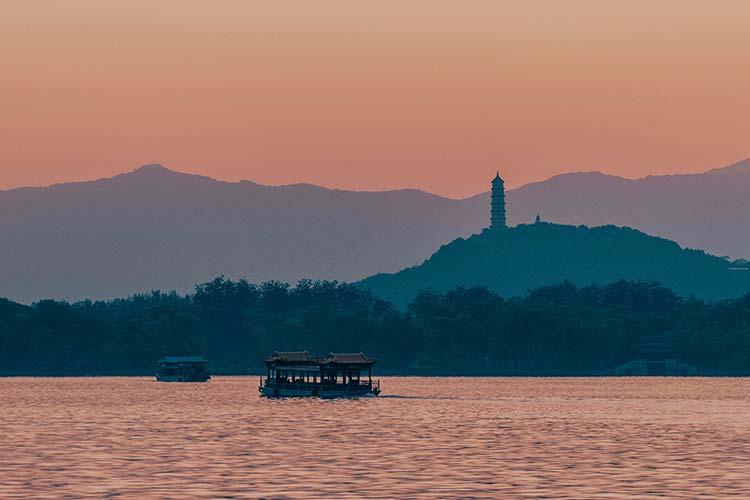
Go to West Lake for a private cruise on the waters that inspired the Chinese saying, "In heaven there is paradise; on earth, Suzhou and Hangzhou." Traditionally, there are ten best-known scenic spots on the West Lake, each remembered by a four-character mnemonic. Collectively, they are known as the "Ten Scenes of West Lake". Visit a selection or all of them according to your wishes. Have a picnic lunch packed by the resort at quiet, secluded spot on the lake shore.
The Lake is dotted with lovely ancient pagodas and temples. Visit the Six Harmonies (Liuhe) Pagoda, which is located on Yuelun Hill overlooking the Qiantang River, one of the true masterpieces of ancient Chinese architecture. Here you will be met by a renowned expert in Chinese architecture and learn about the style and significance of this remarkable building. Upon ascending the pagoda, you will have a spectacular view of the Qiantang River Bridge and West Lake.
Depending on the event schedule at the Hangzhou Grand Theater, the second largest theater in China, drop in to a dress rehearsal of today's program and go backstage to meet the performers. Although it is only a few years old, the Theater is already famous for its unique architecture; the titanium roof symbolizes a pearl, the double-curved glass curtain wall represents the moon; and a 65,000-square-foot pool stands for West Lake.
At the resort, have a private dinner, which the chef will especially prepare an outdoor barbecue for you on the hotel grounds by the Fuchun River.
Drive to Dragon Well, the confluence of the southern and northern ridges of West Lake. The tea grown here is the Bordeaux of Chinese teas, and comprises all the tea grown in the valleys around Hangzhou that are watered by this one source. Dragon Well (or Longjing) is a mild, tannic “green" tea that is actually the palest of yellows. Sipped slowly from tall, thin glasses, it is an astringent drink that sharpens the senses. The most precious tea is designated "first leaf", traditionally harvested before April 5. Tea cultivation is a labor-intensive process, as all picking is done by hand so that the young leaves are not damaged. We have arranged for you to sample a special selection of the current crop of tea with a prominent local plantation owner, and also to create your own private blend of tea from his various vintages and harvests to take home with you.
Have lunch at the tiny Longjing restaurant, set in the middle of a tea plantation, with just eight tables in private pavilions around a private garden, and a menu of refined Chinese cuisine. You will be joined by the plantation's owner.
Return to Hangzhou for a traditional medicine check-up. Medicine in China dates back some 4,000 years and began with the ancient emperors' interest in finding the elixir of life. Today, the treatment is still founded on the use of herbs, diet and acupuncture, with an emphasis on qi, the vital force of living things. Follow your session with a Chinese reflexology foot massage.
Return to the Fuchun for dinner or dine at 28 HuBin Road at the Hangzhou Hyatt Regency — their modern take on traditional Hangzhou dishes such as dongpo rou (slow-cooked pork with ginger and broccoli) is highly rated.
Drive 1.5 hours or take a 20-minute helicopter ride to Suzhou.
An important city renowned for its historical and cultural heritage as well as for its natural beauty, Suzhou has a variety of sobriquets: "The Venice of the East", "Capital of Silk", "Land of Abundance" and "World of Gardens." The history of gardens in Suzhou can be traced back to 770 BC and four of the city's gardens are UNESCO sites. To create the ideal blend of serenity and scenery, garden designers focused on four main elements: rocks, water, plants and architecture. Walking through any Chinese garden reveals the timeless sense of seeing through the designer's eyes; each element or combination of elements unfolds before you according to the designer's intentions.
Meet with a well-known local artist in the Master of Nets Garden — the smallest but most exquisite and best-preserved of all the gardens in Suzhou. A portion of this garden was copied as a representative Chinese garden in the Asian collection of the Metropolitan Museum of Art in New York. He will explain the intricacies of creating Chinese gardens and how the art is being preserved and invite you back to his home for lunch in his private classical garden.
Cruise down the Grand Canal, ancient China's major waterway on which construction began in 485 BC. As the earliest and the longest artificial river in the world, the Canal is 10 times the length of the Suez Canal, and 22 times that of the Panama Canal. It originates near Beijing in the north, and ends in Hangzhou in the south. Six provinces and five river systems are connected by the canal.
Stop in the sleepy water town of Tongli, built over seven islands created by 15 rivers and five lakes. From ancient times, Tongli has been linked with poets, painters and Confucian scholars.
A highlight of Tongli is the superb Tiusi Garden, which incorporates classical principles dating from the late Qing period (19th century). Approached through a tiny entrance gate and a couple of smaller garden plots, Tiusi is built around a large pond with pavilions, rocks, trees and flowers, all reflected in the calm water.
With so many waterways, the bridges are also major highlights of Tongli. Three bridges out of 49 total are very close together; they are often used by locals as a location for wedding ceremonies, since crossing them consecutively is reputed to bring the trifecta of good luck, longevity and prosperity. Attend a wedding as an honored guest and enjoy a sumptuous Chinese banquet afterwards where you will be treated to traditionally lucky dishes such as noodles and lotus seed paste filled buns for longevity.
Drive from Tongli to Suzhou, and continue drive 1.5 hours, or take a 20-minute helicopter ride on to Shanghai.
Shanghai is one of Asia's most dynamic metropolises, buzzing with new architecture, world-class dining, shopping, arts and nightlife. Of the city's many unique traits, perhaps the most striking is its mix of architectural styles: traditional Chinese, European colonial and ultra-modern. From the colonnaded buildings on the Bund, to the newest stamps on the city's landscape made by the world's "starchitects", Shanghai's skyline is truly unforgettable.
For a bit of adventure, venture to the stalls on Changle and Xiangyang roads (as do Shanghai's top chefs, one of whom will be joining you) for a breakfast of meat and vegetable steamed buns, scallion flatbread and egg-filled crepes.
Visit the Shanghai Museum in the center of the city, which contains one of the world's finest collections of Chinese art and antiquities. The current museum opened in 1995 and is designed in the shape of a Shang-dynasty bronze cooking vessel, symbolizing "a round heaven and a square earth." The Shanghai Museum's 120,000 cultural relics represent some of the best examples from China's Neolithic period to the Qing dynasty, a span of over 5,000 years. You will be guided by one of the museum's curators, who will show you some of his favorite pieces; while museum highlights include bronze ware, ceramics, calligraphy and painting, it also has excellent displays of coins and Chinese seals or "chops."
Have lunch at South Beauty, owned by art collector Zhang Lan, who started her business in Beijing but now has venues in all of China’s major cities, including a prime spot in Hong Kong's Causeway Bay. Her latest project is her most ambitious to date — a Philippe Starck-designed New York South Beauty in Times Square that will include a Chinese modern art gallery. The restaurant serves fiery Sichuan cuisine as well as Cantonese fare.
Across People's Park, visit the small Museum of Contemporary Art (MOCA) Shanghai, which displays works representing China's booming art scene as well as international art.
At sunset, stroll Shanghai's landmark waterfront, The Bund, a vestige of the city's capitalist days in the first half of the 20th century. Great foreign commercial houses, banks and consulates built their imposing office buildings on this stretch of Zhongshan Lu on the Huangpu River. With the Communist victory in the Chinese civil war, however, the banks, hotels and clubs were closed or converted to other uses. The buildings, constructed in Romanesque, Gothic, Renaissance, Baroque, Neo-Classical, Beaux-Arts, and Art Deco styles, remained. Today, most have been resurrected and repurposed for commercial and governmental use.
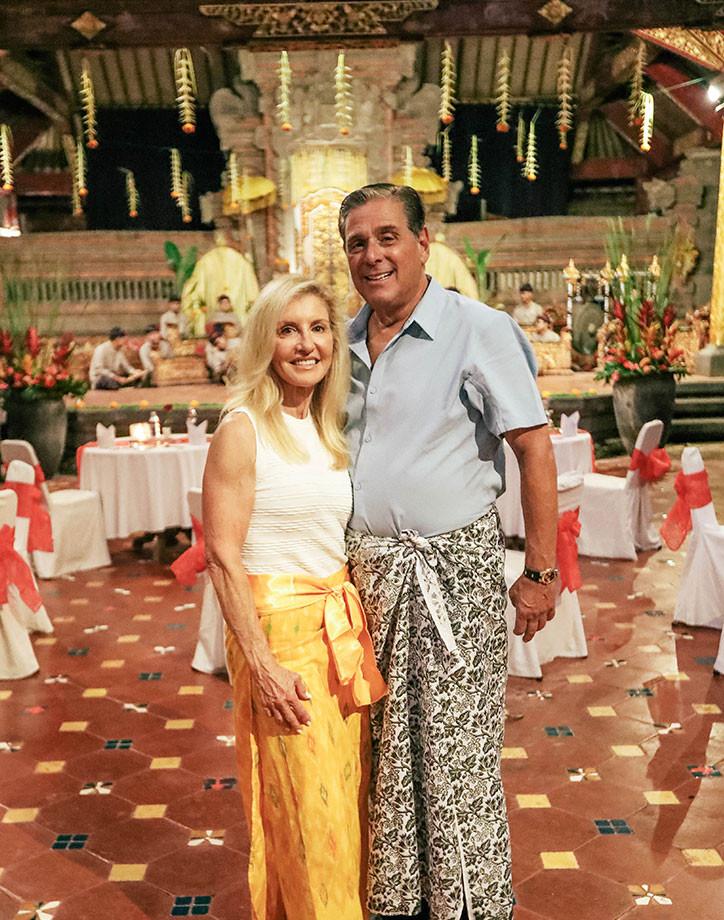
Dinner will be at M on the Bund, located at the top of the 1921 Nissin Shipping Building, where the dining room and outdoor terrace have superb night views over the Bund and across the Huangpu to the futuristic skyline of the Pudong New Area. The Melbourne-born owner, Michelle Garnaut, was the first to see the need for world-class dining in Shanghai, and oversees an haute cuisine menu of Mediterranean and North African dishes.
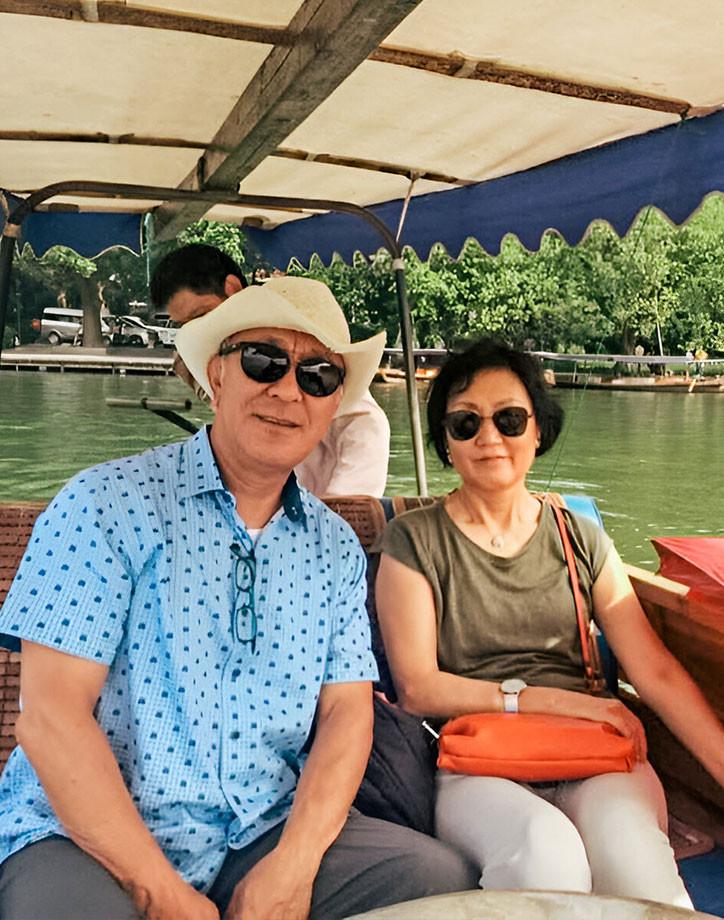
One of the best places to view (or even buy) contemporary art in Shanghai is among the galleries in the Moganshan Lu (M50) warehouse district. Here you will be joined by a leading expert in contemporary Chinese art, who will give you a private tour of the top galleries and studios where you will meet renowned curators and artists. Start at the city's first contemporary art space ShanghART Gallery, which focuses on local artists and, to a lesser degree, the rest of China, and then stop in to the massive Art Scene Warehouse often hosts group exhibits. Other notable venues include Eastlink, and Timezone 8, where the bright café is a good place to stop for a break.
Explore Xintiandi, the result of an old shikumen restoration project whereby the classic stone buildings were saved and turned into boutiques, clubs and restaurants.
Get a taste of Shanghai's commercial, Jazz-Age heyday while strolling the tree-shaded streets of the French Concession. Little disrupts the pre-WWII layout and architecture of the neighborhood, making it easy to imagine the glamorous life of Shanghai's elite. You will be accompanied by an expert in the history of the French Concession, who will guide you to its notable landmarks and through the homes of Sun Yat-sen, and Song Qing-ling (Madame Sun Yat-sen).
For dinner, try Yè Shanghai in Xintiandi, within the French Concession, which offers a modern interpretation of Jiangsu, Zhejiang and Shanghainese cuisines. You will be joined by a remarkable group of local entrepreneurs, artists, writers and other movers and shakers behind Shanghai's zeitgeist.
Go to the old Chinese city and the Yu Gardens, the most celebrated classical Chinese gardens in Shanghai, capturing the essence of landscape design from the Ming and Qing dynasties in an exquisite layout, beautiful scenery, and artistic architecture. Have a light lunch in the garden, featuring Shanghai's famous soup dumplings (xiao long bao) and learn the proper way to eat them, using both a spoon and chopsticks.
For a lesson in the striking contrast between old and new Shanghai, a local expert in architecture and historical preservation will take you to the Shanghai Urban Planning Exhibition Hall to demonstrate the sometimes uneasy alliance between the city's past and its exploding future. Housed in a striking modern five-story building made of microlite glass, this is one of the world's largest showcases of urban development and renewal. The highlight is on the third floor: an awesome vast scale model of urban Shanghai as it will look in 2020, along with a description of the world renowned architects and their projects currently under construction.
For your final afternoon in China, explore Shanghai's many cosmopolitan pleasures: high-end shopping, browsing the art galleries, a visit to the hyperbolic skyscrapers of Pudong New Area, or a few hours at your hotel's spa, for beauty treatments, saunas, steam rooms, whirlpools, or traditional Chinese or Balinese massage.
Your farewell dinner will be a spectacular meal at Jean-Georges, one of the world's top-rated restaurants, located in Three on the Bund, an exclusive club situated right on Shanghai's famous waterfront.
Flight home.