


In 1932, according to one much-told story, the enfant terrible of Shanghai’s art scene, Zhang Daqian, also romanized as Chang Dai-chien, found himself in serious trouble after a spectacular act of artistic provocation.
At a gathering attended by wealthy collectors and officials, a high-ranking figure reportedly unveiled what he believed to be a newly acquired masterpiece. Zhang declared it a fake. More than that, he claimed he had painted it himself just a month earlier.
Whether embroidered by time or not, the story fits the man: brilliant, theatrical, and unafraid of risk.
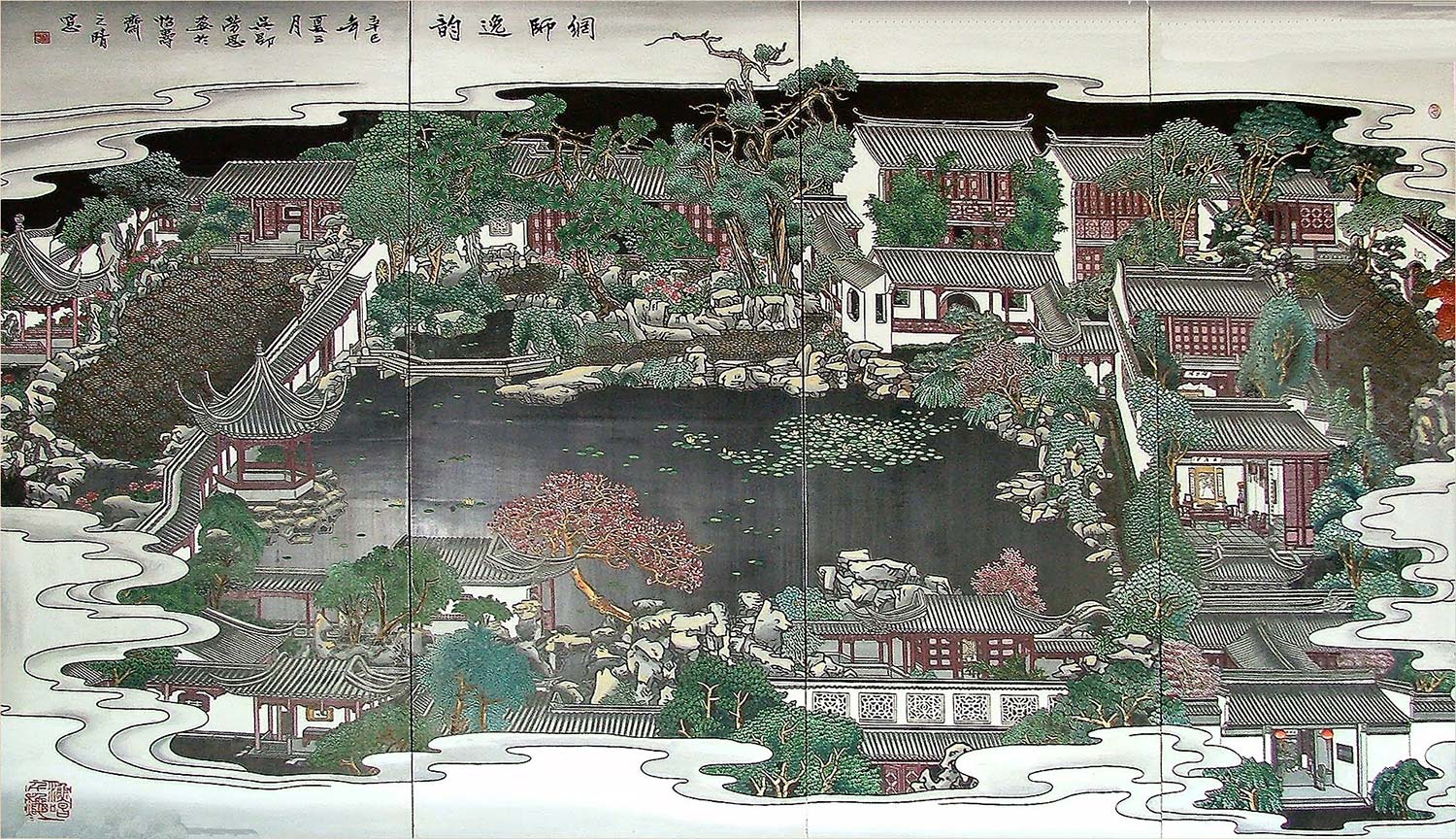
Soon after, Zhang left Shanghai for Suzhou, where he joined his older brother, Zhang Shanzi, another celebrated painter, at the Master of the Nets Garden. Under the patronage of a private benefactor, Zhang Shanzi had become almost entirely consumed by one subject: tigers.
The pairing felt improbable from the start. One brother was a restless artistic adventurer who would spend much of his life moving across continents and reinventing himself. The other had narrowed his world to a single obsession.
And it was within one of China’s most refined landscapes that he pursued it.
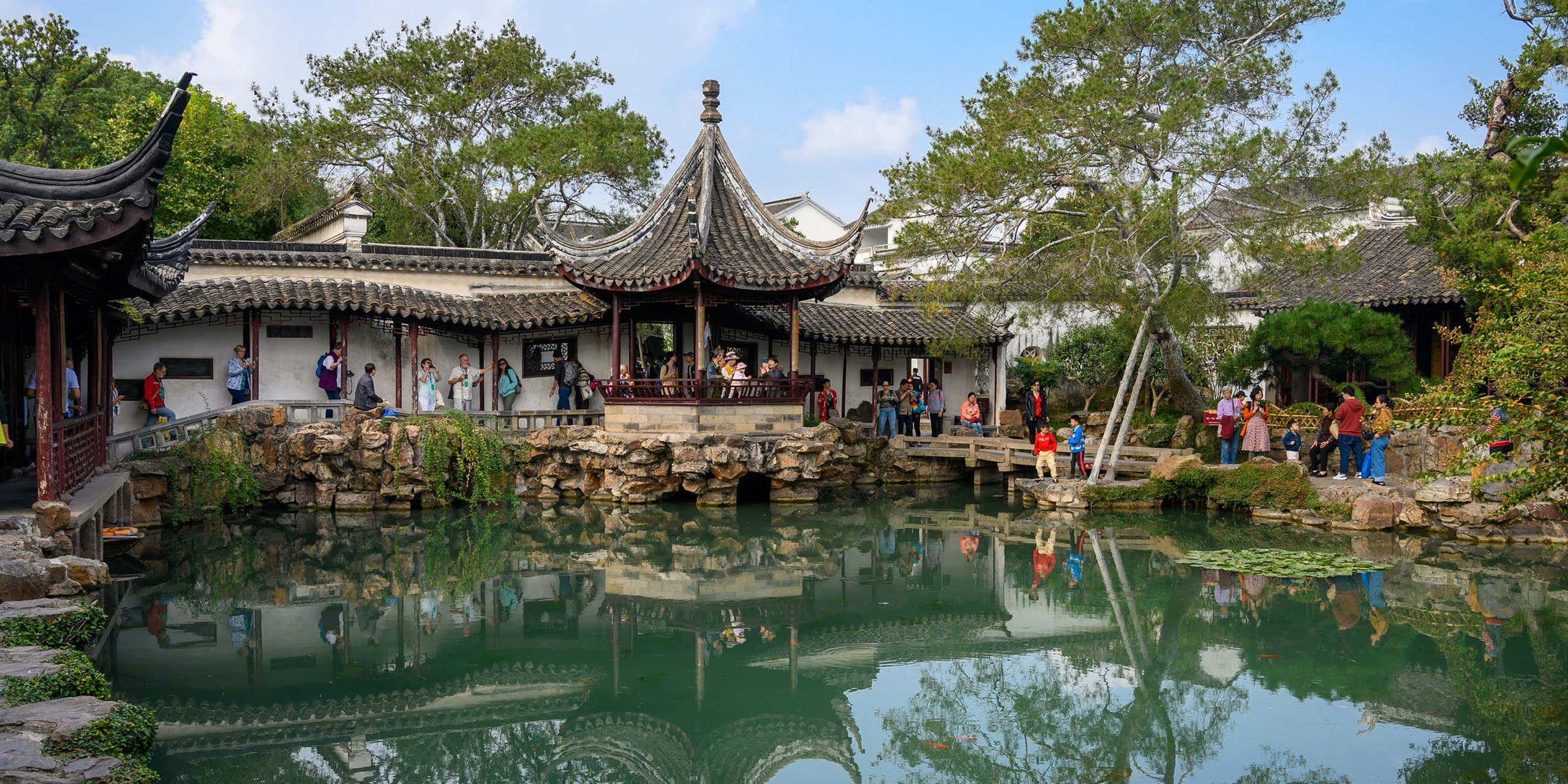
Tucked into a quiet corner of Suzhou’s labyrinth of canals and alleyways, the Master of the Nets Garden occupies little more than half a hectare. Yet it unfolds with the illusion of something far larger, like a hand scroll gradually unrolling before its viewer.
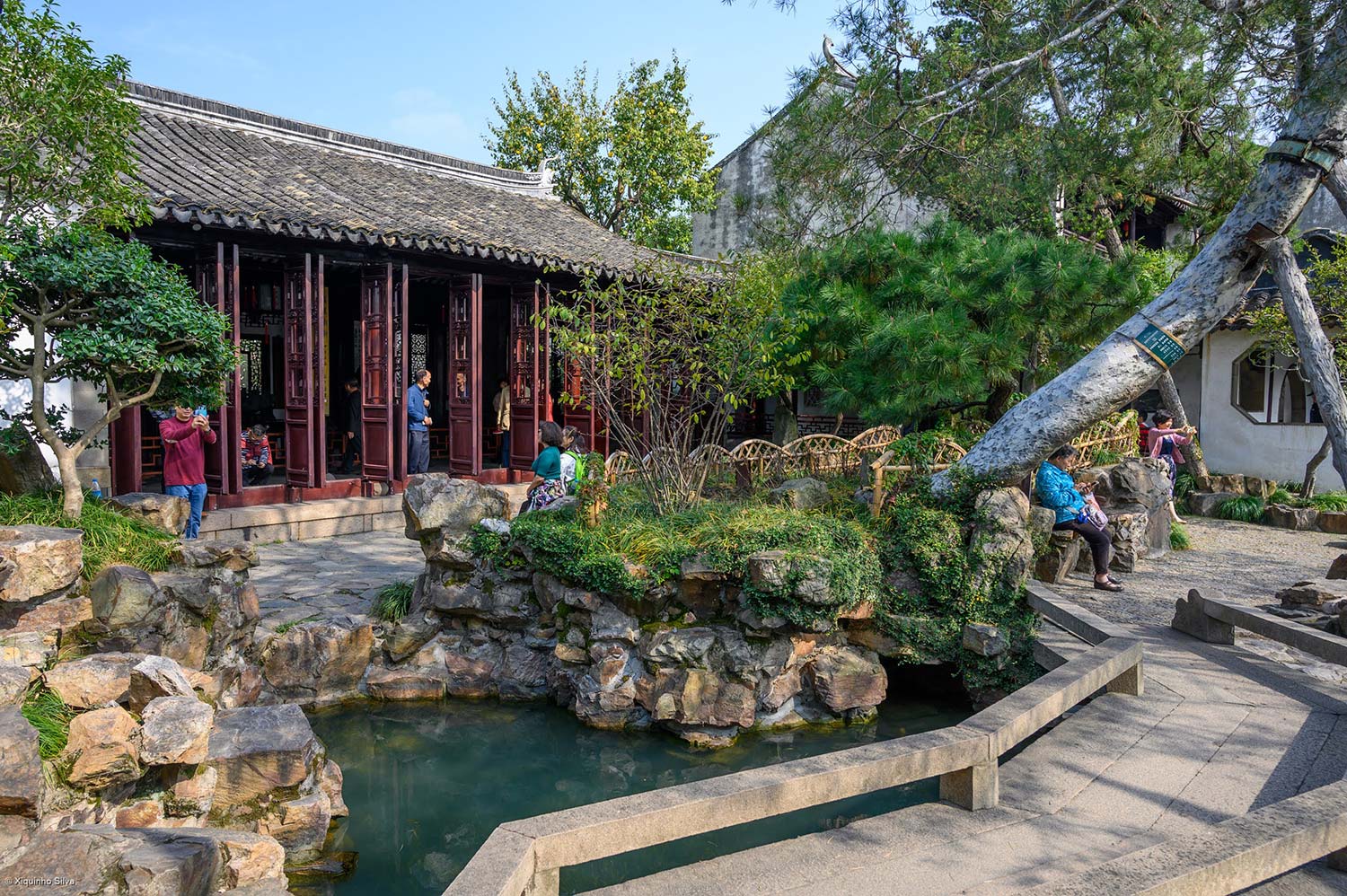
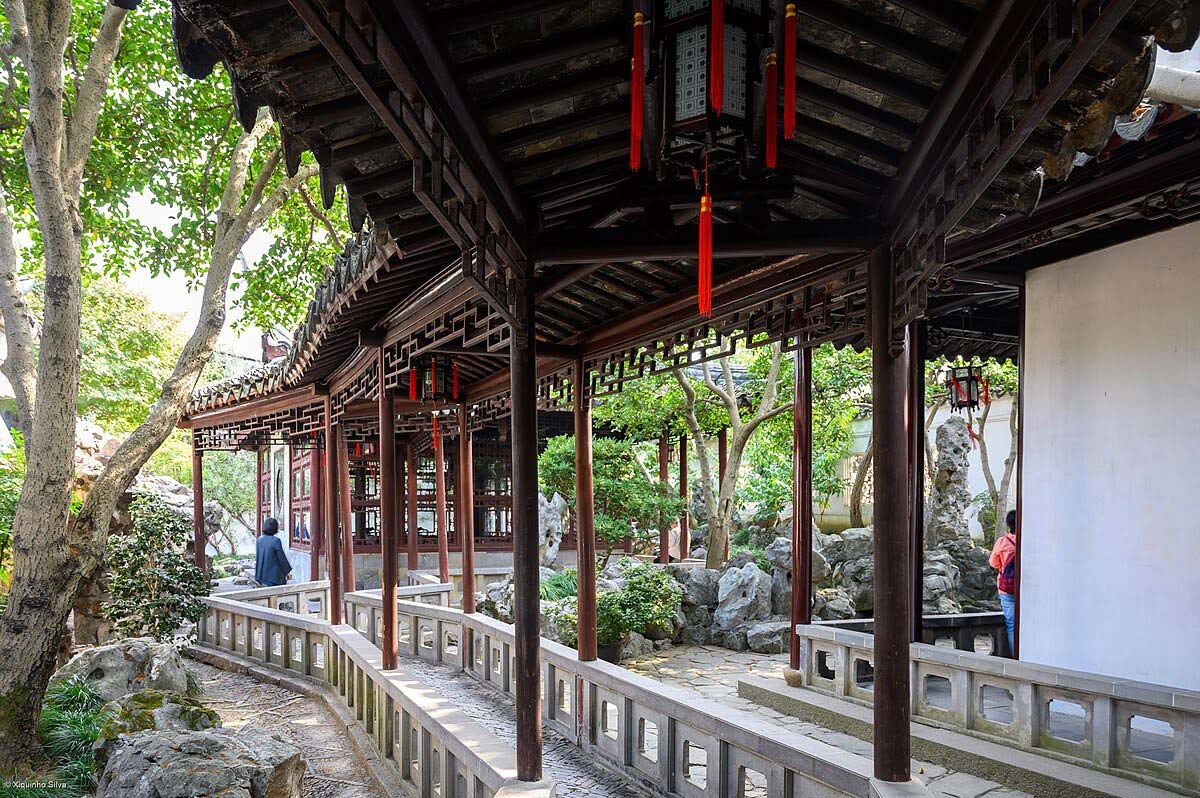
Originally built during the Southern Song Dynasty by retired imperial official Shi Zhengzhi, it began life as the Hall of 10,000 Volumes, with an adjacent garden known as the Fisherman’s Retreat. Later restored and renamed during the Qing Dynasty, it became the Master of the Nets Garden. Like Suzhou’s other classical gardens, every element was arranged with deliberate care. Taihu rocks rise like distant mountains. Bamboo and pine soften hard edges. Water creates reflection and stillness. Space compresses and expands unexpectedly.
Nothing feels accidental.
The garden was not intended as nature reproduced in miniature. It was nature edited, refined, and composed.
Then, in the early twentieth century, something far less expected entered the picture.
Zhang Shanzi was already an established artist by the time he moved into the garden. Unlike his younger brother, whose career would become defined by movement and reinvention, Zhang increasingly narrowed his world to a single subject. He never married and seems to have devoted much of his adult life to the study and painting of tigers.
It was more than fascination. It bordered on fixation.
For Zhang, tigers were not simply animals or decorative motifs. They embodied force, movement, danger, and vitality. He studied their musculature, posture, and expressions with obsessive attention, trying to understand not merely how a tiger looked, but how it carried itself through the world. Contemporary accounts suggest he kept a pet tiger within the orbit of the garden itself so he could observe and sketch the animal at close range.
The image is almost dreamlike.
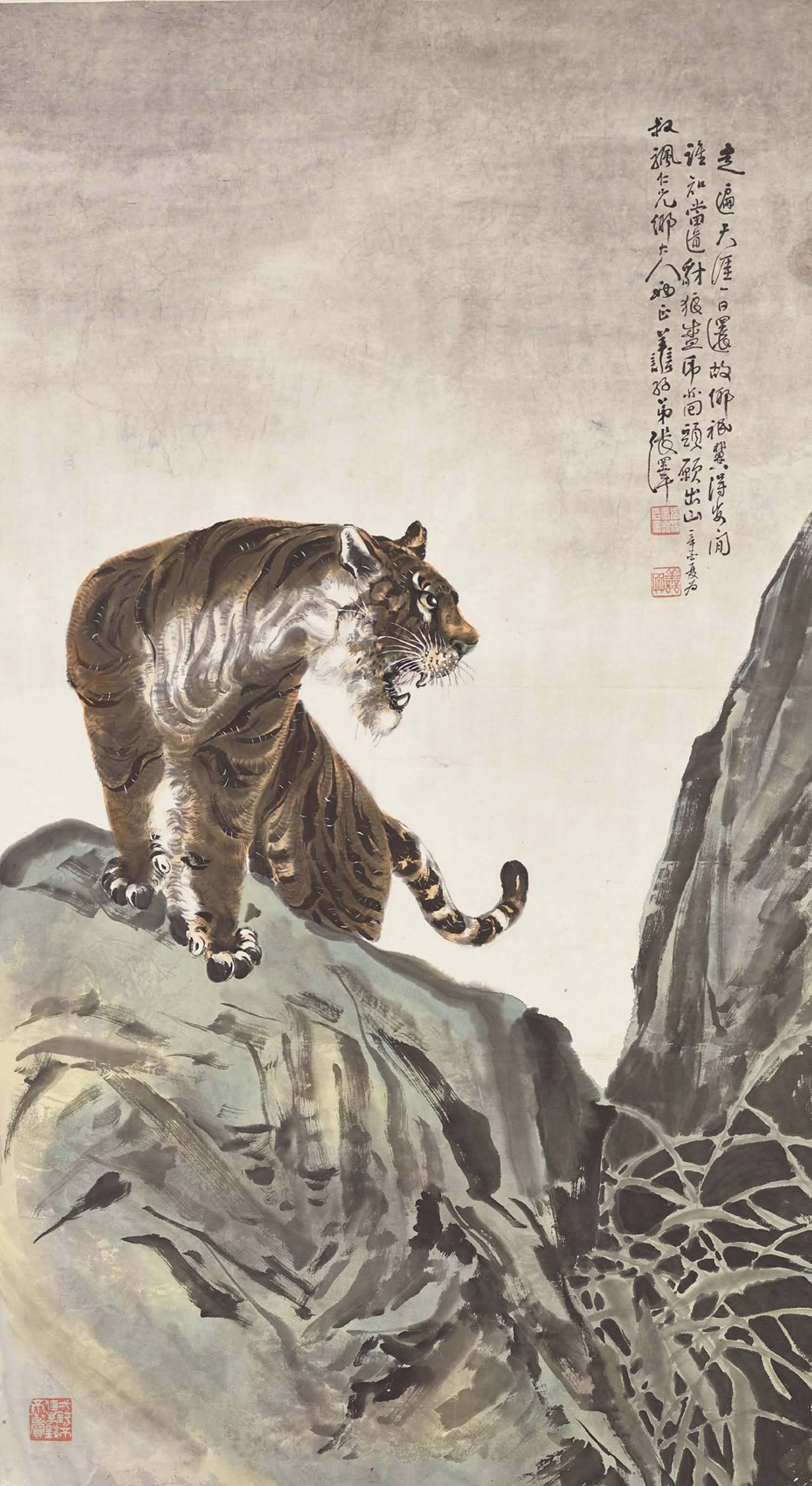
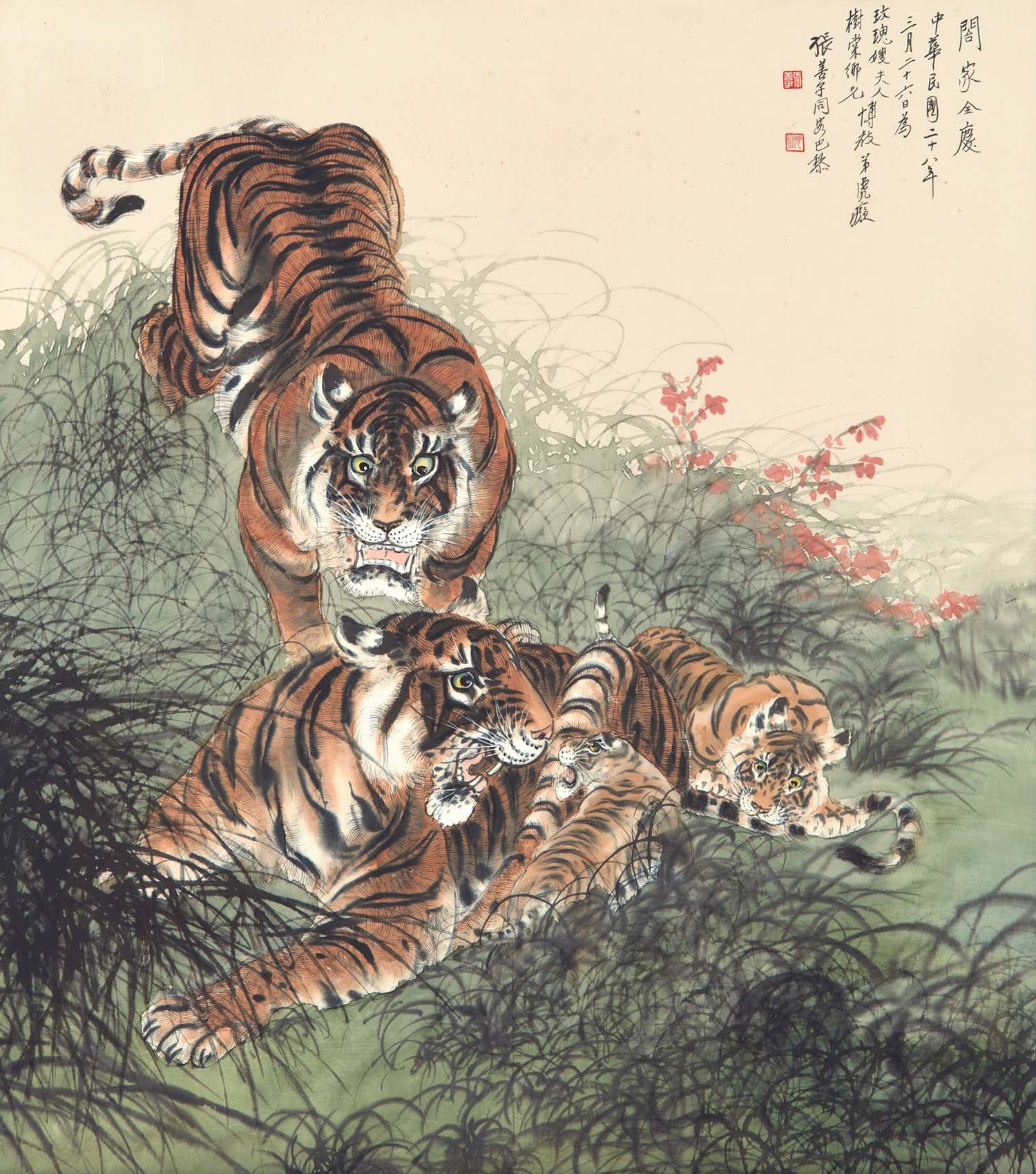
A tiger moving through elegant courtyards. Heavy paws crossing stone paths laid for scholars and poets. Raw animal power appearing beneath moon gates and carved eaves.
It was a striking juxtaposition: feral strength set against cultivated architecture and meticulously arranged landscapes. Within a place designed around harmony and restraint, Zhang introduced something unpredictable and alive.
That tension lies at the heart of his work.
Suzhou’s classical gardens, with their balance of rock, water, architecture, poetry, and flora, were conceived as microcosms of ordered beauty where nature and philosophy existed in dialogue. Zhang introduced something more unruly. Against still water and arranged stone, his tiger must have felt almost explosive.
The animal was not simply a subject. It was a disruption.
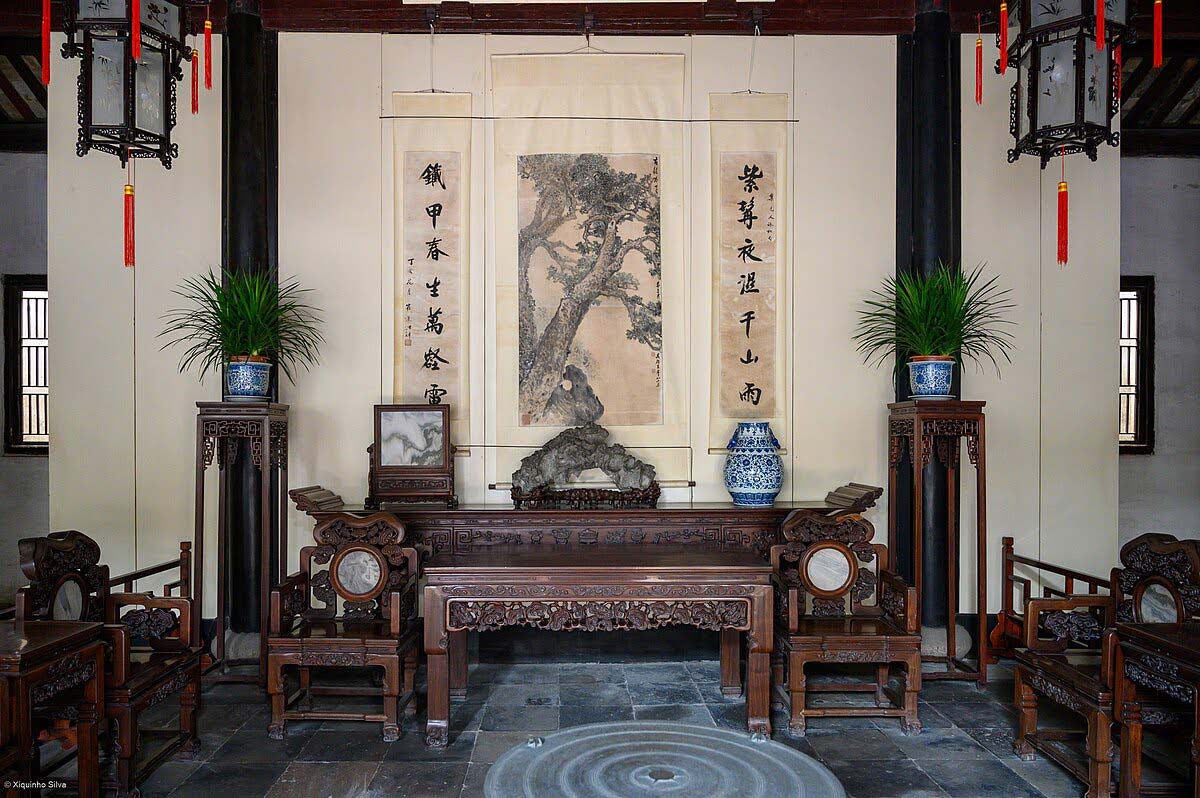
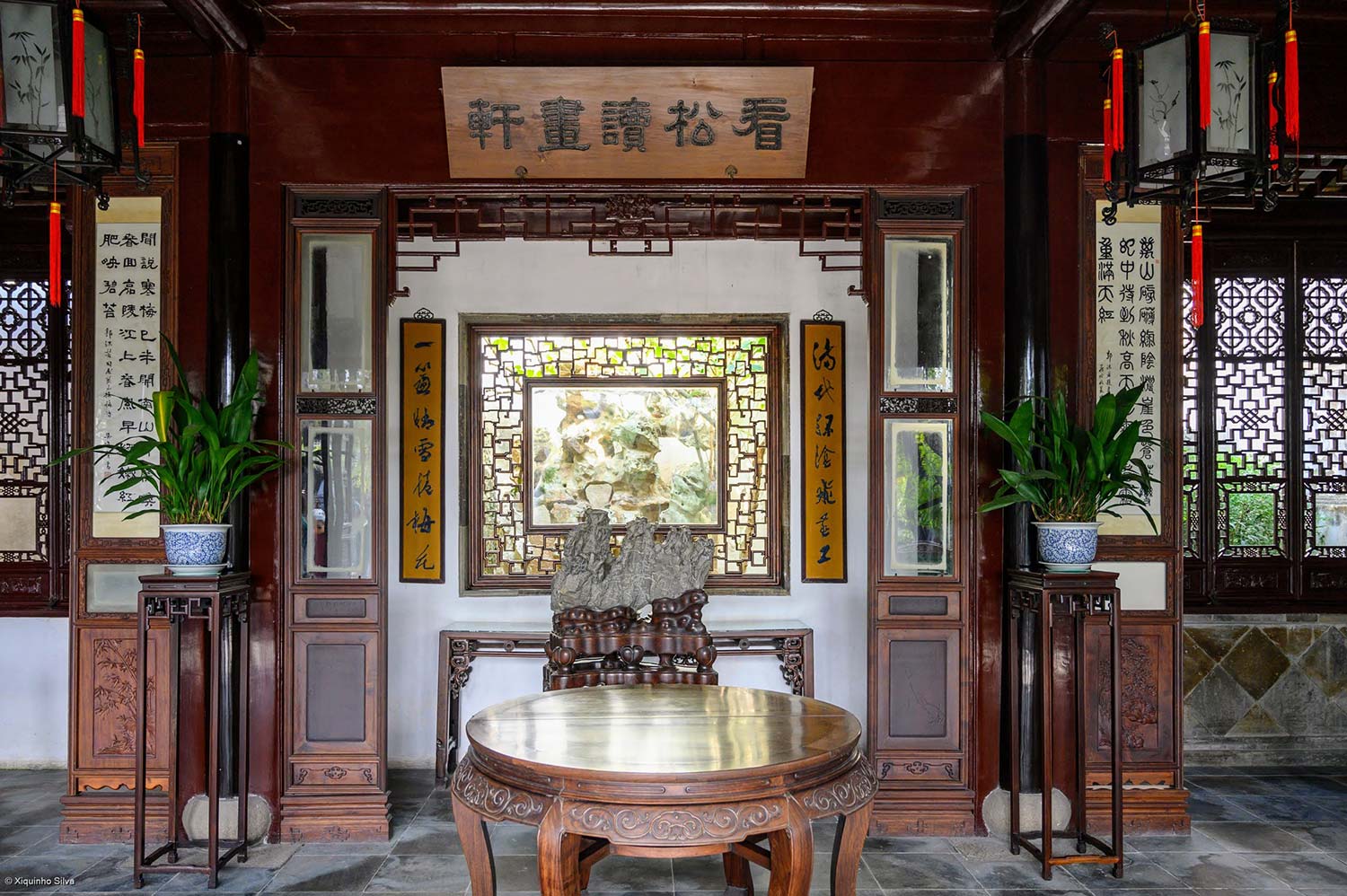
Chang Dai-chien remained at the garden for a time, studying with his brother as he had with many teachers before moving on toward the nomadic life for which he would become famous. Zhang Shanzi, meanwhile, continued refining the subject that defined him: the tiger as force, symbol, and living presence.
Today, the Master of the Nets Garden remains remarkably intact despite the transformation of the city around it. Designated a national protected site in 1982 and added to UNESCO’s World Heritage list in 1997, it still preserves the proportions and atmosphere that once drew scholars, artists, and dreamers through its gates.
Visit in the morning, and mist still drifts across the pond. Century-old cypresses continue leaning over Rosy Cloud Pool, and the narrow Yinjing Bridge still joins land and water much as it has for generations.
It feels almost like stepping into Zhang’s studio.
Only one thing is missing.
The water remains. The stones remain. The bridges remain. The tiger is gone.