




• Overview
  • Private Jet Options
  • Private Yacht Options
  • Suggested Itineraries
  • Our Special Services

Western China by Private Jet

Asia's Top Tees | Treasures of India's Northwest | Indochina by Private Jet | Eastern China by Private Jet
Extreme Landscapes and Minority Cultures in China's Wild West

Far removed and radically different from China's classical heartland, the west of China is a rich tapestry of unique minority cultures, rugged mountains, lush river valleys, and stark desert landscapes. Traveling the region by private jet allows you to visit distant, hard-to-reach locations in perfect ease. See exquisite 2,000 year old Buddhist frescoes preserved by desert sands, bargain in Asia's largest outdoor bazaar in the home of the Muslim Uighurs, visit the sacred Tibetan city of Lhasa and then delve into Tibetan culture within China in the mountainous "Shangri-la" region. Remote Lands makes possible all of these remarkable experiences and more.

Day 1

Check into the Peninsula, Raffles, St. Regis or the soon to open Mandarin Oriental hotel or Aman resort. Celebrate your arrival with a banquet of Peking Duck at one of the city's best traditional Chinese restaurants.


Day 2

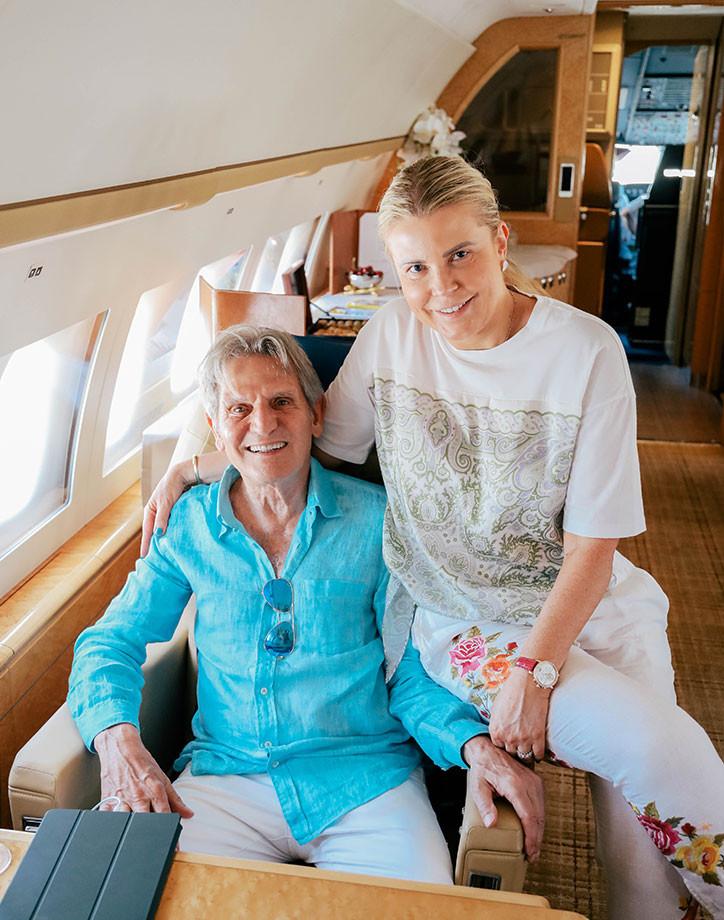
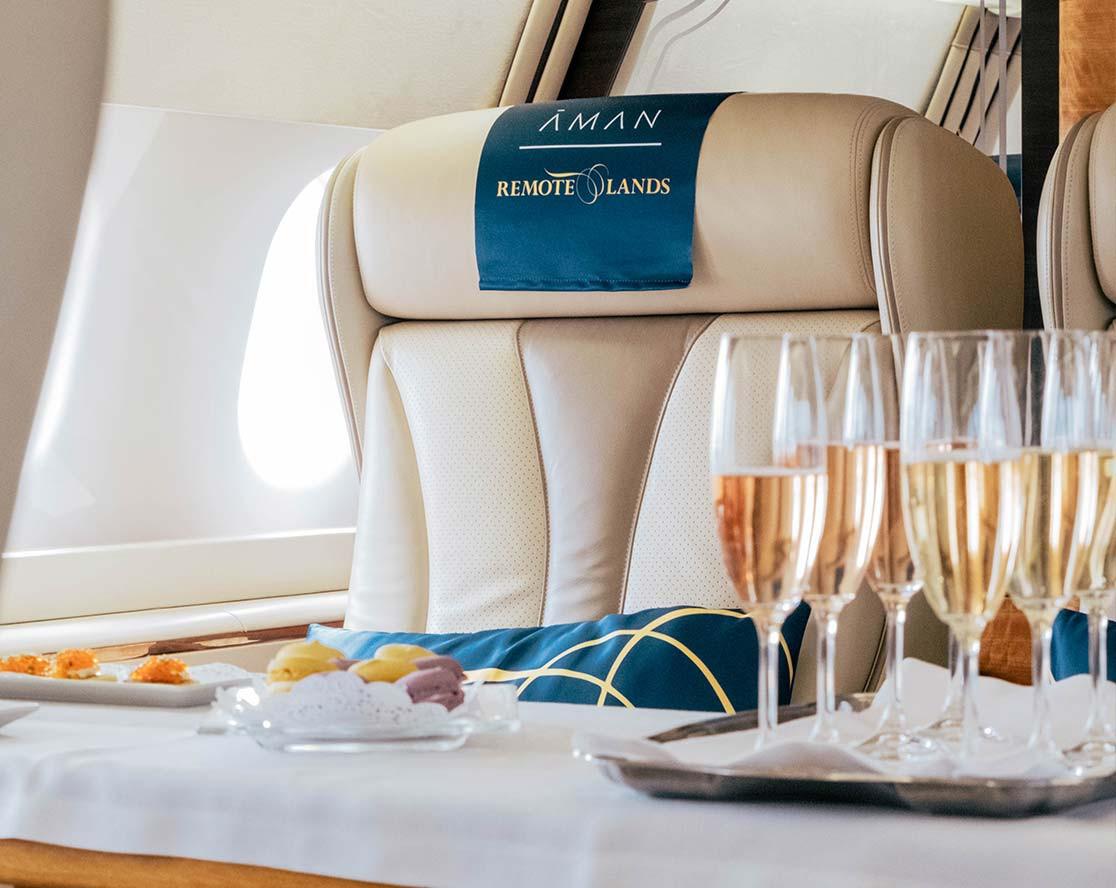
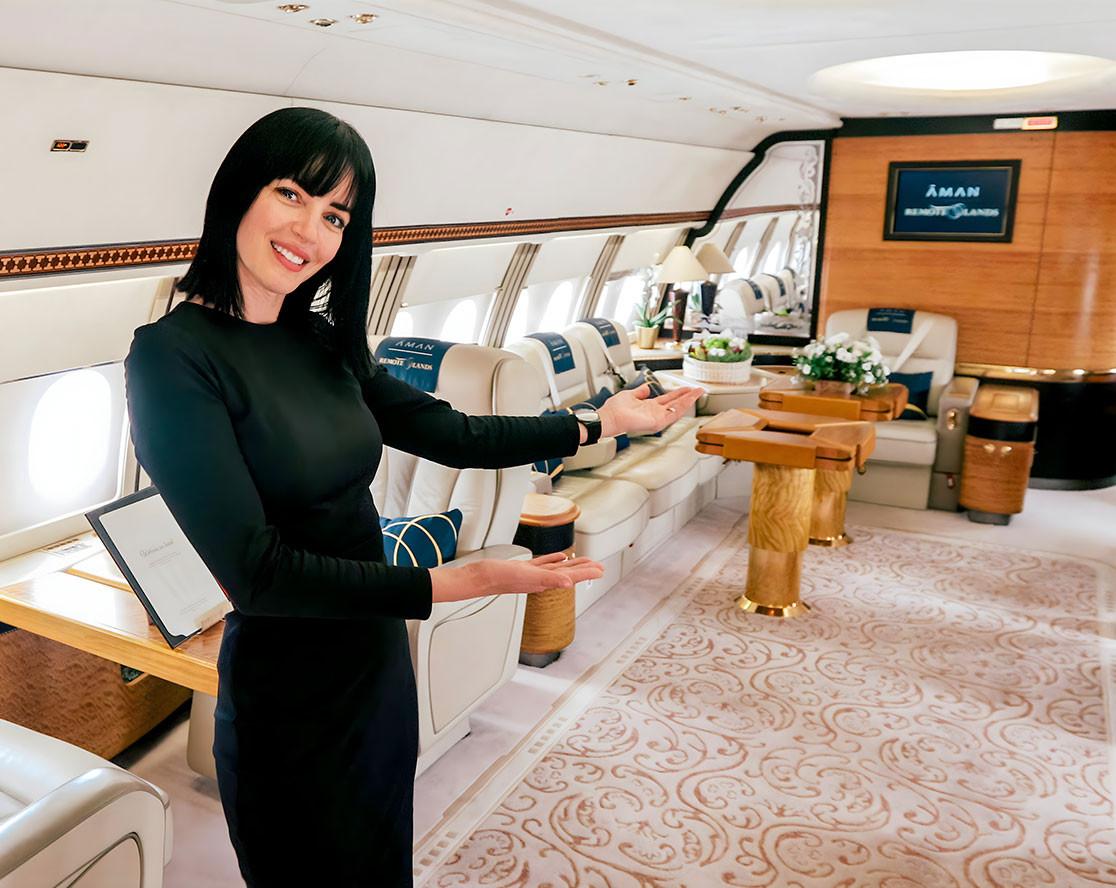
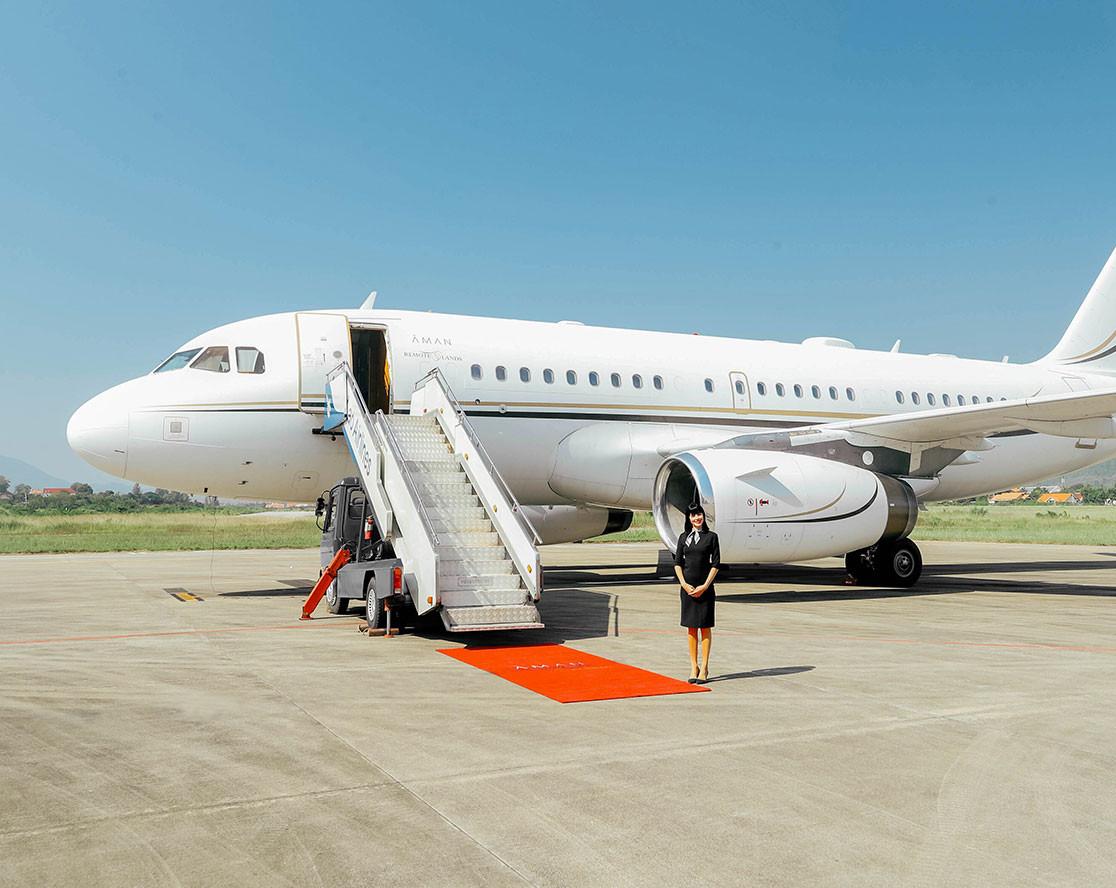
Board your luxurious private jet, such as a Gulfstream G200 or G450, and fly to exotic Dunhuang in China's far northwest.


Known as the City of the Sands, Dunhuang is perched on the edge of the Taklamakan Desert. The formidable Taklamakan is one of the world’s largest deserts with an area of over 105,000 square miles; its name is of Turkic origin and means roughly: "place of no return." Dunhuang was the first gasp of civilization for Silk Road traders crossing over the desert from Central Asia.


An oasis at the edge of this vast expanse, Dunhuang became a multi-cultural center of both trade and religious pilgrimage. Buddhist pilgrims traveling the route, some from India, carved and painted a remarkable series of caves outside Dunhuang, known as the Mogao Grottoes. Beautifully preserved by the arid climate, the 492 caves are a remarkable thousand-year record of the cultural influences, mercantile wealth, and religious importance of this remote outpost.


Your local guide and driver will meet you at the airport and take you to the Dunhuang Silk Road Hotel, situated right in front of the spectacular Mingsha Dunes, and designed to resemble a Tang Dynasty frontier fort.


Visit the Dunhuang Museum to learn the history of the Mogao caves from a local expert and view their collection of scrolls and sutras discovered there — though many of the best-preserved texts were carried off to museums throughout the British Empire by the archaeologist Aurel Stein, who uncovered the caves in 1910.


Go sand tobogganing in Mingsha dunes and explore Yueya Quan, a small crescent-shaped lake famous for its permanence in the desert, first recorded by travelers at least two thousand years ago. In windy weather, the sands always make a humming noise, for which it was named Mingsha (singing sand).


In the evening, wander Dunhuang's lively night market and old town, where the food stalls and shops are open late. Vendors who often look far more Middle Eastern than Chinese cook up spicy lamb kebabs, and dishes with thick, hearty noodles over open braziers.


Day 3

Set off early for the Mogao Caves, undoubtedly one of the greatest archaeological treasures in Asia. First established in 366 AD by a Buddhist monk, the cave temples at Mogao continued to attract monks and pilgrims passing along the Silk Road until the 14th century. Of the thousand or so caves that once existed, 492 have survived in good shape, but only a fraction of these are open to visitors. Nevertheless, the caves, which display some of the earliest Buddhist art in China, are magnificent. The 1000 year-old Diamond Sutra, proclaimed to be the earliest dated and printed book in the world, was discovered here along an enormous collection of ancient manuscripts and paintings. Spend the day exploring the caves with a leading art historian, and take an exclusive tour of caves not normally open to the public.


Tonight's dinner is a special event: you will travel by camel caravan into the dunes of the Taklamakan, where you'll enjoy a feast of local specialties as the sun sets over the desert, then settle in around a bonfire to appreciate the silence of this vast landscape and a spectacular showing of stars.


Day 4

Fly across the Taklamakan from Dunhuang to Kashgar, in the Uighur Autonomous Region.


The fabled Silk Road city of Kashgar, once one of the most prosperous trading towns in Asia, is near the borders with Tibet, Mongolia and Kazakhstan. Home to the minority Muslim Uighur people, Kashgar is an extremely remote destination with very few foreign travelers and only basic hotels and facilities.


The Uighurs are descendants of the Turkic, nomadic tribes of the Asiatic steppes, much like peoples of nearby Mongolia, Kazakhstan and Pakistan. At various points through out their history, the Uighurs were rulers of their own kingdom, and, for a time, their own vast empire. The local language is written in a variation of Arabic script and the population is largely Sunni Muslim. In addition to Uighurs, there are also large resident populations of Tajiks, Uzbeks, Kyrgizs and Han Chinese, making for an extremely vibrant cultural mix.


Wander through the narrow, winding streets and enticing shops of this bustling medieval city.


Visit several of Kashgar's historic and elegant mosques with a professor specializing in the history of China's Muslim minorities, finishing at the giant Id Kha mosque in the heart of the city, the largest mosque in China. Arrive in time for afternoon prayers; as the crowds gather to answer the muezzin's call, which drifts out over the city. Though non-Muslims are not permitted in the mosque at this time, it is still quite a spectacle to watch from the outside. The interior holds up to 10,000 people and on Friday afternoons, as many as 20,000 throng the mosque and the square outside.


Have a dinner of traditional Xinjiang food, which has recently taken off in popularity all over China for its unique blend of Chinese, Central Asian, and Middle Eastern/Indian elements. Try spicy stews made with lamb and generous quantities of chili pepper, or thick noodles and tomatoes, as well as the Uighur flatbread, called nan.


Stay overnight in the desert in a yurt, the traditional dwelling of the nomadic tribes of Central Asia. Your hosts will be a Tajik family; the Tajiks are one of a number of Turkic peoples who reside in the Kashgar area.


Day 5

The biggest draw to Kashgar is the remarkable Yekshenba Bazaar, the city's bustling Sunday morning market and the largest open-air market in the world with over 100,000 vendors from as far away as Pakistan and Uzbekistan offering their wares and services. You can buy everything from carpets and fine silks to barbecued goat heads and hooves. You can have your hair cut, your knives sharpened and your donkey cart repaired, in addition to having your teeth pulled at an outdoor dental clinic where brute force is (presumably!) used in place of electricity. Haggling in the traditional Middle-Eastern fashion is expected. There is also a separate, equally sprawling livestock market on Sundays, where you can buy everything from cows to camels.


In the late afternoon, fly from Kashgar to Lhasa, the ancient political and religious capital of Tibet.


Arrive in Lhasa and make your way to the Barkhor, Lhasa's central old neighborhood of narrow lanes, where you will check in to your hotel, House of Shambala, which is set in a beautifully restored courtyard house.


Dine at the hotel's rooftop restaurant which specializes in Himalayan dishes from Tibet, India and Nepal, and then spend the evening relaxing and acclimating, as you will now be at high elevation — Lhasa sits at 12,000 feet above sea level.


Day 6

Begin the day with a visit to the phenomenal Potala Palace, the former winter residence of the Dalai Lama, only minutes from your hotel in the heart of the city. An architectural wonder that rises above the Kyi-chu Valley, the Potala served the lineage of Tibetan Dalai Lamas, and now is a museum and treasure trove of Tibetan history. Not to be missed are the spectacular Sunlight Halls which house magnificent pearls, jewels and antiques.


Explore the vibrant street market of Barkhor Square, where you can haggle with local vendors for goods such as prayer flags, block prints of the holy scriptures, jewelry, and Tibetan boots and incense, as devout pilgrims circling the Jokhang thread their way through the melee.


Learn the art of painting thangkas — Tibetan Bhuddist devotional artworks painted on cloth or silk using rich pigments and intricate, perfectly balanced compositions. A master artist will demonstrate his skills for you, and give you a lesson in this vibrant tradition.


Make a pilgrimage to the Jokhang Temple, which is Tibet's holiest temple. Thousands of Tibetan pilgrims from all over Tibet and China walk a clockwise kora (perambulation) around the periphery of the temple, some prostrating themselves the entire way. The Jokhang houses the Jowo Rimpoche, a giant, solid-gold statue of Sakyamuni Buddha, and also contains many of Tibet's oldest artworks and religious icons. Have a private blessing with one of the senior monks and chat with him about his life and beliefs.


The Barkhor area is full of small cafés catering to the trekking community. One of the best of these is called Makye Ame, situated on the edge of the market square with second-floor views over the perambulating crowds, and decorated with lovely Tibetan lamps and carvings. Take in the warm, boisterous atmosphere while dining on simple, but delicious Nepali/Tibetan specialties such as momos — hearty dumplings filled with mixed vegetables, potatoes or meat, yak meat with radishes, or thupka, a fiery noodle soup made with traditional barley-flour noodles. You will be joined by students from Braille Without Borders, a local school started by German expatriate Sabriye Tenberken, who became blind in her teens. The school is absolutely free of charge and some of the students you will dine with were featured in the documentary "Blindsight," the inspirational film about a mountaineering expedition to Mount Everest led by the first blind man to reach the summit, Erik Weihenmayer.


Day 7

Visit Sera, a 15th-century monastery and former home to 5,000 Gelugpa monks. The numbers today are down to about 600 monks, but Sera is still famous for its extremely lively debating sessions that go on in the courtyard every afternoon. The monks pair off under the courtyard's large trees and proceed to debate the higher points of Buddhist philosophy; the event makes for a most interesting glimpse into Tibetan Buddhism. Meet some of the monks and join in the debate if you dare!


Drepung, a second 15th-Century monastery that was formerly home to over 10,000 monks was considered the Oxford of the Middle Ages and was the largest monastic institution of any religion in the world. The monastery offers the visitor a perfect opportunity to participate in local temple life, with debate sessions, prayer incantations, and yak butter tea and tsampa (roast barley) breaks going on throughout the day. Pilgrims walk koras around the grounds, and visit the Maitreya, a two-story statue of the future Buddha. Drepung sits in the western hills of Lhasa, with commanding views of the Kyi-chu Valley below. Go behind the scenes and have tea and a snack with one of the master lamas in his private chambers, and learn about his life as a devout Buddhist.


Journey by car to the turquoise-colored Yamdrok-tso Lake, one of the three holiest lakes in Tibet. Rife with aquatic life, dotted with islets, and surrounded by fields of wildflowers, the lake is an important place of worship. Pilgrims who visit the lake in the summer (and before making important decisions year-round) believe its waters revive youth in the aged, ensure longevity to adults, and bless children with intelligence.


Day 8

Meet your jet for a flight from Lhasa to Zhongdian.


Arrive in Zhongdian and check in to the lovely Banyan Tree Ringha, high on the Tibetan Plateau in an area of Yunnan now officially known as "Shangri-La" after the fabled Himalayan kingdom of James Hilton's novel Lost Horizon.


Zhongdian (or Gyalthang, its Tibetan name) is the capital of the Diqing Tibetan Autonomous Prefecture. Located in a wide valley surrounded by soaring snow capped mountains, the region has architecture characterized by flat-roofed and richly decorated buildings. The town was formerly an important staging stop for trading caravans, and it retains the rich cultural heritage of the local Kham people of Tibetan origin.


Lunch will be at the nearby Songsten Hotel, where the public spaces are filled with the owner's excellent collection of Tibetan antiques, which he has been assiduously purchasing to prevent them from leaving the region.


Drive to Zhongdian and explore the Old Town, recently revitalized by the Chinese government's efforts to bring investment back to this remote area. Shop for Himalayan arts and crafts, such as prayer flags, thangkas, jewelry and traditional clothes. On top of a hill just behind Old Town, the Zong Gu Monastery is home to the world's largest prayer wheel.


Day 9

Visit the Songzanlin Monastery, one of the largest Tibetan monasteries outside Tibet and, with over 700 monks, the largest in Yunnan. The surrounding snow-covered peaks, combined with the chanting of the monks and the drifting incense add up to a very evocative scene. Join the monks for a private blessing ceremony, before having tea with a senior lama in his private chambers. You will be able to visit parts of the monastery normally off-limits to visitors (which we find fascinating), including the kitchen, bedrooms and storage rooms.


Enjoy an authentic traditional dinner and cooking demonstration in the home of a local family. Savory yak-butter tea, stewed yak meat, and cheese made from yak's milk are all staples in the local diet, highlighting the importance of the hardy animal to the people of this remote region.


After dinner, join the locals for a dance in the village square, a unique local tradition that goes on most evenings. As the night wears on, more and more people gradually join in until it seems like the whole town is dancing, following a spiraling pattern that starts at the center of the square and winds its way outward.


Day 10

From Zhongdian, you will drive south several hours through spectacular scenery south towards Lijiang.


Stop for a visit and a simple lunch in Longtan Naxi village. The Naxi are descendants of Tibetan nomadic tribes and have a matriarchal society dominated by women where marriage is not widely practiced. Their language, style of dress and cuisine are distinct from both the Tibetans and the Han Chinese.


Further south, you will drive through Lisu County, and then the land of the Yi people where horses roam freely, and wildflowers line the roadside.


Lijiang, situated at an altitude of 7,874 feet, was once the capital of the Naxi Kingdom. Historically known as an important center of Silk Road trade, the city is now a UNESCO World Heritage site and is known for the richness of the local minority cultures. Lijiang means "Beautiful River," a name it was given by Kublai Khan in 1254. Past the waterwheel at the entrance of Lijiang's charming Old Town, you will find yourself in a world of narrow cobblestone streets bordering canals lined with weeping willows. Lijiang is virtually unchanged since the Ming Dynasty when the town was founded.


Check in to the luxurious Banyan Tree Lijiang, where each villa is designed in the style of a traditional Naxi house. Relax with a Guishi hot stone massage from the excellent Banyan Tree spa, or indulge in a skin treatment using Chinese herbs to bring the various elemental essences of the body into balance.


For dinner, have a private hot pot feast served in your villa. The meal begins with a pot of simmering stock placed at the center of the dining table. A variety of savory ingredients are arranged in small bowls, and are added to the pot to cook according to your tastes. Typical accompaniments include thinly sliced meat, leafy vegetables, mushrooms, noodles, and egg dumplings.


Day 11

In the morning, wander Lijiang's charming narrow streets, browsing for local art, crafts, and tribal clothing.


Stop into Black Dragon Pool Park, where Jade Dragon Snow Mountain rises majestically in the distance above a tranquil lake and pagoda.


In the afternoon, your guide and driver will take you to Xuehua, a delightful village of about 30 families of the Yi people. You will be greeted by the Bimo, a shaman in the Dongba animist religion of the region. You'll gain firsthand knowledge of the importance of Dongba — an ancient shamanistic religion that predates Buddhism in China — to the daily life of this village. You'll also be introduced to his wife, the household chef, who will treat you an informal cooking demonstration and a delicious lunch of "Yi french fries" (pan-fried sliced potatoes) and other local specialties.


Dinner will be in the Old Town in a traditional courtyard restaurant serving Yunnanese cuisine, which is marked by its light, fresh, and spicy flavors, and liberal use of herbs, mushrooms and flowers as food. The adventurous often try the fried grubs, a traditional specialty - they're light, crispy and surprisingly tasty. You will be joined by an expert in the Dongba religion, who is himself a shaman, and a master painter and calligrapher, one of only a handful of people who can still write the traditional Naxi script.


Day 12

Meet your jet for a flight to Chengdu, the capital of Sichuan Province.


You will be met by your guide and driver and set out across the fertile Chengdu Plain, home to a large population of giant pandas, whose Chinese name translates to "country of heaven."


Chengdu, previously known as "The City of Hibiscus" (after its official flower), is the gateway city to Tibet, and a cultural hub recently dubbed "China's party city" by the Los Angeles Times for its abundance of teahouses and cafés. Chengdu is a university town and is home to a large, thriving community of students and intellectuals.


Stroll along the tree-lined Chun Xi Lu Boulevard, whose tea cafés, boutiques and restaurants are frequented by the local students, professors and amblers. Feel free to join in on any hearty debates going on between students and professors, who are eager to hear your perspectives.


Visit two of the city's most important temples, and gain a deeper understanding of China's ancient religions. Wenshu Monastery, an exquisite architectural site, is one of the most active Buddhist centers in China, dating back to the Tang Dynasty (618-907 AD). Its sculptured roofs, colonnades, reflecting ponds and ornate, crimson buildings are a fine (and increasingly rare) example of classical Chinese architecture.


The faithful flock to Wenshu temple to light incense, meditate, make offerings and attend Buddhist meetings, but also to dine at the monastery's vegetarian restaurant. A lunch of local vegetables and delicious faux meats prepared Sichuan-style will be served to you at a communal table in a peaceful, light-filled hall, where your dining companions may include local worshippers, fellow travelers, and Buddhist monks and nuns.


Qingyang Taoist Temple is considered the birthplace of Lao Zi, the founder of Taoism. The temple's "Eight Trigrams Pavilion," an octagonal domed building set on a square foundation, was designed to reflect the ancient Chinese Taoist philosophy that "the sky is round and the earth is square." As the day winds down, relax in the tea pavilion's bamboo chairs and sip fragrant jasmine pearl tea amongst the clattering of mah jong tiles. If you like, a mah jong lesson can be arranged with the local experts.


Have a delicious dinner at Baguo Buyi, a rustic, open-kitchen restaurant that's a favorite of Chengdu locals. Specialties include gelatinous green turtle stewed with taro (yuer shao jiayu) and tofu cooked with golden carp (doufu jiyu).


After dinner, see a portion of Sichuan Opera (the entire production is quite lengthy) at Wuhou Temple, where performances are held in the traditional courtyard setting with tea service. Different from Peking Opera, and even more so from Verdi's or Puccini's, this local style is distinguished by elaborate acrobatic stunts, sharp wit and lively characters, as well as audience participation. Shouts of encouragement, pleasure, and even disapproval are welcome. You will be ushered backstage for a private meeting with the opera's performers for a glimpse of the usually off-limits backstage area and dressing rooms. If you like, you can view the opera from backstage. If you finish dinner early enough, meet the performers before the show and observe as they delicately apply layers of make up.


Day 13

Visit the Chengdu Giant Panda Breeding and Research Center, an important base for the captive conservation of this endangered species, located just outside the city on Futou Hill, a drive of approximately twenty minutes.


Accompanied by an expert from the center, you will explore the grounds where giant pandas thrive alongside red pandas and black-necked cranes, also endangered, amongst more than 300 varieties of bamboo. Due to the giant panda's dependence on the plant, bamboo deforestation has significantly threatened the survival of the species. This, in combination with fragile breeding habits — a female giant panda in the wild will only have 2-3 cubs in her lifetime and is only fertile 2-3 days per year — they are among the rarest, and most protected animals in the world.


Meet privately with the scientists responsible for developing the center's advanced panda reproduction program, which has produced more than 46 cubs in 11 litters over the past ten years, home to panda "supermoms" Hua Mei and her daughter Qing Qing, both of whom have given birth to over ten litters. Visit with and pet some adorable panda cubs and learn about the latest developments safeguarding their future.


Enjoy lunch in the countryside at a traditional Sichuan noodle house where the dough is swung into thin ropes and cut into strands at your table, and the broth is flavored with the spicy local Sichuan peppercorn, or "flower pepper."


Visit the Shu Xiu Fang embroidery workshop where artisans craft Sichuan's legendary textiles, which are renowned for fine needlework, elegant colors, graceful lines, and their design in the style of traditional Chinese paintings. Learn about the intricate process involved with making the quilts, slippers and decorative fabrics for which the region is known.


For your final night in Chengdu, dine alongside the river at Gingko, one of the city's most refined and sophisticated restaurants. You will have the chance to enjoy local specialties such as steamed crab with peppercorns and crispy beef tenderloin, expertly prepared and presented with care, at this gourmet's haven.


Board your jet for a final flight to Beijing, or wherever your connecting flight home leaves from.


^Top

Bangladesh - Bhutan - Cambodia - China - Hong Kong - India - Indonesia - Laos - Japan
Malaysia - Maldives Mongolia - Myanmar (Burma) - Nepal - North Korea - Papua New Guinea
Philippines - Singapore - South Korea - Sri Lanka - Thailand - Vietnam

Home | Bespoke Travel | Private Jet Journeys | Giving Back | News | Destinations | About Us | Site Map | Contact

Philippines Luxury Travel | North Korea Tours | North Korea Travel

© 2006-2010 Remote Lands, Inc. All Rights Reserved