Festivals & Events

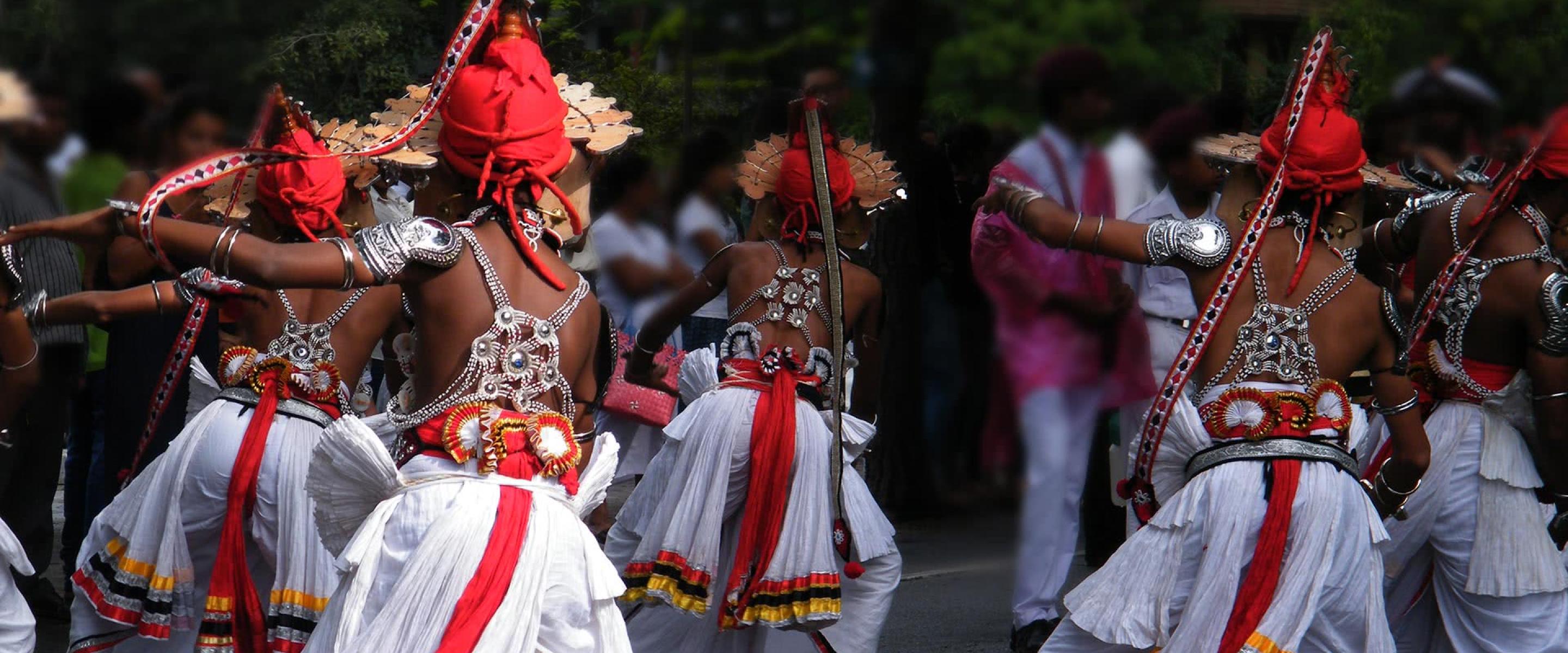
So much in Asia depends on the calendar. In February in Beijing, more than 20 million people all set off fireworks to celebrate Chinese New Year. In Nagaland in India, tribes from all over the region meet to compete, dance, and celebrate. In Thailand, spectators look on as celebrants perform bizarre rituals at the Nine Emperor Gods Festival.

With an intimate and unique knowledge of Asian culture, Remote Lands knows the importance of experiencing culture the right way. Whether you want an up-close view of the Sing-Sing festival in the Asaro Valley of Papua New Guinea or a quiet walk through the Sapporo Snow Festival in Japan, Remote Lands can give travelers the best possible experience on their celebrations throughout Asia.

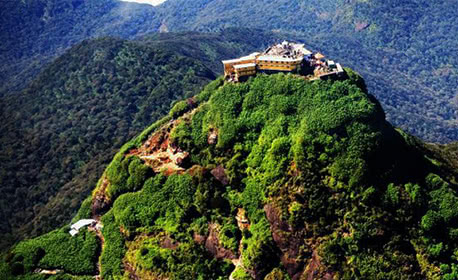
Every year, thousands of pilgrims make the lofty journey to the summit of Adam’s Peak, or Samanalakande (Butterfly Mountain). Starting from Poya Day (in December) and running all the through to Vesak Festival in May the following year, worshippers don their walking boots for the grueling 7,000-foot climb to the peak’s Buddhist temple.
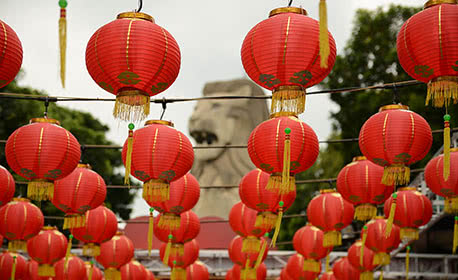
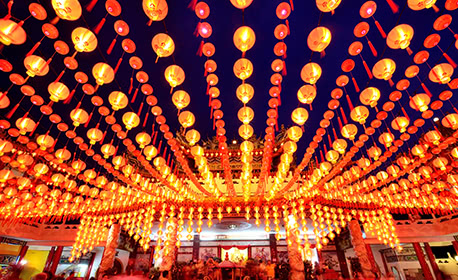
Chinese New Year marks the start of the lunar calendar for Singapore’s vast Chinese community. Inevitably, the best place to see the celebrations is in Chinatown, which is lit for 15 days by bright lights and decked with traditional red lanterns. There are also traditional parades, live music, dance shows and cultural exhibitions.

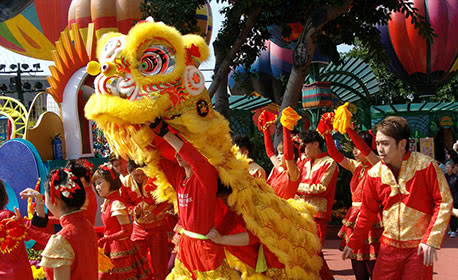
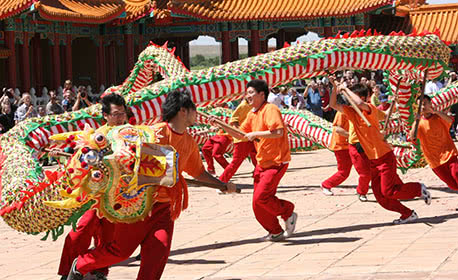
This three-day festival is celebrated by Malaysian Chinese throughout the country. Houses, temples and streets are cleaned and decorated, families come together for reunion meals, children receive red packets of money and there are dragon and lion dances in the street. Fireworks are set off and there is a festive atmosphere.

The Chinese New Year is by far the biggest and most widely-celebrated festival in Hong Kong and is celebrated over a few days. Highlights include a stunning flower market at Victoria Park, followed by a night parade the next day. Proceedings are brought to an end with huge firework display over Victoria Harbour on the final day.

This seven-day holiday is one of the most important in the Chinese calendar and is referred to as Golden Week. There are noisy celebrations with fireworks, family reunions where older relatives give youngsters red envelopes with cash, and lion dance performances. Most businesses reopen on the sixth day with spring dinners for employees.

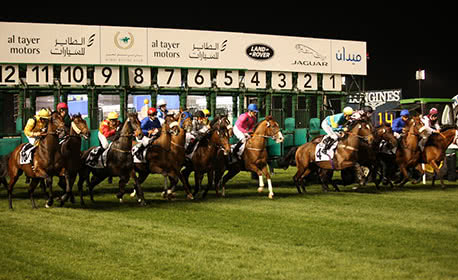
Starting in January and concluding in March, the Dubai World Cup Carnival provides a great spectacle for avid punters and horse racing enthusiasts. The international racing event typically features a total of 32 races with both thoroughbred and purebred Arabian horses.

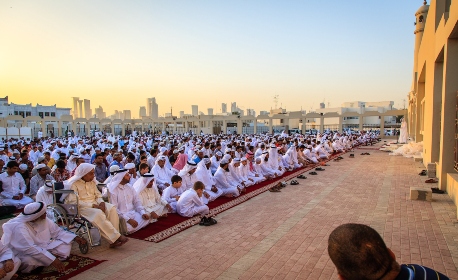
Eid Al Fitr is one of the most important religious festivals in the Islamic calendar and is widely observed in Qatar. Marking the end of Ramadan, the whole country comes alive and locals head out to celebrate with friends and family. Firework displays and festivities are held at Katara Cultural Village, while lights, banners, displays, and musical performances occur in various locations including the seafront, malls, and major souks. Travelers should note that almost all businesses close during this time though the festive mood and the chance to see locals in their best traditional clothing make it a special time to visit. 

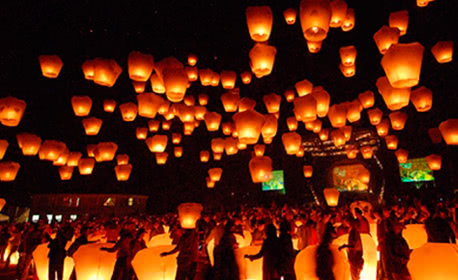
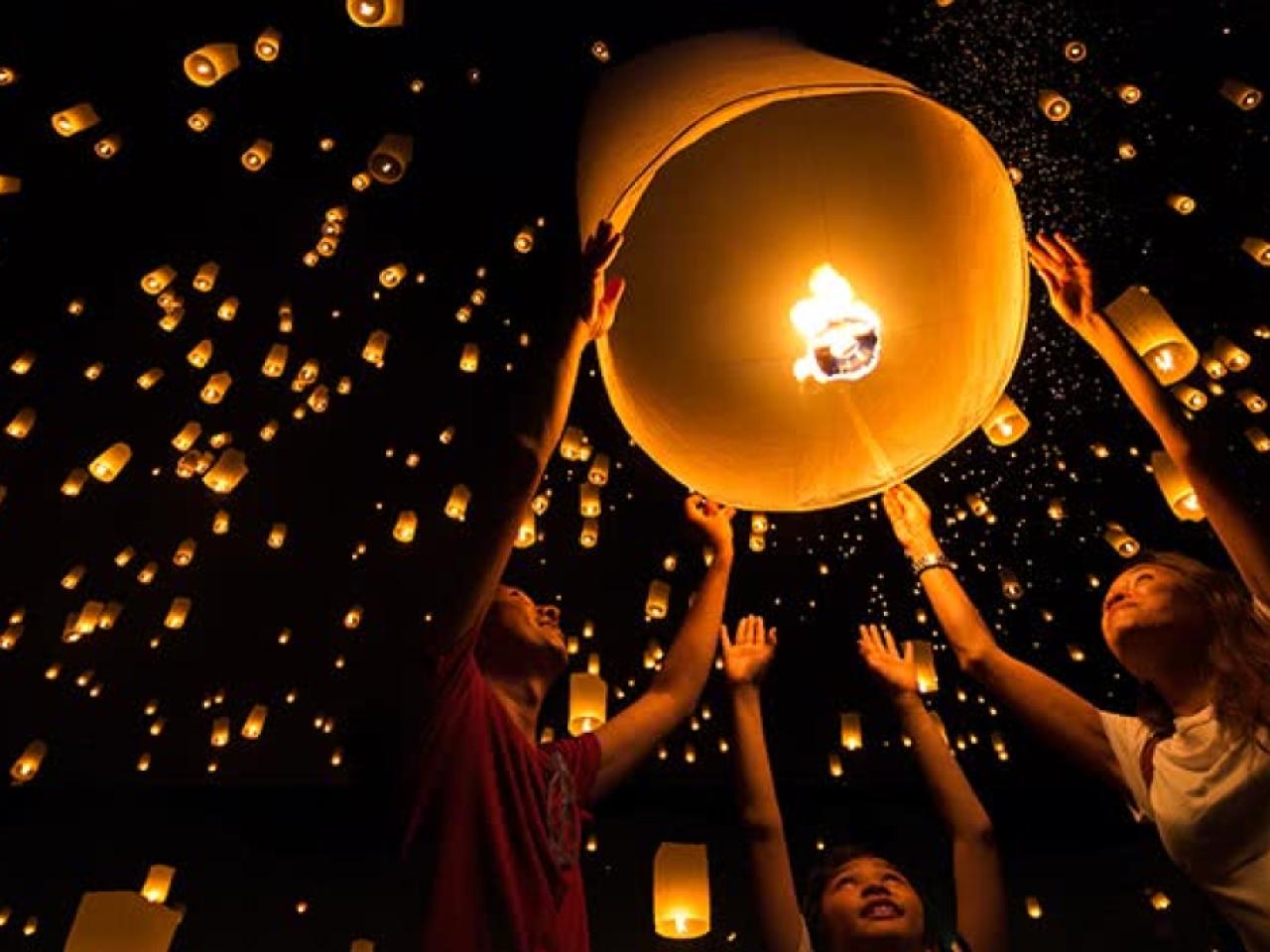
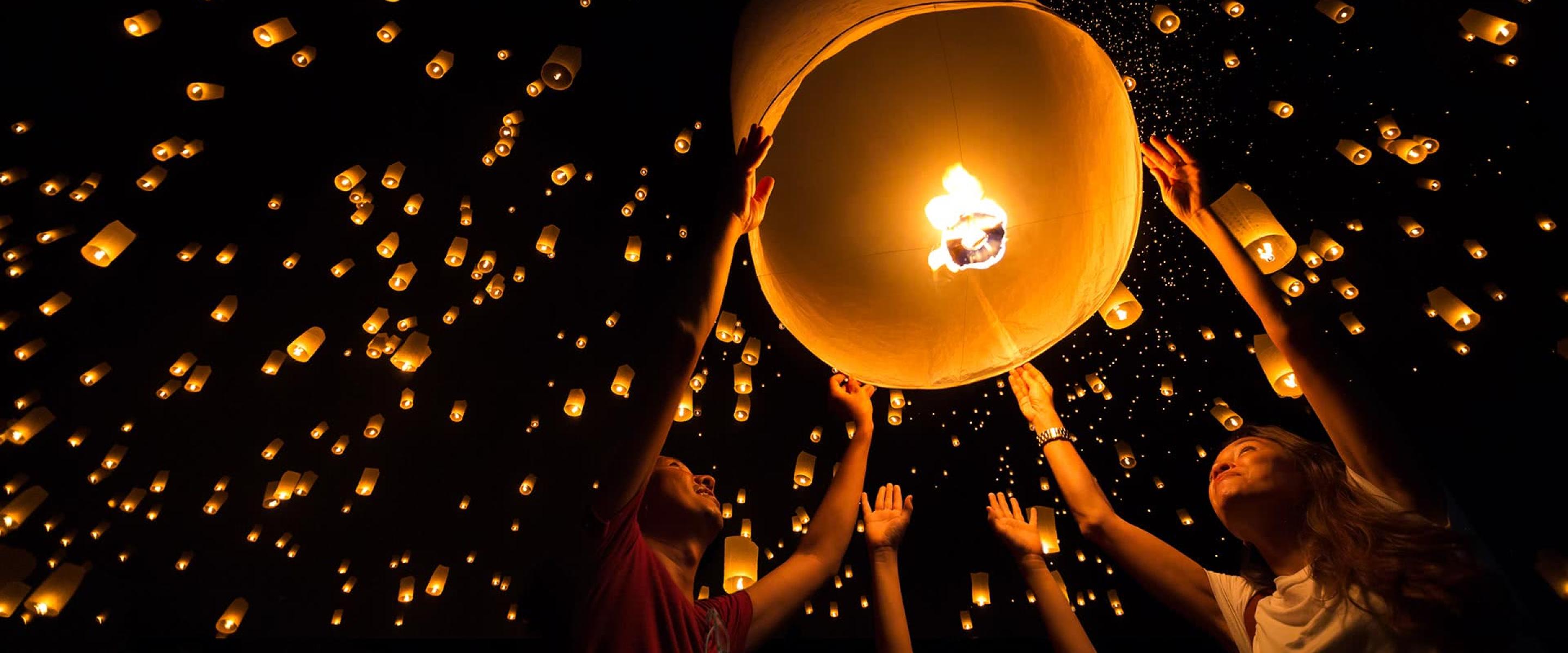
On the eve of every full moon, the quaint town of Hoi An switches off its lights. However, this doesn’t mean it plunges into darkness. Instead, the town is lit up by candles, and glowing lanterns are released into the sky. Popular amongst both tourists and locals, the spiritual atmosphere really makes for an unforgettable experience.

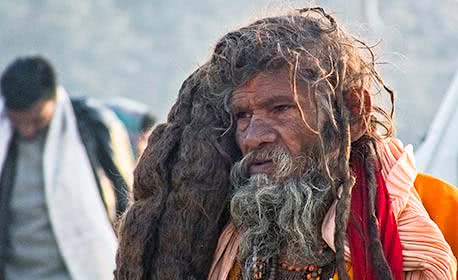
Known as the largest peaceful gathering in the world, this mass Hindu pilgrimage involves worshippers bathing in the country's most revered and significant rivers. Taking place in a 12-year cycle at four different locations (Prayag, Haridwar, Nashik and Ujjain), this event presents a unique opportunity to witness some of India’s oldest and most sacred rituals.

Lusheng Reed Pipe Festival

Lusheng, China Celebrated in many different places - In Lusheng it is September (biggest one)

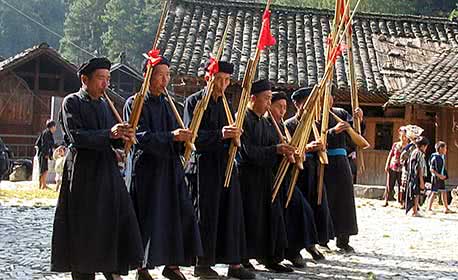
This is a popular four-day festival celebrated by the Miao ethnic minority of Guizhou. The Lusheng reed pipe dates back to the Tang dynasty and, as a symbol of Miao history, is played throughout the festival at ceremonies and performances of traditional dances. There are horse races on the third day and bullfighting on the fourth.