
Festivals & Events

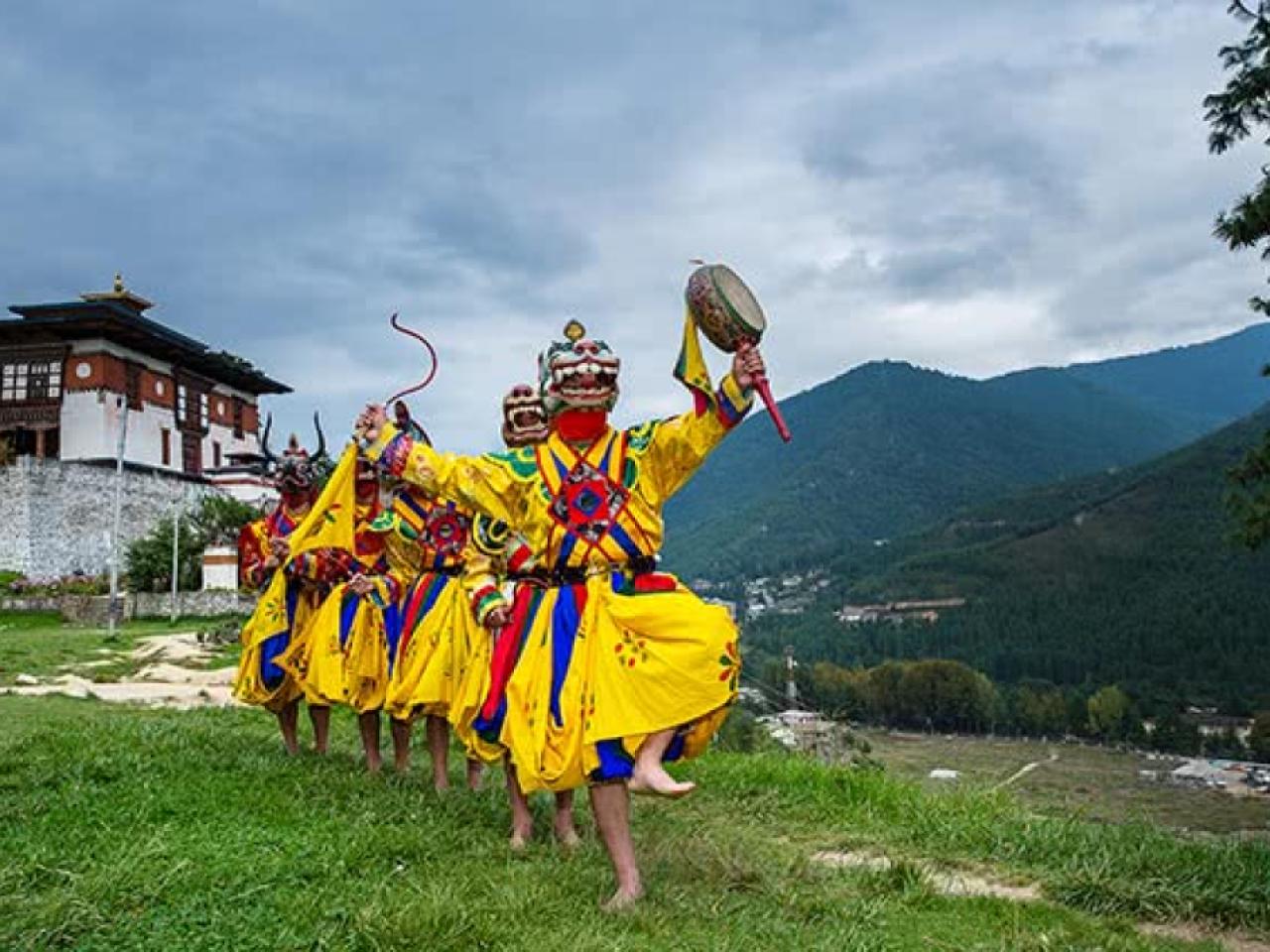
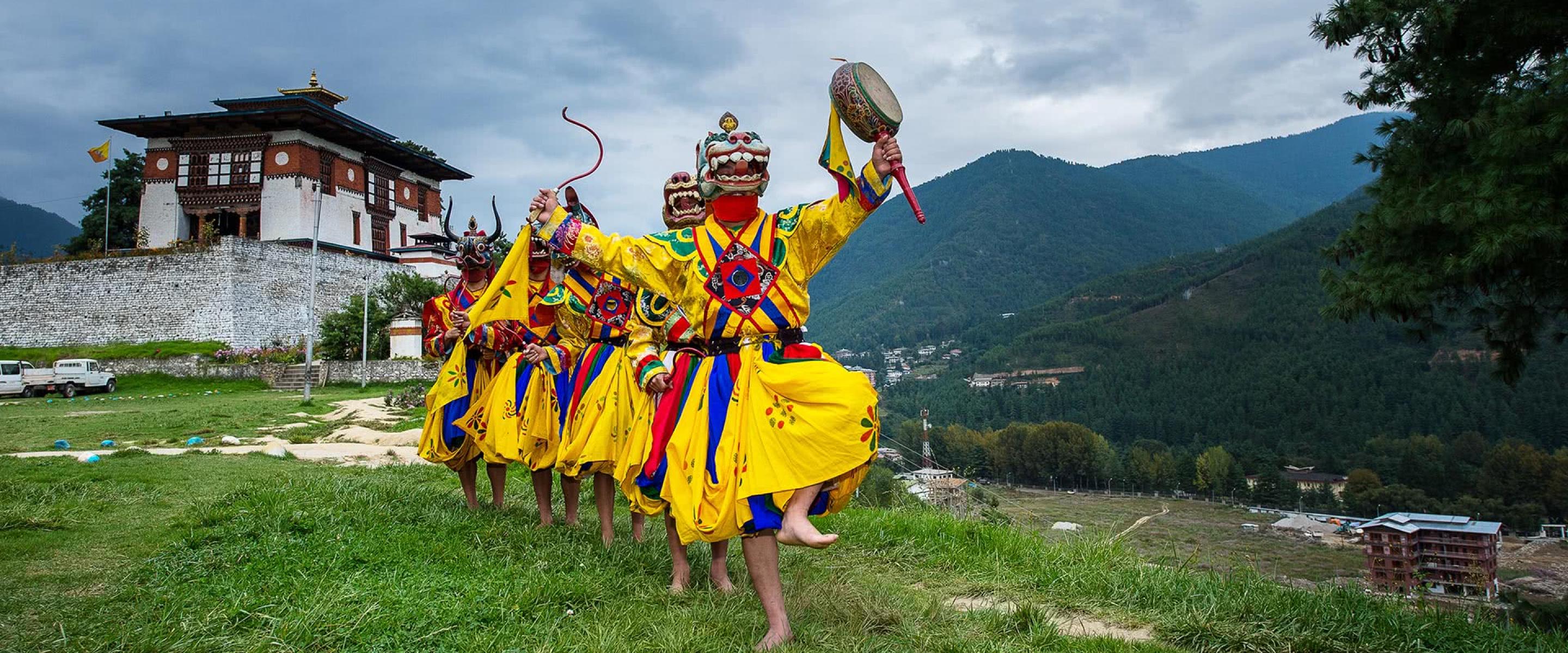
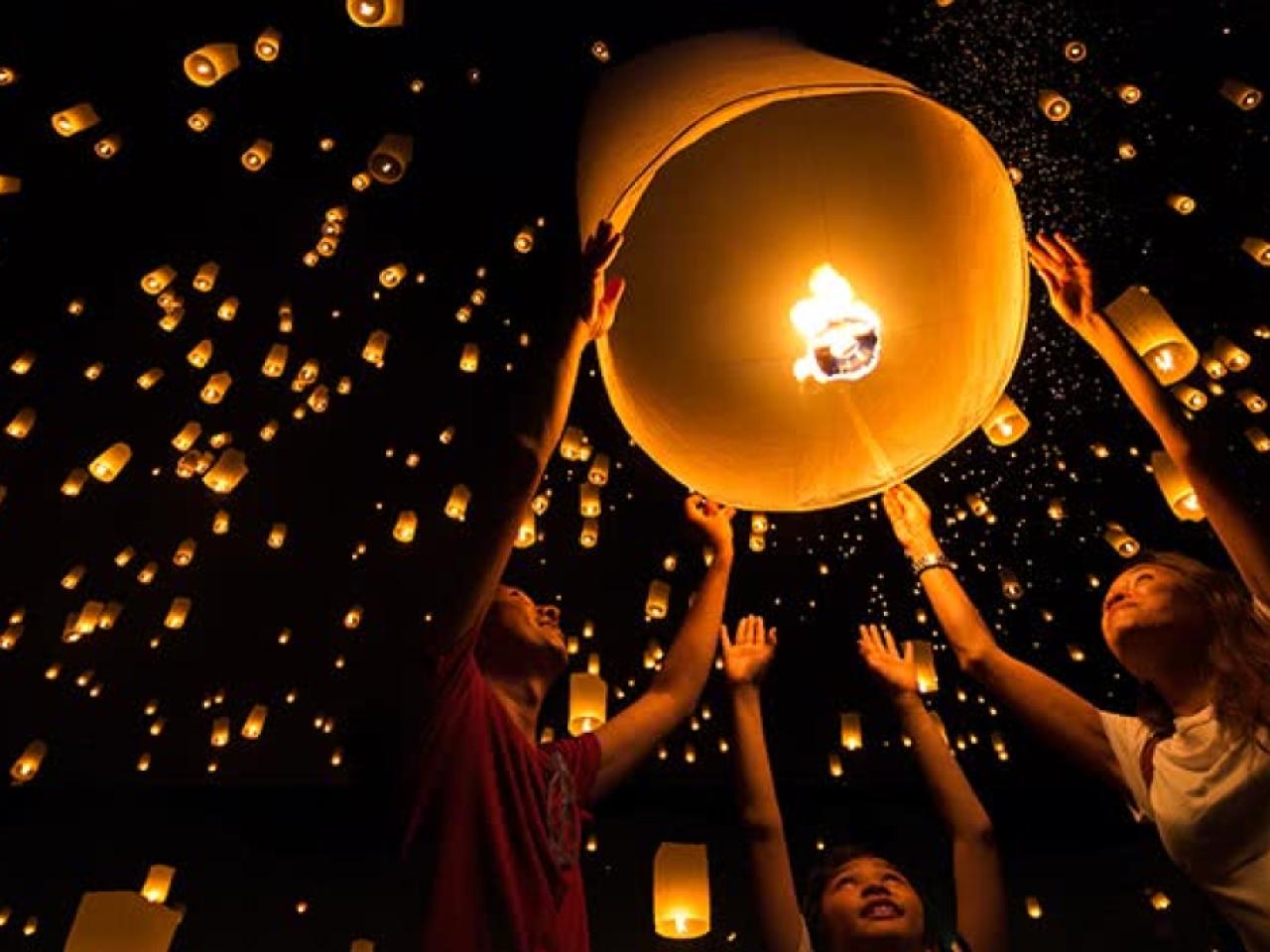
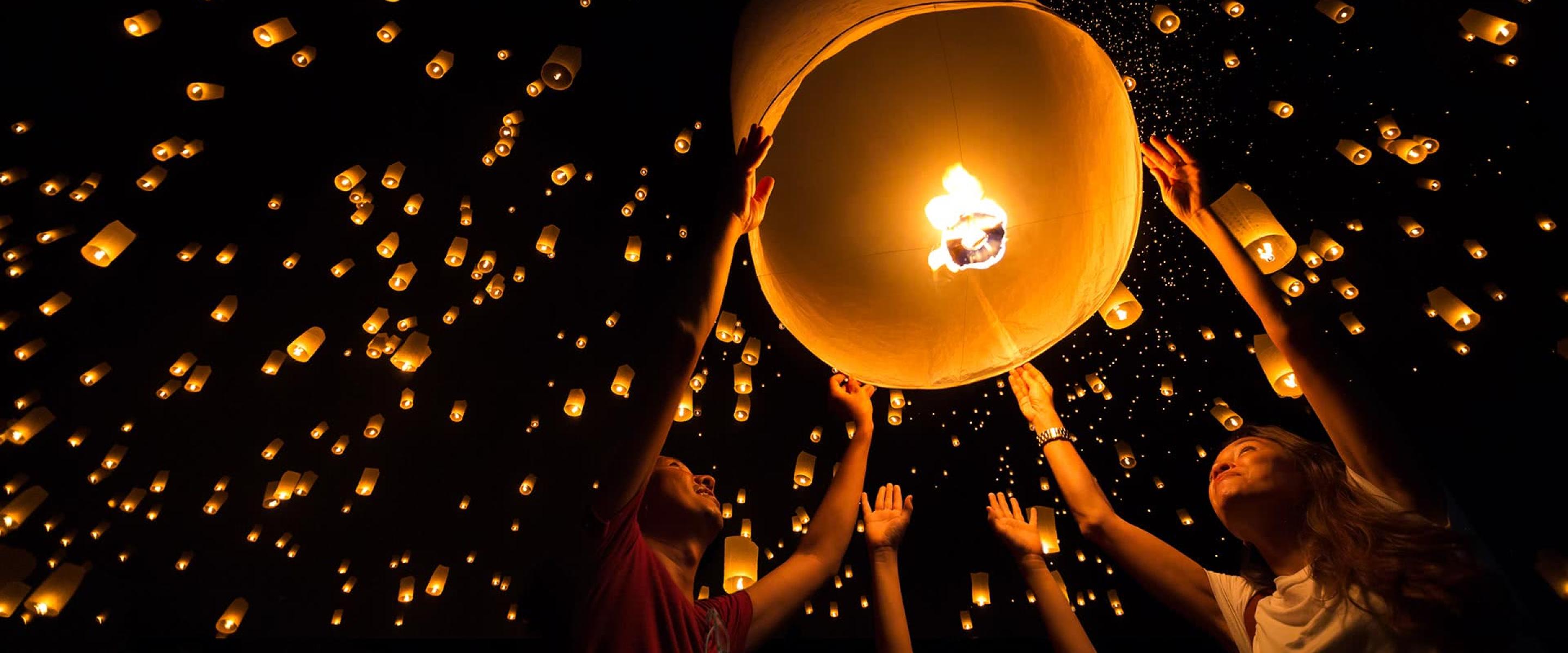
So much in Asia depends on the calendar. In February in Beijing, more than 20 million people all set off fireworks to celebrate Chinese New Year. In Nagaland in India, tribes from all over the region meet to compete, dance, and celebrate. In Thailand, spectators look on as celebrants perform bizarre rituals at the Nine Emperor Gods Festival.

With an intimate and unique knowledge of Asian culture, Remote Lands knows the importance of experiencing culture the right way. Whether you want an up-close view of the Sing-Sing festival in the Asaro Valley of Papua New Guinea or a quiet walk through the Sapporo Snow Festival in Japan, Remote Lands can give travelers the best possible experience on their celebrations throughout Asia.

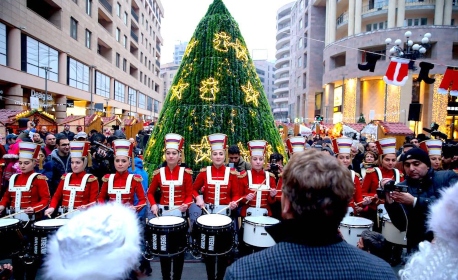
Christianity has been the state religion in Armenia since 301 and as such maintains their original day for Christmas: January 6. The holidays for this period feature a number of feasts, festivals, and observances that take place in the first week of January, kicking off with Armenian Santa Dzmer Papa (winter grandfather), who brings presents on December 31st. Christmas day on January 6 is a time when people bring the fire from churches to their homes, believing it will bless their families.
Celebrated with family, New Year in Armenia involves a feast into the night of pork leg, Armenian dolma, and spicy blinchik, as well as spirits that include Armenian cognac and wine. After the clock strikes midnight on January 1, Armenians often leave their home in the dead of winter in the middle of the night to visit with their neighbors.

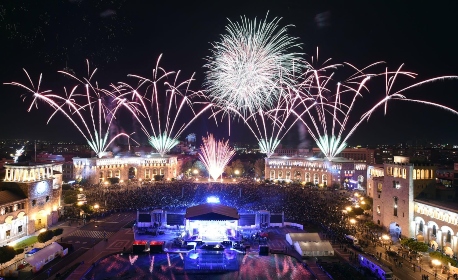
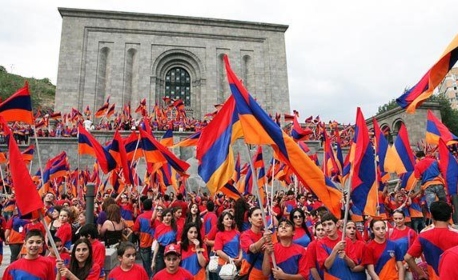
Republic Day is a national holiday in Armenia marking the anniversary of the short-lived First Armenian Republic in 1918, celebrated with fireworks, concerts, and parades. The Republic was declared in 1918, shortly after the Armenian genocide, and only a short while later, Armenia would become part of the Soviet empire and would not celebrate Republic Day again until 1988.