

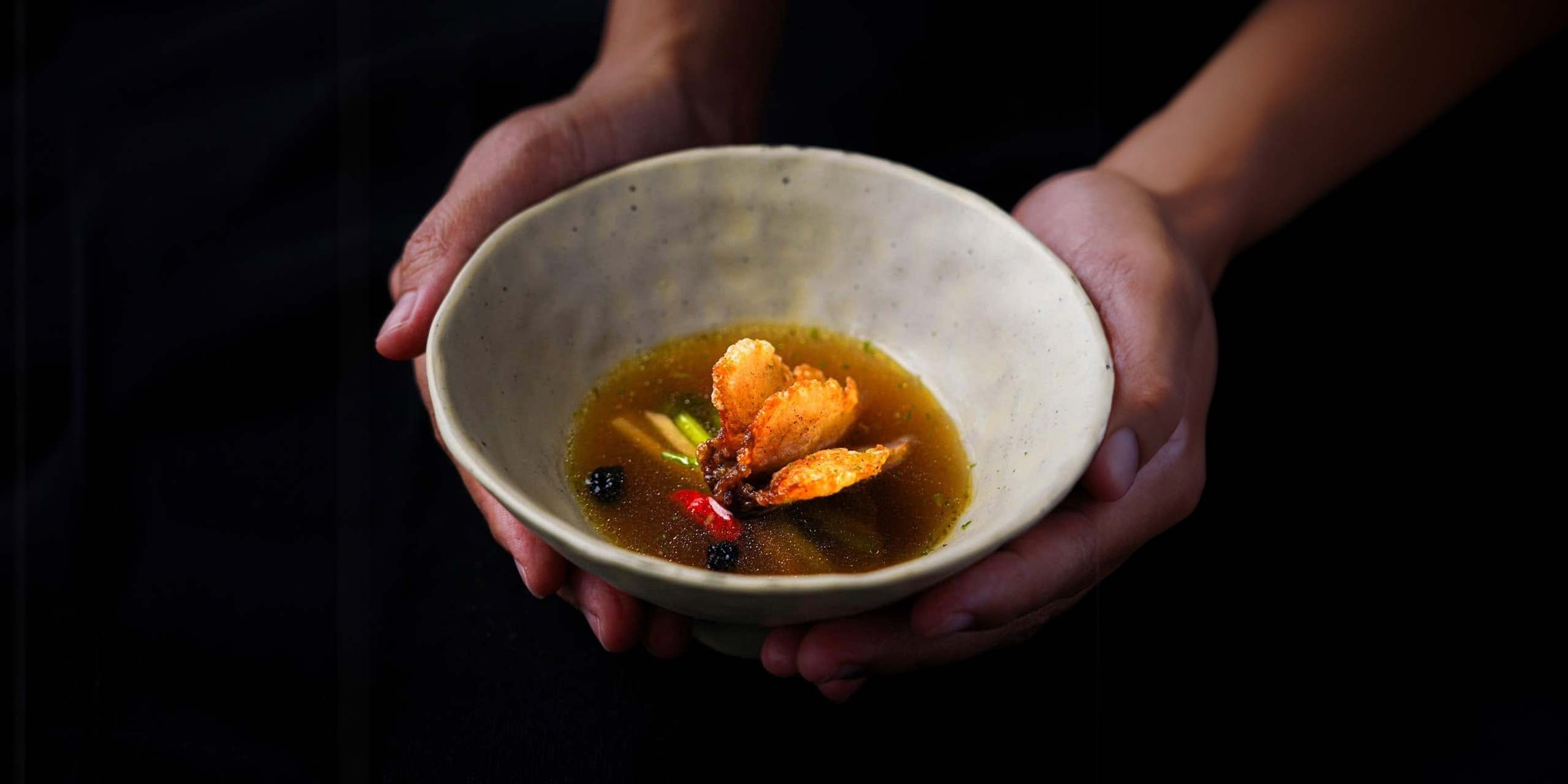
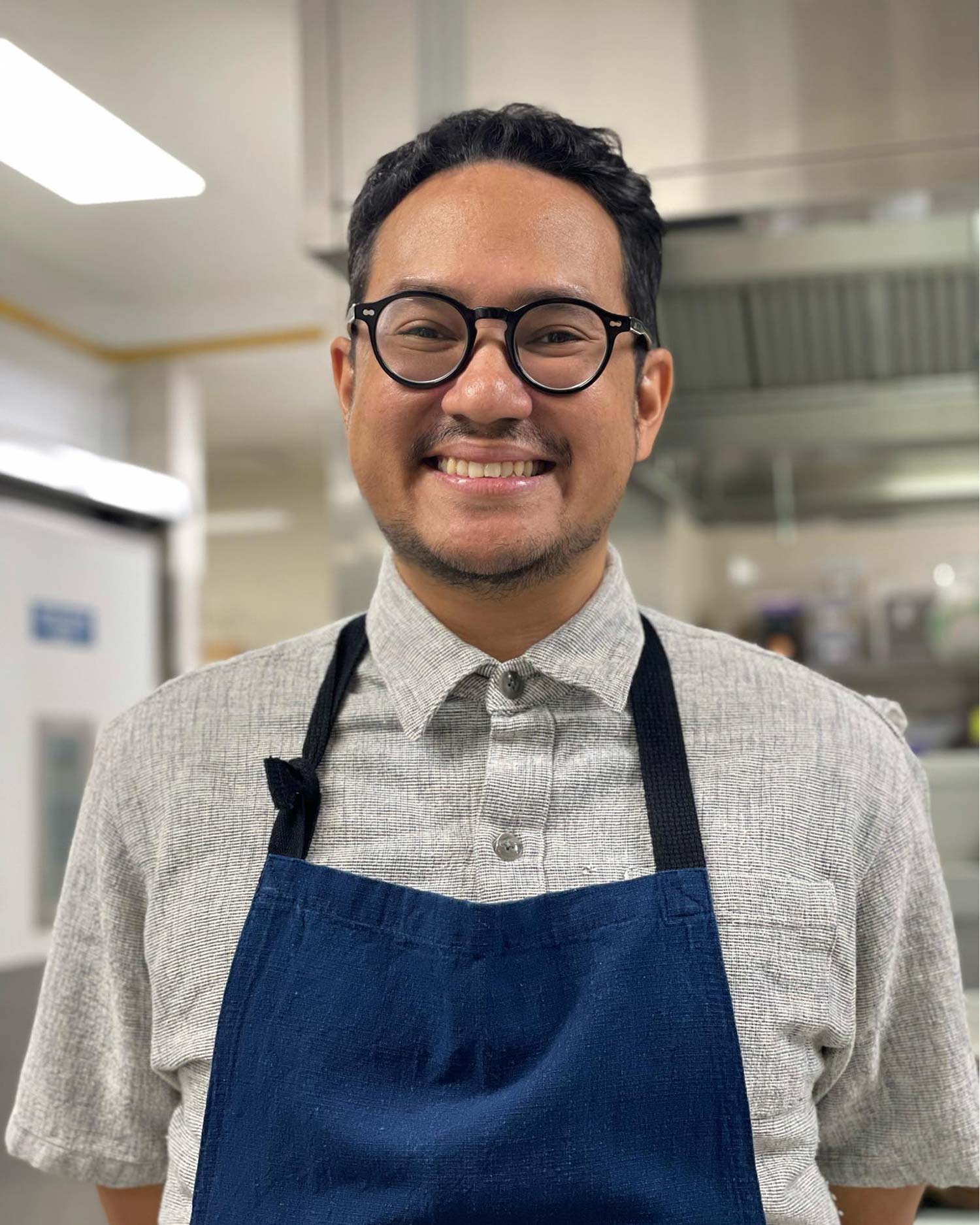
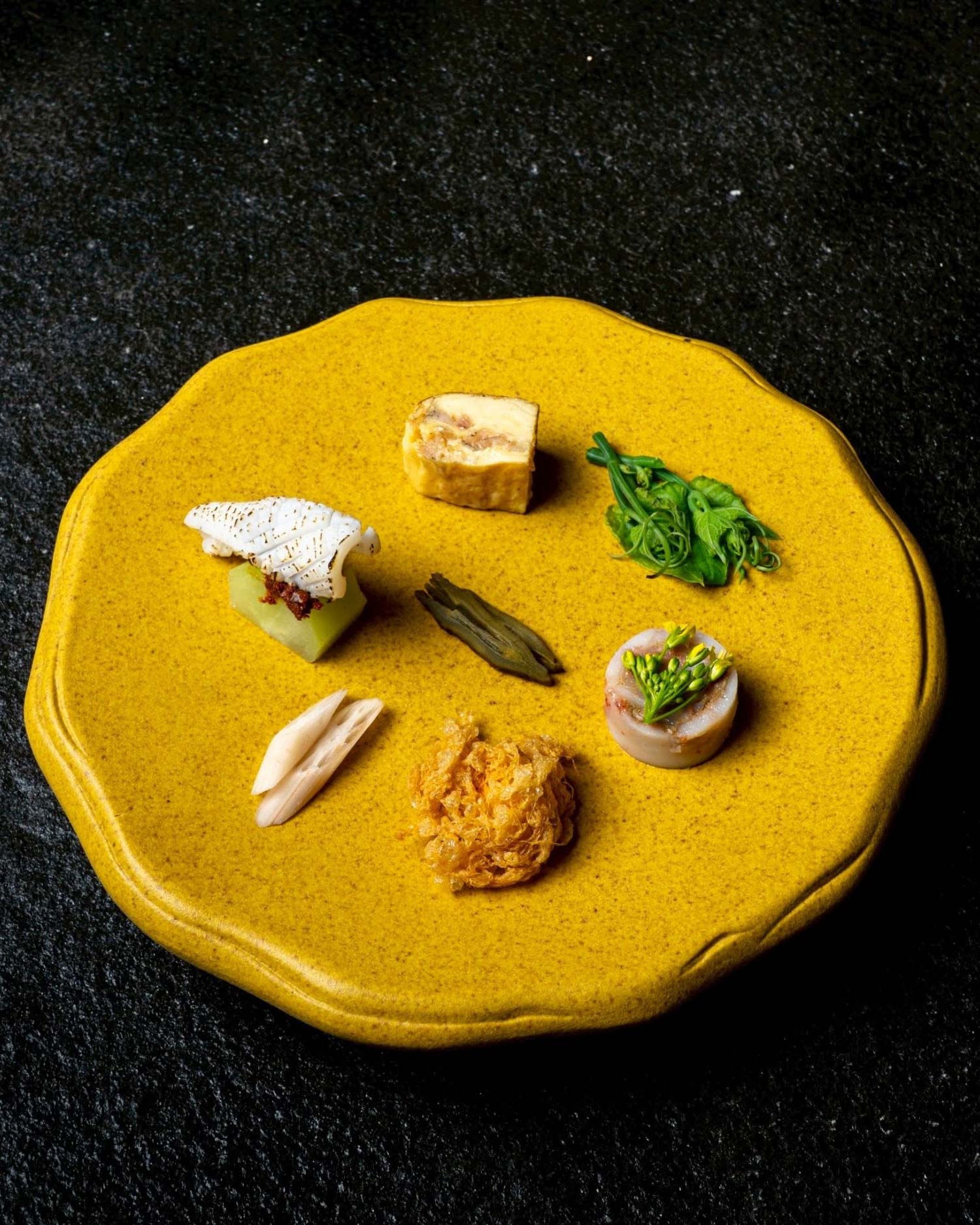
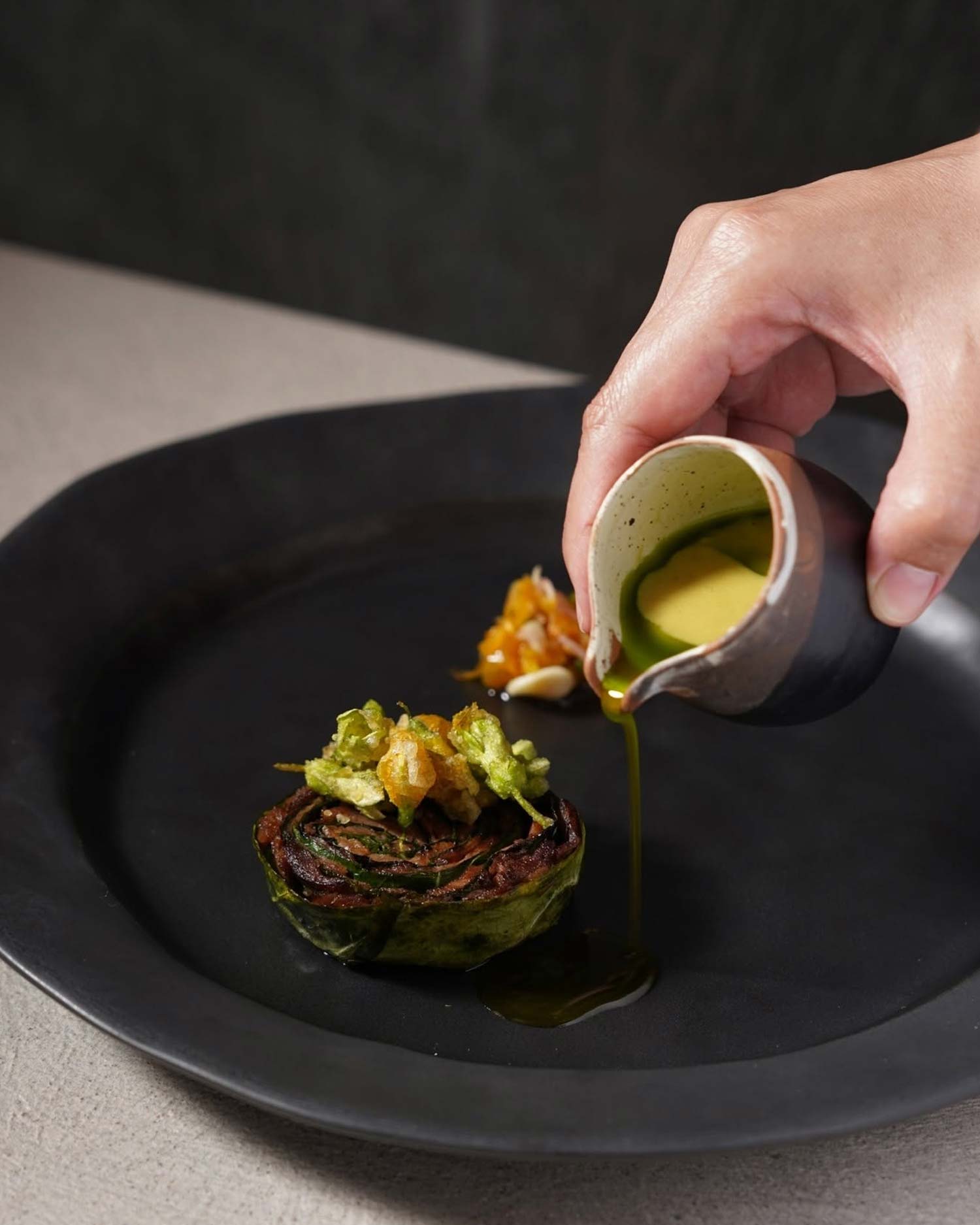
“The hills around Chiang Mai are full of magic,” says Phanuphol ‘Black’ Bulsuwan as he serves me up a multi-course feast that raids the local larder for a selection of vegetables, herbs, and foraged goodies.
The succession of creations delivered to my table at Blackitch Artisanal Kitchen, Black’s bijou 12-seater restaurant in Chiang Mai’s hip Nimmanheimen neighborhood, showcases his flair for presenting seasonal produce in fresh, bold flavor combinations.
The menu is legit culinary alchemy, but that doesn’t surprise me. Black, you see, knows a thing or two about the supernatural. This impish conjuror usually works his spells on a selection of ingredients from around Thailand.
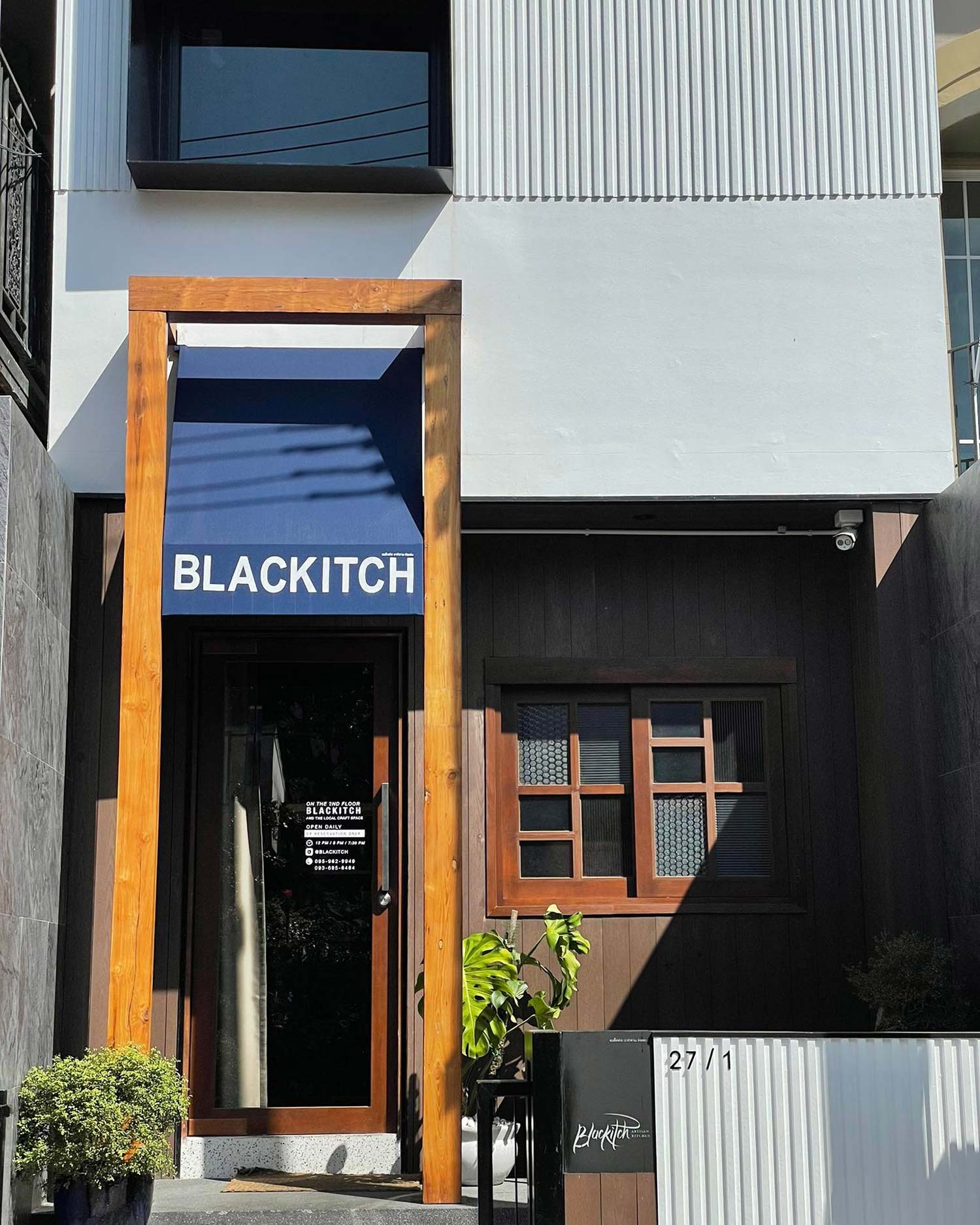
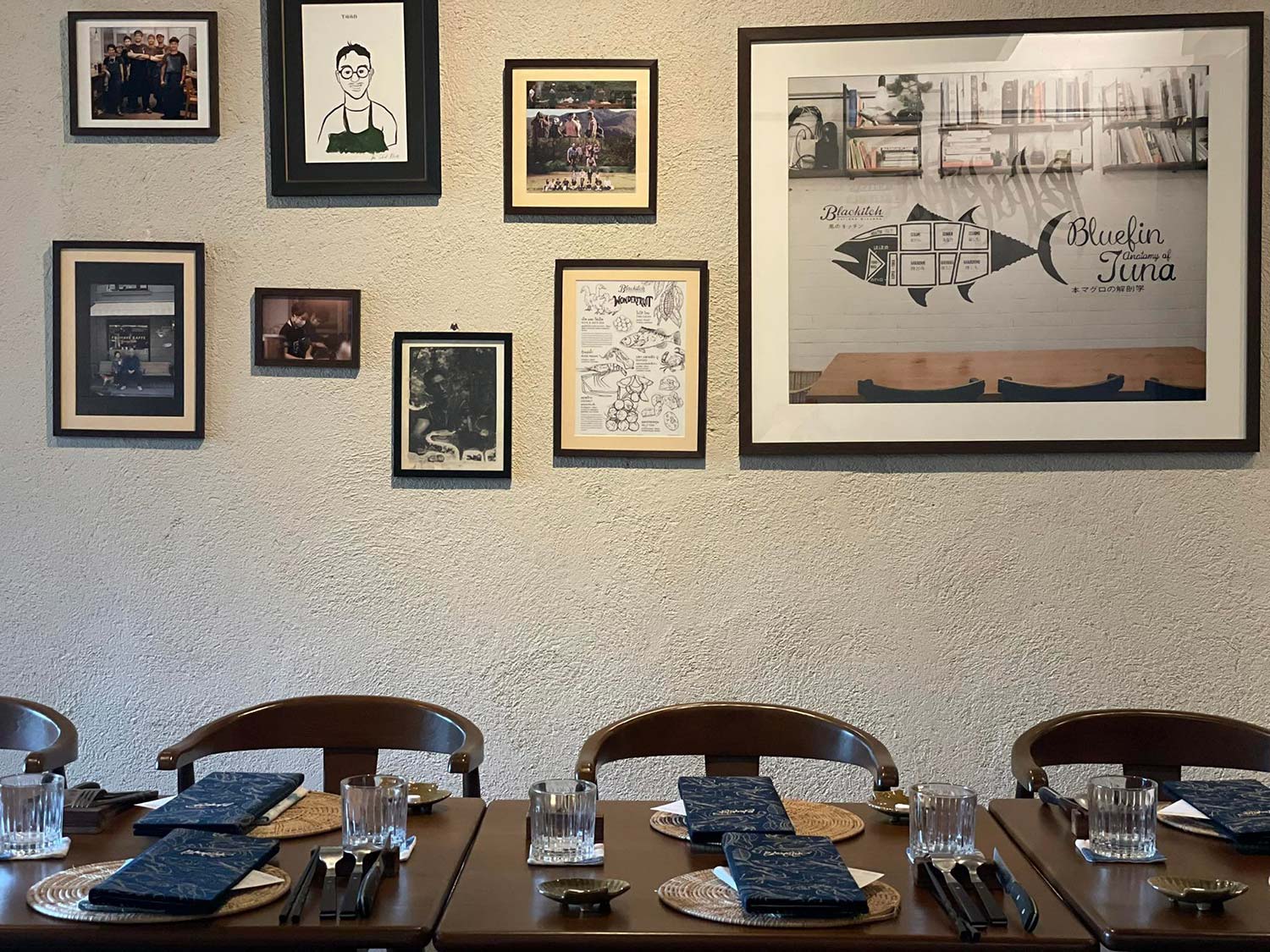
His resourcefulness—allied to a cooking philosophy that mines Japan, the Nordic countries, and Thailand for inspiration—has propelled Blackitch to the very pinnacle of Thailand’s restaurant scene. Its creative, sustainable, and seasonal cuisine has earned it an appearance in the Michelin Guide and the 50 Best Discovery list.
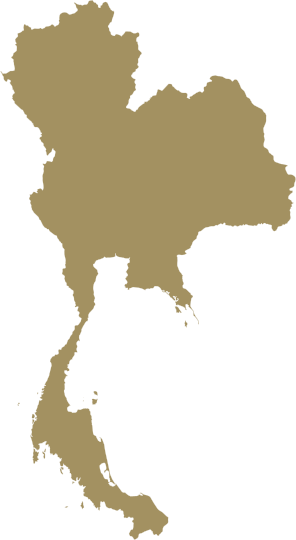
In a country of high-profile tourist attractions and destinations, northern Thailand can sometimes feel neglected. It is, after all, something of a land apart. The area’s traditions have been shaped by centuries as part of the Lanna Kingdom, an independent state that was absorbed into Siam in the late 19th century. The north has a unique juju.
As a resident of Bangkok for the best part of the last decade—and a frequent visitor to Thailand for longer than that—I can attest to its rich seam of wizardry. That’s why I’m back here in the hills for another swig of its elixir.
I plan to imbibe a heady hit of northern Thailand’s beauty and a renewed insight into its remarkable abundance—something that Chiang Mai scene-makers like Black are eager to shout about.
“Herbs are more fragrant, vegetables are tastier, and the meat tastes like it is supposed to taste.”
Phanuphol ‘Black’ Bulsuwan
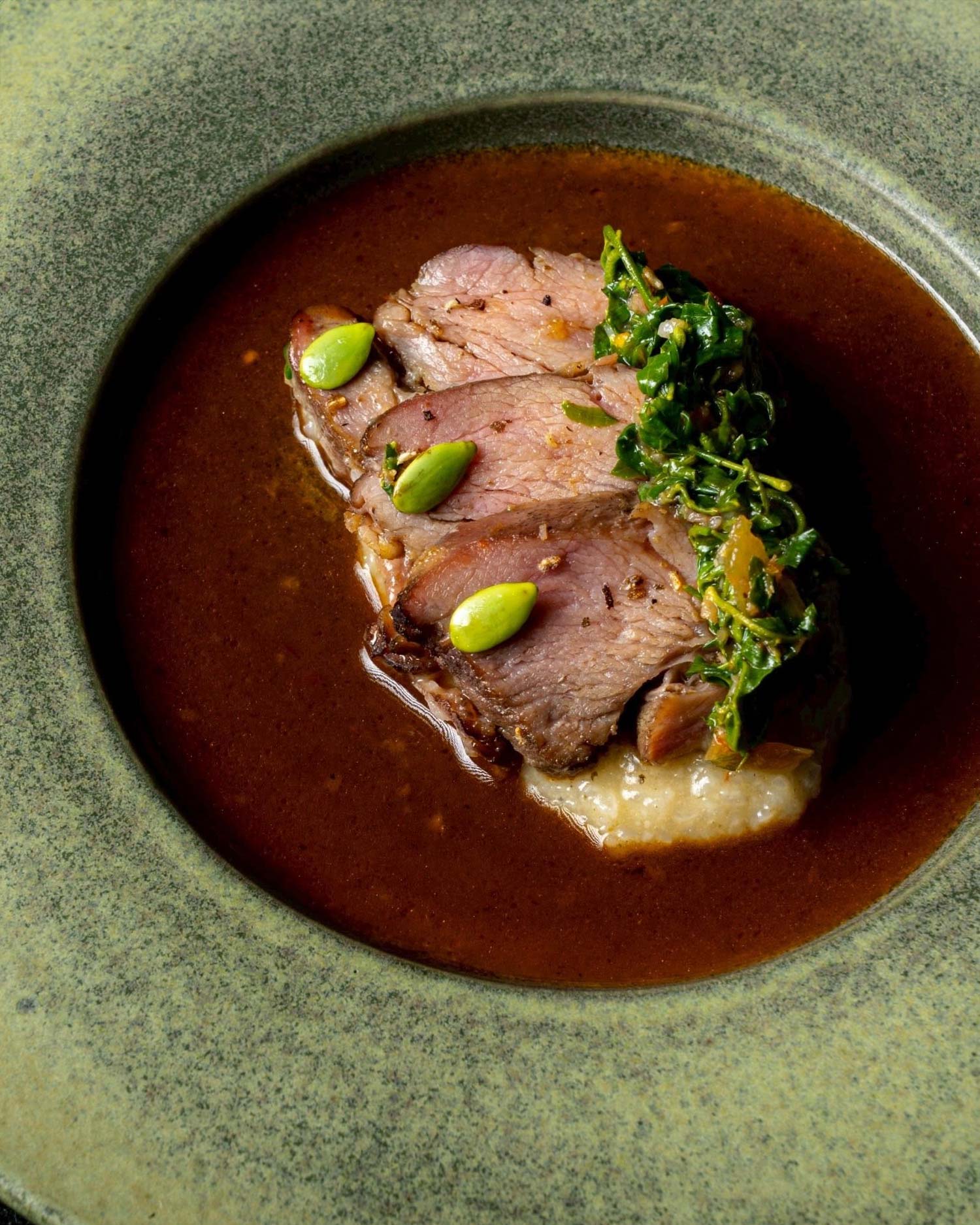
To be fair, the chef is evangelical about produce from all over Thailand. He’s as effusive about crab sourced from Nakhon Si Thammarat in the south as he is about organic rice from Sisaket, where Thailand and Cambodia meet. Still, there’s no mistaking the extra glint in the eyes of this northerner as he waxes lyrical about his backyard.
“We’ve got amazing terroir in northern Thailand,” he says. “Herbs are more fragrant, vegetables are tastier, and the meat tastes like it is supposed to taste.”
As I wrap up, I reflect upon the moreish appeal of the north, a region that never fails to lure me back for extra portions. Some of which I decide to work off by taking the four-or-so kilometers between Nimmanheimen and the Anantara Chiang Mai on foot. The route brings me through Chiang Mai’s walled, moated Old City, the evocative still-beating heart of the city, home to centuries-old temple compounds like Wat Phra Singh and Wat Chedi Luang.
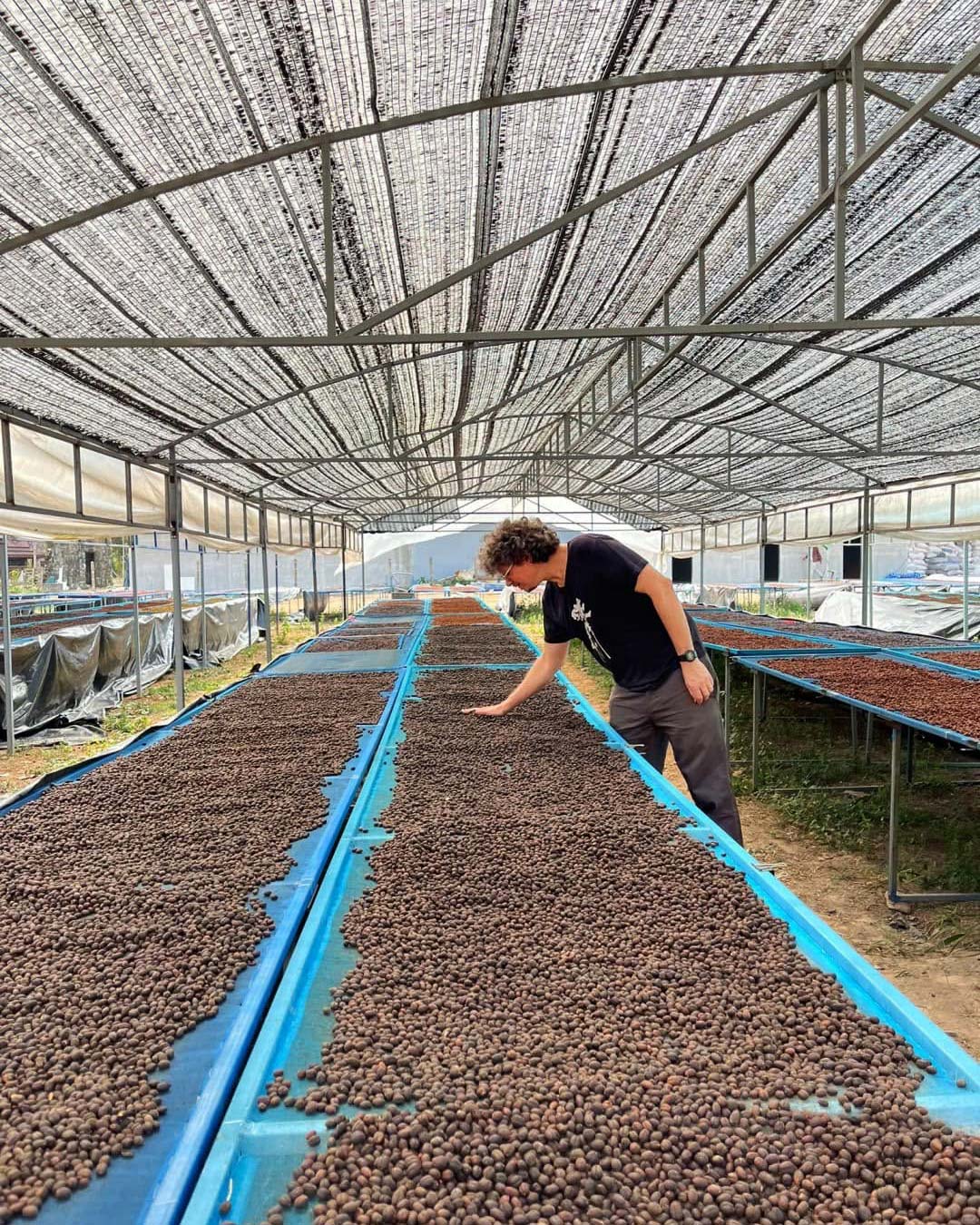
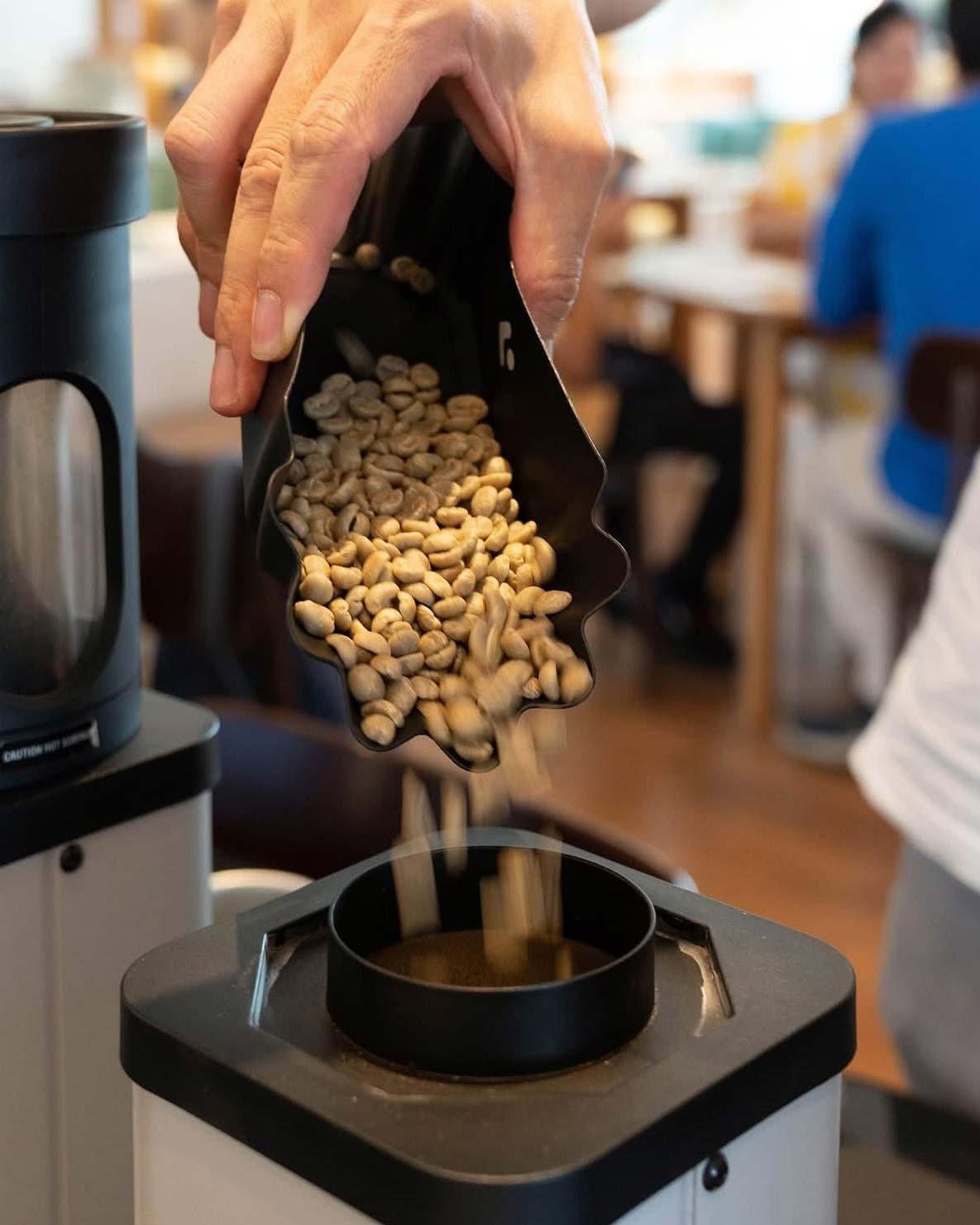
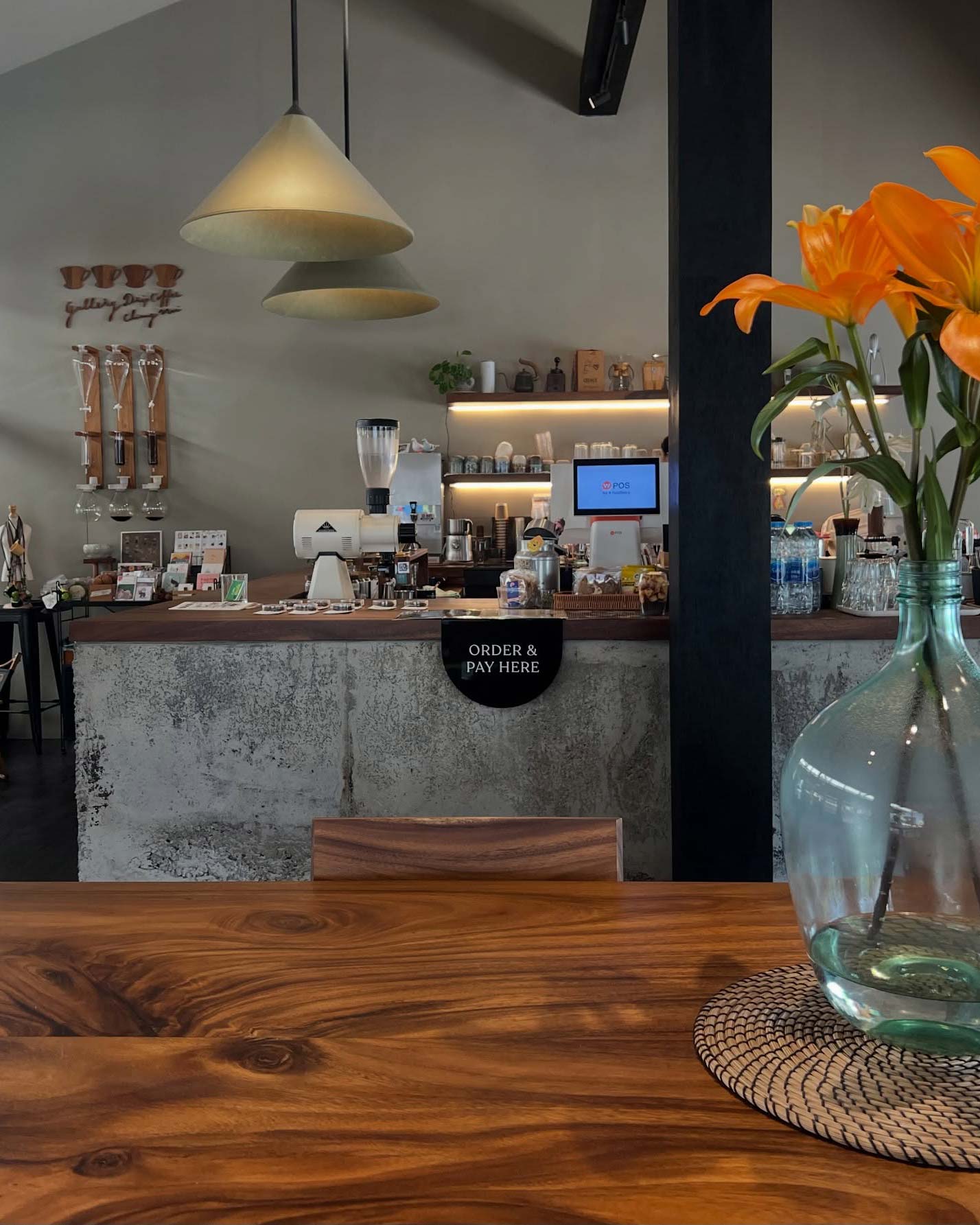
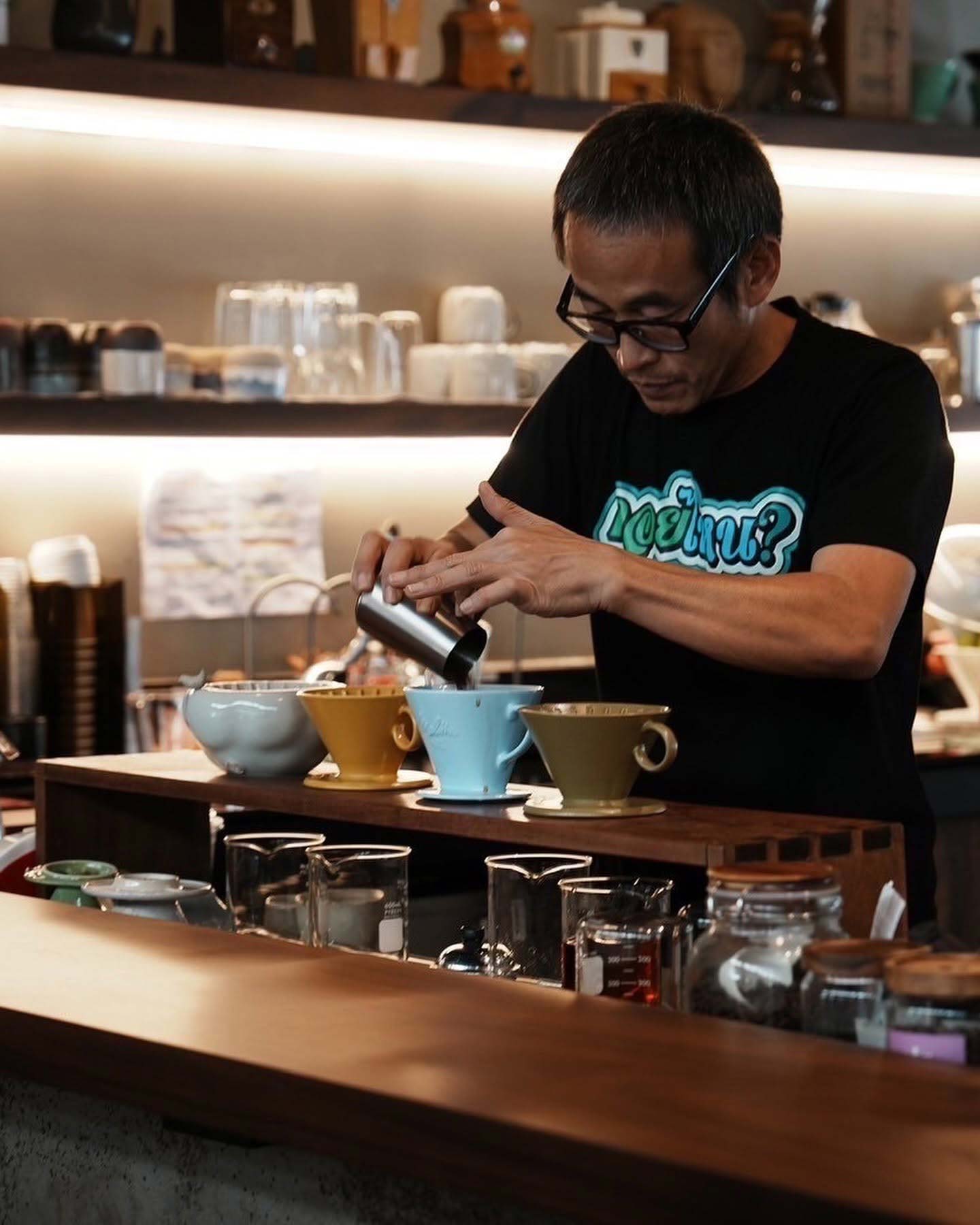
The next day, I indulge in more terroir talk over cups of drip coffee made with beans sourced from boutique plantations in Chiang Rai and Chiang Mai provinces at Gallery Drip Coffee Chiang Mai.
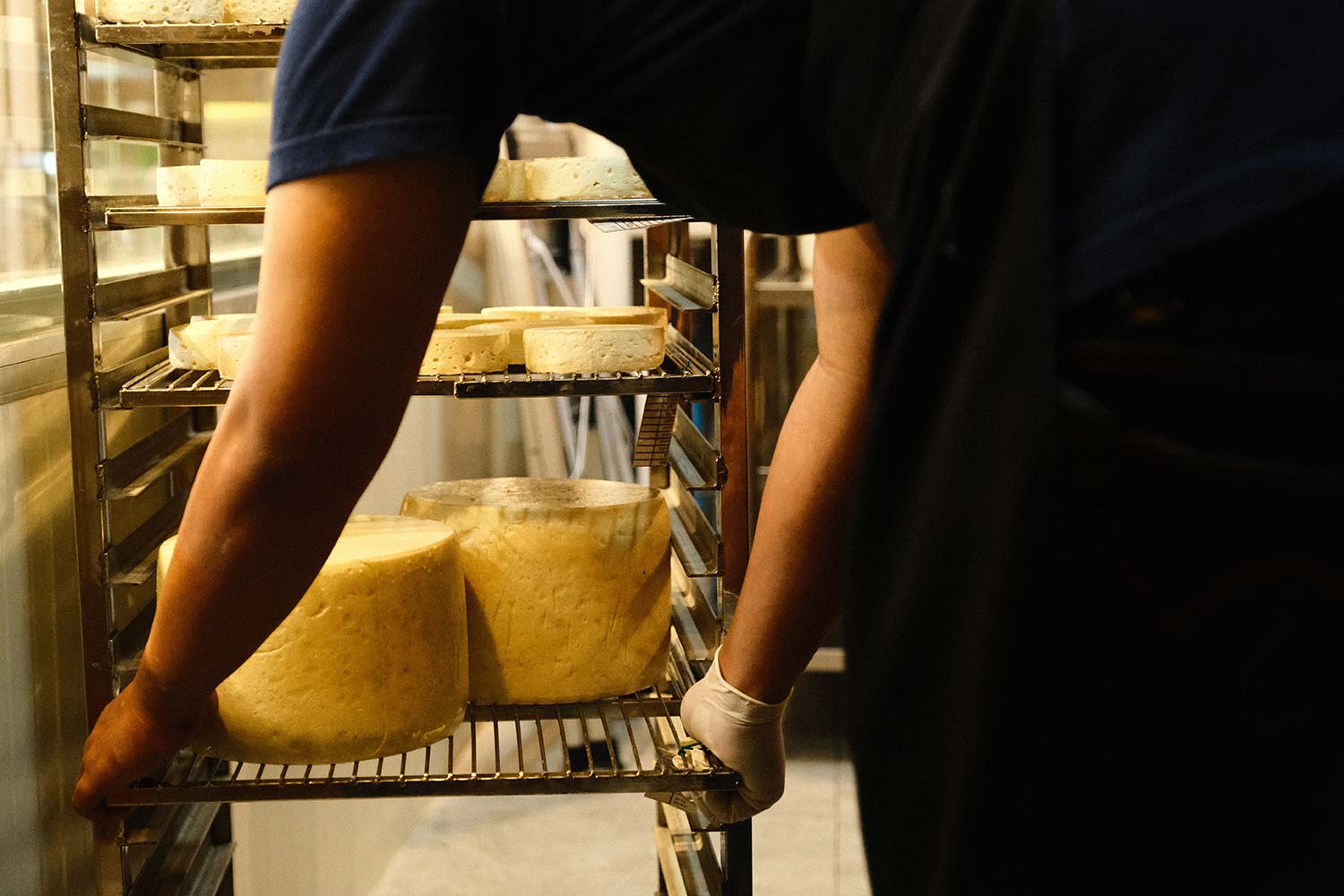
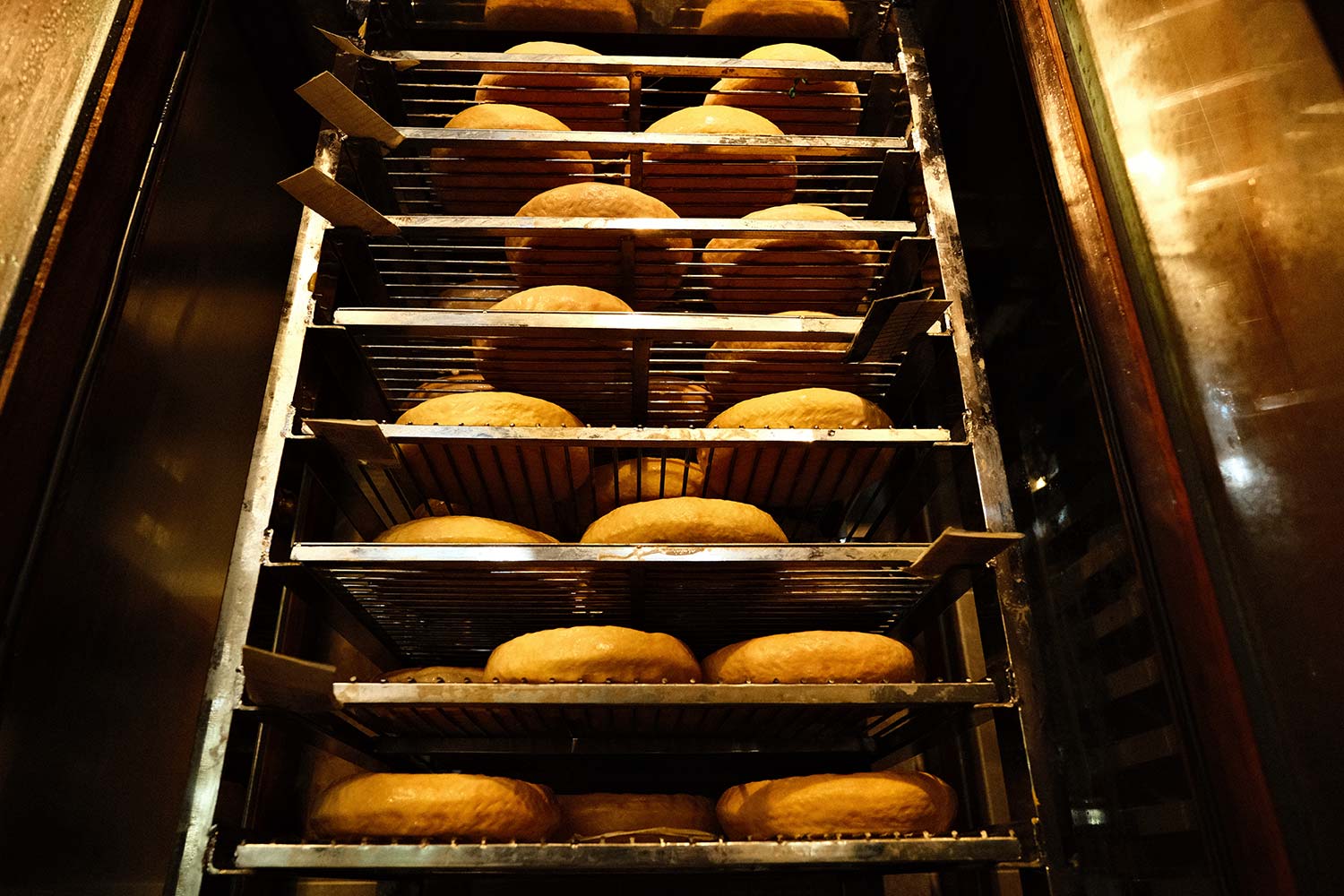
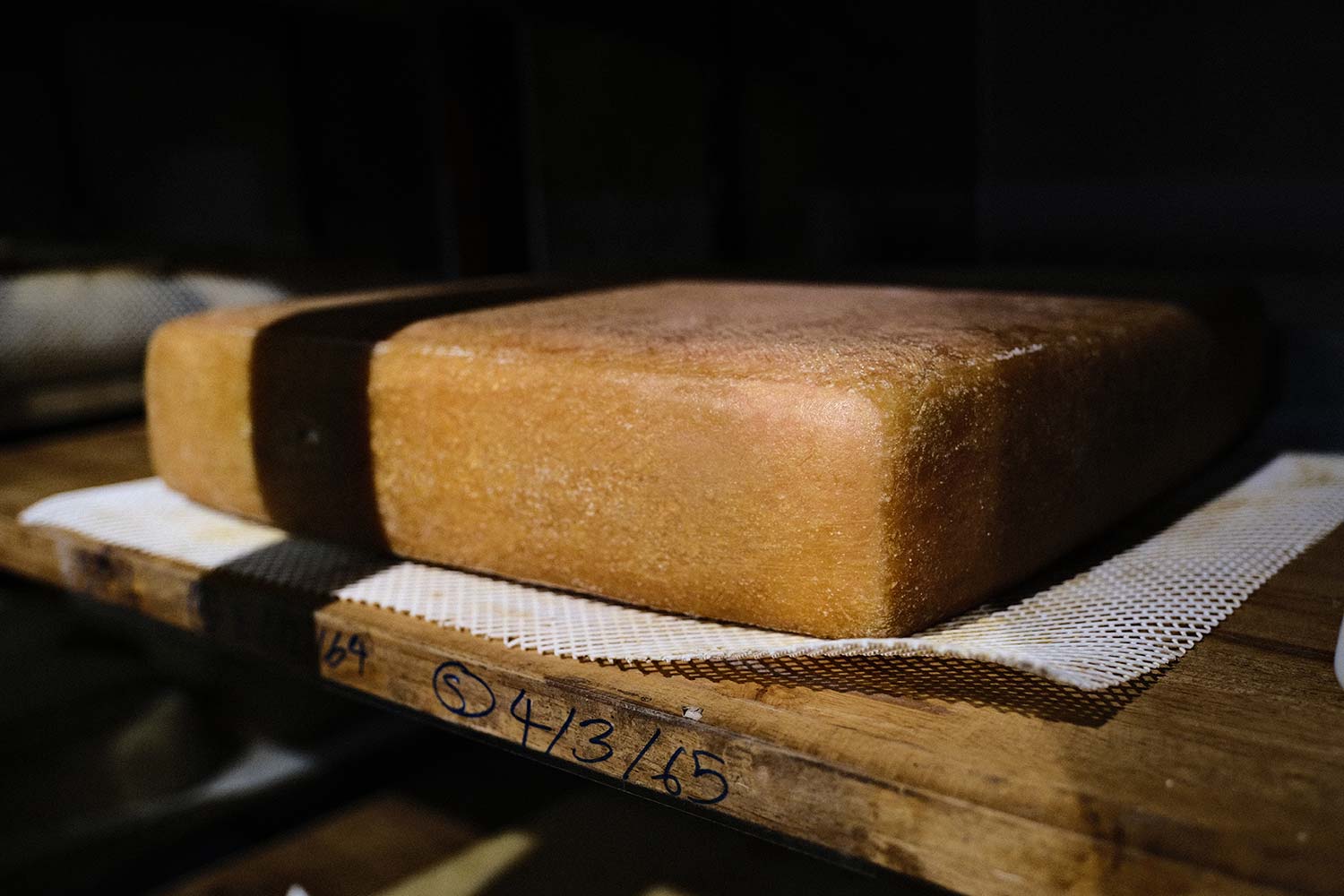
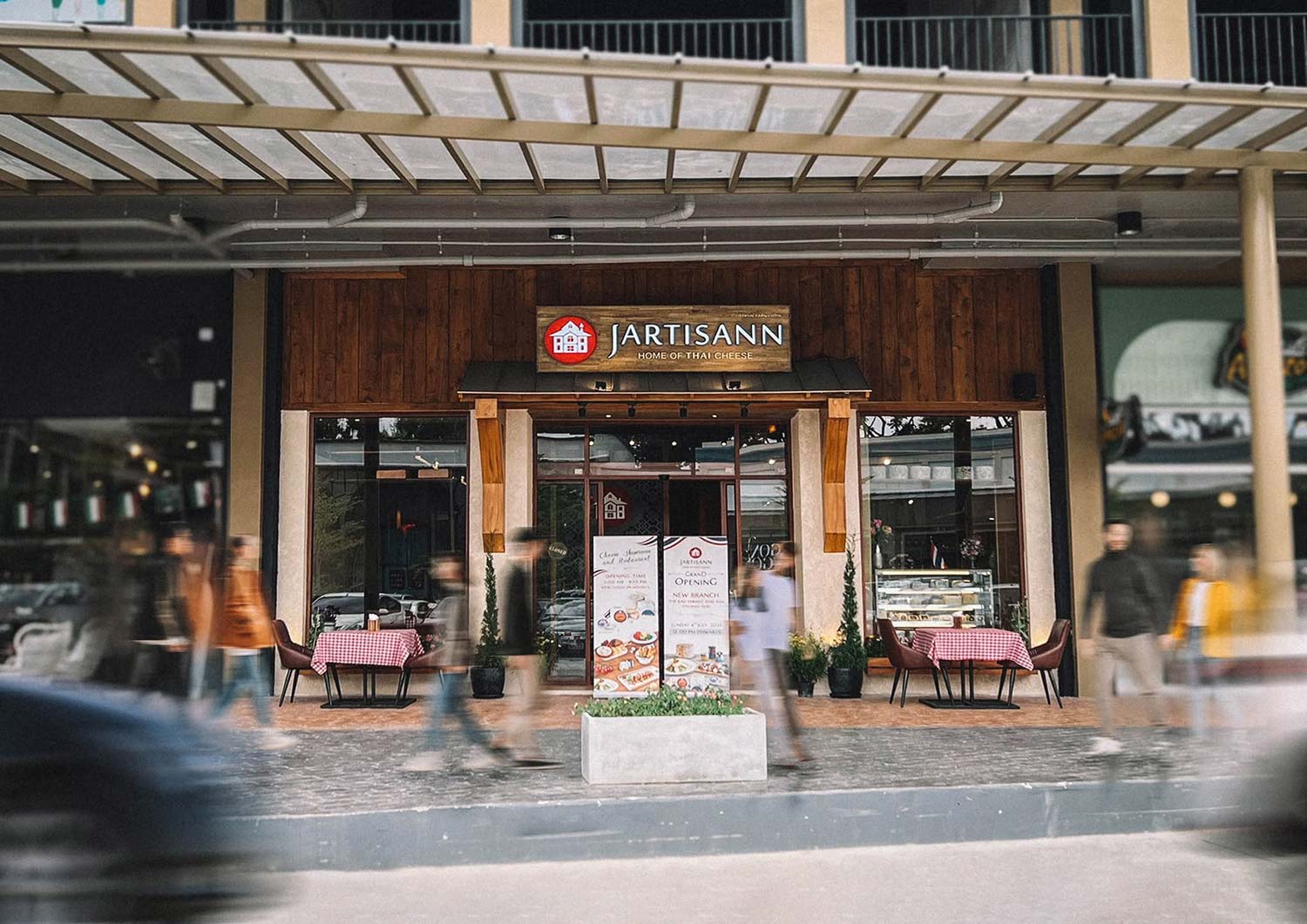
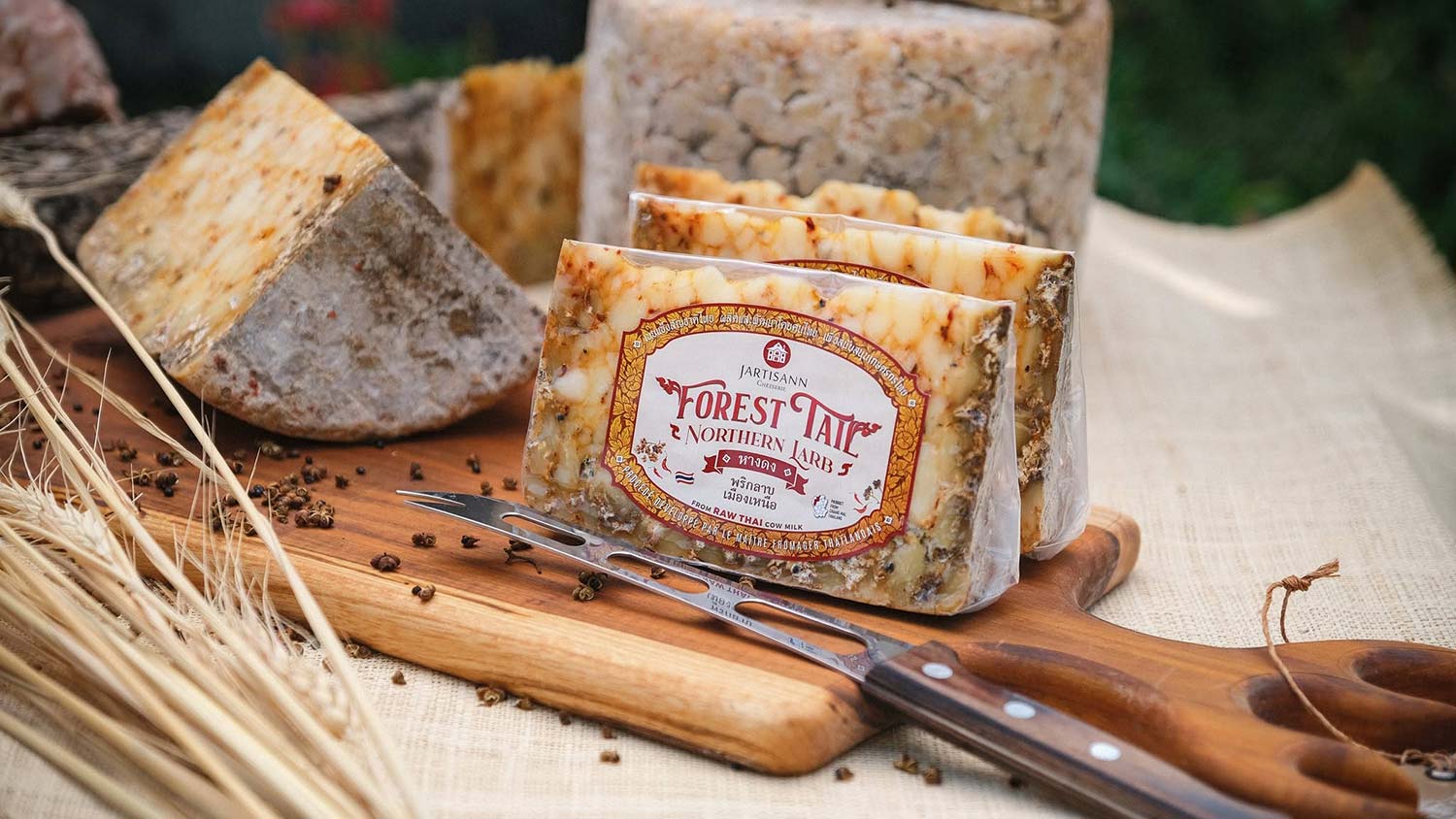
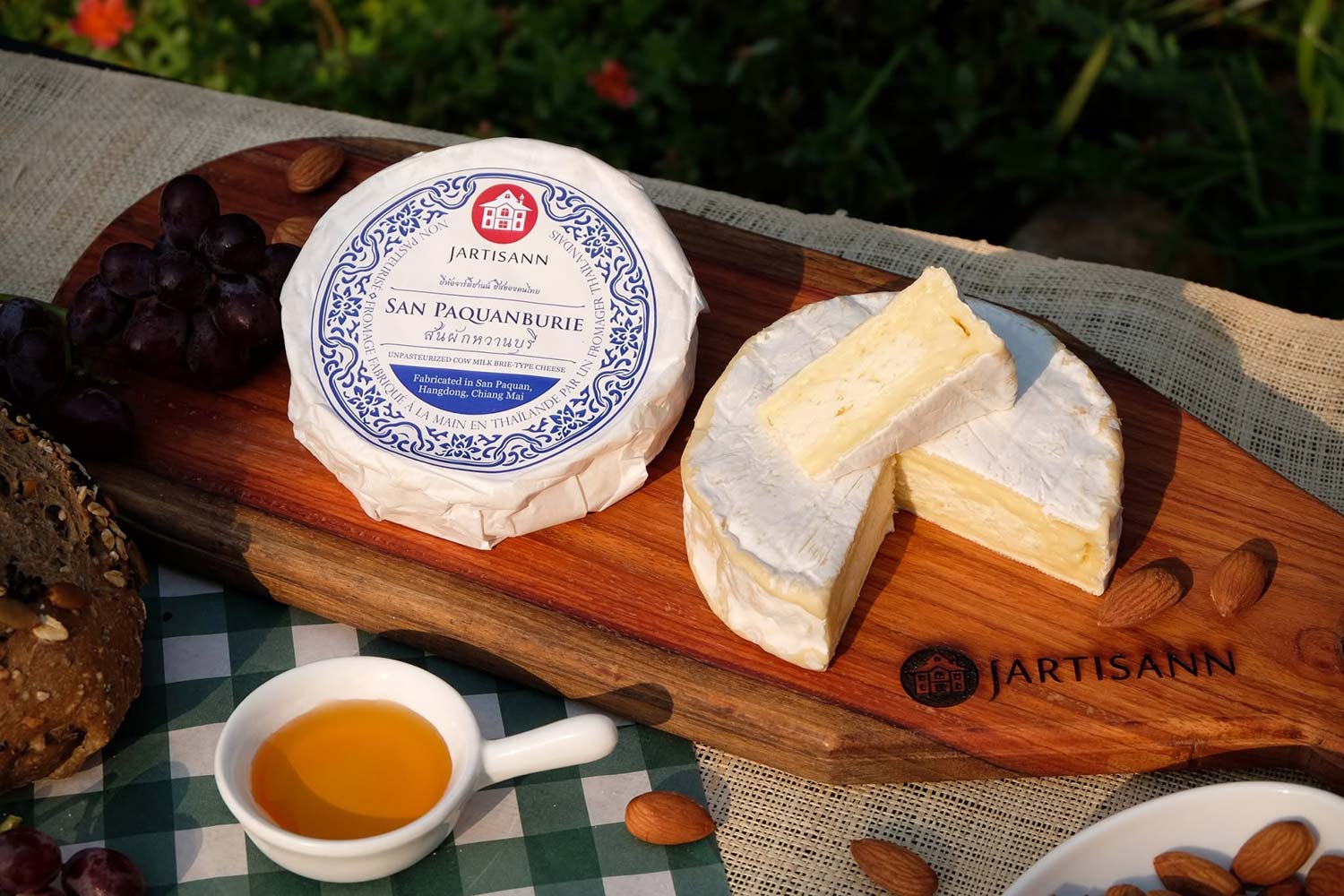
This time I’m chatting with Jarutat ‘Jart’ Snidwongse Na Ayuthaya. A pioneer of Thailand’s craft cheesemaking movement, Jart is another evangelist for northern Thailand’s artisanal potential. He puts the Kingdom’s burgeoning reputation for great cheese down to a combination of the tropical climate and the enlightened leadership of former King Bhumibol Adulyadej, who encouraged dairy farming to provide accessible nutrients to the population.
“I knew it was possible to put Thailand on the world cheese map because there was already a lot of milk here,” he says. “On that basis, my dream started to form.”
His Jartissan brand, which he runs with his wife Ann from their lakeside property in Hang Dong District, Chiang Mai, handcrafts cheeses with different—often radically so—textures and flavor profiles. They utilize local ingredients and Thailand’s unique tropical terroir. “There are a lot of localized microbes in the air in Thailand,” Jart tells me. “Perhaps much more than in temperate and cold countries.”
All this talk about the northern countryside and its transformative powers has whetted my appetite for being out in it. And the following day, I get my wish as I join Bike Tour Asia, a big name in the region for its big bikes, and embark upon the Mae Hong Son Loop: a 600-km circular route that is one of Thailand’s most famous road trips.
Locavore highlights of the loop include a stop at Pang Ma Kluay, a small village surrounded by countryside famous for its foraging potential. Here, chefs such as Black come to source goodies, including wild bitter aubergines, edible freshwater algae, shoots, herb leaves, roots, and the tender cores of banana palms. Another clue to the area’s gastronomic abundance lies in the organic Arabica coffee plantations skirting Baan Huay Hom near Mae Hong Son.
After three days on a big bike in the glorious northern countryside, I arrive back in Chiang Mai reinvigorated, replenished, and — as it is just before lunchtime — ravenous.
I head to Khao Soi Islam near my hotel for a feed and am presented with subtly spiced coconut-milk broth packed with house-made noodles and marinated chunks of chicken, finished off with a judicious dash of coconut cream and topped with pickled mustard greens.
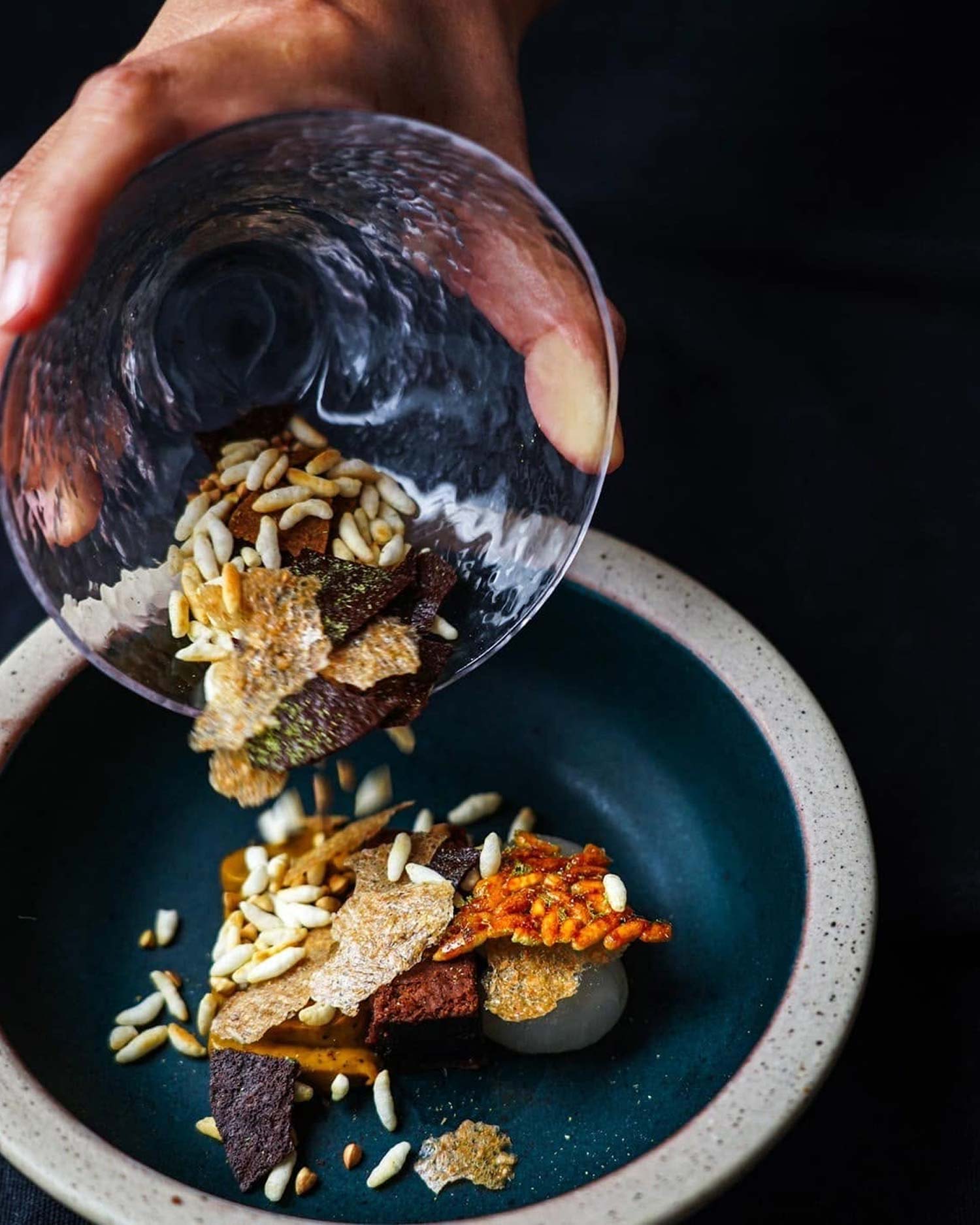
This delicious location-appropriate manna transports me back to my meal at Blackitch, where Chef Black joined me during a dessert of rice praline ice cream and roasted local corn. As I concluded a memorable journey from tropical seas of the south to the uplands of Chiang Mai and neighbouring provinces in the north, he expounded once more on his food philosophy.
“Using local produce is not a selling point but an integral part of what we do,” he said. “Seasonal produce and local wisdom shape the way we eat. We cannot ignore that.”