


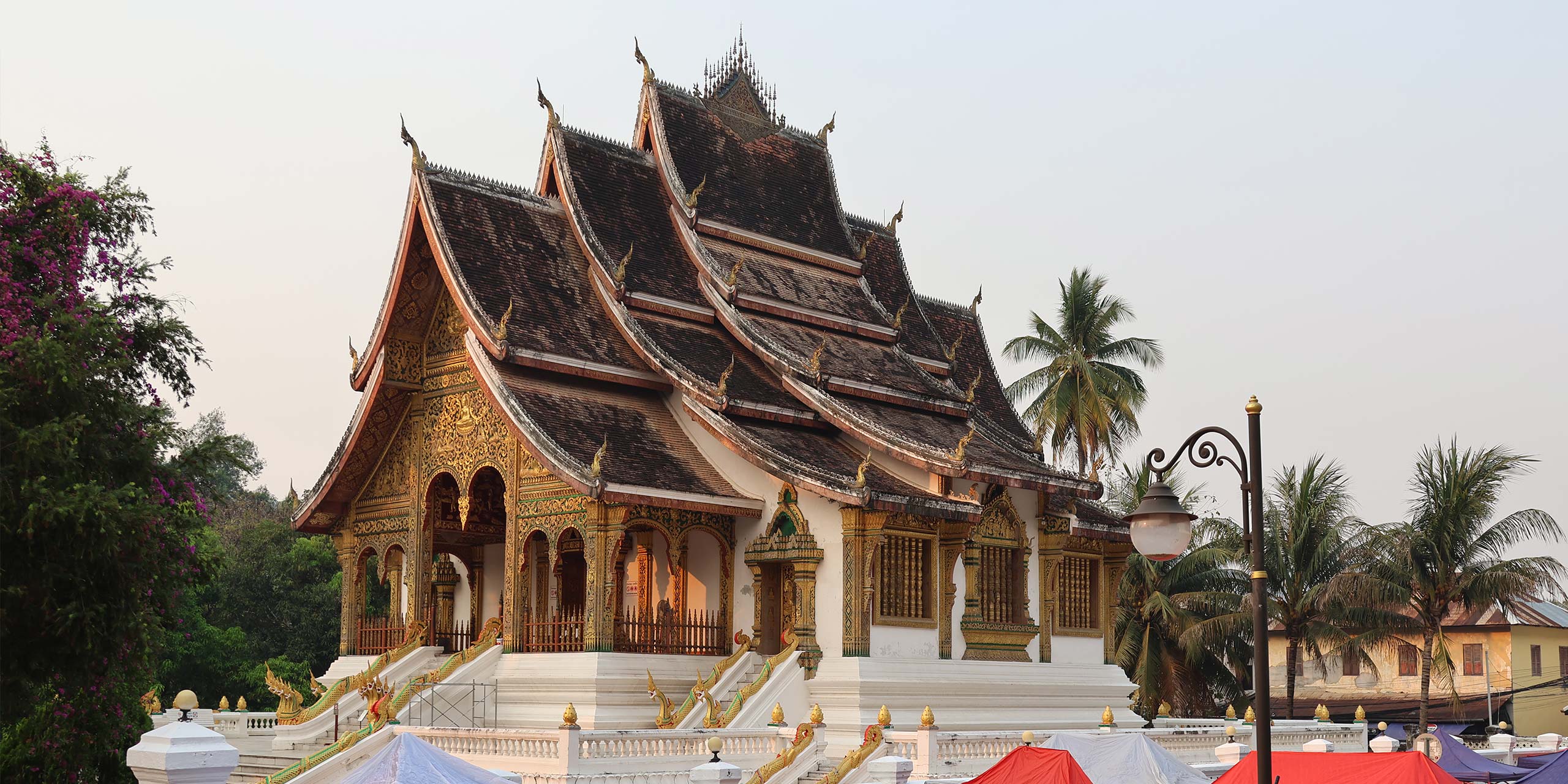
Luang Prabang is a gem of a city, situated among the rolling hills of northern Laos and perched on a peninsula between the mighty Mekong River and the smaller Nam Khan River. This UNESCO World Heritage Site once served as the capital of the Laotian kingdom of Lan Xang before being occupied by the French.
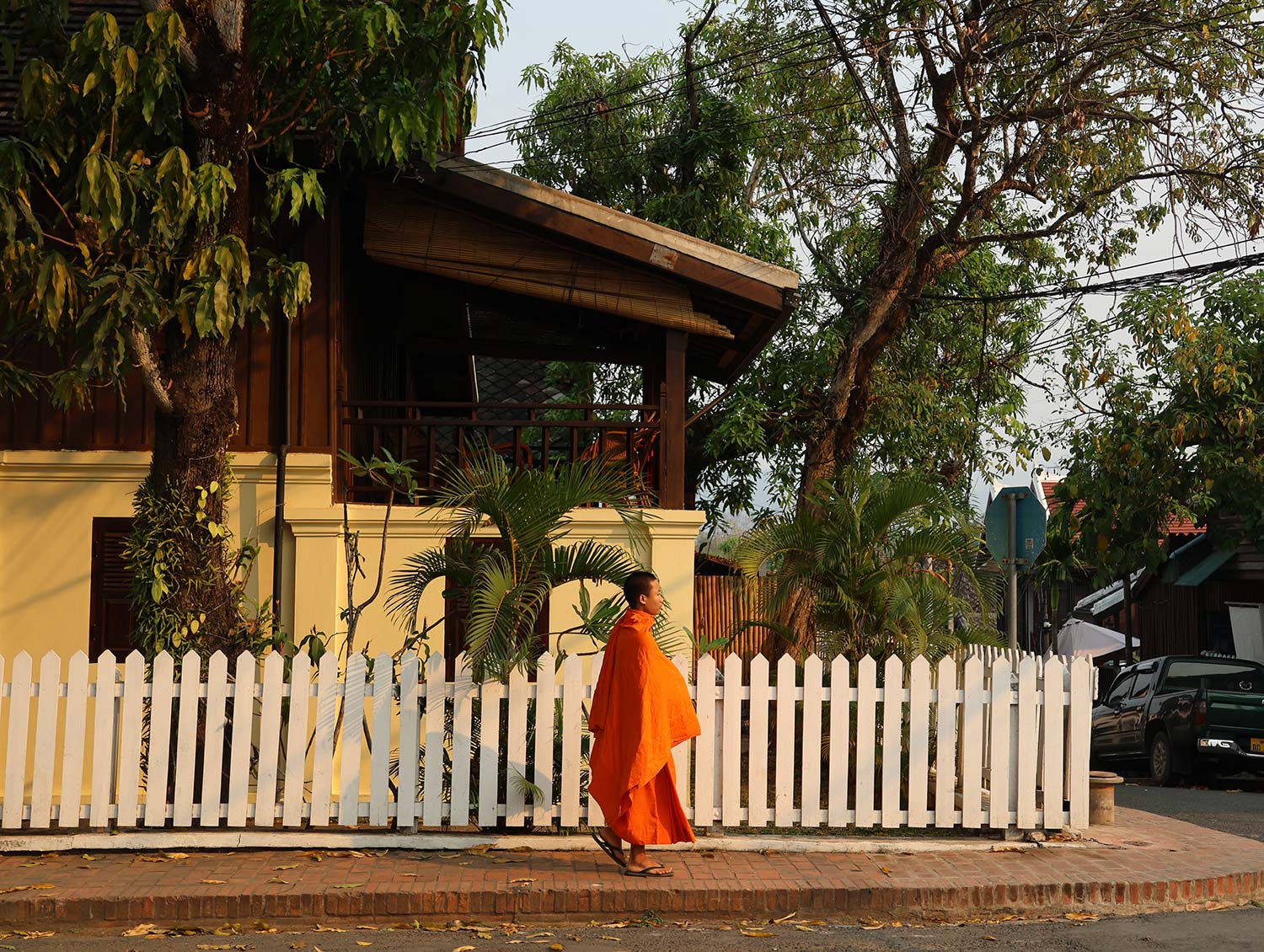
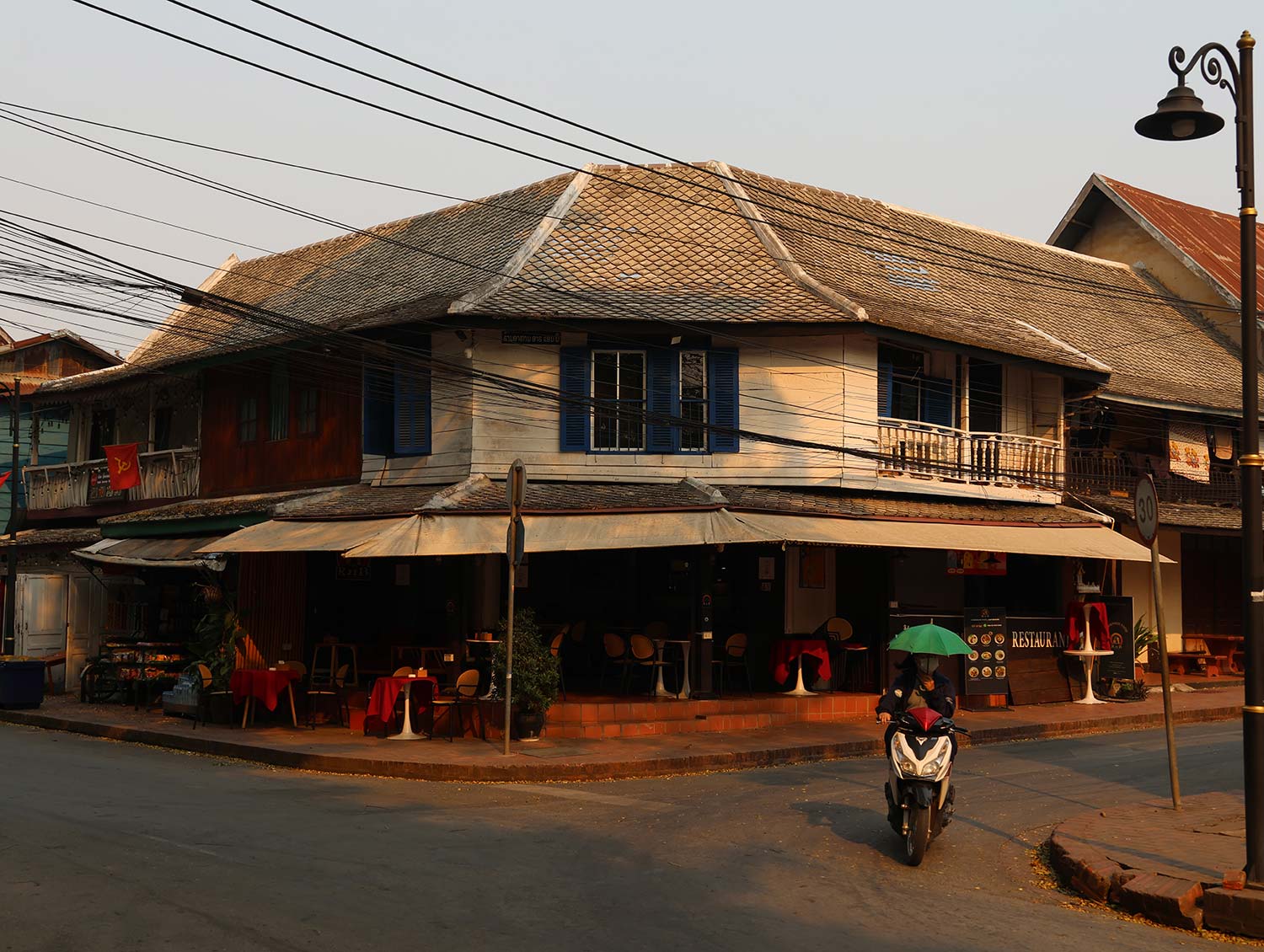
Today, Luang Prabang is a compact and largely traffic-free city, dotted with reminders of its turbulent history. More than thirty lively monasteries can be found along quiet streets lined with restored Laotian and French townhouses and mansions. Best of all, this is an Asian city best explored on foot. At every turn, tradition meets modernity. Buddhist monks in orange robes sit absorbed by their smartphones while the neon-lit stalls of the nightly market sell textiles adorned with the traditional tribal patterns of northern Laos’ ethnic minorities.
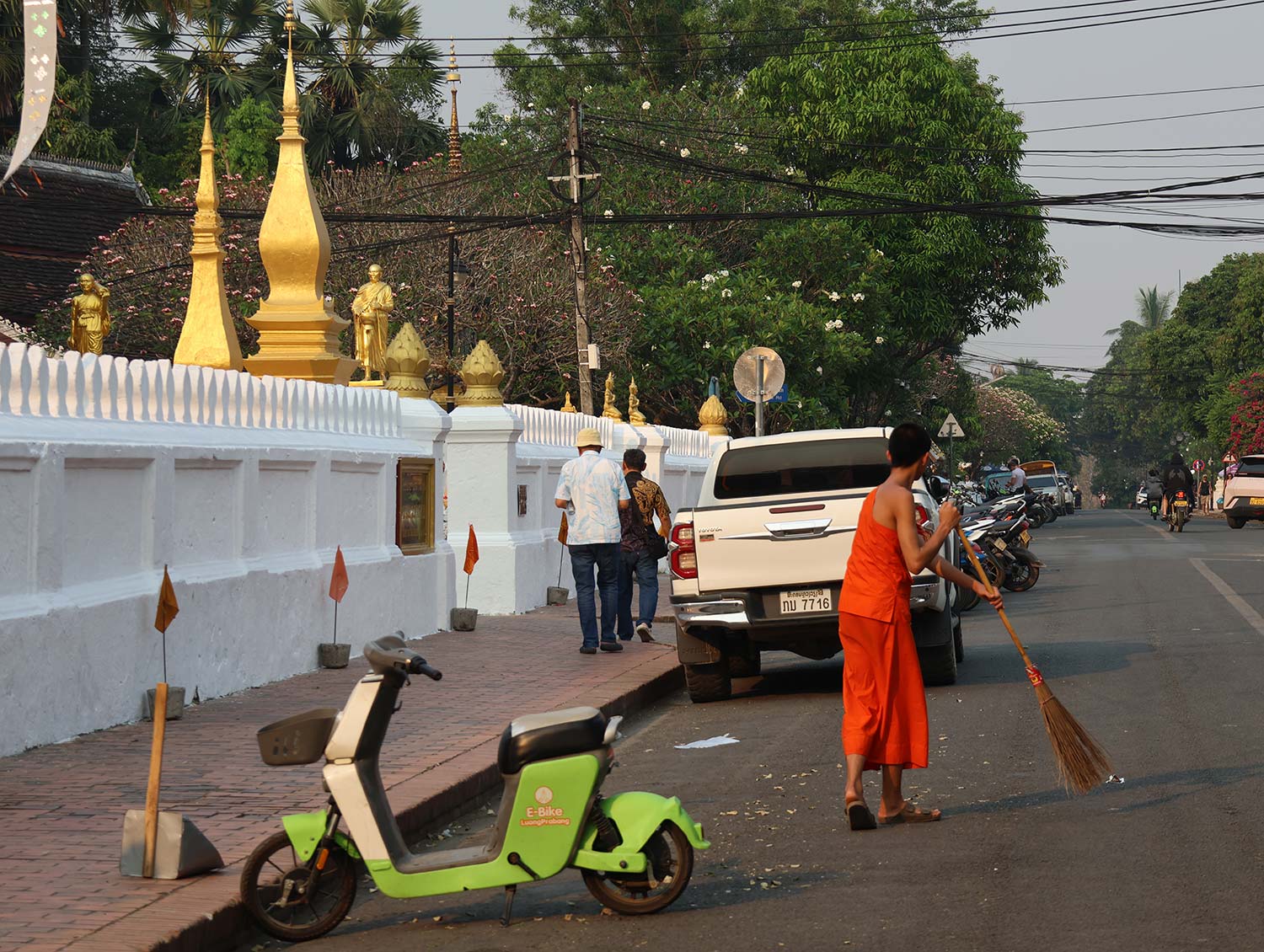
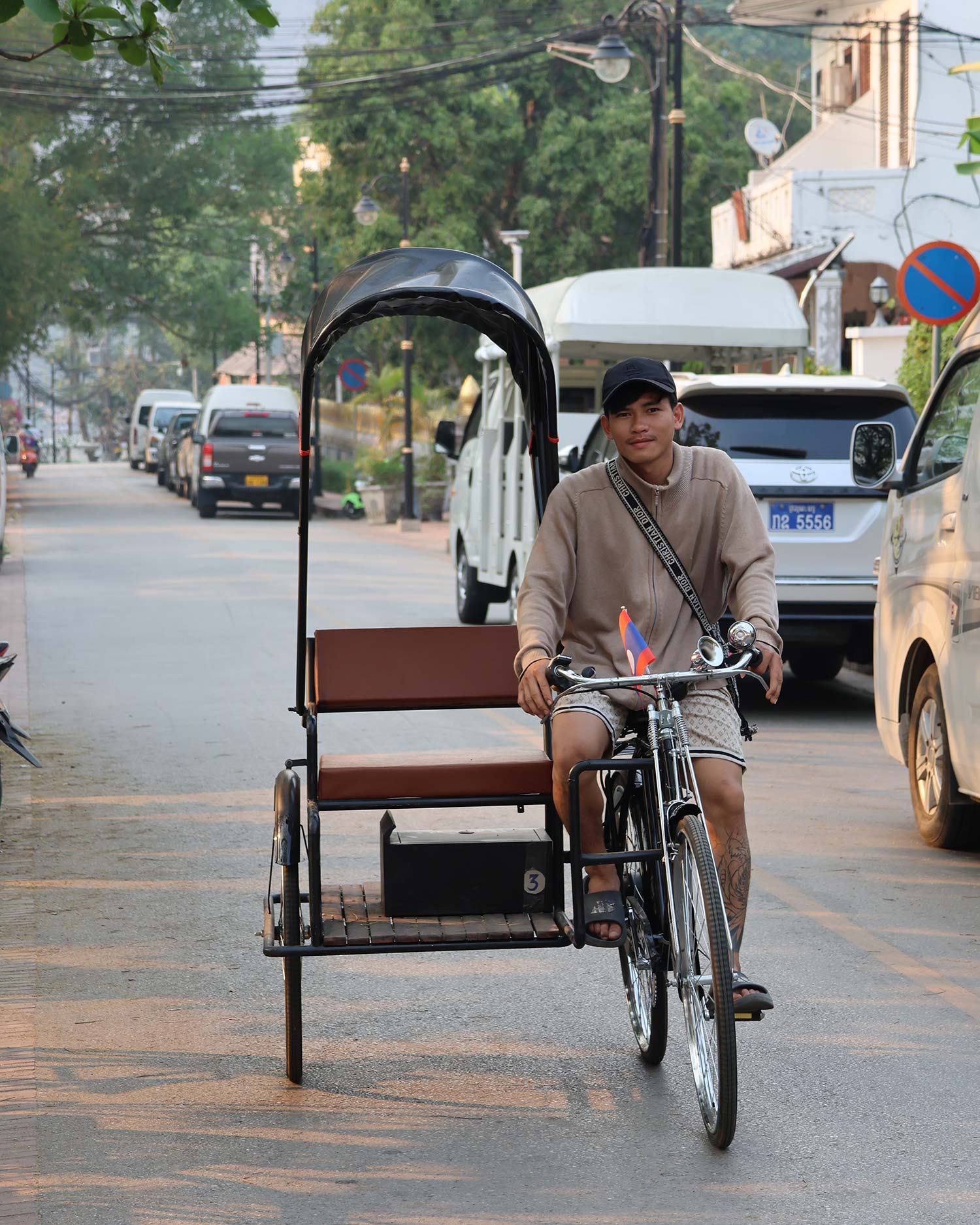
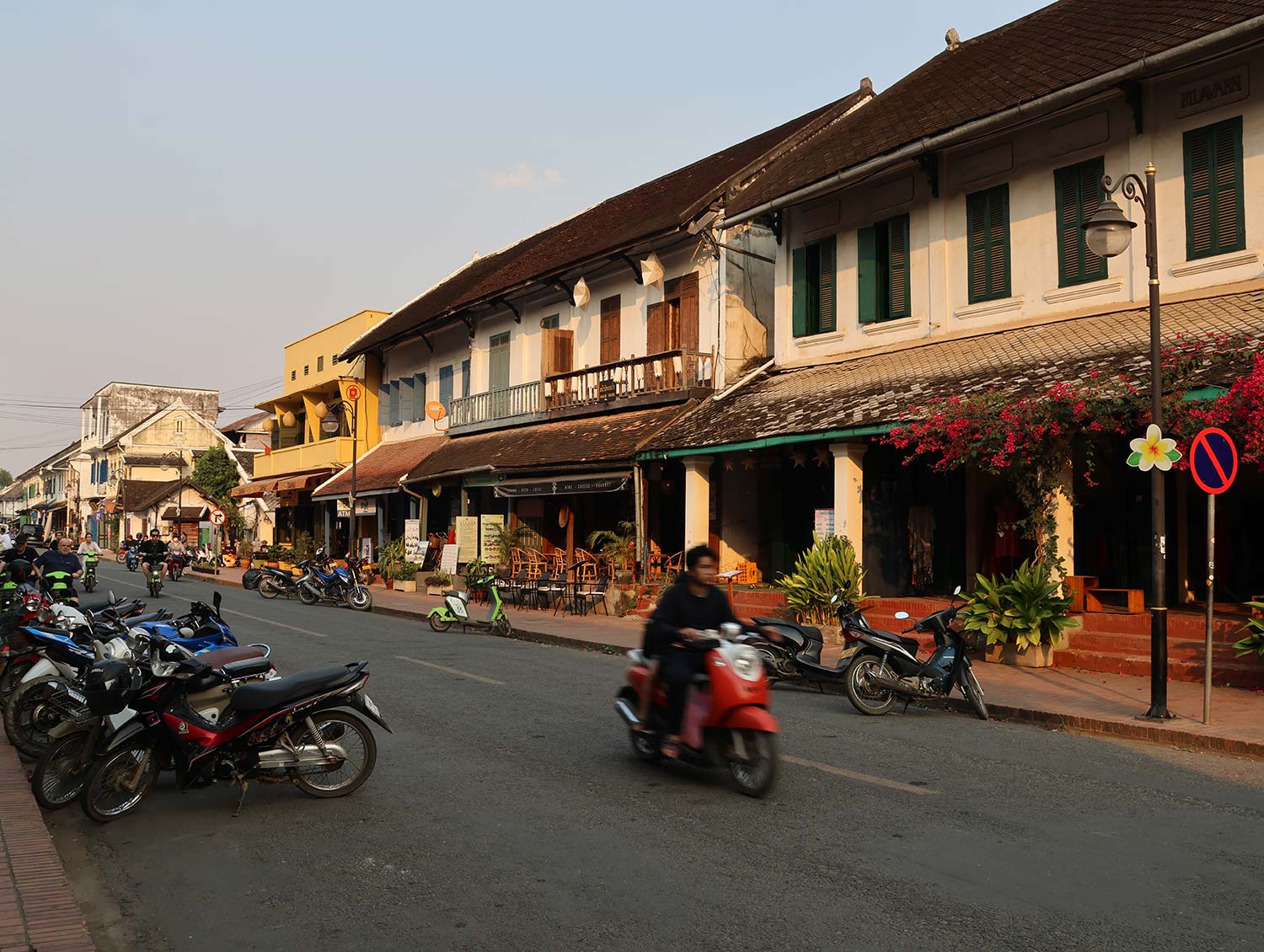
The city, backed by excellent restaurants and air-conditioned cafés housed in restored buildings, can feel somewhat curated at times. Yet the local population has coped remarkably well with development and remains welcoming, unflappable, and friendly. Visitors can experience nearly all of the city’s cultural, historical, and culinary highlights in a single long day if they begin at the crack of dawn.
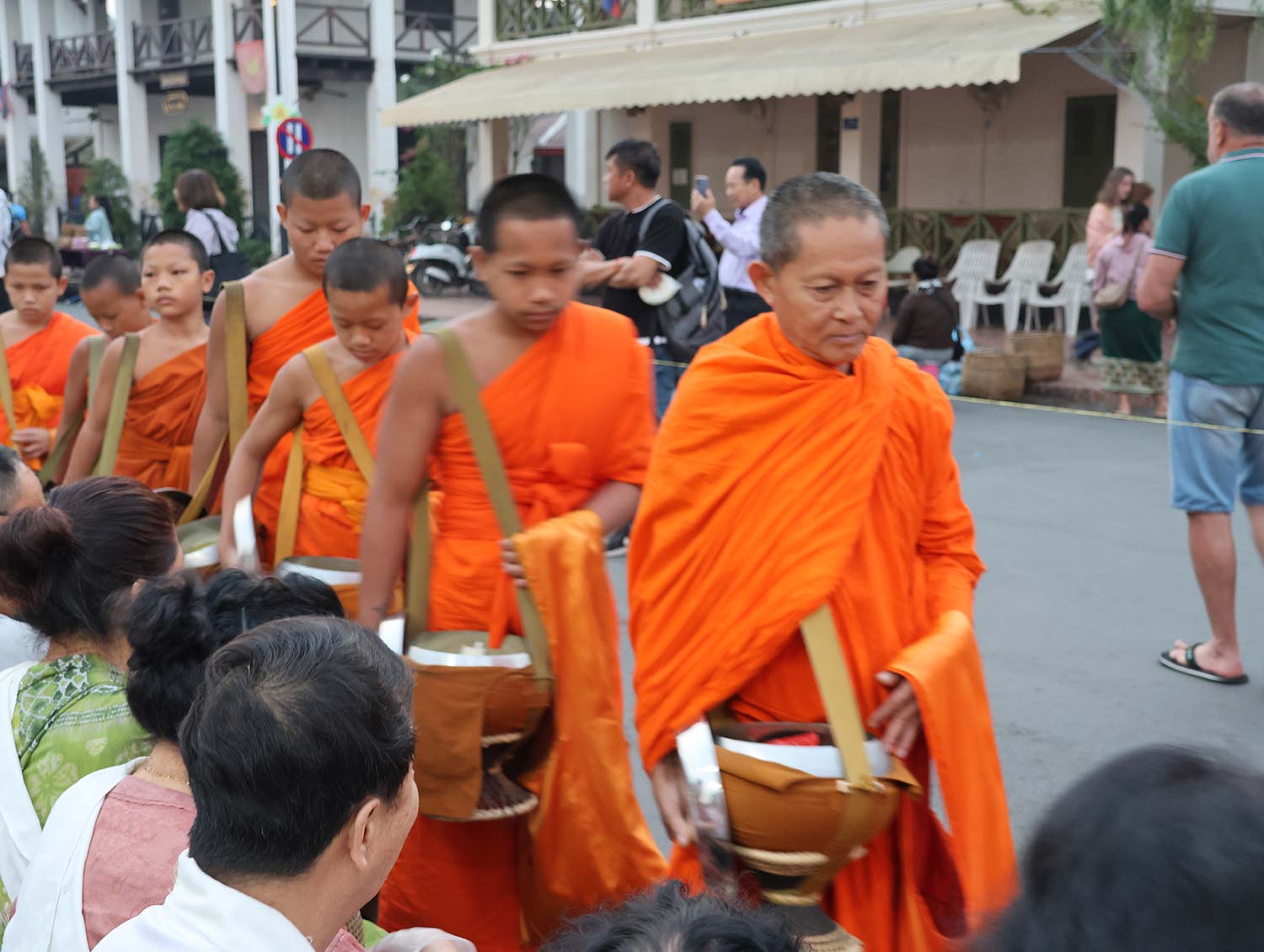
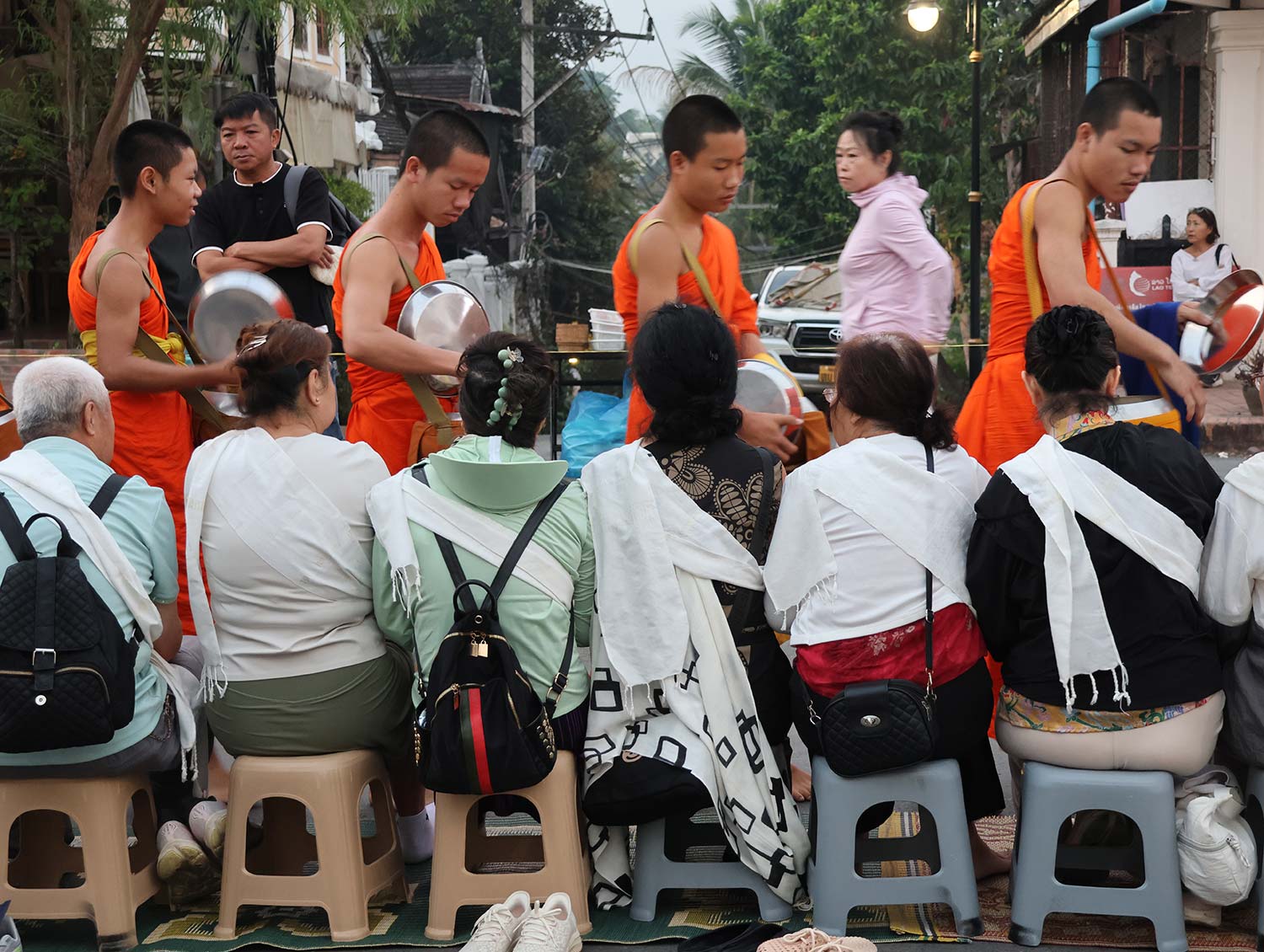
It is both touching and surreal, spiritual and mundane, to head to Wat Sensoukharam on Sakkaline Road at first light. Tourists, many traveling in large groups, occupy rows of low plastic stools, weighed down by clumps of sticky rice, bags of snacks, fruit, and soft drinks. As day breaks, long lines of monks emerge from surrounding temples to collect alms offered by visitors and, on quieter corners, by residents.
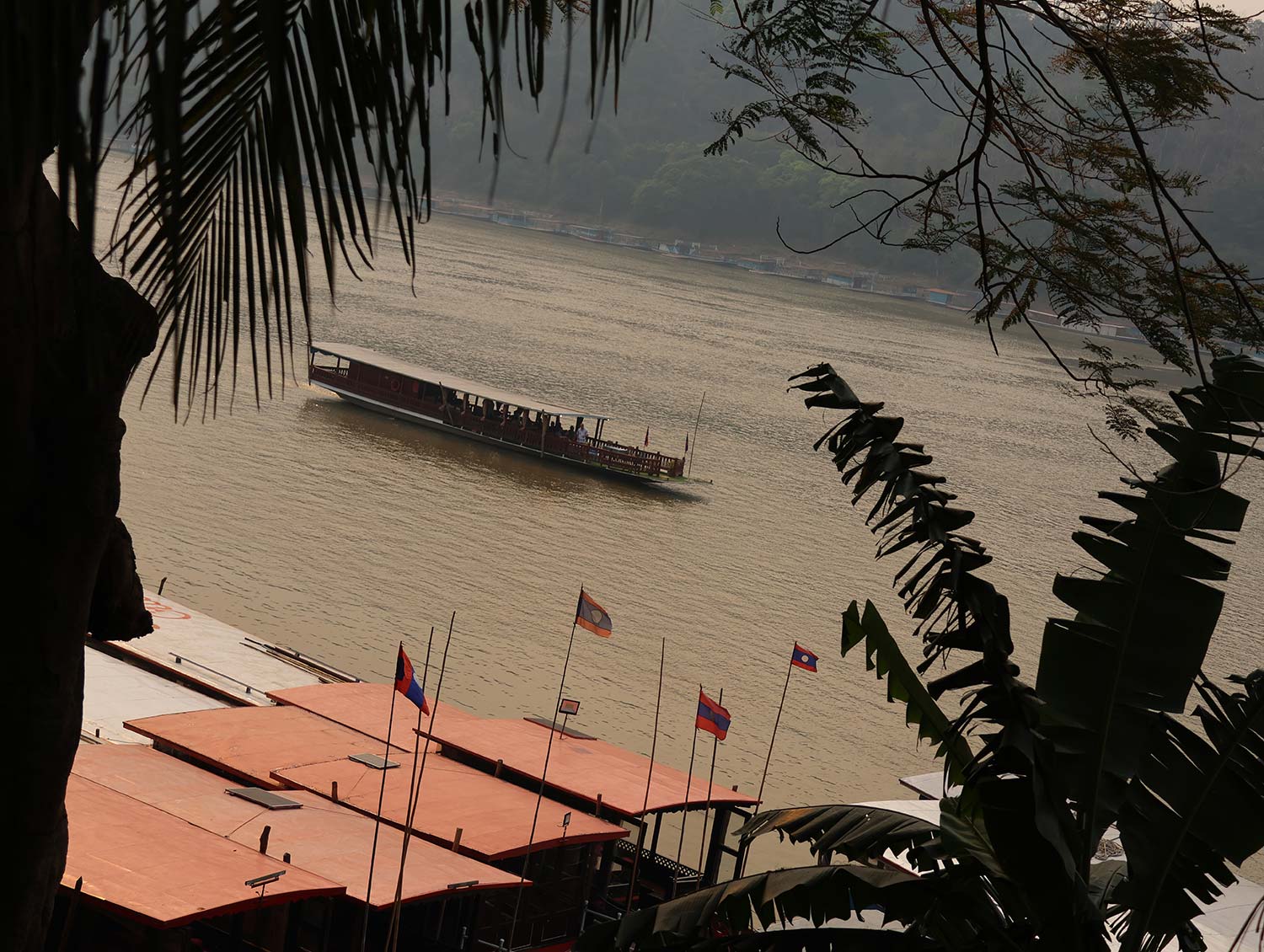
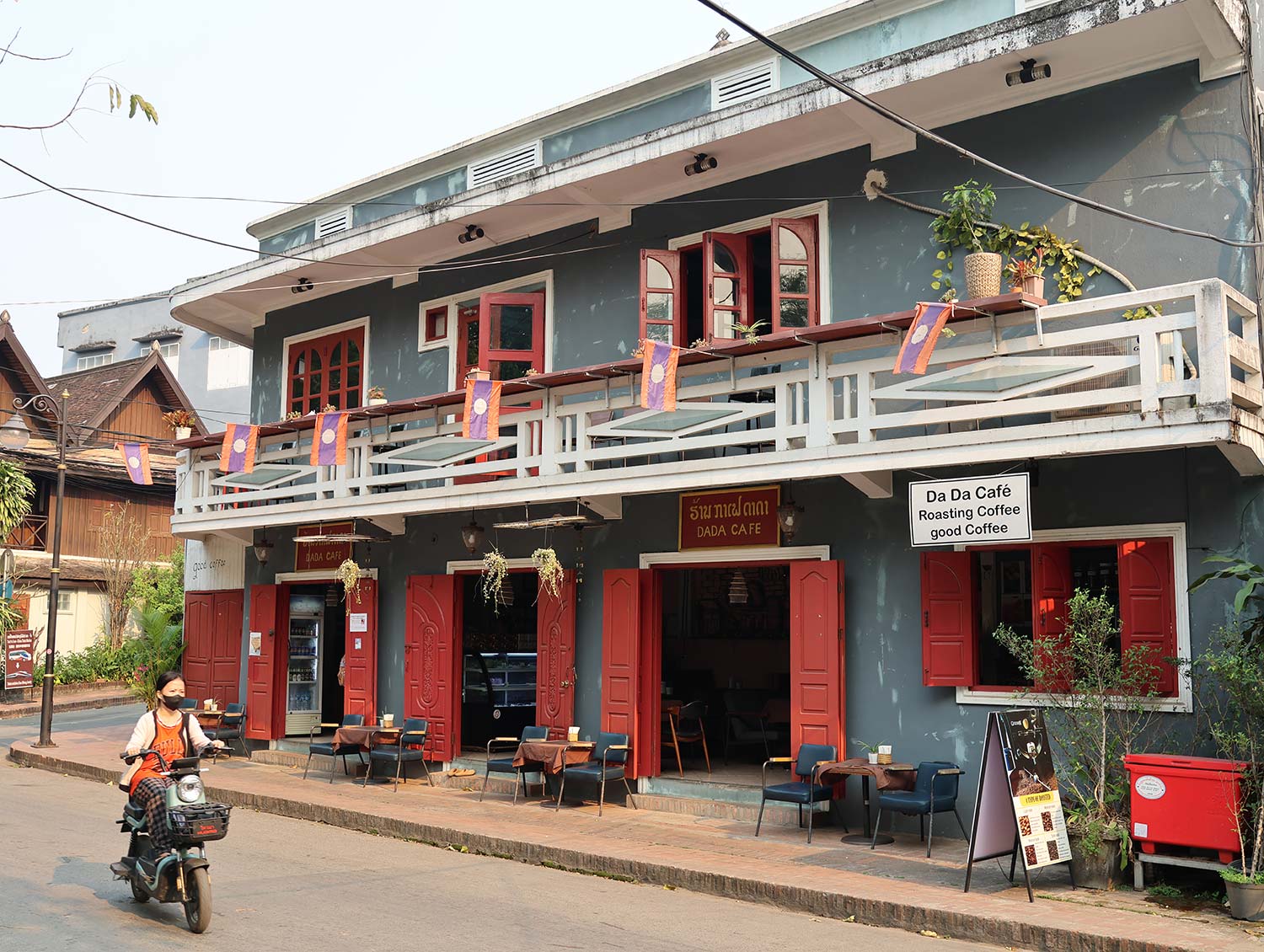
As the sun rises, a walk through the city’s morning market offers a more authentic glimpse of daily Laotian life. Residents do their shopping here, and there is no shortage of fascinating food on display: freshly caught river fish, grilled meats, bags of spices, unfamiliar tropical fruits, and very little in the way of tourist trinkets. From the market’s narrow lanes, it is only a few minutes’ walk to the banks of the Mekong, where breakfast and a good coffee, whether Laotian or Western, can be enjoyed at Dada Café. All of it feels exceptionally romantic.
The Royal Palace Museum in the heart of town is worth a visit, though I was disappointed that cameras are not permitted inside the former palace building. That is unfortunate because the gilded rooms and hallways are filled with royal memorabilia. One hall displays gifts presented to Laos by foreign governments, among them a moon rock given by disgraced U.S. President Richard Nixon. I also noticed that the queen’s bed is considerably larger than the king’s. Most tourists miss the magnificent royal car collection located in an annex behind the main building. The king once rode around in a pair of gleaming white Lincoln Continentals and a stylish Citroën DS21.
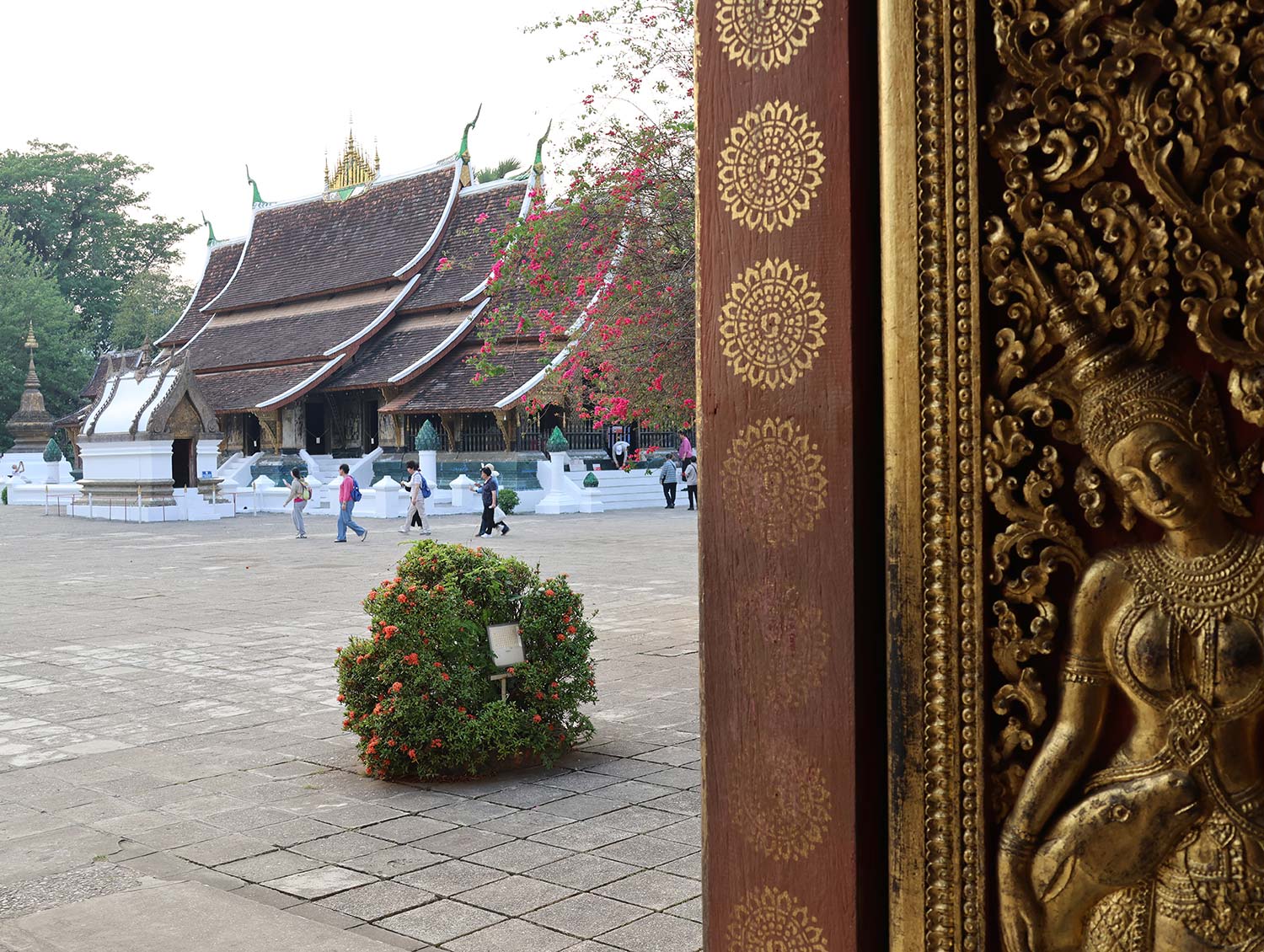
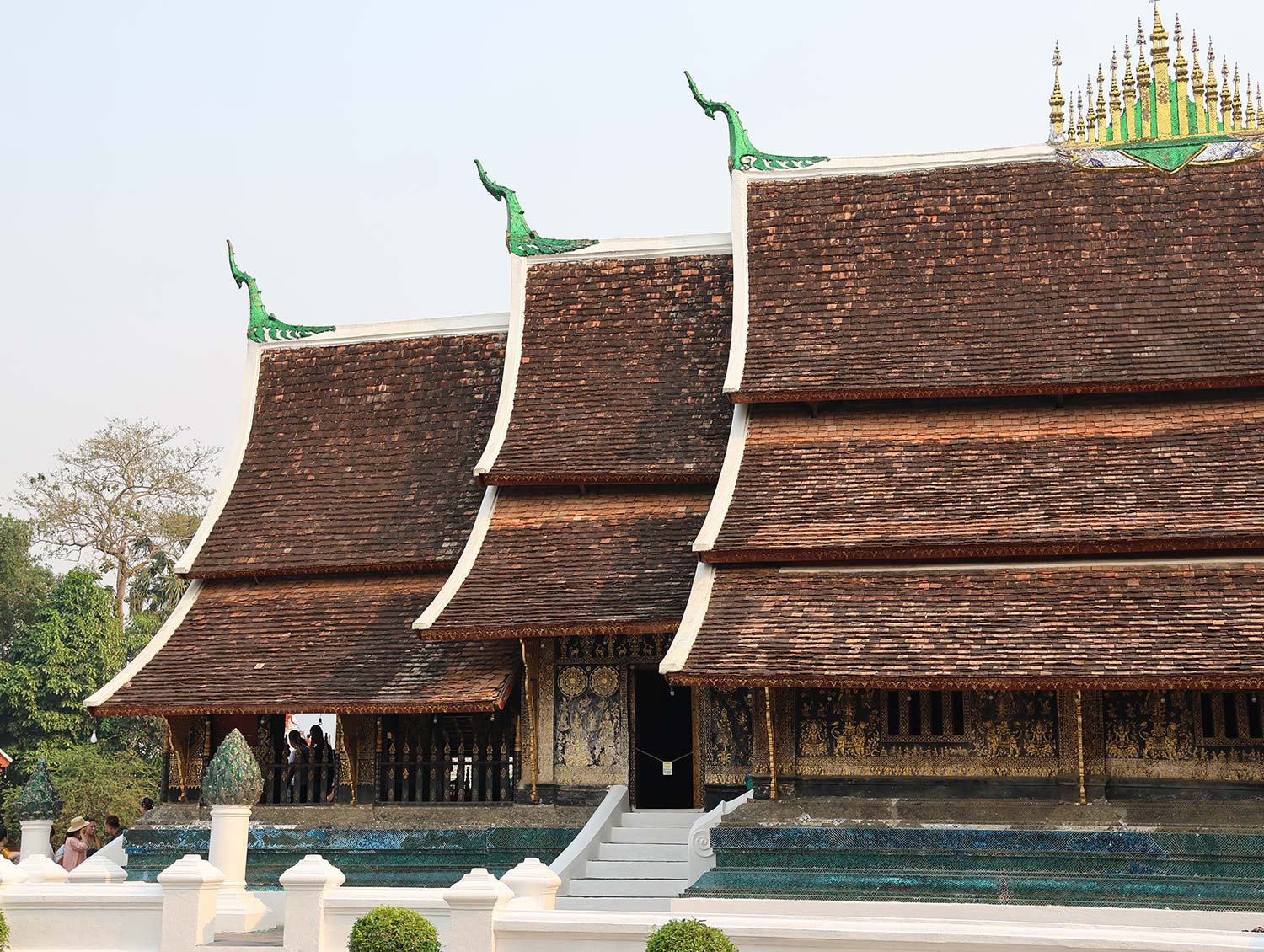
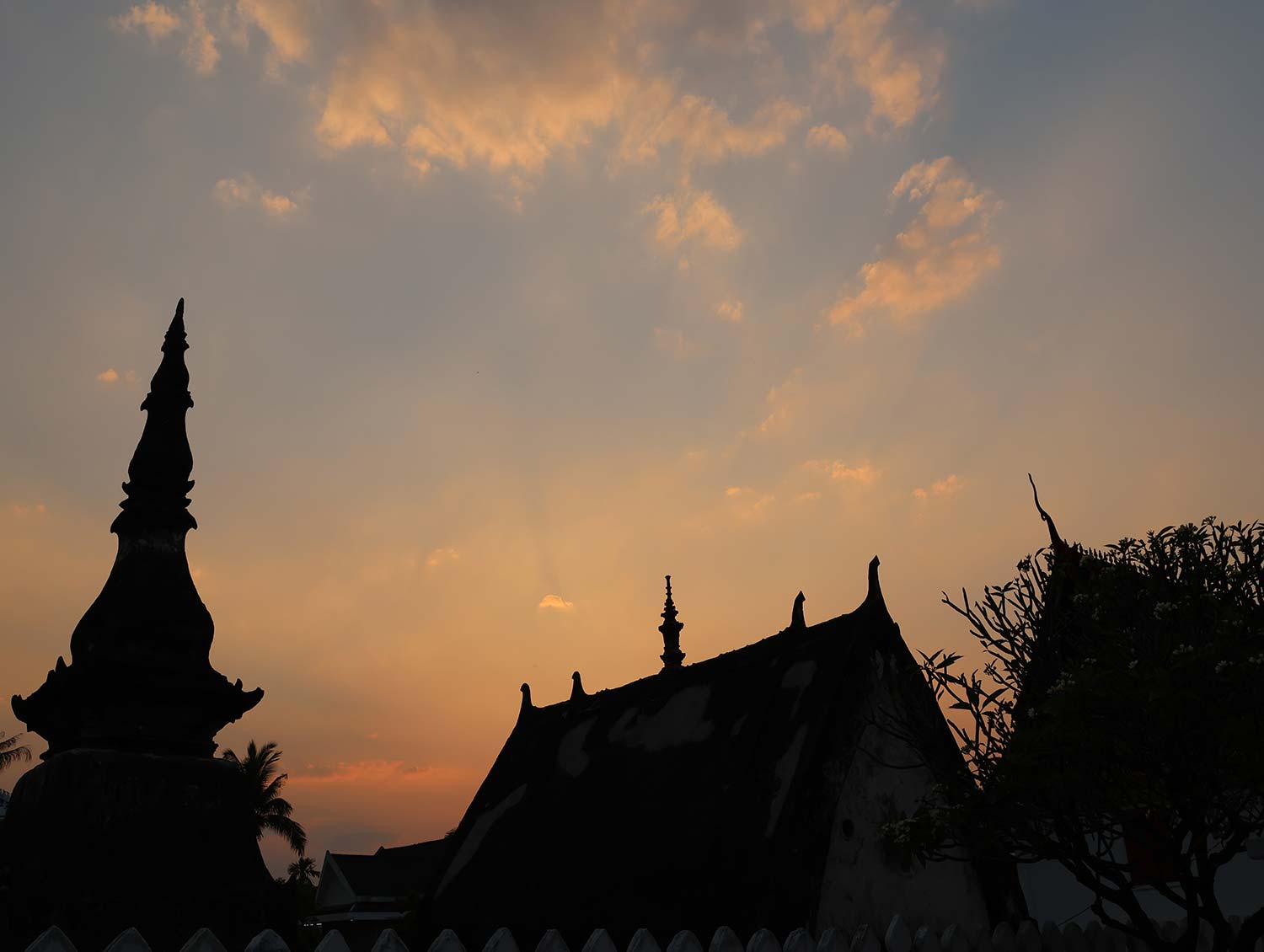
By mid-morning, it is time to visit some of Luang Prabang’s temples, but which ones? The city center alone is home to around 33 monasteries. Next to the palace museum, Wat Mai Suwannaphumaham dates back to the late 18th century and is one of the city’s largest, its roof distinguished by five sweeping tiers. Inside, gold-leaf stencils set against deep red walls create a profound sense of stillness. Equally impressive is the 16th-century Wat Xieng Thong, built during the Lan Xang kingdom. Its multi-tiered roof almost reaches the ground. Once used for royal coronations, the temple sits at the northern tip of the peninsula where the Mekong and Nam Khan rivers meet. The Tree of Life mural on its rear wall is particularly striking.
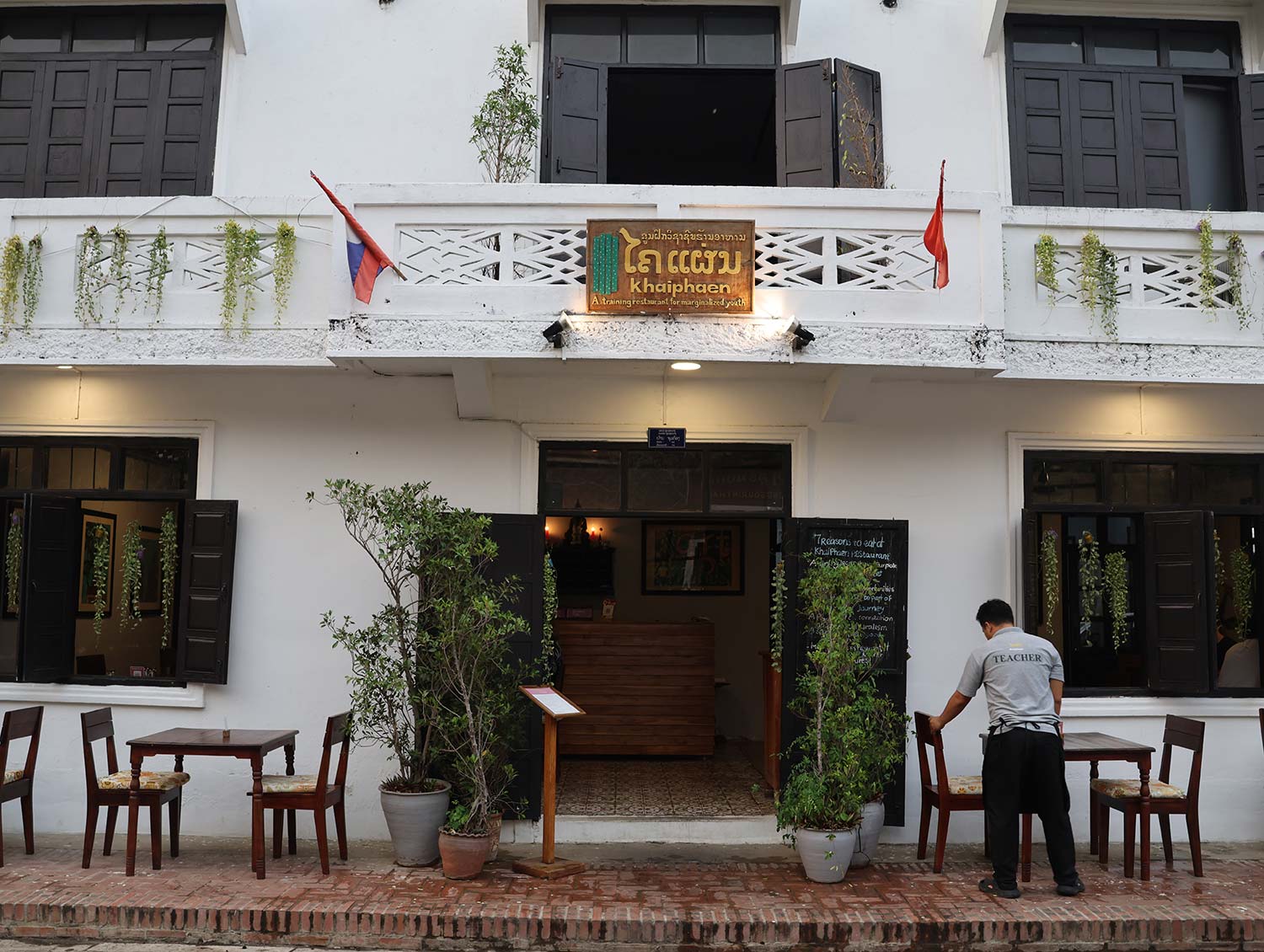
It is a short walk to Khaiphaen, a vocational training restaurant that gives young people the opportunity to learn local culinary traditions. The curries on the lunch menu are mild, comforting, and filling.
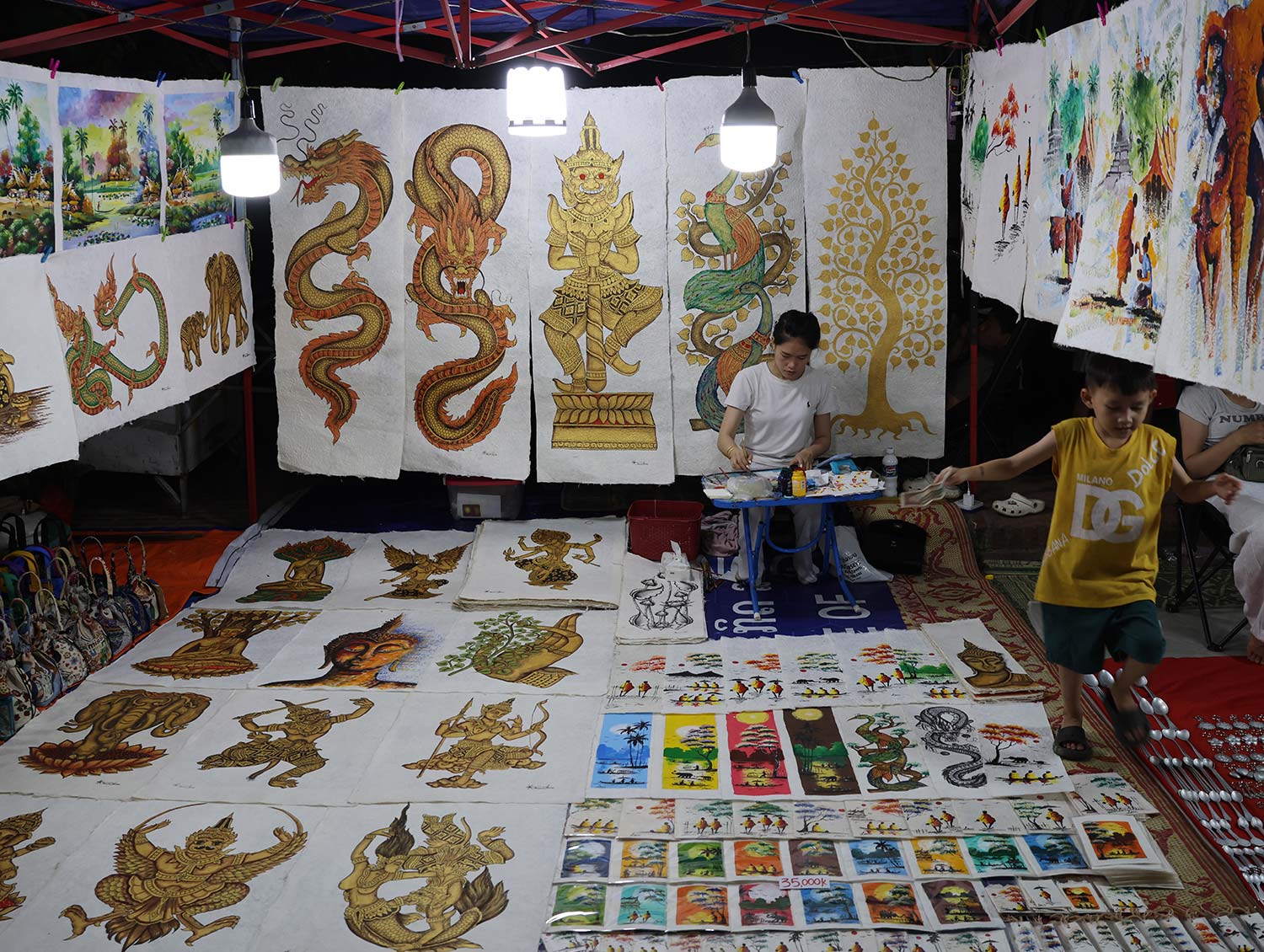
In the afternoon, visitors can head to Ban Xang Khong, a four-kilometer walk or a ten-minute tuk-tuk ride from town. Luang Prabang’s weaving tradition originated here, and the village is also a center for mulberry paper production. The paper appears throughout town in countless forms, from postcards and notebooks to paintings and posters. Visitors can step into workshops, often connected to showrooms selling textiles and paper products, and watch artisans at work. It is also possible to gain an insight into traditional paper-making techniques, with workshops available for those wanting hands-on experience.
Back in town, it is worth climbing Phousi Hill, a prominent mound in the city center. It is a climb of 320 steps to the summit, where a small temple and sweeping sunset views across the peninsula await, along with, quite possibly, sizeable crowds. After sunset, there is no better place for dinner than Manda de Laos, built around a lotus pond and serving excellent Lao cuisine.
Luang Prabang is not known for its nightlife, and local authorities have imposed a 10 p.m. noise curfew. For those still with energy after a day of exploration, a nightcap at Artisan may be in order.
This old-world bar, part train carriage and part ballroom, allows guests to reflect on the day’s tropical adventures in cool darkness. Seating just fifteen people and serving excellent cocktails and single-malt whiskies, it provides an intimate conclusion to a memorable city experience.