Festivals & Events

So much in Asia depends on the calendar. In February in Beijing, more than 20 million people all set off fireworks to celebrate Chinese New Year. In Nagaland in India, tribes from all over the region meet to compete, dance, and celebrate. In Thailand, spectators look on as celebrants perform bizarre rituals at the Nine Emperor Gods Festival.

With an intimate and unique knowledge of Asian culture, Remote Lands knows the importance of experiencing culture the right way. Whether you want an up-close view of the Sing-Sing festival in the Asaro Valley of Papua New Guinea or a quiet walk through the Sapporo Snow Festival in Japan, Remote Lands can give travelers the best possible experience on their celebrations throughout Asia.

This traditional religious ritual takes place annually on Good Friday. In a rice field outside the city of San Fernando, repentant sinners are tied and nailed to a cross with stainless steel, disinfected nails, in a re-enactment of the crucifixion of Christ. Penitents take part in order to cleanse themselves of their sins.

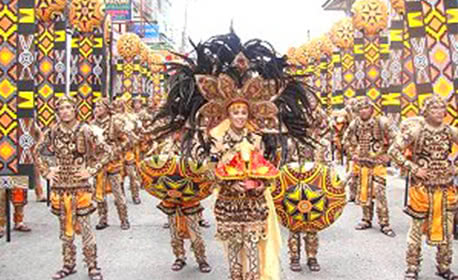
This week-long festival takes place throughout Holy Week on the island of Marinduque. Locals dress in colorful Roman armor and costumes and parade in the streets. Stories are reenacted and on Good Friday, the men march through the streets, whipping themselves to reflect the suffering of Christ in order to absolve themselves of sins.

This one-day festival marks the beginning of spring on the date of the Spring Equinox and is celebrated throughout Uzbekistan with bazaars and carnivals with horse races, music and dancing. It is said that nature will be more generous according to how lively the festivities are. Traditional dishes including ‘sumalak’ are cooked and shared with folk tales and songs.

Navruz is an ancient festival that takes place over three days in late March, marking the first day of spring and the Persian New Year. This important national holiday is celebrated with whole towns preparing special dishes to be eaten only on this occasion, and taking part in street parties, concerts, parades, and visiting with friends and family.

The festival of Nooruz (or Navruz) occurs each year on the vernal equinox to usher in spring. Originating in Persian culture and Zoroastrianism, Nooruz is based on pre-Islamic belief in the sun. Today, people in more than 20 Asian states, including Kyrgyzstan, gather each year to dance, sing and eat in celebration.

Seeking enlightenment and escaping hell, the novitiation ceremony celebrates young men becoming novices in Buddhism. A religious celebration, this fascinating cultural tradition involves a parade where the new novices walk about dressed as princes. Invaluable among Buddhist families, this is a rite of passage for young Burmese men. There is no exact age when young boys can become a novice, and no exact time of year when this must take place, however most novitation ceremonies occur between March and May, as this is when schools close for the summer vacation.

This traditional holiday celebrates the Near Year and the coming of Spring. It became an official holiday in Azerbaijan after the collapse of the Soviet Union. After Iran, Azerbaijan celebrates this holiday the longest, with a total of five days. Celebrations involve house cleaning, tree planting, egg painting, playing traditional games, cooking national dishes, and more. 

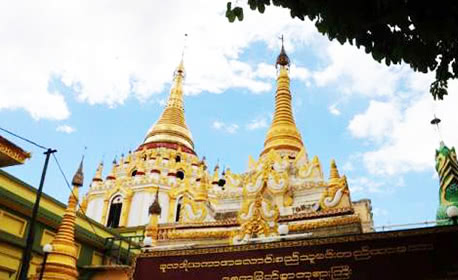
This is one of the most important festivals for the Tamil Hindus of Myanmar who travel from all over the country to celebrate in the temple of Sri Angala Eswari Munieswar Swamy. The full moon day marks the marriages of a number of gods and participants walk over hot coals and rub their feet with turmeric powder and goats’ milk.

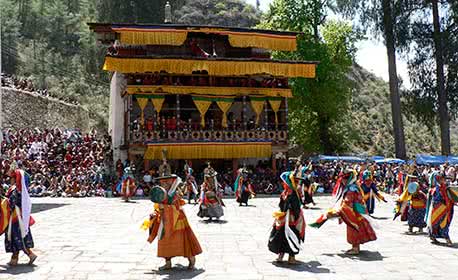
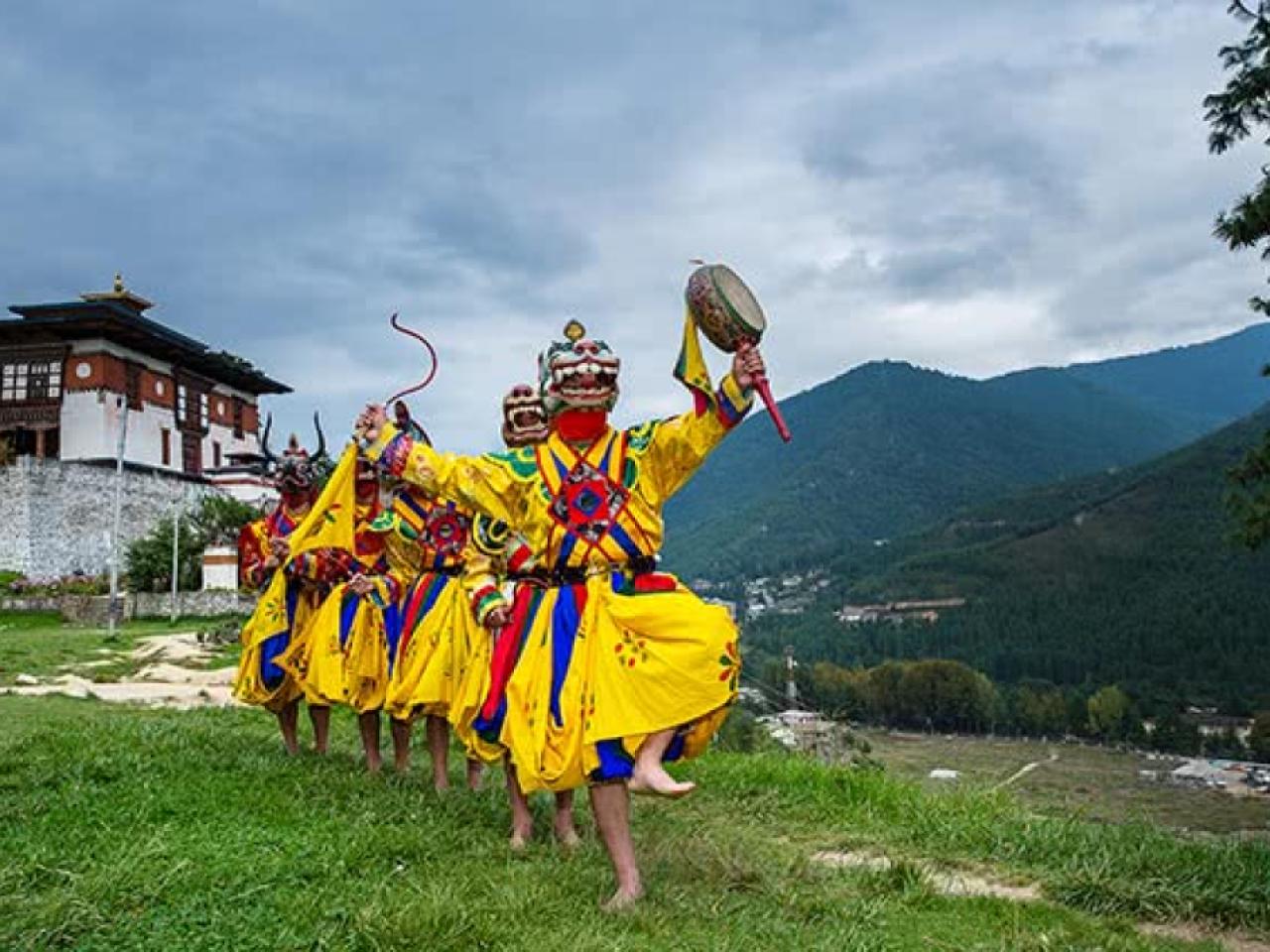
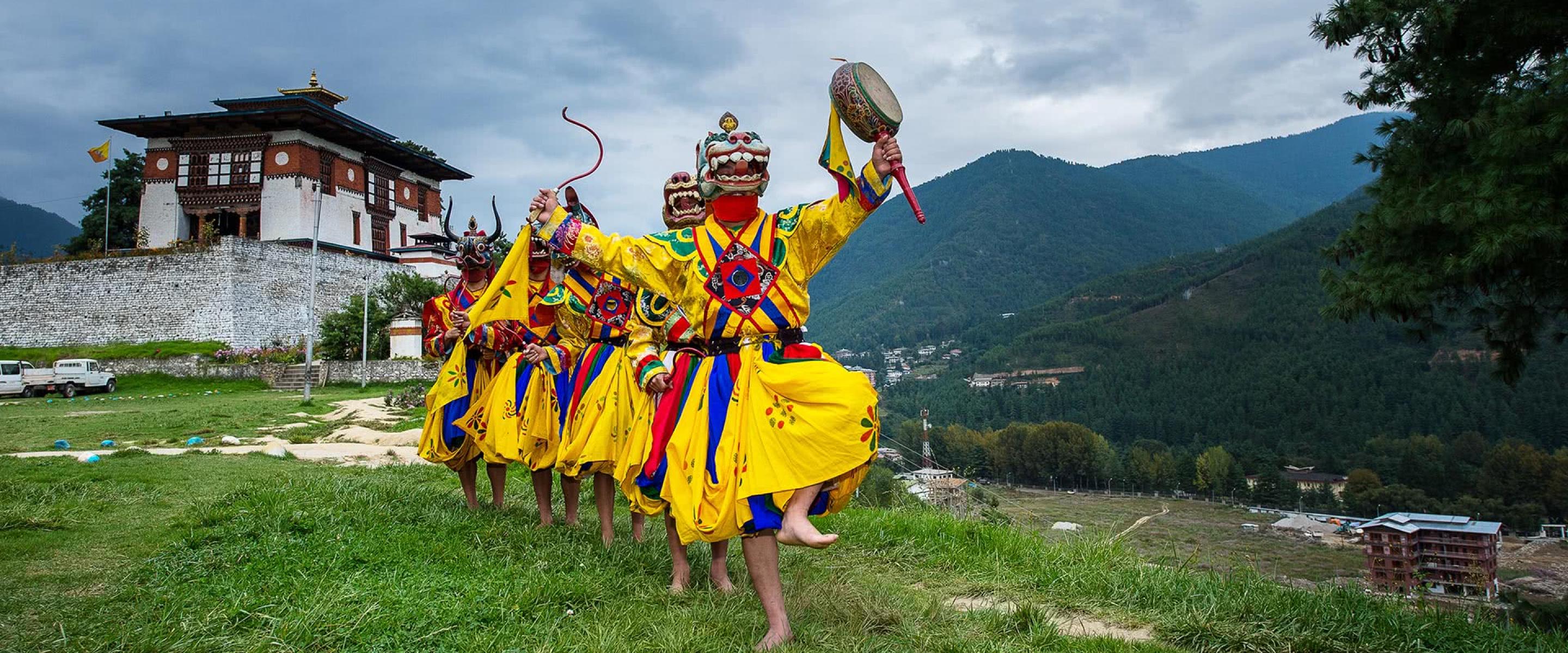
The three-day Paro Tsechu is one of the most important, famous and colorful festivals in the Bhutanese calendar. The first day brings traditional masked dance performances, followed by a ceremony on day two. On the final day, monks display an embroidered painting in the temple, which visitors view to cleanse their sins.

This one-day festival is part of the ‘World of Leisure’ fair and foodies from all over travel especially to celebrate, sample and present the different varieties of the country’s national dish. There are workshops with master pilaf chefs and tasting sessions, as well as entertainment from traditional musicians.