

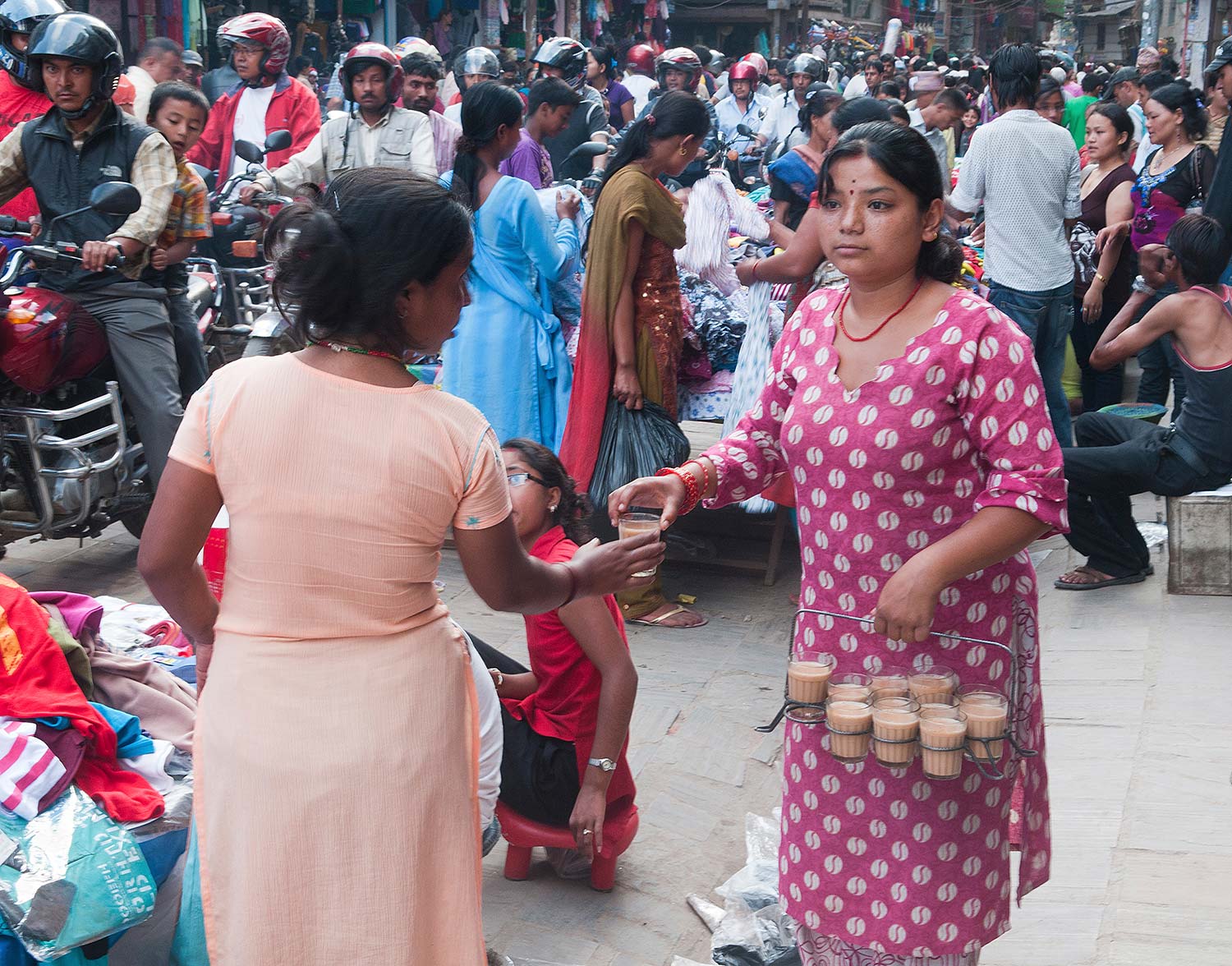
I’ve long had a love-hate affair with Kathmandu. Nepal‘s capital sits mired in thick pollution on most days, with gridlocked traffic slowing the city to a chaotic crawl. Yet the charm that first drew me here, long before any of this existed, remains as captivating as ever. I’m not sure whether Bob Seger, who famously sang he’d give up New York or Los Angeles for Kathmandu, would relish the city in its current incarnation, but you never know.
I first came to Kathmandu in the 1990s, by which time it was no longer the final stop for hippies on the overland trail. The legendary Freak Street was already a shadow of its former self, with most visitors gravitating toward the backpacker guesthouses of bustling Thamel, where cake shops, trekking agencies, and endless street vendors hawking Tiger Balm lined the streets. Back then, I spent six months teaching geography to lower-caste children and Tibetan refugees at a boarding school, cycling across town to work each day. The air was clean, the Himalayas were visible in the distance, and around every corner there seemed to be something fascinating unfolding.
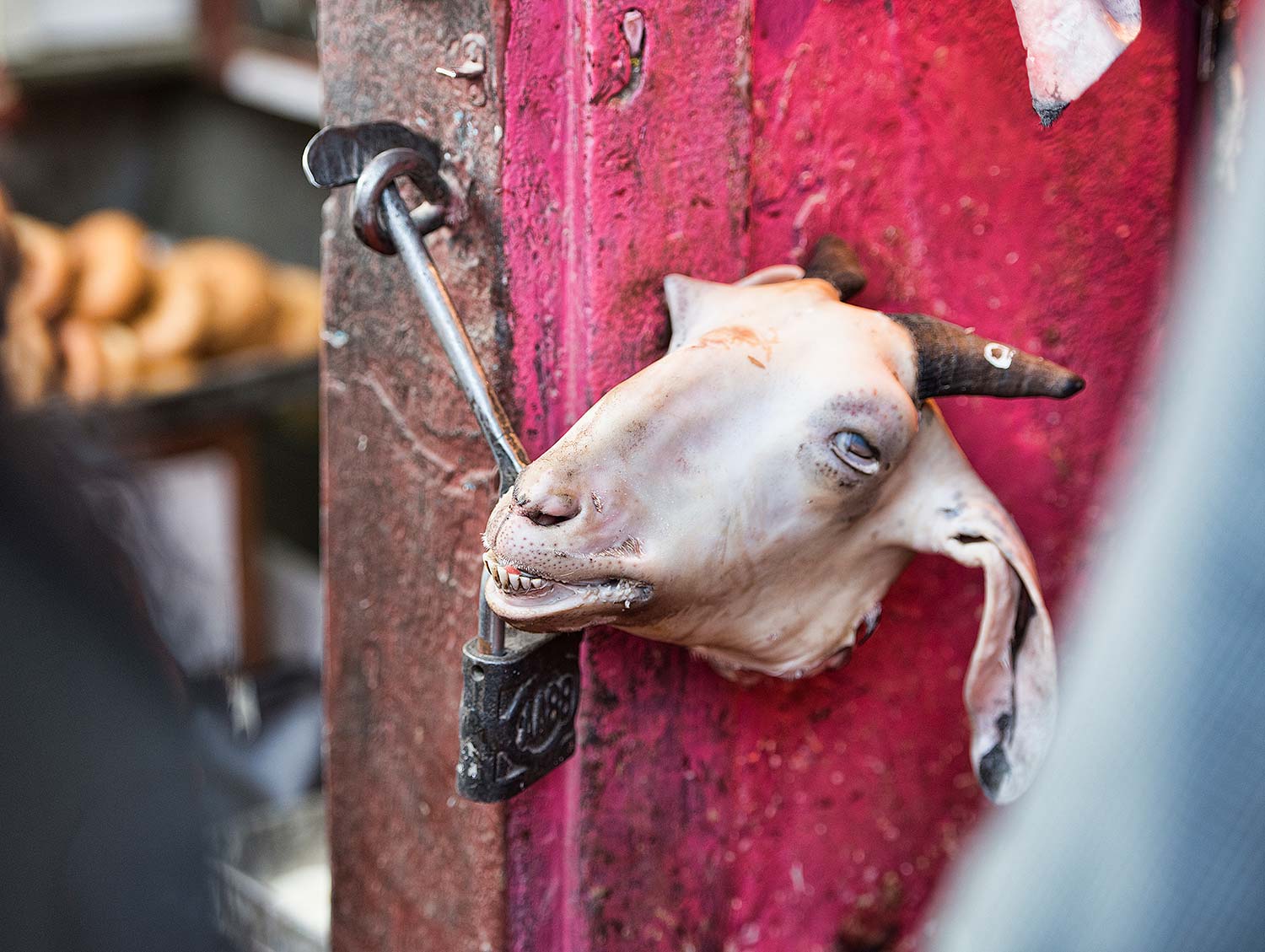
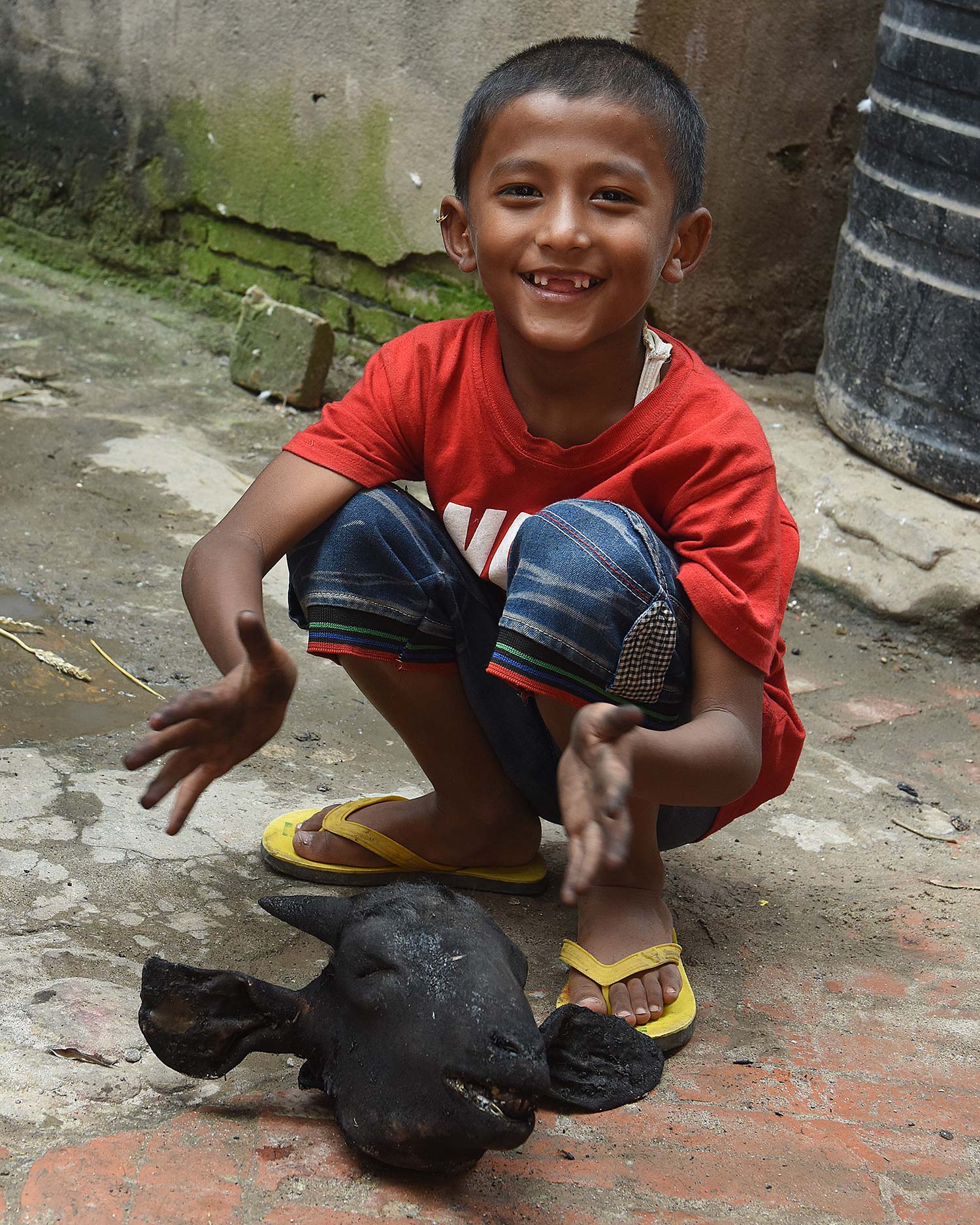
Everything in Kathmandu happened out in the open. Butchers slaughtered goats for the annual Dashain festival, during which everything from homes and cars to airplanes at Tribhuvan International Airport was splashed with fresh blood to appease the Goddess Durga and ensure prosperity in the year ahead. Men had their heads shaved by roadside barbers before heading to the burning ghats of Pashupatinath to cremate loved ones. Coming from America, it took a while to become accustomed to seeing death, both animal and human, displayed and discussed so openly.
Shortly after I left Kathmandu, the Nepali Parliament decided its members could buy second cars without paying import duties. The number of vehicles in the Kathmandu Valley doubled within a year, and things only deteriorated from there. With each return visit, my stays became shorter. Spending too long in the city before heading into the mountains risked developing the infamous “Khumbu cough” from the polluted air before even reaching the Khumbu itself.
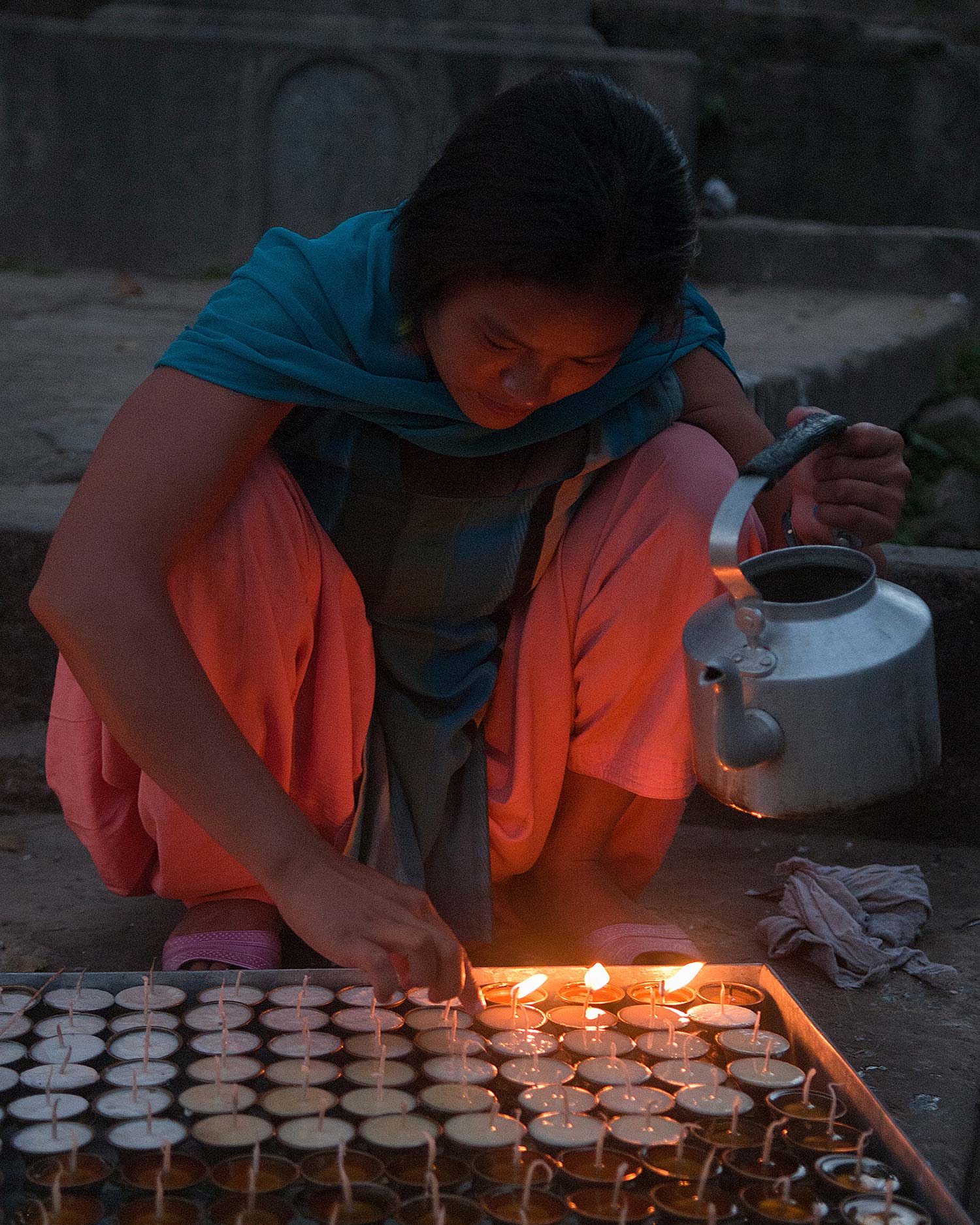
Other things, however, never changed. The constant blare of traffic horns was balanced by the ringing of temple bells as throngs of pilgrims visited temples and stupas to light butter candles, pray, or simply pause in quiet reflection. While power outages and the lack of running water in many homes remained commonplace, Nepalis carried on their daily lives with remarkable dignity, grace, and good humor.
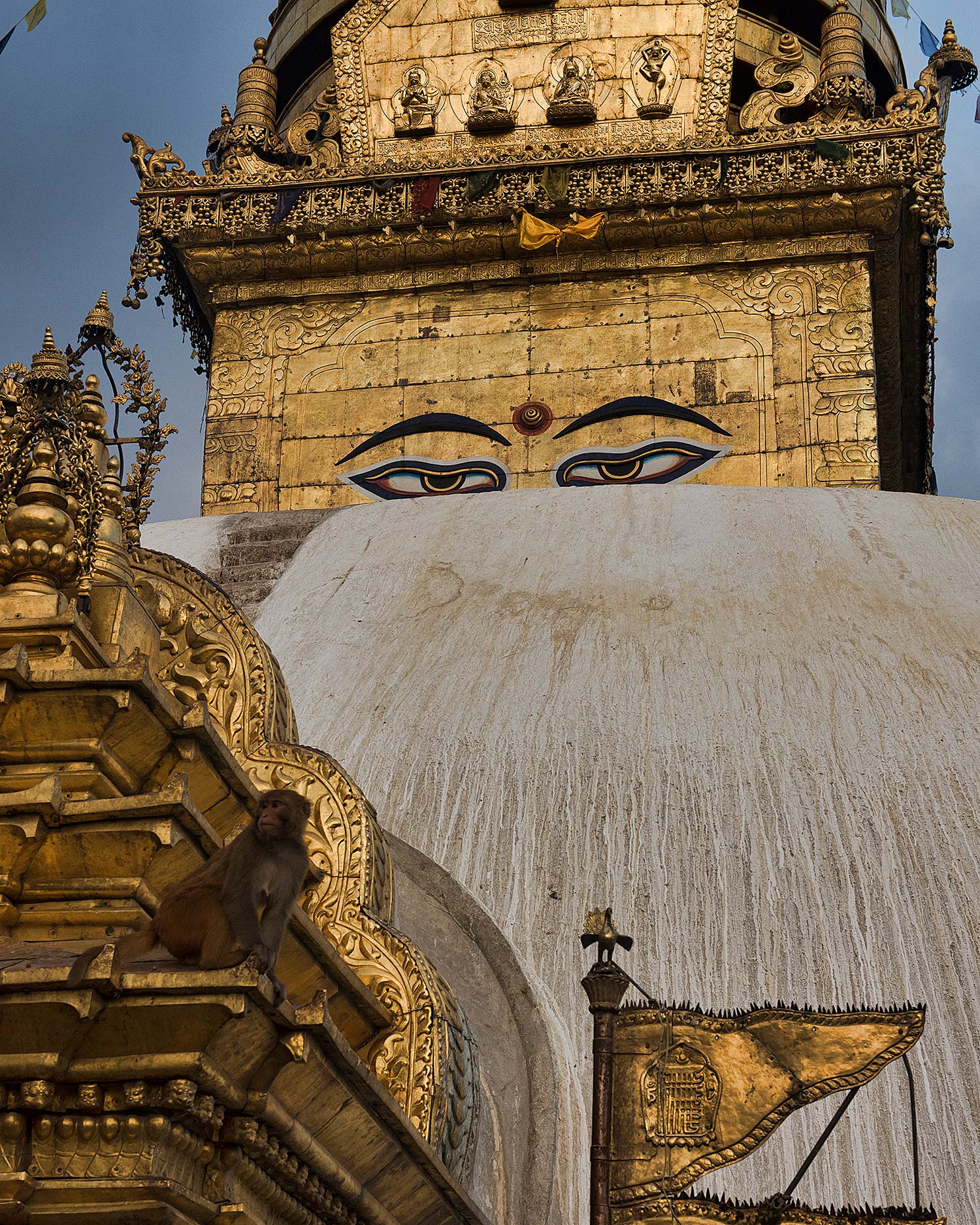
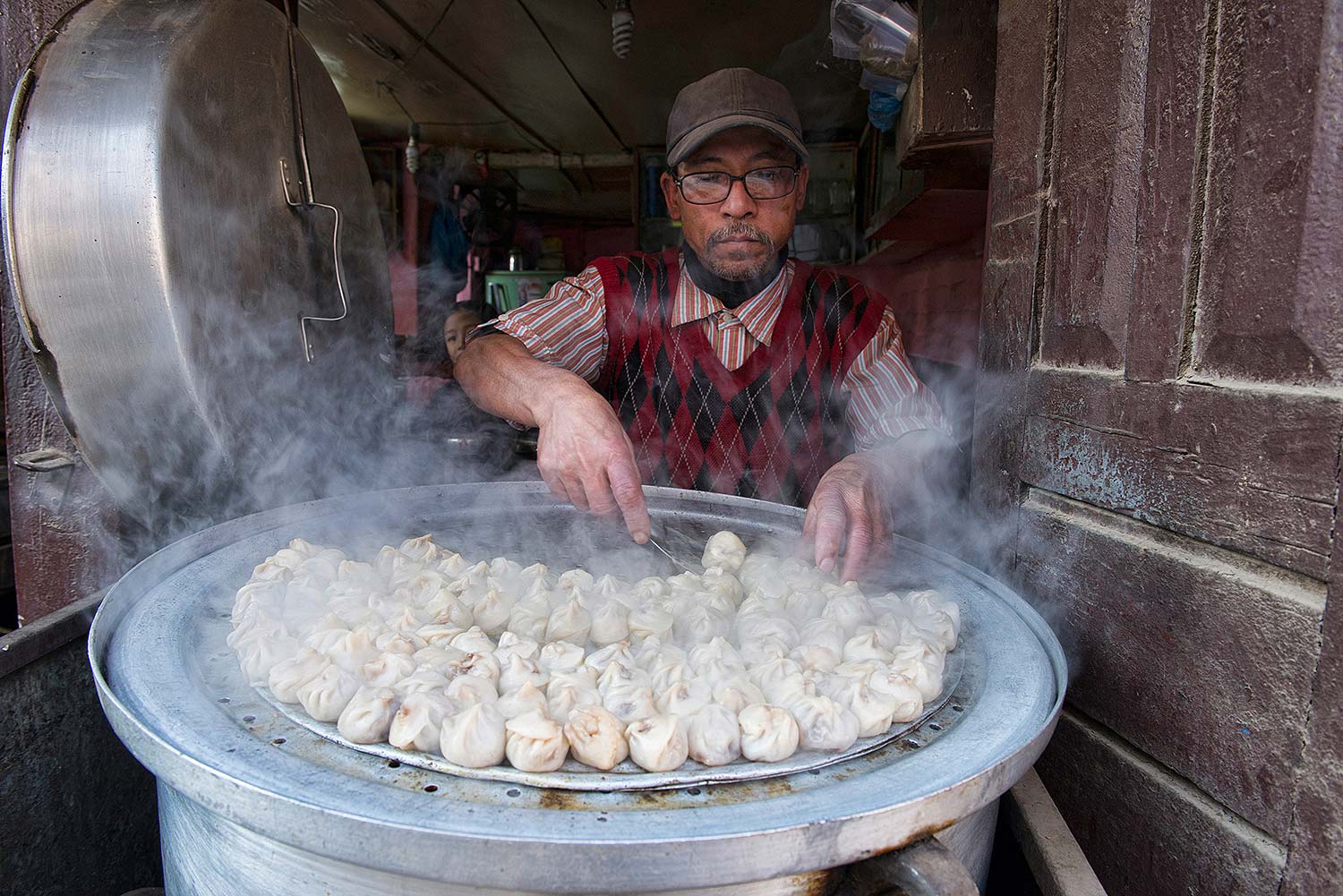
I’d often stop at my regular momo vendor, an elderly gentleman I’d visited for years, for a plate of steaming buffalo momos so laden with lard they doubled as lip balm. From there I’d climb the endless steps to Swayambhunath, the great hilltop stupa whose watchful Buddha eyes gaze across the city.
Once, visitors climbed here for sweeping views of the Langtang Himal. Today, many come simply to look out over Kathmandu’s vast urban sprawl. I preferred to linger, chatting with the elderly men who came each day to feed the monkeys. Swayambhunath is known as the Monkey Temple for good reason. Troops of marauding macaques roam its slopes, and once they’d had their fill of handouts, they’d strike comical poses atop temple statues or scamper across the stupa’s gilded domes and rooftops.
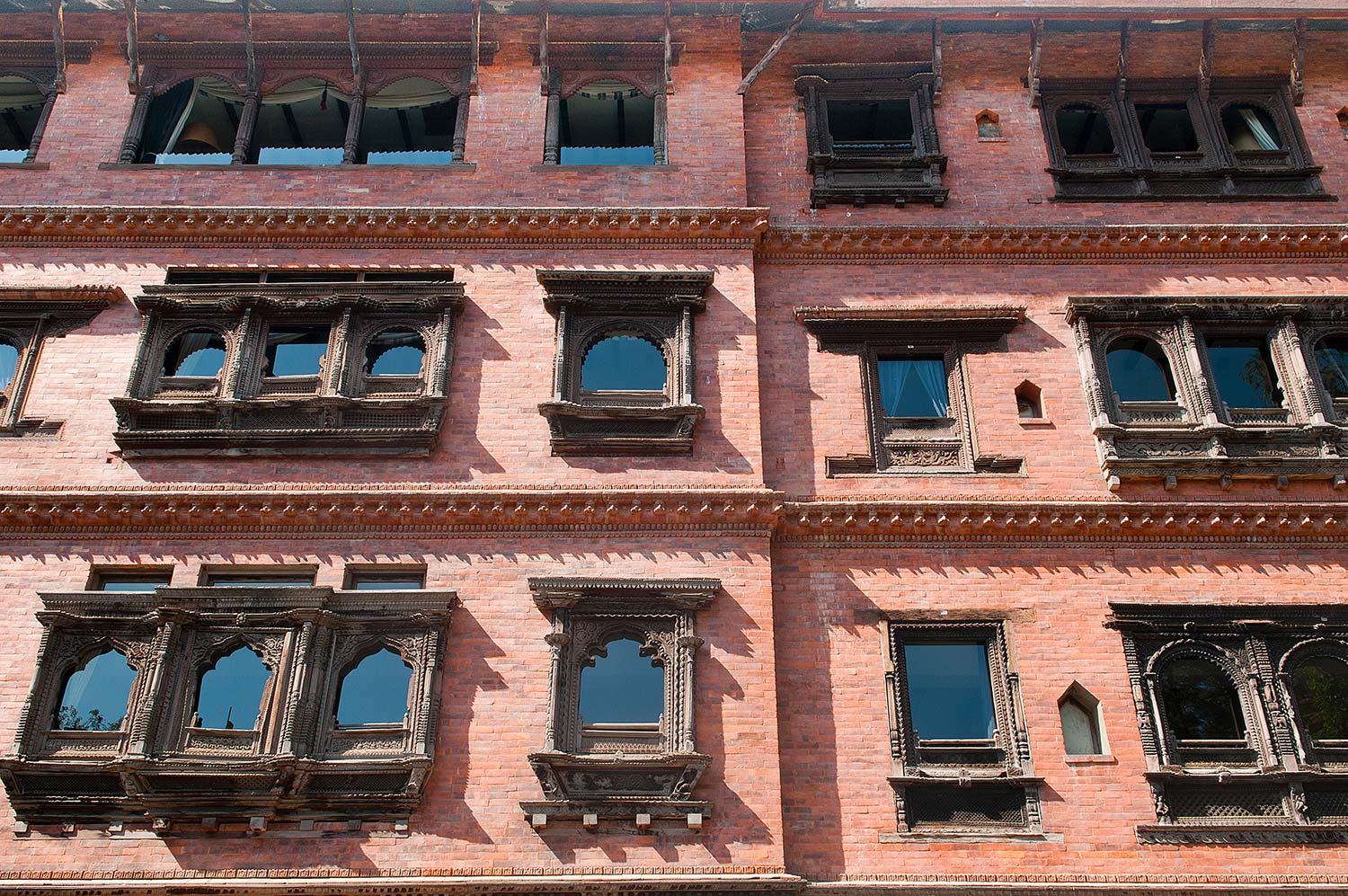
Most visitors include Kathmandu Durbar Square, along with the ancient royal squares of nearby Patan and Bhaktapur, on their itineraries. Although Kathmandu’s Durbar Square suffered extensive damage in the 2015 earthquake, all three remain extraordinary places to visit, not only for their Newari architecture and red-and-orange brick facades, but for the everyday life that unfolds within them.
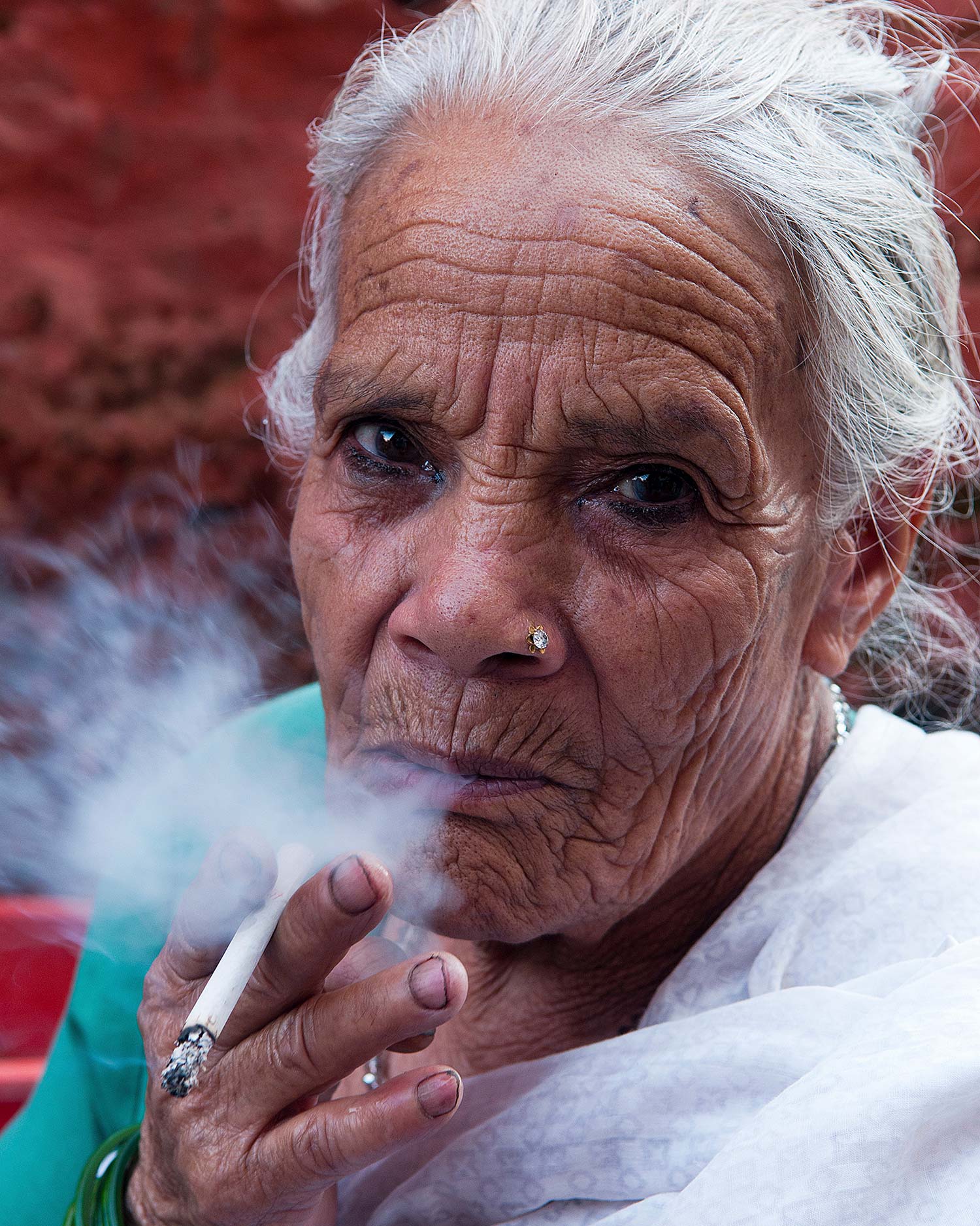
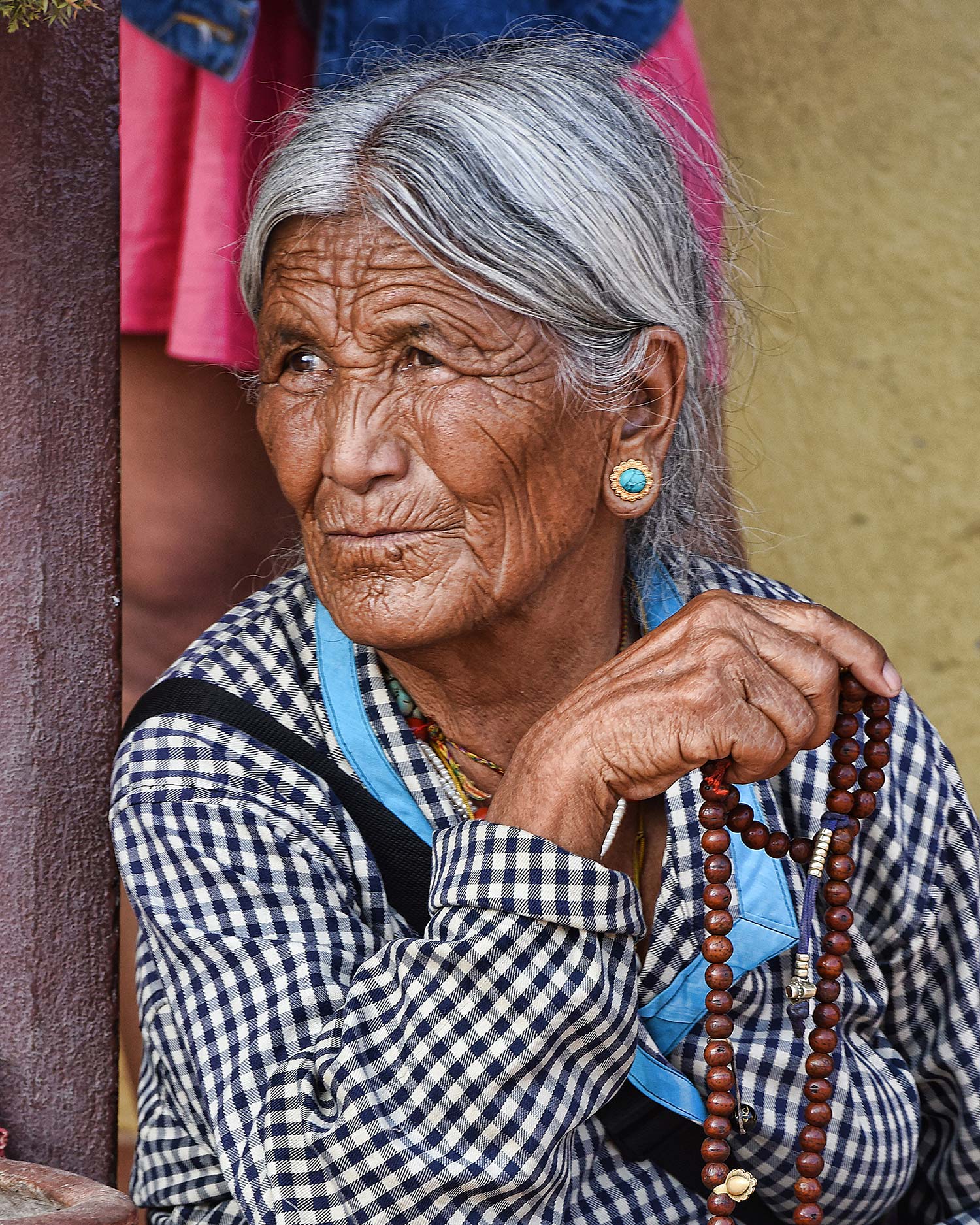
I had a regular chai vendor outside one of the temples, an elderly woman who chain-smoked while pouring the finest sweet tea I’ve ever tasted. I’d sit on one of her stools watching nearby marigold sellers weave garlands before hawking them to passersby. During the colorful Tihar festival of lights and flowers, more than 2.5 million flower garlands are sold, making the trade one of the city’s biggest seasonal businesses.
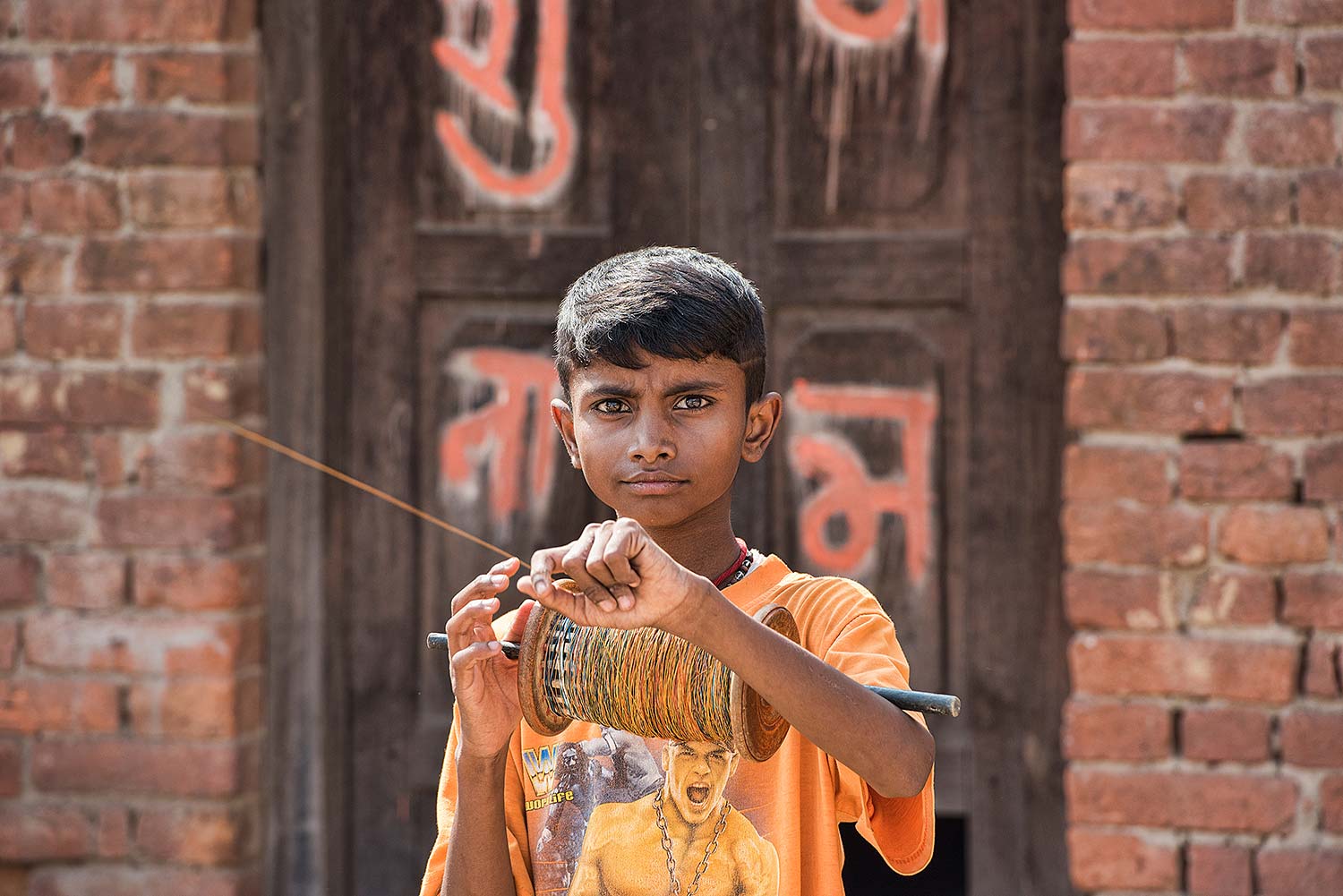
While visiting Bhaktapur Durbar Square, I spotted a young boy with striking eyes flying a kite for hours on end. Kite flying remains a familiar sight across Nepal’s countryside, but Kathmandu’s shrinking open spaces have pushed the pastime onto rooftops. Visit almost any rooftop at sunset, and you’ll see paper kites drifting across the skyline. In a country without sprawling shopping malls or big-box retailers, children often make their own entertainment, fashioning toys from wooden wheels or discarded plastic bottles. While parents worship at nearby shrines, their children happily transform these sacred spaces into playgrounds of their own.
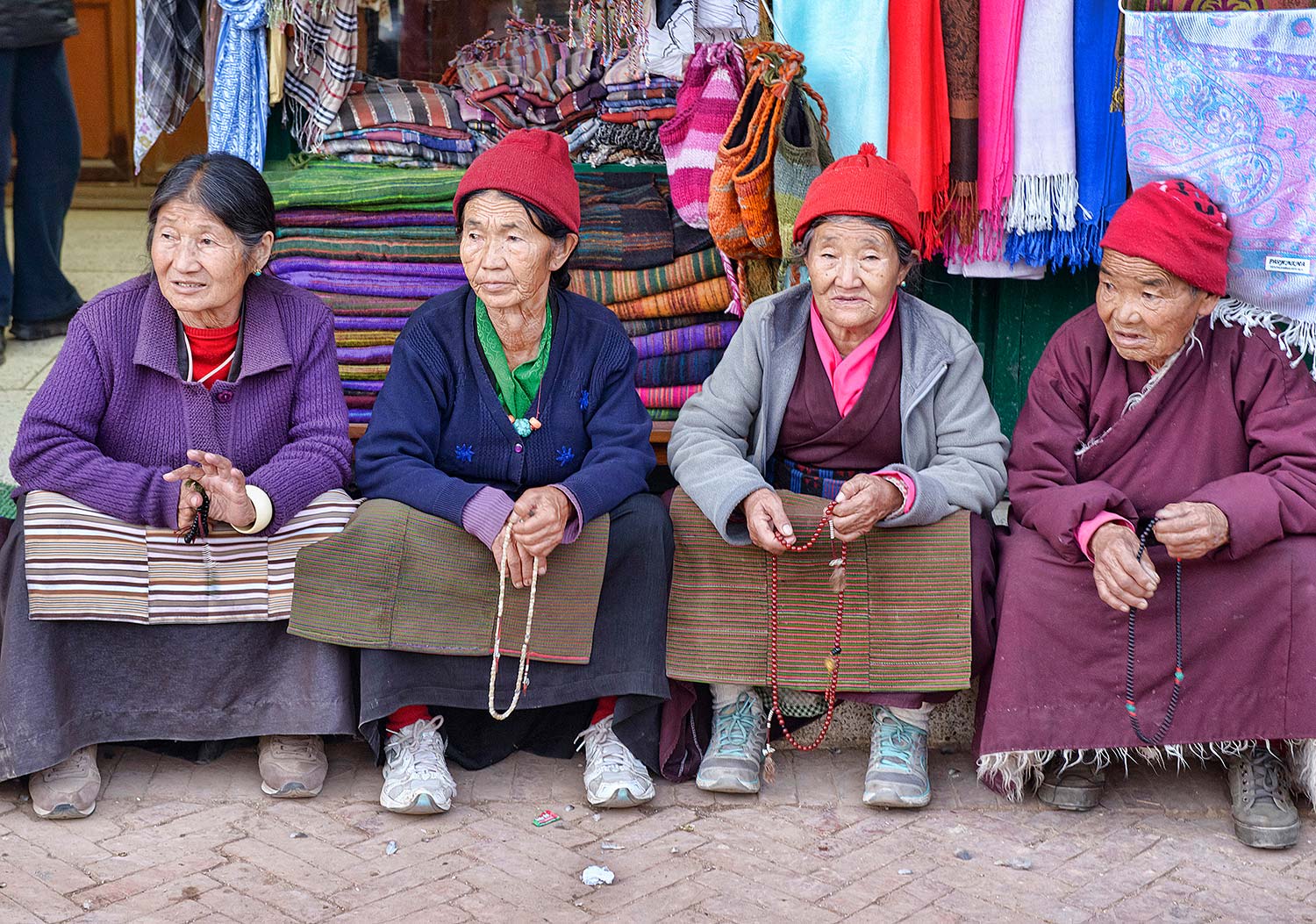
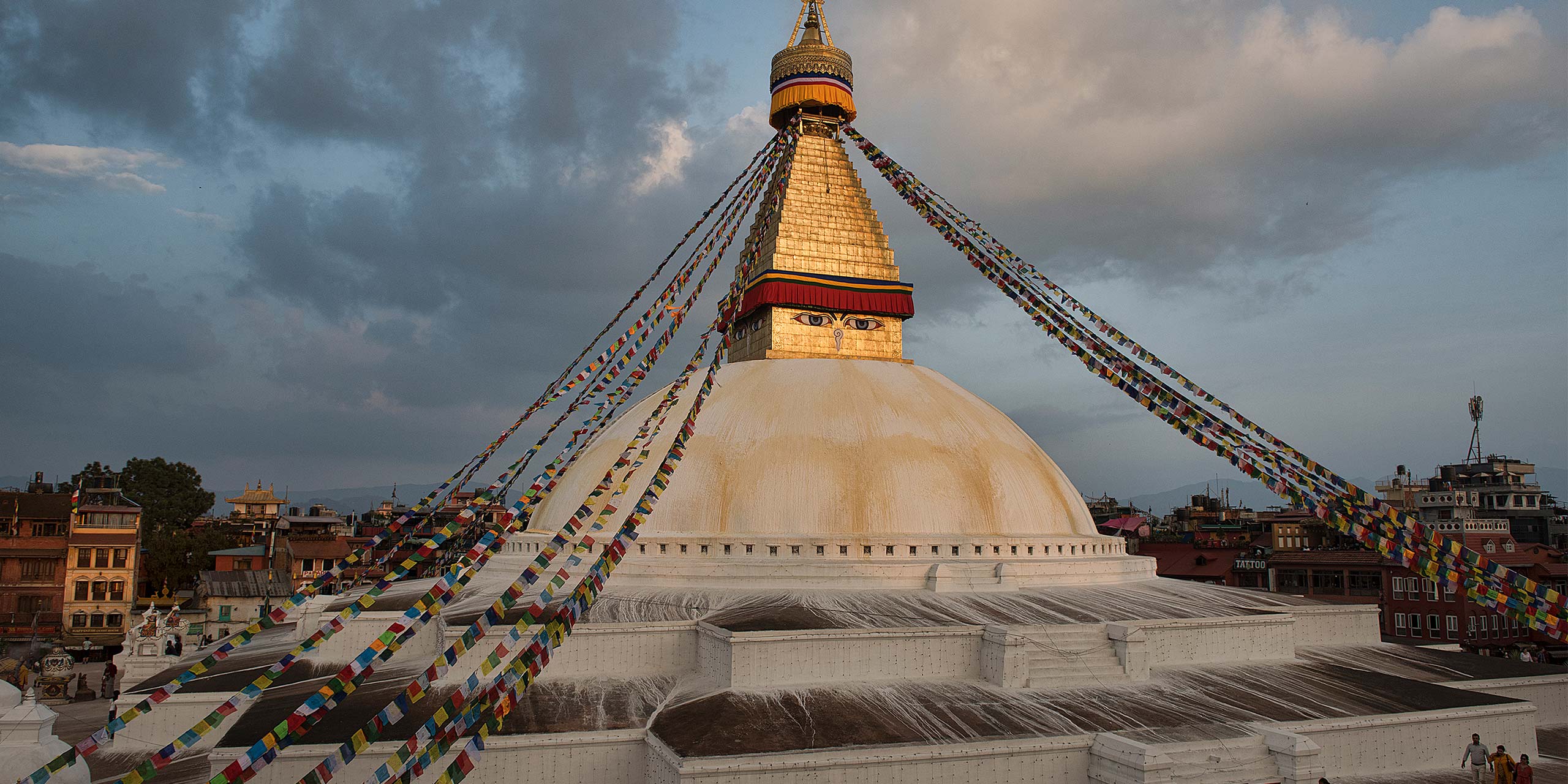
The city’s religious monuments are major tourist attractions, but they are equally vibrant centers of local life. Boudhanath, known locally as Bouddha, is Nepal’s most revered Tibetan stupa and one of the largest spherical stupas in the world. In the late afternoon, as the day’s heat begins to fade, thousands of locals gather to perform koras, circling the stupa to accumulate merit for future lives. Although deeply spiritual in nature, the ritual is also a social occasion and a form of daily exercise. Amid the crowds, monks perform full-body prostrations at astonishing speed, movements that bear an uncanny resemblance to endless sets of burpees.
Around Bouddha, as elsewhere across Kathmandu, elaborately carved wooden doorways and window frames provide quiet places for people to sit and watch the world pass. As a photographer, I’m constantly struck by how photogenic the city remains, with seemingly endless backdrops for documenting daily life. Perhaps the finest tribute to this architectural heritage is Dwarika’s.
The hotel was the life’s work of Dwarika Das Shrestha, who, while out jogging in the early 1950s, discovered intricately carved wooden pillars and doorframes being chopped up for firewood. Alarmed by the loss of Nepal’s architectural heritage, he began rescuing these discarded masterpieces. Over the decades, he assembled a collection large enough to furnish an entire building, creating what would become Kathmandu’s first five-star hotel and one of the world’s great showcases of traditional Newari craftsmanship.
Dwarika’s sits just down the road from Pashupatinath, a UNESCO World Heritage Site and one of the world’s most important Hindu temple complexes. Set along the sacred Bagmati River, its pagodas and ashrams are magnificent, but it’s the life surrounding them that leaves the deepest impression.
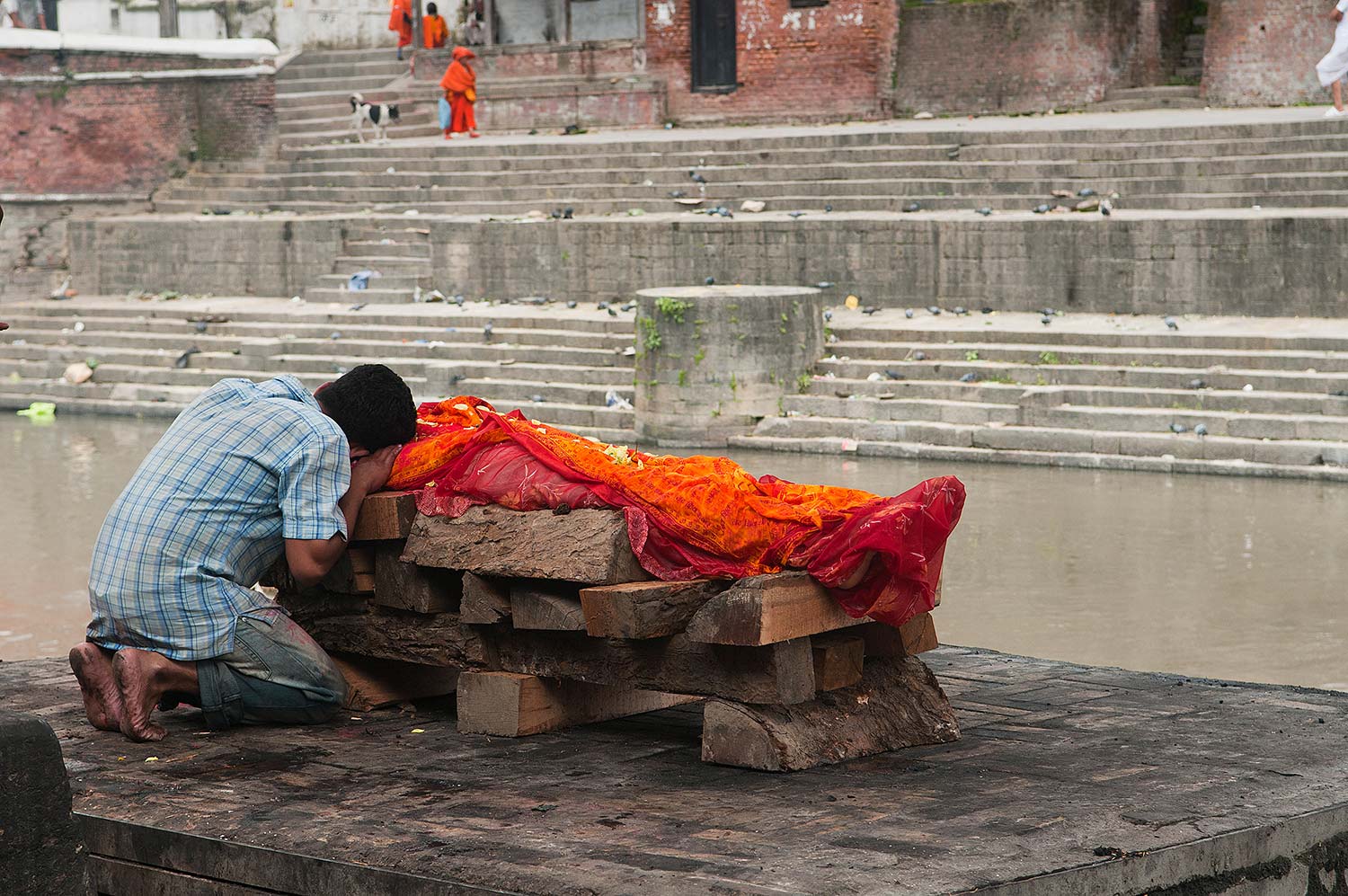
Wooded paths climb the hillside above the temples, offering sweeping views across the complex. Along the river below, the ghats host daily cremations, where families gather to watch loved ones wrapped in cloth before funeral pyres are lit by the eldest son. Wet straw placed atop the pyres sends white smoke drifting skyward. To some, the scene may seem morbid. To most Nepalis, death is simply another stage of existence, not an ending but a transition.
Near the burning ghats gather some of Kathmandu’s most recognizable figures: the sadhus. These holy men have renounced their families, careers, and material possessions, traveling with little more than alms bowls, often clad only in loincloths as they pursue spiritual liberation. Many coat themselves in white ash to symbolize their detachment from worldly life, while others wear dreadlocks that would put most Rastafarians to shame.
With the rise of tourism and Instagram, however, Pashupatinath has also attracted a growing number of so-called “dollar sadhus,” holy men who know they can earn a good living posing for photographs.
Whether genuine or not, I always enjoyed sitting with the sadhus and talking about their lives. Some possessed remarkable spiritual insight; others were considerably more practical. One, upon learning I lived in Thailand, asked whether I could exchange some money for him. He promptly produced a thick wad of Lao kip. Since I traveled to Laos regularly, I happily swapped the currency for Nepalese rupees. In return, I asked if I could photograph him and several of his companions. The deal was sealed with plenty of laughter all around.
Kathmandu has never been just a destination for me. It’s a state of mind. Chaotic yet peaceful, ancient yet constantly evolving, it remains an extraordinary collision of faith, color, humanity, and everyday life. Every visit reminds me why I first fell in love with the city. And every departure comes with the certainty that, before long, I’ll be back.