


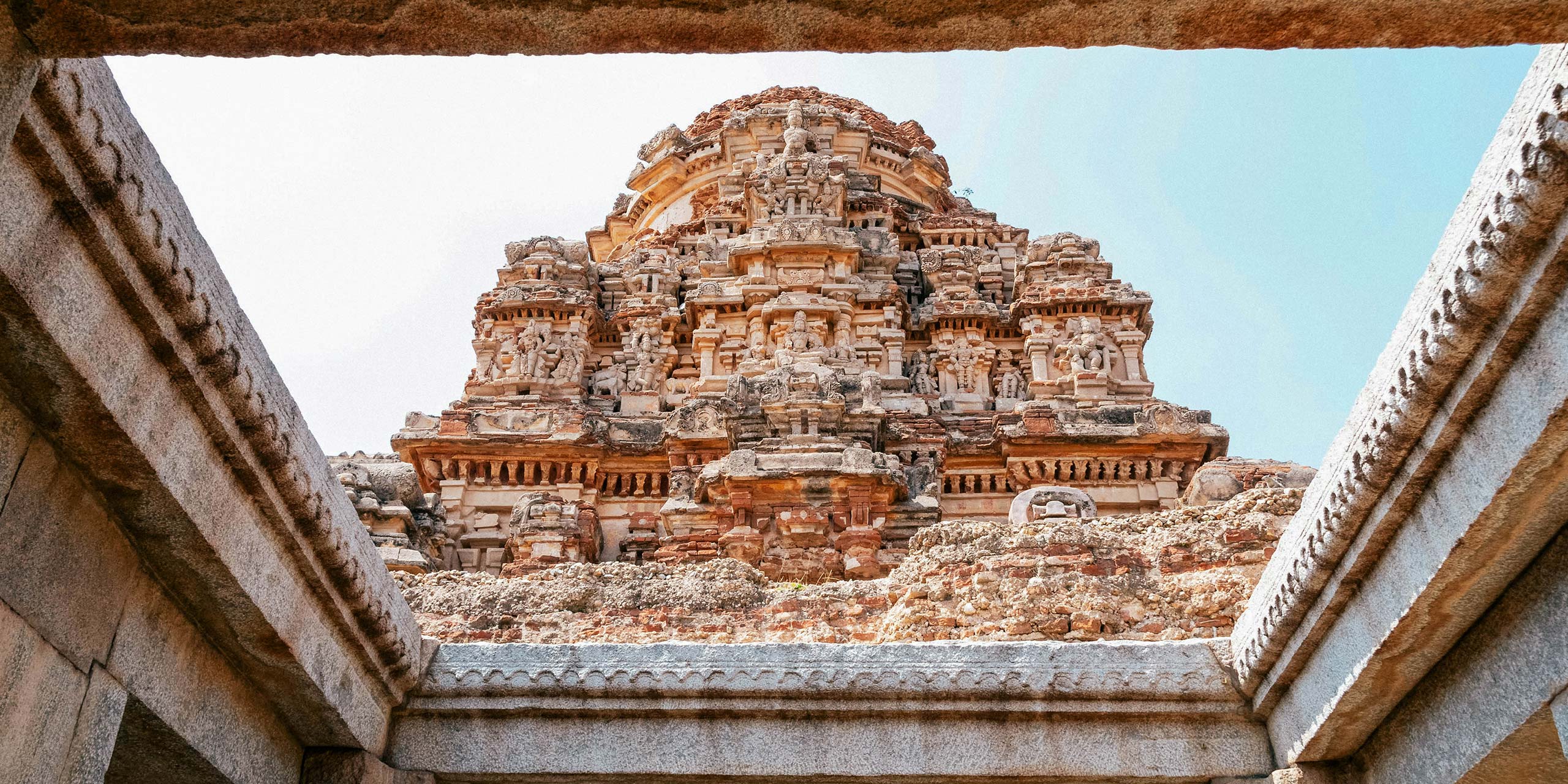
When choosing a holiday destination, our decisions are usually shaped by what we want to see, how we want to feel, and, for dedicated food lovers, what we want to taste. But how often do we think about what we’ll hear?
Birdsong drifting through an open window. Waves breaking on a deserted beach. Temple bells echoing across a mountain valley. Or simply the rare luxury of silence. These moments can shape our memories just as powerfully as any spectacular view.
The parts of the brain responsible for hearing are closely connected to those that process emotion, helping explain why certain sounds can instantly transport us back to a particular place or moment. Yet listening remains one of travel’s most overlooked pleasures. Whether it’s rain falling on a rooftop or the rustle of wind through a forest, paying attention to a destination’s acoustic landscape adds another dimension to the journey.
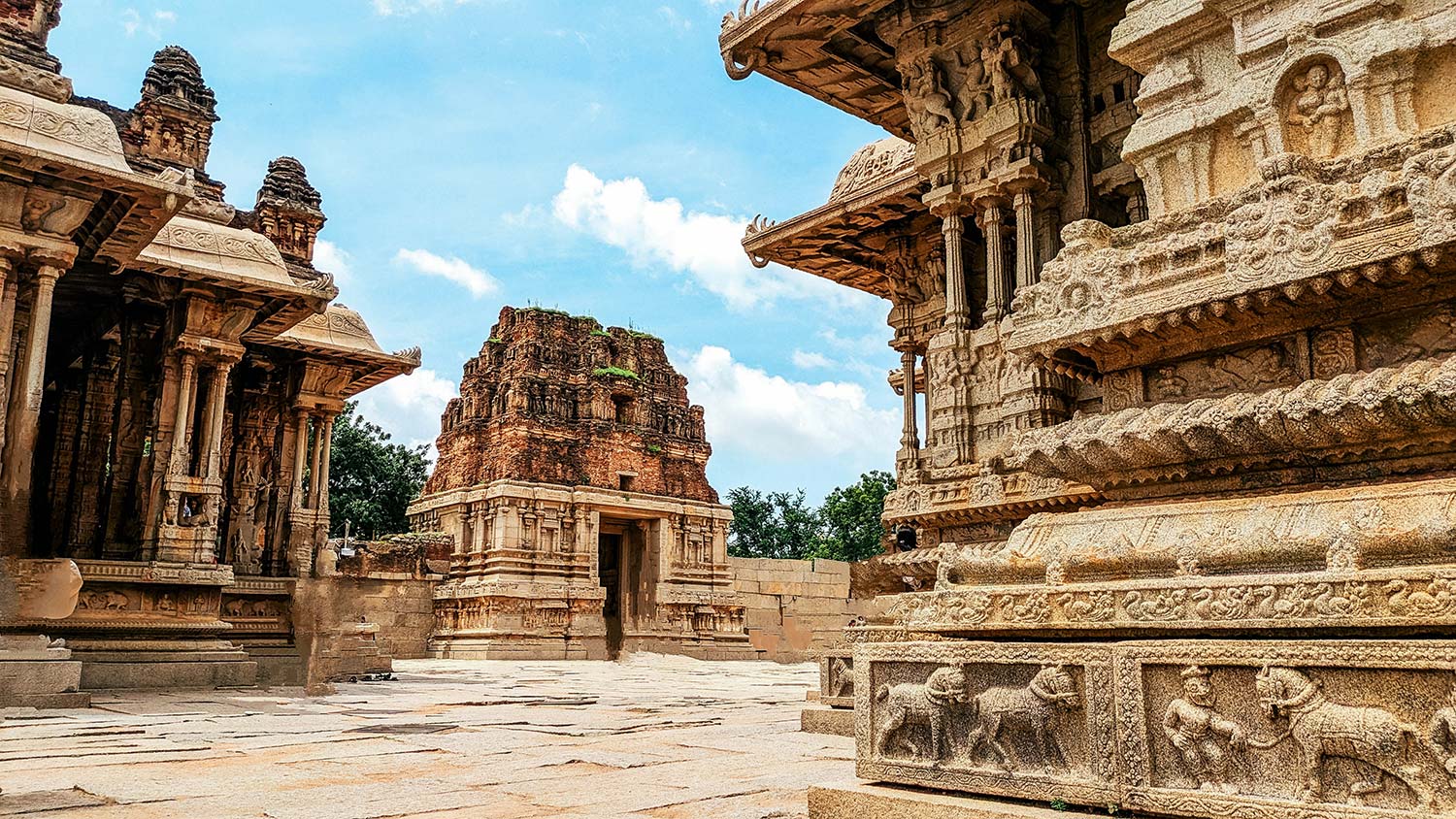
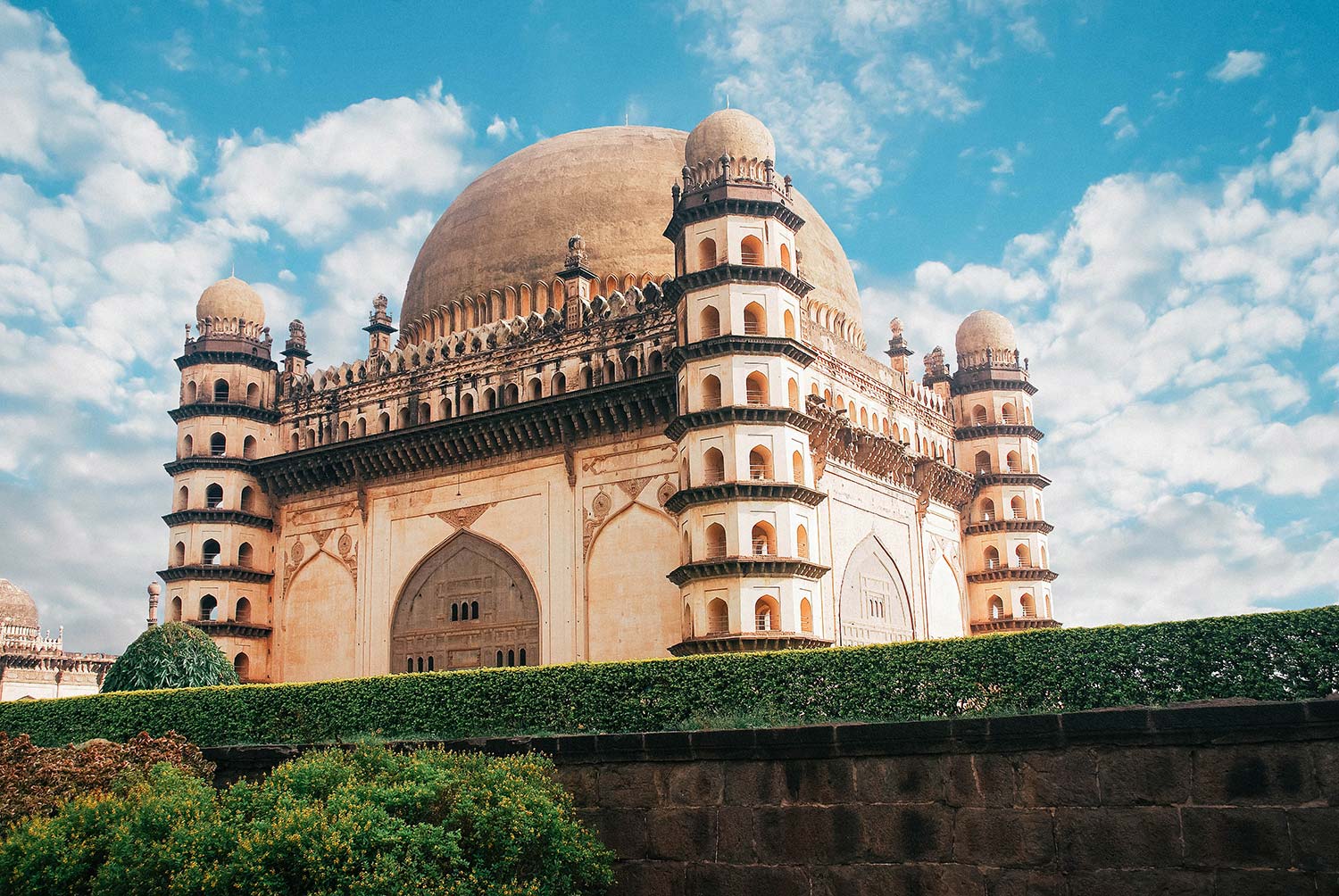
Across Asia, people have understood this for centuries. Music, chanting, bells, and the rhythms of nature have long been woven into spiritual practice, storytelling, and healing. Even architecture has its own voice. At the 16th-century Vittala Temple in Hampi, India, a series of stone pillars produces musical notes when gently tapped. Elsewhere in India, the Whispering Gallery inside the 17th-century Gol Gumbaz mausoleum carries even the quietest whisper around its vast dome in a cascade of echoes.
With its extraordinary diversity of cultures, landscapes, and traditions, Asia is one of the world’s richest destinations for travelers willing to experience a place through more than sight alone.
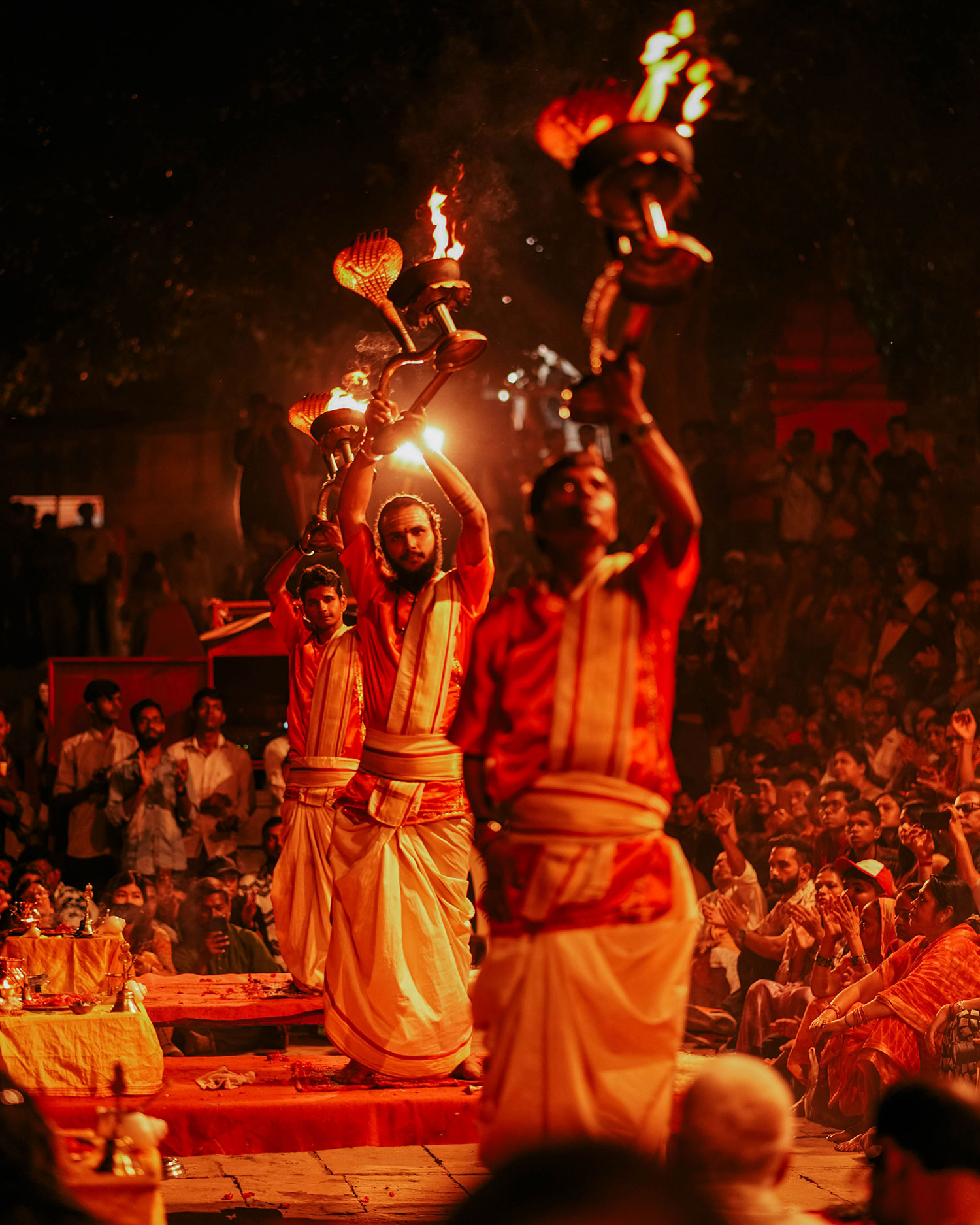
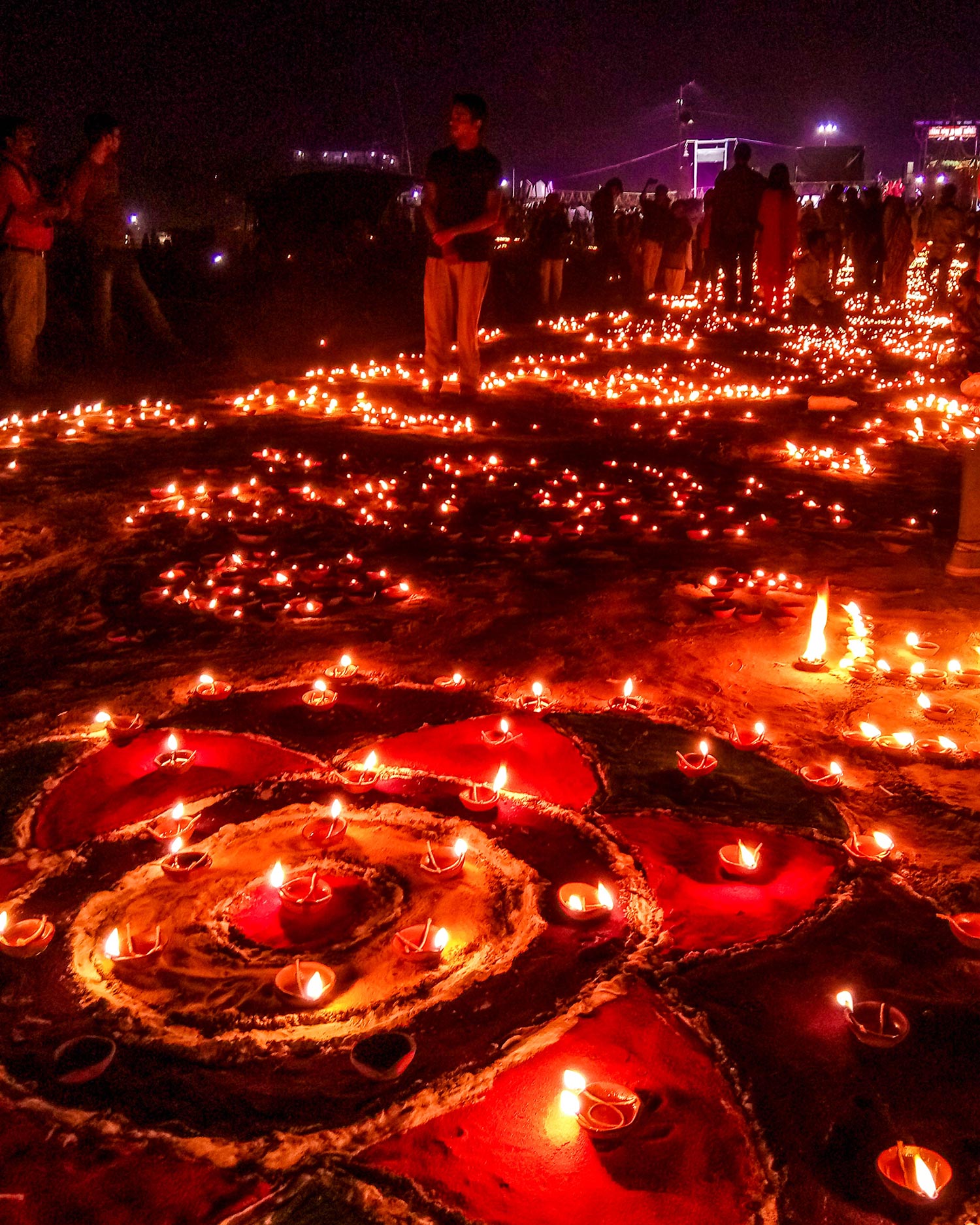
Festivals are among the most immersive ways to understand a destination. Music, ritual chanting, dance, and street performances reveal local traditions through listening as much as observation. On the Celebrating Dev Deepawali and Other Gems of Madhya Pradesh itinerary, you’ll experience the sights and sounds of the festival celebrating the Hindu gods’ descent to Earth while journeying through one of India’s most culturally rich states.
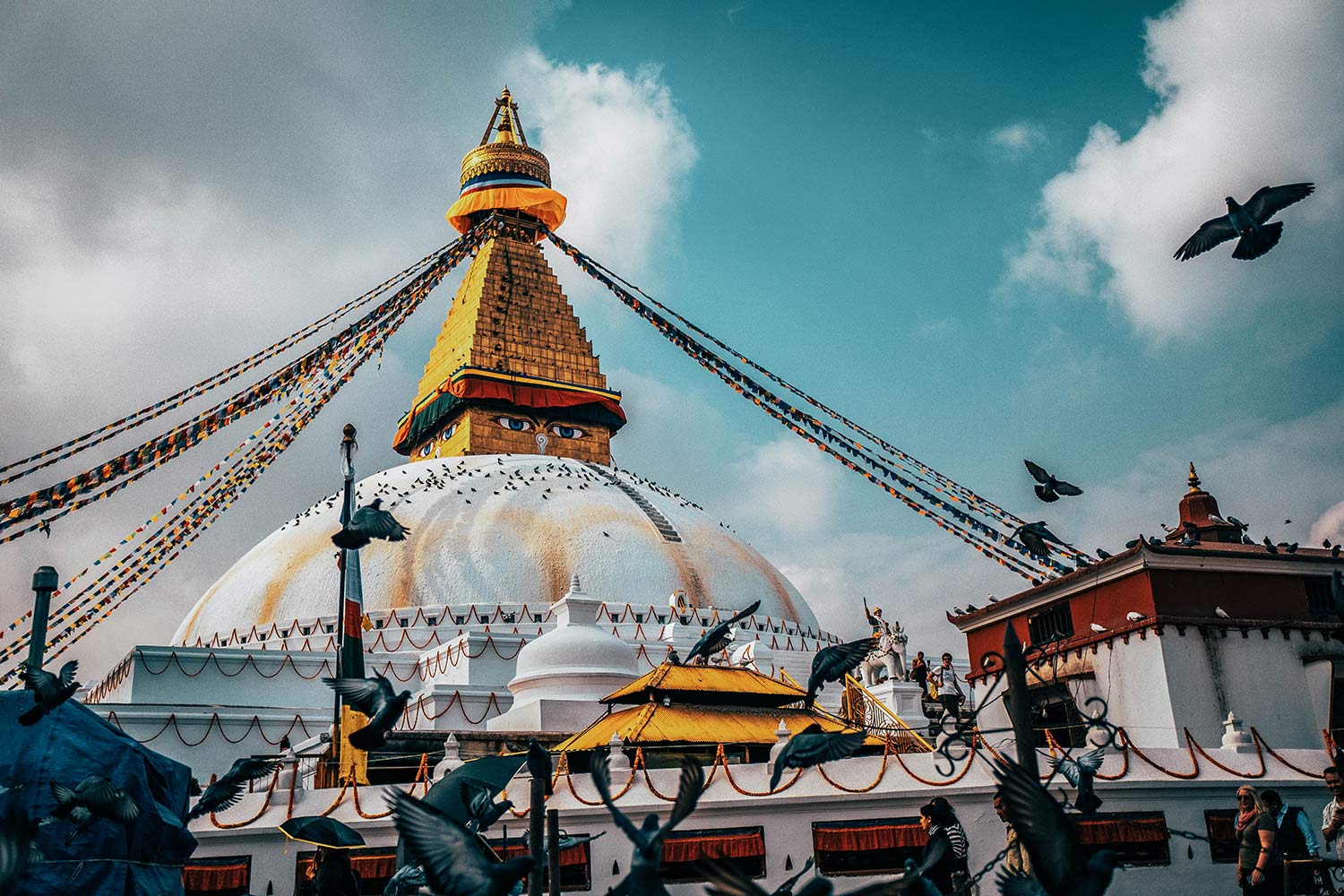
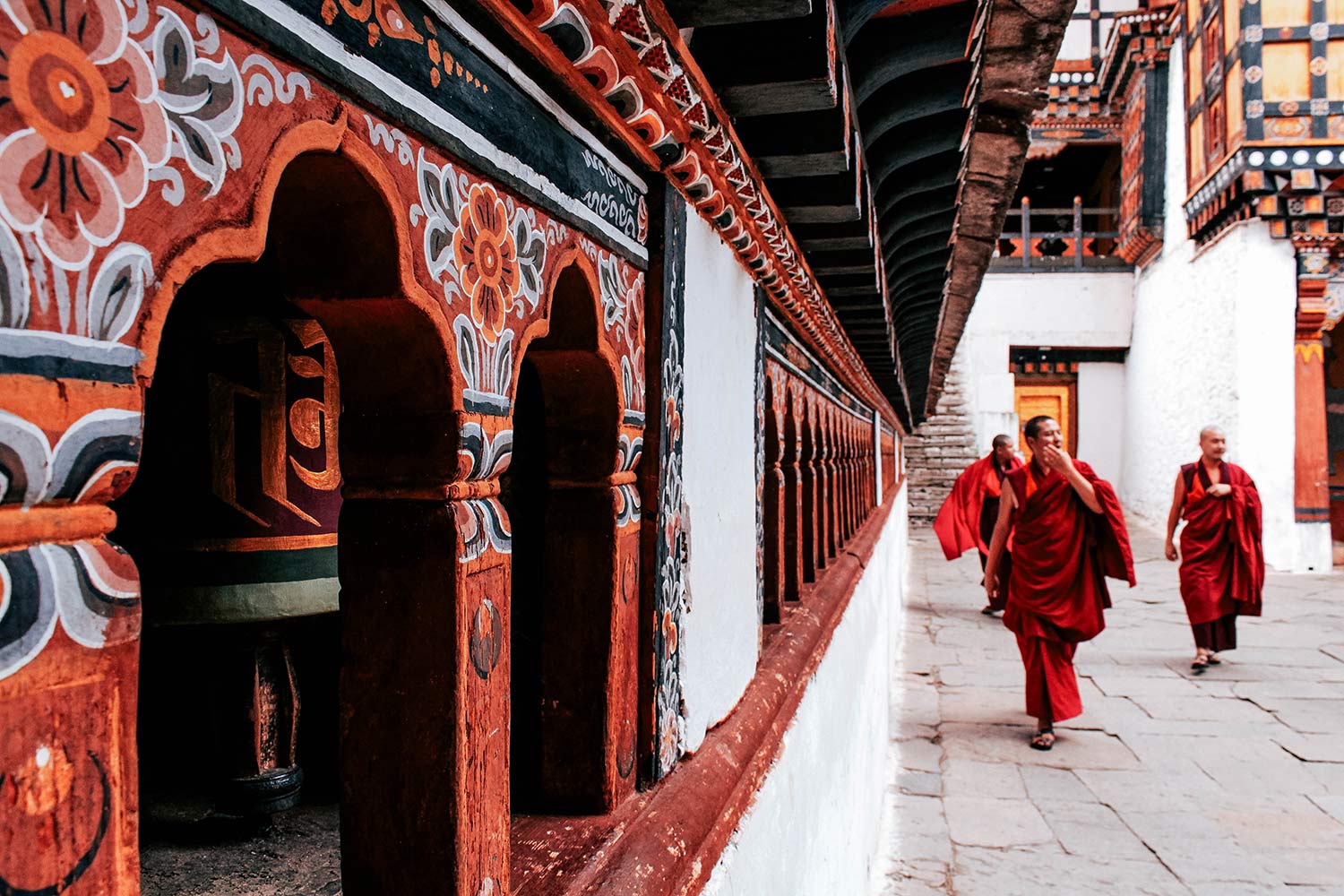
Elsewhere, the chants of monks, temple bells, spinning prayer wheels, and monastery rituals invite moments of reflection regardless of faith. Their gentle rhythms create an atmosphere that’s difficult to recreate anywhere else, encouraging visitors to slow down and become more present. Experience these traditions on the Following Buddha’s Footsteps Across the Himalayas itinerary, visiting sacred sites, ancient temples, and remote monasteries across India, Nepal, Bhutan, and Tibet.
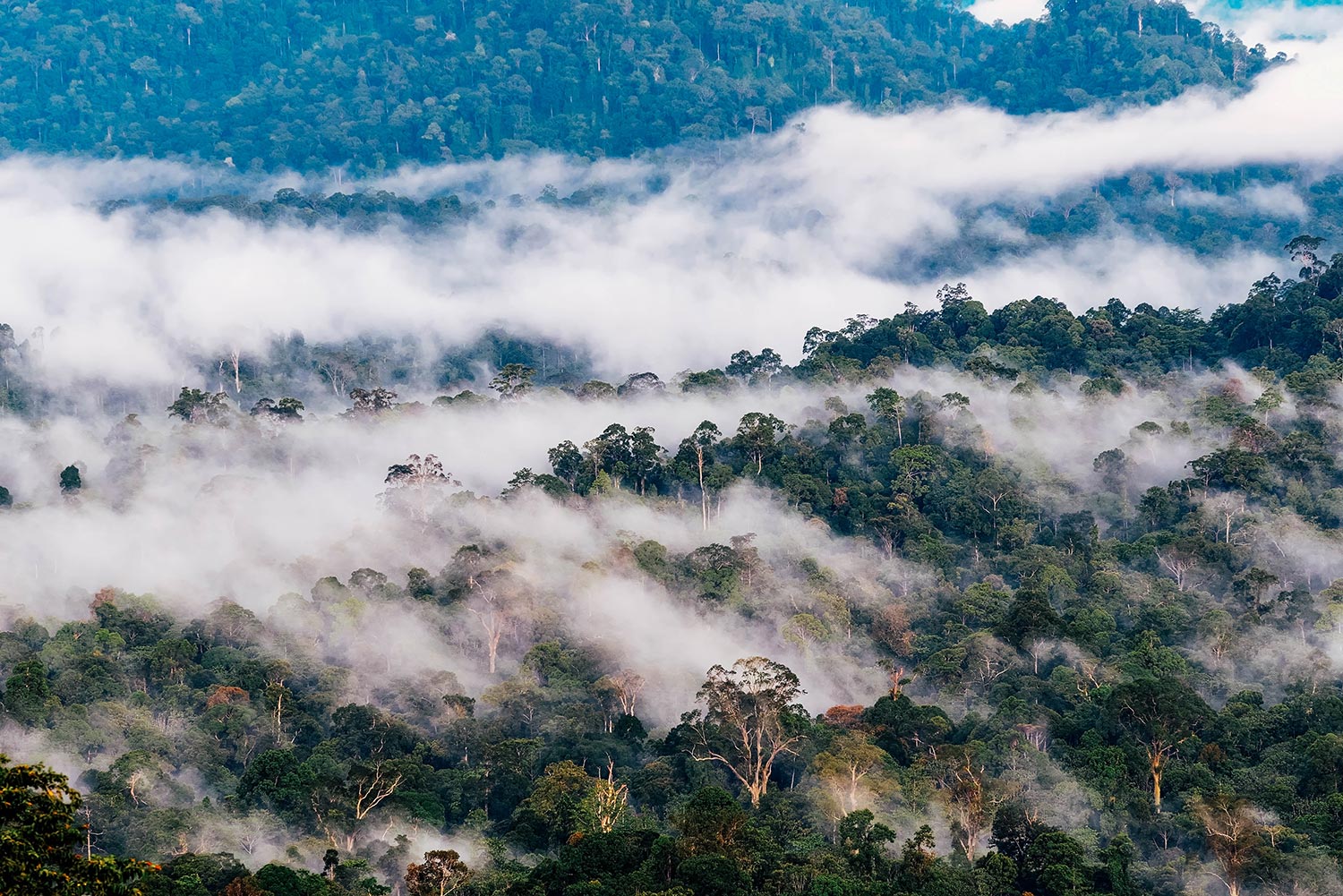
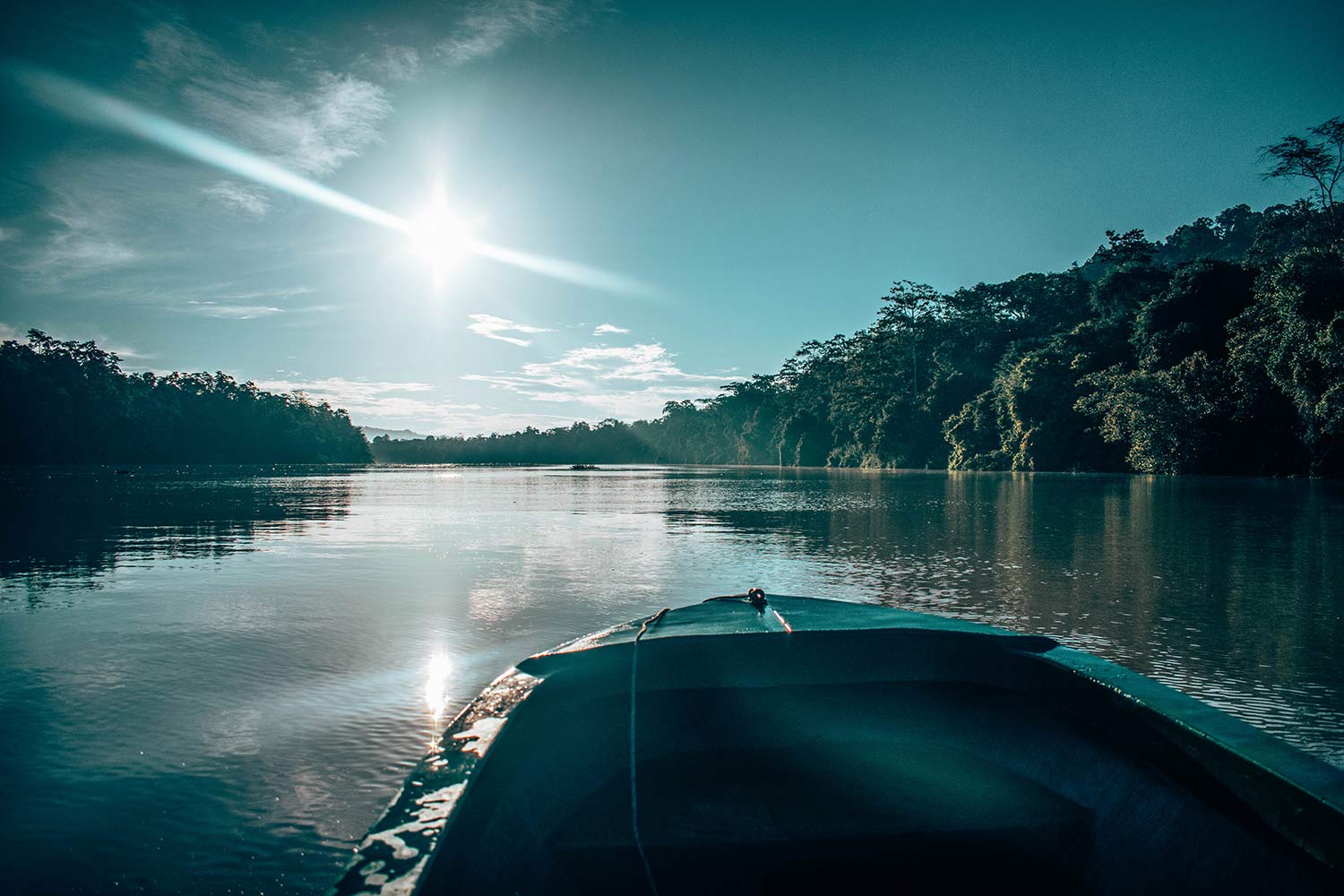
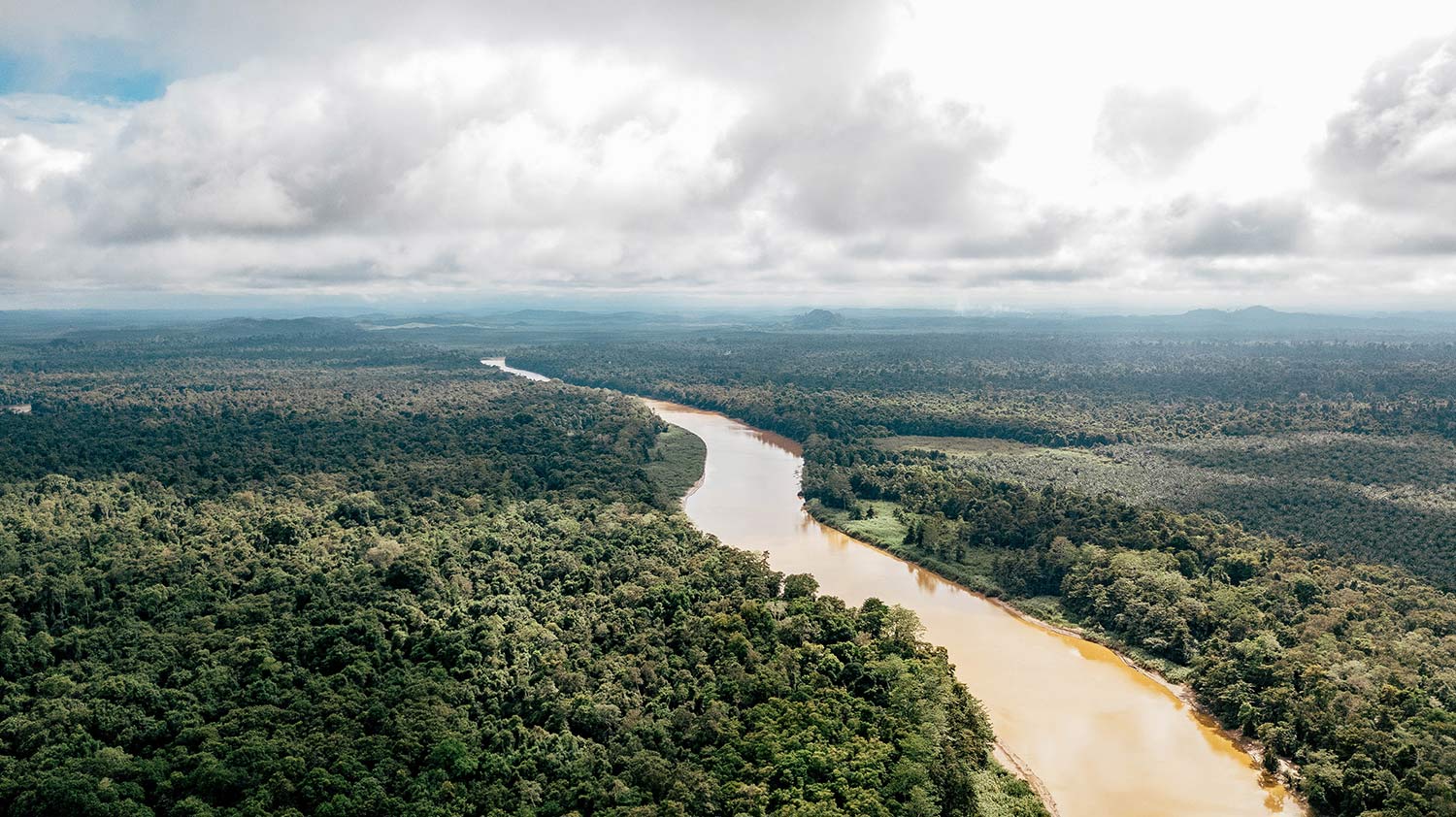
Some of Asia’s most memorable experiences begin before sunrise. In Borneo’s ancient rainforests, dawn arrives with a chorus that has echoed through the jungle for millennia. Gibbons call across the canopy, hornbills beat their wings overhead, insects awaken, and countless birds announce the arrival of a new day. Along winding rivers, the gentle movement of water becomes a constant companion, while mountain forests replace the noise of modern life with birdsong and wind through the trees.

These natural rhythms encourage us to slow down. Whether we’re forest bathing, hiking, meditating, or simply sitting quietly, they remind us that some of the richest travel experiences come not from what we see, but from what we hear. On the Classic Borneo itinerary, immerse yourself in the ancient soundscape of the Danum Valley rainforest before drifting along the Kinabatangan River through one of the planet’s richest ecosystems.
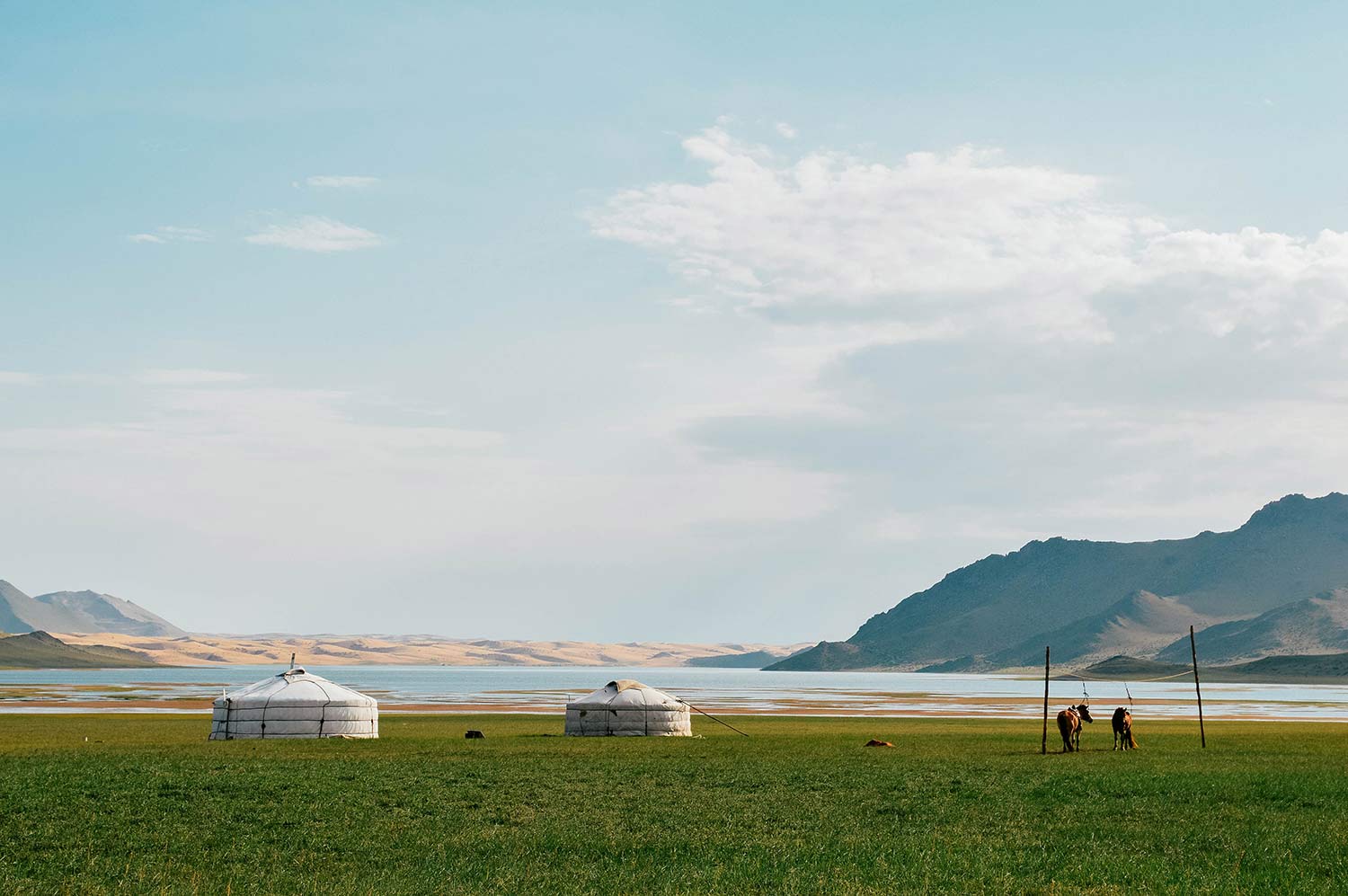
For many travelers, silence has become one of life’s greatest luxuries. Yet quiet rarely means the complete absence of noise. Instead, it’s the replacement of traffic, notifications, and crowds with subtler experiences: wind sweeping across the Mongolian steppe, boots crunching on a mountain trail, or sand shifting across the Gobi Desert. Those moments create space not only to listen more closely, but to think more clearly.
On the Mongolia: Gobi and Grasslands itinerary, the vast open landscapes make quiet one of the destination’s defining experiences, offering a rare sense of freedom that is increasingly difficult to find in everyday life.
Listening has also become an increasingly important part of modern wellness. Luxury retreats and spas now use singing bowls, gongs, sound baths, vibroacoustic therapy, and carefully composed music to encourage relaxation, meditation, and better sleep. Rather than serving as background ambience, these experiences place listening at the center of the treatment itself.



A sound bath is a full-body listening experience that uses instruments such as singing bowls, chimes, or gongs to create a deeply meditative atmosphere. Binaural beats use two slightly different frequencies played into each ear to create the perception of a third tone, while vibroacoustic therapy combines low-frequency audio with physical vibrations delivered through specialist chairs, mats, or treatment beds.
Music also plays an increasingly sophisticated role in hospitality. Companies such as Myndstream create bespoke soundscapes for spas, hotels, and wellness brands around the world, designed to complement treatments, encourage relaxation, and promote better sleep.
The growing interest in these practices is supported by an expanding body of research. Studies have shown that music can stimulate the release of dopamine, contributing to an overall sense of well-being and helping explain why certain melodies leave us feeling calmer, happier, or comforted. Some forms of sound therapy have also been explored as complementary approaches for people living with anxiety, depression, PTSD, autism, and chronic stress, while other research suggests potential benefits, including reduced pain, improved memory, and lower blood pressure. As with any wellness practice, however, these approaches are intended to complement rather than replace conventional medical treatment, and their effects vary from person to person.
Experiencing a destination through listening doesn’t require booking a specialist itinerary. Often, it’s simply a matter of slowing down.
Wake before sunrise, when the world is at its quietest and wildlife is at its most active. Before reaching for your camera to capture the perfect view, spend a minute taking in the atmosphere around you instead. Ask your guide about seasonal birds, hidden waterfalls, or local festivals where music and ritual remain central to daily life. Put your phone away during a temple ceremony. Sit beside a river without feeling the need to fill the silence.
These small moments often become the ones we remember most clearly.
Travel has always been dominated by sight. We collect photographs, admire architecture, and chase spectacular landscapes. Yet hearing has the power to connect us to a place in a way that pictures alone rarely can. A familiar melody, the call of a bird, the ringing of a temple bell, or the hush of a remote valley can instantly transport us back to a journey years later.
A photograph reminds us where we’ve been. Listening reminds us of how it felt.