Festivals & Events

So much in Asia depends on the calendar. In February in Beijing, more than 20 million people all set off fireworks to celebrate Chinese New Year. In Nagaland in India, tribes from all over the region meet to compete, dance, and celebrate. In Thailand, spectators look on as celebrants perform bizarre rituals at the Nine Emperor Gods Festival.

With an intimate and unique knowledge of Asian culture, Remote Lands knows the importance of experiencing culture the right way. Whether you want an up-close view of the Sing-Sing festival in the Asaro Valley of Papua New Guinea or a quiet walk through the Sapporo Snow Festival in Japan, Remote Lands can give travelers the best possible experience on their celebrations throughout Asia.

The Bidayuh community of Bung Jagoi in Sarawak comes together for one day with increasing numbers of visitors from all over Malaysia and beyond to celebrate the end of the year’s harvest and to show off their culture and traditions. There are performances of traditional music and dance, as well as a beauty pageant and carnival.

Gion Matsuri is one of the most famous festivals in Japan, taking place in July between 17th and 24th. The festival dates back to 869 AD and celebrates Yasaka Shrine. There are colorful float processions, as well as many other events over the days and around town.

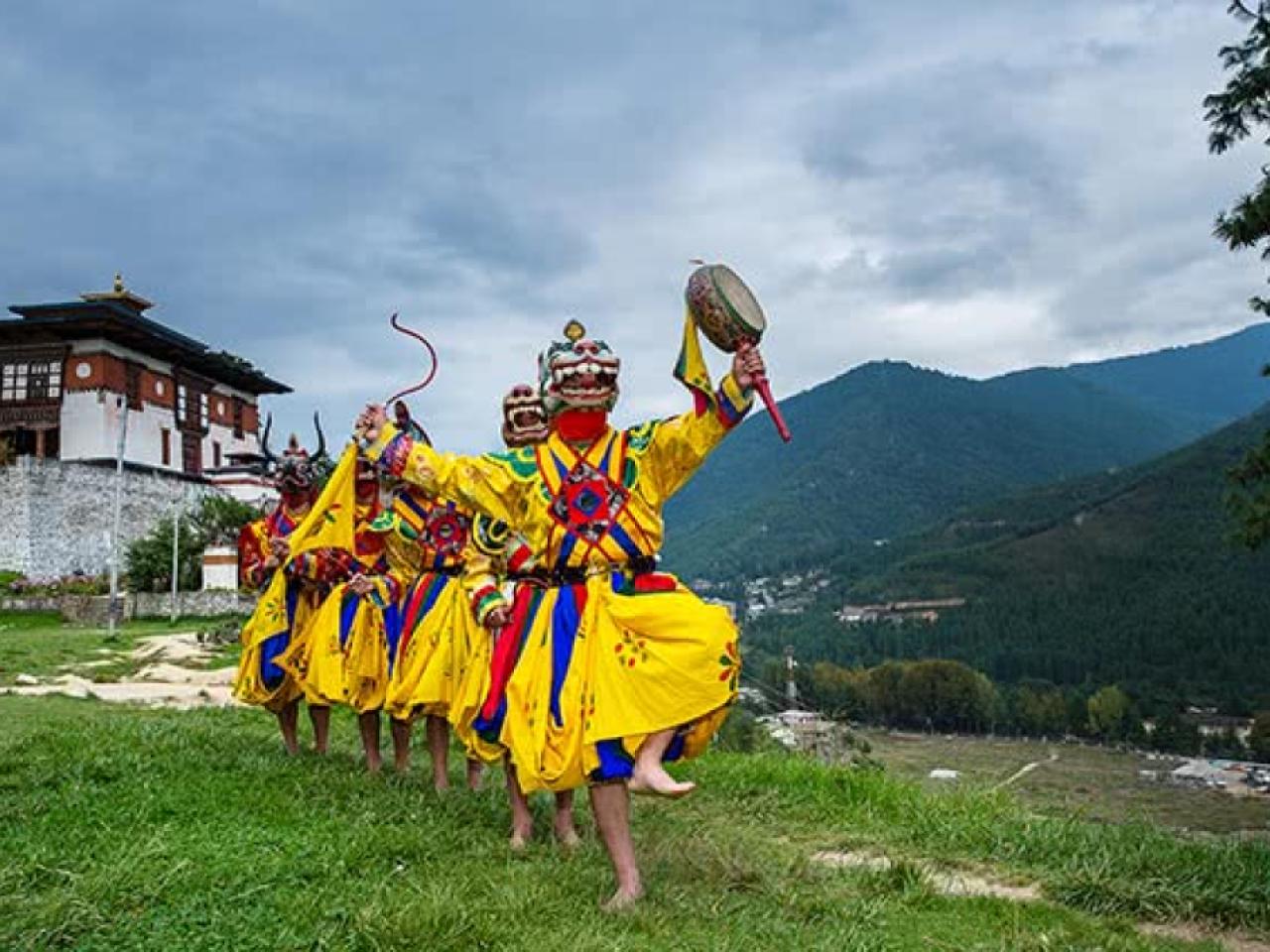
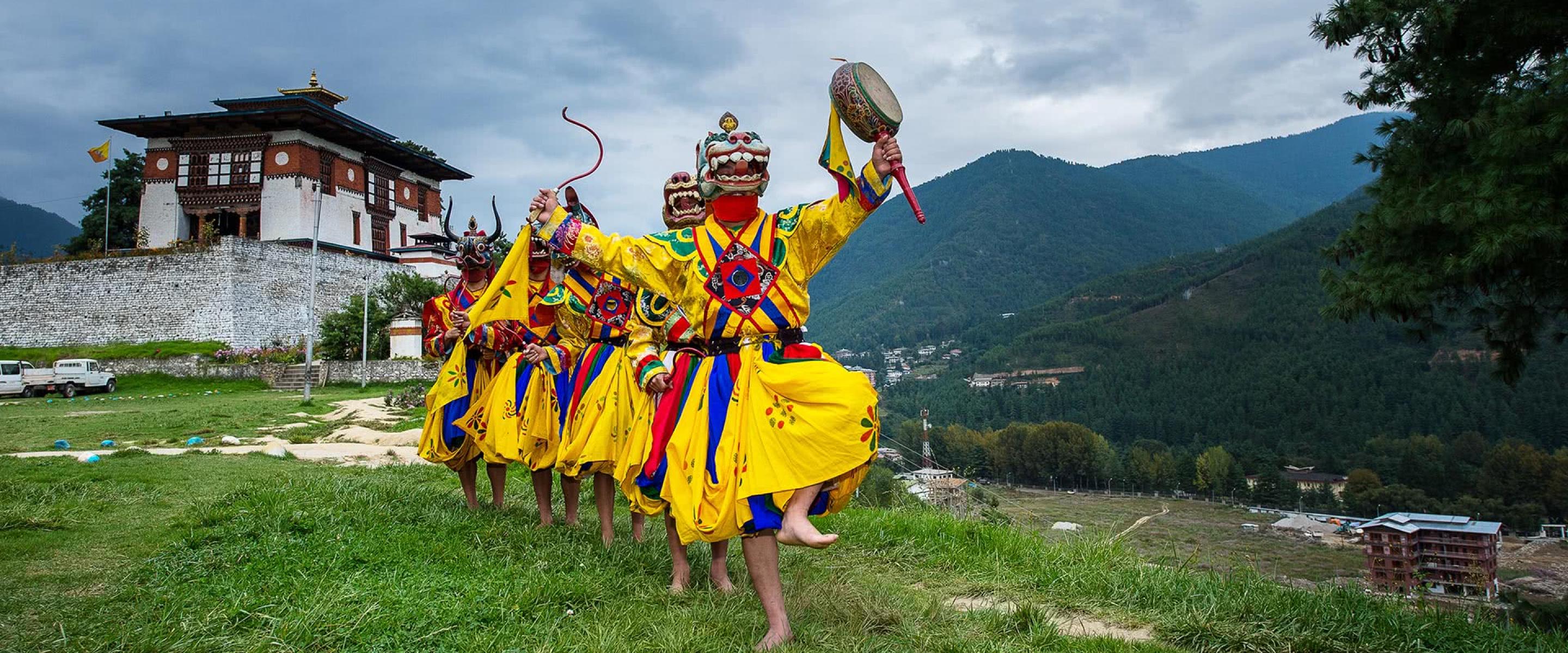
This two-day celebration takes place in the Haa Valley. Visitors come to the area to enjoy the traditions and culture of nomadic Bhutan, eat authentic food and take part in traditional games, as well as folk music and dancing. It is also an opportunity to see the indigenous alpine flowers and the Noblang, the sacred cattle of Haa.

One of the most important events on the national calendar, the Sultan’s birthday on July 15th is annually celebrated throughout the country with events and festivities. At the Istana Nurul Iman Palace, the Sultan delivers a royal address, followed by an inauguration ceremony. His Majesty meets with his subjects at gatherings in four districts, expressing their gratitude to the King for his services. The day ends with a banquet and fireworks behind the palace, but festivities continue for two weeks with further parades and fireworks.

The annual International OIMO Festival, occurring in Bishkek each July, is a true celebration of Central Asian culture. Featuring national foods, musical concerts, local film screenings, fashion shows, and a large handicraft fair, the festival welcomes artists, vendors, and presenters from across Central Asia. 

This important Hindu festival takes place in the pretty pilgrimage town of Kataragama in the south of the island. On the day/night of the full moon in July (somtimes in August), devotees subject themselves to various ritual torture techniques in a bid to appease their deities. It’s not for the faint-hearted, but certainly an unforgettable spectacle.

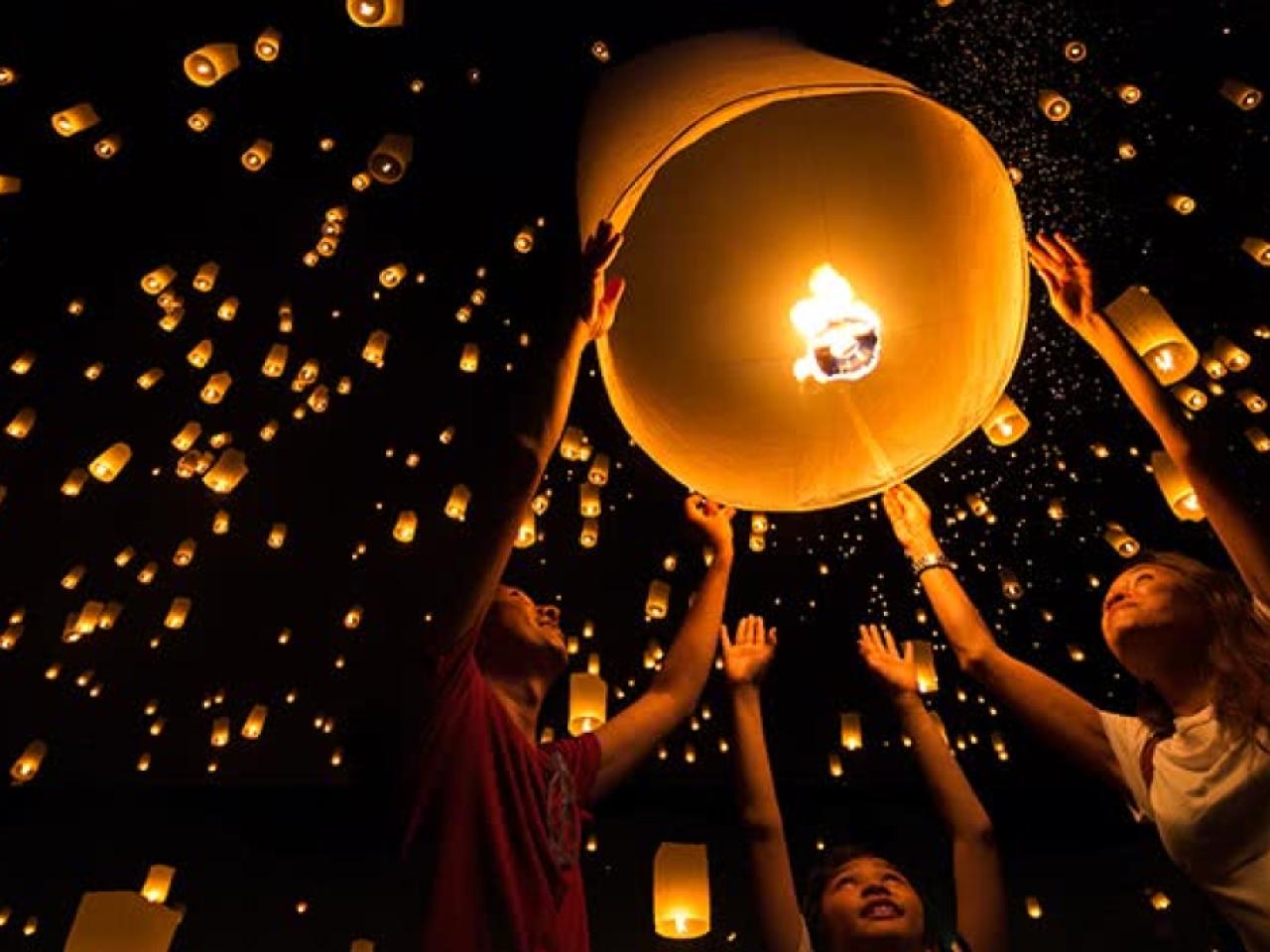
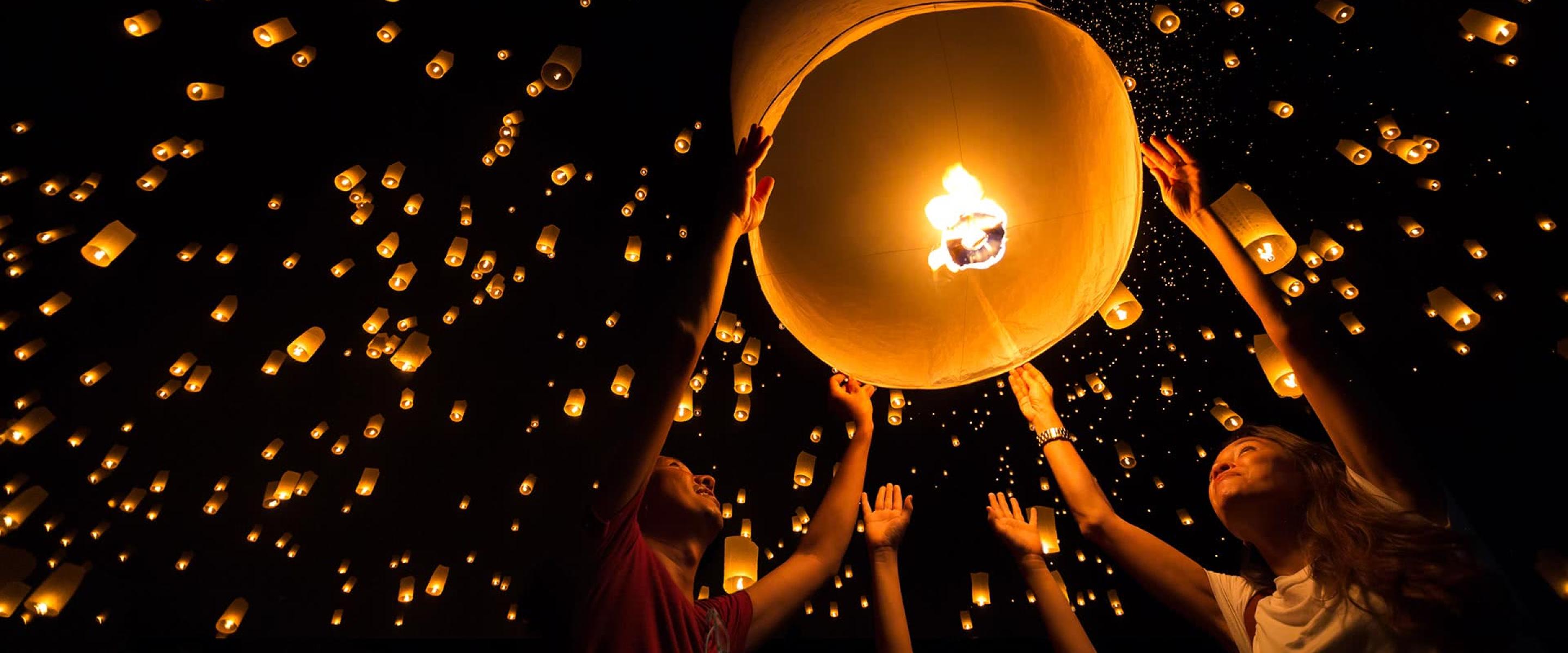
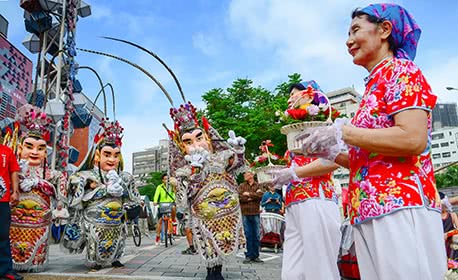
The 150-year-old Ghost Festival in the small Taiwan town of Keelung runs throughout the 7th lunar month, commonly known as the ghost month. Thousands of tourists stream into town to see the ornately decorated streets and houses, whilst Buddhists pray for peace, pay homage to ancestors, offer small sacrifices, and release water lanterns.

Held in the southern city of Salalah, the Khareef festival is celebrated during monsoon season from mid-July to the end of August. During monsoon season, Salalah becomes a verdant paradise with an abundance of Frankincense trees, living up to its reputation as the perfume capital of the world. Music and dance performances from different regions, exhibition and sale of Omani handicrafts, food displays, concerts, carnival games and sporting events take place in town.

Known as Eid Al-Adha across the Arab world, Kurman-Ait is a Muslim holiday in Kyrgyzstan, occurring on the tenth day of the month of Dhul Hijja. Known as the “Feast of Sacrifice,” this day marks the end of the pilgrimage to Mecca, and is often spent going to mosque before sacrificing a sheep and giving out meat.

This three-day festival held in Rabaul showcases Papua New Guinea’s instantly recognizable mask culture. Groups from across the region display their masks, provide musical performances and host fire dances. Organized by the Cultural Commission, there really is no better place to see such a wealth of masks on live display.