Festivals & Events

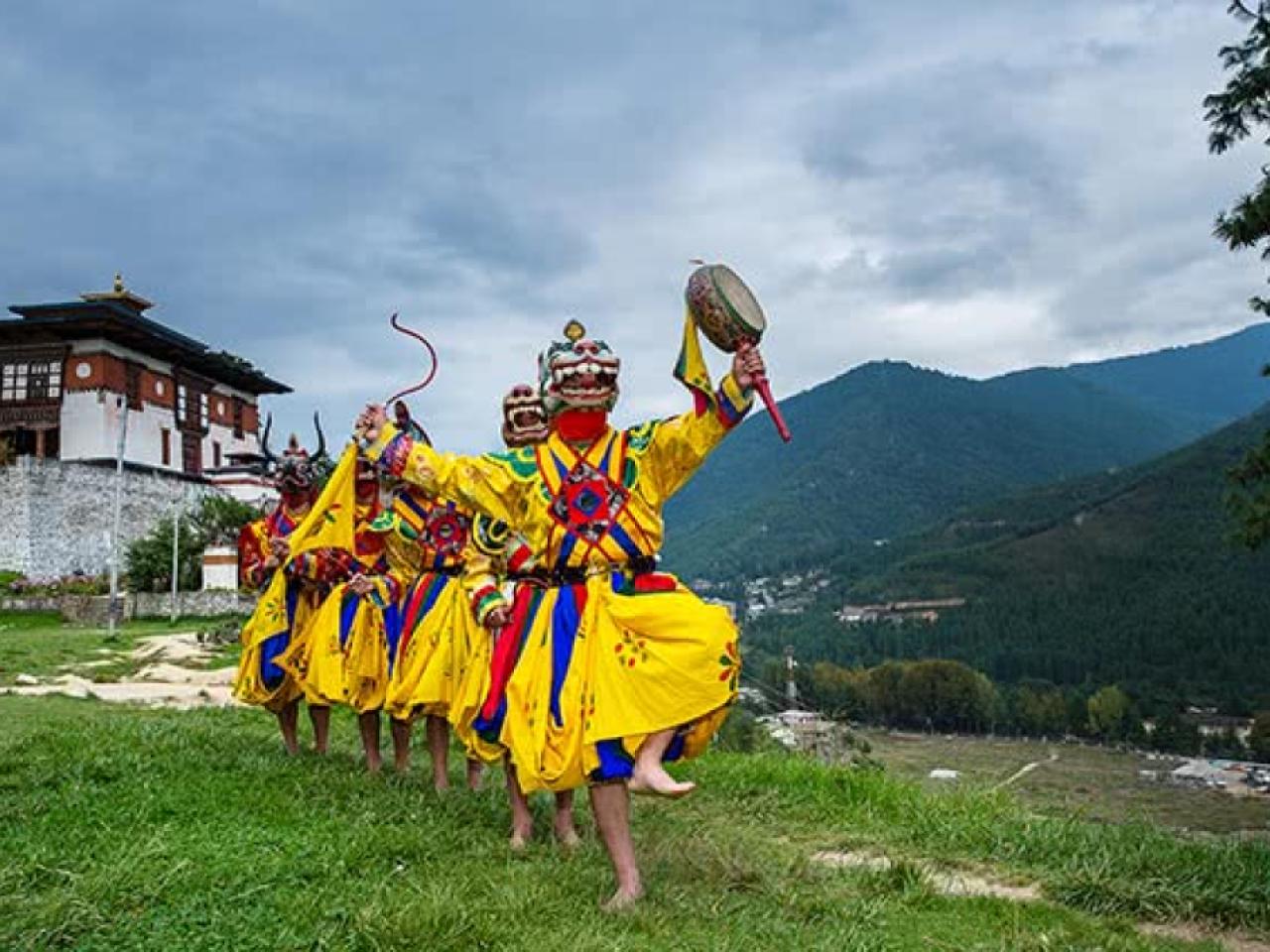
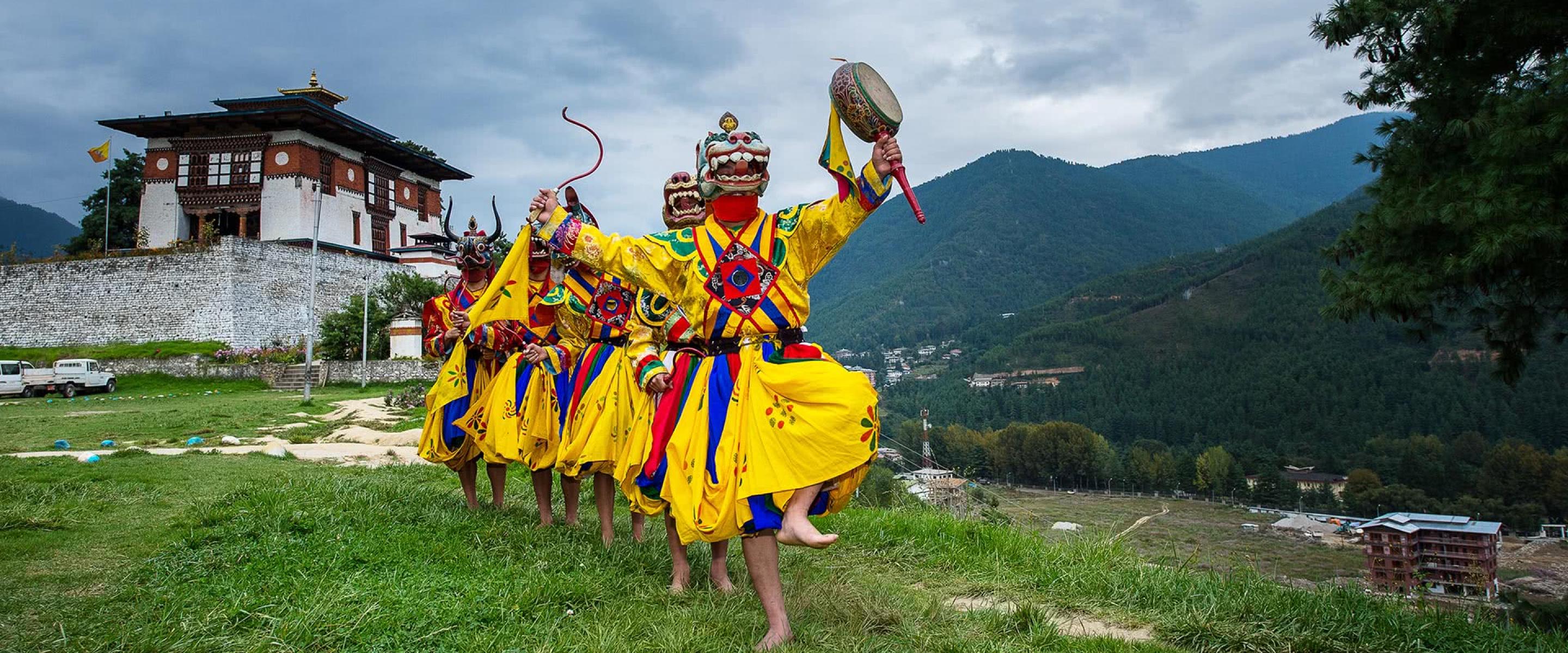
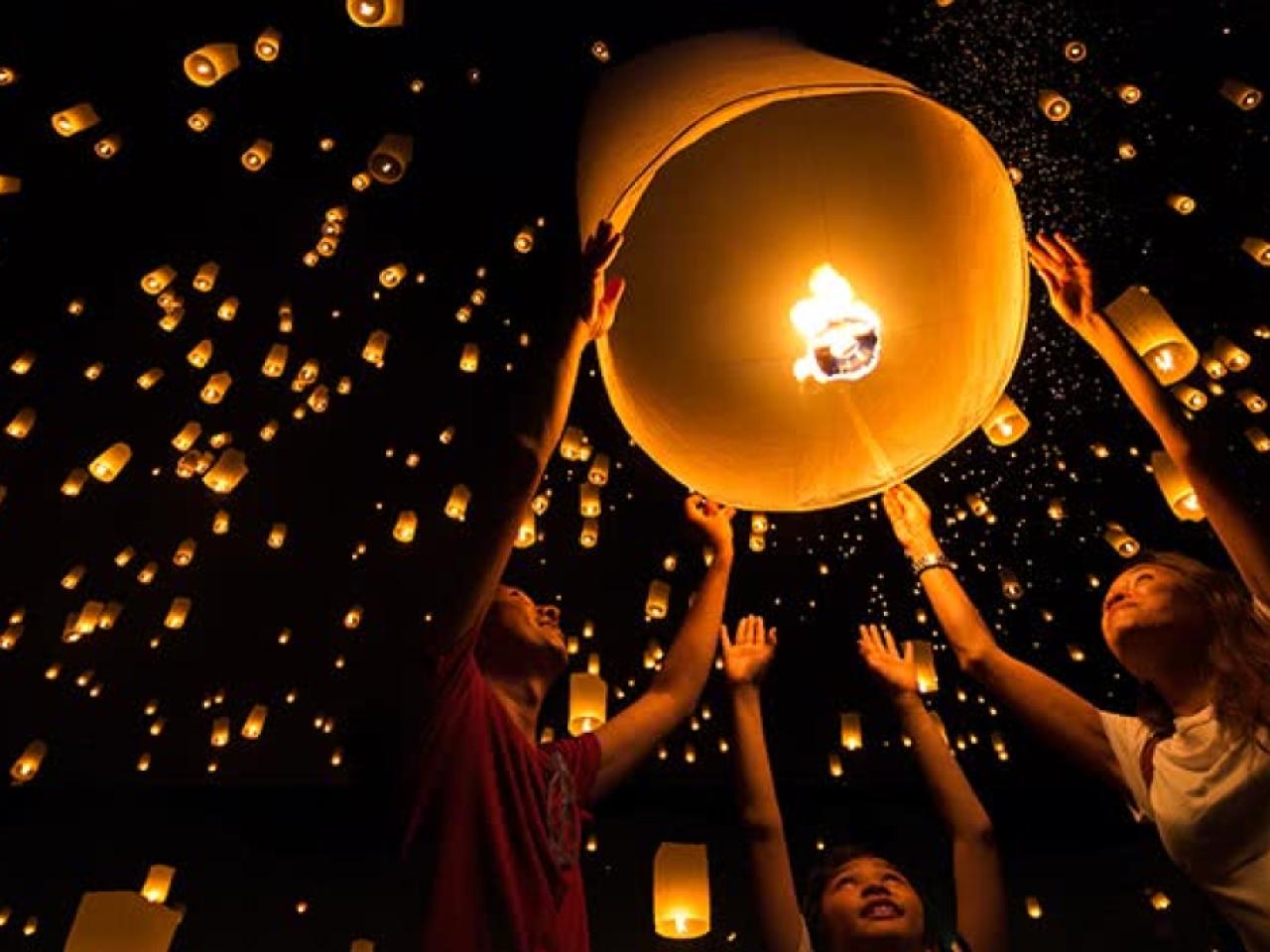
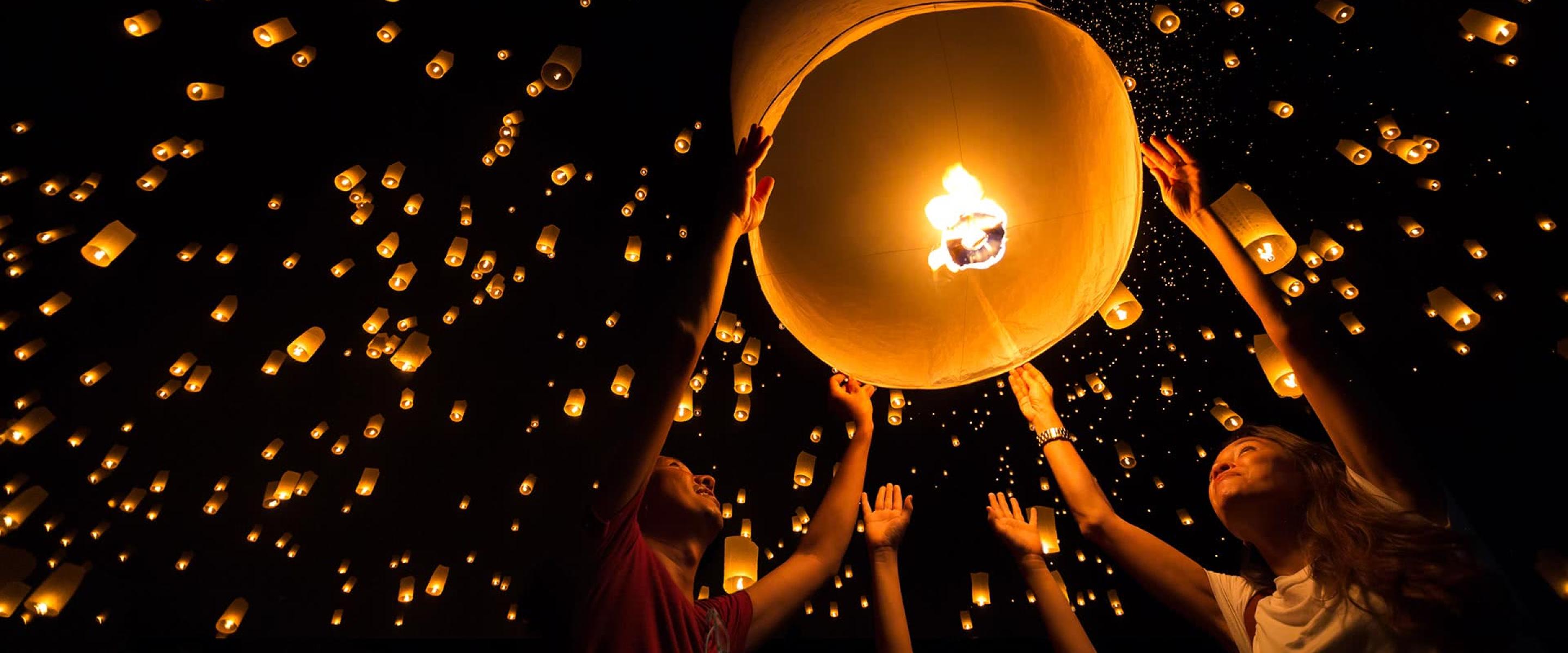
So much in Asia depends on the calendar. In February in Beijing, more than 20 million people all set off fireworks to celebrate Chinese New Year. In Nagaland in India, tribes from all over the region meet to compete, dance, and celebrate. In Thailand, spectators look on as celebrants perform bizarre rituals at the Nine Emperor Gods Festival.

With an intimate and unique knowledge of Asian culture, Remote Lands knows the importance of experiencing culture the right way. Whether you want an up-close view of the Sing-Sing festival in the Asaro Valley of Papua New Guinea or a quiet walk through the Sapporo Snow Festival in Japan, Remote Lands can give travelers the best possible experience on their celebrations throughout Asia.

Celebrated with family, New Year in Armenia involves a feast into the night of pork leg, Armenian dolma, and spicy blinchik, as well as spirits that include Armenian cognac and wine. After the clock strikes midnight on January 1, Armenians often leave their home in the dead of winter in the middle of the night to visit with their neighbors.

Recognized on January 14, The Old New Year or the Orthodox New Year is an informal holiday following the Julian calendar. The Georgian Orthodox church still uses the older Julian calendar, and serves as the final day for the weeks-long celebrations that accompany Christmas and New Year holidays. 

The day before Chinese New Year, people clean their houses to clear away bad luck and welcome good luck. Homes are decorated, new clothes are bought and families hold a reunion dinner comprised of fish and dumplings to symbolize wealth. Many people visit the temple at midnight to light incense and pray for a prosperous new year.

From December to March, visitors to the Maolin National Scenic Area can see migrating purple Euploea butterflies. Millions them make a stop-off here in the south of Taiwan, and thousands of tourists from across the world are drawn in by their beauty.

Republic Day is a national holiday in Armenia marking the anniversary of the short-lived First Armenian Republic in 1918, celebrated with fireworks, concerts, and parades. The Republic was declared in 1918, shortly after the Armenian genocide, and only a short while later, Armenia would become part of the Soviet empire and would not celebrate Republic Day again until 1988.

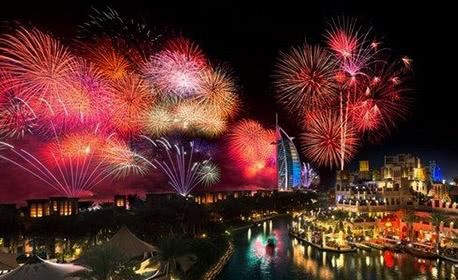
The Riyadh Season Festival is a mega entertainment event that begins in October and lasts for three months. The festival hosts more than 100 different events that take place across over 10 main areas in the city. It brings unique entertainment to Saudi Arabia such as the K-pop band BTS, international and Arabic artists, and Michelin star restaurants. 

A regional festival in the north, Sayru Guli Lola is held in honor of the native tulips that flower during spring. This two-day festival is hosted across different towns and features choral music and dance. On the first day, locals tie tulips around trees, and the second day is for bathing in rivers and remembering the dead with special prayer services held at cemeteries.

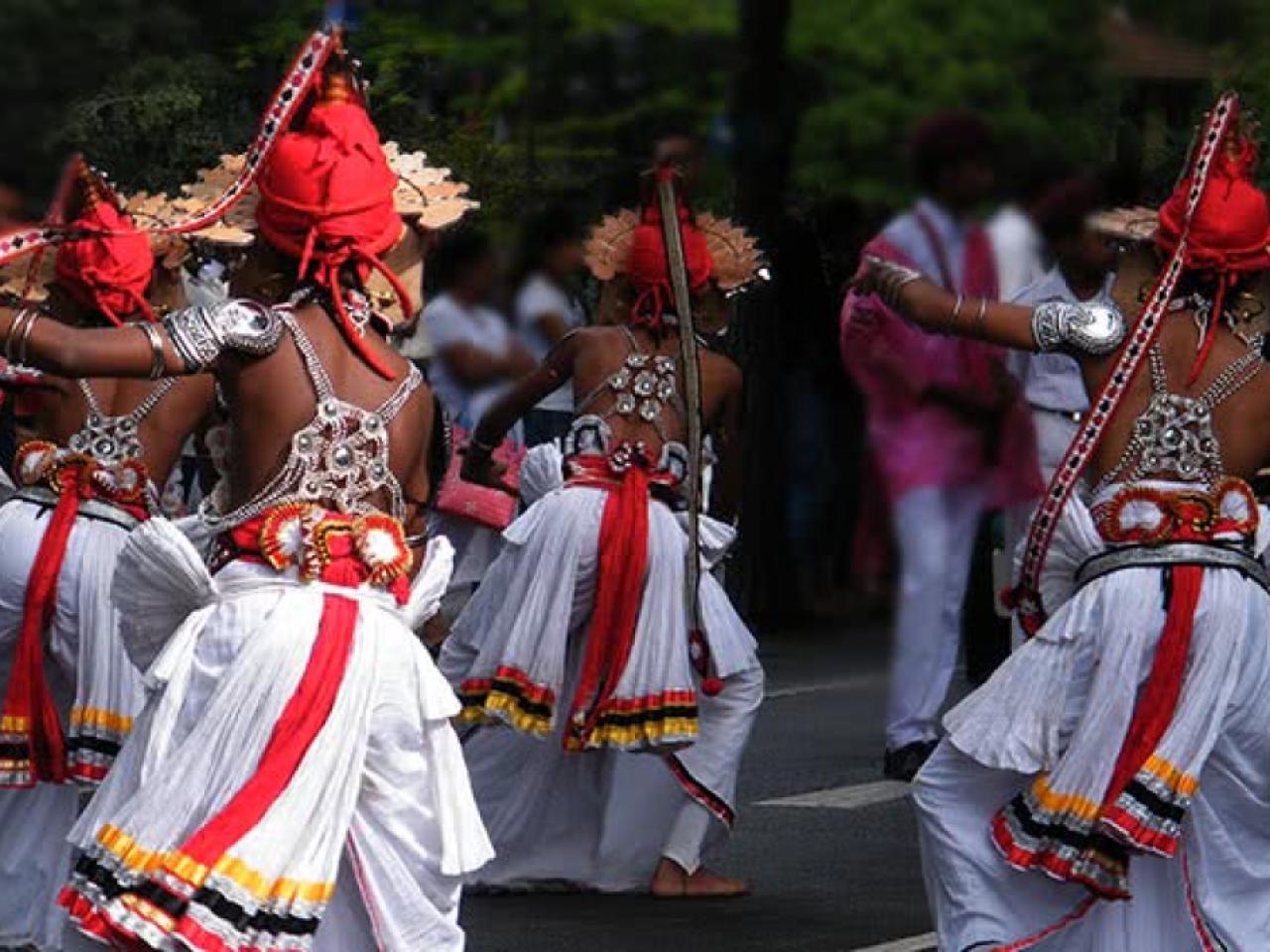
This day-long festival is celebrated by the people of Cebu to honor their patron saint, the infant Jesus, and to commemorate the city’s history of paganism and acceptance of Roman Catholicism. There is a colorful carnival parade with music and drumming and crowds line the streets to watch the traditional Cebuano dance performance.

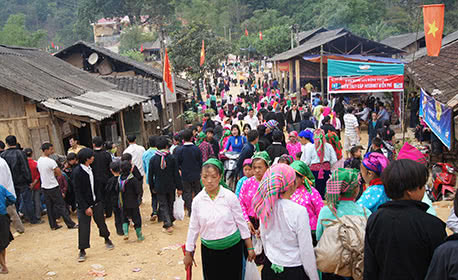
This lively two-day dance festival in Sapa District (Lao Cai Province) is held as part of Vietnamese New Year (Tet). The elaborate dance styles on show represent heavenly figures who are supposed to come down to earth to join in the Tet celebrations. Vibrant colors and statue bathing are also on display throughout the village.

As part of the Tet New Year celebrations, villages hold rice cooking contests on the first day of the lunar year. You won’t find any electric rice cookers here; contestants must use dried sugar cane for fire whilst floating in bamboo boat. Expect the action to start at sunrise, with over 200 people all cooking to the sound of a drum.