Festivals & Events

So much in Asia depends on the calendar. In February in Beijing, more than 20 million people all set off fireworks to celebrate Chinese New Year. In Nagaland in India, tribes from all over the region meet to compete, dance, and celebrate. In Thailand, spectators look on as celebrants perform bizarre rituals at the Nine Emperor Gods Festival.

With an intimate and unique knowledge of Asian culture, Remote Lands knows the importance of experiencing culture the right way. Whether you want an up-close view of the Sing-Sing festival in the Asaro Valley of Papua New Guinea or a quiet walk through the Sapporo Snow Festival in Japan, Remote Lands can give travelers the best possible experience on their celebrations throughout Asia.

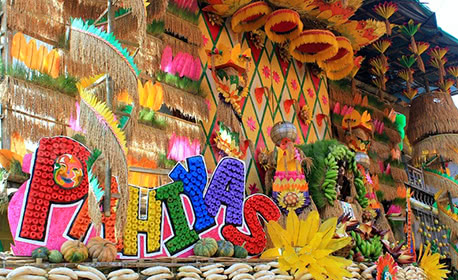
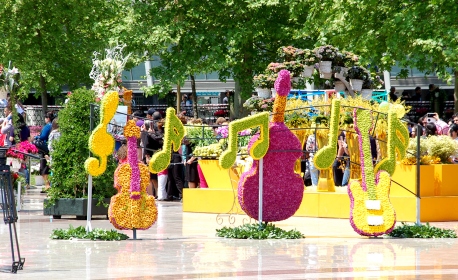
This month-long tribute to Baguio’s status as the summer capital of the Philippines celebrates the city’s beautiful flowers. It was established in 1990 to help the residents recover from the Luzon earthquake. There are colorful floats and dancers decorated with flowers that parade through the streets in a city-wide carnival.

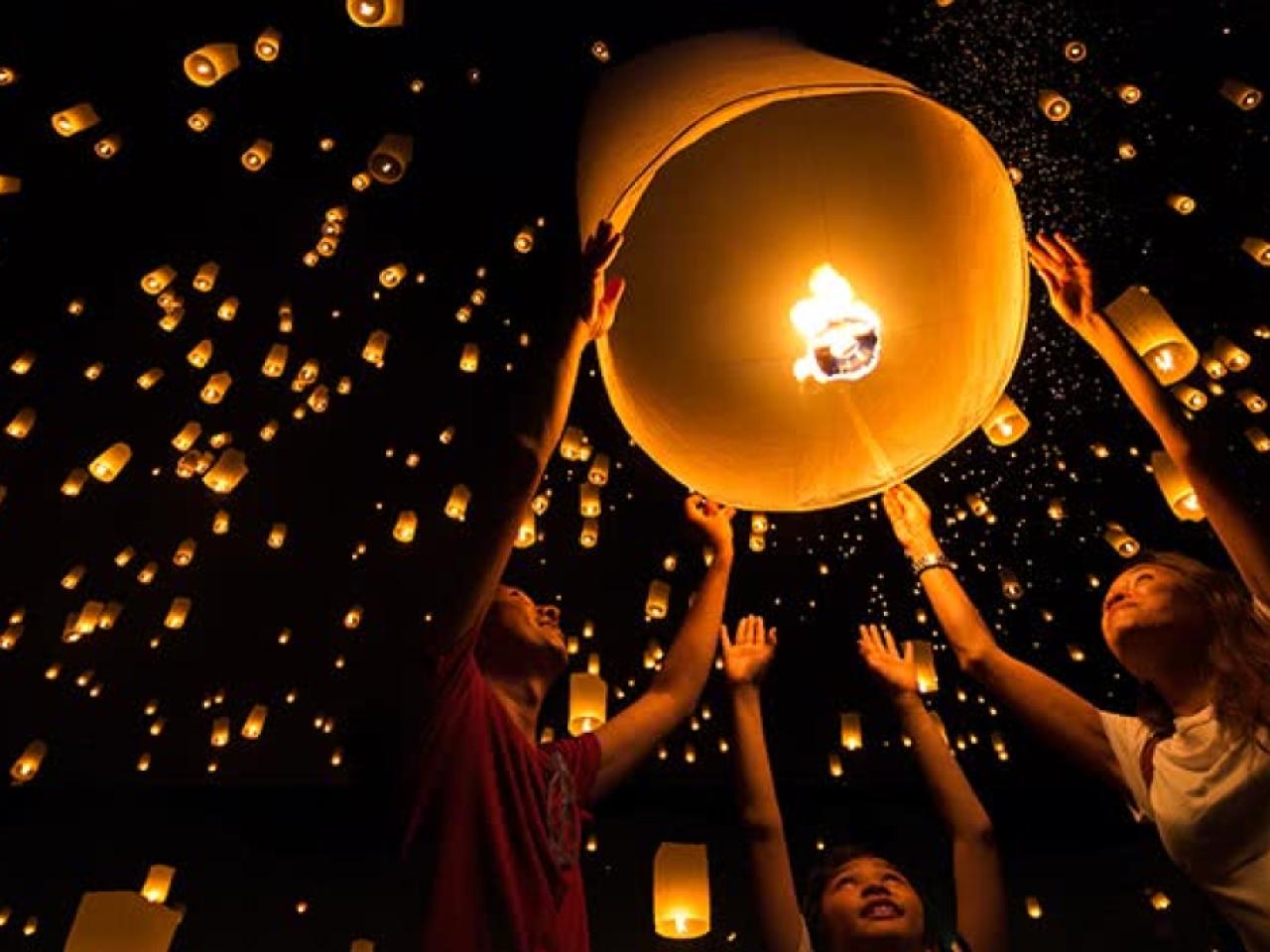
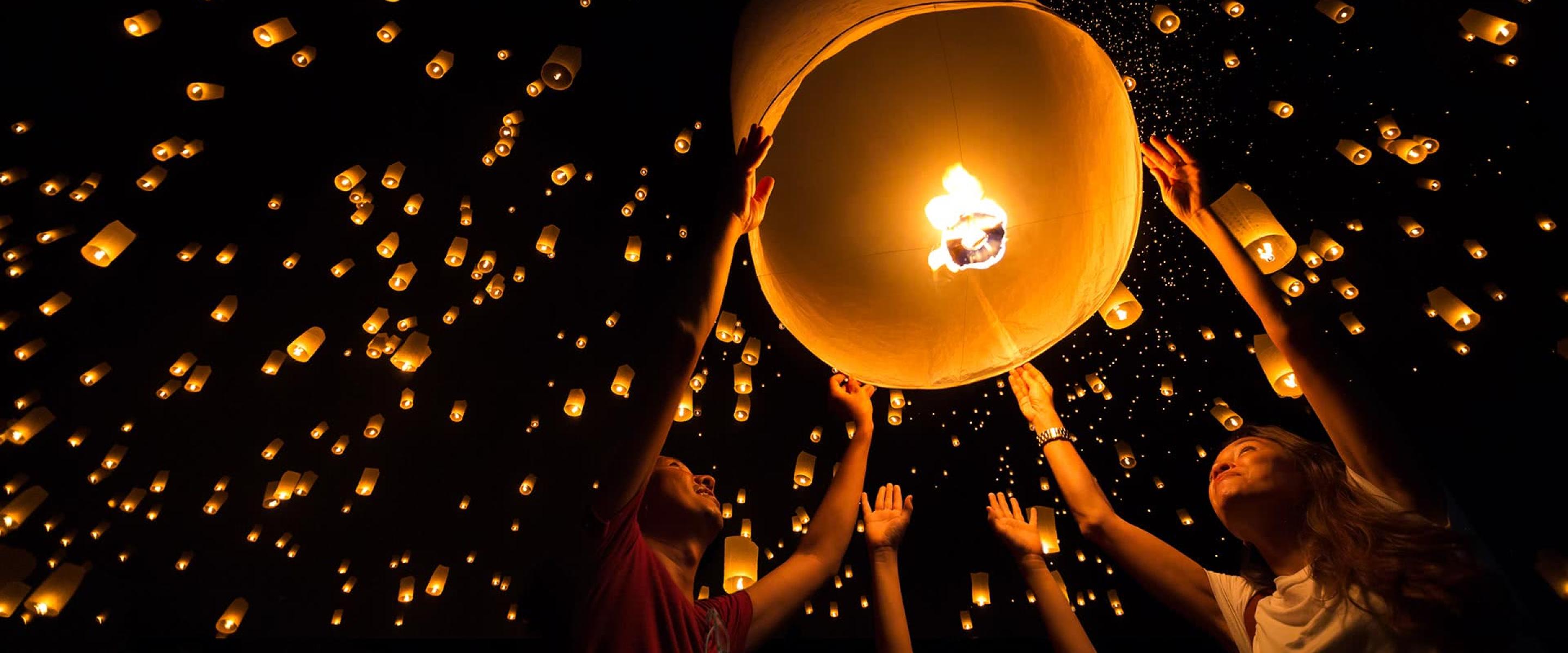
As part of Taiwan's nationwide Lantern Festival, the remote northern town of Pingxi provides the setting for one of the most spectacular shows. On the night of the first full moon of the first lunar month, the sky is lit up with tens of thousands of lanterns, all simultaneously released, creating an incredible spectacle.

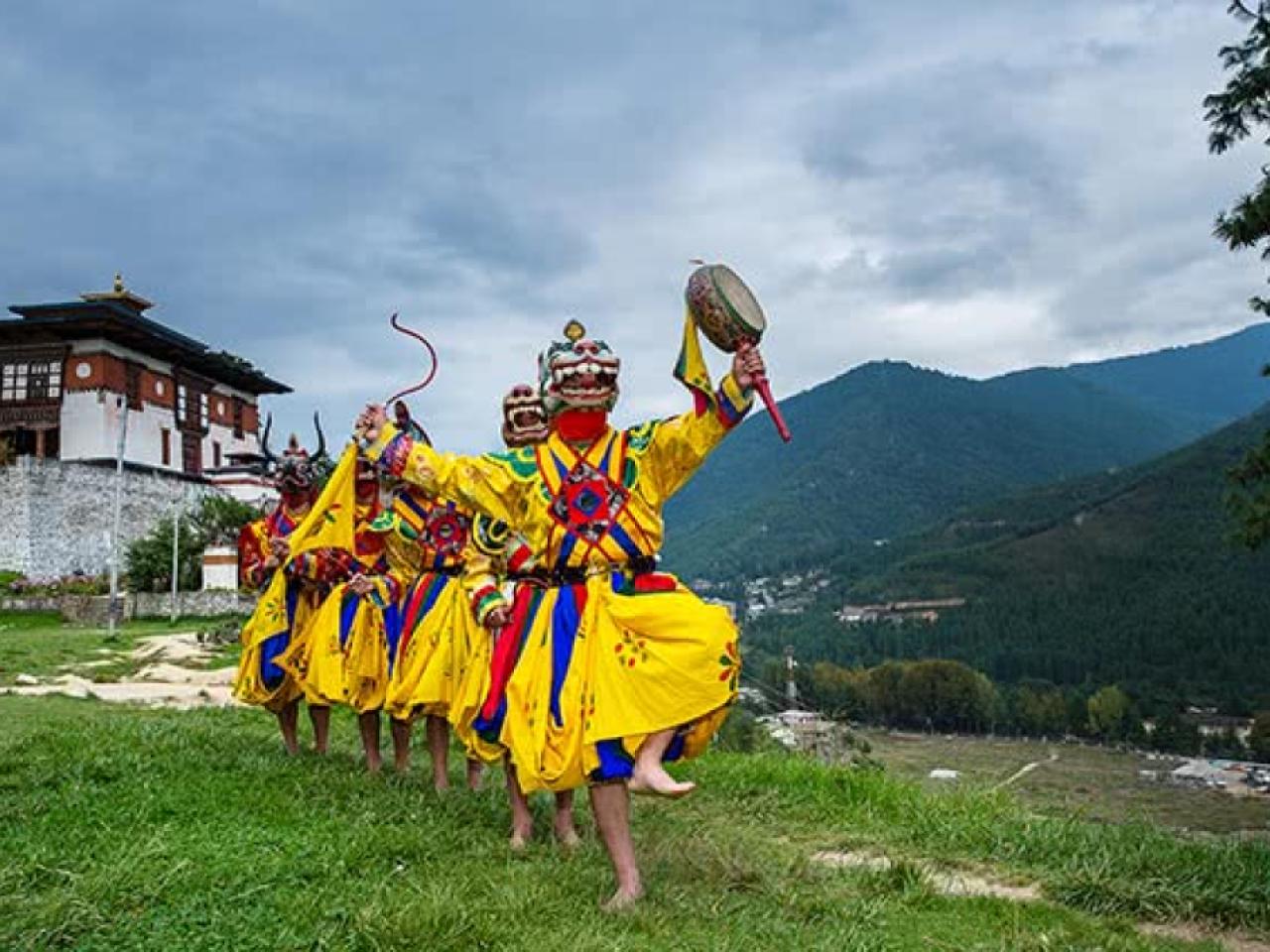
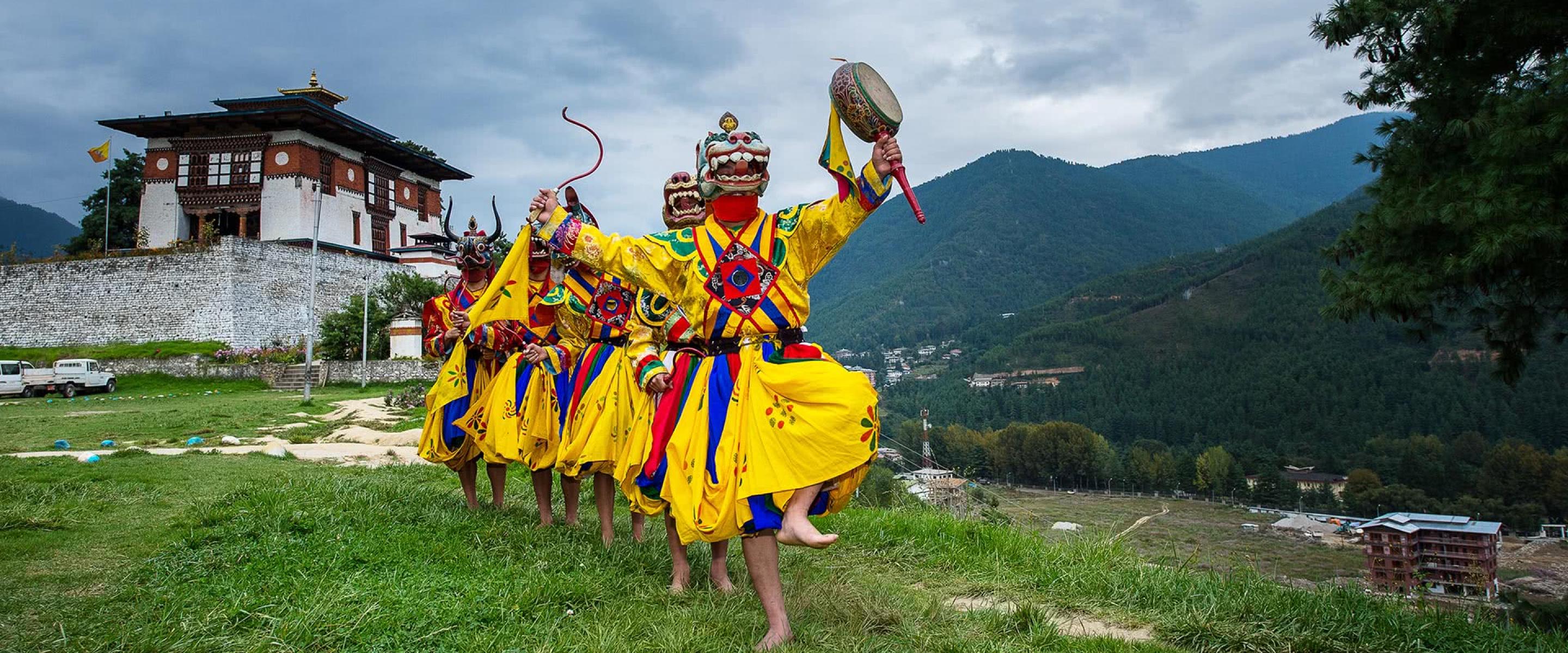
The annual festival at Punakha is of particular importance as the district is the winter home of the Abbot of Bhutan; it was introduced in order to preserve Buddhist teachings and traditions. Over three days, people make a pilgrimage to the district to hear the monks chanting scriptures and to watch the traditional historical dances.

The Naxi people celebrate this one-day festival every year to honor the jade dragon snow mountain hero who protects the Lijiang area. They visit the Sanduo statue in the temple and make ceremonial animal sacrifices. The families of the community cook and share food, while playing games set to music and dancing.

Increasingly popular, the Sapporo Snow Festival attracts visitors from all over the world for seven days of snowy fun in Hokkaido. Ice sculpture contests and sparkling artistic ice creations create a stunning winter wonderland. Visitors enjoy several snow slides and snow rafting.

The Takin is the national animal of Bhutan and this two-day festival honors the creature, while celebrating the rich ecological heritage of the area. People travel from all around to Jigme Dorji National Park in Gasa, where they go on treks, bathe in the hot springs and watch the nomadic herders weaving with raw materials.

The Miao people of Liuzhi in Guizhou province, celebrate their history and heritage during this day-long festival. The people dress in traditional costume and come together in the town for a local government ceremony and to watch the buffalo fights and performances of classical Lusheng folk dancing and Miao music.

Tibetans welcome the new year with 15 days of celebration, the first three of which are most important. First, people clean and decorate their homes and monasteries where they perform rituals for protection. The second day is for contemplation and prayer and from the third day there is for eating, drinking and celebration.

Candlemas, or Trndez, is a feast of purification for the Armenian Apostolic Church and Armenian Catholic Churches, marking 40 days after Jesus's birth. The celebration of the Trndez is zoroastrian in origin and is said to predate the worship in ancient pre-Christian Armenia. The main ceremony features a bonfire, symbolizing the coming of spring, complete with songs and dances until the fire dies down.

Head south during Taiwan’s annual Lantern Festival and you’ll be sure see, hear and smell the Beehive Fireworks. Locals set off thousands of firecrackers at a time, creating a spectacular-but-deafening cacophony of sound and light - resembling the buzz of bees. Celebrations last two to three days around the year's first full moon.