Festivals & Events

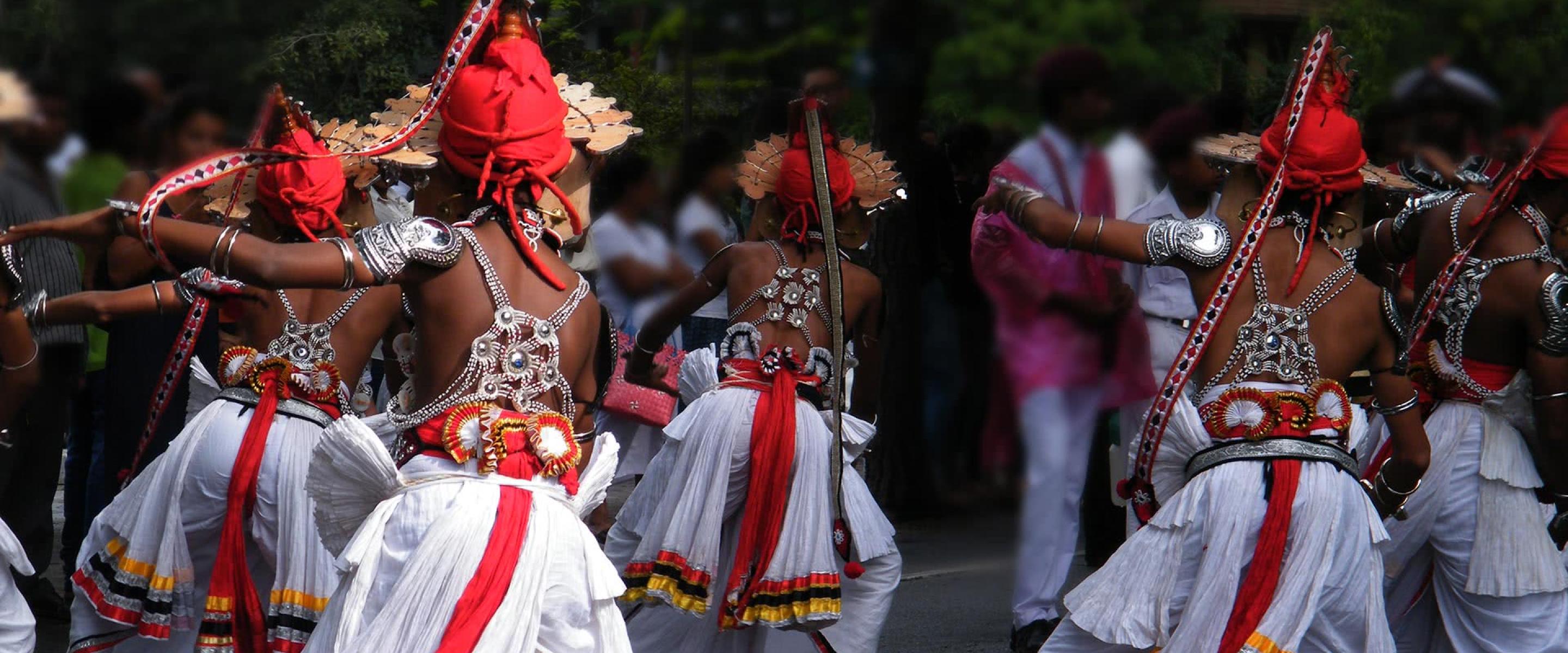
So much in Asia depends on the calendar. In February in Beijing, more than 20 million people all set off fireworks to celebrate Chinese New Year. In Nagaland in India, tribes from all over the region meet to compete, dance, and celebrate. In Thailand, spectators look on as celebrants perform bizarre rituals at the Nine Emperor Gods Festival.

With an intimate and unique knowledge of Asian culture, Remote Lands knows the importance of experiencing culture the right way. Whether you want an up-close view of the Sing-Sing festival in the Asaro Valley of Papua New Guinea or a quiet walk through the Sapporo Snow Festival in Japan, Remote Lands can give travelers the best possible experience on their celebrations throughout Asia.

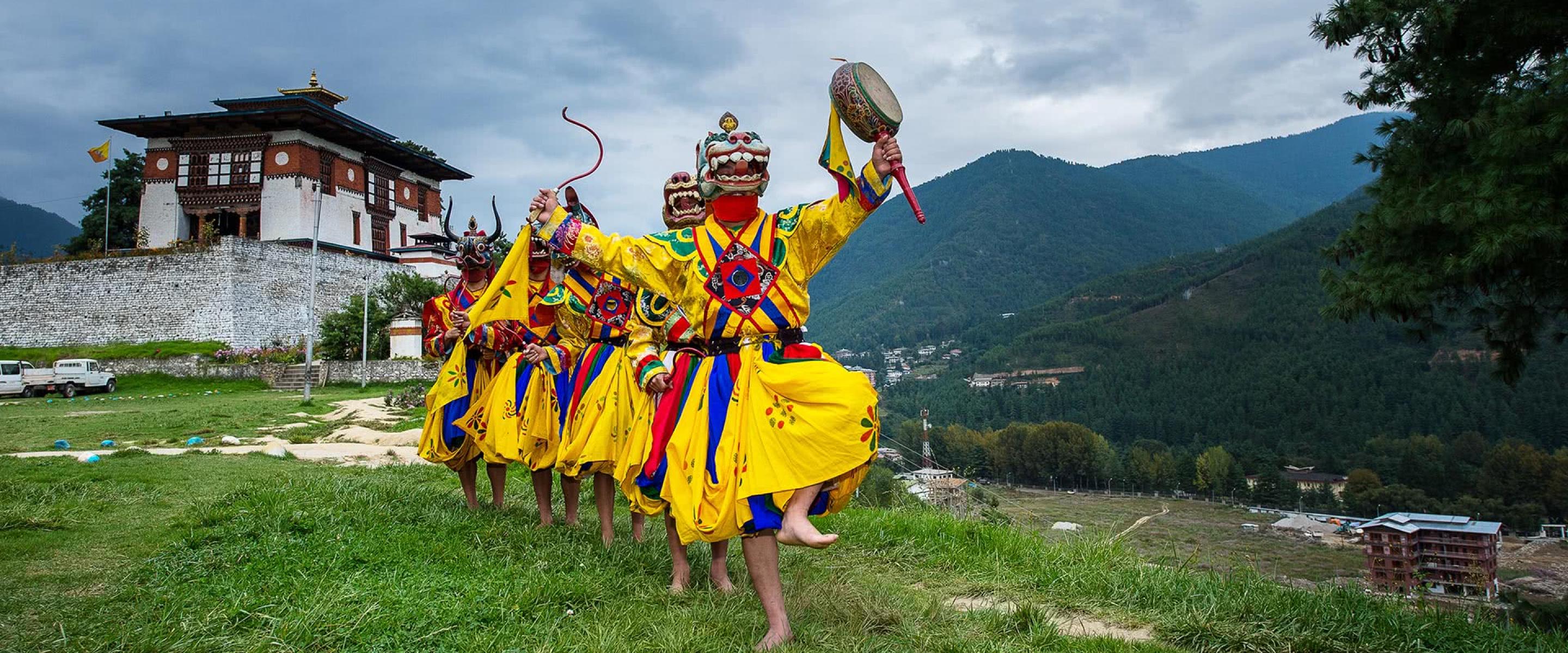
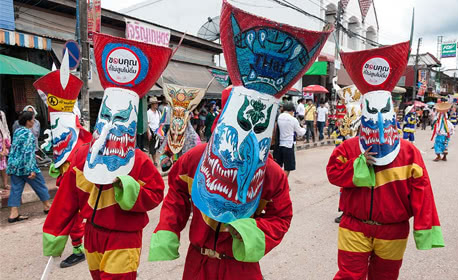
From the weird to the wonderful, the three-day Pi Ta Khon festival in the picturesque Thai province of Loei showcases a wide range of unique Buddhist rituals for both locals and tourists to enjoy. Don’t be surprised if you witness muddy men roaming around, large phallus parades or bizarre dances in equally interesting costumes.
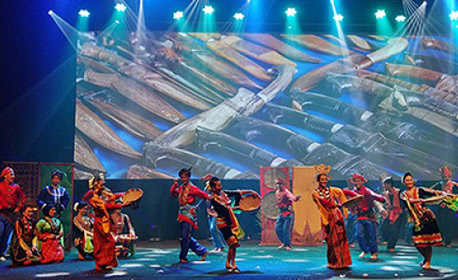
Every year, more than 30 ethnic groups indigenous to Sabah come together to celebrate and share their traditions and heritage. The culmination is a two-day festival with demonstrations of folk dance and music, as well as storytelling. Visitors can enjoy authentic homemade food and buy exquisite wooden carved souvenirs and crafts.

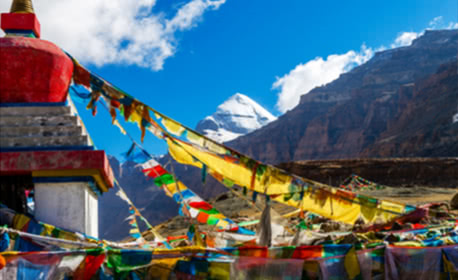
Pilgrims and visitors from all over come to Lhasa for this important Buddhist festival celebrating Buddha’s enlightenment. The people make the nearly five-mile procession around the outskirts of the town, reciting scripture and bowing towards the Palace. In the afternoon, there’s singing, dancing and entertainment.

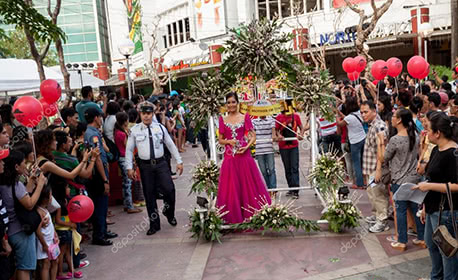
This festival on the last day of May is the culmination of Flores de Mayo. In cities and towns all over the country, people celebrate Reyna Elena (or Saint Helena) finding the true cross and returning it to Rome. There are huge pageants in the streets with people dressed as biblical characters or former queens.

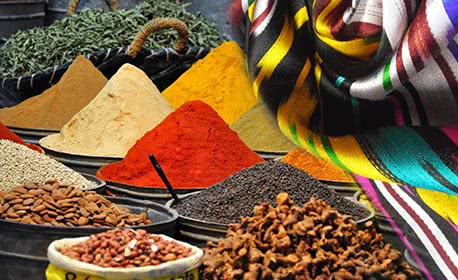
For three days, connoisseurs of fine things converge upon ancient Bukhara, on the Great Silk Road, to enjoy and sample the city’s heritage and products. Raw silks, spices and wooden crafts are available under the domes of the bazaar and master craftsmen give workshops in pottery, embroidery, metal work and much more.

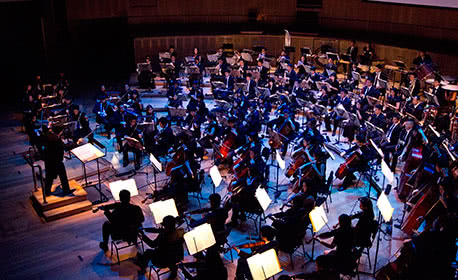
Singaporean theaters become packed, playing host to the country's national arts festival. Expect a mix of local and international acts; some world-renowned and some that are just starting out. In the line-up you'll find visual arts, dance, theater and music - all promoting the island’s rich and diverse culture.

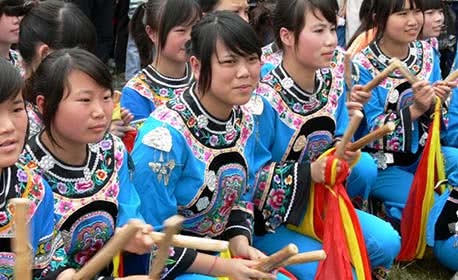
This one-day festival is celebrated by the various ethnic minorities in Guizhou province. The tribes celebrate and share their history and culture by wearing traditional dress, playing folk instruments and performing classical dances. Many young people make new friends and look for future spouses among the other groups.

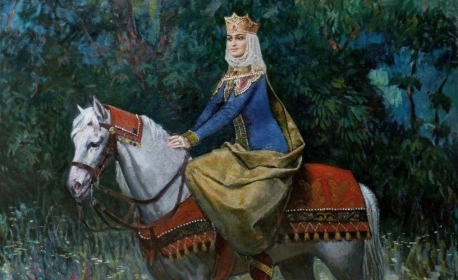
Celebrating the first female ruler of Georgia, Tamaroba’s main celebration takes place in Akhaltsikhe, where there is a monument to the 29-year reign of Queen Tamar in the 12th century. Her reign was a period of political and military successes and cultural achievements and is remembered as Georgia’s Golden Age. 

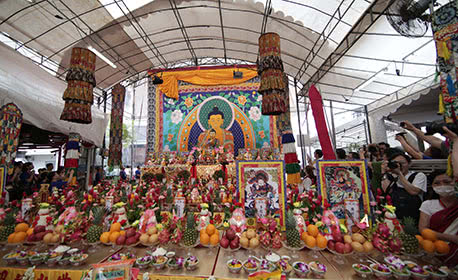
Vesak Day is the most important day in the Buddhist calendar, marking the birth of the Buddha. It is no surprise, then, that Singapore’s vast Buddhist community drops everything in order to pay their respects at local temples. Other activities include candlelight processions, statue bathing and releasing caged animals back into the wild.

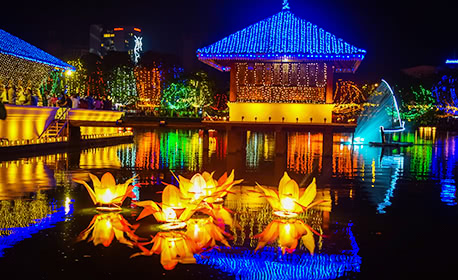
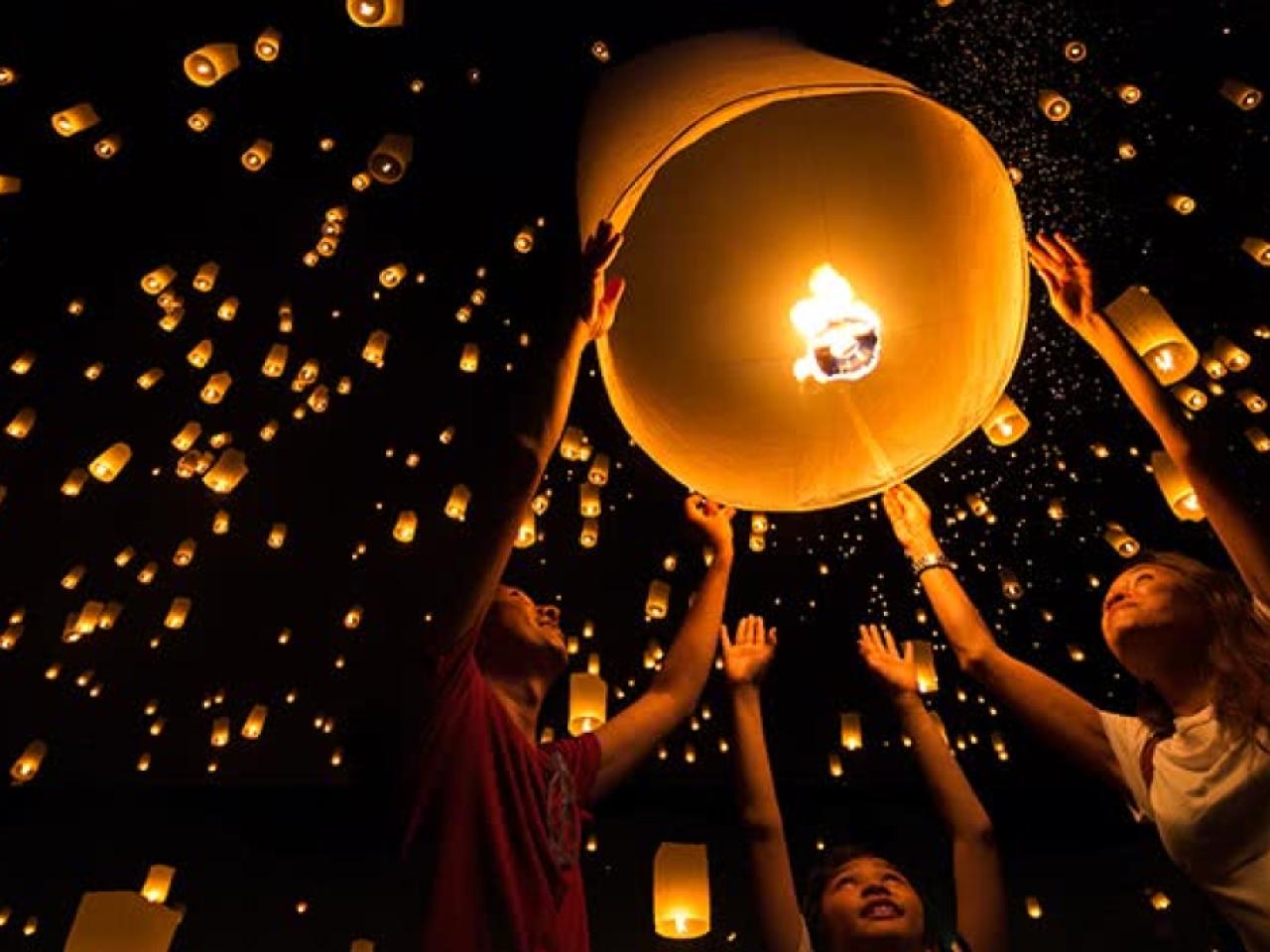
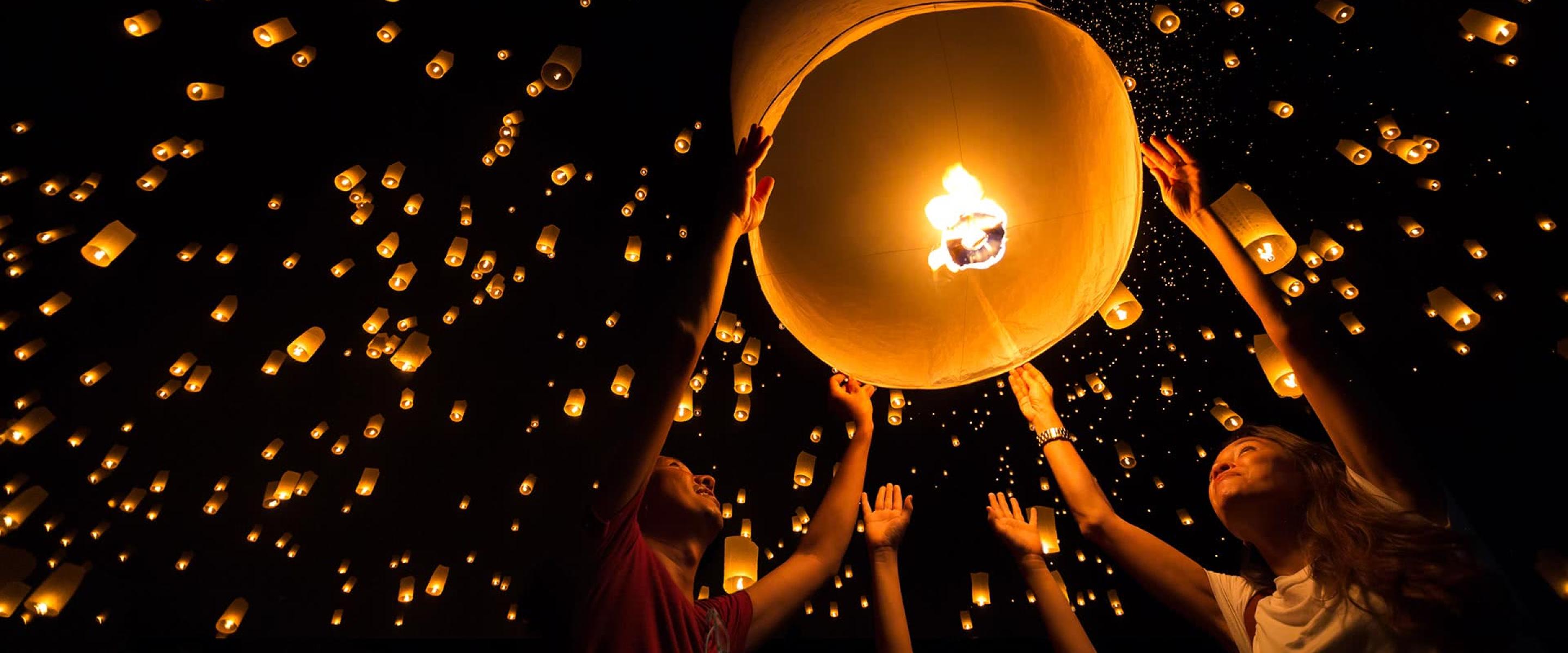
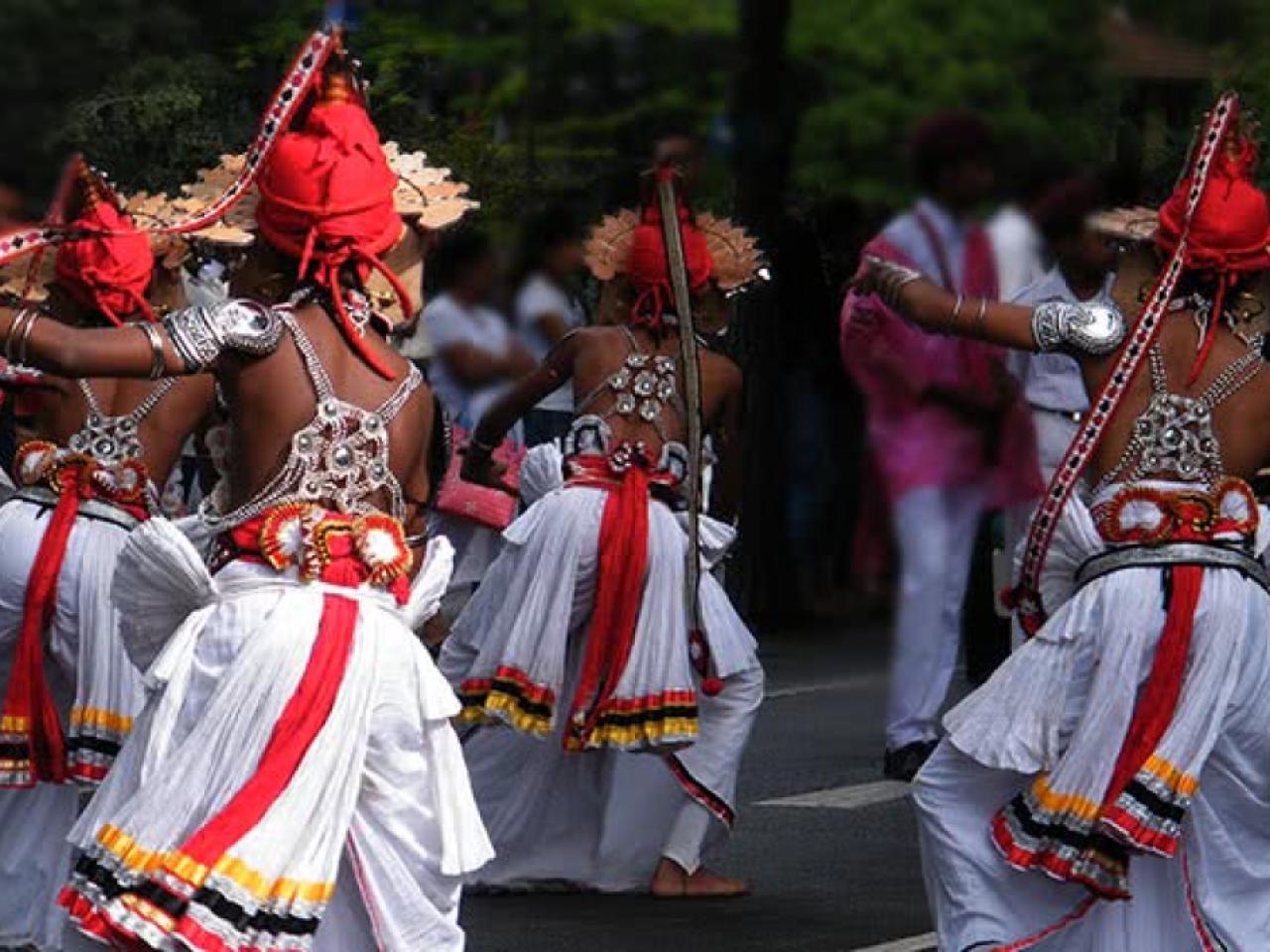
This week-long festival is one of the most important dates for Buddhists in Sri Lanka and globally, marking the full moon of Vesak (usually in May). The event is an opportunity for huge cultural displays with food, light and lanterns all in abundance. Locals also enjoy partaking in various acts of 'goodwill' throughout the week.