Festivals & Events

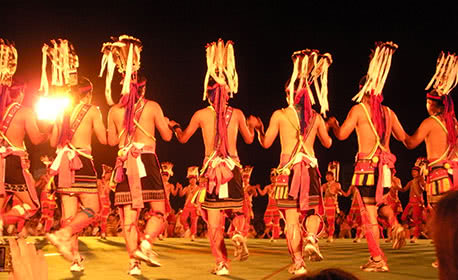
So much in Asia depends on the calendar. In February in Beijing, more than 20 million people all set off fireworks to celebrate Chinese New Year. In Nagaland in India, tribes from all over the region meet to compete, dance, and celebrate. In Thailand, spectators look on as celebrants perform bizarre rituals at the Nine Emperor Gods Festival.

With an intimate and unique knowledge of Asian culture, Remote Lands knows the importance of experiencing culture the right way. Whether you want an up-close view of the Sing-Sing festival in the Asaro Valley of Papua New Guinea or a quiet walk through the Sapporo Snow Festival in Japan, Remote Lands can give travelers the best possible experience on their celebrations throughout Asia.

Penghu County, comprised of a gorgeous collection of islands dotted around the Taiwan Strait, draws in thousands of visitors with its annual fireworks festival. Over a week in June, residents and tourists take their positions opposite the incredible Xiying Rainbow Bridge, ready to watch the displays against this unique backdrop.

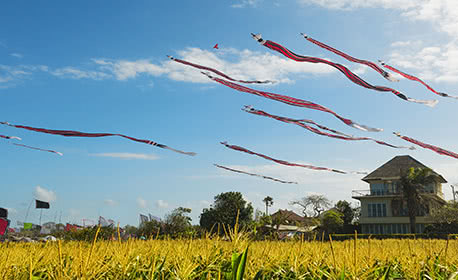
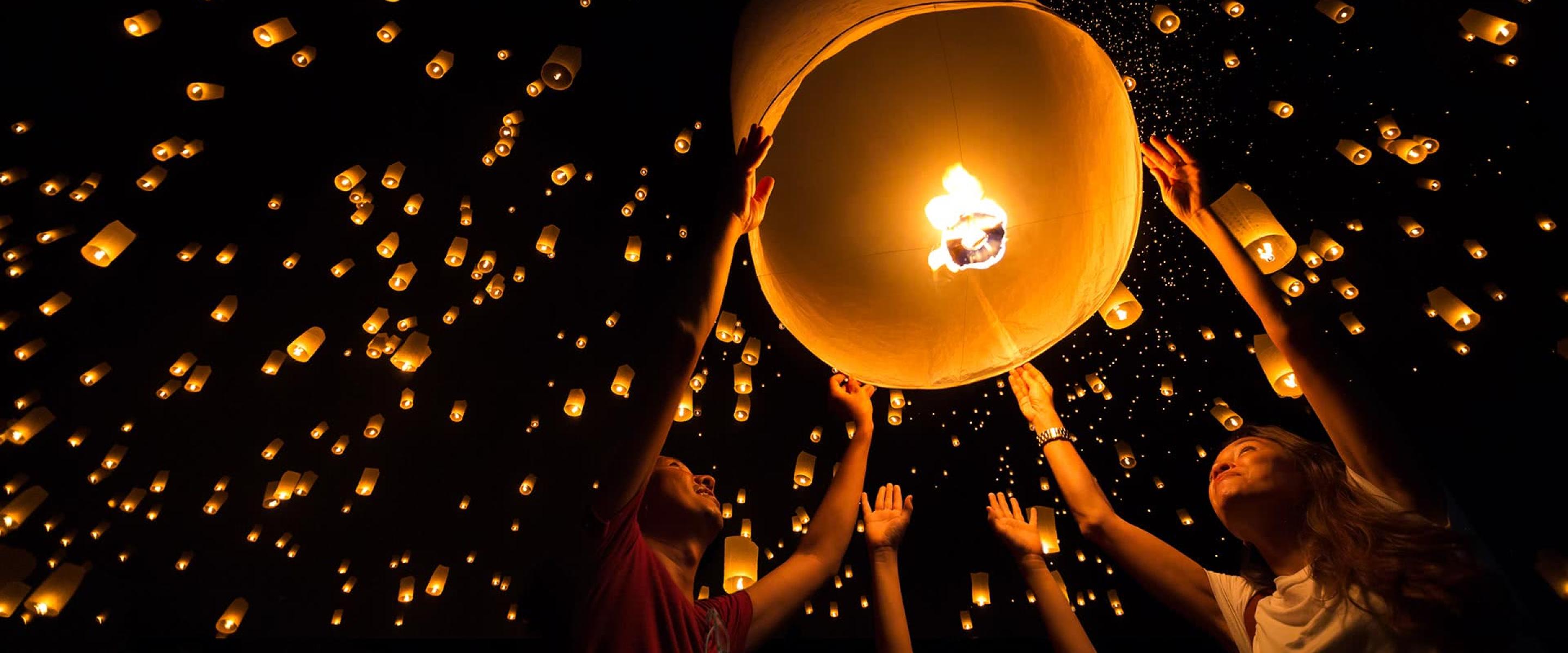
This one-day festival, also known as tomb sweeping day, is followed by two further days of holiday and is devoted to paying respects to ancestors. Throughout China, people clean the tombs of their relatives and make symbolic offerings. Families also take spring outings to enjoy nature and fly kites, which they release for good luck.

The Muslim holiday of Ramadan has been celebrated in Azerbaijan since 1993, after the collapse of the Soviet Union. During Ramadan, Muslims will fast during the day, visit the mosque and participate in prayers, and donate money to the needy.

Celebrated by locals of Patan, Lalitpur in honor of the rain god Rato Machhendranath, this is Nepal’s longest running chariot festival. The events take place between April and May each year, and includes the construction of a 35-foot chariot, which is pulled through the old city, throughout the entire month of festivities.

The Spring Festival transforms Riyadh’s desert landscape into a refreshing verdant delight with mass displays of colorful flower beds fashioned into varied shapes. Food stalls, flower bouquets and garland headbands all add to the festivities, attracting more than 150,000 visitors to the city to celebrate the spring season and its natural bounty. 

A spiritual celebration of the Jesus resurrection, this is a day when people often visit church, while also partaking in cultural activities, such as decorating eggs and baking ritual breads. 

The nomadic sea gypsies of the Myeik Archipelago, also known as the Salon people, live on boats for half the year and retreat to land during the rainy season. This festival celebrates their lifestyle as all the communities come together to pray for their continued good fortune and to drink, dance and socialize together.

At this one-day festival, the various peoples of Guangxi province get together to celebrate love. Lovers give each other letters and gifts, and express their feeling through dancing and singing. The Li people hold open air parties in colorful dress with traditional food, competitions and music with a big bonfire in the evening.

This three-day festival is a chance for the Miao people to experience love and courtship. Young women dress in elaborate clothes and jewelry, and young men woo them with parcels of rice. If they receive two chopsticks in return, they may court the lady. There is Lusheng dancing and music, as well as bullfights within the festivities.

In April, Thailand comes to a standstill for Songkran Festival, the Thai New Year. Armed with water-guns, people take to the streets for a mass water fight. Water symbolizes the end of the dry season and also its ability to cleanse the soul, though don't expect to feel too 'cleansed' after three days of this all-out water party.