


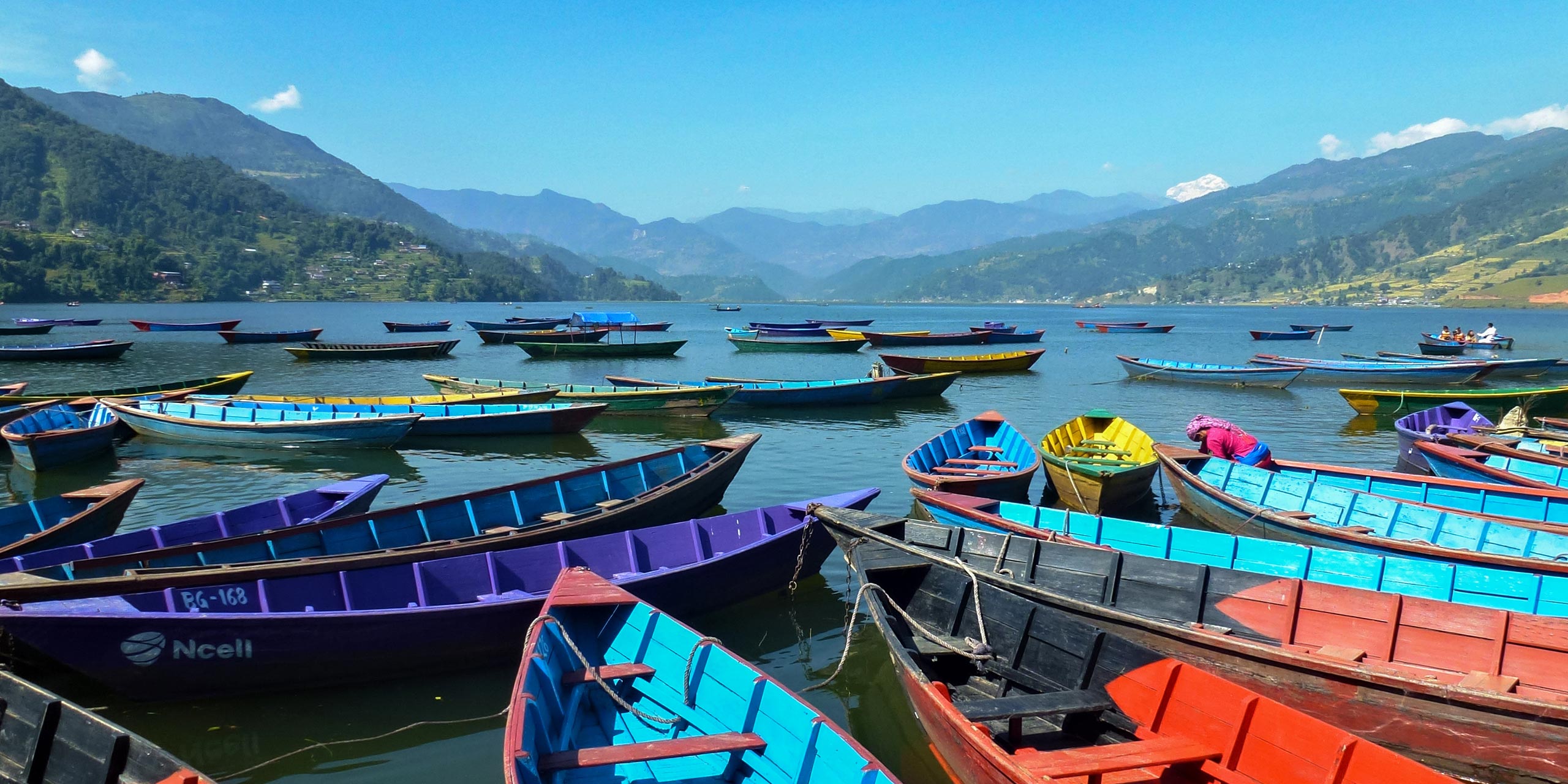
Many tourists associate Asia with giant, skyscraper-laden cities such as Bangkok, Tokyo, Shanghai and Seoul. But those who venture beyond these crowded travel hubs will discover a continent rich in picturesque towns, where ancient cultures and traditional architecture remain vividly intact. Here are five of the most beautiful towns I’ve visited during 20 years of travelling in Asia.
Fort Galle (SRI LANKA)
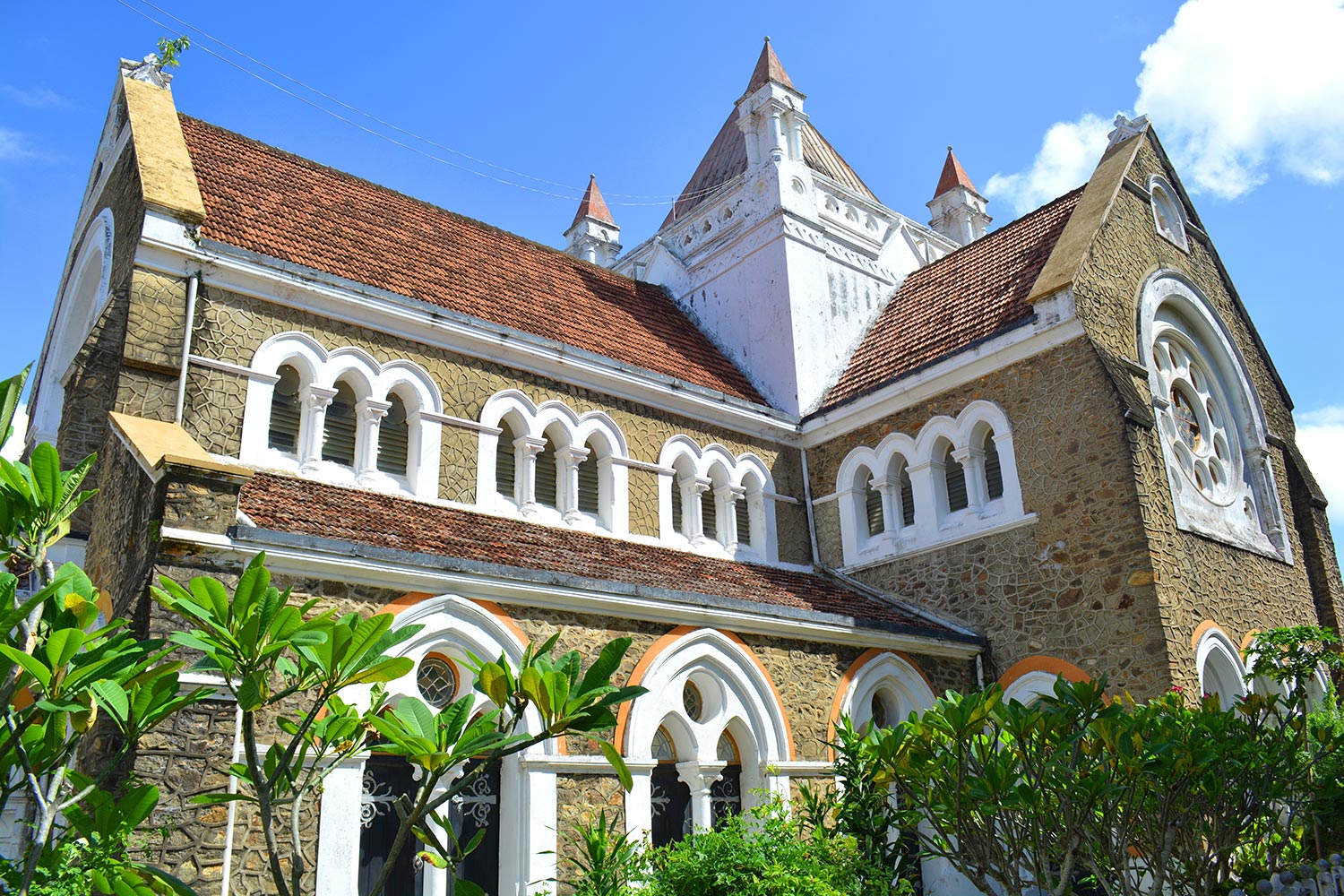
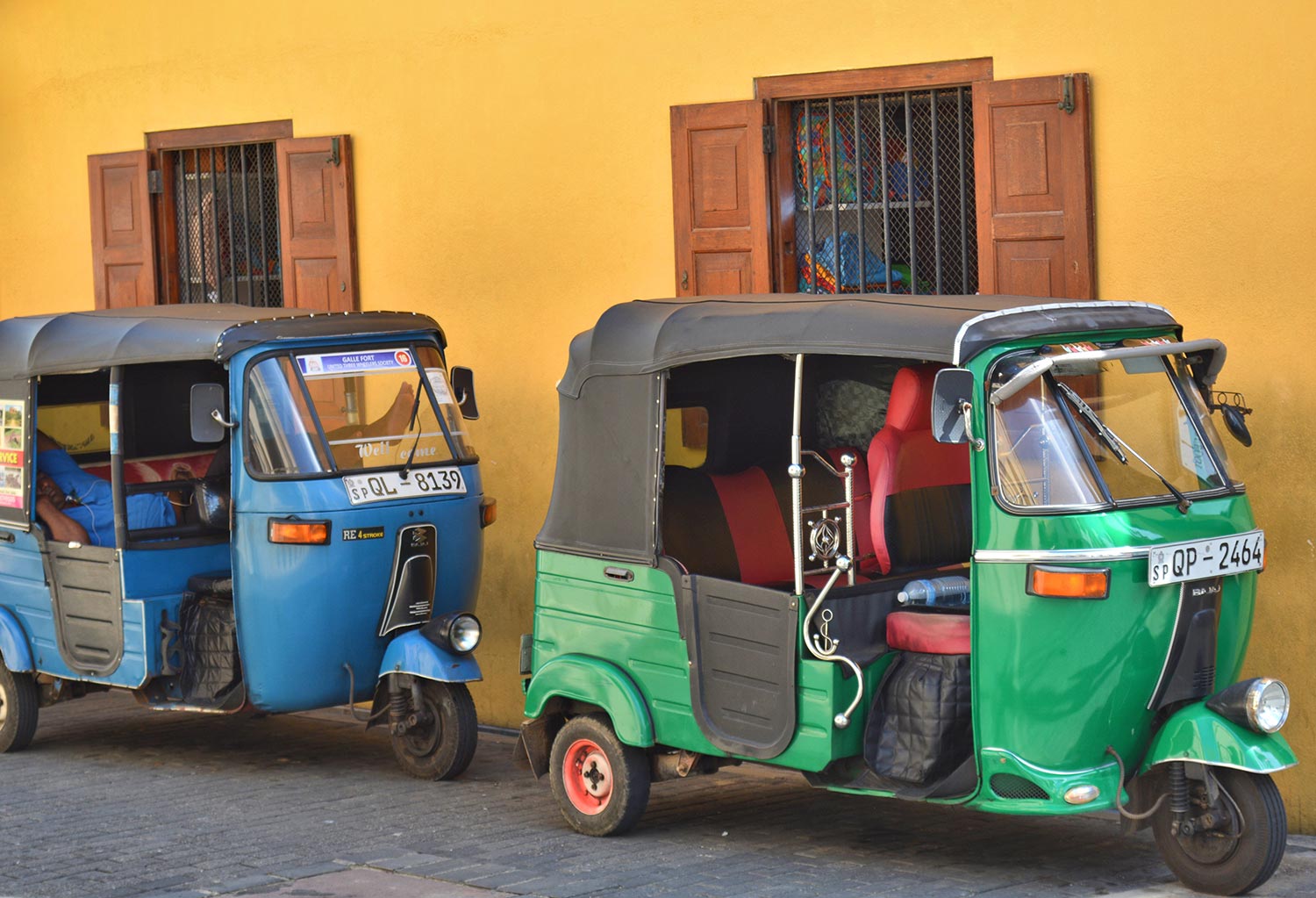
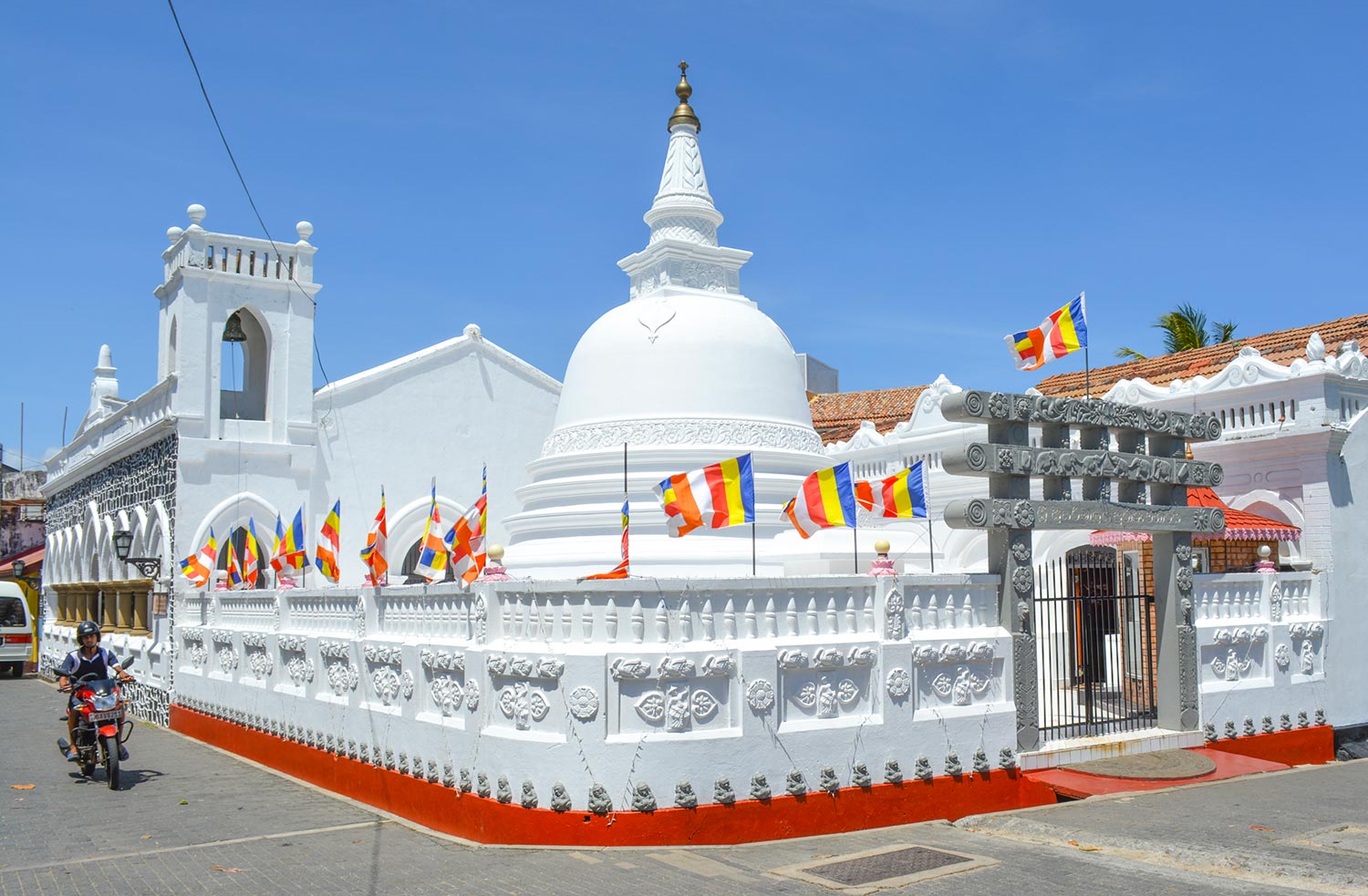
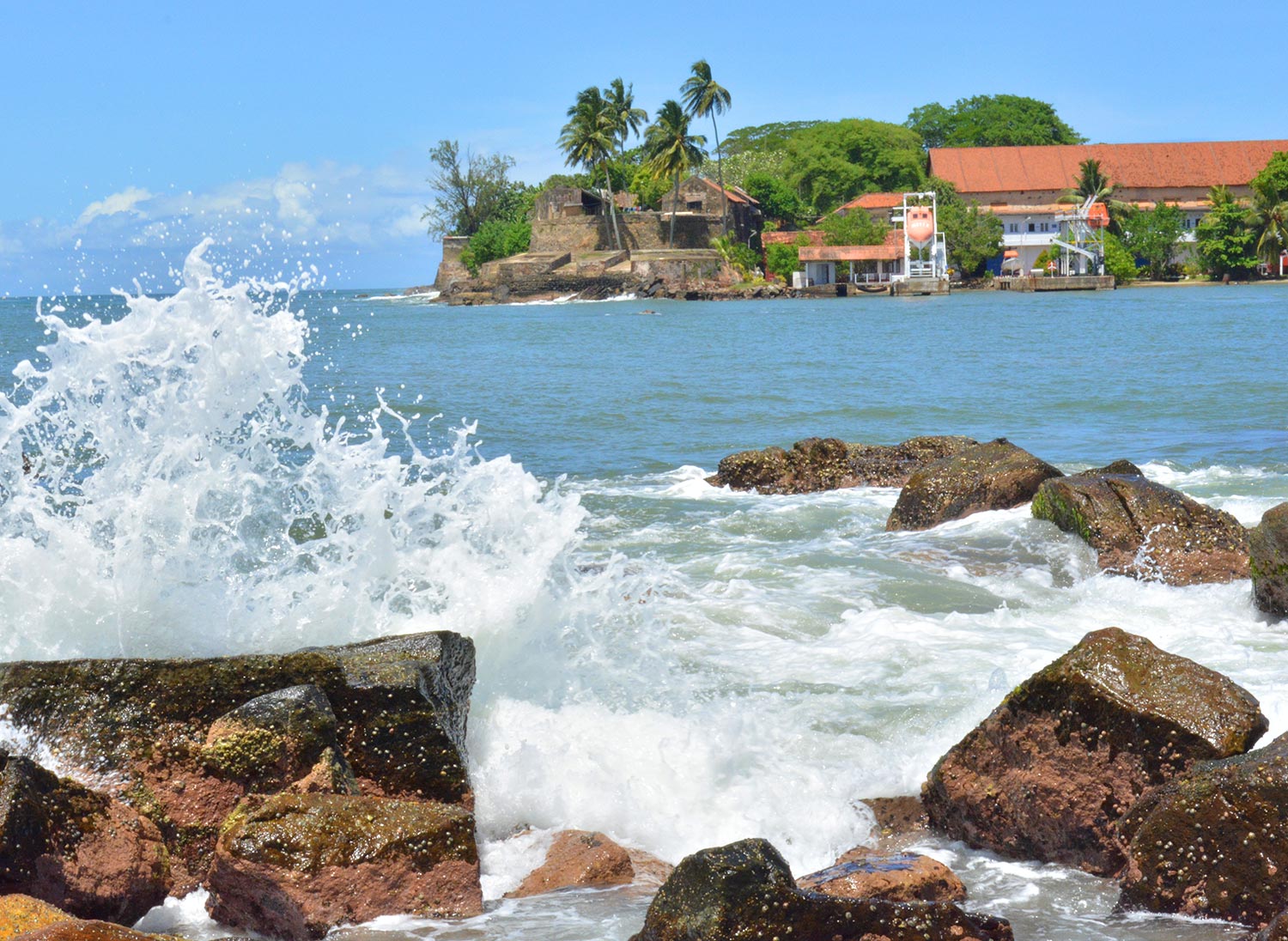
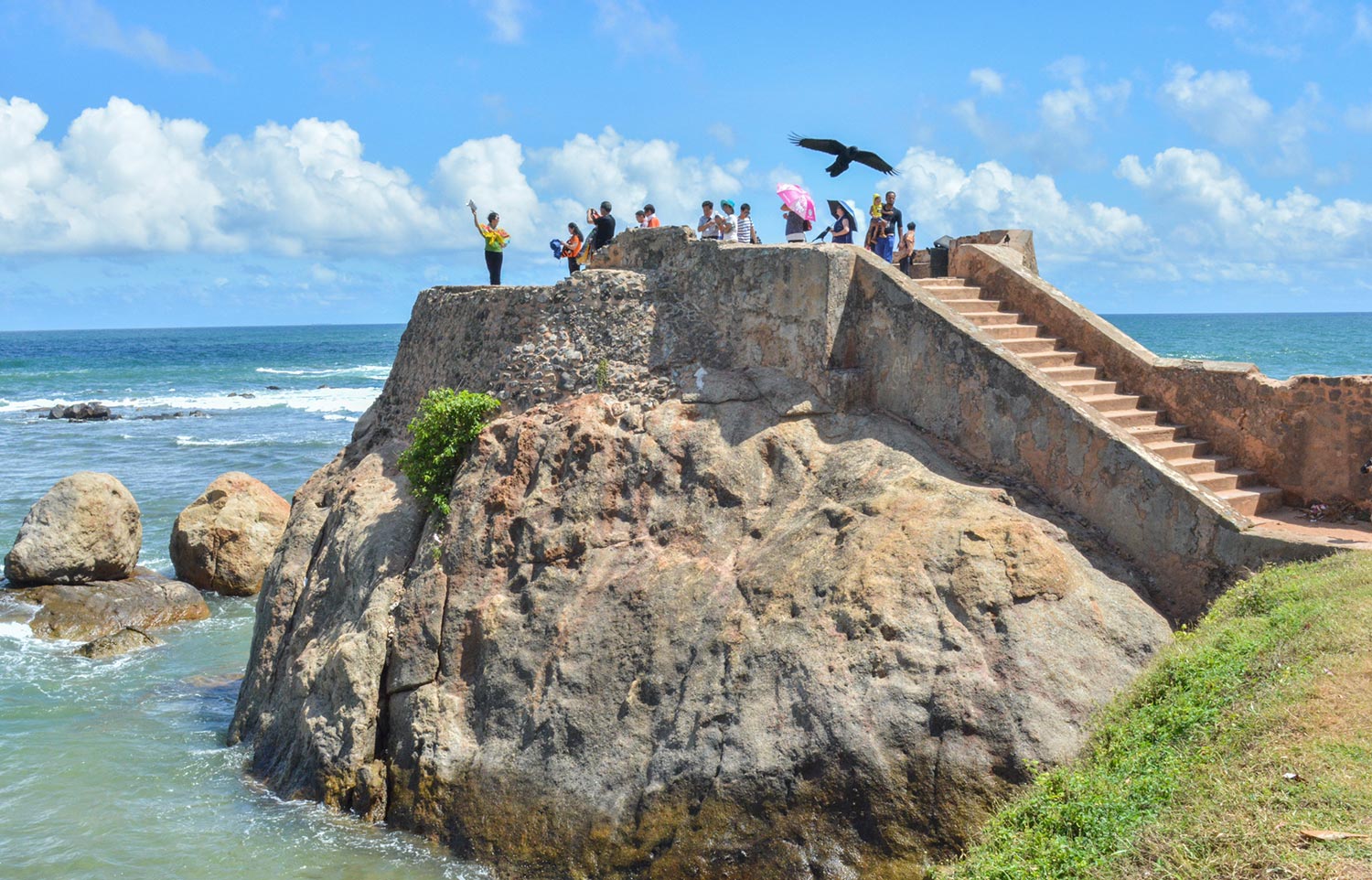
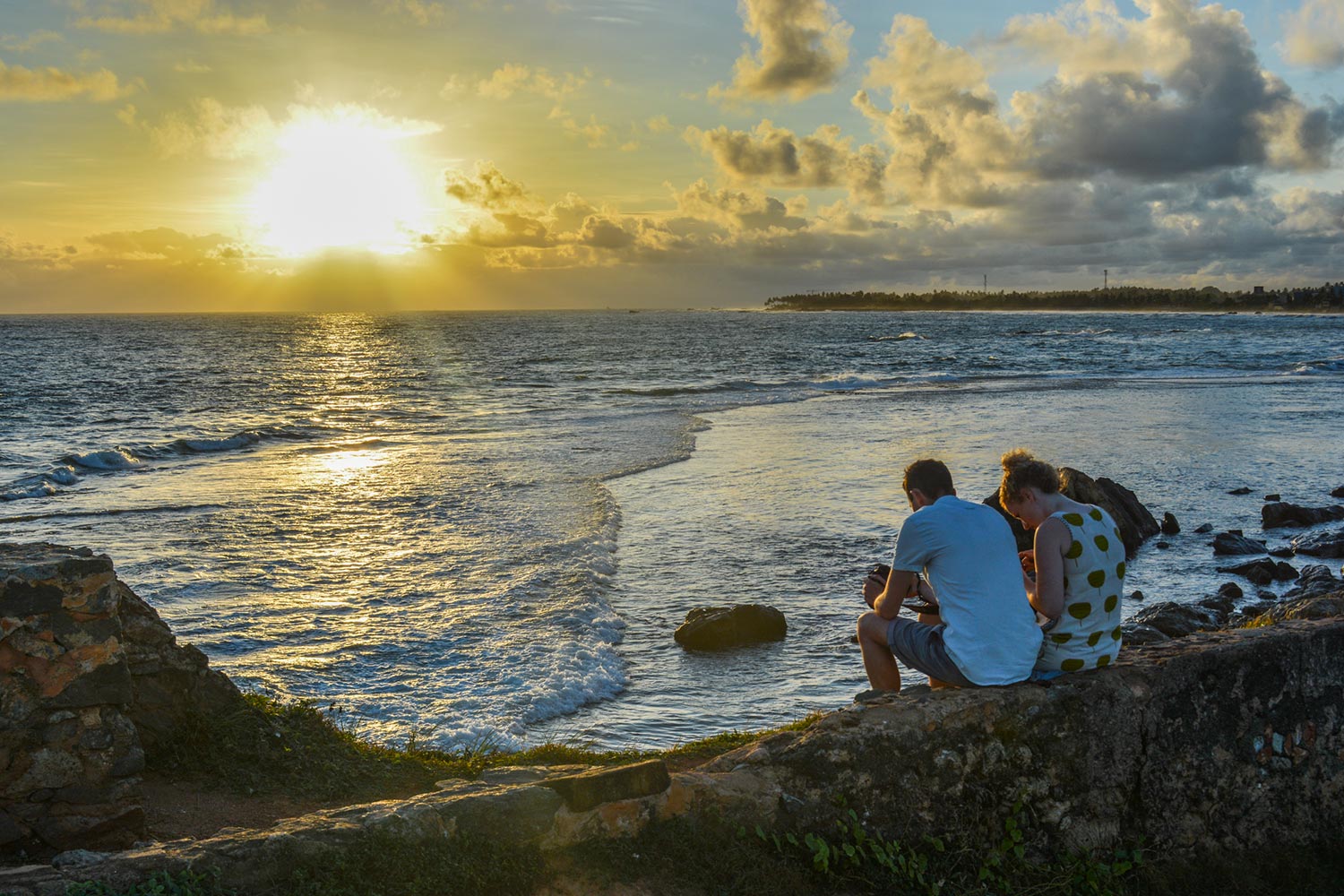
Unique, fascinating and dazzling, Fort Galle has a powerful allure. Few towns in Asia can match its blend of eclectic architecture, majestic coastal scenery and engaging history. The Portuguese established the fort in the late 16th century, and the Dutch expanded it in the 17th century, protecting it with a ring of thick stone ramparts.
Those same walls helped Fort Galle withstand the 2004 Boxing Day tsunami as it struck the coast of Galle, the southern Sri Lankan city to which it is attached. Fort Galle is widely regarded as South Asia’s best-preserved walled town. Its stately Portuguese mansions and Dutch churches sit alongside colonial residences now converted into hotels, cafés, bars and shops.
Bikan (JAPAN)
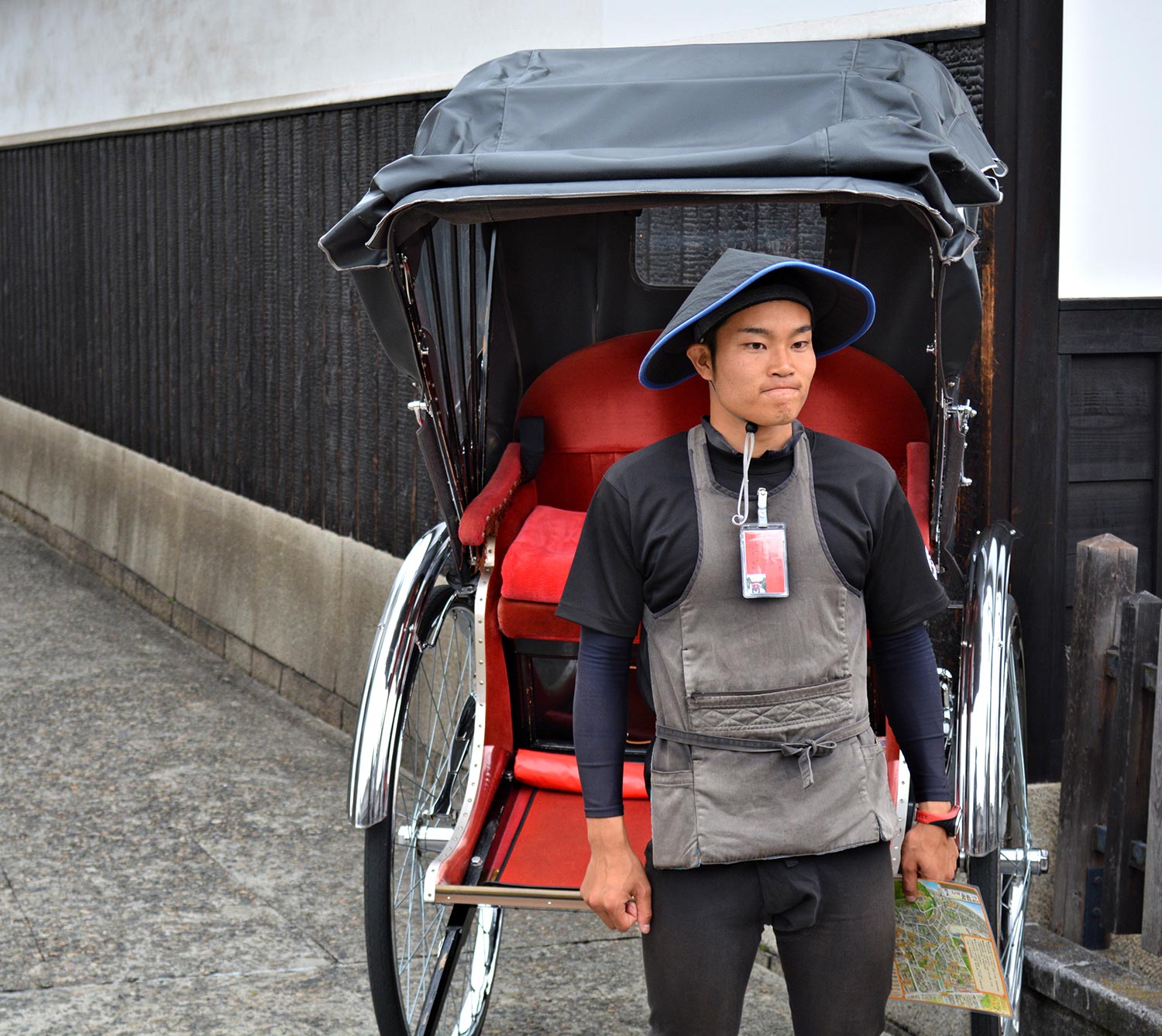
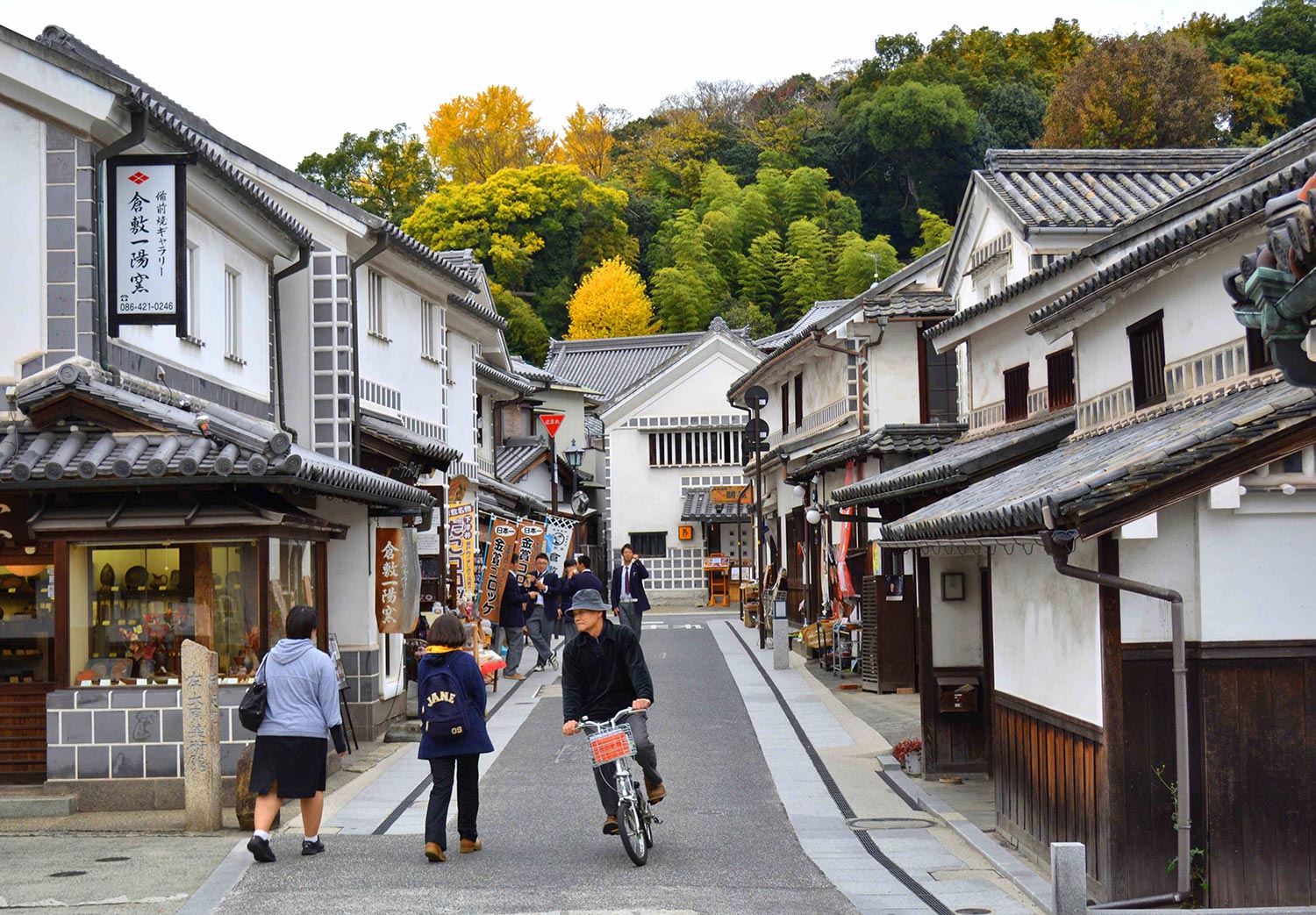
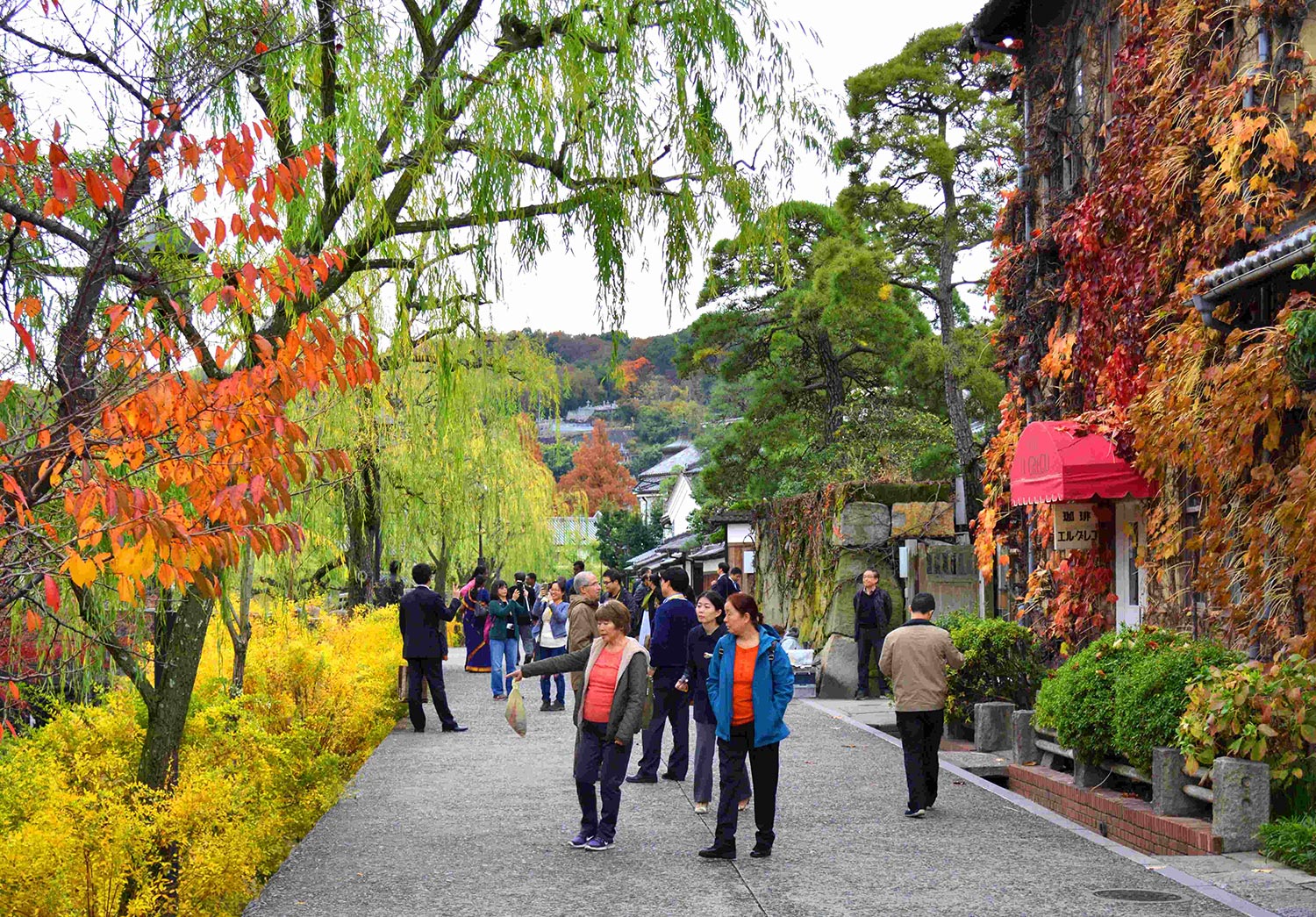
Japan, rather confusingly, seems to exist simultaneously in the future and the distant past. Few countries are as hyper-modern, with skyscraper-spiked cities, robots and bullet trains. Yet Japan has also done an extraordinary job of preserving its ancient culture and safeguarding historic temples, palaces and neighbourhoods.
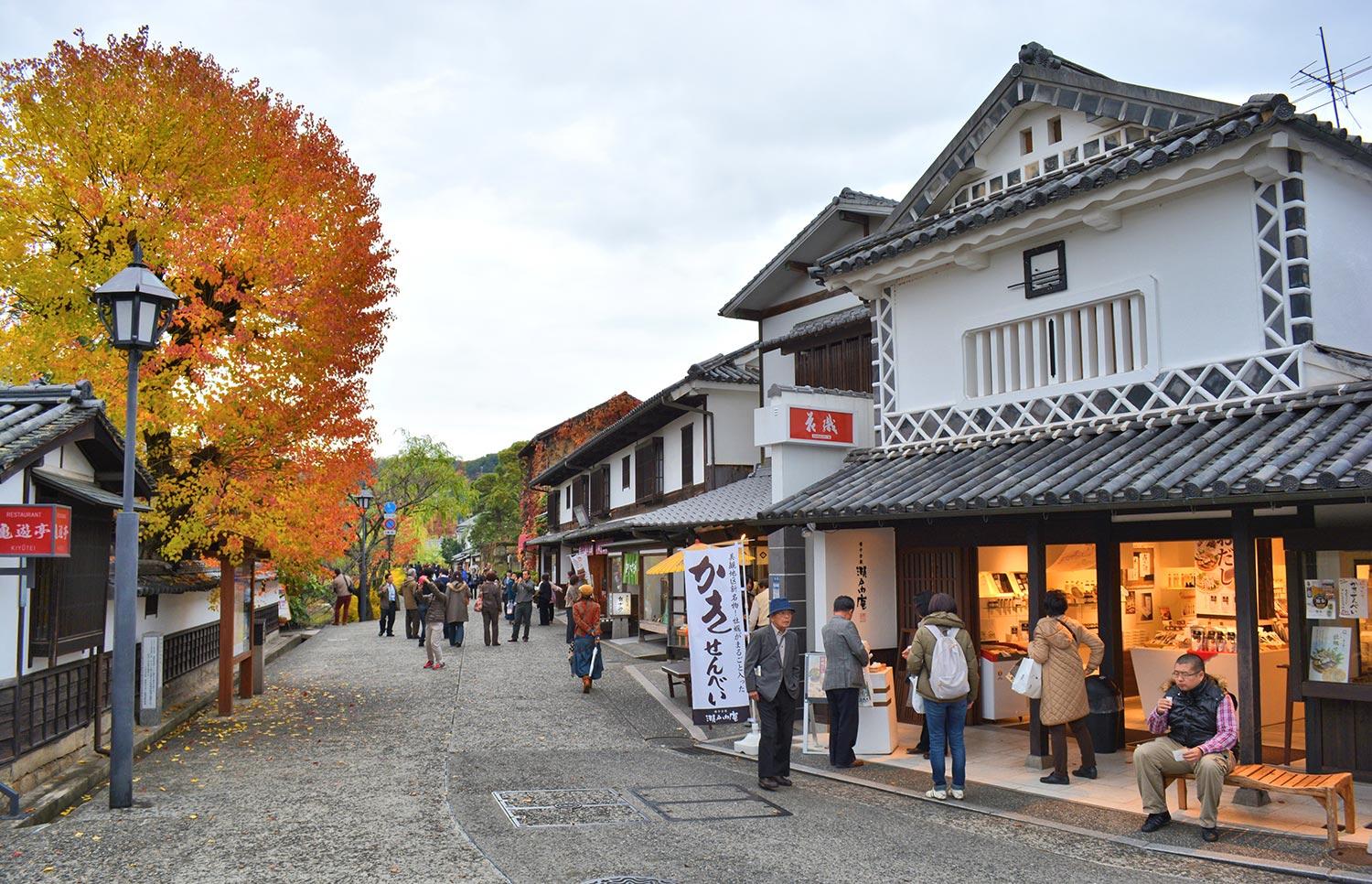
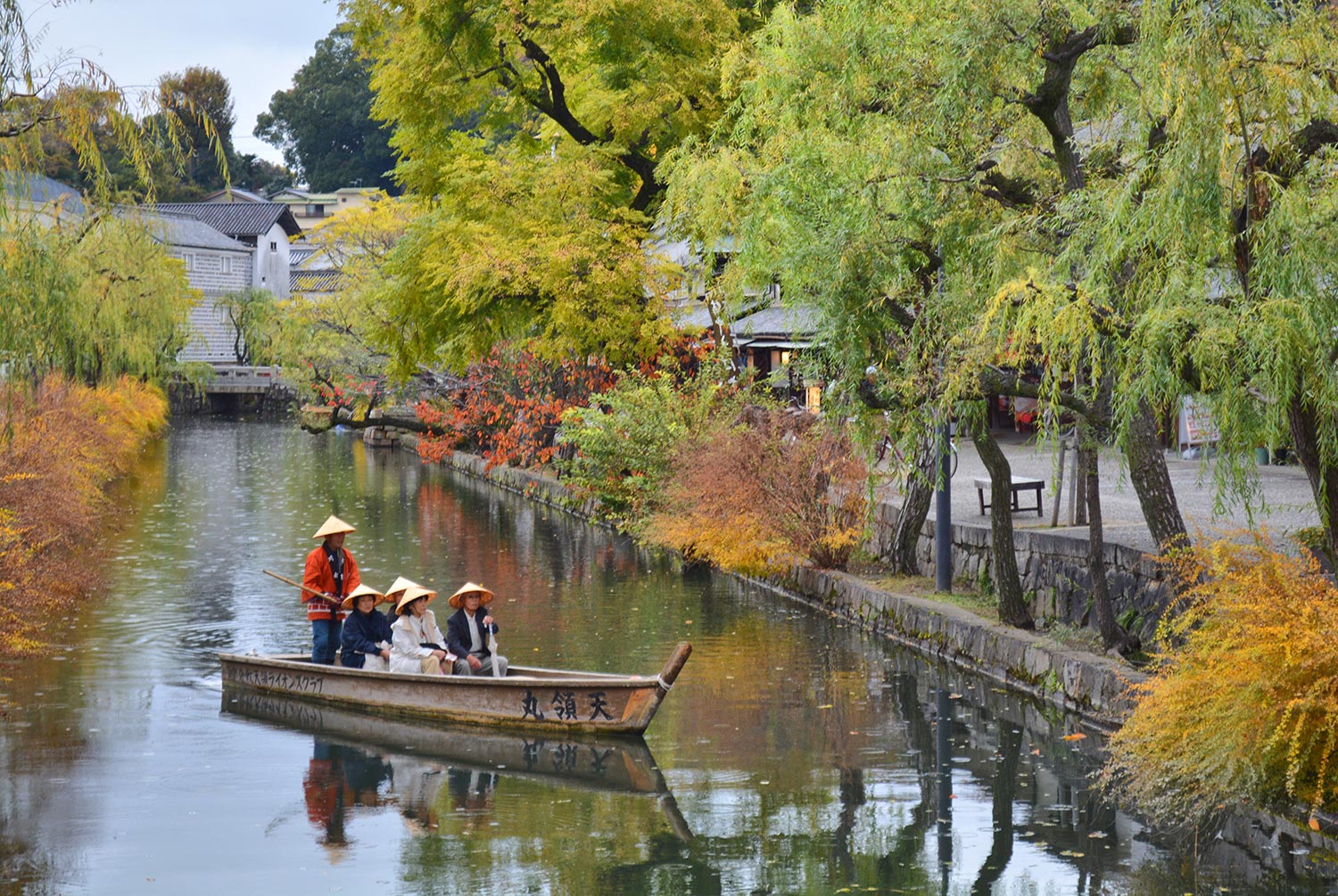
Bikan, in the city of Kurashiki, is Japan’s scaled-down answer to Venice. Compared with that crowded Italian wonderland, it is quiet and easy to navigate. Located around 150km west of Osaka, Bikan developed in the 17th century along canals that connected Kurashiki with nearby ports.
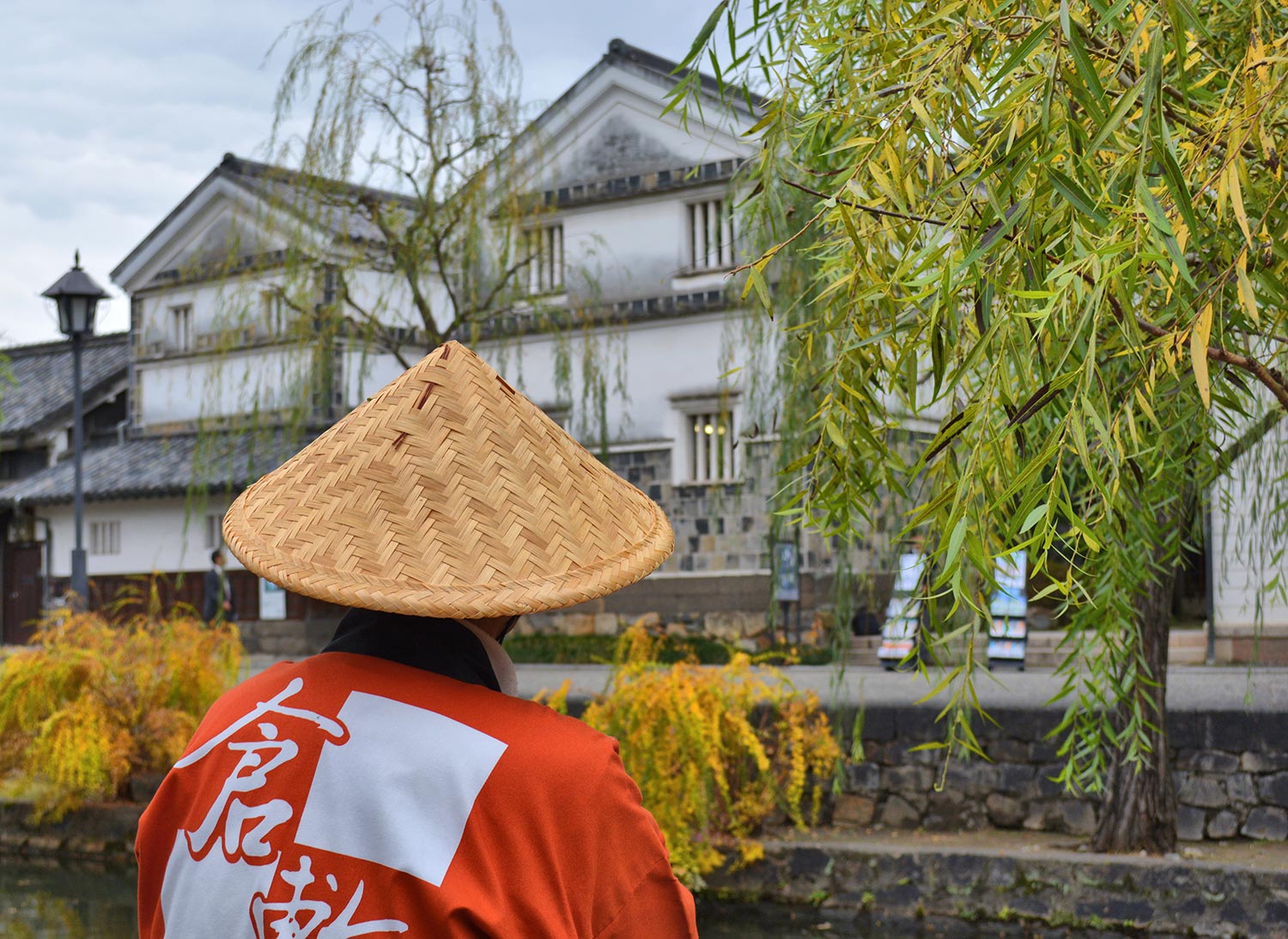
It is remarkably photogenic. Canals are fringed by cobblestone streets lined with historic shophouses, warehouses and halls, now occupied by museums, galleries and cafés. Several arched bridges add to the appeal, while rowboats glide beneath them on scenic cruises.
Sukhothai (THAILAND)
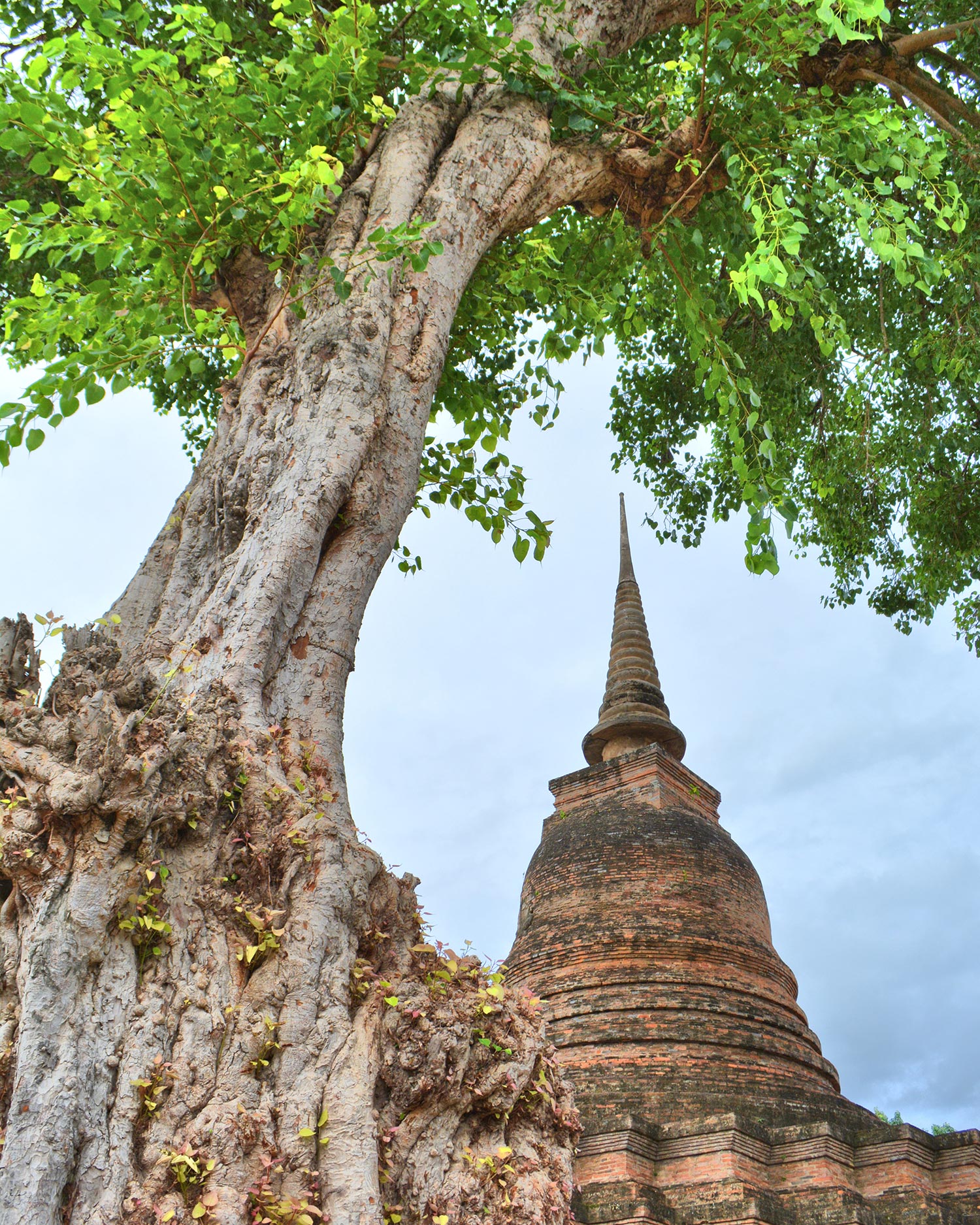
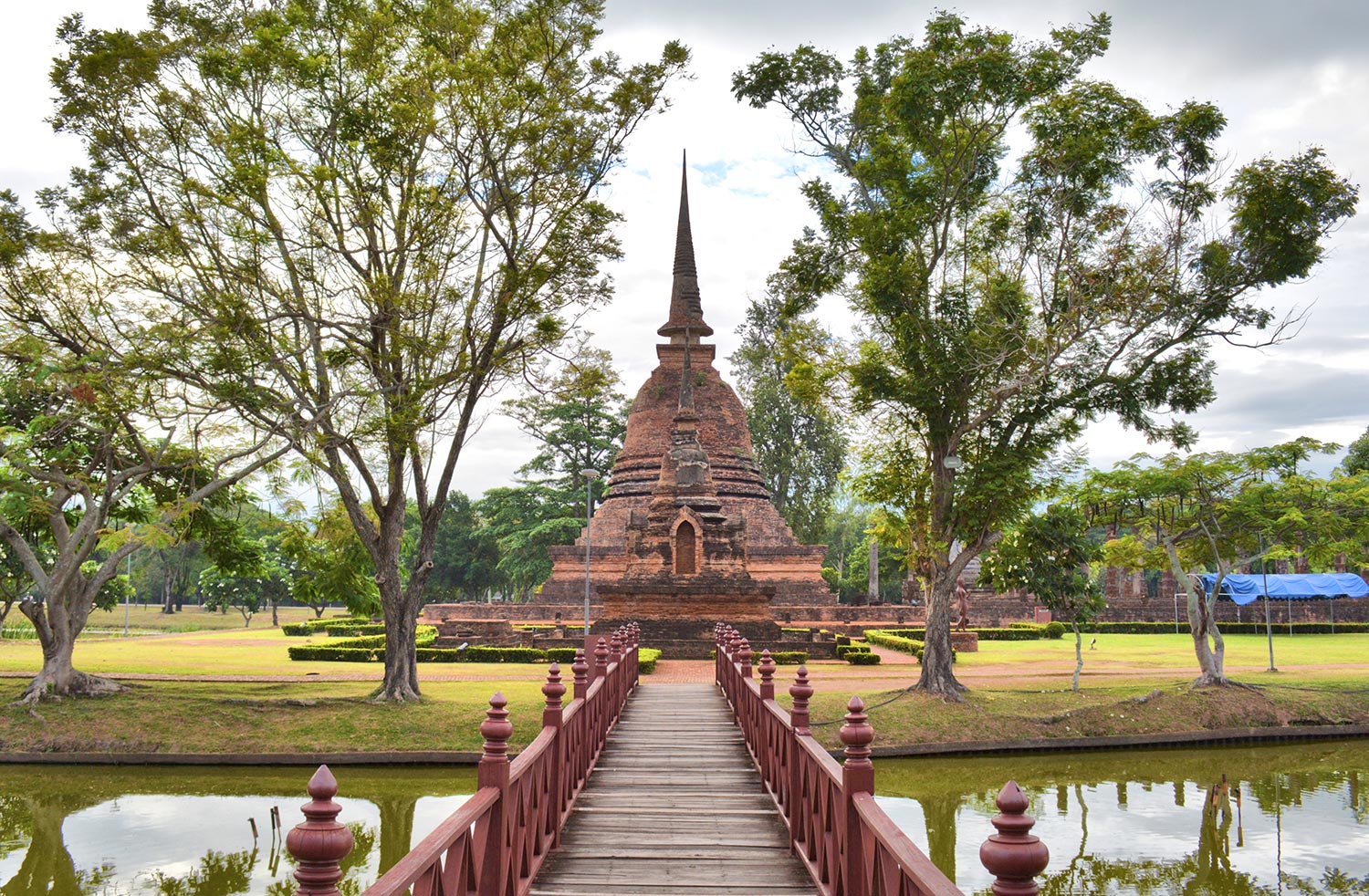
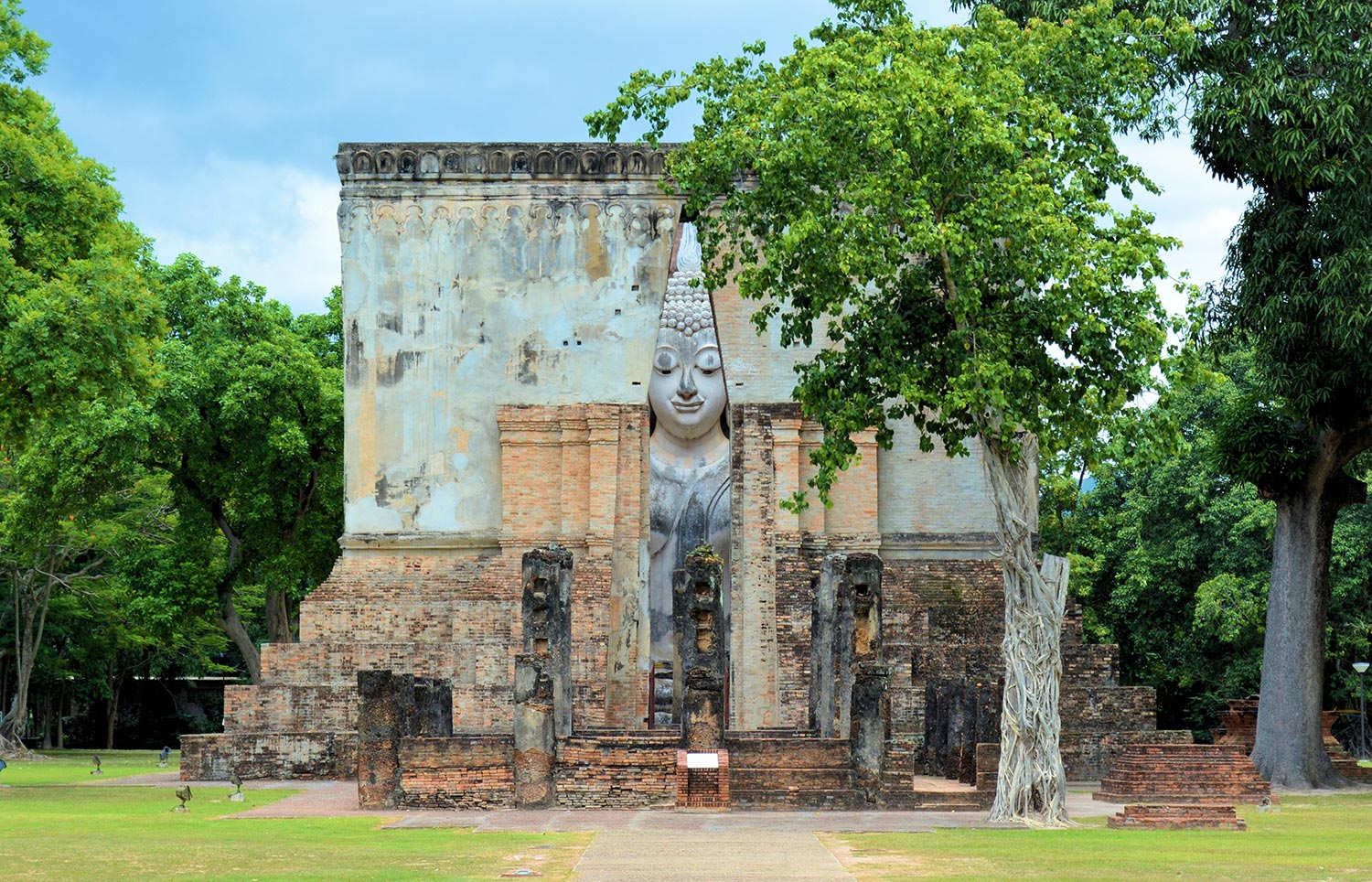
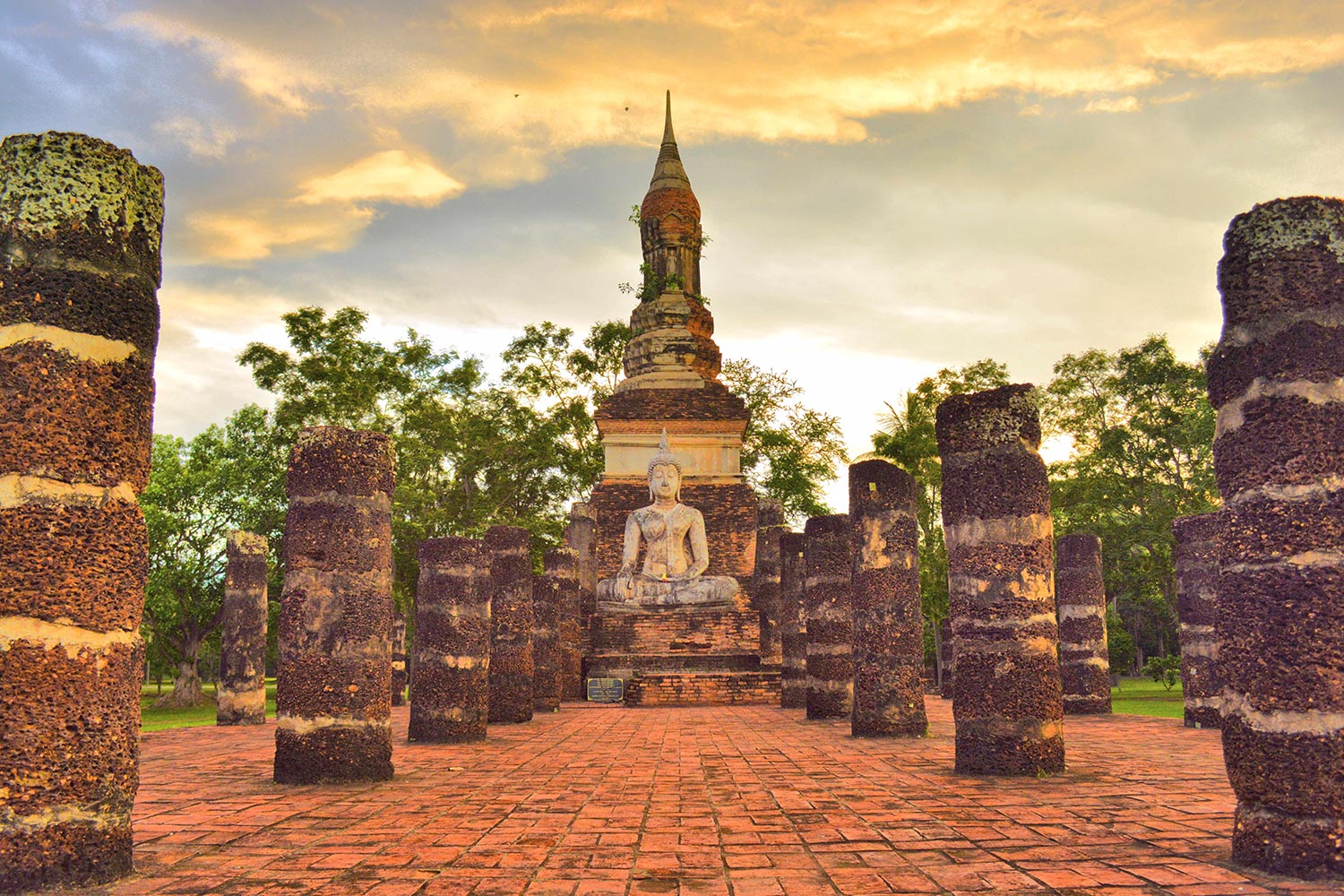
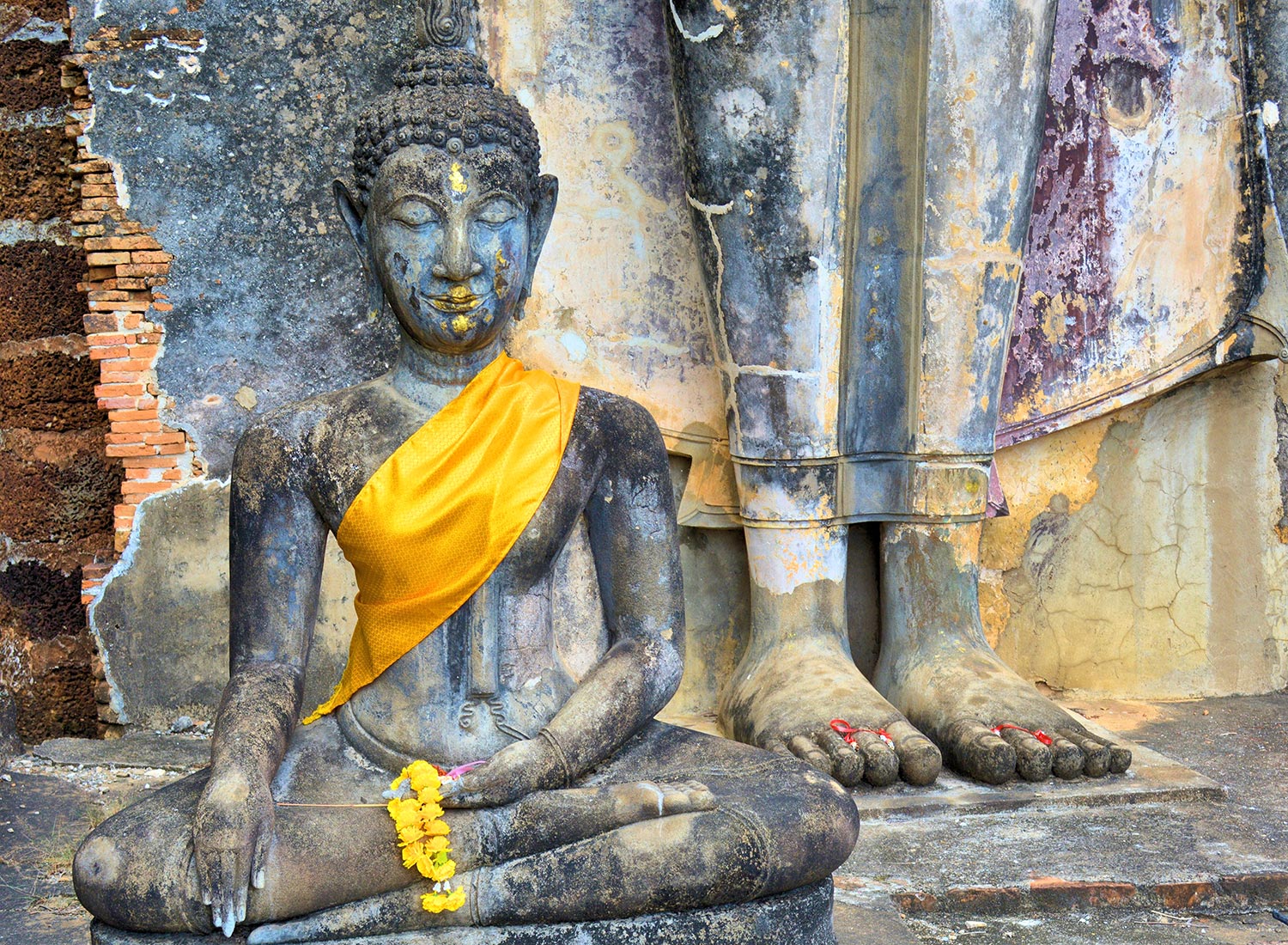
Underrated is an overused word, yet it is entirely justified when describing Sukhothai. This historic town in northern Thailand is a UNESCO World Heritage Site and the birthplace of the first independent Thai kingdom, which flourished from the 13th to 15th centuries.
Visitors can wander the timeworn remains of its royal past, admiring temples, monasteries, palaces and halls preserved within Sukhothai Historical Park. Despite this, it receives far fewer foreign visitors than Thailand’s better-known heritage sites.
That is partly due to its low profile and relatively isolated location, around 400km north of Bangkok. Sukhothai is a smaller, quieter counterpart to Cambodia’s hugely popular ancient capital, Angkor. It is not as vast or spectacular, but it offers a memorable insight into Thailand’s early history.
Xitang (CHINA)
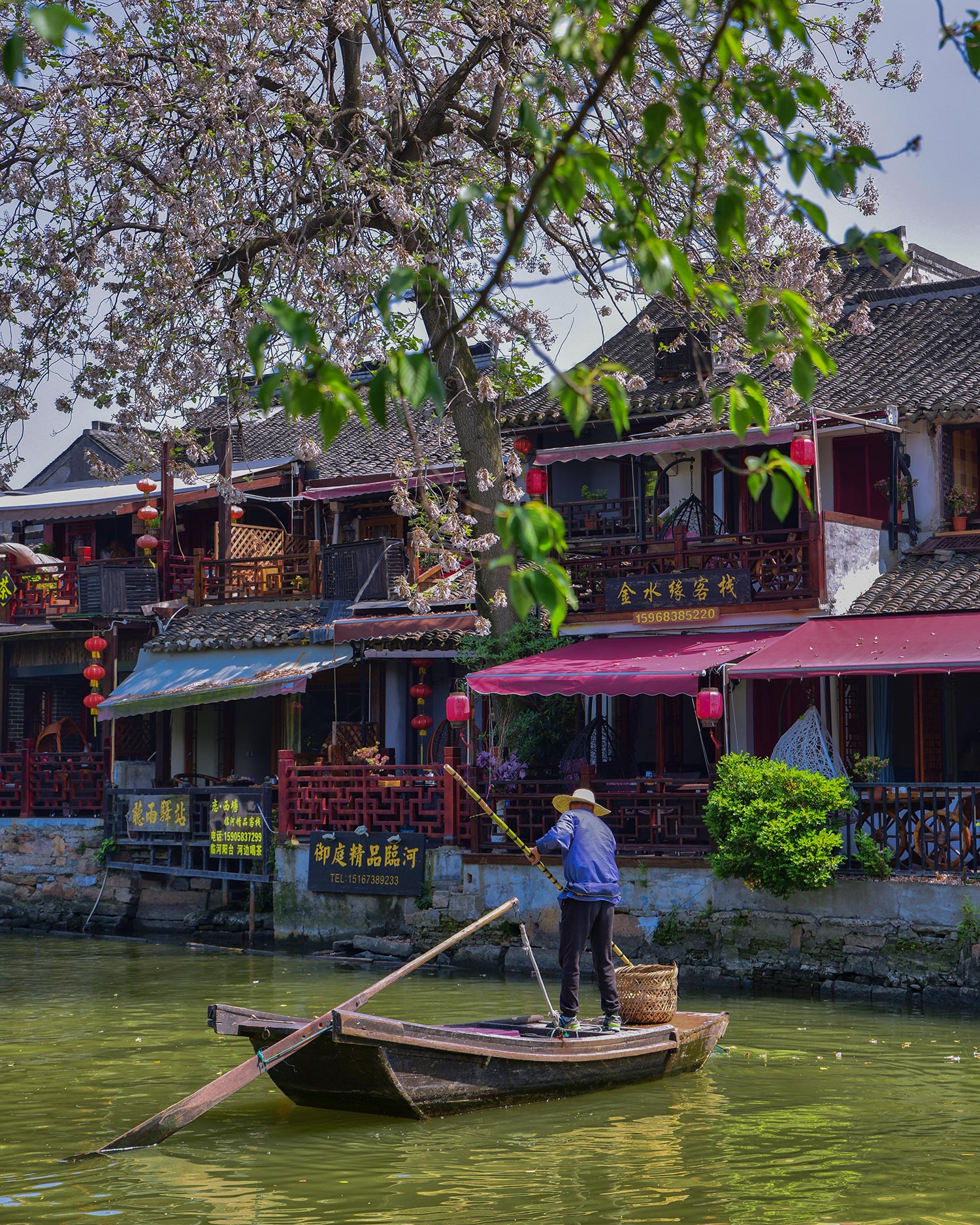
Ancient communities are increasingly difficult to find in China. During the past 30 years, the country has modernised at extraordinary speed, and many of its oldest towns and neighbourhoods have been bulldozed to make way for progress.
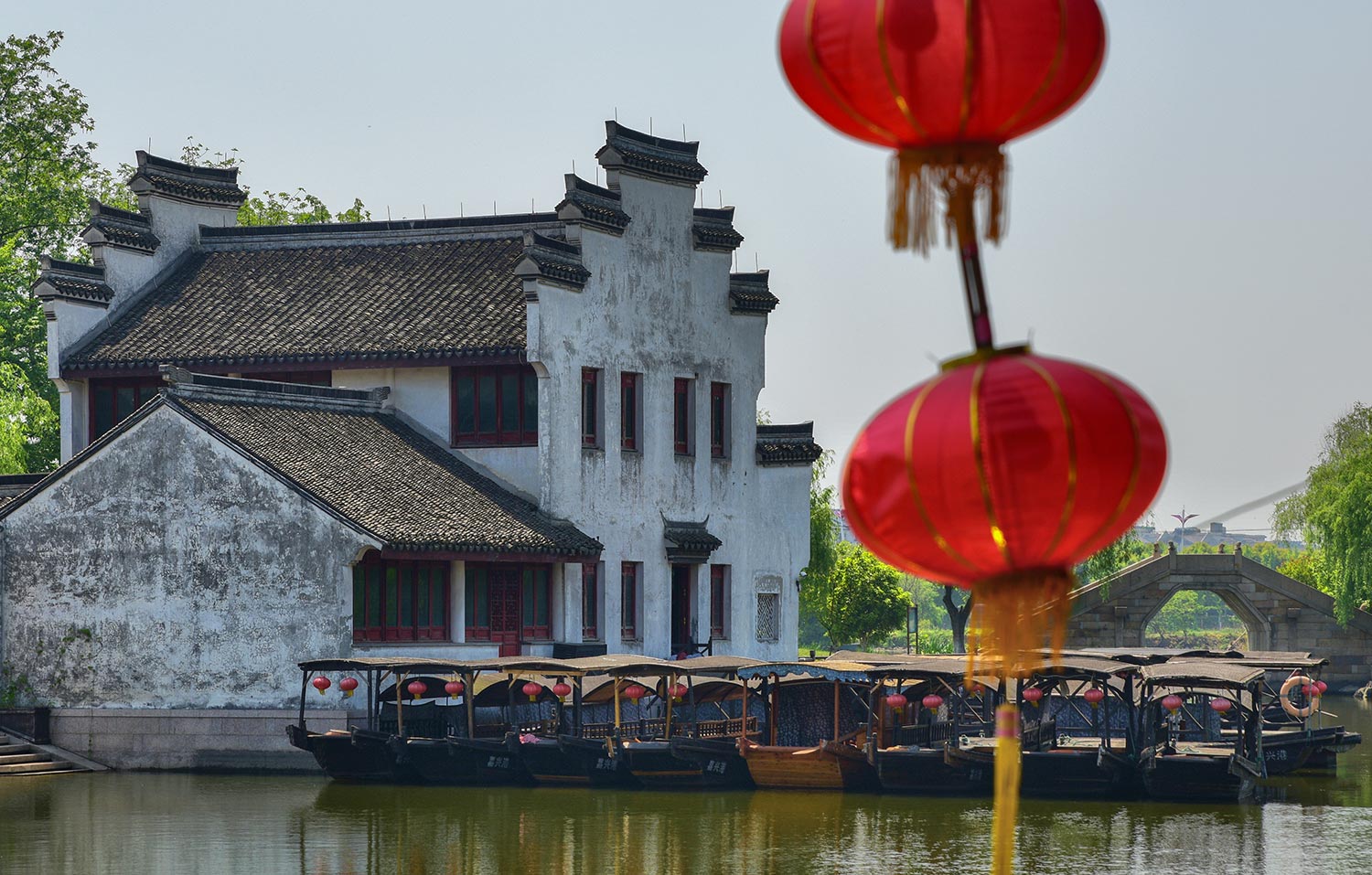
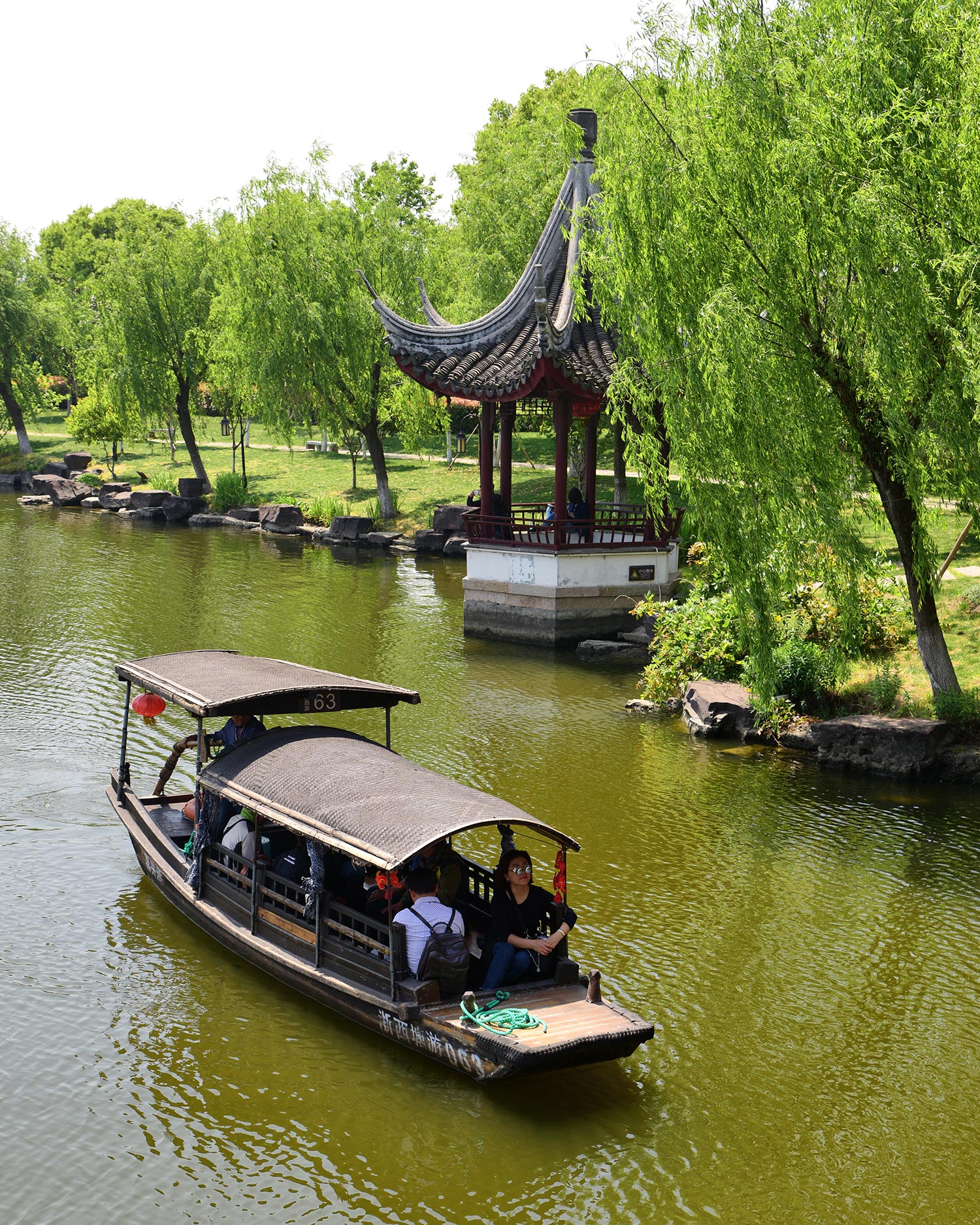
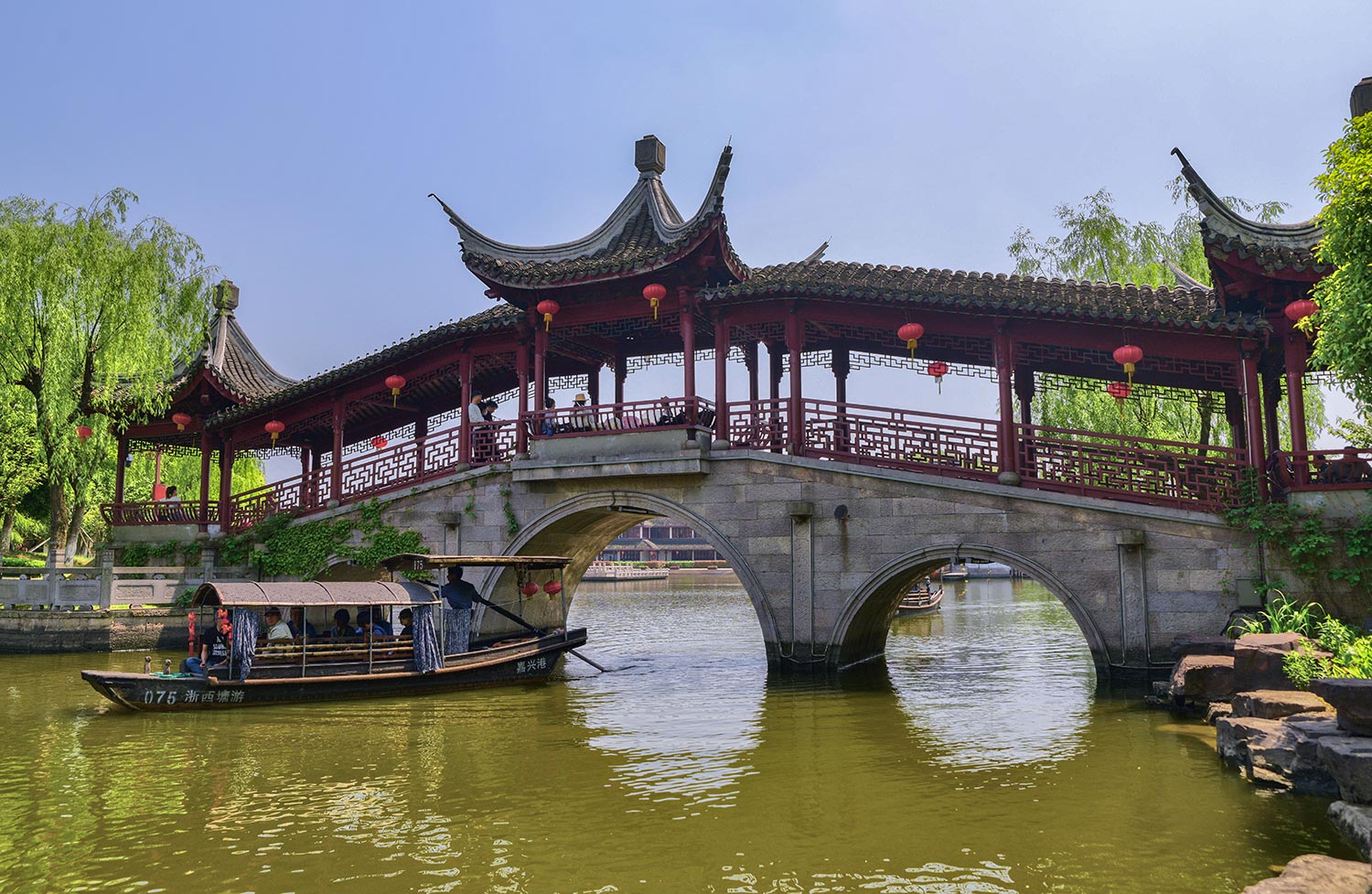
Fortunately, a cluster of graceful water towns built along tranquil canals survives on the southern outskirts of Shanghai. Among the finest is Xitang. Located around 80km from central Shanghai, it is crossed by more than 100 bridges spanning its network of canals.
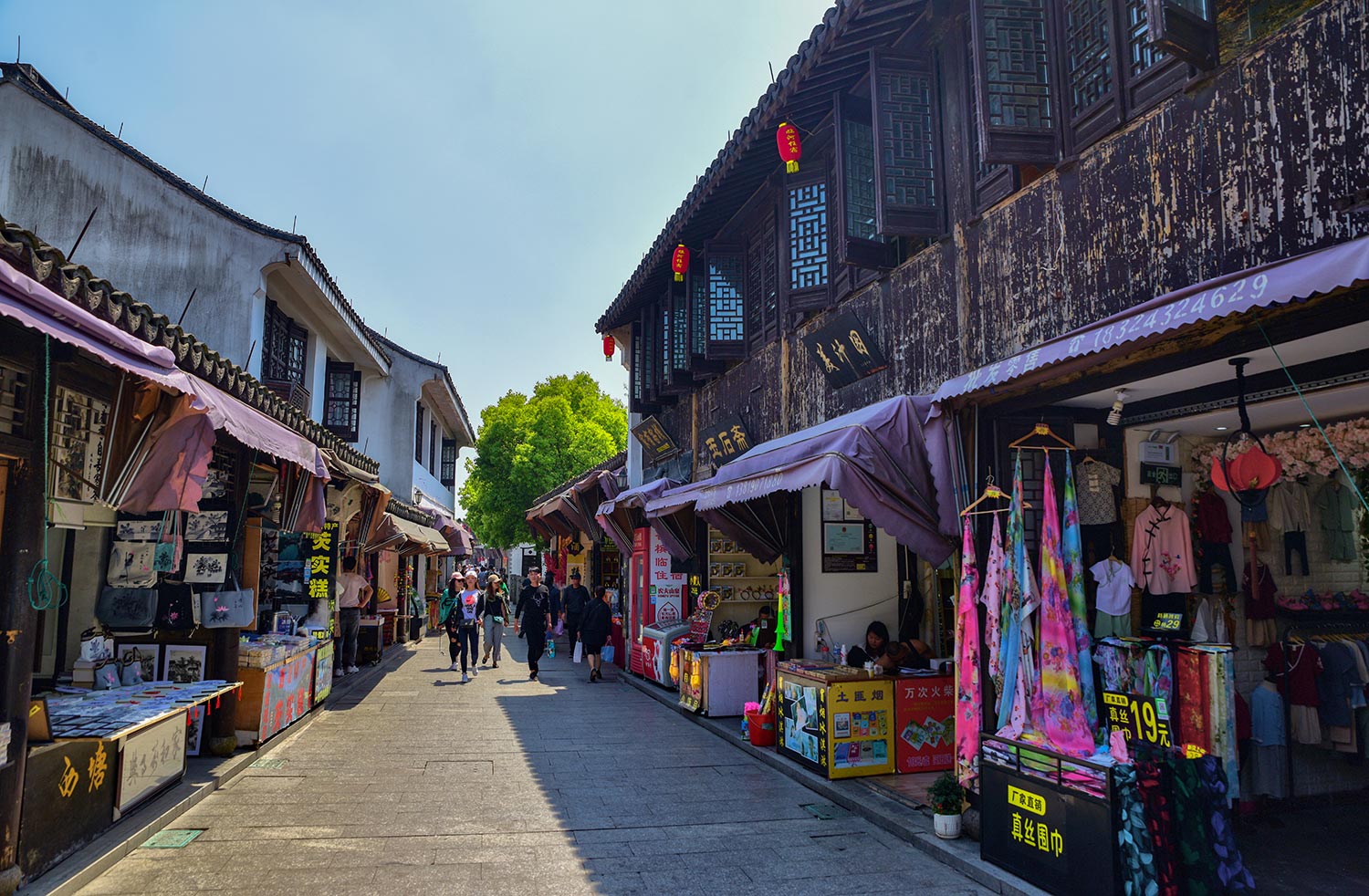
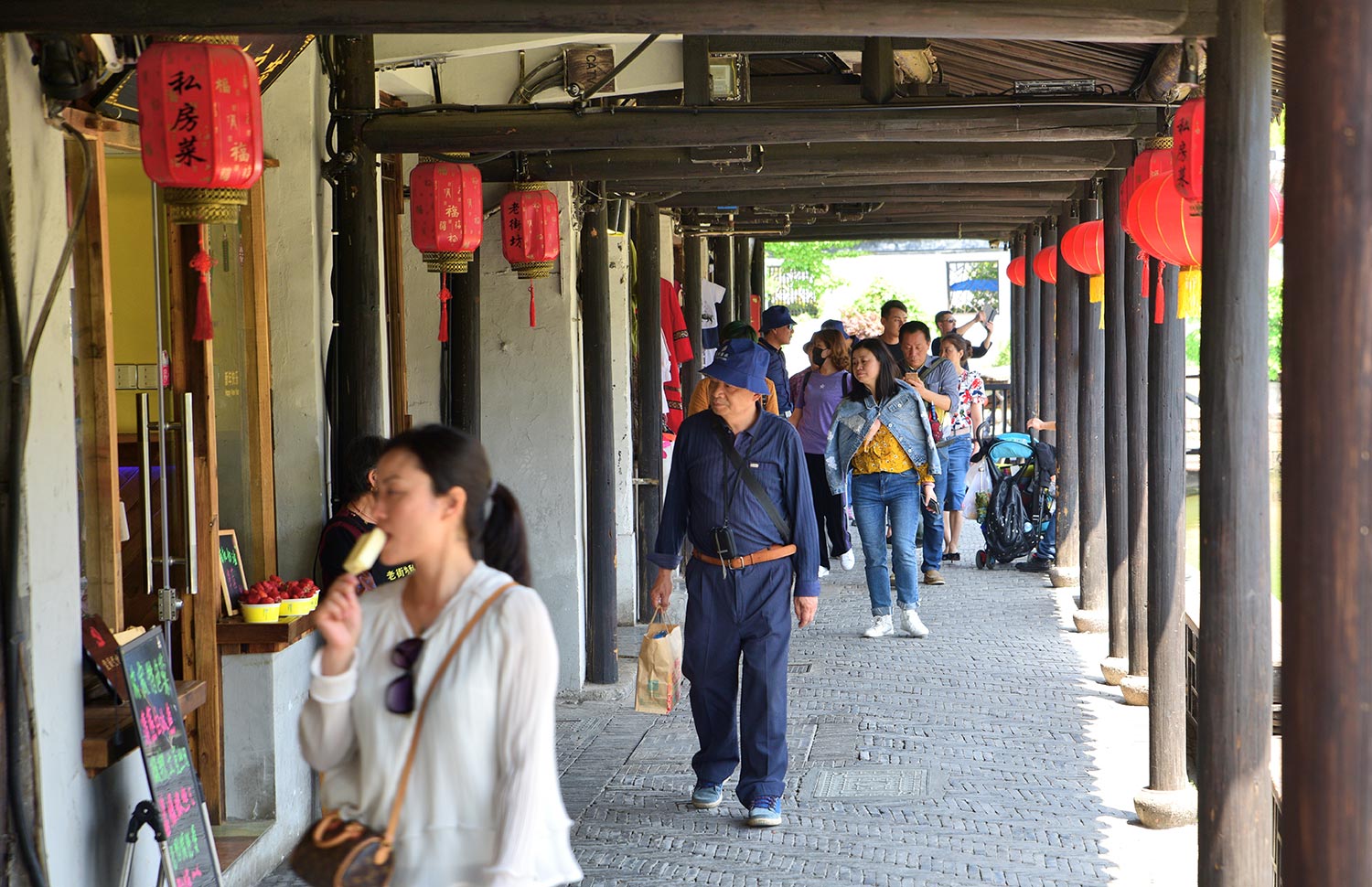
Xitang developed as a trade and transport hub close to China’s Grand Canal, a network of man-made waterways stretching some 1,800km from Beijing to Hangzhou, near Shanghai. Today it is a popular attraction, particularly with domestic visitors, who come for its ancient temples, teahouses, residences, halls, arched bridges and covered walkways.
Pokhara (NEPAL)
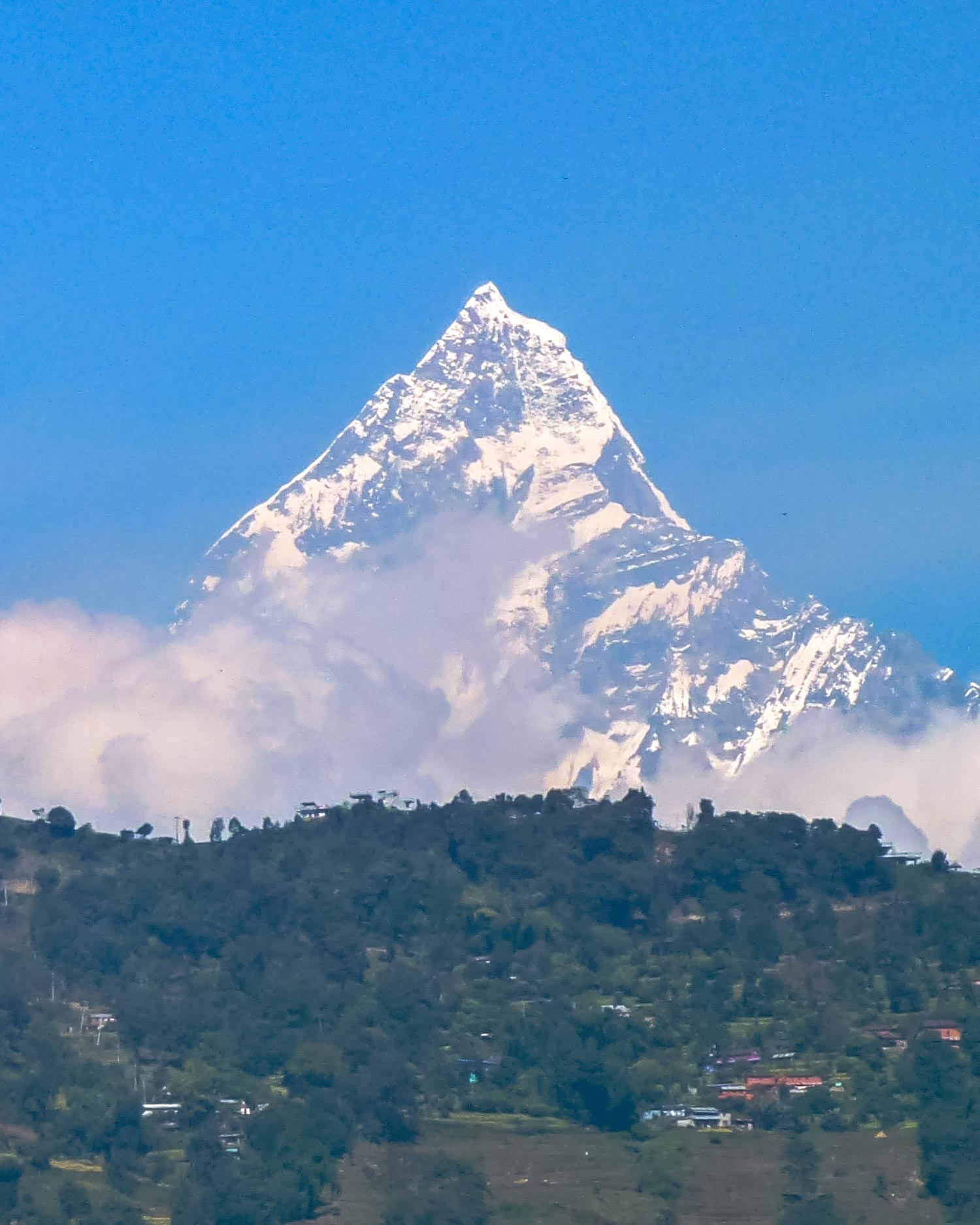
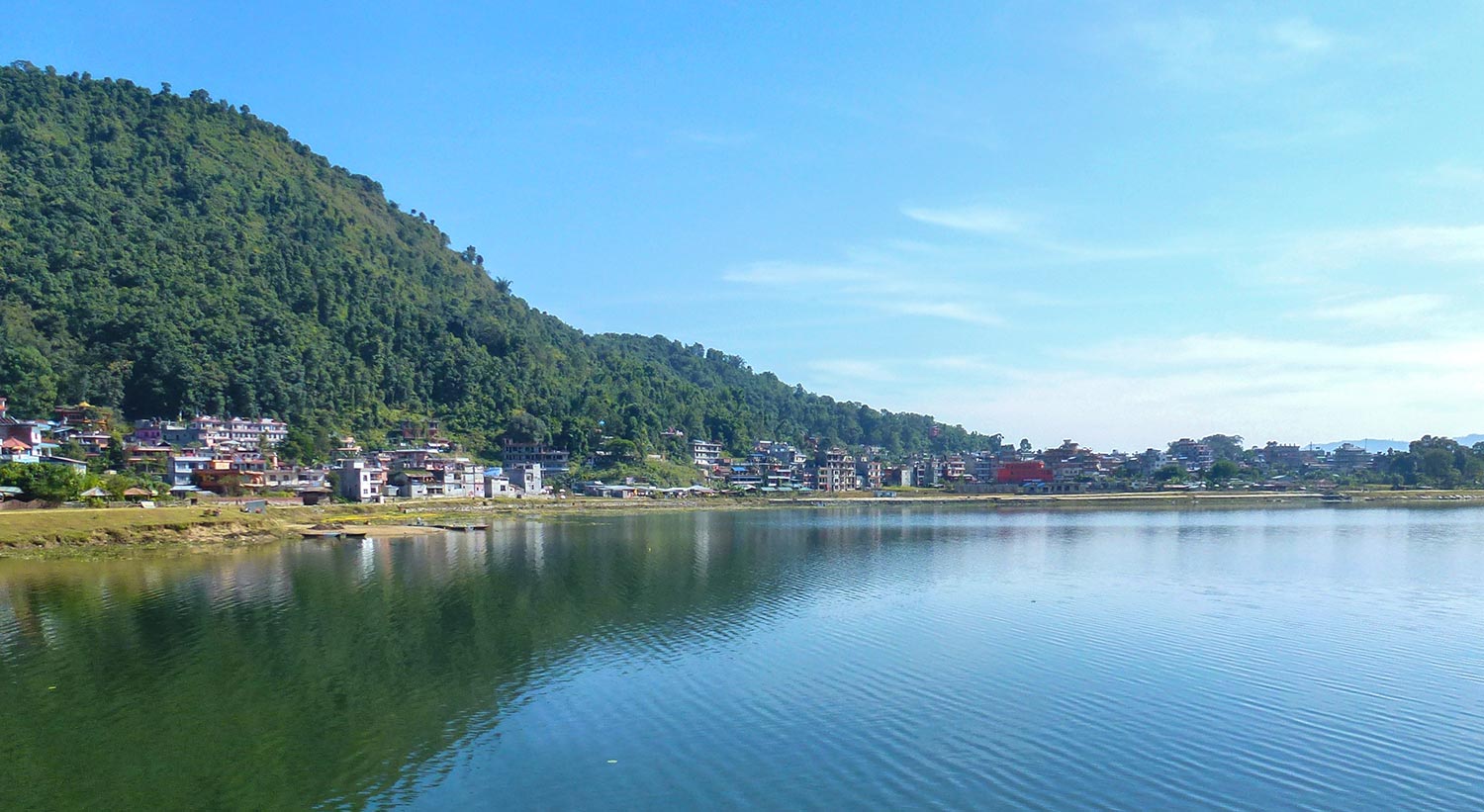
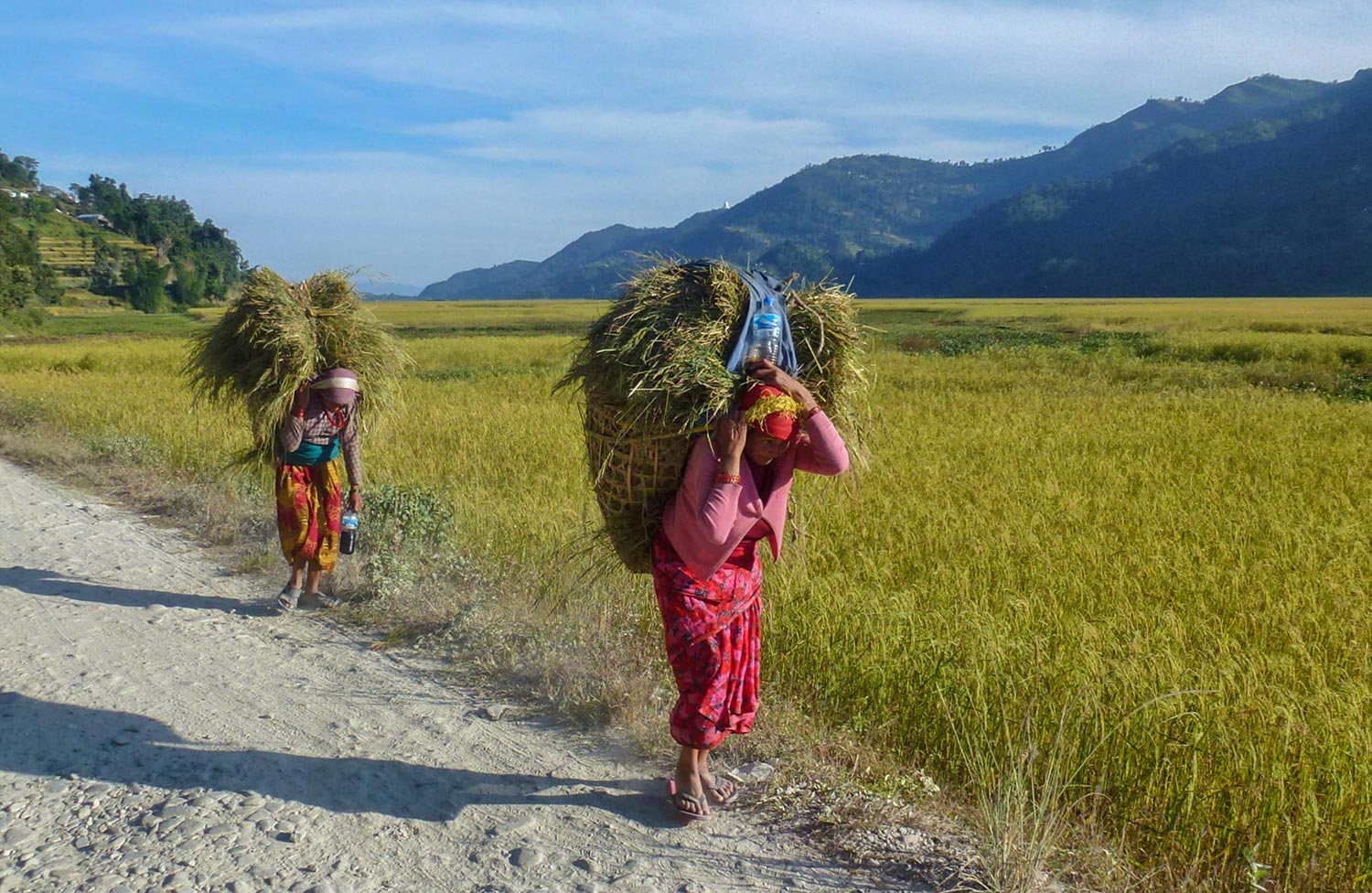
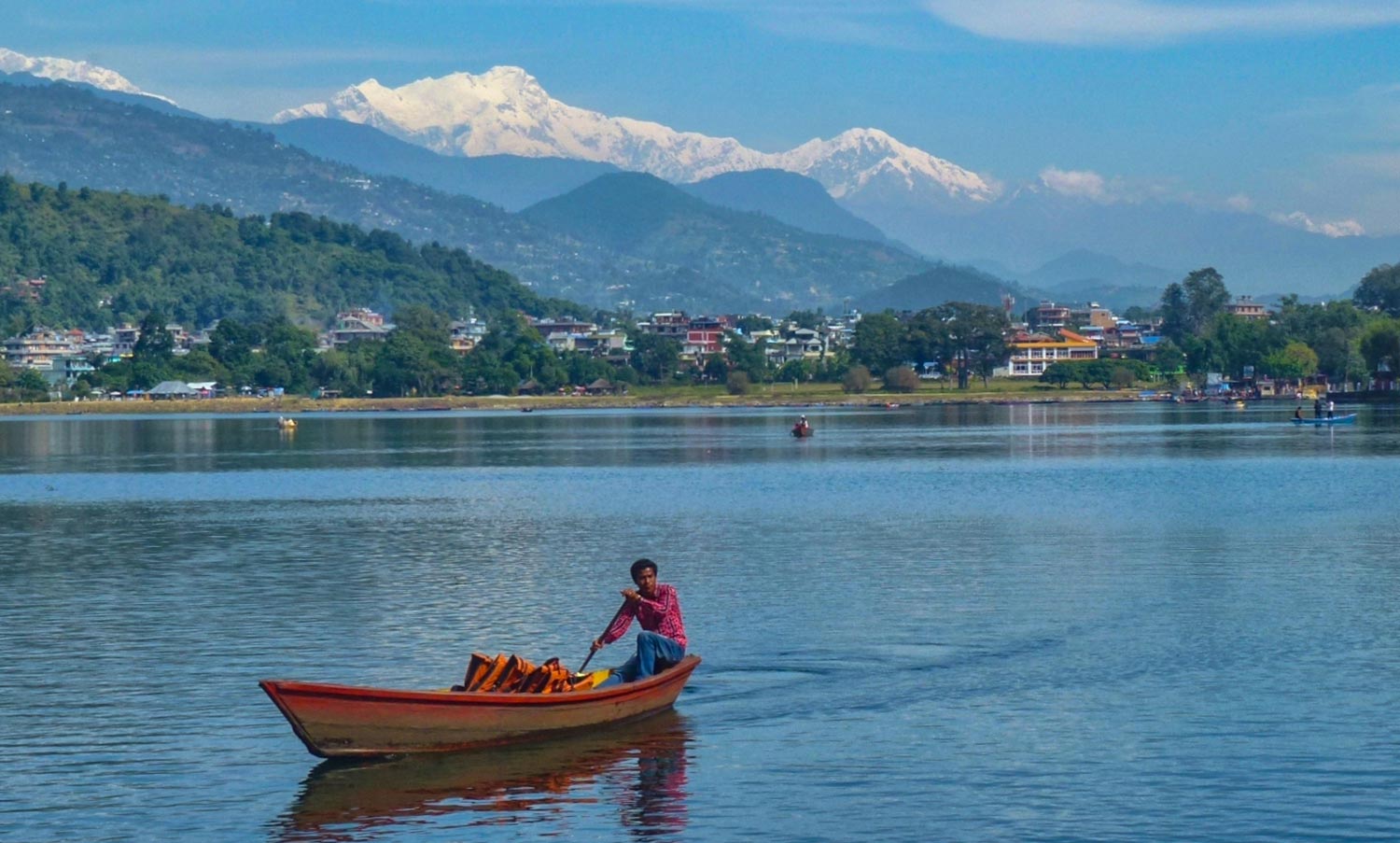
Far below me, Pokhara looks like a miniature settlement. In reality, it is a substantial city, but at ground level it still resembles a town, thanks to its slow pace and low-rise character. From a hillside vantage point, it appears tiny beside the Himalayan mountains looming above it.
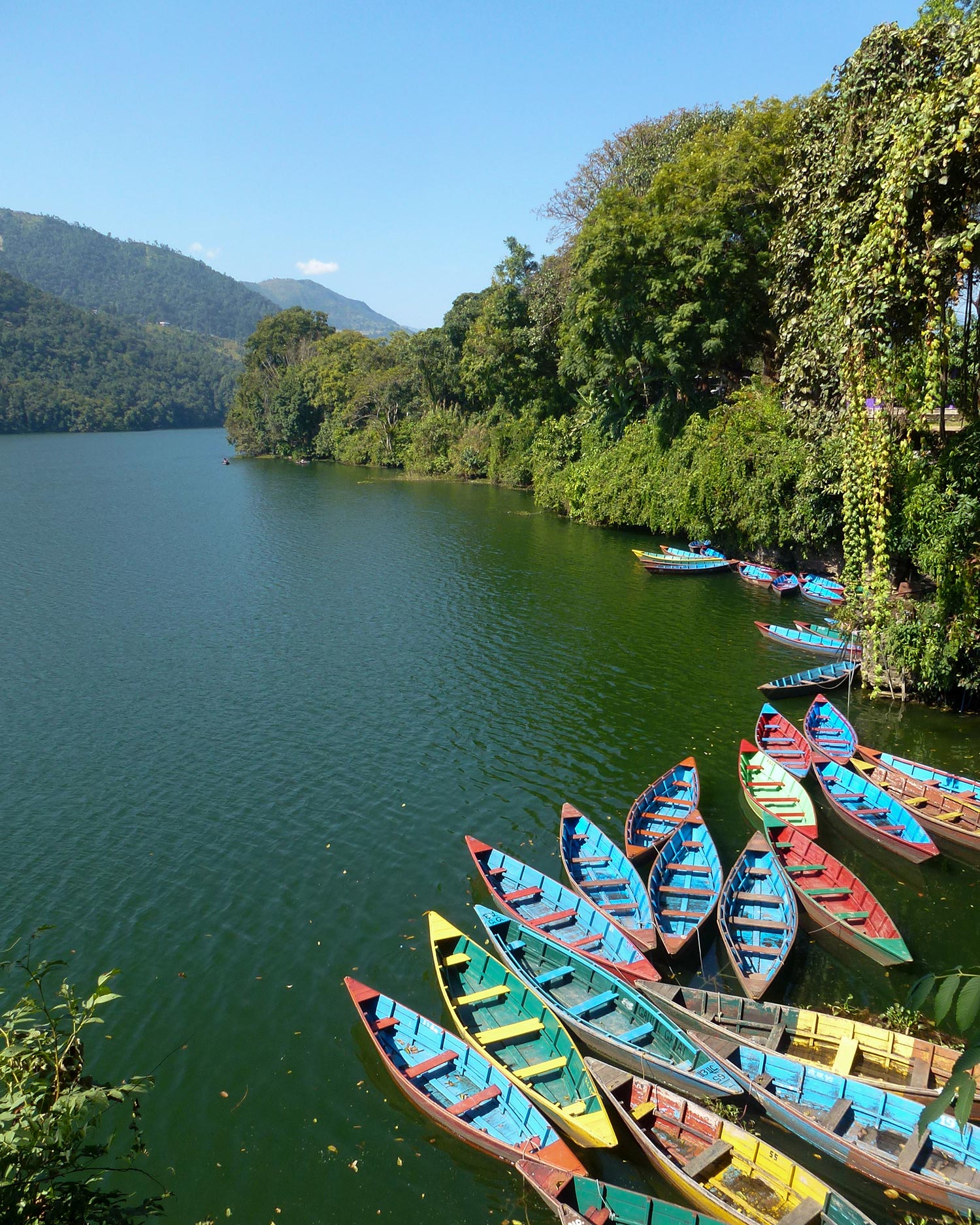
Pokhara is a magnificent destination. The city itself has few standout landmarks, but its setting is extraordinary: strung along the edge of the vast, glassy waters of Phewa Lake and set in the shadow of the Annapurna range.
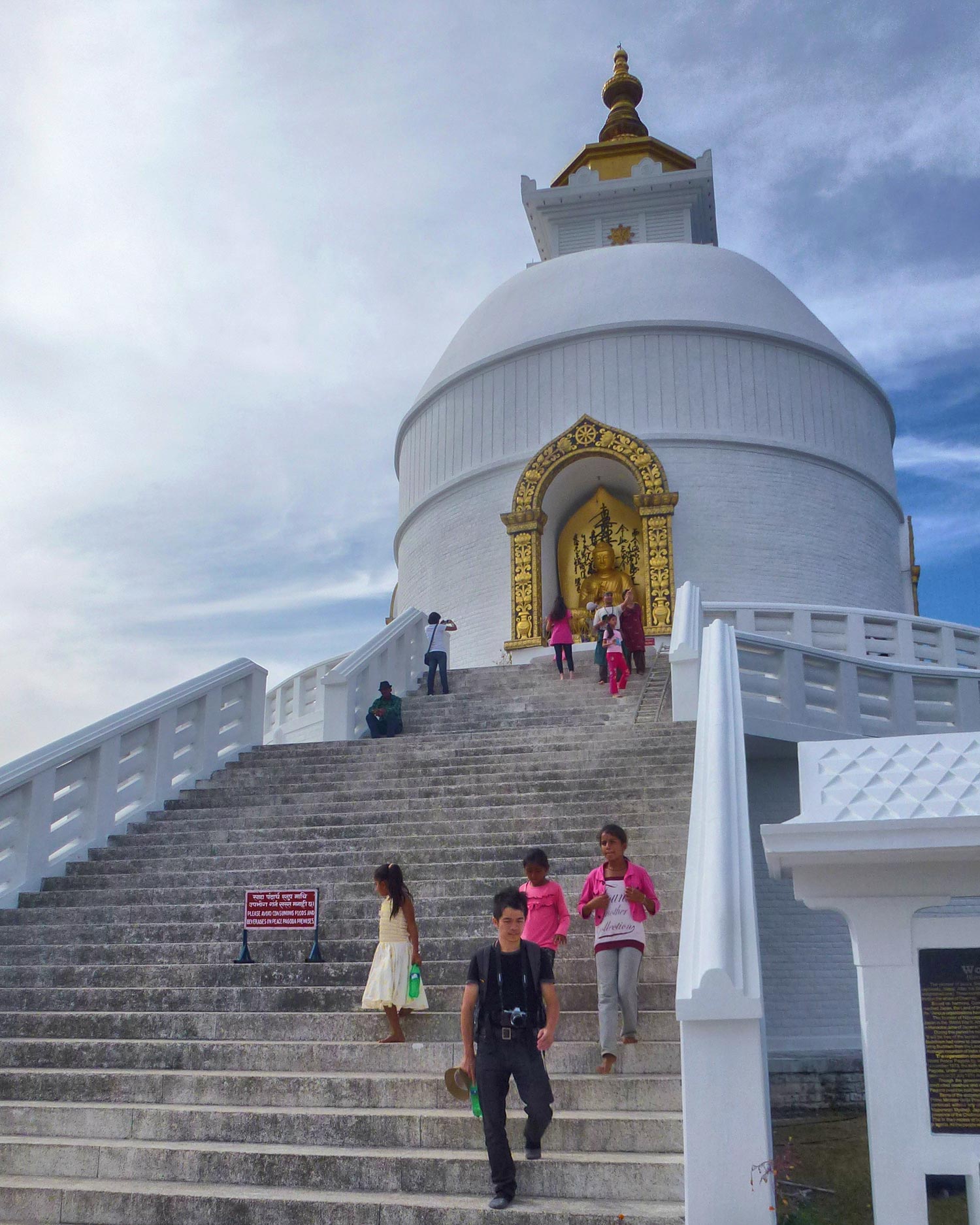
Many visitors use it as a base for Himalayan treks. Others take things more easily, cruising the lake in hired rowboats or hiking into the peaks that surround Pokhara. Especially popular is the route along the lake’s southern fringe, which climbs around 1,000m to the graceful, whitewashed World Peace Pagoda.