Festivals & Events

So much in Asia depends on the calendar. In February in Beijing, more than 20 million people all set off fireworks to celebrate Chinese New Year. In Nagaland in India, tribes from all over the region meet to compete, dance, and celebrate. In Thailand, spectators look on as celebrants perform bizarre rituals at the Nine Emperor Gods Festival.

With an intimate and unique knowledge of Asian culture, Remote Lands knows the importance of experiencing culture the right way. Whether you want an up-close view of the Sing-Sing festival in the Asaro Valley of Papua New Guinea or a quiet walk through the Sapporo Snow Festival in Japan, Remote Lands can give travelers the best possible experience on their celebrations throughout Asia.

A fun summer holiday, Vardavar features people splashing each other with water throughout the country. Although now a Christian tradition, celebrating the transfiguration of Jesus Christ, the festival is reputedly associated with pagan goddess Astghik, who was the goddess of water. Buckets of water are thrown on strangers, at cars, and from balconies in celebration.

Vel Festival sees the ceremonial chariot of the God of War, Skanda, pulled between two of Colombo’s major Hindu temples. Over two to three days, body painting and colorful outfits can be seen alongside painful displays of religious devotion, where participants dangle themselves by piercing their skin on their backs with metal hooks.

On this day in 1953, the peace armistice was signed and every year, North Koreans commemorate their victory in the Fatherland Liberation War with this national holiday. Military personnel and veterans of the Korean War are honored in public ceremonies presided over by dignitaries and every five years there is a grand military parade.

Chin-Lone or ‘cane ball’ teams from all over Myanmar gather at the Maha Muni Pagoda in Mandalay to pay homage to the Mahamuni Buddha image by playing a continuous Chin-lone tournament every day and night for over a month. Different styles of the game are played and the crowd is entertained with traditional music and dancing.

This festival marks the date of Buddha’s first sermon as well as the beginning of the monsoon season in Myanmar and Buddhist lent. As the monks do not return home from their monasteries throughout lent but are required to make their usual rounds, a ceremony is held to present the monks with flowers and spare robes for the wet season.

Celebrating the beautiful sounds of traditional Indonesian percussion, the Gamelan Festival brings the best of the local flavor. Gaining national recognition, the festival entertains thousands each year. The two-day festival incorporates the music of many different countries to promote ties with other nations.

Yushu (or Gyêgu) was a town ideally situated as a center for trade and was historically the home of the richest Tibetans in the country. Every year this festival celebrates the wealth of the area with a carnival of colorful tents. Visitors flock to see exciting horse races and beautiful folk dance performances.

Also known as the Awa Dance festival, the three-day Awaodori festival is celebrated on Shikoku island, in Tokushima prefecture. The lively city-wide party involves, as the name implies, choreographed dances and music, with performers sporting traditional Obon costumes as they parade through the streets.

Reenactments of tribal wars, traditional dancing, archery contests and children’s competitions create a lively scene at the Baliem Valley Festival in Papua Wamena every July spread across three days. Finishing with a decorated vehicle parade and fun-filled carnival, the festival celebrates both traditional and modern tribal life.

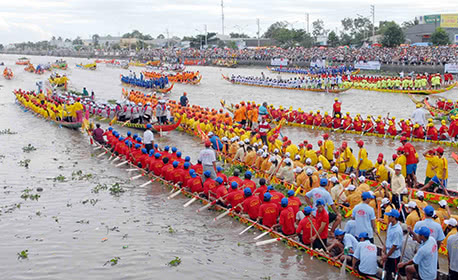
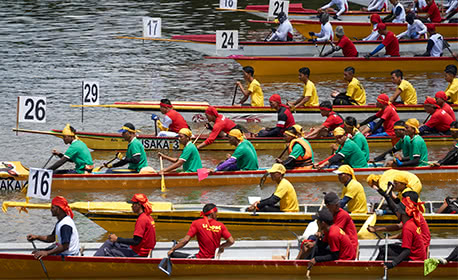
Every two years, the community in the Baram River basin in Sarawak celebrates their culture and traditions, along with peace between tribes. Visitors flock to the region to witness exciting races with different types of boats. There are also cultural performances, sporting and singing competitions and a grand beauty pageant.