Festivals & Events

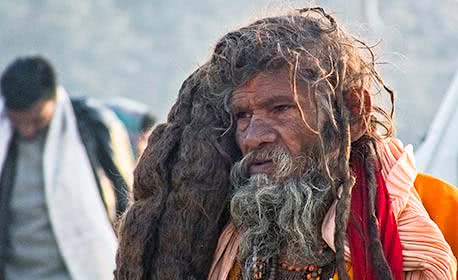
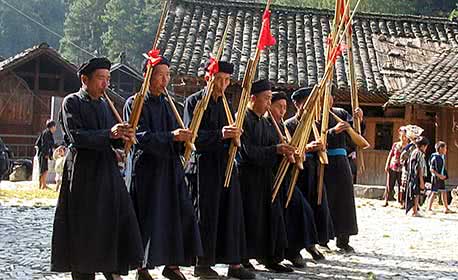
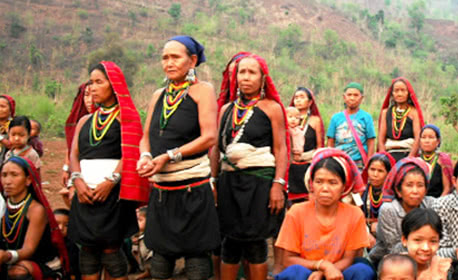
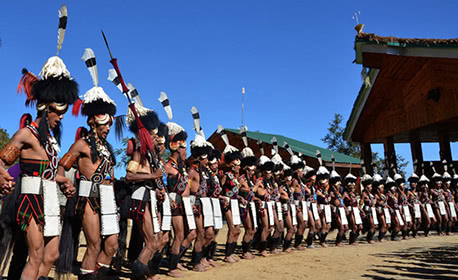
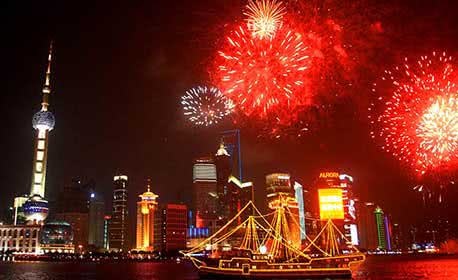
So much in Asia depends on the calendar. In February in Beijing, more than 20 million people all set off fireworks to celebrate Chinese New Year. In Nagaland in India, tribes from all over the region meet to compete, dance, and celebrate. In Thailand, spectators look on as celebrants perform bizarre rituals at the Nine Emperor Gods Festival.

With an intimate and unique knowledge of Asian culture, Remote Lands knows the importance of experiencing culture the right way. Whether you want an up-close view of the Sing-Sing festival in the Asaro Valley of Papua New Guinea or a quiet walk through the Sapporo Snow Festival in Japan, Remote Lands can give travelers the best possible experience on their celebrations throughout Asia.

The groundbreaking Singapore Grand Prix was the first ever night race in Formula One. The circuit stretches through downtown Singapore and around Marina Bay, meaning it's considered among the most spectacular and thrilling races on the F1 calendar. Live music also adds to the party atmosphere during the buildup to the September race.

The Solo International Performance Art (SIPA) Festival in Central Java’s Surakarta is attracting global attention. Reflecting the unity of performing arts and music, the festival features dancers suspended from balloons. This three-day festival is a fantastic way to view Indonesia’s local performing arts and music.

In an effort to end a plague that ravished the village of Tai Hang in the 19th century, locals performed a fire dragon dance, which miraculously did the job. To this day, the ritual is still performed - but now on a much grander scale. The dance now sees some 300 performers, 72,000 incense sticks and a 220-foot dragon.

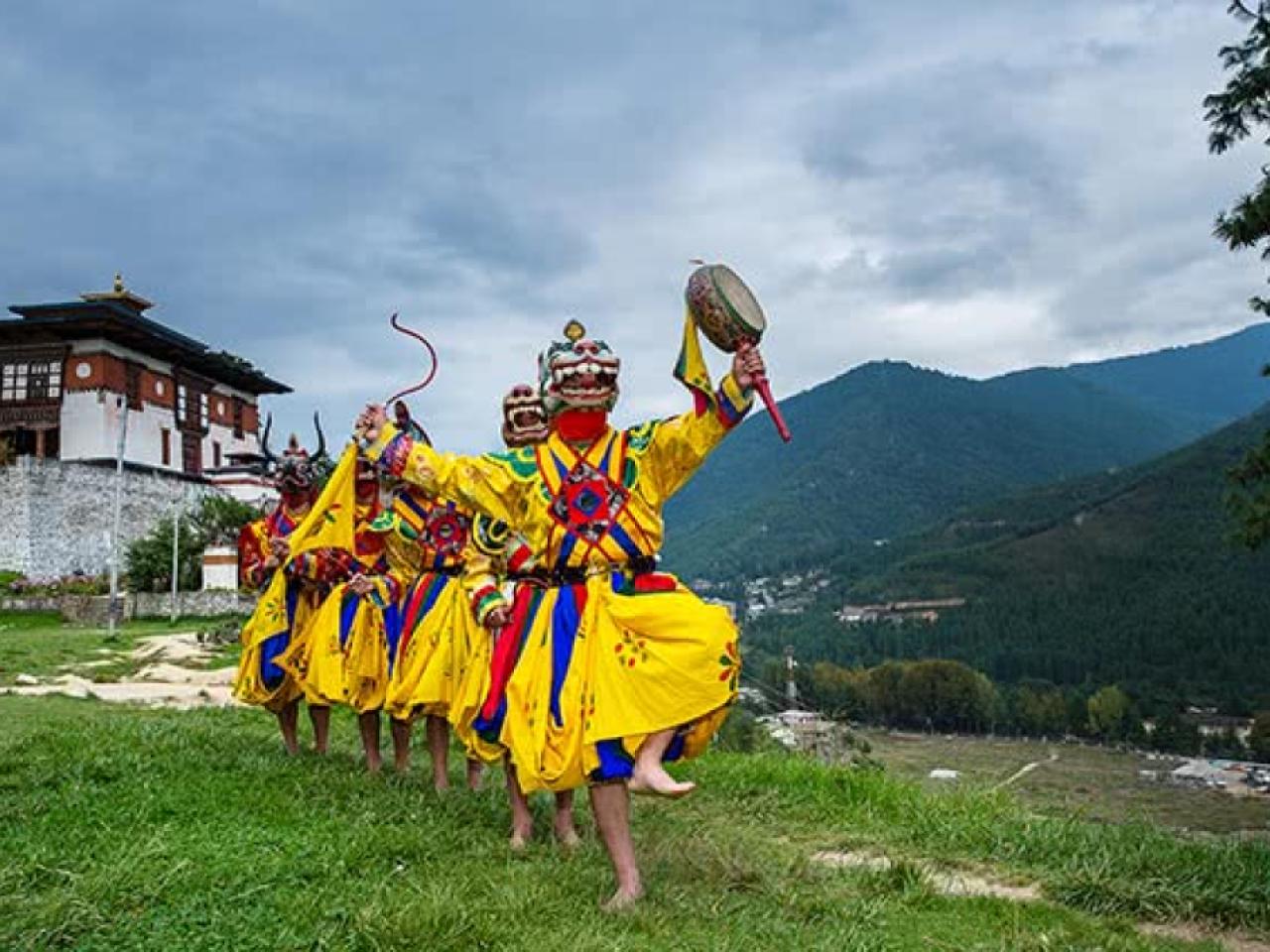
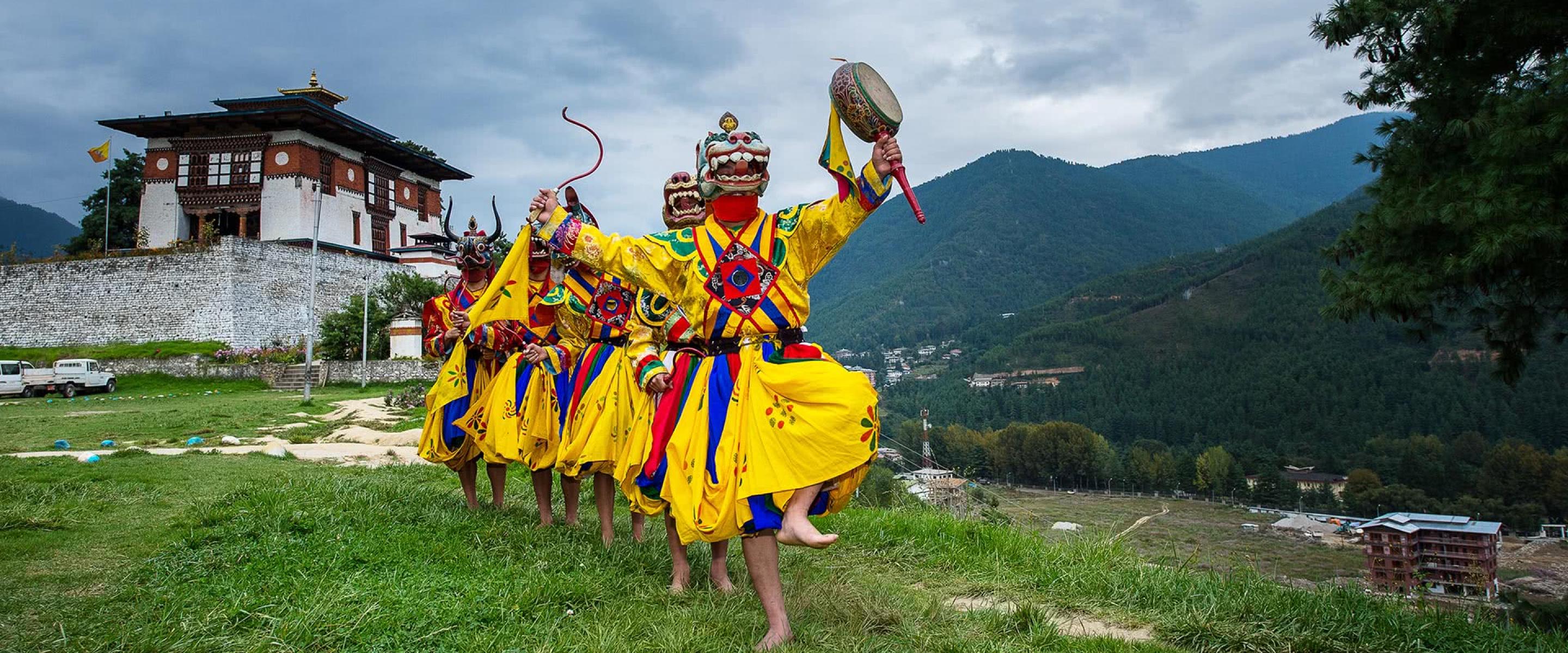
This three-day festival held in the capital city is one of the biggest and most important in all of Bhutan. Thousands of visitors flock to see the celebrations, which include a number of vibrant masked dance performances of religious stories and plays by Astaras, or ceremonial clowns; their jesting is said to ward off evil spirits.

Every autumn the town of Quba celebrates the apple harvest with a festival which includes troupes performing traditional dances, cooks putting their culinary prowess on display, competitions with categories such as ‘the biggest apple,’ and a wide variety of foods that feature the apple such as jams, juices, dried apples, cake, and bread. 


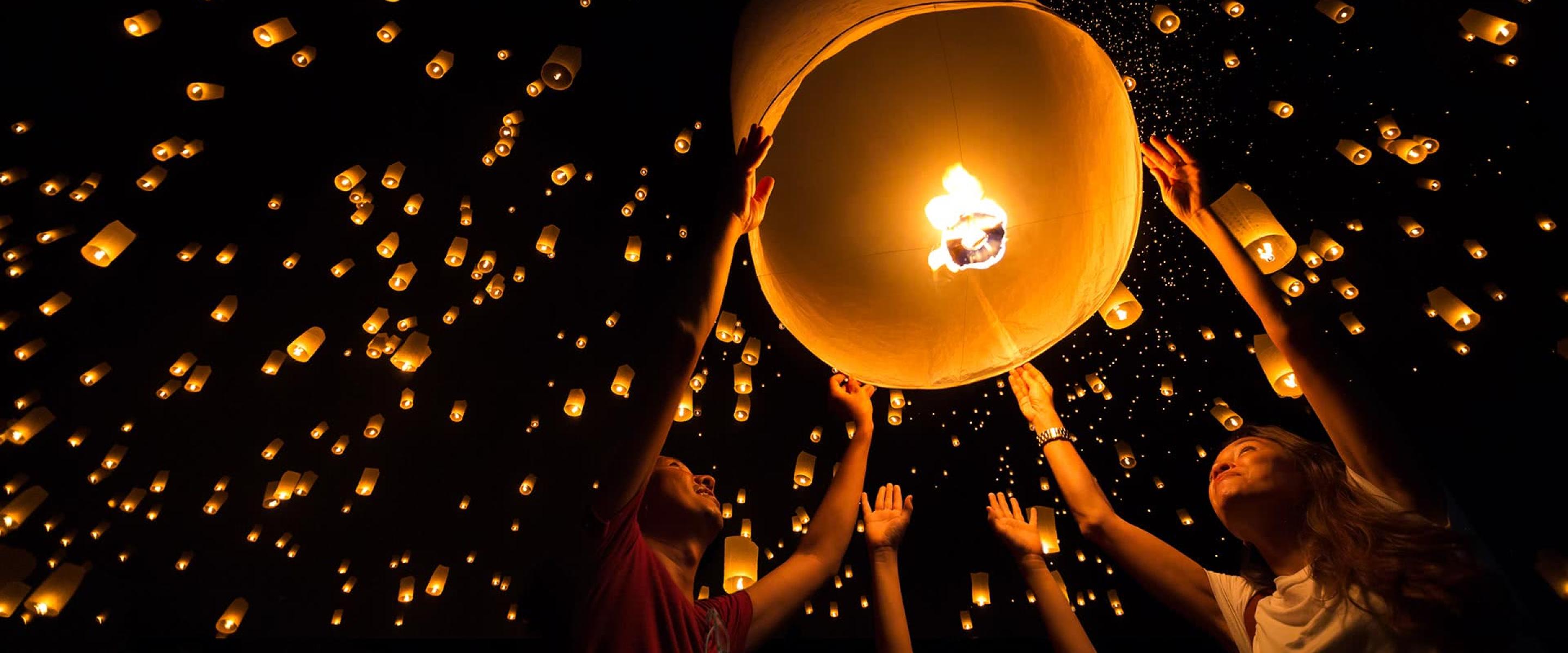
The end of Buddhist Lent is a two-day celebration. Offerings and donations are made to the monks at the temples and in the evening, candlelit floats are set adrift on the river to pay homage to the river. The following day, the people line the banks of the Mekong to watch the exciting boat races and celebrate the river gods.

On the first day, crowds gather to see pairs of men dressed in giant, highly decorated elephant costumes made of papier-mache perform choreographed dances accompanied by small groups of musicians. Prizes of gold are awarded to the best dances and most beautiful ‘elephants’. On the second day, gifts are given at the temple.

Hindus all over Malaysia celebrate this joyful and festive occasion once a year. On the day of Deepavali, devotees cleanse themselves and visit the temple. They decorate their houses and the streets with colorful lights to commemorate the return of the gods Rama and Sita from exile. There are firework displays and meals are shared.

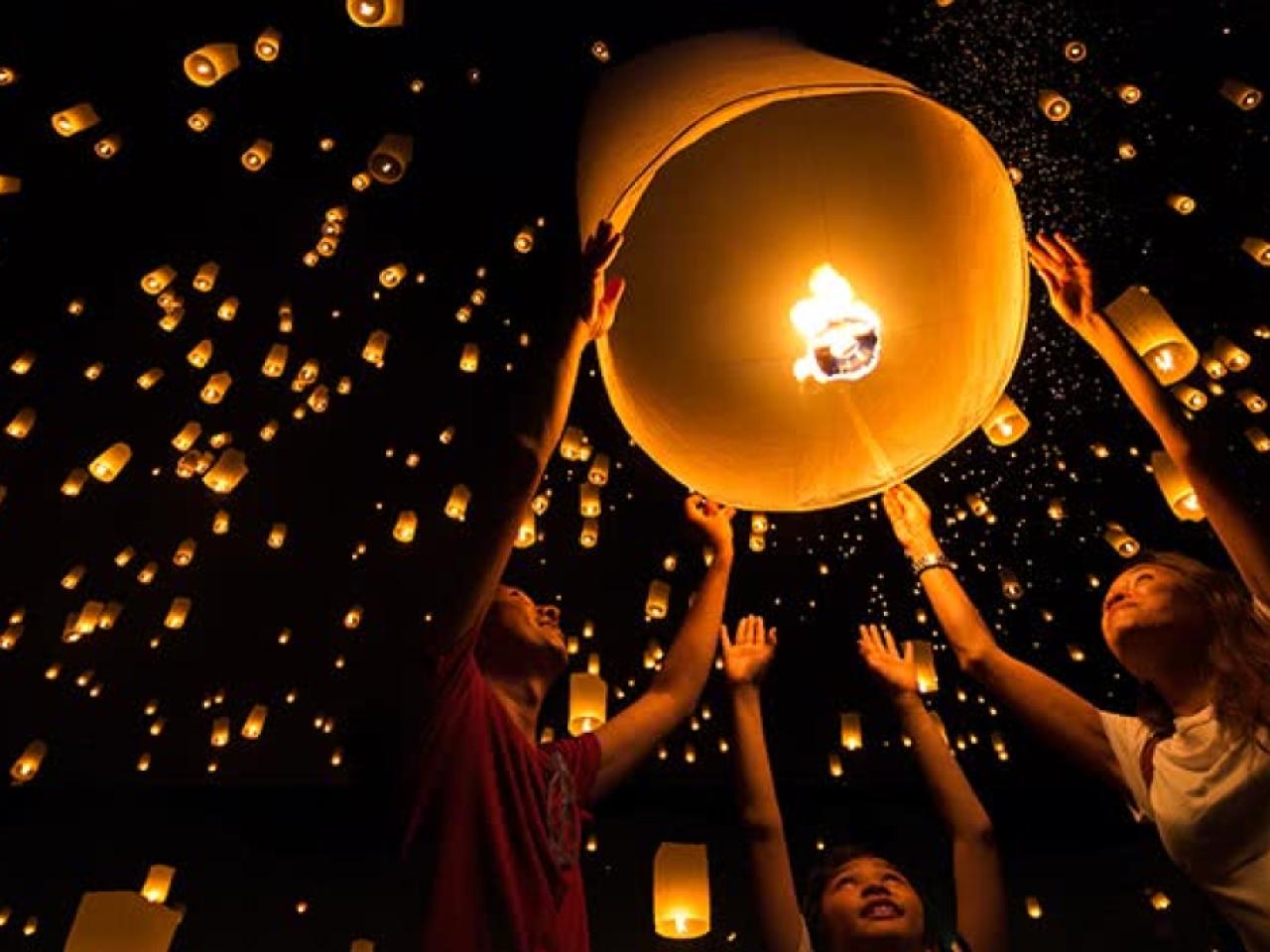
Diwali, also known as the Festival of Lights, is an important Hindu festival that takes place over five days each fall, all throughout India. The element of light in this festival represents good overcoming evil. The main festival night consists of prayers, fireworks, feasts and the exchange of gifts.

Celebrated across Asia, Diwali (also known as the "festival of lights") is one of the most important festivals for Sri Lanka’s large Hindu community. Celebrations over five days really heat up on the night of the main day, with many donning their best outfits to light lamps and candles. A big family feast and fireworks follow later on.