Festivals & Events

So much in Asia depends on the calendar. In February in Beijing, more than 20 million people all set off fireworks to celebrate Chinese New Year. In Nagaland in India, tribes from all over the region meet to compete, dance, and celebrate. In Thailand, spectators look on as celebrants perform bizarre rituals at the Nine Emperor Gods Festival.

With an intimate and unique knowledge of Asian culture, Remote Lands knows the importance of experiencing culture the right way. Whether you want an up-close view of the Sing-Sing festival in the Asaro Valley of Papua New Guinea or a quiet walk through the Sapporo Snow Festival in Japan, Remote Lands can give travelers the best possible experience on their celebrations throughout Asia.

The Mt. Hagen Show is an opportunity for tribes from all over the country’s Western Highlands and Jiwaka Provinces to converge on the mountain town of Kangeh. The two-day event aims to unite the diverse tribes of the region whilst creating mutual understanding over differences. Expect music and crafts alongside traditional tribal shows.

Held in Qabala, this festival celebrates the region’s jams with a display of a wide range of delicious and unusual jams made by restaurants and home cooks alike. Locals from across the country gather to taste the varieties of Azerbaijani jams which typically is had on bread, used as filing for pies, and added to cakes and pastries. Some jams can also be used for treating colds due to the rich vitamin C properties.

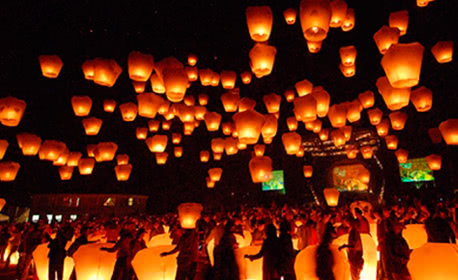
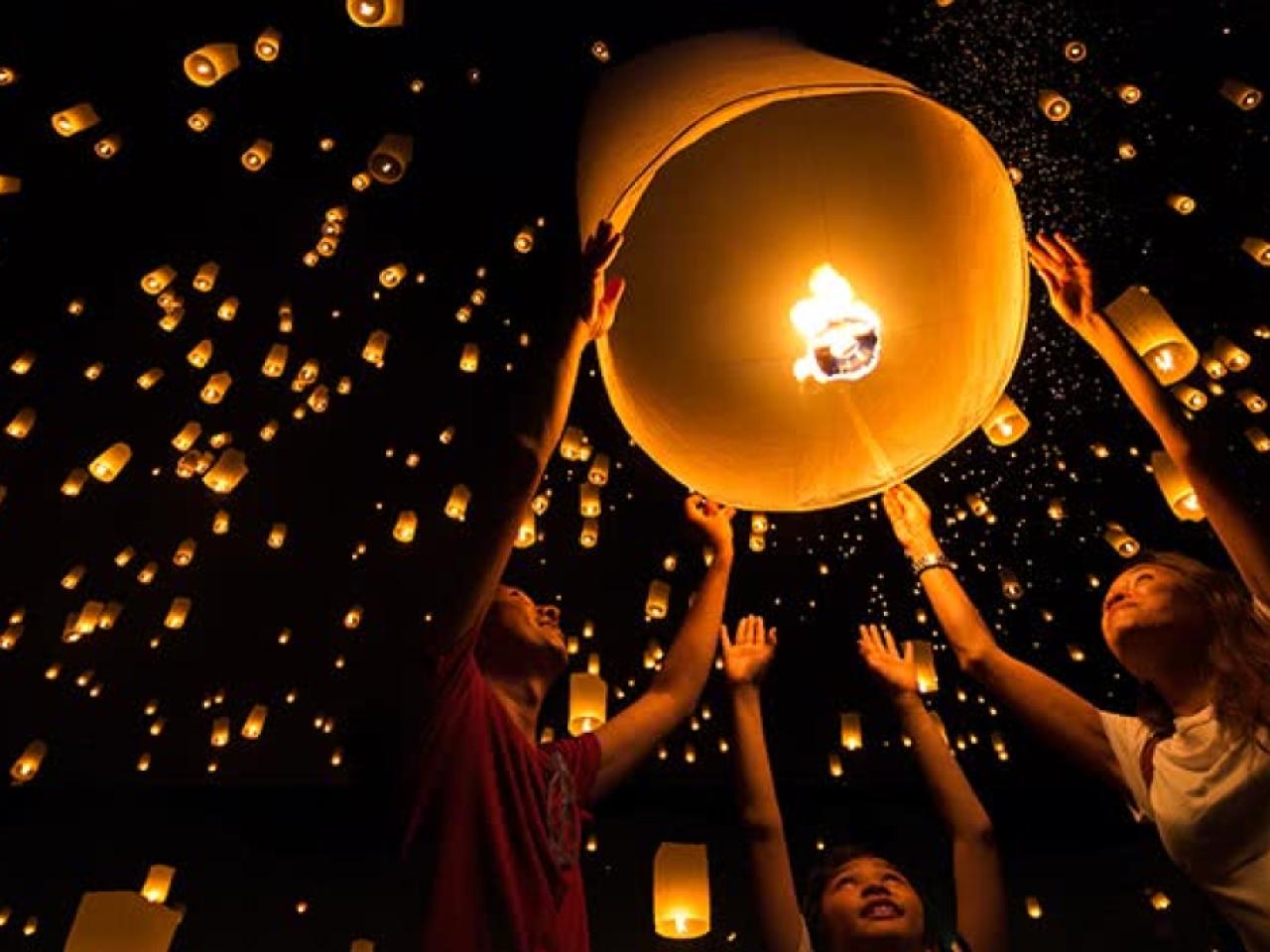
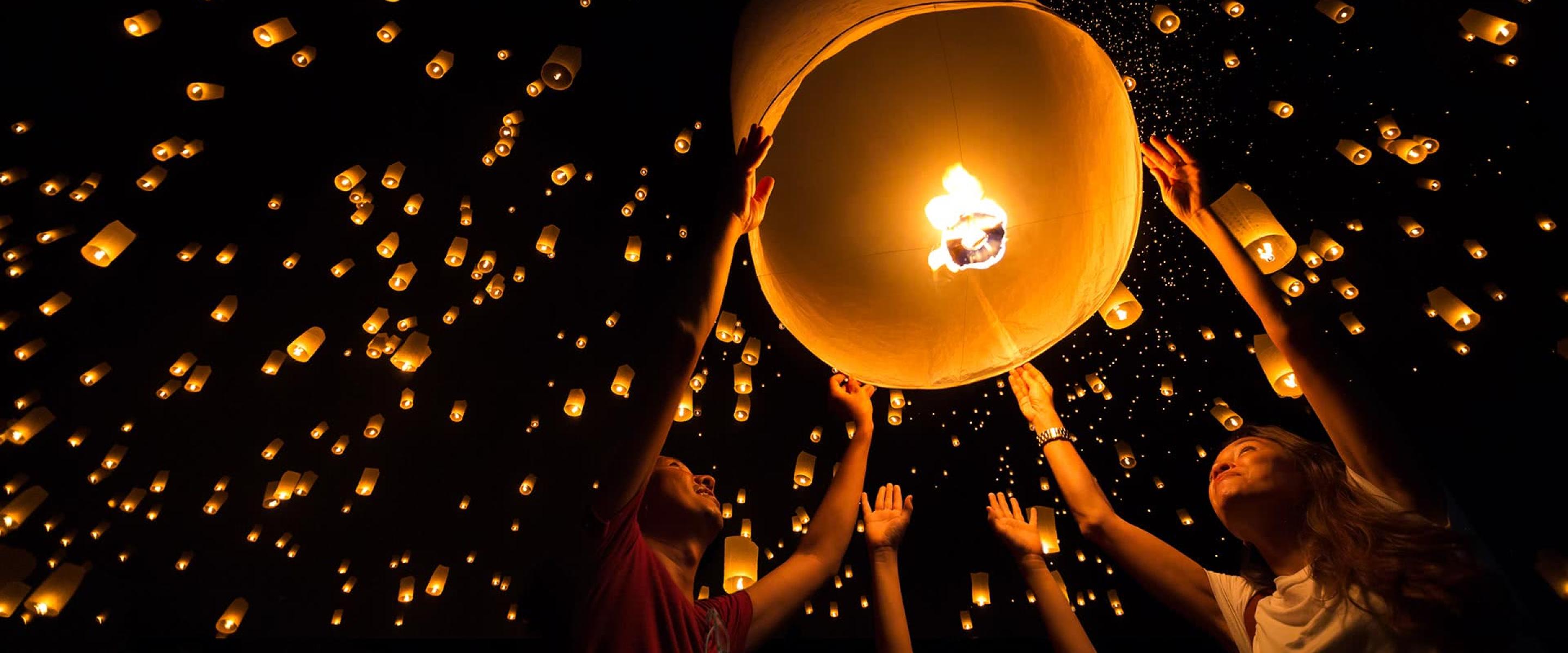
Glowing lanterns light up the dark night sky at the Nebuta Festival in the northern Japanese city of Aomori. Samurai-shaped lanterns are set off for five days every August to wake up the sleepy souls in preparation for the fall harvest. Last year the festival attracted over 37 million sightseers from all over the world.

The barbecued kebab, khorovats, is known as the king of all of Armenia's national dishes and is consumed on holidays, important events, birthdays and other celebrations. The annual Barbecue Festival is a tribute to this beloved dish, drawing cooks and hungry revelers from across the country to Akhtala town for a day replete with endless barbecue, exciting culinary competitions, and traditional songs and dances. 

This hugely popular, lively, colorful five-day festival is held every two years (in odd-numbered years) in historic Samarkand and visitors from all over central Asia travel to Registan Square to see dancers, musicians and performers from all over Uzbekistan and the world showcase their culture and traditions on vast open air stages.

This week-long celebration is held to honor Lord Buddha with joyful festivities. Early in the morning, the people gather at Drepung monastery to watch the unveiling of a huge embroidered Thangka of Buddha. This is followed by picnics, games and opera performances in ‘The Jewelled Park’ and at night, there are great bonfires and parties.

Dancers from all over Malaysia and the world converge upon Sibu Civic Theatre to showcase a diverse programme of dance. Many styles are represented, from classical Malay tribal dance and European folk dance to contemporary, modern and ballroom. There is a colorful opening ceremony and a day of workshops, followed by a two-day concert.

This day is a chance for the Lion City to celebrate everything Singapore. Held on the 9th of August each year (to commemorate independence from Malaysia in 1965), the city comes alive with parades, dances and an altogether feel-good atmosphere. The day is capped off with a spectacular fireworks show over Marina Bay in the evening.

The Taraz Festival held annually in Yerevan puts traditional Armenian clothing on full display. This exhibit of national dress is one of the brightest and most cultural festivals in the country. The event consists of two parts. The first part is an exhibition-fair, after which new collections of Armenian designers are presented.

To end the seventh lunar month, or ghost month, spectators and participants gather in the town of Yilan for a huge pole-climbing competition. Teams climb, shimmy and slide their way up greased poles and bamboo to capture a flag at the top. It symbolizes 'wrestling away' ghosts or demons, in what is the Taiwanese equivalent of Halloween.