Festivals & Events

So much in Asia depends on the calendar. In February in Beijing, more than 20 million people all set off fireworks to celebrate Chinese New Year. In Nagaland in India, tribes from all over the region meet to compete, dance, and celebrate. In Thailand, spectators look on as celebrants perform bizarre rituals at the Nine Emperor Gods Festival.

With an intimate and unique knowledge of Asian culture, Remote Lands knows the importance of experiencing culture the right way. Whether you want an up-close view of the Sing-Sing festival in the Asaro Valley of Papua New Guinea or a quiet walk through the Sapporo Snow Festival in Japan, Remote Lands can give travelers the best possible experience on their celebrations throughout Asia.

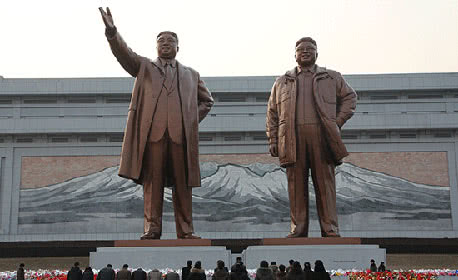
On this public holiday, businesses throughout the DPRK are closed and families enjoy time relaxing together. There are rallies, ceremonies and performances on a huge scale in public areas as well as sporting competitions and displays, to celebrate the withdrawal of occupying foreign forces and the founding of the nation in 1948.

Our Lady of Penafrancia is a wooden statue of the Virgin Mary and every year, devotees visit Naga city for nine days of festivities to honor her. They attend mass and enjoy street processions, feasts and fireworks. On the ninth day, the people line the banks of the river to see the statue sail past on a barge in a huge fluvial procession.

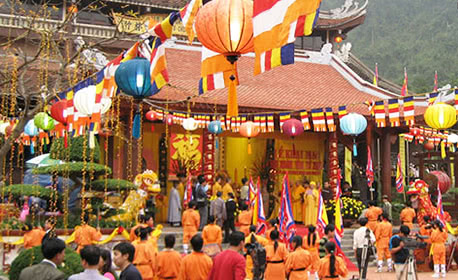
Phaung Daw Oo Pagoda lies in the middle of the Inle Lake and is home to five gold leaf-covered statues of Buddha. Every year, four of the Buddhas are placed in the royal barge which is led by boats driven by leg-rowers. The barge procession visits the surrounding villages and the statues are housed in the monasteries overnight.

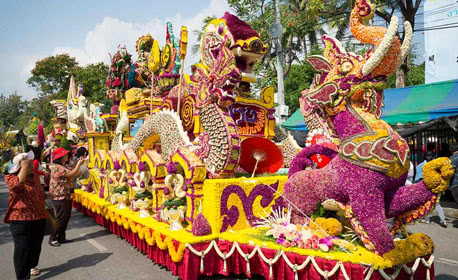
During the ninth month of each lunar year, many Buddhists make a pledge to not eat meat in the hope of improved fortune. On the island of Phuket, this is excuse enough for an all-out celebration. Two action-packed weeks see huge parades and carnivals through the streets, fireworks and of course, plenty of delicious vegetarian food.

A nationwide celebration of the country’s unique wine culture, this harvest festival is an important autumn holiday for all Georgians, featuring traditional music and feasting. Rtveli lasts for several days and events are held at large and small vineyards and wineries throughout the country, during which many guests can take part in the wine harvest. 

This annual holiday commemorates the renaming of the Kingdom of Nejd and Hejaz to the Kingdom of Saudi Arabia by royal decree of King Abdul Aziz Al Saud in 1932 after he conquered and unified the state. This day was made a national holiday in 2005 and is celebrated with folk dances, songs, and traditional festivities. Roads and buildings are decorated with Saudi flags and people wear the national colors of green and white.

The groundbreaking Singapore Grand Prix was the first ever night race in Formula One. The circuit stretches through downtown Singapore and around Marina Bay, meaning it's considered among the most spectacular and thrilling races on the F1 calendar. Live music also adds to the party atmosphere during the buildup to the September race.

The Solo International Performance Art (SIPA) Festival in Central Java’s Surakarta is attracting global attention. Reflecting the unity of performing arts and music, the festival features dancers suspended from balloons. This three-day festival is a fantastic way to view Indonesia’s local performing arts and music.

In an effort to end a plague that ravished the village of Tai Hang in the 19th century, locals performed a fire dragon dance, which miraculously did the job. To this day, the ritual is still performed - but now on a much grander scale. The dance now sees some 300 performers, 72,000 incense sticks and a 220-foot dragon.

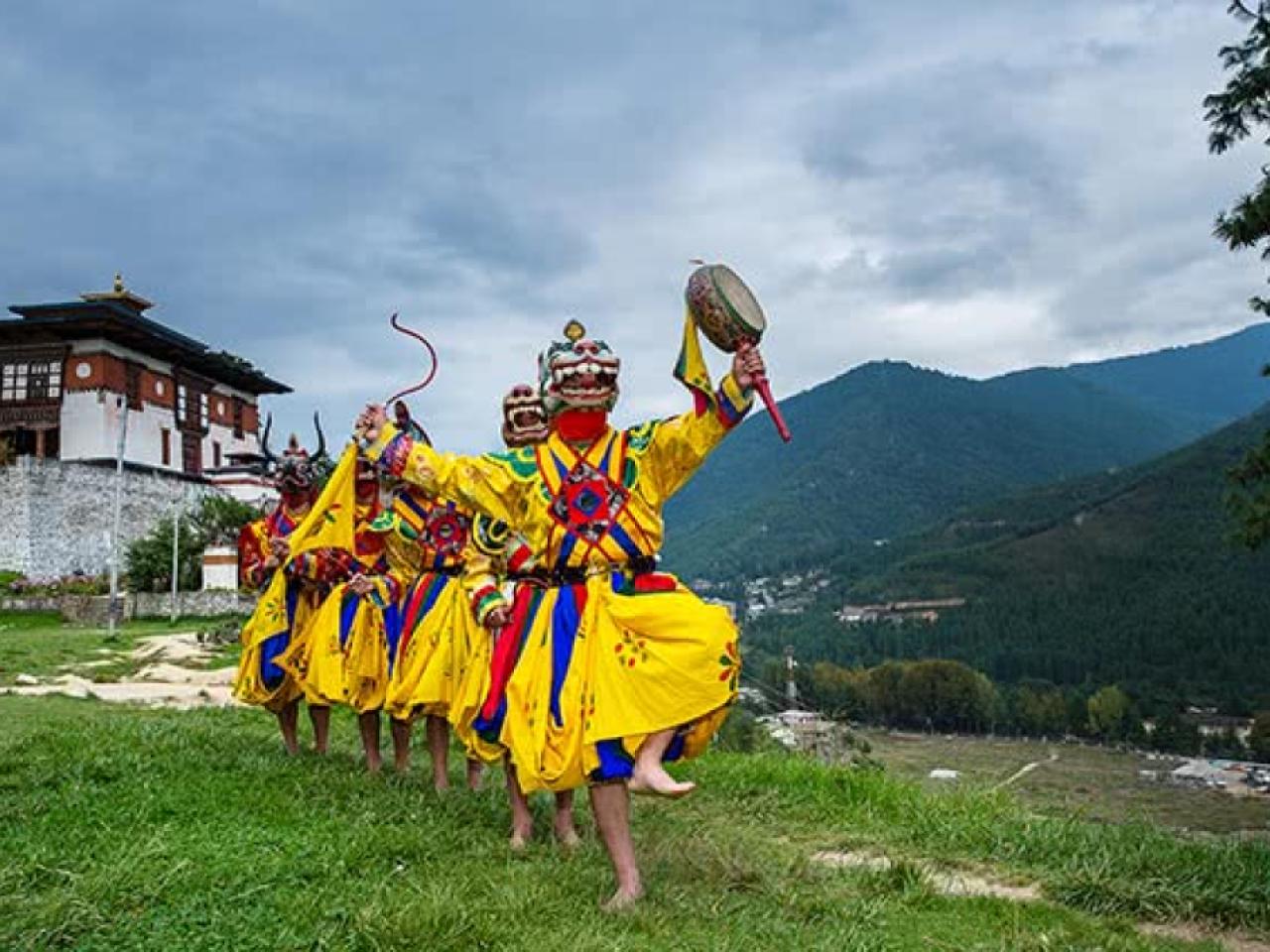
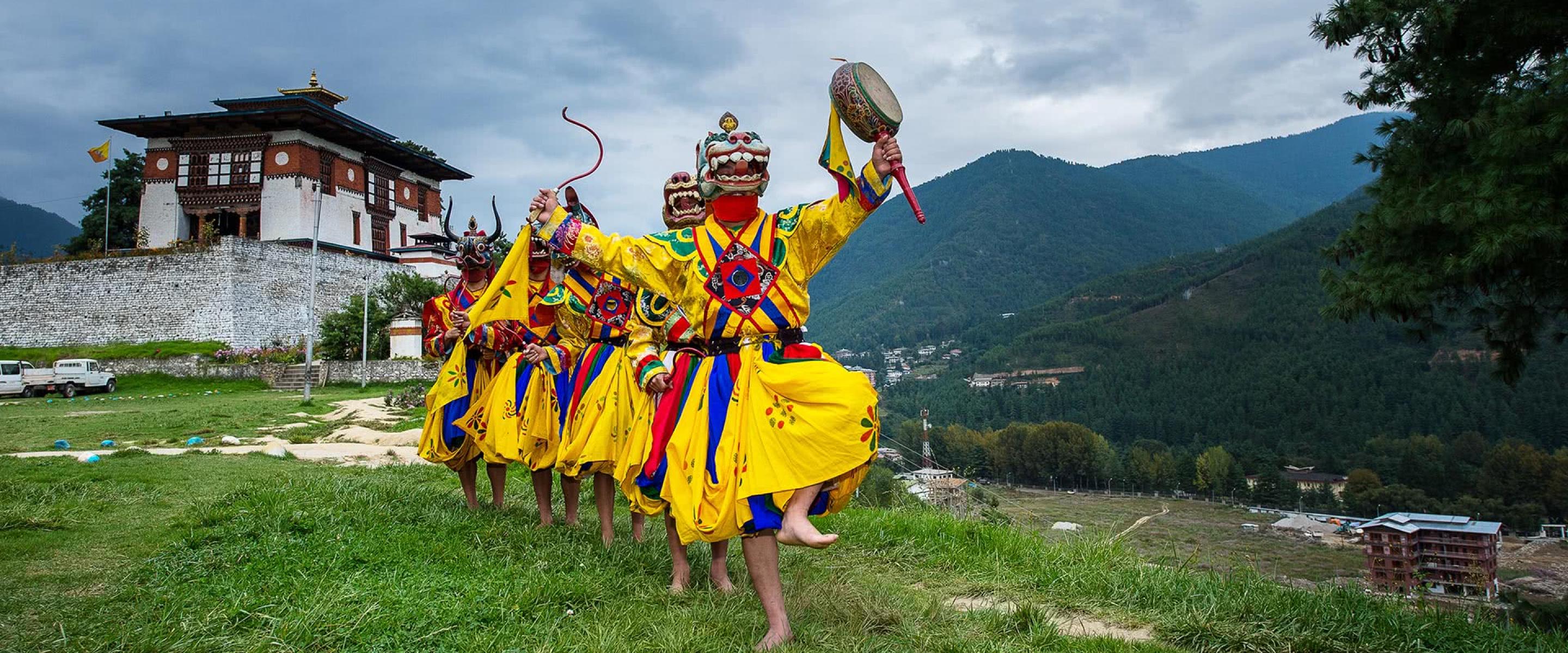
This three-day festival held in the capital city is one of the biggest and most important in all of Bhutan. Thousands of visitors flock to see the celebrations, which include a number of vibrant masked dance performances of religious stories and plays by Astaras, or ceremonial clowns; their jesting is said to ward off evil spirits.