Festivals & Events

So much in Asia depends on the calendar. In February in Beijing, more than 20 million people all set off fireworks to celebrate Chinese New Year. In Nagaland in India, tribes from all over the region meet to compete, dance, and celebrate. In Thailand, spectators look on as celebrants perform bizarre rituals at the Nine Emperor Gods Festival.

With an intimate and unique knowledge of Asian culture, Remote Lands knows the importance of experiencing culture the right way. Whether you want an up-close view of the Sing-Sing festival in the Asaro Valley of Papua New Guinea or a quiet walk through the Sapporo Snow Festival in Japan, Remote Lands can give travelers the best possible experience on their celebrations throughout Asia.

This festival, also known as Deepwali, takes place over five days in Nepal’s Terai region. All of the country’s ethnic groups celebrate this festival, worshipping the gods, as well as animals like the crow, cow, and dog, celebrating with lights being lit inside and outside of homes, and auspicious local snacks.

One of India’s most famous Hindu festivals, the Diwali of the Gods is celebrated in Varanasi, in India’s Uttar Pradesh, 15 days after Diwali. The steps of the ghats on the banks of the Ganges river are lit with over a million earthen lamps to honor the Ganges and its goddess. Houses are also decorated with lamps and fireworks are lit.

This annual festival takes place in Angono to celebrate San Clemente, the Patron Saint of fishermen. Wearing fishermen’s clothes, men parade through the streets with huge papier mache puppets. The ‘Higantes’ are placed in floats upon reaching Laguna Bay and set adrift. Finally, the image of San Clemente is returned to the church.

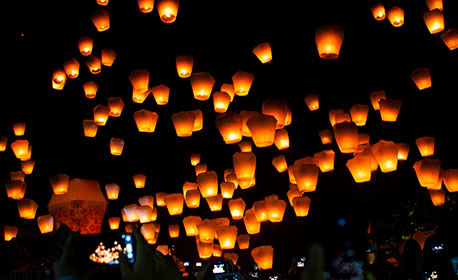
Coinciding with the full moon festival, visitors flock to Taunngyi from far and wide to celebrate on the night of the full moon. Balloons in the shapes of animals, including horse, ox, pig, owl and elephant are lit up and released into the night sky as an offering to the Gods and Nats, to ward off evil spirits.

Independence Day commemorates the day Cambodia became independent from French rule in 1953. The celebrations are centered on Phnom Penh, where a ceremony takes place at Independence Monument, presided over by the King. There is a parade with floats and music in front of the Royal Palace and the people wave flags in the street.

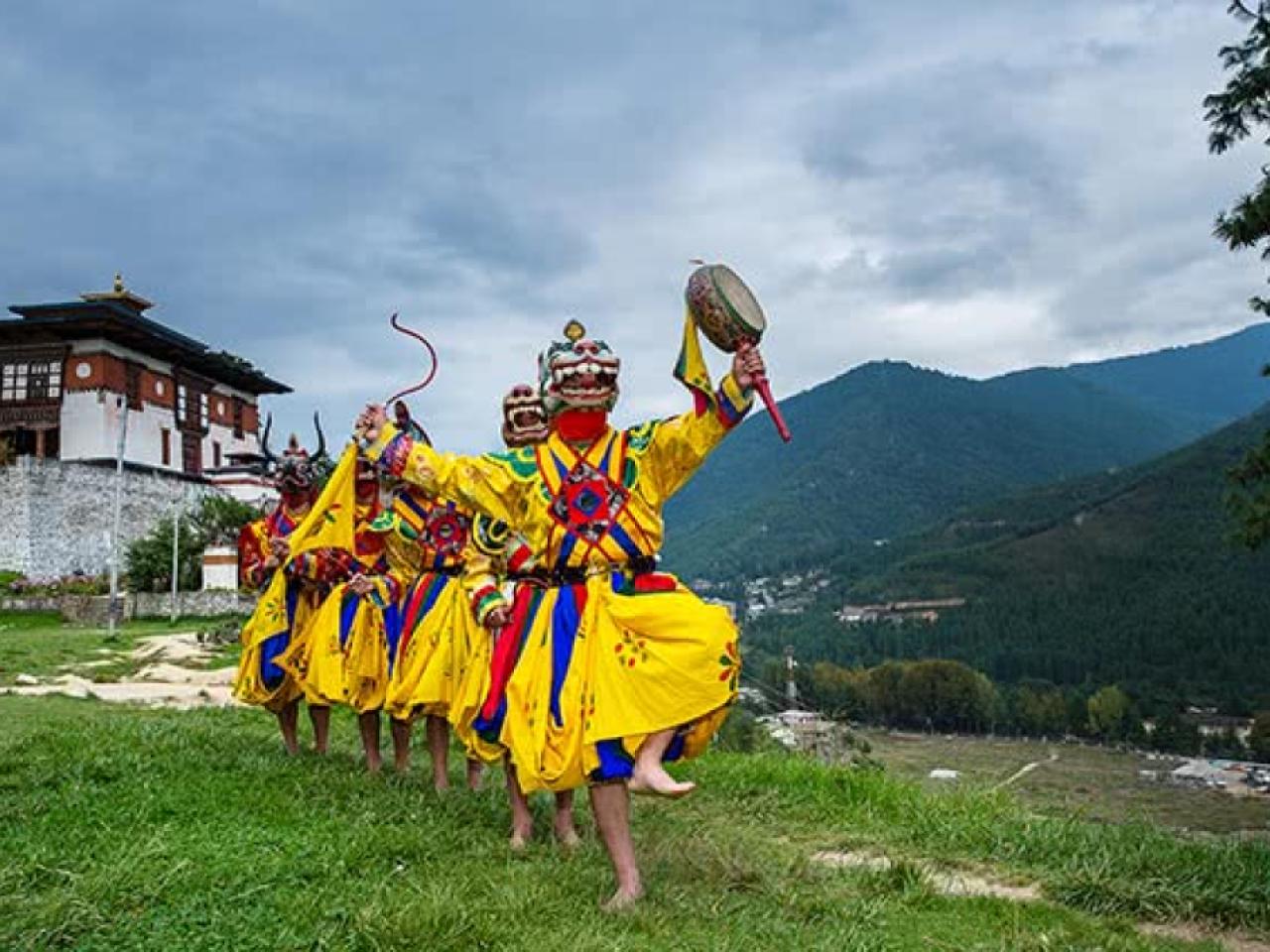
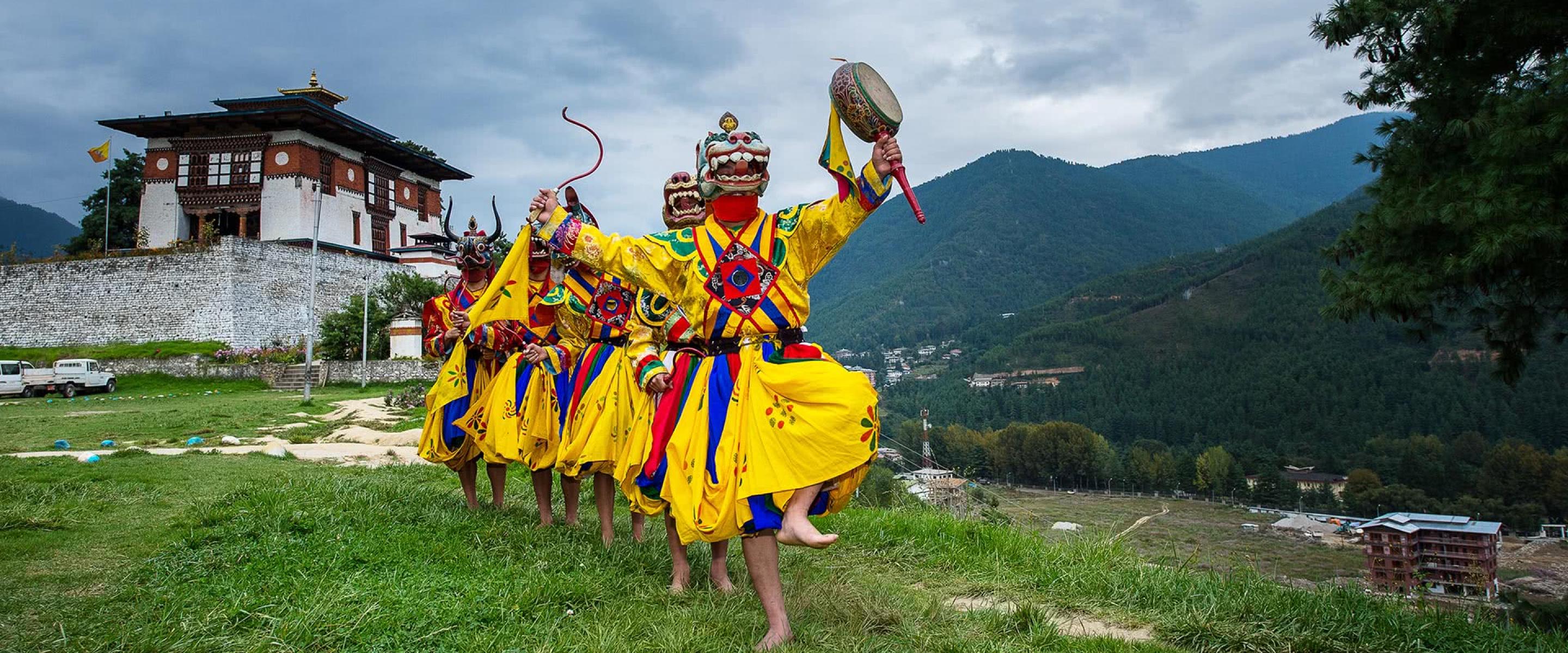
This five-day festival is held at the Jambay Lhakhang monastery in Bumthang, an ancient temple deemed particularly sacred by Guru Rimpoche. Traditional dance performances common to most Tsechus take place but most popular is a remarkable sacred ritual held at midnight when monks take part in naked fire dancing.

Visitors will find the Kenu and Kundu Festival along the beautiful bay in the equally stunning town of Alotau, Milne Bay Province. As both drums and canoes play a significant role in the lives of locals here, expect to see them in rich supply during this 3-day cultural show. There’s also a host of arts and crafts, music and plays.

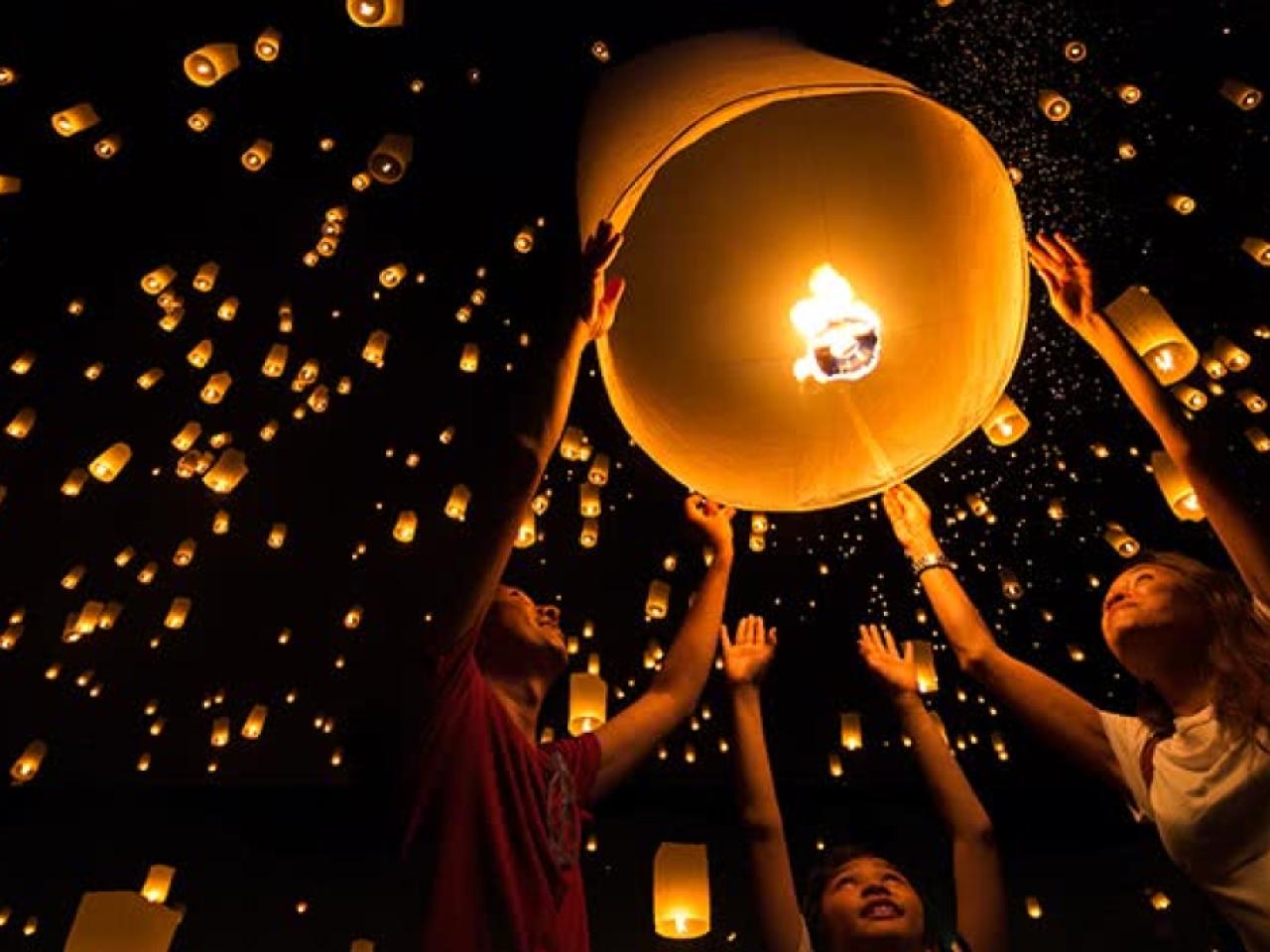
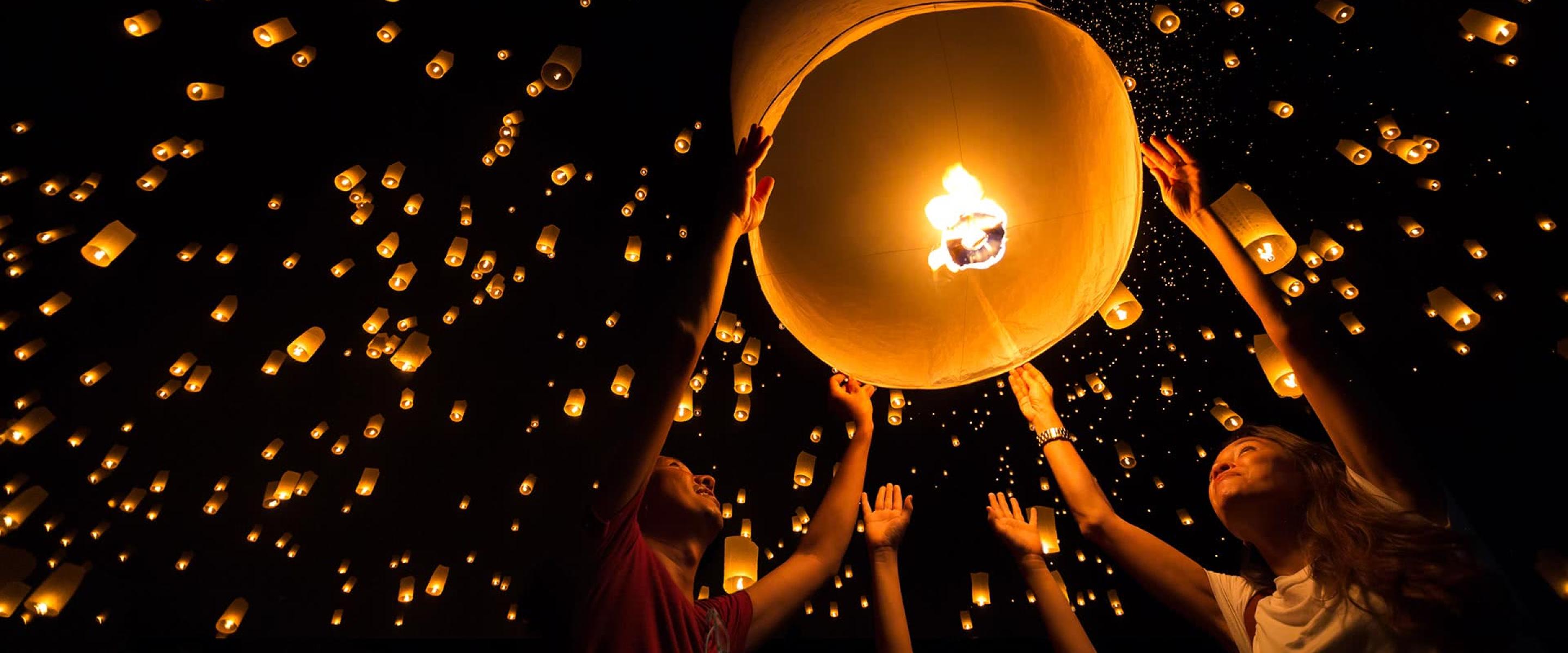
Loy Krathong (floating decoration) is undoubtedly the prettiest festival in the Thai calendar. On the full moon of the 12th lunar month, locals flock to the river to release their homemade floats, containing flowers and candles. Over the surrounding three or four days, the night skies are brilliantly lit by lanterns and fireworks.

If anybody has ever visited or traveled through Lopburi, just north Bangkok, they’ll have noticed one rather peculiar thing about this town: its abundance of monkeys! As an act of appreciation, one day in November sees over 6,600 pounds of fruit, veg and sweets being donated for the primates to well and truly gorge themselves on.

Oman celebrates its National Day on November 18th, commemorating its independence from the Portuguese in 1650. The late Sultan Qaboos Bin Said’s birthday was November 19th, so the country usually celebrates for two days in a row with parades, fireworks, camel races and bullfights throughout the country.