Festivals & Events

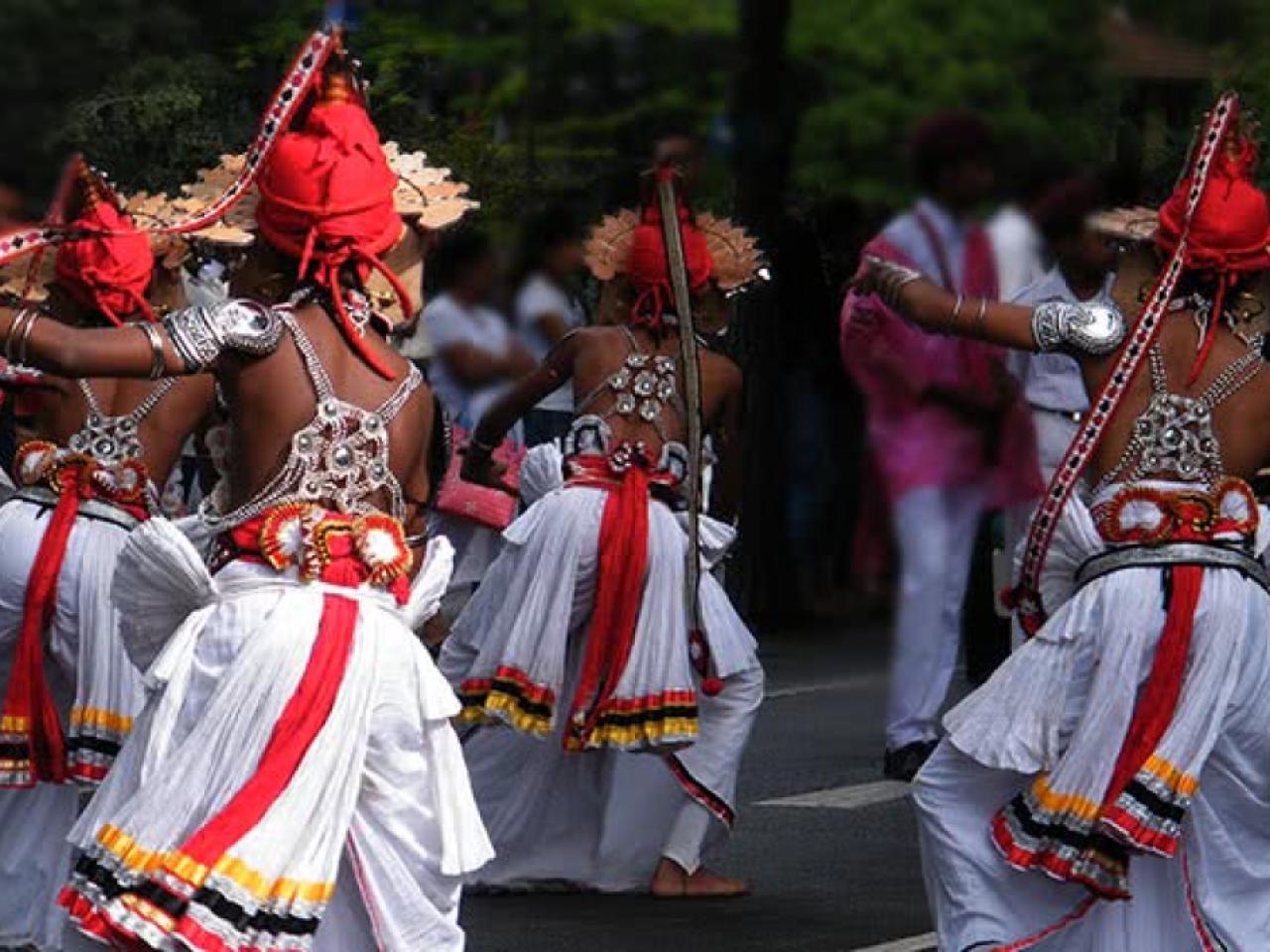
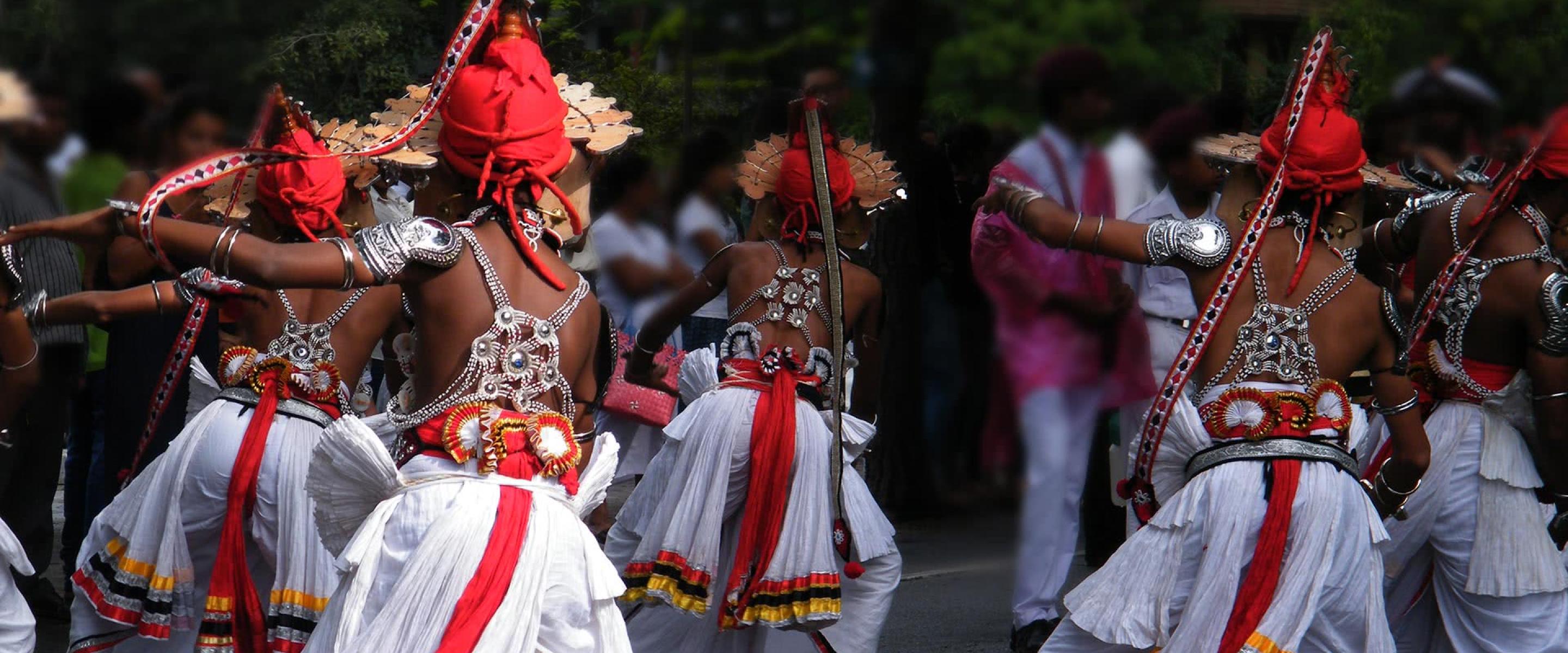
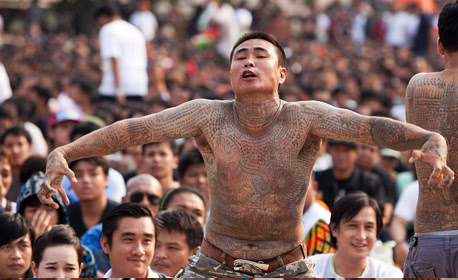
So much in Asia depends on the calendar. In February in Beijing, more than 20 million people all set off fireworks to celebrate Chinese New Year. In Nagaland in India, tribes from all over the region meet to compete, dance, and celebrate. In Thailand, spectators look on as celebrants perform bizarre rituals at the Nine Emperor Gods Festival.

With an intimate and unique knowledge of Asian culture, Remote Lands knows the importance of experiencing culture the right way. Whether you want an up-close view of the Sing-Sing festival in the Asaro Valley of Papua New Guinea or a quiet walk through the Sapporo Snow Festival in Japan, Remote Lands can give travelers the best possible experience on their celebrations throughout Asia.

A regional festival in the north, Sayru Guli Lola is held in honor of the native tulips that flower during spring. This two-day festival is hosted across different towns and features choral music and dance. On the first day, locals tie tulips around trees, and the second day is for bathing in rivers and remembering the dead with special prayer services held at cemeteries.

This day-long festival is celebrated by the people of Cebu to honor their patron saint, the infant Jesus, and to commemorate the city’s history of paganism and acceptance of Roman Catholicism. There is a colorful carnival parade with music and drumming and crowds line the streets to watch the traditional Cebuano dance performance.

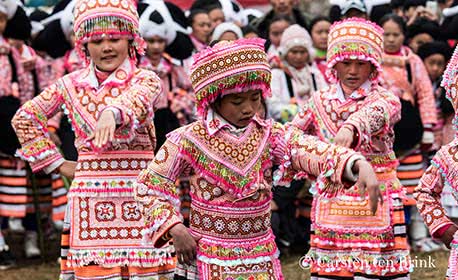
This lively two-day dance festival in Sapa District (Lao Cai Province) is held as part of Vietnamese New Year (Tet). The elaborate dance styles on show represent heavenly figures who are supposed to come down to earth to join in the Tet celebrations. Vibrant colors and statue bathing are also on display throughout the village.

As part of the Tet New Year celebrations, villages hold rice cooking contests on the first day of the lunar year. You won’t find any electric rice cookers here; contestants must use dried sugar cane for fire whilst floating in bamboo boat. Expect the action to start at sunrise, with over 200 people all cooking to the sound of a drum.

This four-day Tamil harvest festival, known as ‘Thai Pongal’ or simply ‘Pongal’ is held annually in order to give thanks to the sun and appreciate it as an invaluable source of energy. Tamils across both India and Sri Lanka decorate their homes with banana and mango leaves, and use flour to draw beautiful patterns on the floor.

For one day each year, the Tamil Hindus of Malaysia give thanks and do penance. Thousands of pilgrims make the eight-hour walk from Kuala Lumpur to the Batu Caves, bearing kavadi - physical burdens, which may include rods through their cheeks or hooks embedded into the skin. The Kavadis honor Murugan, the god of victory.

Thaipusam is the most symbolic festival for Singapore’s large Hindu, Tamil community. On the full moon of the tenth Tamil month, devotees make a five-hour procession, or ‘Walk of Faith’ from Sri Srinivasa Perumal Temple to Sri Thendayuthapani Temple. This is done to offer their own thanks and to receive blessings.

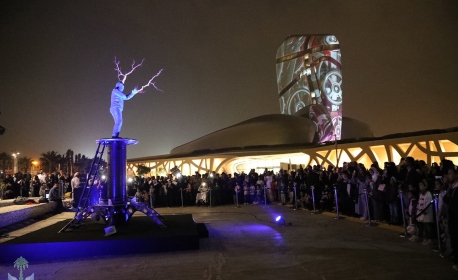
This annual cultural festival is held in the old town of Al Ula, beginning in December and running a series of eight weekend concerts for world-class musicians. The festival is inspired by the sundial located within the town, used by locals as a marker for the changing of the seasons. 

The three-month Yen Tu Festival, held within a majestic mountain range in northeastern Vietnam, starts on the 10th day of the first lunar month. After holding a small ritual at the base of Yen Tu Mountain, tens of thousands of pilgrims journey to a shrine at the summit in an effort to realize personal dreams or get rid of sorrow.

The Alaungdaw Khathapa Pagoda is in the grounds of a National Park in Sagaing and as such, visitors travel to see the temple and nearby caves on the day of the full moon but also to spend time in the park and see the elephants for which the park is famous. Pilgrims climb down into the ravine to pay homage at Shin Maha Kathapa’s tomb.