Festivals & Events

So much in Asia depends on the calendar. In February in Beijing, more than 20 million people all set off fireworks to celebrate Chinese New Year. In Nagaland in India, tribes from all over the region meet to compete, dance, and celebrate. In Thailand, spectators look on as celebrants perform bizarre rituals at the Nine Emperor Gods Festival.

With an intimate and unique knowledge of Asian culture, Remote Lands knows the importance of experiencing culture the right way. Whether you want an up-close view of the Sing-Sing festival in the Asaro Valley of Papua New Guinea or a quiet walk through the Sapporo Snow Festival in Japan, Remote Lands can give travelers the best possible experience on their celebrations throughout Asia.

Throughout the second part of September, a rich and diverse celebration of artistic endeavour is celebrated across Borneo, from Sabah to Sarawak and Labuan. Visitors from all over the world enjoy the musical performances and competitions, exhibitions of fashion, arts and photography, as well as traditional food and storytelling.

Professional and amateur kitemakers and their families from all over the world gather for an exciting and colorful day in Bintulu to see and fly spectacular kites. There are plenty of activities to take part in, including workshops with kitemakers, and kite-coloring competitions. There is also a range of great food and drink available.

Chuseok, South Korea’s thanksgiving day, is a major harvest festival celebrated over three days. Traditionally, families visit ancestral graves to pull weeds, offer newly harvested rice and traditional rice cake, and make a formal bow of gratitude. Folk games, dances, and music are also played. In modern times, many Koreans return to their hometowns to spend time with family and friends, and share a feast of Korean traditional foods and rice wines.

This 15-day-long Fall festival is Nepal’s longest and most auspicious, worshipping the goddess mother in all of her manifestations. Taking place throughout Nepal, there’s a strong emphasis on family and community gatherings during the event, and on honorable principles of truth, justice and virtue.

This annual six-day Hindu festival celebrates the Hindu goddess Durga, marking the victory of the goddess over an evil buffalo demon, symbolizing the triumph of good over evil. The important religious event includes worship of nature, as well as the display of idols and imagery to commemorate the goddess.

Also known as Mysore Dasara, this elaborate 10-day state festival takes place in southwest India’s Karnataka. The last day, Vijayadashami, is the festival’s most auspicious, said to denote victory of good over evil. The festival has a long history, having celebrated its 400th anniversary in 2010.

The Goroka Festival is an important date for many in the Eastern Highlands Province of Papua New Guinea. Stretching back over 50 years, this weekend show is a well-known gathering showcasing as many as 100 different tribes, all of whom sing, dance and parade in front of each other, as well as the many onlooking international guests.

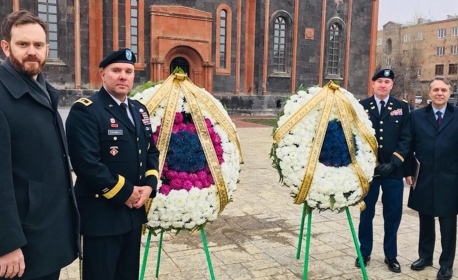
Celebrating independence from the Soviet Union in 1991 following the Soviet coup d'état attempt, also known as the August Coup, Independence Day is celebrated with a number of different events around the country, including military displays and political awards events. At varying years, a military parade is held in Republic Square in Yerevan, the capital.

The celebration of god Indra’s day is marked by masked dances of deities and demons, among other religious imagery to honor the god. The festivities take place at Kathmandu Durbar Square, and together with the Kumari Jatra festival, which celebrates the goddess Kumari, go on for eight days.