


Hong Kong was the world’s second most visited city last year, with more than 23 million international visitors, so the main sites on its tourist trail are always busy. Fortunately, this city is so vast and diverse that it is possible to bypass the crowds by focusing on lesser-known yet intriguing attractions. Here are five of Hong Kong’s overlooked locations to consider for your next trip.
Lei Cheng Uk Han Tomb
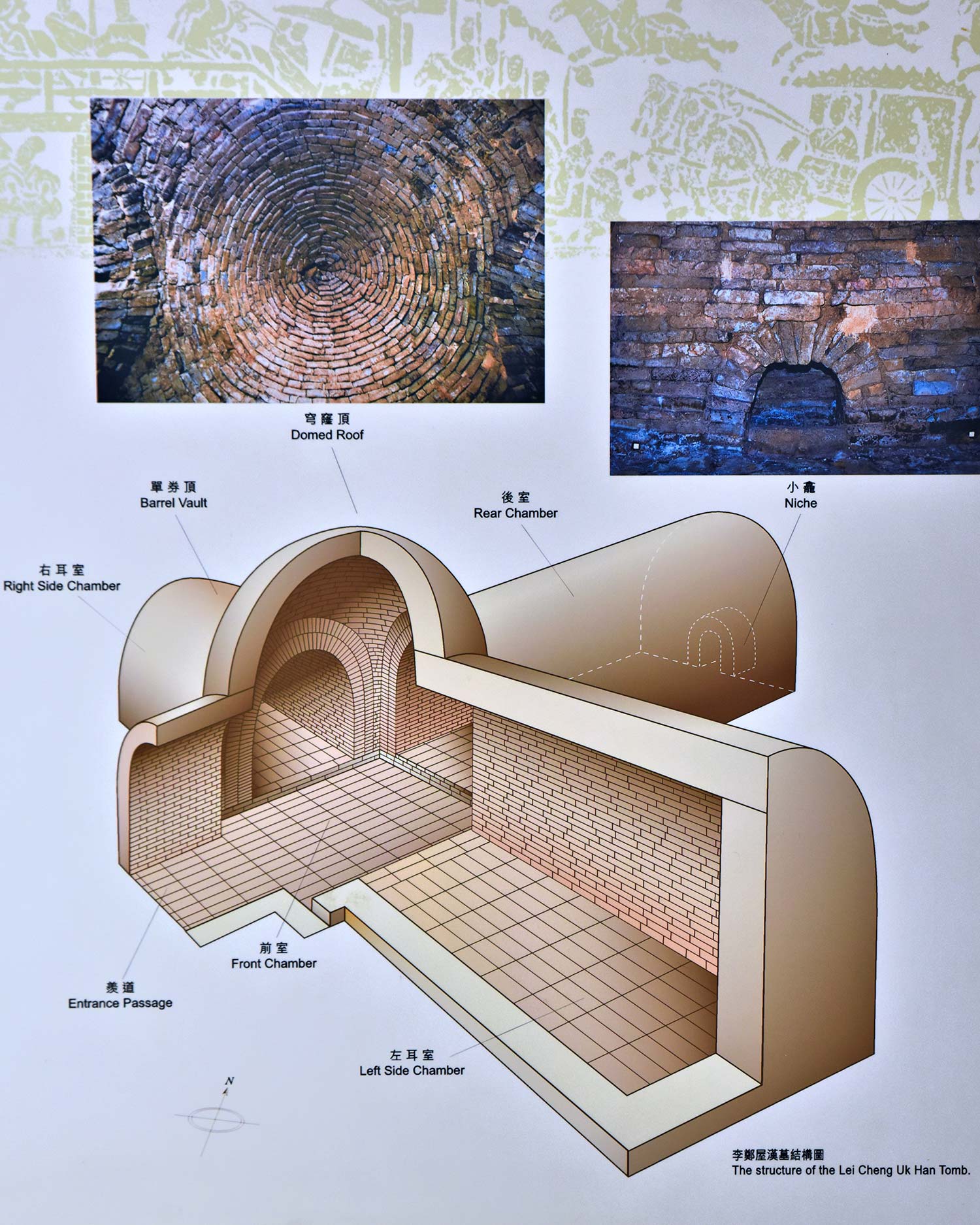
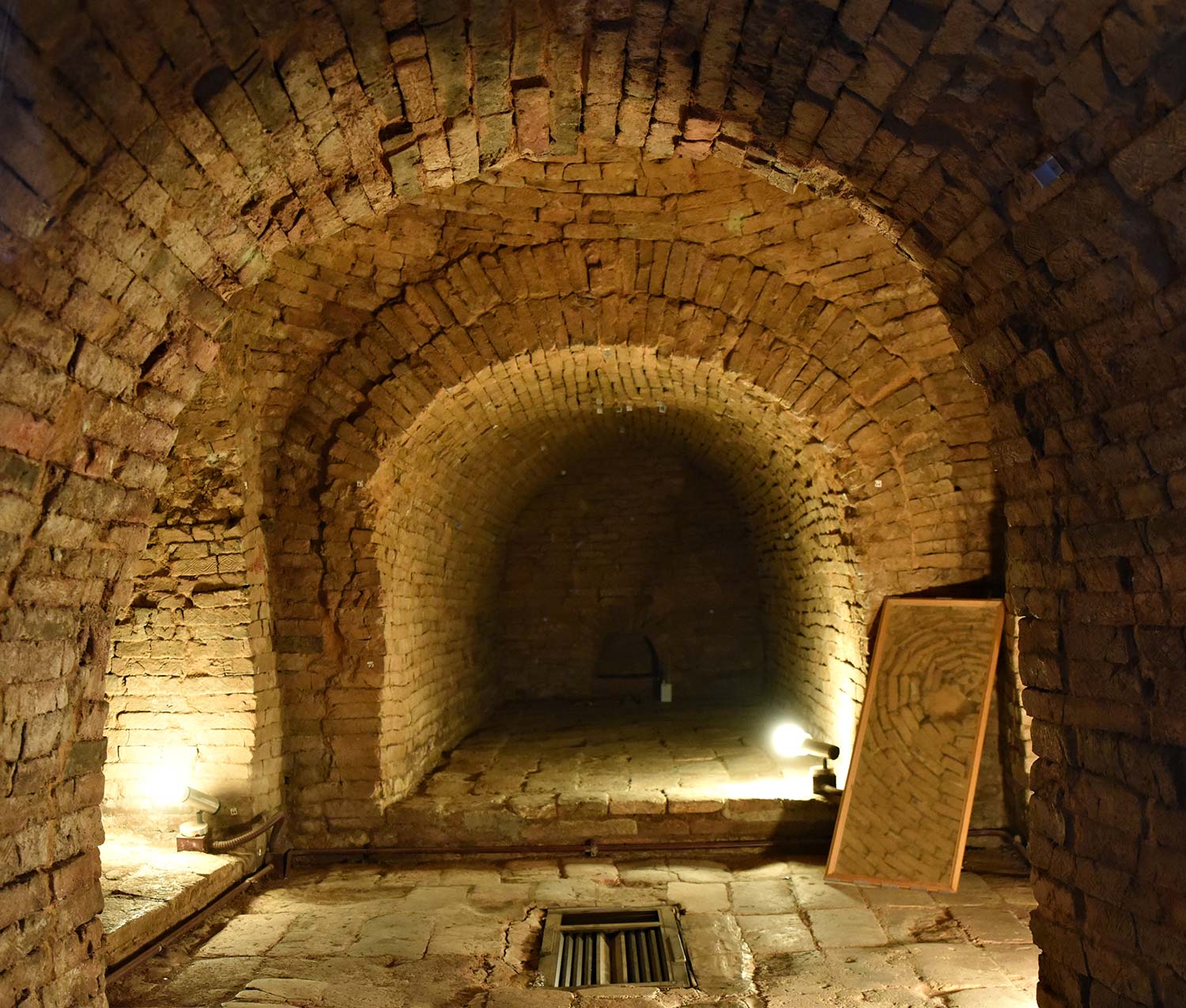
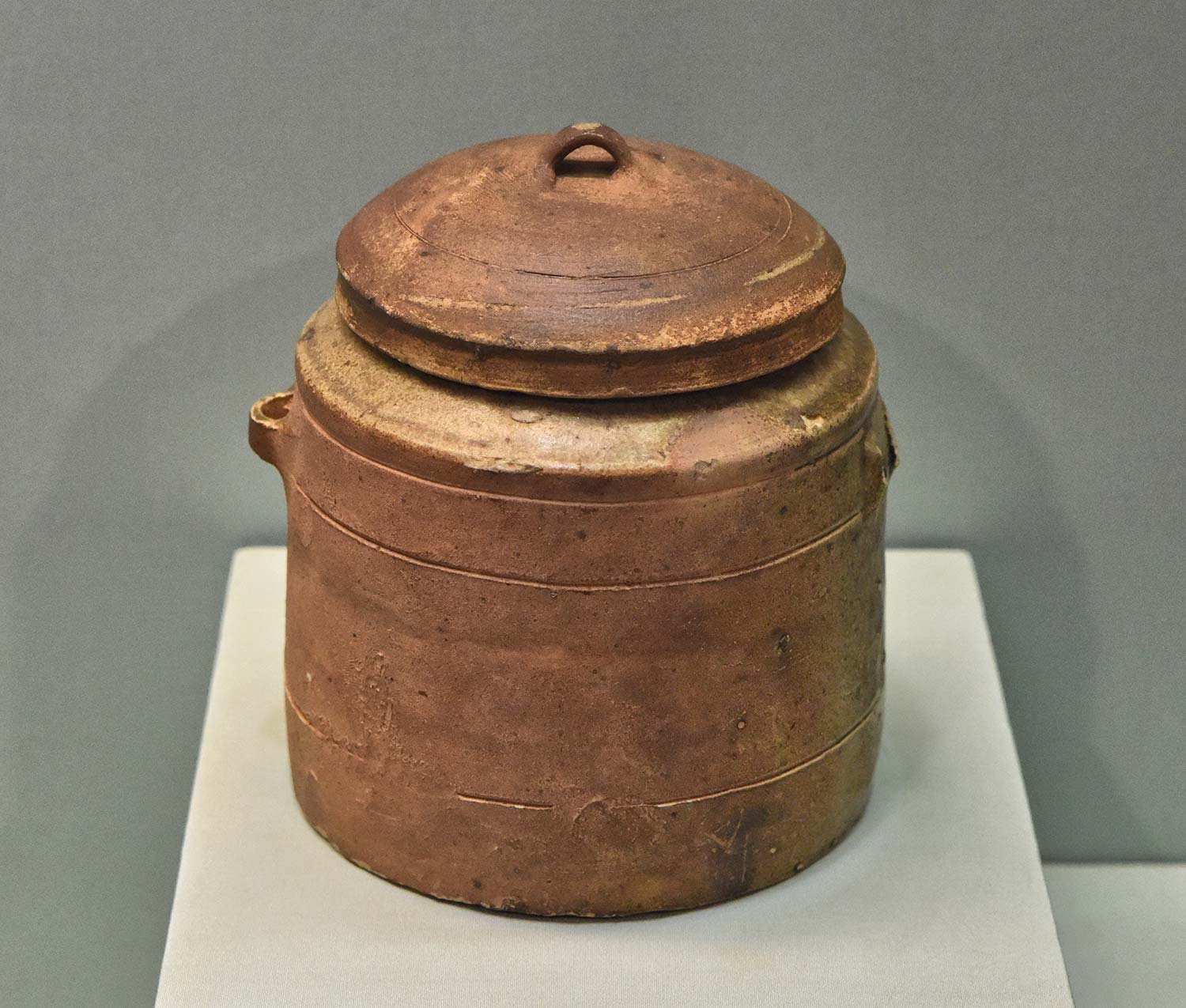
It is a 2,000-year-old riddle buried in a tomb dwarfed by high-rises. One of the city’s most curious historic sites, Lei Cheng Uk Han Tomb is situated in a quiet part of Hong Kong’s northern suburbs, just a five-minute walk from Cheung Sha Wan MTR station.
Historians know this is a significant burial site. But what they can’t work out is whose remains occupy the large tomb, why they were afforded a burial space so lavish, or how Chinese people had moved this far south by the time of its construction in the 1st century AD.
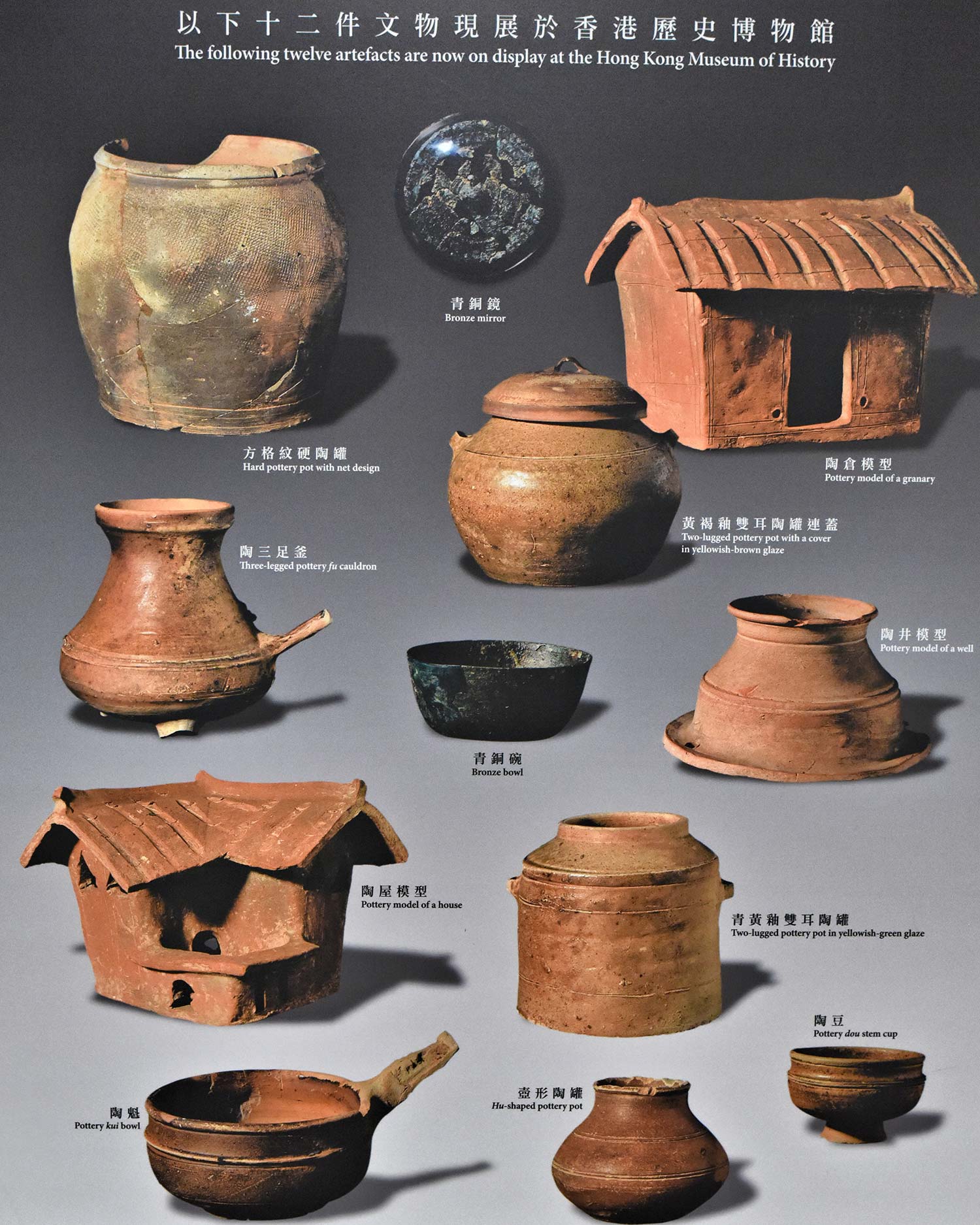
Visitors can peek through the glass to look deep inside this mysterious earthen tomb, which is adjoined by a museum. That latter facility is small but well laid out and informative. It helps detail the parts of this tomb’s story that researchers have managed to confirm, unravelling elements of its design and history via scale models, videos, maps, and artefacts.
Tea pairing workshops
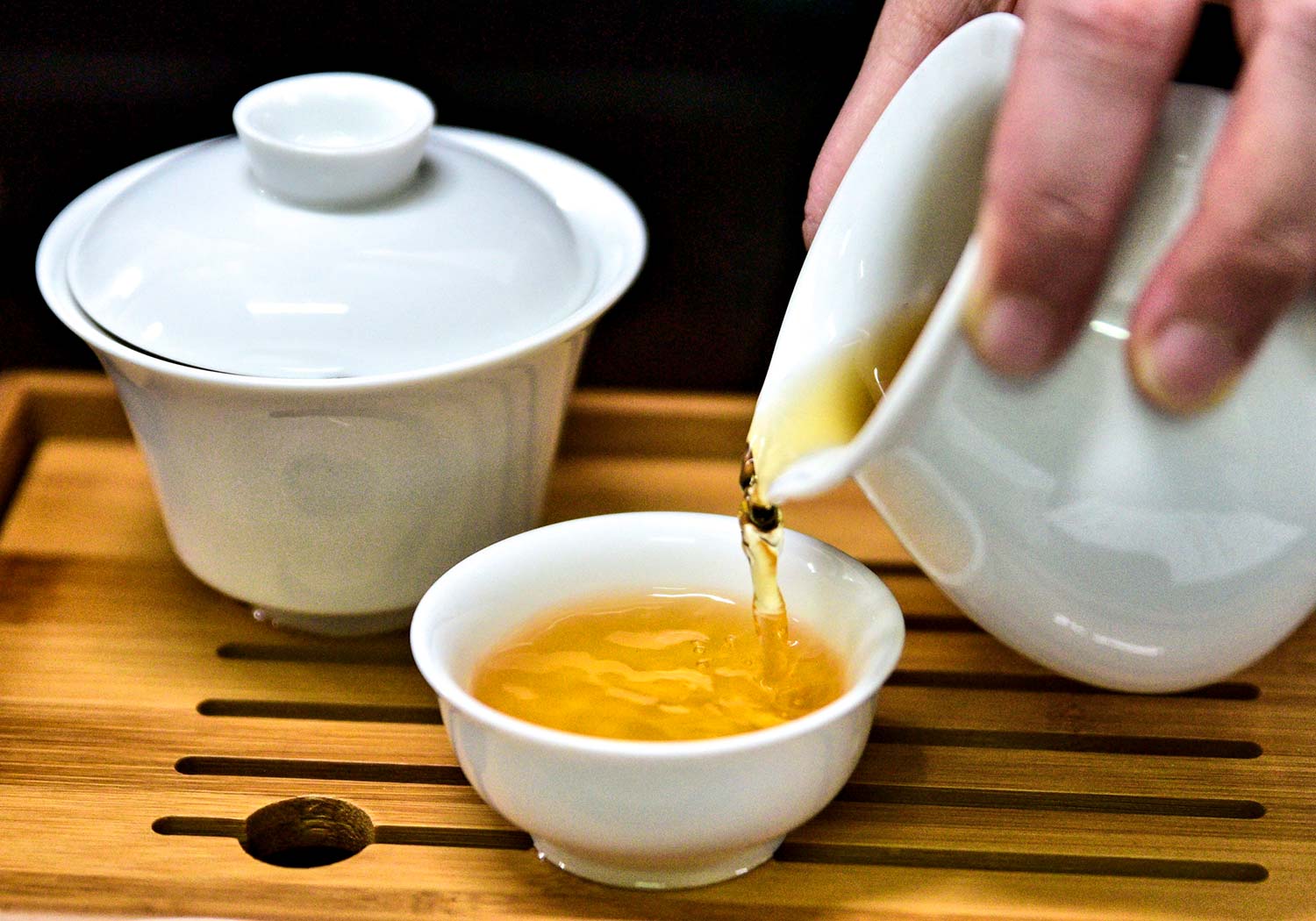
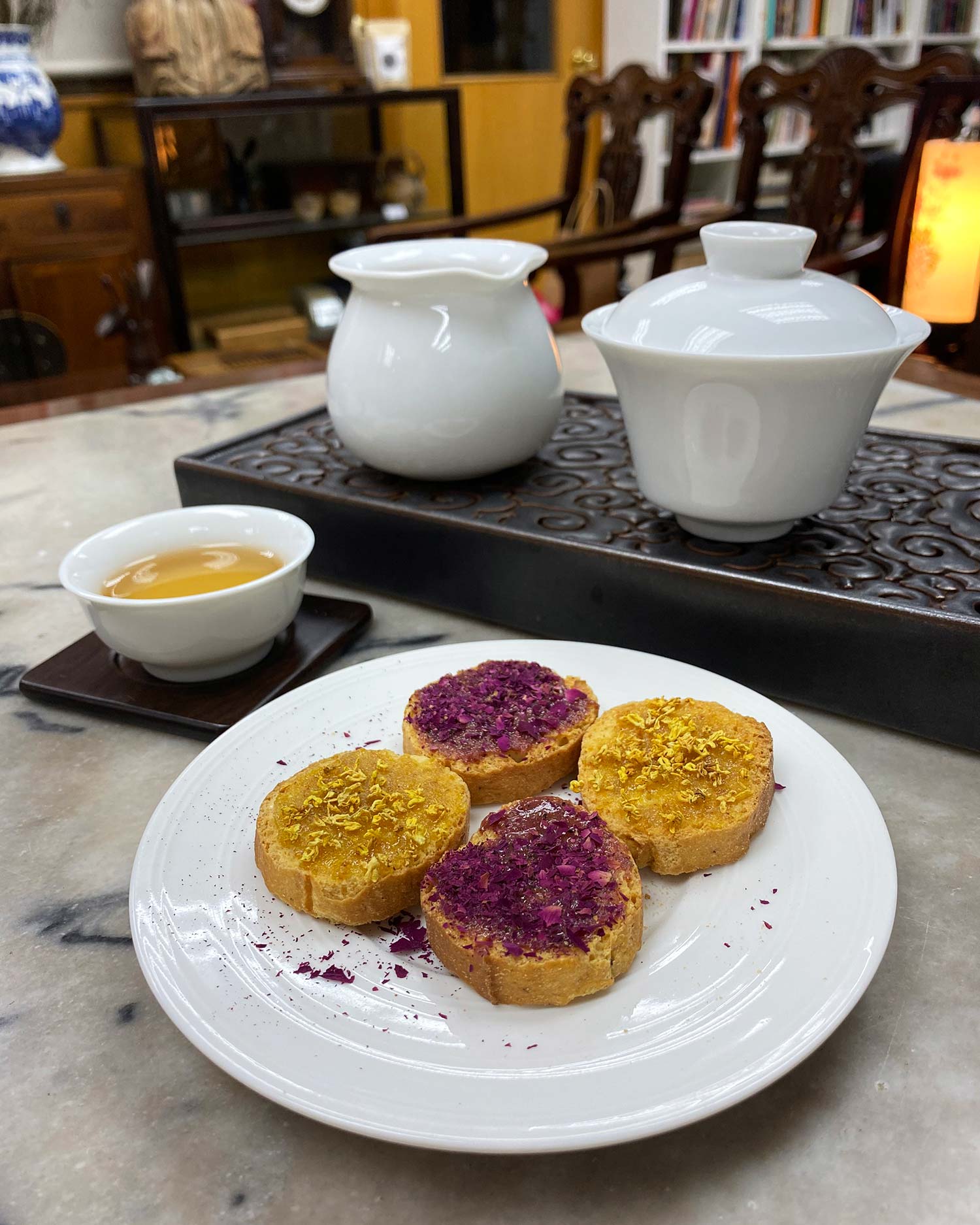
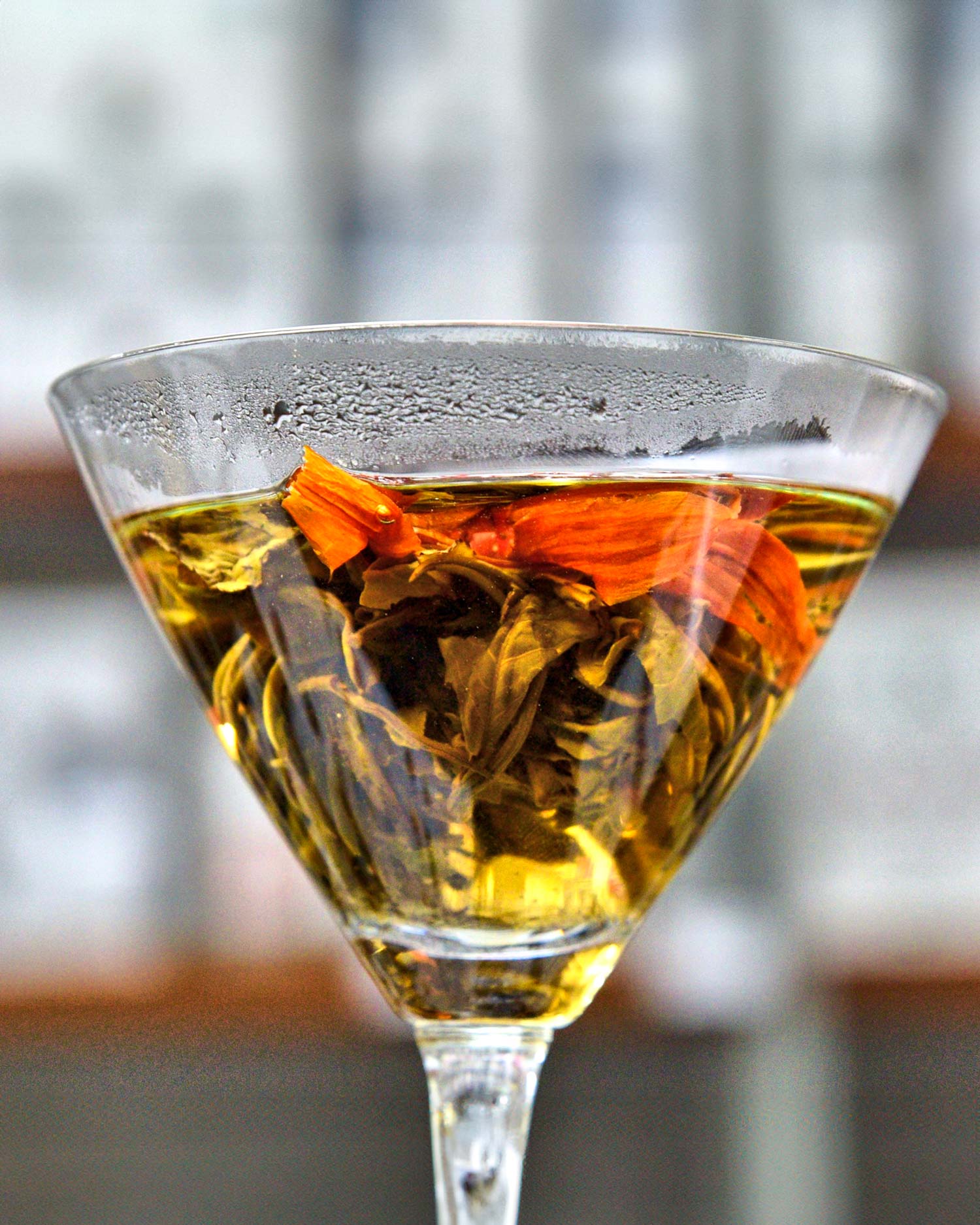
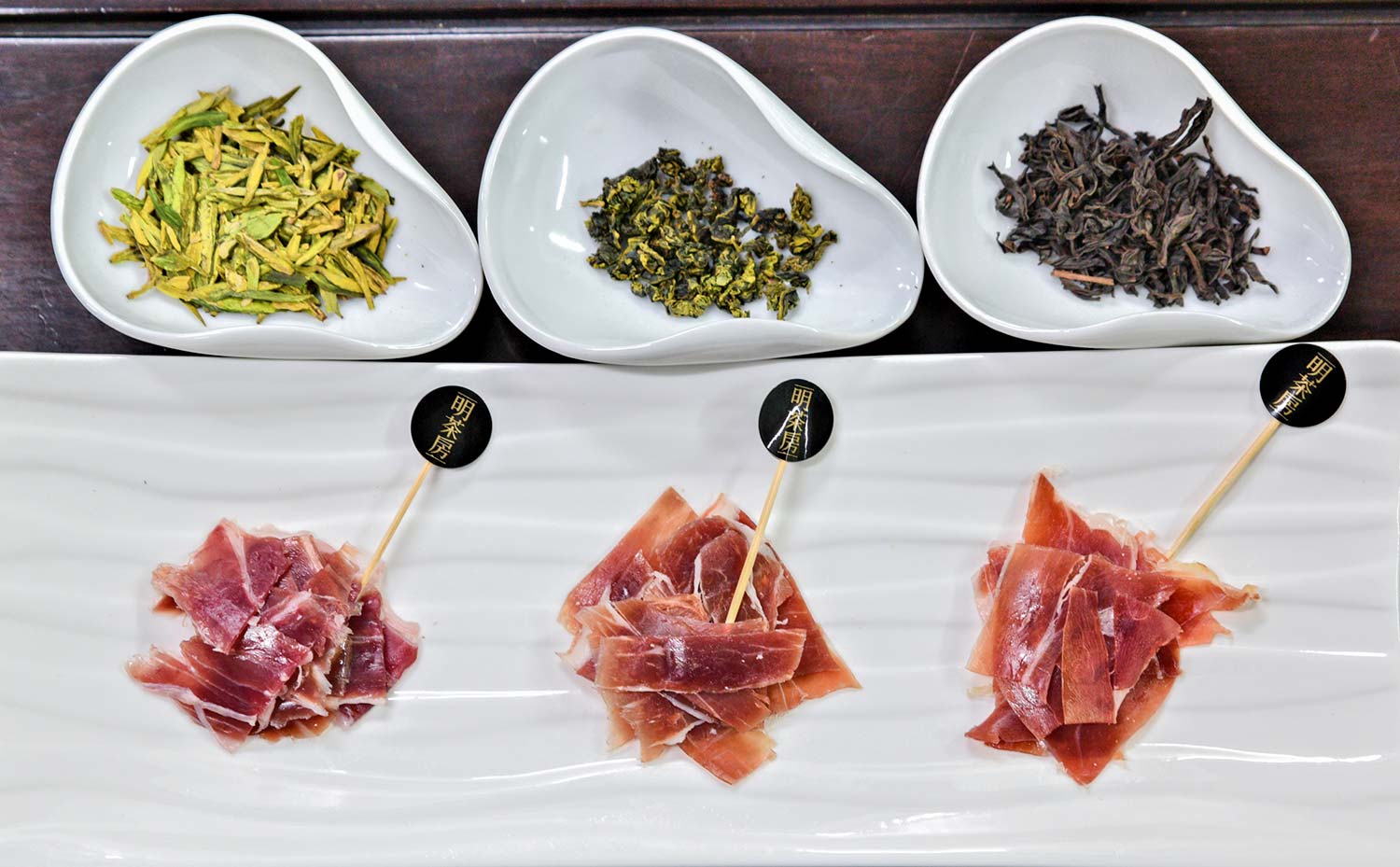
Teahouses have long been a defining feature of Hong Kong’s culinary scene, especially due to the popularity of yum cha, which commonly pairs tea with dim sum. But I wanted to delve deeper into this city’s tradition of balancing the flavours and aromas of certain teas with specific foods.
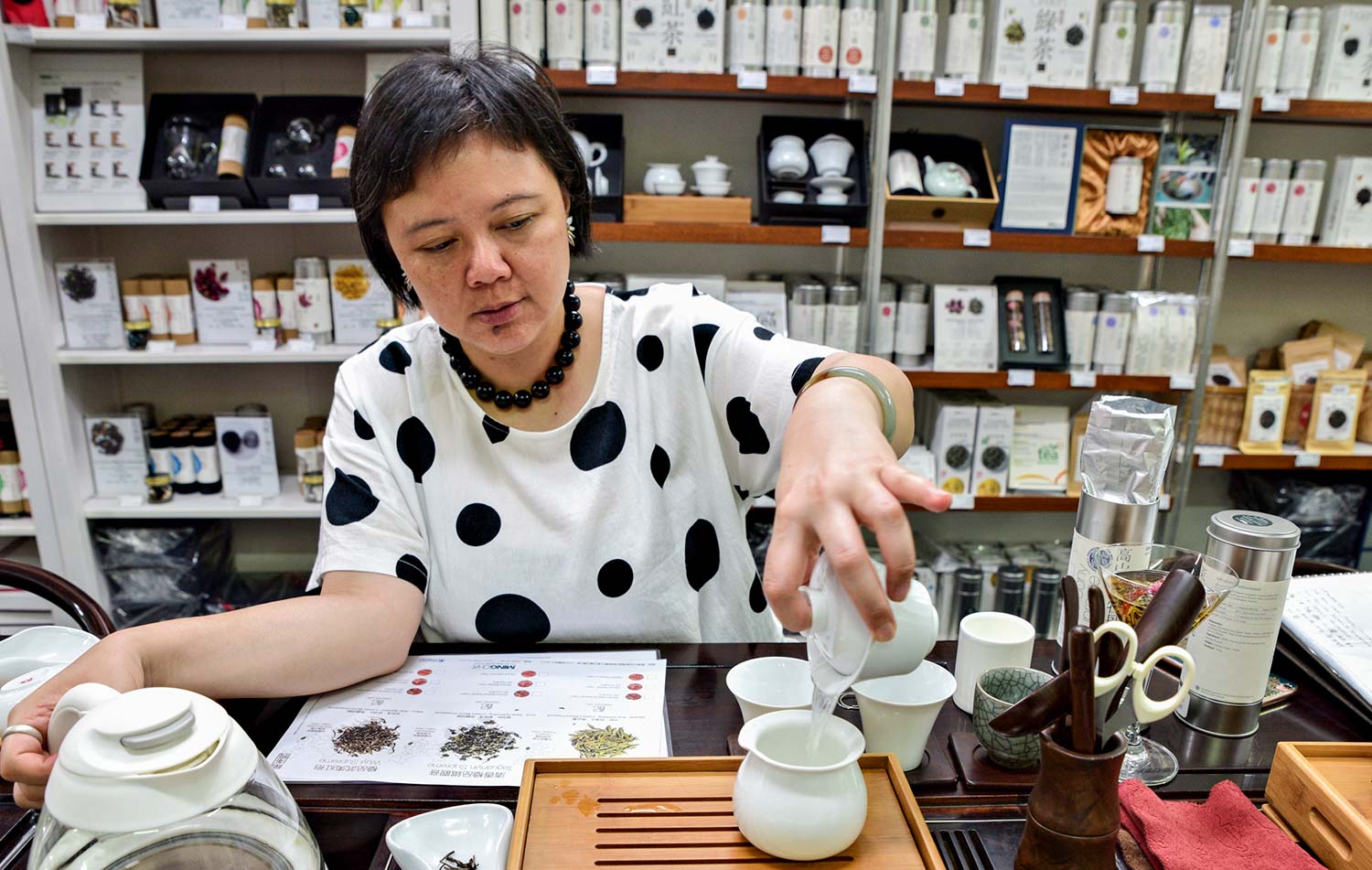
So, I visited Vivian Mak, Hong Kong’s tea-pairing guru. This 58-year-old woman opened MingCha teahouse in 1999 and, for many years, has conducted unique tea-pairing workshops at her 12th-floor shop in the Chai Wan neighbourhood. Rather than teaching workshop participants the finer aspects of yum cha, she focuses on how to mix and match teas with local snacks, such as mooncakes.
During these sessions, Mak uses premium Chinese teas—such as Teguanyin Supreme, First Flush Longjin, and Wuyi Supreme—and explains the taste profiles of each one and why they suit being drunk alongside particular foods. In this way, participants learn about the city’s tea culture while also developing a better understanding of their own palate.
Cantonese Opera
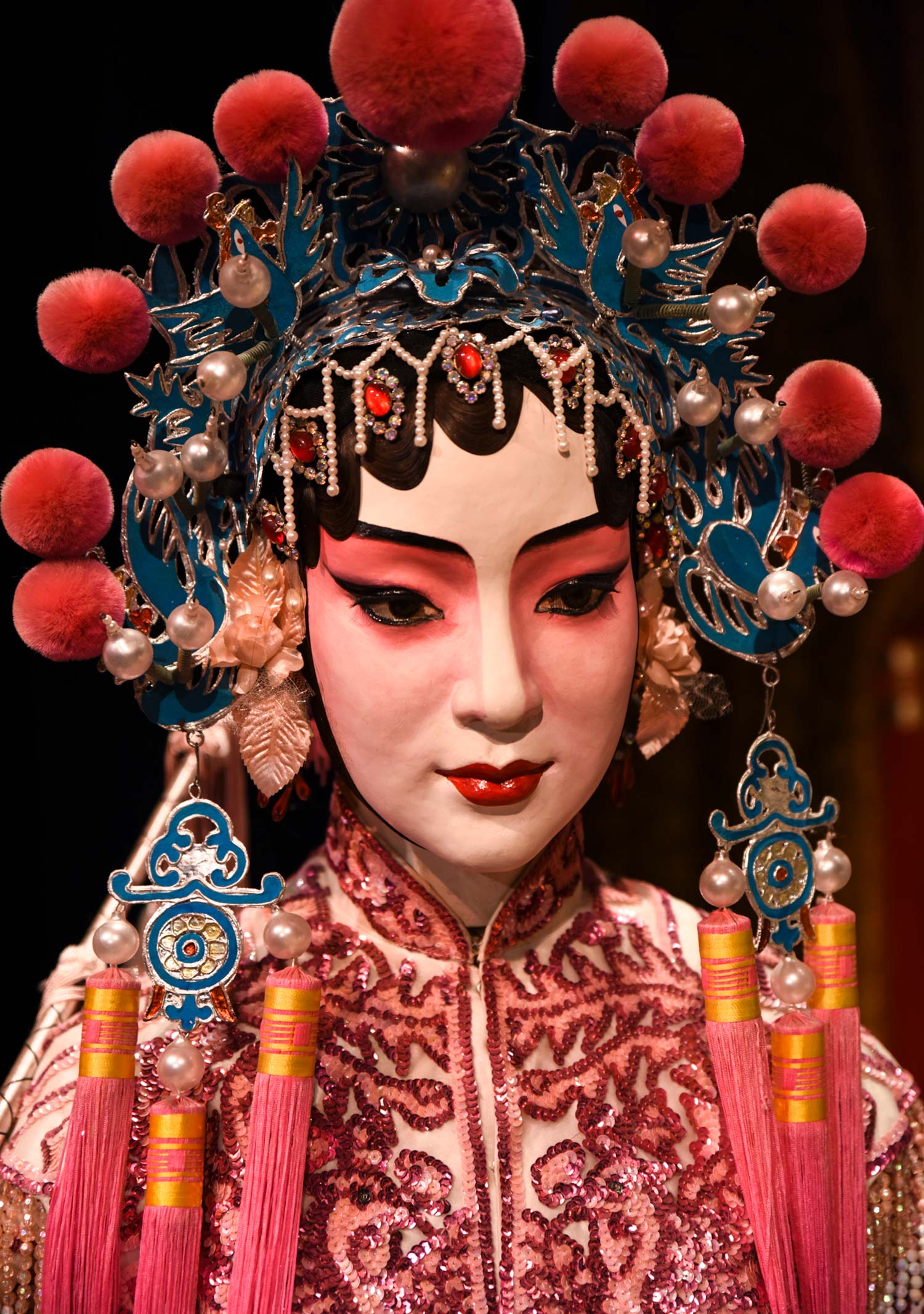
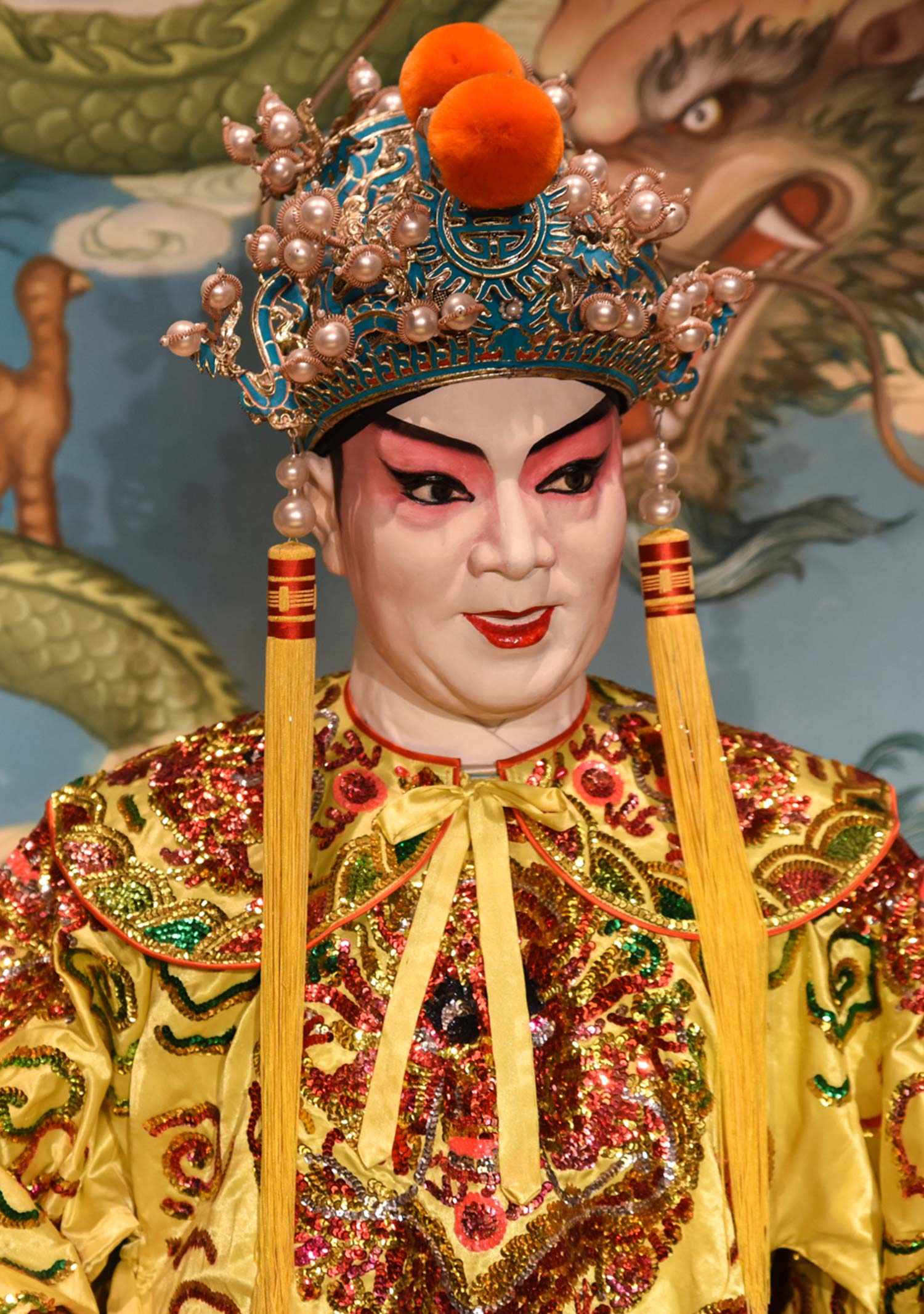
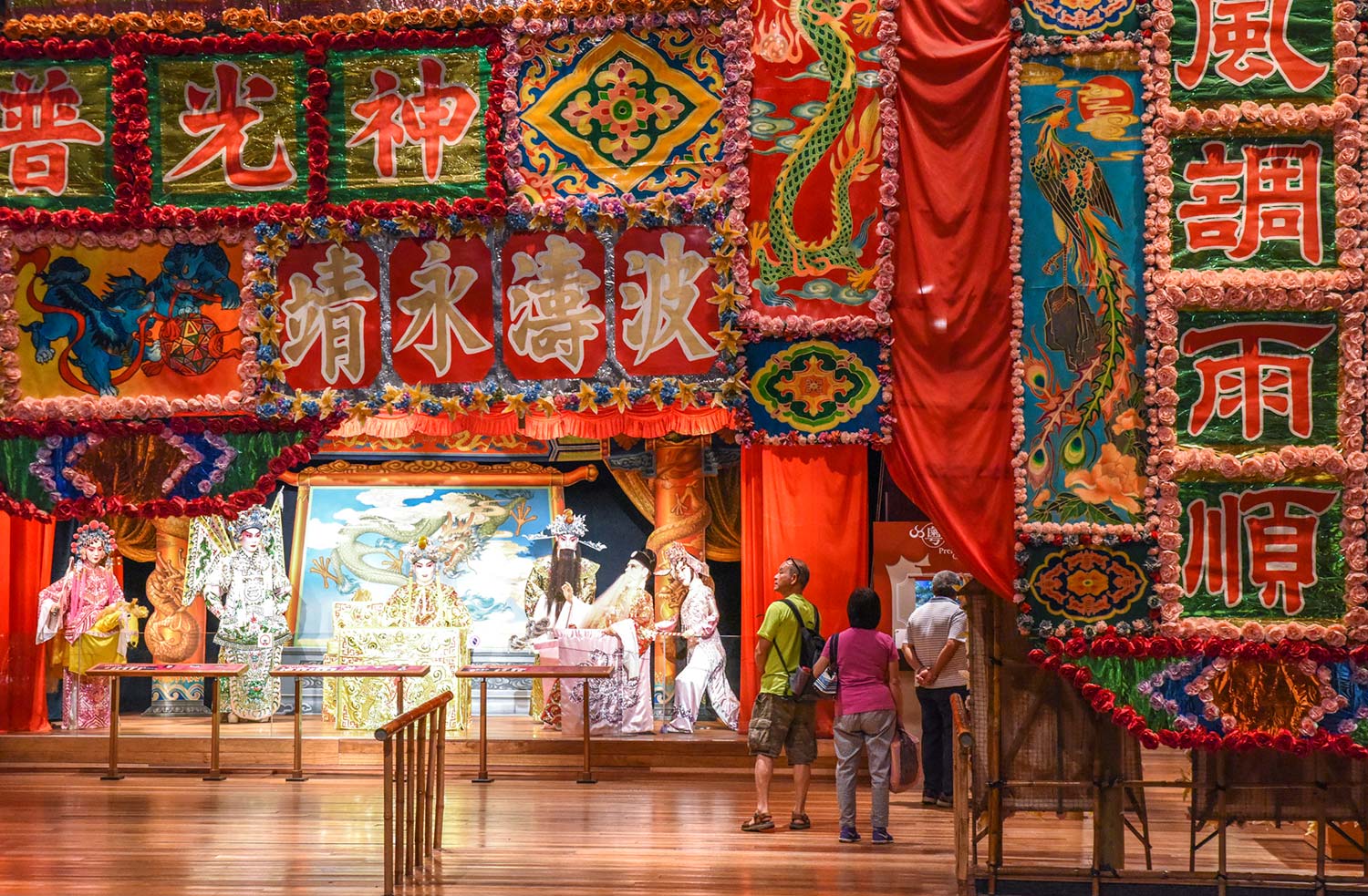
For 700 years, Cantonese Opera has entranced Hong Kong audiences with its blend of dance, singing, and mime, while telling riveting tales from Chinese history and mythology. It is still performed in Hong Kong at venues such as Yau Ma Tei Theatre, Xiqu Centre, Ko Shan Theatre New Wing, and Sha Tin Town Hall.
Of course, tourists may not always find it easy to secure tickets or catch a performance during their visit. Plan B, then, is to experience this art form’s origins, evolution, costumes, and themes explained in colourful fashion at the brilliant Hong Kong Heritage Museum.
This huge modern facility, beside the Shing Mun River in northern Hong Kong, has a dozen galleries highlighting the city’s finest artistic and cultural achievements, including a large and engaging exhibition on Cantonese Opera. Centred around a traditional bamboo opera stage, reconstructed here at full scale, is an array of costumes, jewellery, and props associated with this ancient art form.
St John’s Cathedral
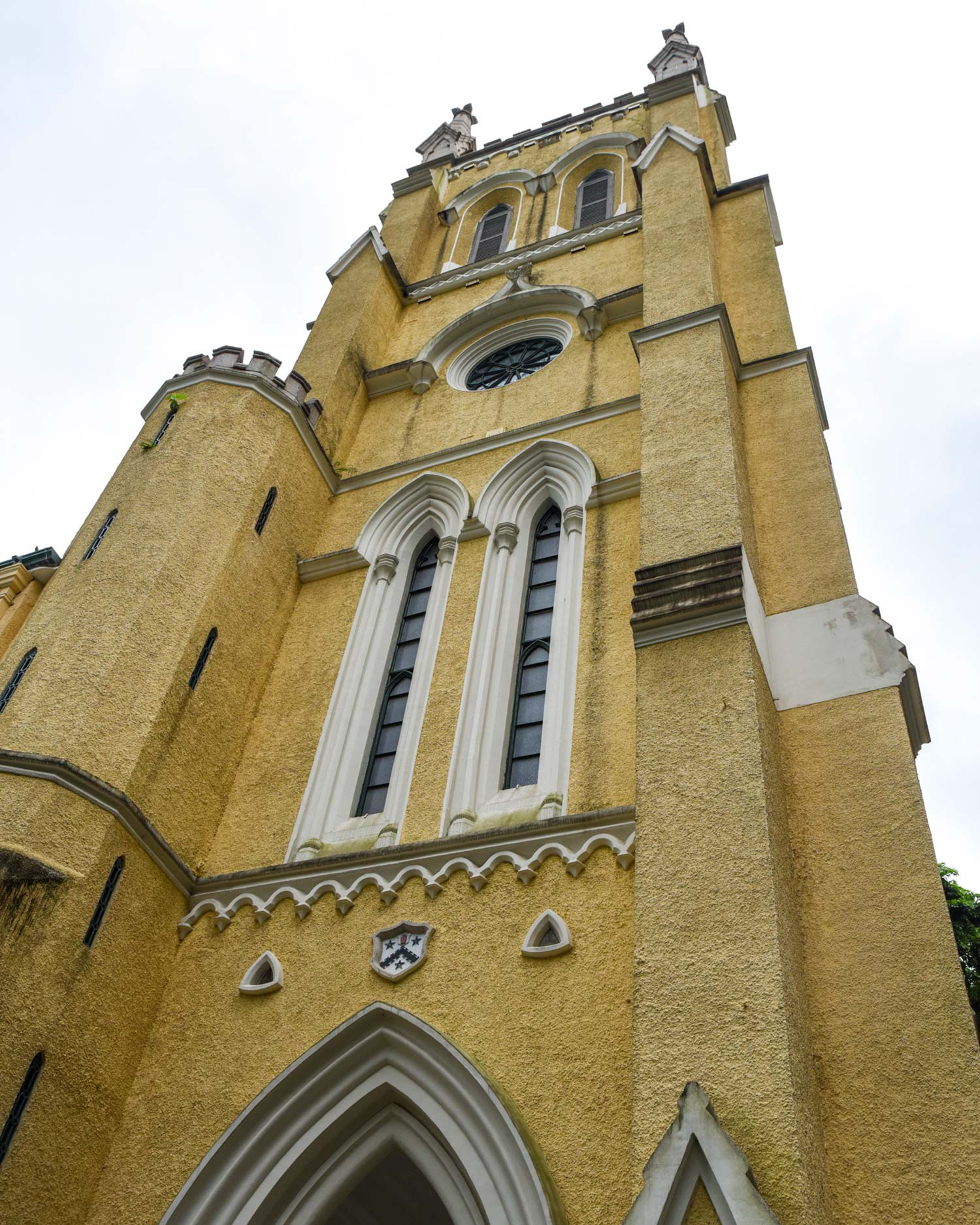
Tourists flock to Hong Kong’s temples, especially iconic sites such as the Buddhist Po Lin Monastery and the Taoist Man Mo Temple. But the city also has an array of spectacular historic churches, none older than St John’s Cathedral.
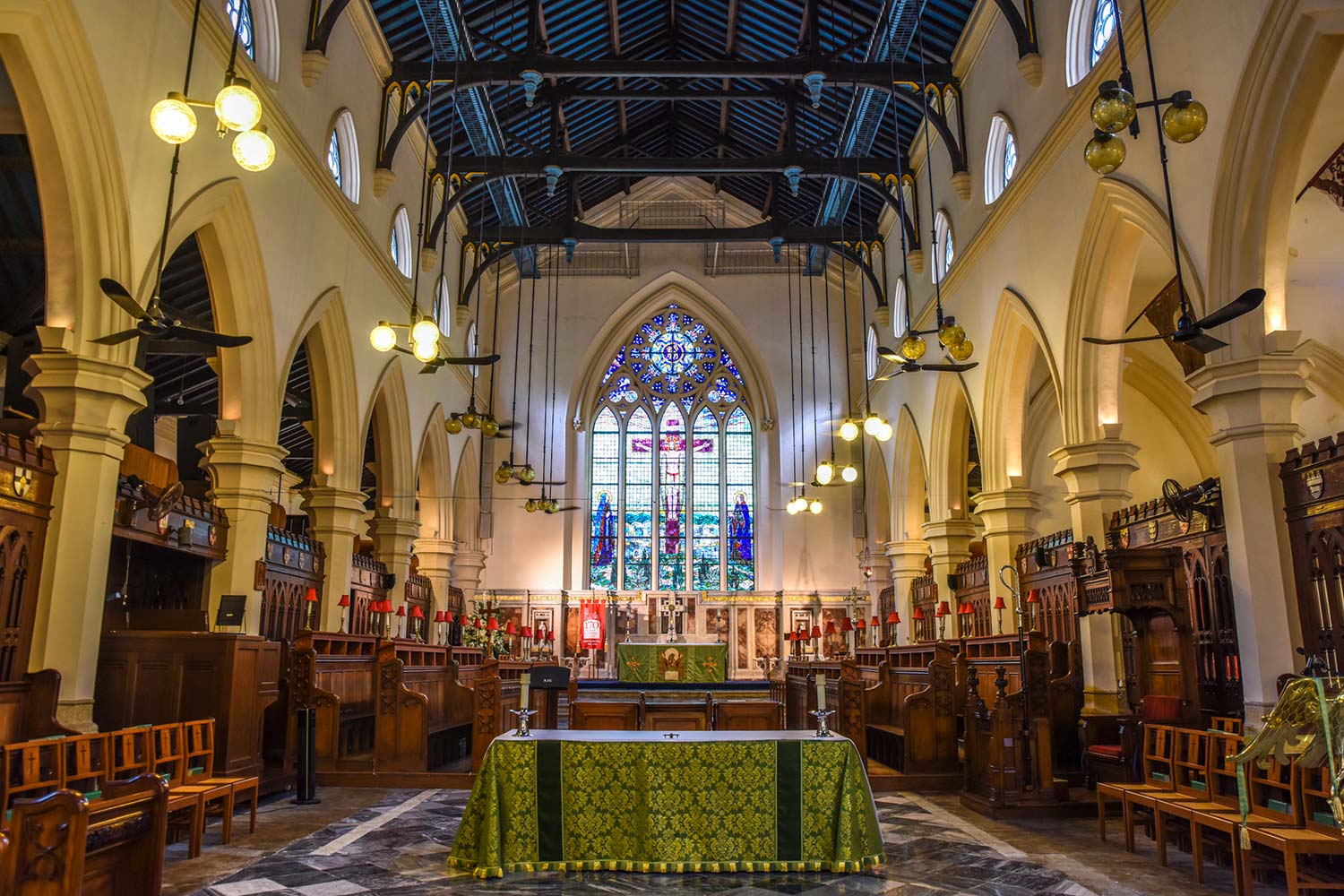
Dating back to the 1840s, this elegant cream-and-white church is among Hong Kong’s grandest examples of Gothic Revival architecture. Located on teeming Hong Kong Island near Central MTR station, it is surrounded by lush, shady gardens and is equally serene inside.
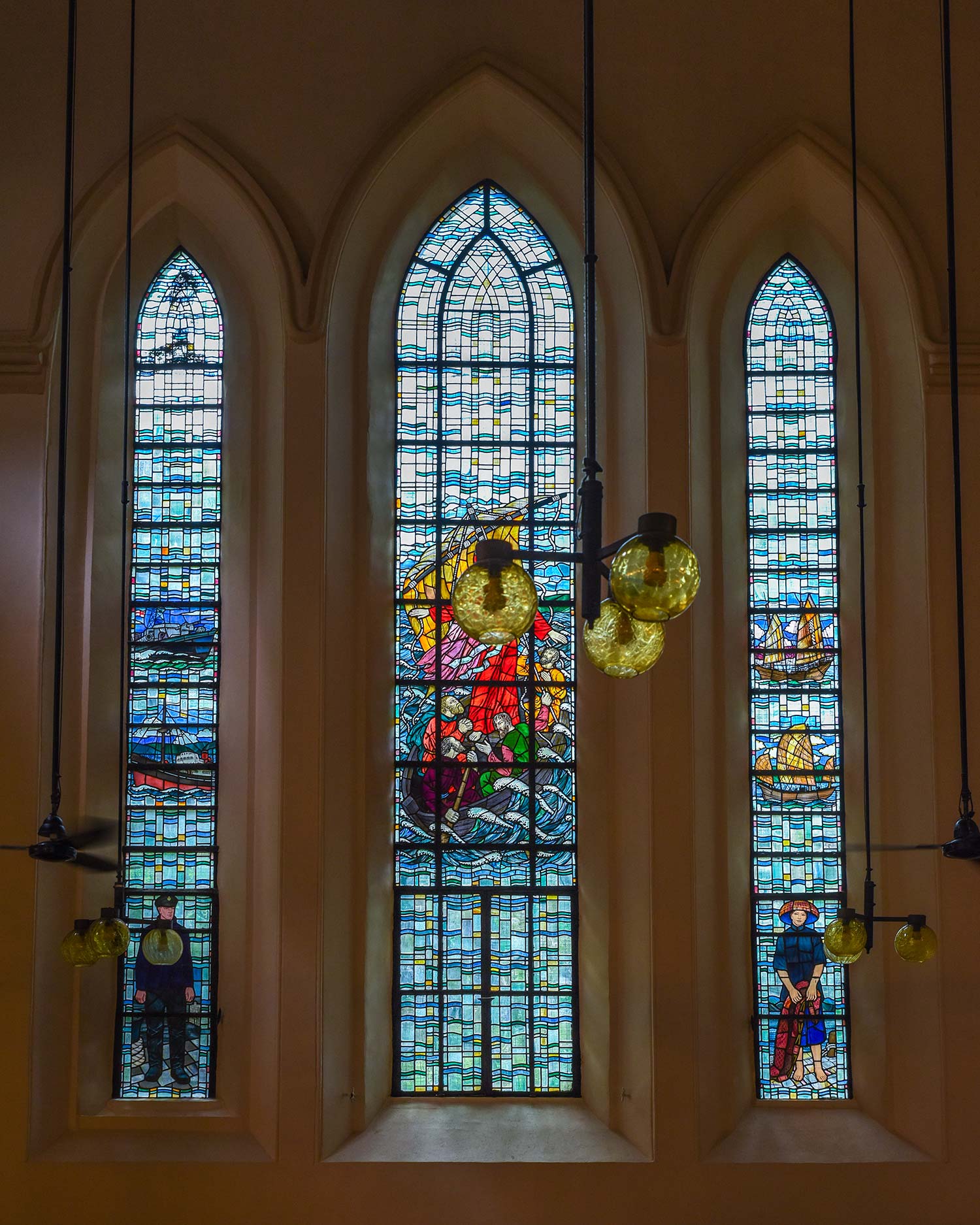
Although it remains an active church, tourists are free to enter at most times of day and absorb the majesty of its prayer hall, which is decorated by polychromatic light filtering through intricate stained-glass windows. Observant visitors will spot weathered military flags hanging from the walls, a reminder that during the 1800s and 1900s, this church served the former Murray Barracks, which has long since disappeared.
Sam Tung Uk Museum
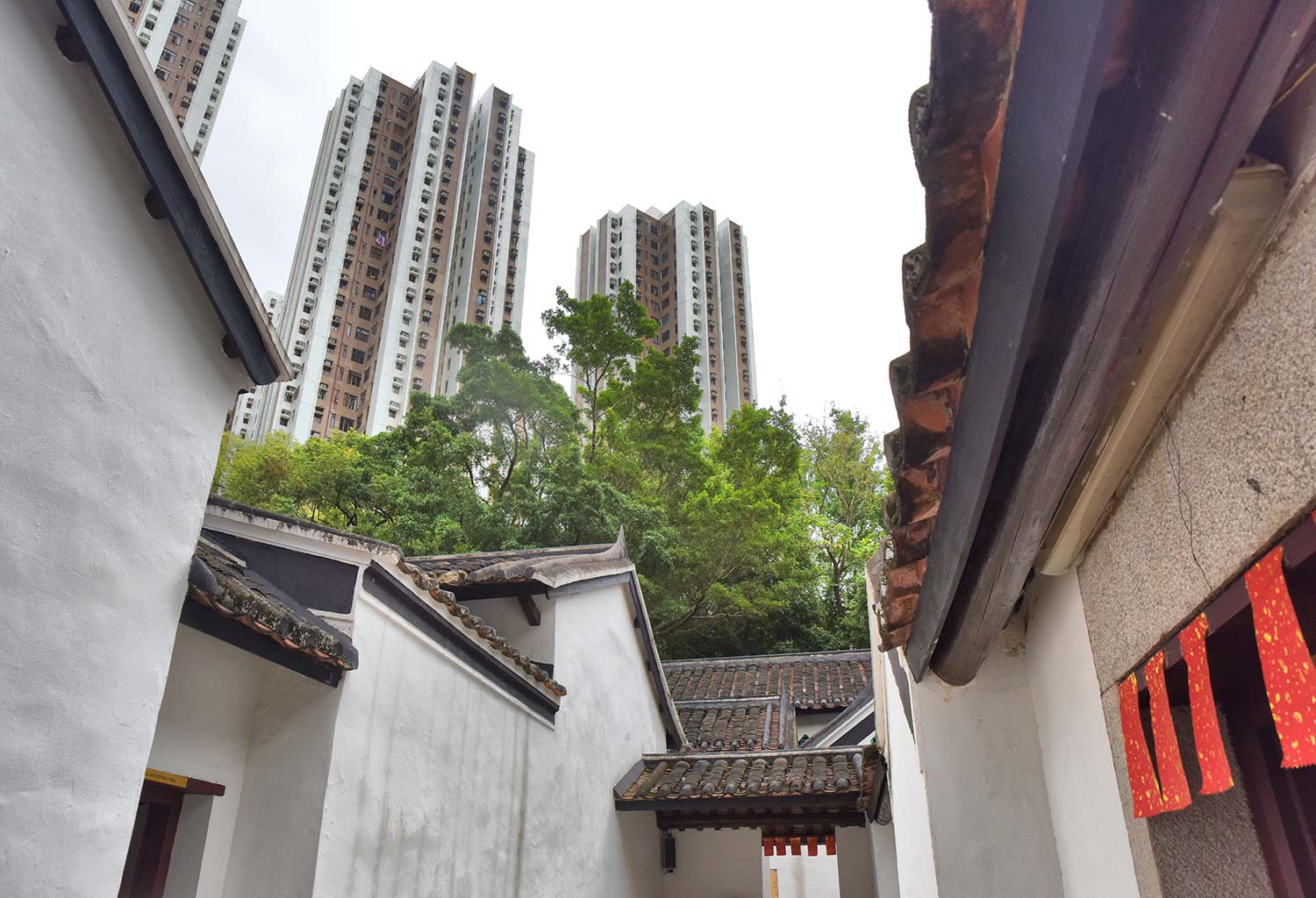
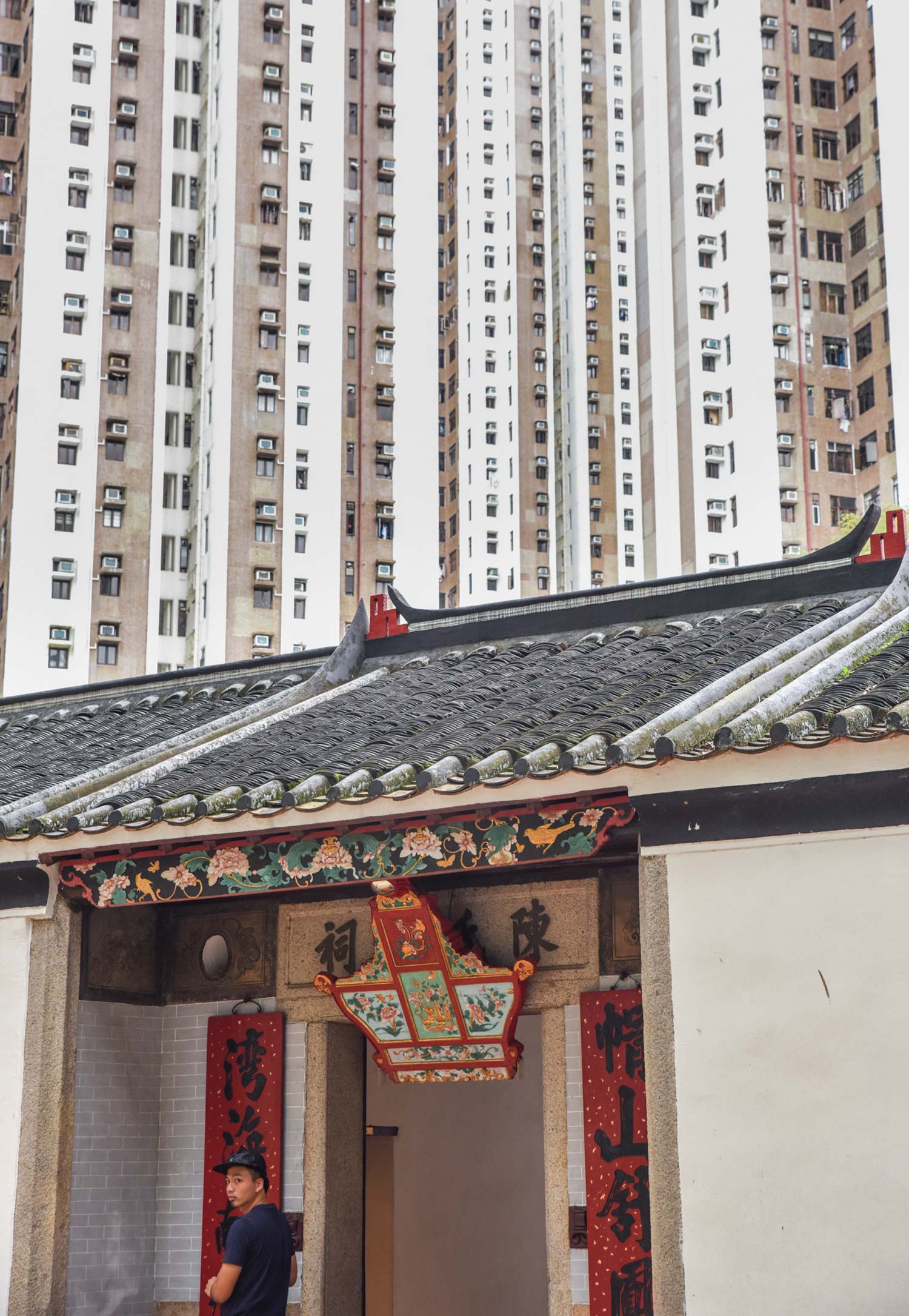
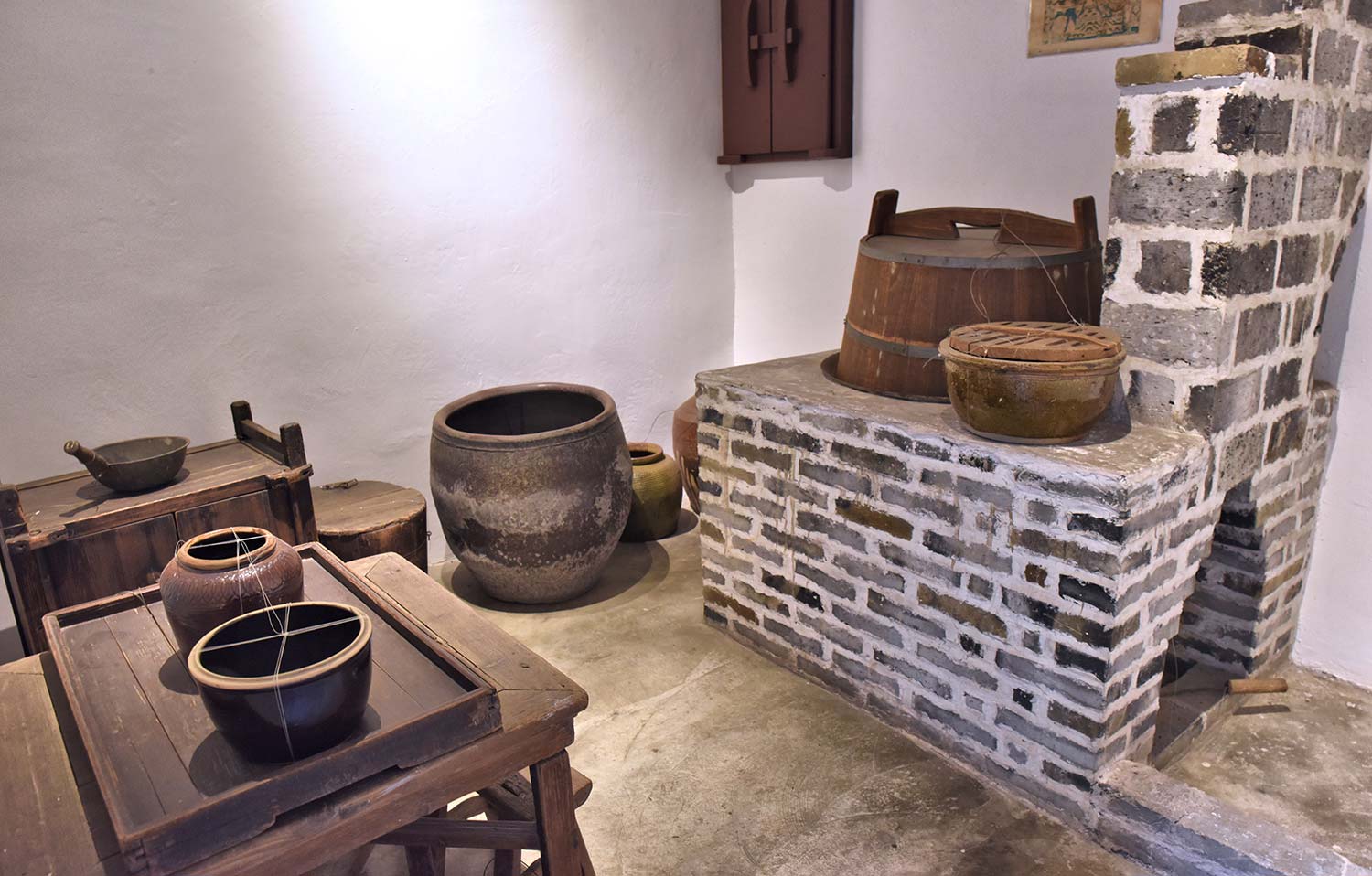
Long before Hong Kong became a metropolis, an intriguing group from the north set down roots in its hills. More than 230 years ago, they built the walled village that I’m currently exploring. Although skyscrapers now loom above it, the Hakka village of Tsuen Wan looks much as it did during the Qing Dynasty.
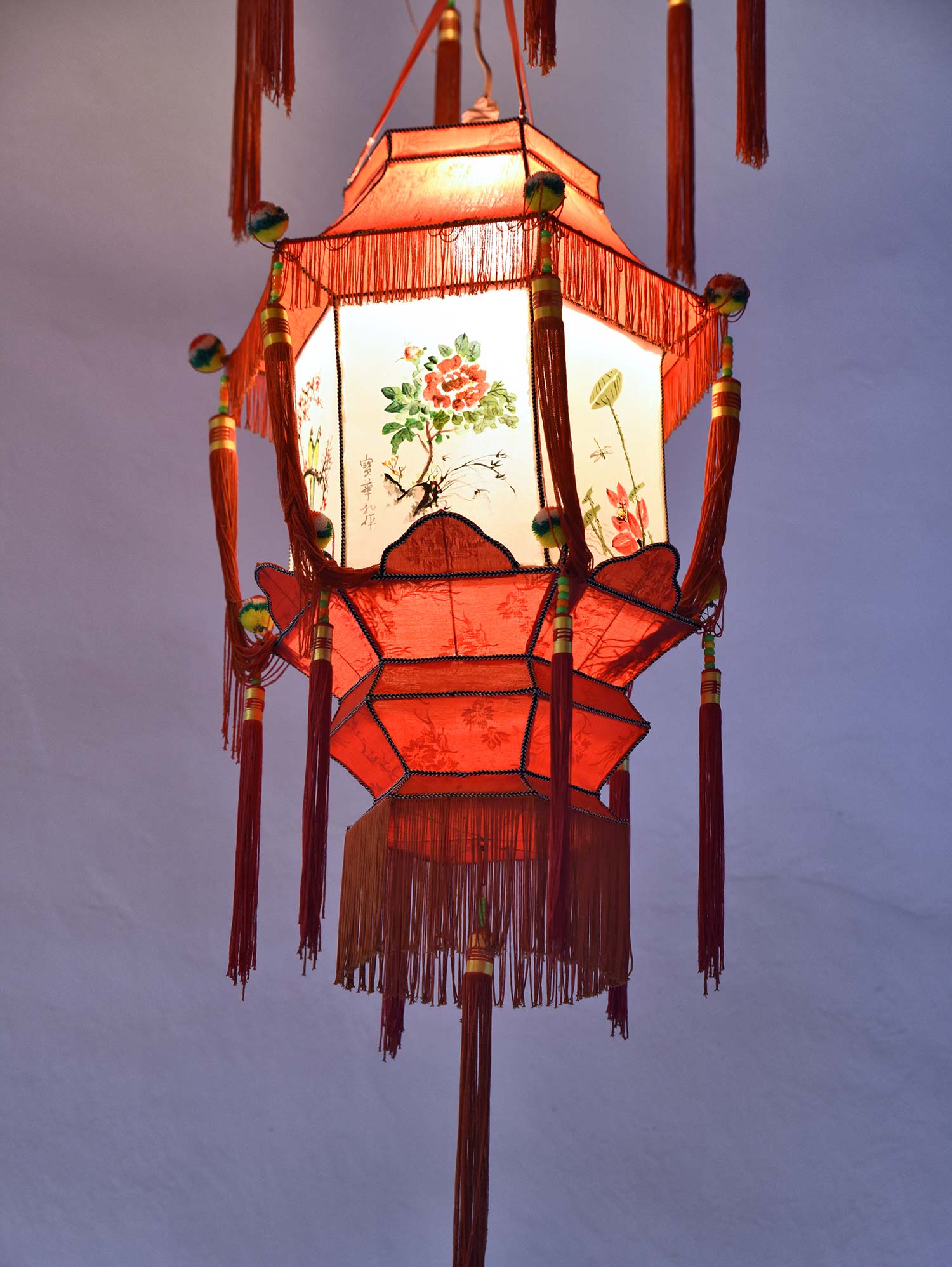
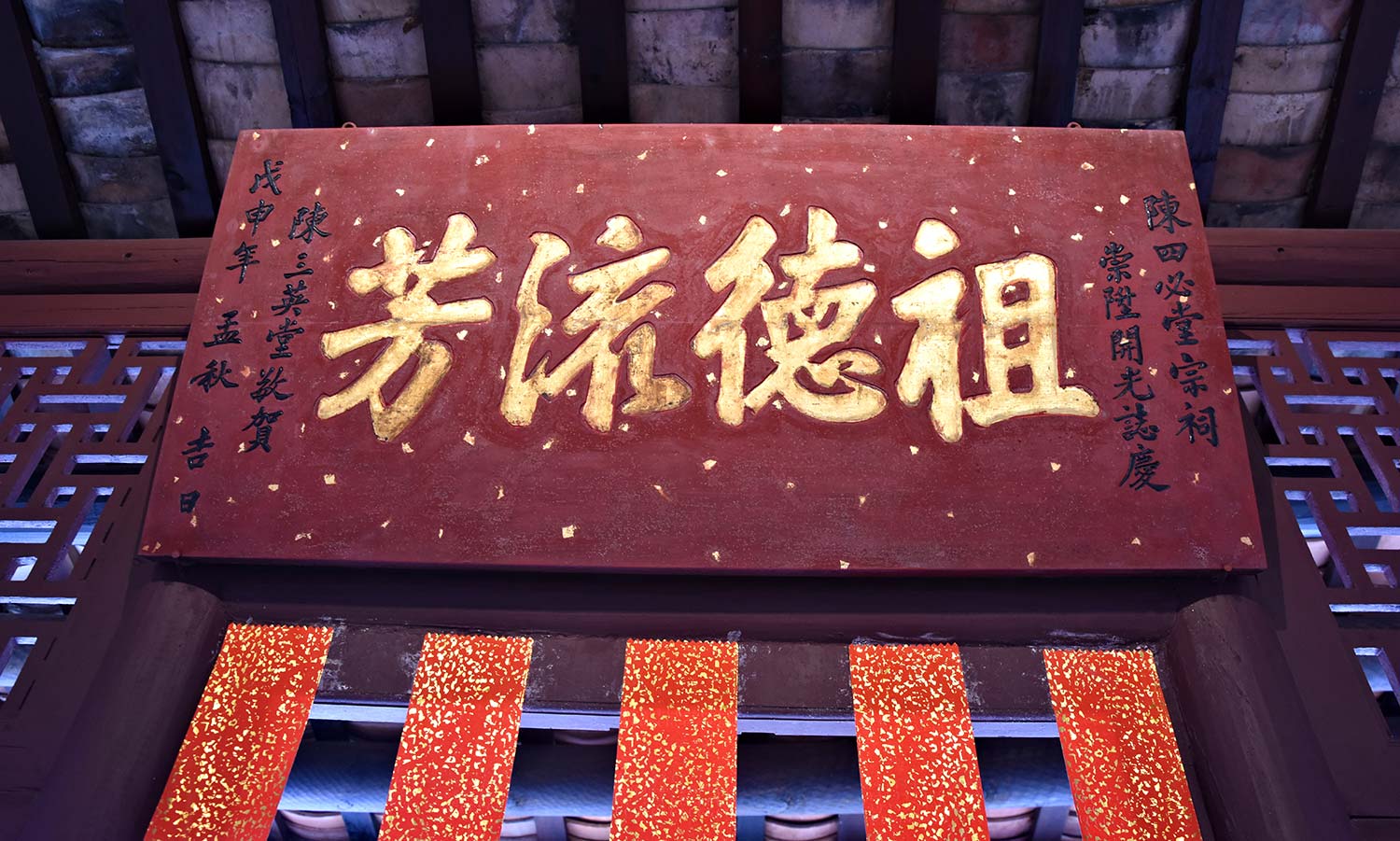
It has been converted into an open-air attraction called Sam Tung Uk Museum, which showcases the Hakka people’s unique customs, architecture, fashion, and food. Via maps, photos, videos, artefacts, and artworks, the museum explains the gripping story of how the Hakka people migrated south to Hong Kong, the unique cultural elements they introduced to the region, and their lasting impact.
It is in one of the city’s lesser-visited areas, tranquil Tsuen Wan, almost 10km north of the main tourist districts.