


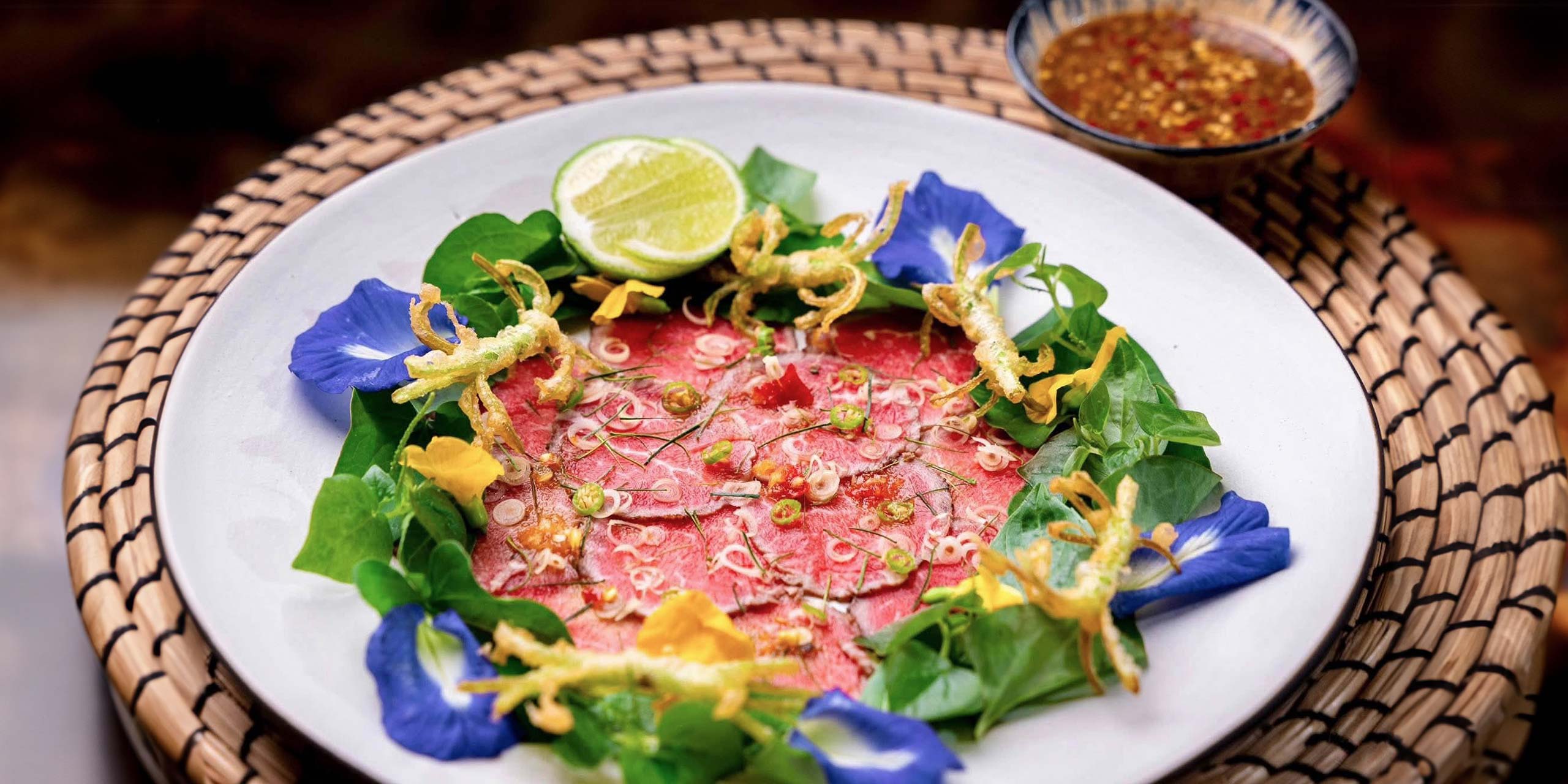
My first real memory of Khmer food is a hard one to forget. Around 15 years ago, when I lived in Phnom Penh, my neighbors fermented a communal barrel of prahok, the pungent salted fish paste that underpins much of Cambodian cooking, on the shared stairwell of our apartment building.
Prahok lends soups, dips, curries, and sauces their savory depth. But on a Monday morning, as I dragged myself to work with a weekend hangover, it felt less like a culinary cornerstone than a biological weapon.
I had arrived only a week earlier from Bangkok, where I’d spent months gorging on street food. In Phnom Penh, Khmer cooking felt oddly elusive.
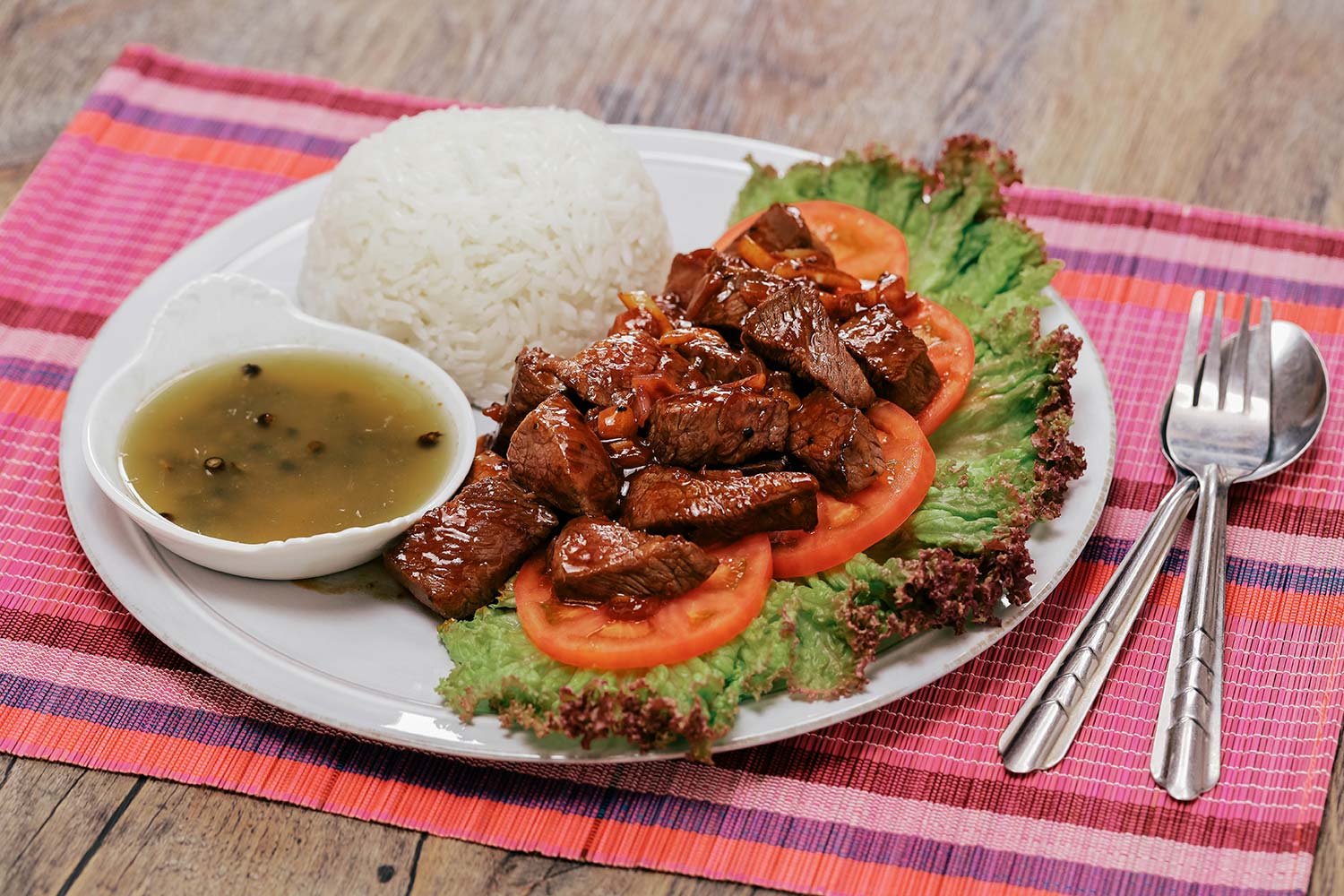
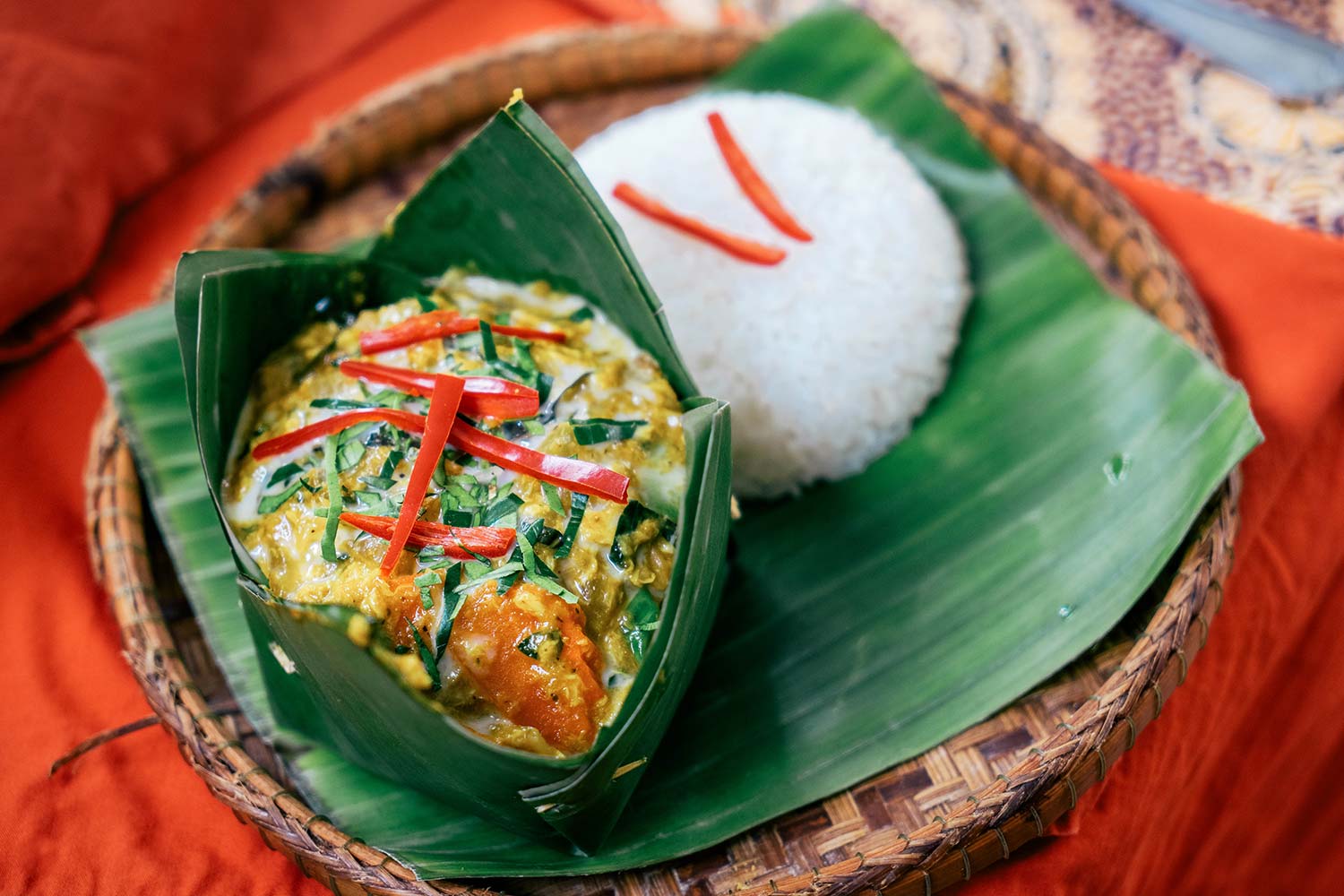
Restaurants along the riverside catered largely to foreigners, and menus rarely ventured beyond beef lok lak and fish amok. Both were often disappointing. Meanwhile, French bistros, NGO cafes, and backpacker haunts seemed to occupy every other corner. Cambodian food was everywhere, of course: in market halls, barbecue joints, family kitchens, and mobile carts piled high with dried noodles and suspiciously pink sausages. But little of it drew me in.
Much has changed since then, including my feelings toward prahok. Phnom Penh is wealthier, busier, and more confident than the city I first encountered. Its dining scene has evolved alongside it.
Cambodian food may be finding new audiences abroad, from London market halls to California cafes. Yet some of the most interesting developments are happening here in the capital, where a new generation of chefs is revisiting familiar ingredients through the lens of international training and experience.
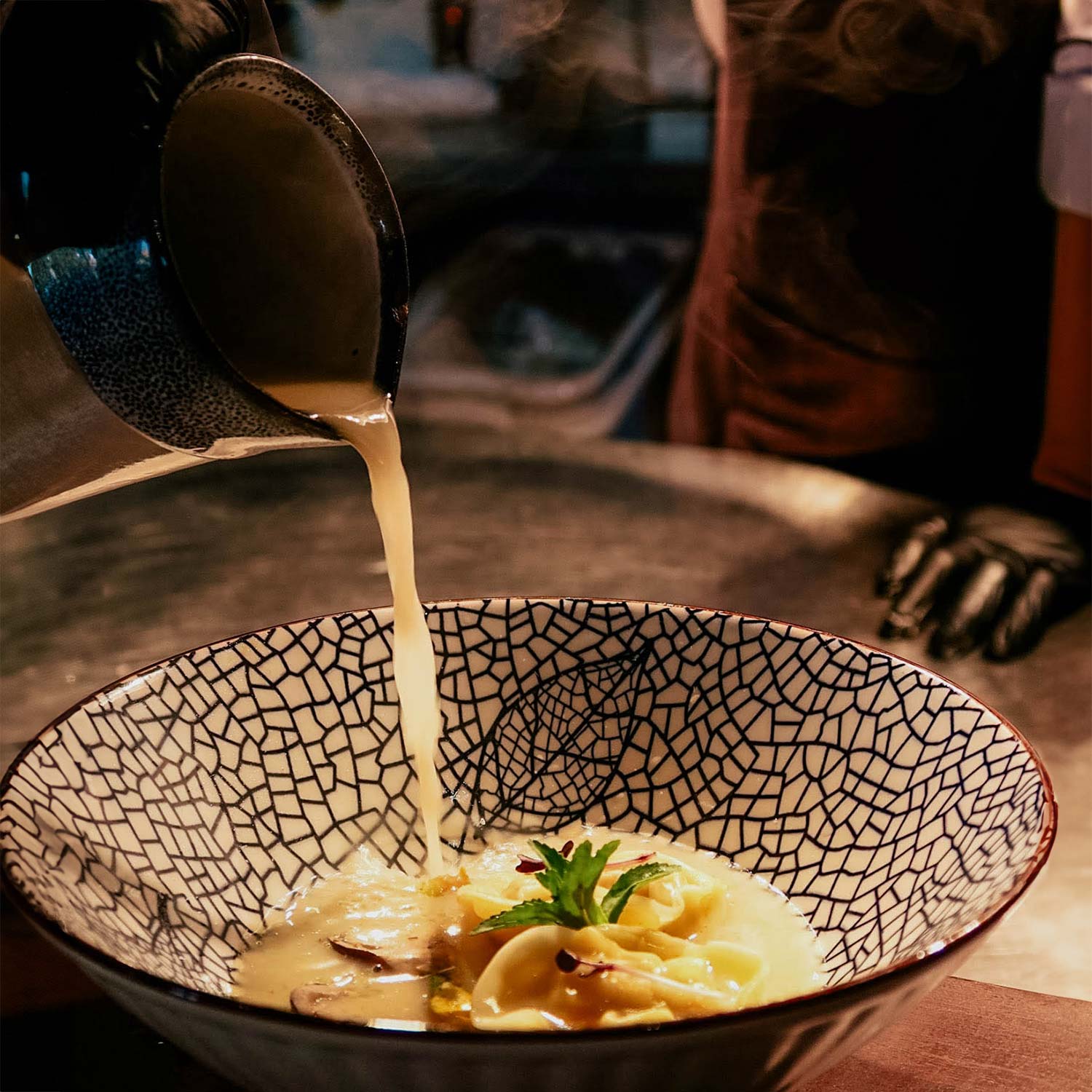
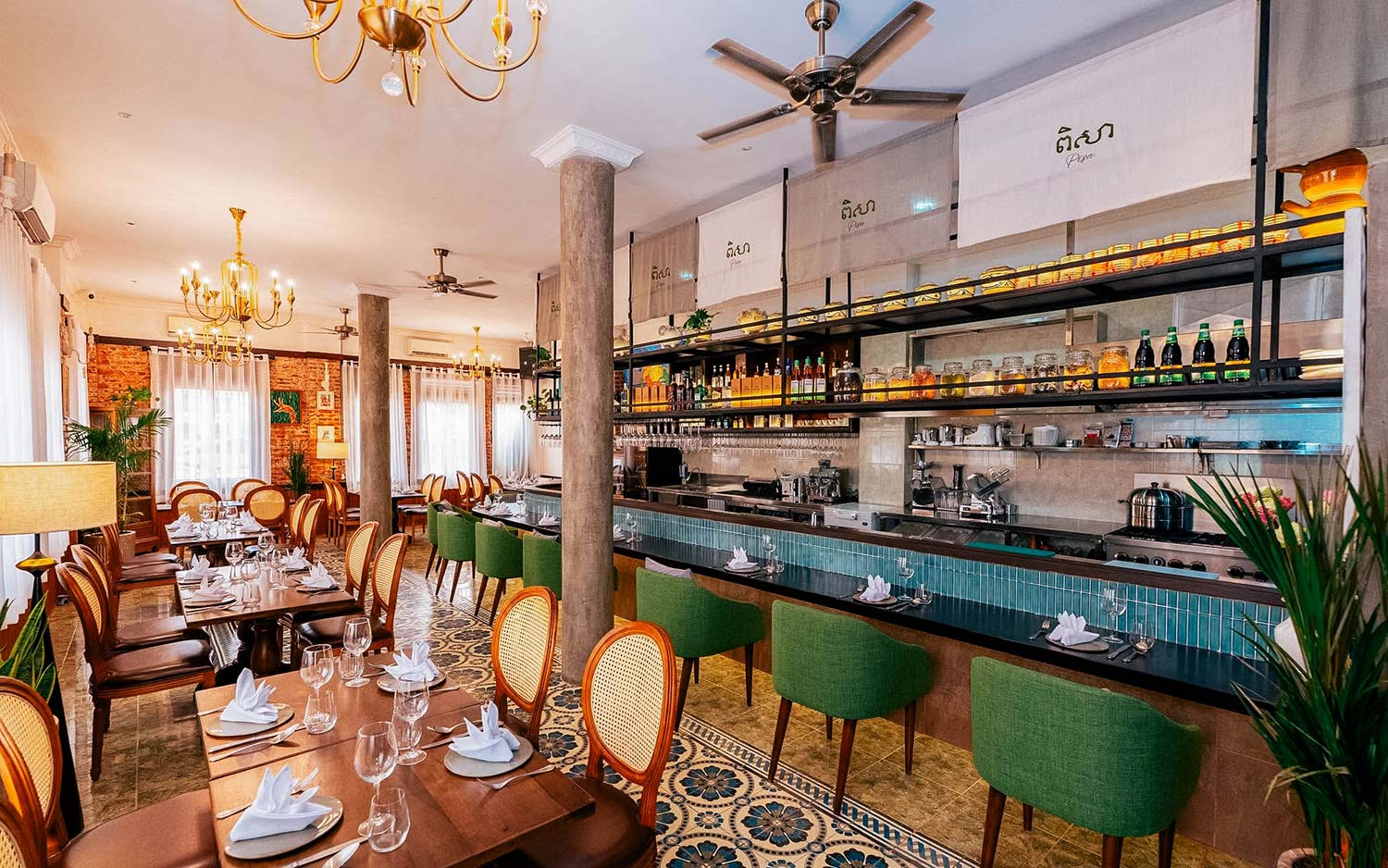
One compelling example came over lunch with Chef Seng Sothea at Pi Sa, his restaurant near Phnom Penh’s Old Market.
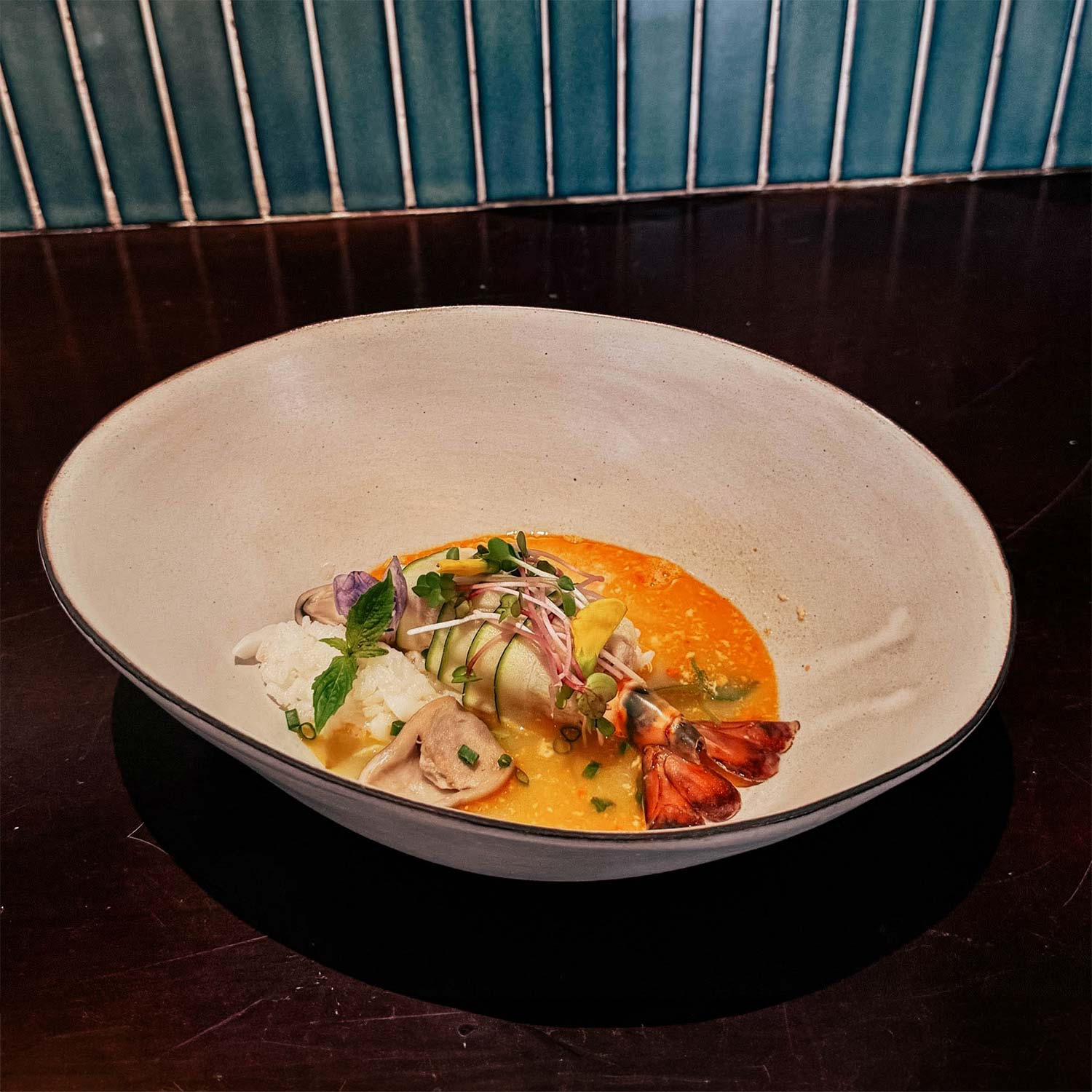
The meal began with pan-fried scallops in tamarind sauce with cauliflower purée and crisp shallots. Next came lobster in a fragrant broth scented with young coconut juice, lemongrass, and kaffir lime. Seng referenced tom yum, but the result was softer, sweeter, and less driven by heat than its Thai counterpart.
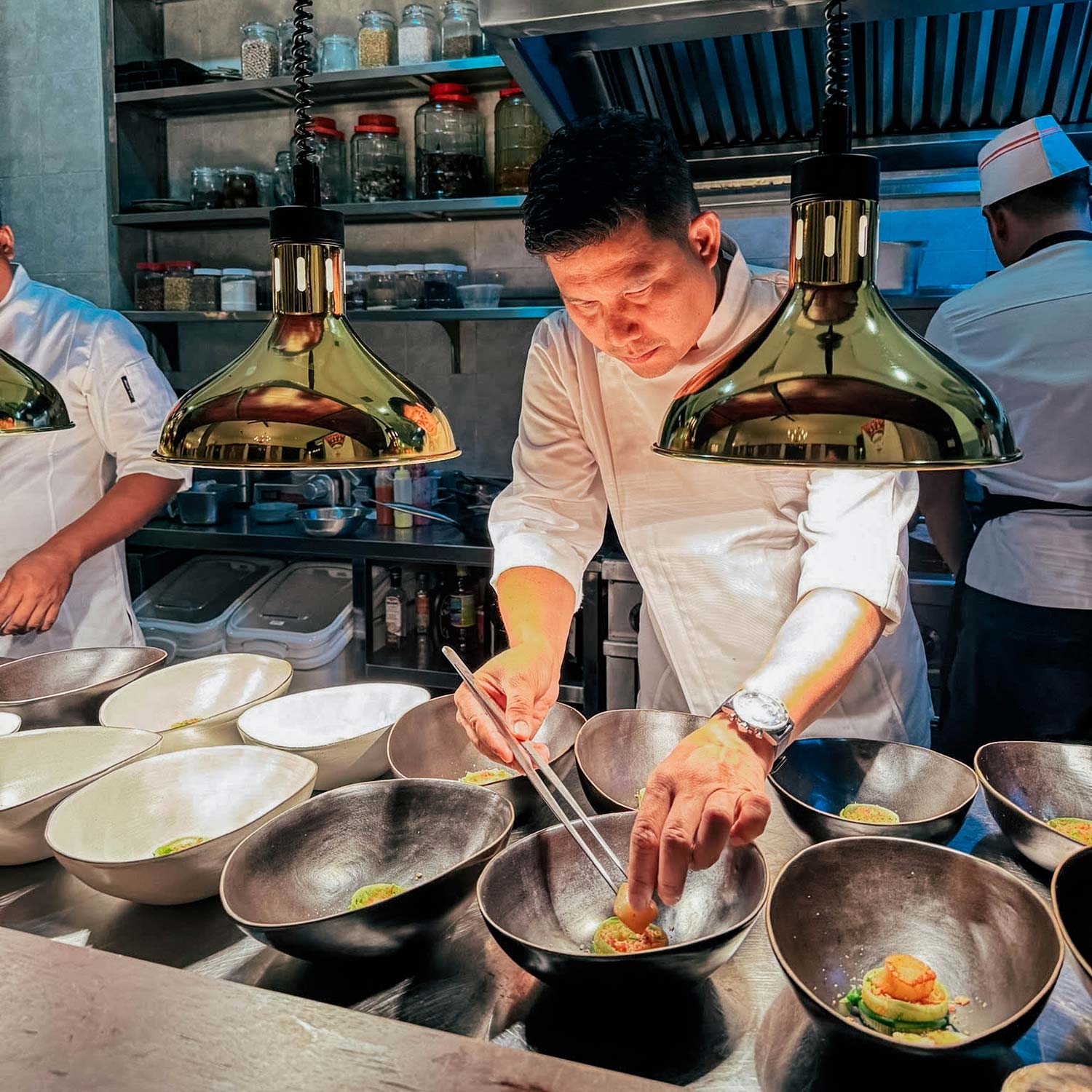
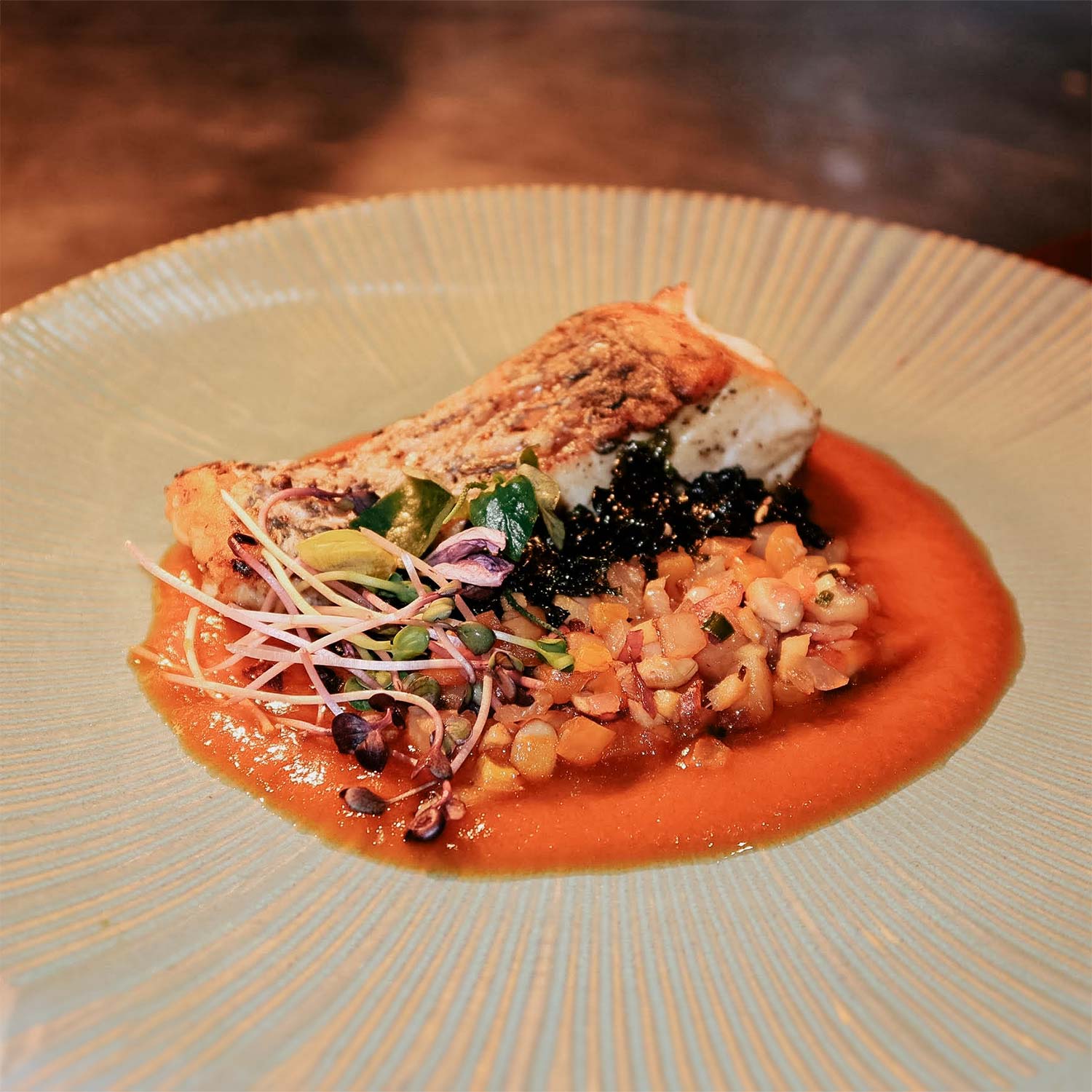
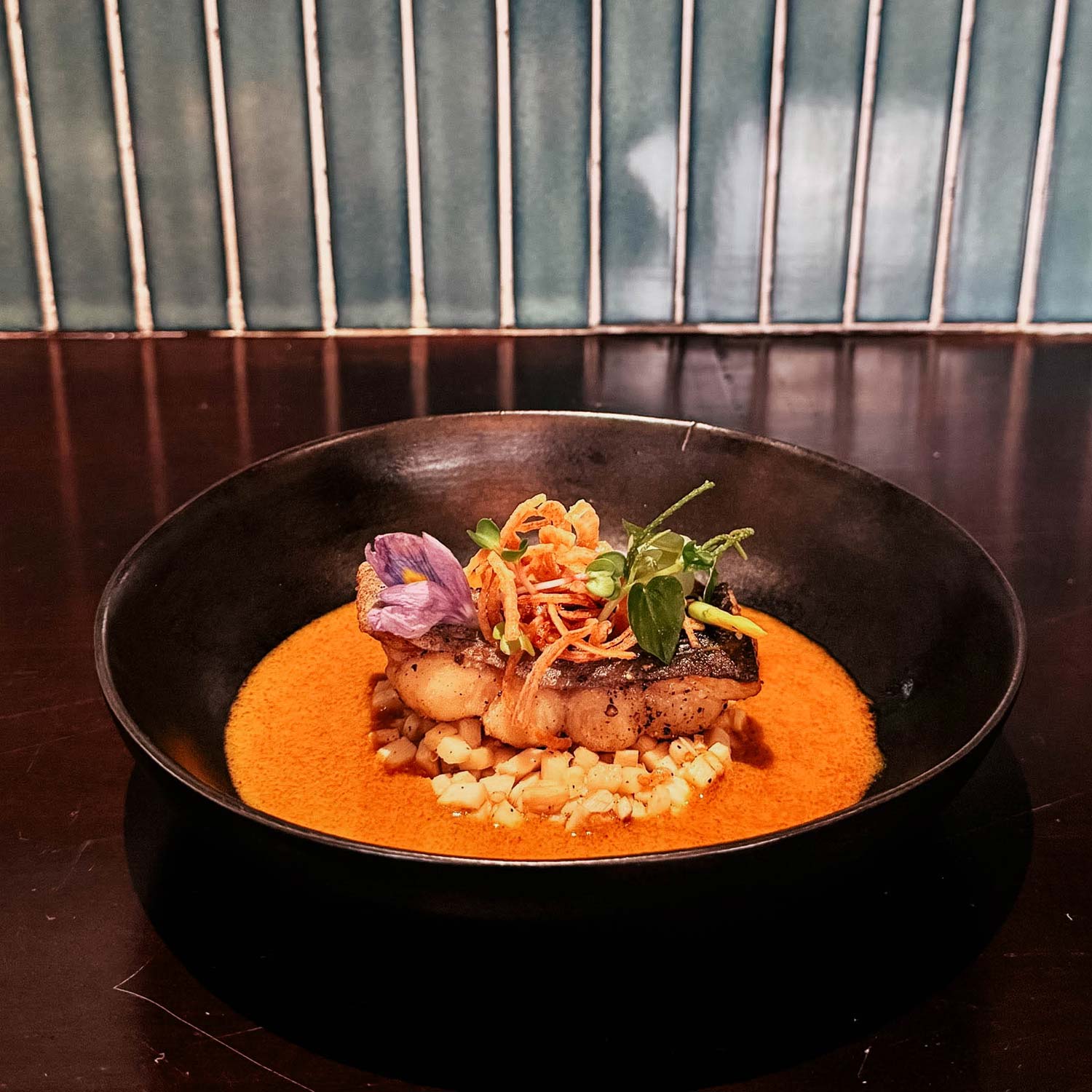
“I’m trying to elevate the food while keeping its authenticity and taste,” he told me as a fillet of sea bass arrived with crisp skin and a sweet-and-sour tomato and pineapple sauce. “I want to bring Khmer cuisine to another level where it can be recognized more widely across Asia and beyond.”
Then came watermelon and mango sorbet dusted with dried fish powder. The dish reworked a familiar Cambodian pairing into something lighter and unexpectedly playful.
Born in Kampong Cham, Seng moved to Siem Reap in 2000 as tourism was beginning to transform Cambodia’s economy. He started in hotel kitchens before working in Dubai and the Caribbean, absorbing the techniques and discipline of international restaurants along the way.
For many cooks of his generation, hotels became a gateway to a wider culinary world. They offered exposure to ingredients, service standards, and kitchen systems that were still difficult to access elsewhere in Cambodia.
The roots of that shift stretch back to the 1990s, when Phnom Penh reopened to the world after years of isolation. Diplomats, aid workers, journalists, and investors arrived in growing numbers. International hotels, bakeries, bars, and restaurants followed.
For ambitious young cooks, those kitchens became training grounds.
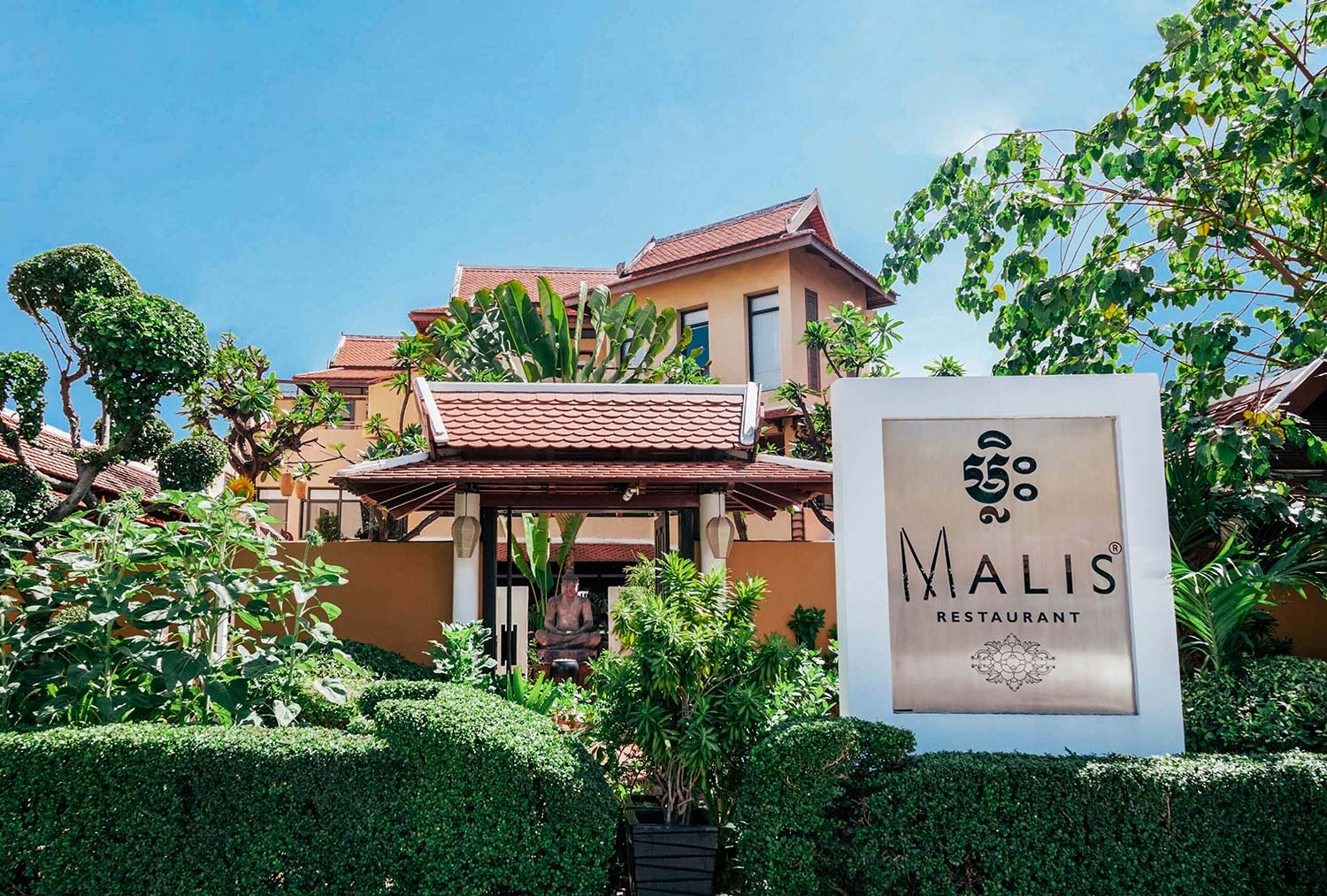
One of the earliest beneficiaries was Luu Meng, who rose through hotel kitchens before opening Malis in Phnom Penh in 2004. At a time when French, Japanese, and Italian restaurants dominated the city’s upper end, Malis treated Cambodian cooking with a level of ambition and respect rarely seen before.
The restaurant helped pave the way for chefs such as Sopheak Sao.
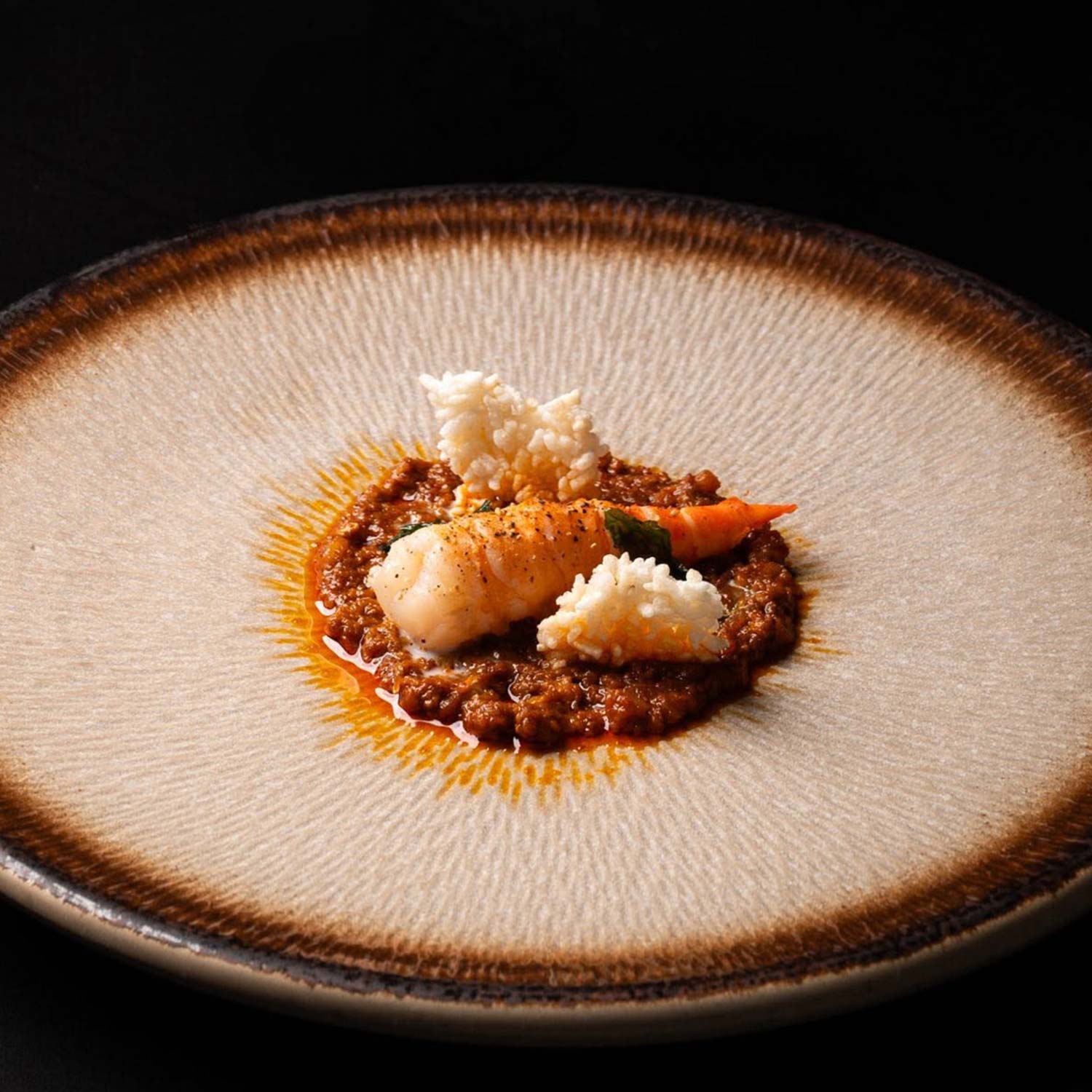
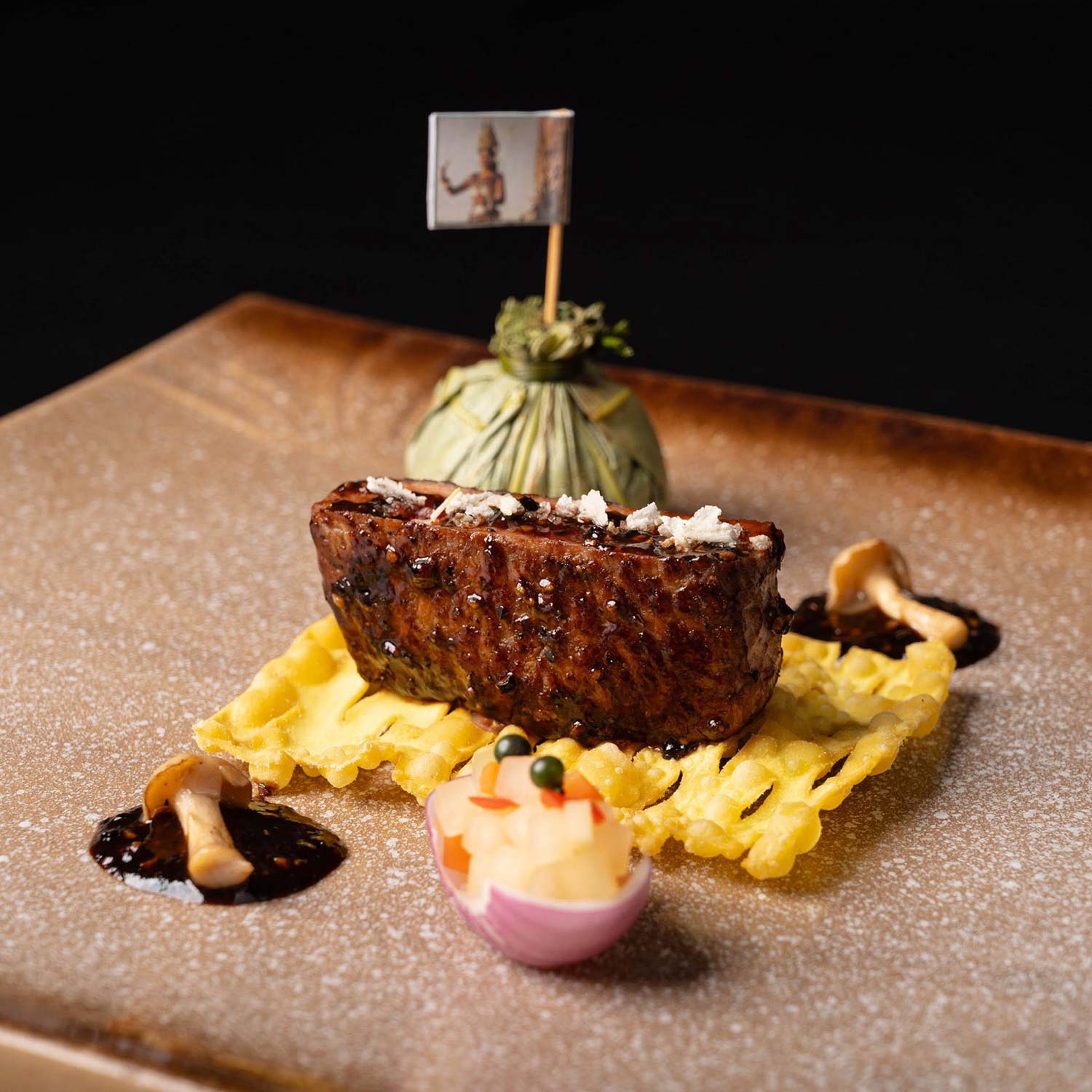
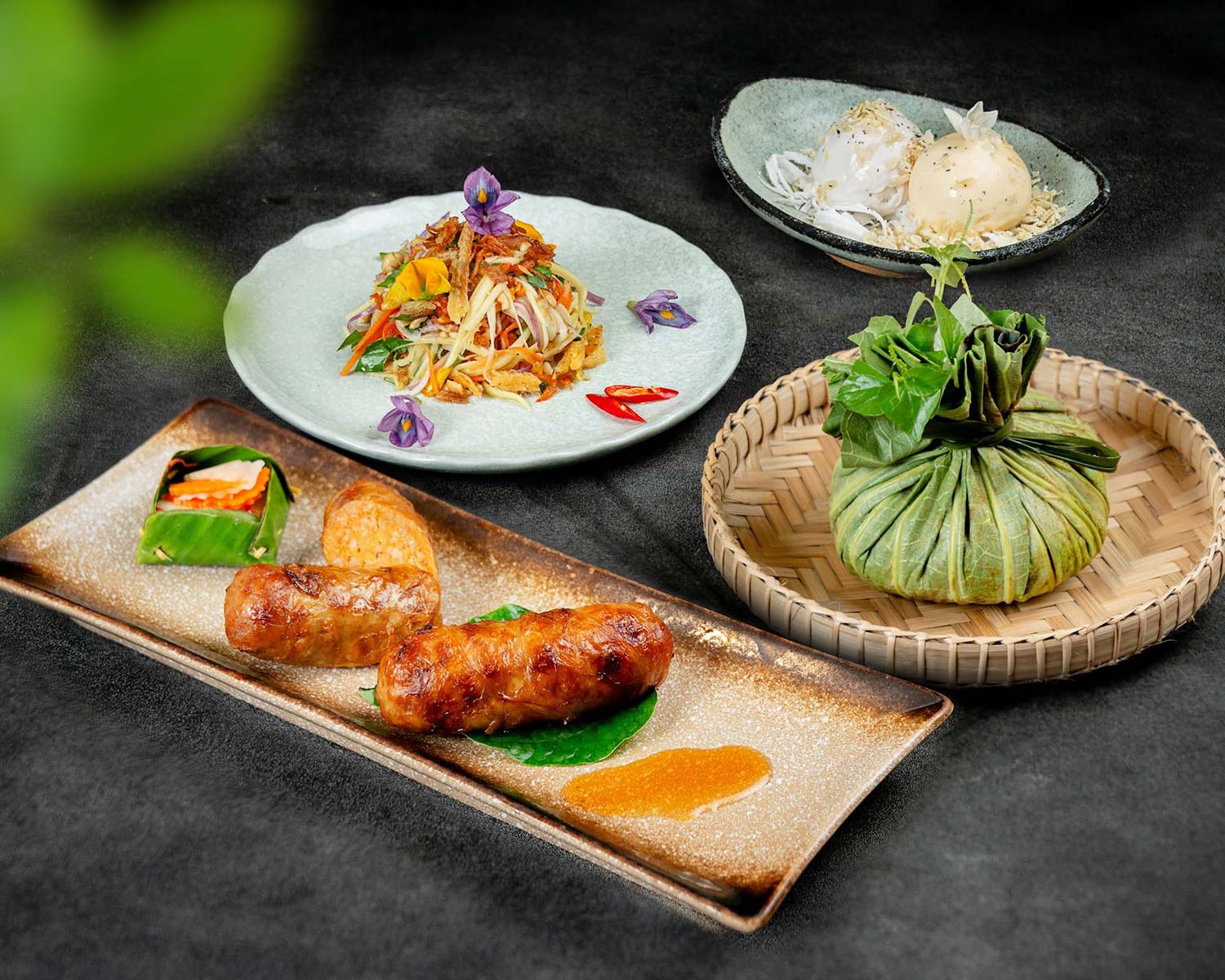
Now Executive Chef at Malis Siem Reap, Sao first built his reputation at Phnom Penh’s Villa 5, where his contemporary take on Khmer food made it one of the city’s hardest reservations to secure. In 2025, he won the Private Chef World Cup in Paris with dishes including grilled watermelon with sun-dried fish and crispy rice, beef with Khmer aromatics and prahok-red wine sauce, and coconut-lemongrass panna cotta.
“Modern Khmer cuisine is about evolution, not fusion,” Sao says. “It is rooted in traditional ingredients and techniques, but expressed more thoughtfully and with refinement.”
For Sao, presentation and technique can change, but the character of a dish should remain intact.
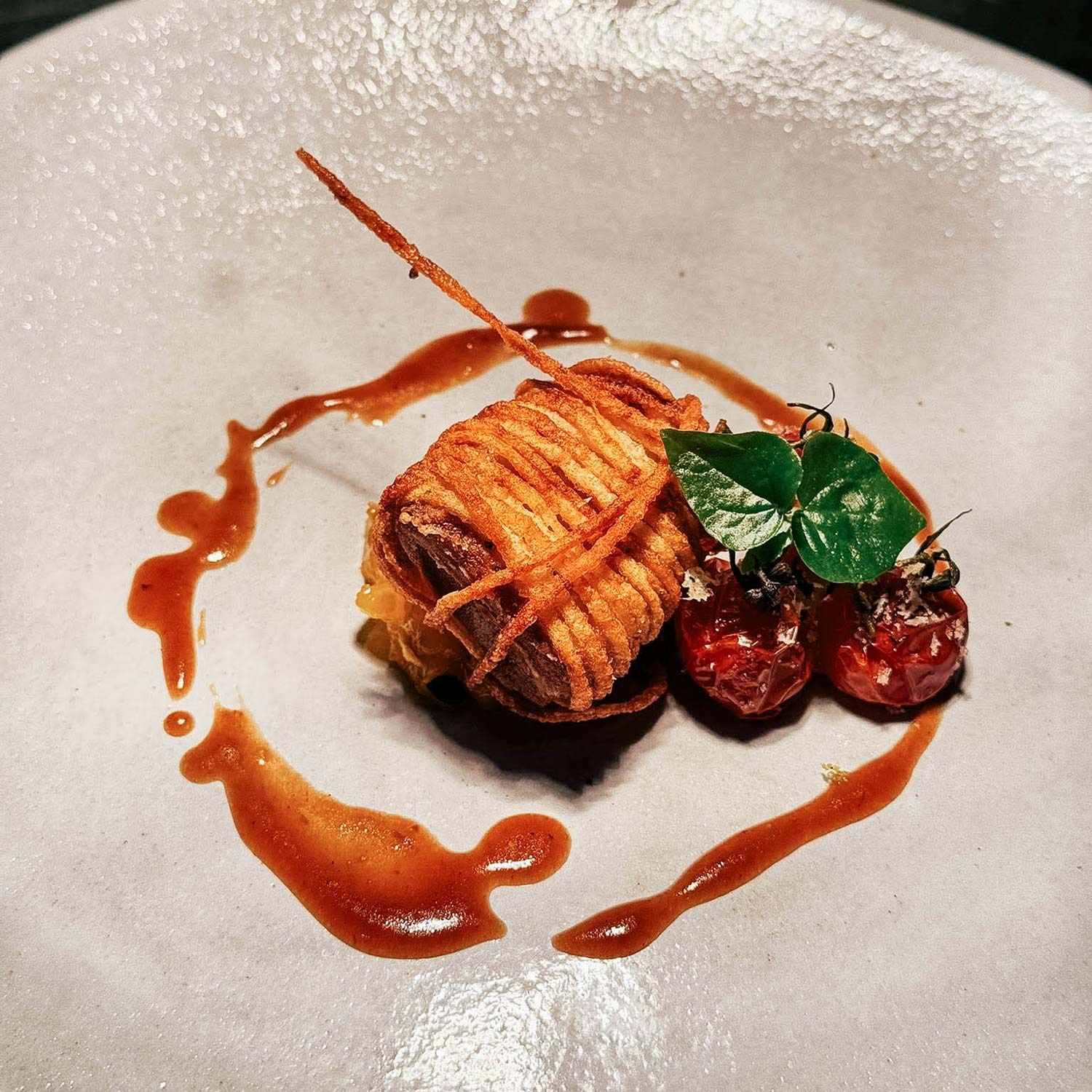
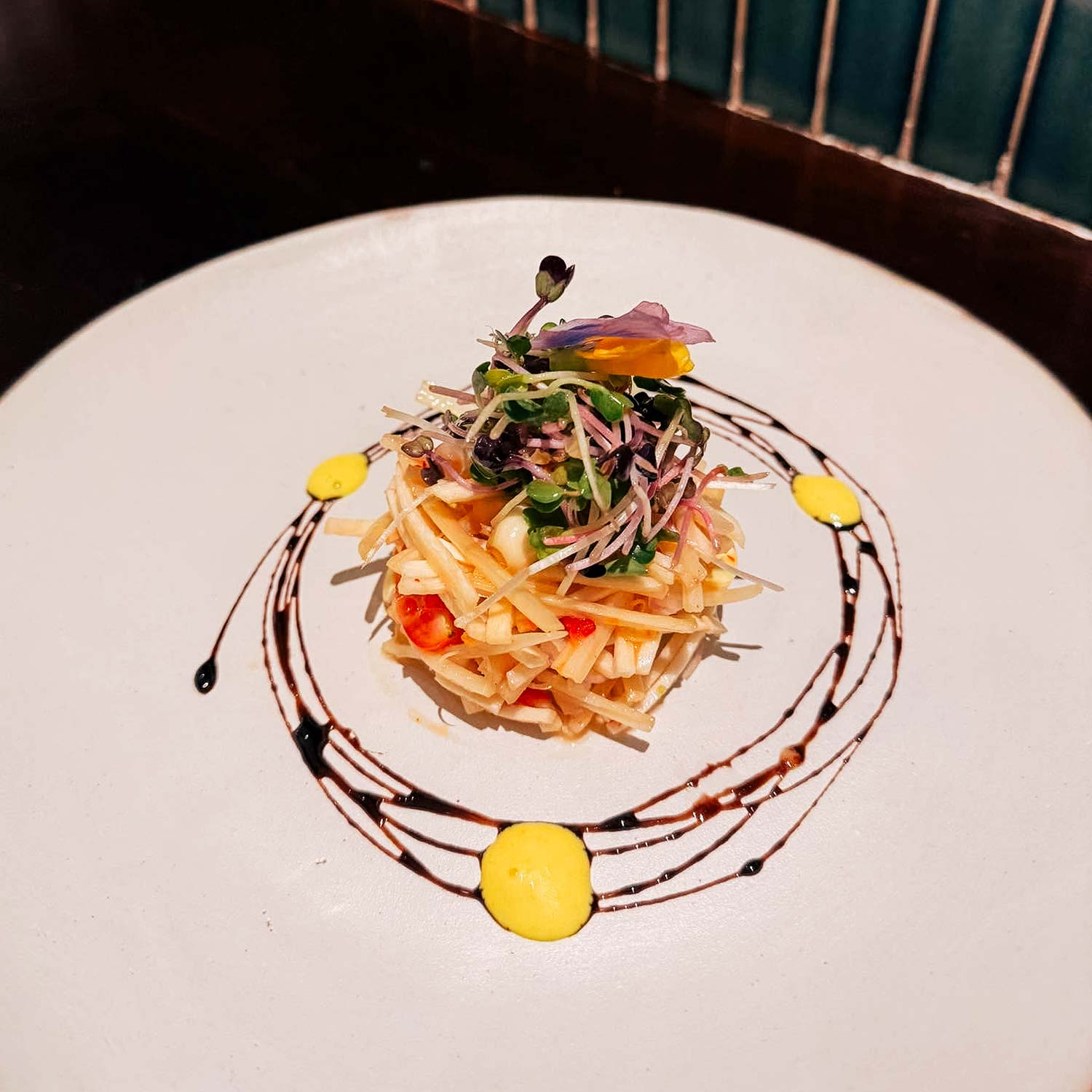
“The soul of the dish must remain Khmer,” he says. “For Cambodian guests, I want to create a sense of pride and rediscovery. It is still Khmer food, not Western, but an evolution of our own cooking. For international guests, I want them to understand that it can be refined, complex, and worthy of a place on the global stage.”
That same desire to reconnect with the past runs through the work of Ros Rotanak, better known as Chef Nak.
Through her cookbooks, cooking classes, and cultural experiences, she has spent years documenting recipes and the people behind them, from royal households to village kitchens. Much of that work reflects Cambodia’s effort to reclaim traditions disrupted by decades of conflict.
“In those years of rebuilding, I realized the simplest act, cooking a familiar dish with care, could bring back more than flavor,” she wrote. “It could bring back identity.”
Her focus extends beyond recipes. She is equally interested in who taught them, where they came from, and what they meant within a family or community.
“One dish, one story, one moment at a time,” she wrote, “that is how we rebuild.”
Those ideas are also finding an audience among younger Cambodians, many of whom have grown up with far greater exposure to international food and dining culture than their parents.
At Pi Sa, Seng estimates that 80 to 90 percent of his customers are Khmer. Lunch brings office workers. Dinner draws couples and groups of friends.
“The younger generation already enjoys international and imported products,” he says. “That’s why I came back to Phnom Penh: to show them Cambodian cuisine can compete and be taken to another level.”
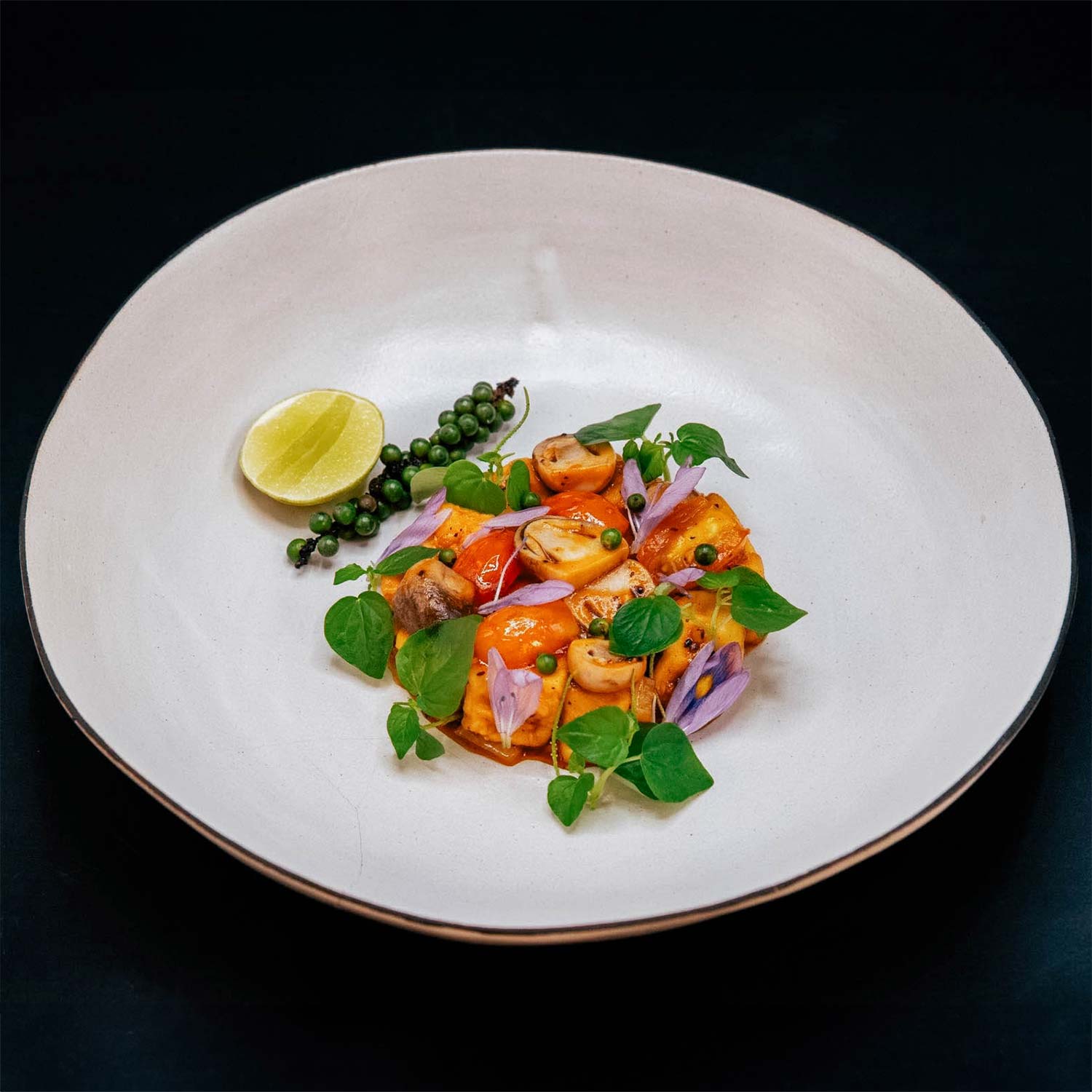
Many diners immediately recognize the references. The sea bass echoes familiar sweet-and-sour preparations. The sorbet draws on the longstanding pairing of dried fish and fruit. Even the Saraman curry, a Muslim-influenced Cambodian staple, remains recognizable despite its more contemporary presentation.
That familiarity is precisely the point. Seng is not introducing diners to something new. He is asking them to see something familiar differently.
What has changed is the setting. Phnom Penh now supports a dining culture in which young Cambodians eat out regularly, spend more freely, and move comfortably between local and international restaurants.
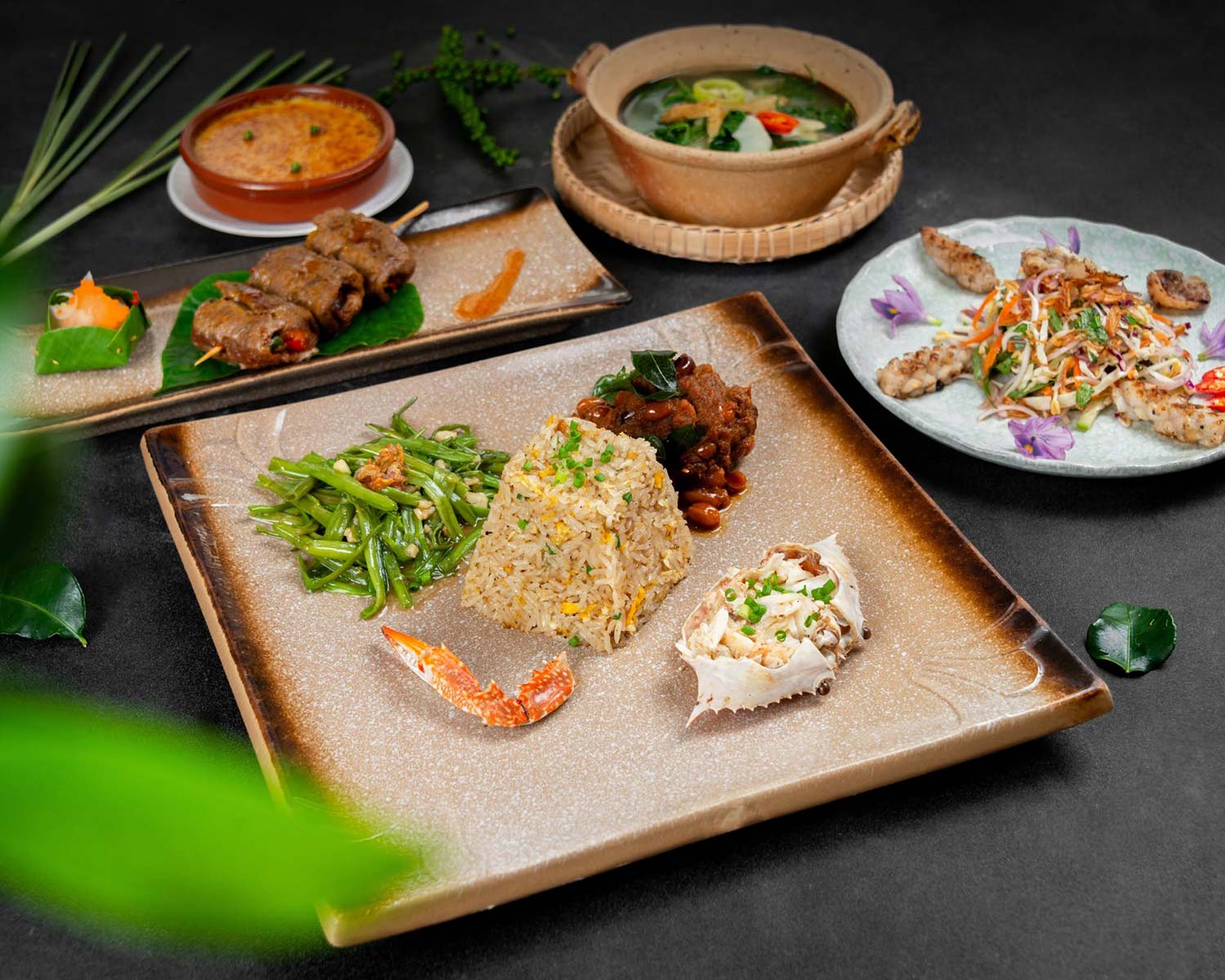
“When I worked in Phnom Penh in 2011 and 2013, eating at home was the norm,” Seng says. “People went to restaurants for special occasions. Now things have completely changed. People eat out as part of everyday life.”
The shift says as much about Cambodia as it does about its food. For decades, much of the conversation around Khmer cooking was framed for outsiders, whether tourists searching for fish amok or expatriates trying to make sense of a cuisine they barely understood.
Today, the audience increasingly sits closer to home.
Khmer food is no longer presented as a cultural curiosity or an introduction for visitors. It is being reinterpreted, debated, and celebrated by Cambodians themselves. Tourists, expatriates, and nostalgic returnees like me have moved to the edge of the frame.
Back on that dingy stairwell during my first days in Phnom Penh, prahok felt like an assault on my senses. Years later, its slow-building intensity feels like an apt comparison for the city’s dining scene.
The cooking was always here, even when visitors like me failed to see it. What has changed is the confidence with which it is now being presented. A new generation of chefs is bringing it forward with pride, ambition, and an often-pungent refusal to compromise.