


Hong Kong’s skyline has a way of bullying the imagination. It’s all too easy to let your mind drift to familiar images—sleek glass towers, busy harbors— that evoke a constant shimmer of commerce.
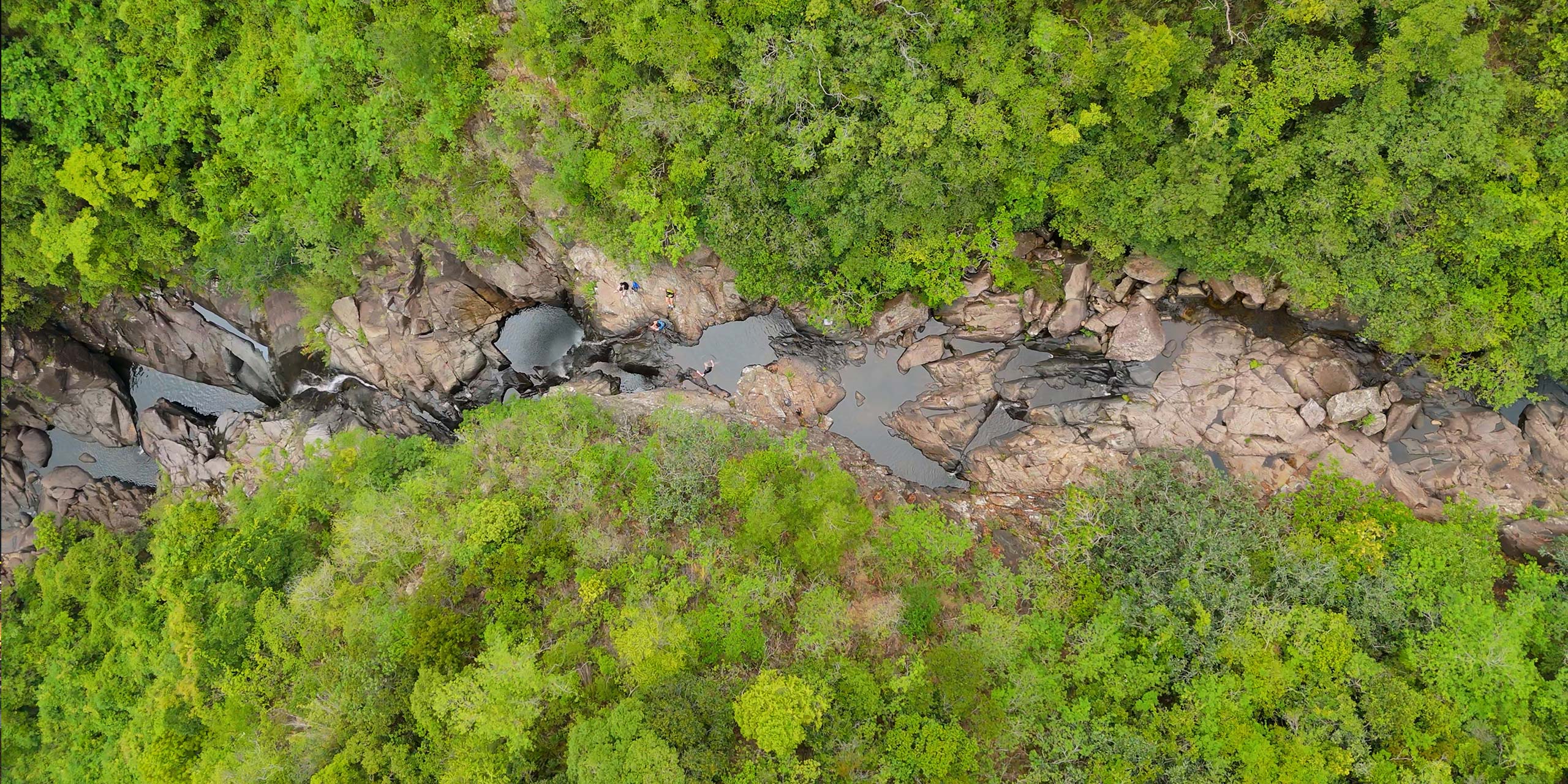
Spend enough time here, though, and another city emerges: one of steep hillsides, secret streams, and wilderness that feels worlds away from Central.
The Argyle Ross Trail, a new 100-kilometer route launched in 2024, stitches this hidden side of Hong Kong together into a single, often demanding journey.
The trail is the creation of two British teachers, Stewart Ross and Jack Argyle, who pieced it together from old tracks, forgotten stream beds, and half-remembered footpaths.
Both are long-time Hong Kong residents and obsessive hikers. During a year-long injury layoff, Stewart began mapping out an alternative to the well-trodden classics like the MacLehose and the Wilson.
What emerged is a glitchy but exhilarating trail that is eclectic, surprising, occasionally rough around the edges, but often brilliant.
I joined Stewart on a humid June morning in Pat Sin Leng Country Park for a taste of Stage 3. From the start, the trail makes you earn your rewards.
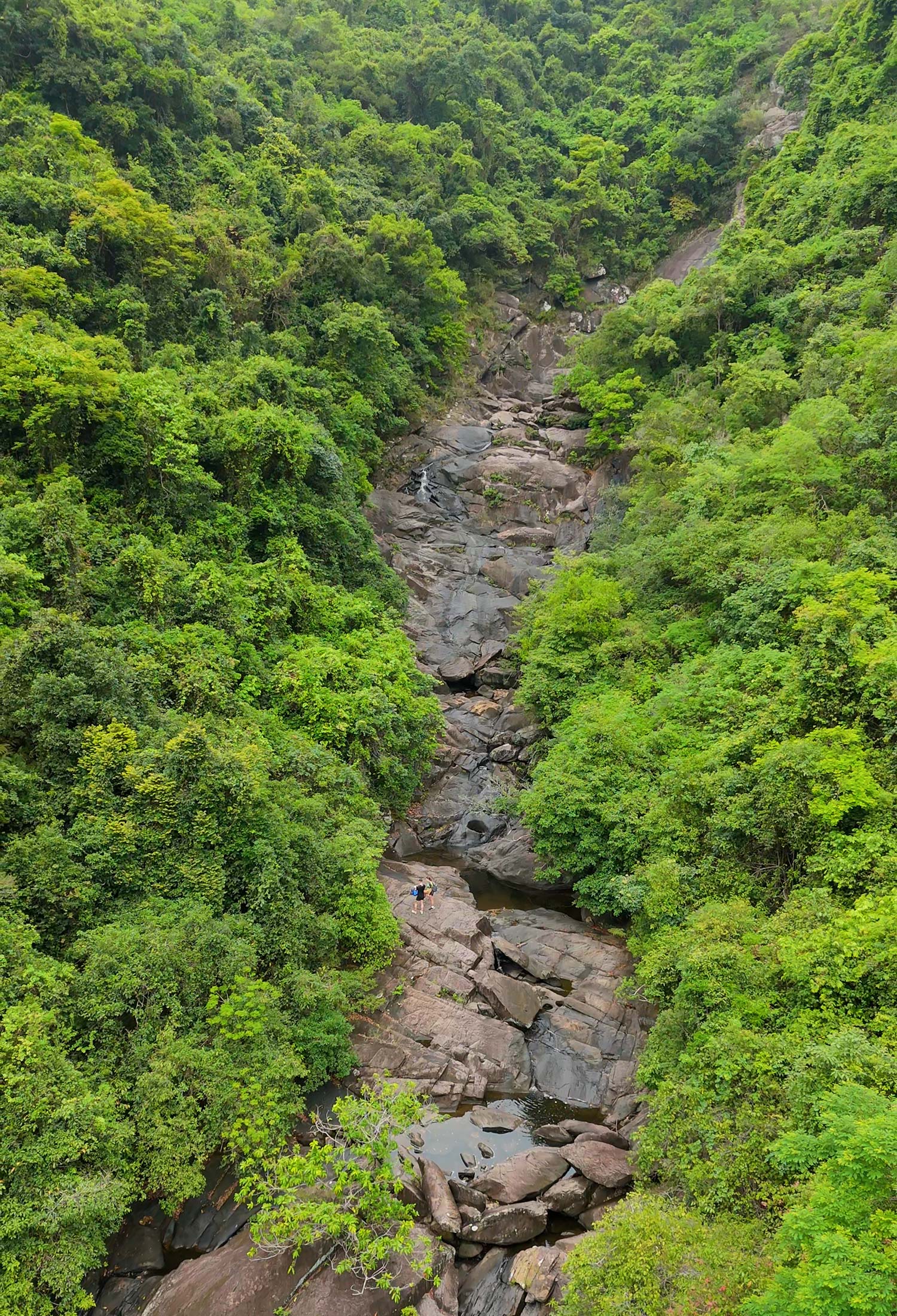
The approach to Dragon Ball Waterfall involves slick boulders, claustrophobic bamboo thickets, and the kind of humidity that leaves glasses fogged and shirts plastered to skin.
Halfway down a narrow path, Stewart murmurs a warning — “don’t shake the foliage” — pointing out the wasps that patrol the undergrowth.
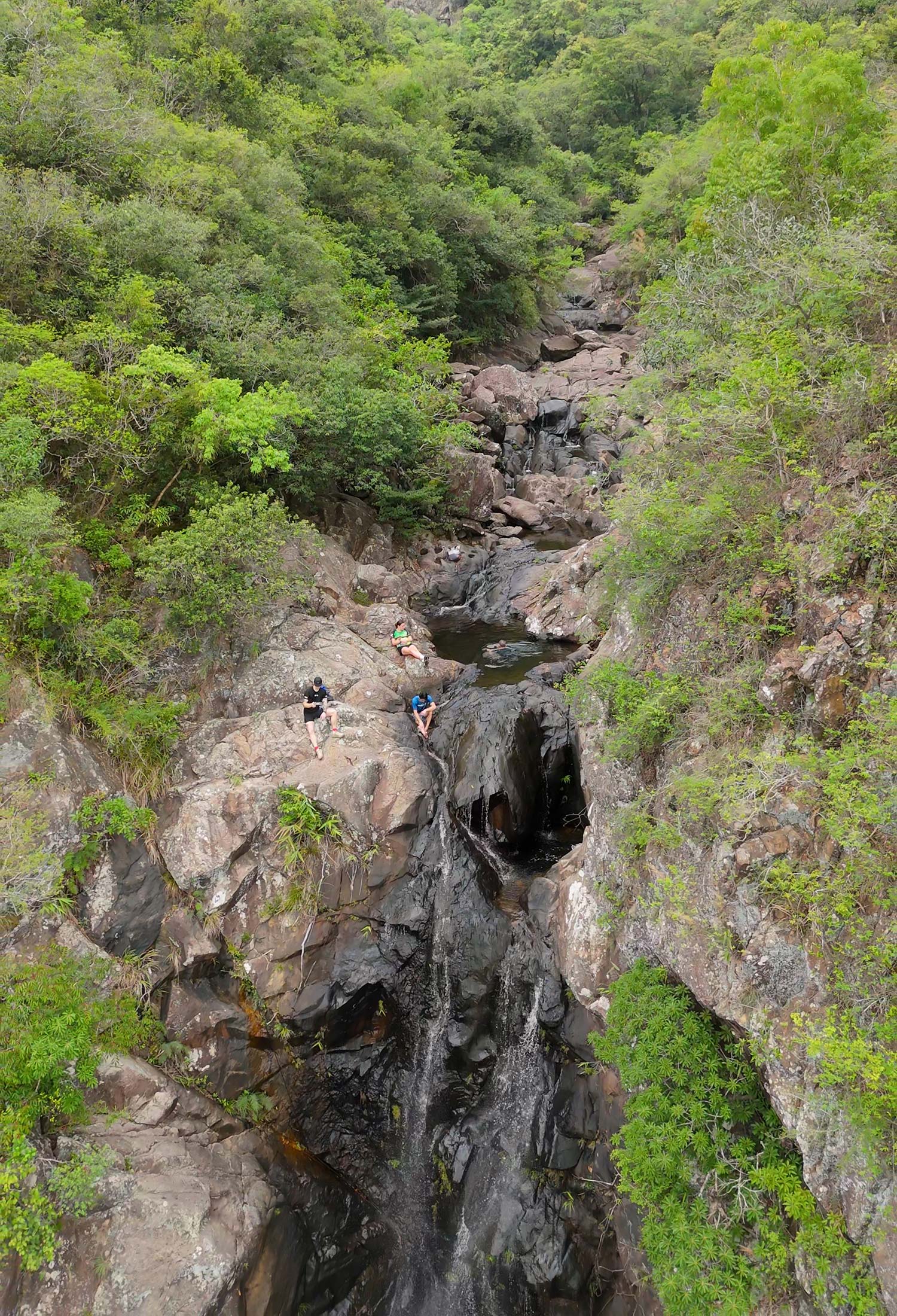
It isn’t the encouragement I was hoping for, but a few minutes later, we are standing above the falls, shoes squelching, looking out over a natural infinity pool that seems to hang over the valley. In a city that lives at full volume, the sound of water and the absence of anything else feels ethereal.
That rhythm — hardship followed by reprieve — runs through the Argyle Ross. Punishing climbs lead to tranquil pools. Scratchy undergrowth opens onto tidal shelves where the sea boils against the rocks. Ancient grave sites cling to hillsides in improbable places, reminders of traditions that placed status in elevation. For all the sweat and stumbles, there are moments of stillness. Nature’s wonder can be savored through a range of sights and moods, whether it’s a shoal of fish darting through a pool or the sudden hush that descends once you leave the city’s reach.
The variety is astonishing. One stage winds across the Yuen Tsuen Ancient Trail, passing shrines and weathered tombs. Another skirts mangrove flats in the west of the New Territories, where fiddler crabs vanish into the mud. Elsewhere, the route demands coasteering along tidal rock ledges, timing your moves to the rhythm of the sea.
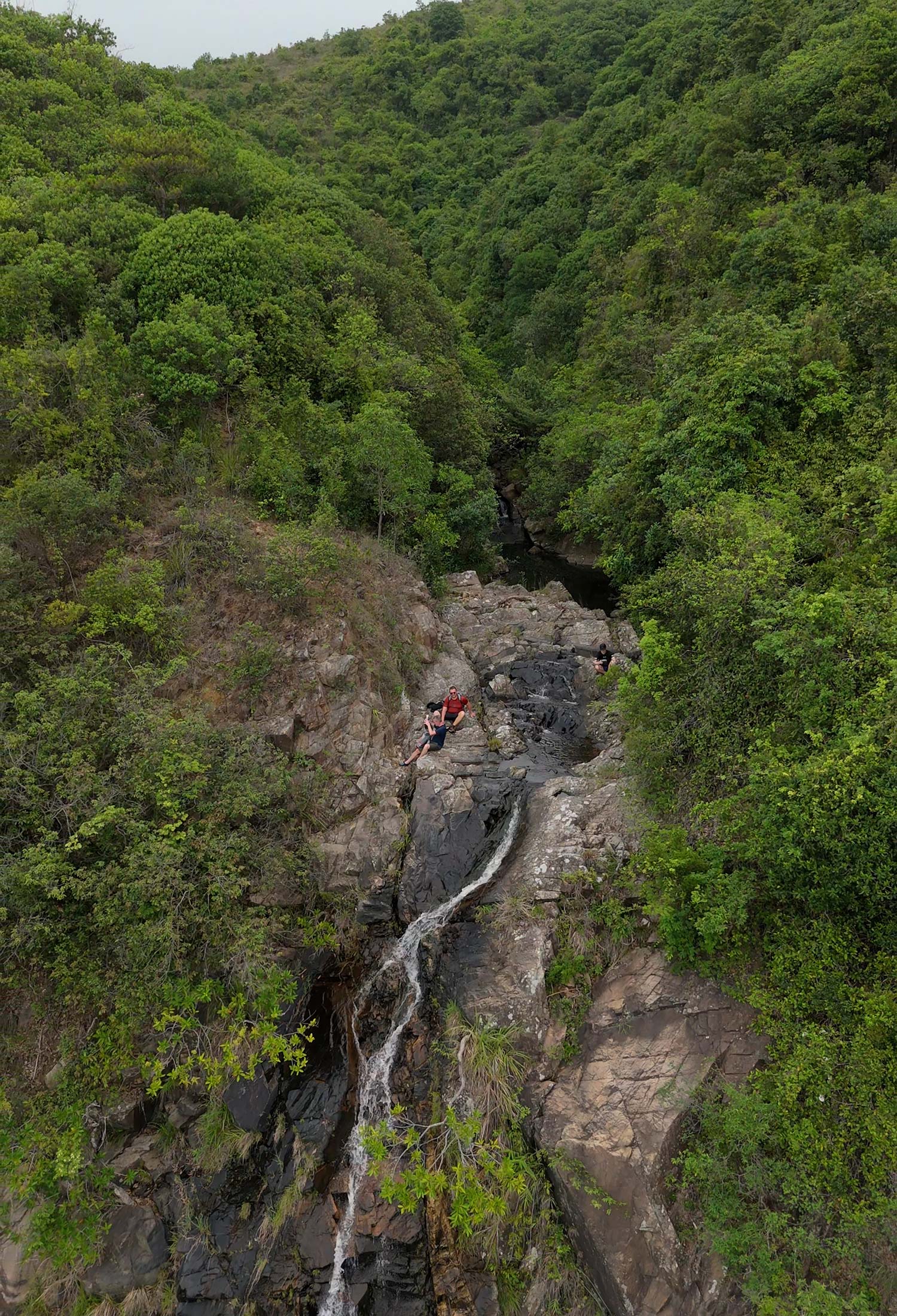
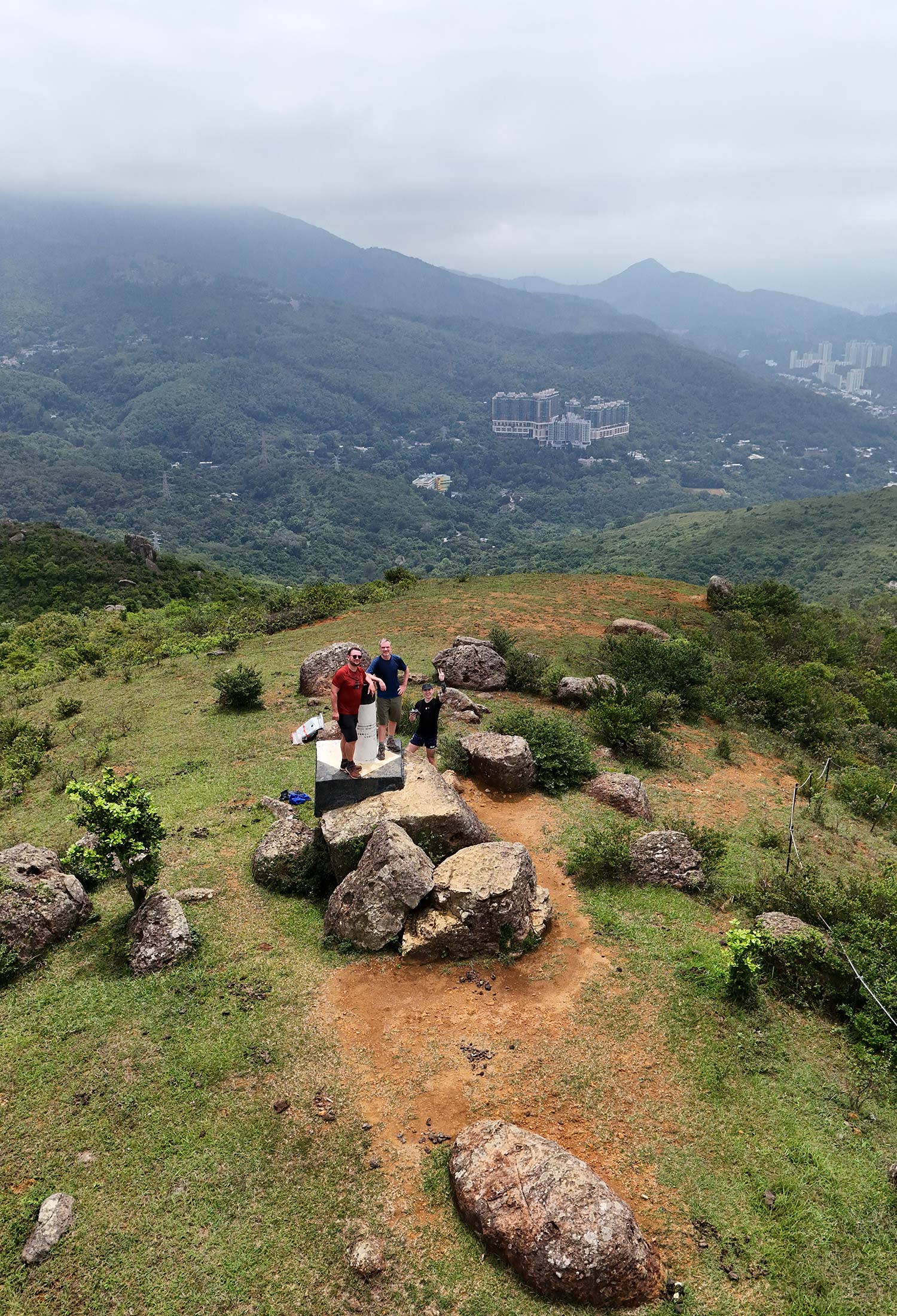
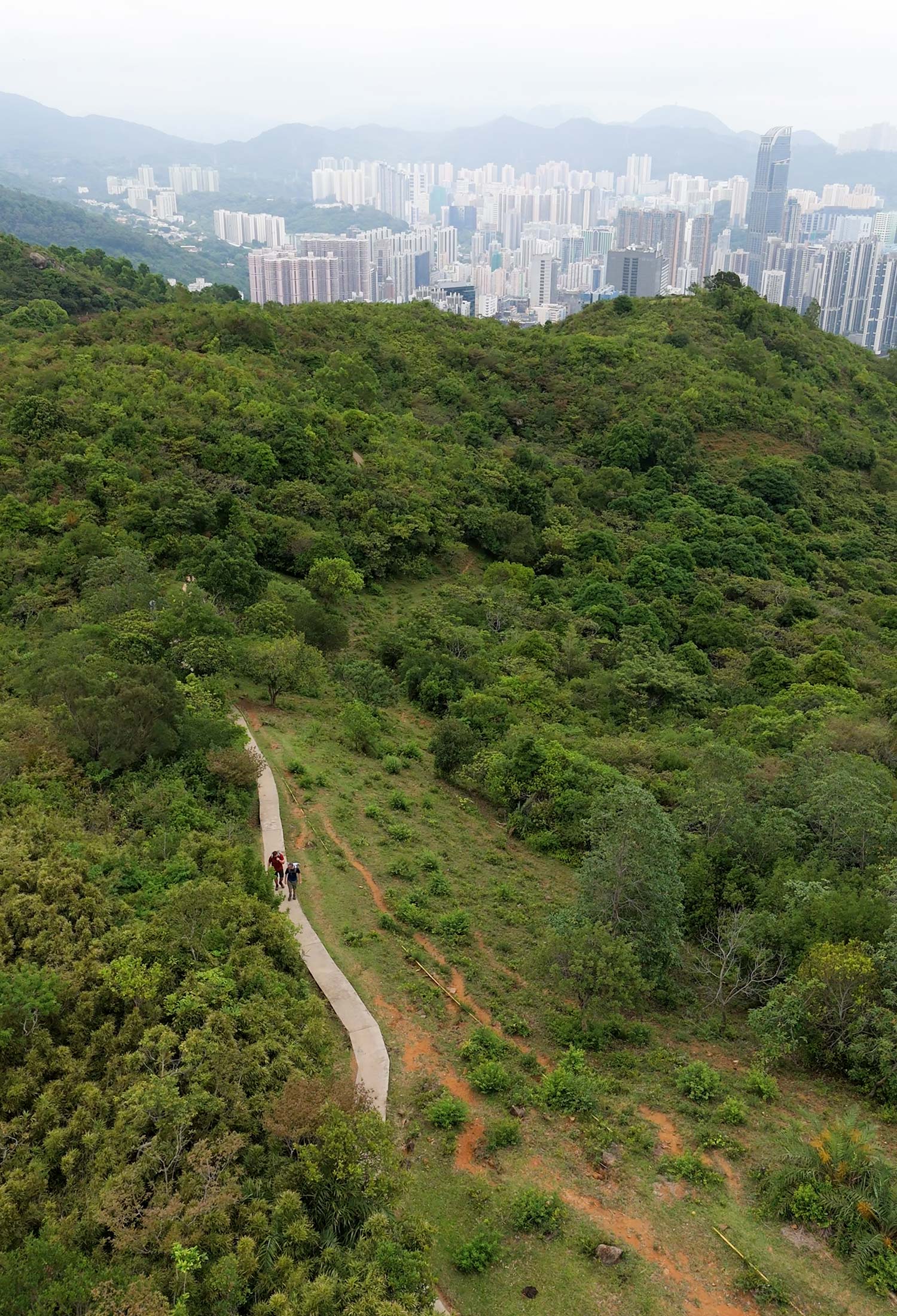
Stewart and Jack have deliberately included sections that go beyond conventional hiking, forcing you into the water, onto the rocks, or down into gullies where progress is measured in scratches and bruises.
On my second day out, I found myself descending what I called, less than affectionately, the “Bastard Brook.” This was a snaking stream that seemed to repel any notion of balance. Every step was a negotiation with algae-slick stone. The undergrowth clawed at shins. A slip could mean anything from a bruised tailbone to a full dunk.
Stewart, in his calm Highland lilt, offered reassurance that snakes were common in Hong Kong. By the time we reached the base of Stone Dragon Waterfall and I collapsed into a pool warmed by the afternoon sun, the discomfort was already fading. What lingered was a sense of elation that came from having moved through the landscape rather than around it.
For all the hardship, the Argyle Ross has a sociable streak. Stewart and Jack have a knack for ending stages in places where food and beer await. The unofficial finale of Stage 4 is the King’s Belly pub, where curry chips and draught pints taste like nectar. Sham Tseng, where my own day ended, is renowned for roasted goose.
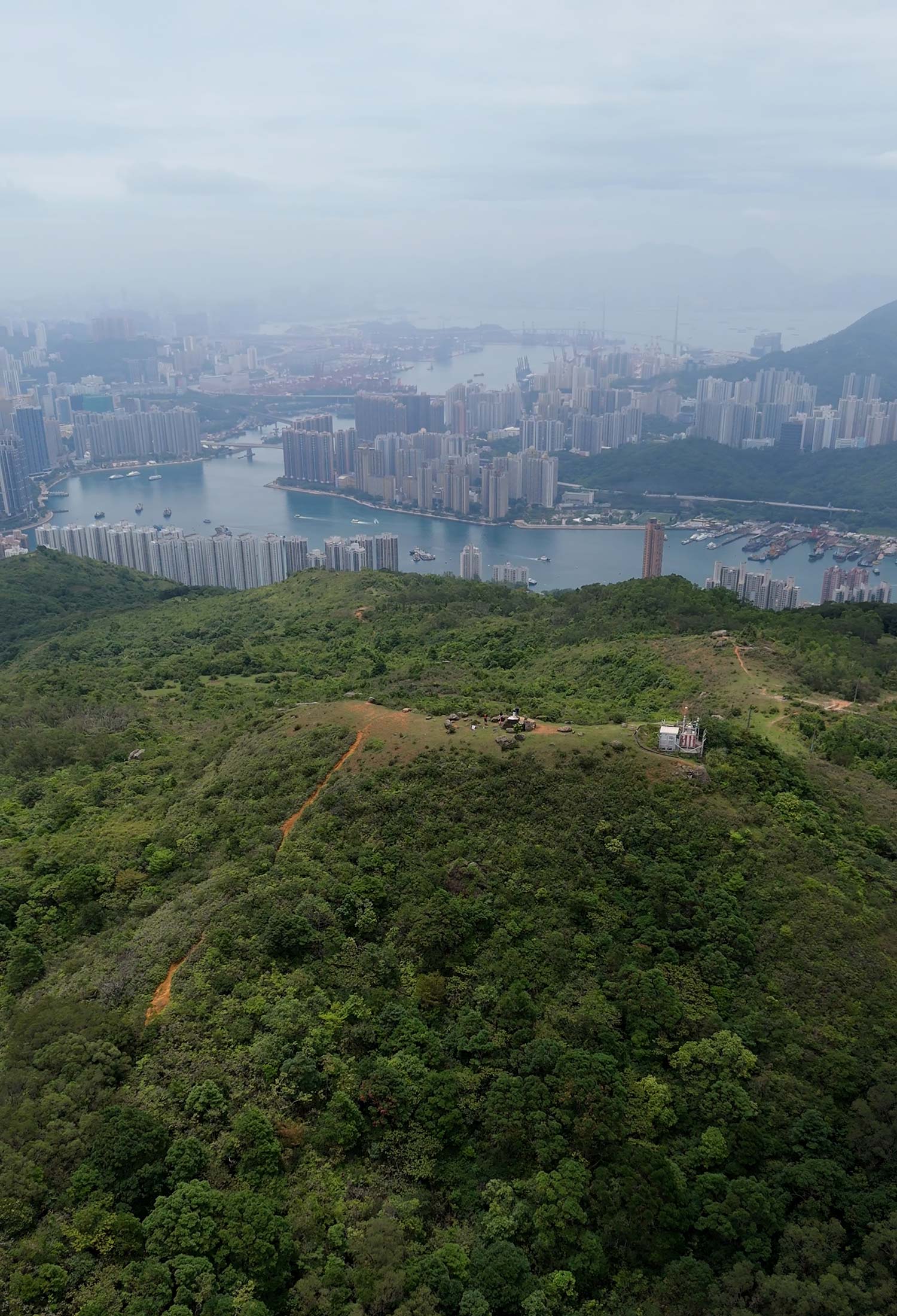
At Yue Kee, a Bib Gourmand stalwart, plates of crisp-skinned bird were chased down with cold Tsingtao. Stewart raised a can in salute, declaring it the best beer of his life. Hyperbole, maybe, but it felt hard to argue.
For serious hikers, the trail can be attempted in one continuous push. Stewart has mapped every stage, noting hammock points and resupply options on his Thruhiking HK website. But it also works as a series of day hikes. Public transport links most of the sections, and hotels in Sha Tin or the northern New Territories make practical bases.
Those seeking more indulgence can base themselves in the city proper and dip into the trail in stages, pairing the wildness of the day with the polish of Hong Kong’s dining scene at night.
Compared to Hong Kong’s more established routes, the Argyle Ross feels raw. Signage is sparse. GPX files are essential. Trails sometimes disappear into streams or brambles, only to re-emerge a few bends later.
As we limped into Sham Tseng that evening, feet blistered, clothes damp, I thought about how the Argyle Ross manages to condense the contradictions at play into a single path. It is at times chaotic, occasionally unforgiving, but never dull.