


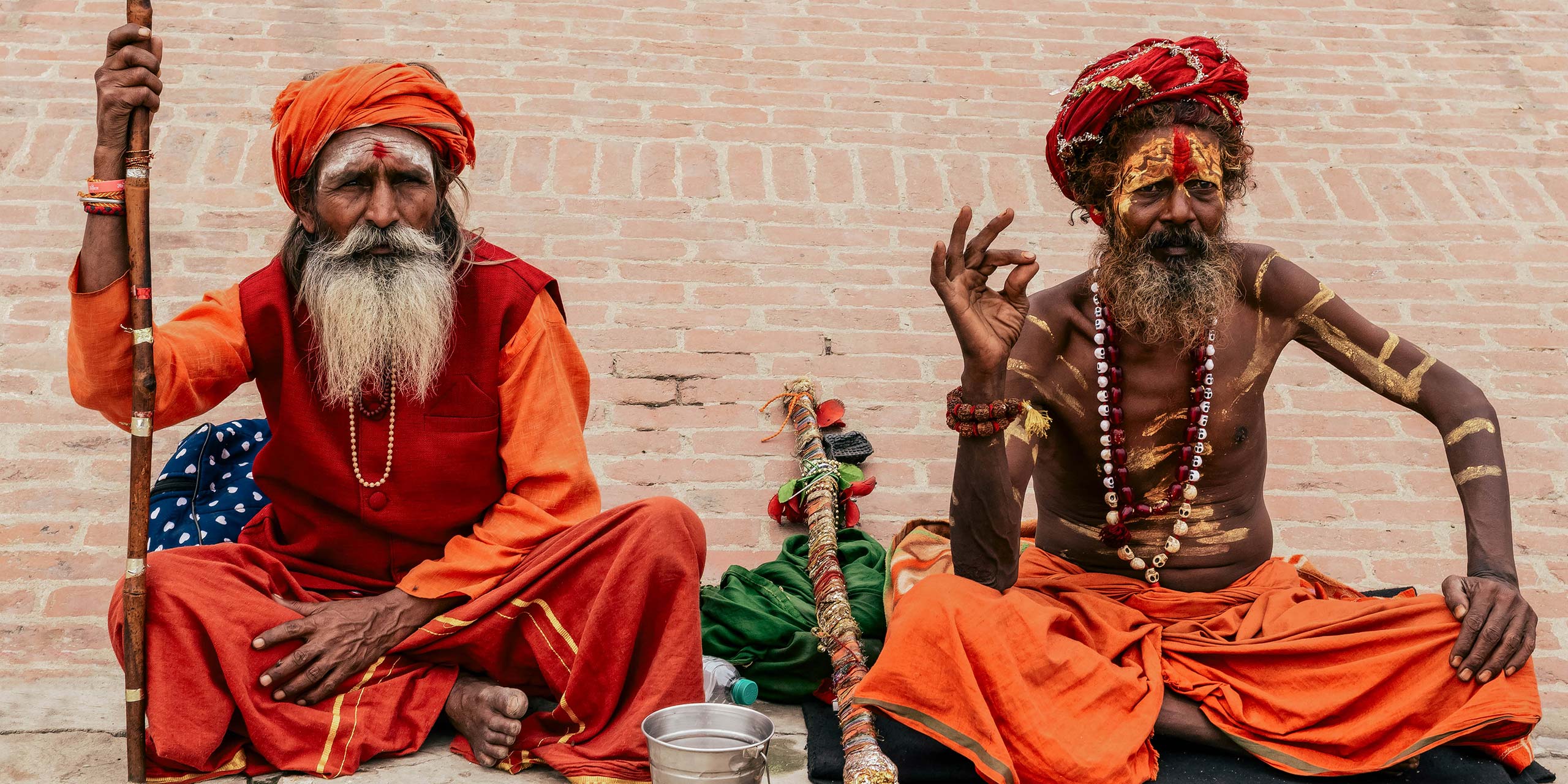
The holy man sitting beside the Ganges looked an unlikely spiritual revolutionary.
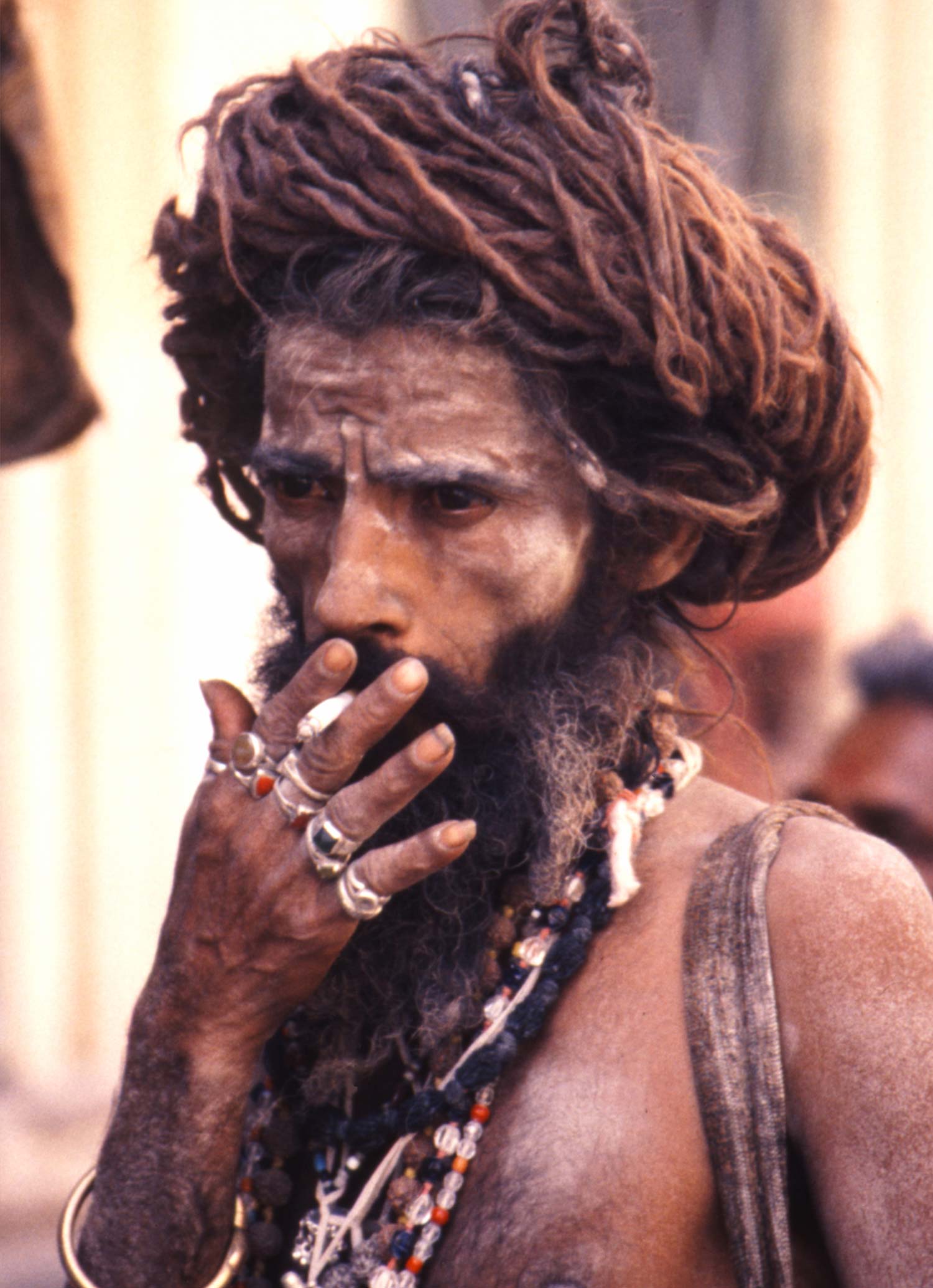
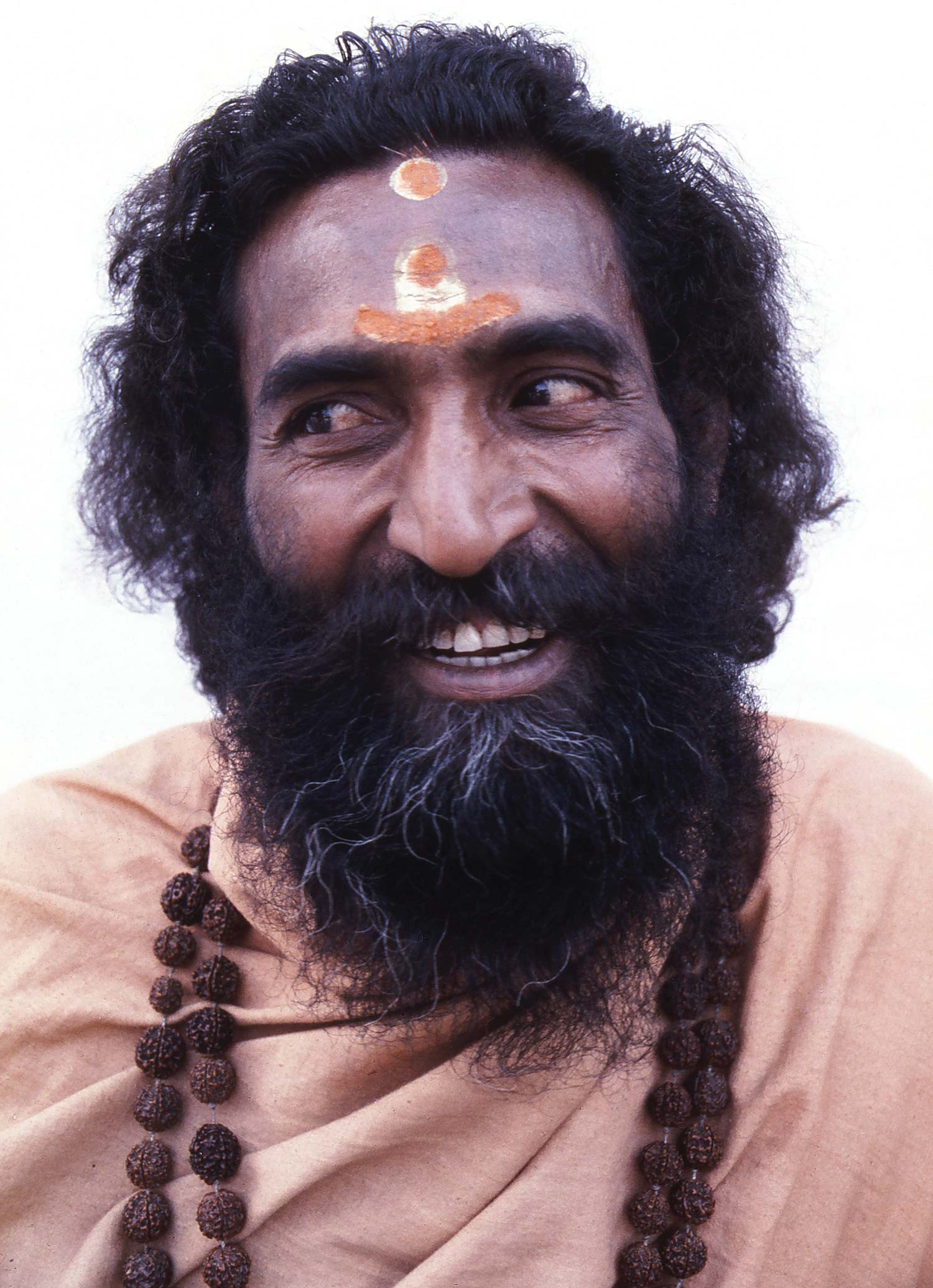
Barefoot and bearded, wrapped in a long saffron cloth, Sadhu Swami Jayaprakash Puri was passing around a clay chillum packed with hashish and tobacco. The pipe moved from hand to hand among a circle of sadhus gathered on the riverbank. Smoke drifted into the afternoon air.
Fifteen years earlier, Puri had been studying economics in Dehra Dun. Then he walked away.
“I completed my studies, but felt I was not a special man,” he said. “I felt I was just like everyone else. I was cut off from humanity. Now, because I’m a sadhu, I am a special man.”
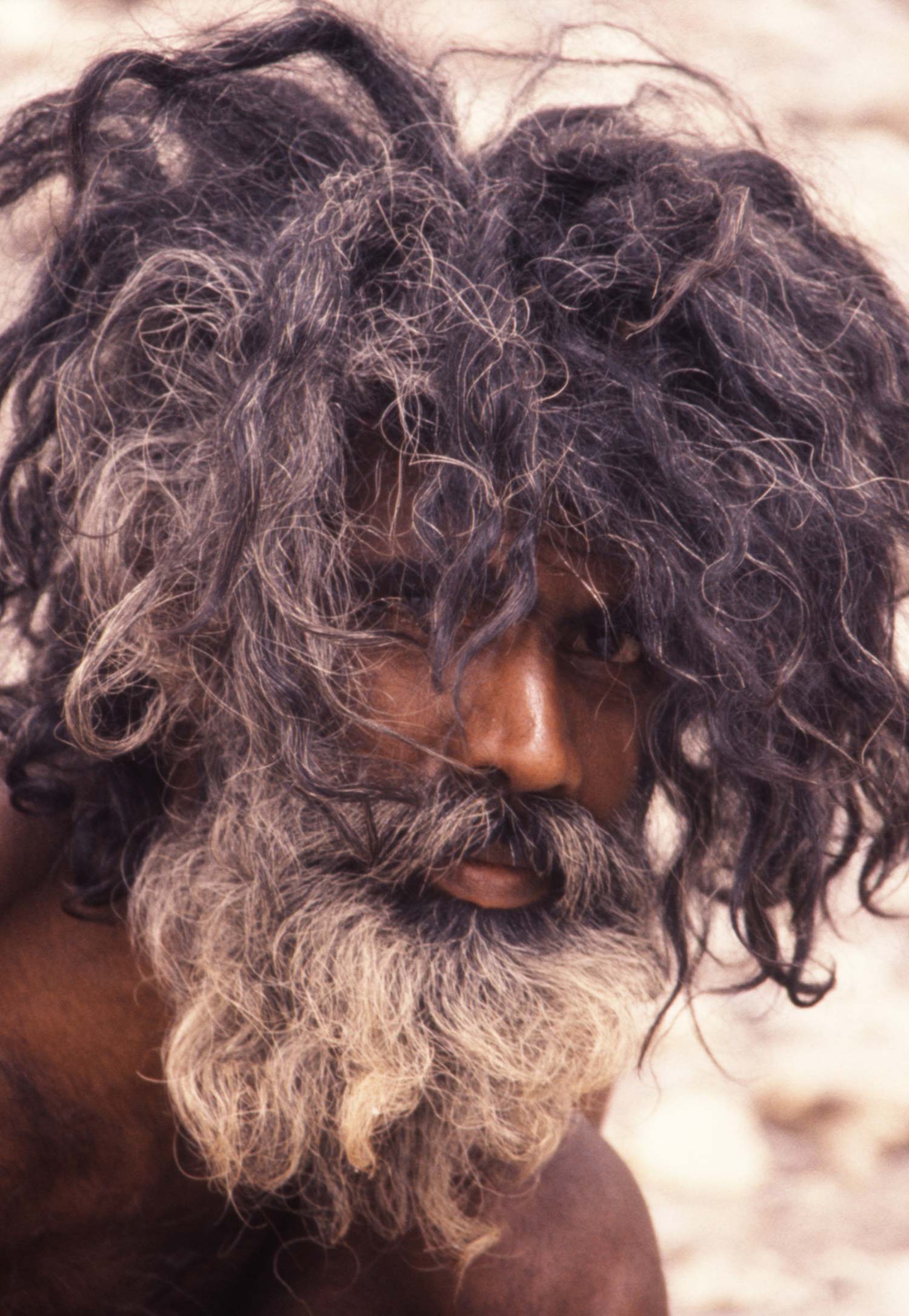
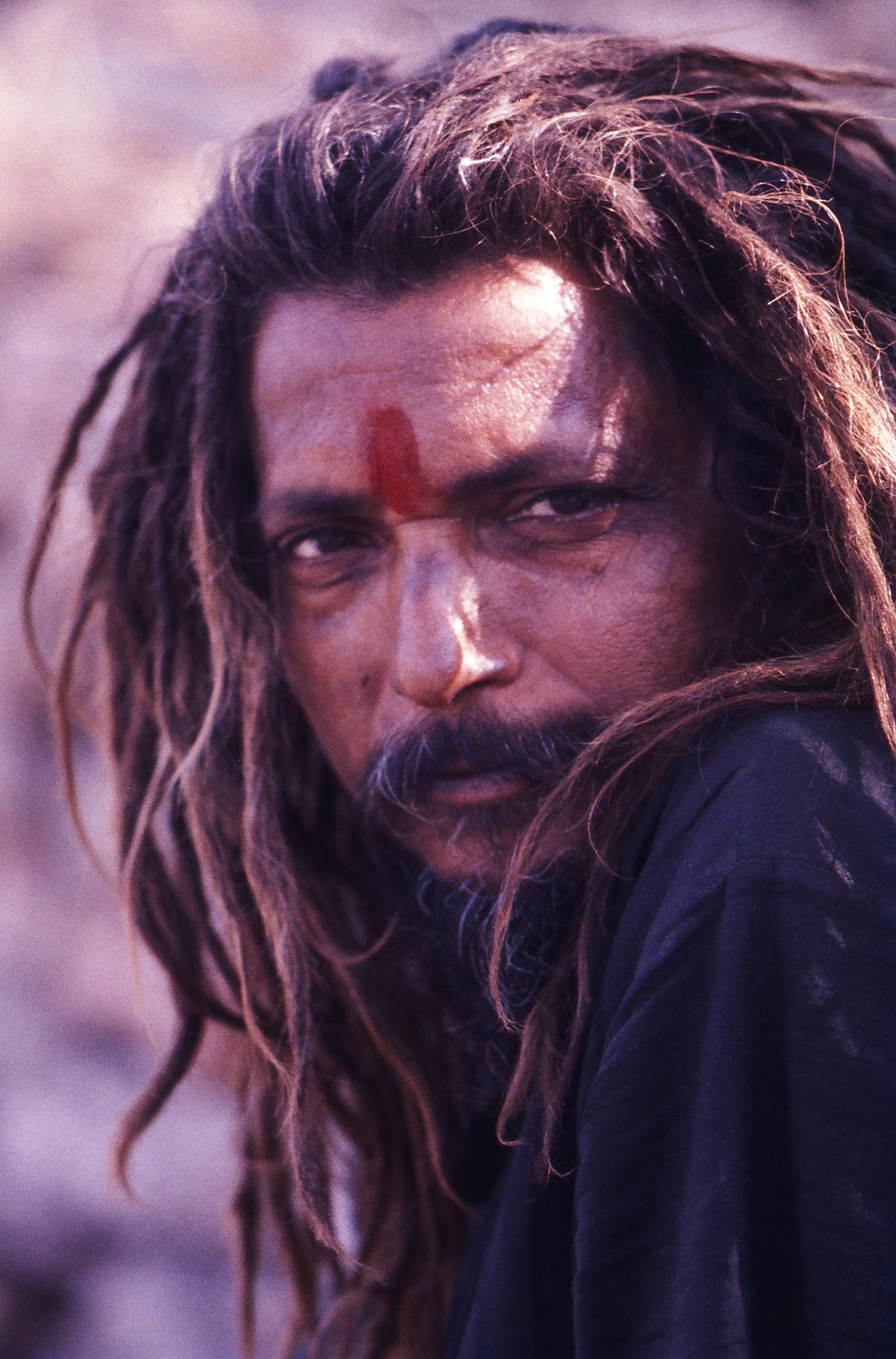
Across India, perhaps a million men have chosen a similar path. They abandon careers, families, possessions, and social status to pursue spiritual liberation. Some wander barefoot across deserts and mountains. Others live in caves, sleep rough, or survive entirely on alms. Their goal is moksha: freedom from the cycle of death and rebirth and union with the divine.
The tradition stretches back thousands of years, predating Hinduism itself.
To outsiders, sadhus can seem bewildering. They are among the most visible symbols of Indian spirituality, yet they exist largely outside society. Some cover themselves in ash. Others spend years meditating in isolation. A few belong to extreme sects whose practices have helped fuel the mystique surrounding India’s holy men.
For Puri, the attraction was simpler. “You should have a guru who gives you guidance,” he explained. “He teaches you the way of eating, sleeping, living, preaching, and worship. A guru will protect you.”
The guru-disciple relationship sits at the heart of the sadhu life. A novice renounces worldly attachments and places himself under the guidance of a spiritual teacher. In return, he receives instruction, discipline, and a sense of purpose.
Many sadhus live with remarkable austerity. They wander from place to place carrying little more than a blanket, a bowl, and a few personal possessions. Food often comes from donations. Comfort is viewed as a distraction.
Puri seemed content with the arrangement. “I wander all over India,” he said. “I also get food from other sadhus. I like being a sadhu.”
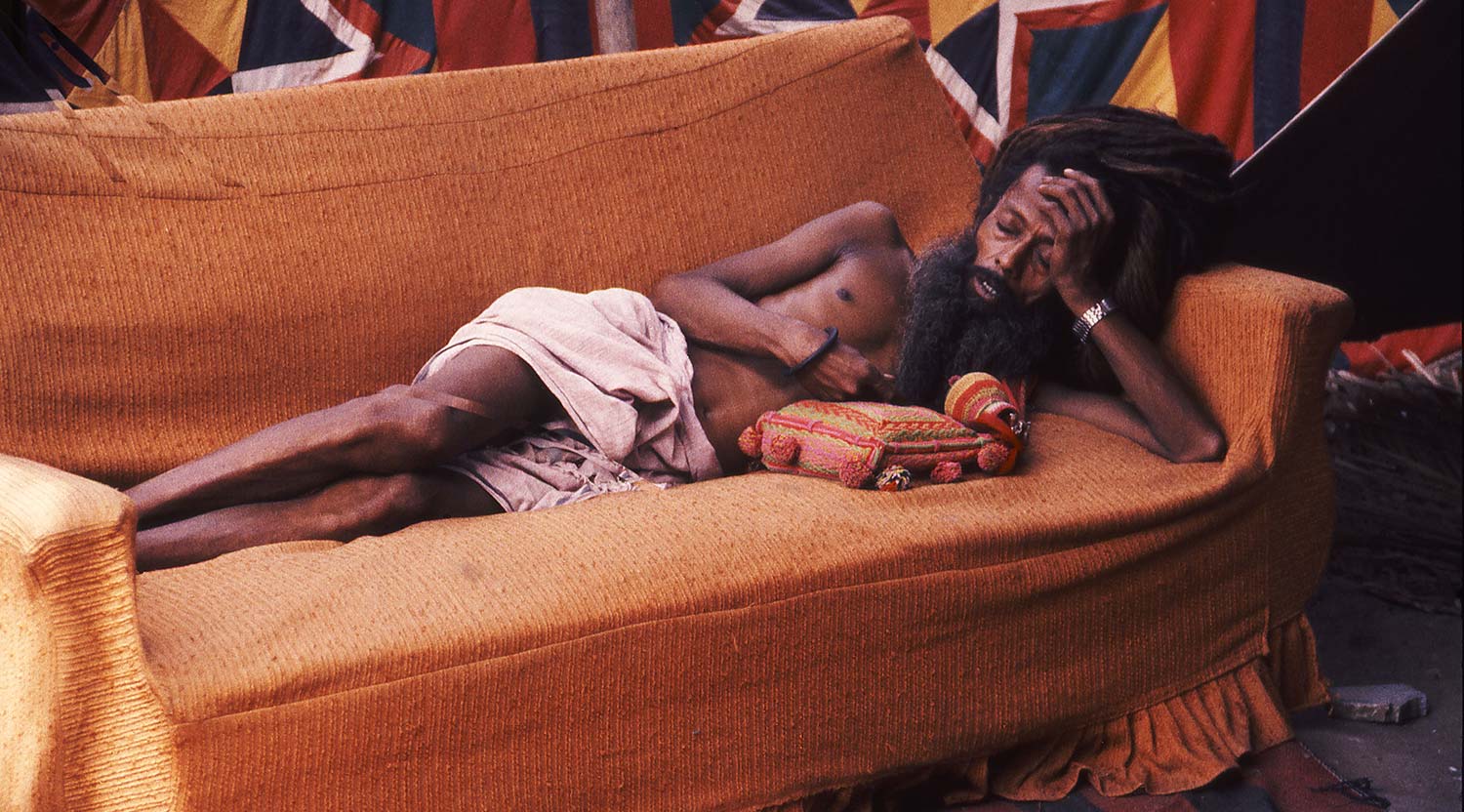
Then he grinned and lifted the chillum once more.
“I smoke hashish. This is my need. Hashish is God’s gift.”
The relationship between sadhus and cannabis has fascinated travellers for centuries. Some holy men regard the drug as an aid to meditation, particularly in traditions associated with Shiva. Others avoid it entirely. Either way, the image of the chillum-smoking sadhu remains deeply embedded in popular imagination.
Yet life as a holy man is often harder than romantic depictions suggest. Not far away, another sadhu offered a more complicated view of renunciation.
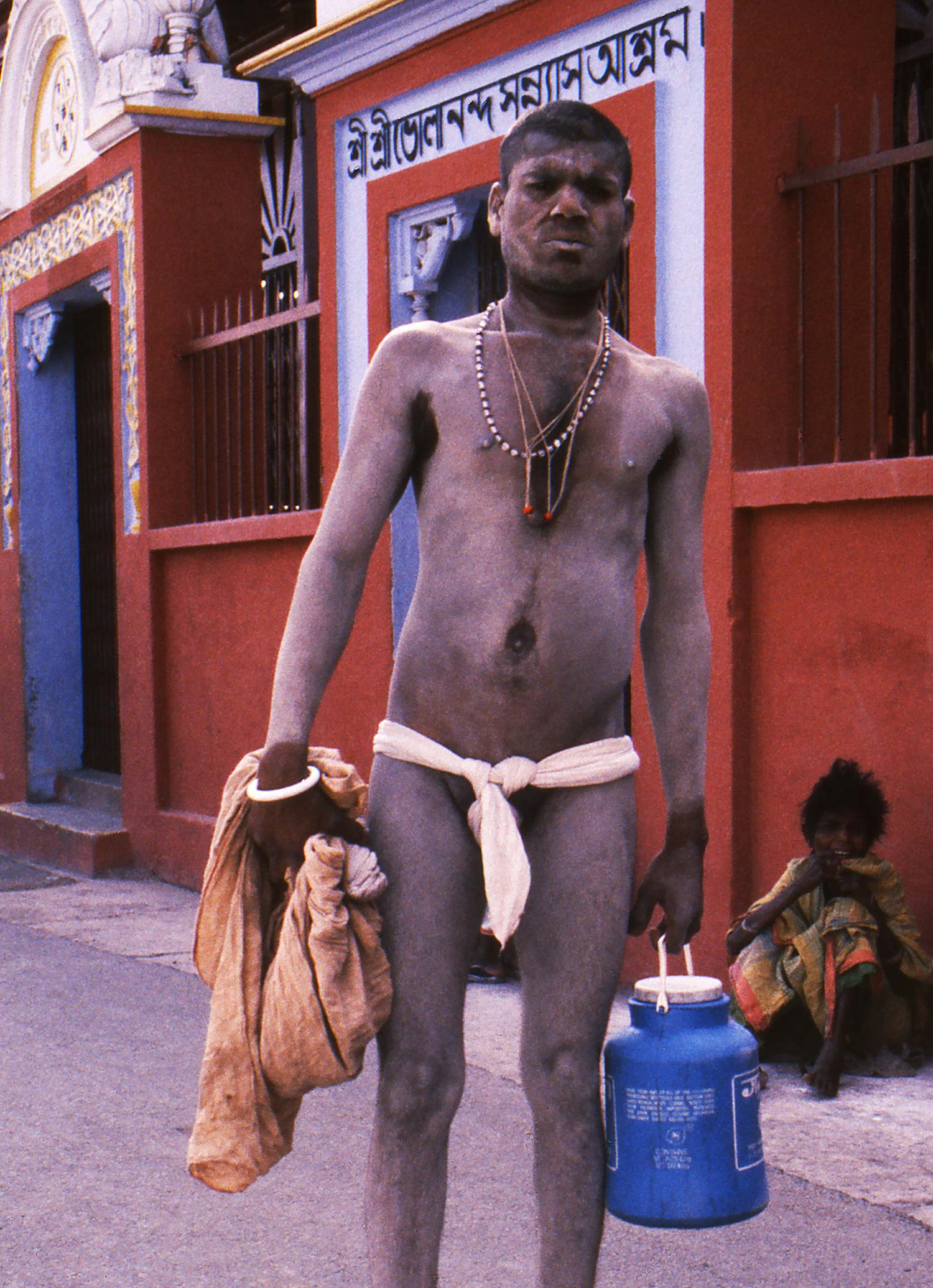
A former shopkeeper from Calcutta, he had abandoned ordinary life in search of enlightenment. The results had been disappointing.
“I am trying to be a sadhu, but it is so difficult,” he admitted.
He had attempted to walk barefoot, but injured his feet and now wore tennis shoes. He begged for money, prayed to Shiva, and smoked hashish with other sadhus.
“But still I feel no liberation,” he said.
His complaints tumbled out with surprising honesty.
“My feet are killing me. My head hurts from the hashish. Mosquitoes bite me all the time. And I’m always hungry. Other sadhus are just laughing at me.”
For all the mythology surrounding holy men, his frustrations felt profoundly human. Spiritual transformation, it seemed, could prove elusive even after giving up everything else.
The lives of sadhus have not always been peaceful. In earlier centuries, rival orders sometimes fought each other with astonishing ferocity.
One of the bloodiest clashes occurred in Hardwar in 1760, when competing groups battled over the right to enter the Ganges first during a religious festival. Historians estimate that thousands died. Victorious Shaivite sadhus secured the privilege of bathing before everyone else at future gatherings.
Today, the Kumbh Mela remains the world’s largest religious gathering, drawing tens of millions of pilgrims. Sadhus remain among its most celebrated participants, marching in elaborate processions before plunging into the sacred river.
For devout Hindus, the Ganges is more than a river. Its waters cleanse sin and purify the soul. To bathe in it is an act of spiritual renewal.
Yet perhaps the most powerful lessons offered by sadhus concern not salvation but mortality.
In neighbouring Nepal, many holy men spend their days around Kathmandu‘s Pashupatinath Temple, where funeral pyres burn beside the Bagmati River. There, amid smoke and ash, death is impossible to ignore.
“I saw them burn the king and queen,” said sadhu Rada Kris Mudari, recalling the cremation of Nepal’s murdered royal family in 2001. He gestured towards the riverside cremation platforms. “But all people become like this.”
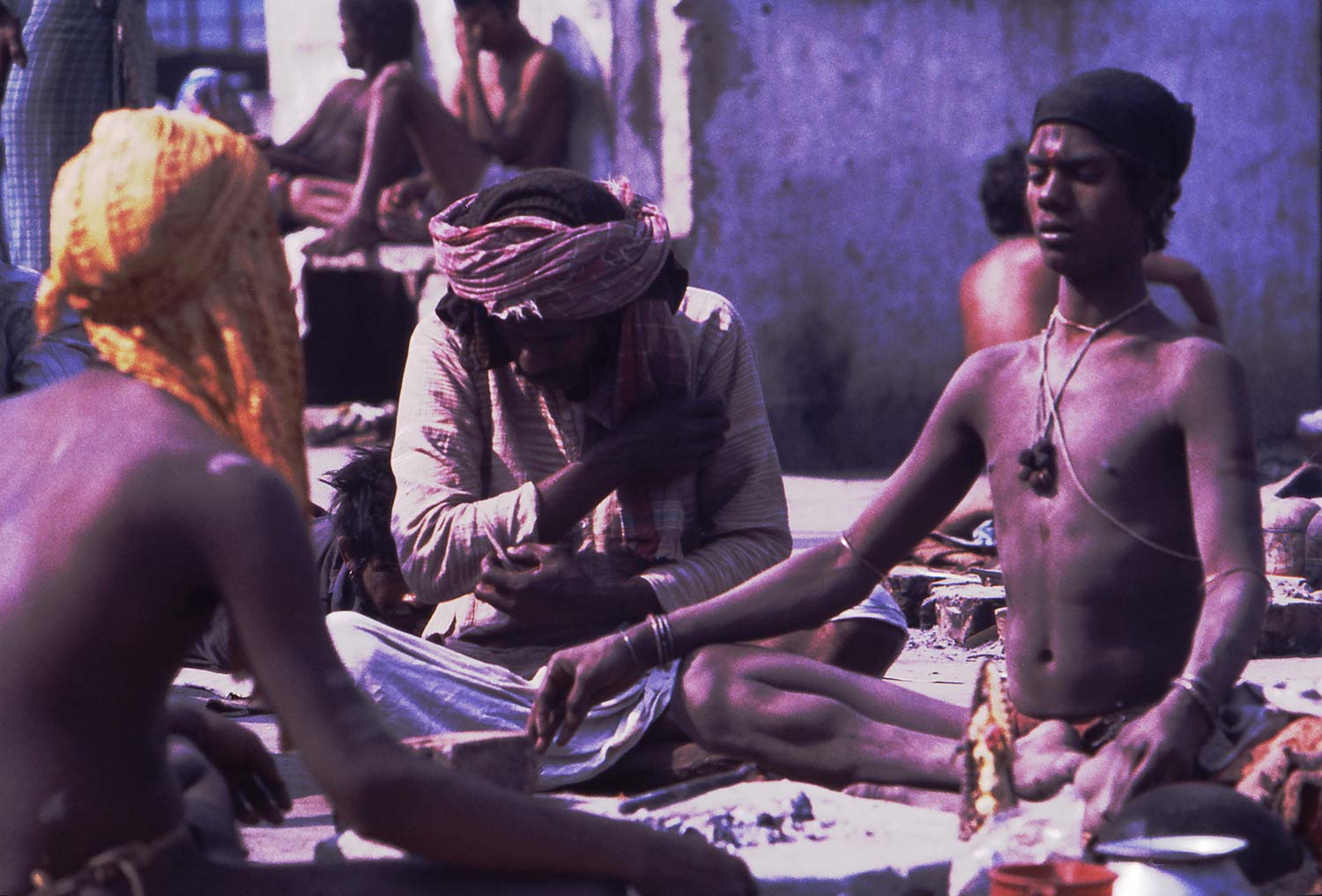
Nearby, another sadhu, Bogindra Das, reflected on the same theme.
“When rich people die, they don’t have anything,” he said. “But poor people, when they die, they have God.”
For nearly a decade, he had watched thousands of cremations. “When a king burns, it is different,” he said. “There are soldiers and music. When normal people burn, undertakers just put them on wood and make a fire. But everybody must go. Even we sadhus must go.”
Asked whether he would prefer to be a king in his next life, he laughed.
“I do not want to live like a king. A king is only a king of the public world. A sadhu is a king of kings, because when a king goes to learn about God, the king comes to the sadhu.”
It is an idea that helps explain why the sadhu tradition has endured for millennia. Kings, politicians, and businessmen may command wealth and power, but sadhus pursue something that lies beyond worldly success.
Whether they find it is another question. Back beside the Ganges, Puri stared at the rushing water as the chillum made another circuit of the circle.
“I am going for salvation,” he said. “I think to myself: What is our soul? What is our heart? Why do we feel anger and sleepiness? These questions are the path to salvation.”
Then he fell silent. The river flowed on, carrying with it the hopes, doubts, and questions of countless pilgrims. For the men who abandon everything in search of enlightenment, the answers remain as elusive as ever. Yet the search itself continues, one of humanity’s oldest journeys.