


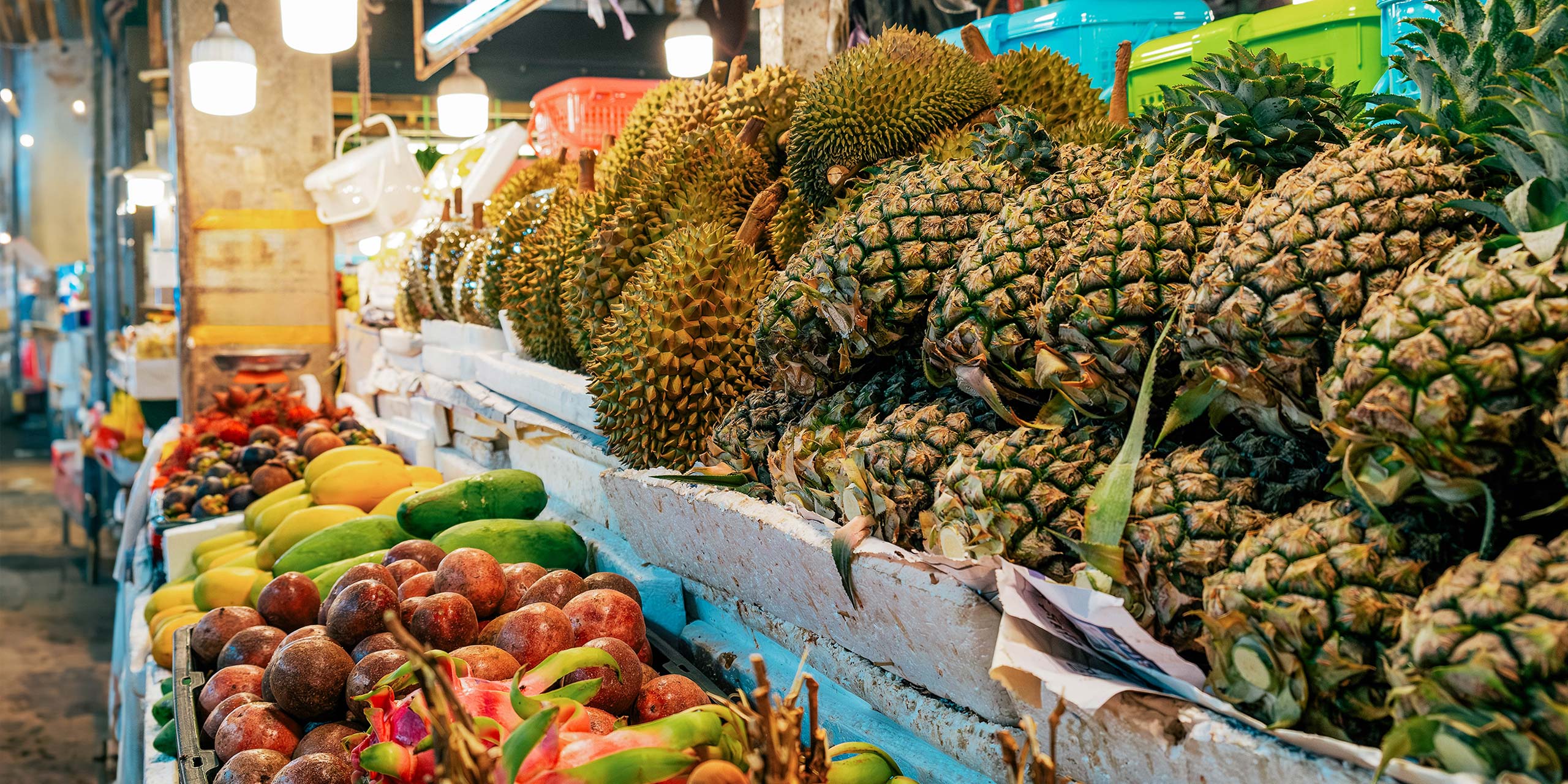
What smells like old socks but tastes like heavenly cream? Those brave enough to ignore the evidence of their noses and take a bite will know we are talking about the durian, known throughout Thailand simply as the King of Fruits.
The thrill of discovering new tastes and textures among the fruits piled high in Thai markets wins converts every day. With different varieties coming into season throughout the year, there is always something new to sample. Cataloguing every fruit found in Thailand would require a book of its own, but a journey through the seasons offers a taste of some of the country’s most celebrated varieties.
The hot season, from March to June, is not everyone’s favorite time of year. Temperatures regularly climb toward 40°C, and the humidity can be relentless. Fortunately, nature provides compensation in the form of some of Thailand’s most prized fruits, including durian, lychee, and mango.
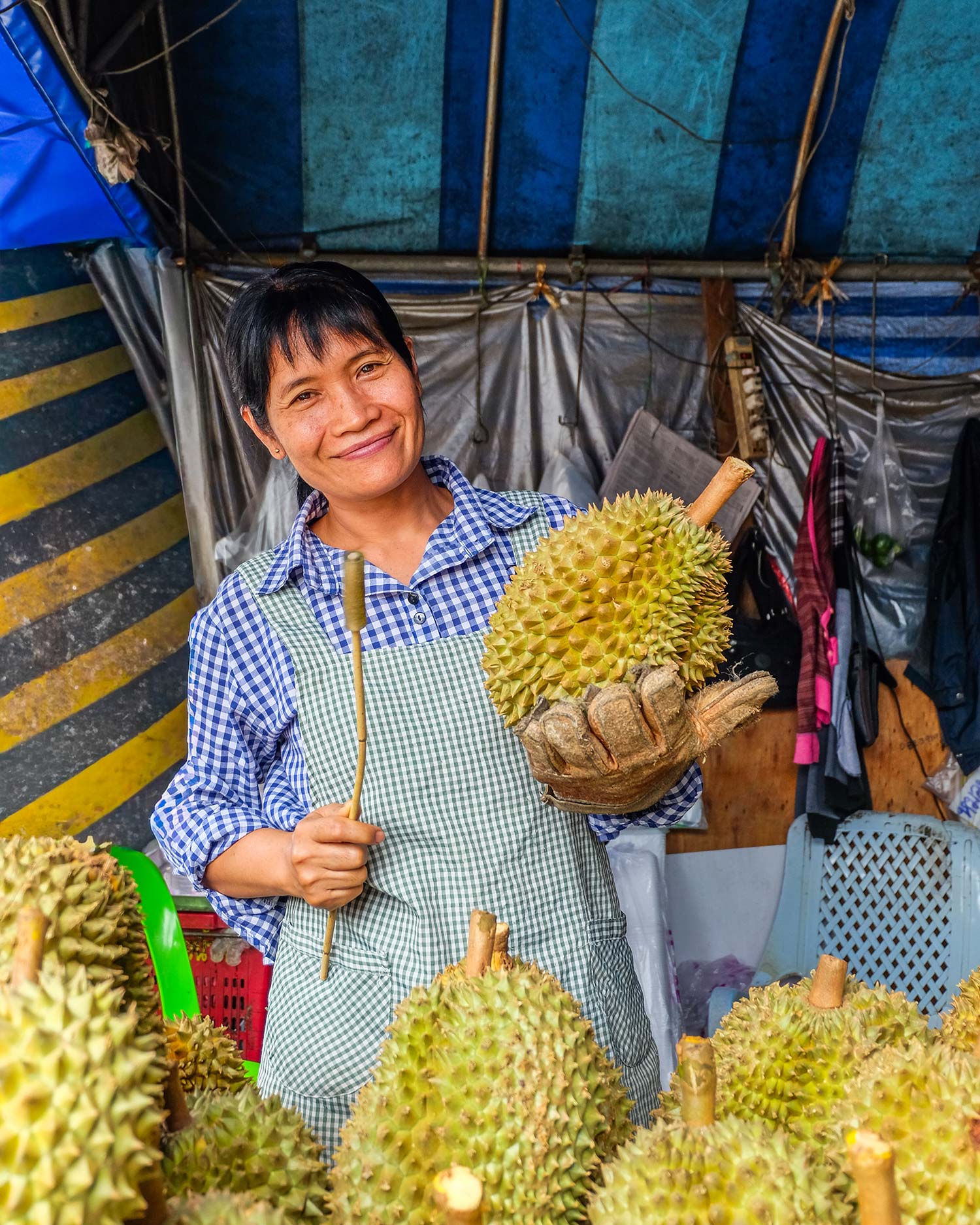
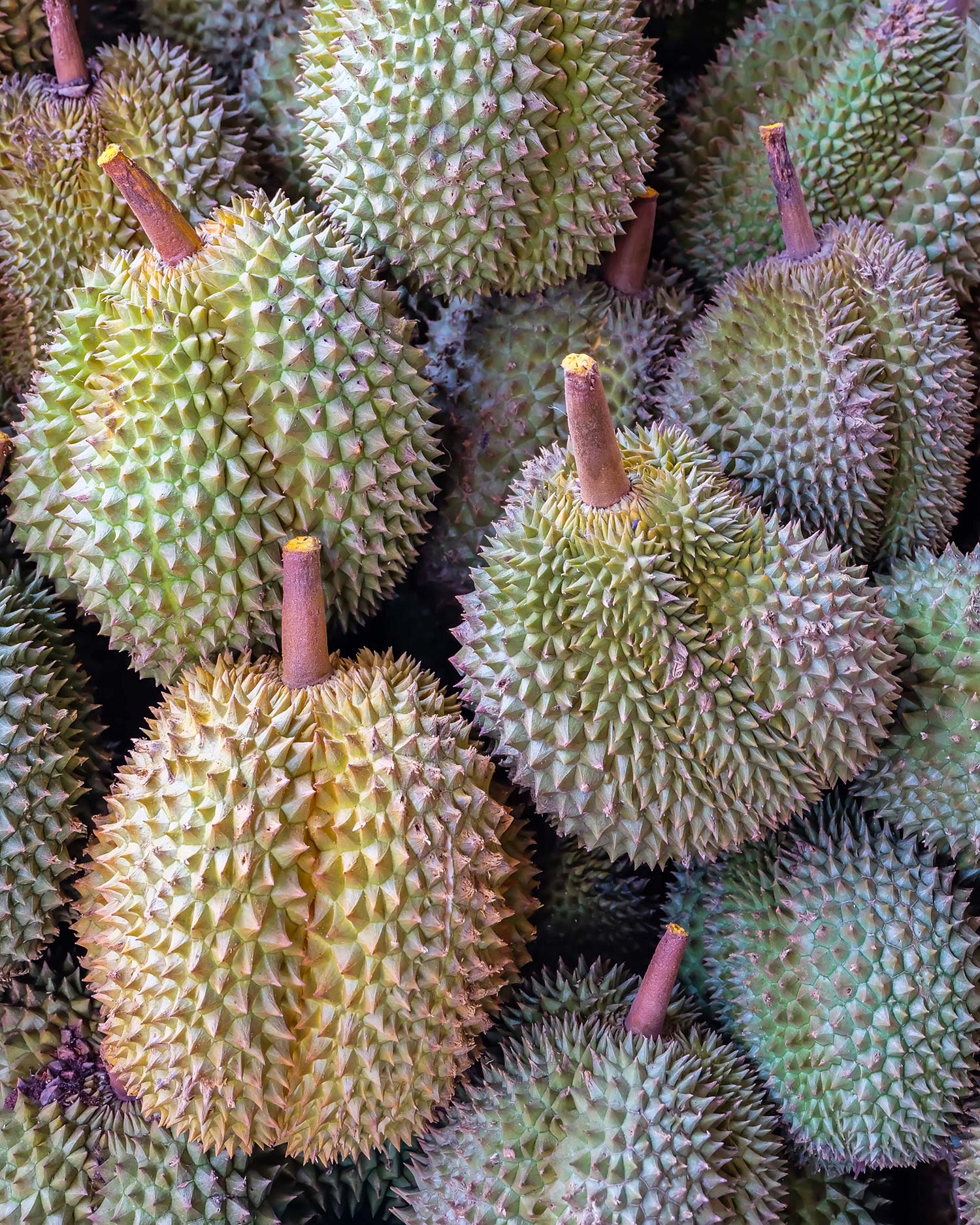
It is not only the smell of the durian that leaves such a lasting impression. The sight of it can be equally startling. Roughly the size of a rugby ball and covered in formidable spikes, it looks more like a medieval weapon than something destined for the dinner table. The fruit’s name derives from the Malay word duri, meaning thorn.
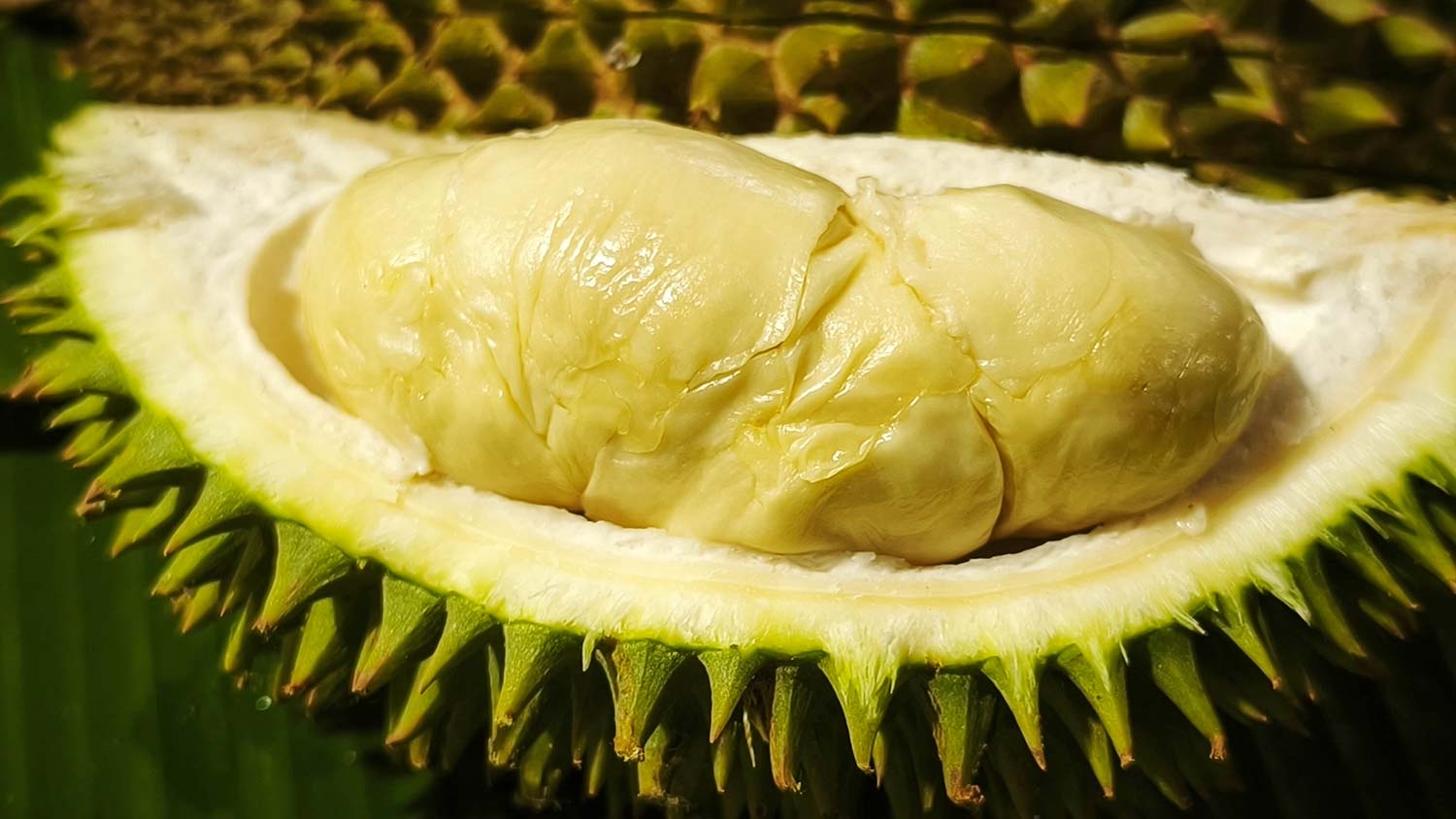
Choosing a durian at exactly the right stage of ripeness is an art. If it is even slightly under- or over-ripe, much of its magic is lost. Experienced vendors often tap the shell with a stick and listen for the telltale hollow sound that suggests the flesh has begun to separate from the pith. Faint seams running along the fruit make it relatively easy to open, revealing several soft, cream-yellow segments protected by a thick white shell.
Describing the taste is where language begins to struggle. The flesh combines an almost custard-like texture with a rich, sweet, tangy flavor unlike any other fruit. Packed with vitamins B, C, and E as well as iron, it slips easily from its large rust-colored seeds. Purists may object, but blended with yogurt and honey, durian takes on yet another delicious dimension.
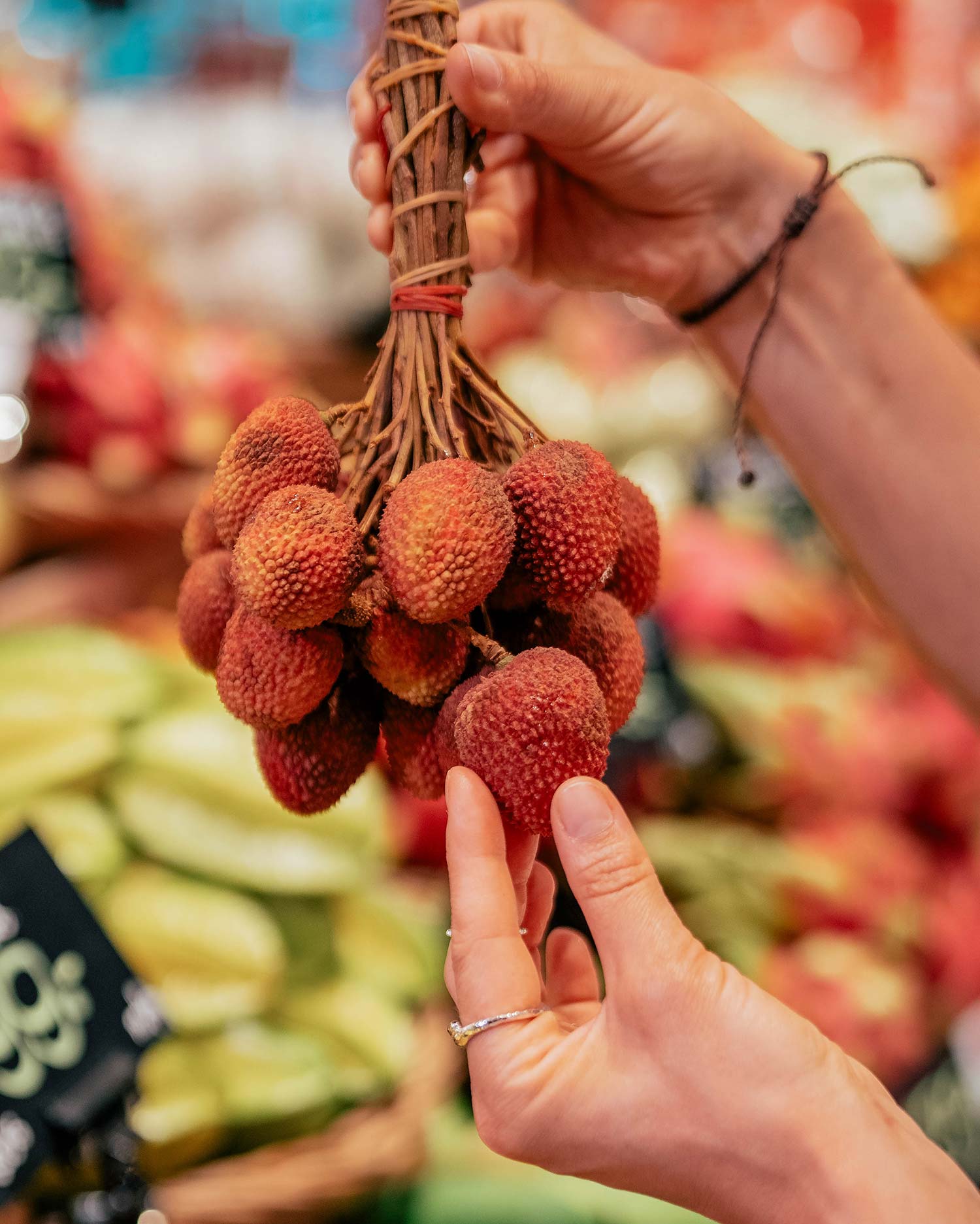
Lychees have long been prized in China and are now enjoyed around the world. They inspire similar devotion in Thailand, where their sweet, perfumed flesh makes them difficult to resist. Beneath the rough crimson skin lies translucent white fruit wrapped around a glossy brown seed. Lychees grow in clusters near the ends of delicate branches and are often protected with paper coverings while ripening to keep hungry birds at bay.
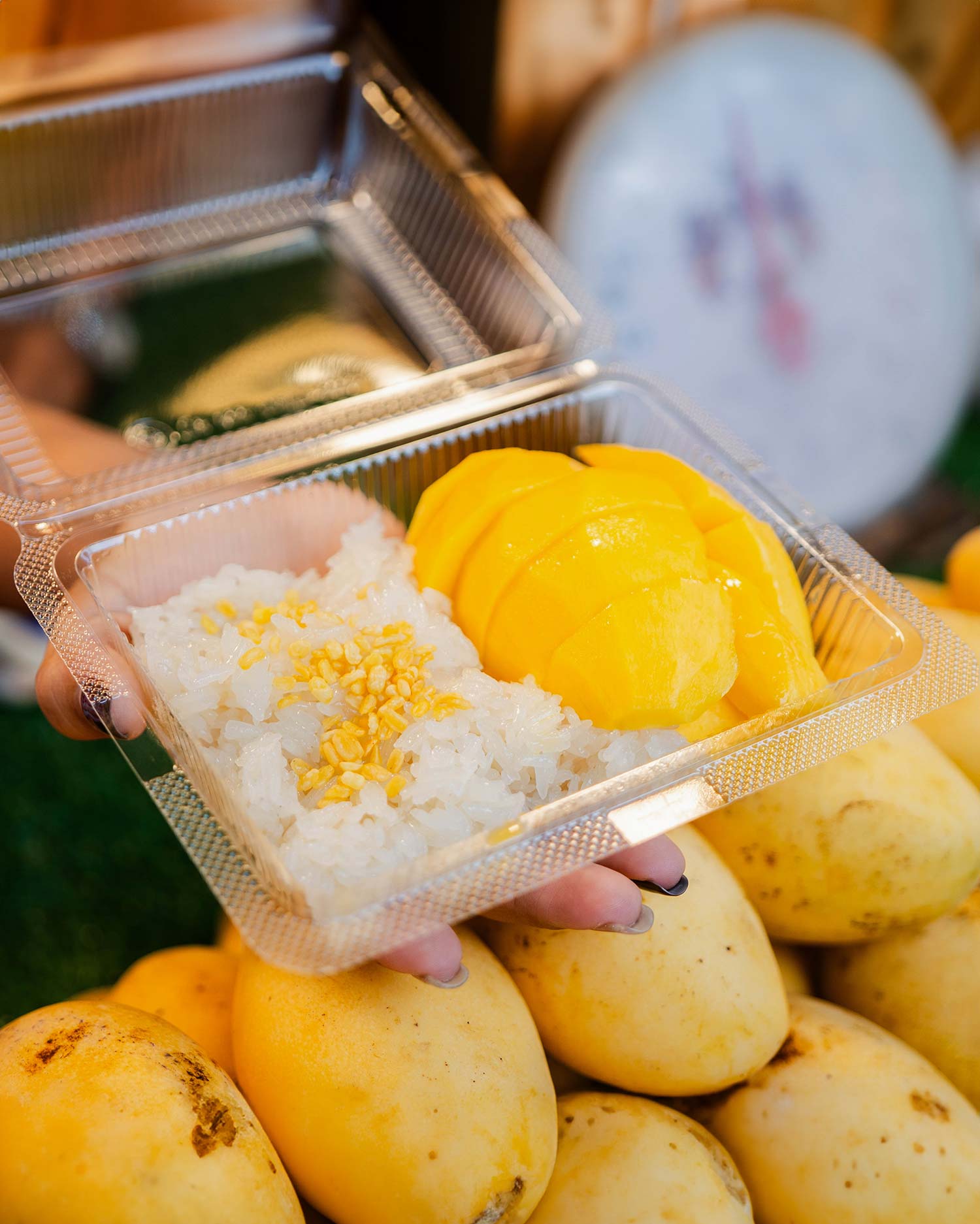
Mangoes inspire equal enthusiasm. While visitors are most familiar with ripe mango served alongside sticky rice and coconut milk, many Thais enjoy the fruit before it ripens. Green mangoes have a crisp texture and tart flavor reminiscent of cooking apples and are often eaten with chili-based dips. A fully ripe mango is something altogether different: fragrant, succulent, and intensely sweet. With dozens of varieties grown throughout the country, it remains one of Thailand’s most beloved fruits.
As the rainy season arrives between July and October, the selection broadens further. Hot-season favorites remain available, joined by tropical heavyweights such as jackfruit, mangosteen, and longan.
Like the durian, the jackfruit grows directly from the trunk of the tree on a thick stalk. Its tough rind is covered in spikes, though they are smaller and less intimidating than those of its pungent cousin. Beyond their appearance, however, the similarities are few.
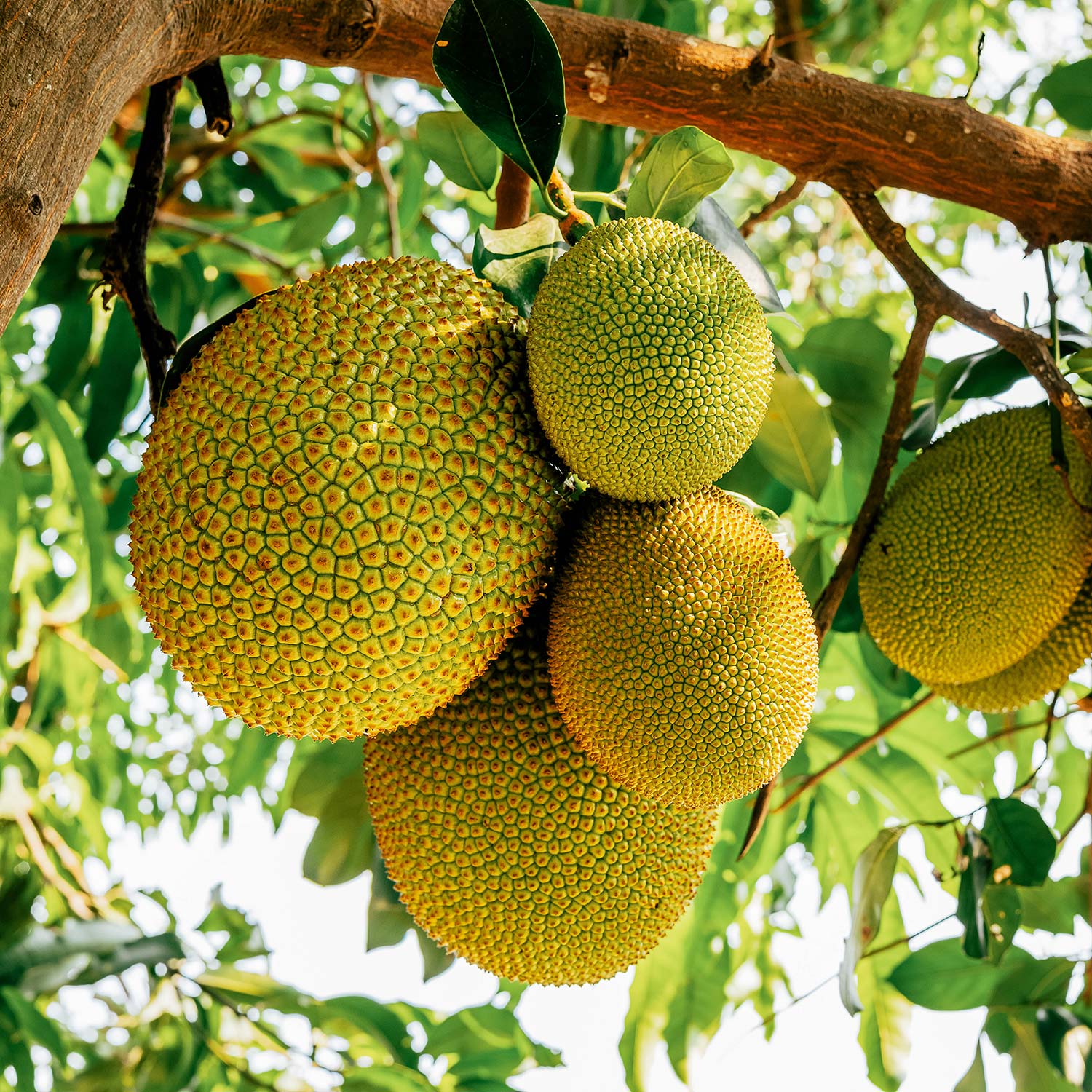
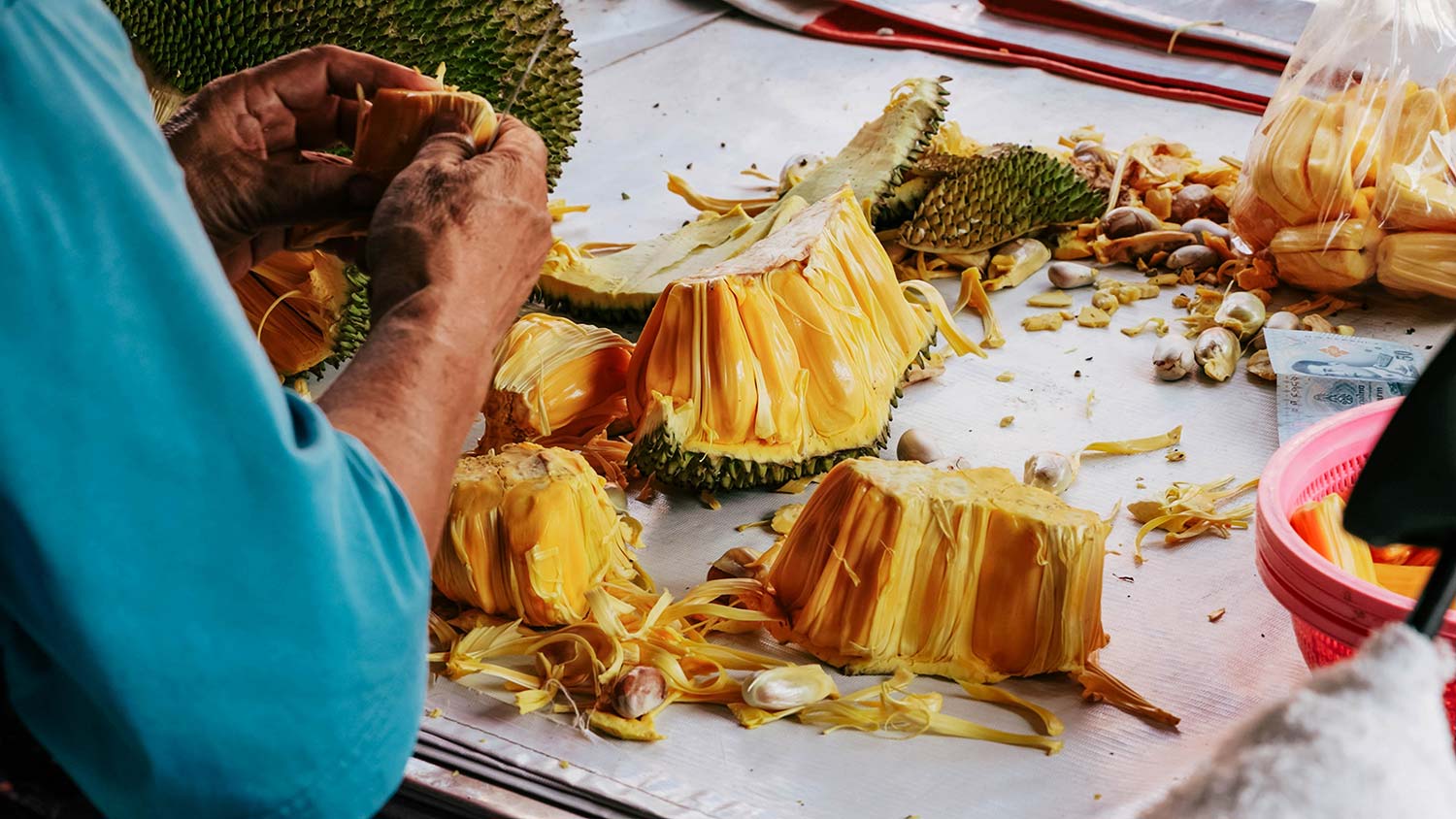
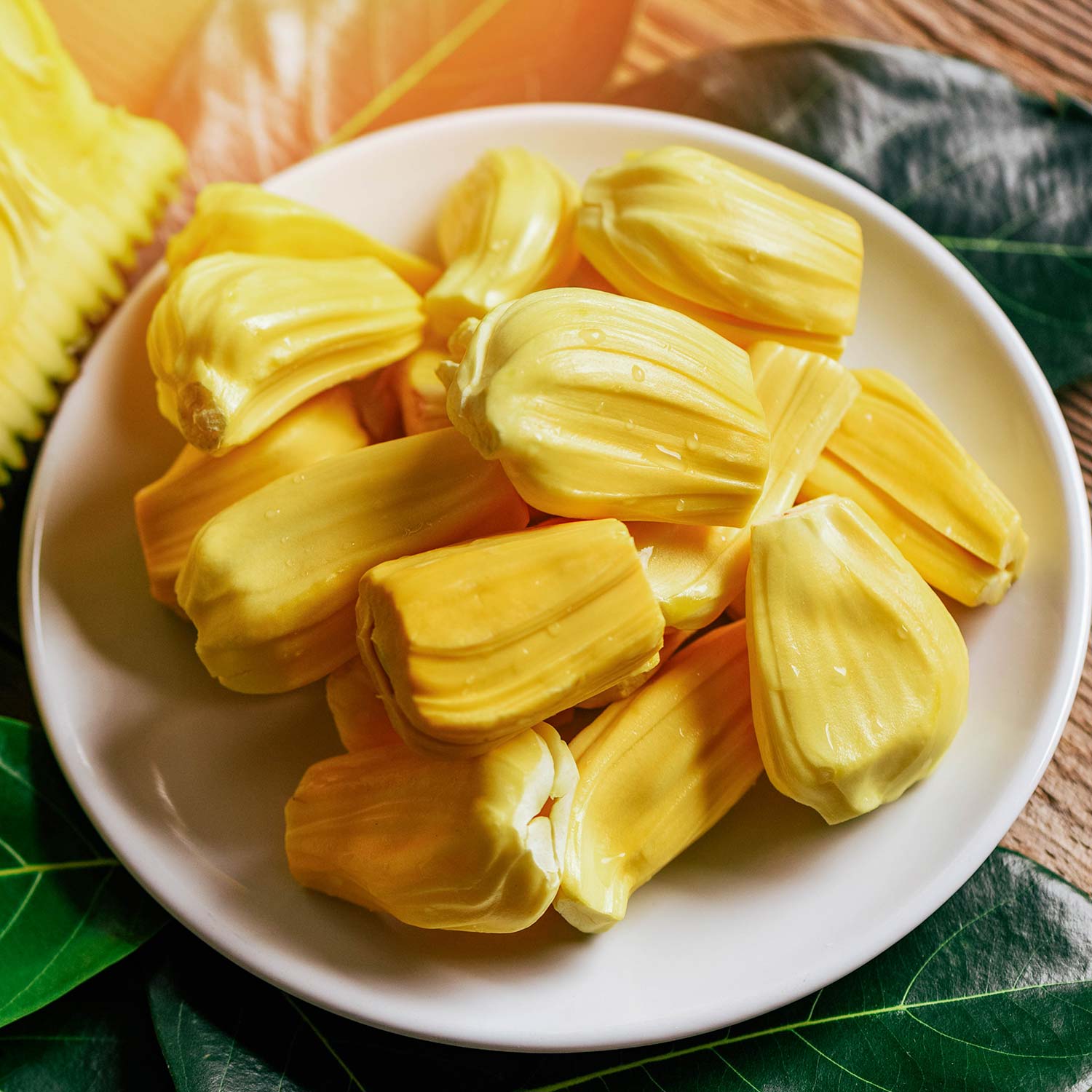
If the durian is the King of Fruits, the jackfruit surely deserves the title of heavyweight champion. Recognized as the world’s largest cultivated fruit, it can weigh up to 50 kilograms, although specimens in the 10- to 20-kilogram range are more common. Harvesting such giants is no simple matter, particularly when they grow high in trees reaching 20 meters or more. Growers often secure the fruit with ropes and lower it carefully to the ground. A mishap can result in a spectacular explosion of fruit and seeds.
Unripe jackfruit is widely used in Thai cooking, particularly in curries where the flesh and developing seeds contribute a rich, nutty flavor. When ripe, the fruit develops a distinctive aroma and a sweet tropical taste that has earned admirers across Asia. Its chewy texture sets it apart from many other fruits. The only drawback is the sticky latex hidden within, which can turn extracting the edible flesh into a messy, time-consuming task.
Fortunately, accessing a mangosteen is considerably easier. Despite its name, it bears no relation to the mango. About the size of a small apple, the fruit is enclosed in a thick purple rind that splits open to reveal gleaming white segments nestled inside. Some contain soft seeds, while others are seedless.
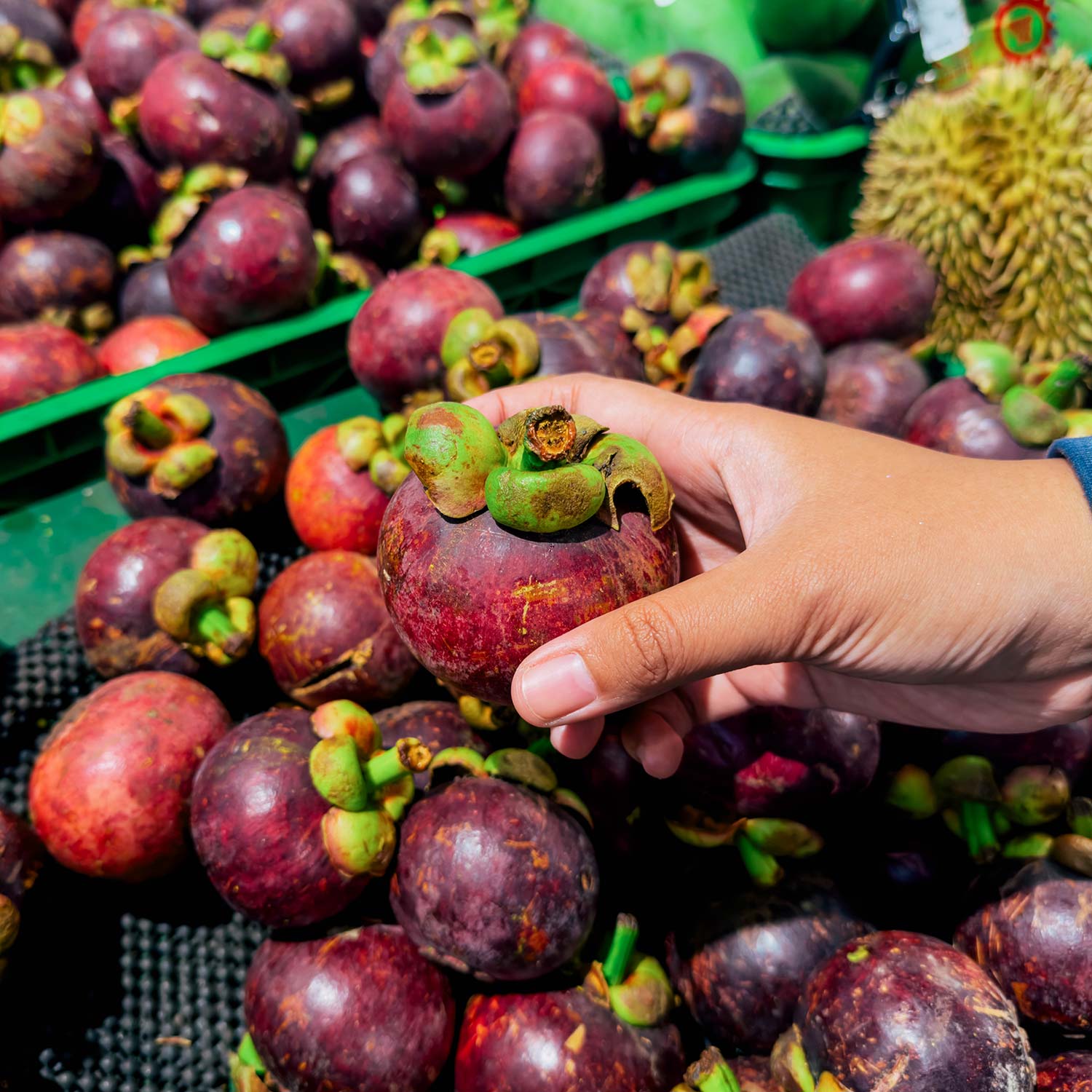
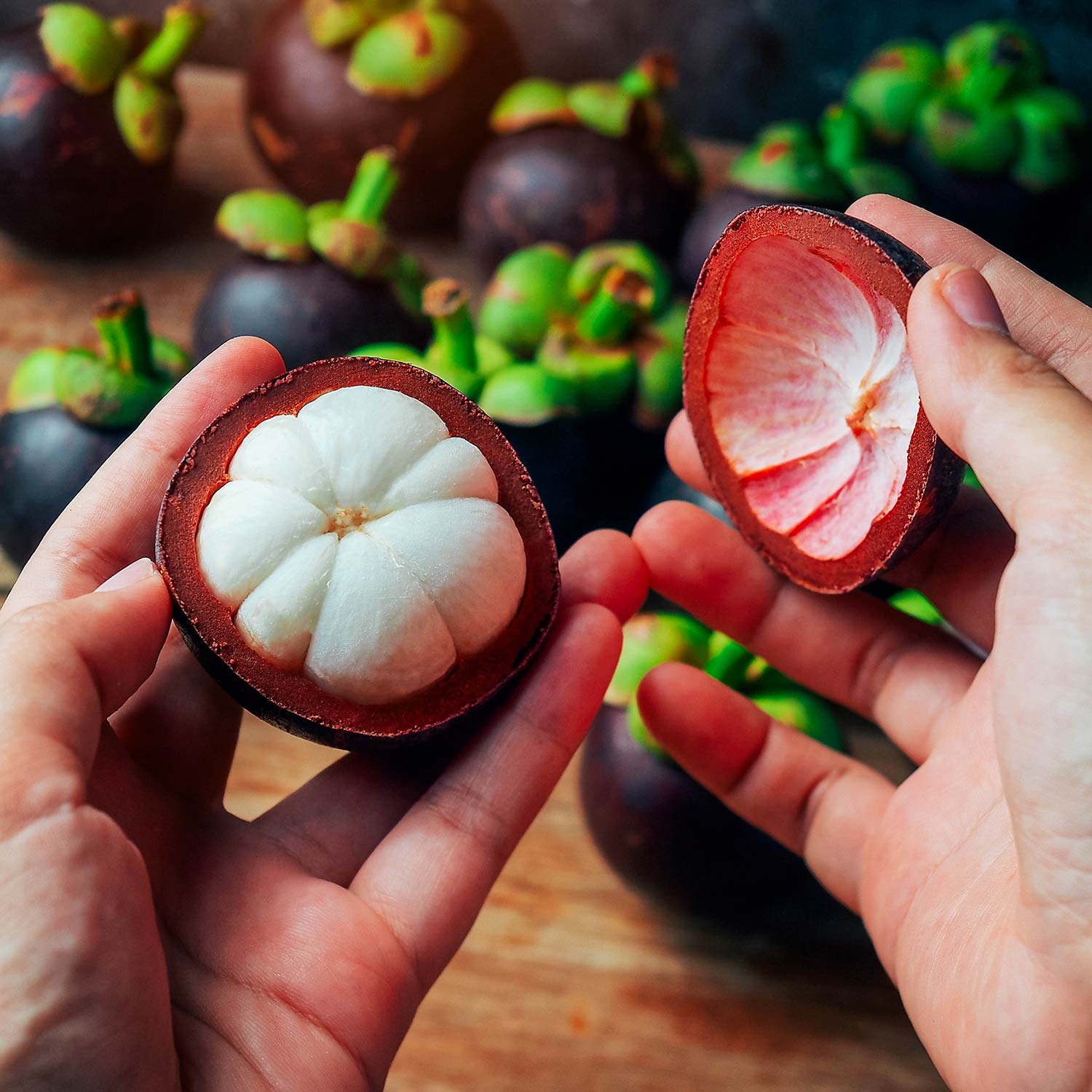
For many visitors, tasting a mangosteen is a revelation. The flavor balances sweetness and acidity with remarkable delicacy, prompting comparisons to peaches, strawberries, and grapes. Seventeenth-century traveler Christopher Frycke wrote that the fruit “melt[s] like butter on the tongue” and possessed a flavor unlike any he had encountered before. Four centuries later, many first-time tasters arrive at much the same conclusion.
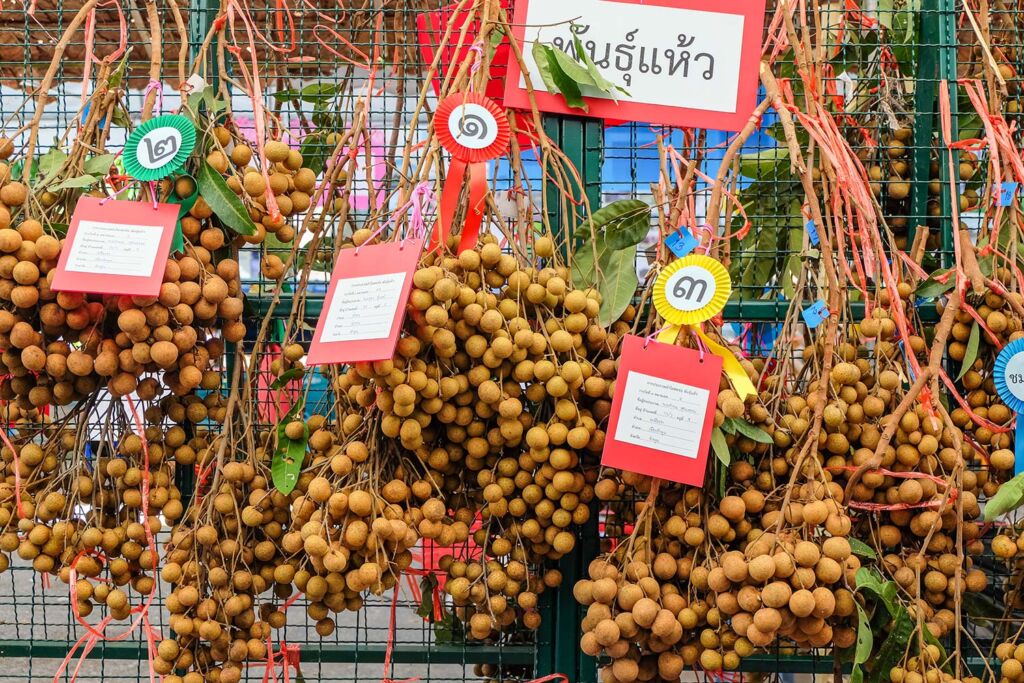
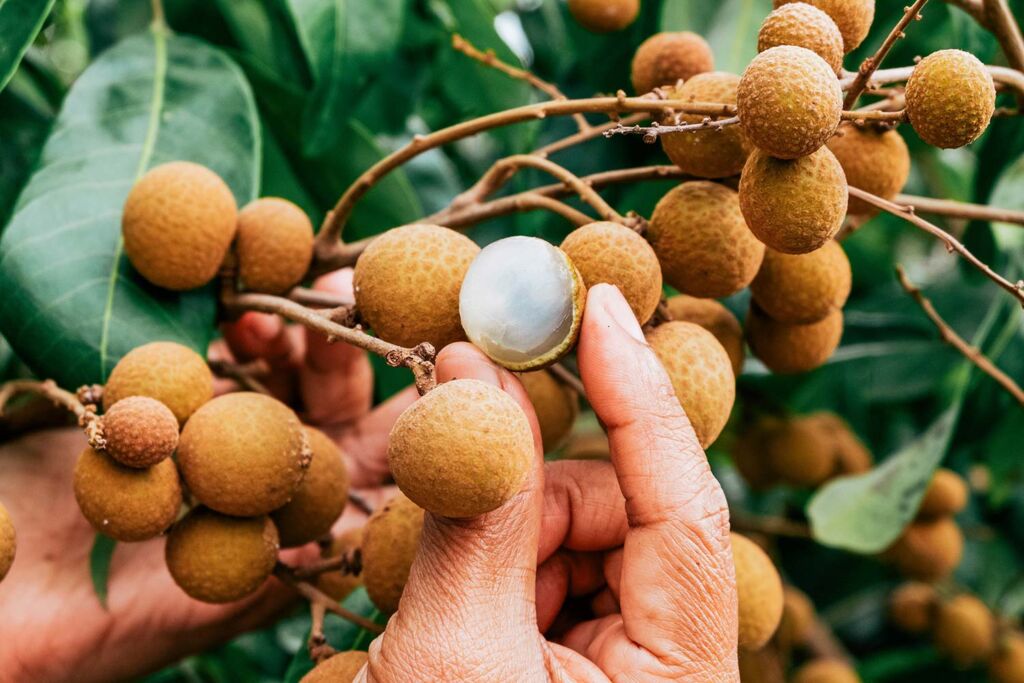
The longan, known locally as lamyai, is another rainy-season favorite. Related to the lychee, it has a thin brown shell that peels away easily to reveal translucent flesh surrounding a glossy black seed. Its flavor is generally milder and less floral than that of the lychee, but no less appealing.
Longans grow in heavy clusters that can become so weighty that branches require wooden supports. During August and September, when the fruit reaches its peak, consumption soars across the country. In Lamphun, just south of Chiang Mai, the harvest is celebrated with an annual Longan Festival, where growers compete for prizes, and local contestants vie for the title of Longan Queen.
During the cool season, from November to February, many fruit trees enter a period of recovery. Market stalls are dominated by familiar year-round staples such as bananas, coconuts, and watermelons, although a few seasonal treats still make an appearance.
Among the most surprising is the strawberry. A relatively recent arrival compared with Thailand’s indigenous fruits, it is grown primarily in the cooler highlands of the north. Its popularity is a reminder of how readily outside influences are absorbed into Thai life.
For visitors escaping winter in Europe or North America, there is something undeniably appealing about eating fresh strawberries beneath clear tropical skies. Served simply or topped with cream, they provide a fitting finale to Thailand’s annual fruit calendar.
Of course, no single fruit defines the country. The real pleasure lies in the extraordinary variety available throughout the year. From the divisive durian and the delicate mangosteen to the giant jackfruit and the humble longan, Thailand’s fruits reflect the diversity of its landscapes, climates, and culinary traditions.
They shape local dishes, inspire festivals, and dictate the rhythms of market life. Most importantly, they offer visitors one of the simplest and most enjoyable ways to experience the country.
For travelers willing to venture beyond the familiar, every market visit offers the possibility of discovering a new favorite. With such an astonishing range of flavors, textures, and aromas on offer, there is truly no bad season to be in Thailand.