


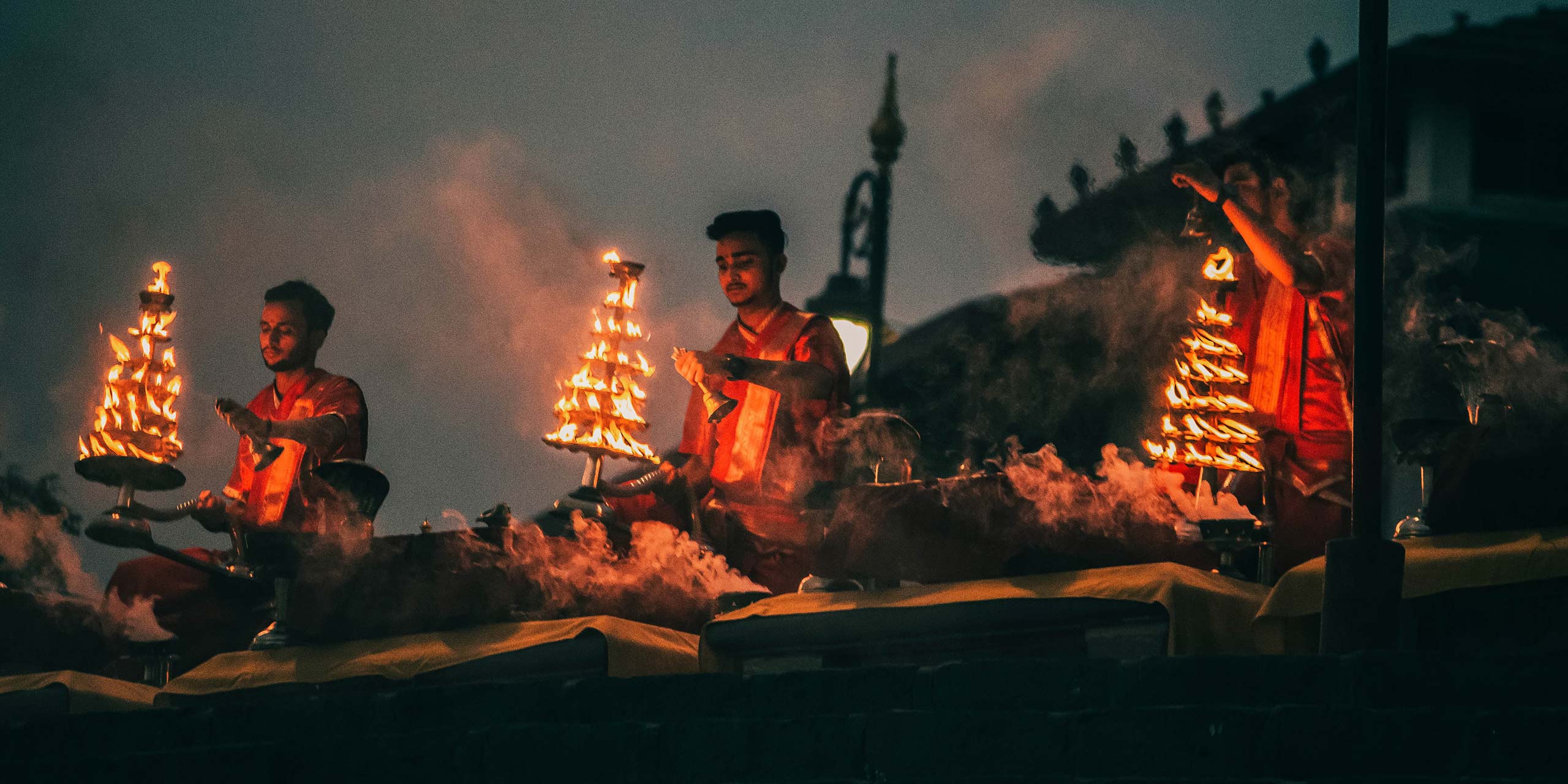
The opaque waters of the sacred Ganges River glide past Benares, said to be the world’s oldest continually inhabited city—older even than Jerusalem, Athens, Mecca, or Beijing. For millennia, the city has drawn seekers, poets, and pilgrims to its labyrinthine ghats and temples.
Lord Buddha and other great sages once came here to teach in the city’s famed Deer Park. Ancient Sanskrit literature describes the myriad shrines that crowd Benares and the intricate rituals that define its life, explaining how Lord Shiva came to dominate the city’s spiritual landscape.
For more than 2,500 years, Benares has clung to the west bank of the Ganges, where the river curves in a wide crescent. Trace your finger along a map of India and you’ll find it midway between the river’s Himalayan source and its great delta at the Bay of Bengal.
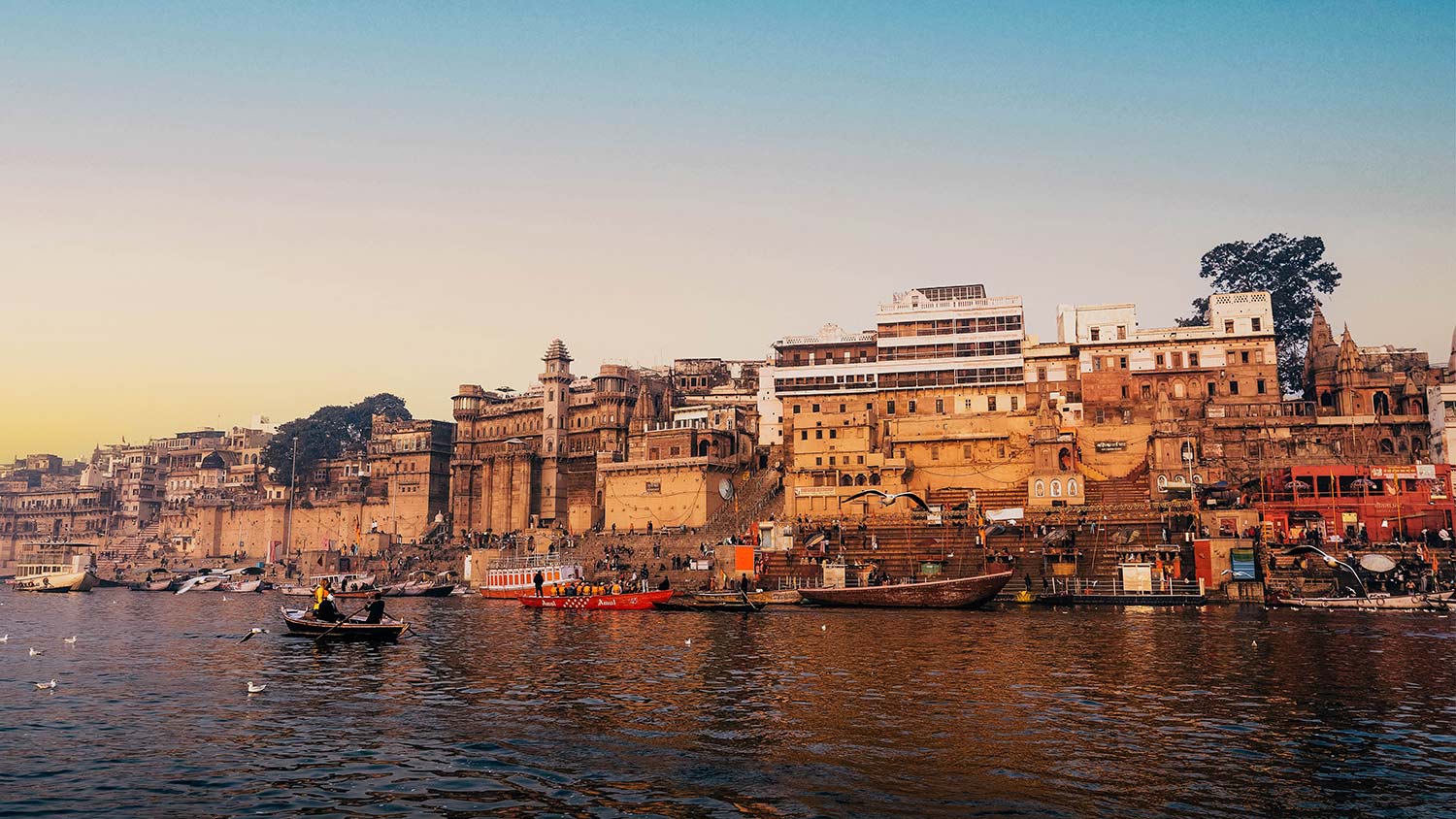
The Ganges is the lifeblood of India, both physically and spiritually. As Jawaharlal Nehru once wrote: “The Ganges, especially, is the river of India, beloved of her people, around which are intertwined her racial memories, her hopes and fears, her victories and defeats. She has been a symbol of India’s age-long culture and civilization, ever-changing, ever-flowing, and yet ever the same Ganges.”
Hindu priests still guide visitors through the city’s intricate web of rituals. These spiritual guides are known as the “three p’s”—pandits (teachers), punaris (temple priests), and pandas (pilgrimage priests)—aided by mahants (temple officials) and vyasas (storytellers).
Wander the narrow lanes and courtyards, and you’ll find shrines where priests and devotees perform daily acts of devotion. Pilgrims cluster beside you at tiny, hidden temples, whispering Sanskrit prayers that have echoed here for centuries.
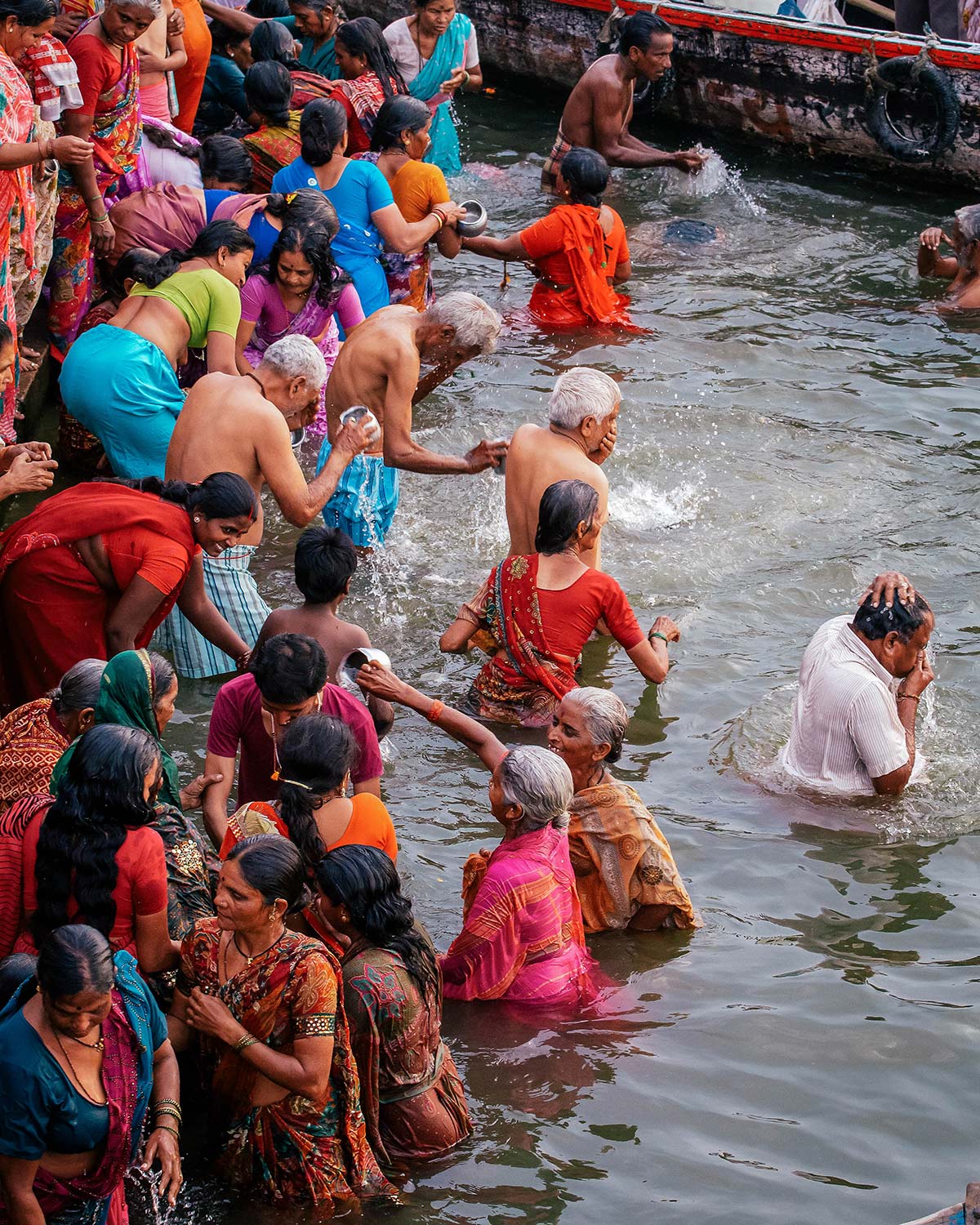
Along the river, more than seventy ghats stretch along the water’s edge, used for bathing or for funeral pyres. Despite the water’s opaque, brown colour and the debris it carries, countless worshippers descend the worn stone steps, wading in fully clothed. With cupped hands, they gather water and let it stream through their fingers—an offering to their ancestors. The Ganges is revered as a living mother goddess, believed to wash away sin and grant spiritual purification.
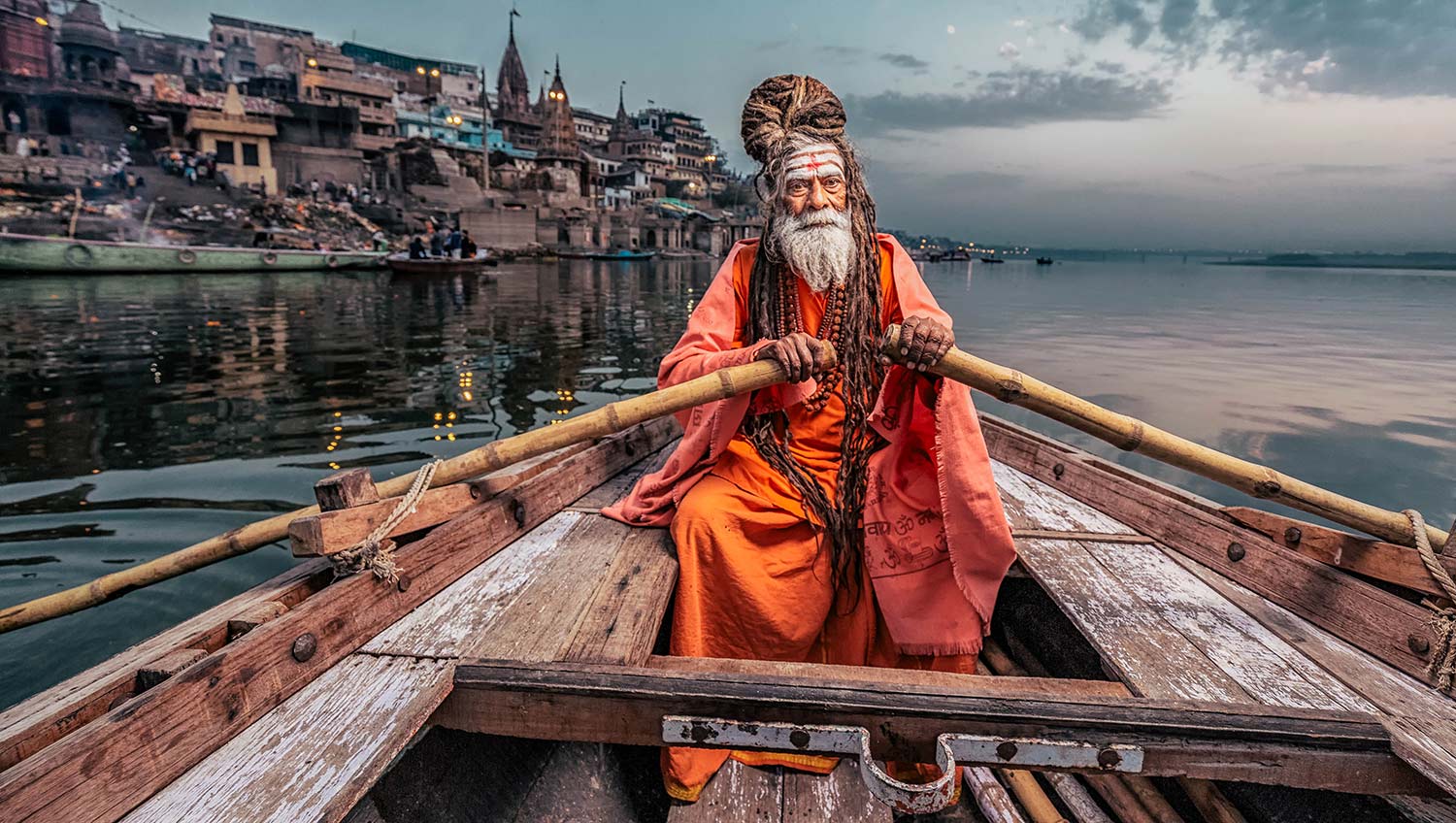
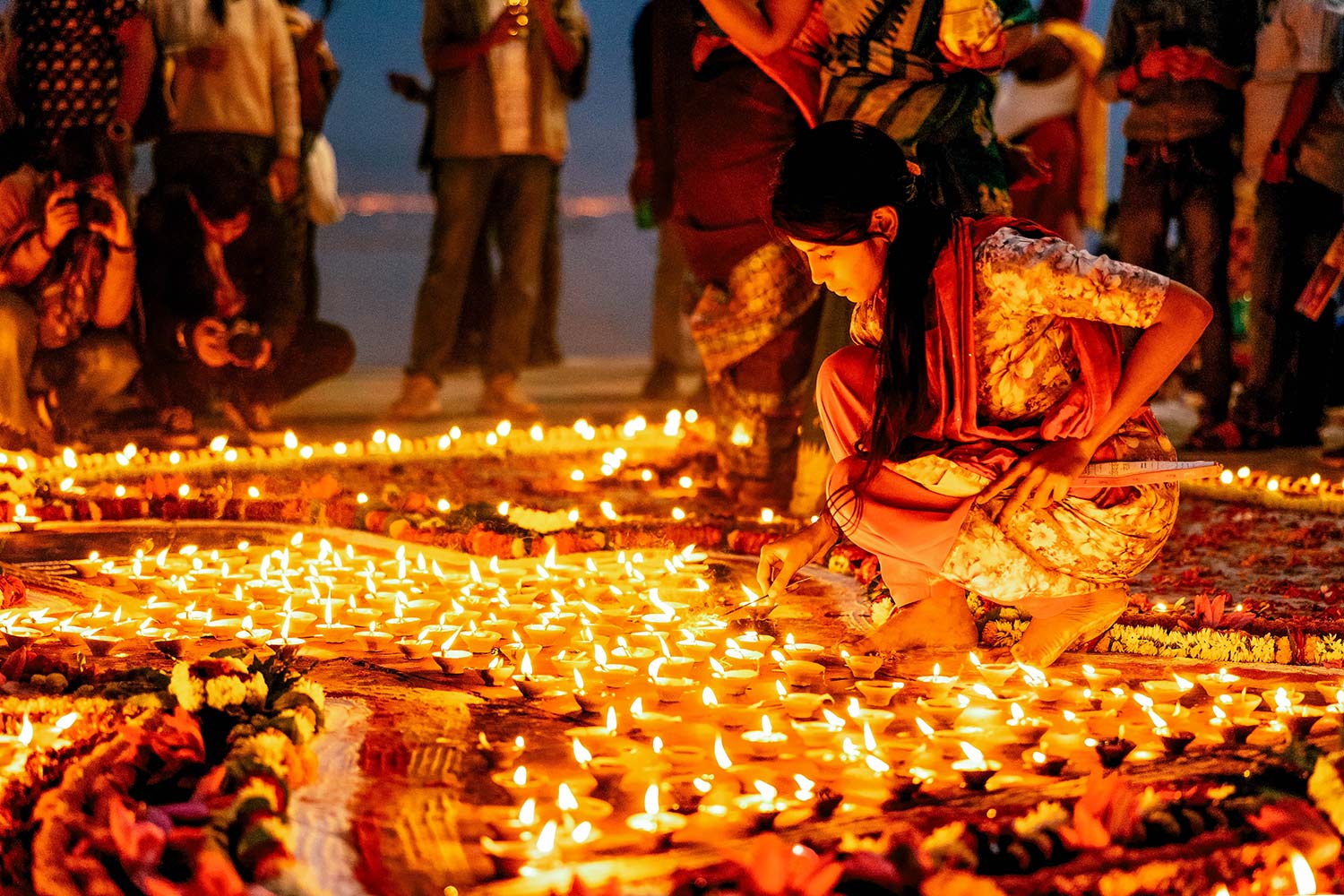
Listen closely and you may hear cries of “Victory to Mother Ganges!” from those bathing in the river. Others light small clay oil lamps and set them adrift, their flames bobbing gently as they drift downstream. Rowboats ferry visitors to riverside temples—some reachable only by water during the floods that periodically submerge their entrances.
To die in Benares is to achieve moksha—freedom from samsara, the endless cycle of life and death. Devout Hindus dream of ending their days here, certain that cremation on the city’s ghats will grant release from rebirth. Many come specifically to die, known as jivan muktas, “liberated while alive.” Some even fear leaving the city in old age, lest death strike them elsewhere and rob them of salvation.
Even those who perish far from the Ganges ensure their ashes find their way here—sometimes carried by relatives, sometimes sent by post. The burning ghats of Benares are open to all; visitors are often permitted to observe the last rites, an experience at once solemn and strangely uplifting.
Benares also carries shadows of India’s darker past. Seek out the small carvings known as “sati stones,” each marking the site where a widow once threw herself onto her husband’s funeral pyre. Though outlawed by the British and condemned today, the ritual of sati remains a haunting symbol of devotion for some believers in rural areas.
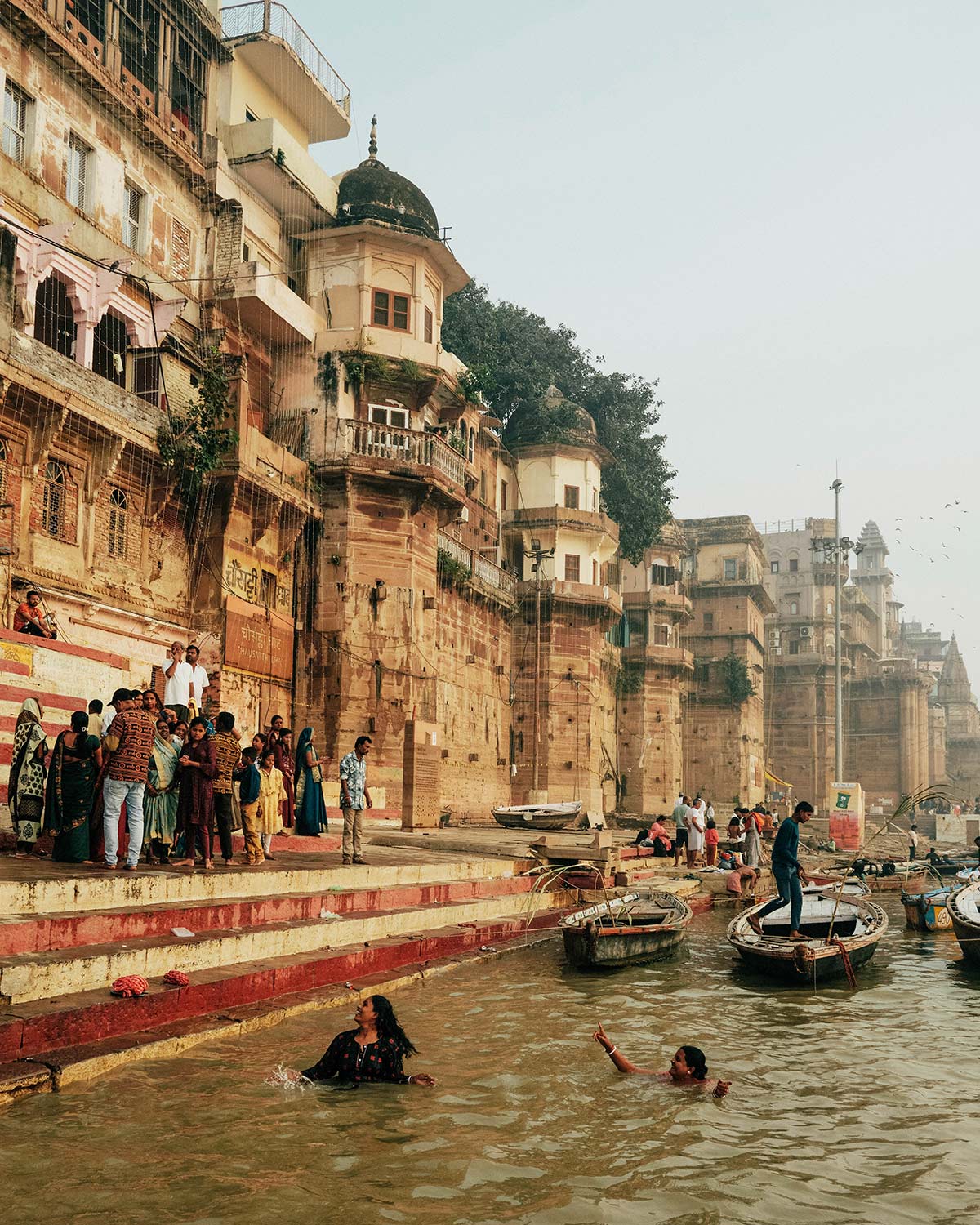

Yet despite such ghosts, Benares dazzles. The city is a living museum of art, religion, and sensory intensity. Many temples contain ashram schools where students practice meditation, breath control, yoga, and sacred chant. The air hums with devotion: garlands of marigolds glow in the sun, incense thickens the lanes with perfume, and the clang of brass bells mingles with the jingle of rickshaw horns.
Cracked balconies lean over alleys barely wider than a man’s shoulders. The intricate latticework of wood and stone somehow holds firm, and the chaos feels eternal, as if the city itself breathes in rhythm with the river.
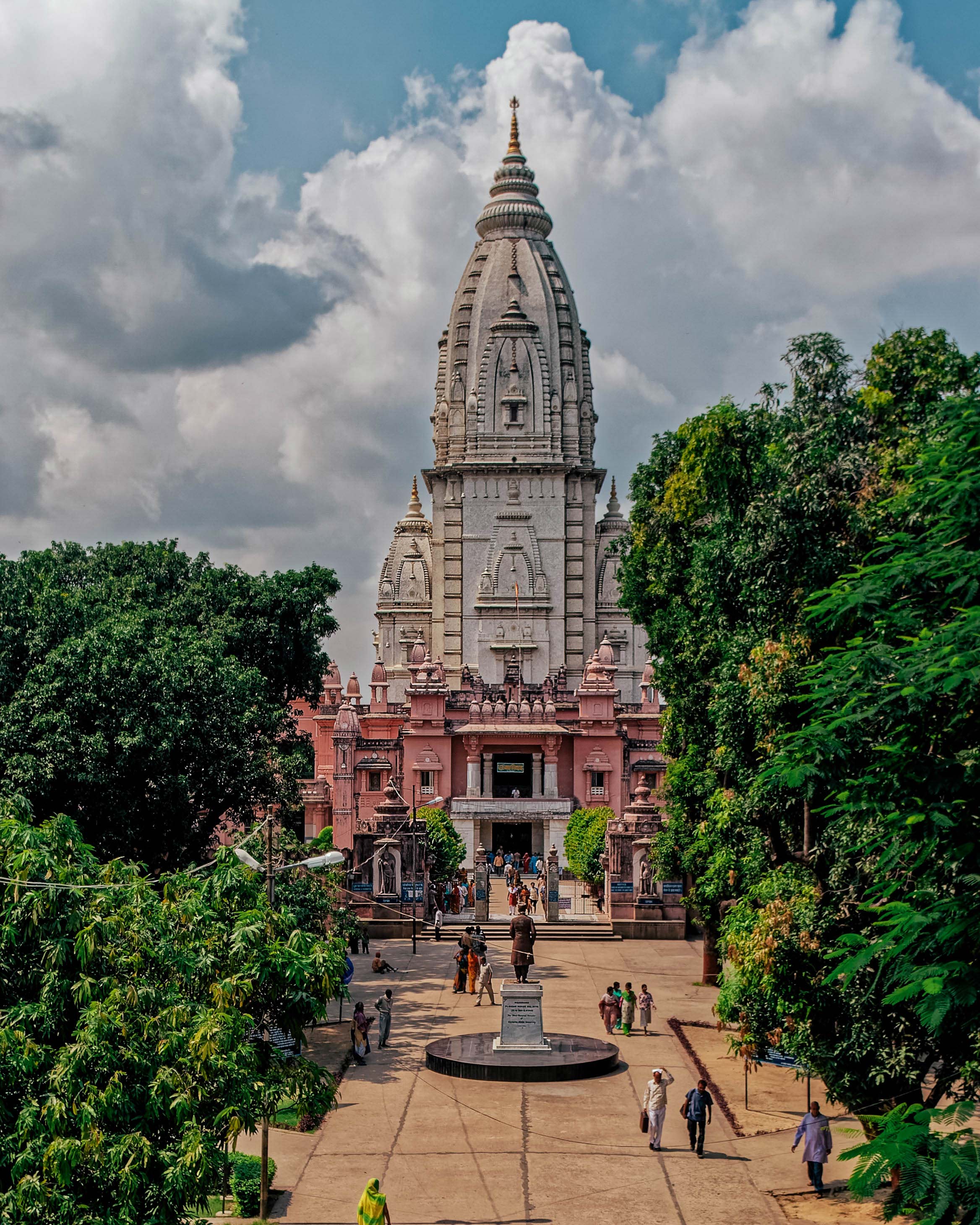
Much of Benares’s most fascinating territory lies between the Gandhi Institute and the revered Benares Hindu University. Archaeological remains date back to the Mauryan dynasty of the fourth century BC.
In the 19th century, Reverend M.A. Sherring wrote: “When Babylon was struggling with Nineveh for supremacy, when Tyre was planting her colonies, when Athens was growing in strength, before Rome had become known… she [Benares] had already risen to greatness, if not to glory.”
Mark Twain put it more bluntly: “Benares is older than history, older than tradition, older even than legend—and looks twice as old as all of them put together.”
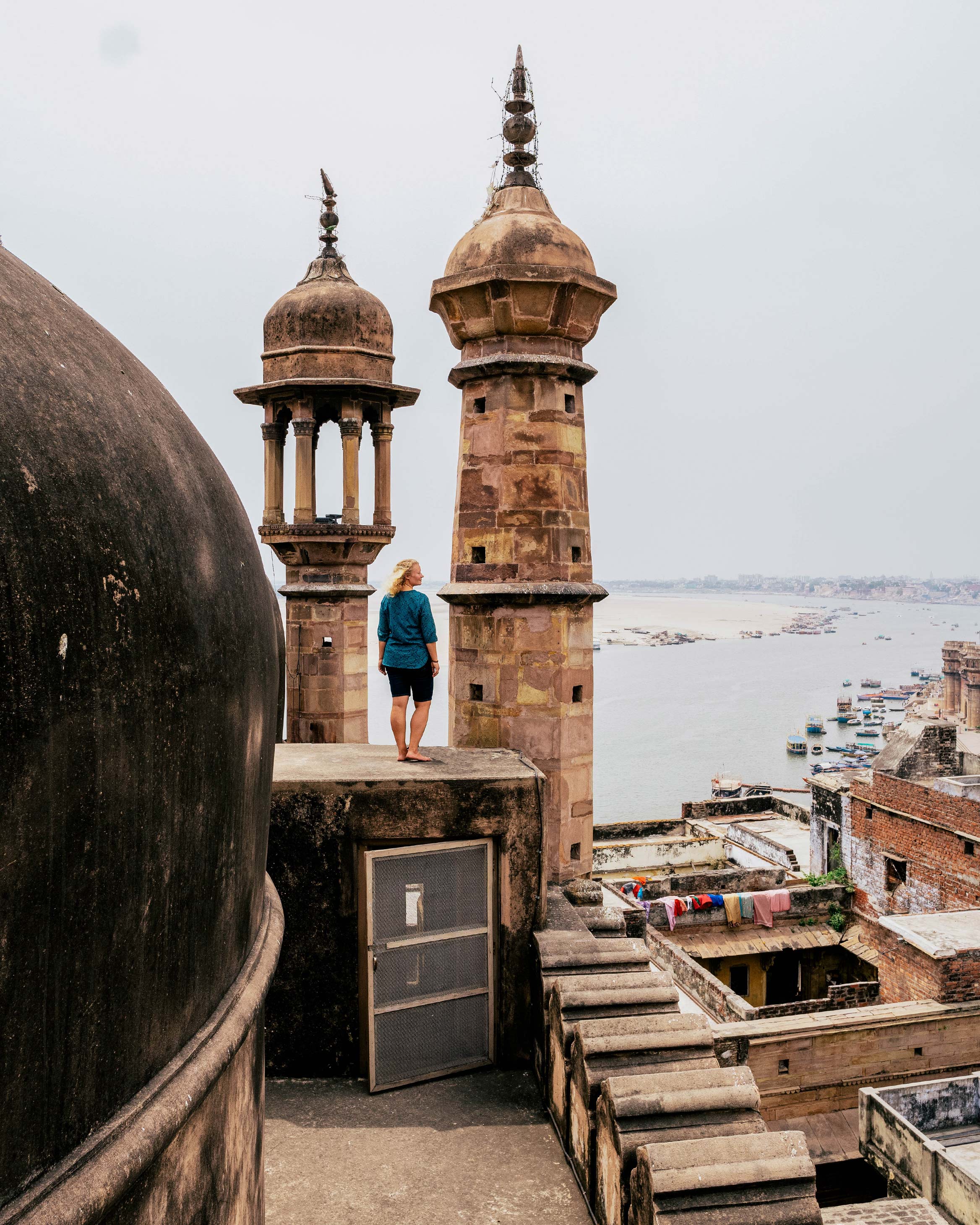
The antique buildings you see are old, but not ancient. The city was repeatedly razed between the 12th and 17th centuries by invading armies. Each time, it rose again—layer upon layer of devotion and stone. Today, its heart remains a dense warren of alleys barely passable by foot, where you might still encounter a horse-drawn tonga or a slow-moving camel.
Yet above all, it is the city’s spirituality that endures. Count Hermann Keyserling, who visited before World War I, wrote:
“Benares is holy. Europe, grown superficial, hardly understands such truths anymore… The atmosphere of devotion which hangs above the river is improbable in its strength—stronger than in any church I have ever visited.”
Benares has been known by many names: Kashi, “City of Light,” for its promise of enlightenment, and Varanasi, derived from the Varana and Asi rivers that mark its northern and southern boundaries. Though “Benares” remains common in conversation, “Varanasi” has been revived on modern maps. Beyond its sacred role, the city has long been a commercial hub, positioned along both the Ganges and the ancient Grand Trunk Road.
To glimpse its artistic treasures, visit the Bharat Kala Bhavan Museum, where exquisite sculptures depict Hindu mythology. Among its highlights is a larger-than-life statue of Lord Krishna lifting Mount Govardhana to shield his followers from Indra’s storm, and a sixth-century carving of Krishna as a mischievous child stealing butter.
Yet Benares is above all Shiva’s city. Shrines to the god abound, none more important than the Vishvanatha Temple, built in the 18th century. Non-Hindus may not enter its sanctum, but the surrounding lanes are alive with commerce and prayer. Vendors sell silk, brassware, incense, rosaries, and bottles of Ganges water. Throughout the city, you’ll see lingams—stone emblems of Shiva—being bathed in milk and water, anointed with sandalwood paste, and draped in flowers as devotees murmur, “Praise be to Shiva.”
With its tangle of temples, wells, and sacred courtyards, Benares is a city best explored on foot. Lose yourself among its twisting lanes, watch dawn rise over the ghats, and listen to the chorus of bells and river songs that have never ceased. You may lose your bearings, but never your sense of wonder.