


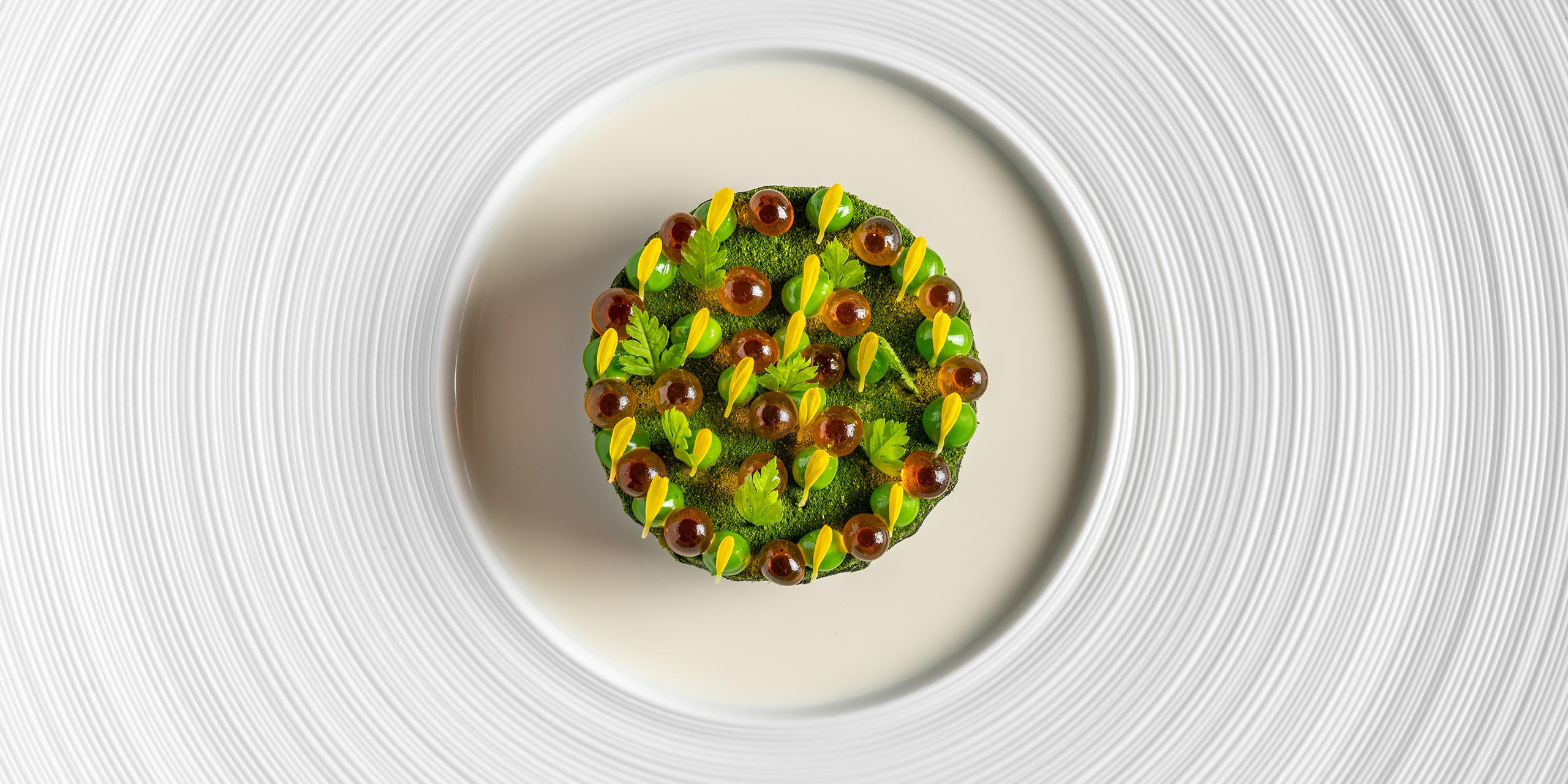
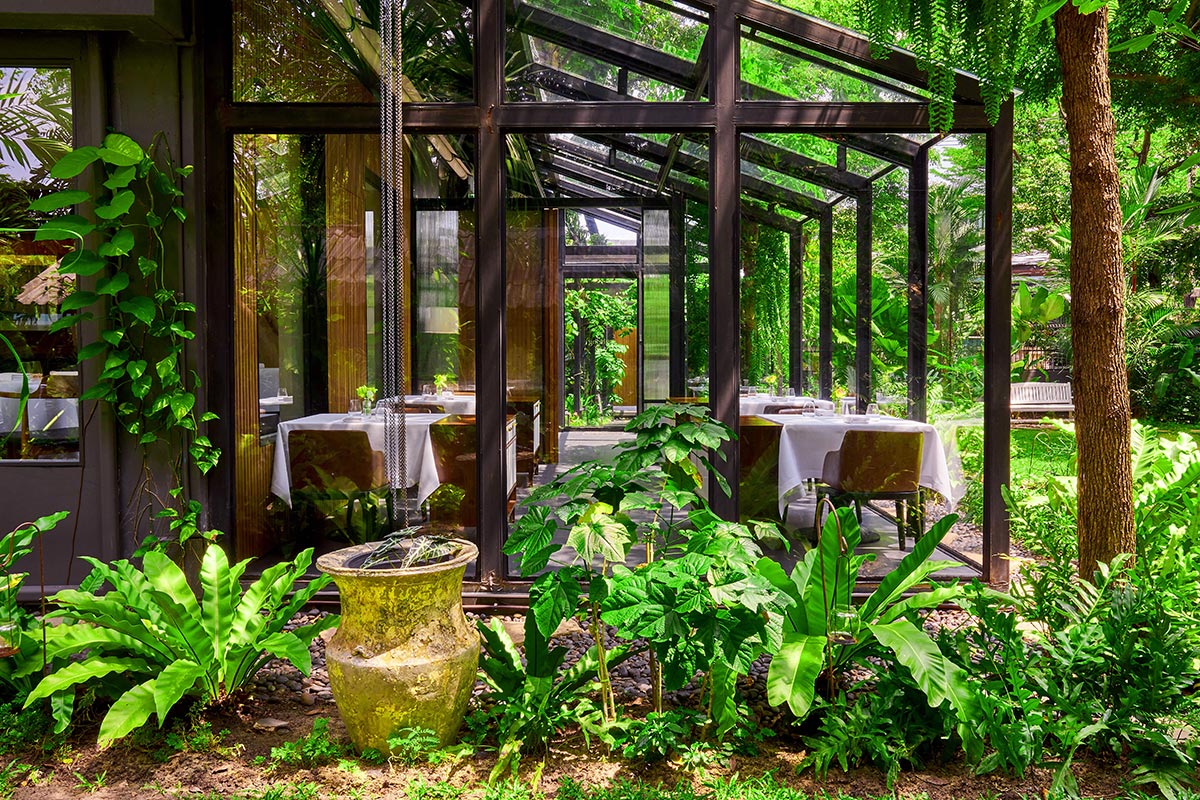
Thailand’s tiny three-star club doubled last week when Sühring joined Sorn at the summit during the 2026 Michelin Guide Thailand ceremony at the Ritz Carlton Bangkok.
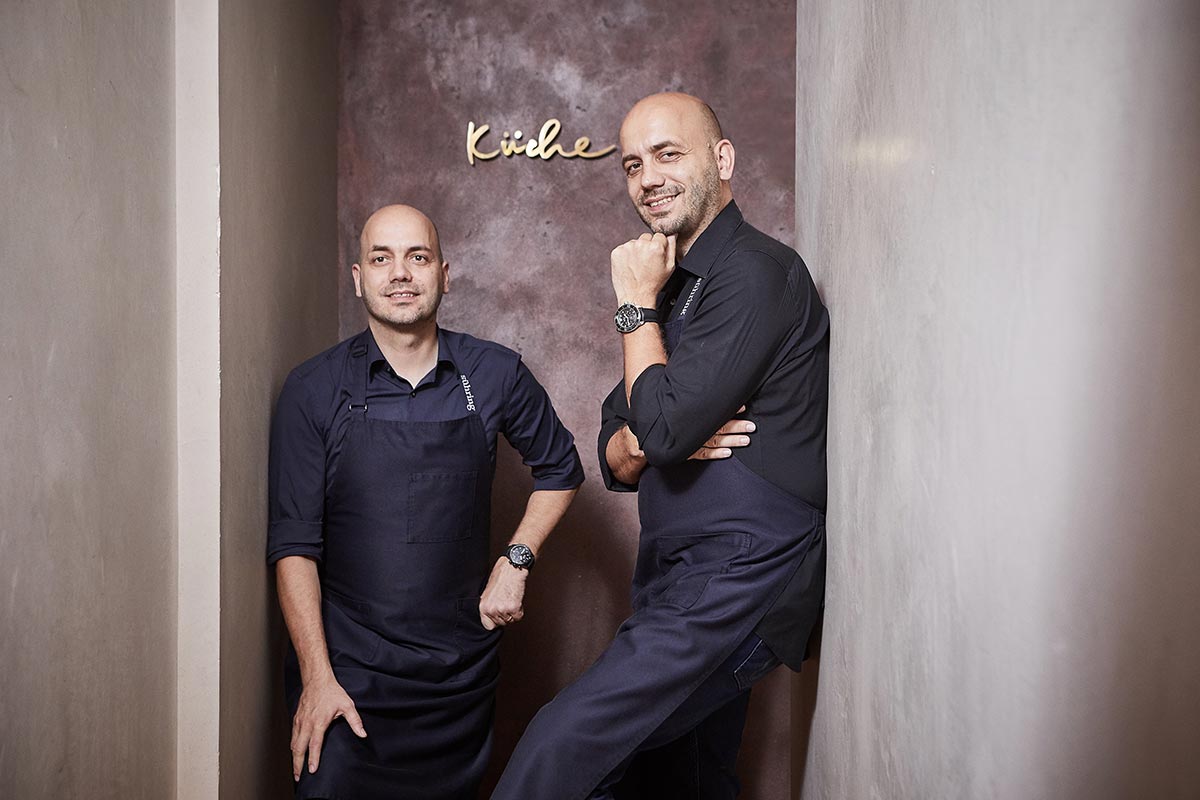
The upgrade—long forecast but still greeted with an audible murmur—triggered an emotional tribute from twins Mathias and Thomas Sühring to their grandmother, the woman who set them on their culinary path.
Their win dominated the headlines, yet the ceremony suggested something broader: a dining scene expanding not just upward but outward, becoming more varied, more confident, and increasingly shaped by a new generation of chefs.
Before any stars were announced, Michelin Guides International Director Gwendal Poullennec appeared via video to frame the occasion.
He offered condolences for recent southern floods and the passing of Her Majesty Queen Sirikit, The Queen Mother, before praising Thailand’s evolving food ecosystem.
His focus on collaboration—chefs working closely with producers, beverage teams building botanical-led non-alcoholic pairings, kitchens embracing sustainability—set the tone for a ceremony that felt like a report card on a nation moving from promise to maturity.
The promotions that followed reinforced that image. Two restaurants moved into the two-star bracket: Inddee, where Sachin Poojary’s contemporary Indian perspective continues to surprise even seasoned diners, and Anne-Sophie Pic at Le Normandie in the Mandarin Oriental, now operating with renewed clarity under the French chef’s global banner. Their elevation strengthened a category that increasingly defines the country’s fine-dining landscape, providing substance between the three-star summit and the experimental fringes below.
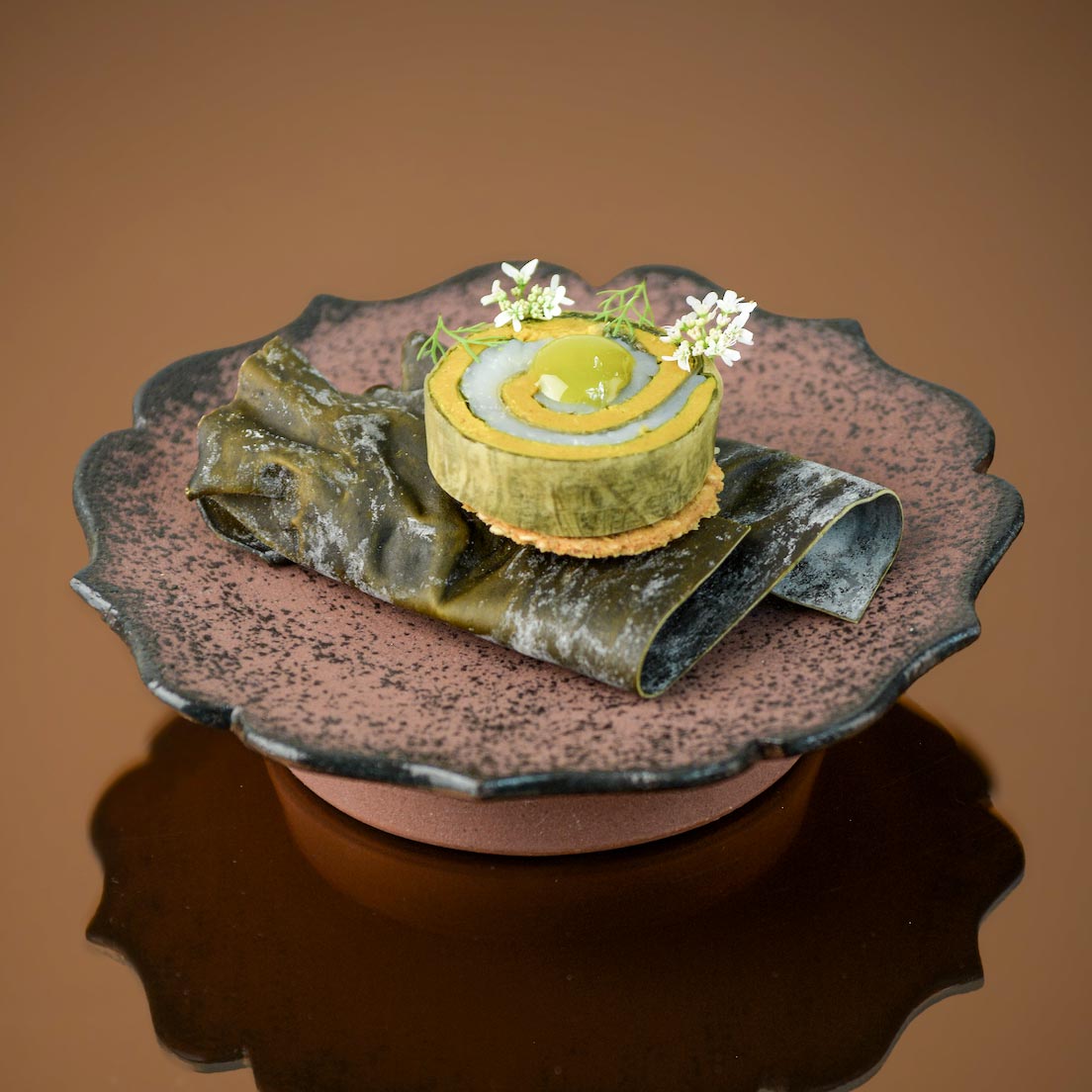
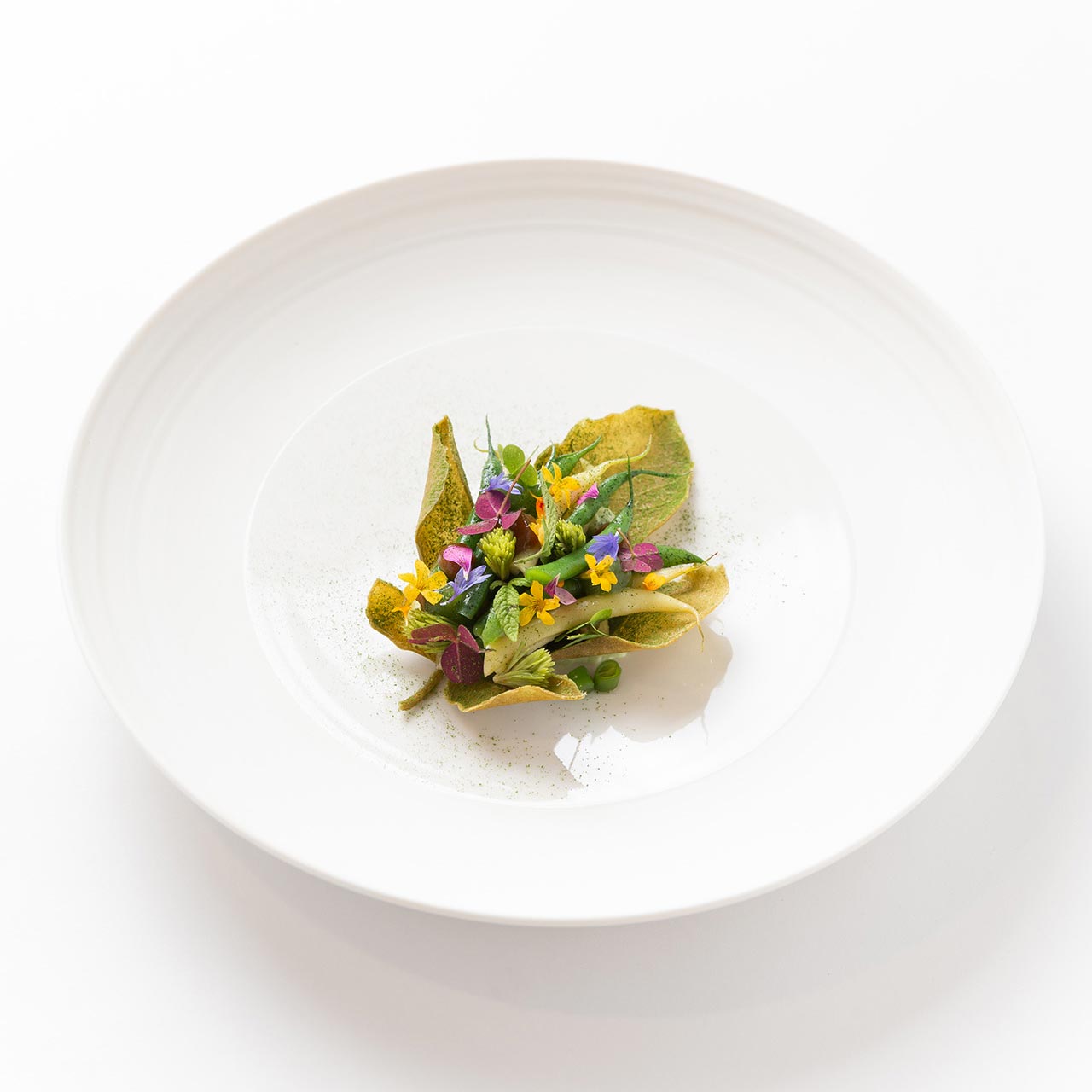
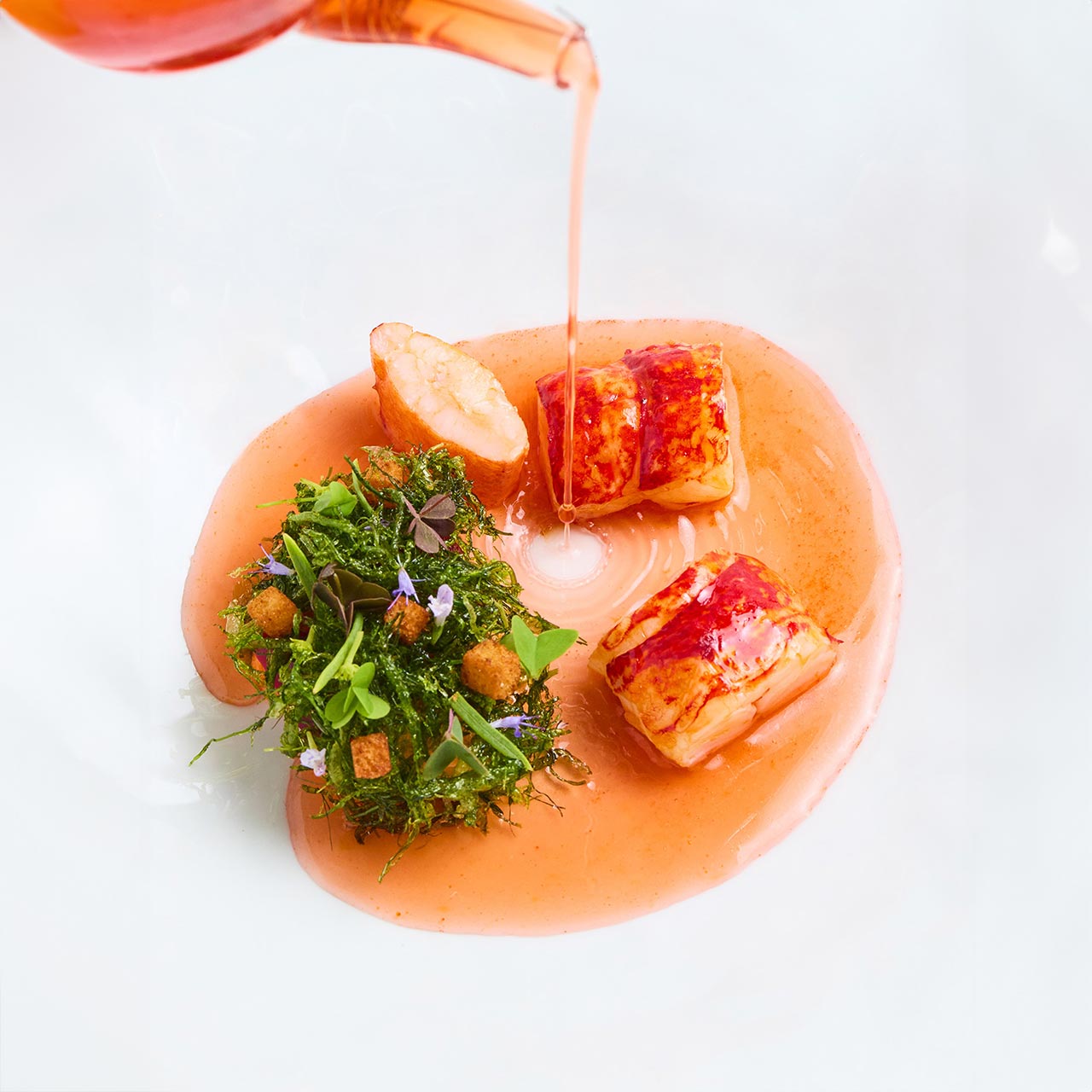
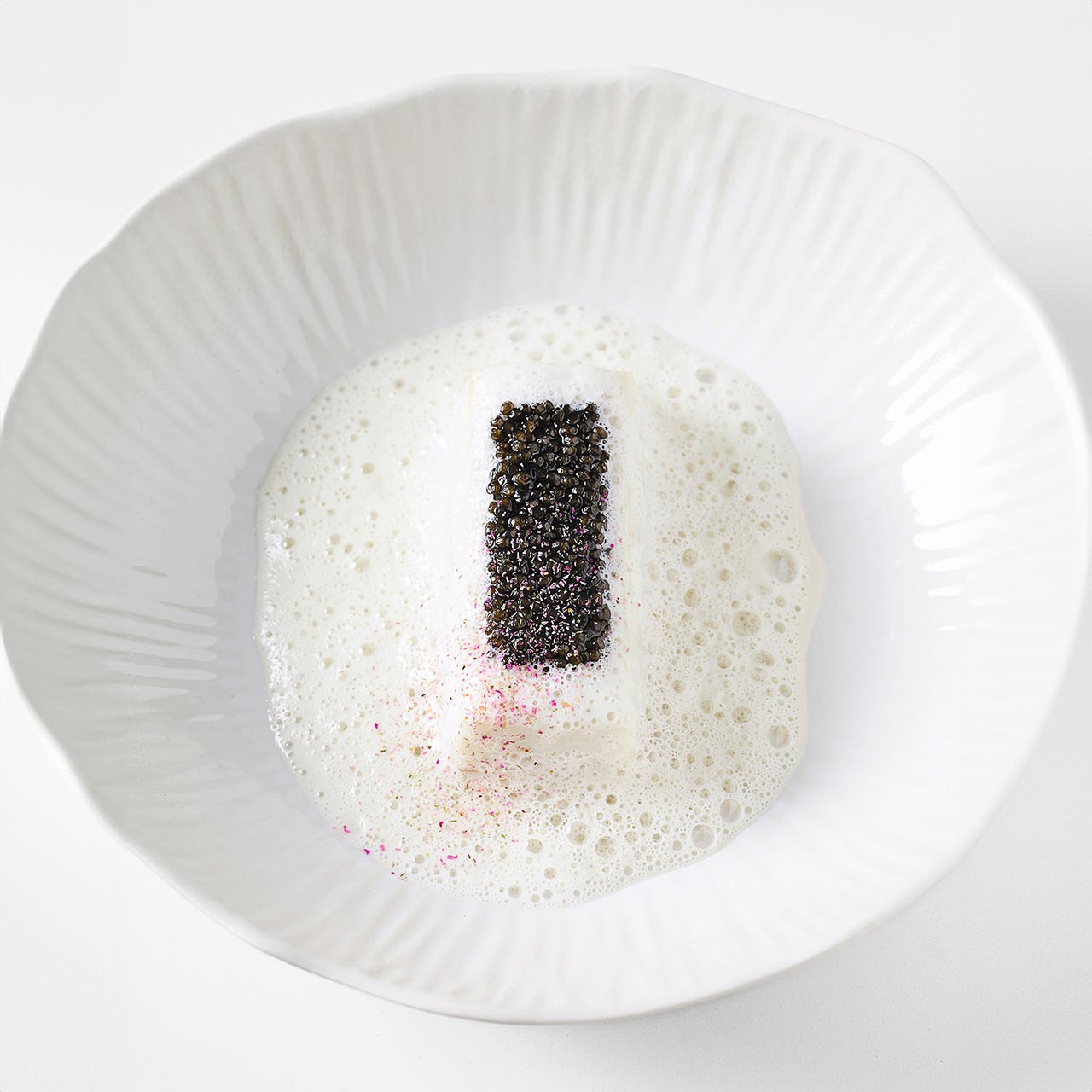
The one-star announcements revealed even more about the country’s direction. Gaggan reclaimed a star, adding another twist to its ever-evolving narrative. Bo.lan returned to the list after a period of closure, a meaningful recognition for one of Thailand’s most influential modern-Thai restaurants. David Thompson retained his star for Aksorn and received the Mentor Chef Award, delivering a characteristically dry speech about “awkward young cooks” who exceeded expectations and taught him more than he taught them.
New entrants gave the list its freshest energy. Sushi Saito arrived with Tokyo pedigree and immediate acclaim. Etcha earned recognition for its borderless blend of European technique and Thai produce. Juksunchae marked a milestone for Korean cuisine in Bangkok, with chef Henry Lee calling the win “a huge step forward.” Cannubi at the redesigned Dusit Thani Bangkok added Italian refinement. And Nusara, Thitid “Ton” Tassanakajohn’s tribute to his grandmother, earned a deeply personal first star. Ton, who also retained his star for Le Du, described the moment simply as “a promise fulfilled.”
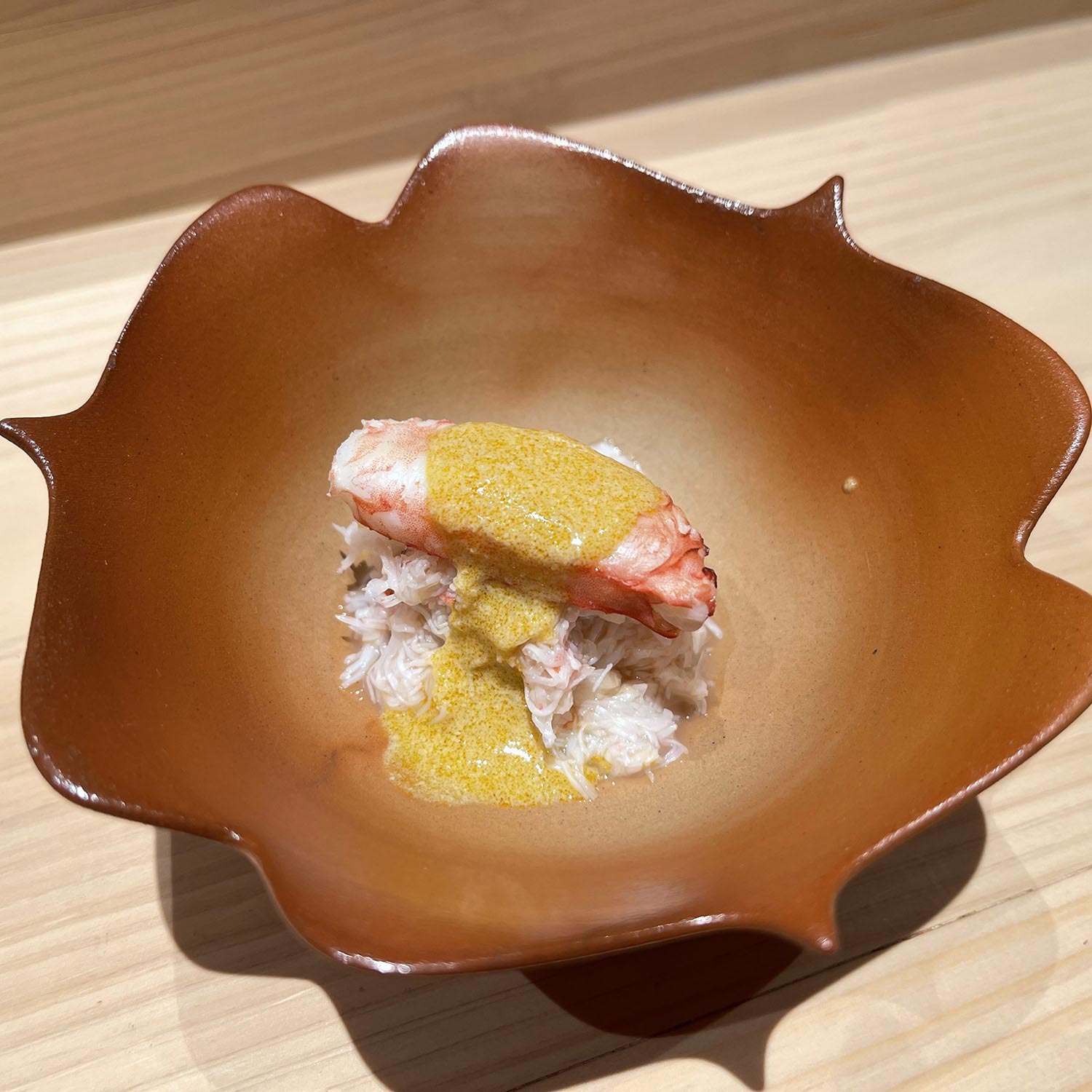
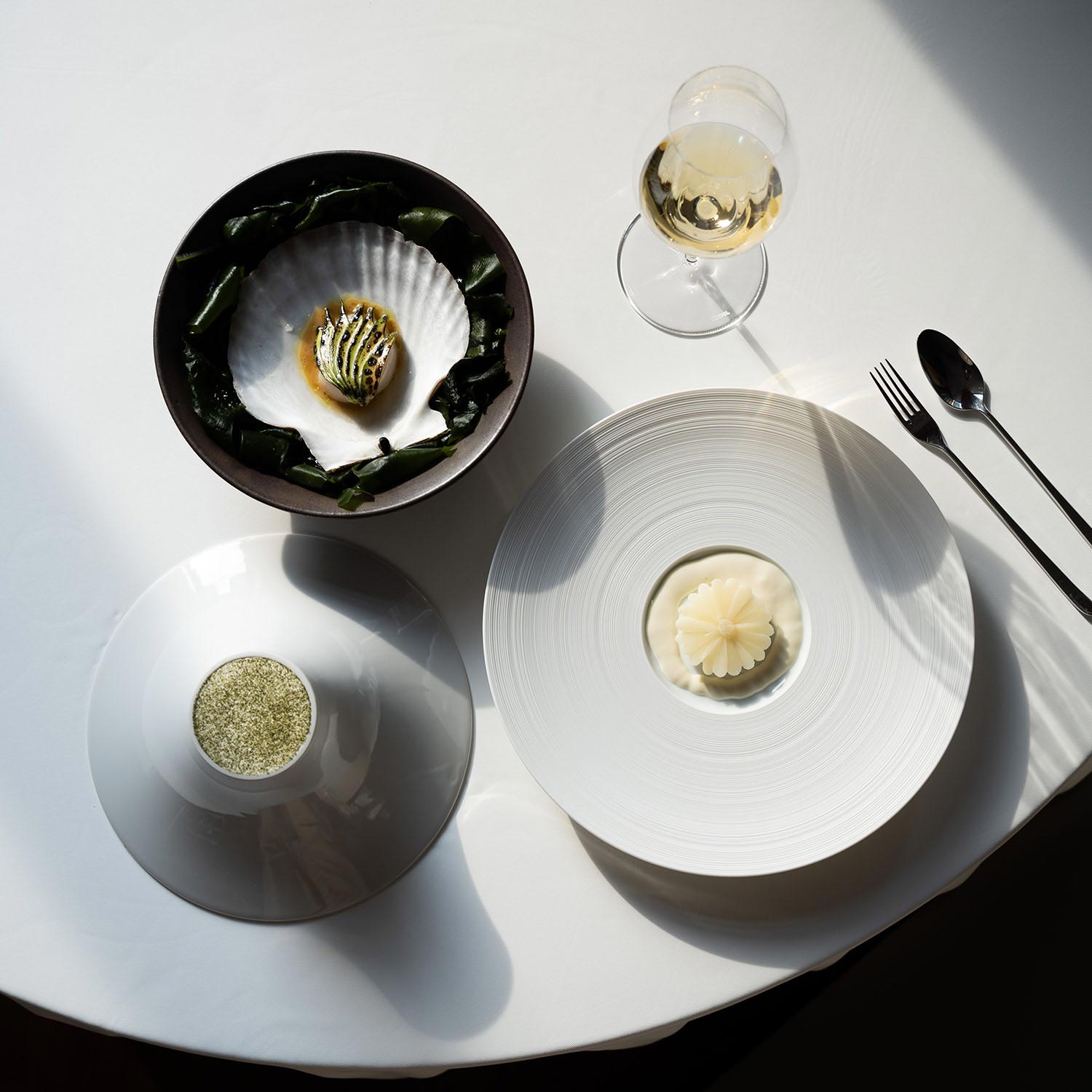
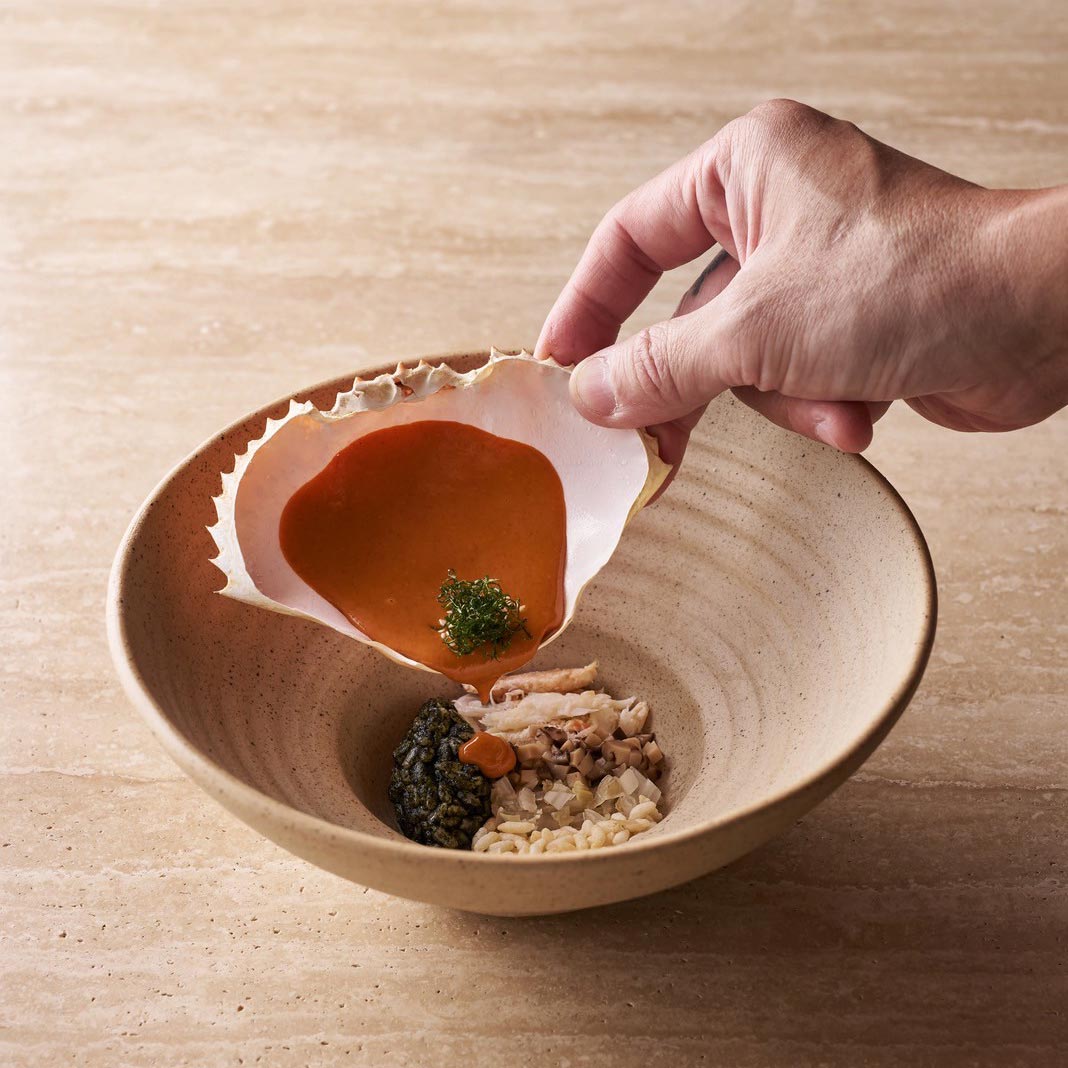
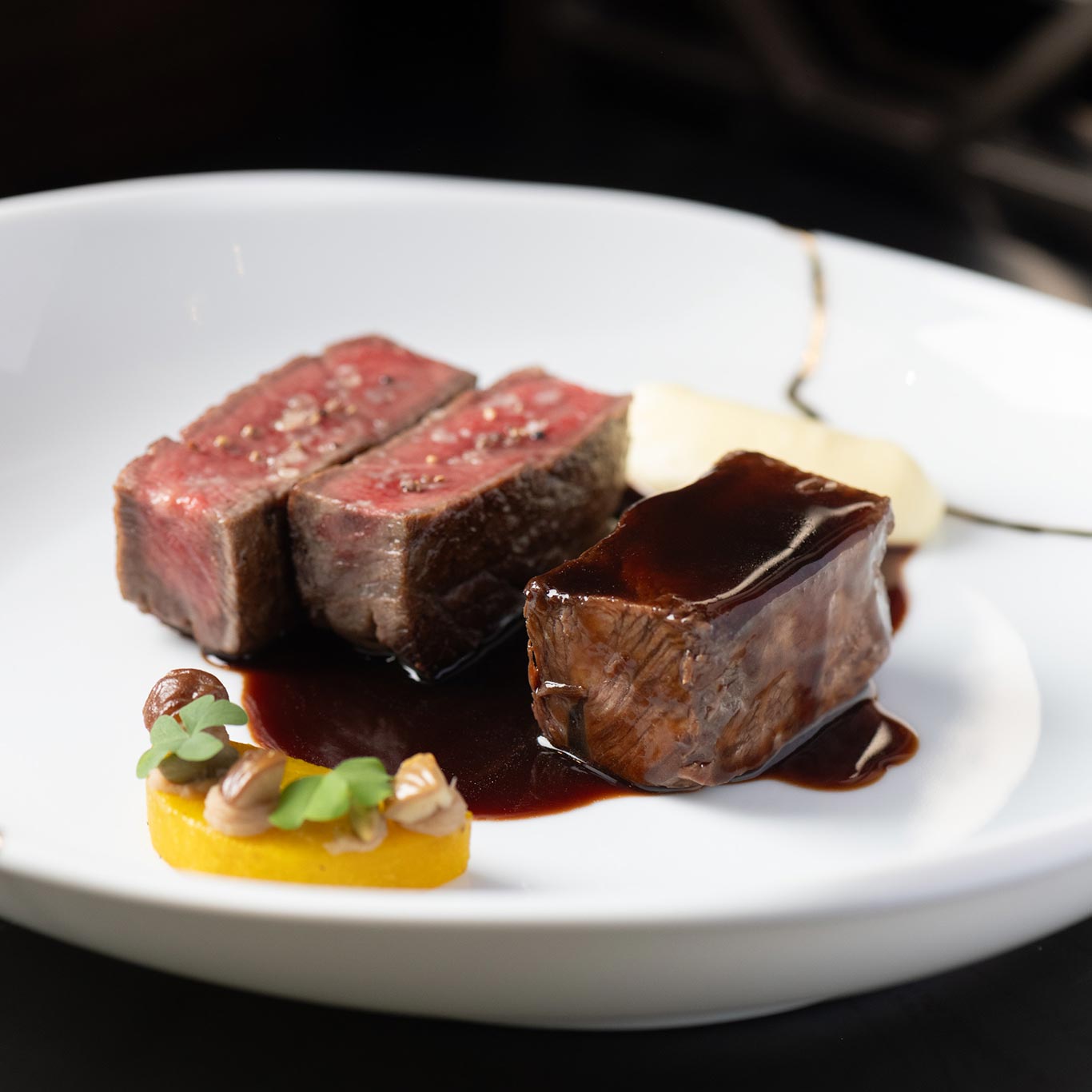
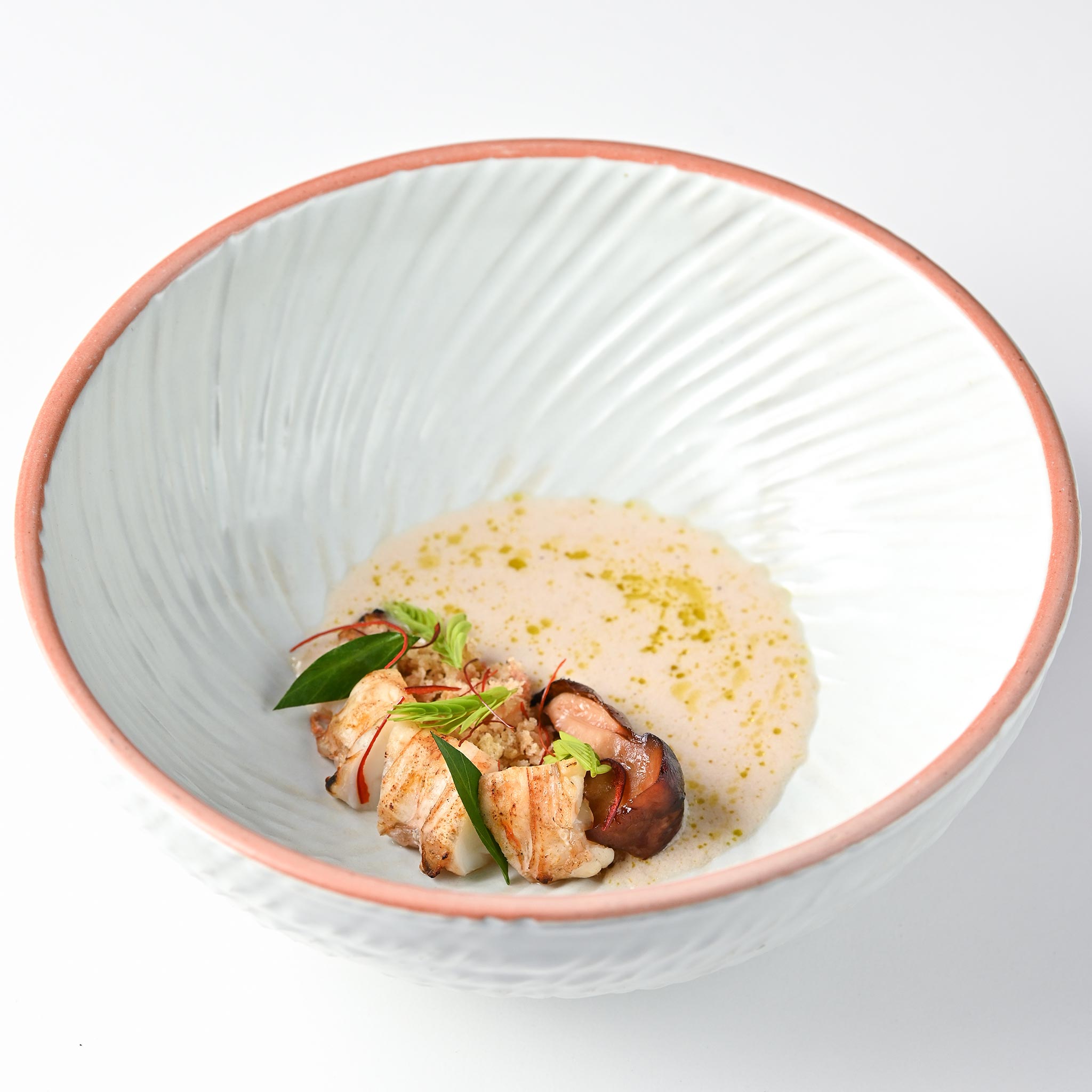
Beyond the capital, PRU at Trisara retained both its star and its Michelin Green Star, underscoring its status as one of the country’s most committed community-to-farm kitchens. The Green Star cohort broadened again with the inclusion of Baan Tepa, Haoma, Jampa and newcomer GOAT, whose chef Tan-Parkorn Kosiyapong pledged to “keep trying to do the least harm to our earth.” Additional awards brought further character to the afternoon: Arsen Brahaj of Aulis for service, Suwijak Kunghae of Royd as Young Chef, and Margo’s Wilfrid Hocquet for Opening of the Year.
Tourism Authority of Thailand governor Thapanee Kiatphaibool tied the ceremony to the wider Michelin–TAT partnership, now in its ninth year. She credited the guide with elevating Thailand’s profile and supporting the “Amazing Thailand: Unforgettable Experience” campaign, saying, “Thailand is not only a place to visit but a place to feel. Your creativity brings our story to life.”
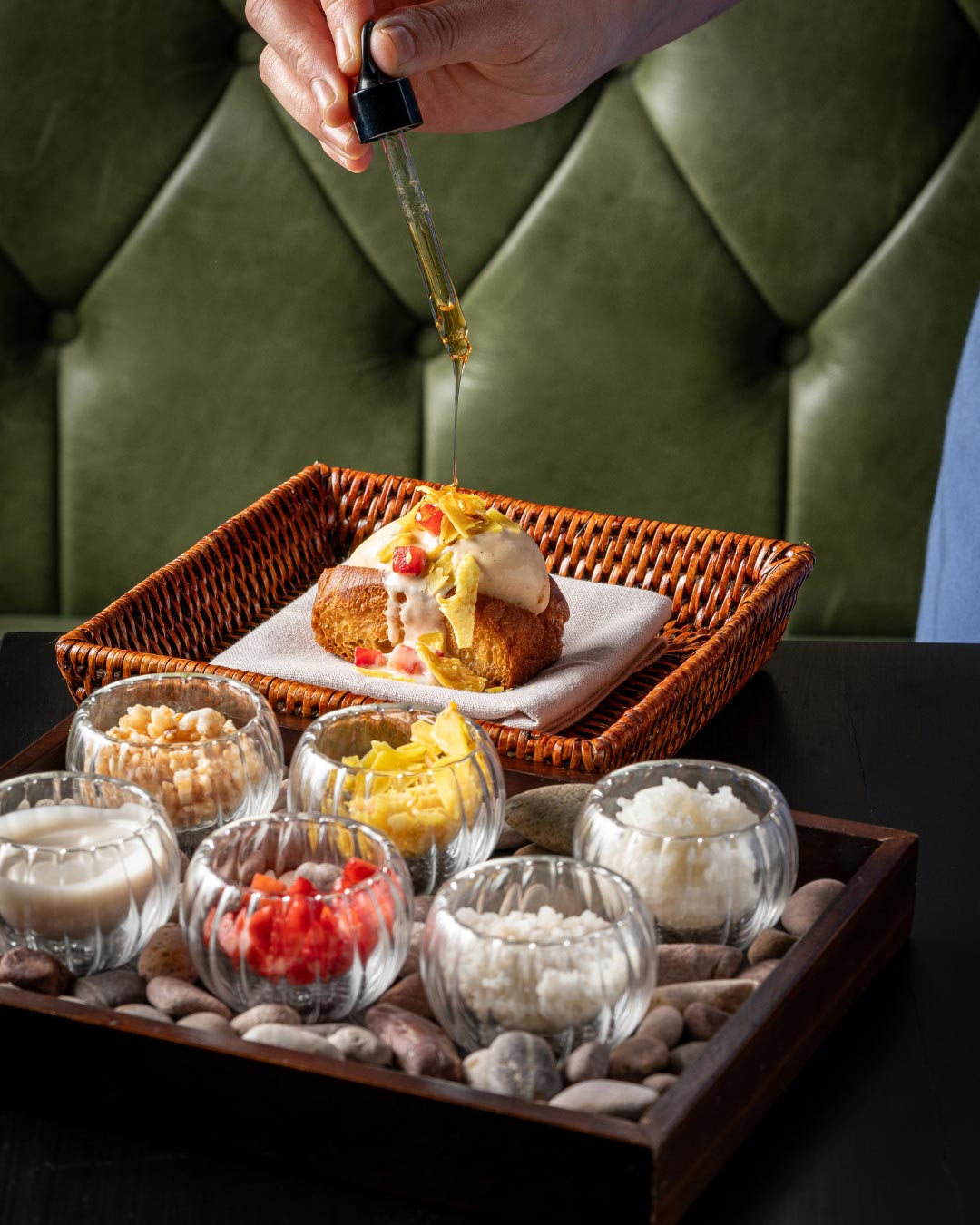
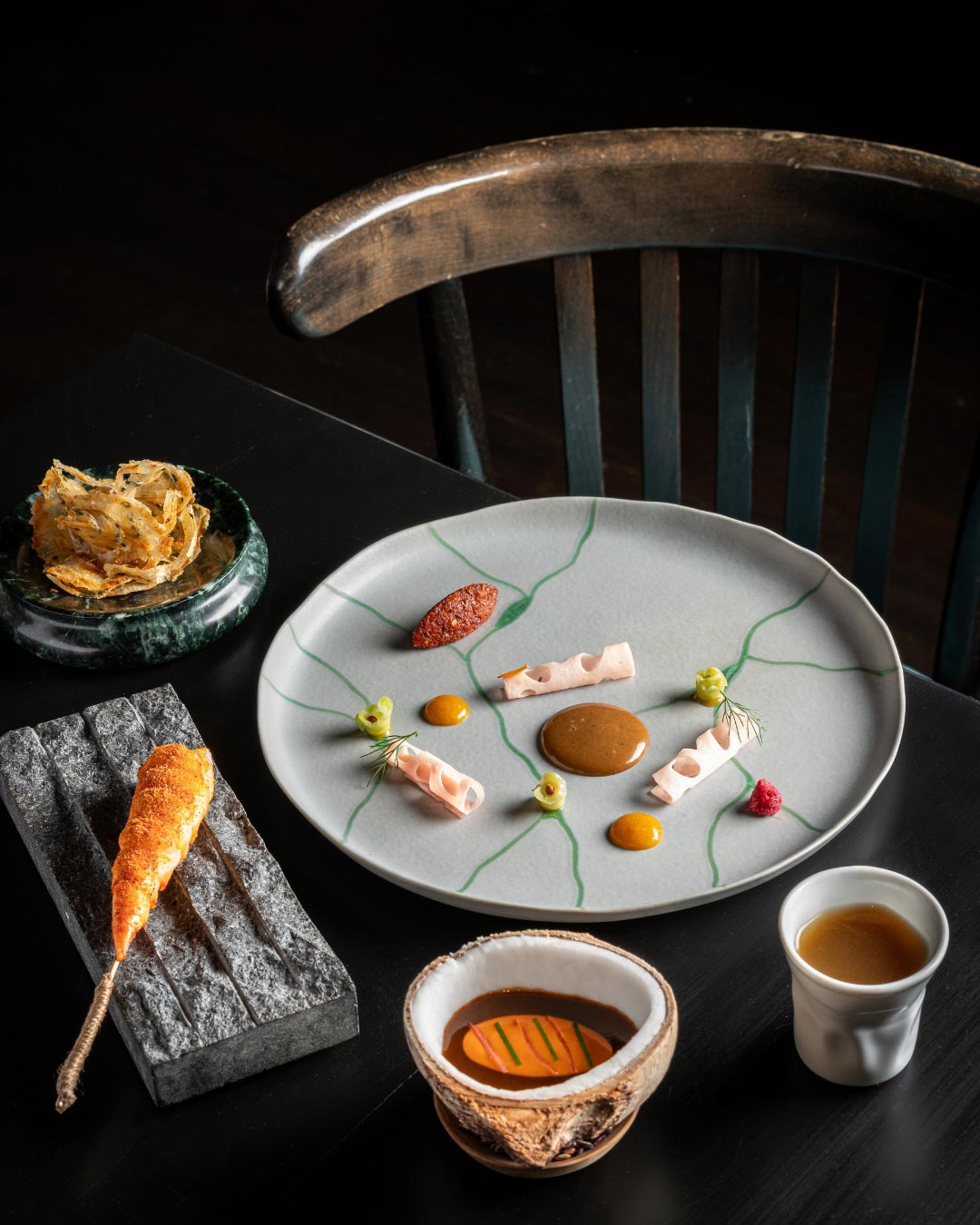
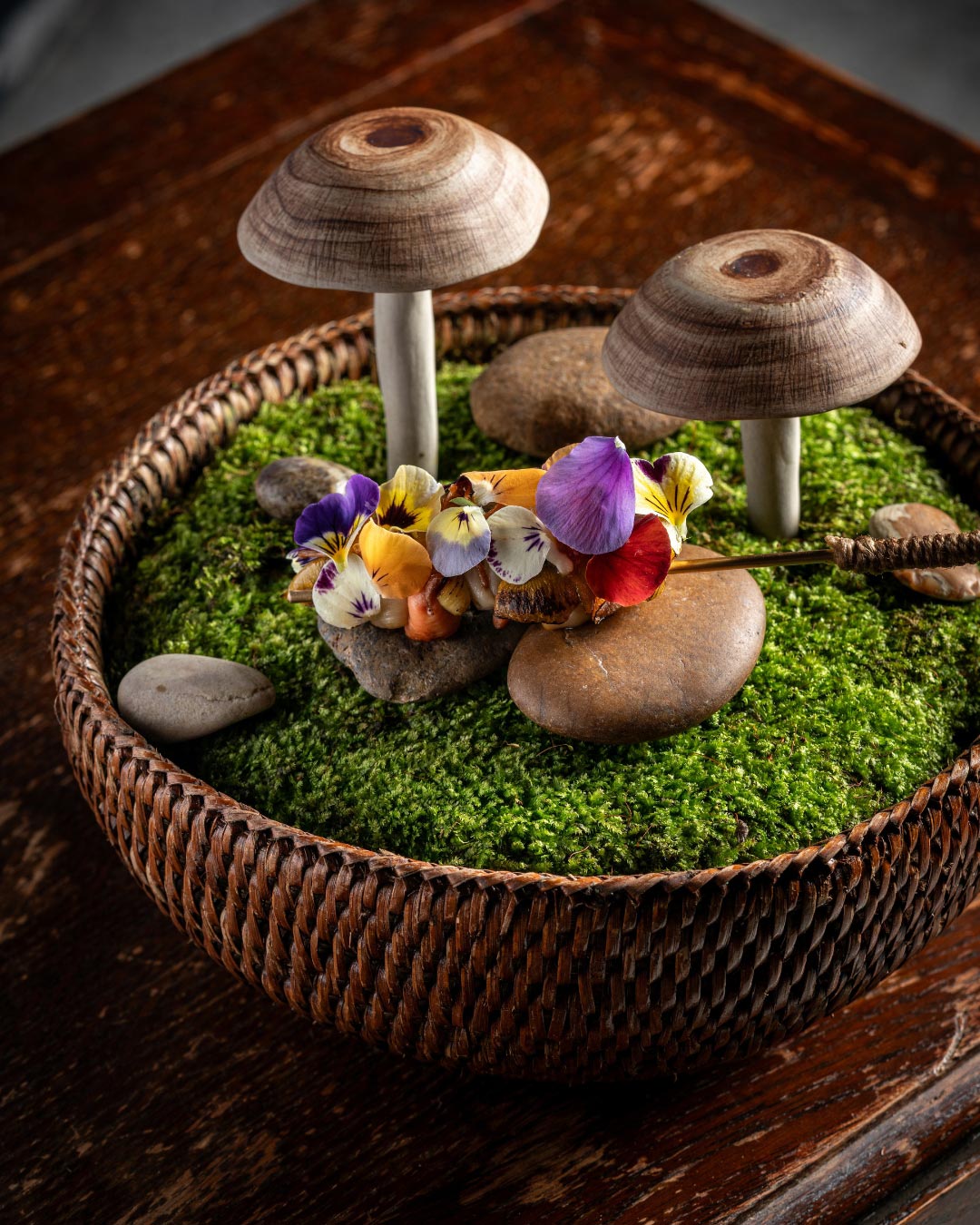
This year’s guide lists 468 establishments—slightly more than last year—while the Bib Gourmand roster, announced earlier, grew to 137 venues across Bangkok, Ayutthaya, Chiang Mai, Nakhon Ratchasima, Udon Thani, Surat Thani and Phang-nga. The steady rise of accessible, chef-driven concepts reflects a scene strengthening at every level rather than just at the top.
When Thailand committed THB143.5 million over five years to host the Michelin Guide, sceptics questioned the return. Nine years on, last week’s ceremony offered an answer: the country has not only accumulated stars; it has cultivated an identity—global in outlook, confident in voice, and unmistakably its own.