

Japan’s spirituality rarely announces itself. It’s felt instead in the rumble of temple bells at dusk, the warmth of a spring bath on a snowbound night, or the quiet choreography of a kaiseki chef arranging a single sansho leaf. Move beyond the bright lights of Tokyo or the shrine paths of Kyoto, and a different Japan unfolds. It’s a side that is shaped by forests, folklore, volcanic fire, and communities still living in rhythm with the land. Destinations such as Hokkaido, Tohoku, Kyushu, and Shikoku follow those quieter breaths—through onsens, coastal trails, mountain temples, cedar forests, and ryokans where hospitality feels like ritual.
Hokkaido’s elemental power
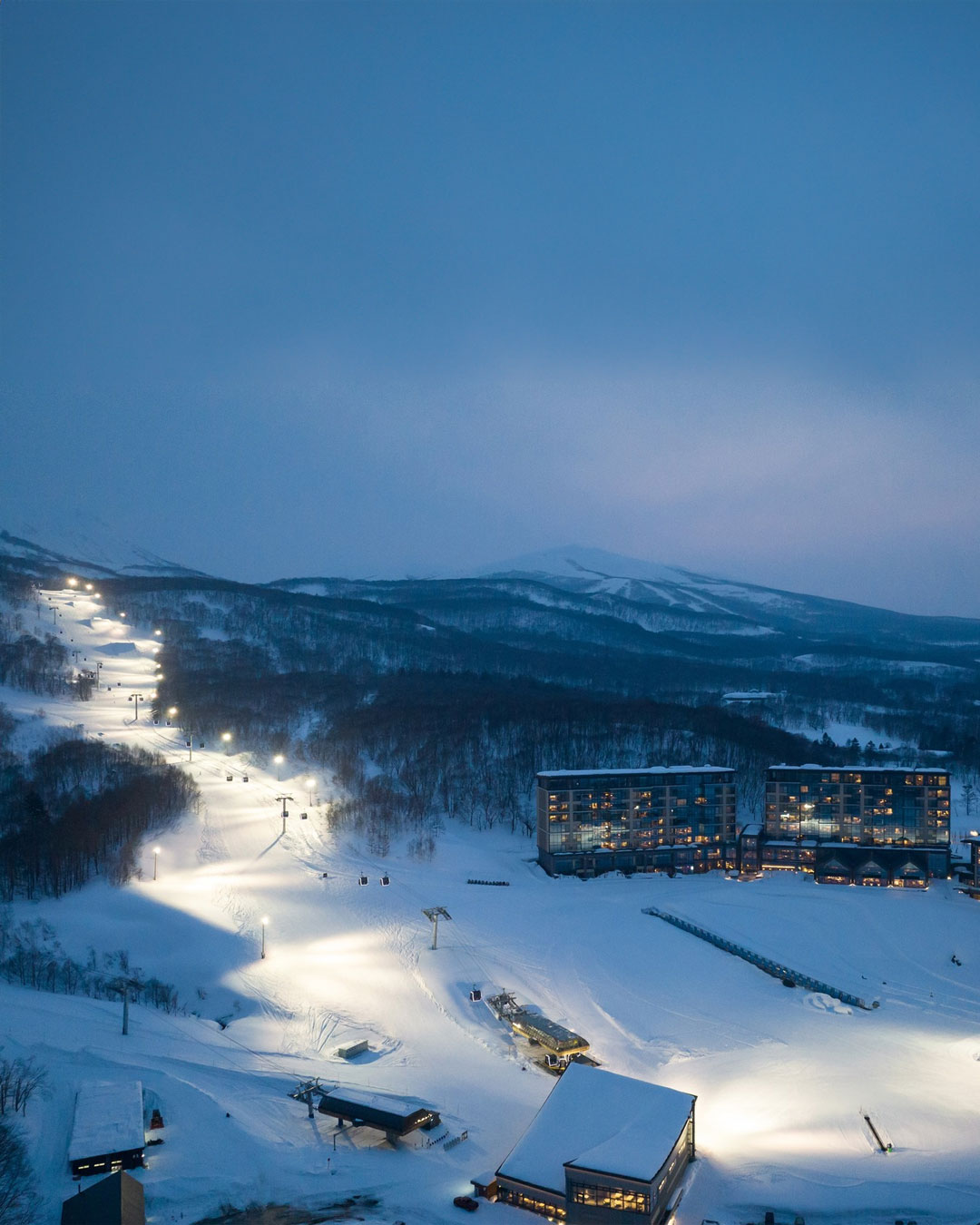
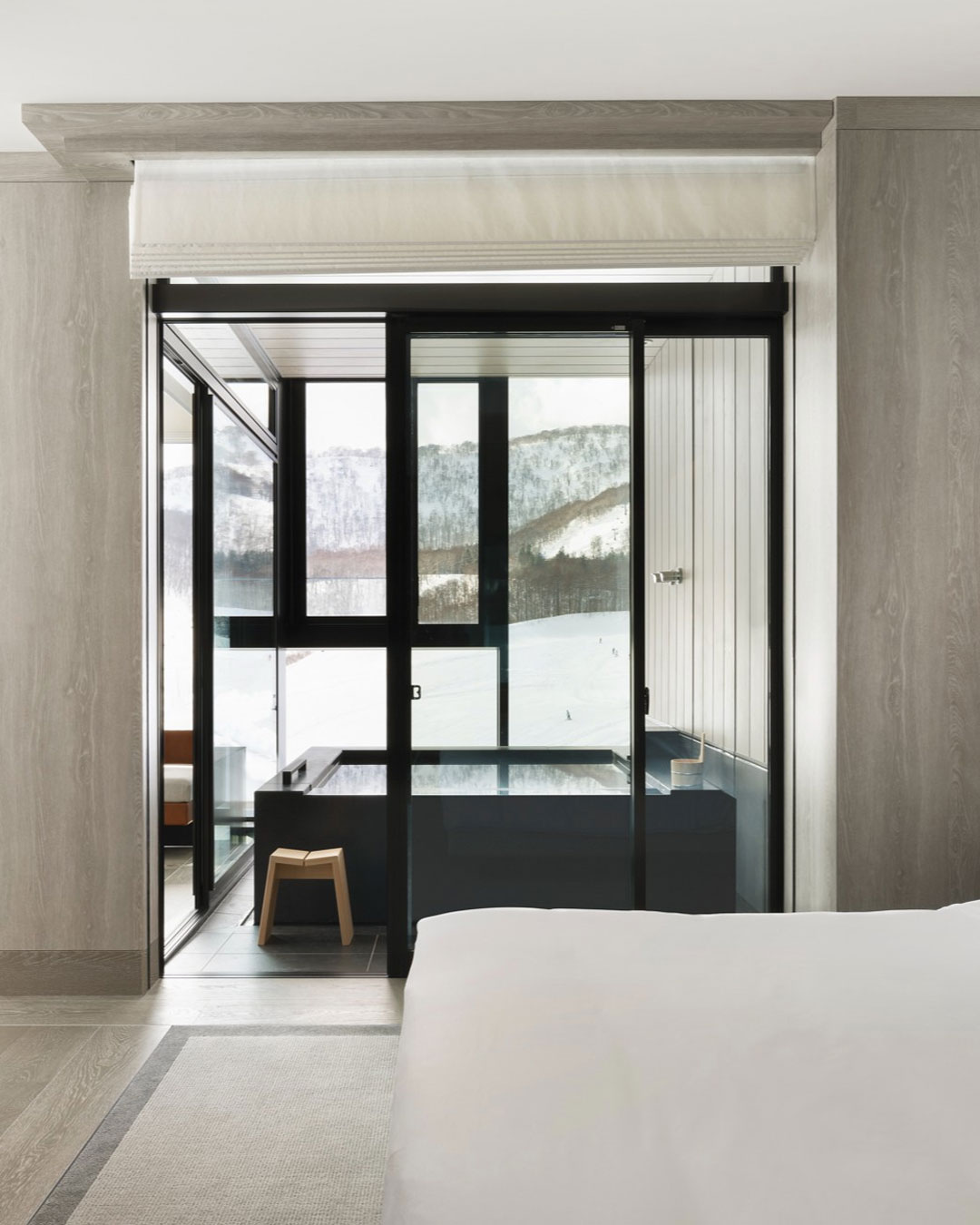
Japan’s northern frontier feels sharpened by the elements. Fire, wind, water, and deep winter snow shape a landscape long tied to the spirituality of the Ainu, who see divinity in everything: bears, waterfalls, even driftwood washed onto a beach.
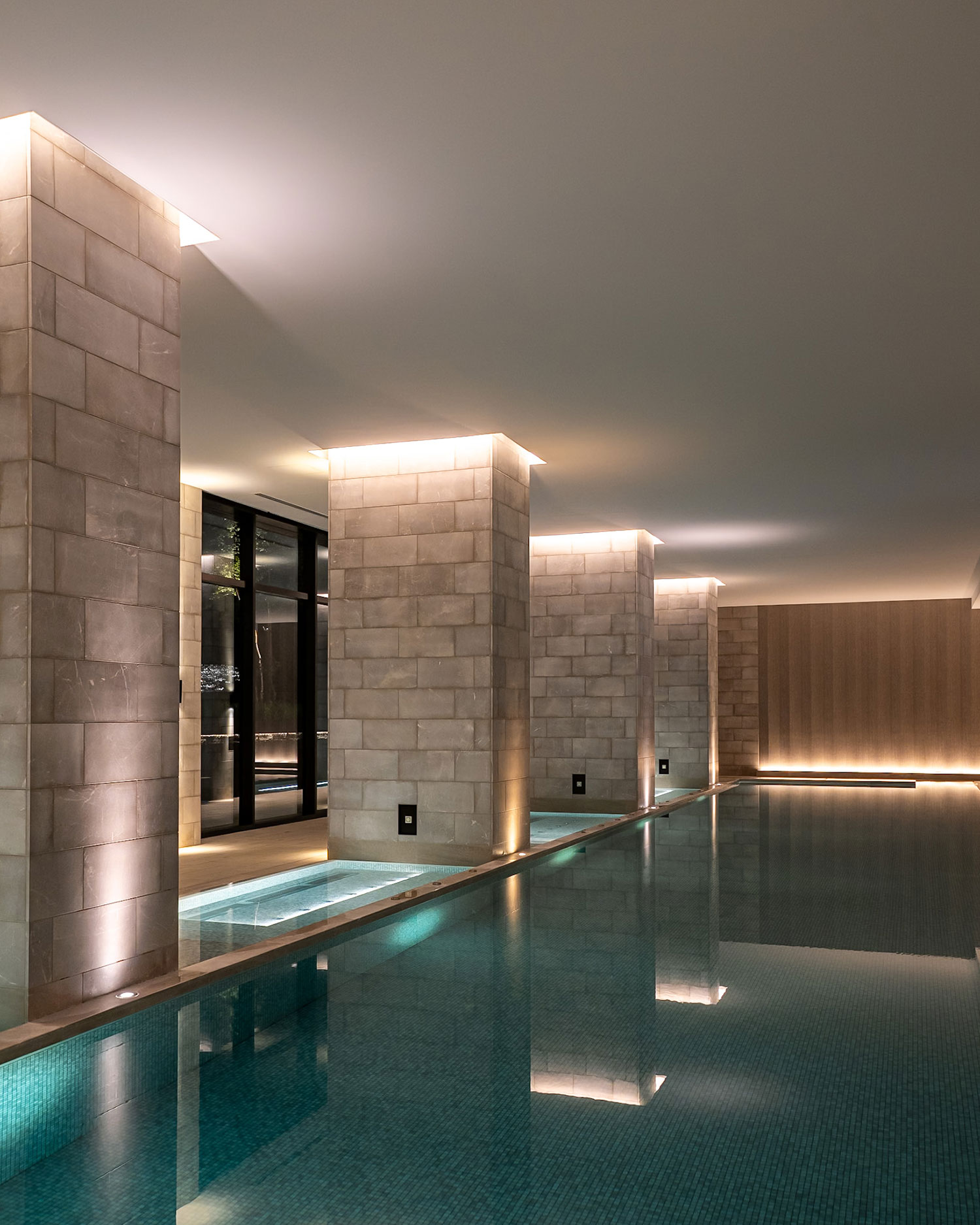
In winter, Hokkaido becomes a world of white silence. Travelers can begin their days with views of Mount Yotei from Park Hyatt Niseko Hanazono, where alpine refinement meets raw wilderness. Powder-soft ski slopes, cedar-scented rooms, and volcanic onsens at Noboribetsu and Jozankei create a kind of contemplative rhythm—movement followed by restoration.
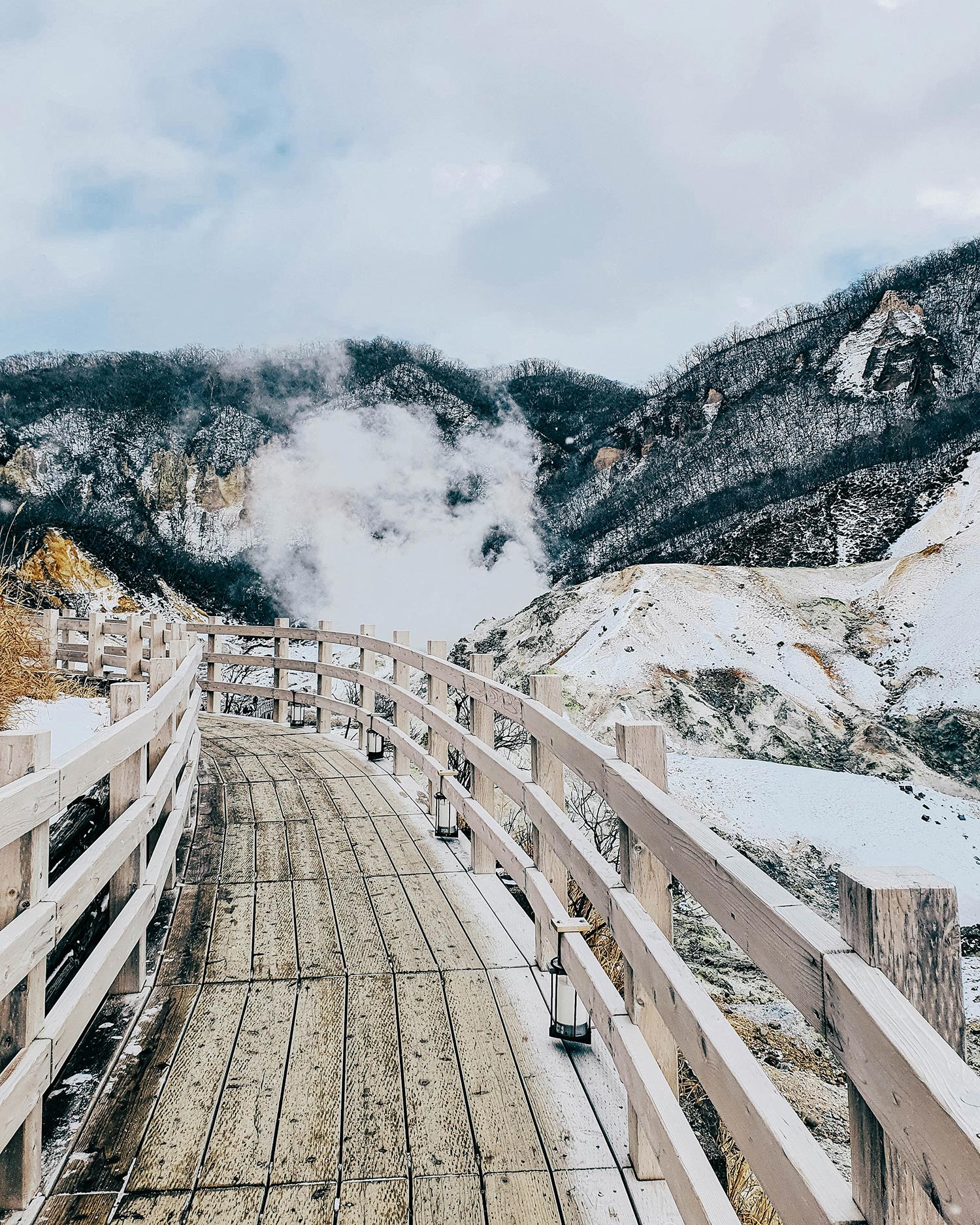
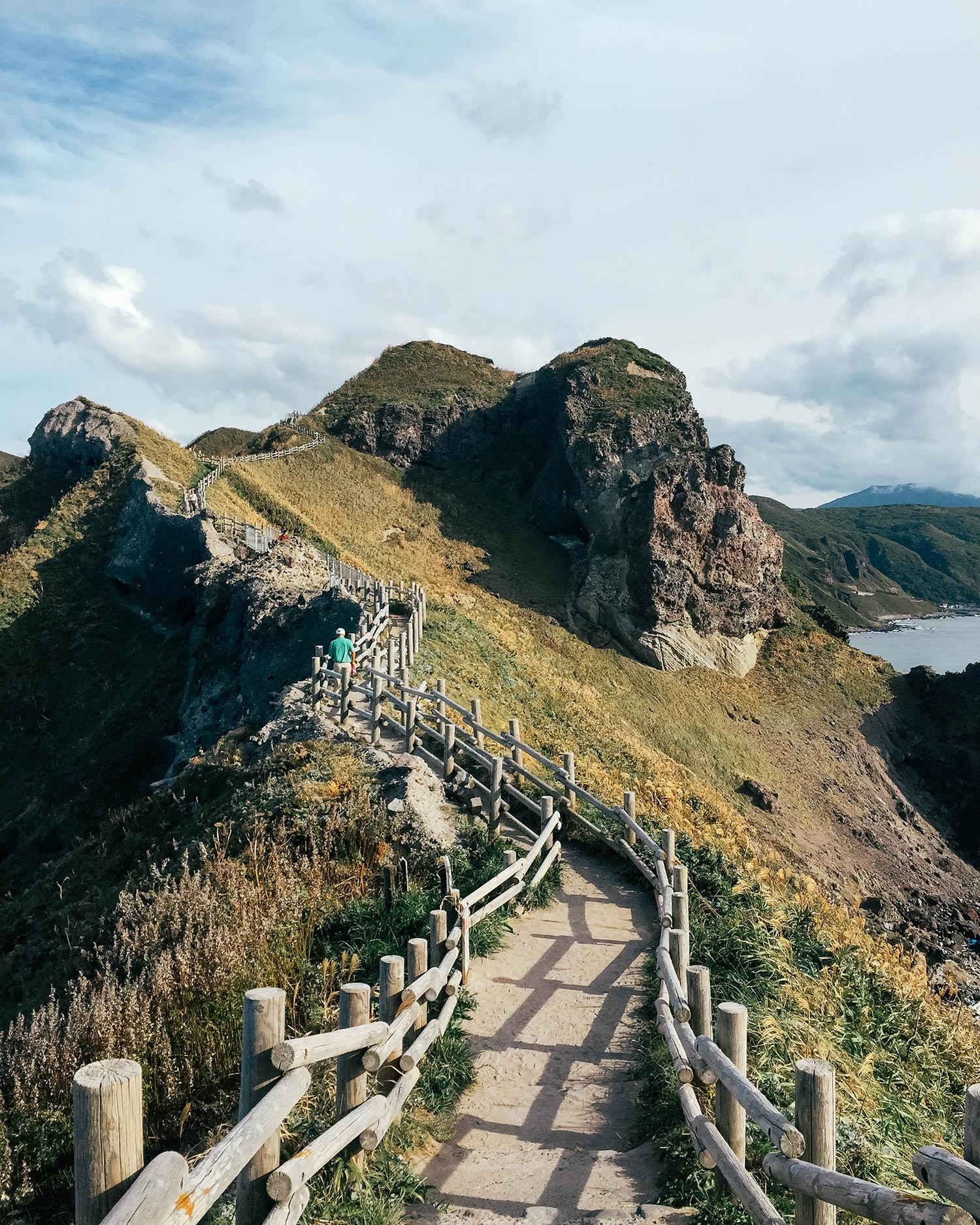
Design-forward ryokans deepen the immersion. Zaborin’s villas come with private indoor and outdoor rotenburo (baths) fed directly by hot springs, while Shiguchi—built from the bones of a 130-year-old farmhouse—blends art with deep quiet. On the Shakotan Peninsula, Ao no Za faces the sea where sky and water merge into a meditative horizon.
As the seasons shift, Hokkaido reveals different forms of spirituality. Spring brings melted snow and meadows of pastel flowers near Furano. Summer fills the forests with green air perfect for hiking and fly-fishing. Autumn sets the birch and maple alight with gold. Kayaking on glassy Lake Toya or tasting fresh uni (sea urchin) along the coast of Otaru, travelers sense not just beauty but a kind of elemental communion.
Tohoku’s seasonal bounty
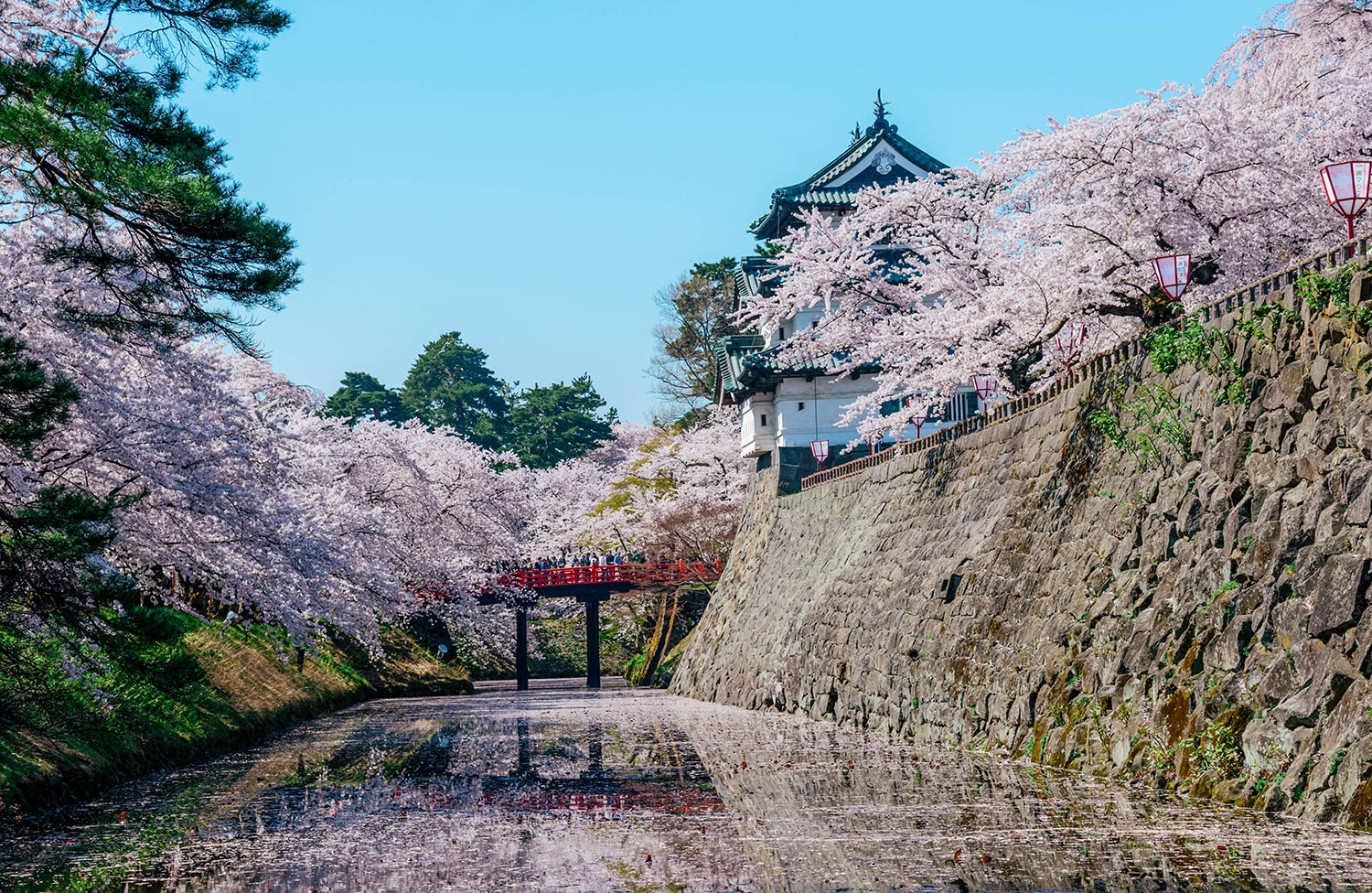
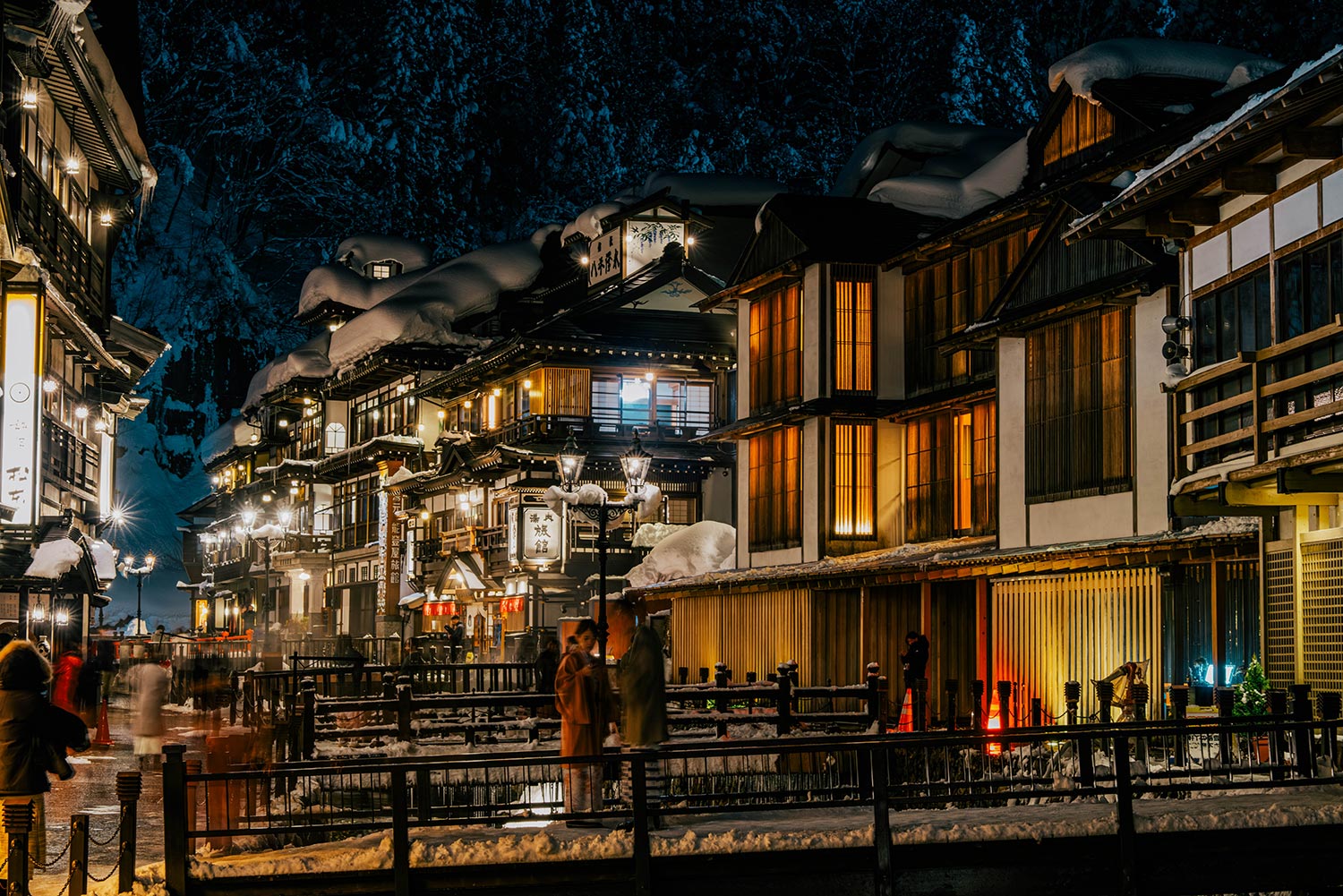
Tohoku, remote even by domestic standards, is a region where nature and cultural memory intertwine. Its spirit —shaped by folklore, harsh winters, and the collective resilience that followed the 2011 tsunami— feels quiet yet profound.
The changing seasons work their magic here in a variety of ways. Spring finds the region at its most ethereal. Petals drift around Hirosaki Castle in soft pink clouds, and villages celebrate the returning light after long winters. Yet every season has its pull.
In Aomori, the ancient beech forests of Shirakami-Sanchi seem to murmur their own creation stories. The Oirase Keiryu Hotel sits beside one of Japan’s most luminous river gorges — a perfect starting point for forest-bathing walks that unravel slowly through moss and sound.
South in Akita, Kakunodate Sanso Wabizakura offers secluded luxury among samurai-era streets and wooded hills. And in Yamagata, the hot-spring village of Ginzan Onsen glows at night like a Taisho-era dream, its lantern-lit bridges and narrow riverside inns wrapped in snow.
Walking sections of the Michinoku Coastal Trail, one of Japan’s most compelling long-distance hiking routes, travelers feel the region’s sense of renewal. Fishermen rebuilding homes, tiny shrines tucked into cliffs, and villages keeping centuries-old festivals alive form a quiet portrait of everyday resilience—one that lingers long after the trip.
Japan’s beautiful south
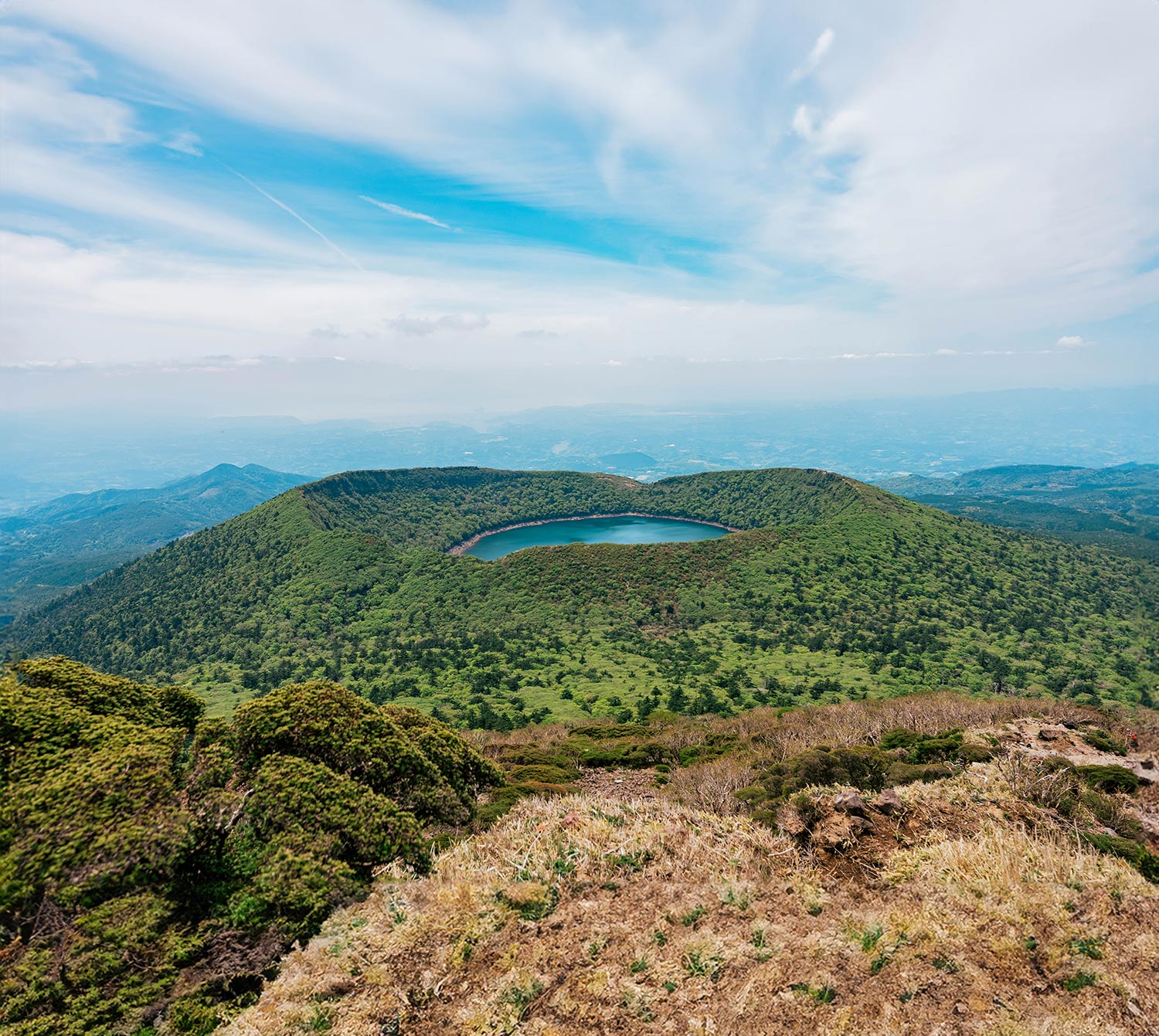
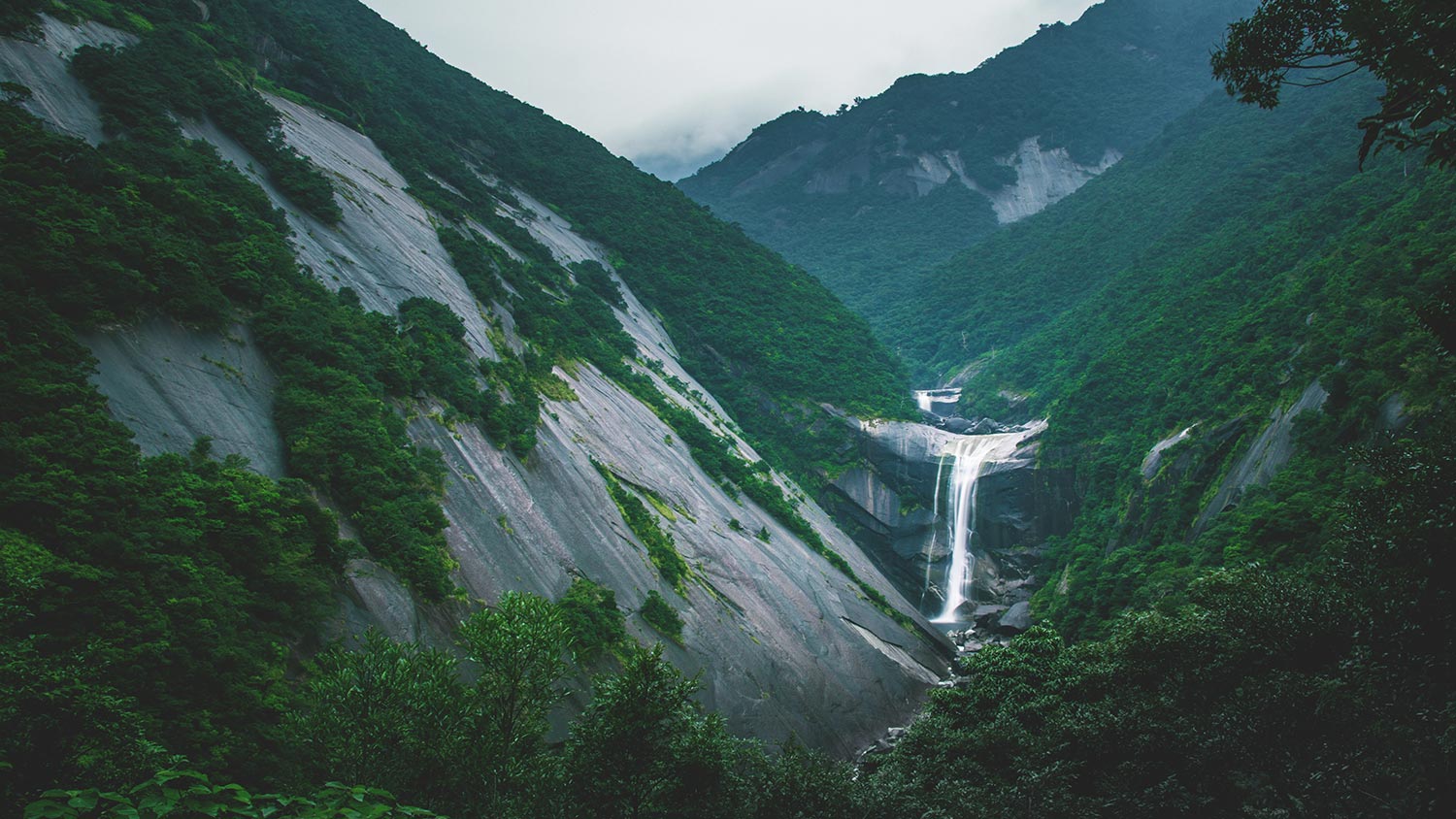
To the southwest, Kyushu pulses with volcanic heartbeats. Steam rises from mountainsides. Springs bubble from mineral-rich earth. Creation myths cling to the slopes of the Kirishima range, where Japan’s gods are said to have first descended.
Wasurenosato Gajoen, built almost entirely by artisans, feels like a retreat suspended in time, with wooden cottages opening onto rice terraces and streams. Not far away, Tenku no Mori lifts the idea of seclusion to new heights, its villas perched above a shifting “sea of clouds.”
Across the water on Yakushima, mist clings to thousand-year-old cedars and waterfalls cut through subtropical forest. Sankara Hotel & Spa blends sustainable luxury with deep immersion into this UNESCO-listed wilderness — dawn hikes, coastline viewpoints, and cuisine shaped by island farms and sea breezes.
Shikoku adds another rhythm: pilgrims walking the ancient 88 Temple Path, vine bridges swaying in the Iya Valley, quiet mountain onsens, and small towns where festivals carry the region’s spirit forward. Whether wandering Tokushima’s remote hamlets or visiting Kagawa’s craft workshops, the island feels anchored in devotion and slowness.
Together, Kyushu and Shikoku reveal Japan as a land of contrasts: volcanic ash beside citrus groves, sacred forests beside modern cities, and folklore woven through daily life.