


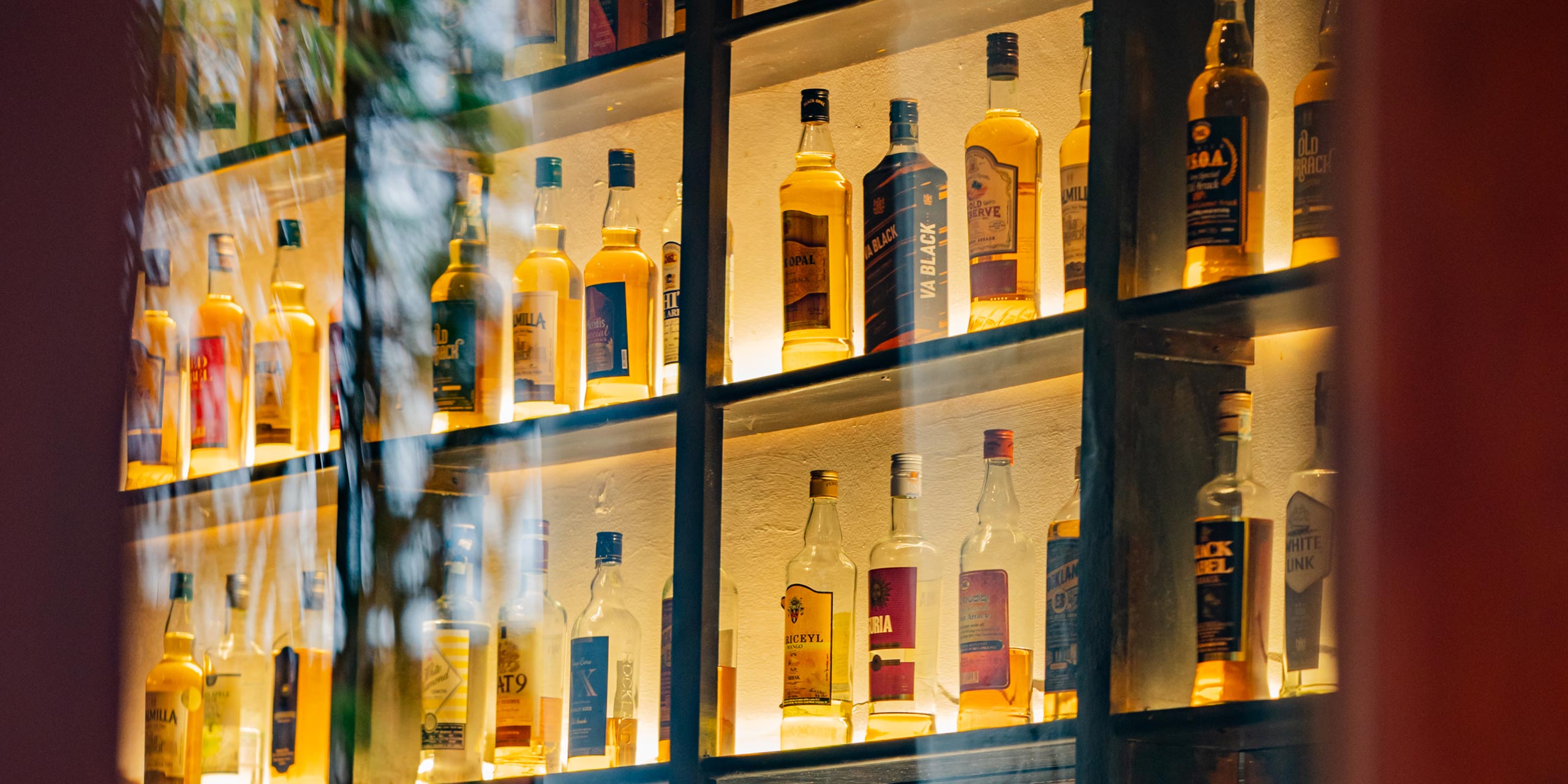
The first glass arrives clear and mild.
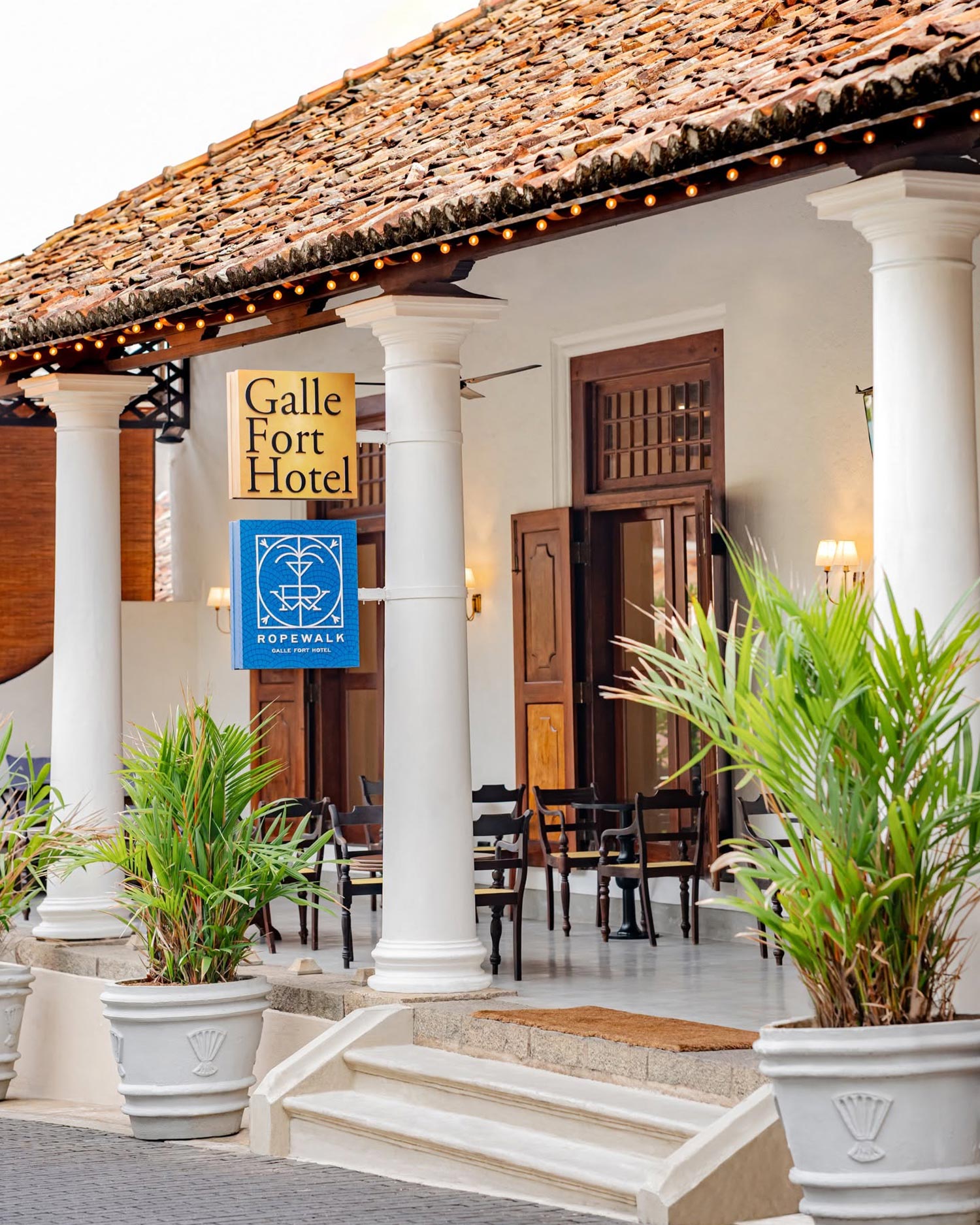
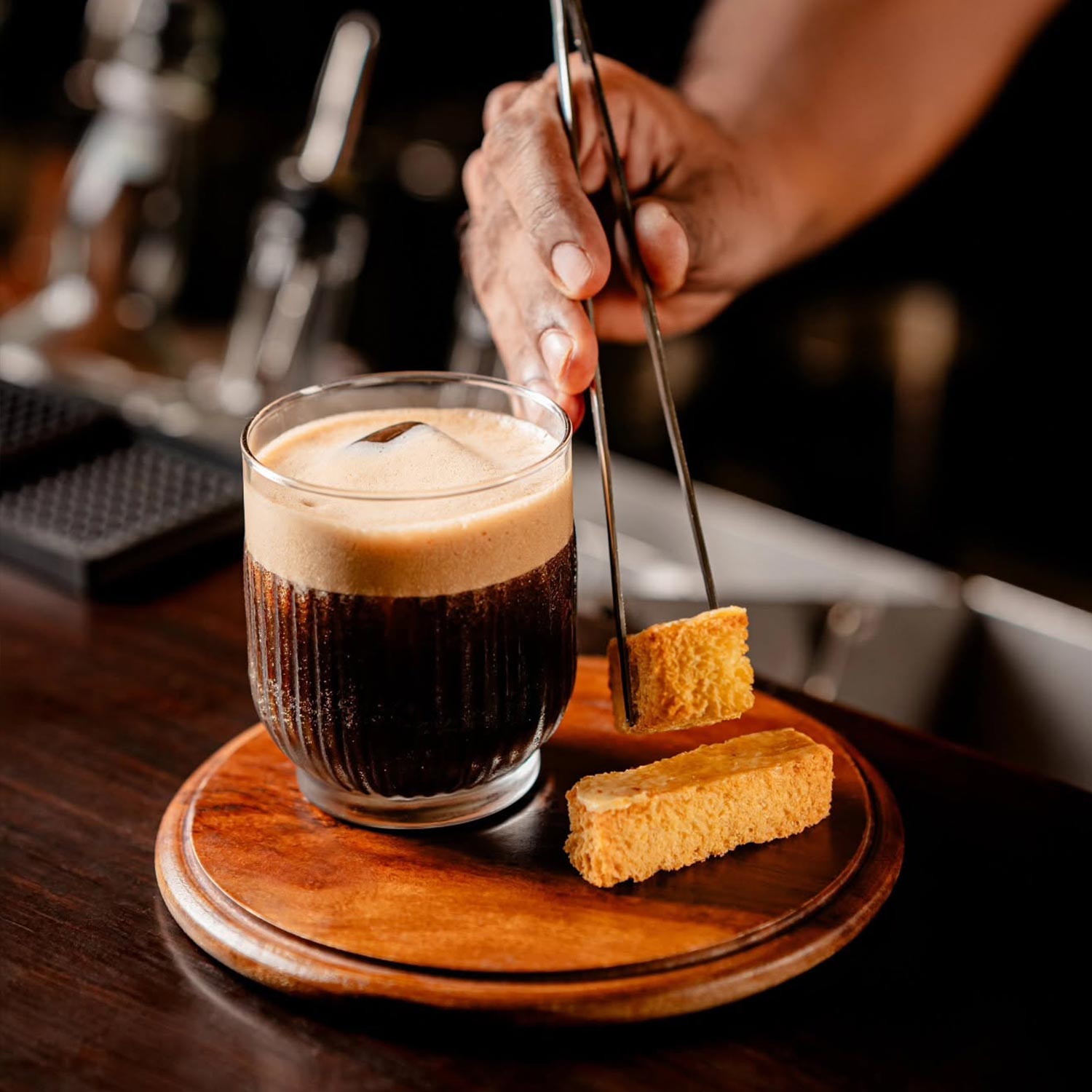
I am at Ropewalk, an intimate, dimly lit bar inside Galle Fort Hotel. Outside, the narrow streets and centuries-old buildings reveal the past of the former Dutch stronghold. Inside, I am working through an arrack tasting. There are five expressions to try, each served with small Sri Lankan nibbles, or “bites.”
Arrack can be light and clean, or deeper and more complex after aging. It has the warmth of a dark spirit, but its character is harder to place if you are more familiar with whisky or rum.
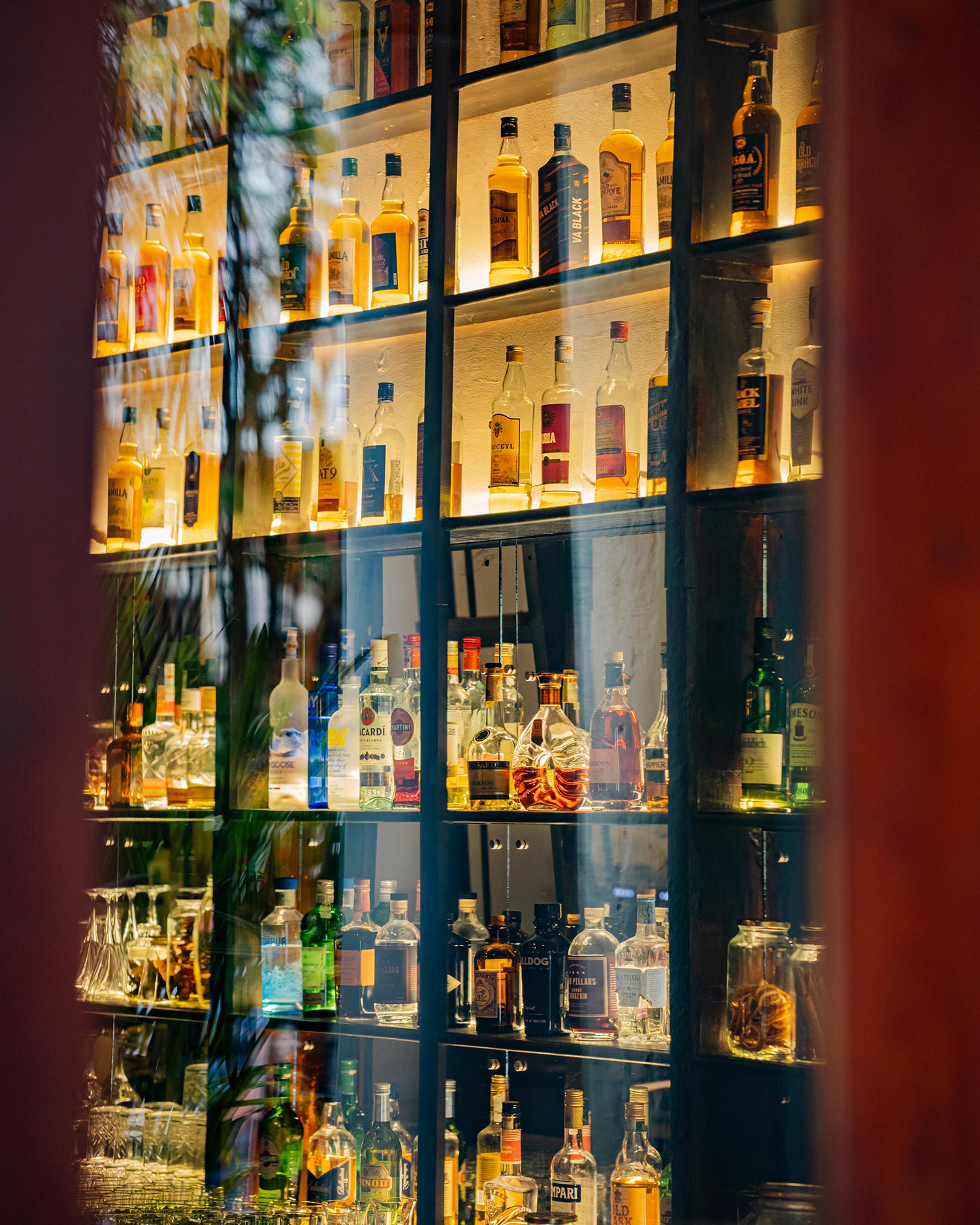
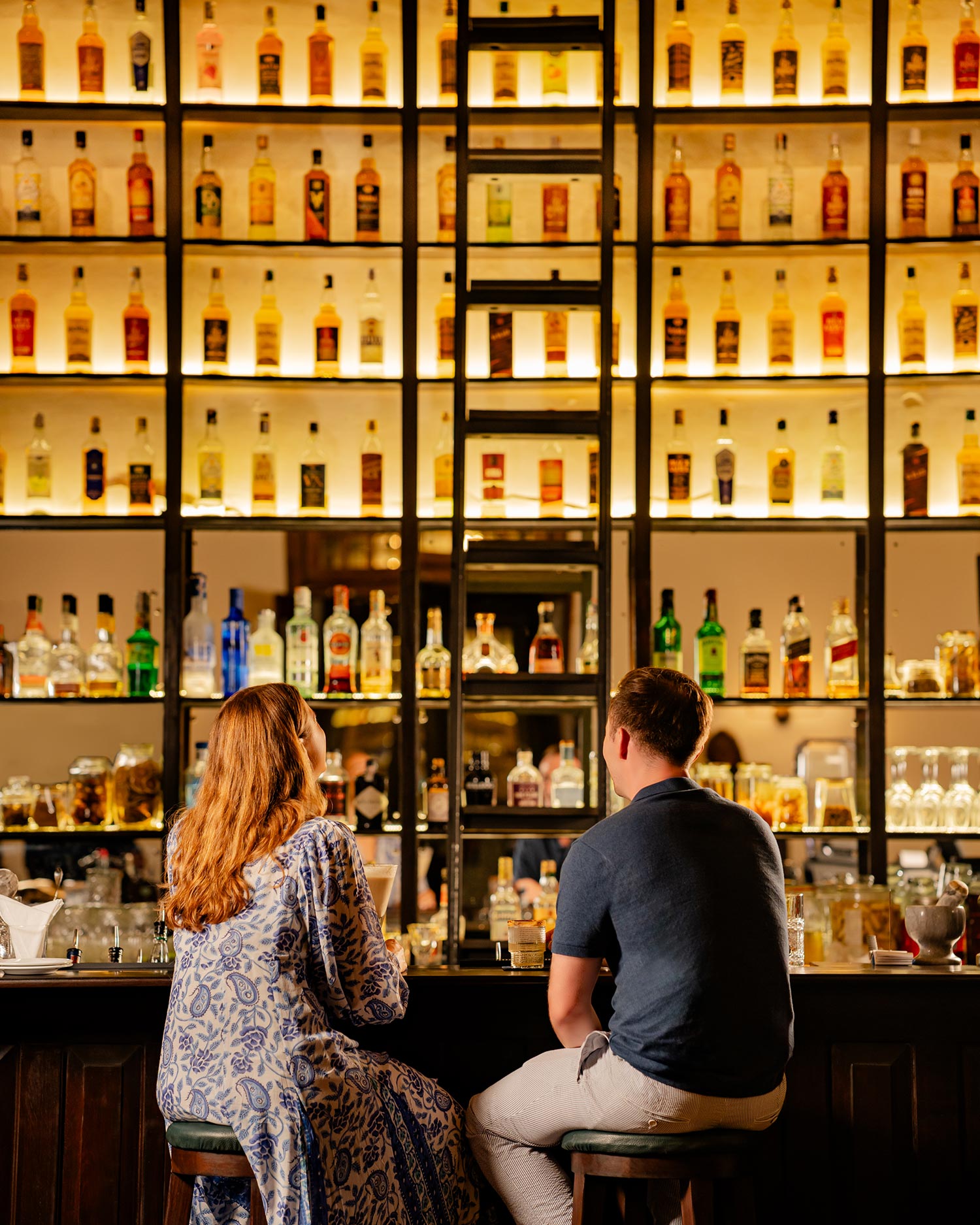
The tasting is a good introduction to a spirit that has been made in Sri Lanka for generations but has rarely received the international attention afforded to whisky and rum.
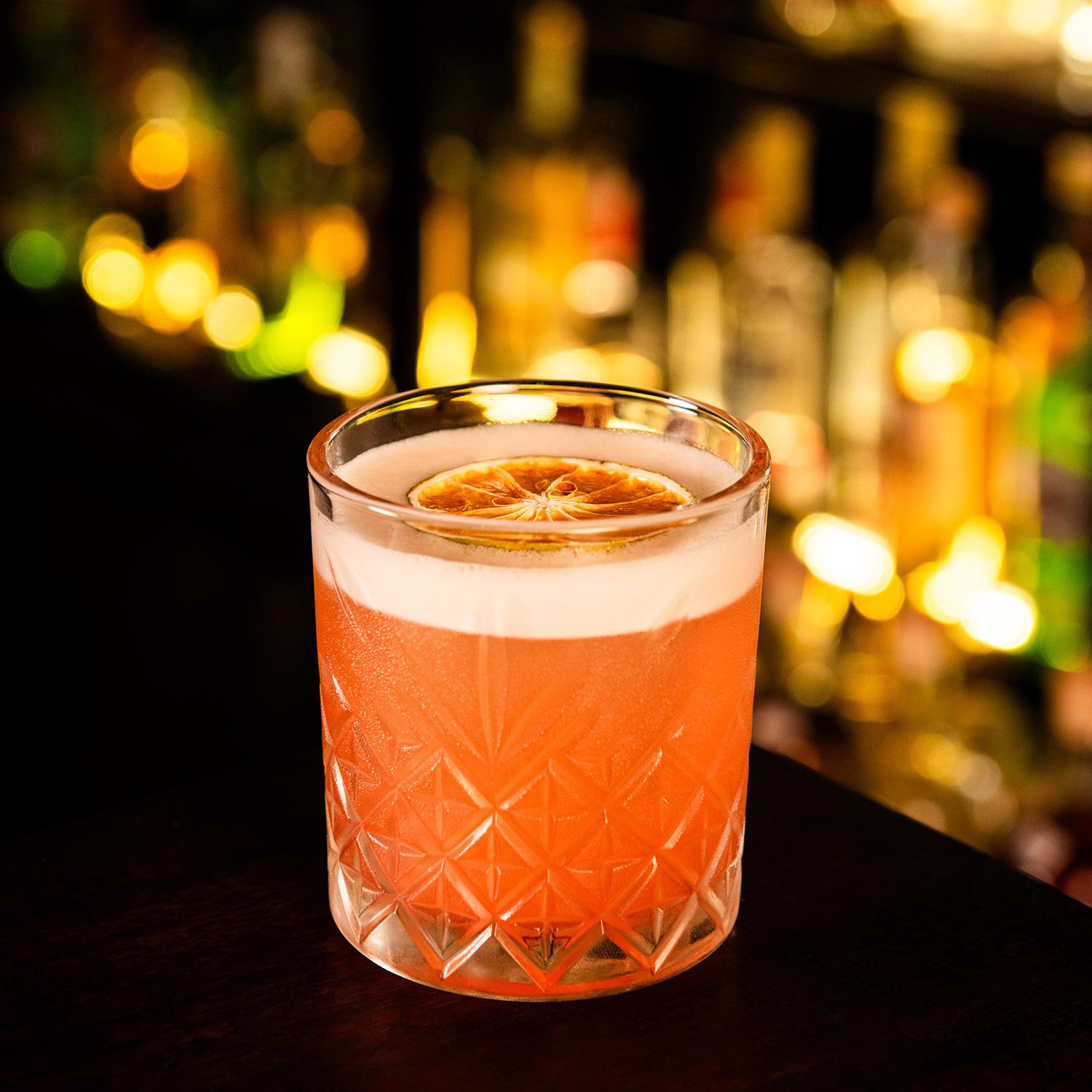
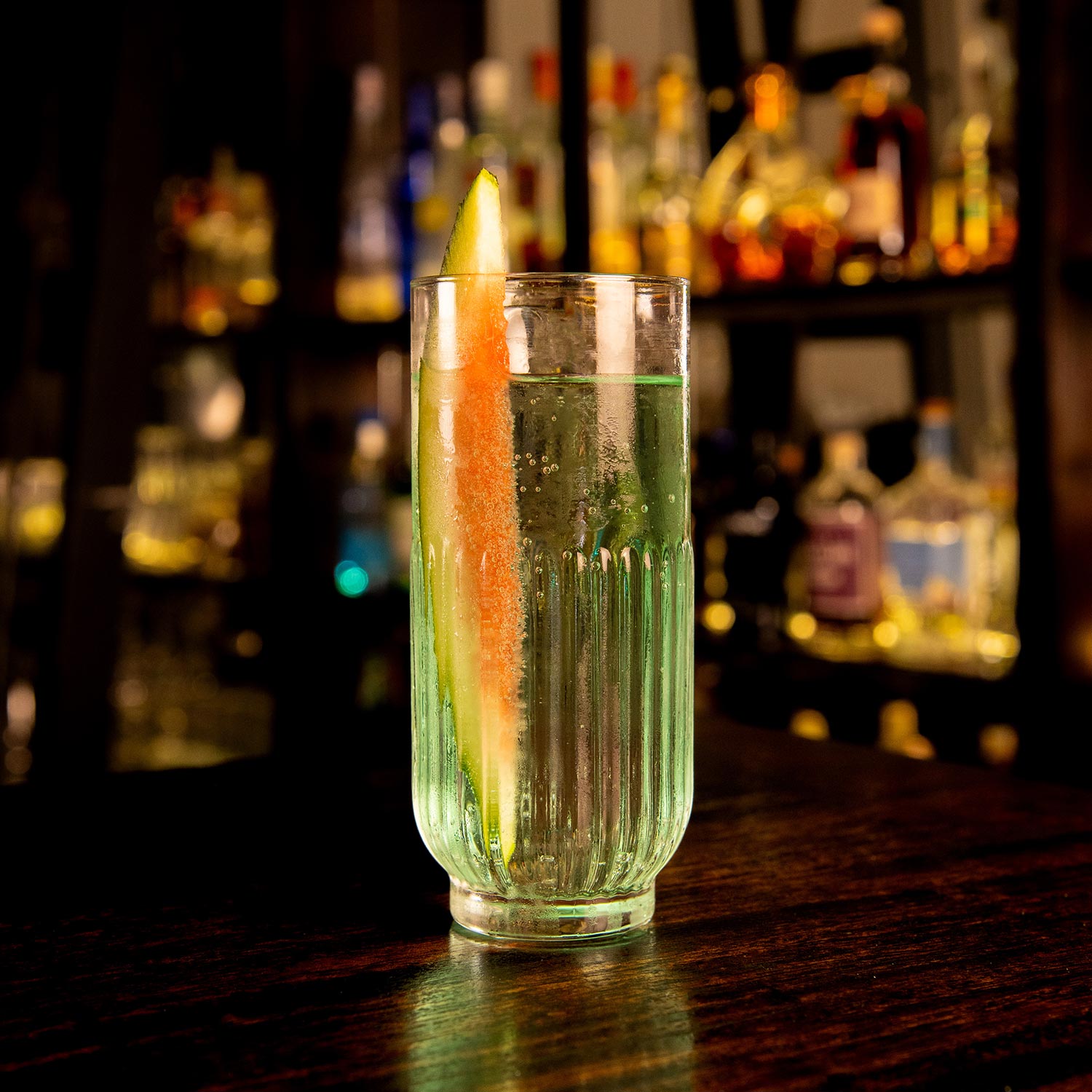
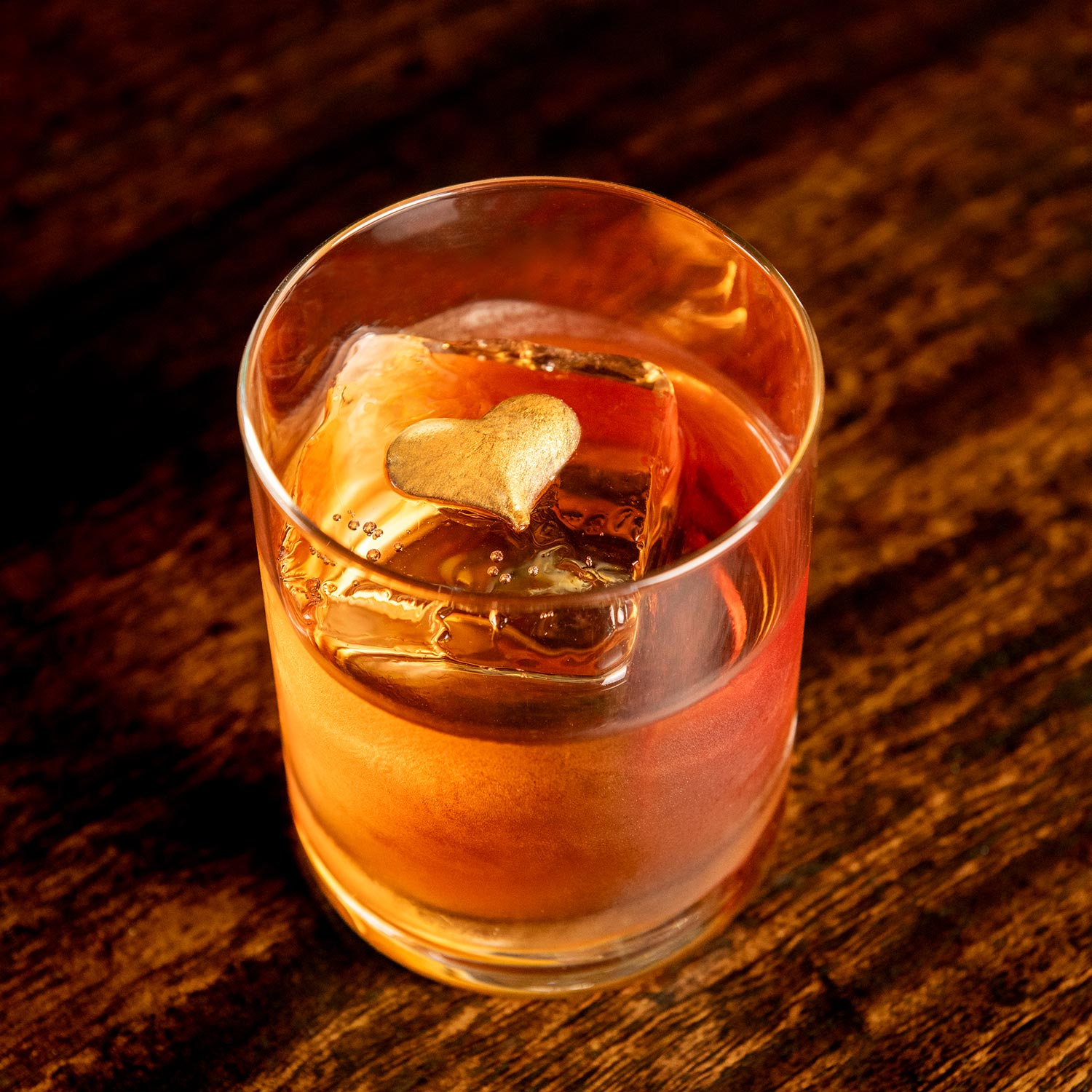
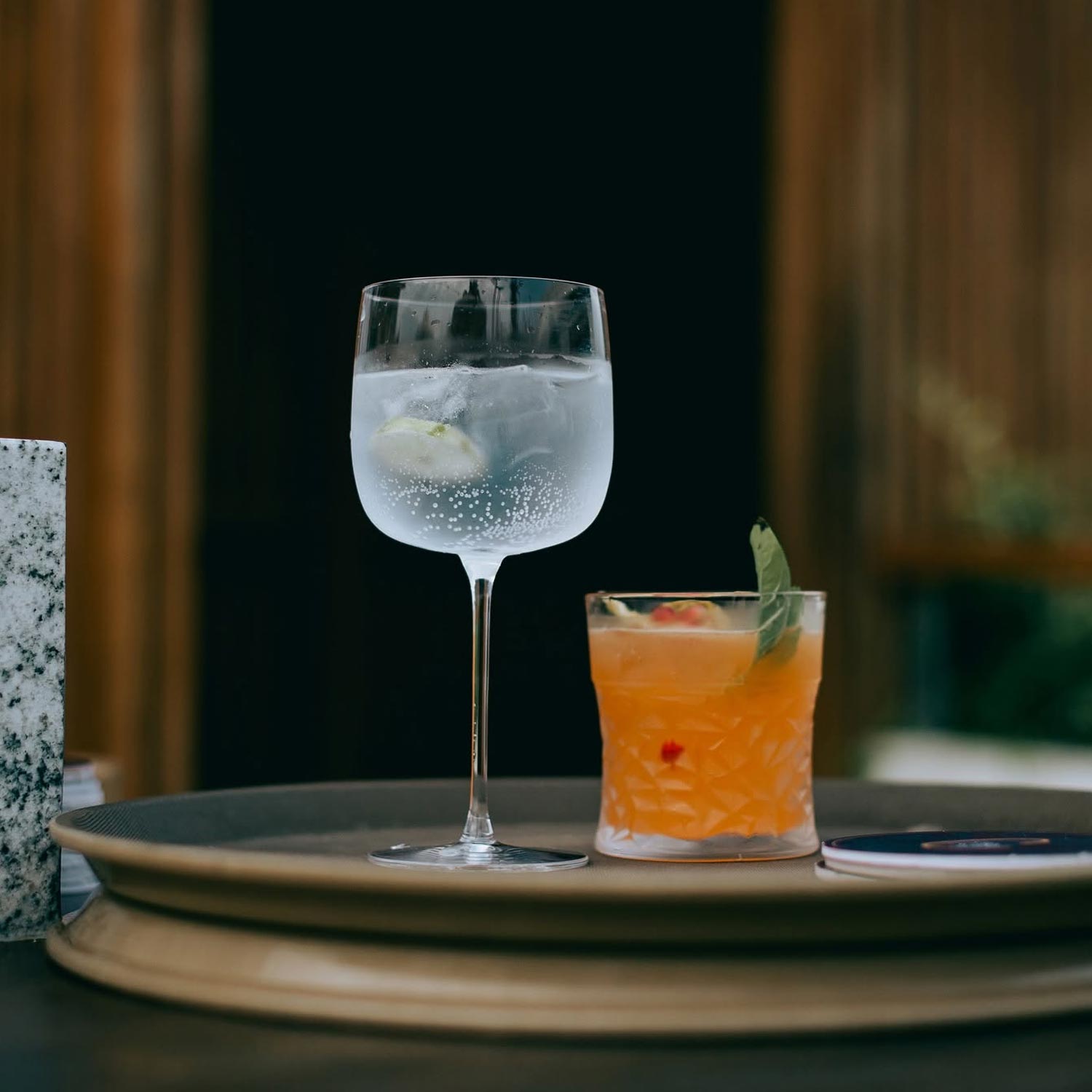
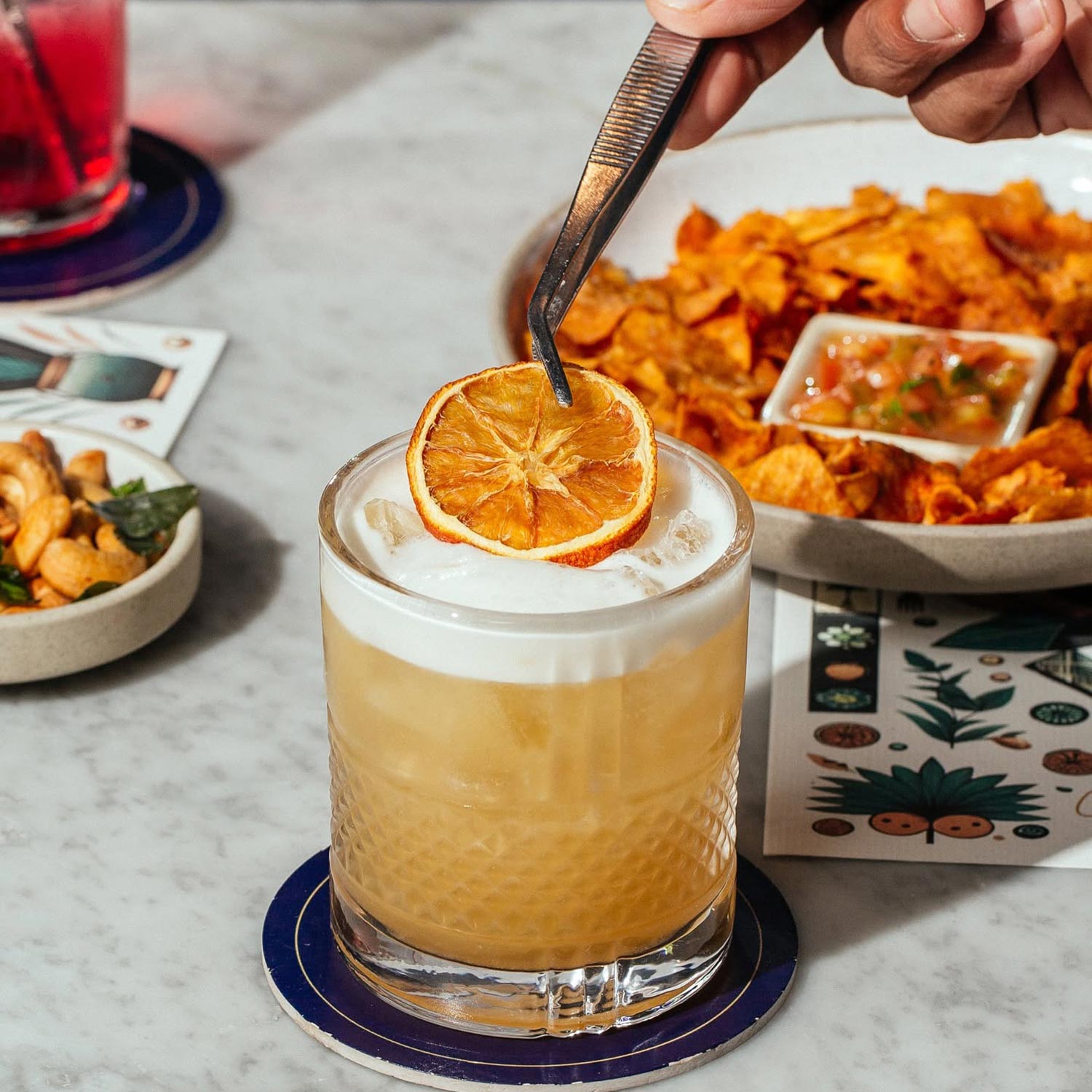
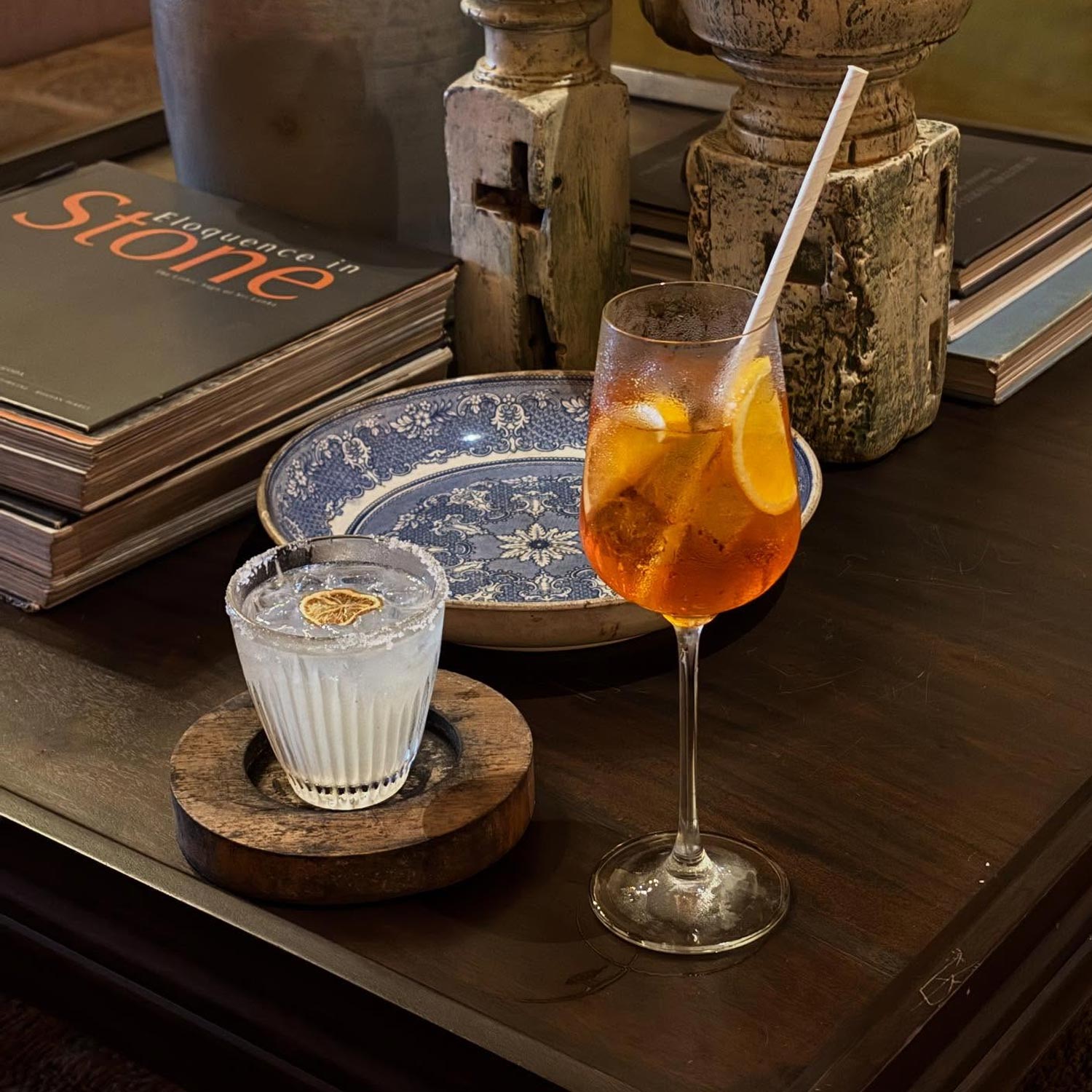
Ropewalk’s cocktail menu is built around arrack. Its namesake drink mixes spice-infused old cask or Rockland Old Arrack with ginger-and-lemongrass syrup and fresh lime. Gunpowder starts with white arrack infused with chili, cucumber, and lemongrass, finished with a spice rim and ginger ale. Smokey Marmalade uses Halmilla arrack, lemon marmalade, pandan, and rosemary.
That emphasis on local ingredients matters to Mohamed Nabeel, group manager of bar operations and concepts at Ropewalk.
“Bartenders are now more confident in using and emphasizing Sri Lankan ingredients and spirits instead of copying international cocktail trends,” he says. Galle itself helps, as a compact historic city with heritage buildings, local produce, and a mix of Sri Lankan and international visitors.
Ropewalk opened in June 2023 inside the colonial-era Galle Fort Hotel. In July 2026, it debuted at No. 93 on the Asia’s 50 Best Bars extended list, the only bar in Galle to make the ranking.
Located on Sri Lanka’s southwestern coast, Galle is a historic port city best known for its UNESCO-listed Fort. First fortified by the Portuguese in the 16th century and later expanded by the Dutch, the Fort is now a lively neighborhood encompassing old merchant houses, boutiq ue hotels, cafés, and shops. The waves of the Indian Ocean break just beyond its ramparts. And within the Fort, the island nation’s traditional coconut spirit is finding a new audience.
Coconut arrack starts with the tree’s flowers, not the nut. Toddy tappers climb coconut palms to collect the sap of unopened blossoms, traditionally moving between trees on ropes high above the ground.
“Arrack is among the oldest drinks in the world; it predates all New World spirits,” says Kasun Dissanayake, who leads heritage and food walks in Galle. “The fresh sap, or toddy, is sweet and slightly tangy, but begins fermenting quickly once collected. It is then distilled, and some arracks are aged in wooden casks.”
Not all arrack is made entirely from coconut sap. Some varieties are blended with neutral spirits, while others are made from pure coconut arrack.
Sri Lanka has several established arrack producers. The Distilleries Company of Sri Lanka (DCSL) is the largest by volume, while International Distillers Limited (IDL) makes brands such as Old Reserve. Family-owned Rockland Distilleries, established in 1924, makes Ceylon Arrack, among others. Their products range from everyday blends to premium coconut arracks.
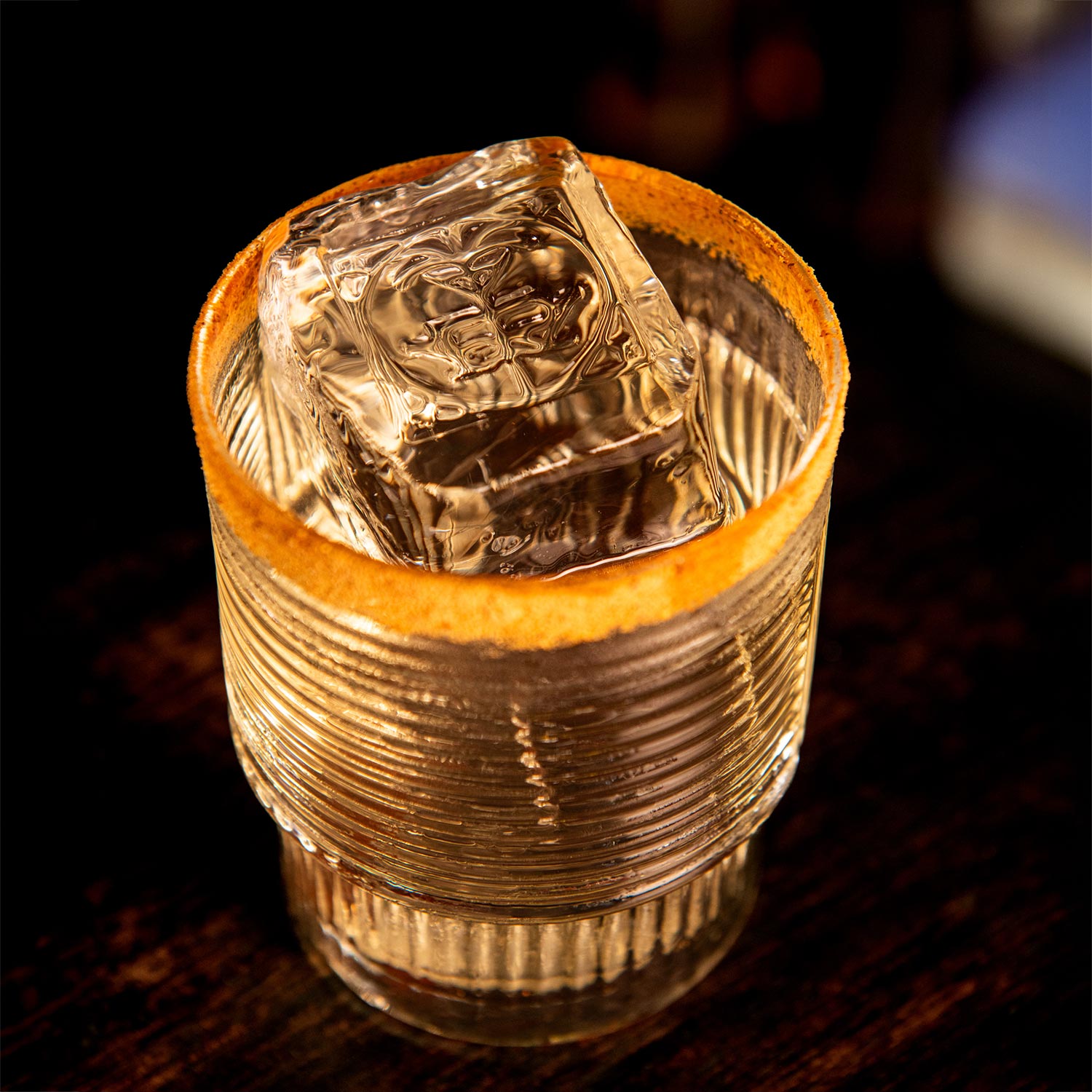
Arrack also has a place in the early history of mixed drinks. “Arrack has been used in punch since at least the 17th century. The word ‘punch’ is commonly linked to panch, meaning five, for its five traditional ingredients,” Dissanayake says.
Lexicographers continue to question that explanation, but the connection between arrack and early punch is well documented.
The drink has long been part of Sri Lankan social life. In Arrack Attack, a list of 10 facts about the drink, Booker Prize-winning novelist Shehan Karunatilaka wrote that it is drunk at cricket matches, office parties, bars, and nightclubs, and best enjoyed with “ginger ale and a plate of devilled meat.”
Despite its popularity, arrack has often been regarded as an everyday drink rather than a spirit to be appreciated like whisky or rum.
“For way too long, people considered arrack only a working-class spirit,” says mixologist Misha Perera.
That perception is changing, thanks in part to homegrown bars across the island championing the native spirit.
“Arrack is a beautiful spirit, with a very clean and fresh taste profile. Aged arracks are definitely a great choice for any dark spirit drinkers,” Perera says.
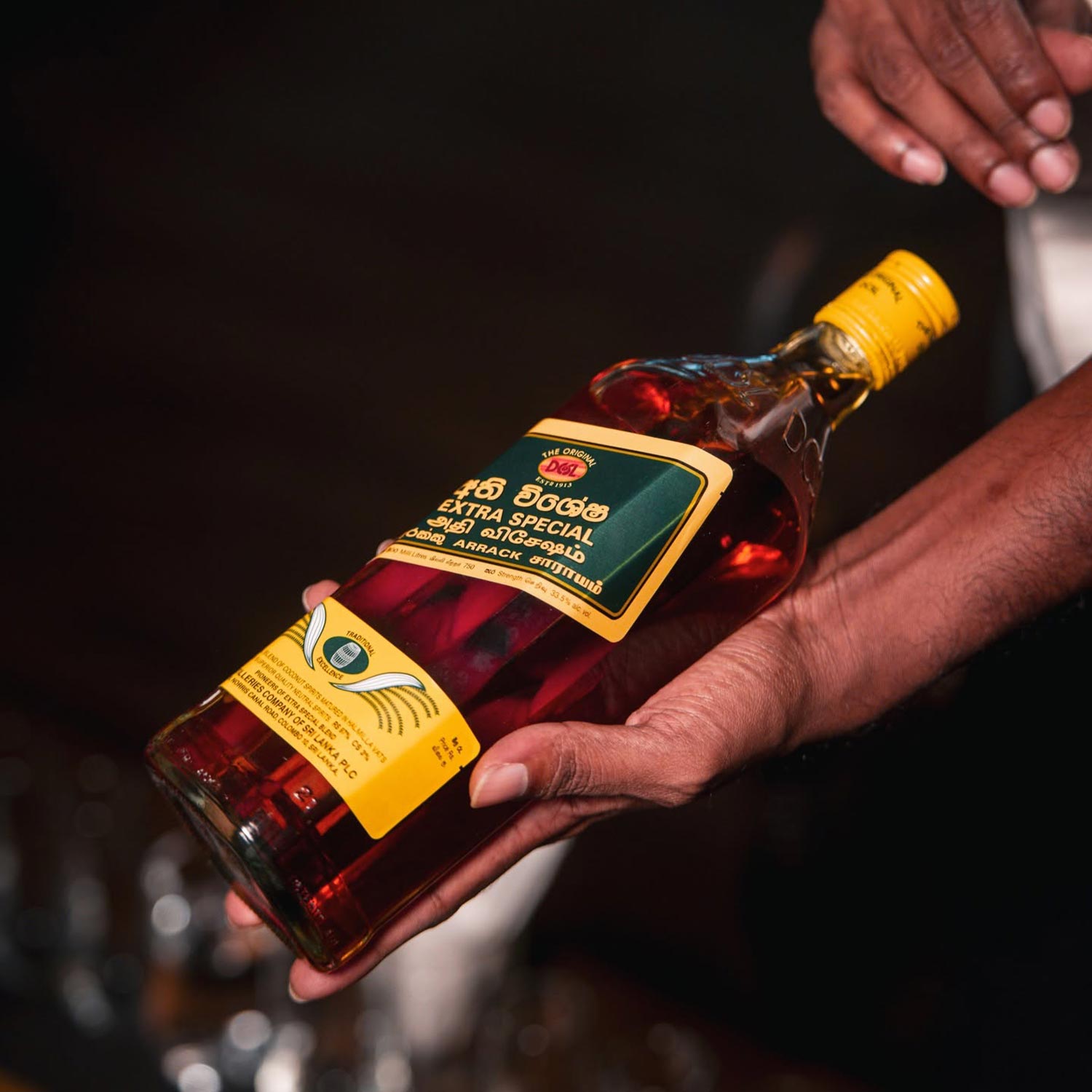
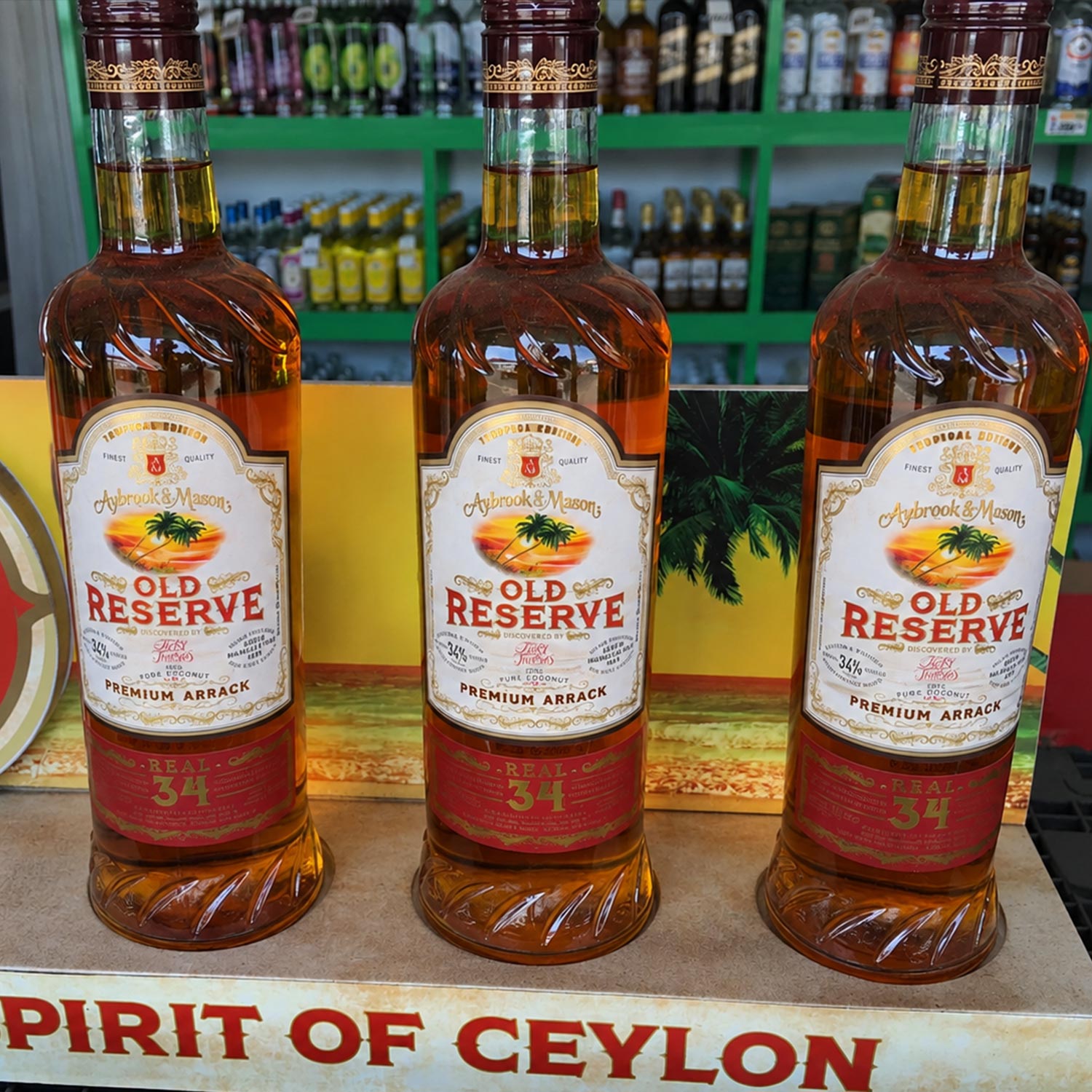
Nabeel agrees, noting that arrack, often described as “Sri Lanka’s spirit,” is commonly enjoyed simply with soda, water, or ginger ale. “At Ropewalk we treat the spirit with its incredible depth and versatility like any whisky or rum,” he says.
Its tropical character works well with spices, herbs, and citrus, Nabeel says, while starting with arrack rather than an international spirit gives Ropewalk’s cocktails a distinctly Sri Lankan foundation.
Kithul treacle, pandan, cinnamon, coconut, tea, tropical fruits, and fermented ingredients all feature in the bartenders’ creations. But Nabeel doesn’t use something simply because it is local. He begins with one question: “What story could this ingredient tell about Sri Lanka, and what can it contribute to the drink?”
An ingredient needs to contribute flavor, aroma, acidity, texture, or sweetness, he says, or have a connection to a place or memory. Something familiar to a Sri Lankan drinker may also be new to an international visitor.
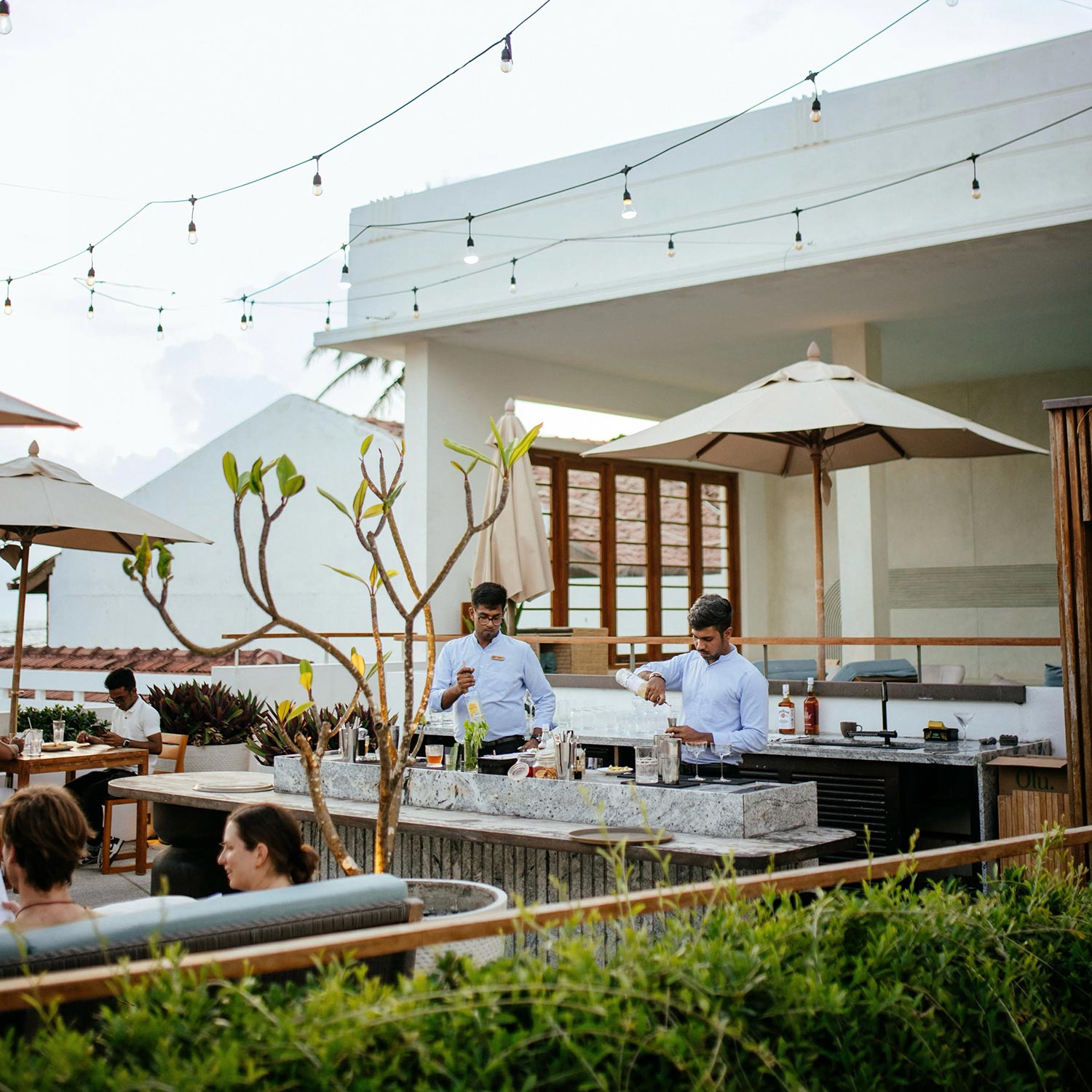
Almost everything is within walking distance in Galle Fort. Narrow streets run between old merchant houses, restored colonial buildings, boutiques, and cafés. In the space of a short stroll, visitors can move from a cocktail at a heritage hotel to a rooftop bar or casual pub.
Unlike Colombo, where bars are spread across a much larger city, Galle makes it easy to visit several in one evening.
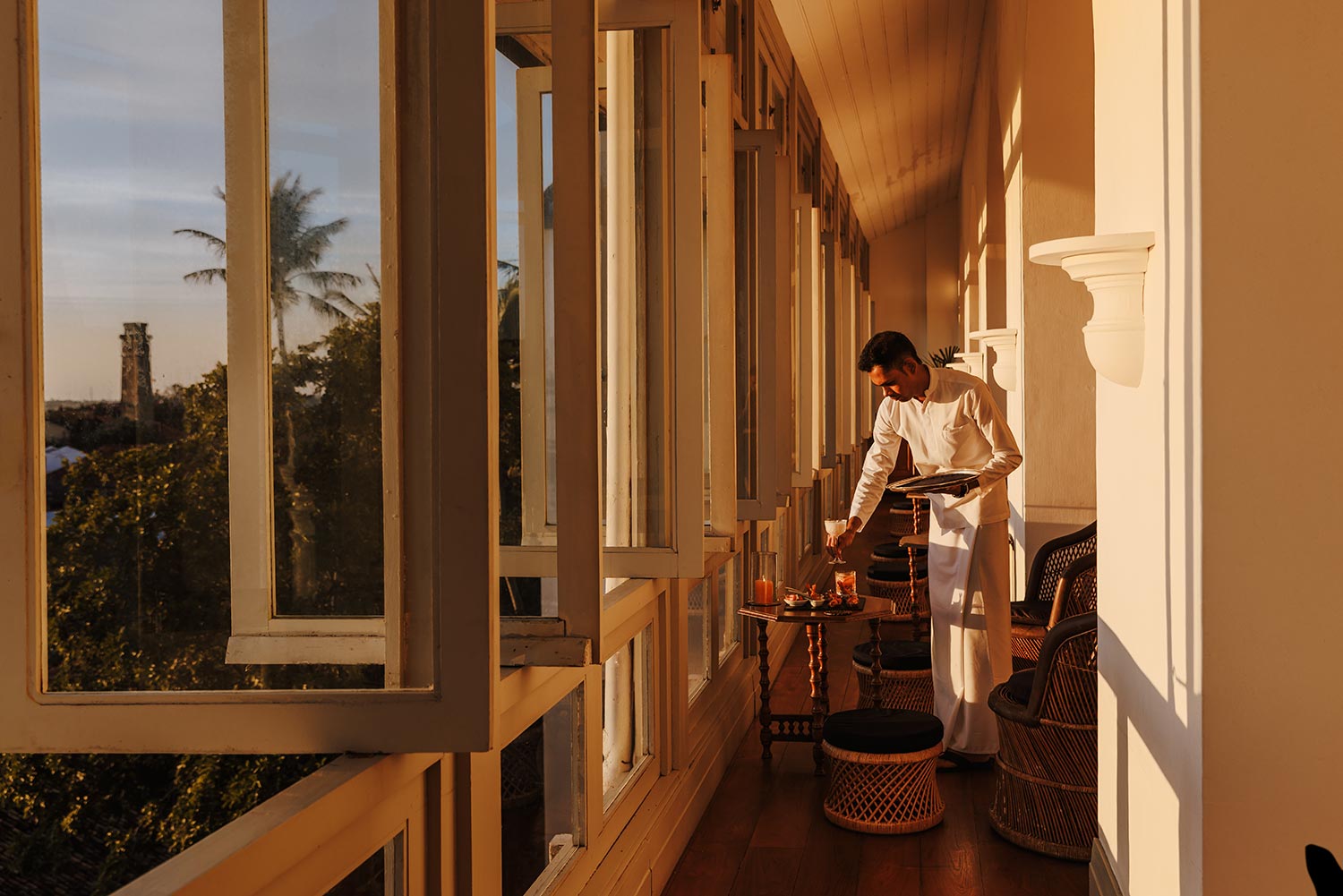
At Amangalla, arrack appears in several signature cocktails. The hotel pairs it with wood apple, local sour orange, butterfly pea flowers, tropical herbs, and spices, many sourced from its own gardens.
“Arrack is a real expression of Sri Lankan heritage, with a strong connection to the island’s traditions and craftsmanship, so it feels very natural for us to work with at Amangalla,” says general manager Prem Chundawat.
“It brings a distinct Sri Lankan character to our cocktails that is difficult to achieve with another spirit.”
Each evening, drinks and canapés are served on the Sunset Balcony, on the hotel’s top floor, overlooking the Fort ramparts. Chundawat says the Fort’s history influences the hotel’s approach to food and drink, with an emphasis on local ingredients, traditions, and producers.
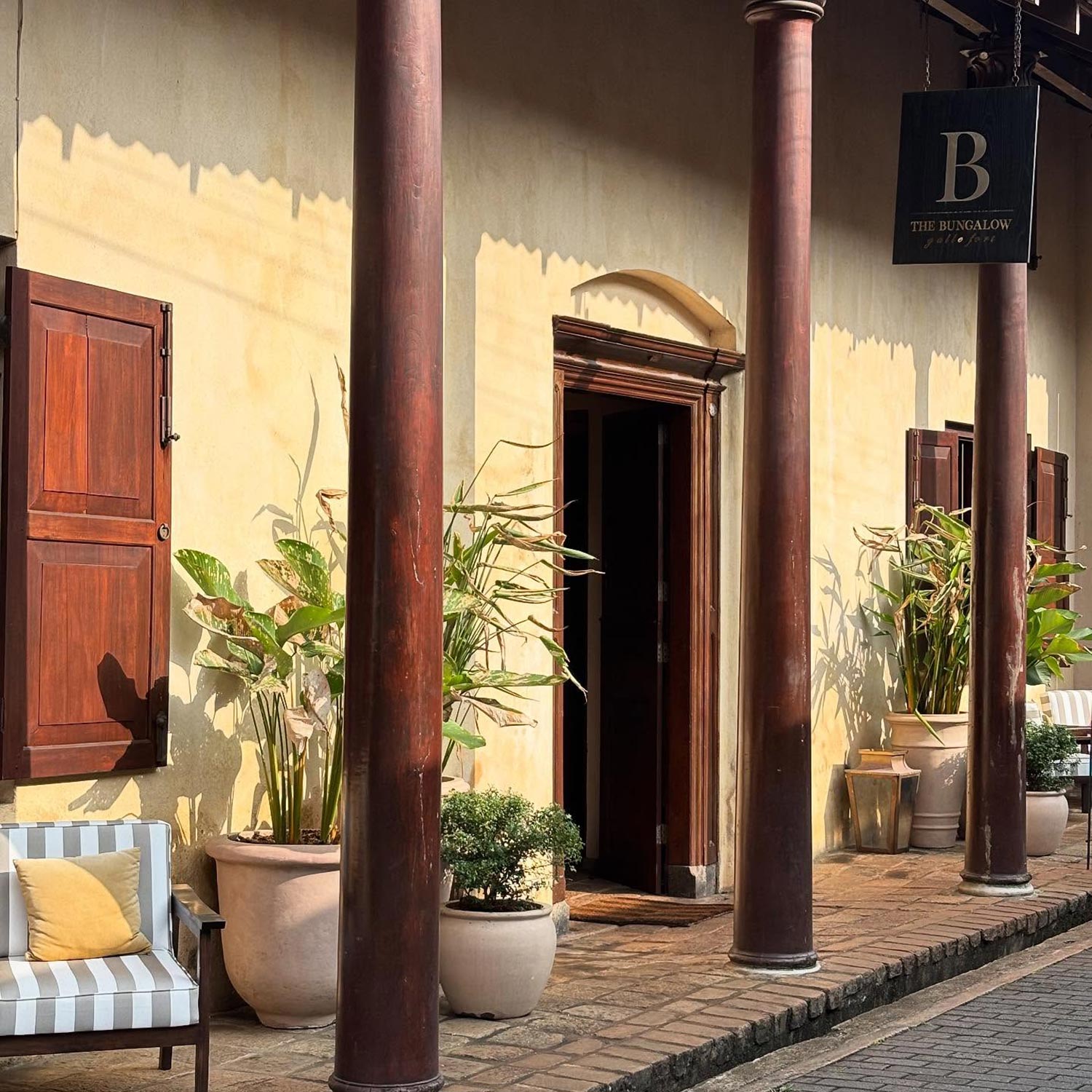
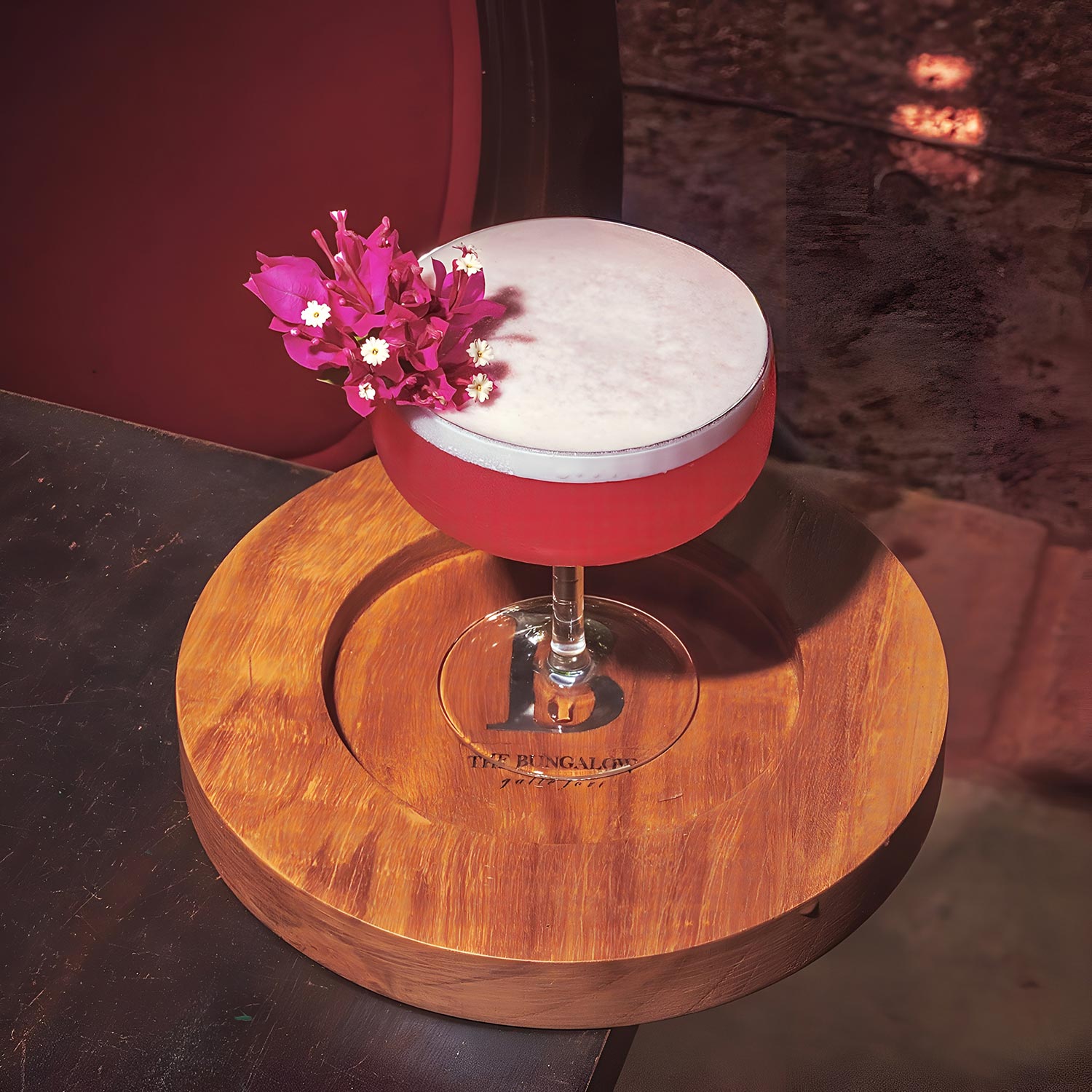
Elsewhere in the Fort, The Bungalow serves cocktails in a garden setting alongside Sri Lankan fusion food. Church Street Social has its own cocktail program, while Charlie’s, the rooftop bar and bistro at the Charleston hotel, uses regional ingredients in familiar drinks. Its Wadamala Collins, for instance, combines hibiscus, curry leaf, and lime.
The old Dutch Hospital complex houses another cluster of drinking spots, including Taphouse and Gin Tonic Seafood Bar & Pub. These are more casual venues, well suited to a sundowner.
Galle’s drinking culture extends beyond the Fort. Near the bus stand, the Sydney Hotel has been serving locals for more than a century. Family-run since 1921, its bar, Joe’s Pub, draws fishermen, workers, and professionals, many stopping for a glass of arrack, traditionally drunk neat. Its old standing bar, enclosed behind a metal grill, is still in use. Now run by fourth-generation owner Yoshan De Zoysa, Sydney has been part of Galle’s drinking traditions since long before the arrival of its modern cocktail bars.
The contemporary scene is also becoming more collaborative.
Ropewalk has hosted bar takeovers with AMPM Kolkata, Fig & Maple Delhi, Hosa in Goa, The Elephant Room in Singapore, and BARC in Kathmandu. Guest shifts, masterclasses, supplier collaborations, and exchanges between teams are also becoming more common.
“We are seeing bartenders, chefs, producers, hotels, and independent hospitality businesses sharing knowledge, ingredients, techniques, and experiences,” Nabeel says. “A strong cocktail culture is never created by one bar alone; it is built by an entire community.”
Back at Ropewalk, the tasting glasses have been cleared, but the evening is far from over. I turn back to the cocktail menu, this time with a better appreciation of what goes into each glass. Arrack may be an old Sri Lankan favorite, but in the hands of Galle’s bartenders, it is finding plenty of new ways to make an impression.