


My head is pounding, my legs are weak, and my face is scarlet.
This is not the first time I’ve been in a sorry state while exploring the mountainous backcountry of northwestern Vietnam. Usually, however, the malaise tends to occur when accompanied by equally intoxicated men and women from the area’s notoriously hard-drinking hill-tribe minorities, and there’s a clutch of discarded rice wine bottles scattered beneath the table.
It isn’t the demon booze that ails me this time, though. It’s the fact that I’ve just pedalled 36 kilometres on some of the most beautiful, but sadistically graded, roads in the country.
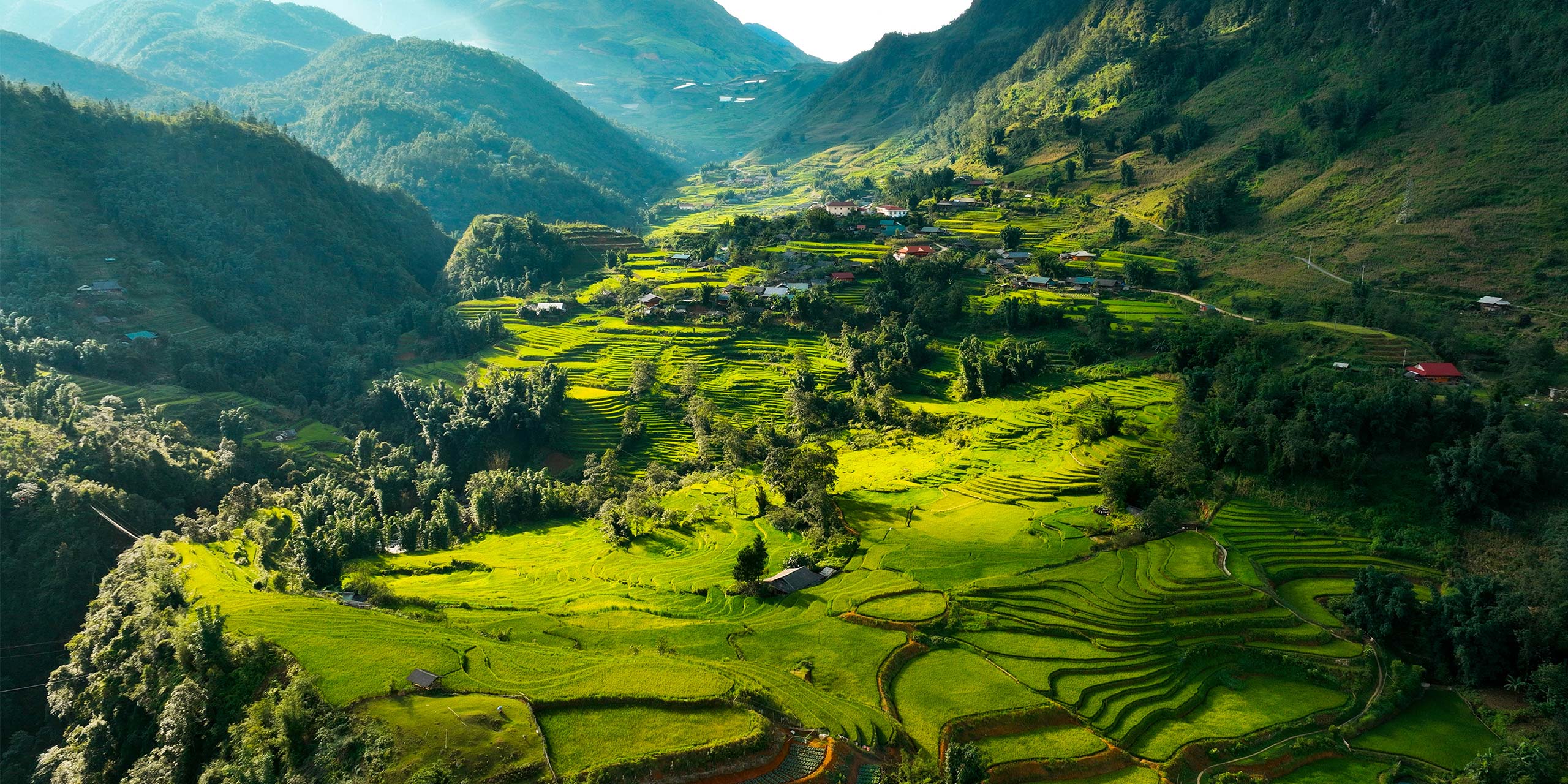
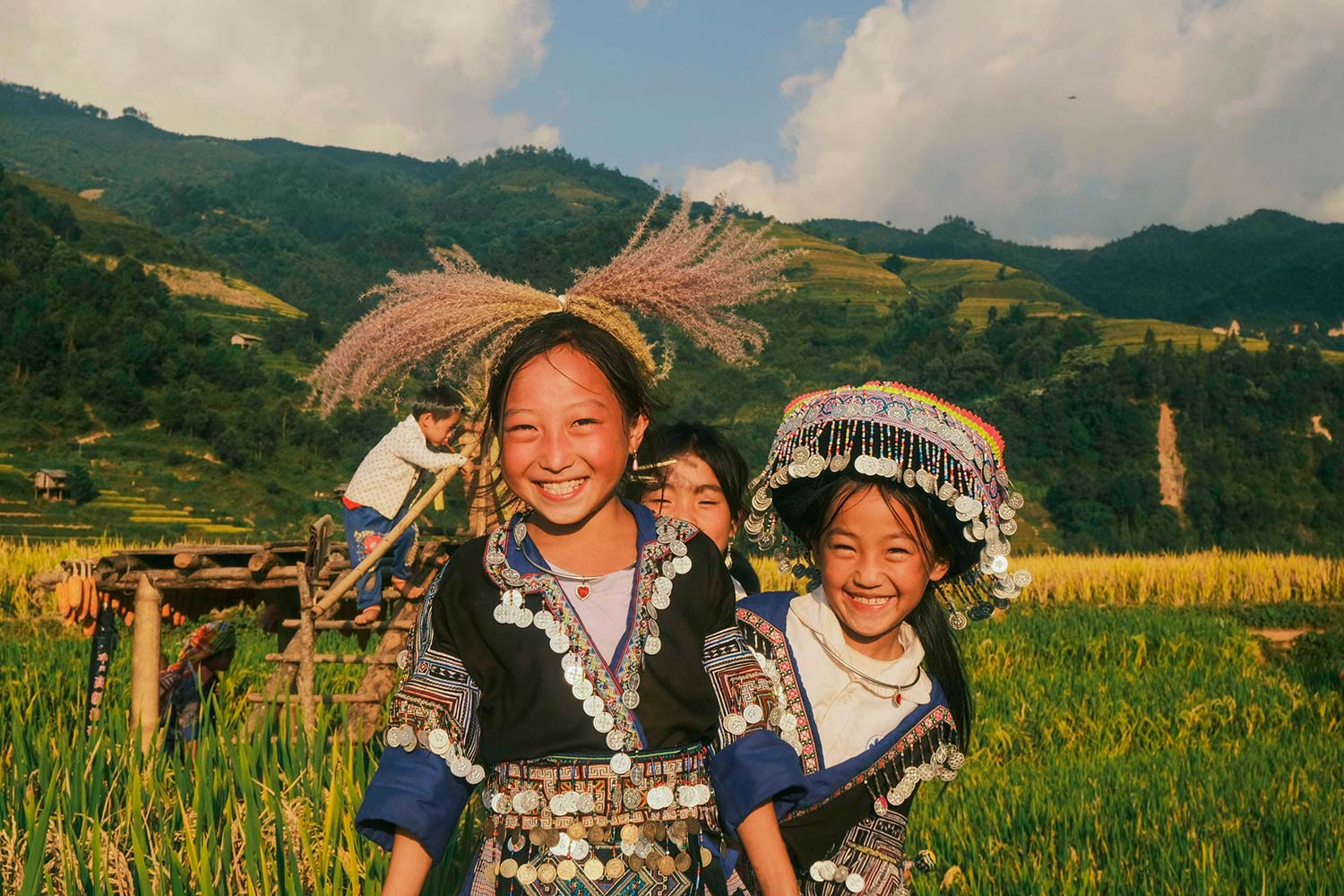
“One more push ok?” the Danish manager at Topas Ecolodge yells back over his shoulder. A former policeman with an enviably wholesome Scandinavian constitution, he continues to make seemingly effortless progress towards the crest of the hill. I, on the other hand, am stretching every sinew in my legs, oblivious both to the cheerful entreaties of colourfully clad H’mong children and the surrounding tableaux of vivid green rice terraces climbing incrementally up the slopes.
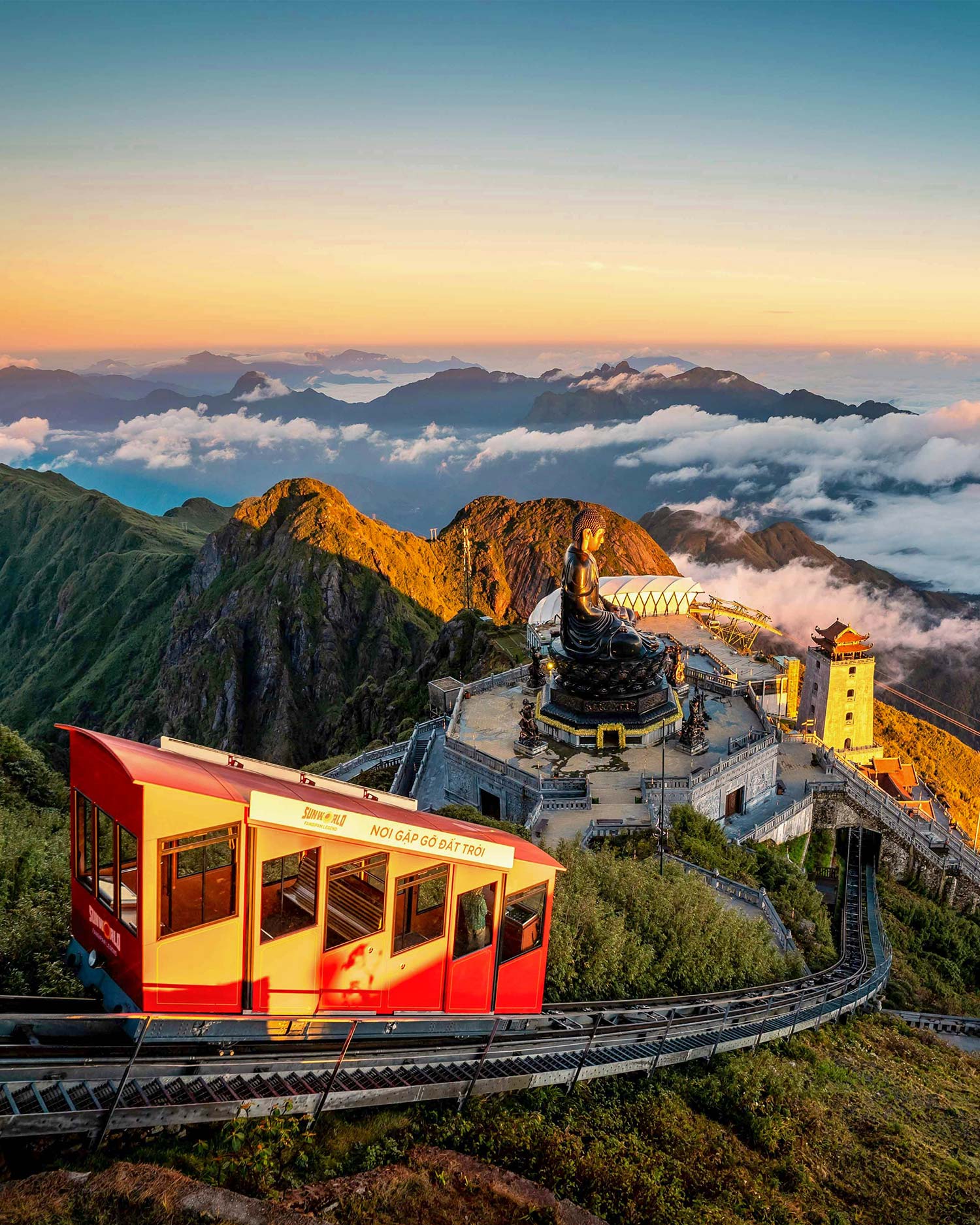
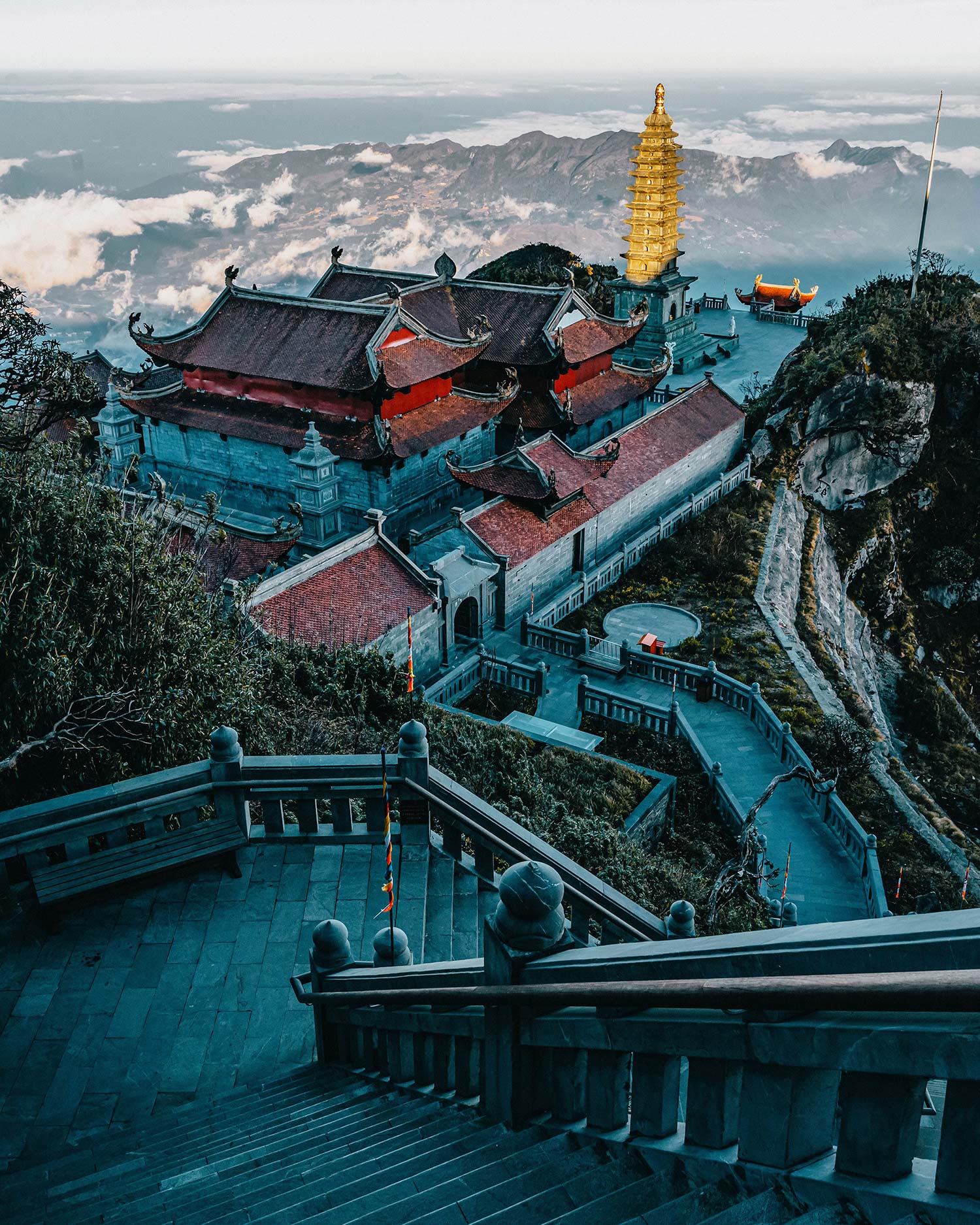
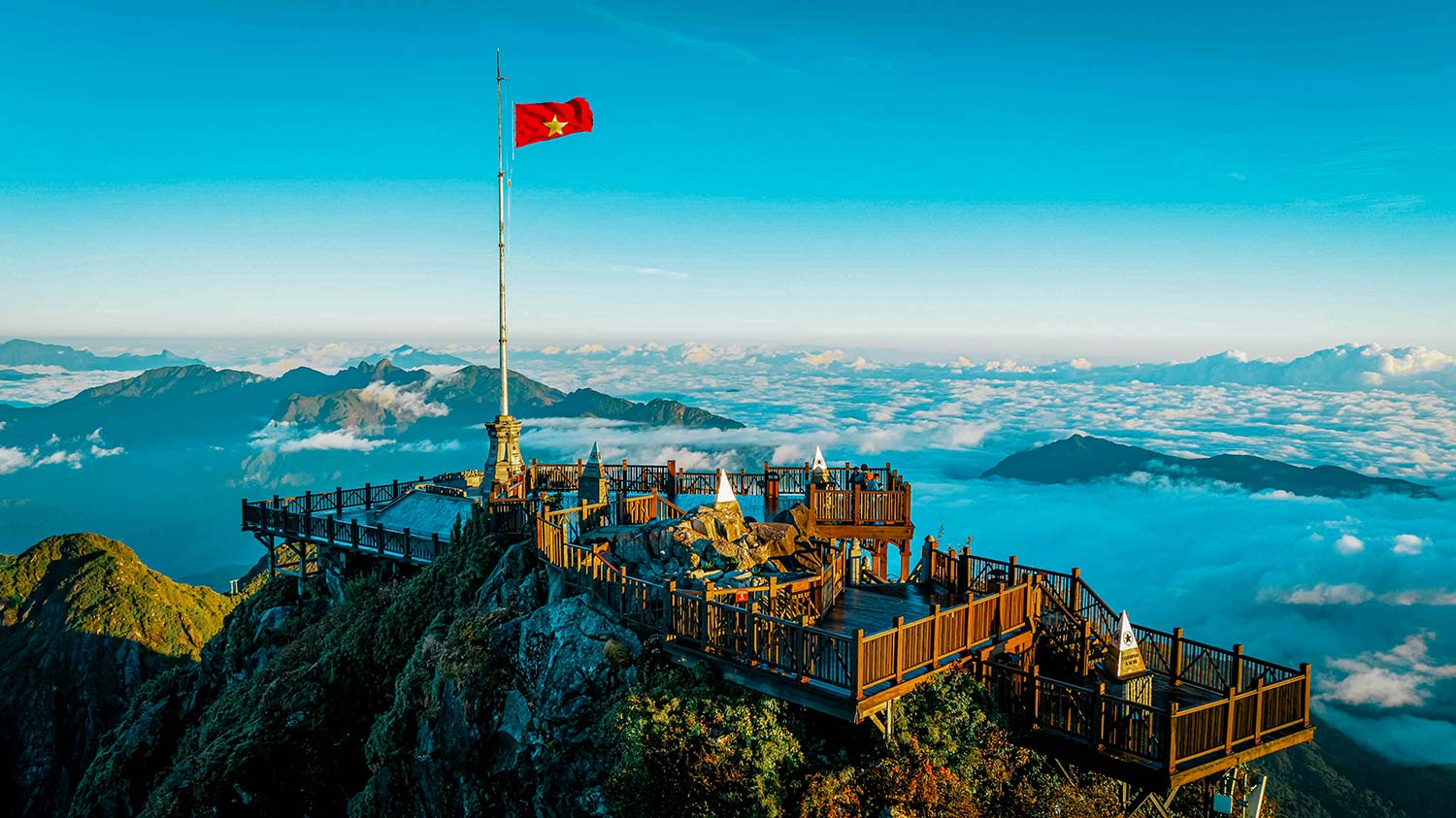
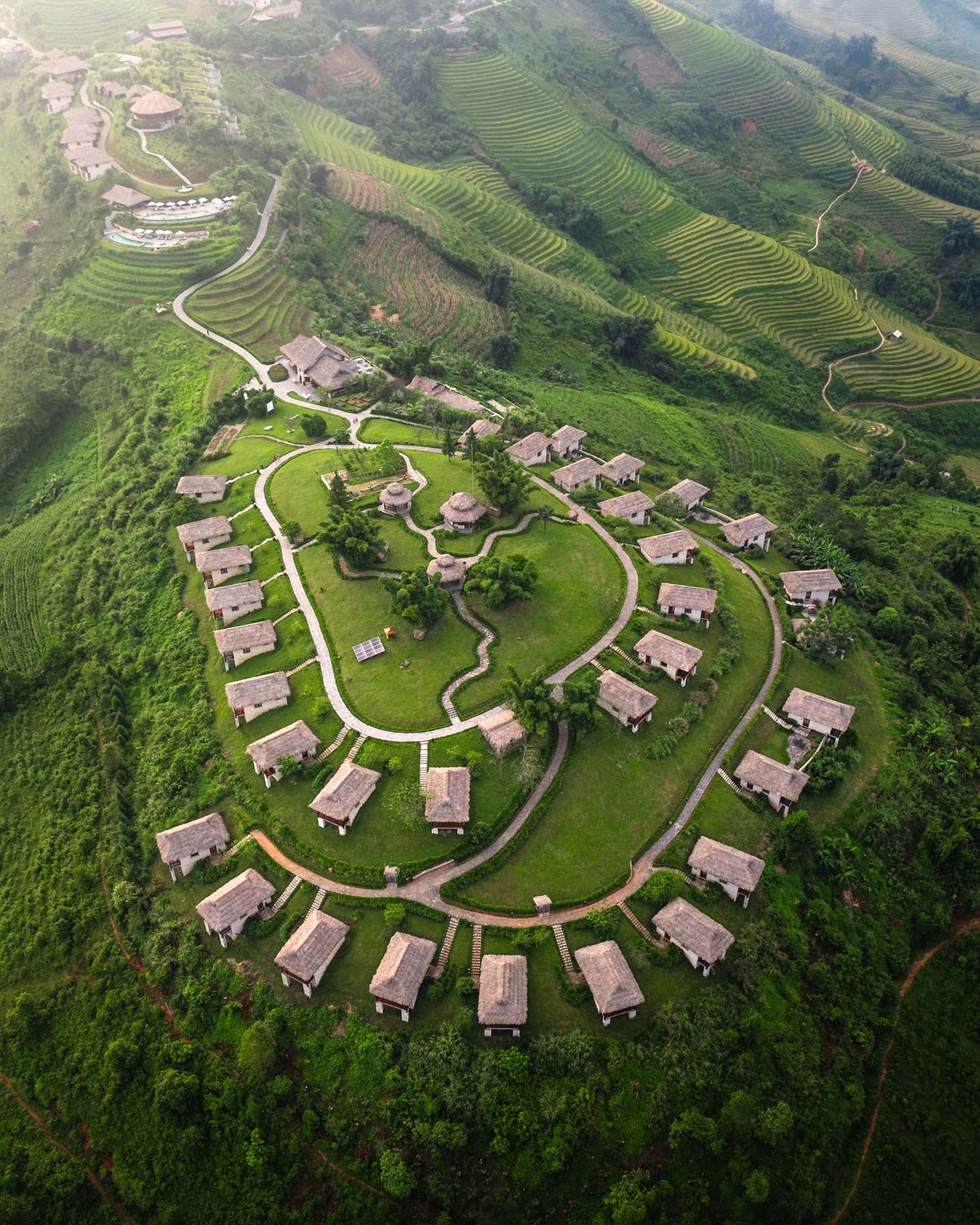
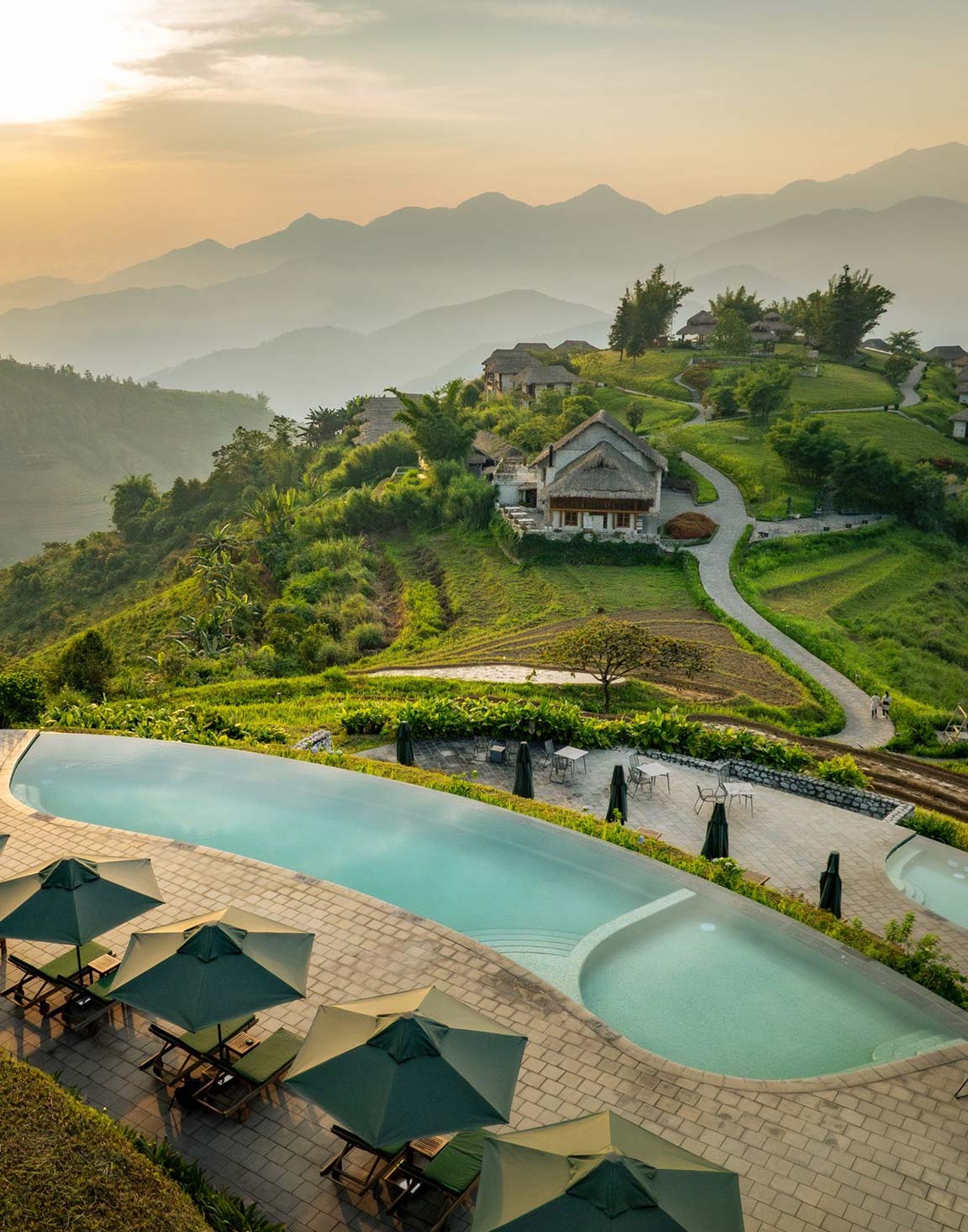
Mustering my last ounce of strength, I reach the summit. Laid out before me in widescreen splendour is an epic outlook typical of the countryside around Sapa, the northwest’s premier tourist town. In the foreground, gathered around the cap of a small green hill, are the bungalows of the Topas Ecolodge, where I am spending my first two nights in the area. Beyond those rises the towering mass of the Hoang Lien Son Mountains. Christened the Tonkinese Alps by the French, the range includes Fansipan, at 3,143 metres, the highest peak in Indochina.
Last time I was in Sapa, back in 2010, the fog descended on the first day, and I spent three frigid days playing cards and drinking games with local H’mong before catching the overnight train back to Hanoi. It makes a bracing change, therefore, to see the landscapes in full autumn colour.
The weather in the area remains reliably unpredictable. This is the coldest part of Vietnam, and the mountains can remain shrouded in chilly mist for days on end, even in the summer months. Much else has changed since my last visit, however.
Sapa’s popularity as a base for trekking and cultural experiences, and as a cool retreat for Vietnamese visitors, has sparked a tourist boom with new hotels and restaurants opening at a relentless pace.
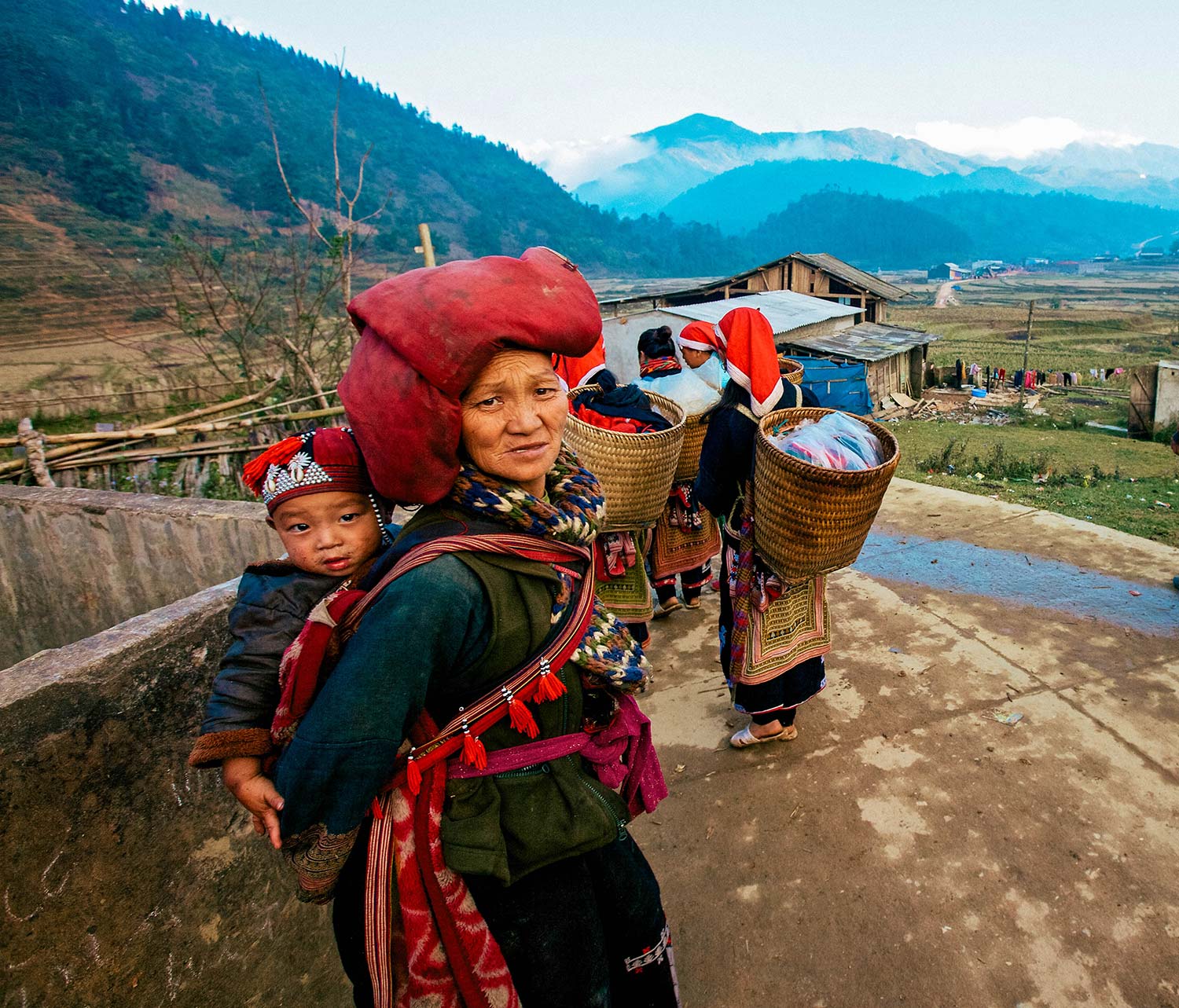
What kind of impact this breakneck development will have on the patchwork of minority communities, such as the H’mong and Red Dao, who have eked out a living in these highlands for centuries, remains unclear. Out here in the remote hinterland, however, things still move slowly.
From Topas Ecolodge, you can arrange a full range of treks and bike trips to local villages and into the countryside. Doing very little is equally acceptable. The resort’s bungalows are simple and minimally furnished. Each one is secluded, however, and their private balconies are ideal vantage points from which to survey the scenery. Dining takes place in the resort’s restaurant, a lovingly restored stilt house, with the menu encompassing simple but delicious Vietnamese dishes such as banana flower salad and chicken with ginger.
Nobody could accuse Sapa of being overwhelming, but it certainly feels busier after the isolation of the ecolodge. Tourists in full hiking gear mill around the town’s compact centre, many breaking into a brisk walk to evade the persistent entreaties of roaming H’mong and Dao women peddling everything from silver bracelets to scarves and bags.
More sophisticated H’mong enterprises include Sapa Sisters, a trekking group owned and run entirely by women. The guides all grew up in the area and possess intimate knowledge of the sometimes obscure trails linking the villages, valleys, and mountains. During our day trek, we skirt verdant rice fields, spear through cool bamboo forests, and traverse surging rivers on rickety rope bridges.
With its extensive selection of dining options, Sapa should be an inviting place for post-trek sustenance. Most of the restaurants in town, however, are interchangeable all-rounders with sprawling menus that satisfy a few but delight nobody.
After dinner, the dishes are cleared away and replaced with bottles of ruou, the local firewater. As the night progresses, the nuances of the liquor begin to blur, and the prospect of another pounding head looms. With the stars burning in the clear mountain night and the lights of villages twinkling in the valley below, a degree of intoxication was always going to be inevitable.