
Like many travelers, I once assumed Macao meant only one thing: the “Vegas of Asia,” a blur of glitz, gambling, and a quick stopover en route to Hong Kong. But after five days, I discovered a city where Portuguese and Chinese cultures entwine, where food tells the story of centuries, and where experiences stretch far beyond the casino floor.
From the moment I landed, the European influence was unmistakable. Portuguese signs at the airport made me feel as though I had touched down on another continent, and locals with names like Francisco and Maria reminded me of the city’s multicultural roots. For over four centuries, Portuguese traders, missionaries, and settlers have left their mark, introducing olive oil, bacalhau (salted cod), and tempero spices into the kitchen, while shaping the cityscape with pastel-coloured buildings, Catholic churches, and cobblestone streets.
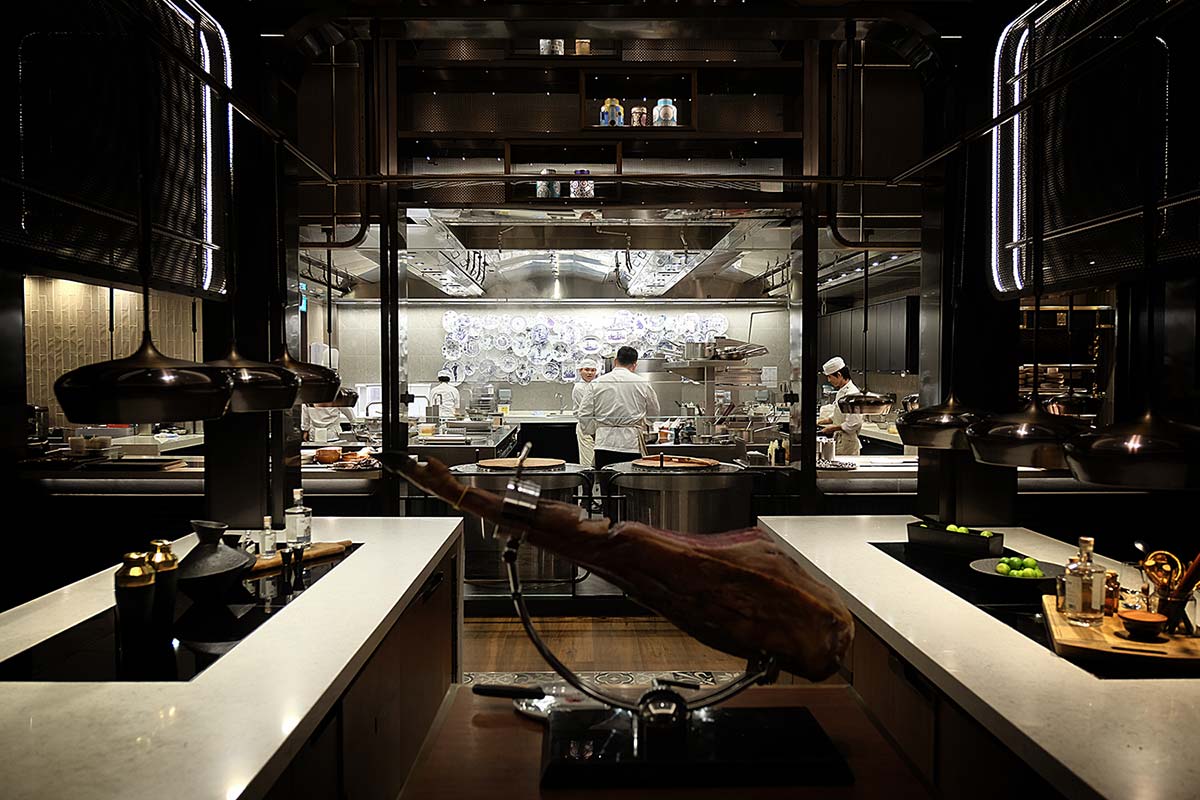
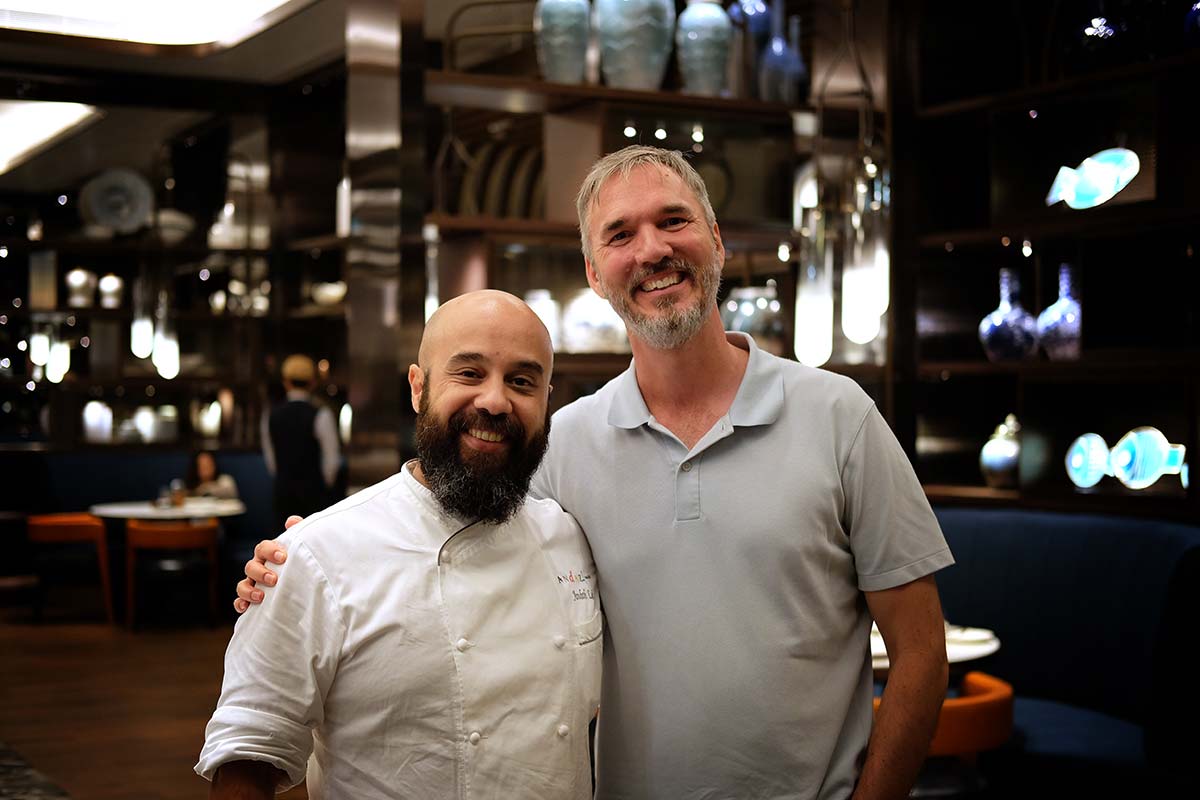
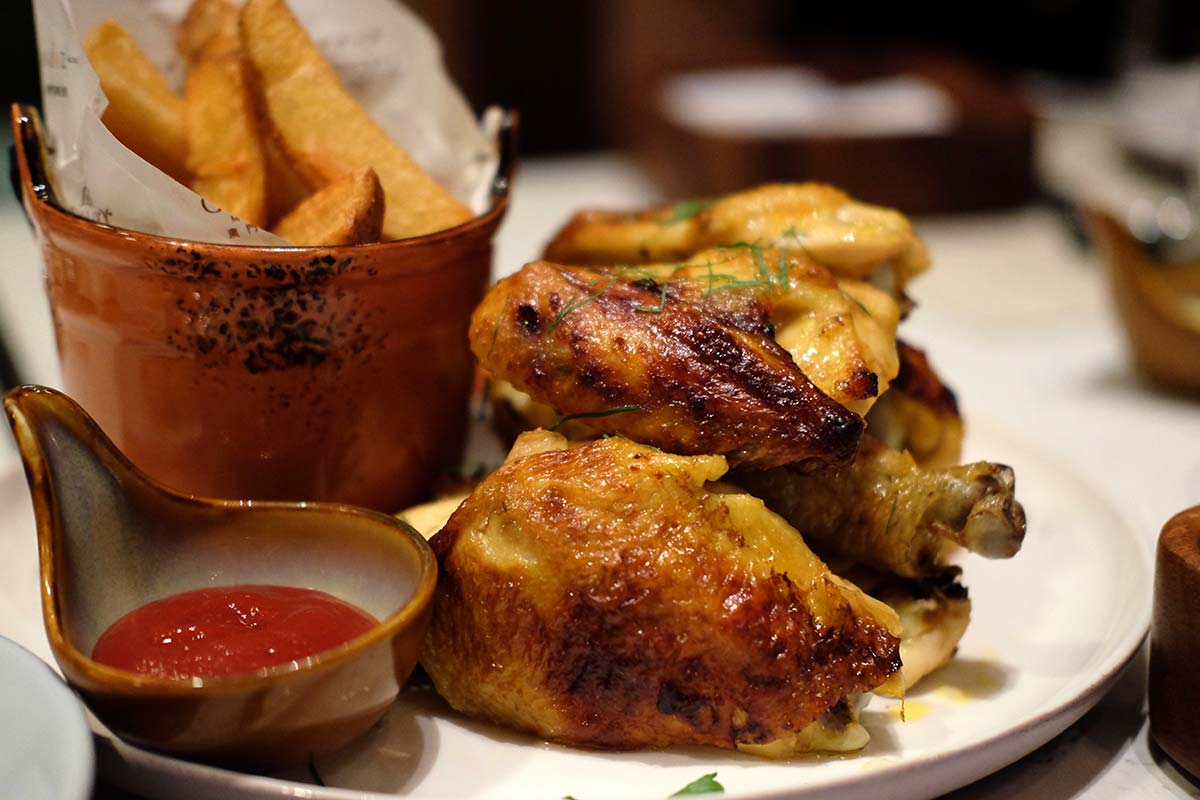
Macao’s status as a UNESCO Creative City of Gastronomy is well earned. Food here is a story of cultural fusion, where Chinese techniques meet Portuguese recipes, often with African, Indian, and Southeast Asian influences stirred in. One of my most memorable meals was at Andaz Kitchen, where Executive Chef André Lai—born and raised in Portugal and of Chinese-Portuguese heritage—blends traditional family recipes with modern techniques to honor both Portuguese and Macanese cultures.
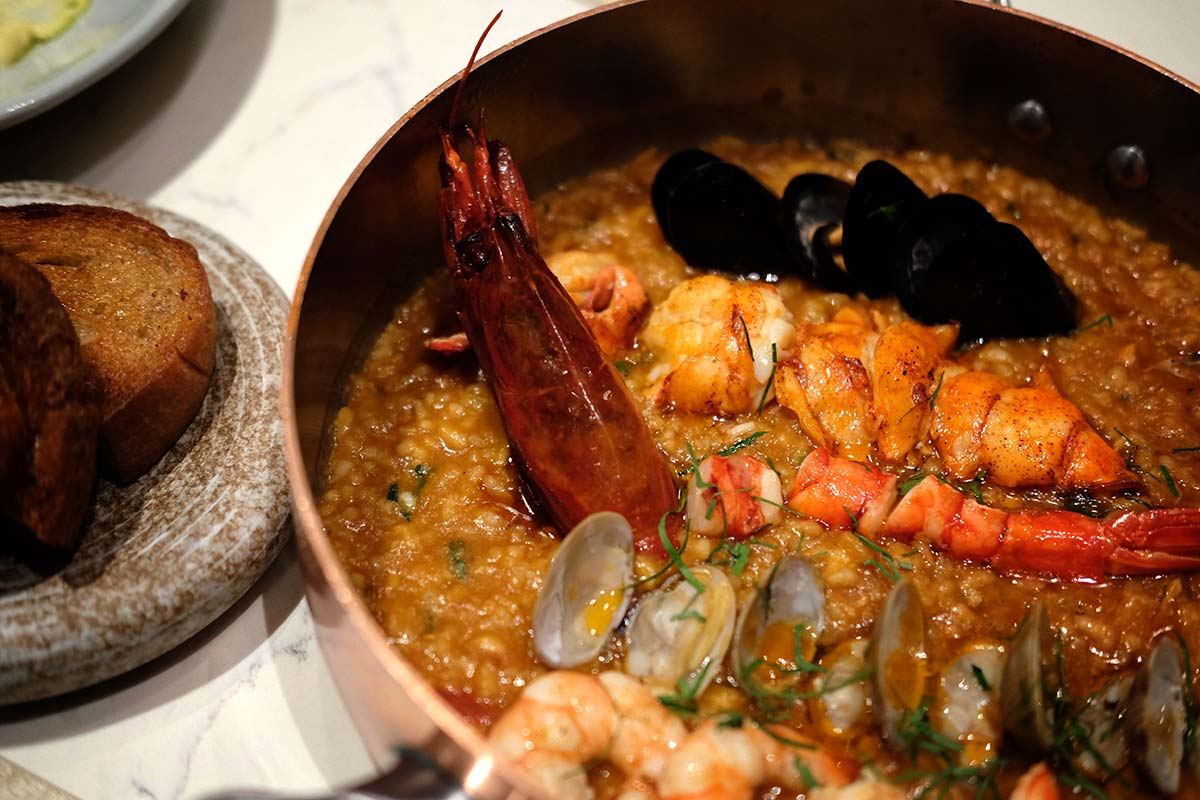
The standout was arroz de marisco, a seafood rice packed with lobster, carabineros, crab, mussels, and clams. It captured the essence of Portugal’s coastal cuisine while resonating with Macao’s own maritime traditions. The restaurant’s design mirrors this spirit of fusion. Wooden archways evoke seafaring legacies, Portuguese azulejos tiles pay homage to European roots, and the “Layers of Tradition” wall displays ceramic blue-and-white plates intertwining Chinese and Portuguese motifs. Dining here felt like a cultural immersion—where even the seafood dishes seemed to tell the story of two worlds meeting at the table.
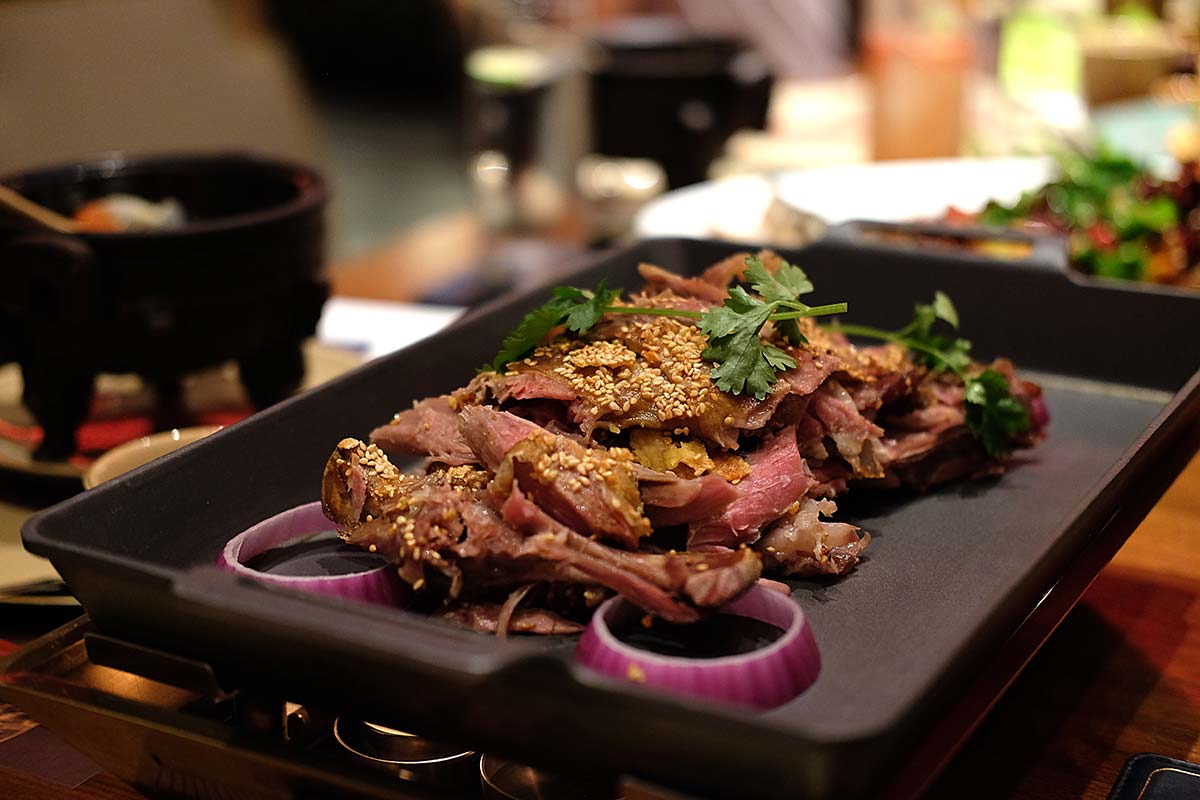
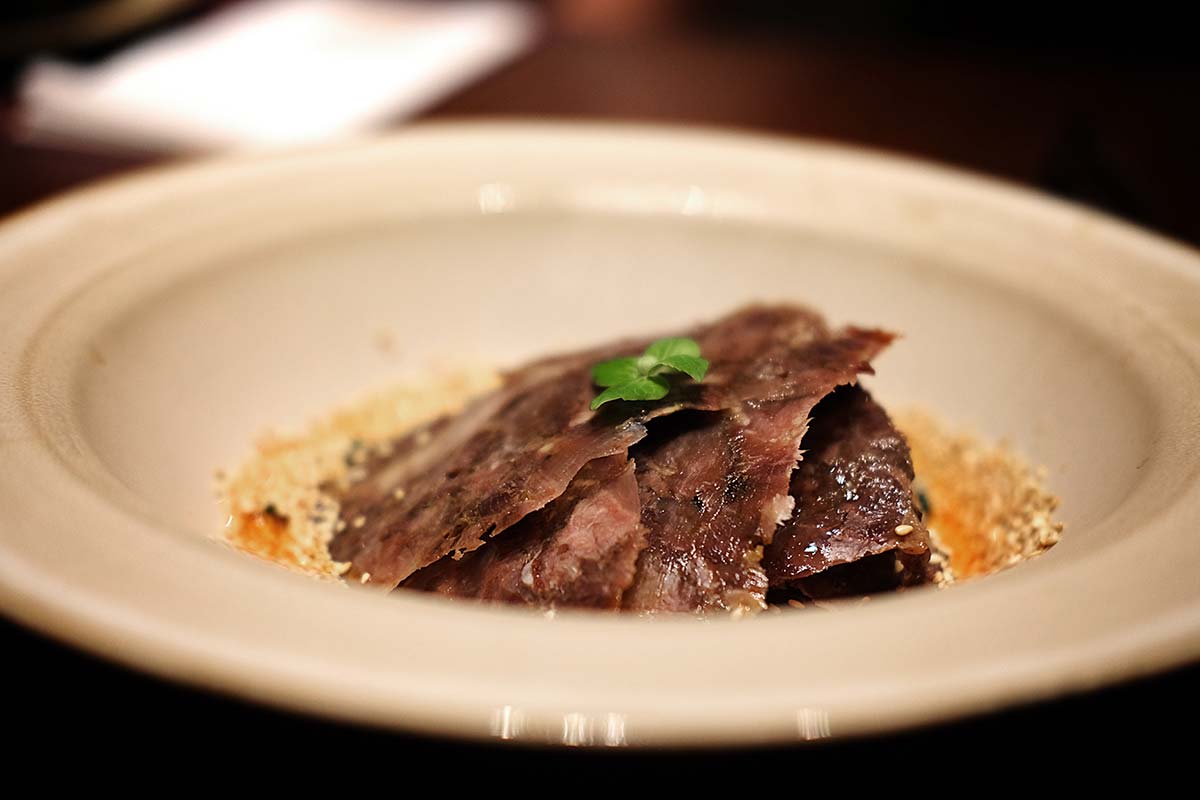
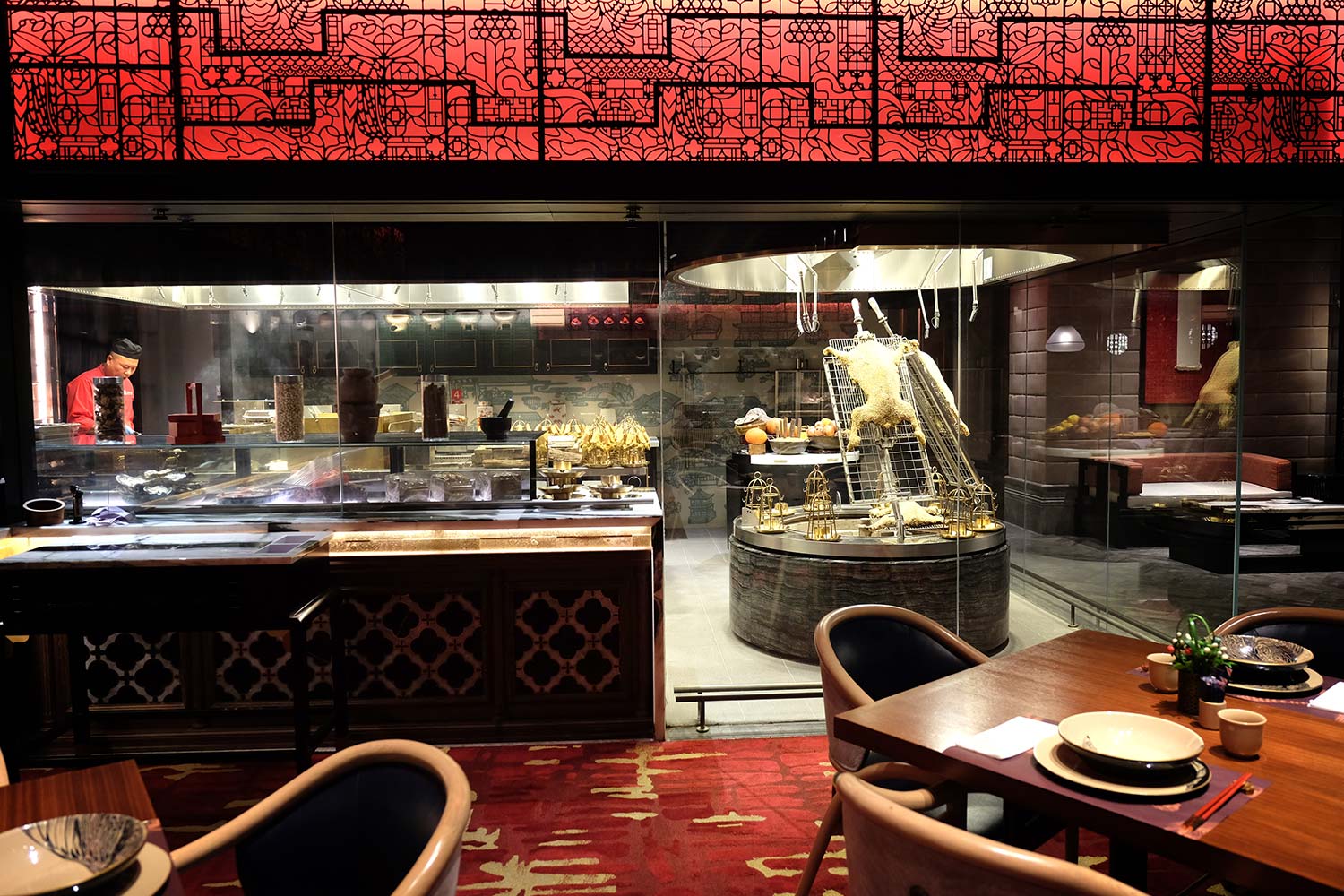
Across town at North Palace in The Londoner Macao, dinner became a sensory journey. The aroma of Peking duck roasting in lychee wood ovens hit me first. Chefs carved whole baby lamb seasoned with Mongolian spices, while others stretched noodles in the open kitchen with effortless rhythm. The dining room dazzled in deep reds and golds, bird motifs, and a looming golden dragon. It was one of those nights where food, sights, and setting aligned, and I left feeling as if I’d traveled far beyond Macao. Of course, no visit is complete without Macanese street classics: a warm pastel de nata egg tart from a neighborhood bakery, or zhu pa bao (pork chop bun), with a deep-fried marinated chop tucked inside a toasted, buttered bun.
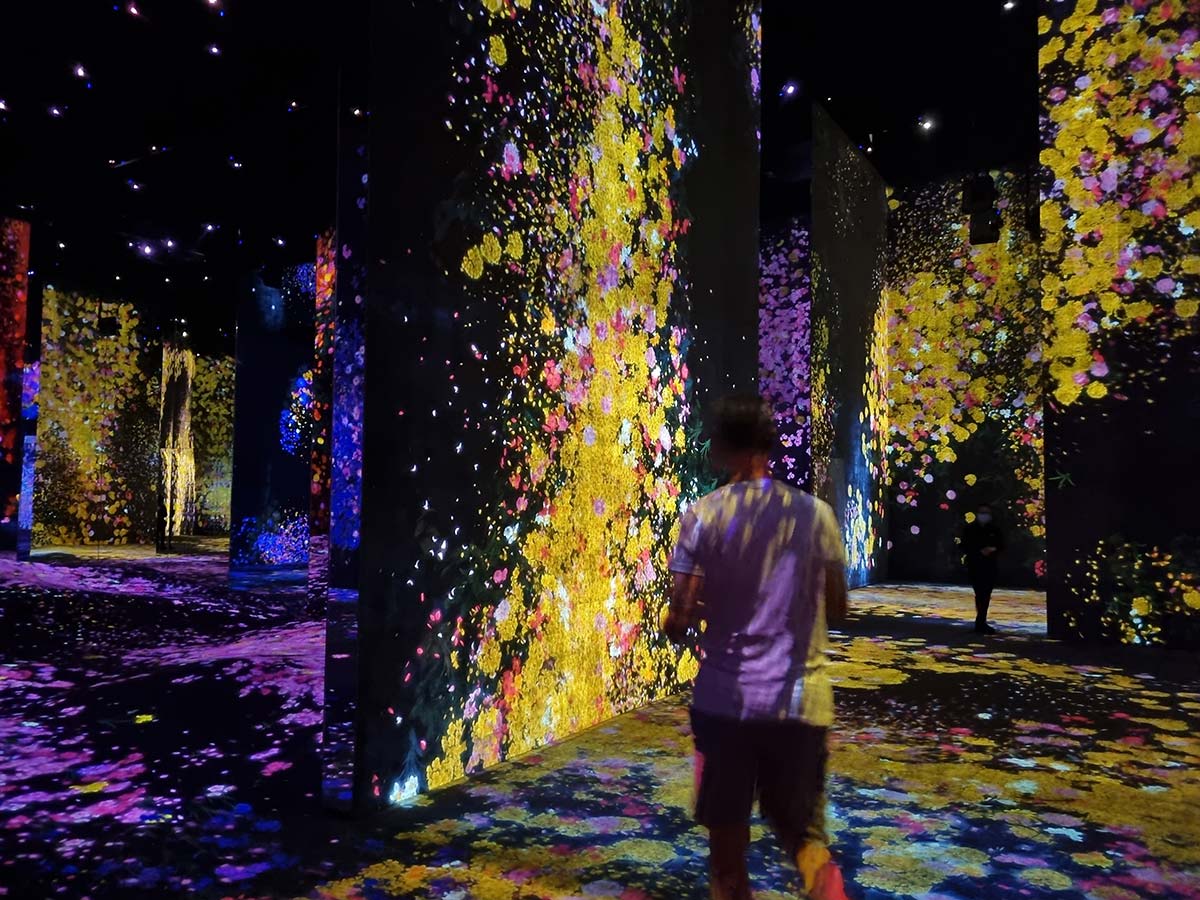
What surprised me most was how vibrant Macao felt beyond its gaming halls. My itinerary centered on creativity, adrenaline, and sheer fun. At teamLab SuperNature Macao inside The Venetian’s Cotai Expo, I walked through 5,000 m² of immersive digital art spread across multiple levels beneath soaring ceilings. Orchids drifted across walls, flowers bloomed underfoot, and light beams responded to my steps. At the whimsical EN TEA HOUSE, pouring tea made digital blossoms bloom in my cup—a small, magical moment.
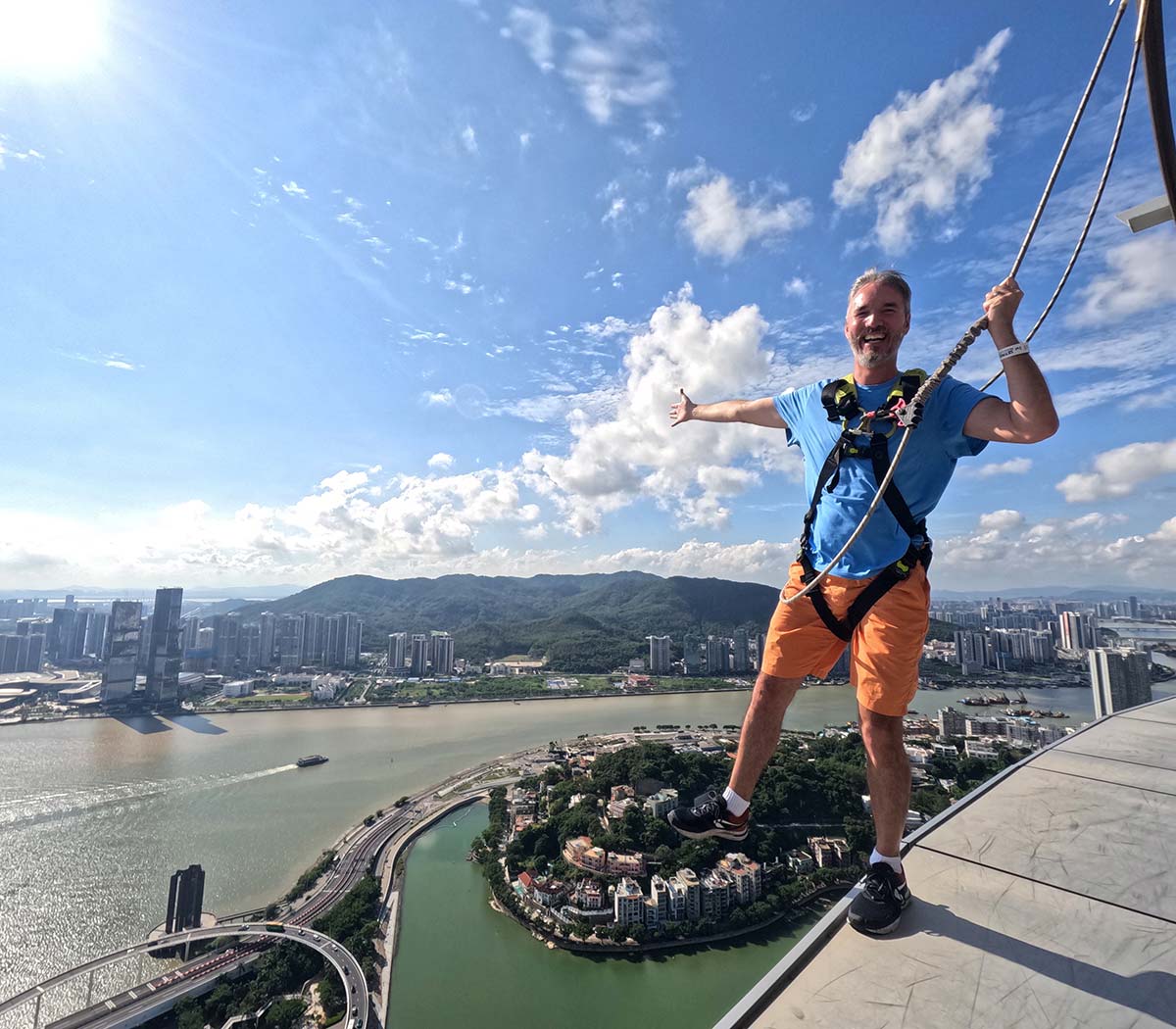
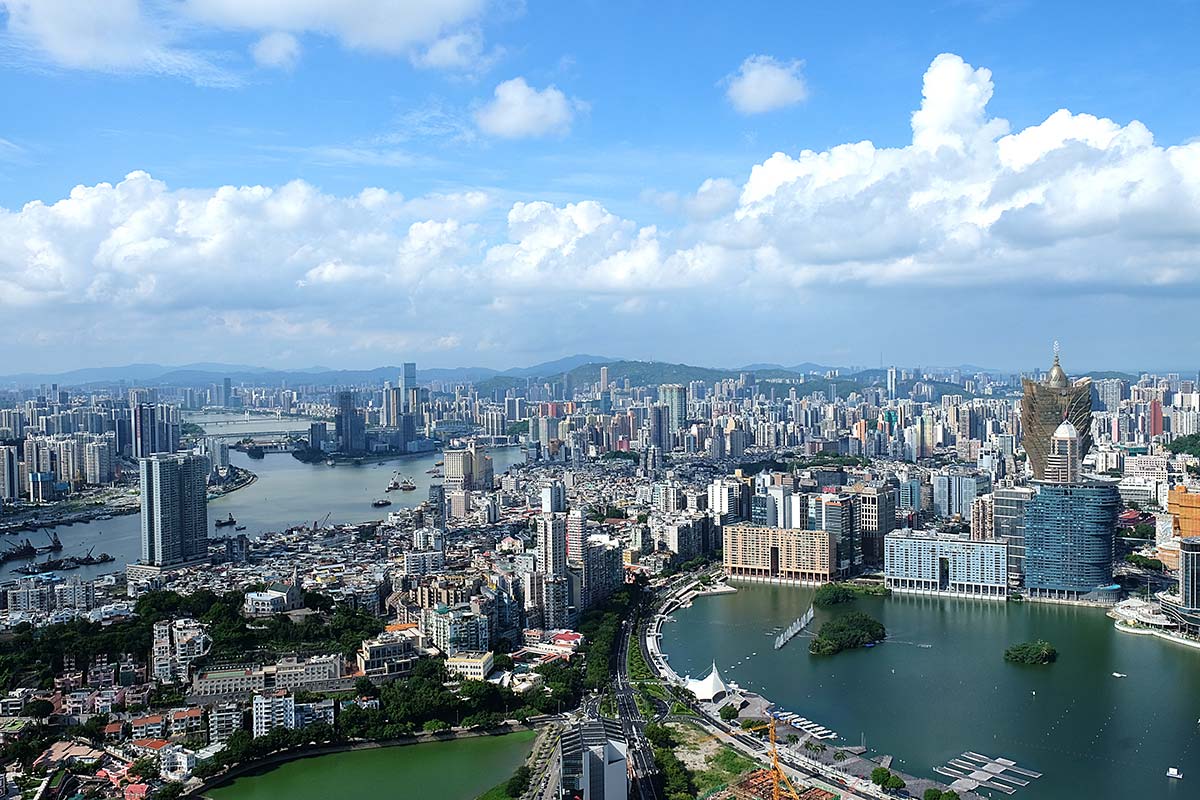
For a dose of adrenaline, I headed to the Macau Tower Skywalk. Harnessed but with no handrails to grip, I edged along the narrow rim 764 feet above the city, soaking in 360° views. The tower also hosts the world’s highest commercial bungee jump, run by AJ Hackett. Watching jumpers plummet at 124 mph before bouncing back was exhilarating—though for me, watching was quite enough.
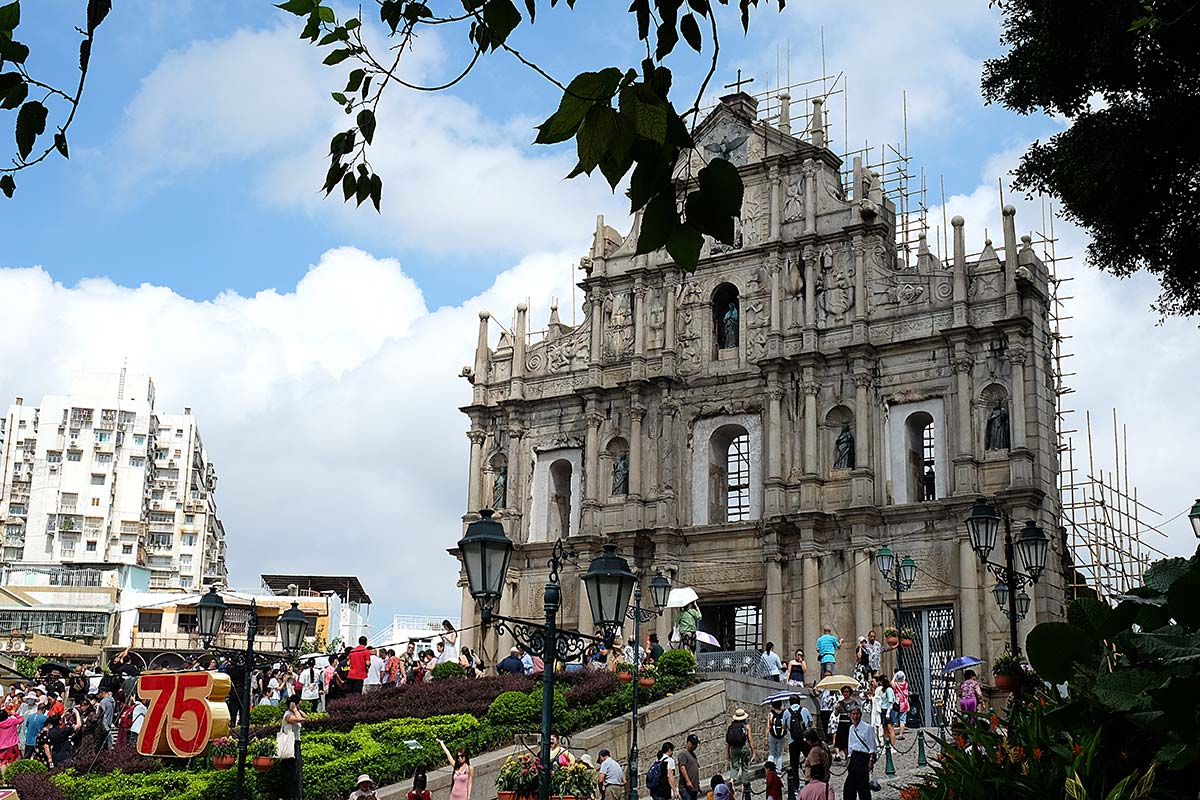
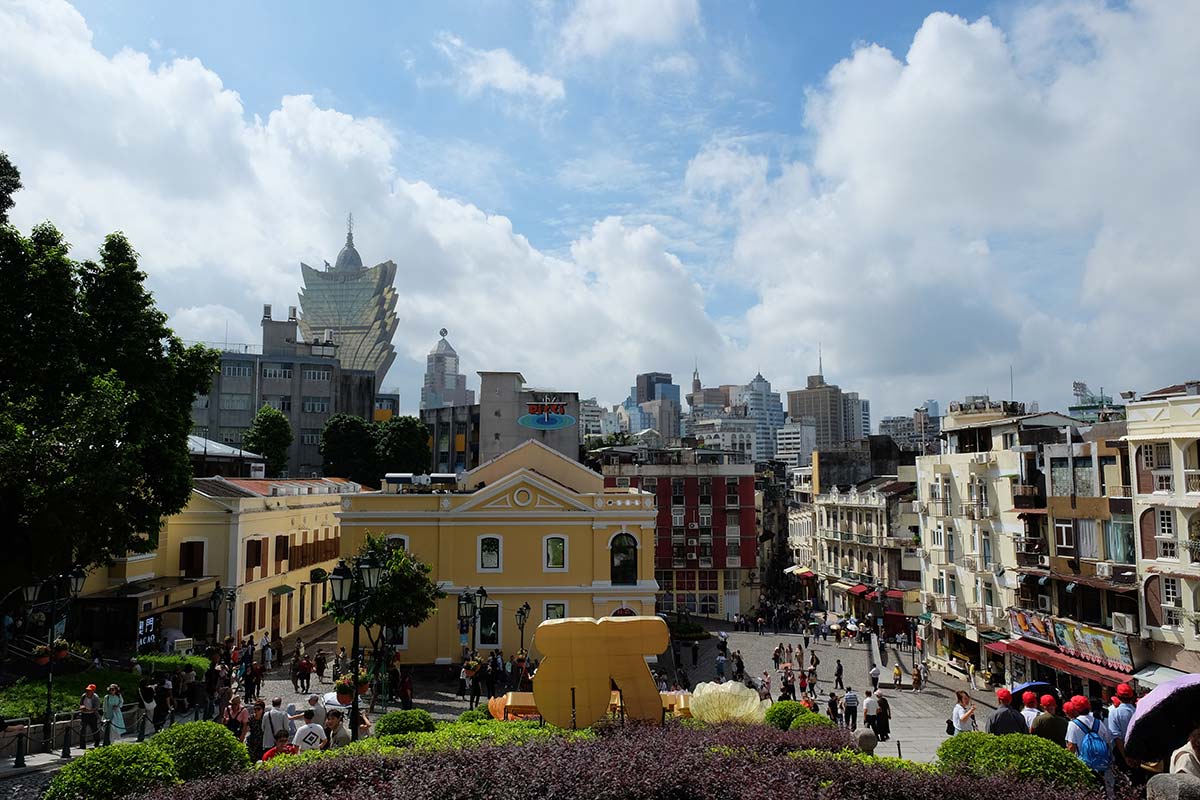
Climbing the 68 granite steps to the Ruins of St. Paul’s, I was struck by how much—and how little—remains of the 1600s Jesuit church. Once Asia’s largest Catholic building, a fire in 1835 left only the façade and stairway. It felt symbolic of Macao itself: fragments of history enduring alongside reinvention. Nearby, narrow lanes led me to St. Dominic’s Church, its yellow-and-white façade giving way to a Baroque interior glowing with gilded woodwork. A short walk farther, Senado Square unfolded in black-and-white wave-pattern tiles, guiding me past neoclassical buildings that once housed colonial offices. Today, the square buzzes with shops, cafés, and cultural festivals—a seamless link between Portuguese heritage and modern vibrancy.
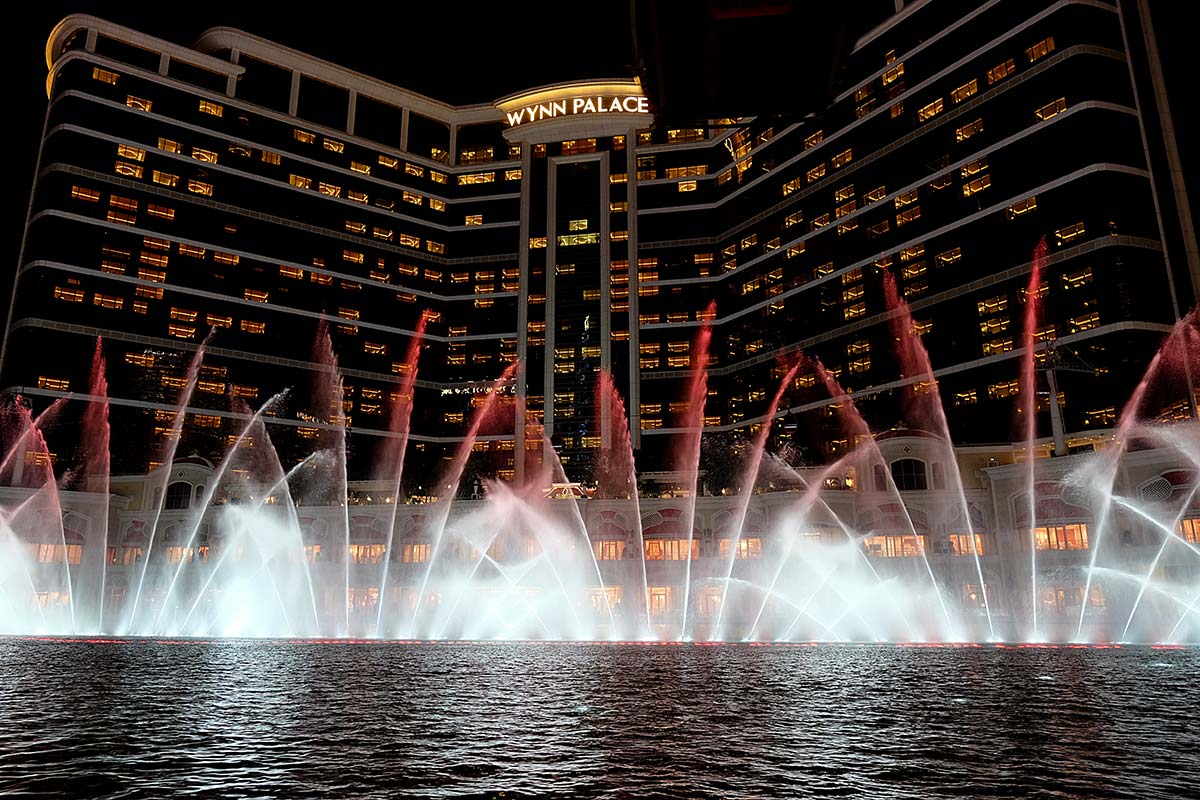
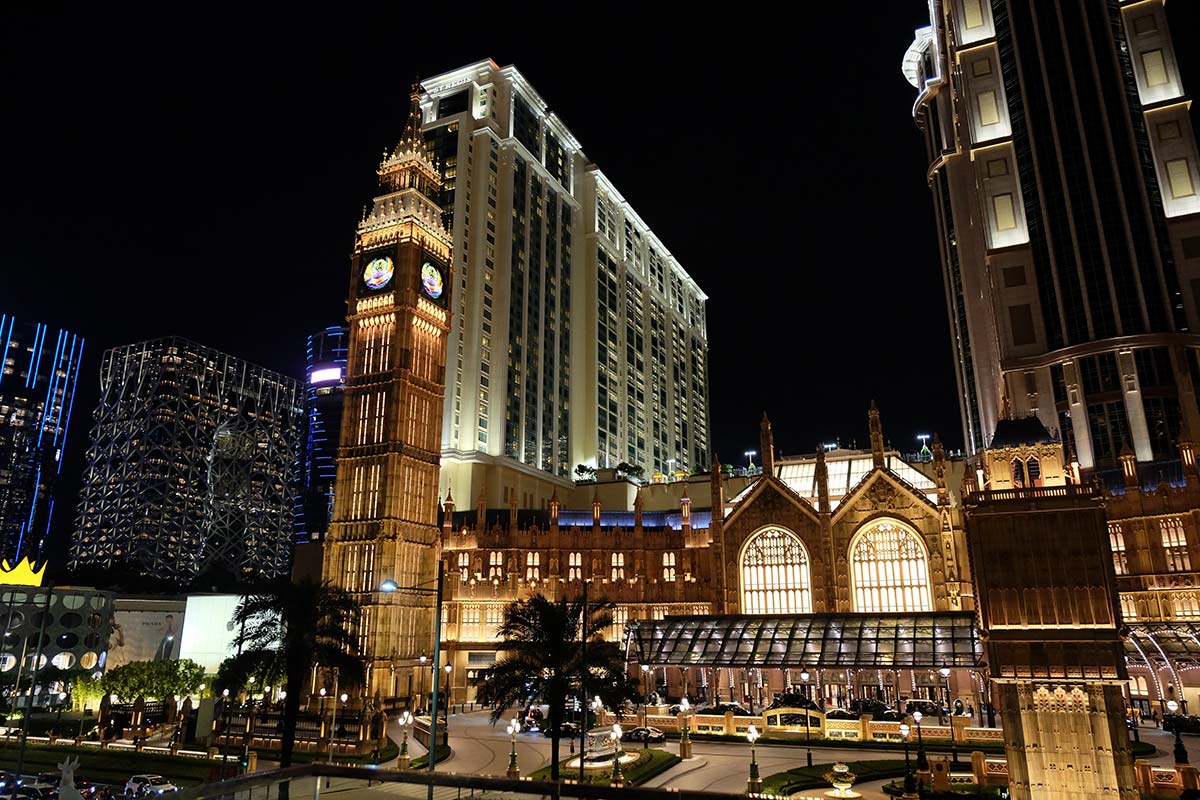
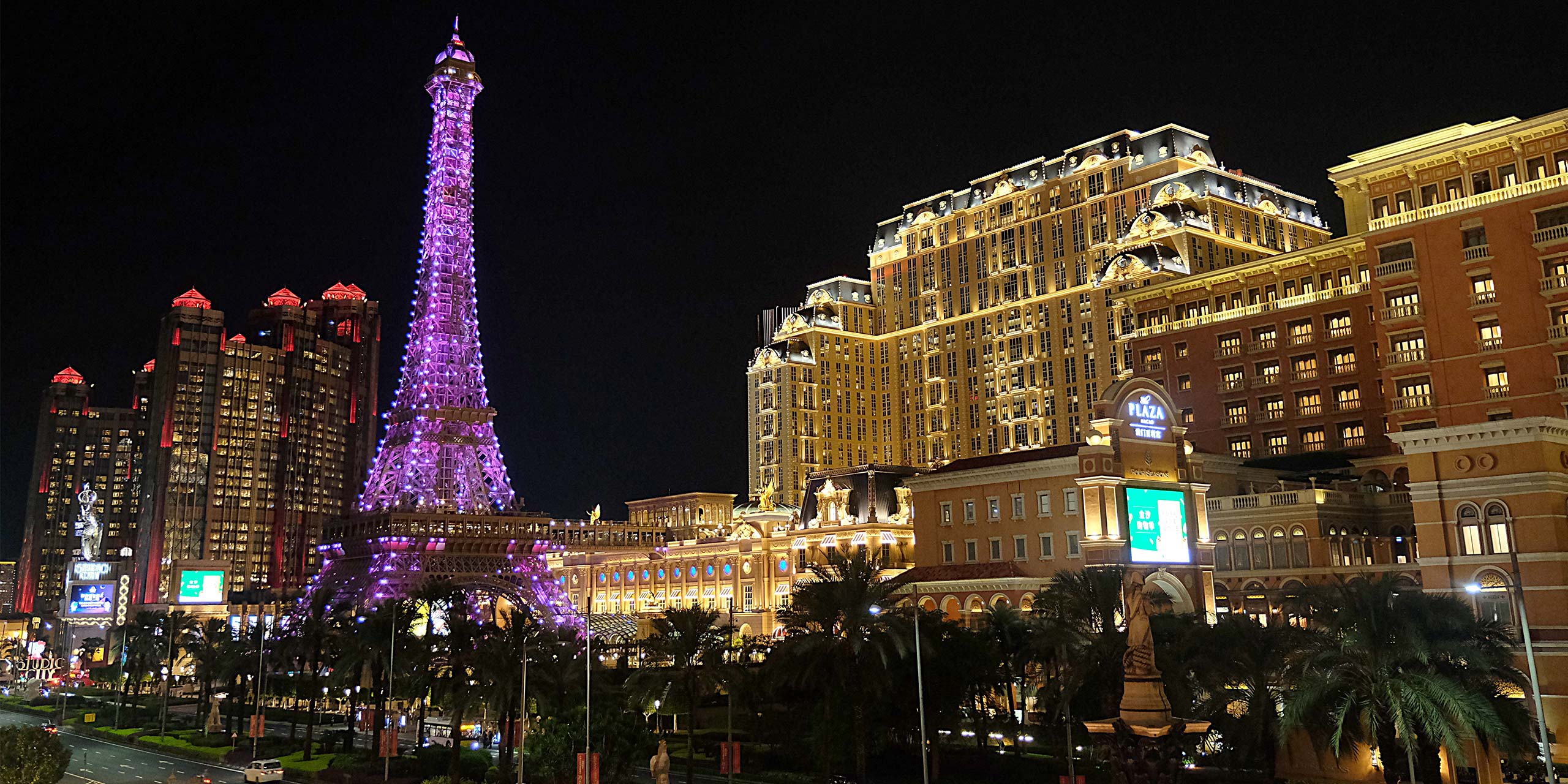
That evening, I hopped on an open-top bus Tour to see the Cotai Strip ablaze with neon. From the top deck, I watched fountains dance, facades glow, and themed landmarks sparkle. The Londoner Macao boasted its Big Ben replica, while the Parisian’s half-sized Eiffel Tower gleamed nearby. Between them rose Raffles, the Ritz-Carlton, and Capella. It was surreal—part East, part West, part fantasy.
By the end of my trip, my assumptions had been overturned. Yes, the casinos glitter at night, but they’re only one chapter of Macao’s story. This is a city where Portuguese and Chinese cultures have danced for centuries, where meals double as history lessons, and where modern attractions spark the imagination. I arrived expecting a stopover. I left convinced Macao deserves a journey of its own.