


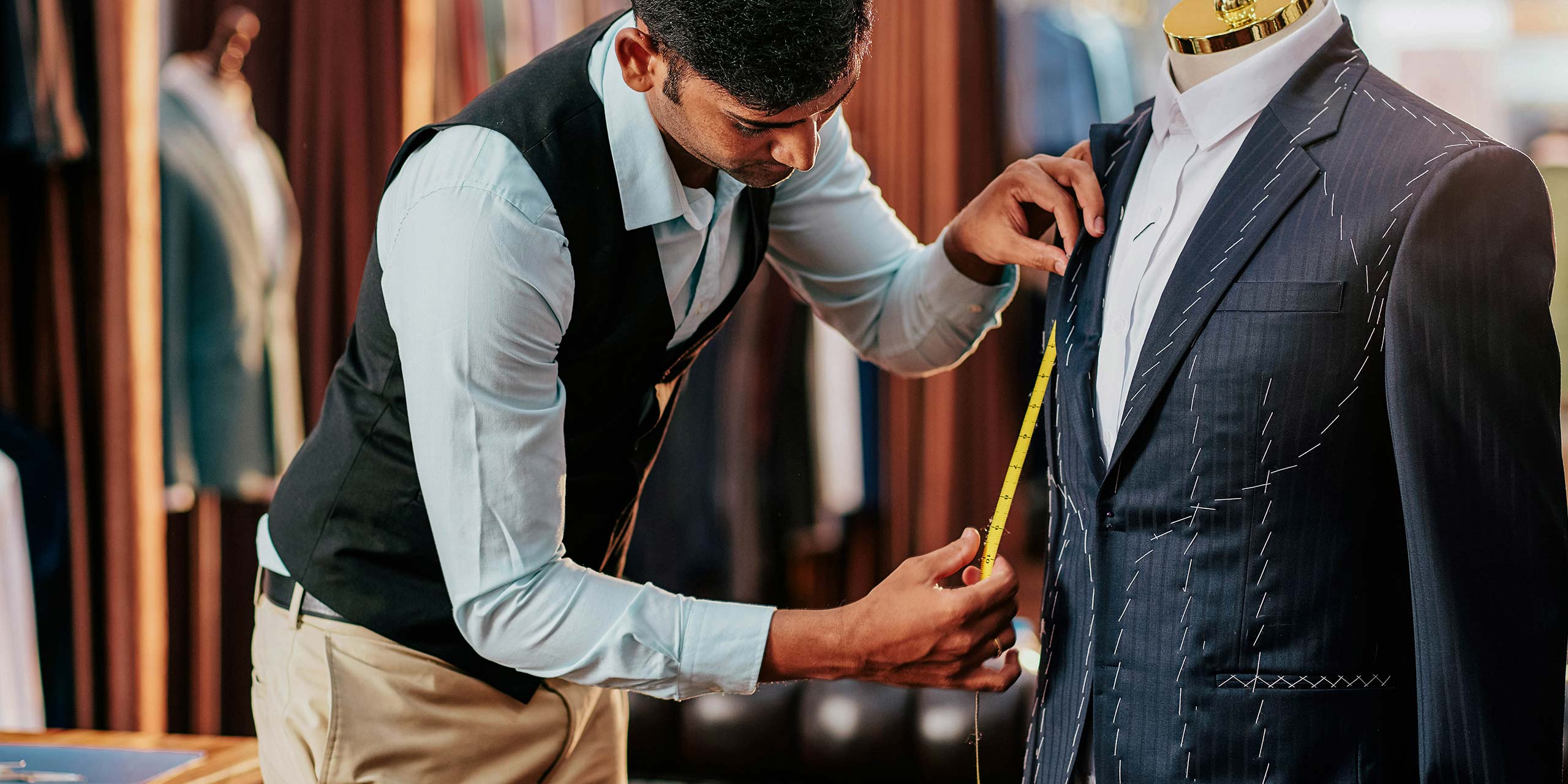
Asia’s contemporary tailoring heritage took shape in workaday places: ports where sailors ordered shore-leave suits, hotel arcades where travelling executives slipped in between meetings and family shophouses that fitted the same clients from childhood to retirement.
The decades have changed the fabrics and the speed of travel, but not the bond between craftsman and customer. Travellers still cross borders for a familiar cut, and locals stay loyal to workshops that understand how they stand, move and live. These ateliers became waypoints long before “bespoke” became a marketing claim.
Together, they show how tailors in Asia have adapted to modern life while holding fast to their credo of delivering pieces built to weather years, seasons, and cities, shaped for the individual rather than the latest style shift.
Sam’s Tailor, Hong Kong
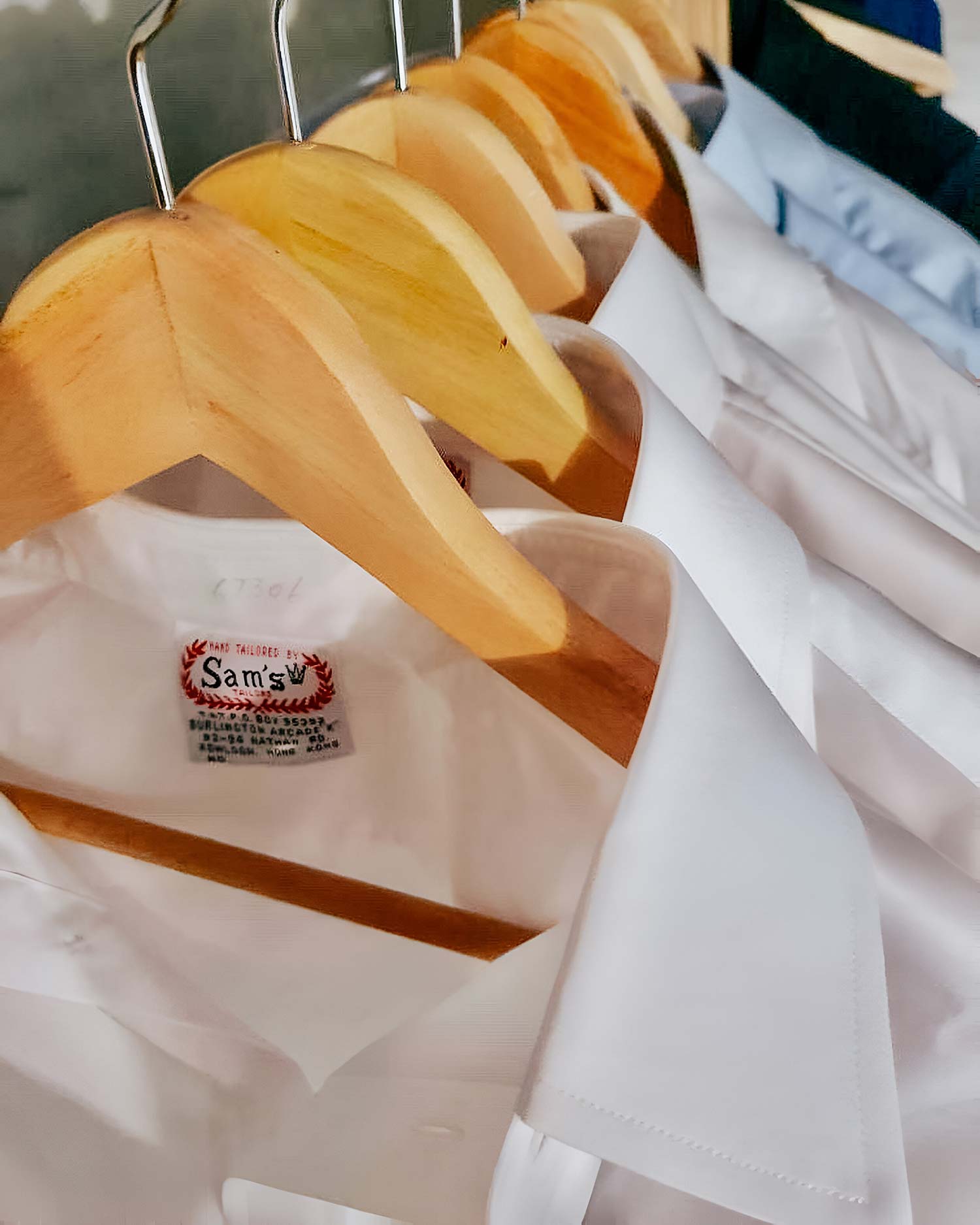
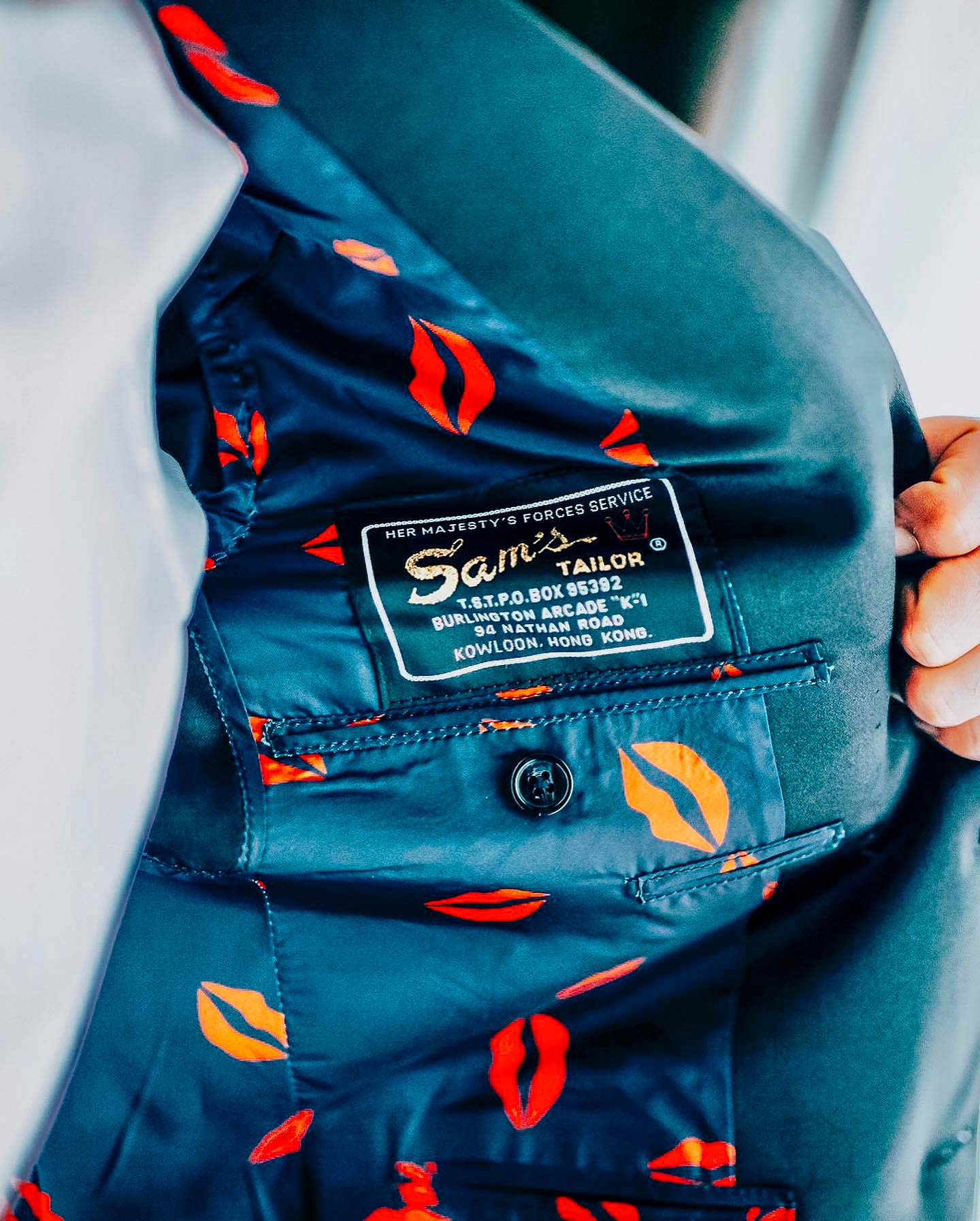
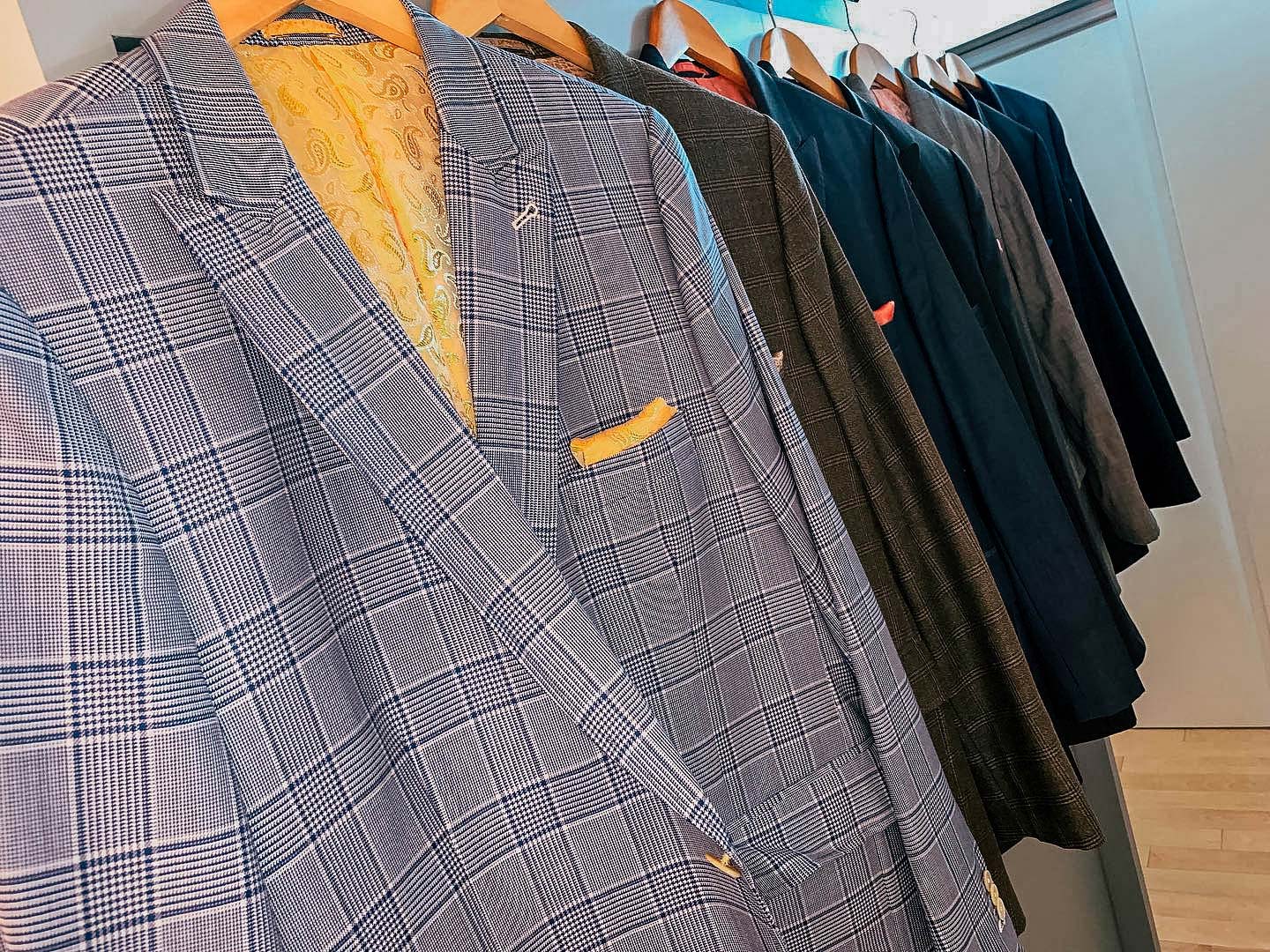
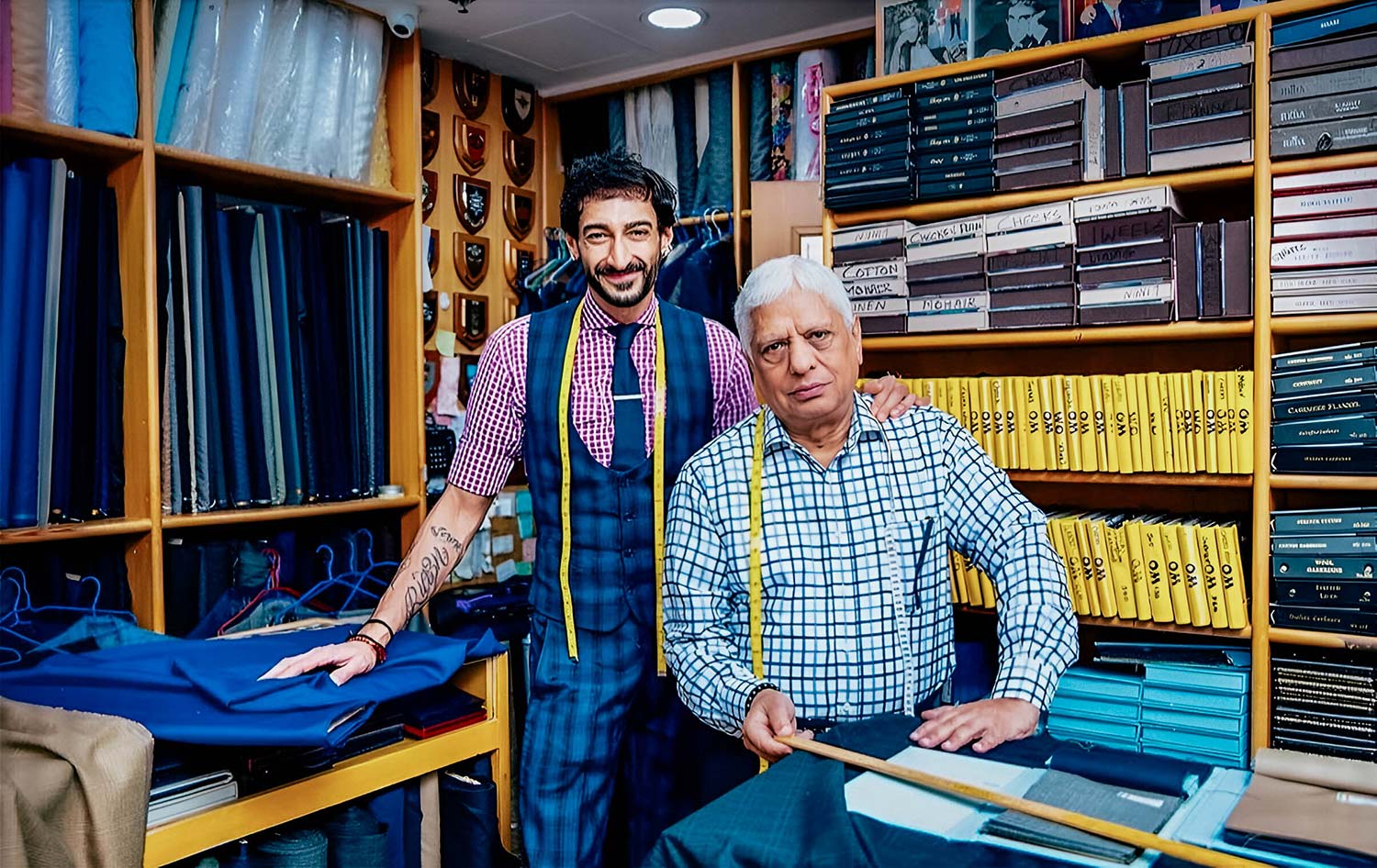
Few ateliers have a client history as visible as Sam’s. Established in 1957 off Tsim Sha Tsui’s Burlington Arcade, the Melwani family business built its reputation by serving whoever stepped through the door: visiting seamen, newly arrived expatriates, musicians on tour, political figures between engagements.
Photographs run across the walls, documenting decades of illustrious clientele, a roll call that includes stars such as David Bowie and Michael Jackson, and global leaders including Presidents George W. Bush and Bill Clinton, and UK Prime Ministers Tony Blair and Margaret Thatcher.
Staff work with practised fluency. Measurements are taken quickly, fabrics pulled from familiar mills—Dormeuil, Holland & Sherry, Loro Piana—and turnaround times are adapted to the flights of travellers who may depart within days.
Sam’s is not known for hushed exclusivity or rigid traditionalism. Its appeal lies in its adaptability: the willingness to work fast, work late and accommodate the varied demands of people on fixed schedules.
Rajawongse Clothier, Bangkok
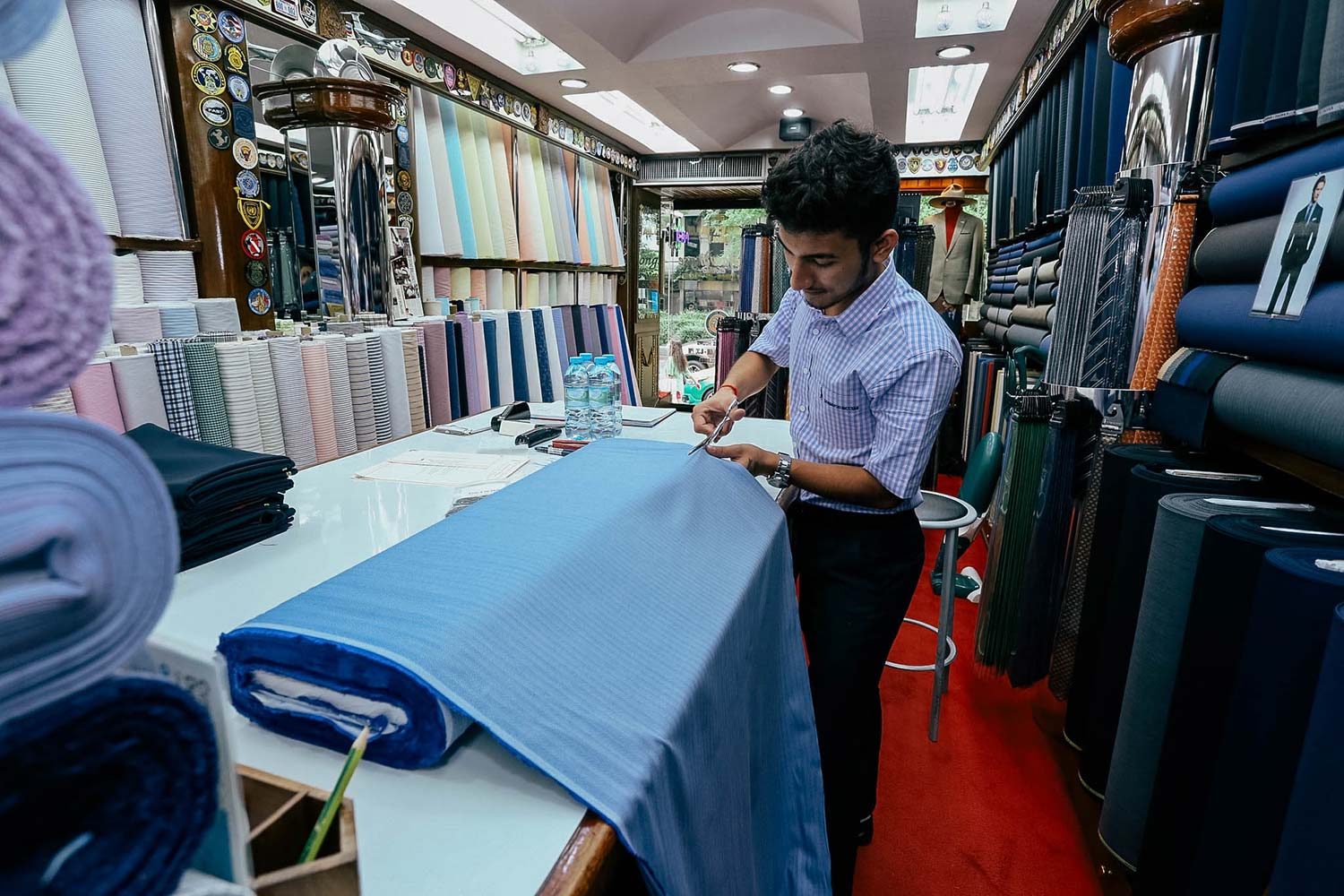
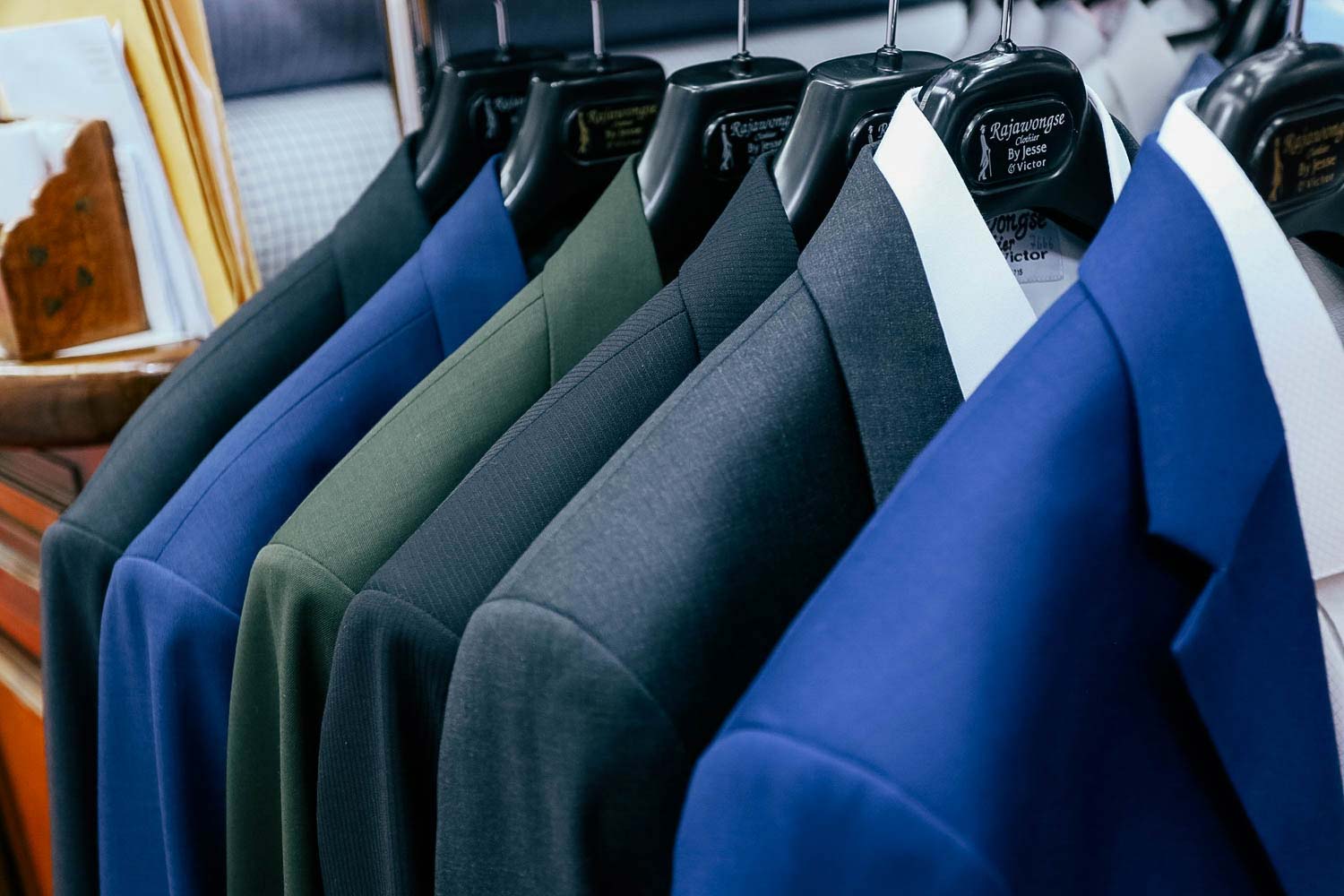
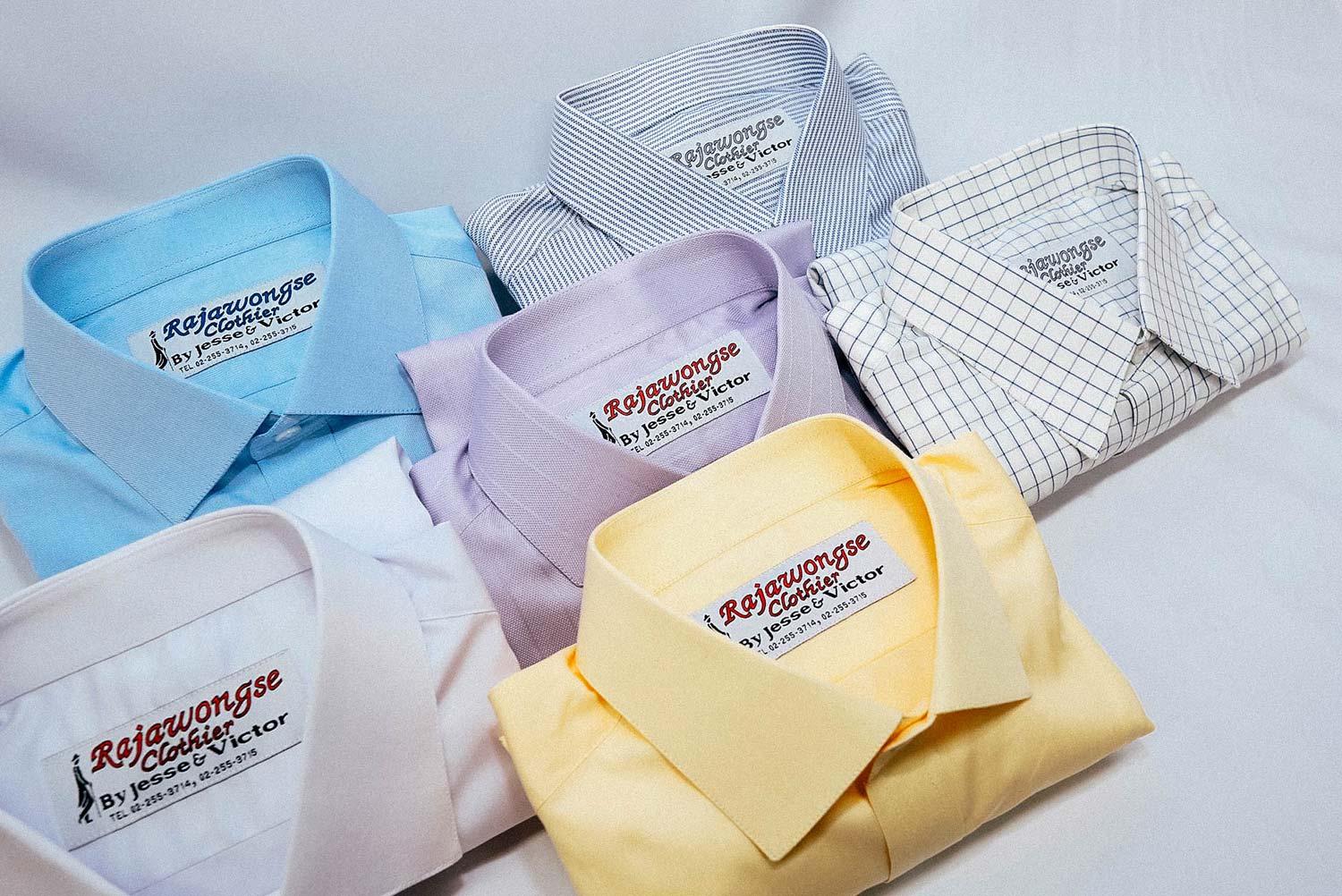
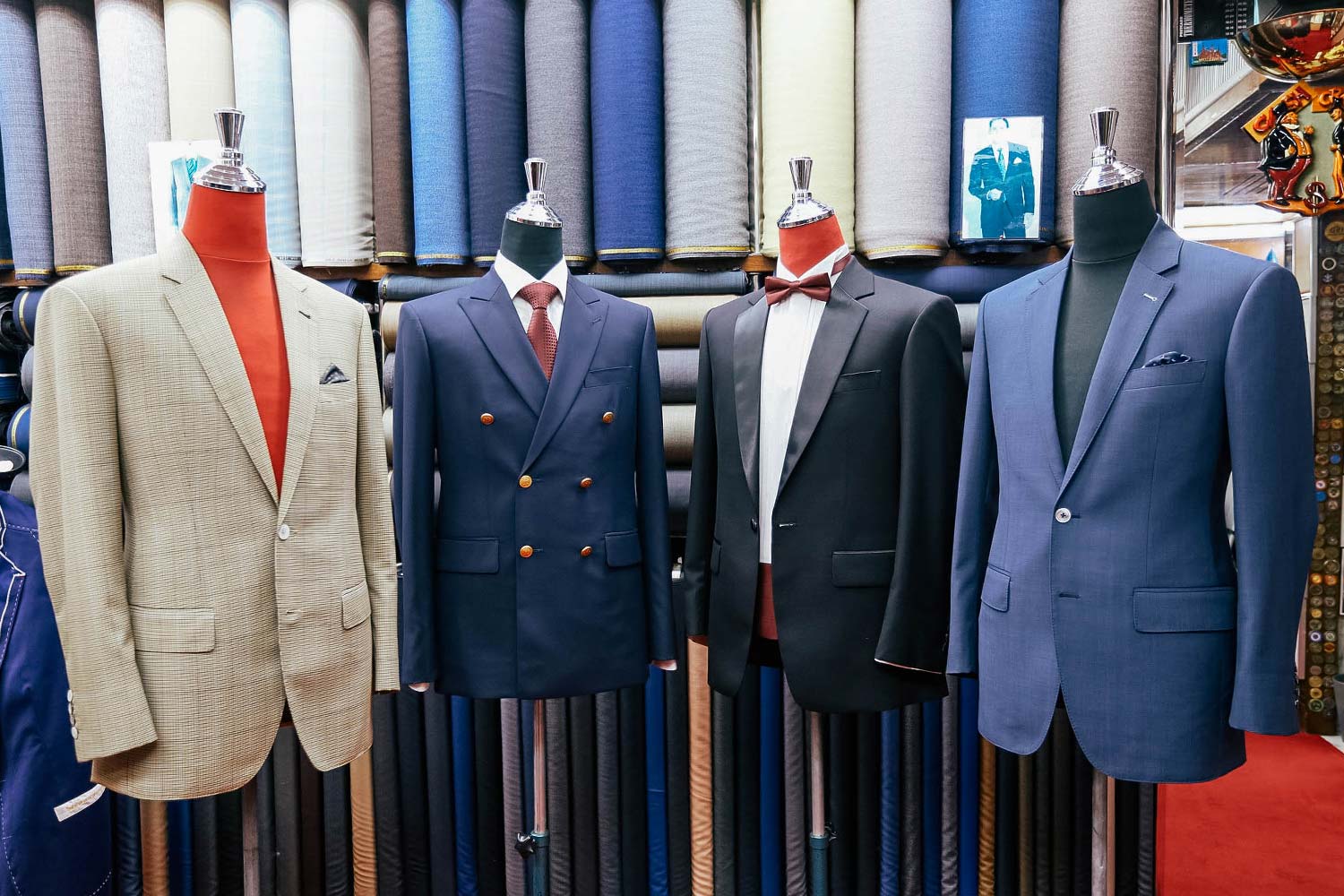
On Sukhumvit Soi 19, Victor Rajawongse—who once tailored for the US Embassy— and his son Jesse have built a clientele that includes diplomats, long-term residents and families who have treated the shop as an anchor for decades. Word-of-mouth remains its strongest currency; some customers return every year, and others pass down the recommendation.
Victor’s approach is quiet and deliberate. He studies posture and shoulder lines with a near-meditative focus, adjusting for the way jackets respond to Bangkok’s heat and humidity. The ceiling fans turn steadily above the cutting table, a practical reminder of the climate considerations that define the house style. Jesse handles relationships with a calm assurance, recalling preferences and patterns from commissions years apart.
Most first-timers come through a referral—a colleague, a long-term client, a friend of a friend—which keeps the expectations clear. Suits are built to travel, to hold their structure and to age predictably in a region where fabrics endure more strain than in temperate climates. In a city that reinvents itself constantly, Rajawongse has remained steady by sticking to timeworn tenets of precision, continuity and craft without theatrics.
Burlington’s, Mumbai
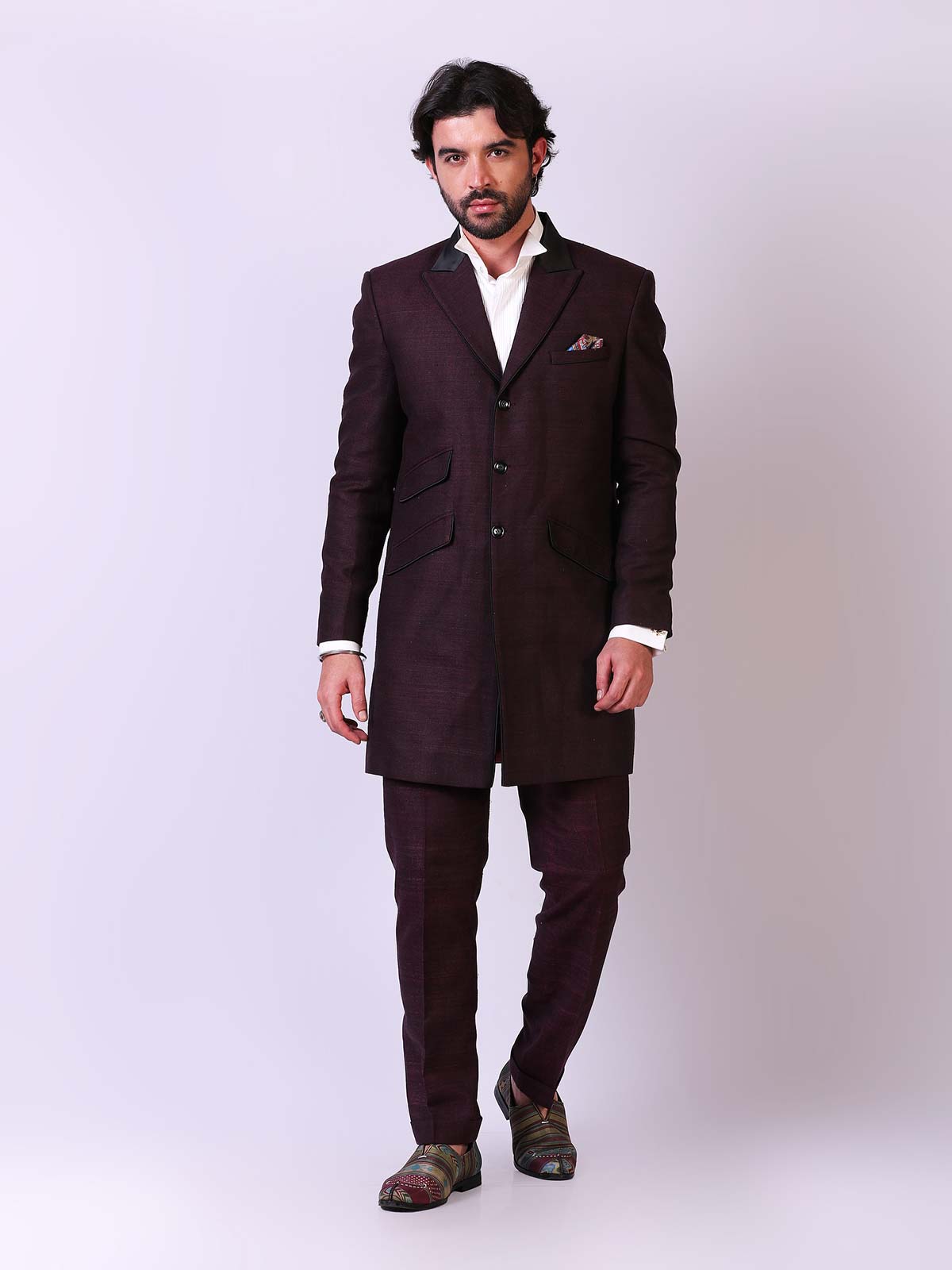
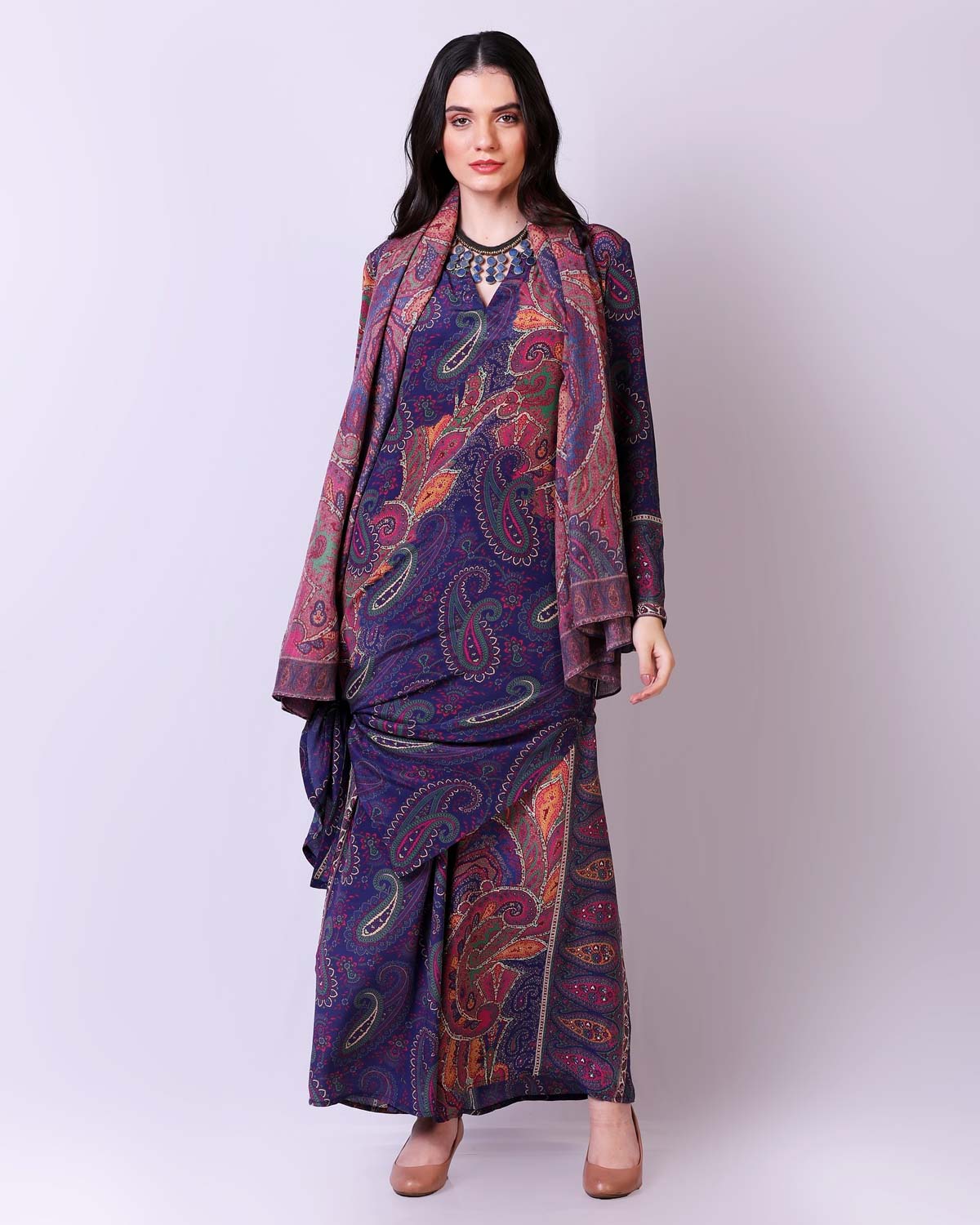
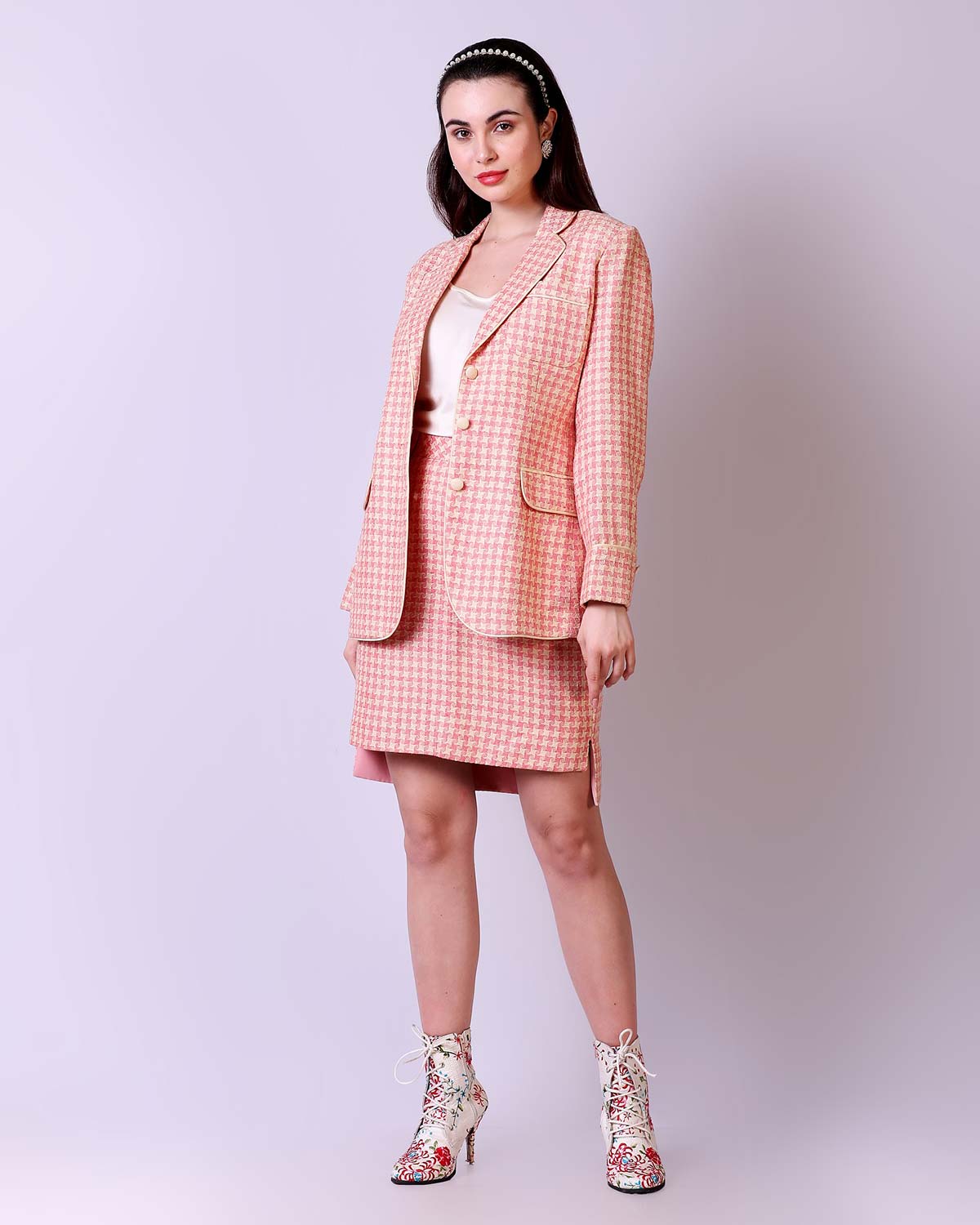
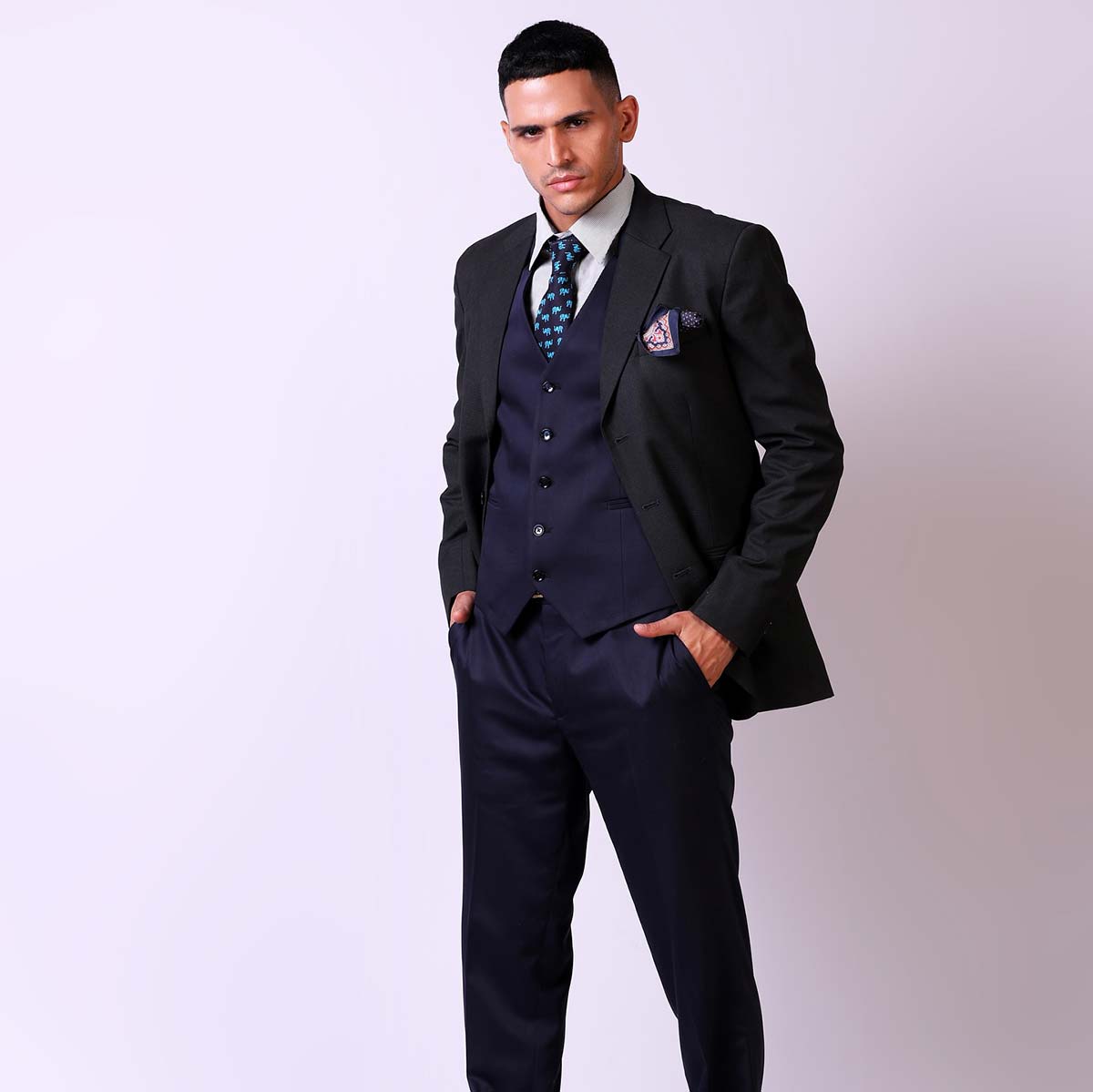
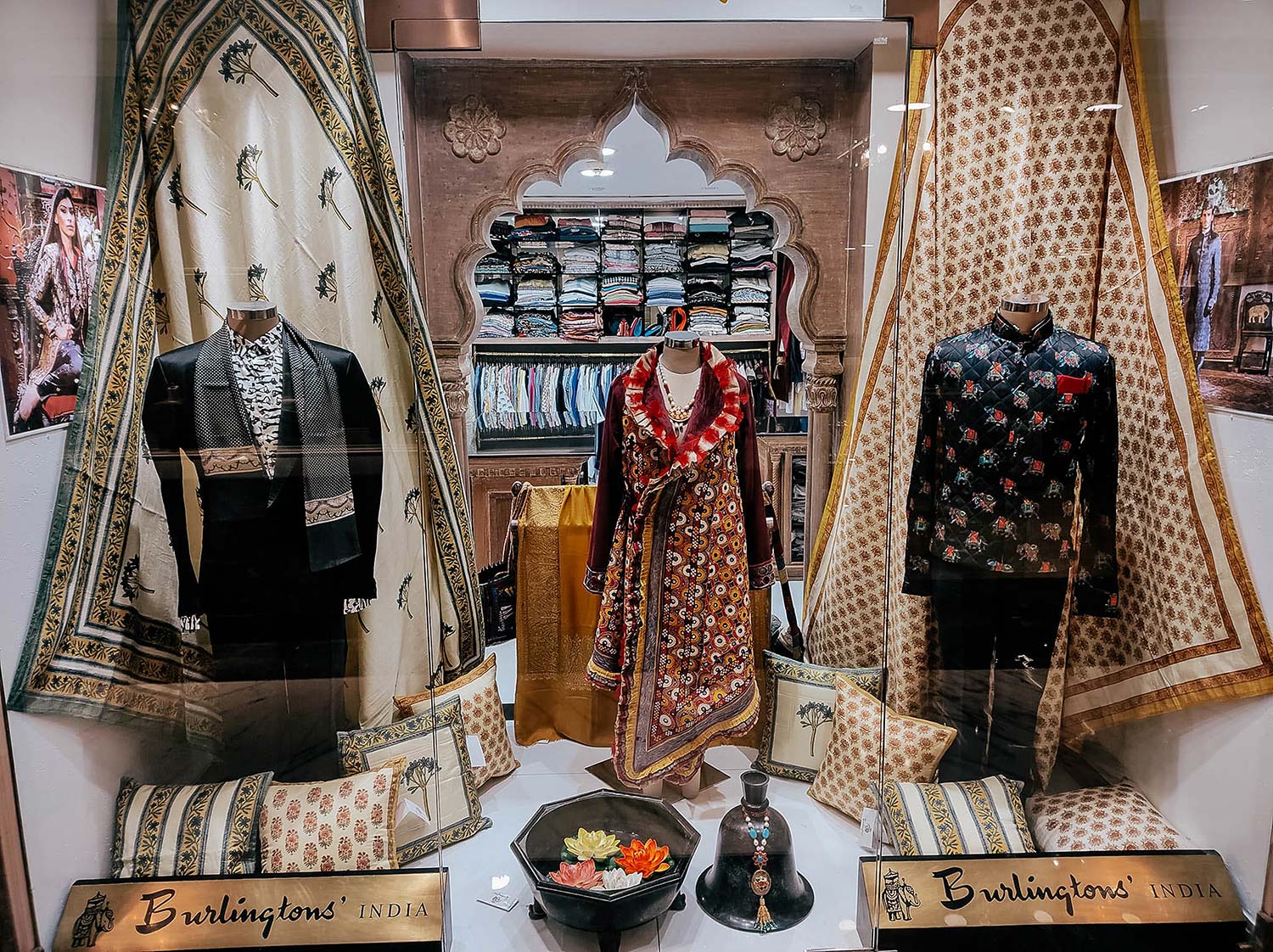
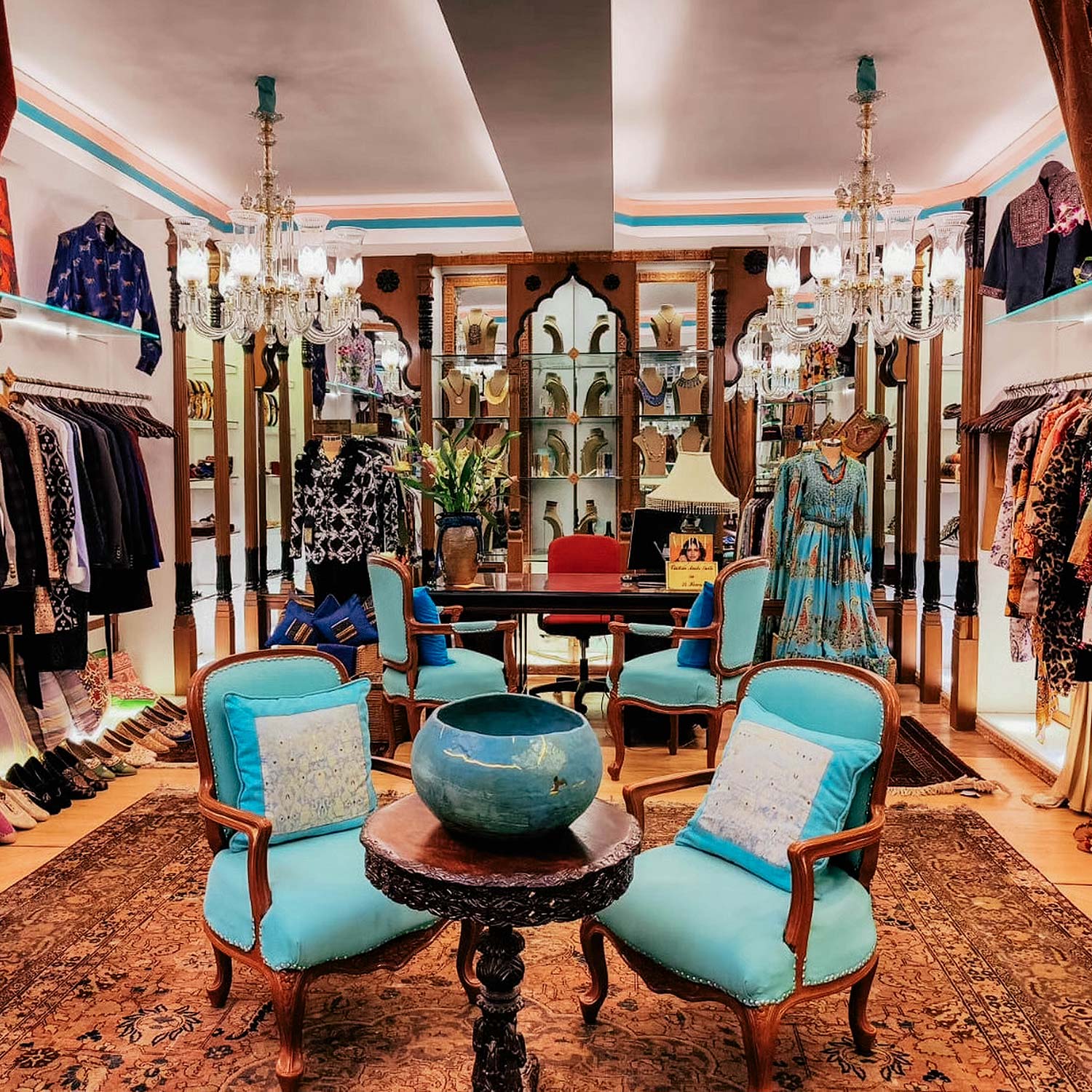
Burlington’s occupies a role few tailors can claim: a workshop woven into arguably India’s most storied hotel, the Taj Mahal Palace. Established more than half a century ago, it has dressed generations of business travellers, returning families and guests.
Guests drop in between meetings or alongside wedding parties, booking entire floors. Tailors retrieve old paper patterns from previous visits, their yellowed edges softened by years of amendments. Fabrics lean toward practicality: linen and tropical-weight wool for Mumbai‘s humidity, cotton blends that stand up to long days in the sun.
Many customers describe Burlington’s as a marker of life’s stages. Some first arrived as children accompanying parents; others return after long absences to commission garments for family events. Burlington’s offers continuity—a familiar thread running through the hotel’s long association with Mumbai’s social world.
Yaly Couture, Hoi An
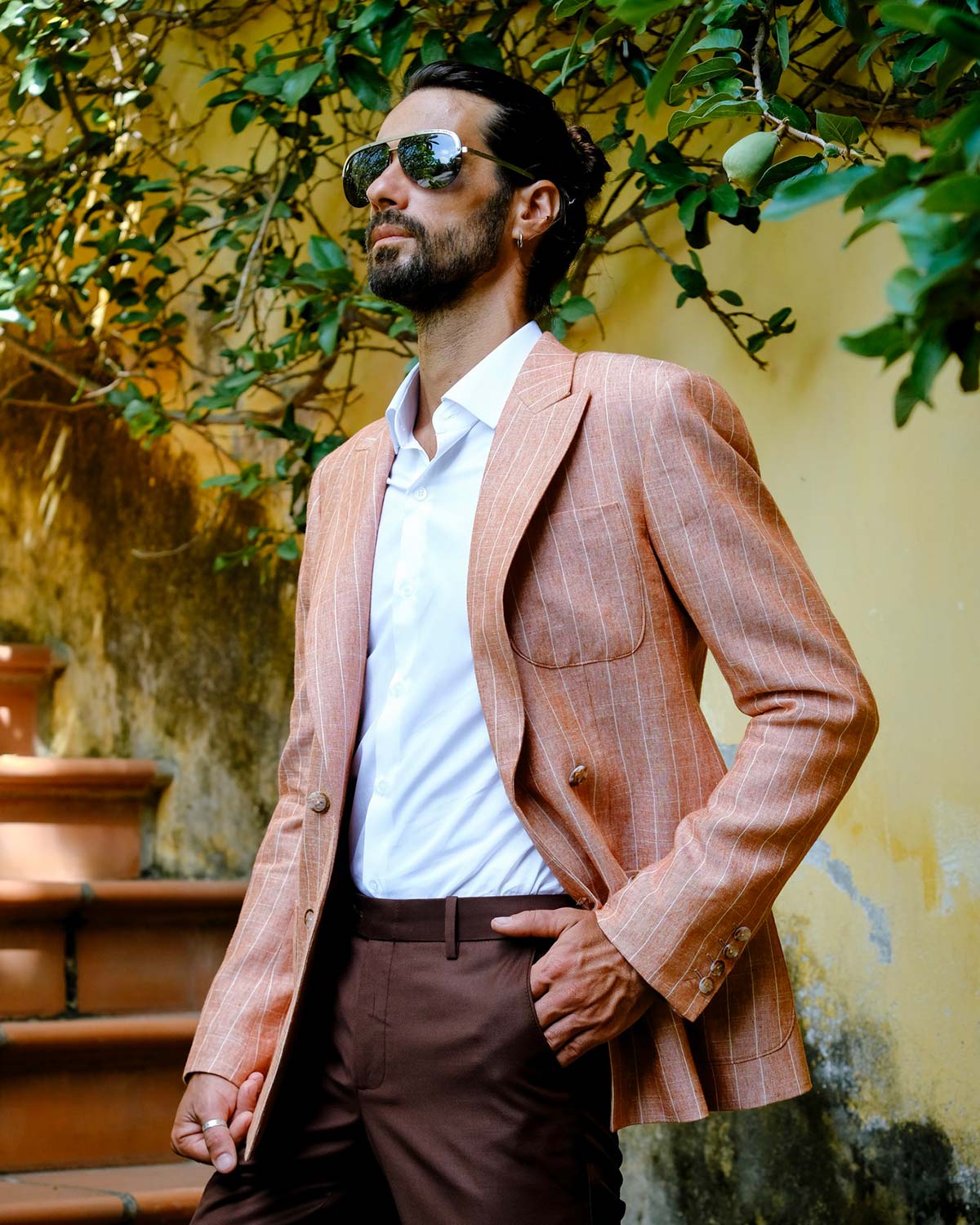
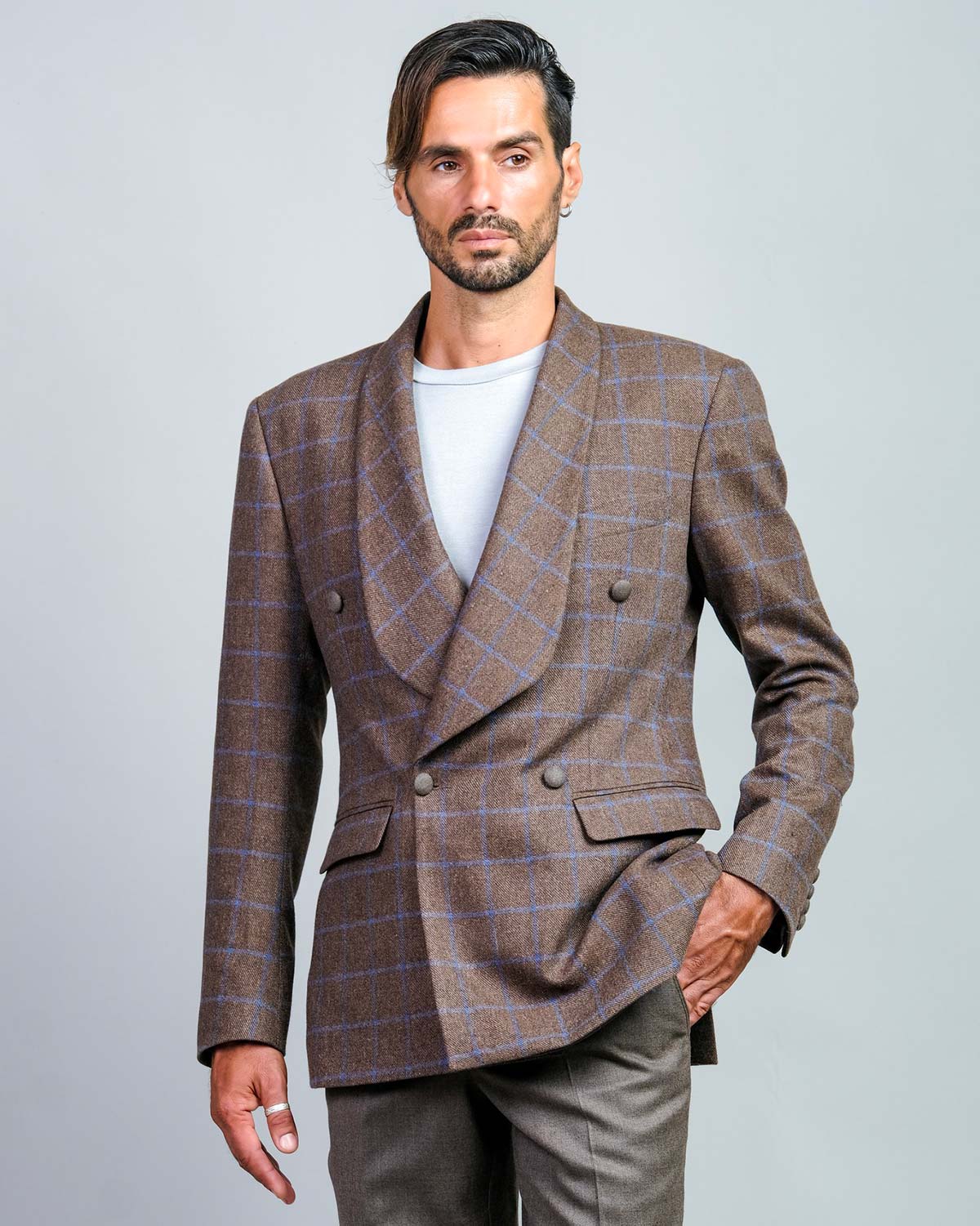
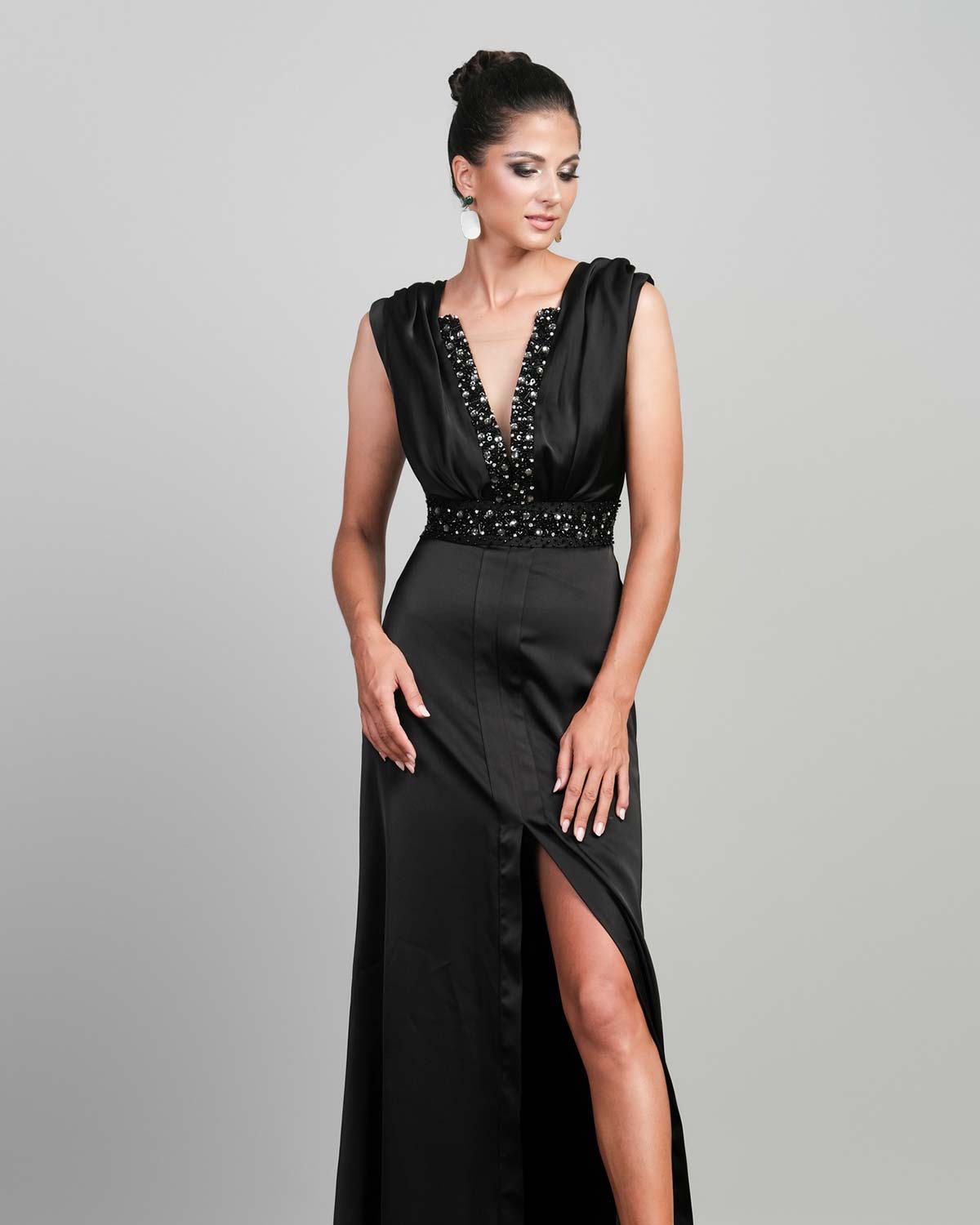
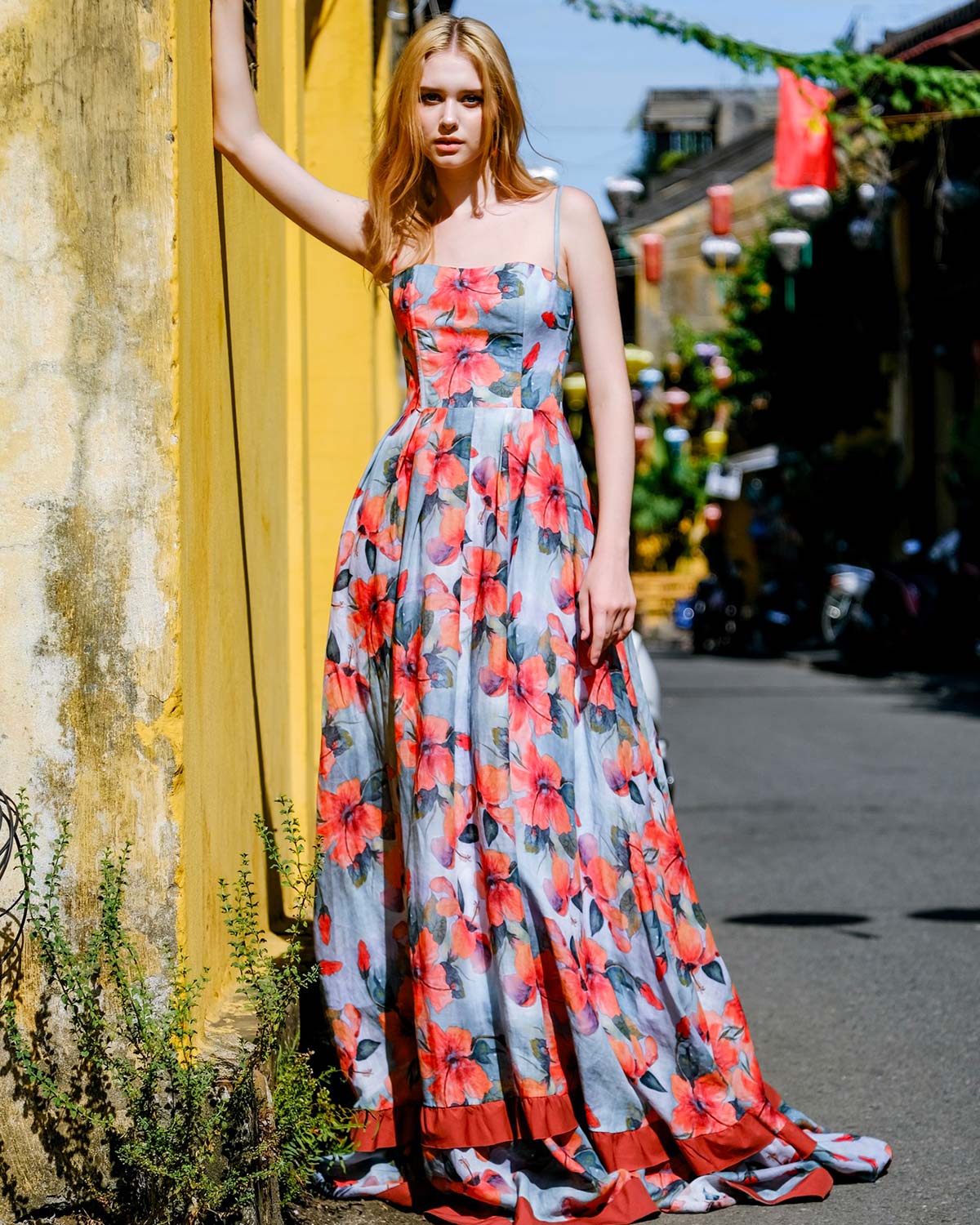
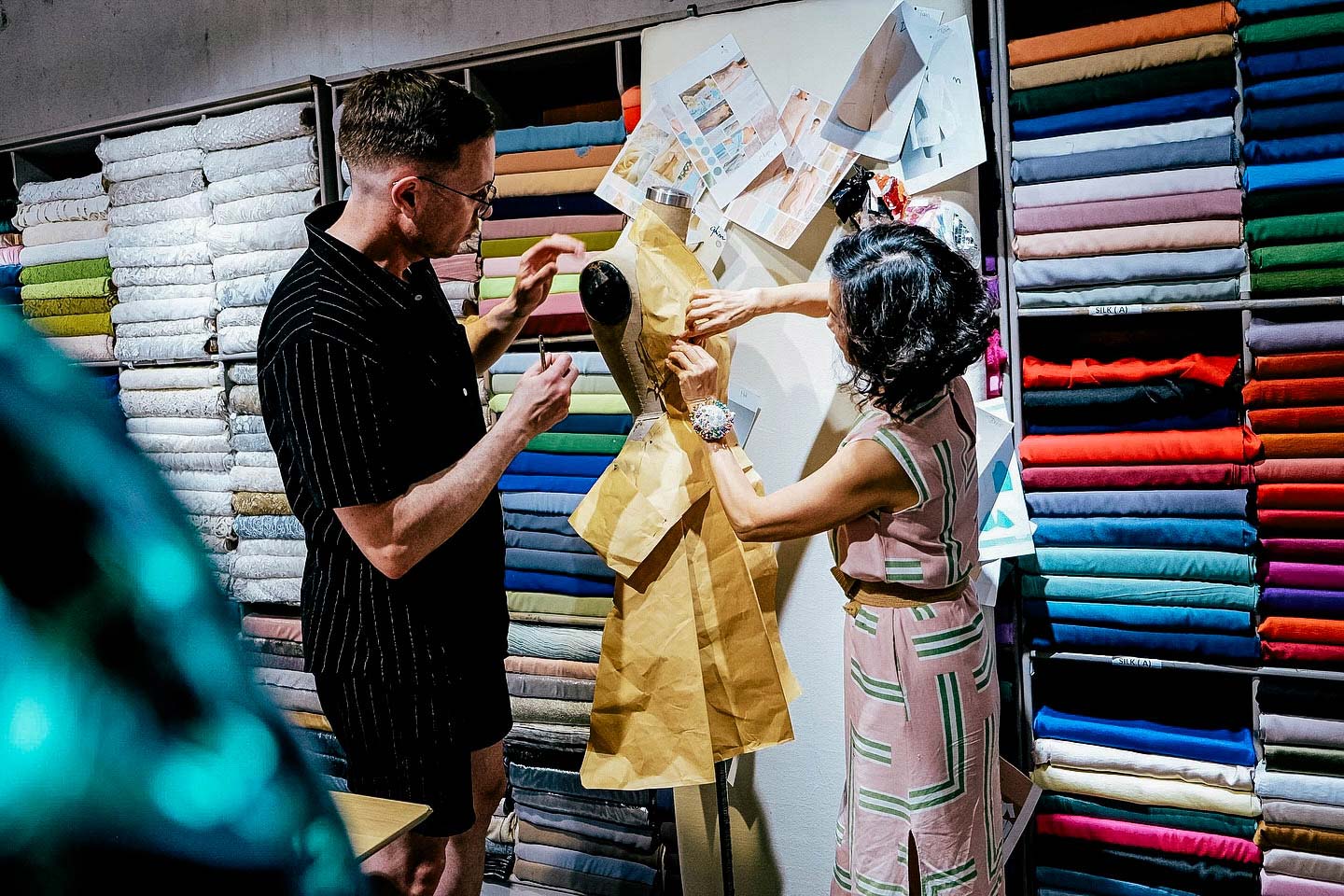
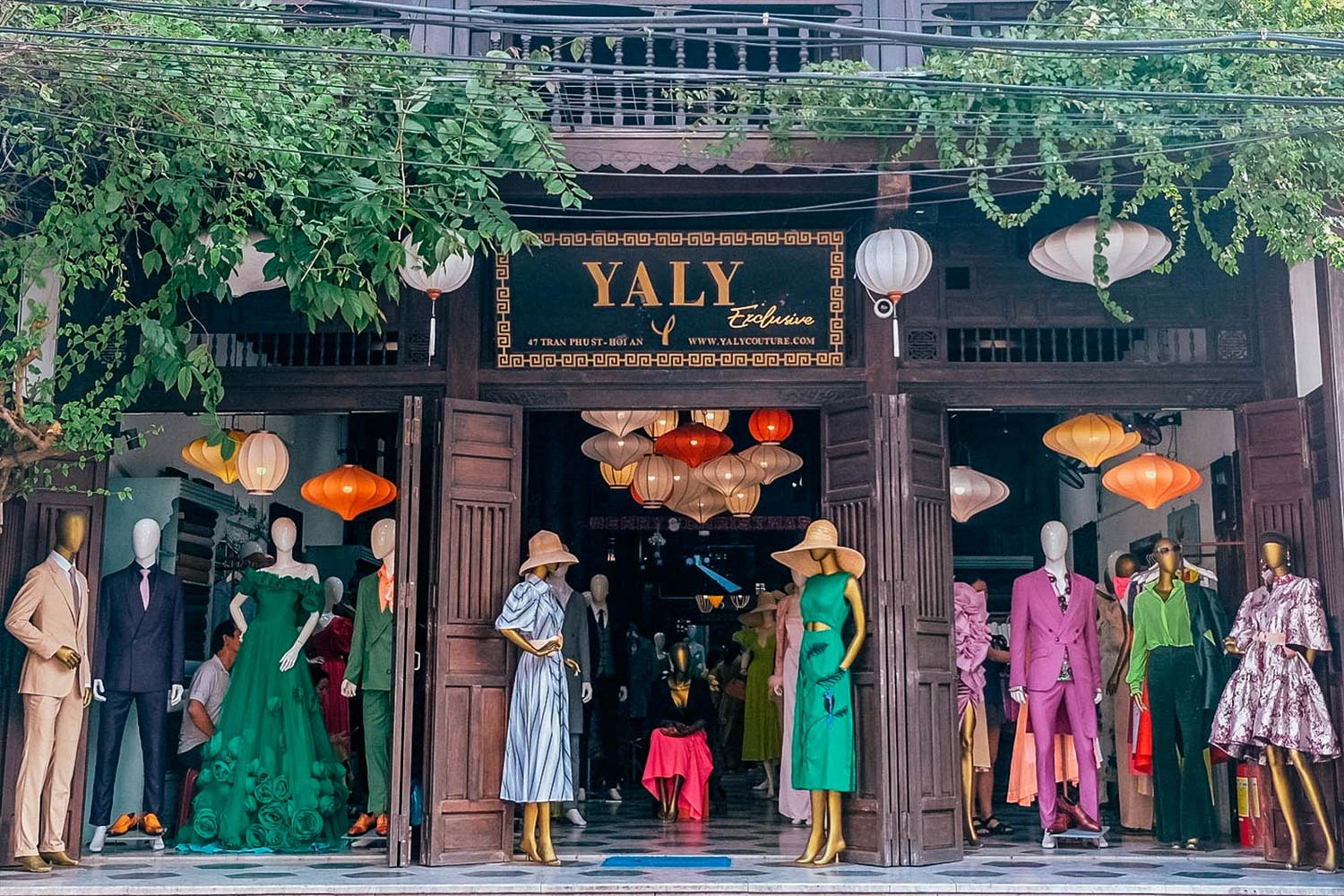
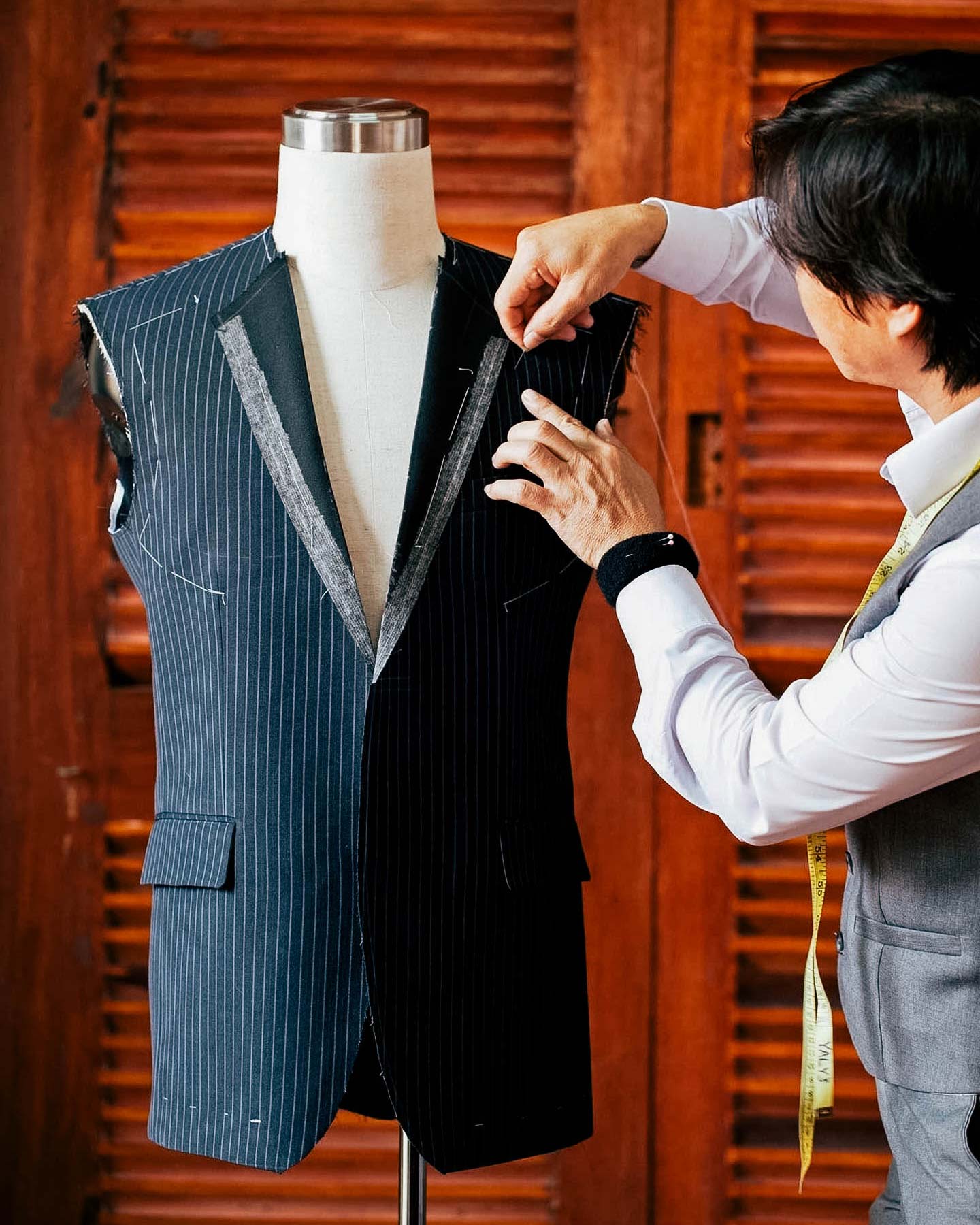
Hoi An may teem with tailors, but only a handful meet the standards travellers expect in a town synonymous with custom clothing. Yaly Couture is among the few that combine scale with genuine technical ability, supported by large workrooms, specialist teams and fabric inventories ranging from raw silk to cotton voile, chambray and brocade.
Travellers often arrive with references—a favourite dress in a bag, a photograph on a phone, a sketch drawn over coffee. Staff break these into workable patterns, flagging what will translate cleanly and what demands hand-finishing. At the main Nguyen Thai Hoc Street branch, the building mirrors the process: cutting below, fittings above.
The fittings come in waves. Clients cycle between appointments and Hoi An’s riverside cafés, returning for second, third or fourth adjustments as hems settle and seams refine.
Sartoria Ciccio, Tokyo
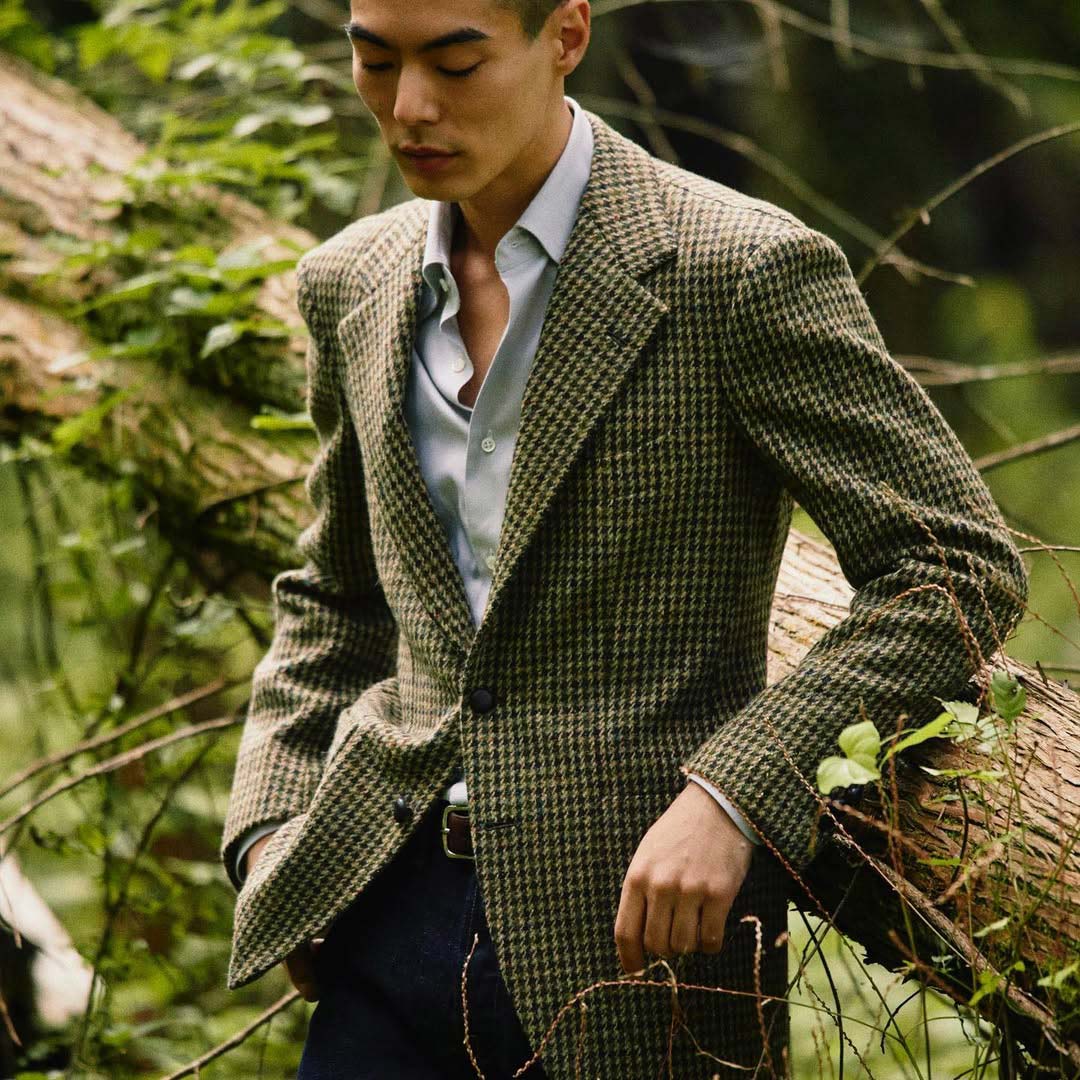
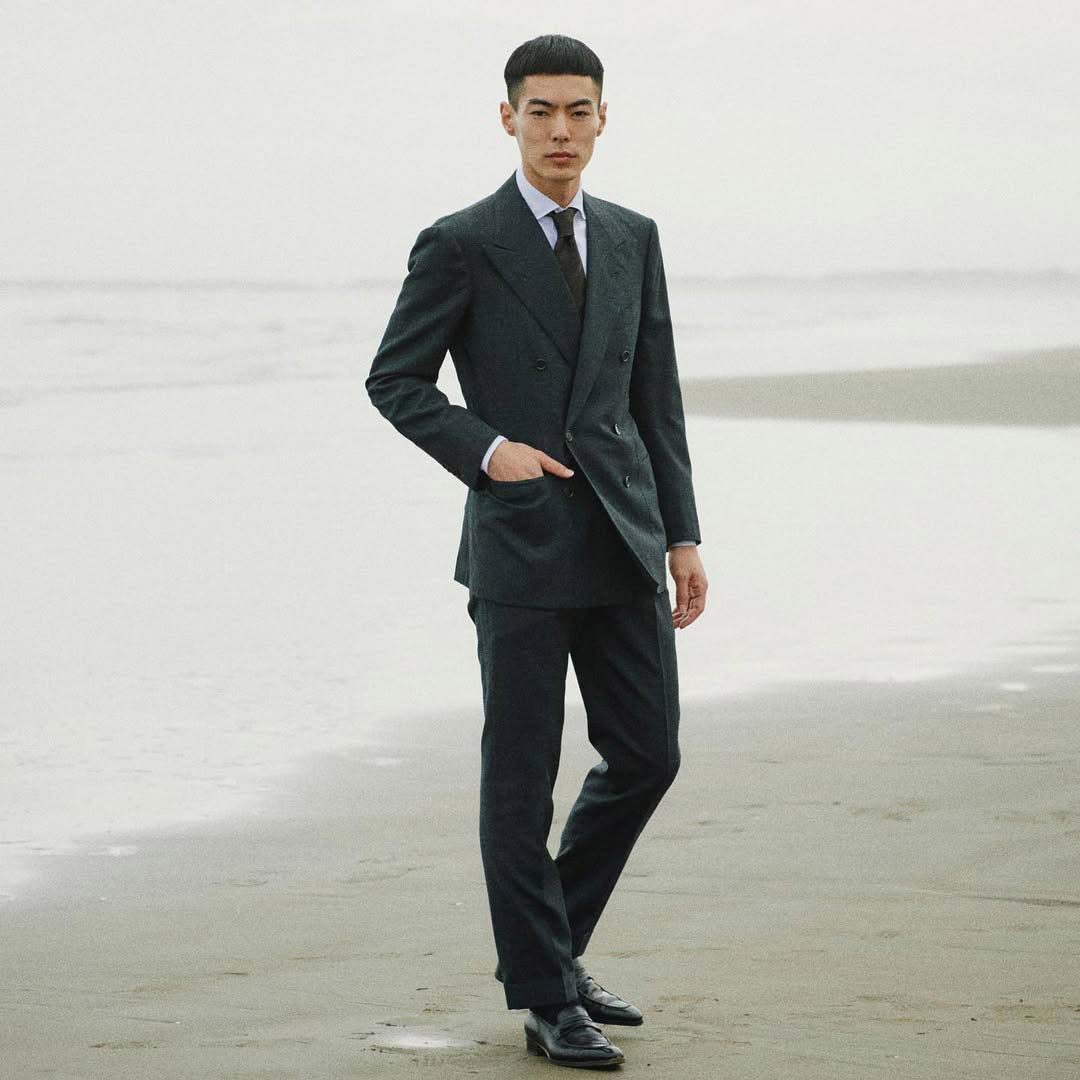
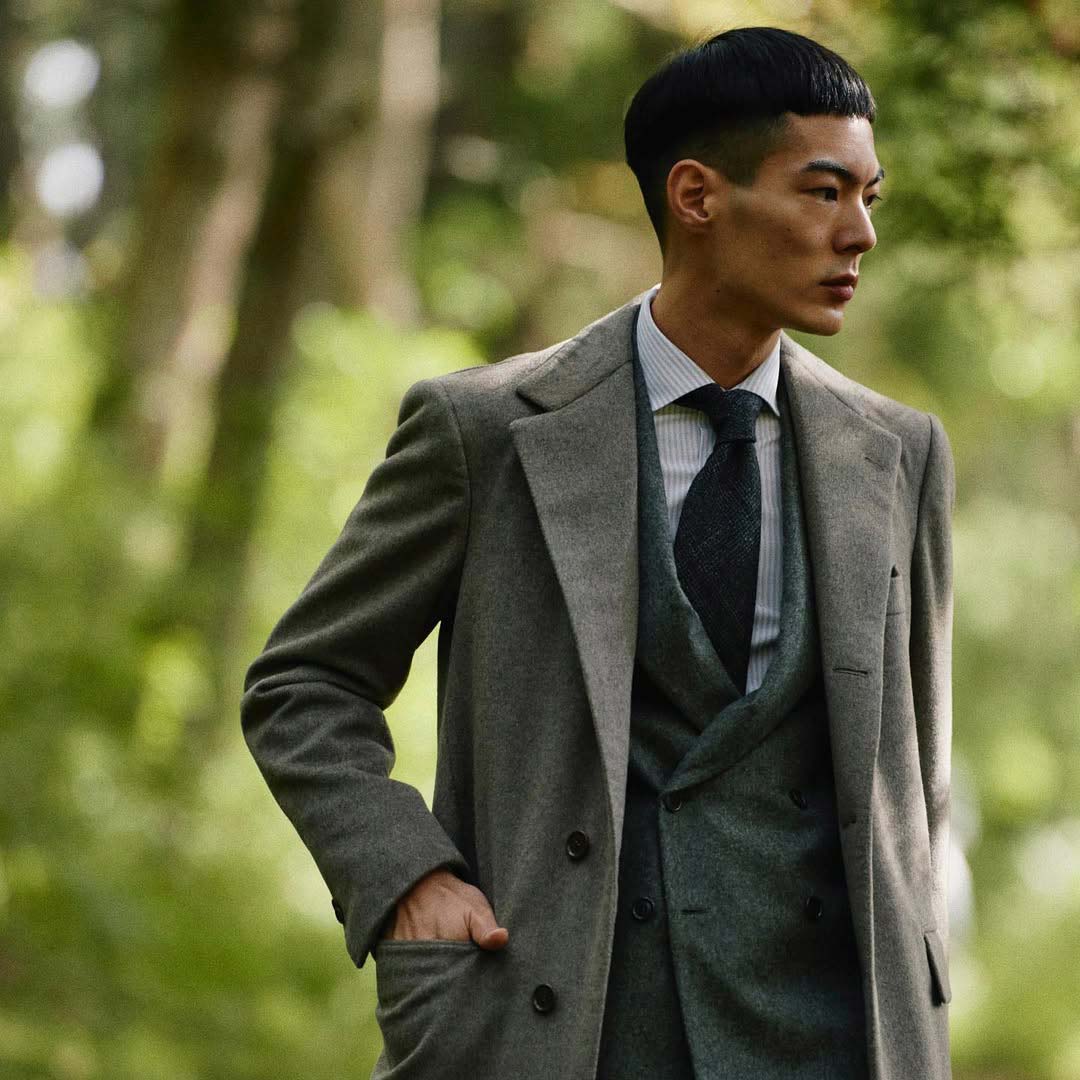
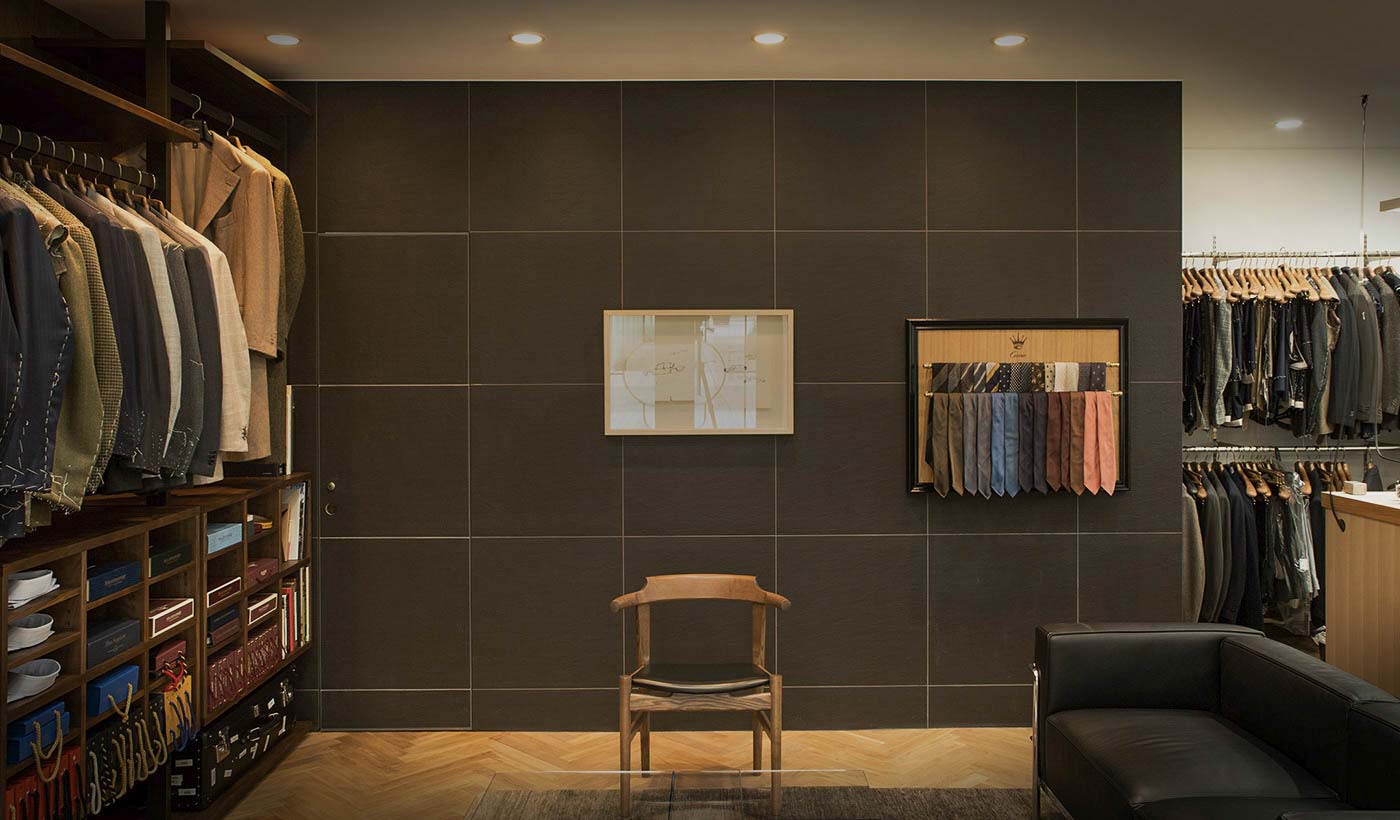
In Minami-Aoyama, Sartoria Ciccio operates at the opposite extreme. Noriyuki Ueki—trained in Naples under master tailor Antonio Pascariello—runs an atelier where annual output rarely exceeds a hundred suits. The waitlist can stretch to nine months, a result not of scarcity marketing but of Ueki’s insistence on hand-stitching and unhurried precision.
The Italian influence is clear in the soft shoulders and feather-light construction, yet the working philosophy is distinctly Japanese. Appointments unfold as Ueki studies how clients stand and move, considering how a garment should support their natural alignment. A bolt of English flannel might be unrolled across the table; a nearly finished jacket held at the seam for a final check of balance.
And then there is the pace. Cuts evolve over several fittings. Hand-worked details accumulate slowly. Ueki treats the work with quiet seriousness, refining each stage until it meets his internal standard rather than the clock’s.
For travellers seeking an entry point into Japan’s culture of meticulous, handmade craft, Ciccio offers a rare convergence: Neapolitan softness shaped by Tokyo discipline.