
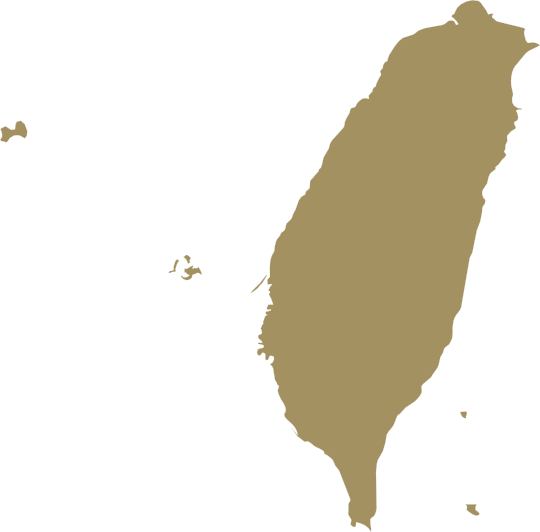

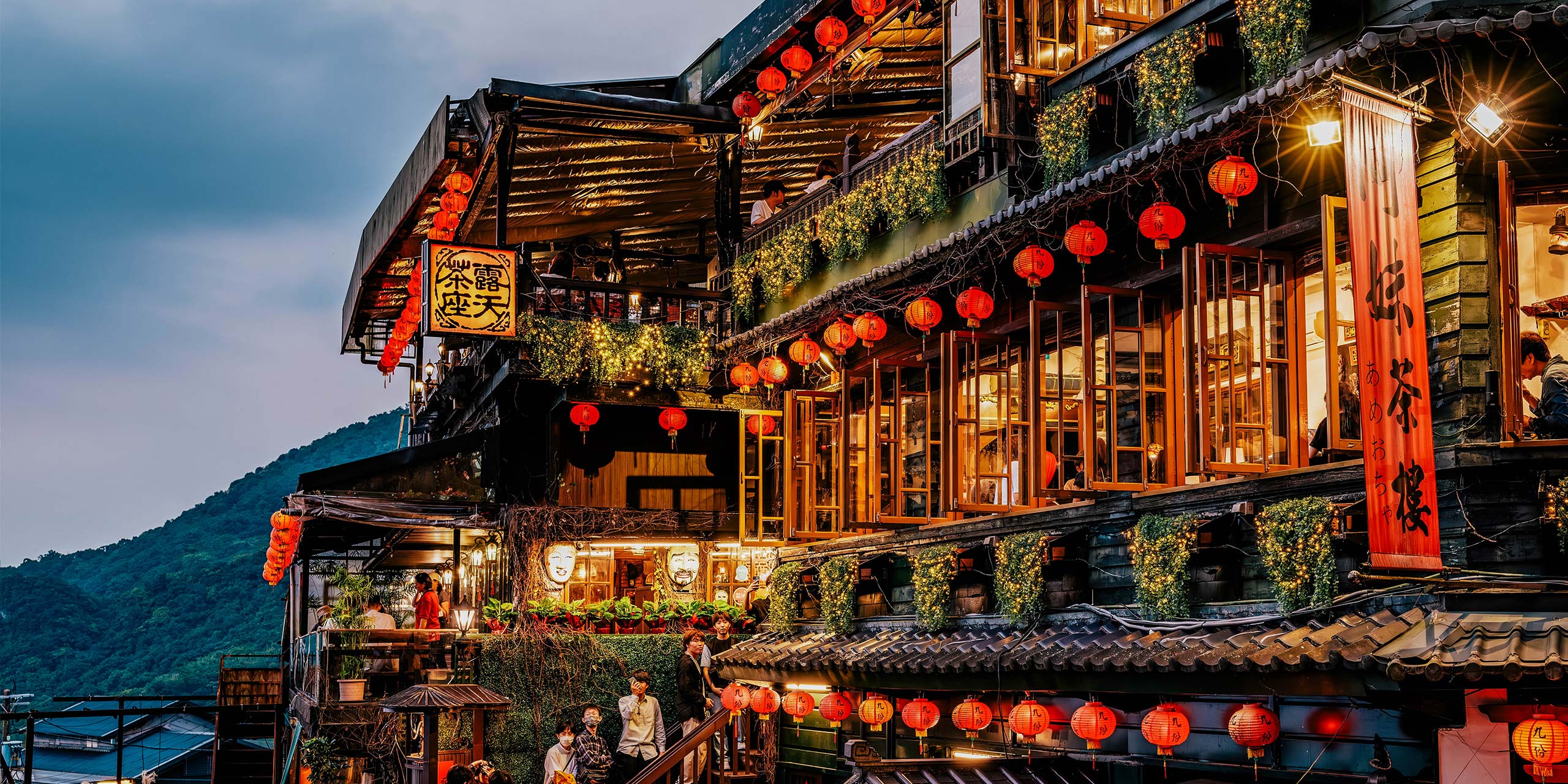
Japanese demons haunt a curious Taiwanese hillside town born of supernatural wood, boomed during a gold rush, and today plays host to magical pigs and Instagrammers. Every day thousands of tourists thread their way through Jiufen, one of Taiwan’s most photogenic and enigmatic destinations.
Fittingly, Jiufen’s cinematic setting matches its dramatic backstory. A maze of steep, narrow alleys and staircases — lined with heritage buildings that blend Chinese and Japanese influences — tumbles down a hillside overlooking the East China Sea, about 30km from Taipei, on the island’s northeast coast.
Taiwan’s capital city may be defined by its ultramodern skyline, with soaring high-rises crowned by Taipei 101 — the world’s 11th tallest building, at 508m — but Jiufen feels like a relic from a different time and realm. That stark contrast goes a long way to explaining its surge in popularity among locals and foreigners.
Embedded in its architecture and ornamentation are cryptic clues to Jiufen’s relationship with the supernatural. Look skyward, and you’ll notice ceramic creatures perched on rooftops — eerie yet elegant. These are Onigawara, decorative tiles featuring fearsome faces, long used in Japanese religious and domestic architecture to ward off evil.
Each is carved to resemble an Oni, a horned ogre from Japanese folklore, known for razor-sharp teeth and supernatural strength. Traditionally stationed atop temples and shrines, these ogres are believed to offer spiritual protection against malevolent forces — particularly Onryo, vengeful ghosts feared for their ability to wreak havoc from beyond the grave.
This underworld of demons and spirits also shaped the story of Spirited Away, the Oscar-winning anime that helped catapult Jiufen into international consciousness. Often considered one of the greatest animated films of all time, Spirited Away follows a young girl who must rescue her parents after they are transformed into pigs in a surreal theme park world. The film’s fantastical village setting was directly inspired by the dreamy, lantern-lit ambiance of Jiufen.
When the film debuted in 2001, Jiufen was a sleepy mountain village, known only to a trickle of domestic tourists. But soon, waves of anime fans began to arrive, followed by mainstream travellers drawn by the film’s magic — and the village’s real-life charm.
Yet Jiufen’s mystical legacy predates both Japanese rule and Studio Ghibli. The town began to thrive in the mid-1800s due to camphor production. The name “Jiufen” — which means “nine portions” — refers to the nine households that once lived there, and the nine stoves once used to distil camphor oil.
Camphor itself, while mundane today, was once believed to possess otherworldly properties. In ancient Taiwan, China, and India, it was burned to cleanse spaces of evil energy and disease and to facilitate communion with the divine. In India, it remains an integral part of aarti rituals, while in historical Chinese medicine, camphor smoke was considered a potent disinfectant, effective against outbreaks like the bubonic plague.
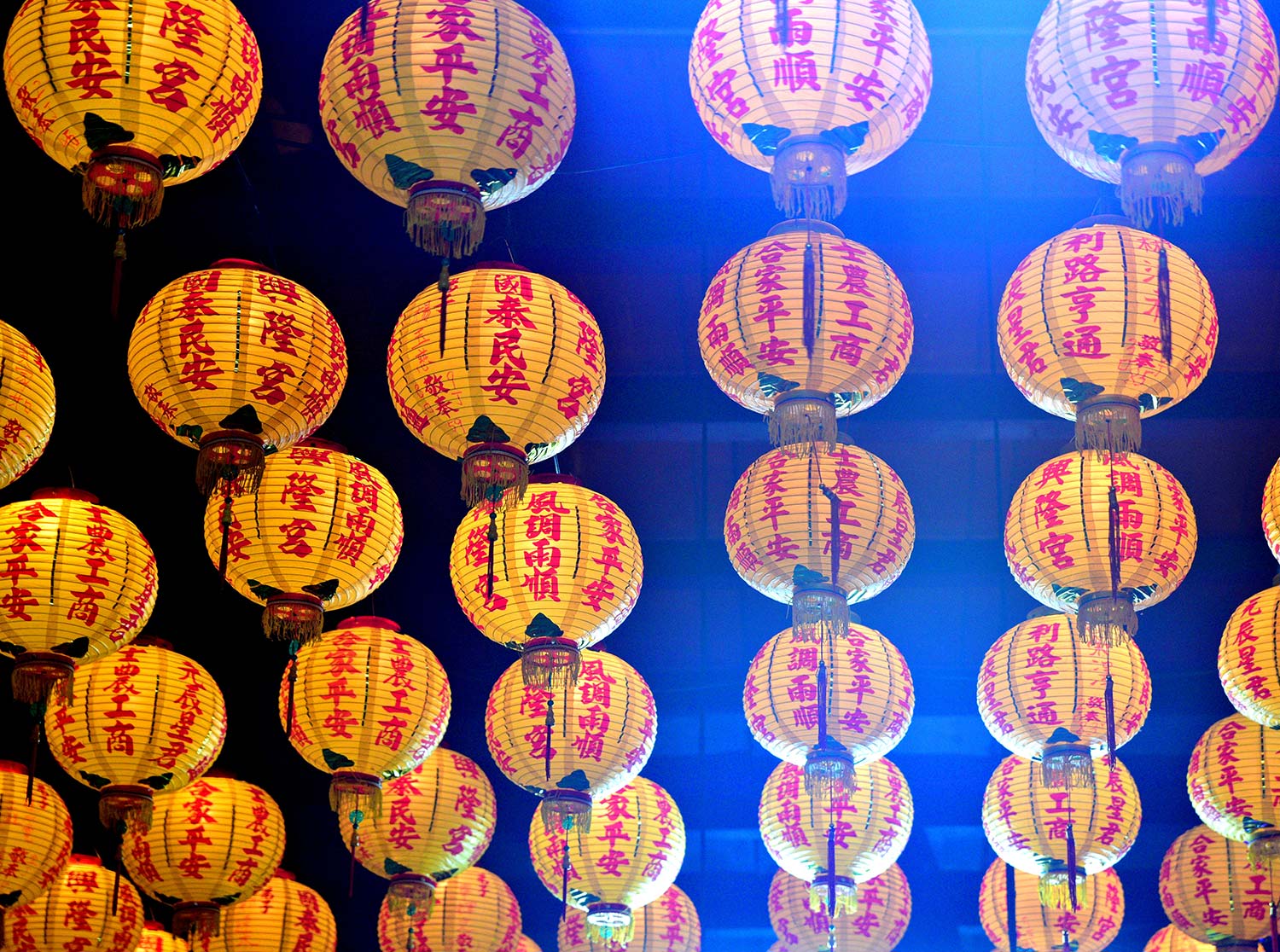
Then, in 1890, gold was discovered in the hills above Jiufen. Word spread like wildfire, attracting a surge of miners, mostly from mainland China. When Japan began its 50-year occupation of Taiwan in 1895, it swiftly took over the gold mines, investing heavily in Jiufen’s infrastructure. Many of the town’s distinctive features — from its woodwork and tiling to the Onigawara — date from this colonial period. At night, these details come alive under the glow of hundreds of Chinese lanterns, lending the village an ethereal glow.
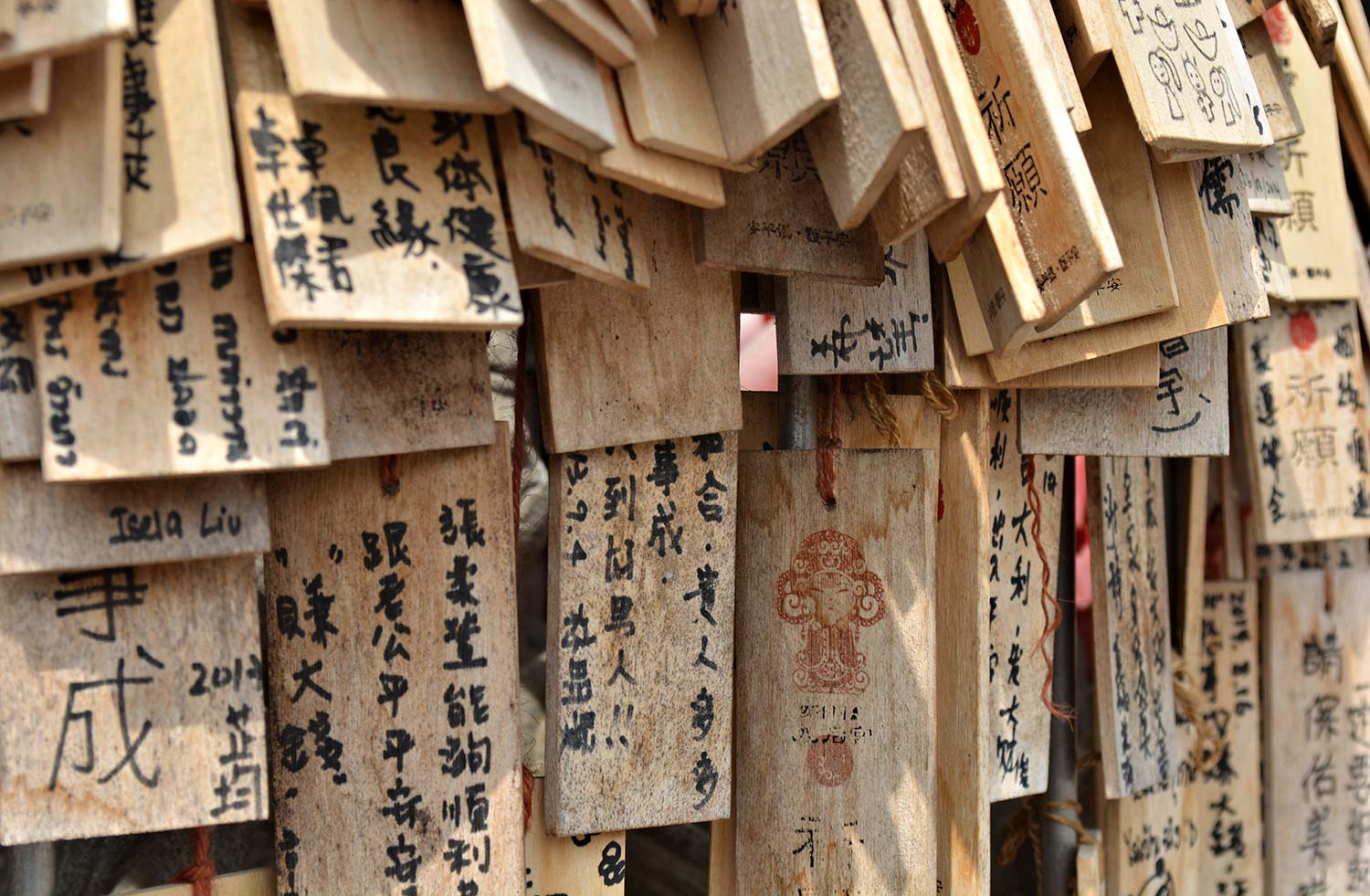
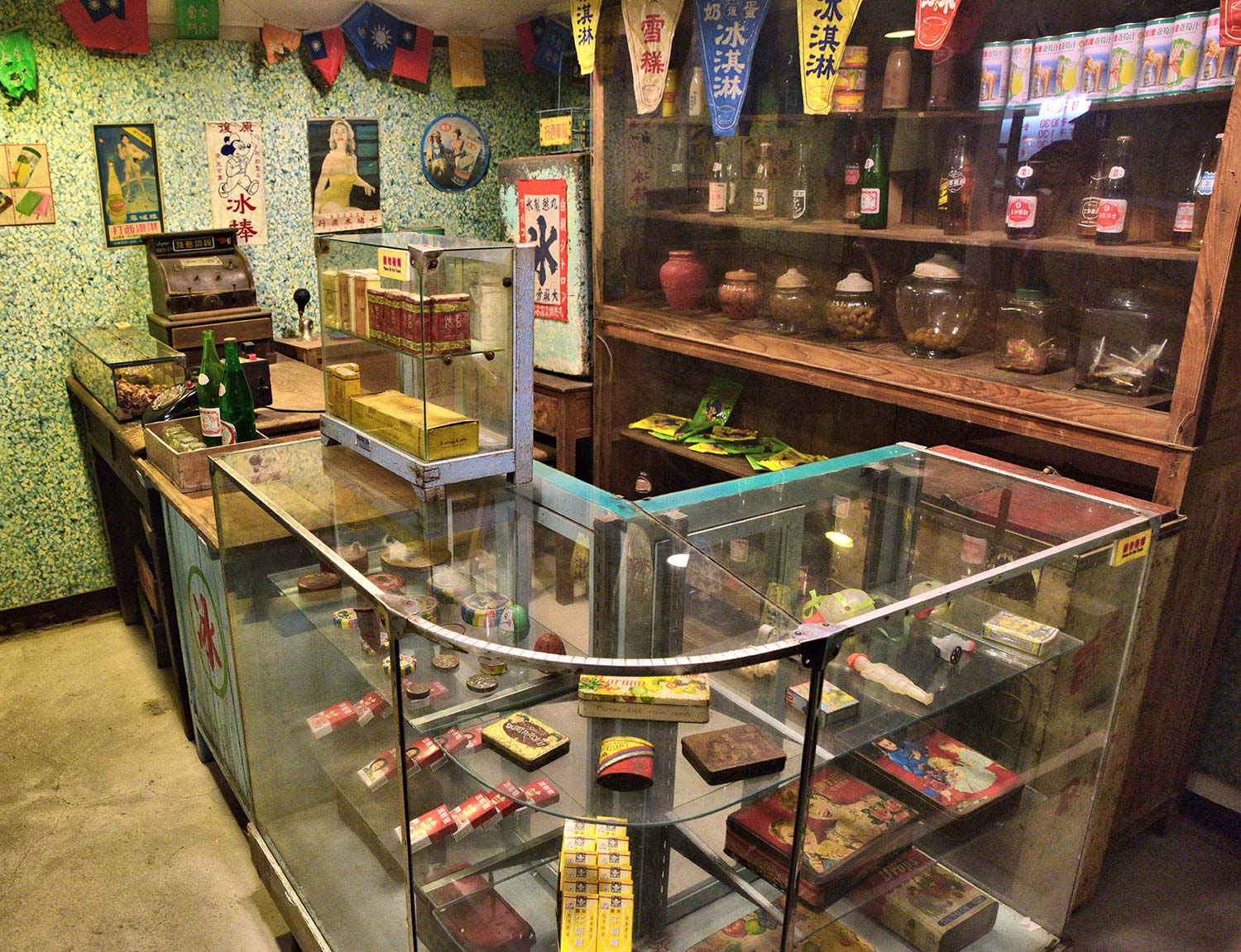
Today, Jiufen is a place of pilgrimage — not for gold or camphor, but for nostalgia, scenery, and selfies. It doesn’t have a singular, show-stopping attraction. Instead, visitors come to bask in the atmosphere: a harmonious blend of old-world aesthetics, sea breezes, and storybook scenery.
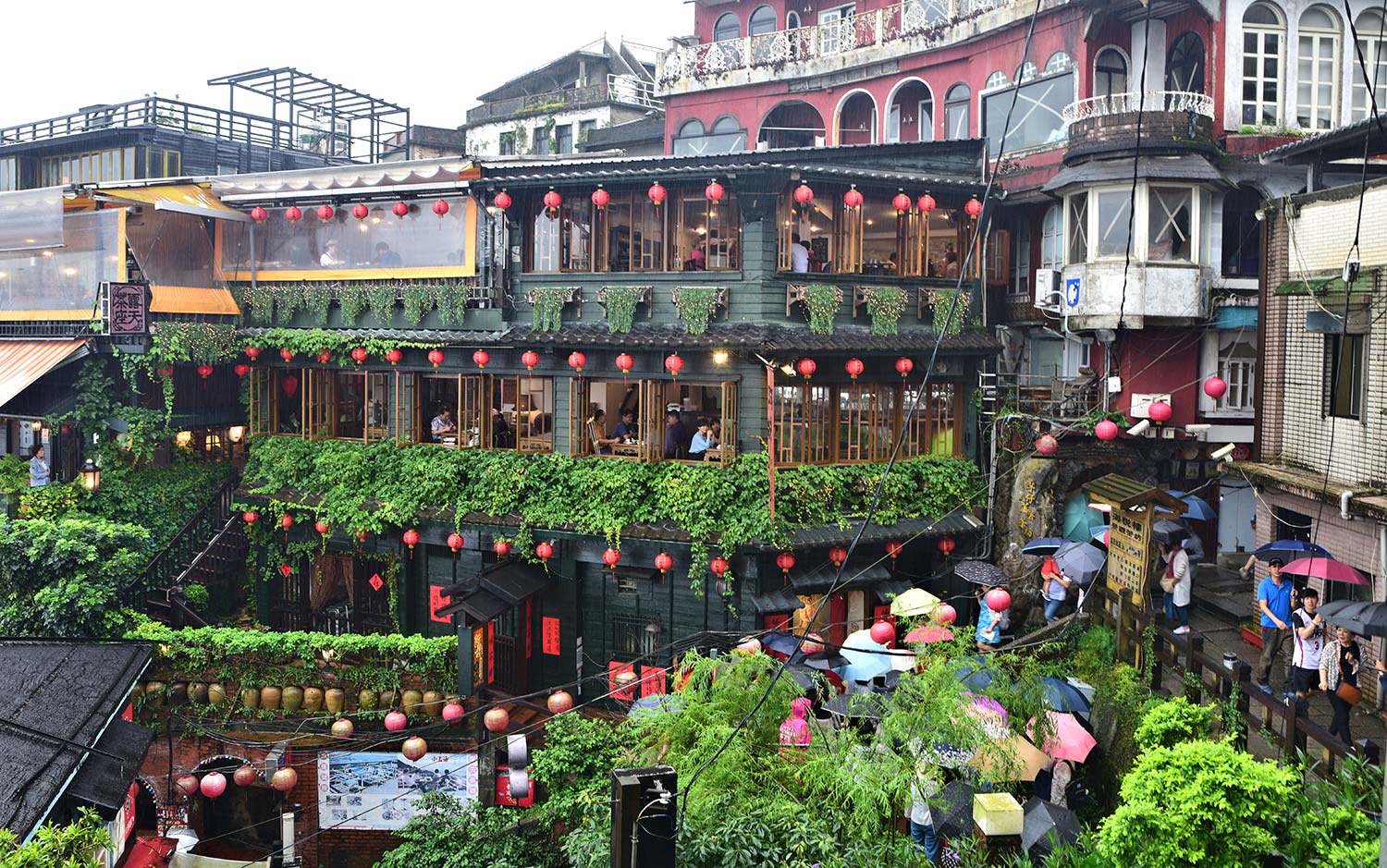
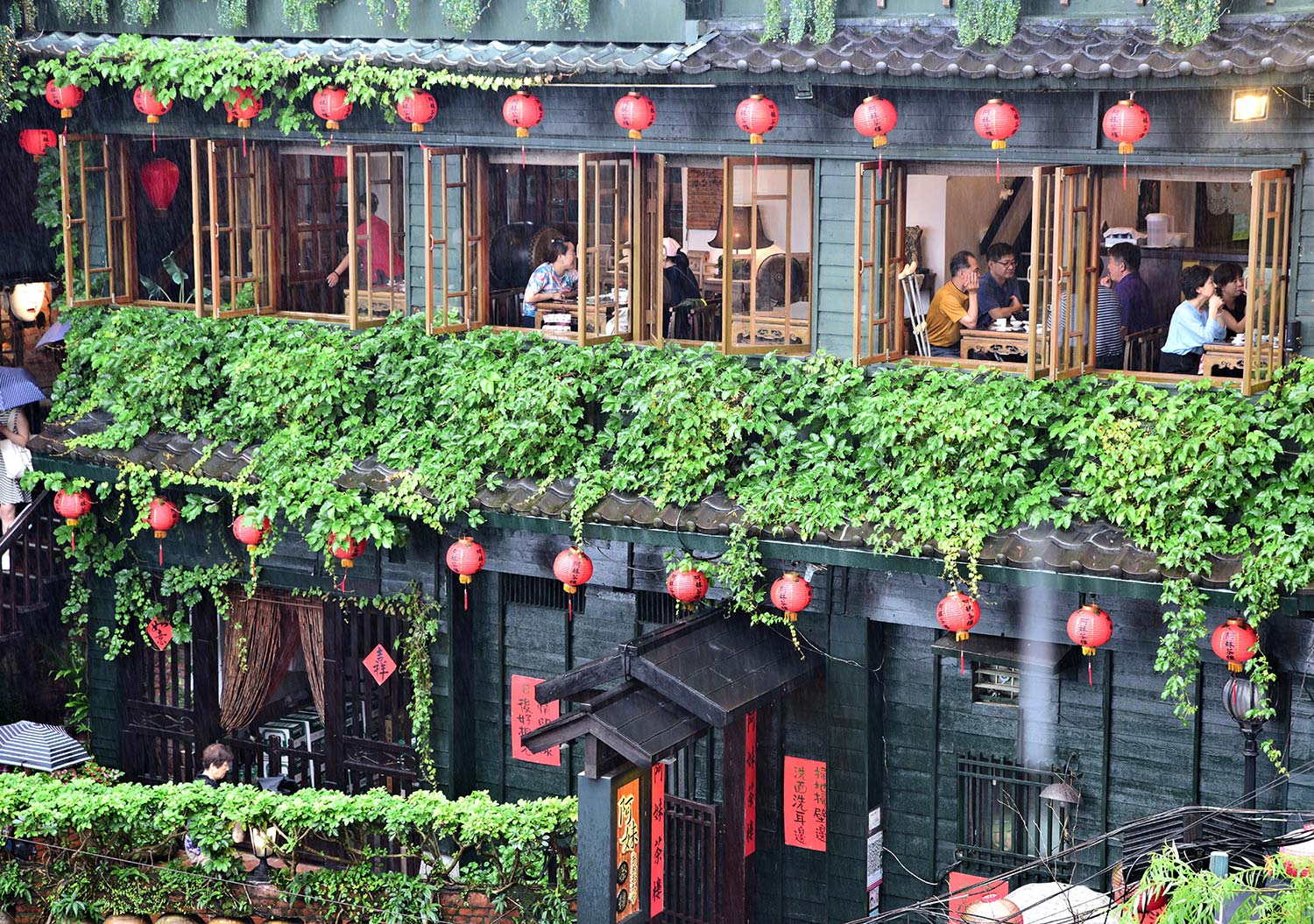
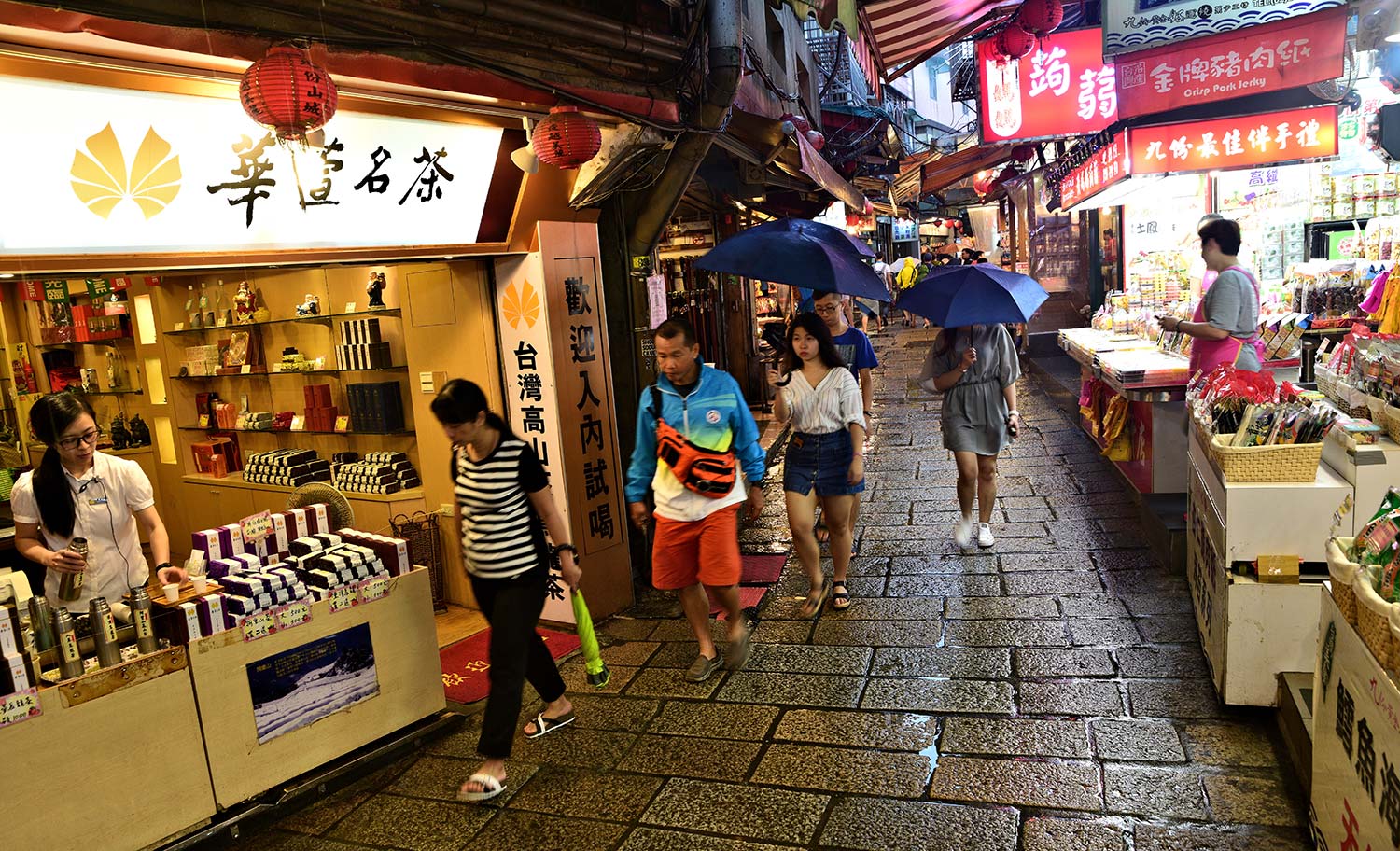
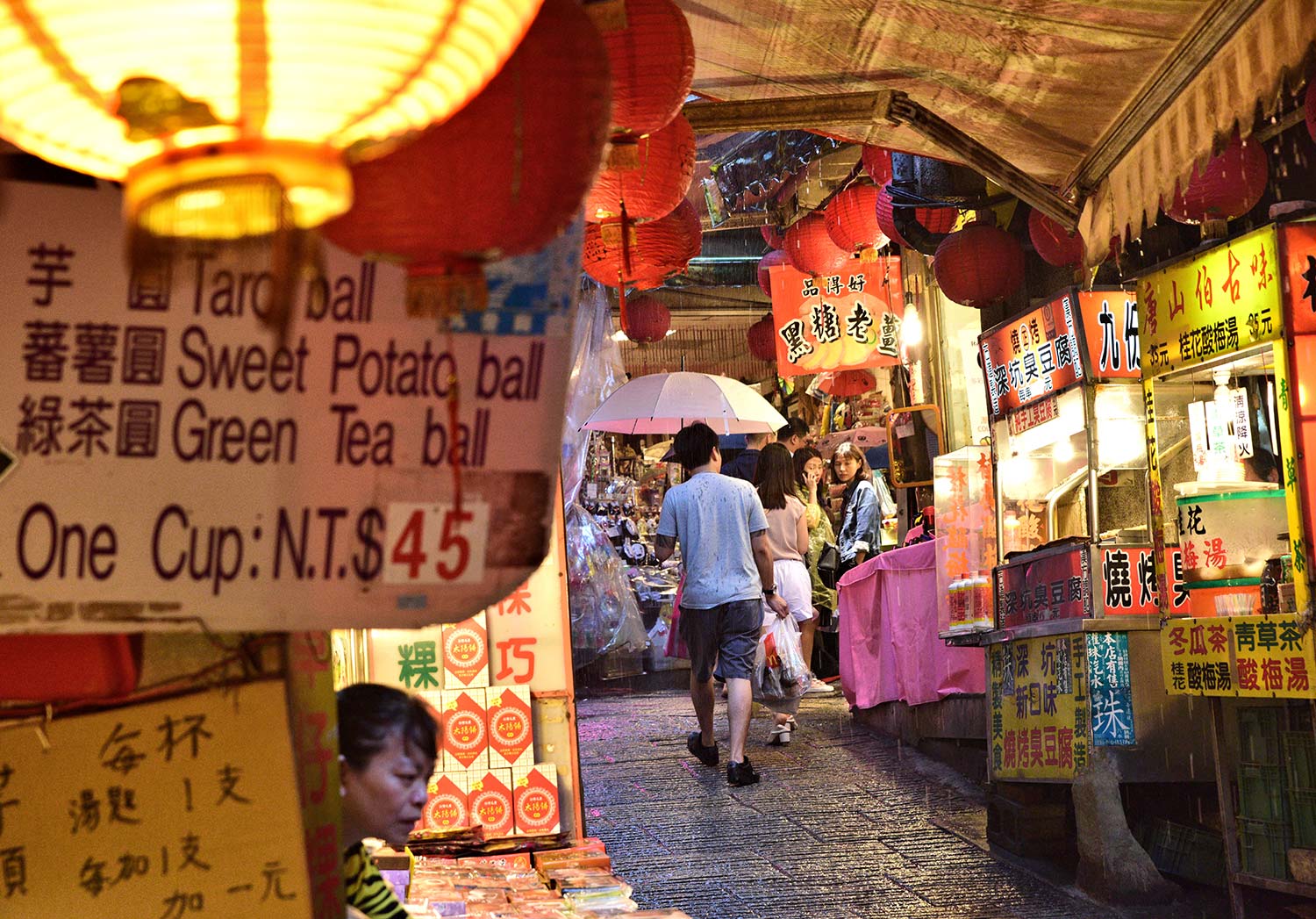
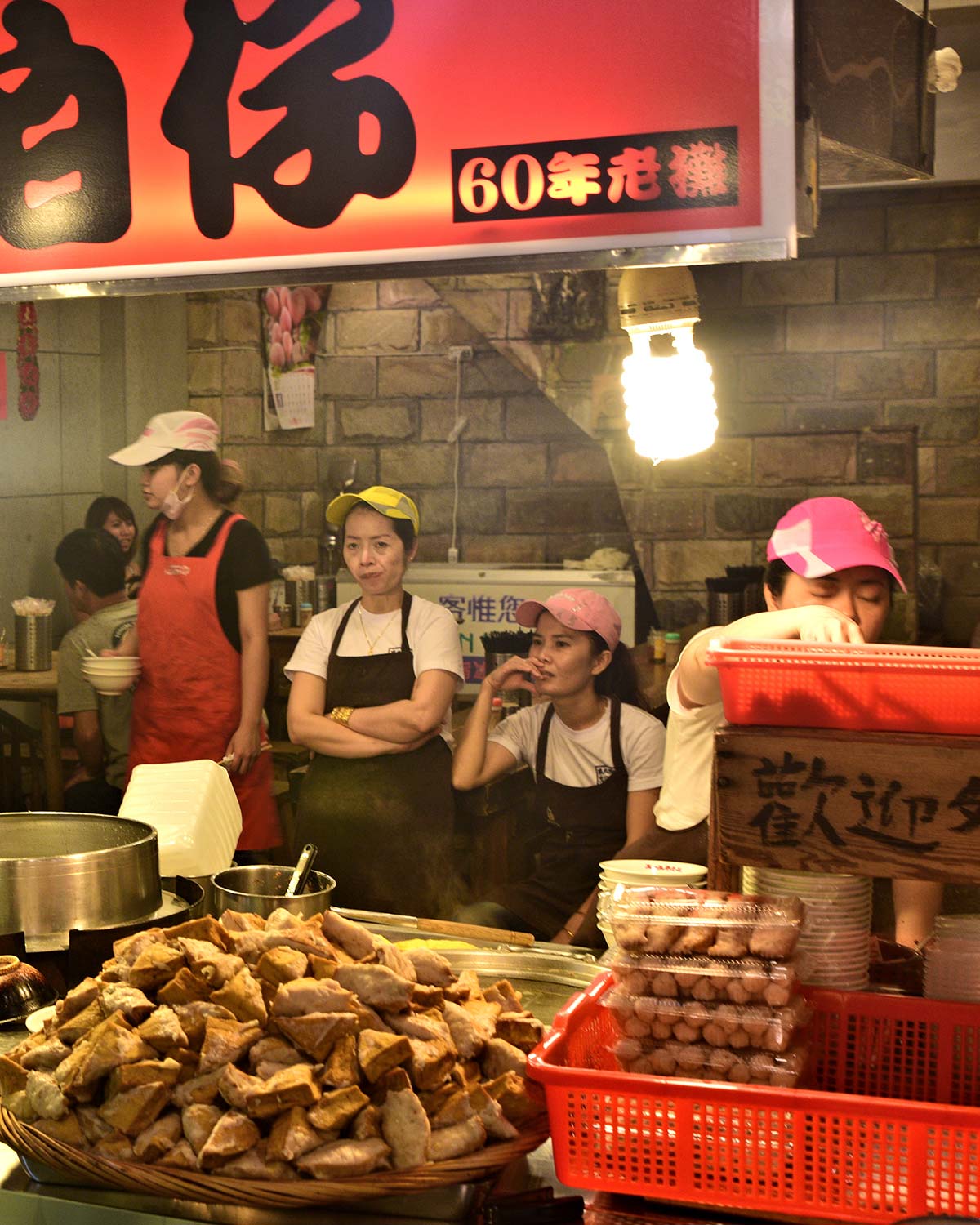
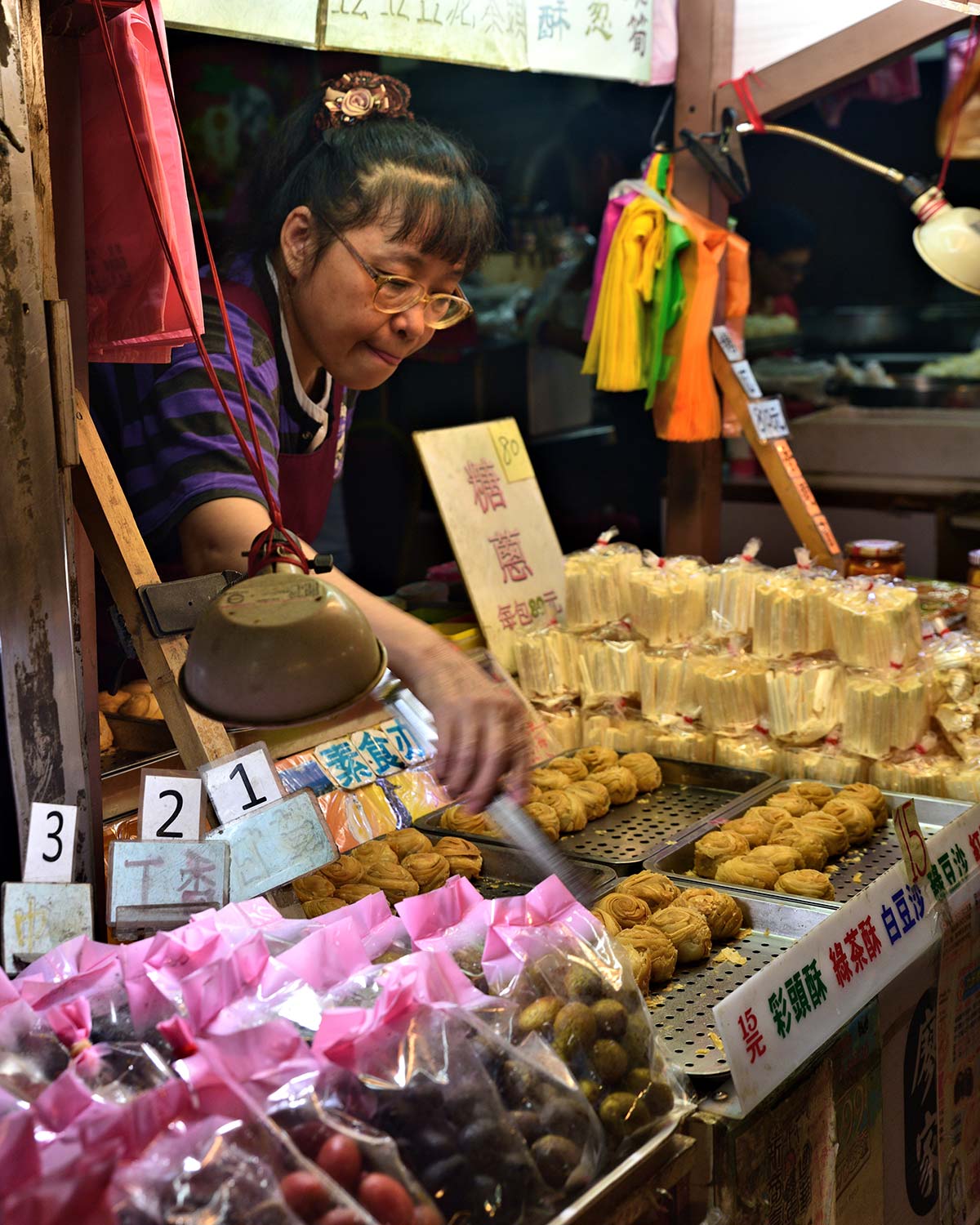
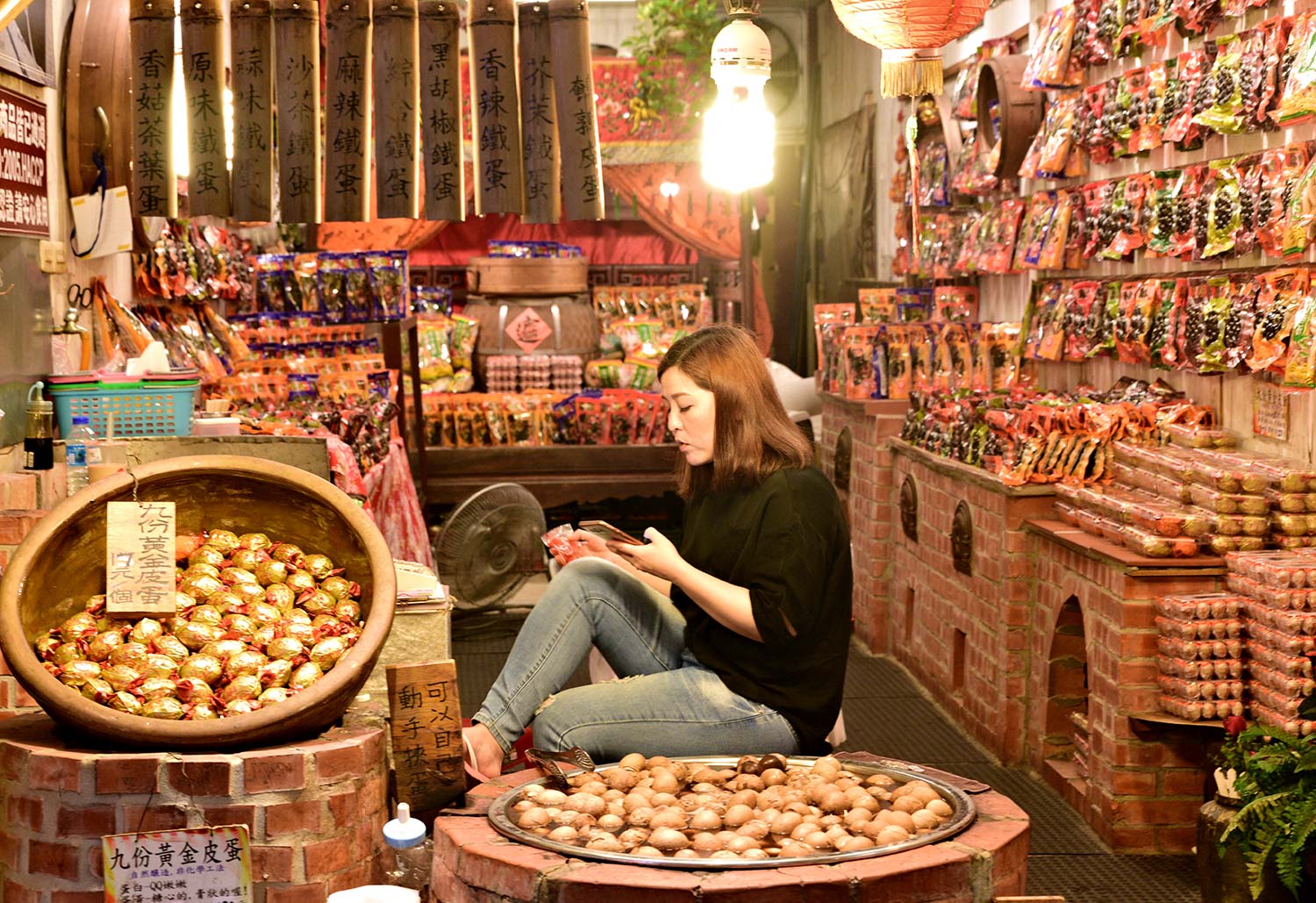
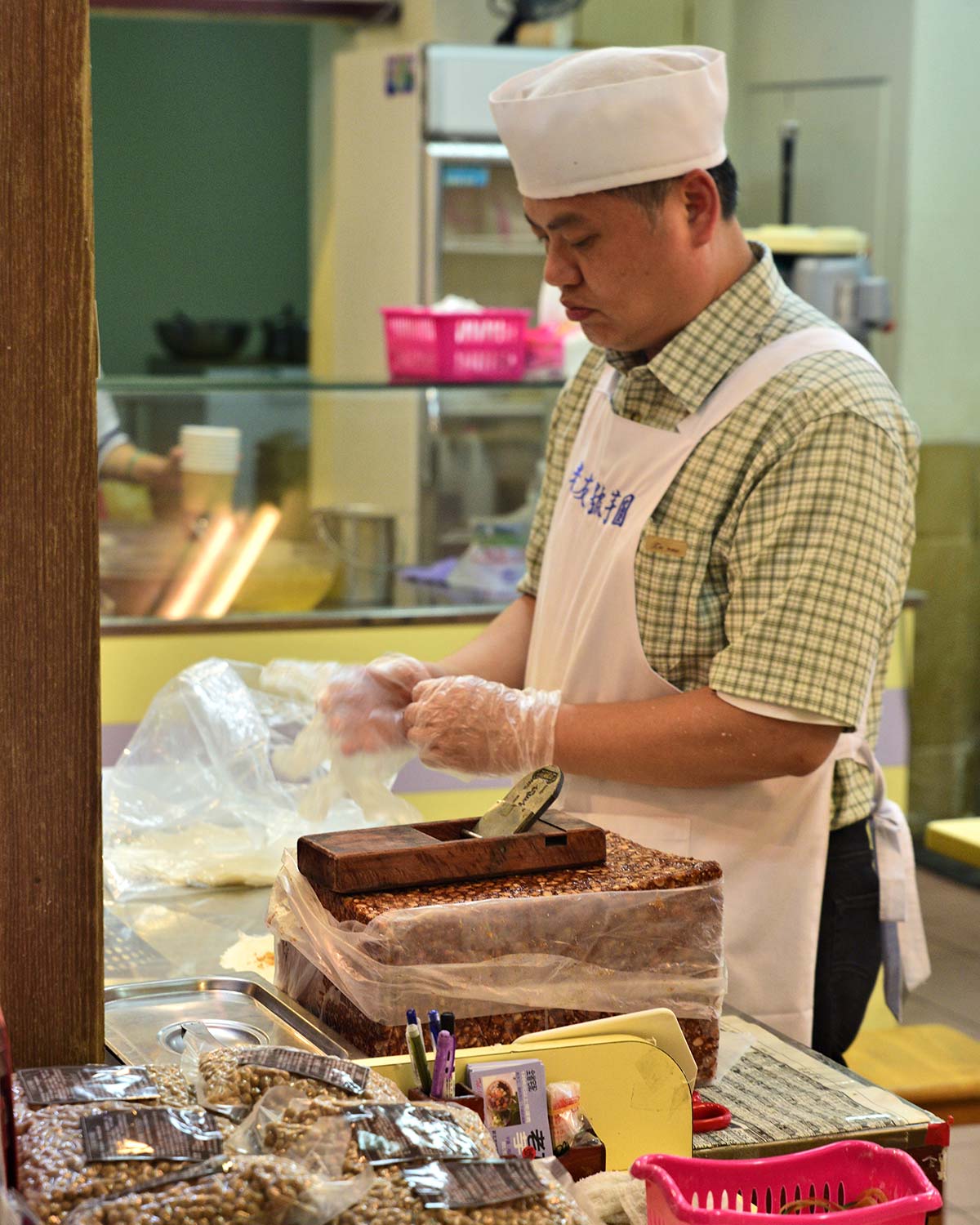
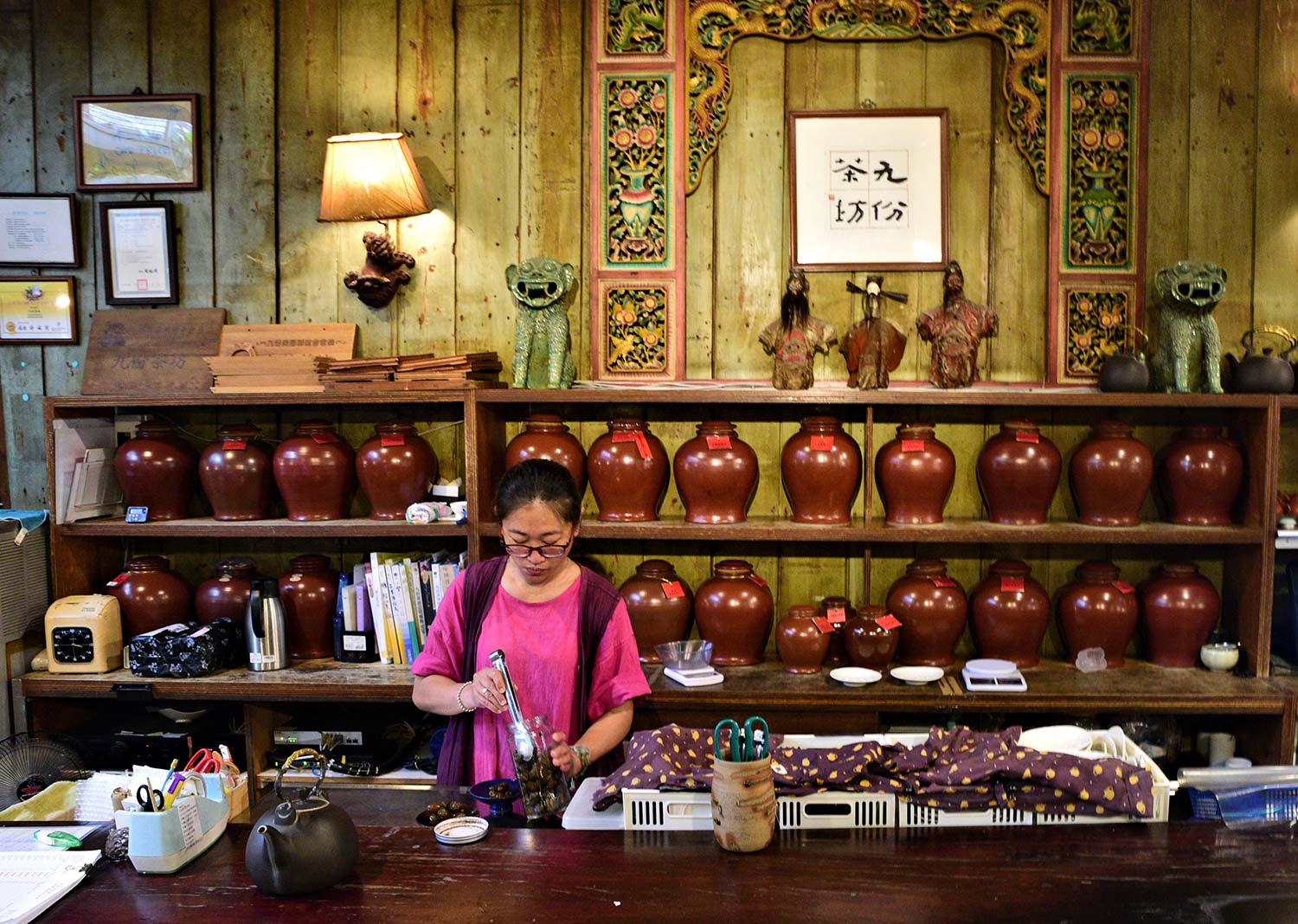
Winding lanes lead to quirky teahouses, cozy boutique hotels, and family-run eateries. Local favourites include taro ball soup, xiao long bao dumplings, and bowls of braised pork rice — dishes that are as comforting as they are photogenic.
These meals are best enjoyed with a cup of Taiwan’s beloved bubble tea or a steaming mug of locally brewed coffee. Interestingly, Taiwan’s coffee culture, now booming, traces its roots back to the Japanese colonial era, when coffee plantations were introduced across the island.
All this unfolds beneath the ever-watchful gaze of ceramic ogres, whose menacing expressions once reflected imperial power but now serve as cultural curiosities — emblems of Jiufen’s strange and layered past. A town born of mystical wood, enriched by gold, elevated by cinema, and preserved as a charming escape from the steel-and-glass modernity of Taipei.