


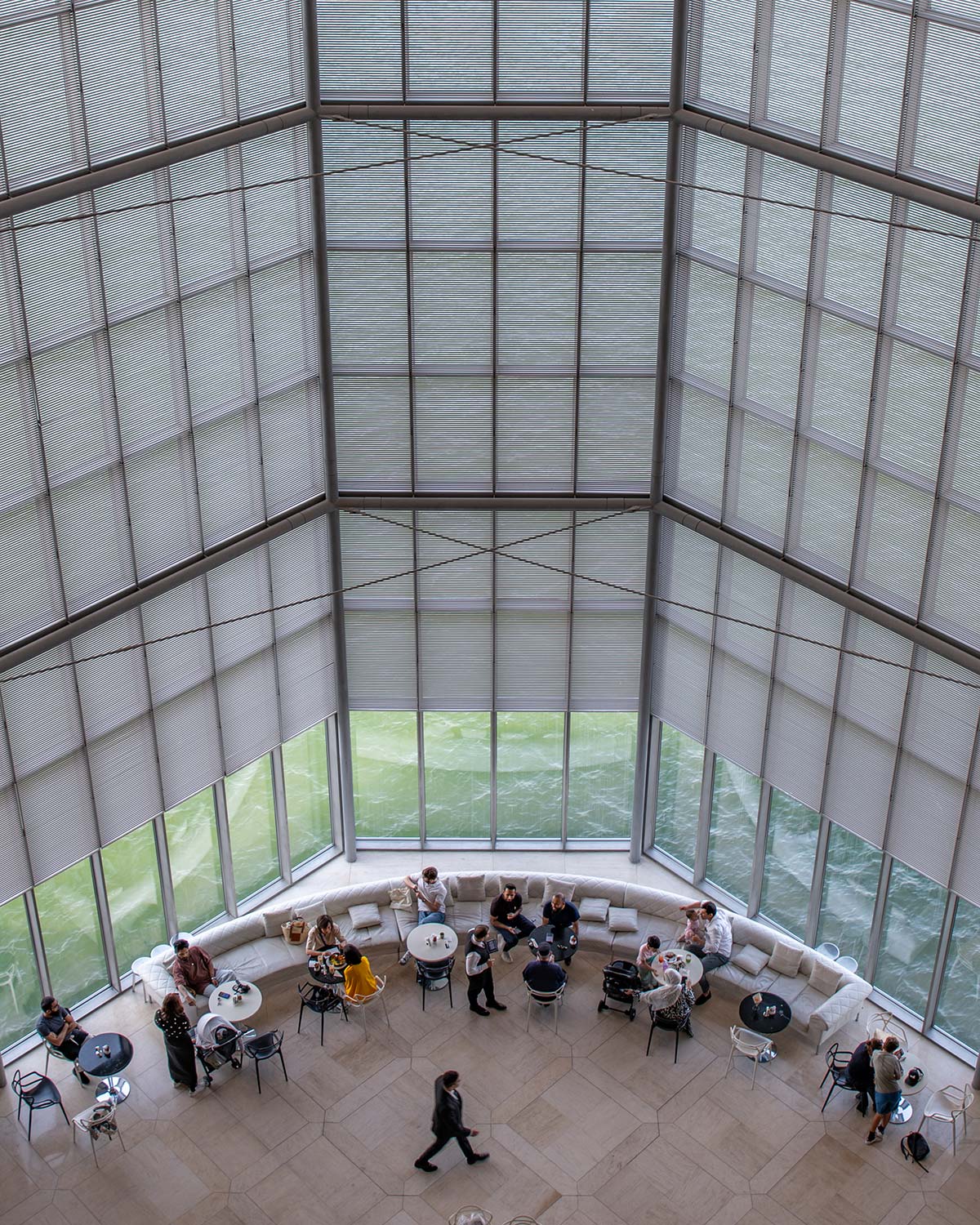
Sat in an armchair, cradling a cup of Qatari karak tea, I peer out of an astonishingly tall window. It stretches 45m towards the ceiling, from which dangles a colossal chandelier. Through those vast panes of glass at Doha’s Museum of Islamic Art is a panoramic vista of the forest of skyscrapers, upmarket hotels and luxury condos that dominate West Bay, the city’s glimmering financial district.
That setting is how most tourists perceive Doha, which is marketed as an uber-modern metropolis, much like nearby travel hub Dubai. Visitors land in the Qatari capital expecting, and hoping, to witness cutting-edge attractions. Disappointment is not an issue faced by many. Because, as advertised, Doha is laden with avant-garde architecture, most of which has only sprouted in the past 20 years.
Almost 100 skyscrapers now populate its skyline, including iconic constructions such as the cigar-shaped Doha Tower and the 300m-tall Aspire Tower, which resembles a torch. Yet each is eclipsed by a building that celebrates not Qatar’s prosperous future, but rather its past.
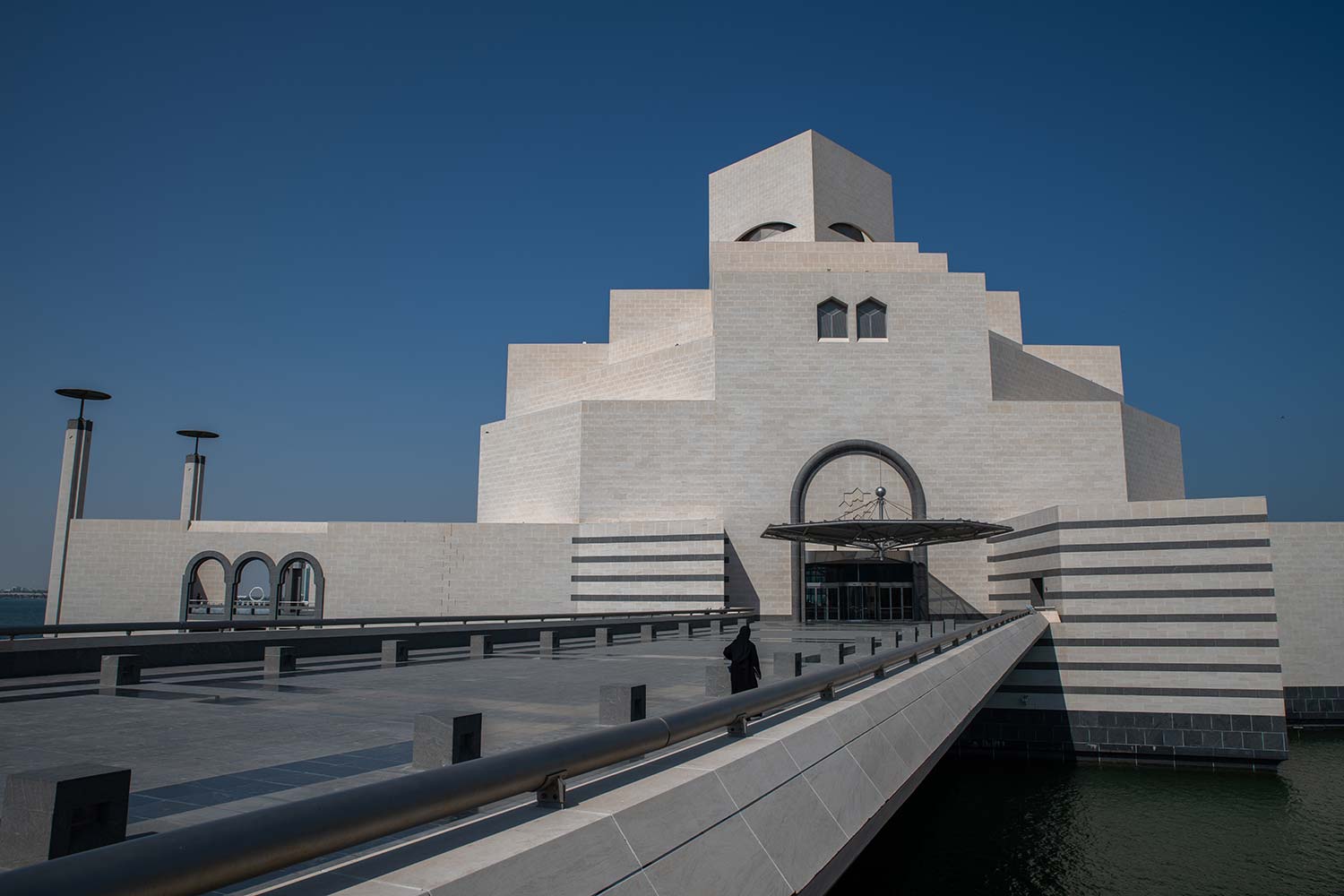
The Museum of Islamic Art is as magnificent as its collection of ancient artworks and artefacts. From the outside, this five-storey structure resembles a neat stack of cubes, with a boxy silhouette reminiscent of perhaps the most sacred structure in the Islamic world: the Kaaba shrine in Mecca, Saudi Arabia. Muslims face this shrine while performing their five daily prayers and are encouraged to visit it at least once, as prescribed by the Holy Qur’an.
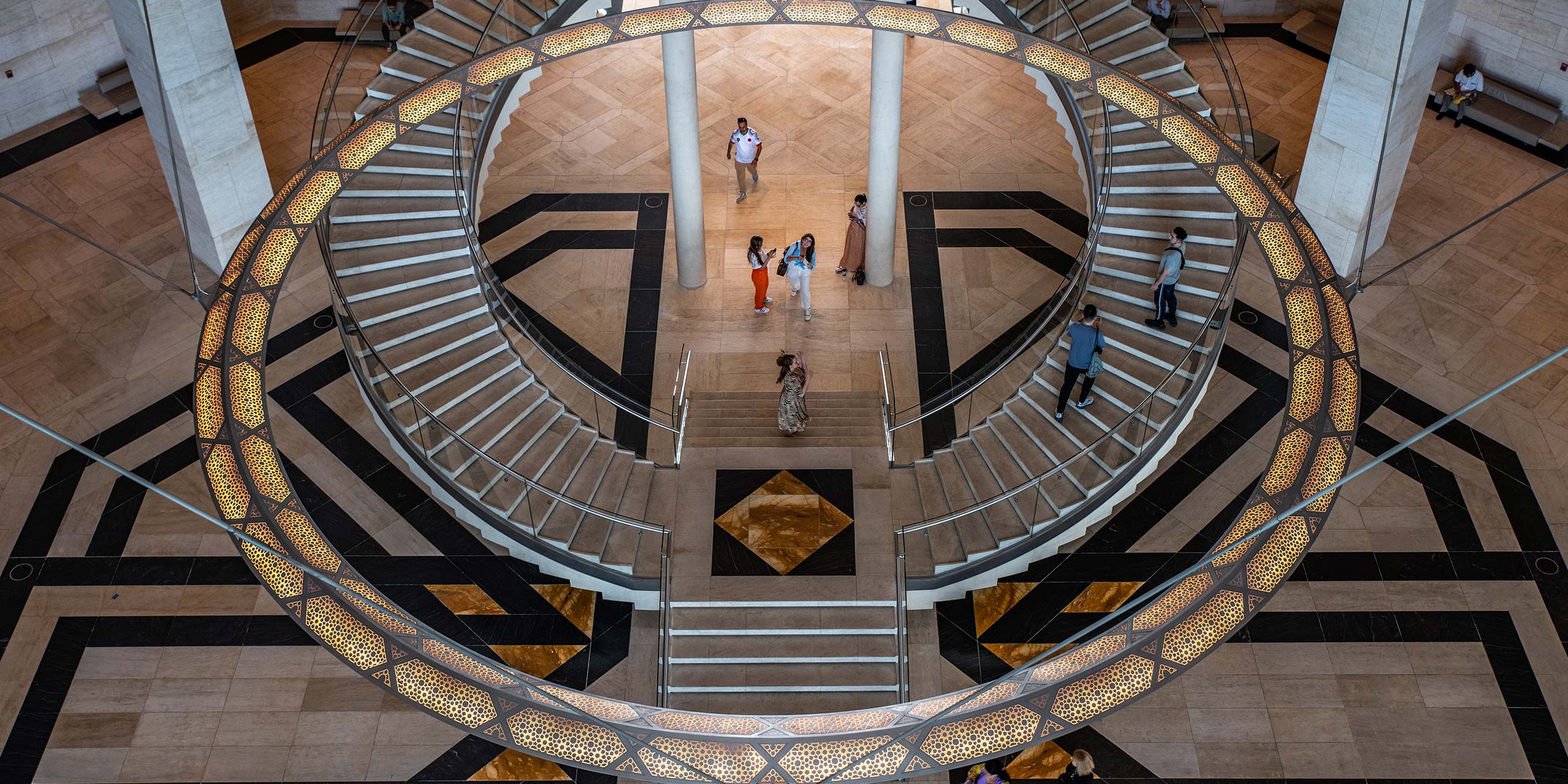
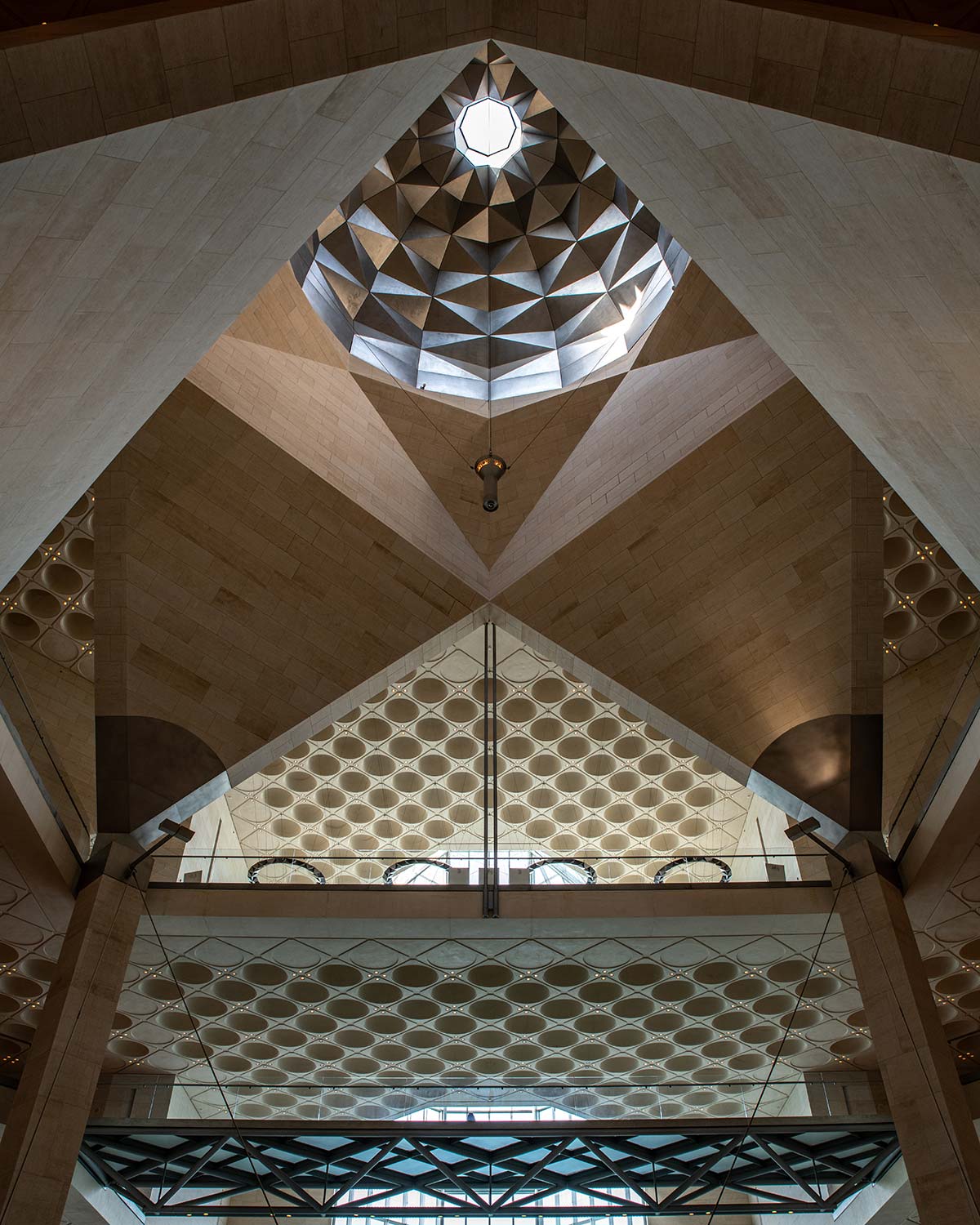
The museum’s interior, meanwhile, is equally impressive. Islamic calligraphy and motifs are embedded into modern design features such as its giant, curved double staircase, towering atrium and the mesmerising oculus of its domed ceiling. Ascending that staircase leads visitors to the museum’s dozen galleries.
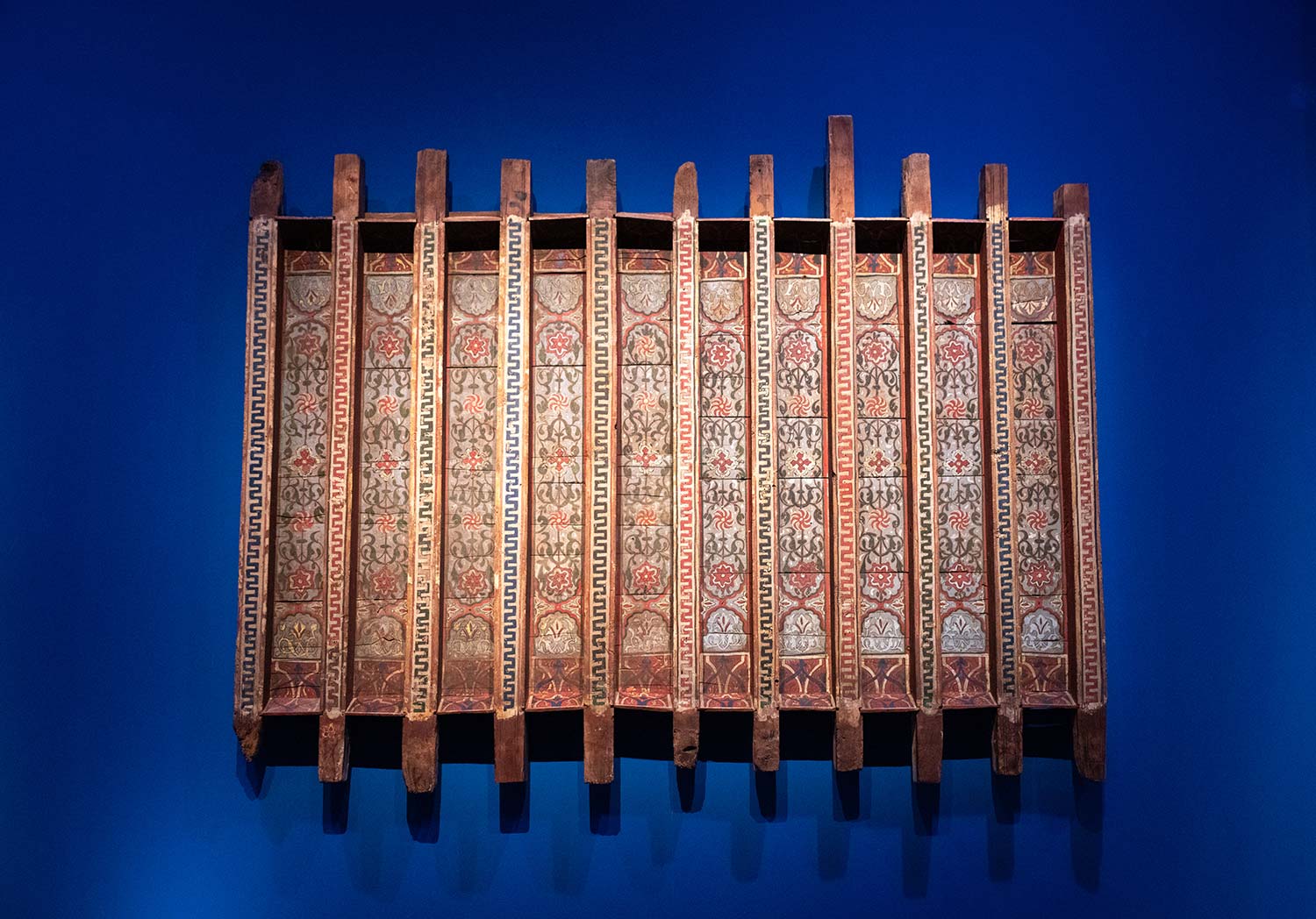
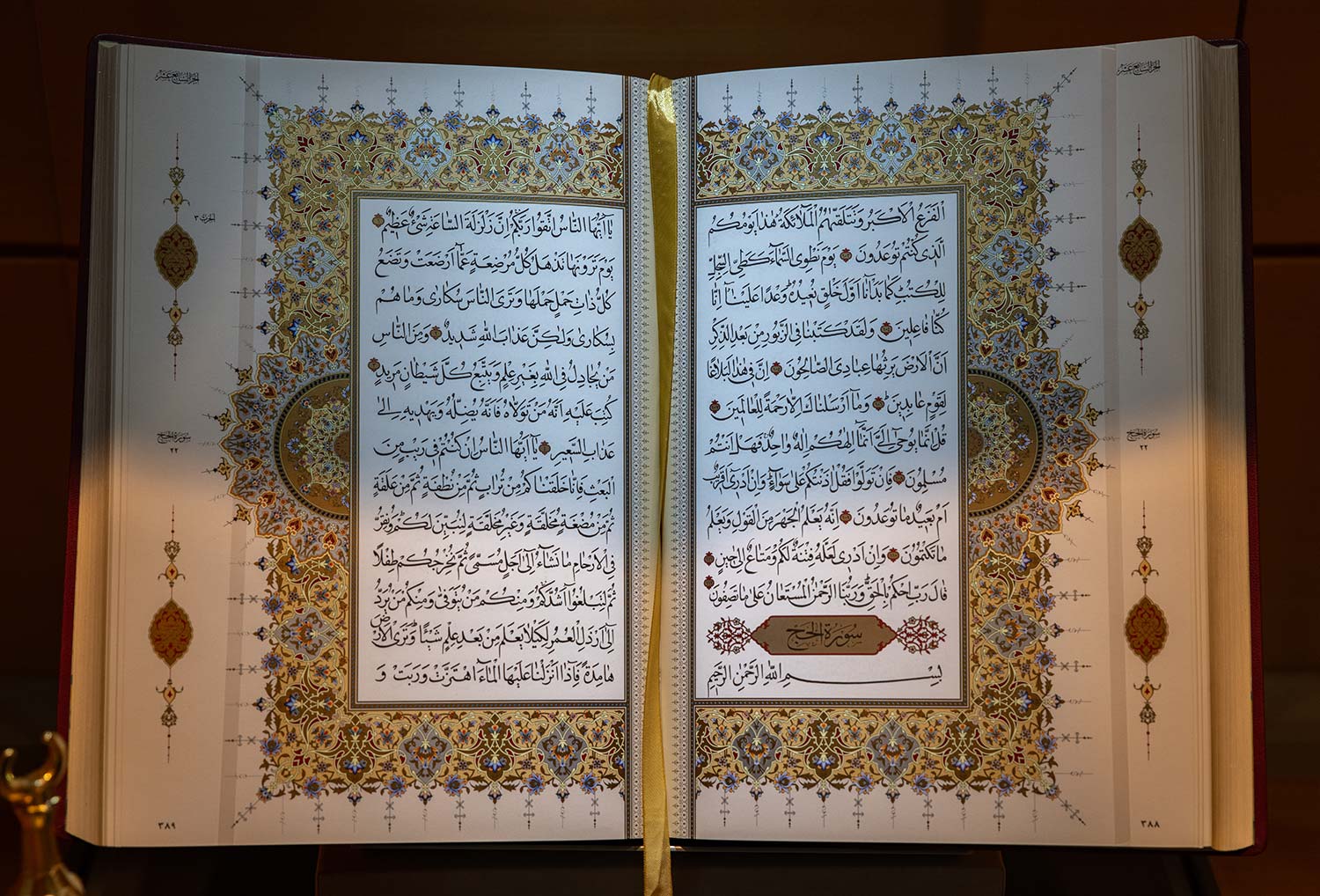
Standout galleries include The Qur’an – Word and Art, which displays wonderfully ornate versions of this holy text, and Knowledge, Science and Technology, which explains the many key inventions produced by the Islamic world. I was similarly beguiled by The Courtly Arts of Al-Andalus. Its array of stonework, statues and tiles blends Islamic and Spanish influences, reflecting its origins in Al-Andalus, an Islamic empire that commanded swathes of North Africa, Spain, Portugal and France from the 8th to the 11th centuries.
Islamic dynasties are also the focus of the gallery Ayyubid Syria and Mamluk Egypt, which displays textiles, documents and archaeological artefacts from those two empires, which commanded the eastern Mediterranean from the 12th to the 16th centuries.
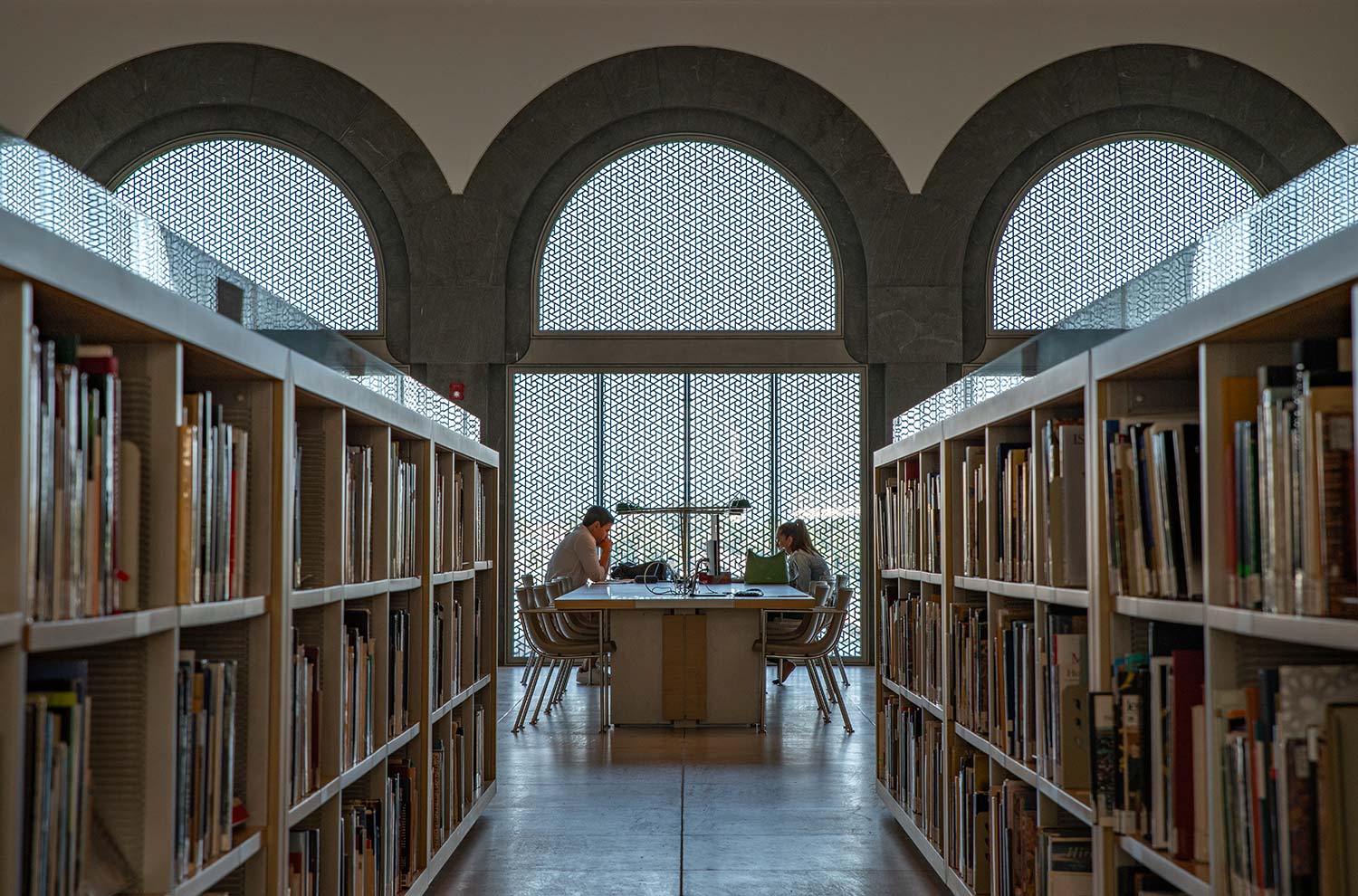
The museum’s collection, sourced from across Africa, Asia and Europe, includes sublime ceramics, sculpture, paintings, metalwork, jewellery, glass and textiles, some up to 1,300 years old. All are complemented by a library containing 21,000 books, many dedicated to Islamic art, as well as a café and the upmarket IDAM restaurant by star French chef Alain Ducasse.
The Museum of Islamic Art was the Middle East’s first “mega museum”. It is widely credited with kickstarting the region’s boom in building giant, eye-catching museums as tourist landmarks. In fact, Doha was still a low-rise, low-profile city in 1997 when work began on the hugely ambitious project, designed by starchitect I. M. Pei. Today, the museum stands not only as one of the most important Islamic museums on the planet, but also as one of the Middle East’s most distinctive pieces of architecture.
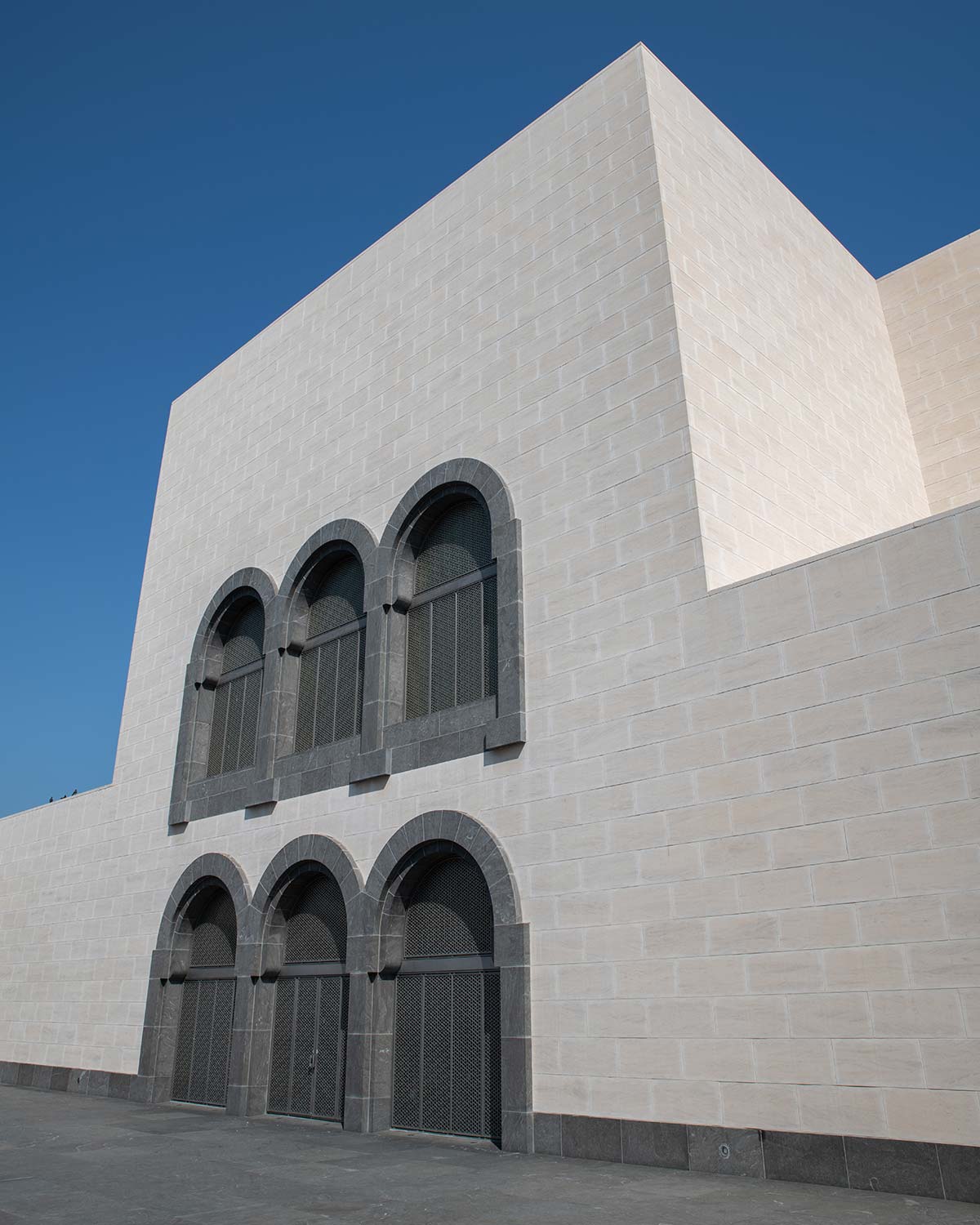
Famed for creating the Louvre’s pyramid, Pei was tasked by the Qatari government with creating a world-class landmark. How he achieved this is explained in a gallery titled I. M. Pei and the Making of the Museum of Islamic Art: From Square to Octagon and Octagon to Circle. To support him, Qatar granted the architect two invaluable tools: the freedom to innovate and an unrivalled location.
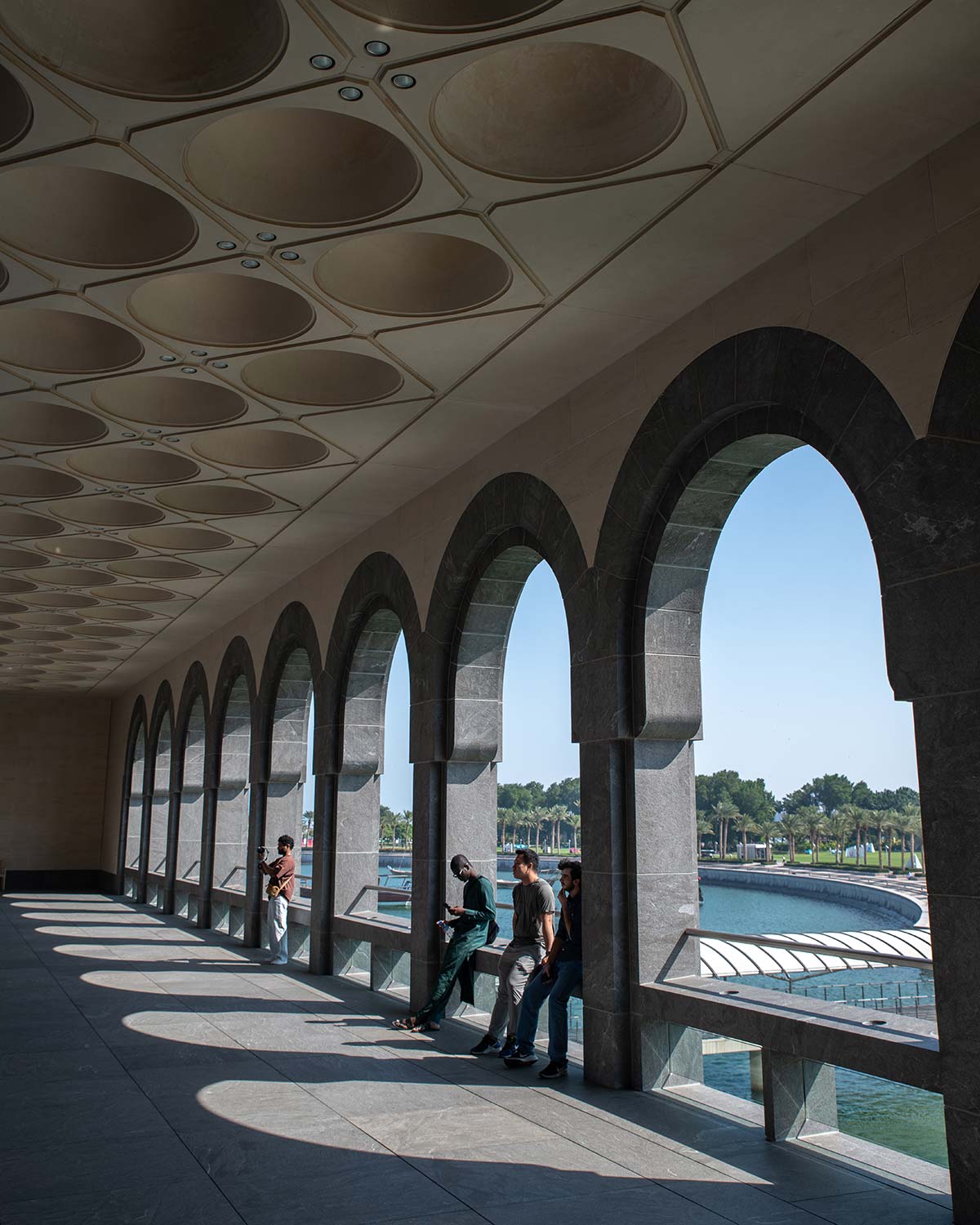
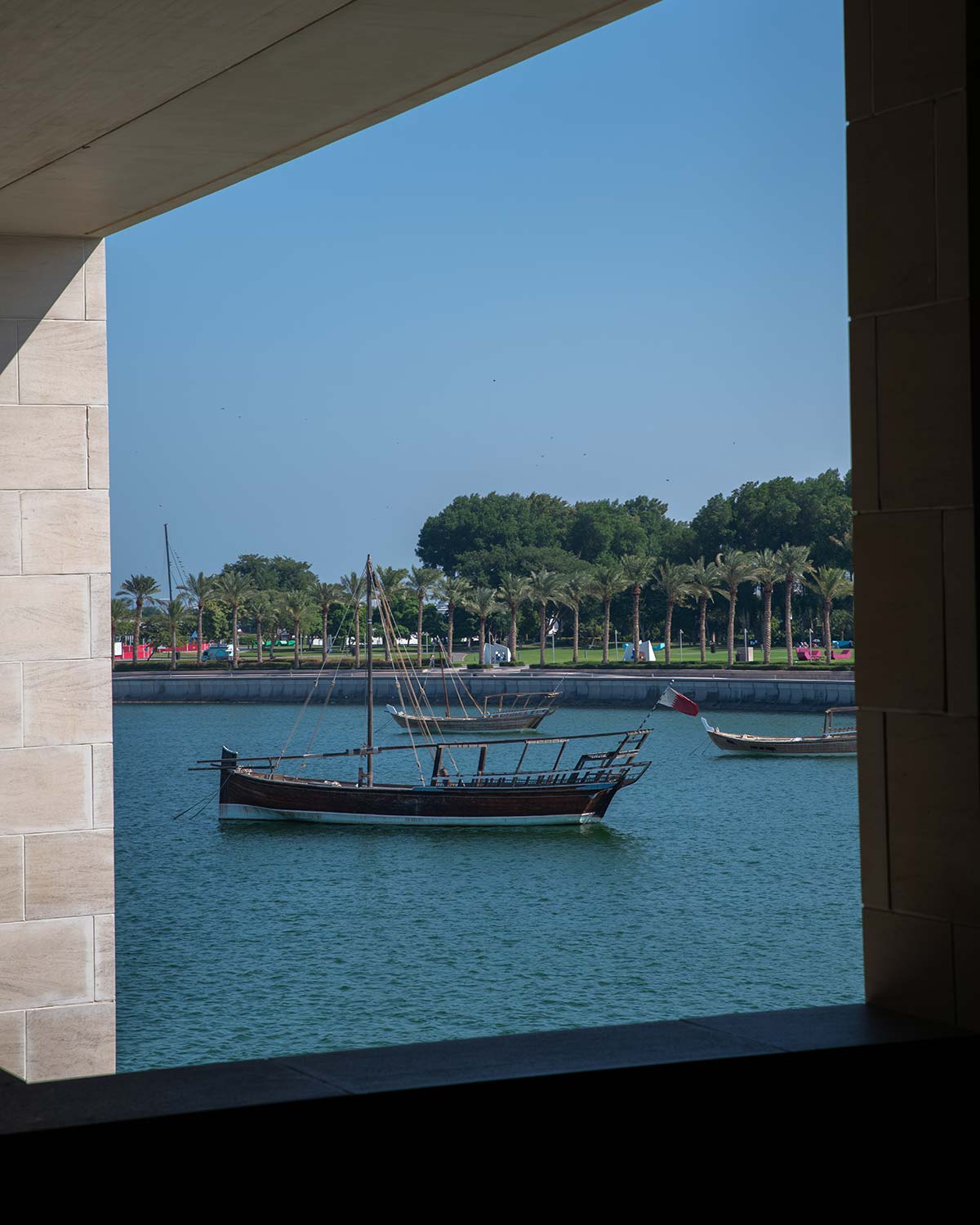
The museum occupies a purpose-built island adjoining Doha’s pretty waterfront. Known as the Corniche promenade, this spot attracts a steady crowd of joggers, walkers and tourists, many of whom pause to snap images across the Arabian Sea towards the West Bay skyline.
Surrounding the museum is MIA Park. This spacious, verdant expanse is popular for picnics and exercise classes, hosts a weekend market during the cooler months from October to February, and is embellished with an impressive collection of public artworks. None is grander than 7. Designed by American artist Richard Serra, this 80-foot-tall steel sculpture took one million hours to build and honours the number’s central role in Islamic culture and history.
Islamic art and creativity are also celebrated through regular events at the museum. Visitors can check the museum’s website for film screenings, calligraphy classes, themed guided tours and stirring performances by the Qatar Philharmonic Orchestra. The latter sounds especially impressive when its sweet notes reverberate through this architectural jewel — a museum so spectacular that it almost overshadows its collection.