


We are approaching a critical moment for the world’s oceans. Marine heatwaves, coral bleaching, plastic waste and the steady erosion of coastal ecosystems have pushed many marine environments to the brink. In response, a landmark global agreement, the High Seas Treaty, is due to come into force in January 2026. Its ambition is vast: to place nearly two-thirds of the world’s oceans under some form of protection, reversing decades of damage caused by overfishing, pollution and climate change, and giving marine life the space to recover.
That growing sense of urgency is increasingly shaping the way we travel, particularly in the realm of wellness and regenerative journeys. Across Asia, where the sea has long been intertwined with healing traditions and daily life, wellbeing is no longer measured solely by how a place makes you feel, but by how your presence supports the environment in return. Here, caring for oneself and caring for the ocean are not parallel pursuits, but part of the same journey.
Coral restoration and healing with purpose
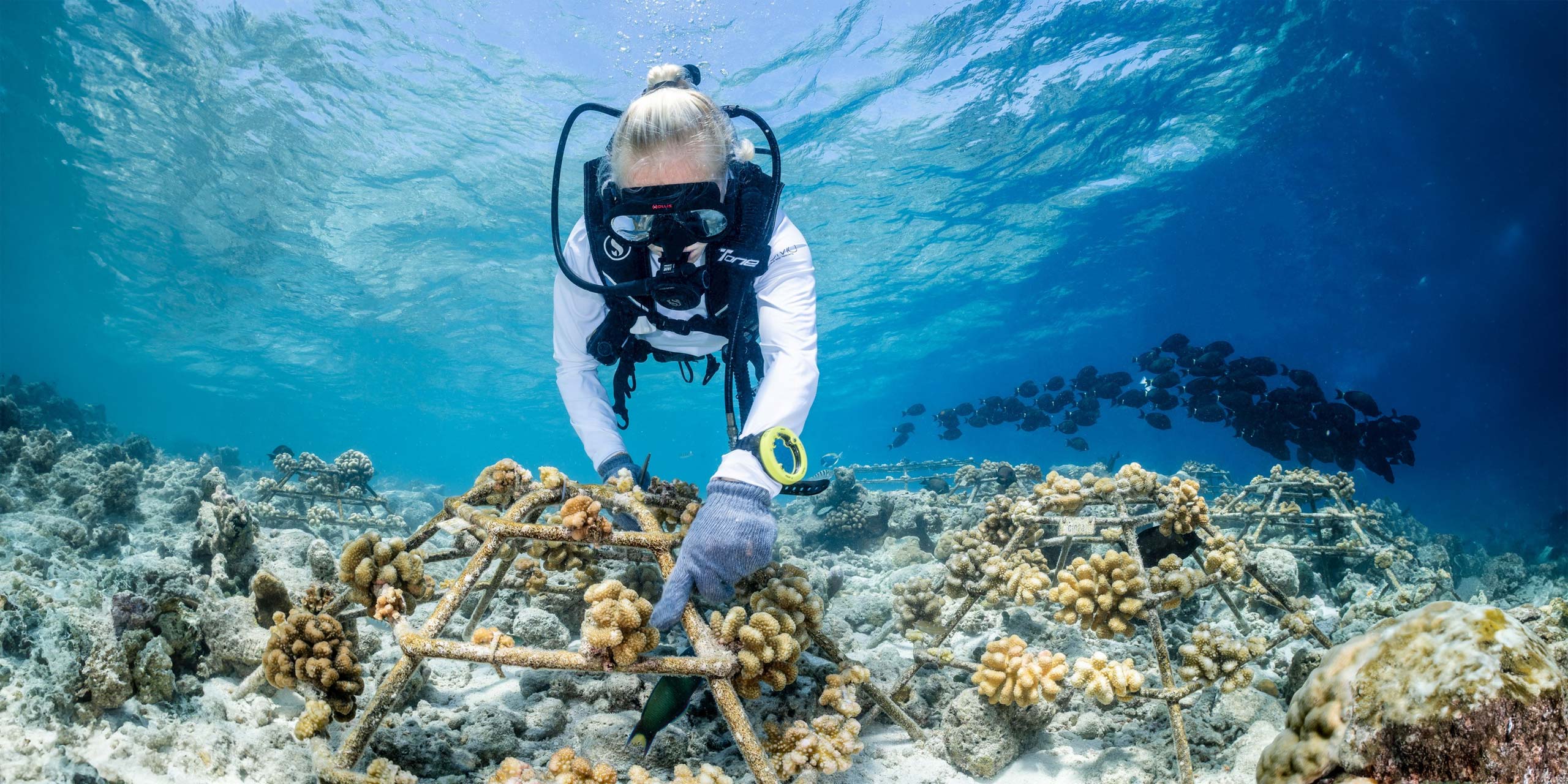
Coral reefs are among the most visually stunning ecosystems on Earth, yet their importance extends far beyond their beauty. They provide shelter, food and breeding grounds for nearly a quarter of all marine species, protect coastlines from erosion and storms, and support millions of people who depend on healthy seas for their livelihoods. Today, however, reefs are in serious trouble. Rising sea temperatures, pollution, overfishing and ocean acidification have already destroyed between 30 and 50 per cent of coral reefs worldwide. Without intervention, much of what remains could vanish within decades.
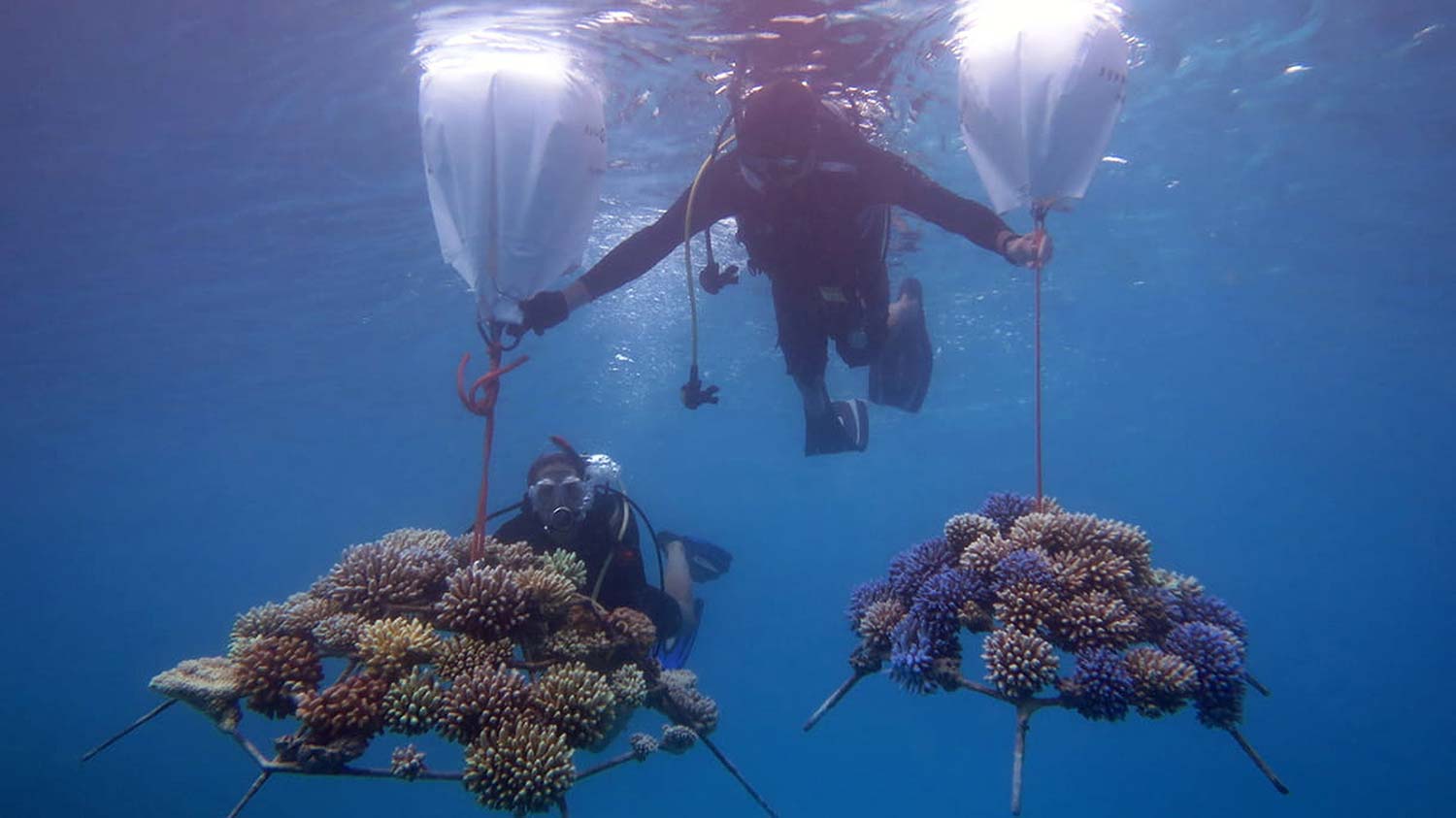
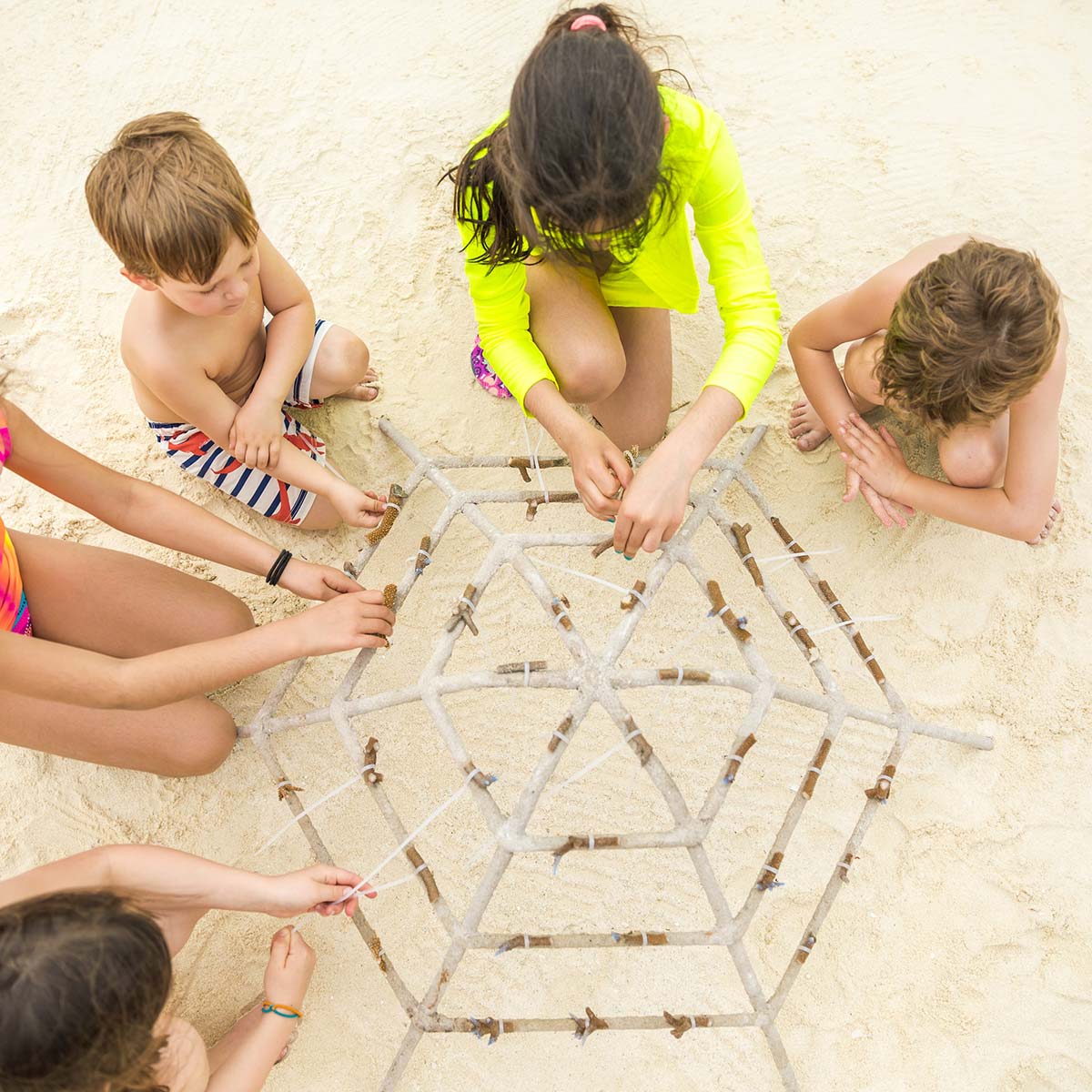
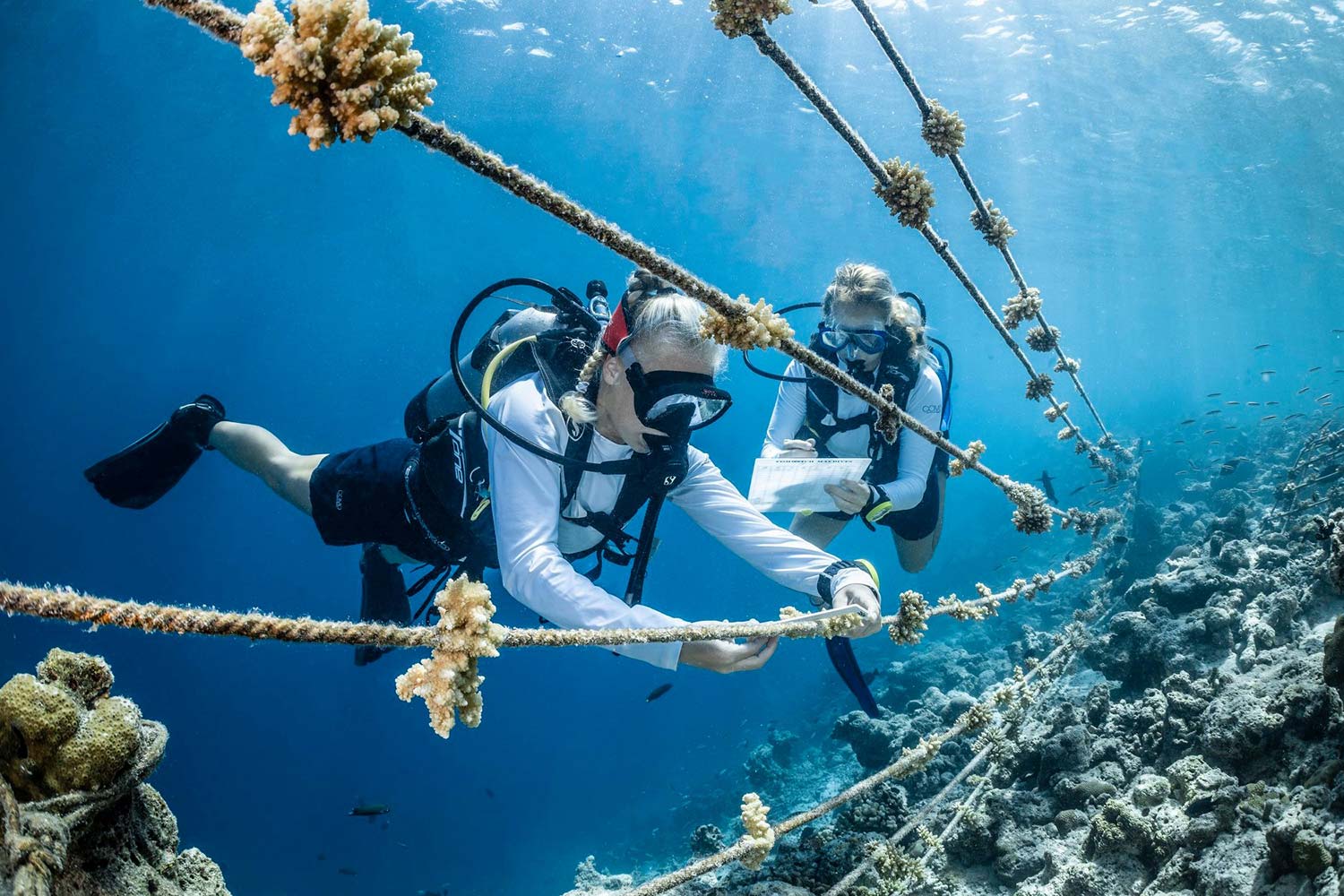
Across Asia, conservationists are racing to reverse that decline. Coral planting, artificial reef structures and technologies such as Biorock, which uses low-voltage electrical currents to stimulate coral growth, are helping damaged reefs recover. In an increasing number of destinations, travelers can play a direct role in this work.
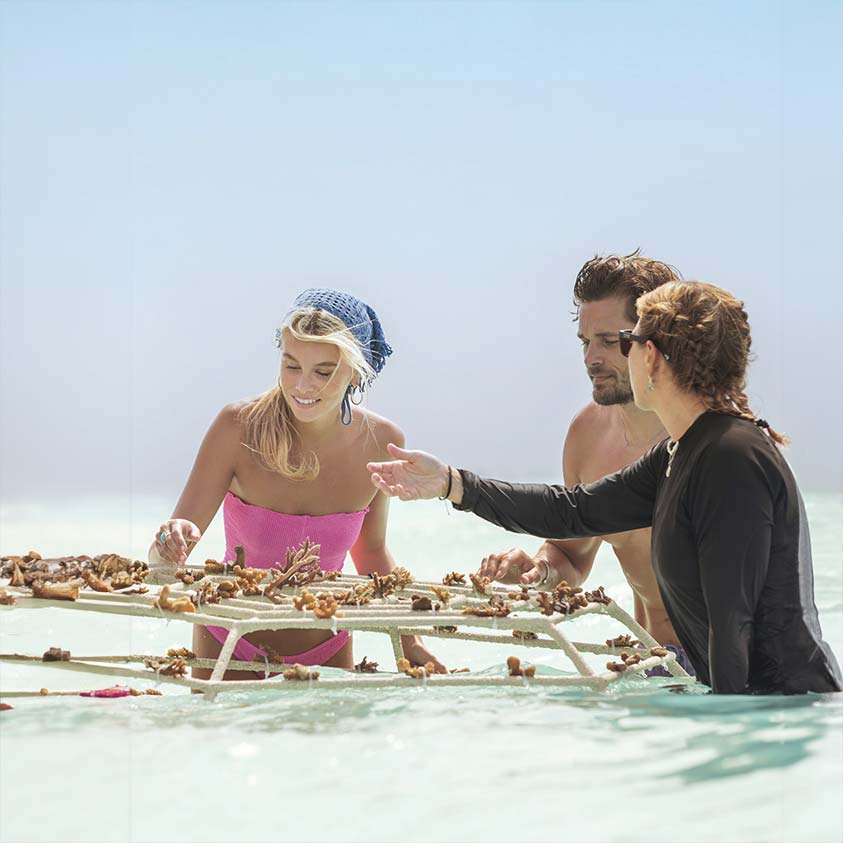
In the Maldives, the marine science team at Four Seasons Landaa Giraavaru partners with Reefscapers to cultivate coral fragments in lagoon nurseries before transplanting them onto degraded reef sites. Guests are invited to attach coral fragments themselves, select species and track their progress online long after their stay has ended. It is a rare opportunity to contribute to ocean recovery beyond the duration of a single journey.
Manta ray monitoring and sea turtle conservation
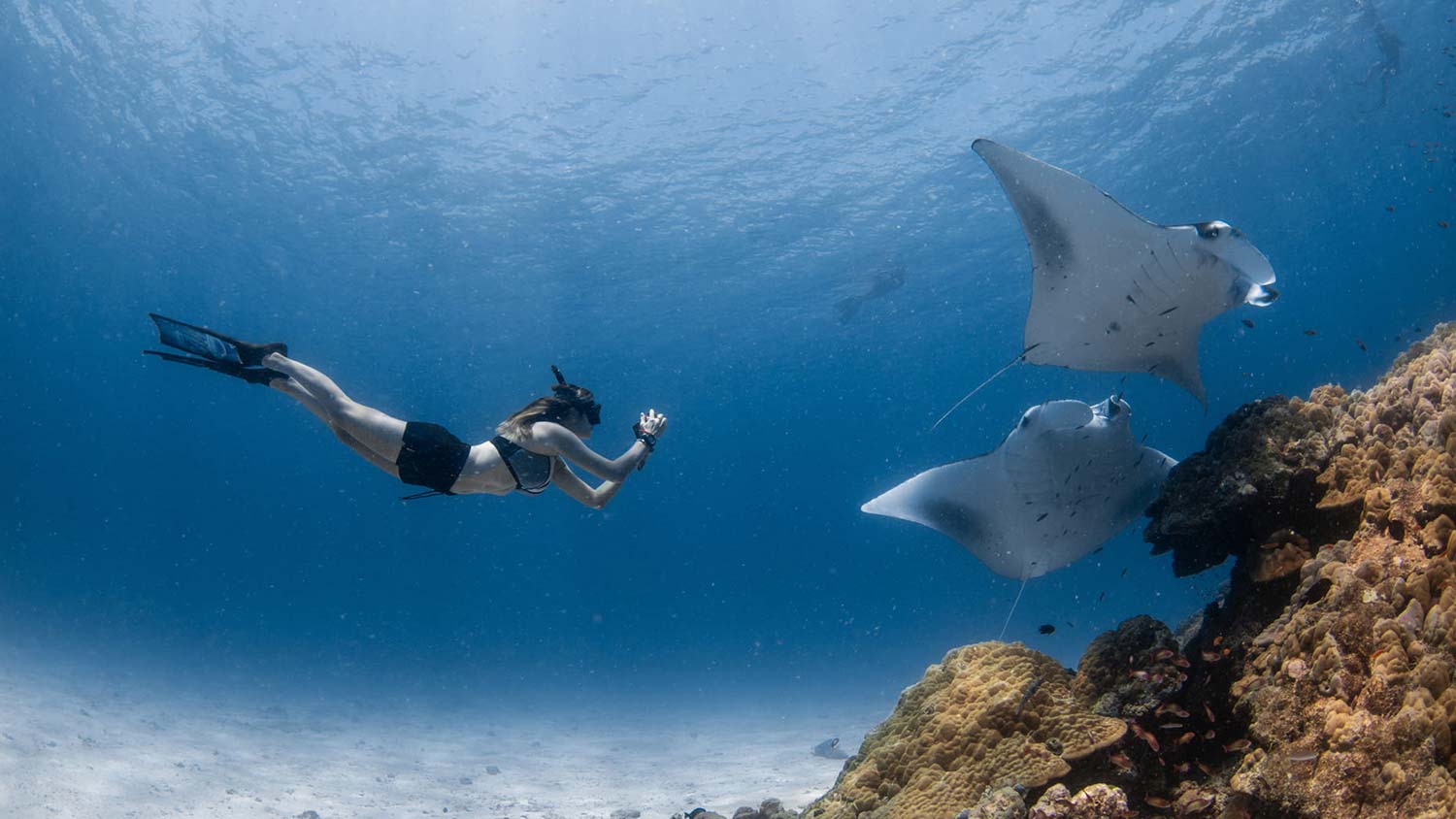
For many travelers, encounters with marine wildlife are among the most memorable moments of a trip. Watching a manta ray glide past or coming face to face with a curious sea turtle can feel quietly transformative. Yet these encounters are increasingly fragile. Around the world, manta rays and turtles face mounting threats from fishing pressure, ghost nets, habitat loss and rising ocean temperatures that disrupt feeding and breeding patterns.
Monitoring is a crucial part of protecting these species. Photo identification, sighting records and behavioral observations allow researchers to track individuals, map migration routes and build the long-term datasets that inform marine protection policies. Increasingly, travelers themselves form an essential part of this effort, contributing observations that expand the reach of conservation science.
On the Marine Conservation in the Maldives itinerary, guests cruise through Baa Atoll, the country’s first UNESCO Biosphere Reserve and home to the third-largest recorded population of oceanic manta rays in the world. At Four Seasons Kuda Huraa, travelers can support the Olive Ridley Sea Turtle Conservation Program, joining monitoring sessions and collecting data through underwater photography. Similar opportunities exist at Four Seasons Landaa Giraavaru, where the Manta on Call service invites guests to help gather real-time ecological information during manta sightings.
Blue Mind wellness and water immersion

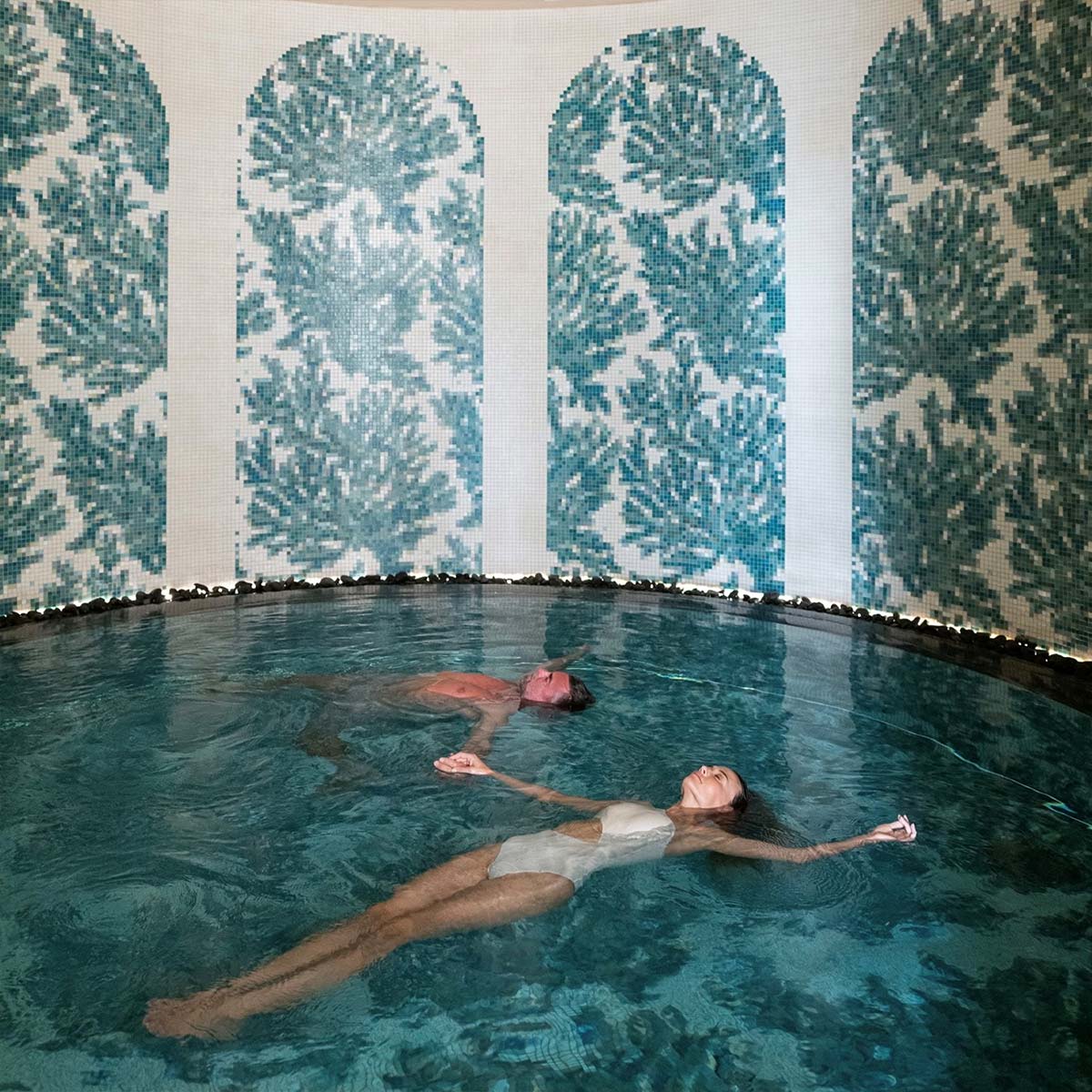
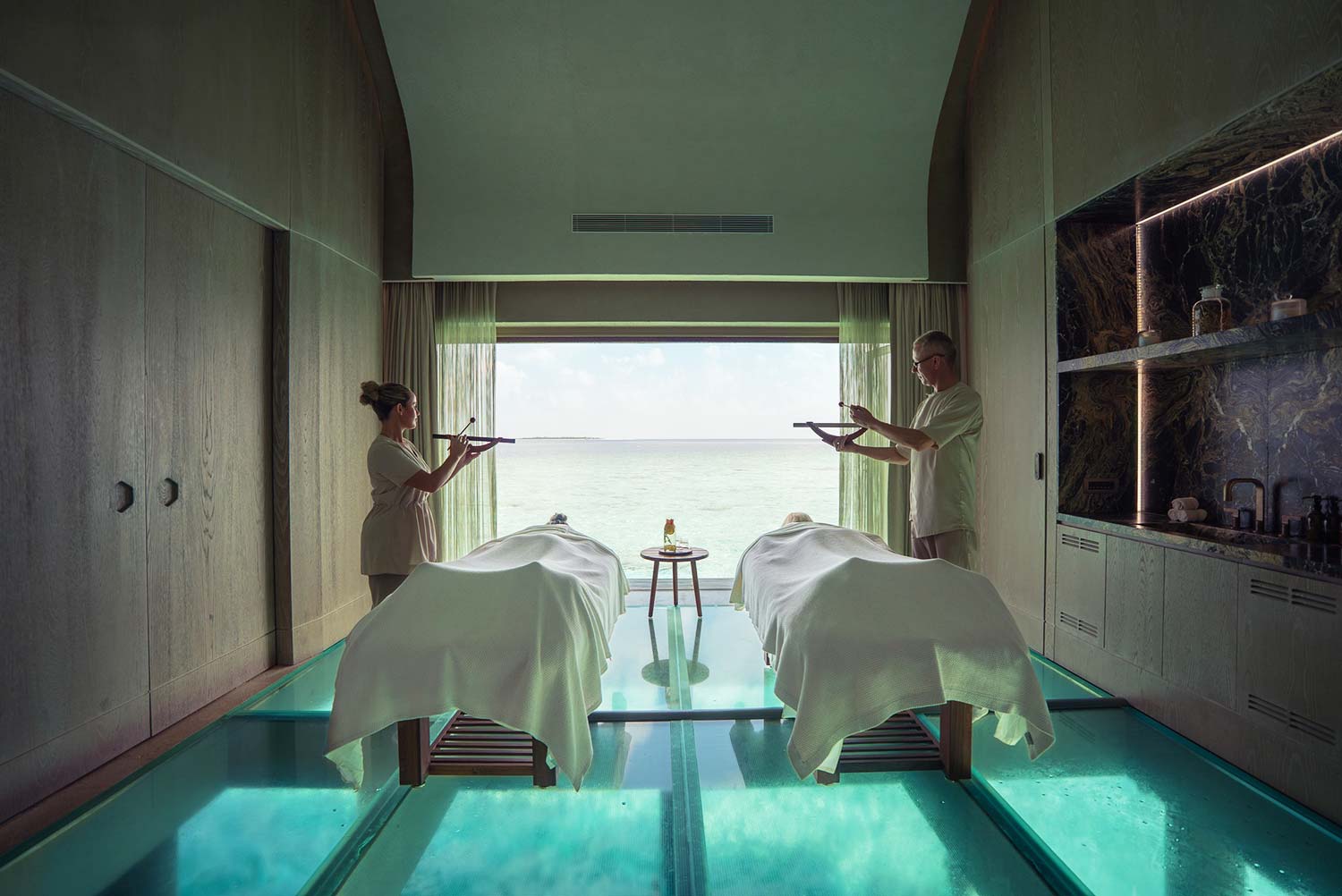
The restorative power of water is instinctive, but science offers a deeper explanation. The concept of Blue Mind, coined by marine biologist Dr Wallace J. Nichols, describes the measurable psychological benefits of being near, in or on water, from reduced stress hormones and improved mood to enhanced focus and mental clarity. For travelers, these effects often foster a deeper emotional connection to place. When people feel connected, they are far more likely to protect what they love.
This philosophy underpins the experience at JOALI BEING in the Maldives. Surrounded by water and marine life, the retreat offers hydrotherapy rituals, floating meditation and personalized wellness programs designed to support both personal health and planetary wellbeing. Each experience encourages stillness, attentiveness and reconnection through the element that sustains life. It is a form of active calm that restores from the inside out.
Beach cleanups and regenerative wellness
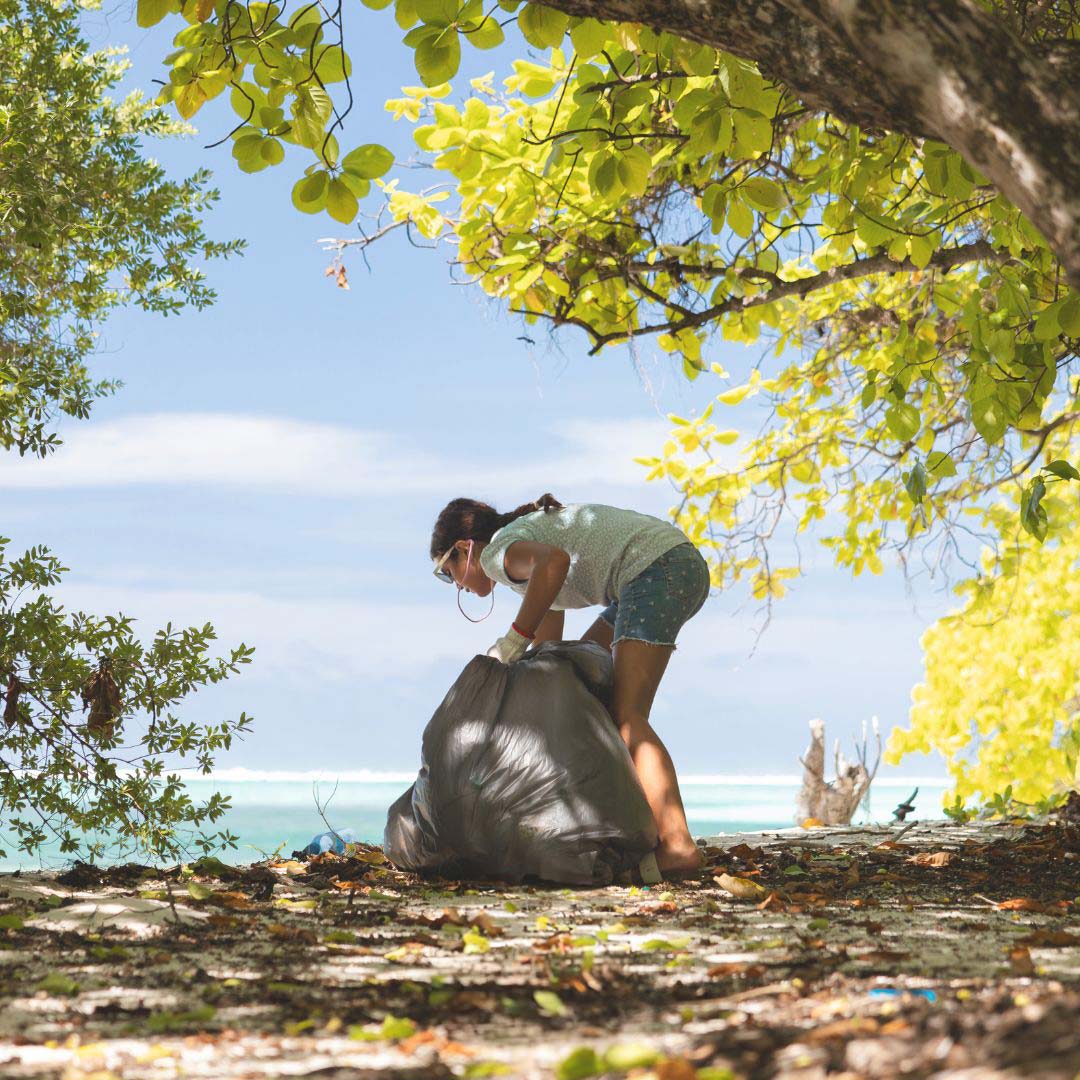
Beach cleanups may not resemble conventional wellness rituals, yet they often prove unexpectedly grounding. Shorelines are among the first places where the impact of marine pollution becomes visible. Abandoned fishing nets, plastic debris and discarded waste threaten marine life and degrade fragile coastal ecosystems. Even small amounts of debris can block sunlight on reefs, smother coral polyps and increase vulnerability to disease.
For this reason, cleanup initiatives are becoming an integral part of ocean-focused wellness travel. Removing waste from beaches and dive sites helps limit the spread of microplastics and restores healthier coastal habitats. Some programs involve snorkel-based debris dives, while others focus on slow, deliberate shoreline walks. For many travelers, these acts become meditative. They offer a tactile, purposeful way to give back.
At COMO Maalifushi in the Maldives, beach cleanups are organized around key environmental dates such as Earth Day and World Environment Day. Each year, these efforts remove up to ten tonnes of waste, ranging from abandoned nets and plastic bottles to rusted metal and debris tangled in seaweed. Much of the collected material is recycled into new products. The initiative forms part of COMO’s broader sustainability strategy, which includes water reuse systems and greywater recycling, and has earned the resort Silver certification from EarthCheck.
Mangrove restoration and coastal habitat care
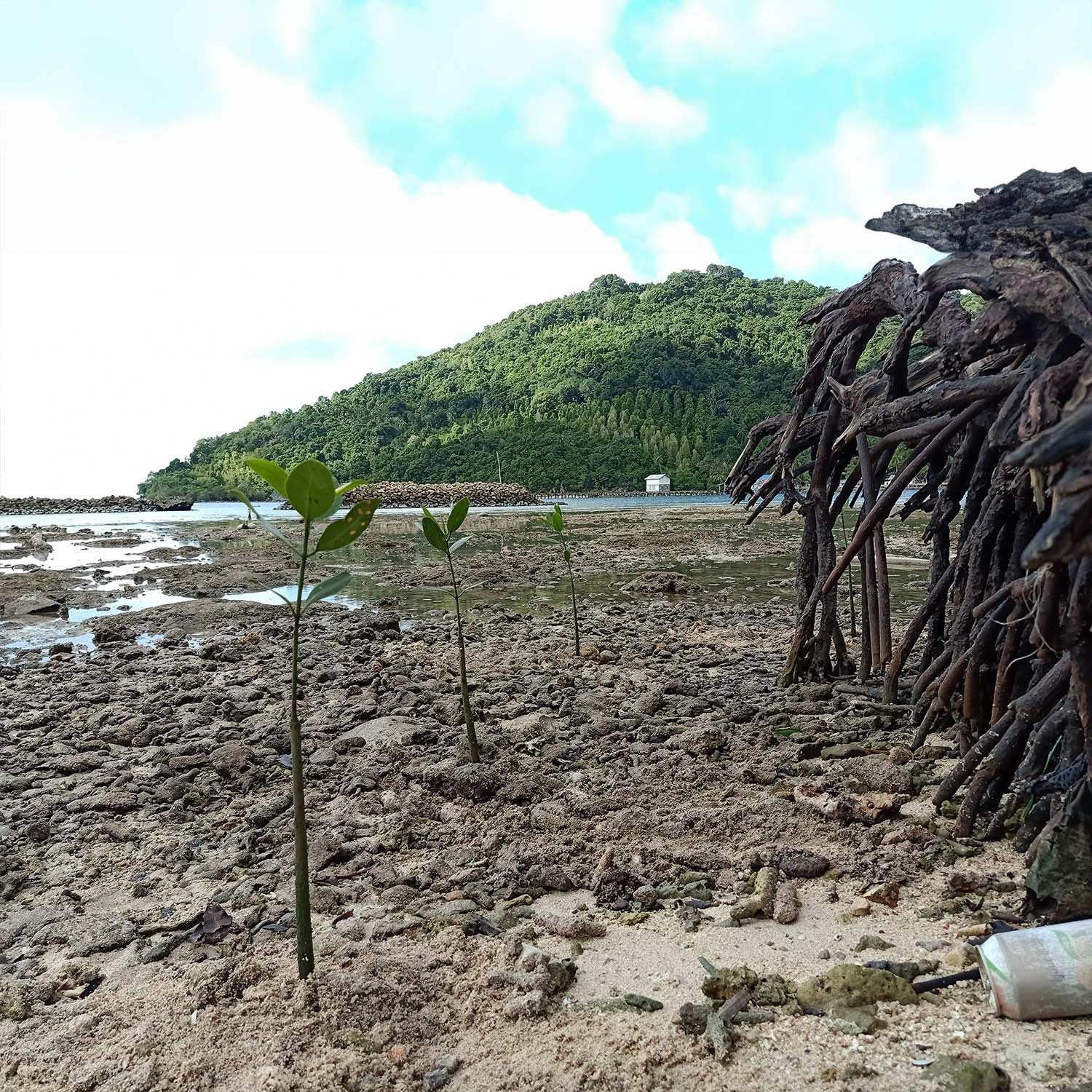
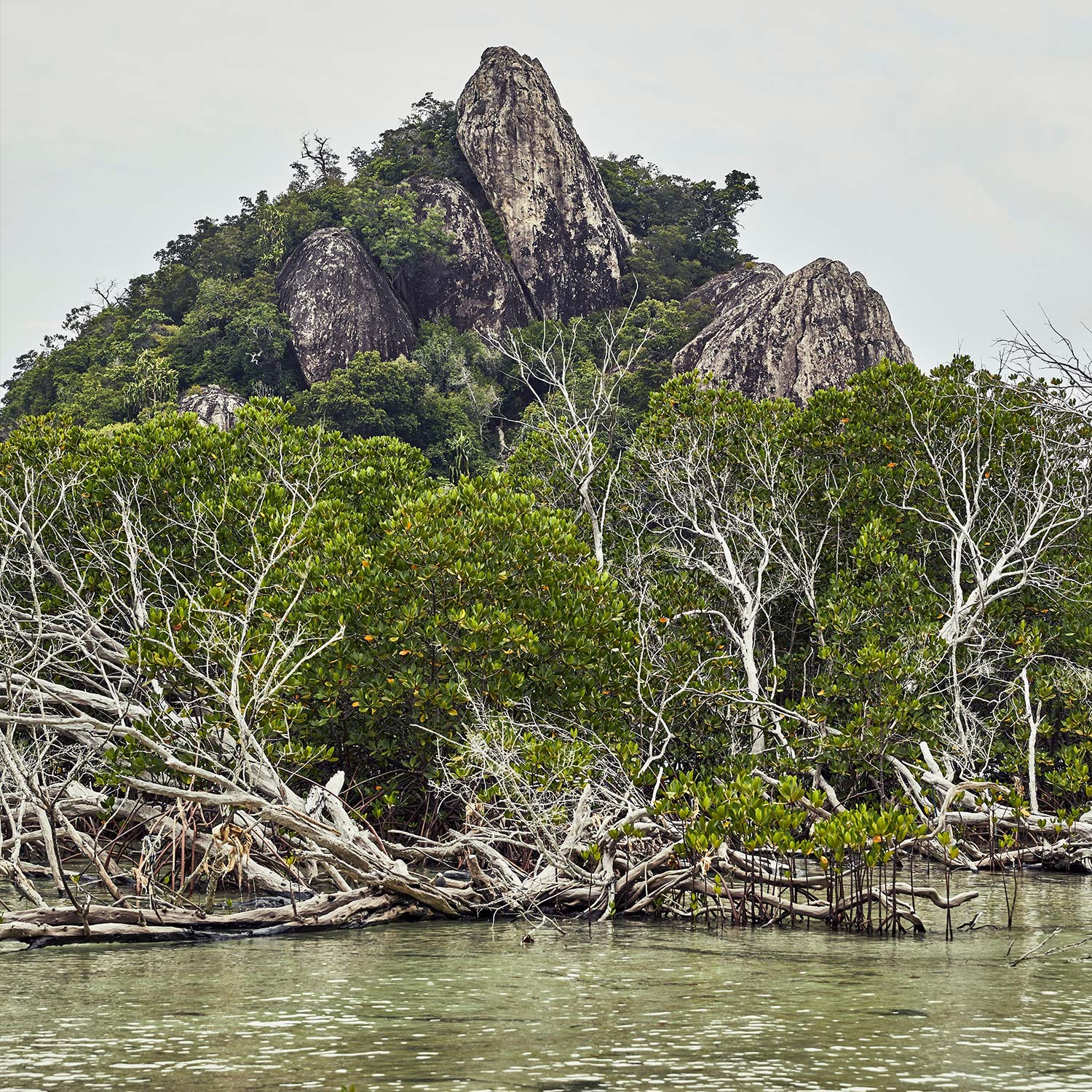
Mangroves are among the planet’s most underappreciated ecosystems. Growing at the boundary between land and sea, these coastal forests stabilize shorelines, filter pollutants, protect coral reefs from runoff and act as nurseries for countless marine species. They are also extraordinary carbon sinks, storing up to four times more carbon than tropical rainforests.
Despite their value, mangroves are disappearing at alarming rates. Across Southeast Asia, more than 60% of global mangrove loss is driven by human activity, particularly coastal development, pollution and aquaculture. In Indonesia alone, nearly a third of mangrove destruction is linked to shrimp farming. Restoration efforts now focus on clearing plastic from root systems, replanting native seedlings and converting abandoned fish ponds back into mangrove habitat.
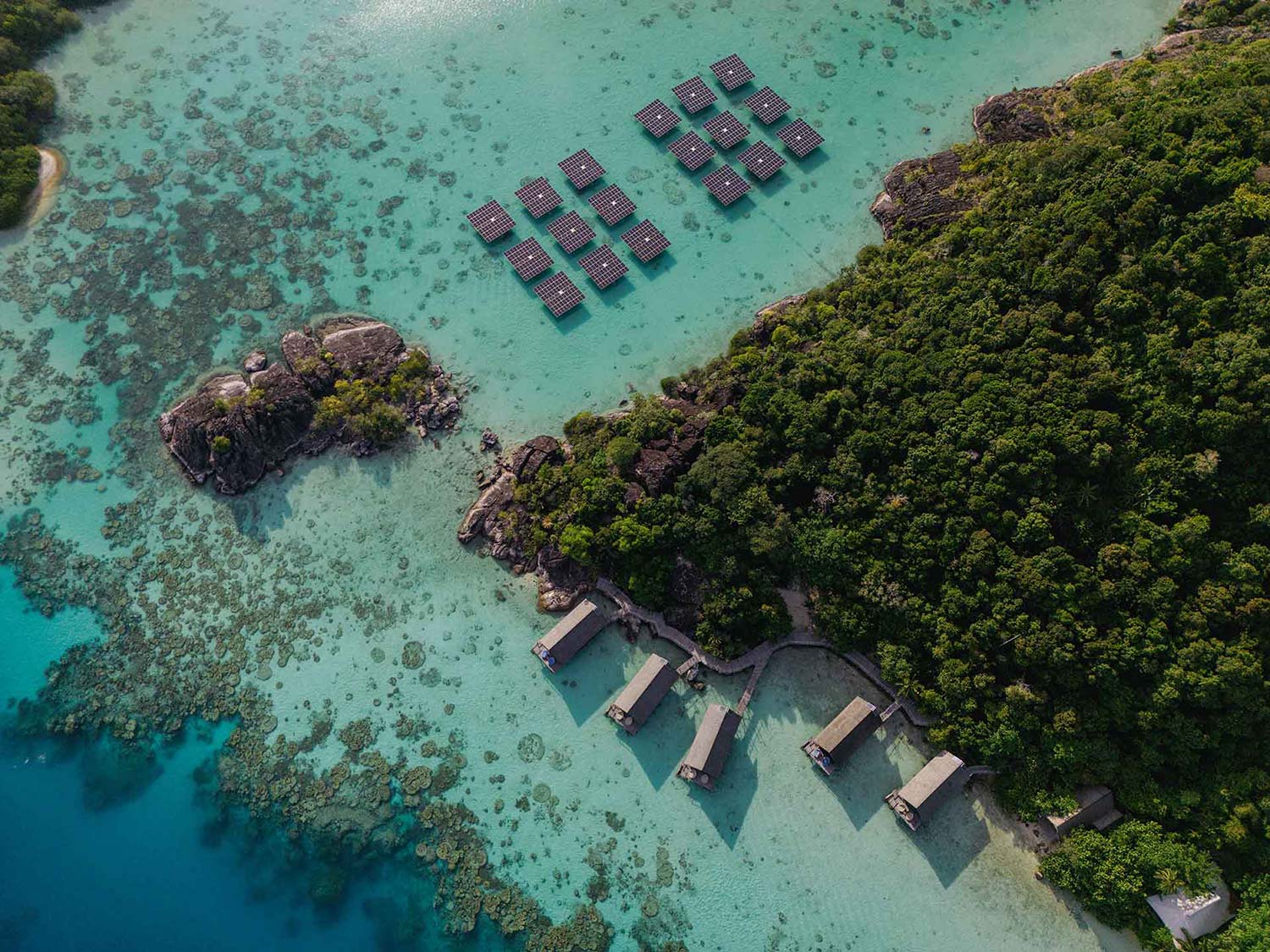
At Bawah Reserve in Indonesia’s Anambas Islands, guests are introduced to mangrove ecosystems through guided kayaking and walking tours. The resort also supports the Mangroves Ecoprint Initiative, which works with local women to create naturally dyed textiles using mangrove plants. The project weaves together environmental restoration and cultural preservation, offering travelers a deeper, hands-on understanding of why these coastal forests matter and what they quietly protect.