

If the name weren’t a dead giveaway, Bar Not Found is not easy to find.
First, you must trust that the stairway you see next to the shabu restaurant is the one you seek. At the top of the stairs, when you can hear cocktails being shaken over the chatter inside, you must pick the correct one of four doors painted in Pantone-approved hues.
When you open the right one (hint: it’s a primary color), you step into what could easily be the living room of an interior designer’s California ranch house. There’s a dark carpeted floor. There are white and green bookshelves and a record player placed among a well-curated selection of mid-century modern décor, from bulb lamps to egg chairs.
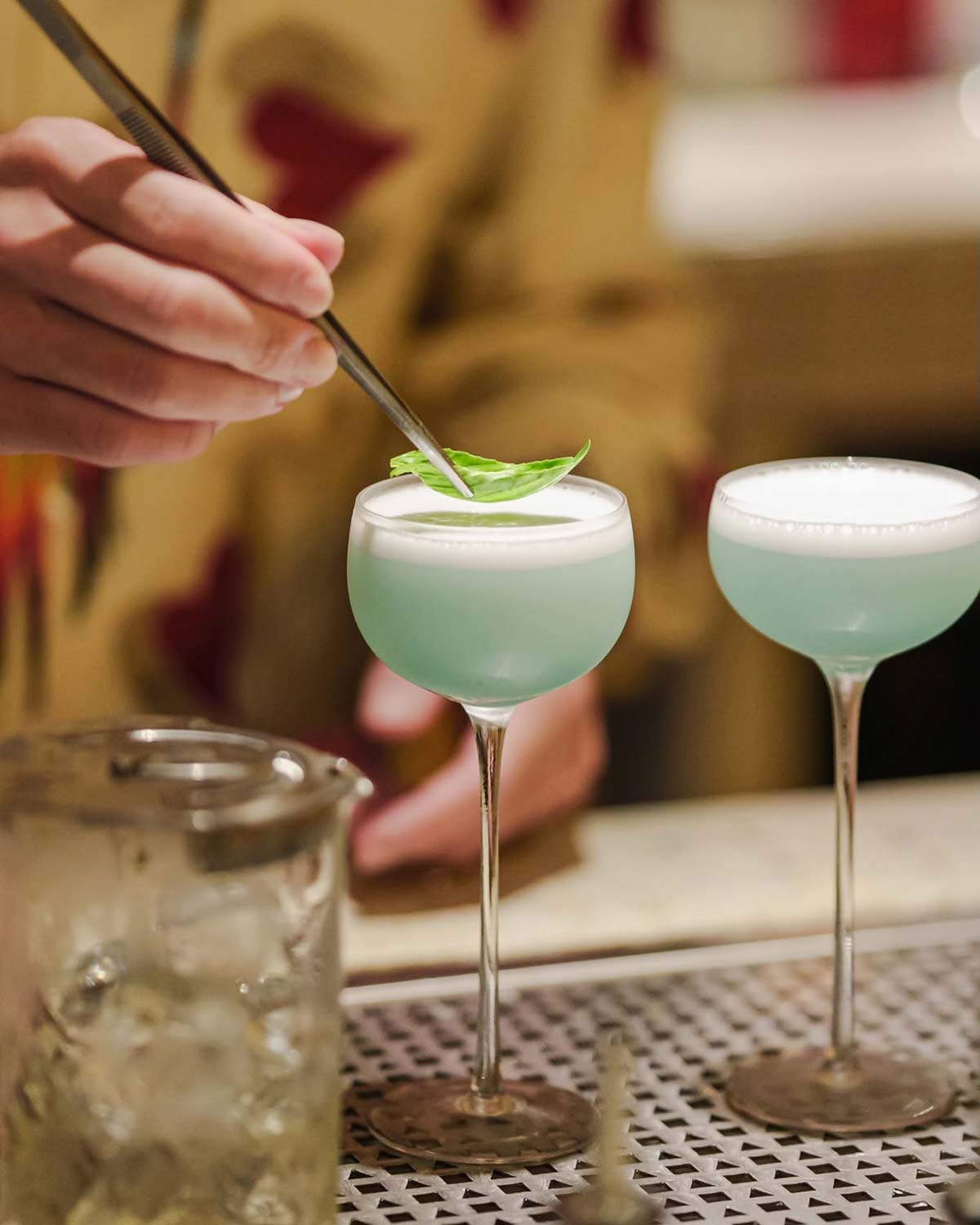
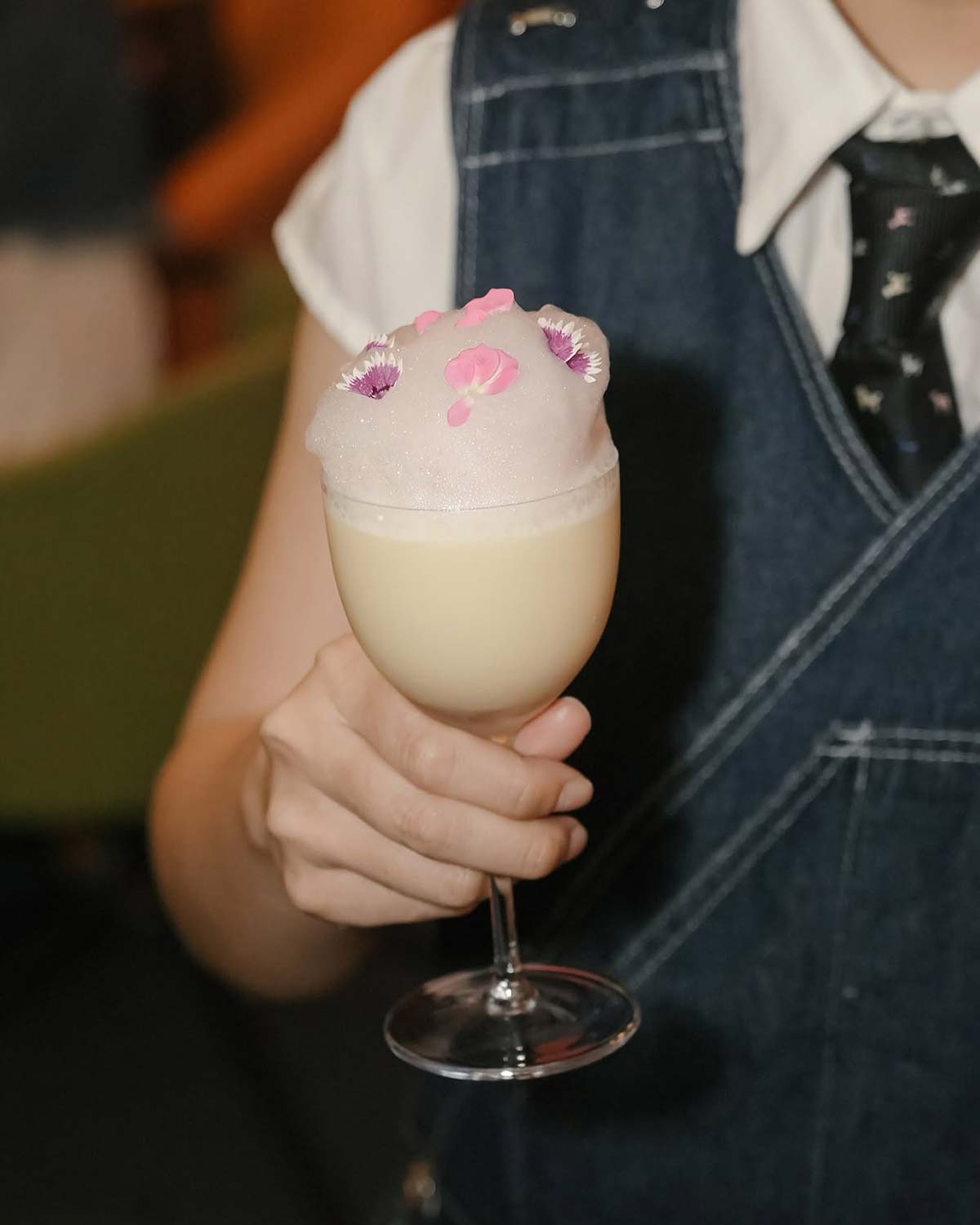
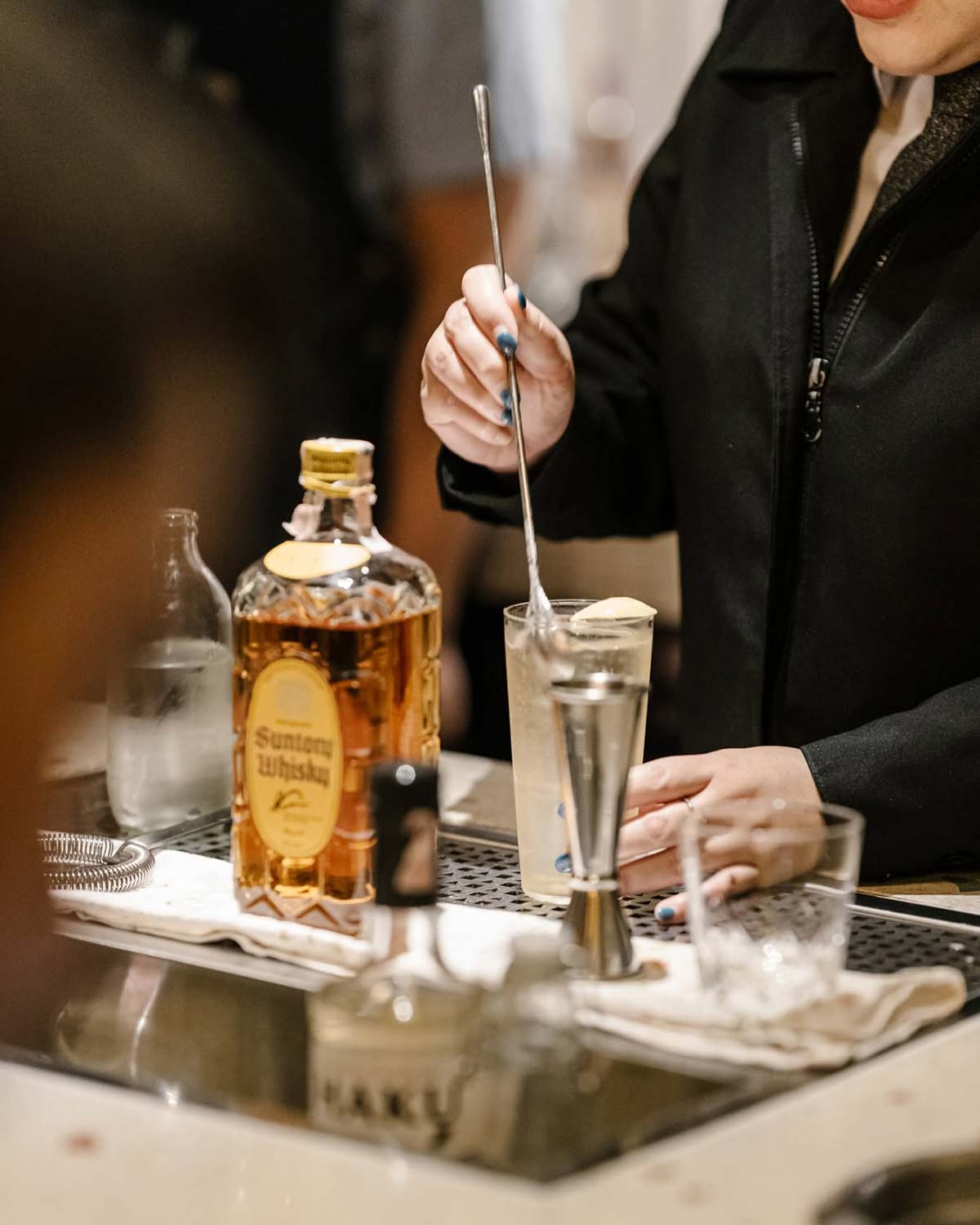
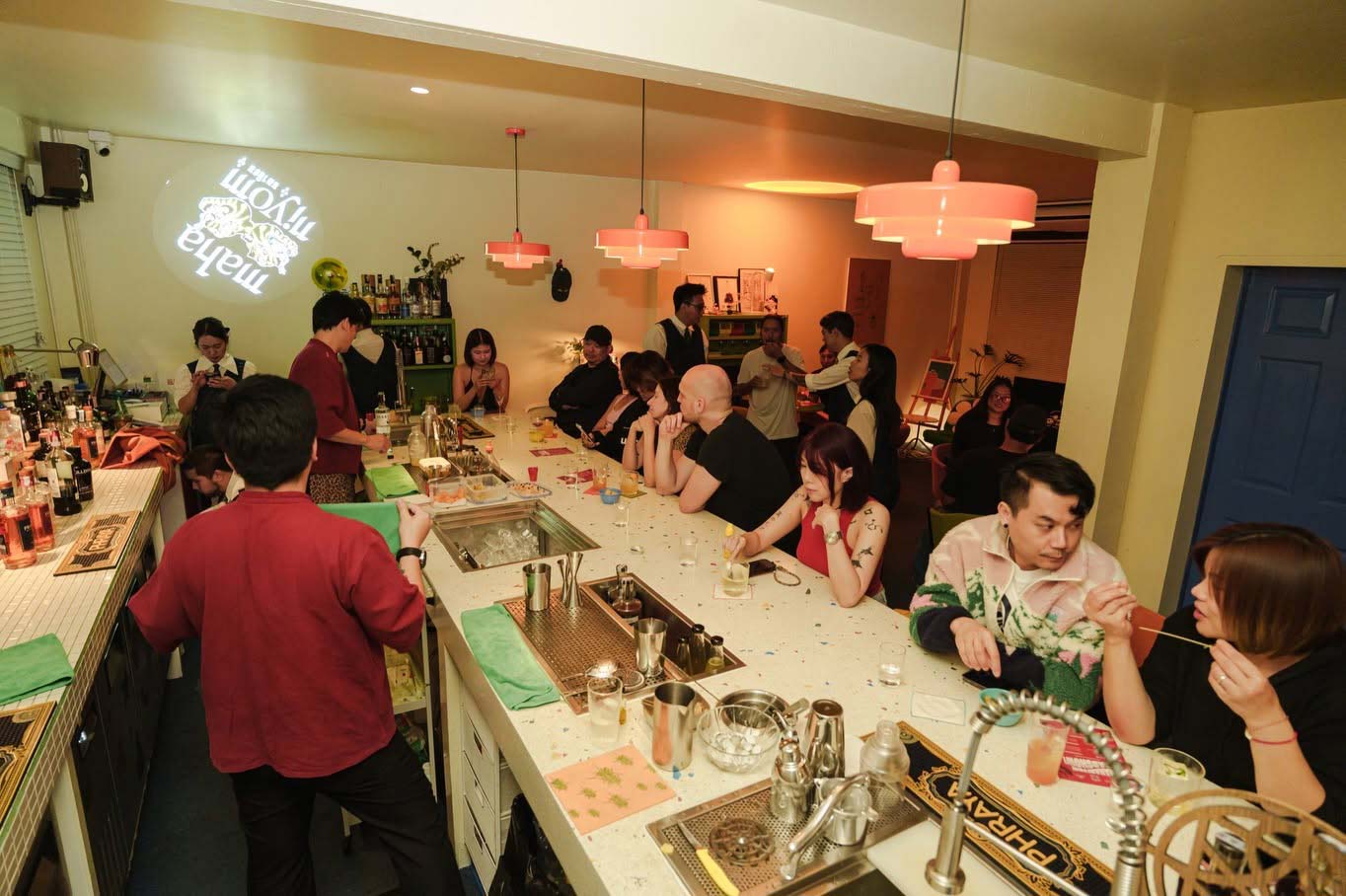
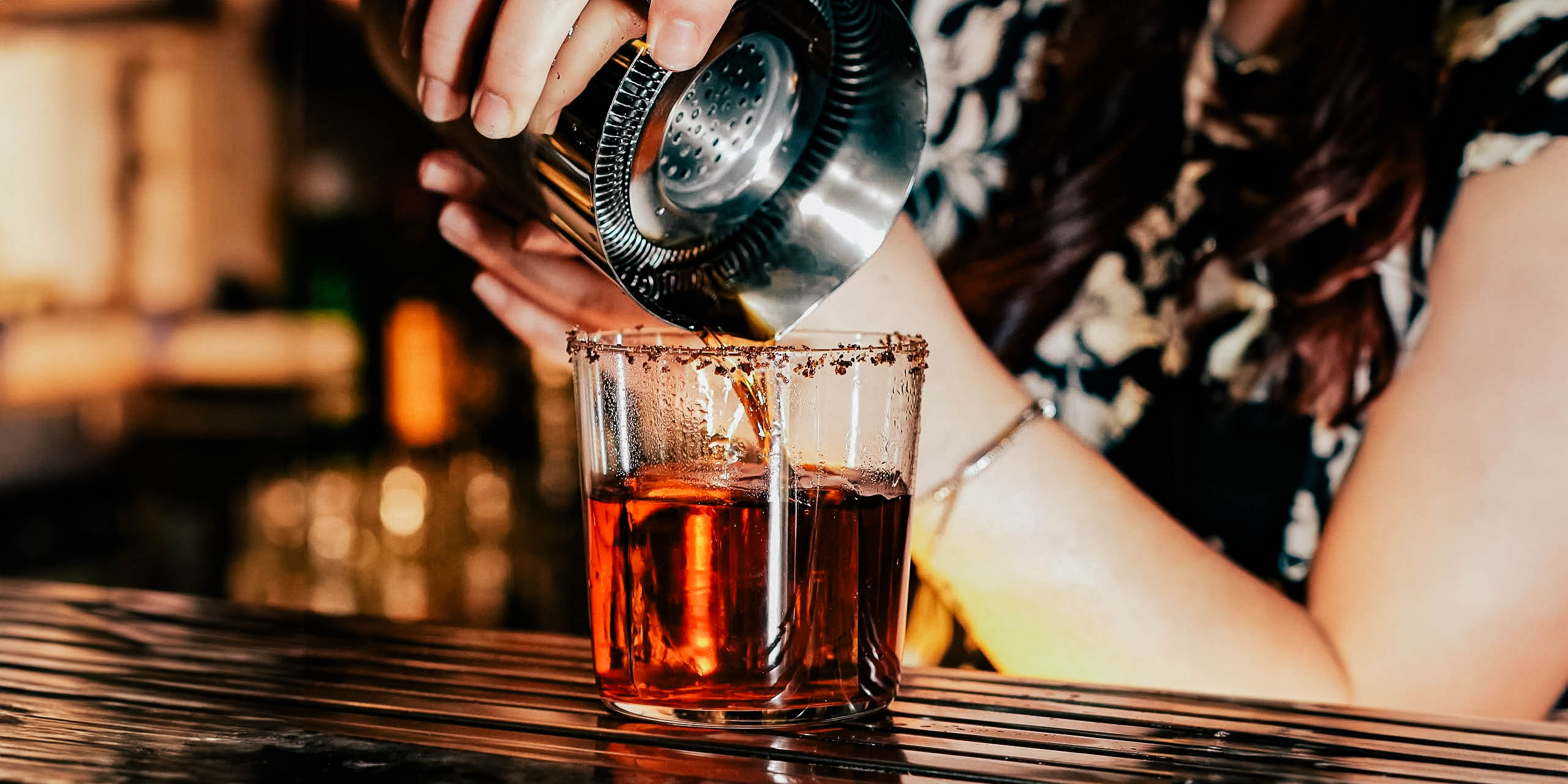
Facing it all are the owner-employees, shaking drinks in black vests and ties behind a long terrazzo counter that looks more like a large kitchen island than a bar.
Sure, finding Bar Not Found doesn’t require an advanced degree in forensics, but the point remains that none of this is something you would have expected to discover in Chiang Mai a decade ago. Maybe not even five years ago.
Back then, a night out in Chiang Mai likely revolved around Sangsom or bottles of Singha. These days, it might mean clarified khao soi cocktails, draft pours of artisanal sato (a rice wine similar to sake), or the kind of clever drinks found on Bar Not Found’s color-coded menu. Ranked Thailand’s 12th best bar at the Bangkok Bar Show industry awards last year, the venue features plenty of northern Thai ingredients and artisanal spirits.
In just a few years, the city has begun to shed some of the tired tropes about it and transform into one of Thailand’s most exciting places to pull up a barstool.
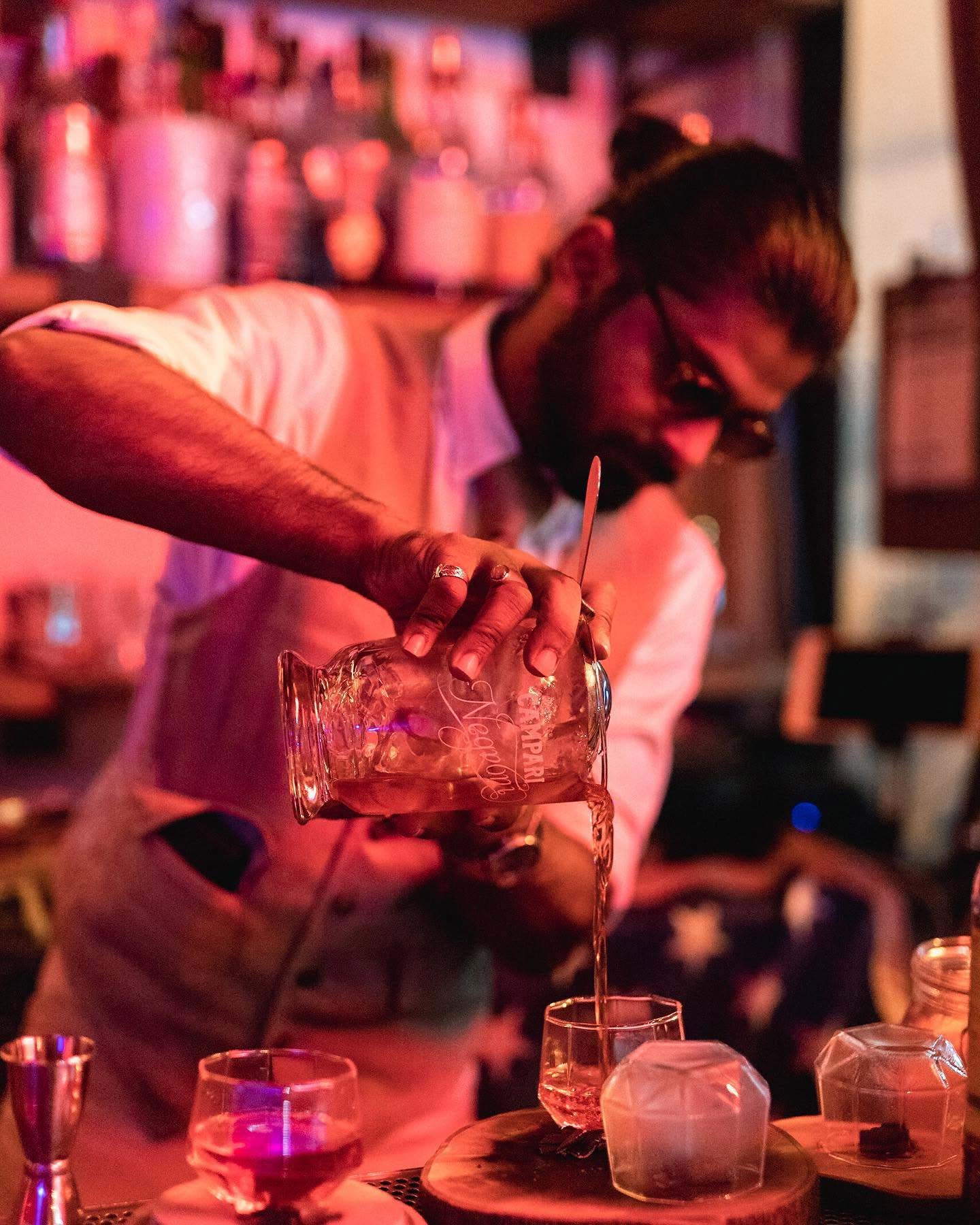
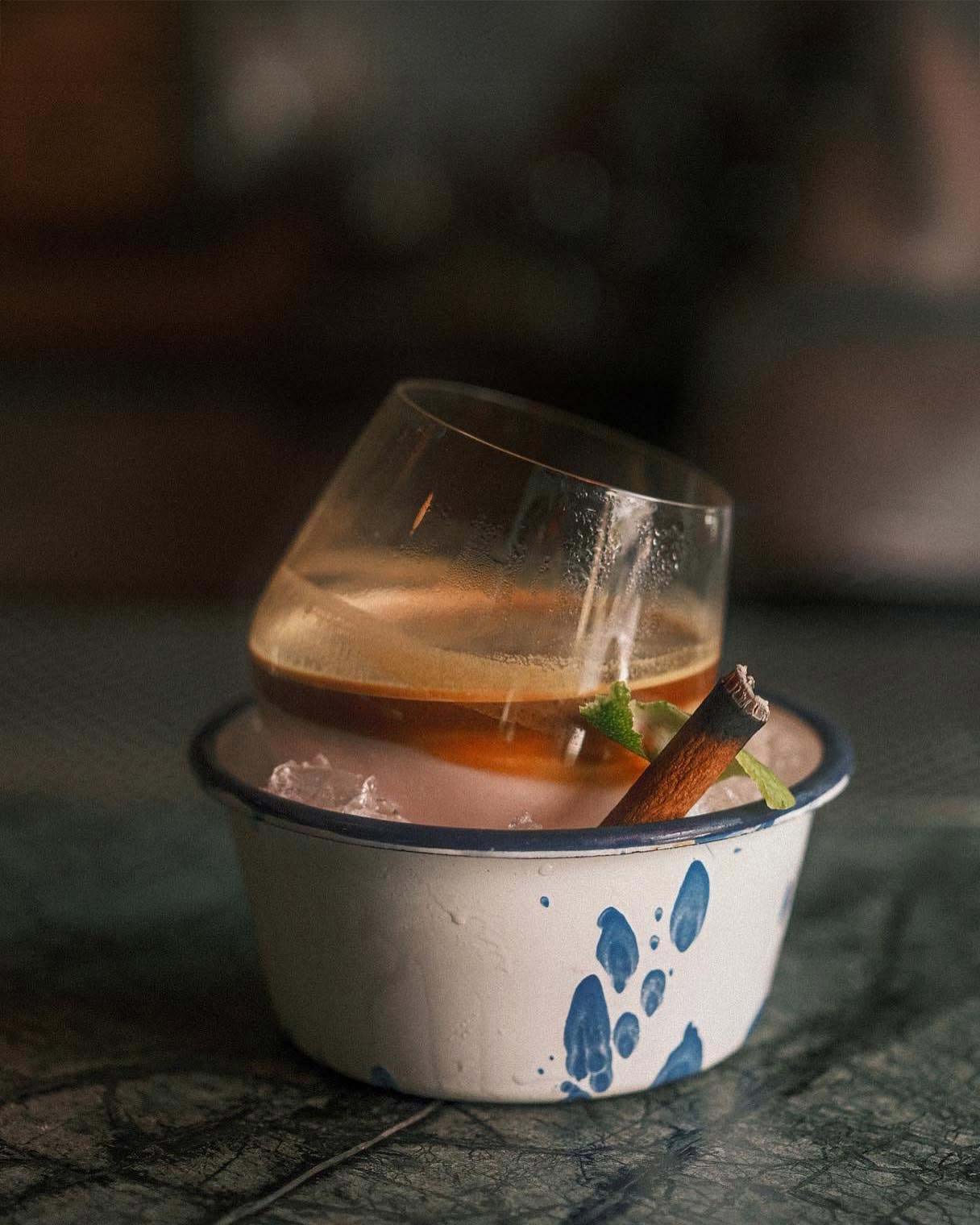
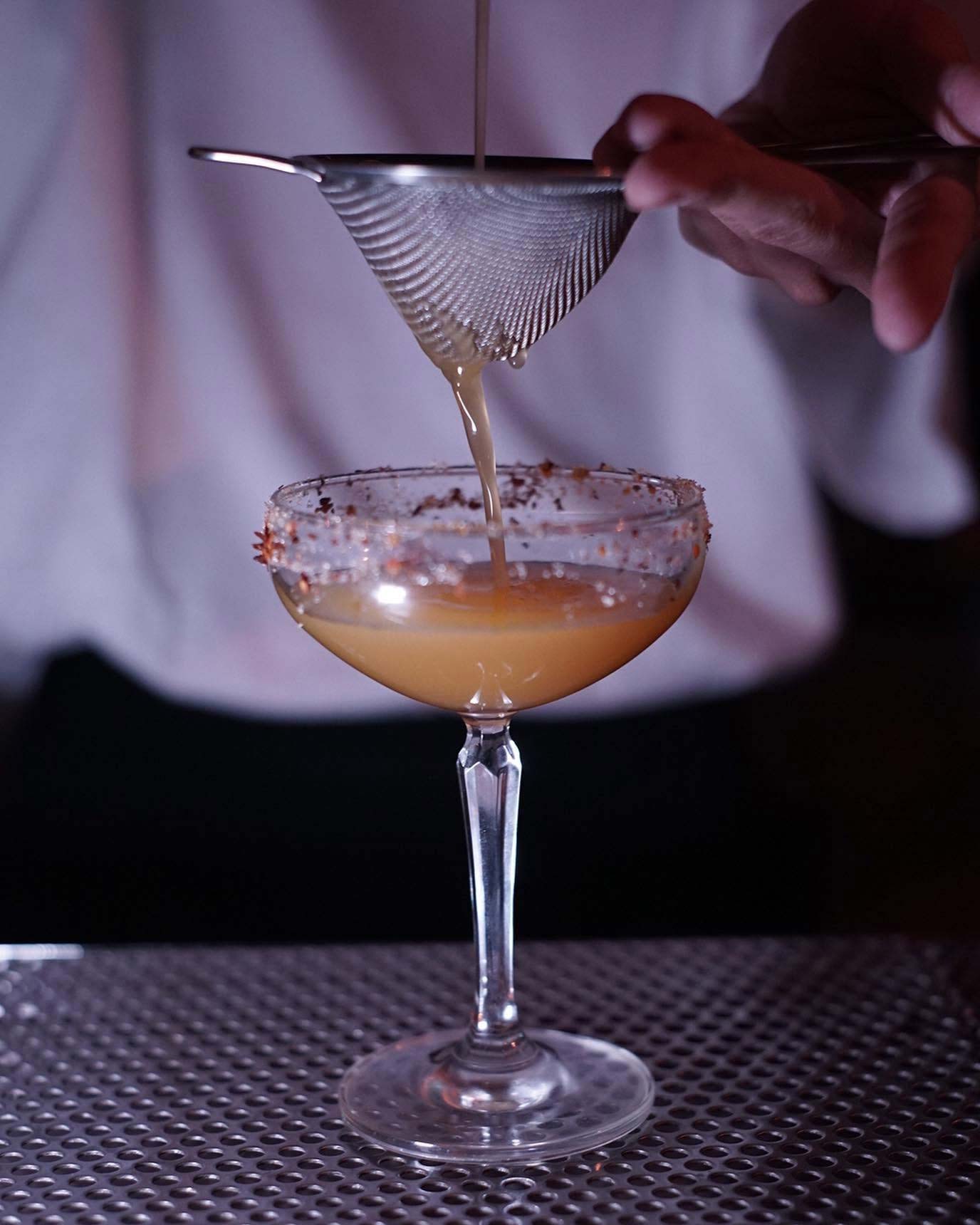
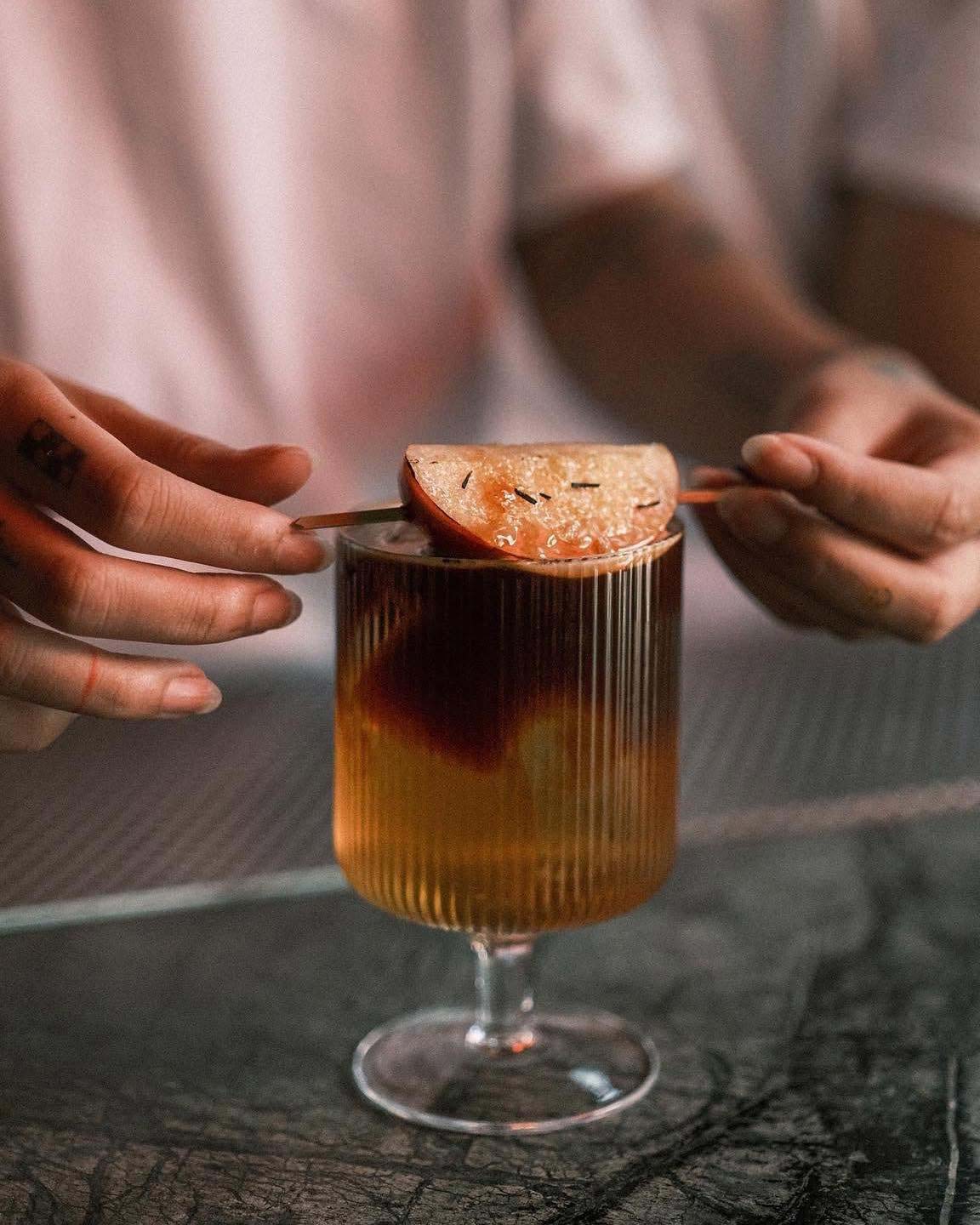
“Honestly, cocktails are not traditionally part of our drinking culture here. If you look at where local people usually hang out, it’s more about bottles of whisky, beer towers, or drinking in groups,” says Atchana “Amber” Intarangsi, a native of nearby Lampang and part of the collective of industry veterans that opened Bar Not Found in 2024.
“But I definitely see more local customers becoming curious and open-minded about it. And I think that’s happening because the bar community in Chiang Mai has done a really good job of creating spaces that feel approachable, creative, and welcoming.”
Long before Chiang Mai’s bars began appearing on award lists, a handful were already pushing the city’s cocktail culture in new directions.
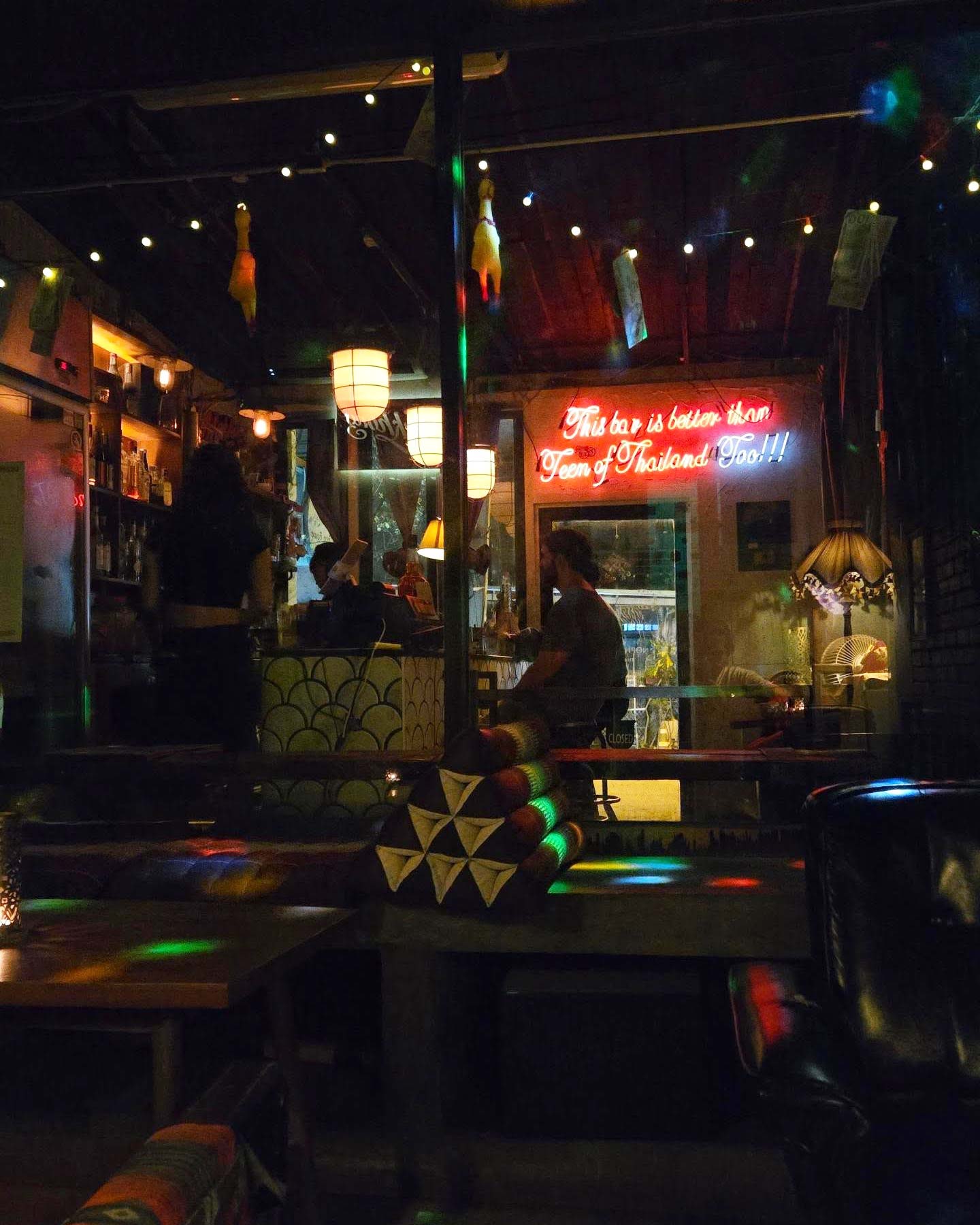
I remember visiting Nophaburi in 2019 and being surprised to find a bar working exclusively with Thai spirits. A bartender there even poured me a sample of Xiang Chun, an unheralded herbal liqueur I’d only seen gathering dust beside bottles of cheap sato in neighborhood shops. There were maybe a dozen places to sit, and above the room hung a neon sign declaring “This bar is better than Teens of Thailand,” the Bangkok institution that catalyzed the kind of nightlife evolution now occurring in cities like Chiang Mai.
It was cheeky and fun, and the drinks were better than any I’d had in Chiang Mai at the time. In retrospect, Nophaburi’s no-frills success should have signaled where the city’s cocktail culture was headed.
Bartenders from Bangkok began moving north in 2020, drawn by the slower pace of life and lower costs. According to real estate firm CBRE, rents are about 40%cheaper there than in Bangkok. As interest in the Chiang Mai lifestyle grew, local talent who might have chased opportunities elsewhere stayed put, too.
Within a few years, the city had become the kind of place where you could spend a whole evening hopping between bars and still miss half the places worth visiting.
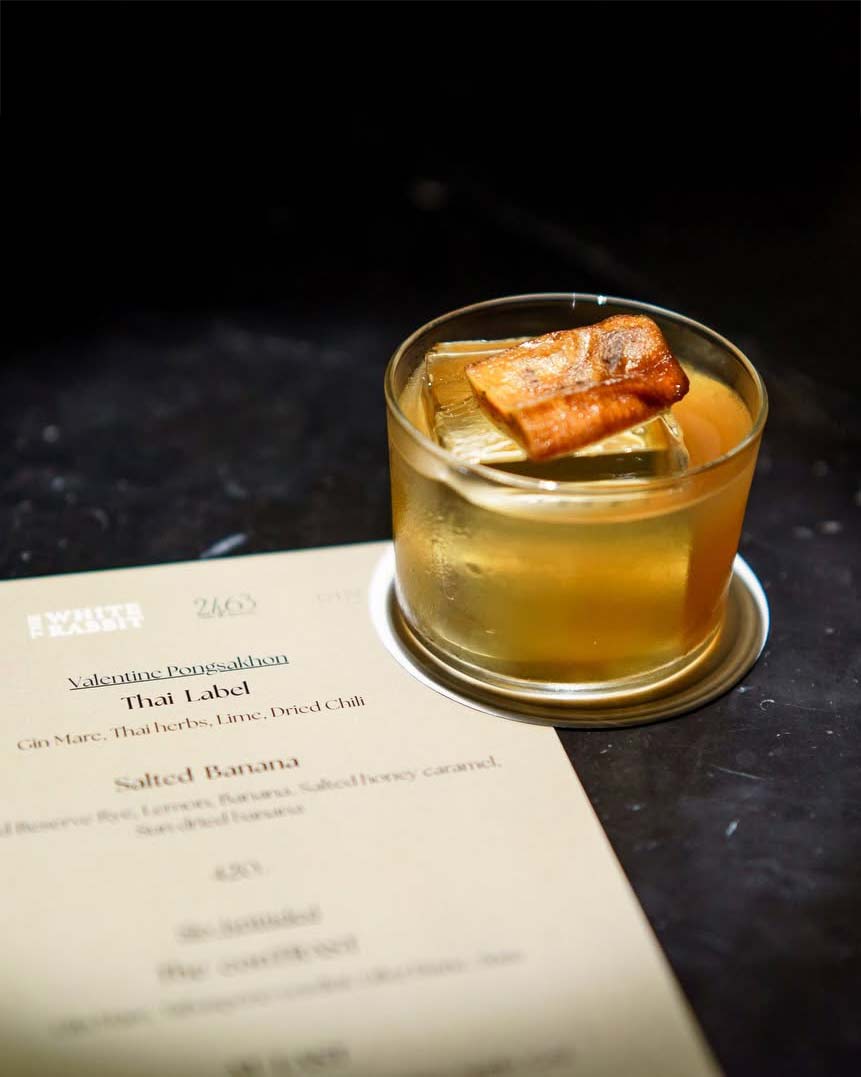
A set of rickety wooden stairs leads to The White Rabbit, a gleaming black speakeasy in the old city that’s perpetually busy these days. A bookshelf in Nimman hides the John Wick-inspired Continental, where the drinks have names like PM2.5 and Red Truck and feature products like Sonklin, a local rice spirit made nearby in Chiang Dao.
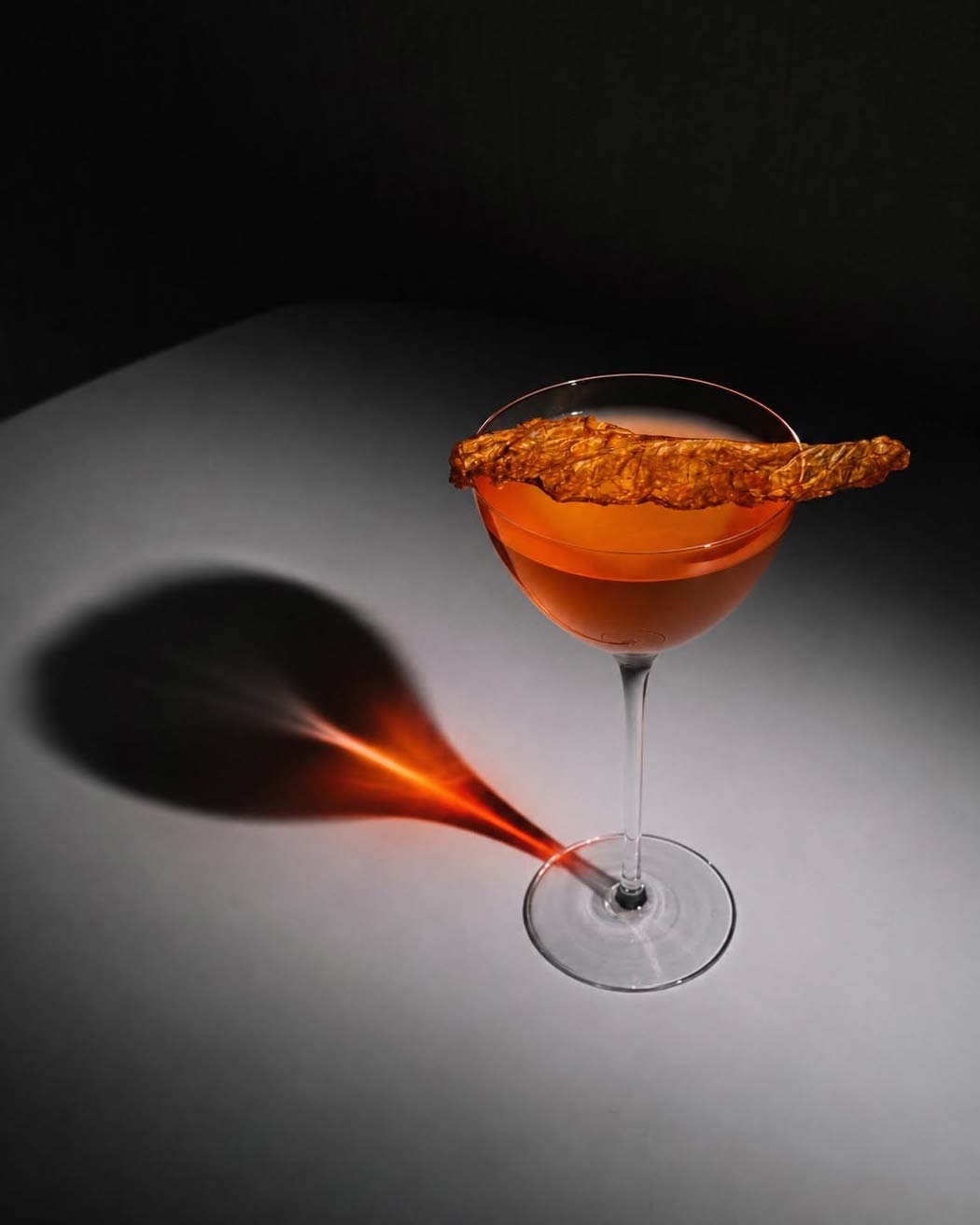
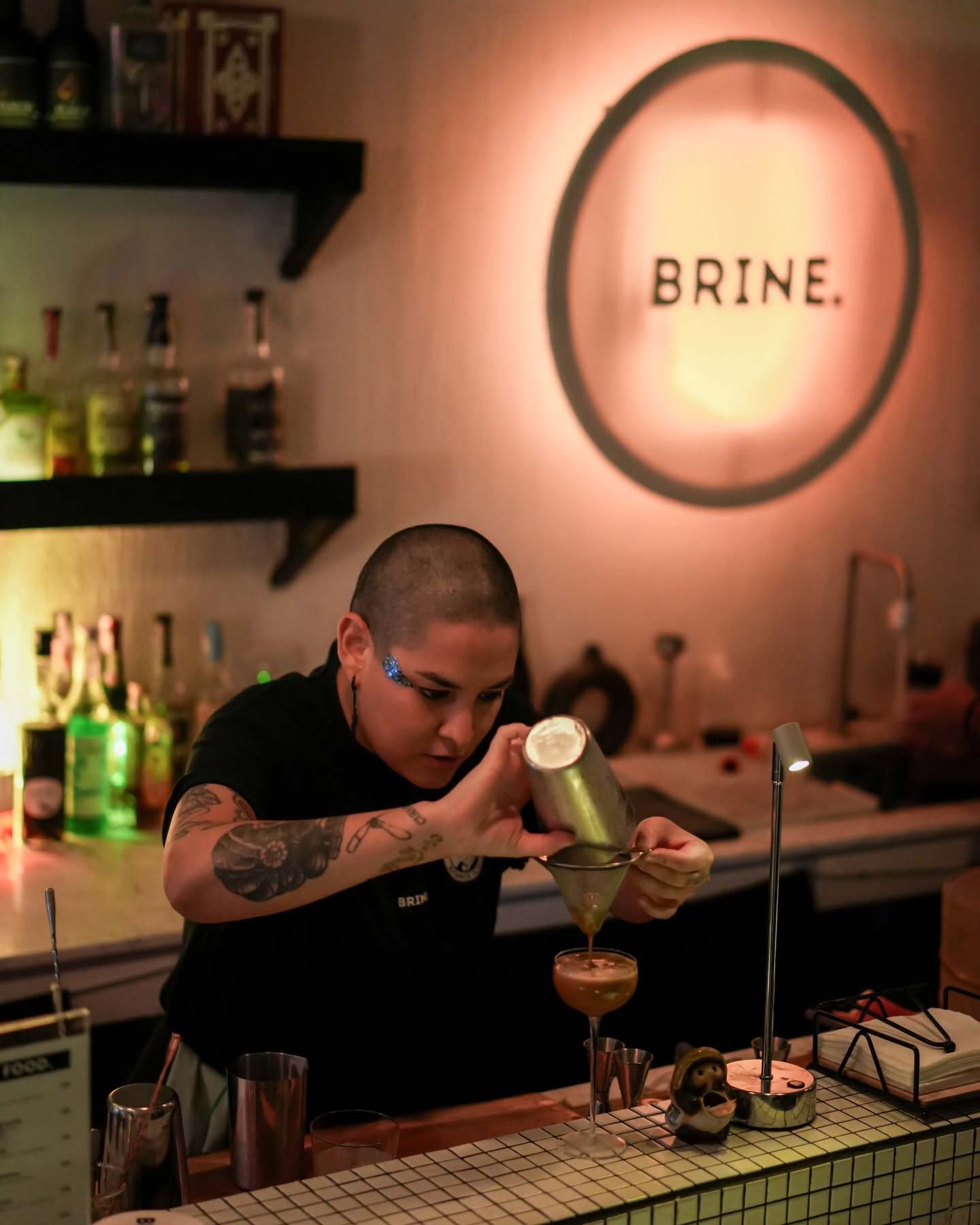
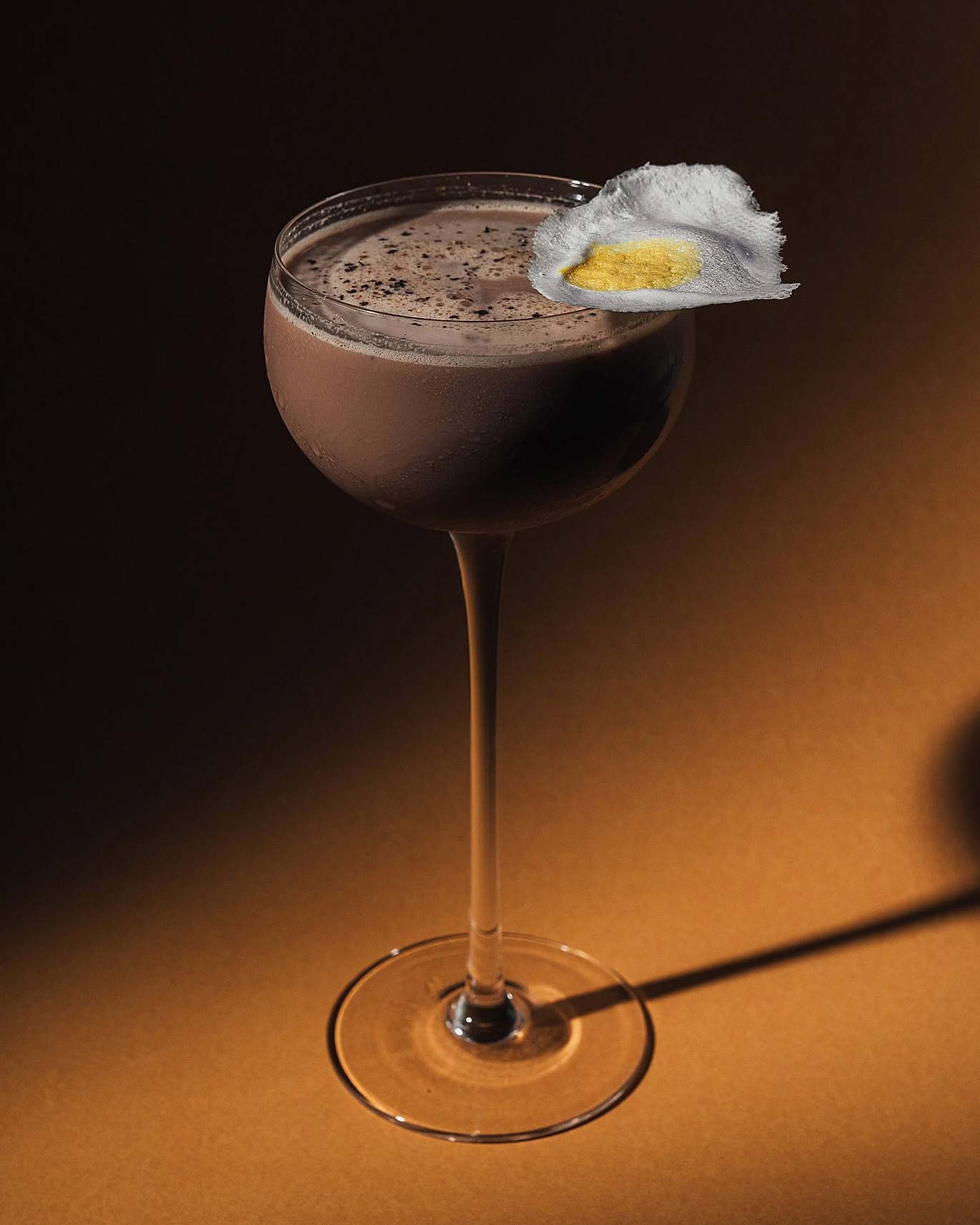
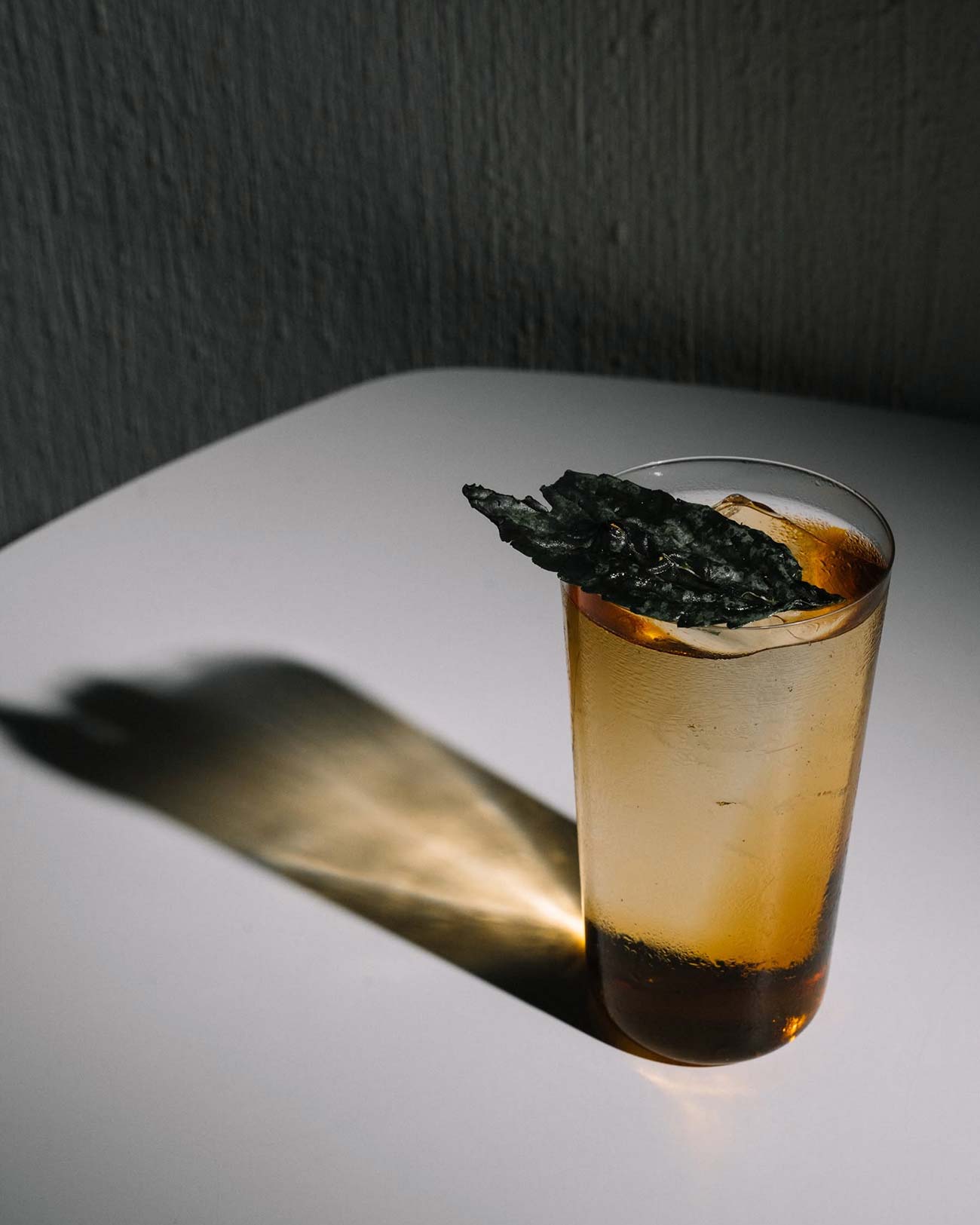
Then there’s Brine and its savory cocktails, moody jazz bar Noir, and North Country in the restored Kiti Panit building.
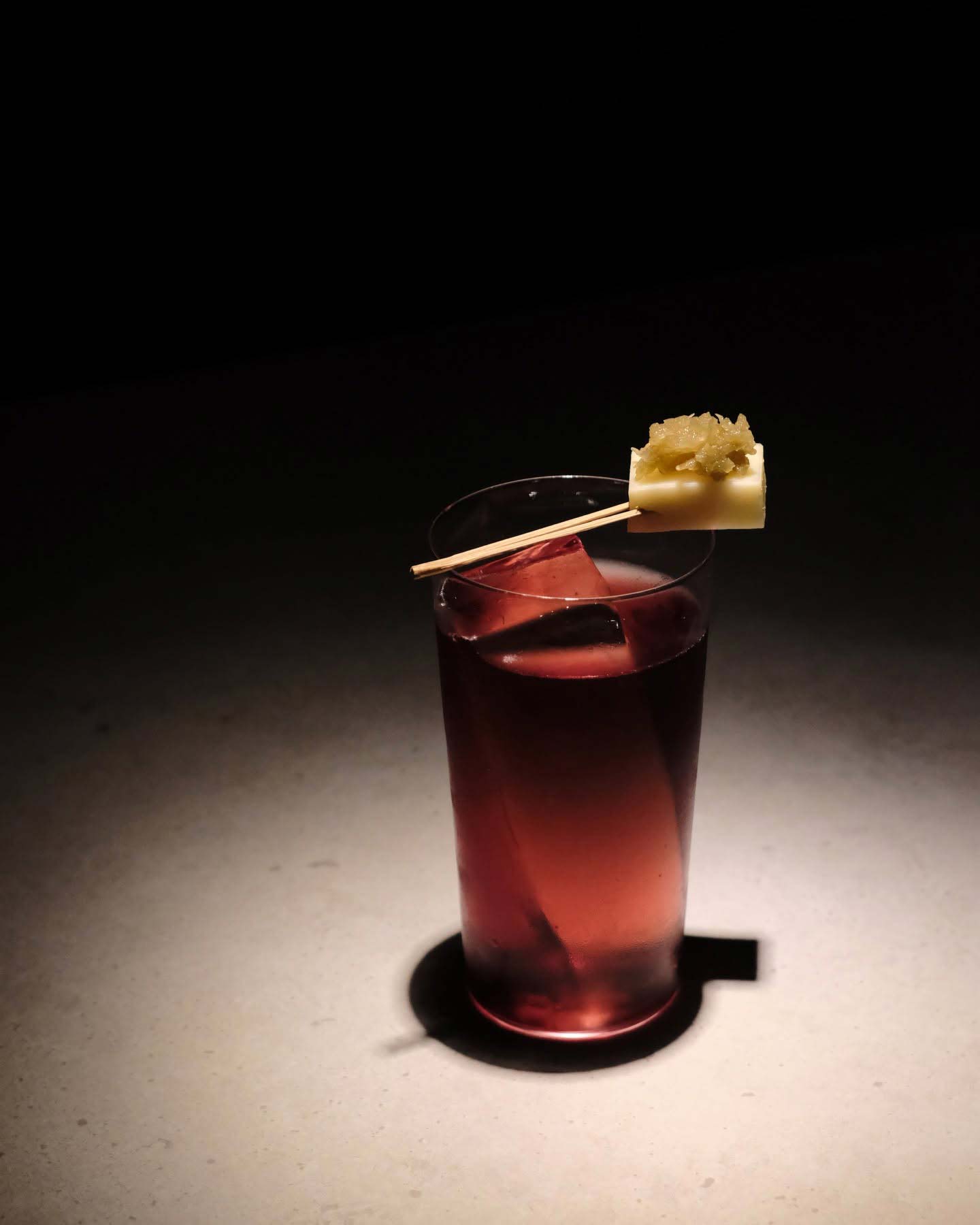
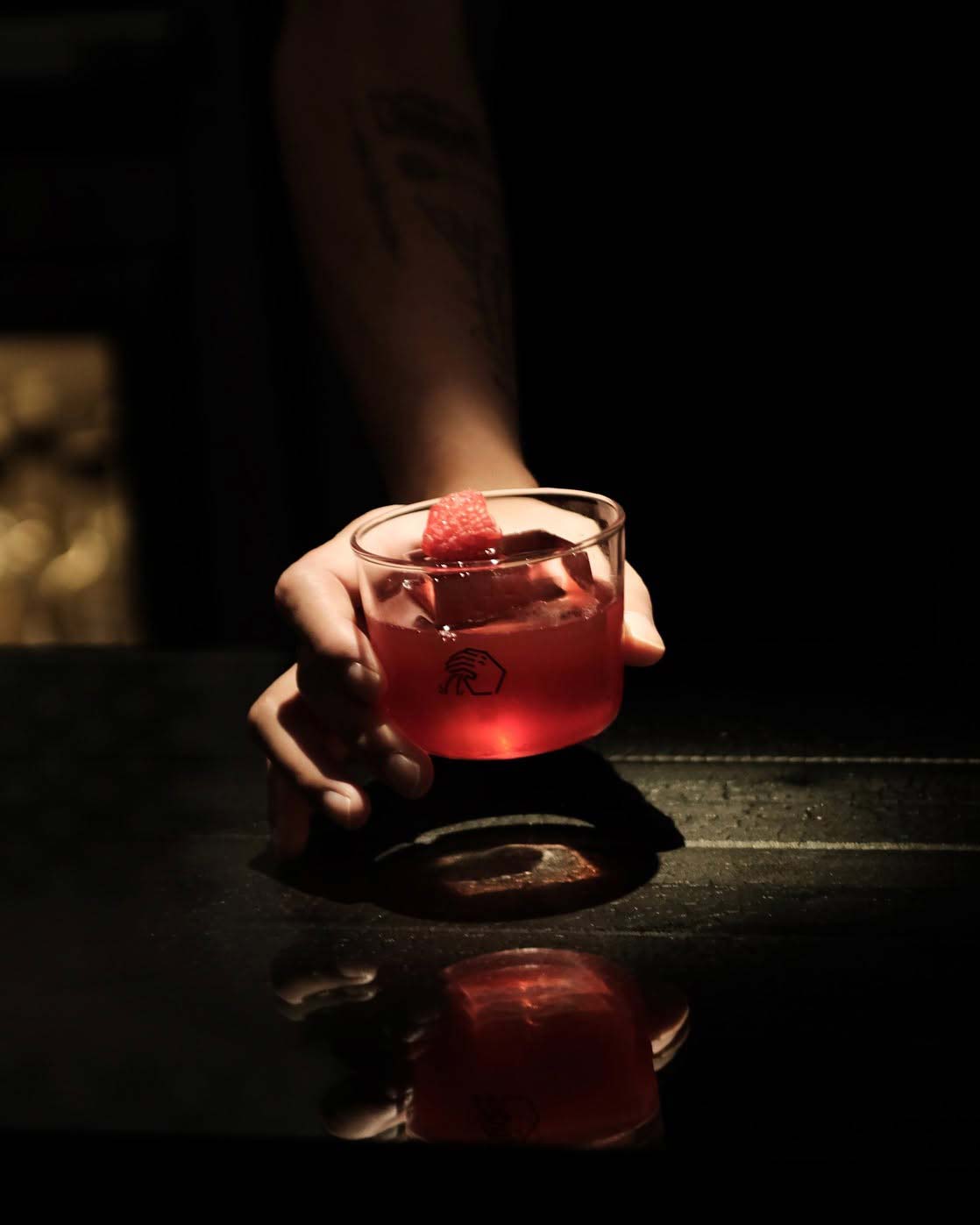
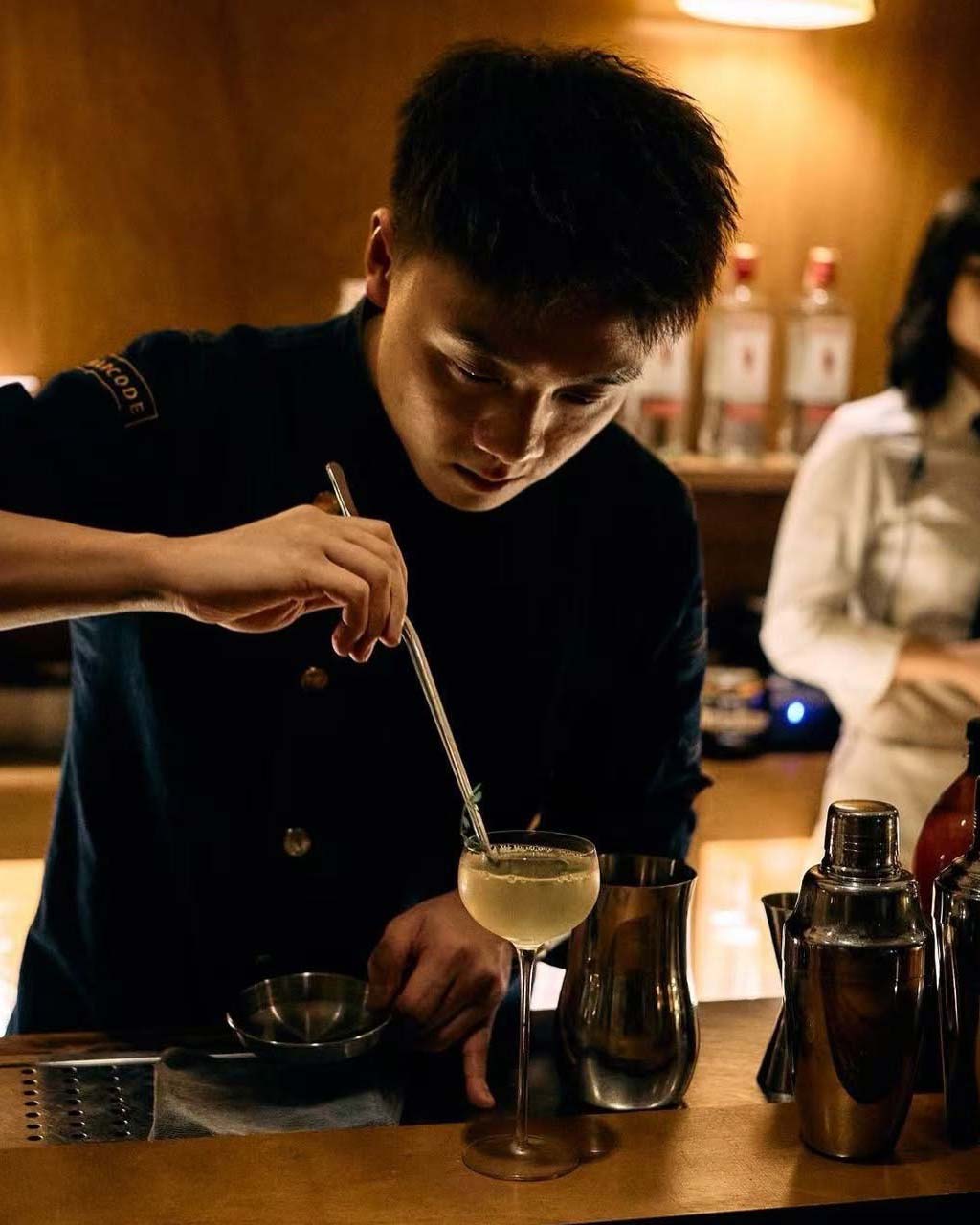
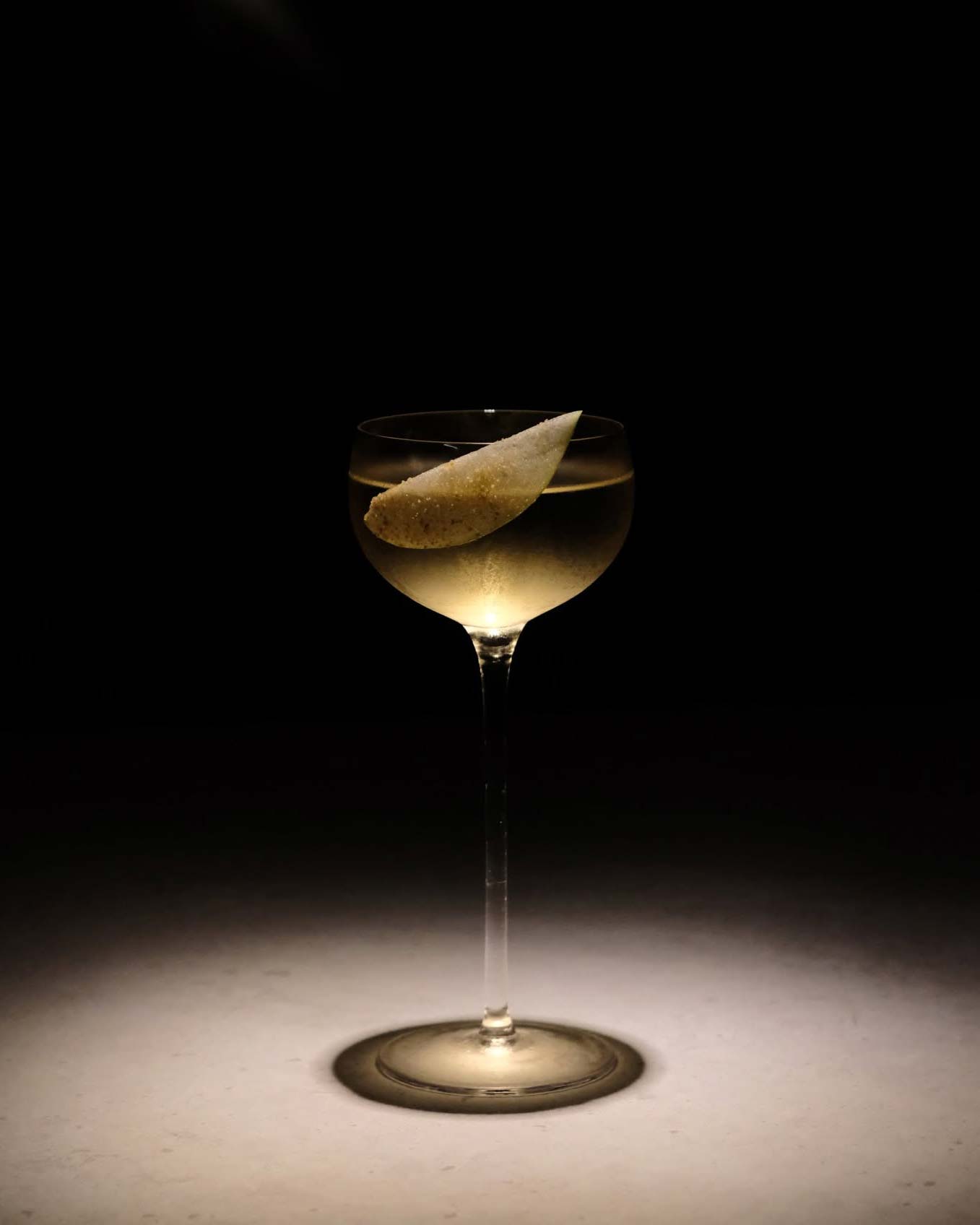
Among them all, though, few better illustrate Chiang Mai’s evolution than Bar San.
Named Thailand’s 10th best bar at the Bangkok Bar Show in 2025, the intimate Bar San has earned a reputation for polished hospitality and drinks with a strong sense of place.
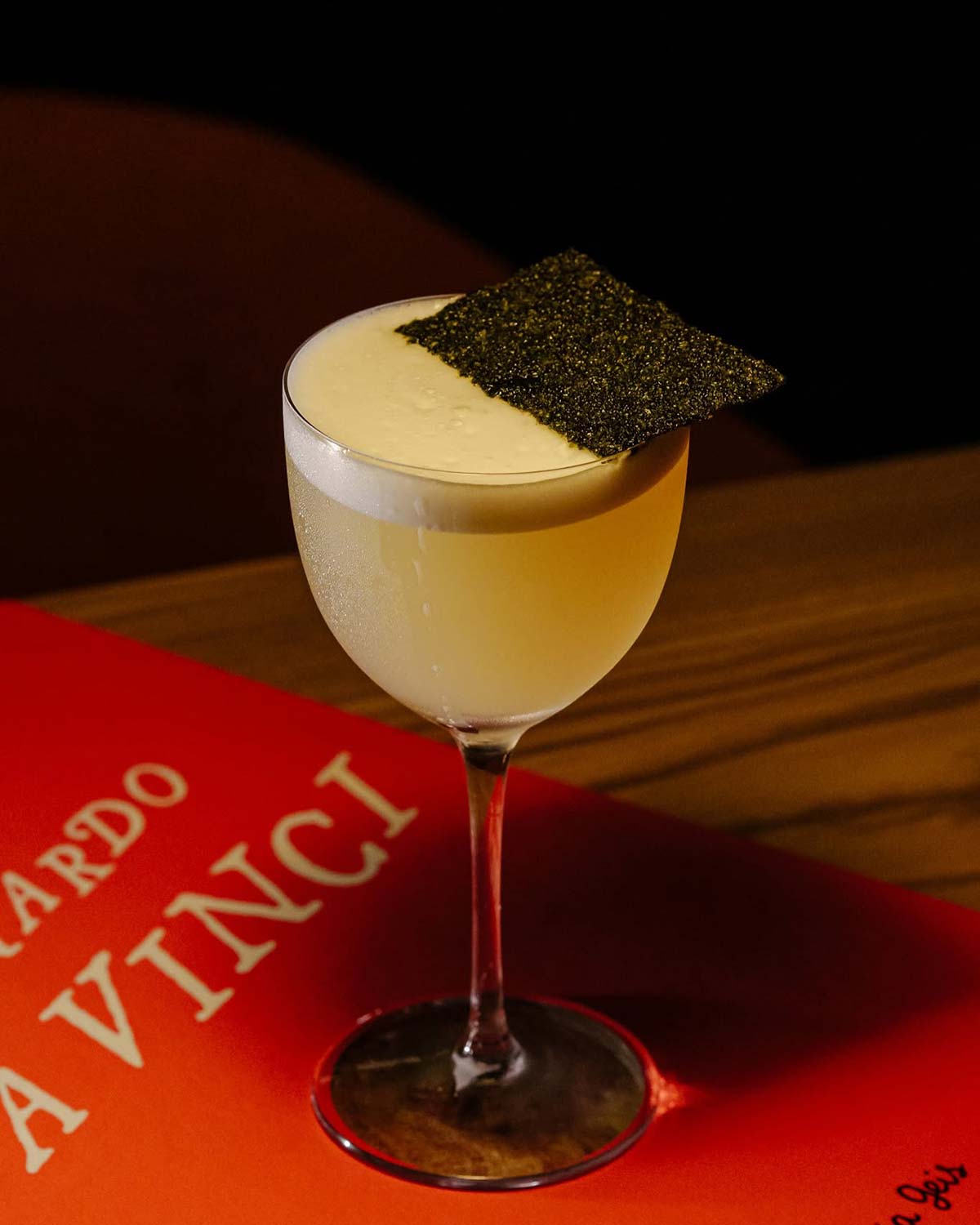
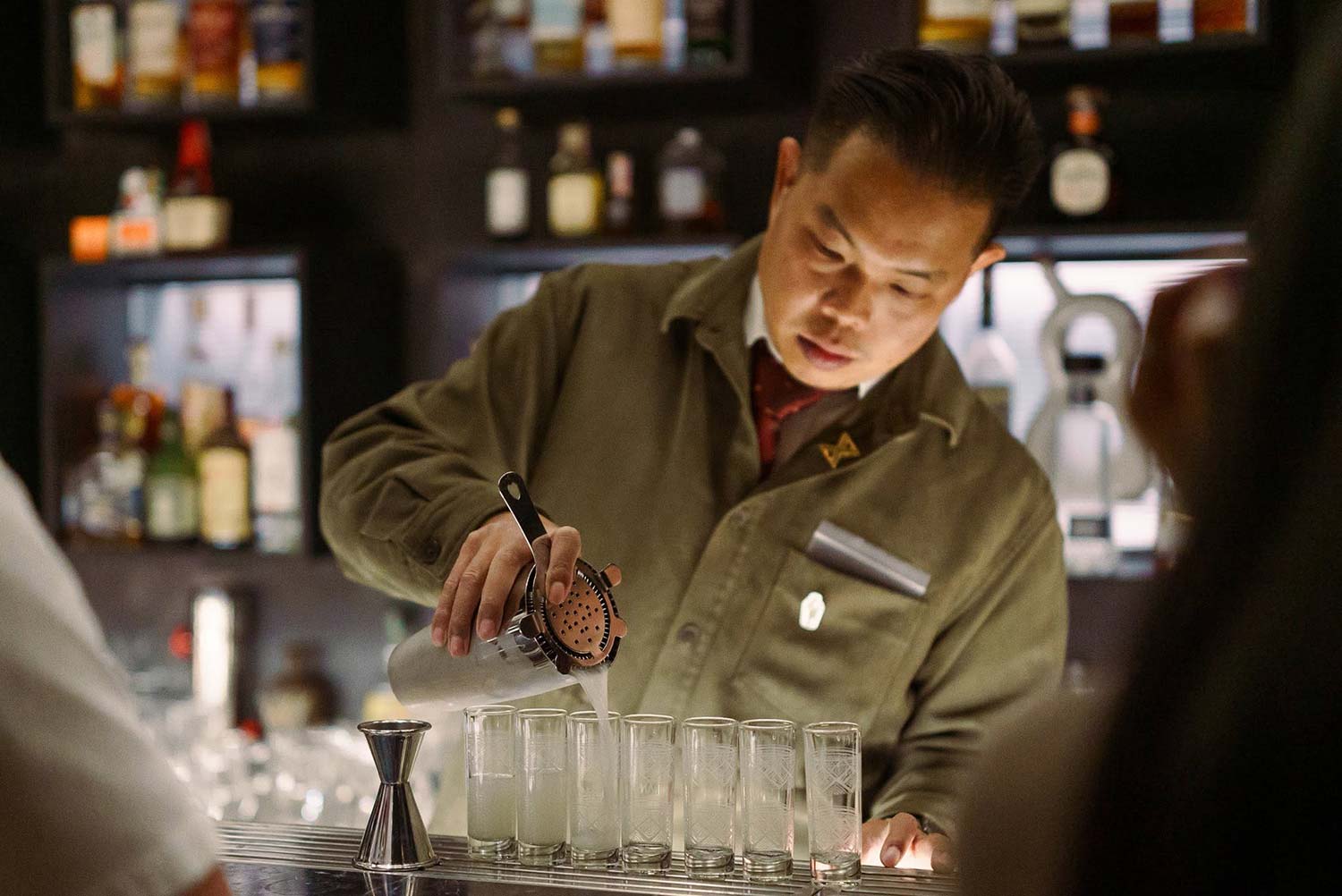
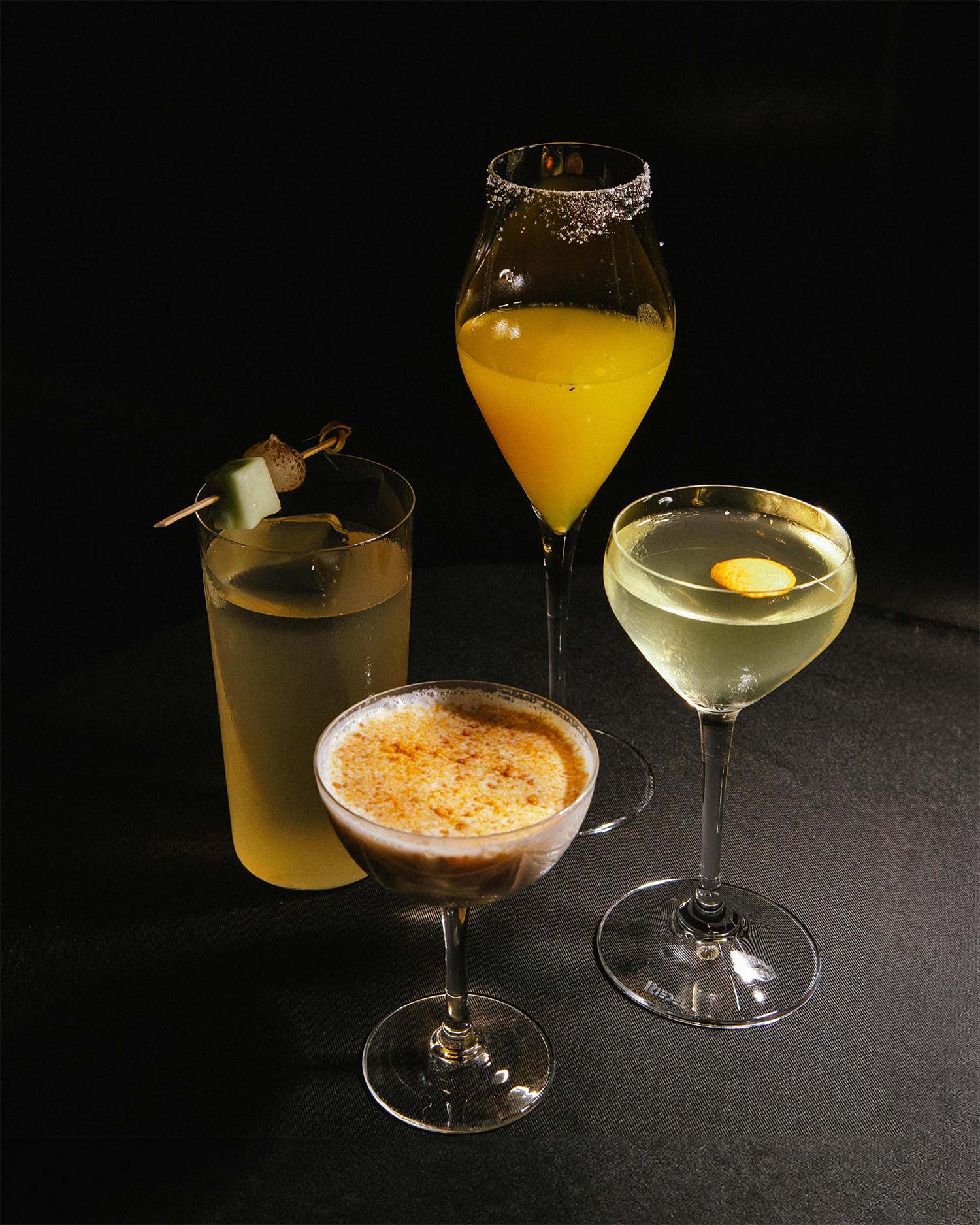
Inside a renovated shop on a stretch of road wedged between the river and the Night Bazaar, staff in olive-green jackets guide guests through cocktails featuring local produce and umami-driven flavors. That could mean a gin and mezcal fizz with dried fish, dashi, and kaffir lime, or a foam-topped gin drink mixed with local mango wine, sake, jasmine flower, and a cordial made from Phuket Beer’s Khaohom lager.
Bar San has made a big splash, regularly attracting bartenders from across Asia for pop-ups and collaborations. (Its Japanese-inspired food menu also merits mentioning.)
Among the team that has turned it into one of Thailand’s best is Daniele Trombelli.
The Italian bartender came to Chiang Mai in 2025 after several years at Milan’s 1930, one of the world’s most acclaimed cocktail bars.
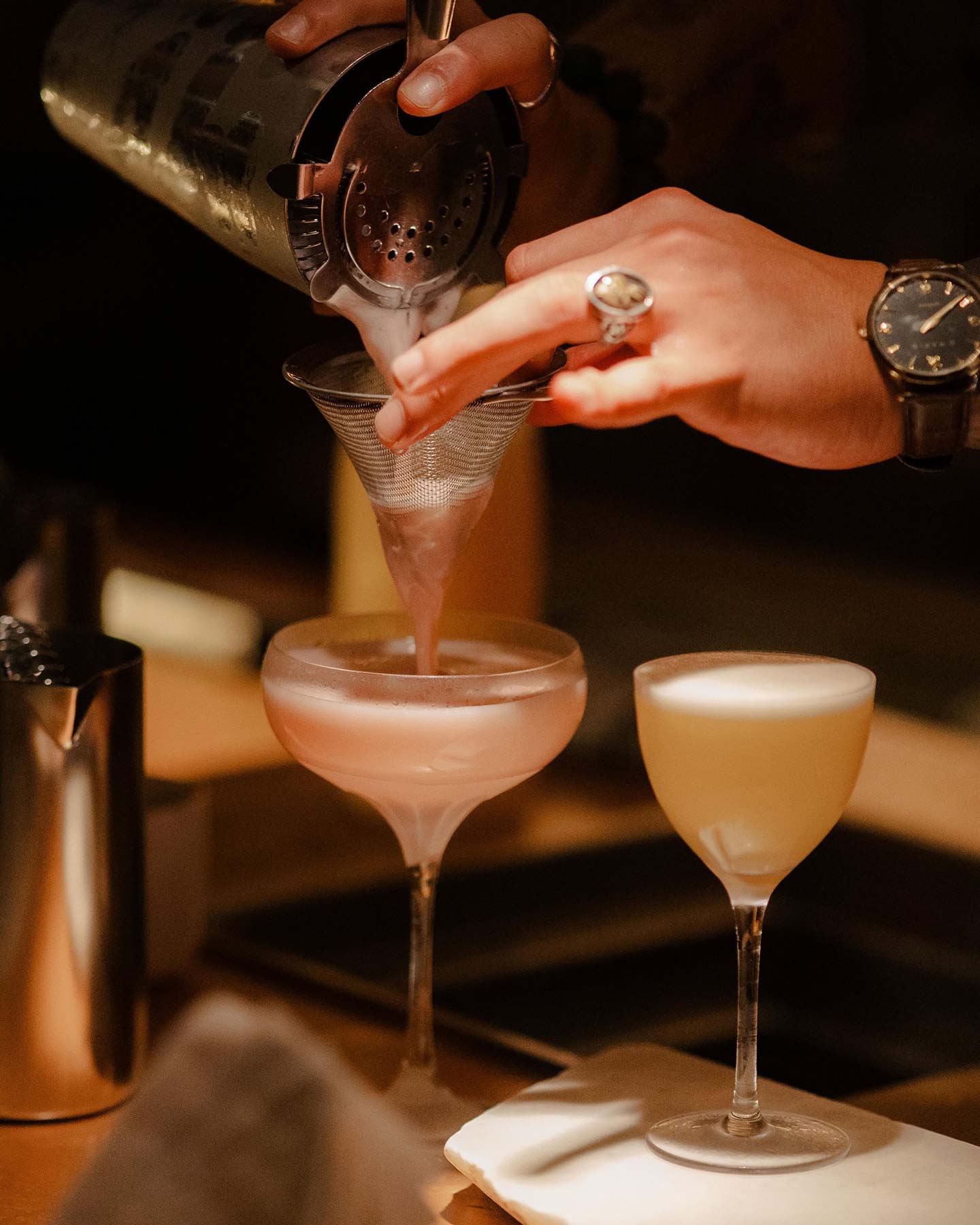
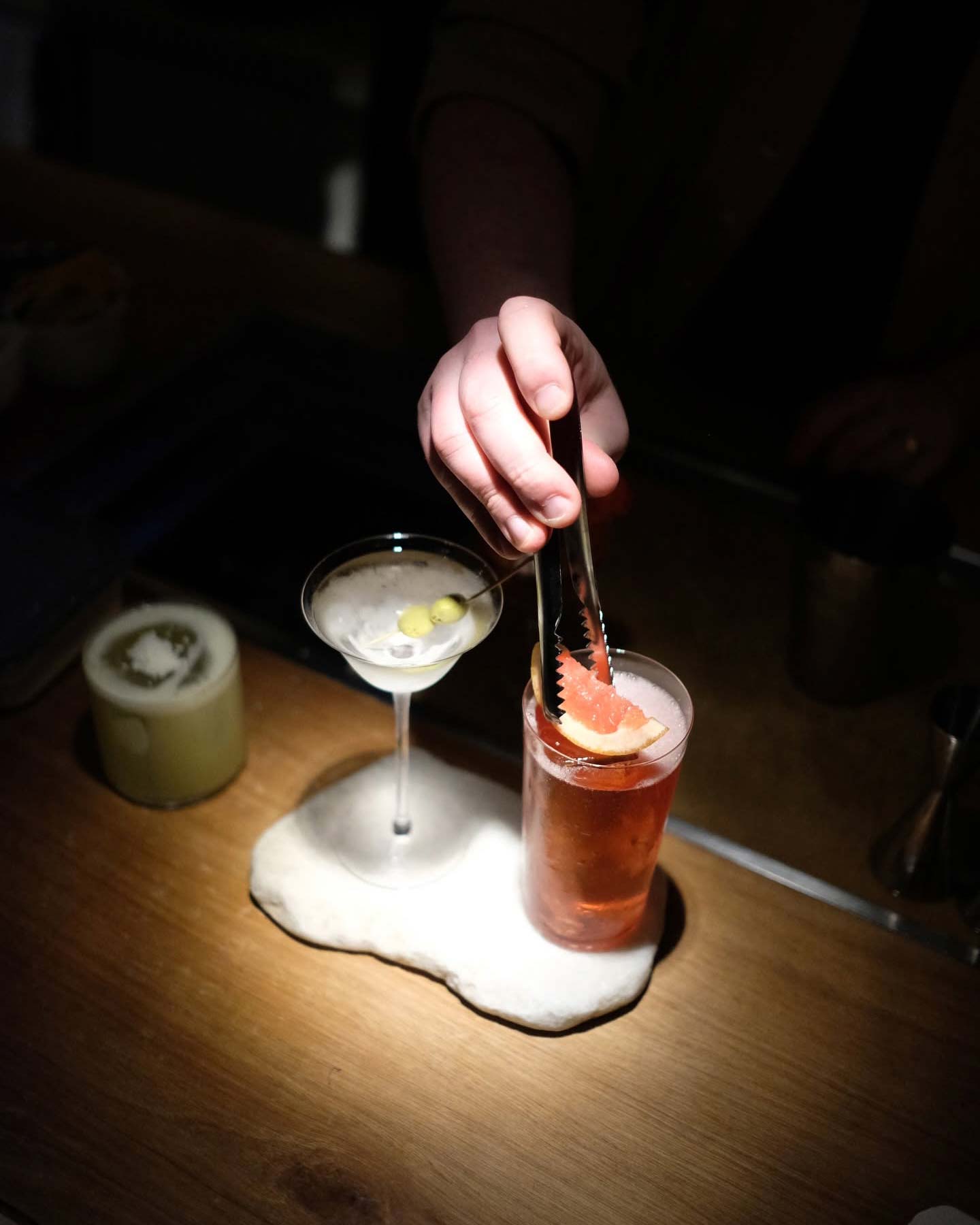
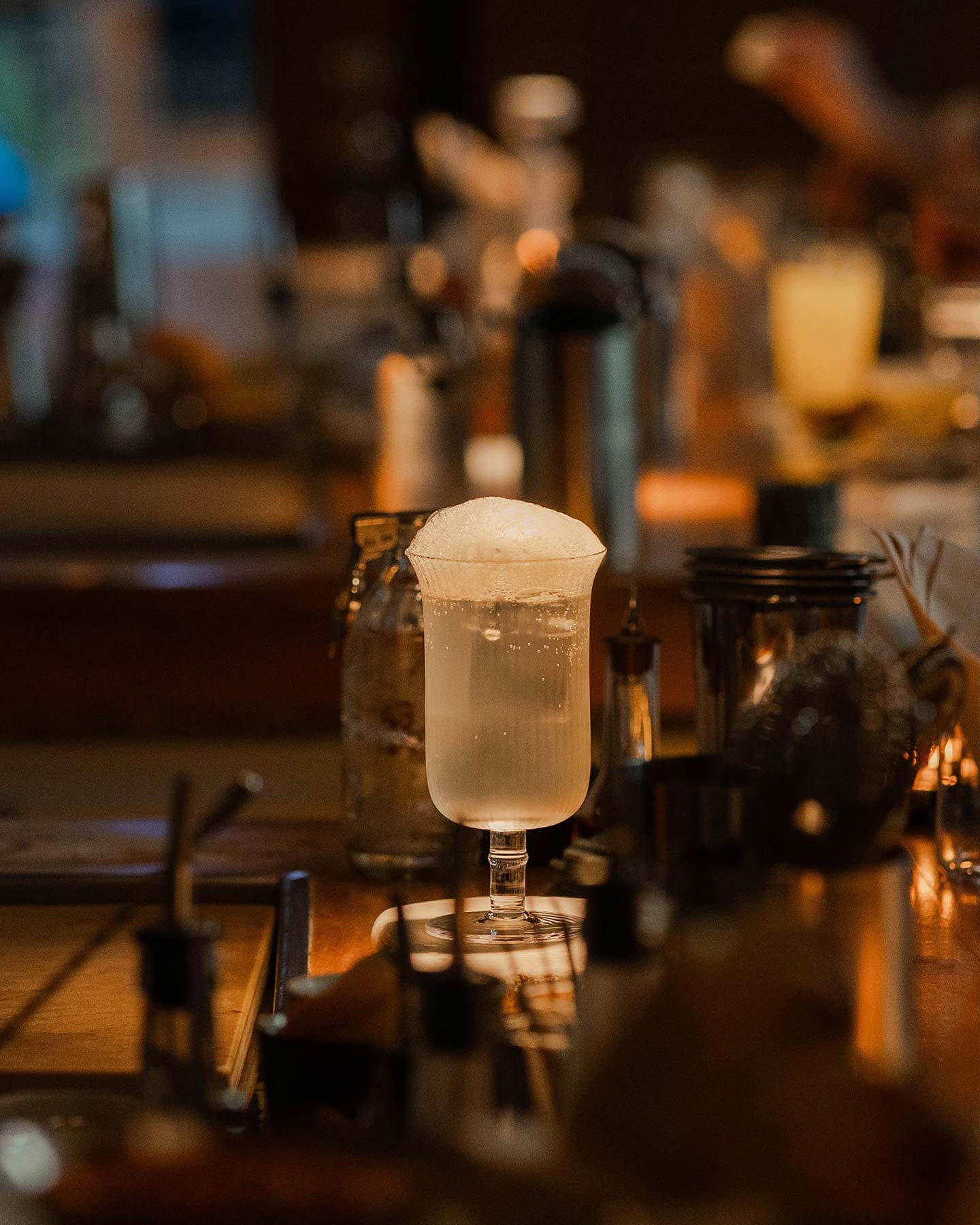
“What I really like about Chiang Mai is there is a nice balance of life. Compared to Milan, Chiang Mai is very easy-going, quiet, chill. People are very polite,” Trombelli tells me a few days before jetting off to Hong Kong for a Bar San takeover, one of many in the works this year.
Intarangsi has heard similar sentiments from many of the bartenders who have chosen to stay in Chiang Mai or move there from other places.
“Life in Chiang Mai feels different,” she says. “We don’t spend hours stuck in traffic or lining up everywhere surrounded by crowds like in Bangkok. And I think that kind of lifestyle gives me more space and time to experiment creatively.”
Between the low rents and lack of pretension, the extra breathing room really has influenced the city’s cocktail culture.
Rather than chasing trends from Bangkok, Hong Kong, or Singapore, she says, many bartenders have looked closer to home, drawing inspiration from northern Thai ingredients, spirits, and culinary traditions. Brine, for example, serves a wide-ranging menu of drinks made with native spices, fermented seasonal fruit, fish sauce, galangal, chilies, and even local spirits like Choeng Doi sugarcane rum and Isan Boy gin.
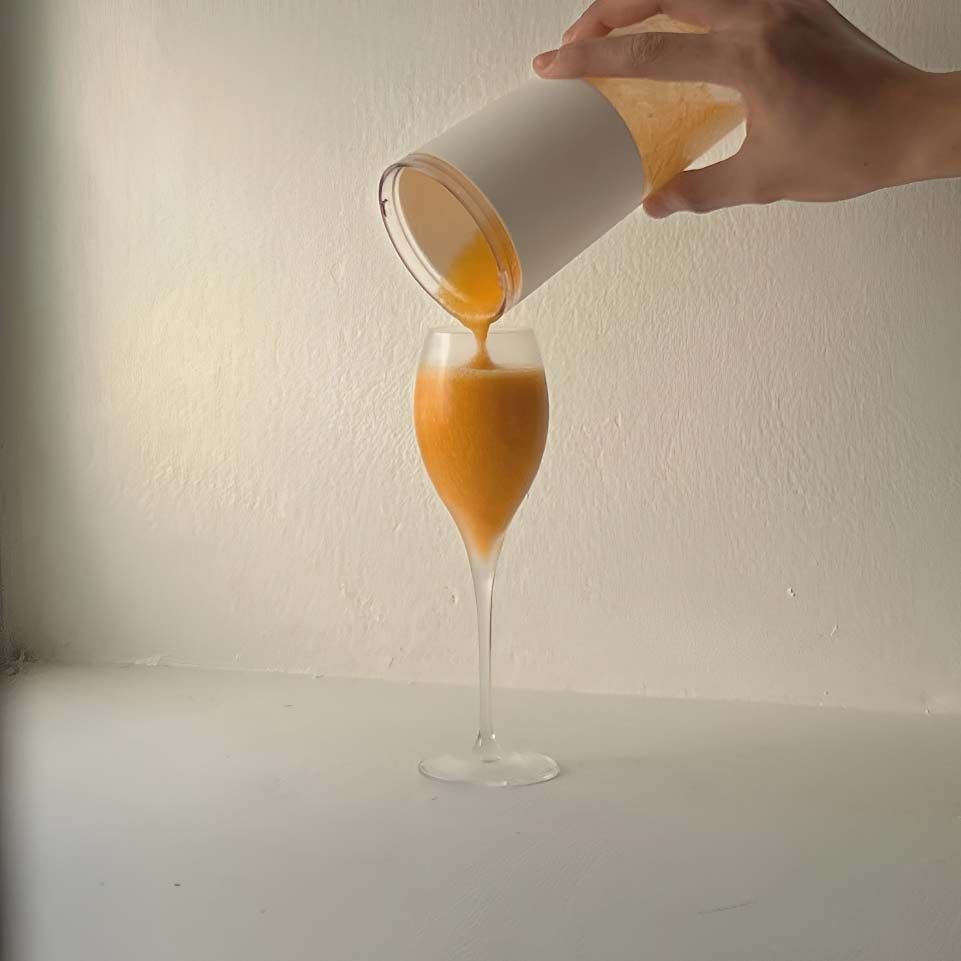
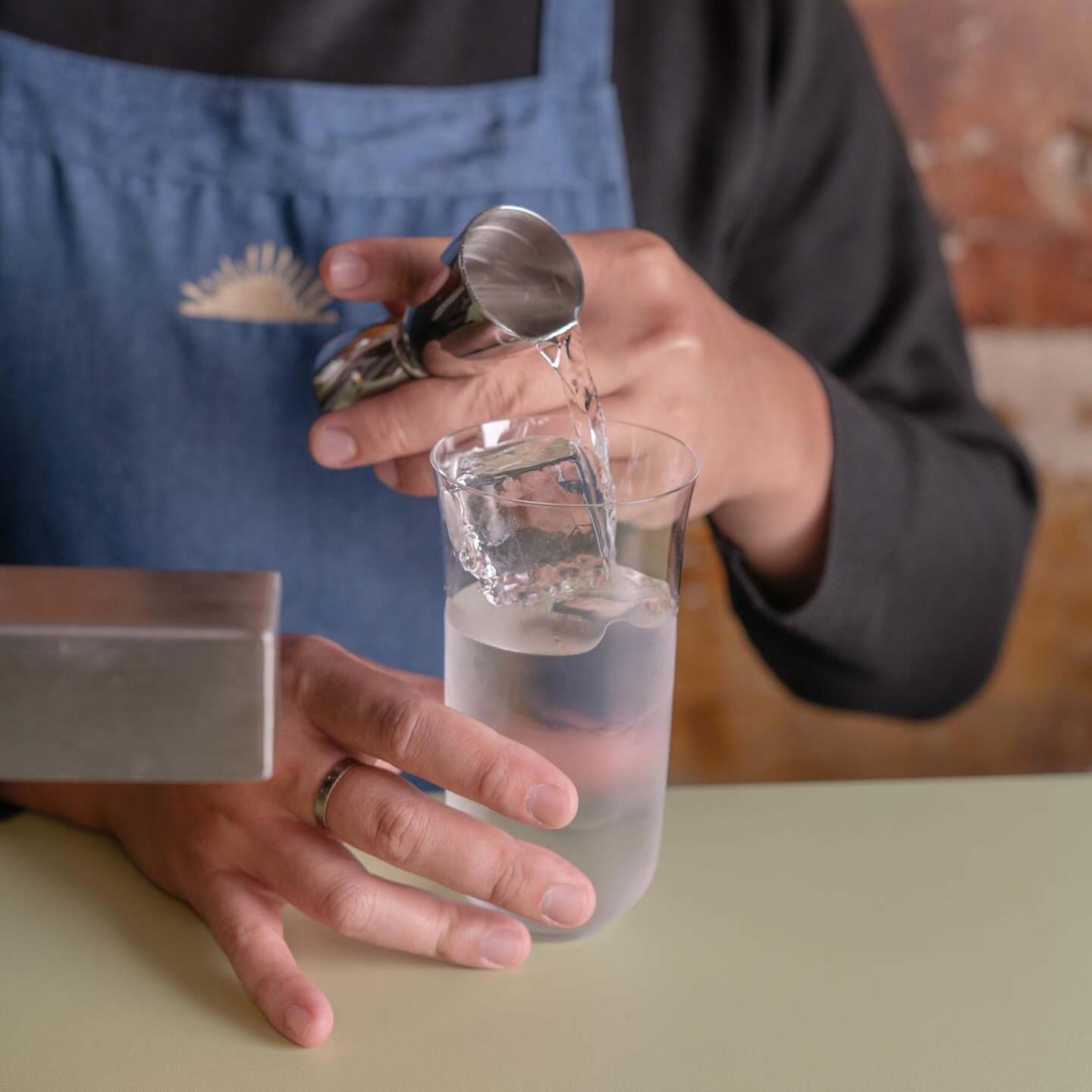
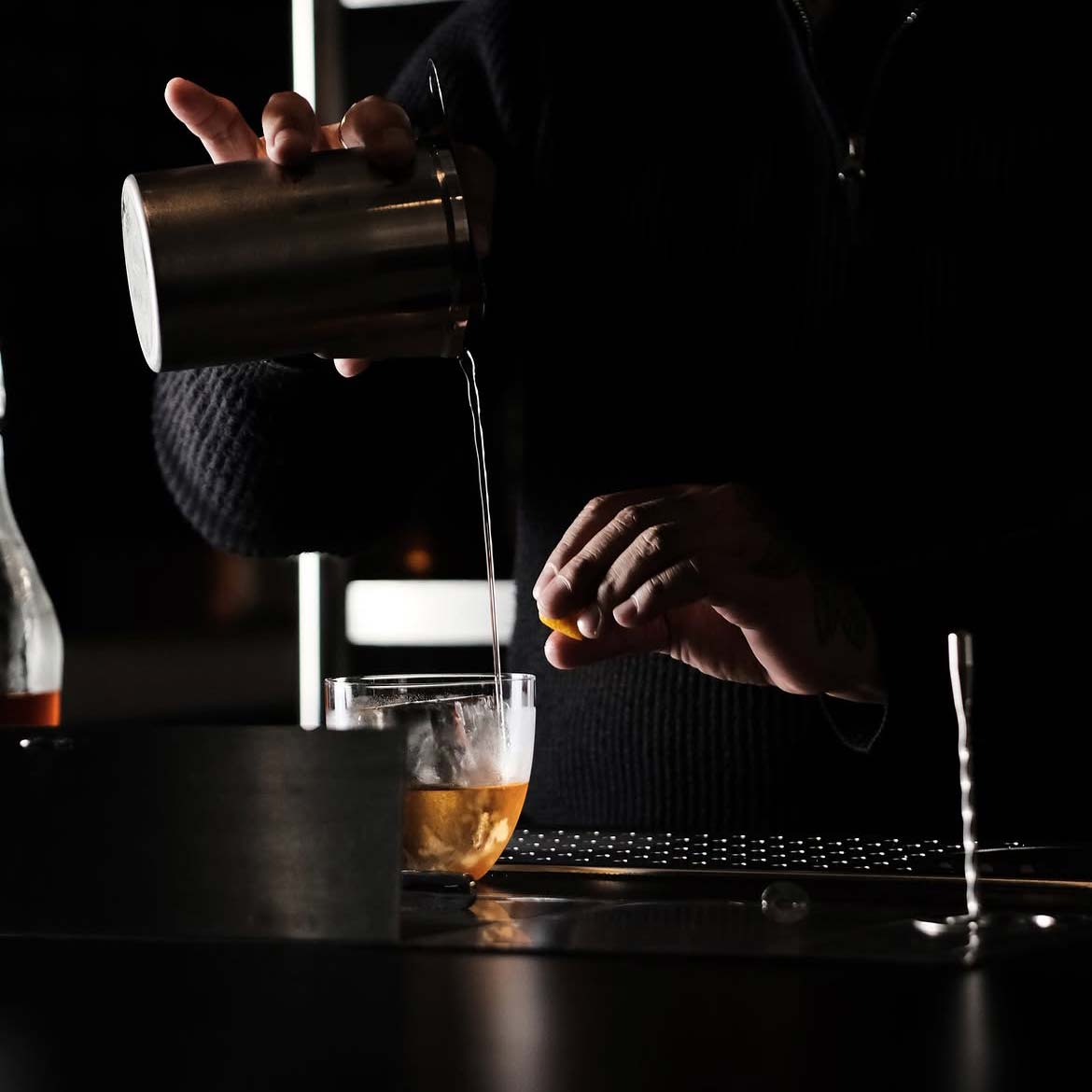
While some venues have adopted the low lights, black ties, and glossy sheen of big-city bars, Chiang Mai remains refreshingly free of their self-importance.
“I think in the beginning, a lot of bars in Chiang Mai looked outward for inspiration, especially to Bangkok, Hong Kong, Singapore, or Tokyo, because those cities really shaped modern cocktail culture in Asia,” says Intarangsi. “But now, Chiang Mai is slowly becoming more confident in what it is.”
Trombelli points to another sign of the scene’s depth: the ability to spend an evening moving between different bars without ever leaving the same neighborhood. His favorites include Noir, Counter de Noir, and Demon’s Murmur, three connected venues that offer everything from gin-focused drinks to live jazz, wine, and classic cocktails.
“Some bars here are raw, creative, personal, or just genuinely fun,” says Intarangsi. “I think all of those things are becoming part of Chiang Mai’s identity.”