

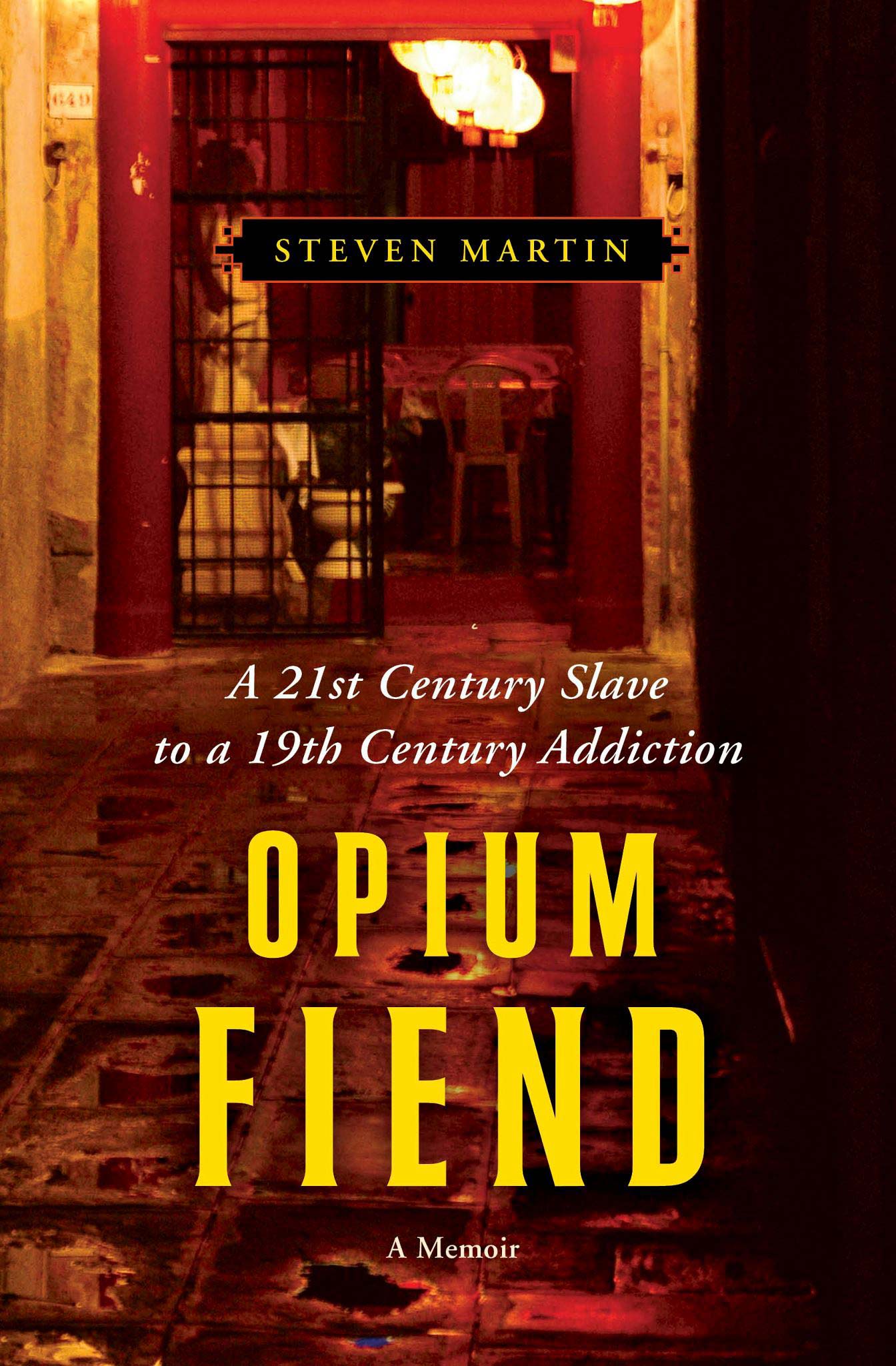
Early in Steven Martin’s painfully honest memoir Opium Fiend: 21st Century Slave to a 19th Century Addiction, he explains his nostalgia for opium’s past. As he sees it, the historic substance—once hailed by a Vanity Fair article as a “medicine and holy panacea older than any known god”—suffered an undignified demise under post-colonial globalisation.
A visit to a now-defunct Vientiane opium den evokes disappointment: squalid decor, poor-quality gear, morose clientele. The opium is bulked with pipe residue, upping the morphine content—and danger. “Imagine,” Martin writes, “that a hundred years from now the modern wine industry is reduced to elderly winos swilling fortified wine from stemware held together by packing tape.”
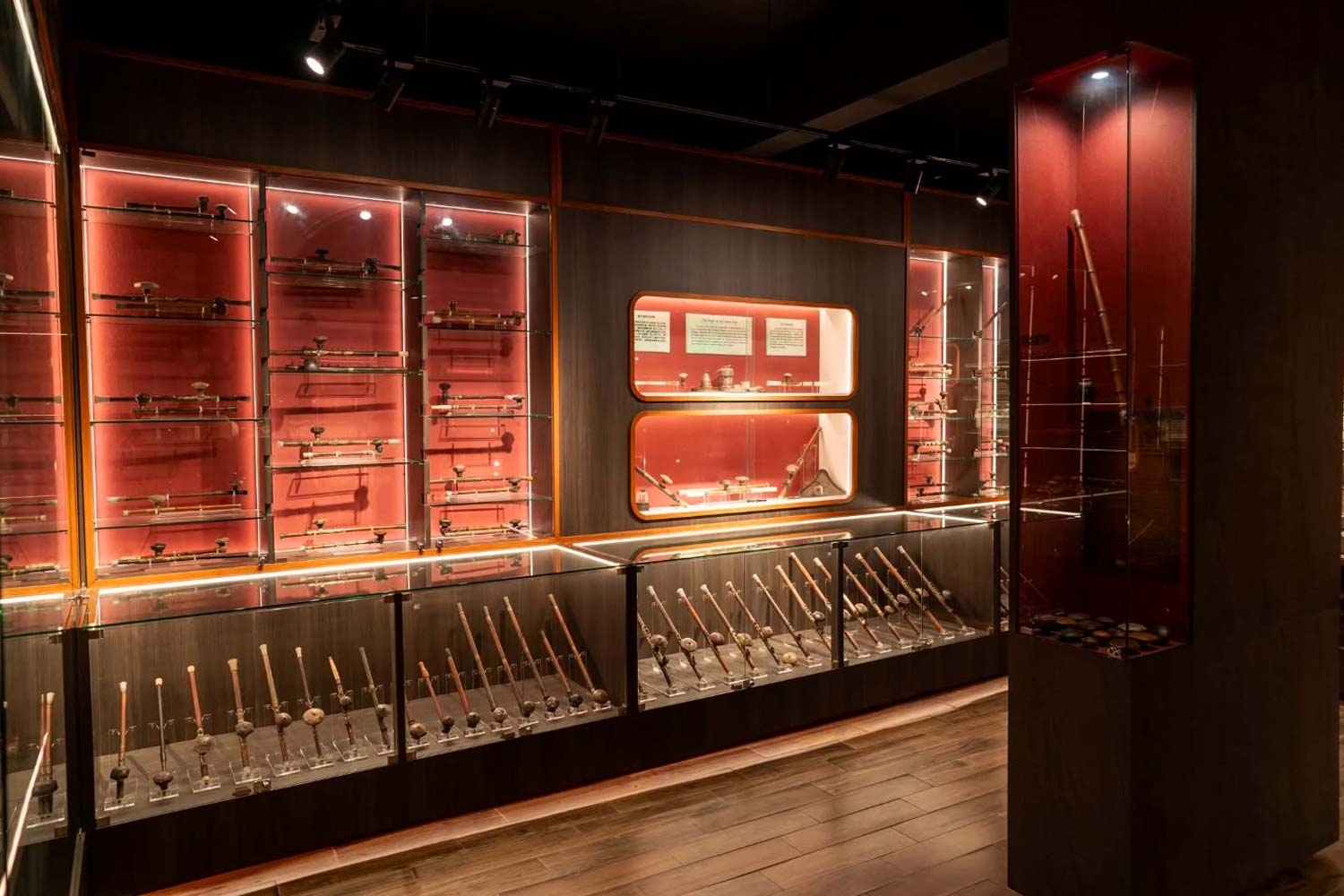
Until 1959, when Thai authorities outlawed opium, Bangkok boasted the world’s largest opium den. Heng Lak Hung, on Charoen Krung Road, housed over 5,000 users and kept 10,000 pipes—reportedly the world’s finest collection. When it closed, the gear was torched in a mass burning at Sanam Luang.
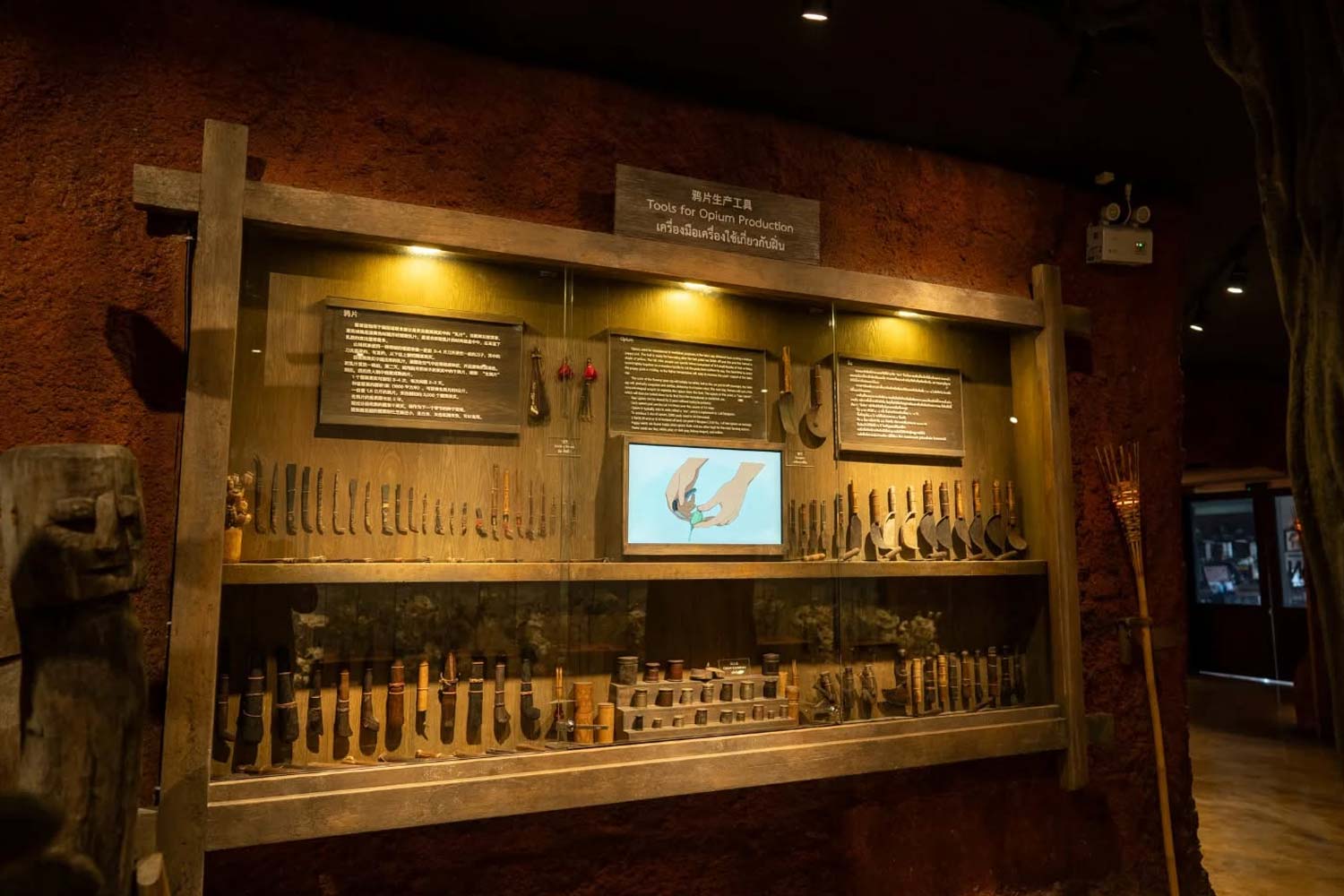
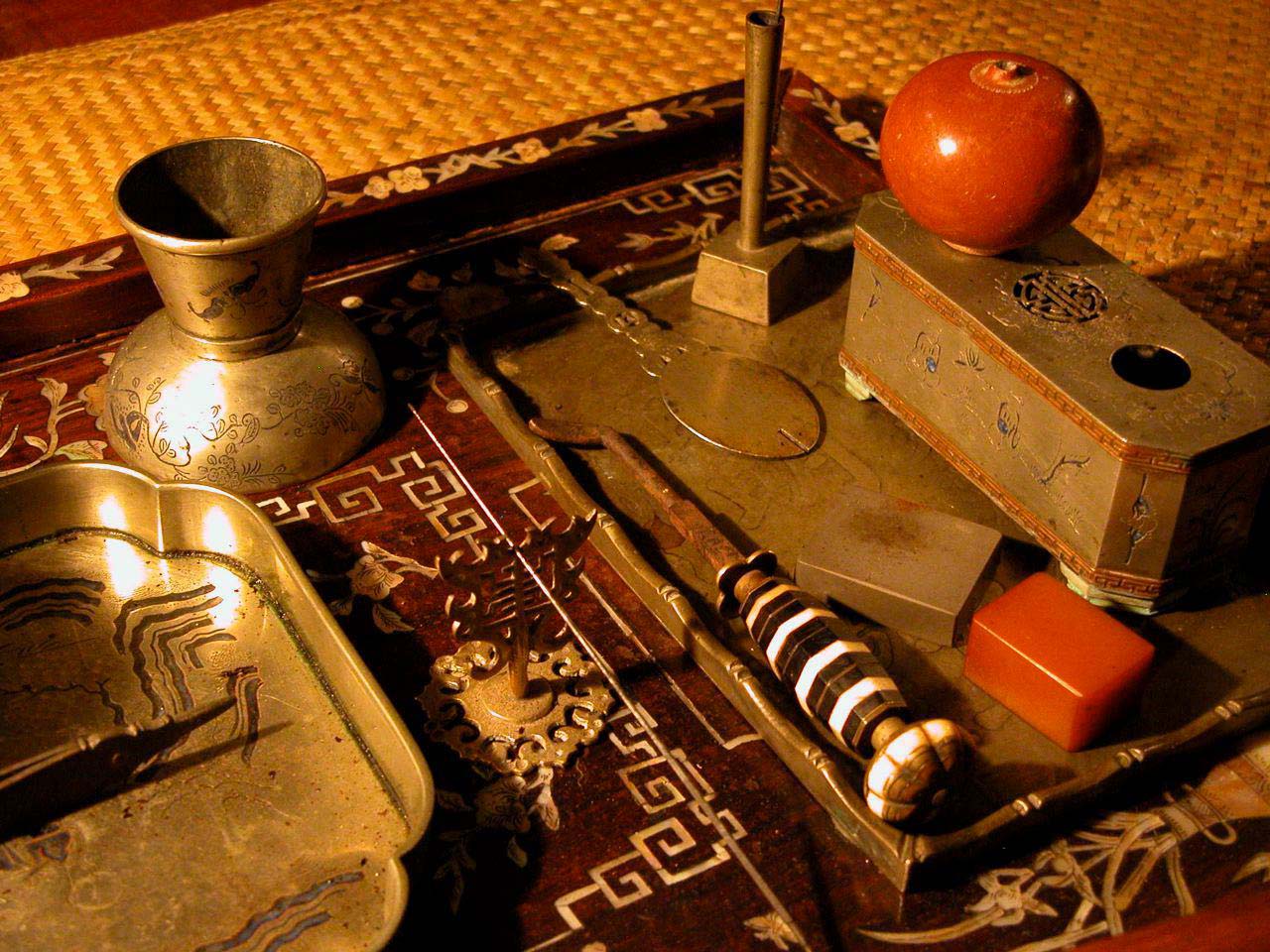
Such burnings, Martin notes, swept across China and Southeast Asia as opium shifted from an accepted vice to a moral scourge under Western influence. The eradication of paraphernalia made it rarer than Roman coins—an irresistible lure for Martin, who became obsessed with collecting pipes, lamps, trays, and hundreds of long-forgotten tools used solely for smoking opium.
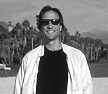
Martin, who passed away in 2015 after battling cancer, served in the US Navy in the Philippines and later settled in Bangkok as a journalist. He bought his first antique pipe in 2001 while on assignment in Vientiane. The pipe—a bamboo stem with a water buffalo horn mouthpiece and ceramic bowl—sparked a passion for collecting and research.
Soon he realised he was among only a few serious collectors. Scouring Southeast Asian antique shops and eBay listings, he found fruitful hunting grounds in America and France—the only non-Asian countries where opium smoking had once been fashionable.
He immersed himself in opium literature: Jean Cocteau’s Opium: Diary of a Cure, chronicling Parisian opium circles and his 1929 recovery, and his favourite, Opium-Smoking in America and China, an 1882 rarity by Dr. HH Kane. Martin eventually tracked down a copy.
By 2007, Martin had become the world’s leading expert on the “shadowy Asian ritual,” publishing The Art of Opium Antiques. His newfound collector friends included not only enthusiasts but also active users. Although he had tried opium while backpacking in northern Thailand and Laos, it wasn’t until he met true connoisseurs and learned the delicate “rolling” technique—shaping and placing a pellet in the pipe—that opium took hold of him.
His encounters with contemporary users—and vivid portrayals of their lives—are among the book’s most gripping passages. In Vientiane, he frequently visits “Willi,” a fellow collector with a room devoted to antique smoking gear. Their shared obsession becomes a kind of refuge.
“Willi and I liked to think of ourselves as heirs to the lifestyle of wealthy, old-time smokers,” he writes. “We amassed pipes, each with unique ornamentation. The layout—pipe, lamp, tools—was more than functional. We believed these artefacts held the wisdom of vanished dreamers. Our sessions, increasingly blissful, seemed to confirm it.”
But when Martin starts smoking alone in Bangkok, things unravel. His precise, sometimes harrowing descriptions of the descent into addiction—alongside lore and insight into the collector world—place Opium Fiend alongside Cocteau and De Quincey.
“Opium preys on compulsive behaviour,” he writes. “The same traits that made me a passionate collector also rendered me unable to resist its siren song.”
As his use deepens, Martin’s habit—fuelled by chandu, opium’s creme de la creme—outpaces his income. He begins skipping assignments, is unable to travel, and faces the gut-wrenching reality: to avoid a painful, possibly fatal withdrawal, he may need to sell pieces of his treasured collection.
“For years, collecting had been my main source of entertainment—until I discovered how entertaining opium smoking could be. Now I had to choose: paraphernalia or the pipe.”
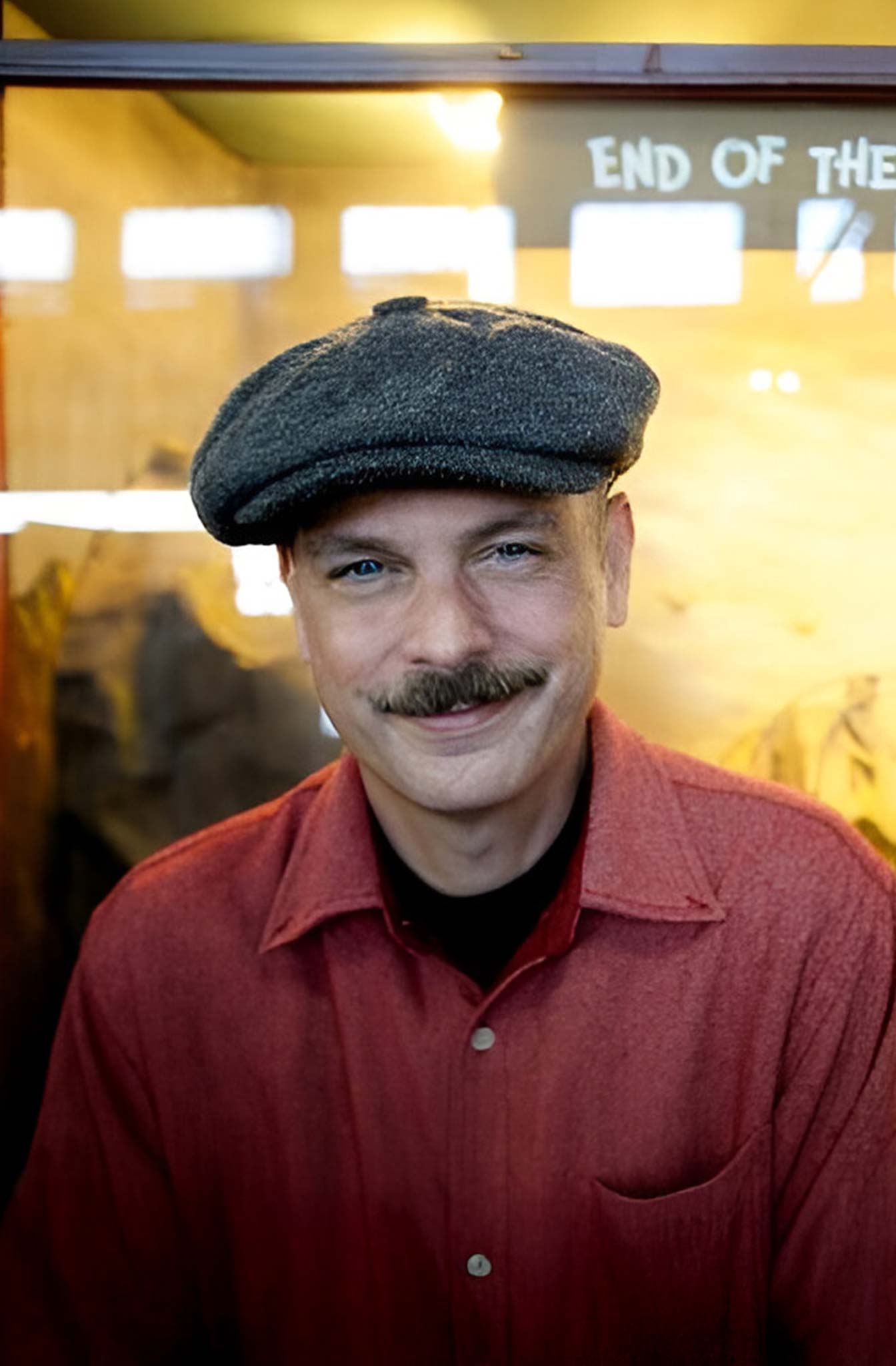
That moment of reckoning prompts him to seek recovery. After failed solo attempts—described in unsparing detail—he checks into Wat Tham Krabok, a famed detox temple in Saraburi. He eventually achieves sobriety, though a brief relapse reminds him: “Opium is very patient.”
From the Pipe to the Pen: A Chat with Steven Martin
How difficult was it to convince Random House to publish Opium Fiend?
I wrote a pitch with two sample chapters. A friend shared it with someone at HarperCollins, who made me an offer. That’s when I got an agent. A week later, three publishers were bidding. Random House won.
How has the book been received?
It’s hard to categorise—part addiction memoir, part history, part travelogue. It’s labelled as an “addiction memoir,” but readers seem to accept that it’s more than that. Reviews have been positive overall.
What’s the best—and worst—feedback you’ve received?
I appreciated Kirkus noting how the book links collecting and addiction—that was key for me. I started collecting long before I became addicted. Worst? One amateur reviewer suggested I made it all up. For someone who’s spent years separating fact from fiction, that stung—though I didn’t take it seriously.
You write that opium is “patient.” Is that different from alcohol addiction?
I’m not a doctor, but addiction seems to depend on personality. I won’t claim my path applies to everyone. But yes, the best way to avoid addiction is not to start.
You changed names in the book. Why keep Roxanna Brown’s real name?
Because I wanted to honour her. Rox was central to my life during those years. I hope readers see my account as a tribute. Her sudden death was devastating.
(Editor’s note: Brown was a respected US art historian who died in US custody under controversial circumstances after being falsely implicated in smuggling.)
Have you found anything to replace the ritual of opium smoking?
Writing about it helps. Like people in recovery groups, sharing the story keeps the cravings at bay.
Postscript: Before his death, Martin donated his entire opium collection to the University of Idaho.