
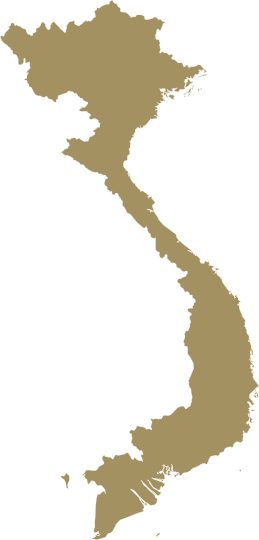

While the ethnic minority groups of northern Vietnam, such as the Flower Hmong and the Red Dao, are renowned for their colorful, stylish outfits, those living in the Central Highlands, including the E De, the Bahnar, and the Jarai (also spelled Giarai), tend to wear more workaday clothing.
As a result, they attract far less attention from tourists. In fact, the Central Highlands, which border Laos and Cambodia, is one of Vietnam’s least visited regions, which is good news for adventurous travelers eager to get off the beaten track.
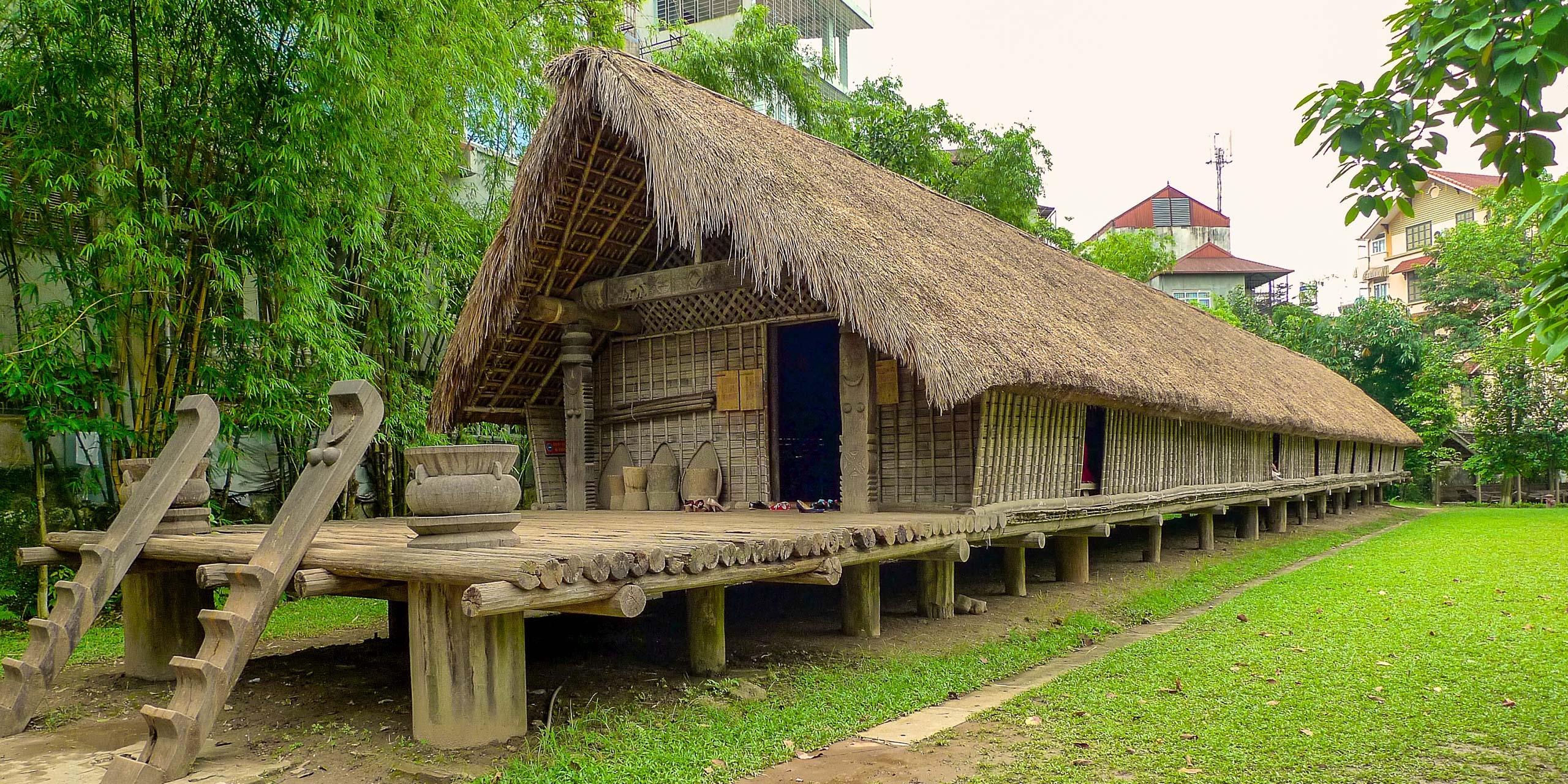
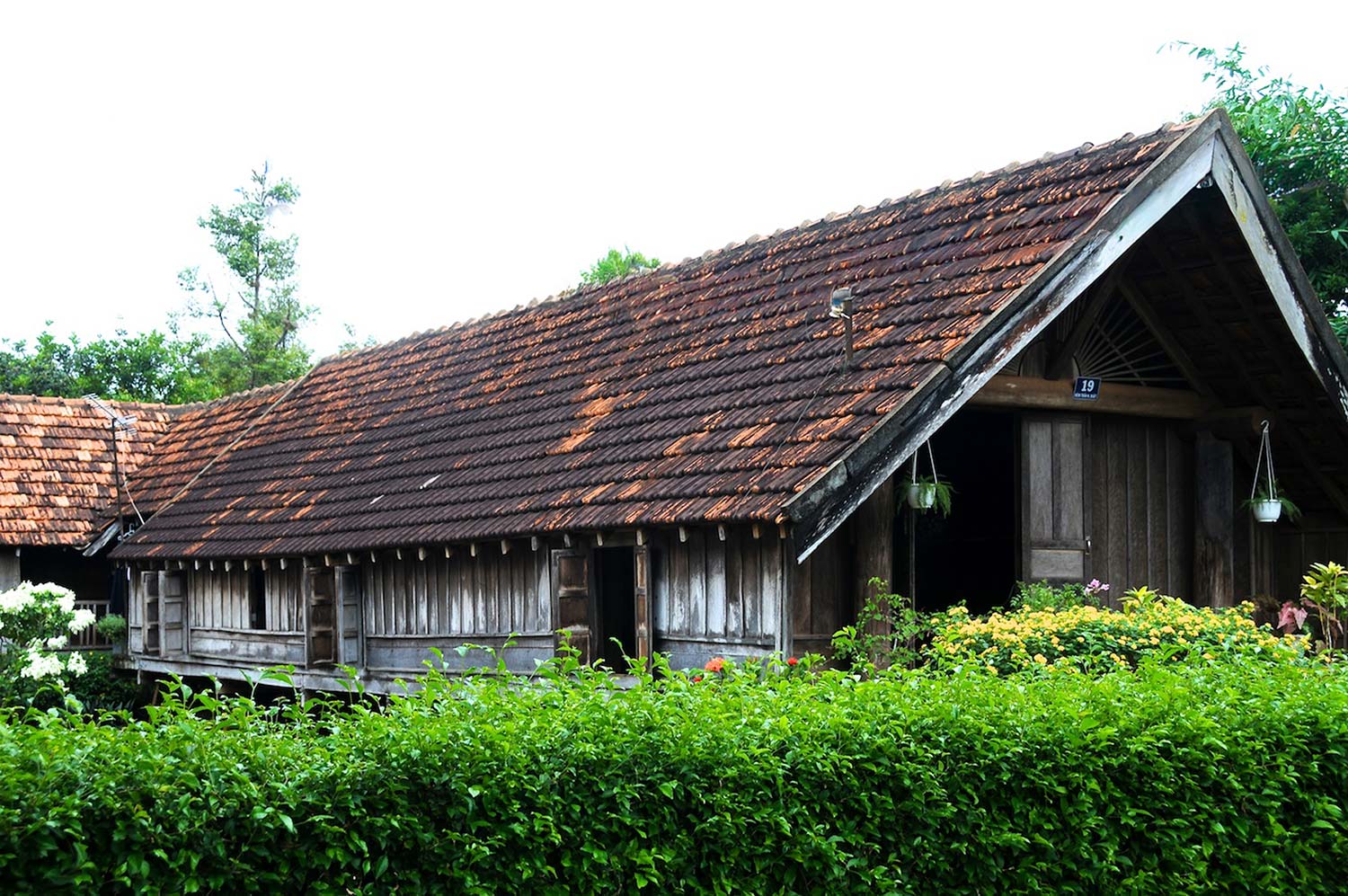
What the ethnic groups here lack in eye-catching dress, they make up for with stunning architecture. The E De build longhouses, sometimes exceptionally long. The Bahnar and Jarai build rong, towering communal houses that dominate the heart of each village. The Jarai also construct elaborate tombs for their departed relatives, a touching expression of ancestor worship.
With populations of around 300,000 each, these are just three of Vietnam’s 53 ethnic minority groups. Their traditional homelands lie in the provinces of Dak Lak, Gia Lai, and Kon Tum, a region that suffered heavily during the wars with both the French and the Americans.
These groups are also often marginalized by the Vietnamese government and are frequently involved in land disputes with the Kinh, or ethnic Vietnamese, who usually come out on top. Despite these challenges, they have clung fiercely to their traditional lifestyles, which remain rich in animist rituals, and their villages retain an organic, deeply rooted feel.
E De society is matrilineal. When a young woman marries, an additional compartment is added to the family longhouse to accommodate her and her husband. In this way, a family’s prosperity is reflected in the length of the building. Some longhouses stretch up to 100 meters. They are built on low stilts from wood and bamboo. A double stairway carved from logs marks the entrance, with one stair for men and the other for women. The female stairway is carved with a pair of breasts, making its purpose unmistakable.
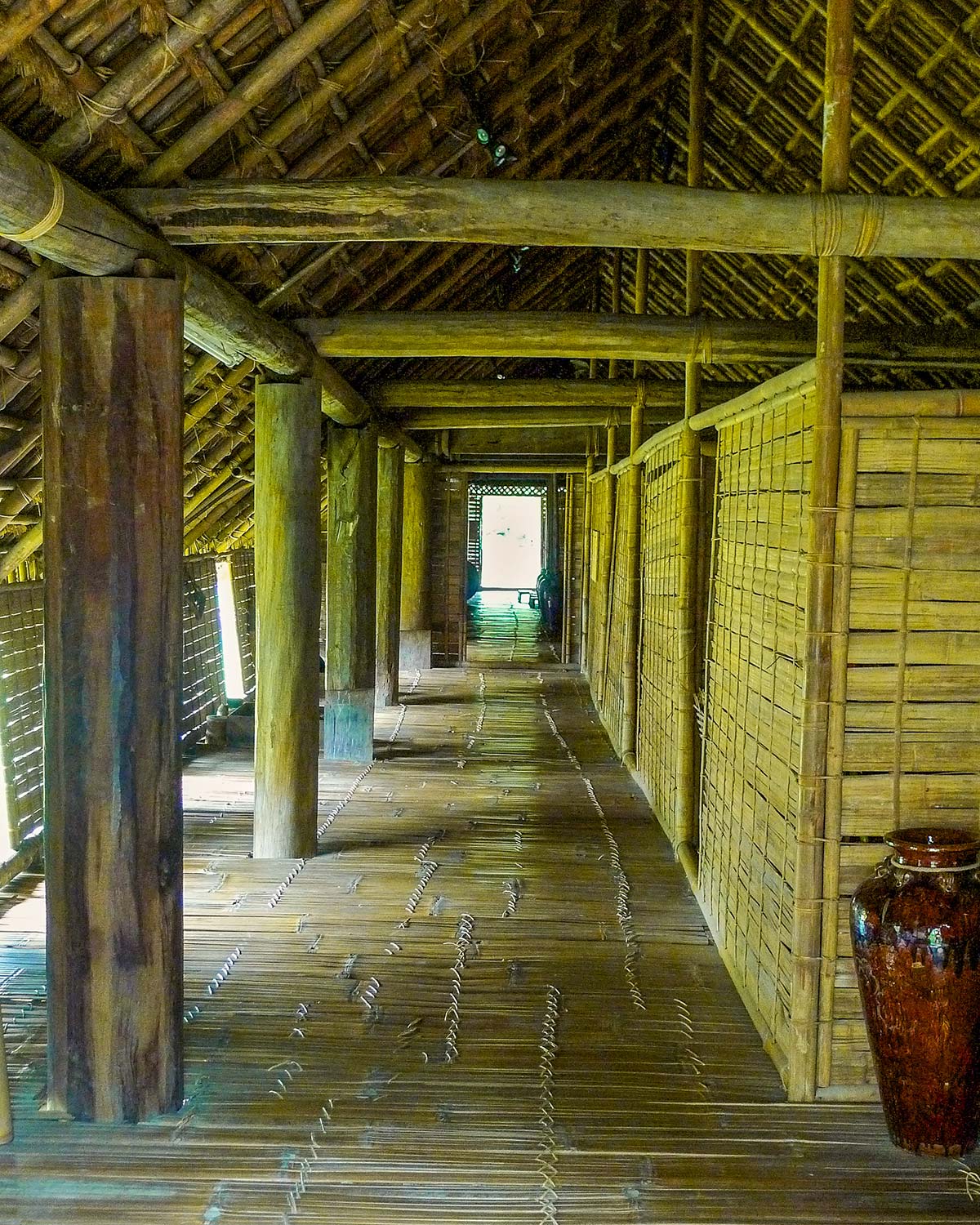
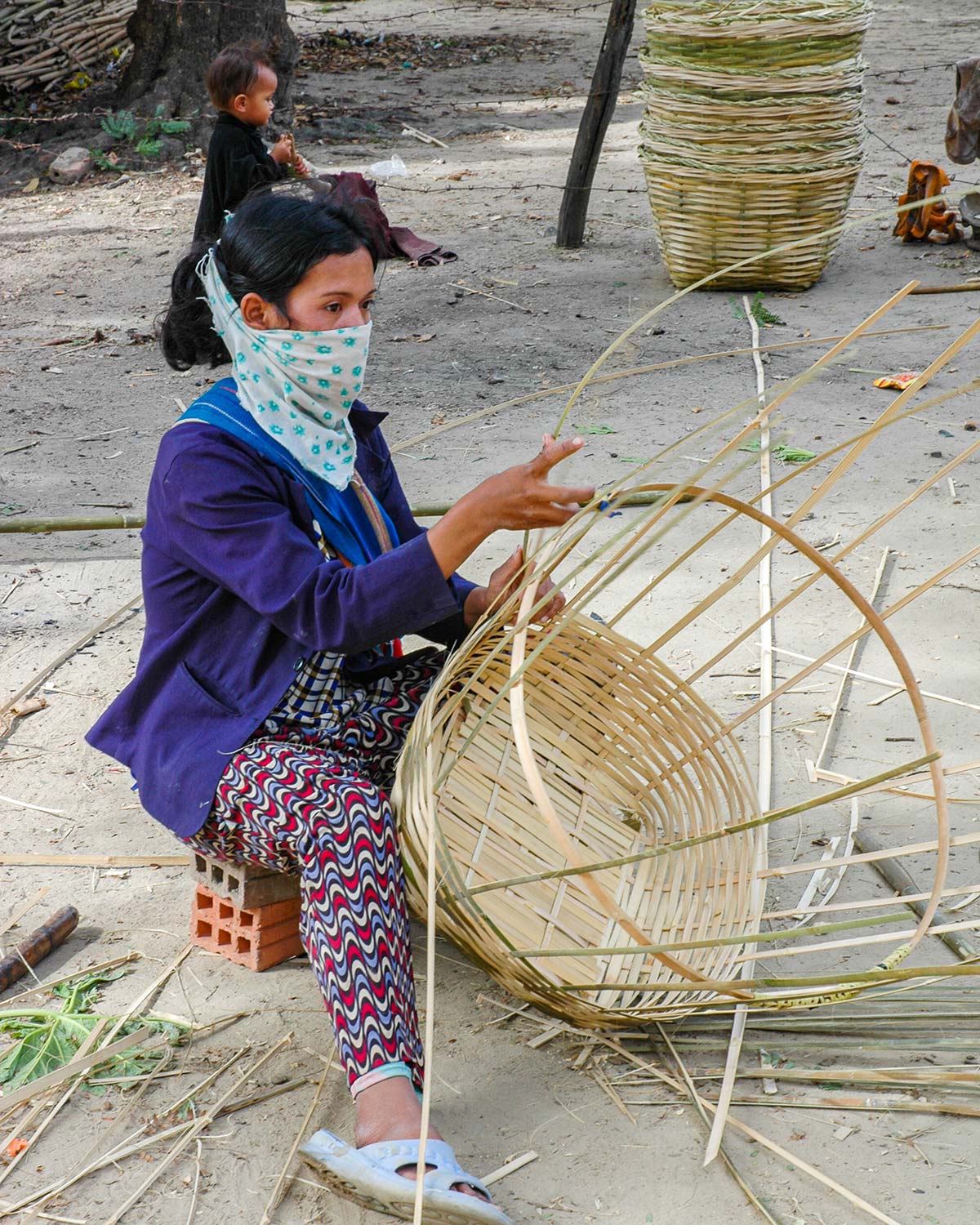
Inside, the longhouse is divided into a communal living area and a series of sleeping rooms. The living area is often busy, with women weaving and men crafting or repairing farming tools.
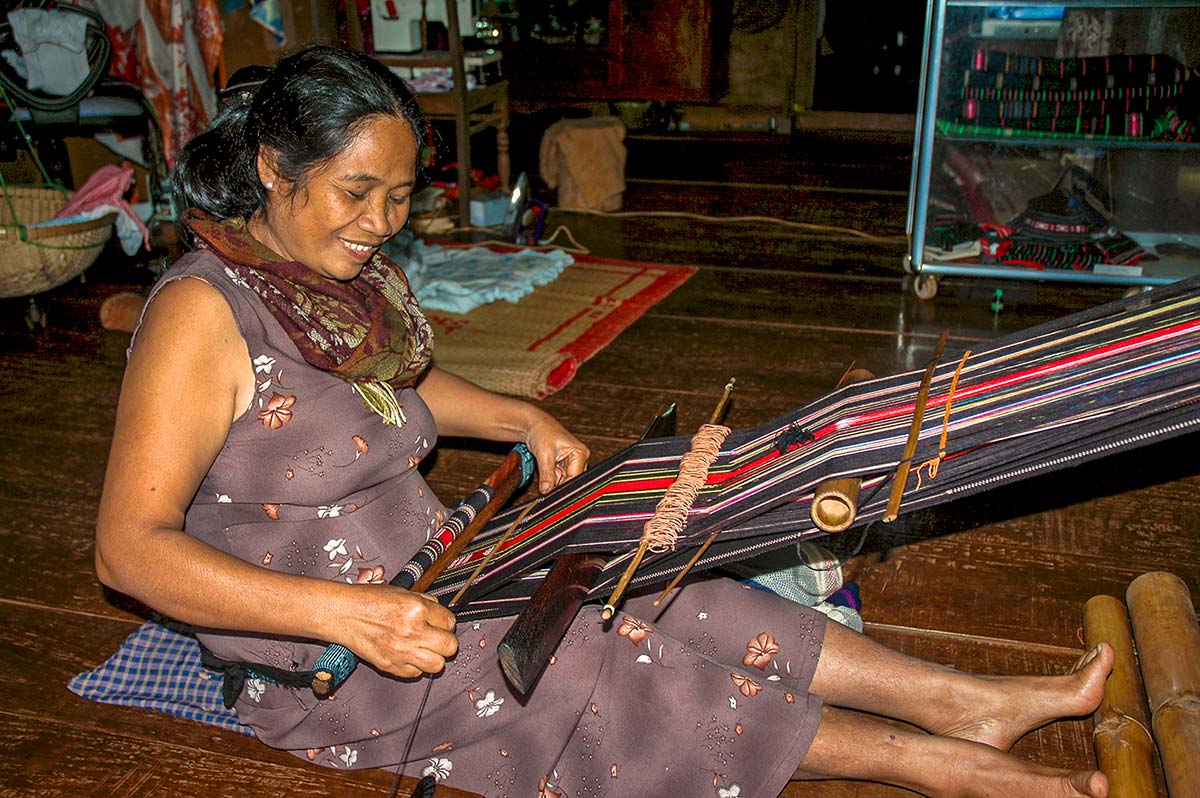
Most E De live in Dak Lak Province, especially around Buon Ma Thuot. There is even an E De village, Ako Dhong, just a couple of kilometers north of town, where friendly locals often invite visitors inside to see these impressive structures and encourage them to buy E De weaving. Shoulder bags and purses are common purchases. E De women are known for their brocades and natural dyes, so their textiles make excellent keepsakes.
Besides hearing the tap of weavers at work on their looms, visitors are likely to see coffee beans drying in the street or smell them roasting in nearby kitchens. Buon Ma Thuot is, after all, Vietnam’s coffee capital, and Vietnam is the world’s second-largest producer of coffee, after Brazil.
Cafés are everywhere, especially along the southern stretch of Le Thanh Tong, also called “Coffee Street.” The favorite local pastime is simply enjoying a cup while catching up on the latest gossip. Coffee lovers may also want to visit the World Coffee Museum, located about 3 km north of town. The striking architecture of its interconnected blocks was inspired by the longhouses and tall houses of the region.
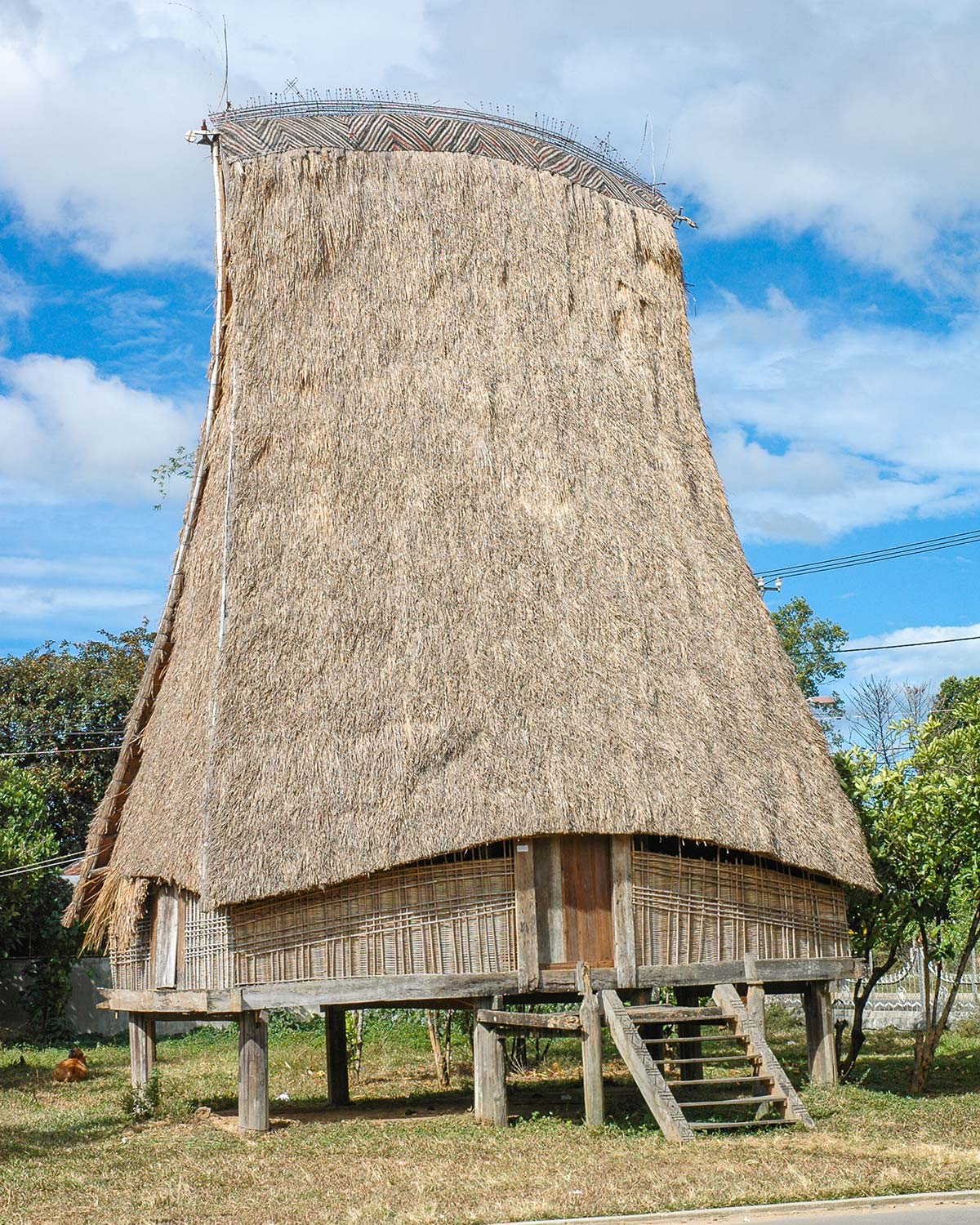
As impressive as the E De longhouses are, the tall houses of the Bahnar and Jarai create the most iconic sights of Vietnam’s Central Highlands. The moment you enter a Bahnar or Jarai village, your eye goes straight to the rong, or communal house, which stands in the center and can rise to 30 meters. Most are between 15 and 20 meters. For these ethnic groups, height is a matter of pride, and a taller rong signals greater village status.
These soaring structures are built on stilts and are reached by sloping logs with notched steps, like the entrances of E De longhouses. Inside, the rong contains a large bamboo platform spacious enough for the entire community. The thatched roof is pitched at a dramatic angle, and those who build them must have a head for heights. The blade-shaped roof peak features a distinctive pattern that varies from one village to another.


The rong is the center of village life. It is used for meetings, for resolving disputes, and for ceremonies and festivals. During these events, locals wear their traditional outfits, play gongs, and sing. The most important ceremony is the buffalo sacrifice. Although it may seem gruesome to Western visitors, it plays a crucial role in community bonding.
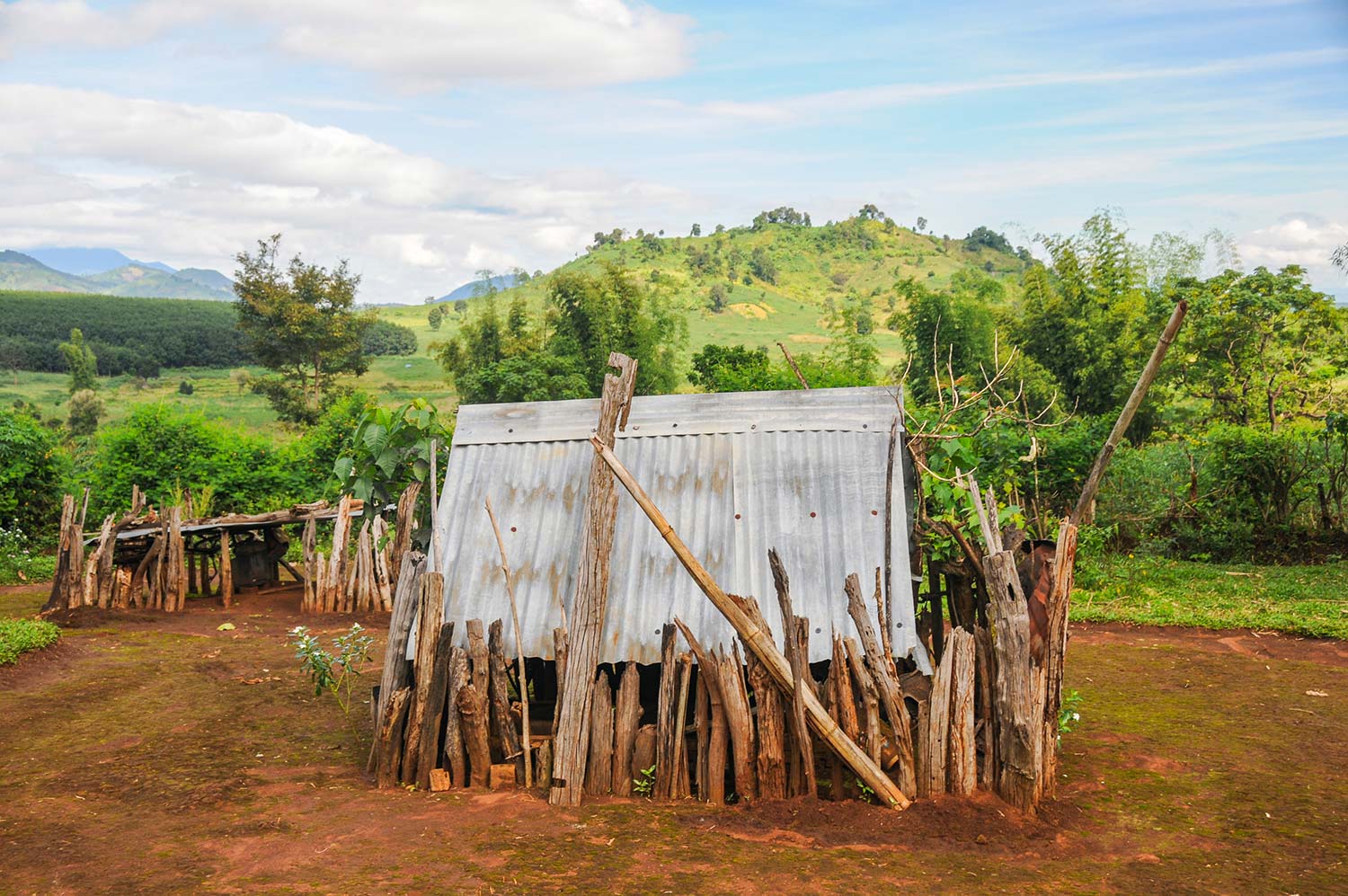
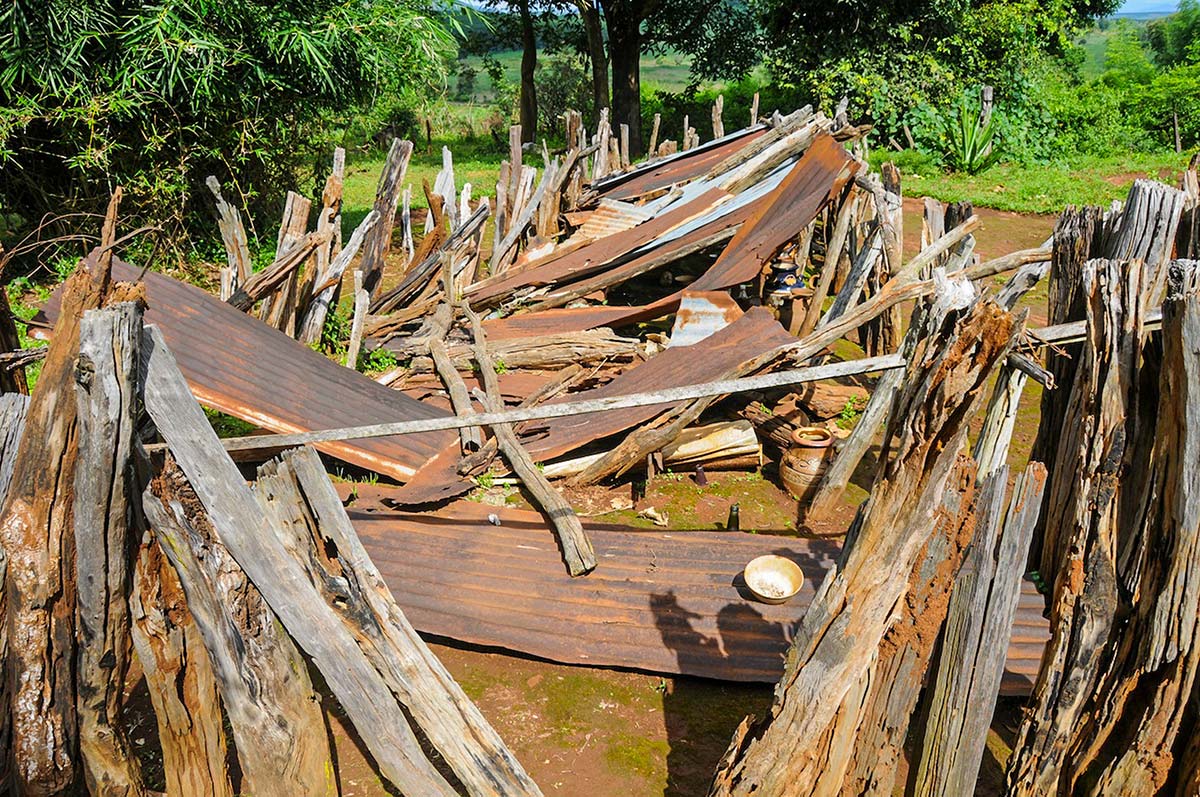
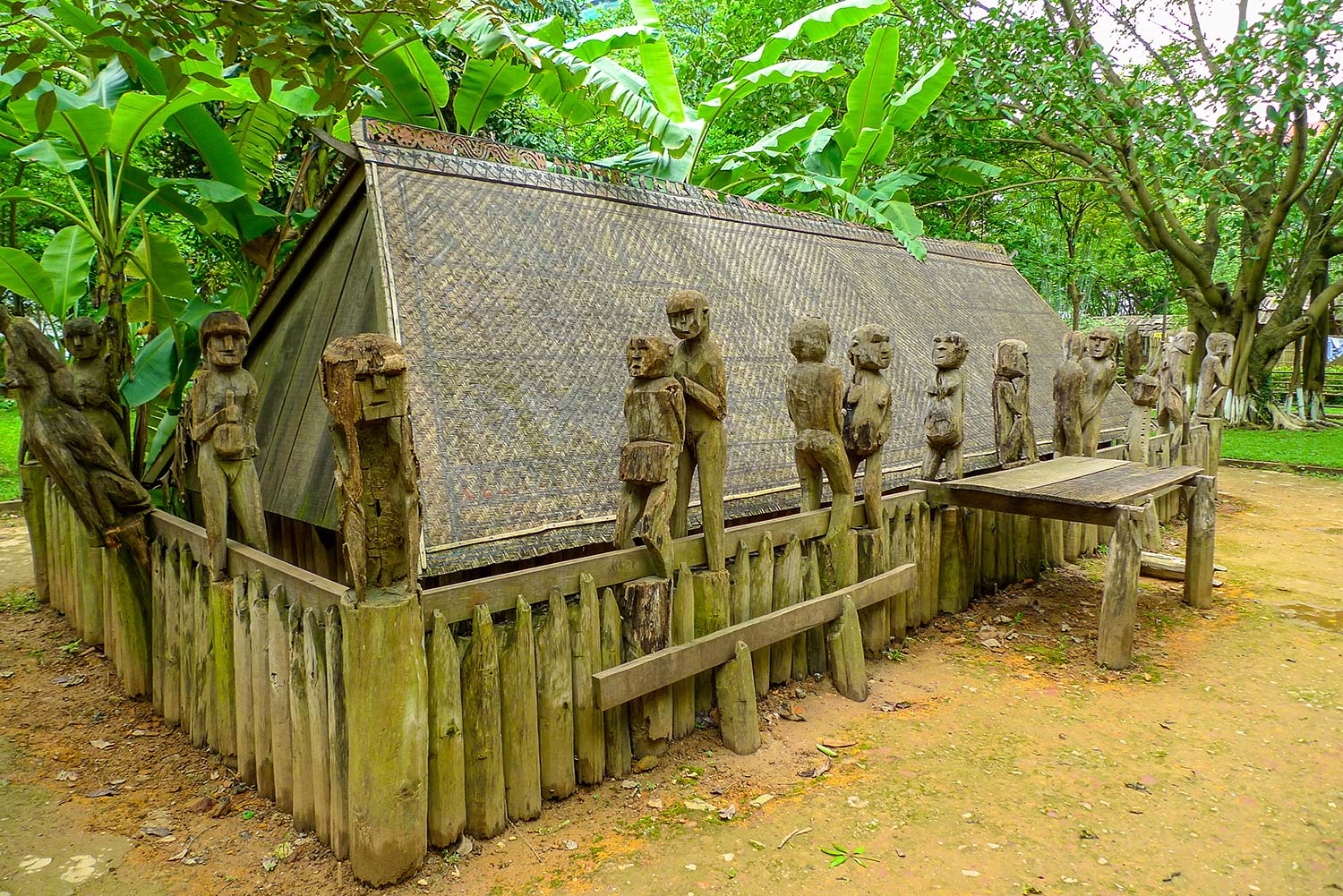
The Jarai also sacrifice buffalo on important occasions, including funerals. Many Vietnamese practise ancestor worship, but the Jarai take it to an especially intense level. Funerals are complex and costly affairs. Most Jarai villages have a graveyard to the west, divided into fenced family plots, where relatives are buried together.
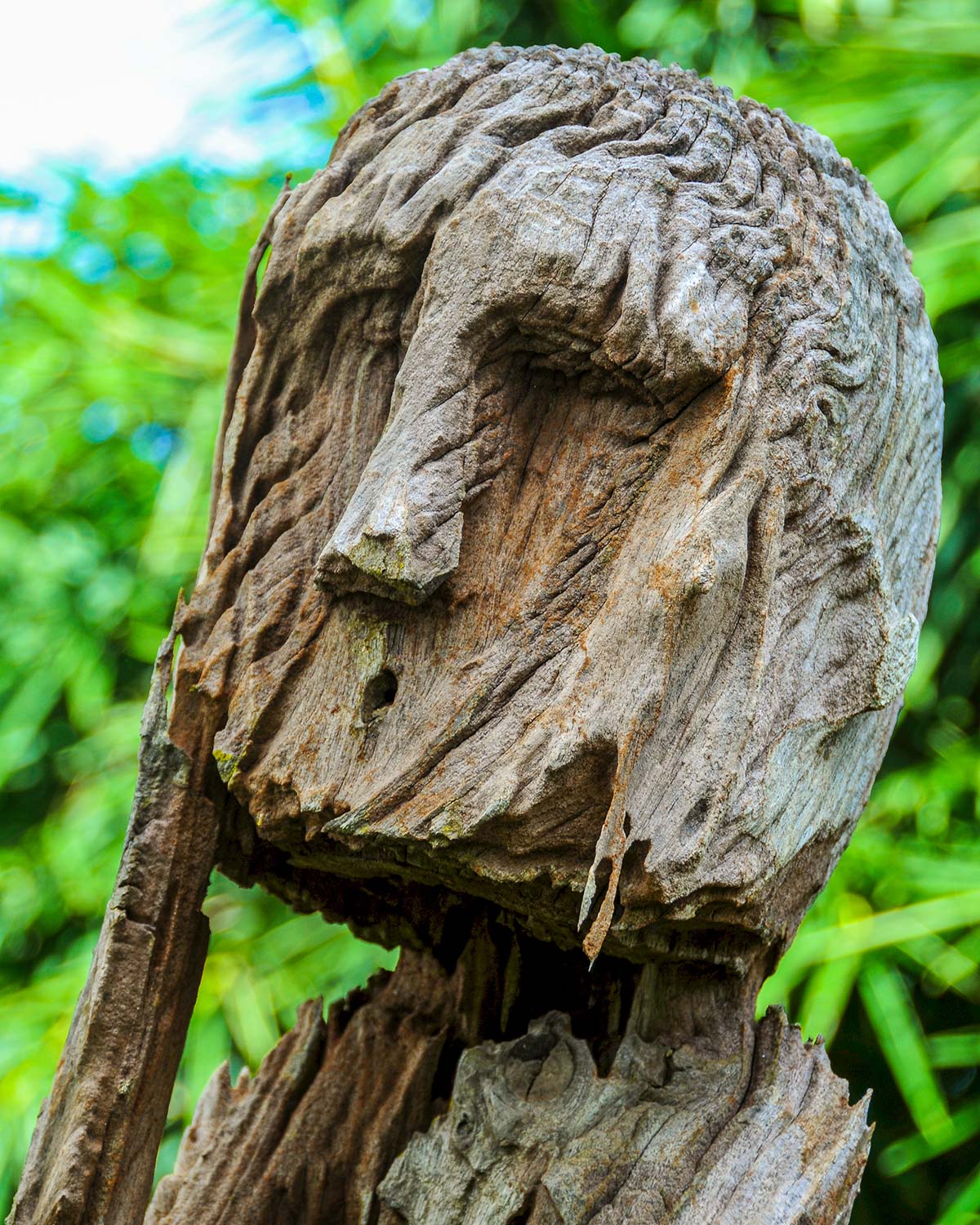
Prized possessions such as a TV or a bicycle may be buried with the deceased. Simple wooden carvings of human figures are placed around the grave. These figures can appear pensive, glum, cheerful, or even sexually aroused. Family members visit the grave frequently and leave offerings. After this extended mourning period, they hold a buffalo sacrifice to honor the deceased. The grave is then abandoned, and nature slowly reclaims the site.
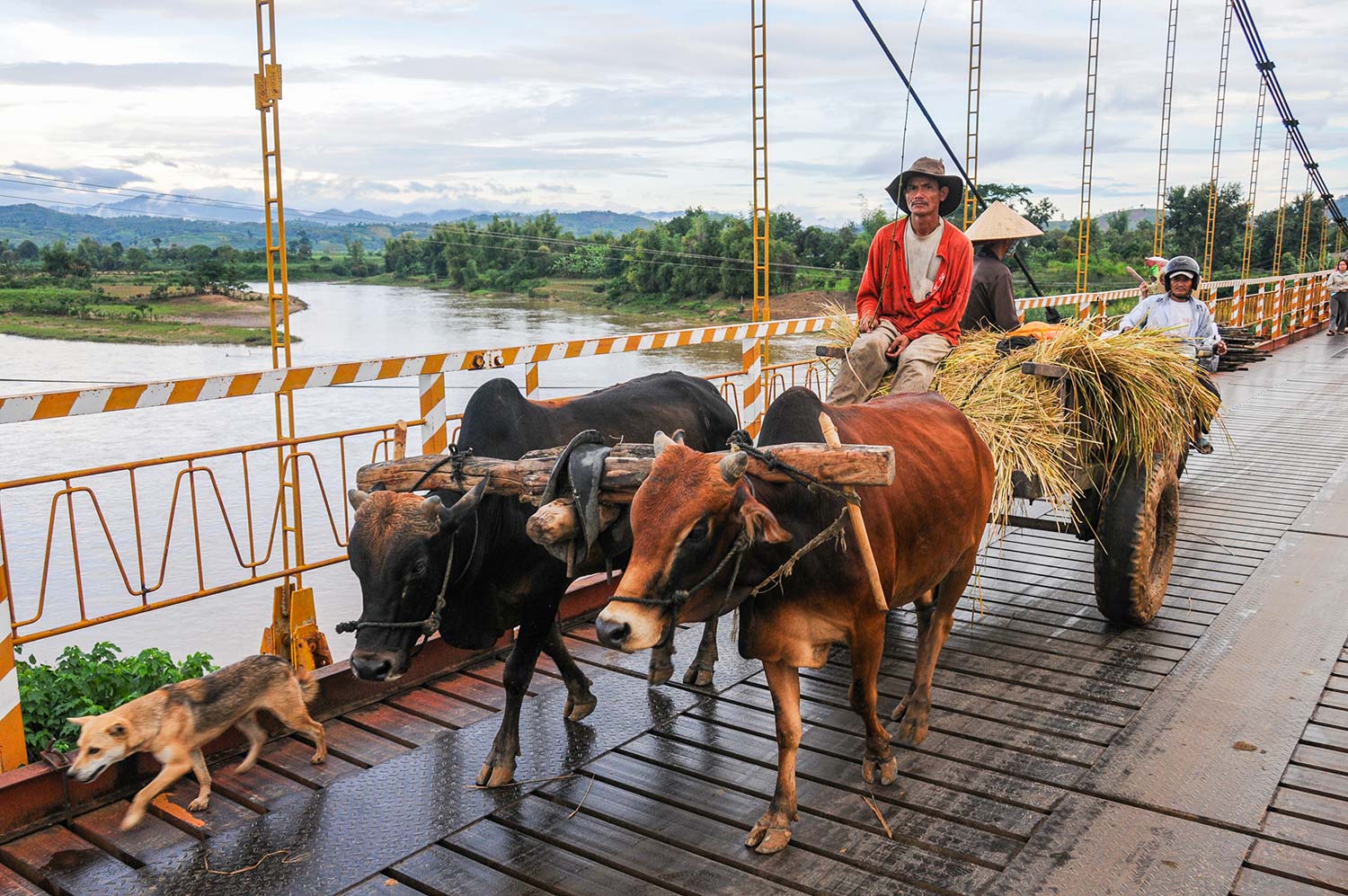
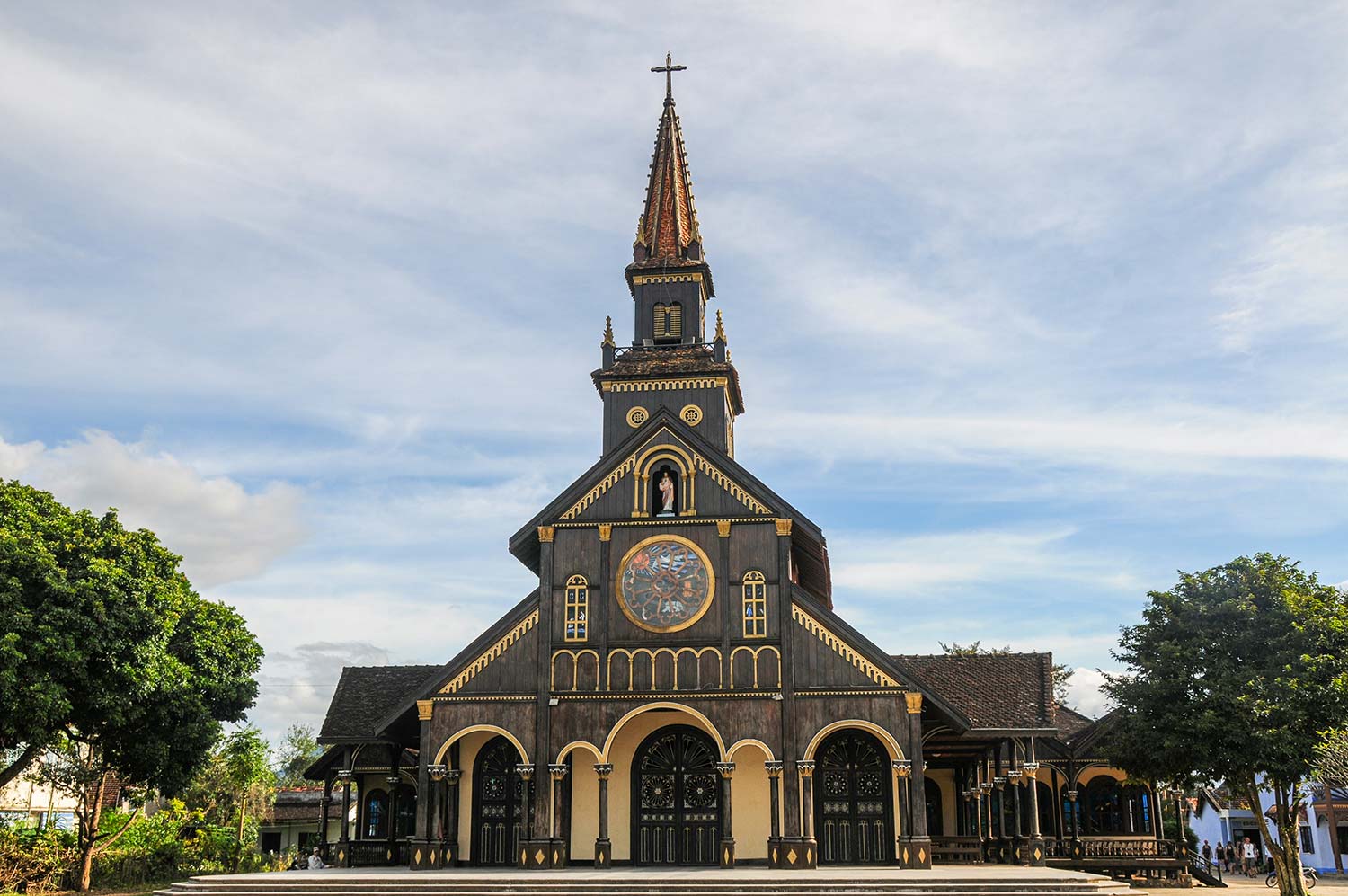
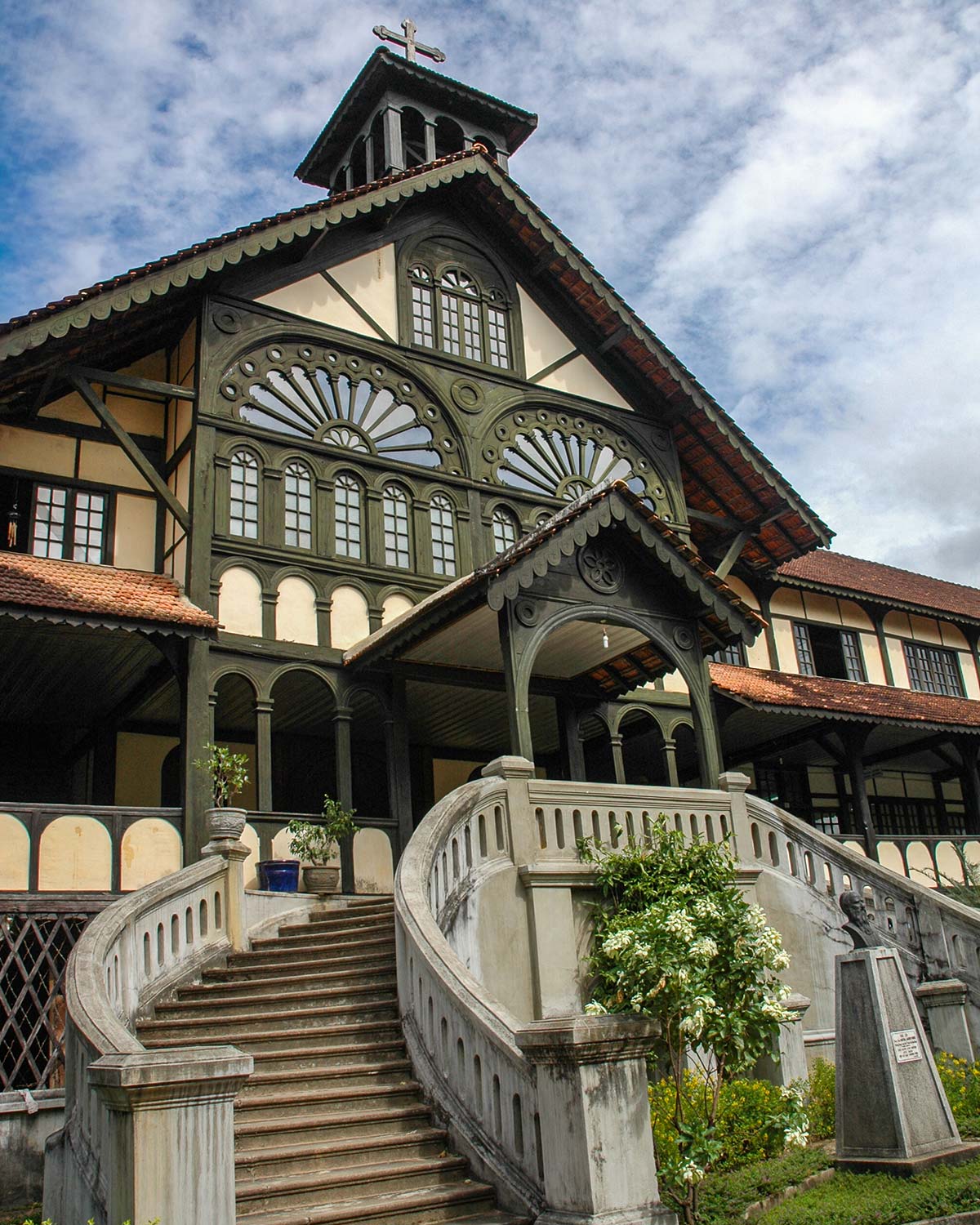
The Bahnar and Jarai live mostly in provinces north of Dak Lak, namely Gia Lai and Kon Tum. Kon Tum is the better base for exploration, as it is surrounded by villages that have rong, and it is sometimes possible to arrange an overnight stay in these remarkable structures. The town also features eye-catching colonial architecture, such as the Wooden Church and the Catholic Seminary, which contains a small but engaging museum of hill tribe life.
Kon Tum offers a few appealing hangouts as well, including the Eva Café, which displays the owner’s quirky sculptures and can arrange tours to Bahnar rong and Jarai graveyards. Although visitors can explore nearby villages on their own, the experience is far richer with a guide who can explain the more obscure aspects of local culture.
Another adventurous and affordable way to explore the region is with the Easy Riders. Based in Da Lat, they can arrange customized tours by motorbike or car. And for travelers without time to venture into the Central Highlands, well-crafted examples of longhouses, tall houses, and tombs can be seen at the Museum of Ethnology in Hanoi.