


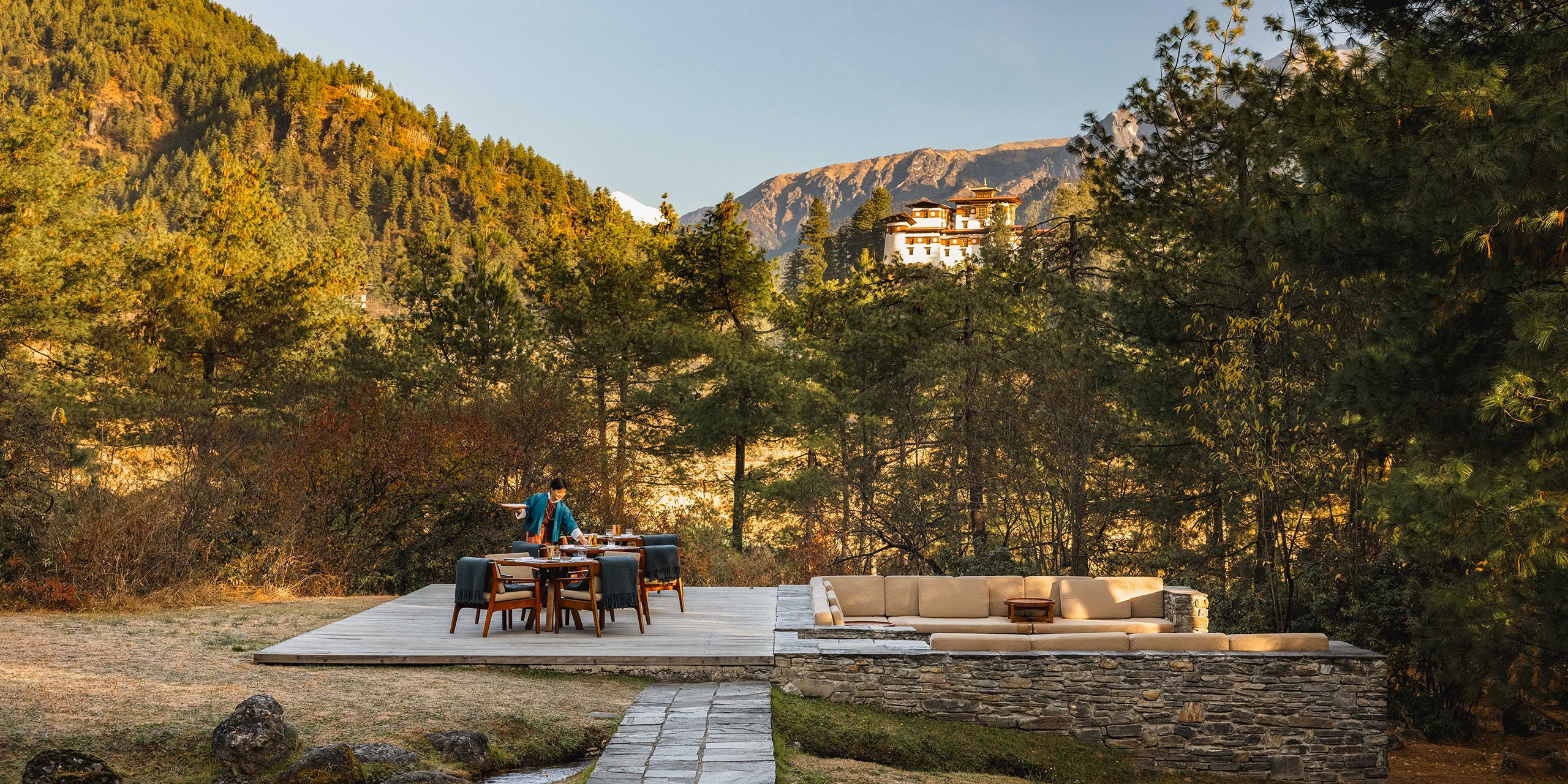
Amankora has reopened its lodges in Bhutan’s Paro and Punakha valleys following extensive refurbishments, introducing redesigned accommodations, updated communal spaces, and expanded wellness facilities.
The two properties form part of Aman’s collection of five lodges spread across Bhutan’s valleys, with the others located in Thimphu, Gangtey, and Bumthang. Together, they offer travelers the opportunity to explore the Himalayan kingdom through a series of stays.
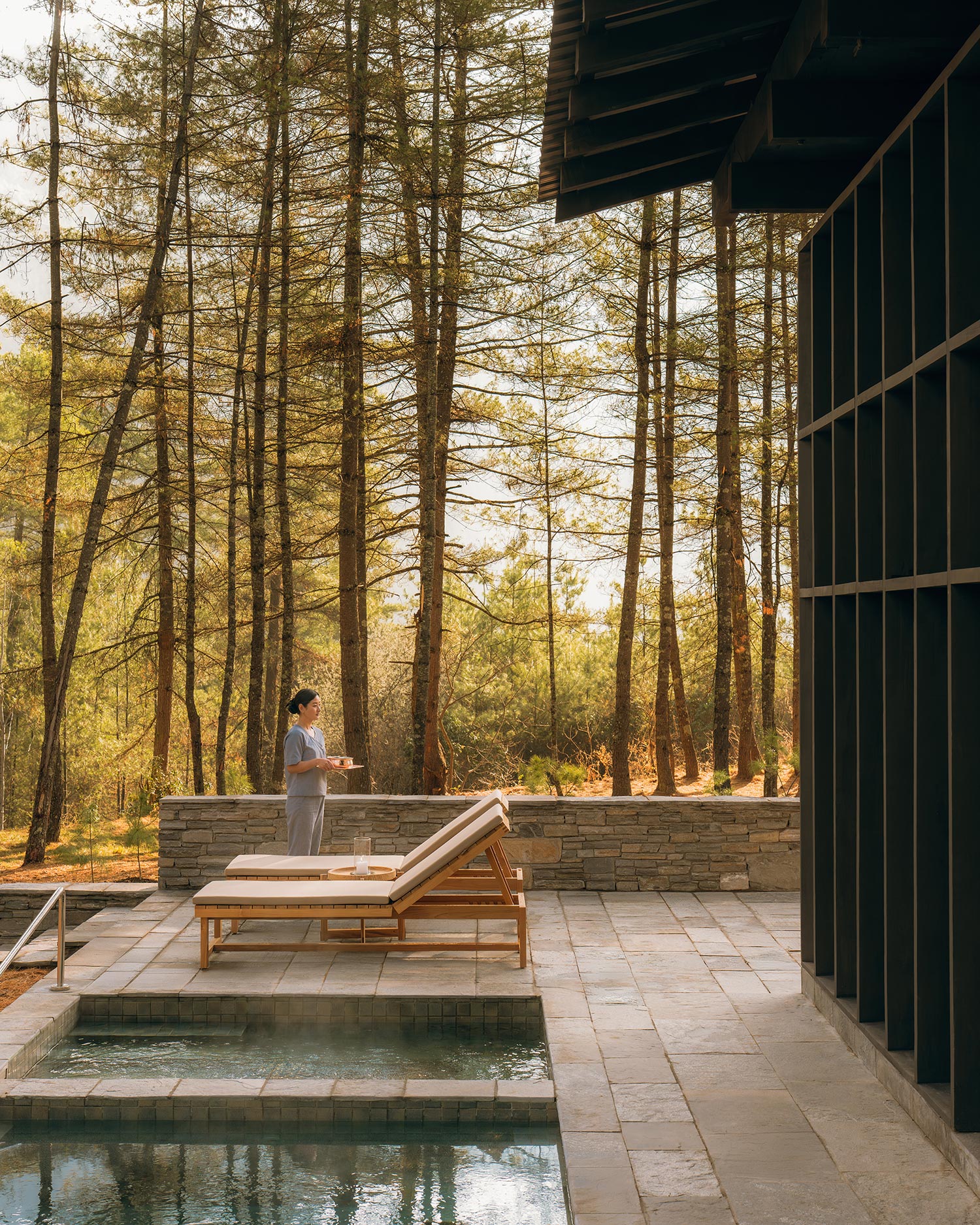
At Amankora Paro, nestled in a blue-pine forest beneath the ruins of the 17th-century Drukyel Dzong fortress, the most significant additions focus on wellness.
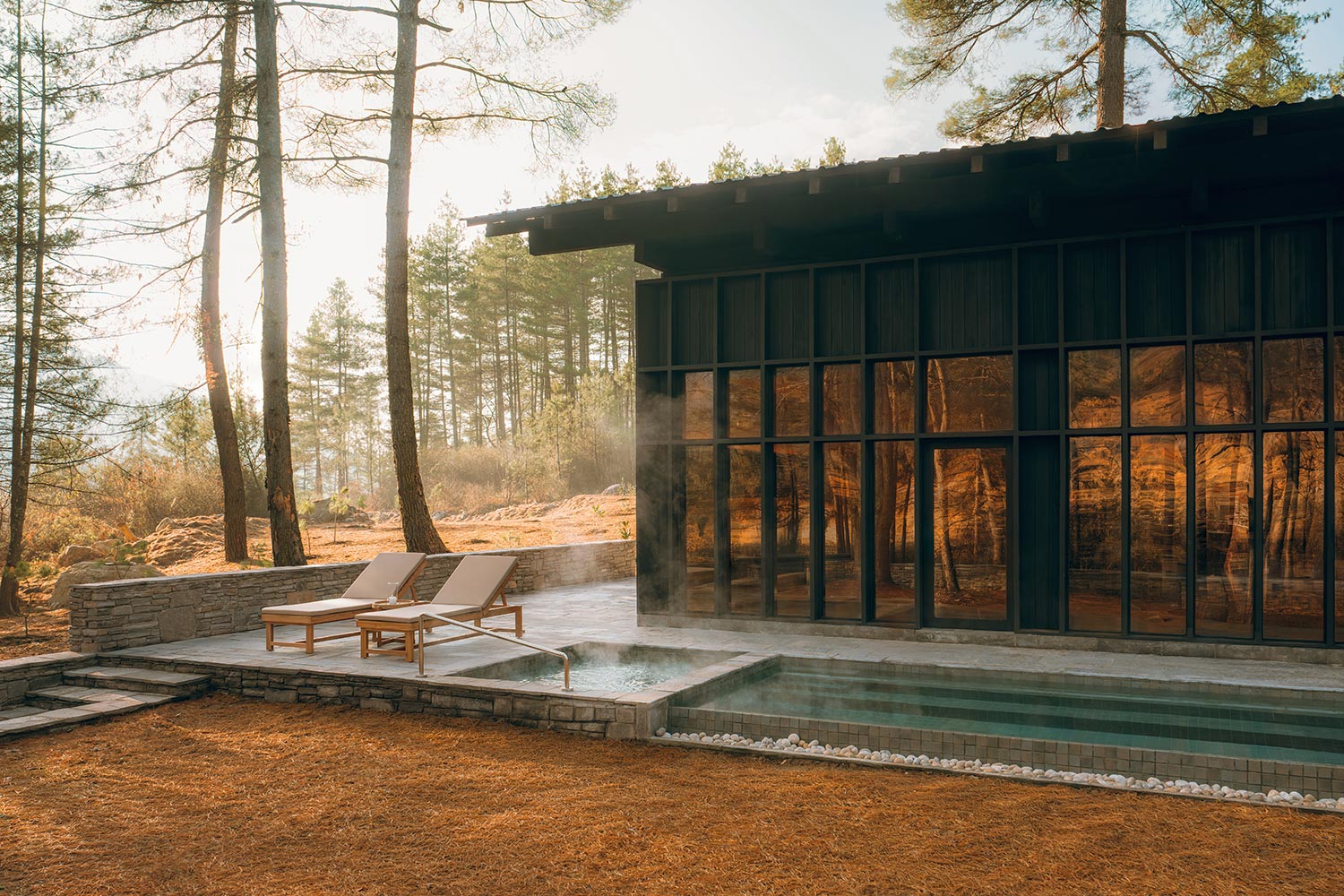
A new standalone Spa House, designed by Kerry Hill Architects, features a private hammam, double treatment room, heated swimming pool, Jacuzzi, and relaxation lounge. Treatments range from traditional hammam rituals incorporating steam, exfoliation, and massage to more leisurely half-day spa journeys.
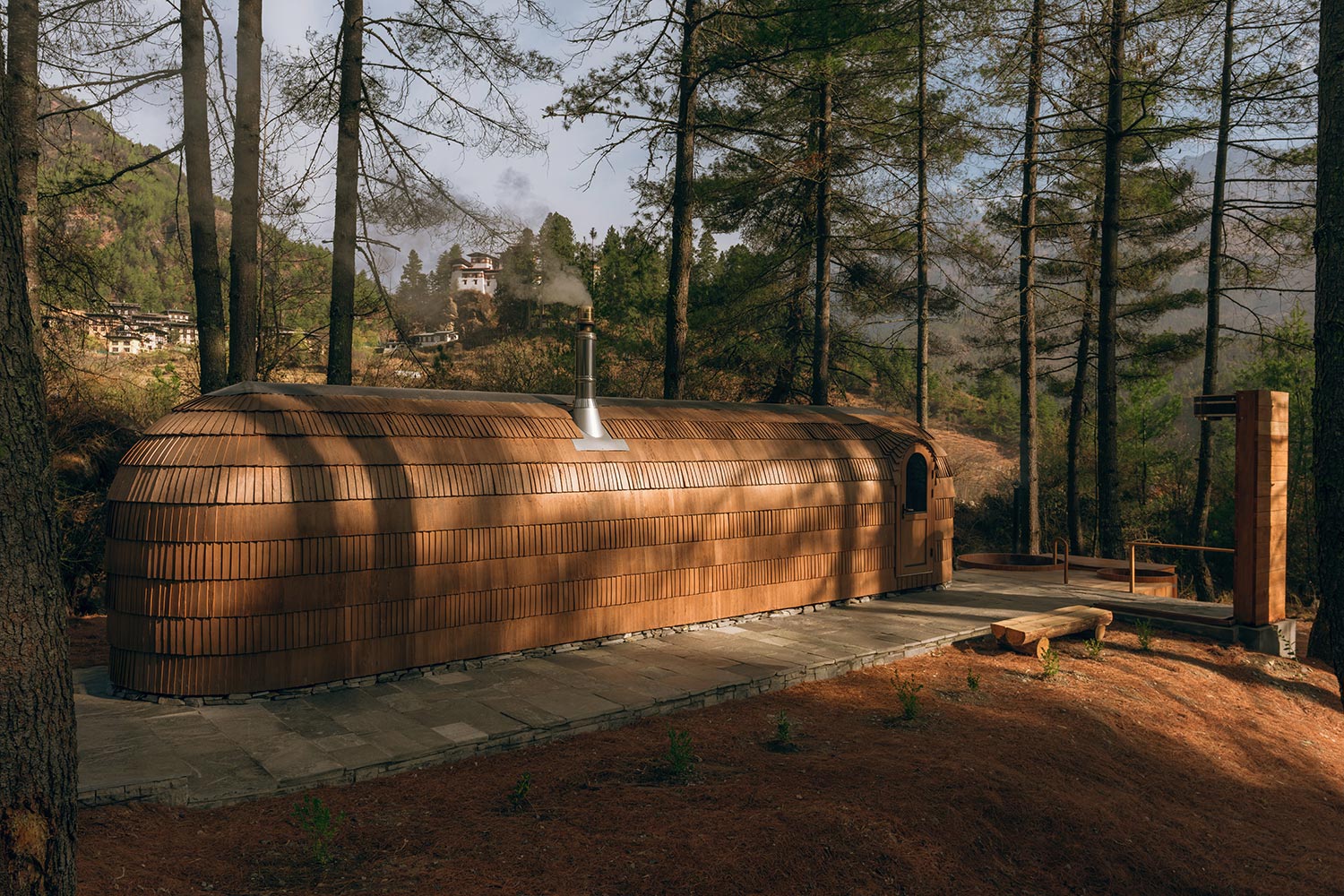
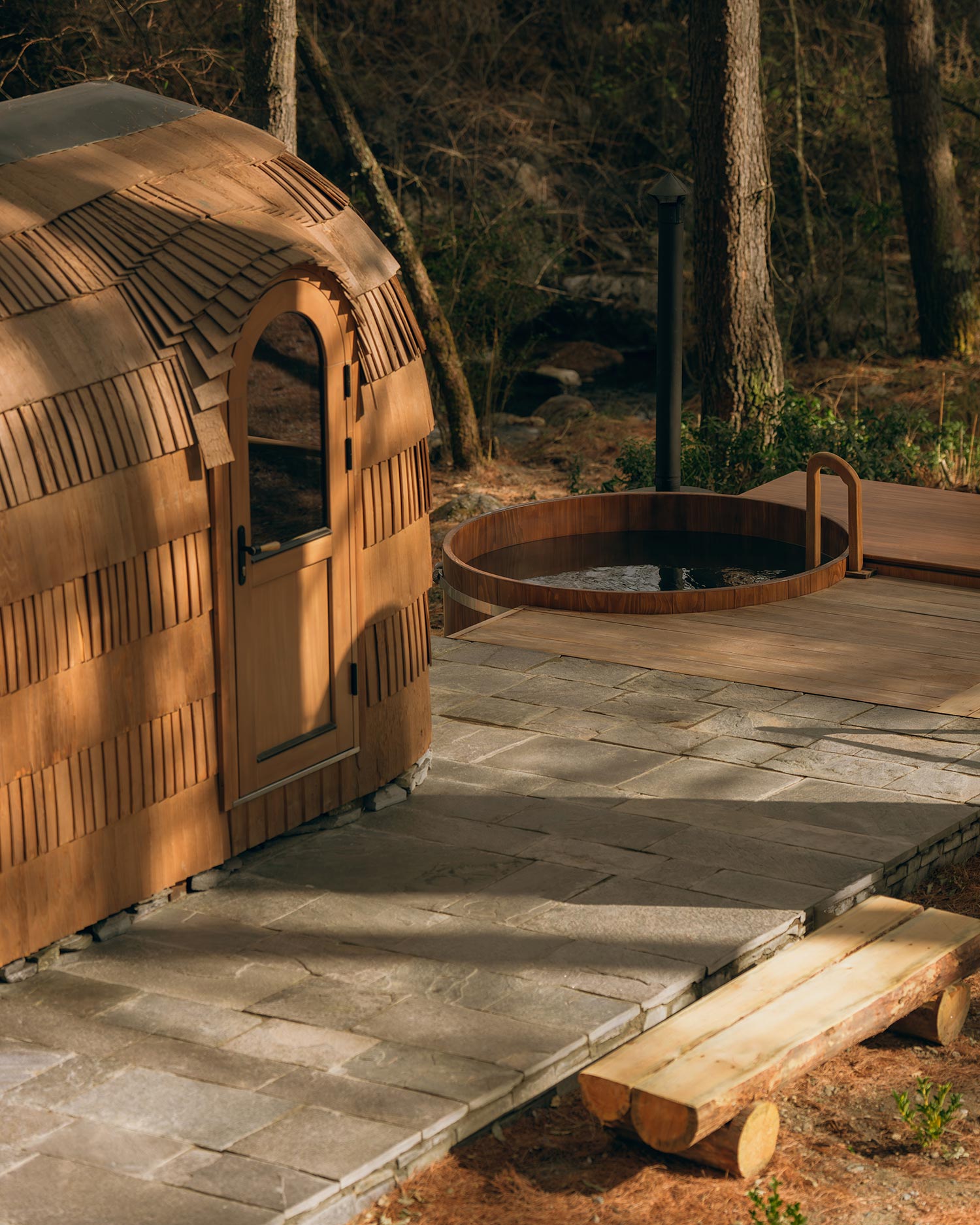
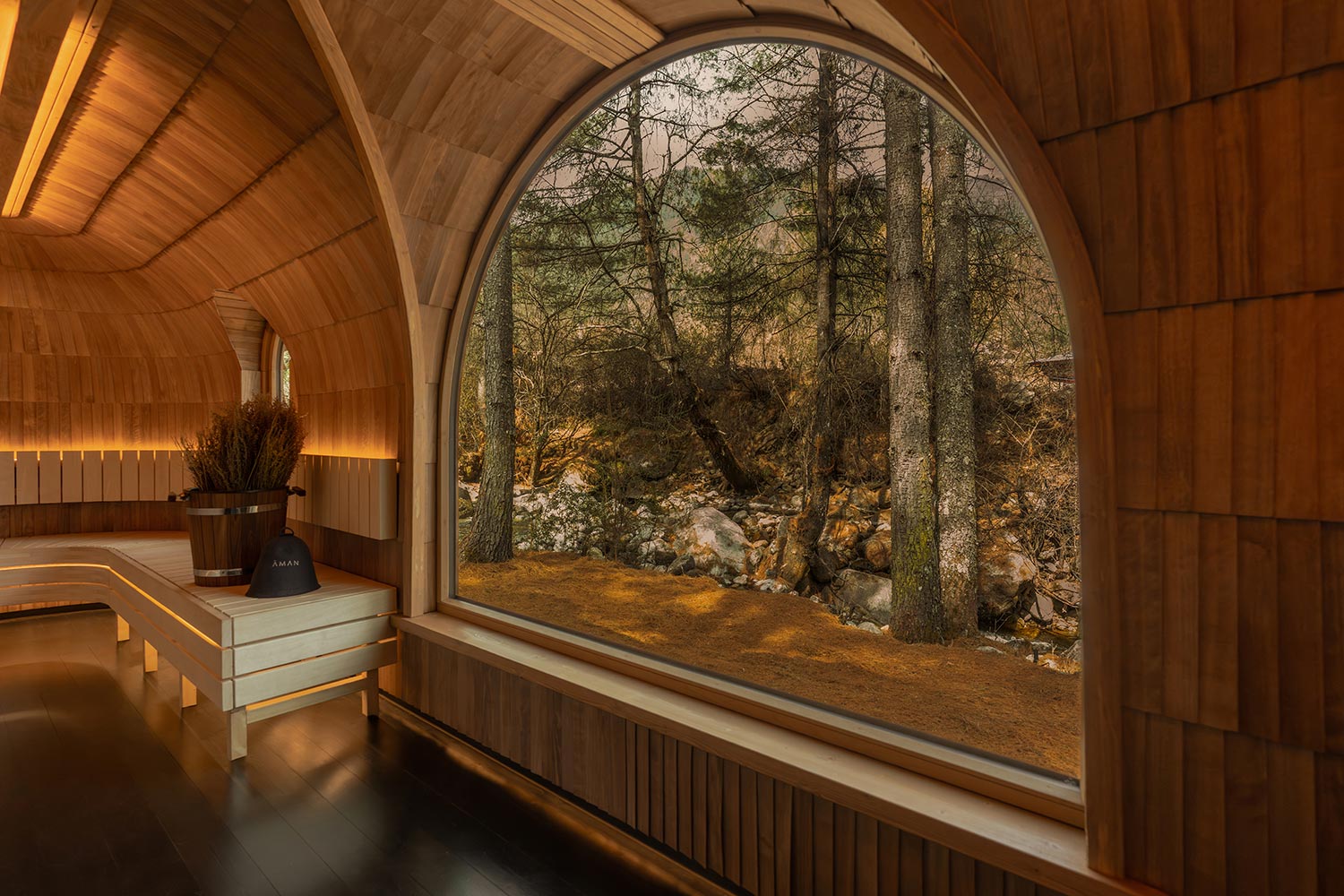
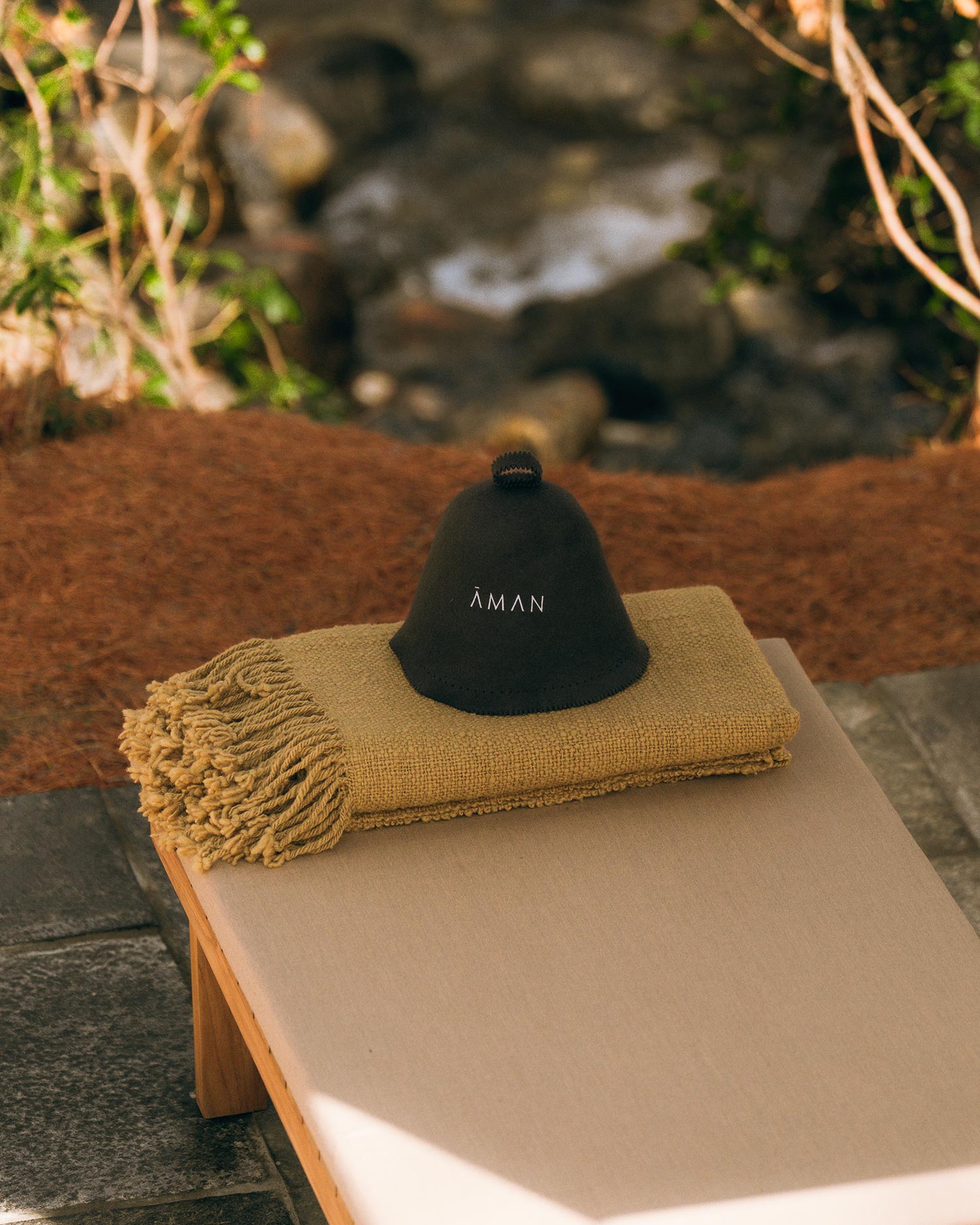
The lodge has also introduced a Wild Nature Banya Experience beside a glacial stream. Drawing on Eastern European sauna traditions, the ritual combines intense heat, venik massage using oak and birch branches, and cold-water immersion. Panoramic windows frame views of the historic fortress, while guests can cool off with a plunge in the river.
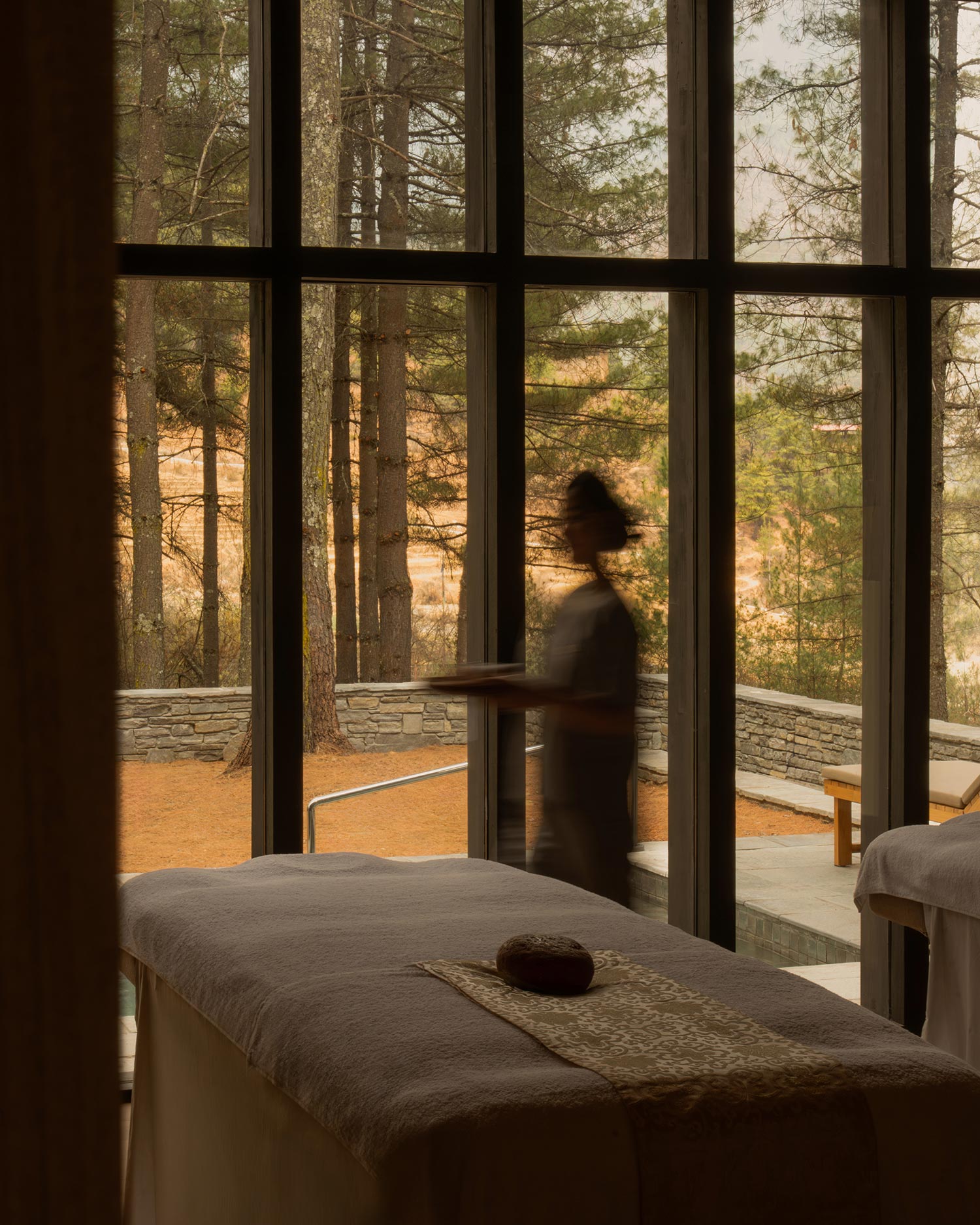
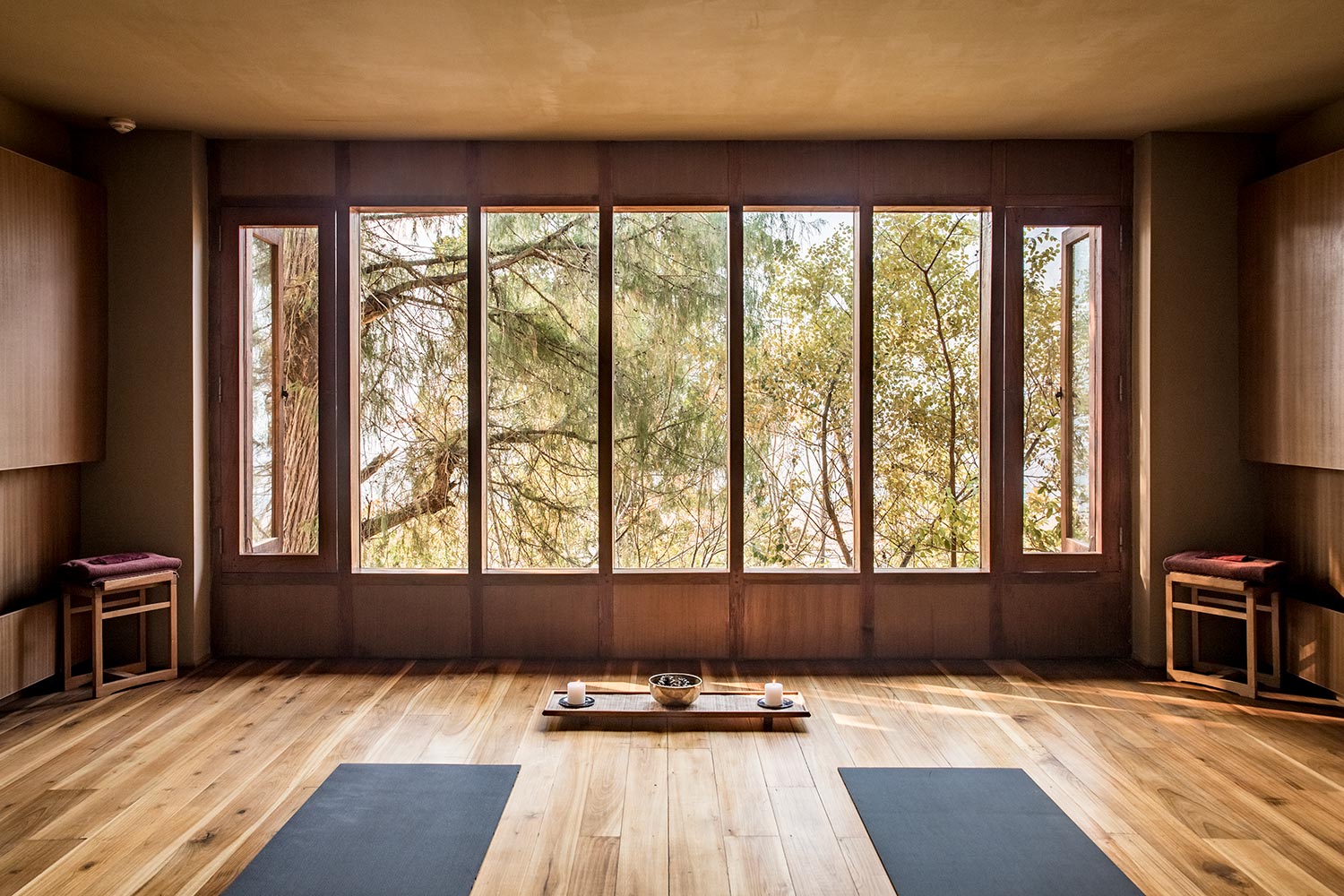
Elsewhere, the existing spa has been upgraded, with refreshed treatment rooms featuring private terraces and traditional Bhutanese hot stone baths. A new yoga pavilion among the pines overlooks the river and fortress.
All 24 suites have also been refurbished with new timber flooring, ceilings, and wall cladding, alongside upgraded lighting and climate control. The dining room and kitchen have been redesigned, a new bar introduced, and the library enhanced to accommodate private dining.
Further east, Amankora Punakha occupies a restored 300-year-old farmhouse once owned by a former Je Khenpo, Bhutan’s chief abbot. Surrounded by rice fields, the lodge retains much of its historic character while introducing a series of contemporary upgrades.
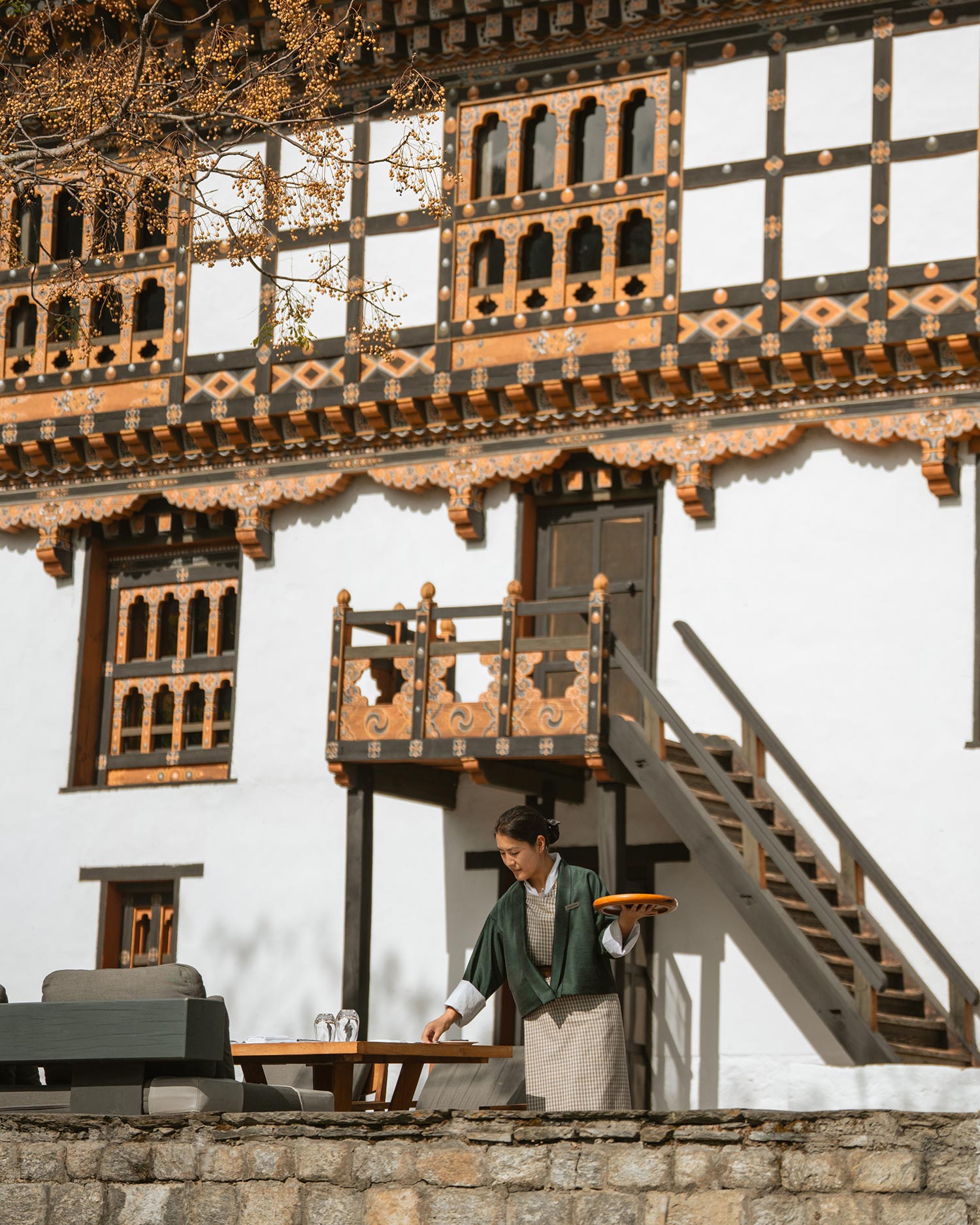
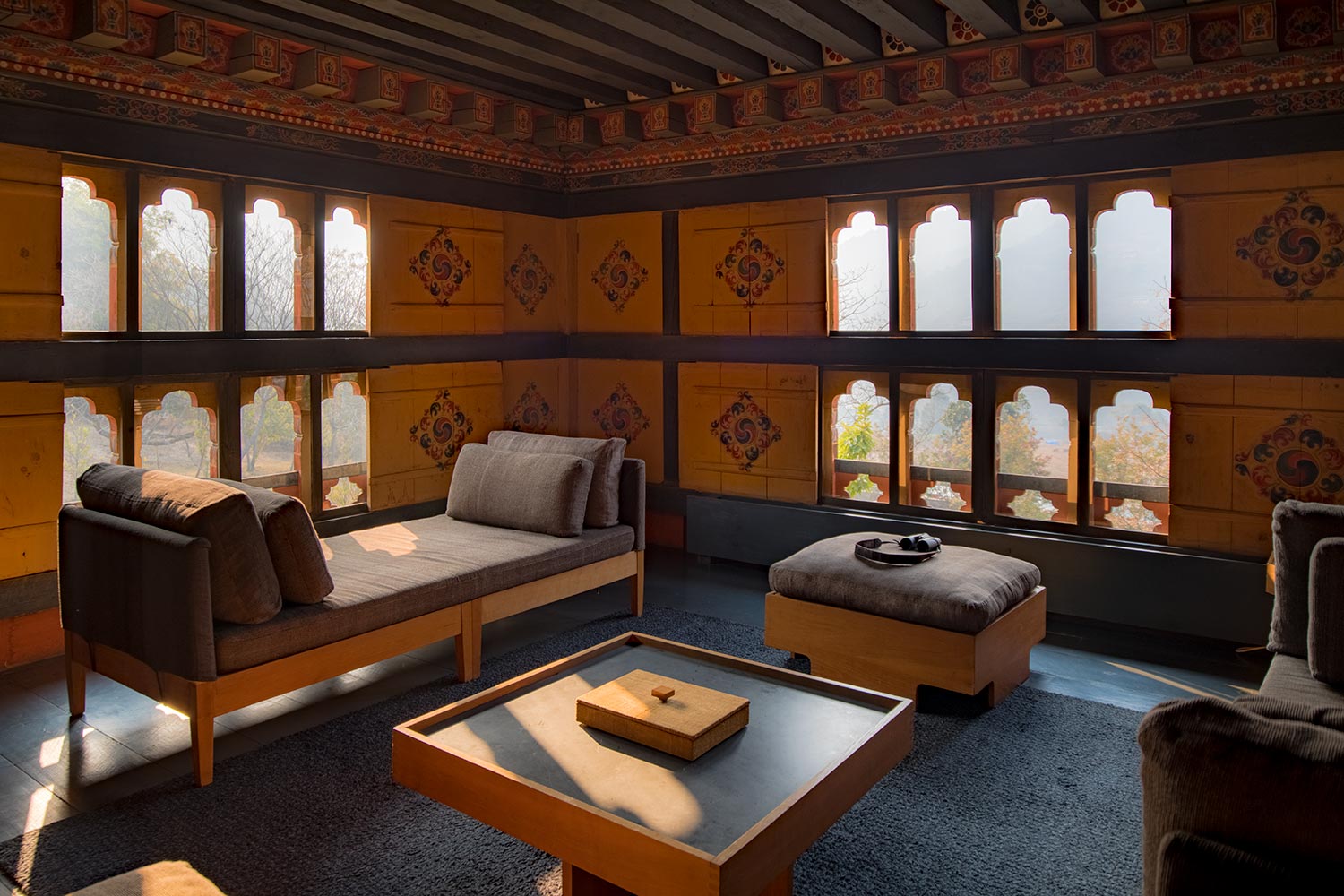
Its 12 suites have been refreshed, while the original farmhouse now features a redesigned dining room seating up to 18 guests, a library, lounge, and dedicated retail space. The historic altar room remains intact, with a resident monk continuing to perform traditional Buddhist blessings.
Wellness upgrades include three new treatment rooms, a yoga studio, and hydrotherapy facilities featuring a steam room, Jacuzzi, cold plunge, and bucket shower.
The reopenings mark the latest chapter for Amankora, which has been welcoming travelers to Bhutan for more than two decades.