


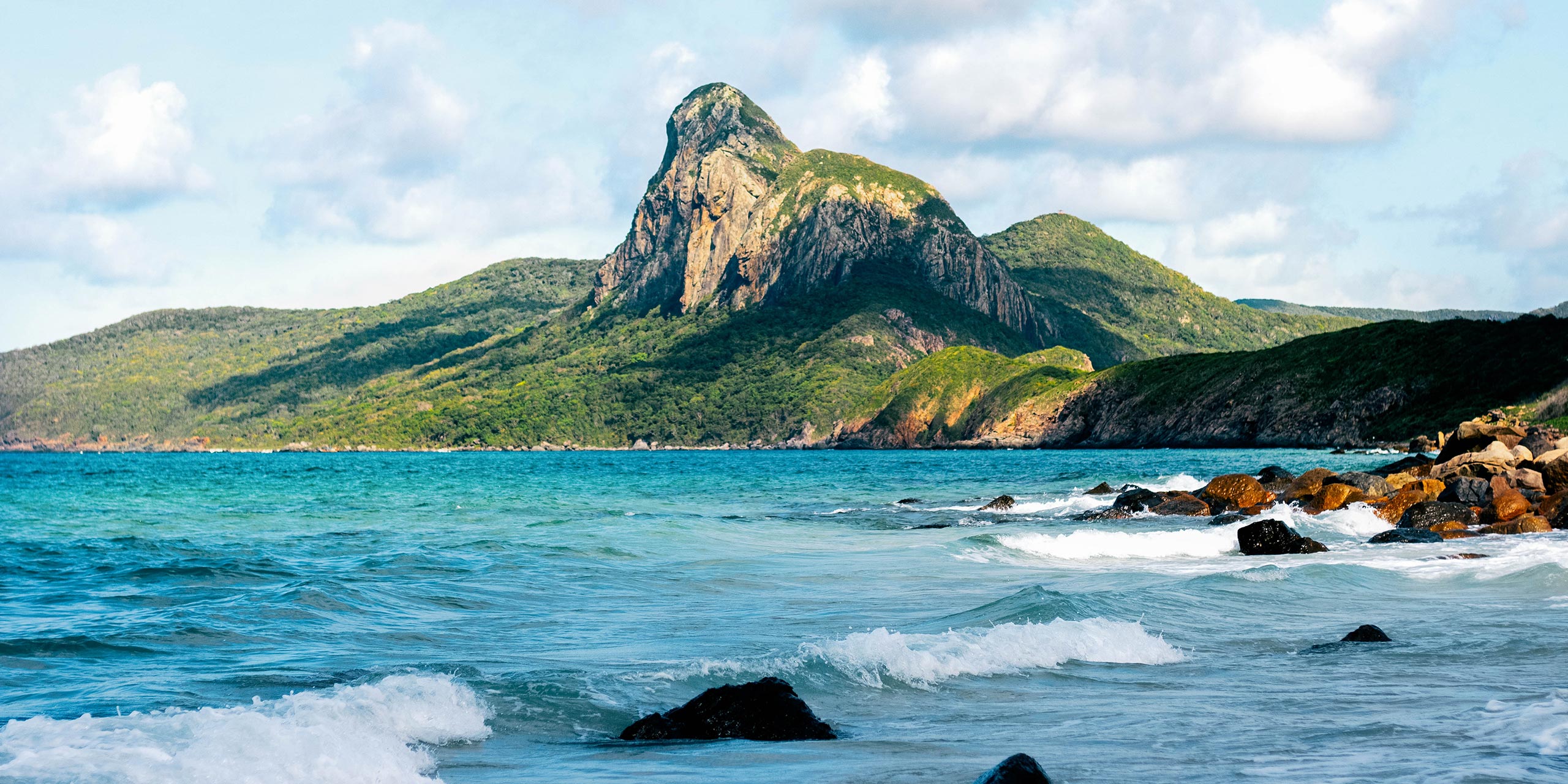
Visiting Con Dao today, it is difficult to believe that this was once a place nobody wanted to come to and everyone wanted to leave.
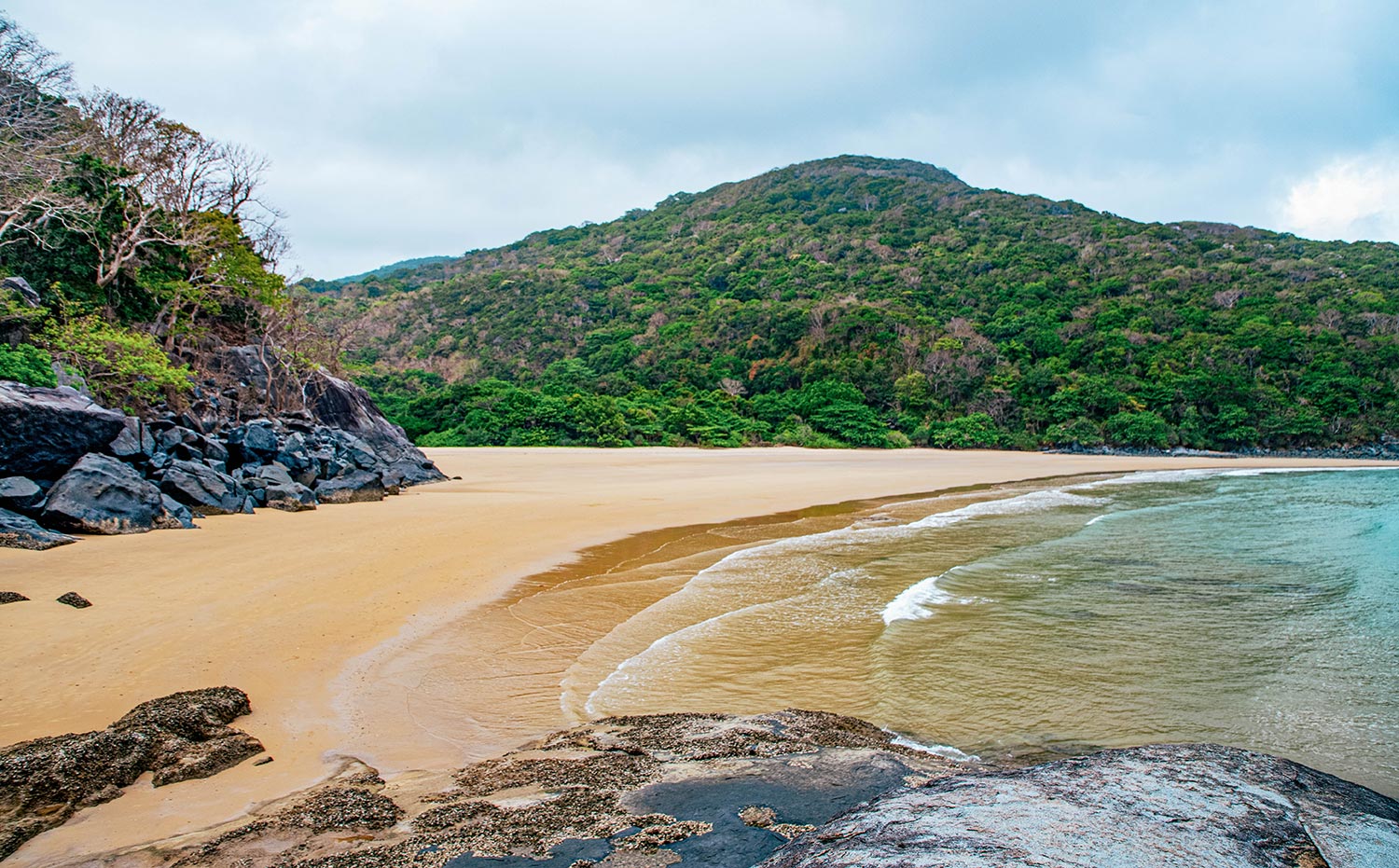
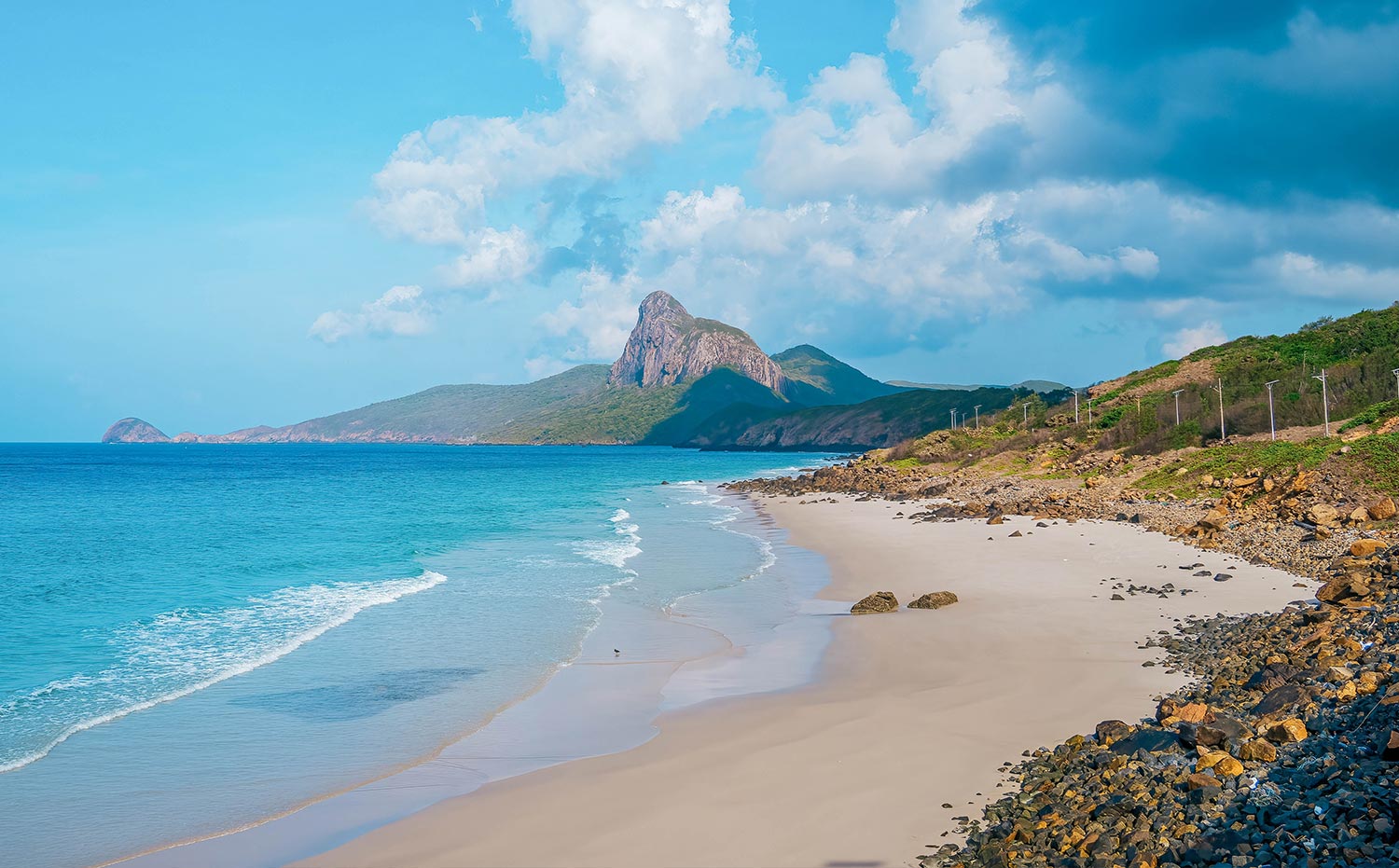
Some 230 kilometres off Vietnam‘s southern coast, the archipelago is a world of jungle-covered mountains, deserted beaches and crystalline seas. Green turtles nest on its shores, dugongs graze in offshore seagrass beds, and coral reefs shelter an astonishing variety of marine life. Much of the landscape remains protected within Con Dao National Park, lending the islands a sense of isolation increasingly difficult to find elsewhere in Southeast Asia.
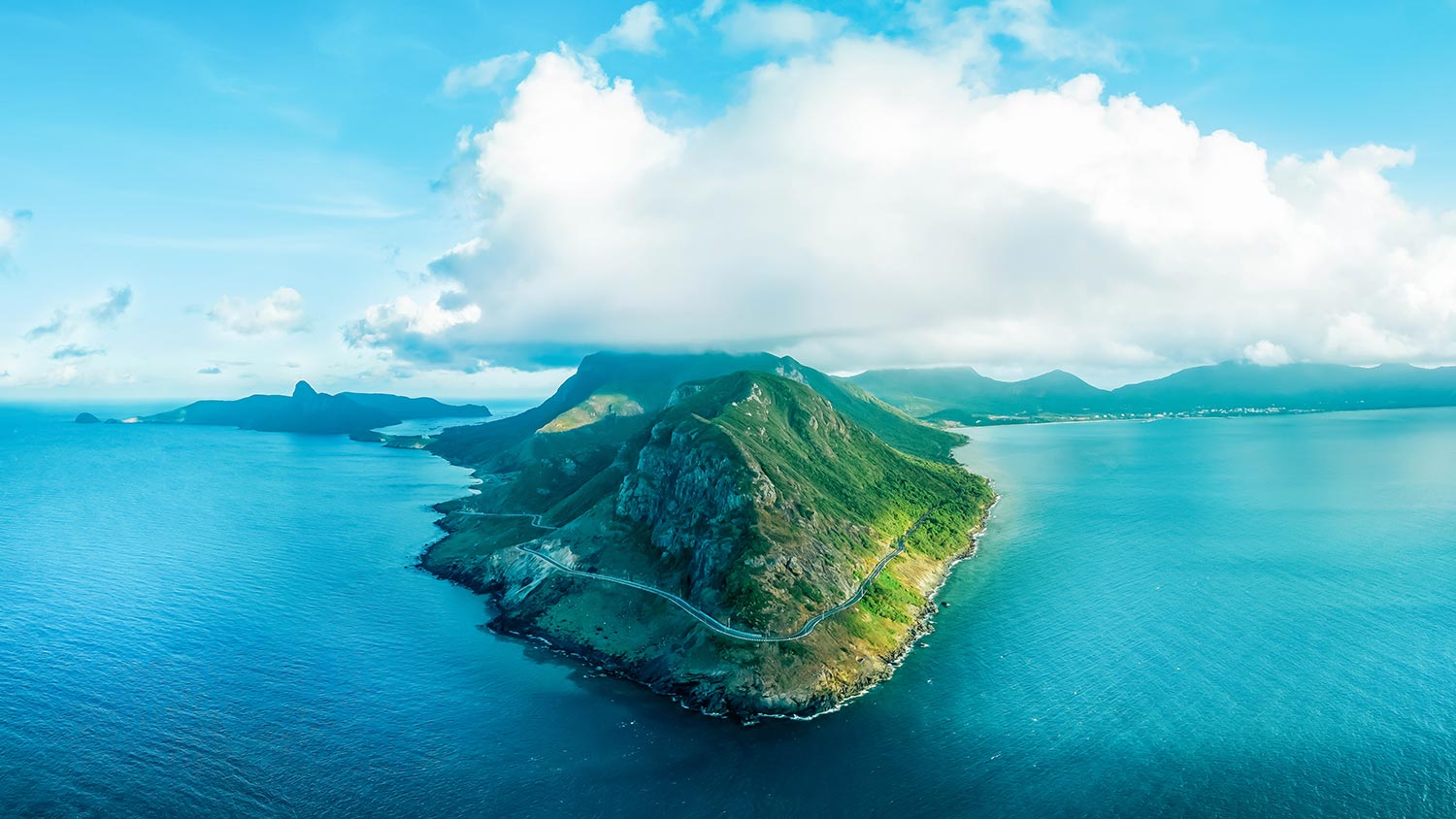
From the air, the appeal is immediate. As our plane makes its final descent towards Con Son, the largest of the archipelago’s 16 islands, a mountainous hunk emerges from the blue emptiness. Closer inspection reveals a vivid green, beach-fringed chunk of sparsely inhabited gorgeousness. Paradise, in anyone’s books.
Yet this was once one of the most notorious island prisons on the planet. Like Robben Island near Cape Town and Alcatraz in San Francisco Bay, Con Dao was a name that struck fear into those who heard it. First the French colonial authorities, then the South Vietnamese government and its American allies, exploited the islands’ isolation to imprison political opponents.
Since reunification in 1975, Con Dao has assumed a gentler persona, although its history remains deeply embedded in the national consciousness. Many Vietnamese believe the islands are haunted by the restless spirits of prisoners who perished here, while former detention sites remain important places of pilgrimage.
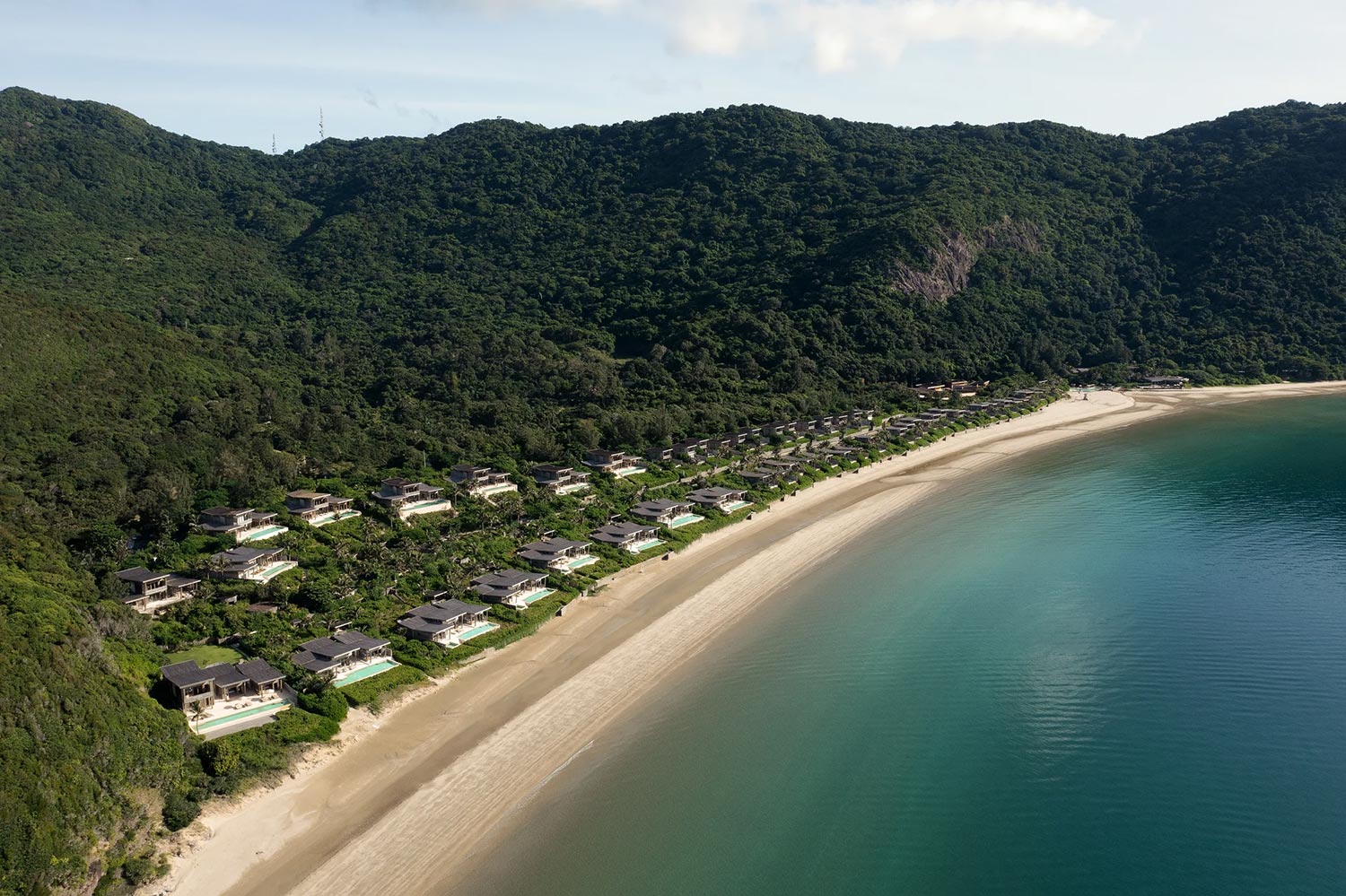
For decades, the archipelago lingered far from Vietnam’s mainstream tourist trail, attracting mainly domestic pilgrims and a smattering of international visitors. That relative isolation has become one of its greatest assets.
Vietnam is a country that nags incessantly at your affections. From the first glimpse of Saigon’s perpetual motorcade at sunset to the view of Danang‘s coastline from the summit of Monkey Mountain, it has an uncanny knack for inspiring love at first sight.
After the initial rush, however, come the caveats. Saigon and Hanoi can be exhausting in their intensity, while some of the country’s most celebrated coastal destinations have surrendered substantial stretches of shoreline to mass tourism and large-scale development. Con Dao, by contrast, has retained much of the natural beauty and sense of isolation that first drew travellers to Vietnam’s coastline.
From the airport, the road rises through banks of tropical vegetation before hugging the cliffs to reveal sweeping views of the ocean and the smaller islands scattered offshore. Within minutes of arriving, I’m as helplessly smitten as a lovestruck schoolboy.
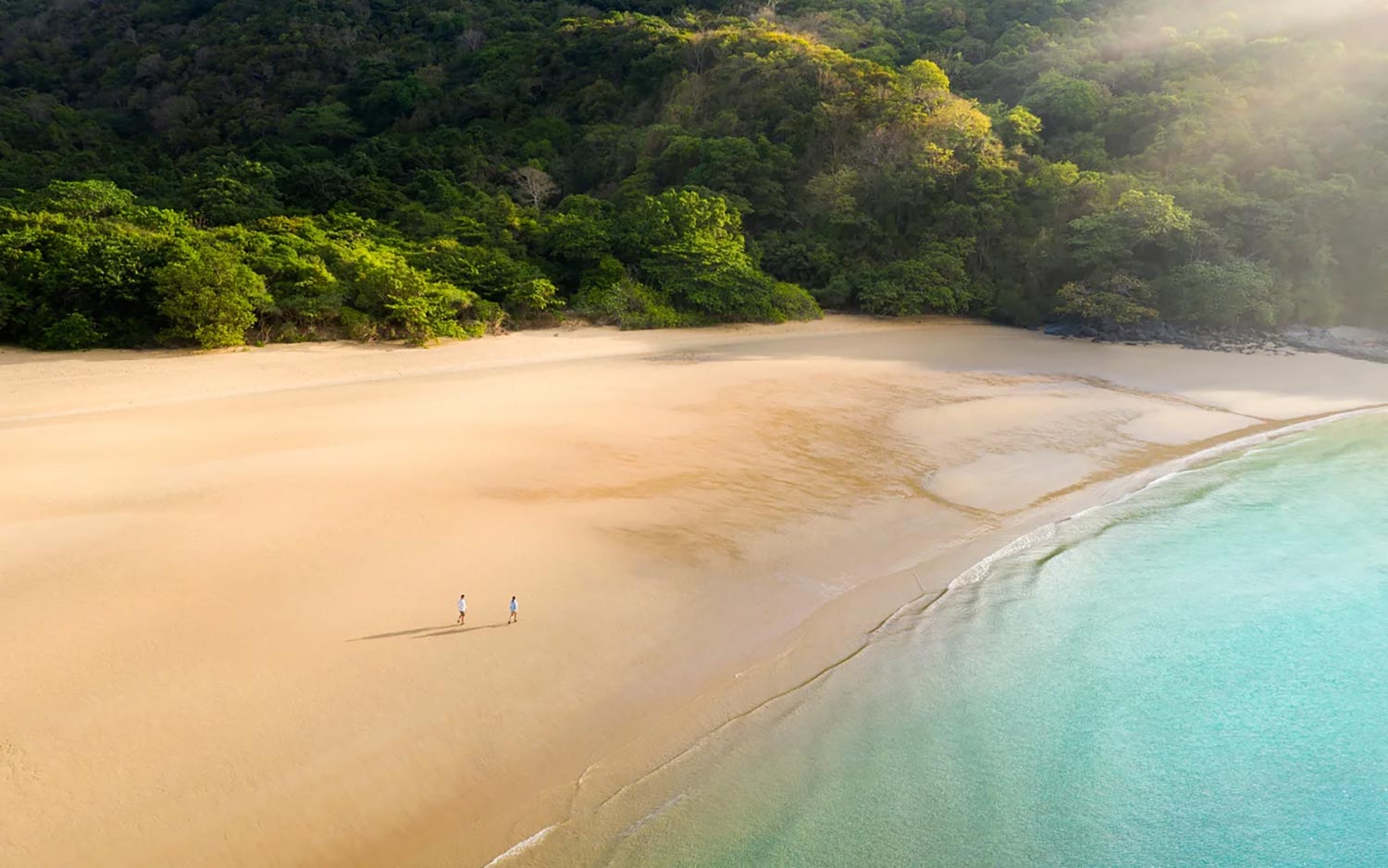
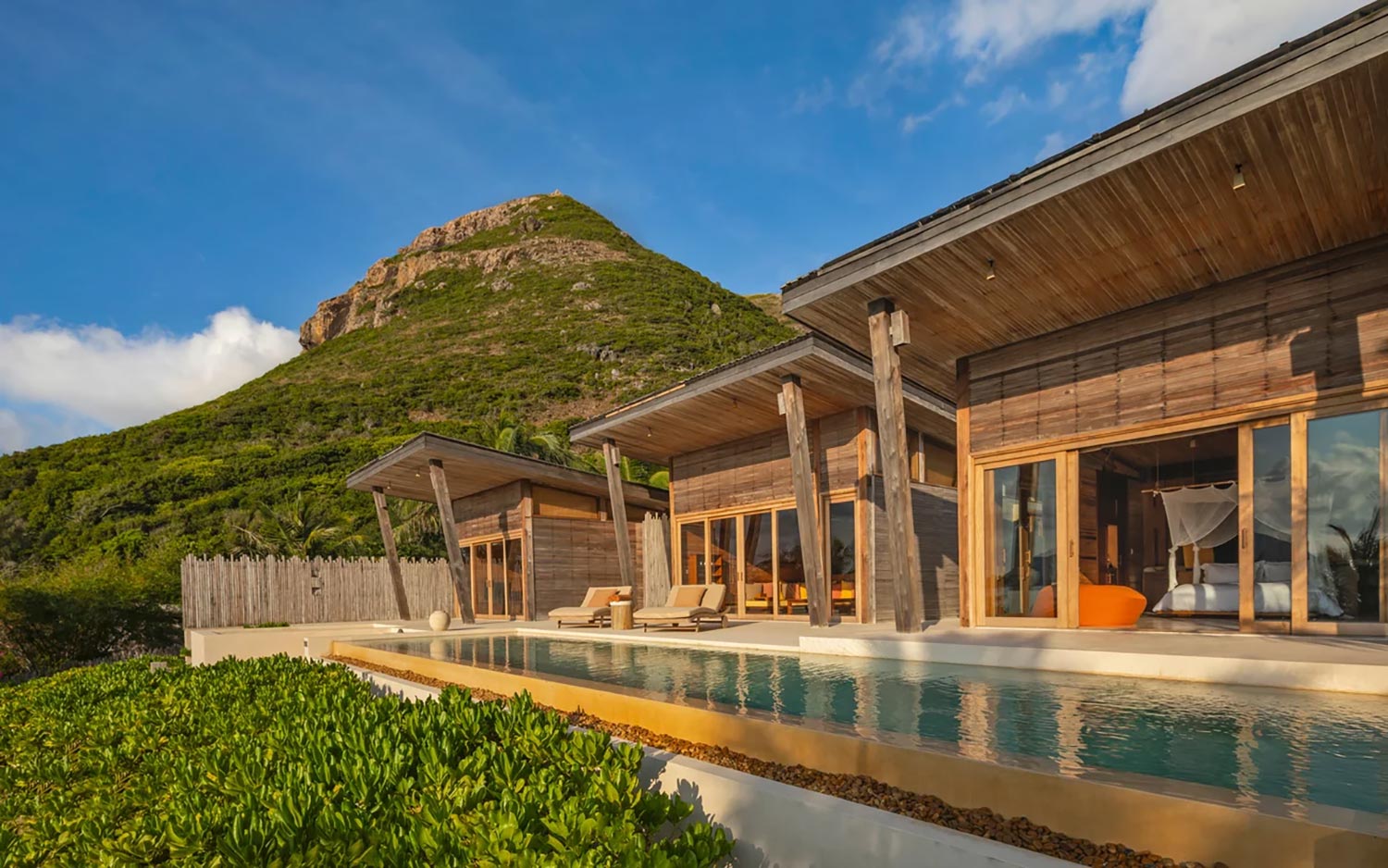
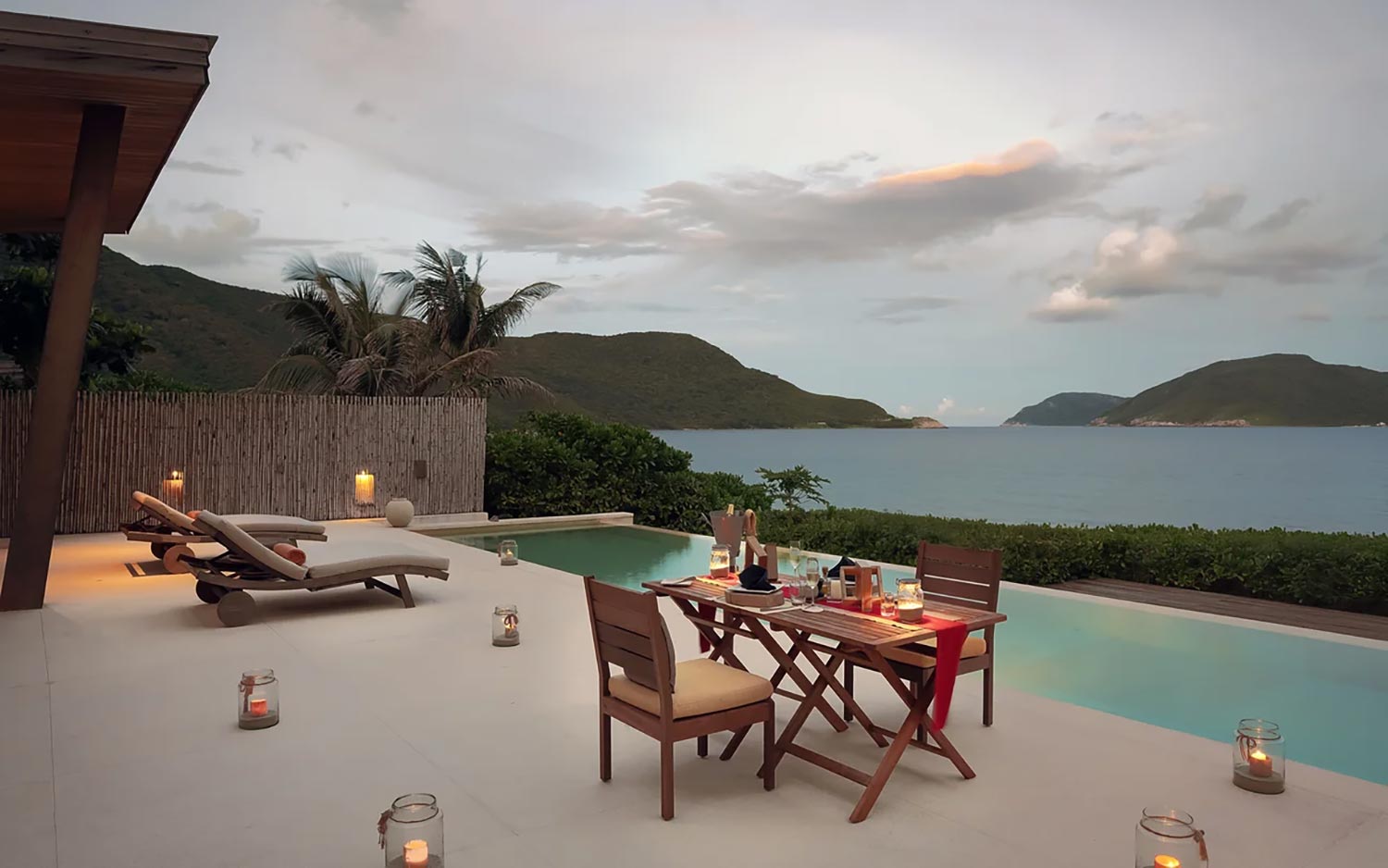
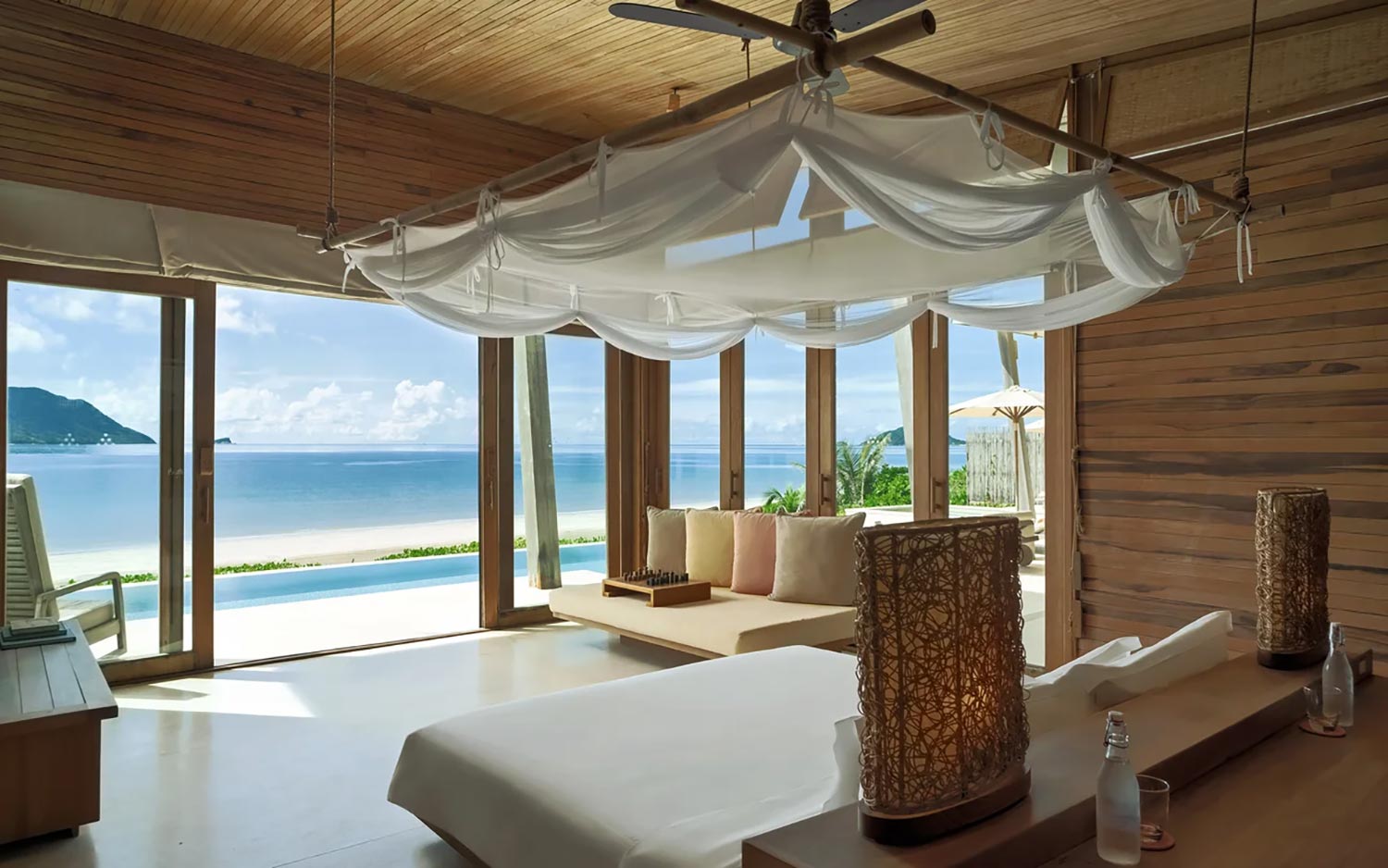
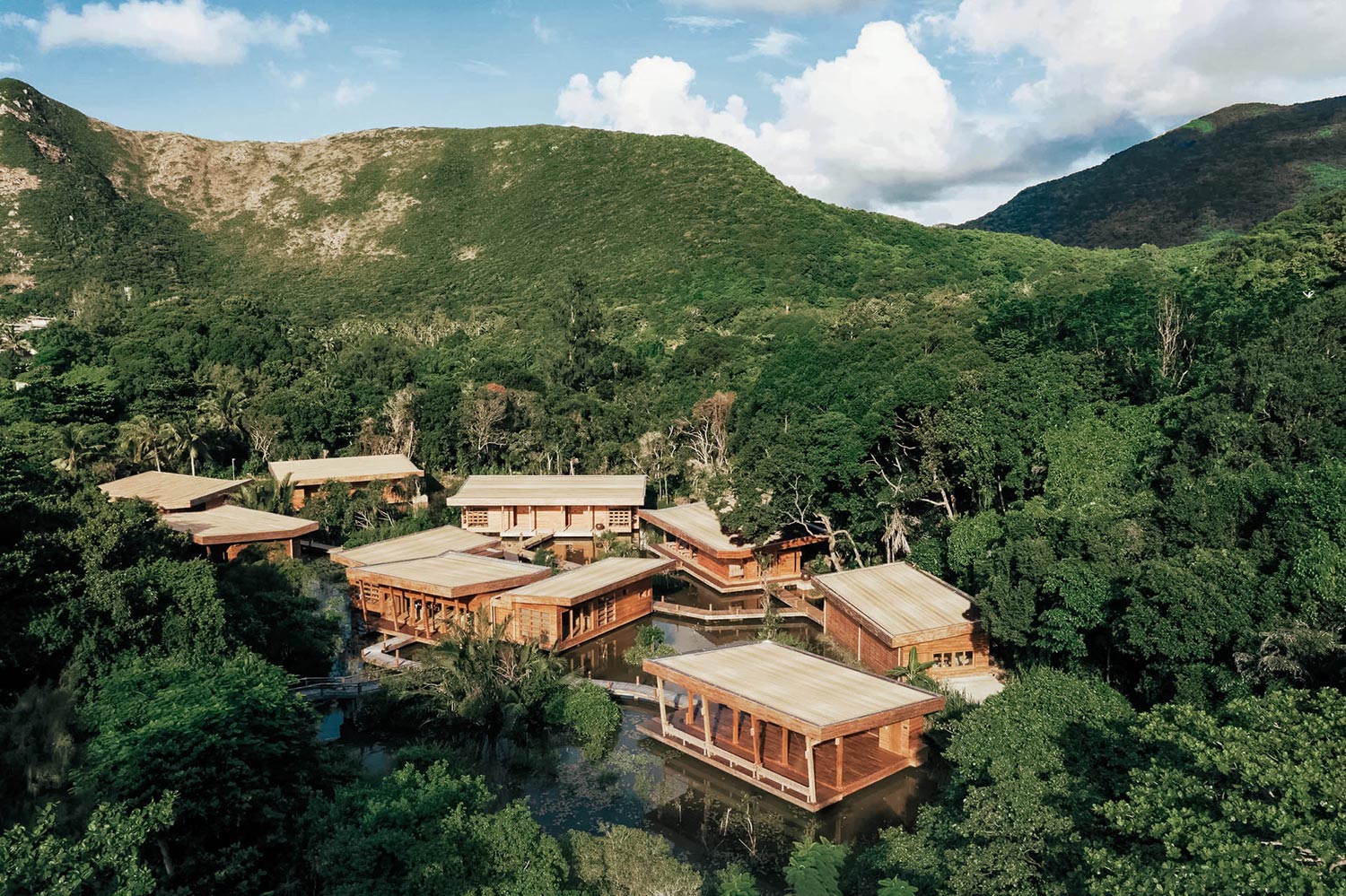
Few resorts complement their surroundings quite like Six Senses Con Dao. Occupying a spectacular crescent of golden sand between rugged promontories, the all-villa retreat makes a persuasive case for doing very little indeed.
The villas are exercises in understated luxury, with cool stone floors, natural materials, generous living spaces and private infinity pools. Yet the real star is the setting. Forested hills rise behind the resort, while the beach stretches away in a seemingly endless sweep of sand and surf.
For those who aspire to the life of a lotus-eater, it’s hard to imagine a better place to submit to sheer laziness. I spend long stretches floating in the sea and lounging beside our villa’s pool, occasionally retreating indoors to escape the tropical heat.
The resort has evolved considerably since its early days, however, with conservation and wellness now central to the experience. Its Let’s Get Cracking turtle incubation centre helps protect endangered green sea turtles, with daily talks introducing guests to the conservation programme. Between May and December, lucky visitors may witness newly hatched turtles making their first tentative journey towards the ocean.
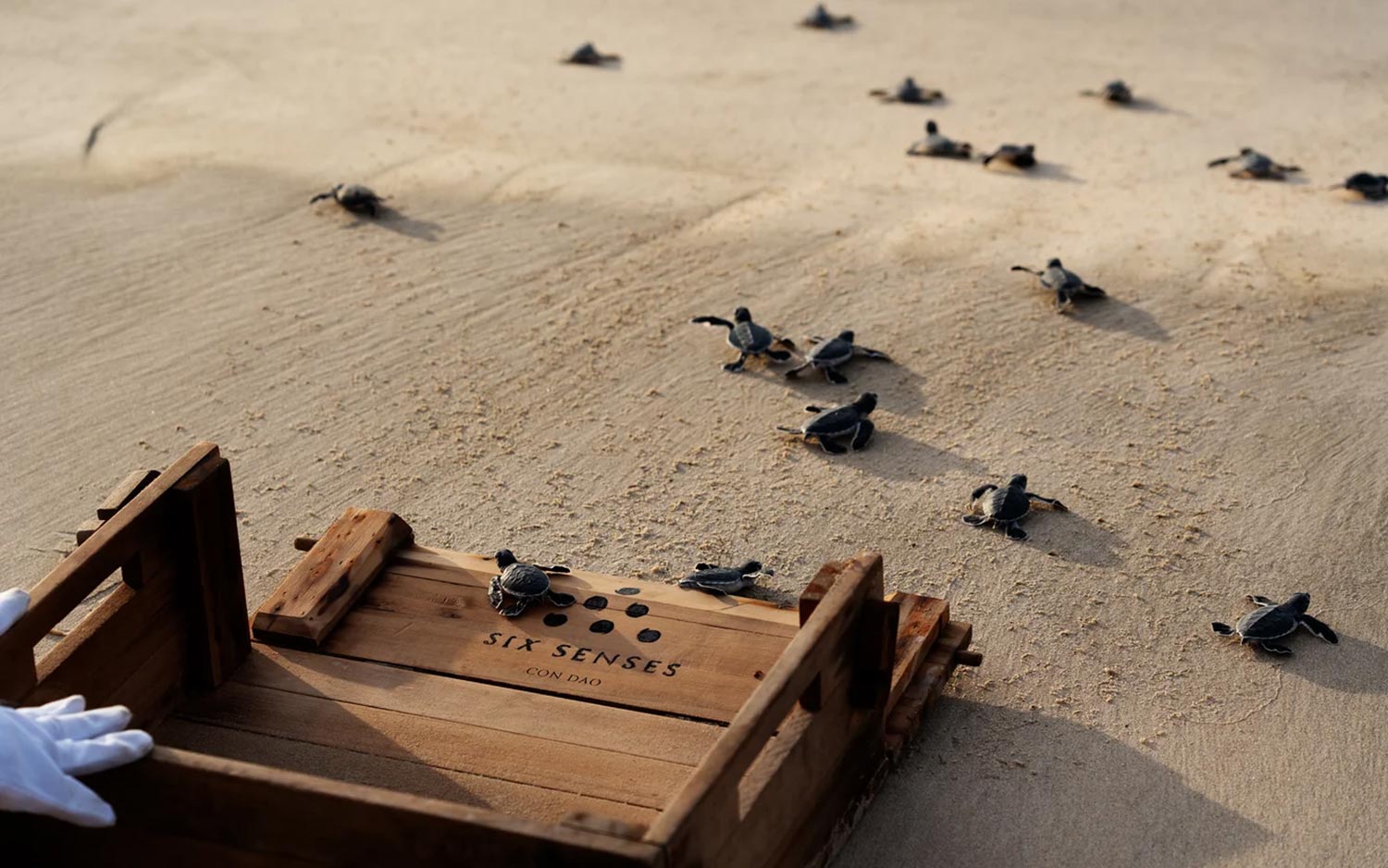
The surrounding marine environment is another focus. Seagrass restoration initiatives aim to protect habitats used by dugongs, the elusive marine mammals that graze in the waters around Con Dao.
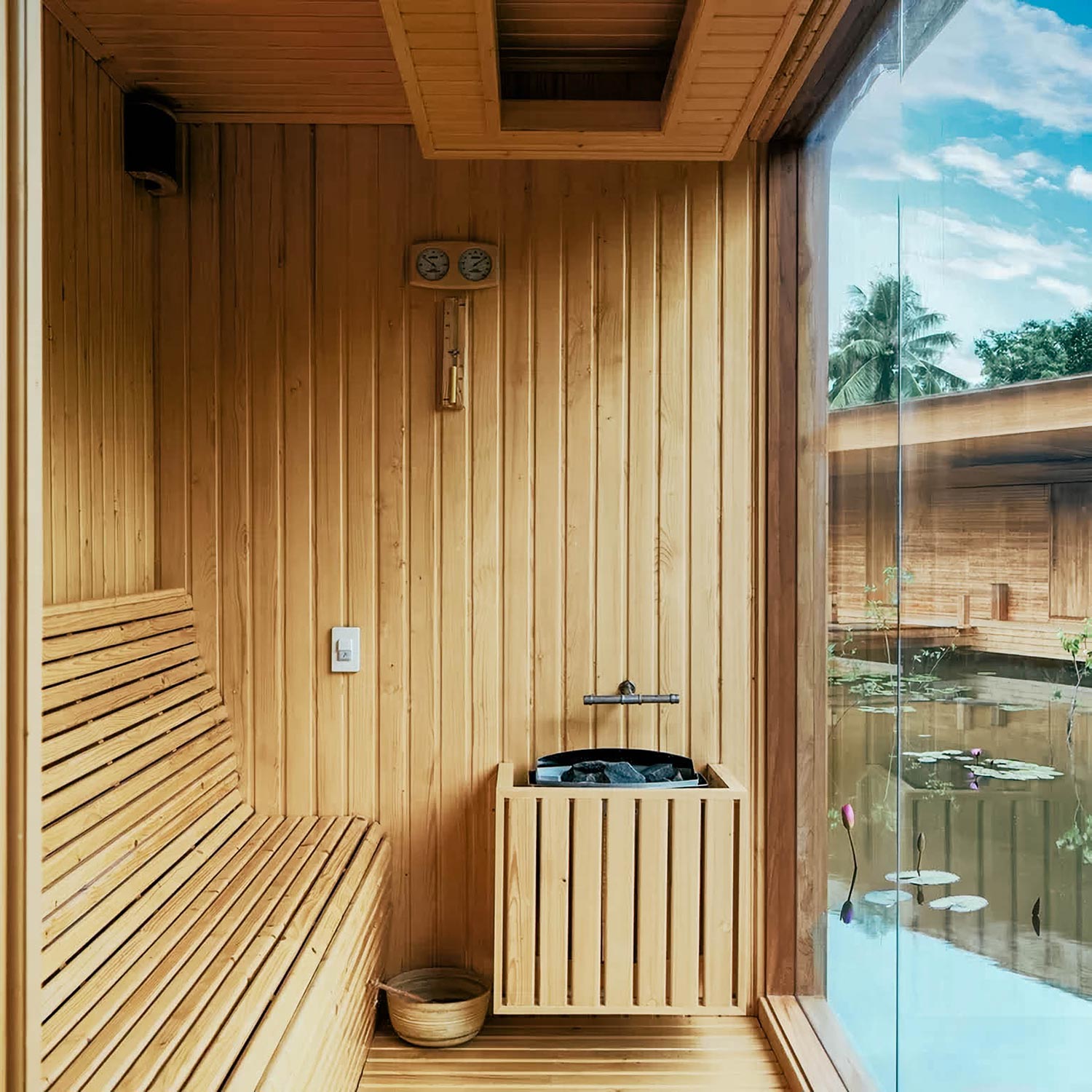
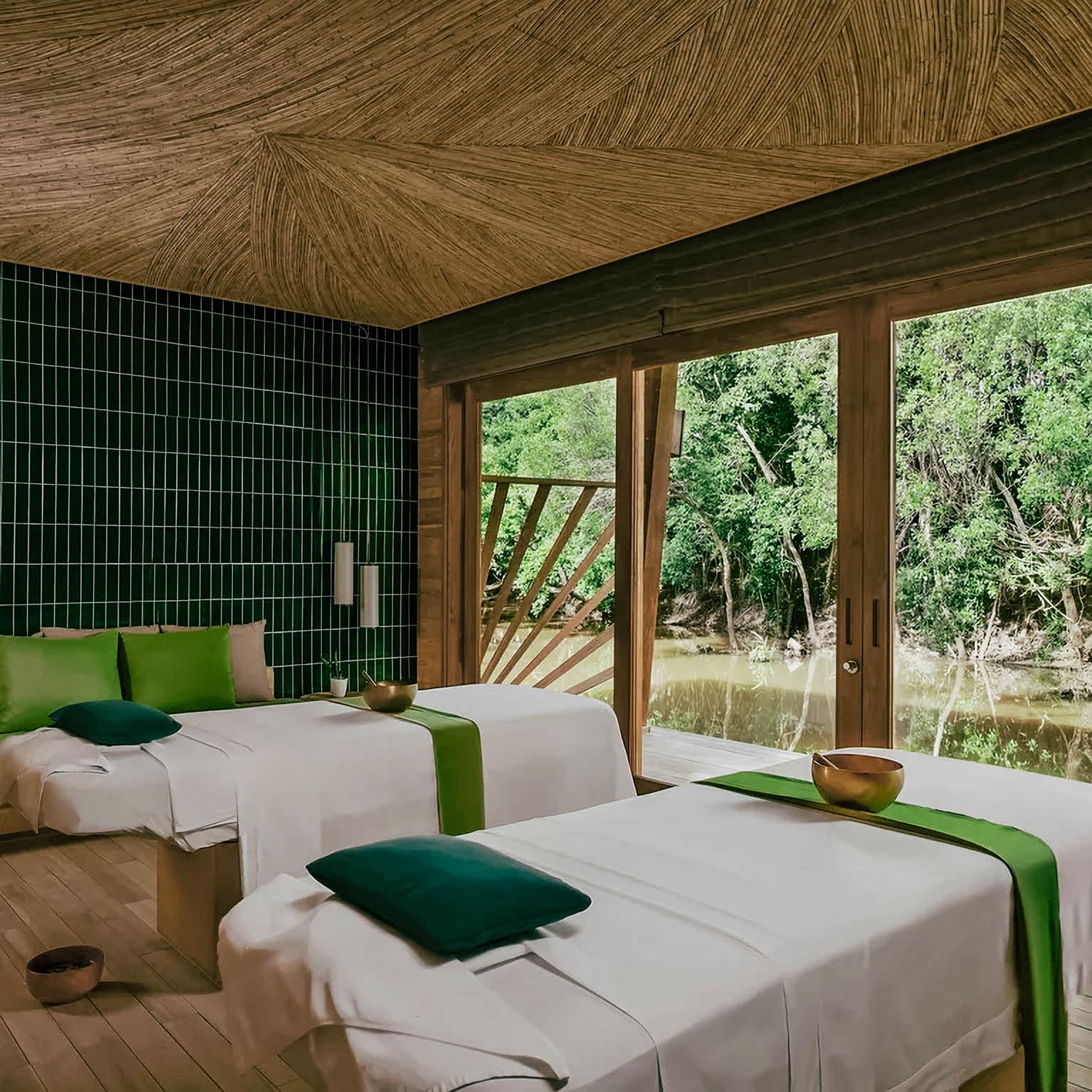
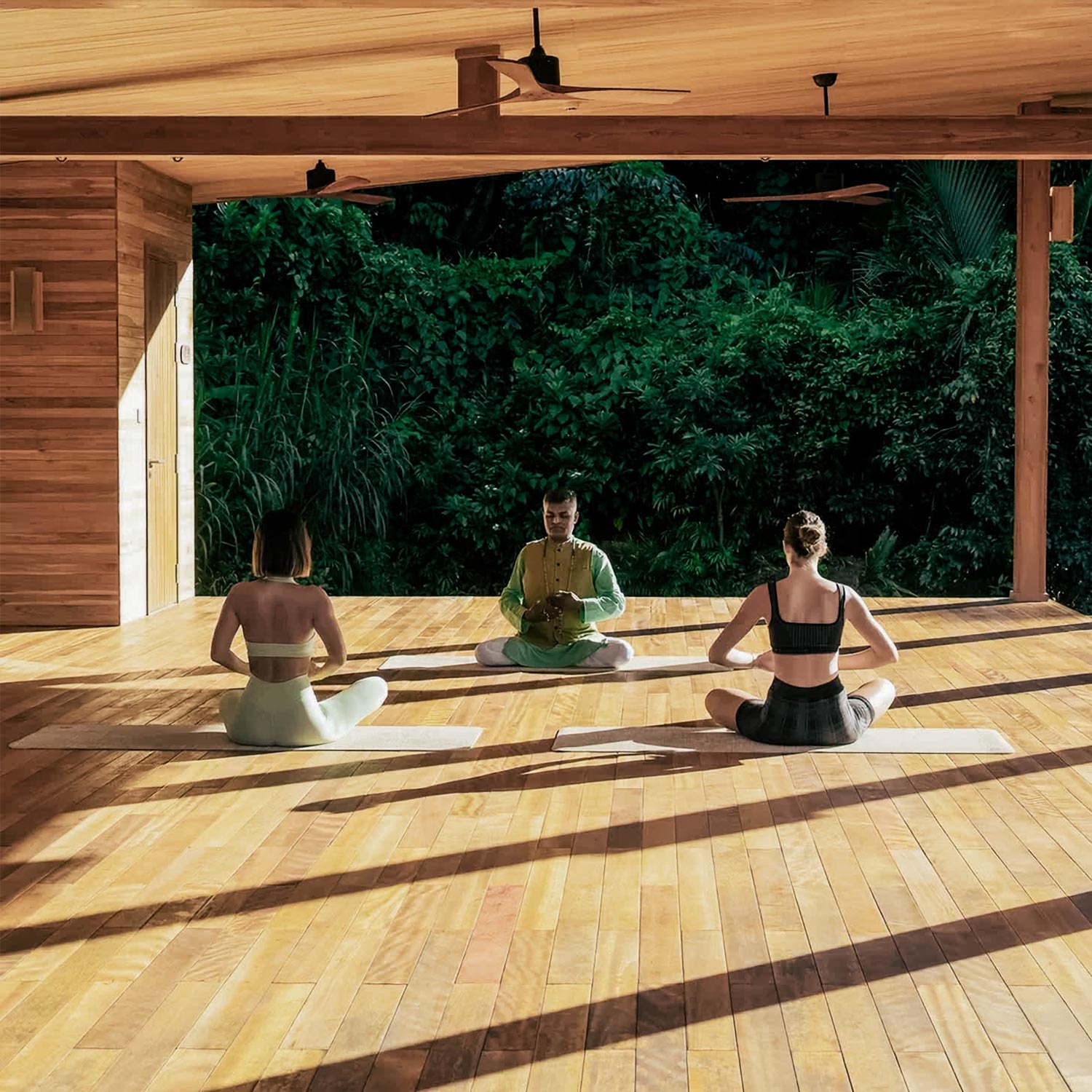
Wellness has also become a bigger draw. Following the redesign of its Spa & Wellness Village in late 2024, Six Senses introduced a series of seasonal programmes in 2026 inspired by the rhythms of nature. During the July-to-September period, the emphasis falls on sleep and recovery, with screen-free downtime, Yoga Nidra and restorative treatments designed to help guests reset their routines.
There are more indulgent distractions, too. At Vietnamese By the Market, traditional southern Vietnamese cooking takes centre stage, while By the Beach pairs international cuisine with ocean views. Private dinners on the sand offer another excuse to linger over a meal.
When darkness falls, the islands reveal another side of their natural appeal. During Milky Way season, which typically runs through September, Con Dao’s relatively dark skies provide remarkable views of the galaxy’s bright core. Guided stargazing sessions make the most of the spectacle.
It’s far from easy to leave the comforts of our temporary home, but Con Son rewards exploration as much as it does indolence. Much of the island falls within Con Dao National Park, where trails penetrate thick rainforest and lead towards secluded coves. Hikes to Bai Dat Tham and Ong Dung Beach offer a chance to experience the archipelago at its wildest, while Dam Trau, An Hai and Bai Nhat rank among its most attractive stretches of coastline.
Offshore, the waters support some of Vietnam’s finest diving and snorkelling. Coral gardens, reef fish, rays and turtles are among the attractions, although encounters with the resident dugongs remain rare and should be regarded as a considerable stroke of luck rather than an expectation.
The main settlement of Con Son has its own modest pleasures. Seafood restaurants serve freshly caught fish, crab, lobster and mantis shrimp, while local specialities include gỏi cá nhám, a shark salad eaten with herbs and rice paper. Restaurants such as Thu Ba, Thu Hien and Kim Con Dao are among the places to seek it out. Infiniti Café & Restaurant provides a more cosmopolitan alternative, with coffee, cakes and Western favourites.
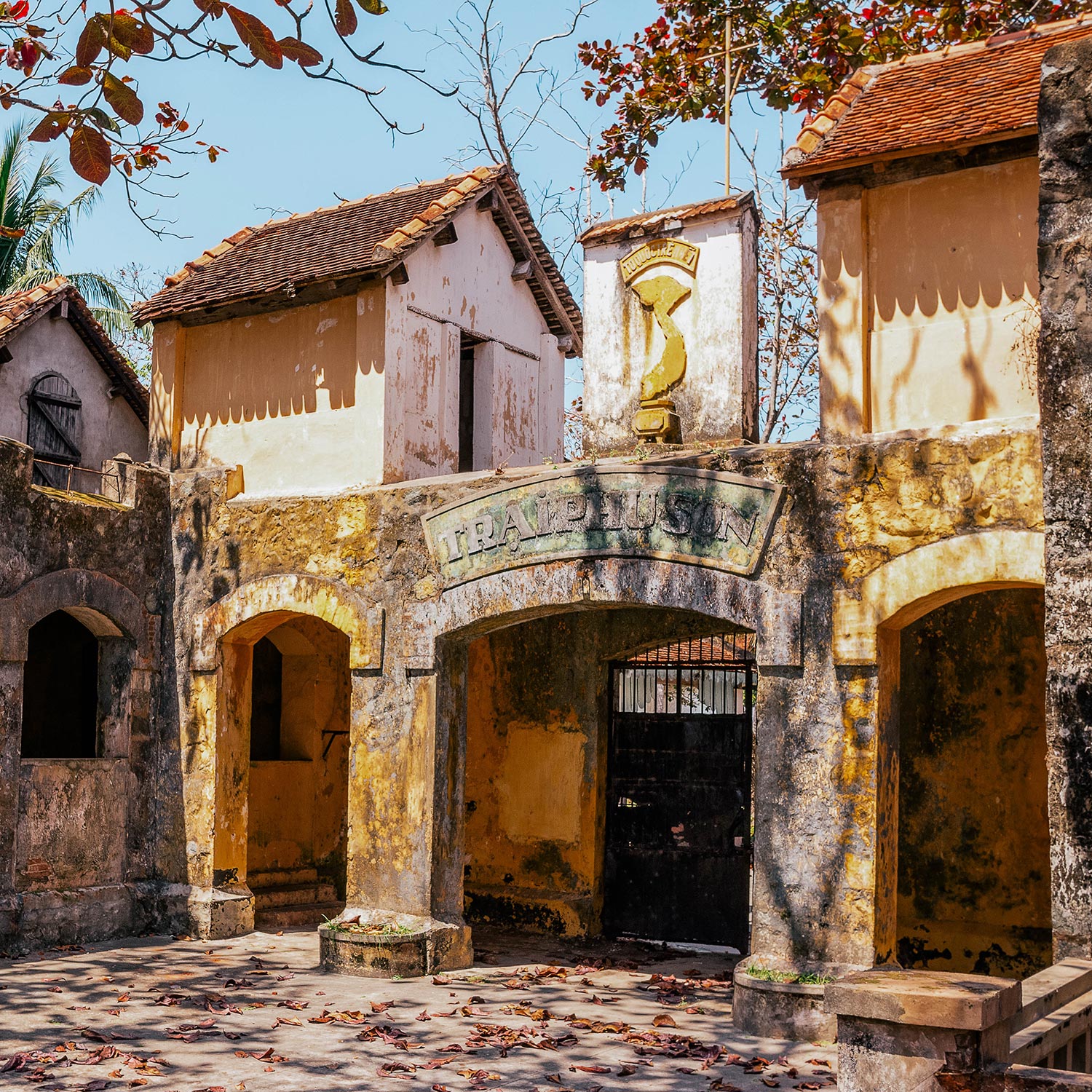
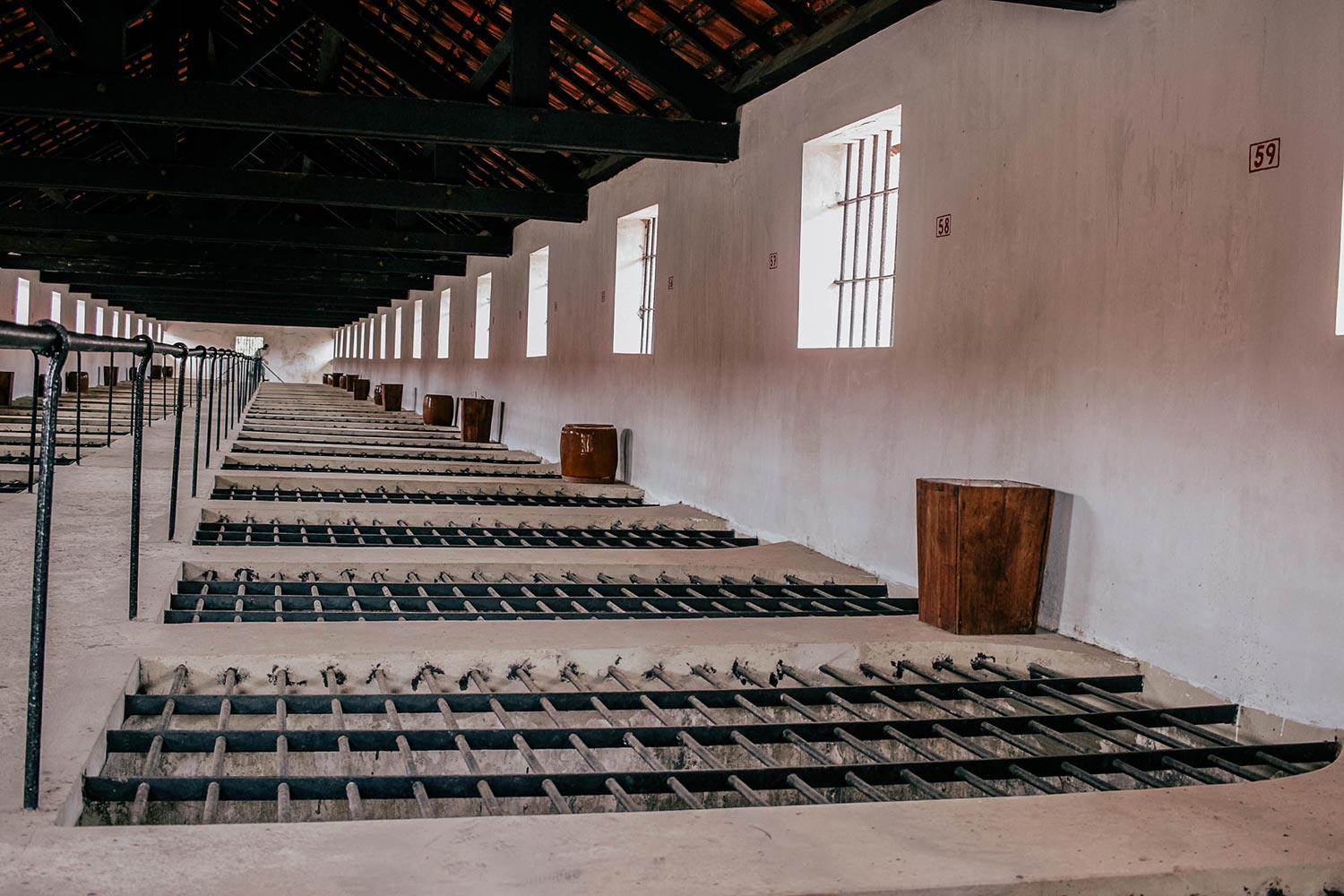
Yet to appreciate Con Dao fully, visitors must confront the history that makes its present-day serenity so extraordinary. The Con Dao Museum documents the islands’ penal past, but the former prison complexes make the deepest impression.
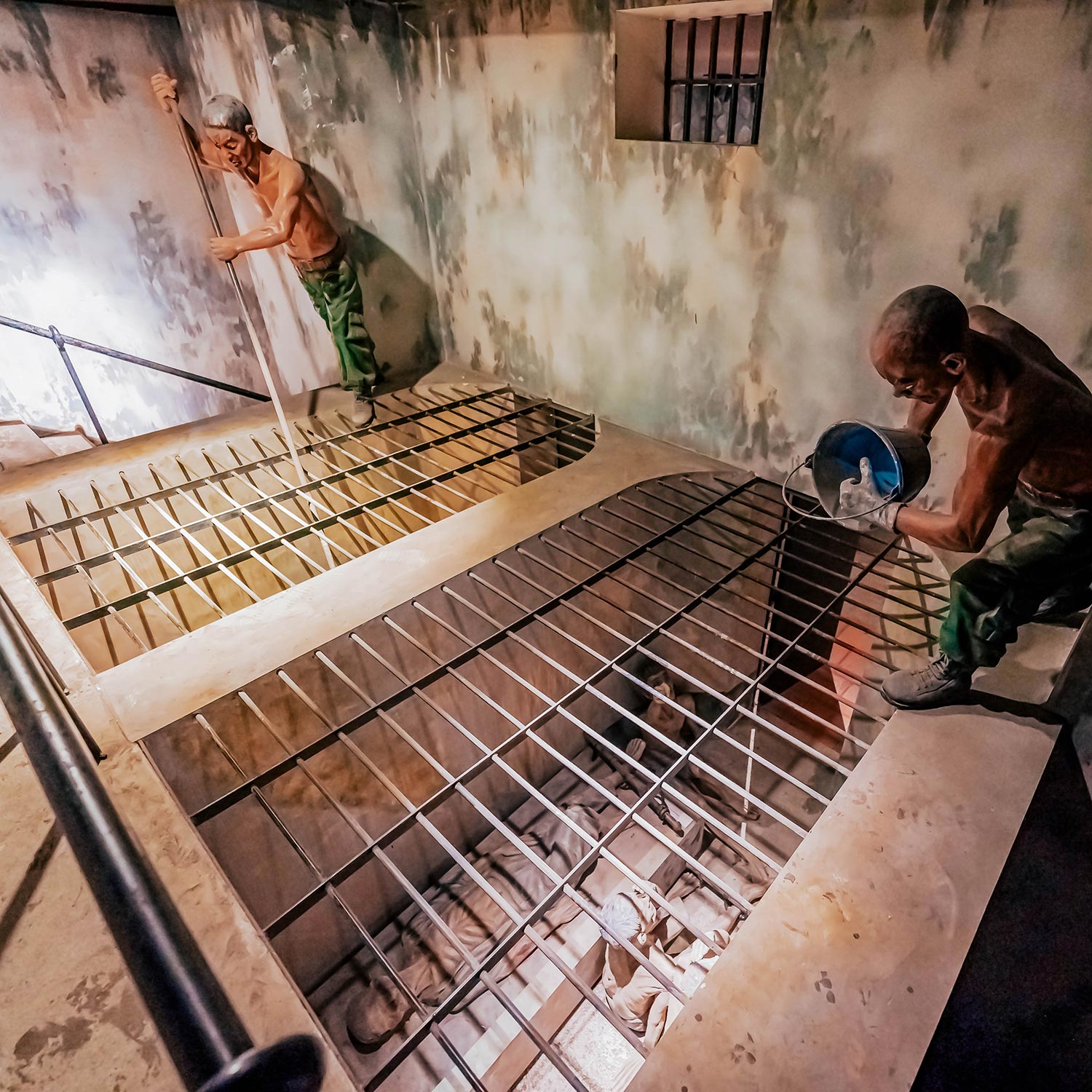
Here, political prisoners were confined in appalling conditions, often shackled in cramped cells and subjected to brutal punishment. The notorious Tiger Cages, where inmates endured prolonged isolation and torture, remain among the most disturbing reminders of the French colonial and Vietnam War eras.
Even today, the prisons don’t make for easy viewing. Photographs, preserved cells and accounts of extraordinary suffering stand in stark contrast to the beauty outside. But their continued presence is essential. Con Dao’s history cannot simply be brushed aside in favour of a more marketable tropical identity. The islands’ transformation is remarkable precisely because their past remains so visible.
Having chartered motorbikes, we spend our final afternoon chugging aimlessly along the coastal road towards the fishing port of Ben Dam.
The sky is bruised as we leave Con Son’s main settlement, but the clouds begin to clear as we round a headland. Behind us, thunderclouds are dumping another torrential shower on the island. Ahead, blue skies illuminate a postcard-perfect panorama of rugged mountains and smaller outlying islands, while the sun casts diamond-like shards across the ocean.
It’s one of those moments when Vietnam seems determined to outdo itself. For all the changes taking place here, Con Dao’s greatest attraction remains the extraordinary relationship between its landscapes and its history. Few destinations can offer such a compelling combination of natural beauty, solitude and historical gravity.
Darkness, then redemption. Prison to paradise. It’s a fitting end to our time in this beautiful corner of the world.