
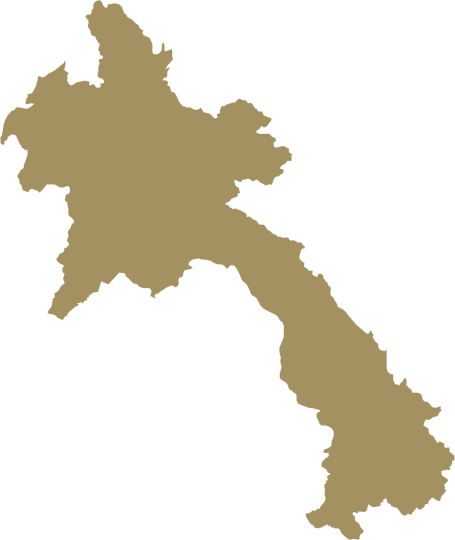

I was recently asked to update a guidebook to Laos and list all the top attractions travelers should visit. Even after years of covering the country, I found the task slightly daunting. For me, Laos has never been a destination defined by specific sights; it is a place where the journey itself is the experience.
Part of the quintessential Lao charm is simply sitting back with a cold Beer Lao and watching the world drift by. It is one of the few places left where life moves without haste, and where natural beauty far outweighs modern development. Shopping malls remain blissfully confined to Vientiane, and while the new Chinese rail line has made travel faster and more convenient, the true pulse of the country still beats along its languid waterways.
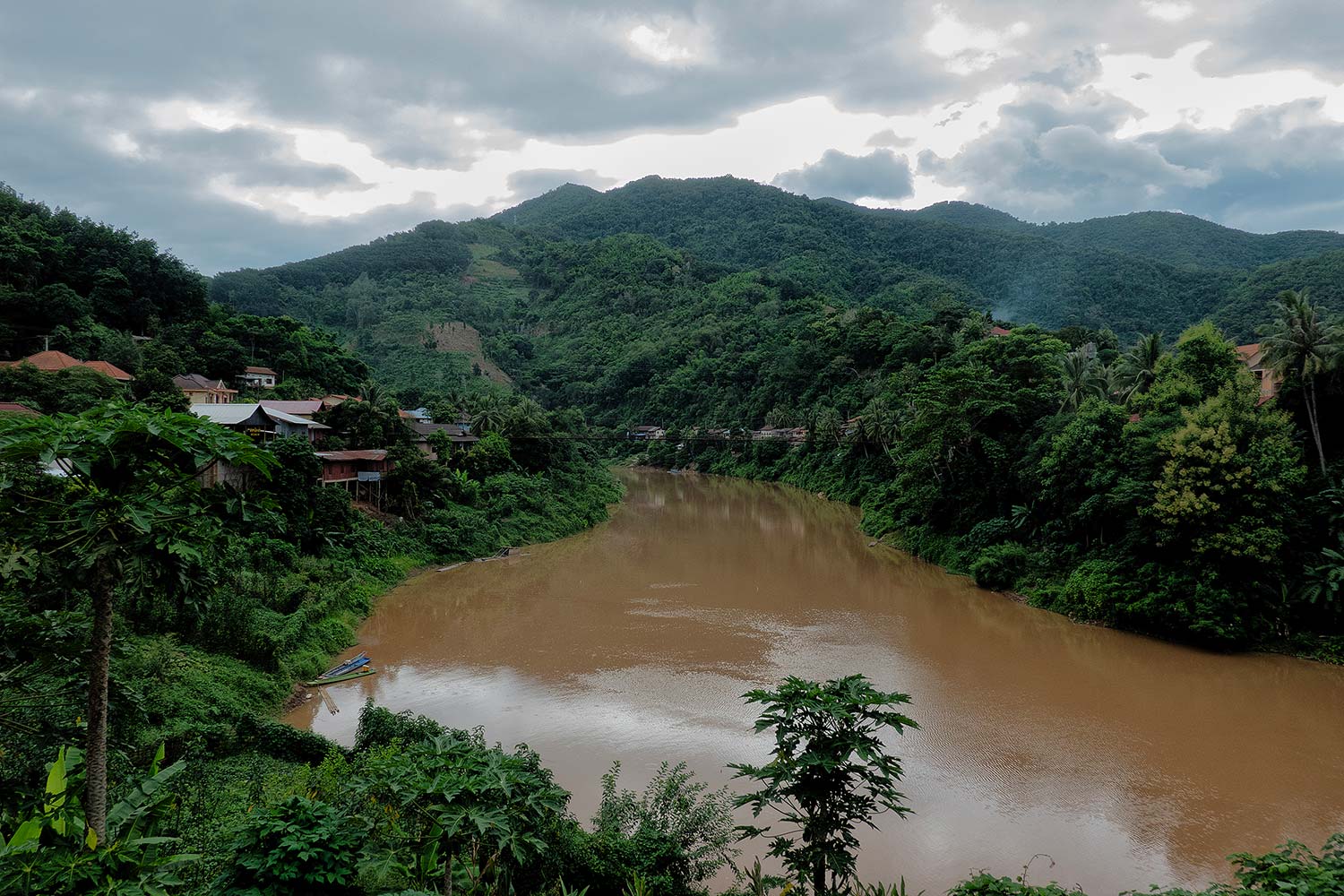
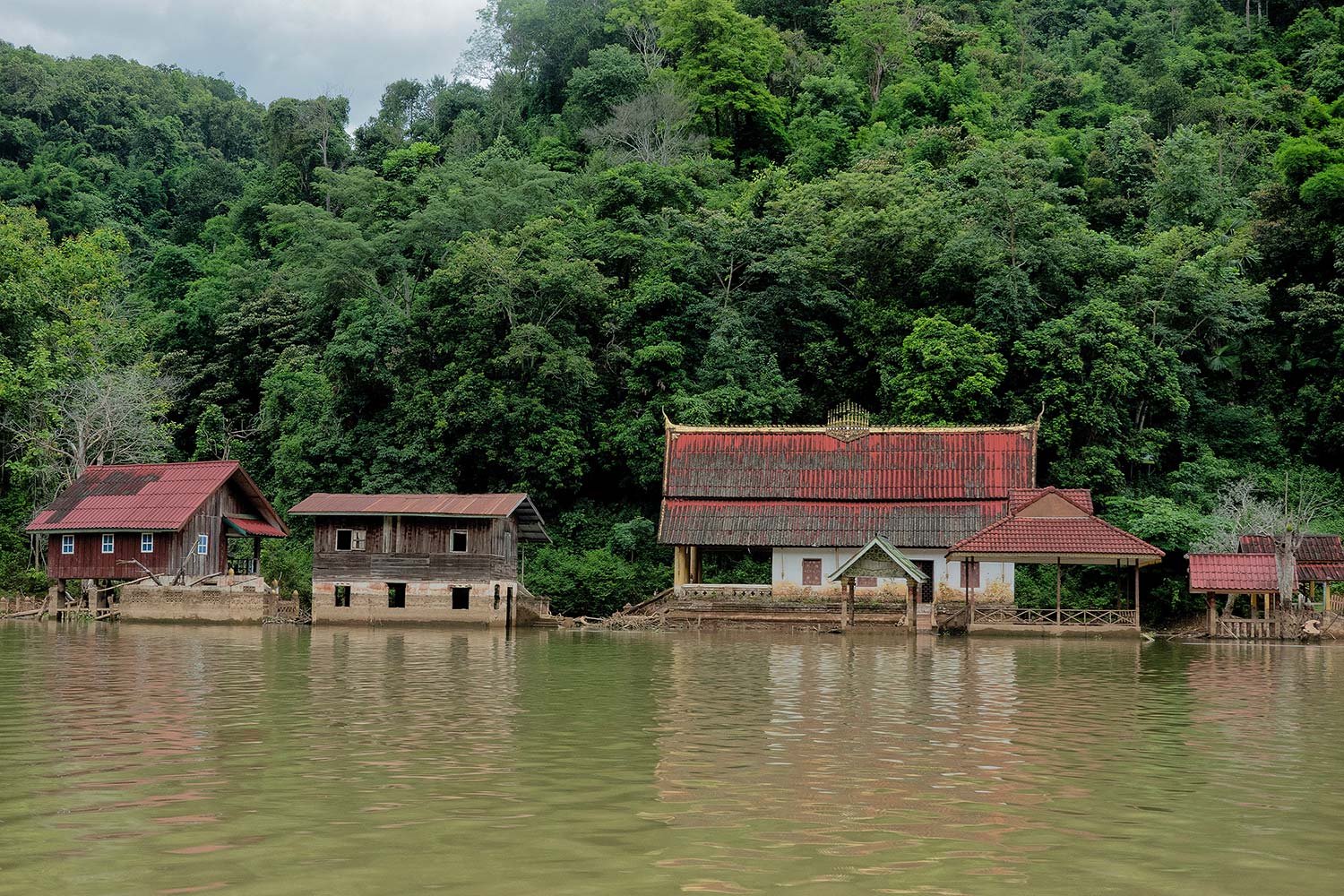
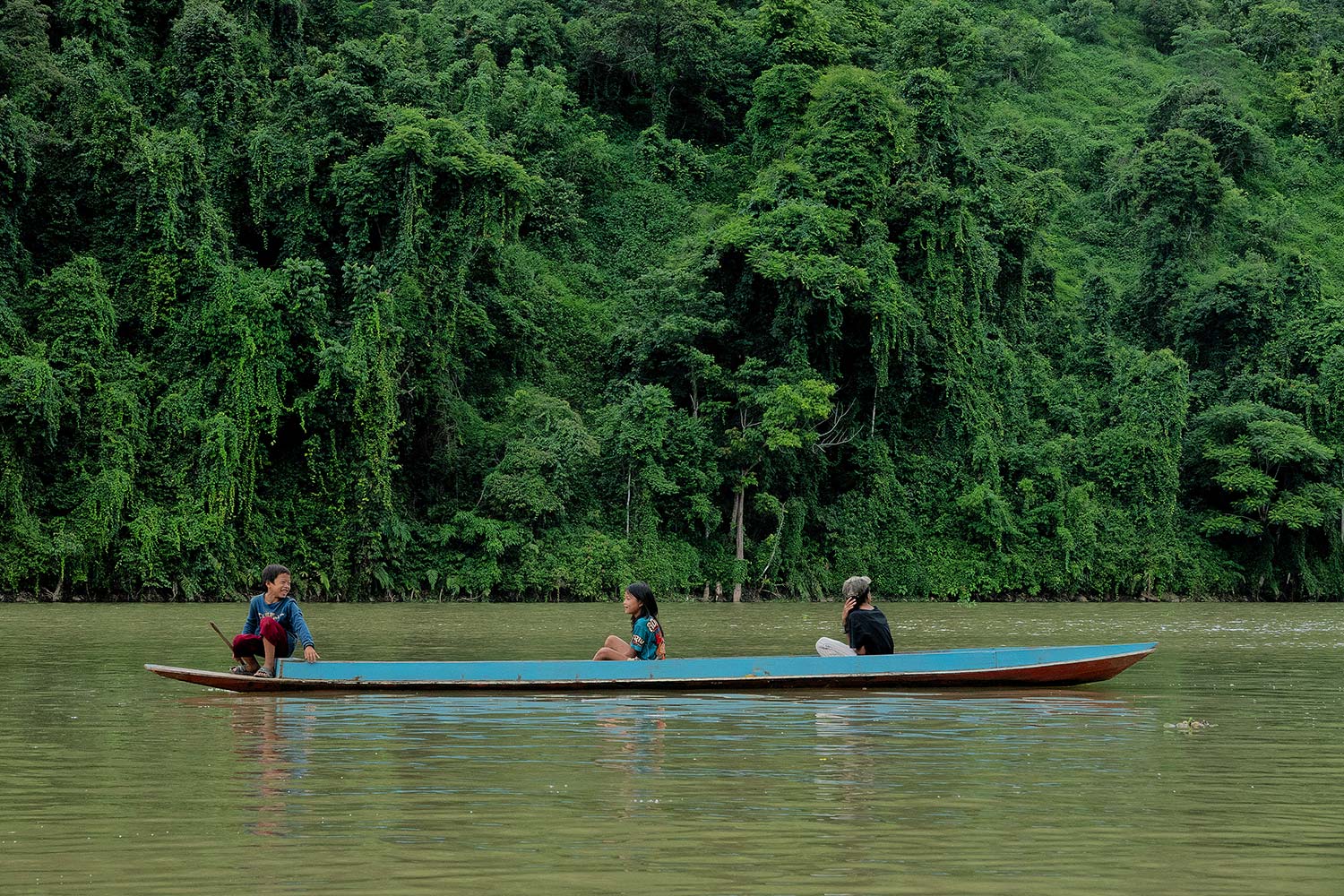
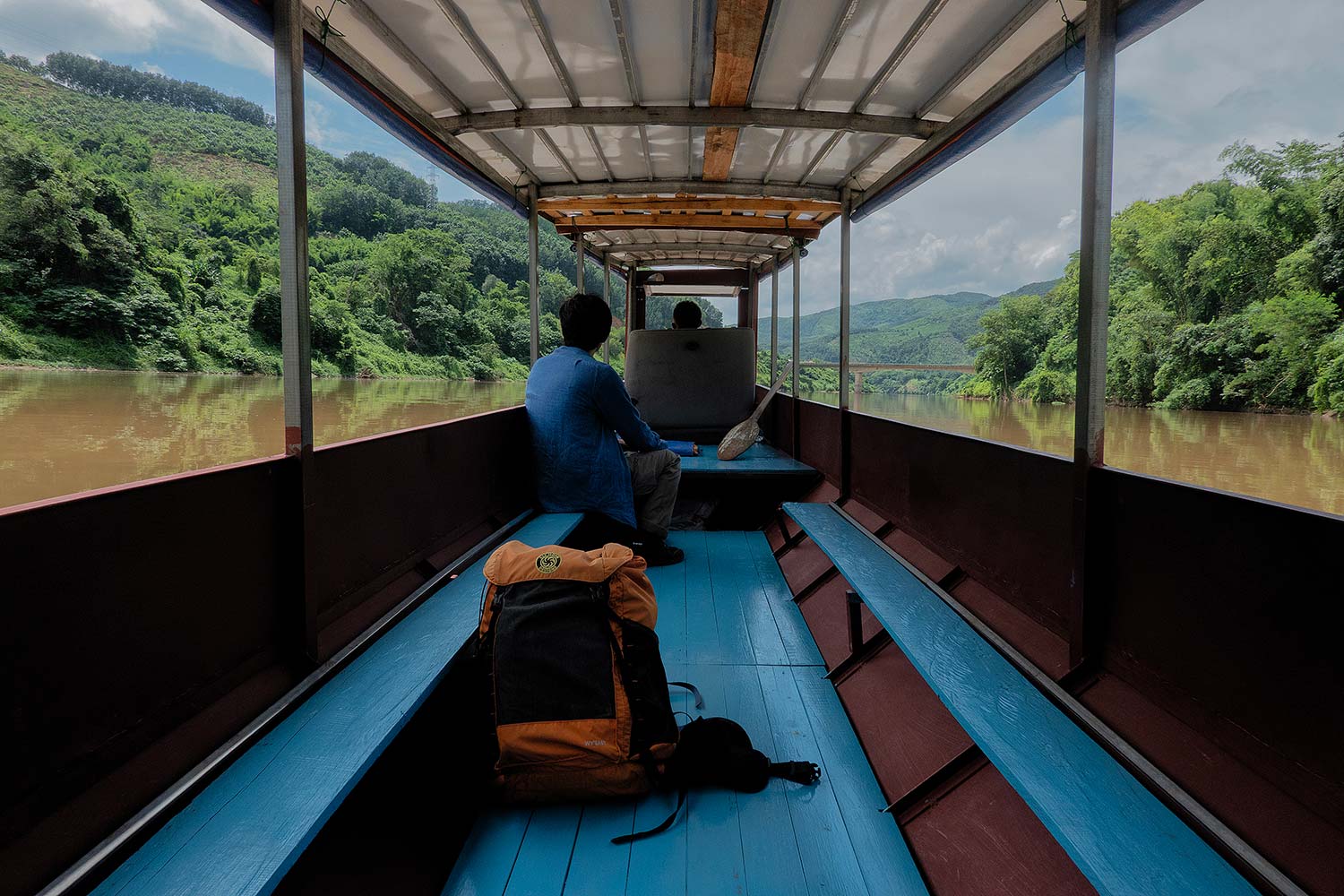
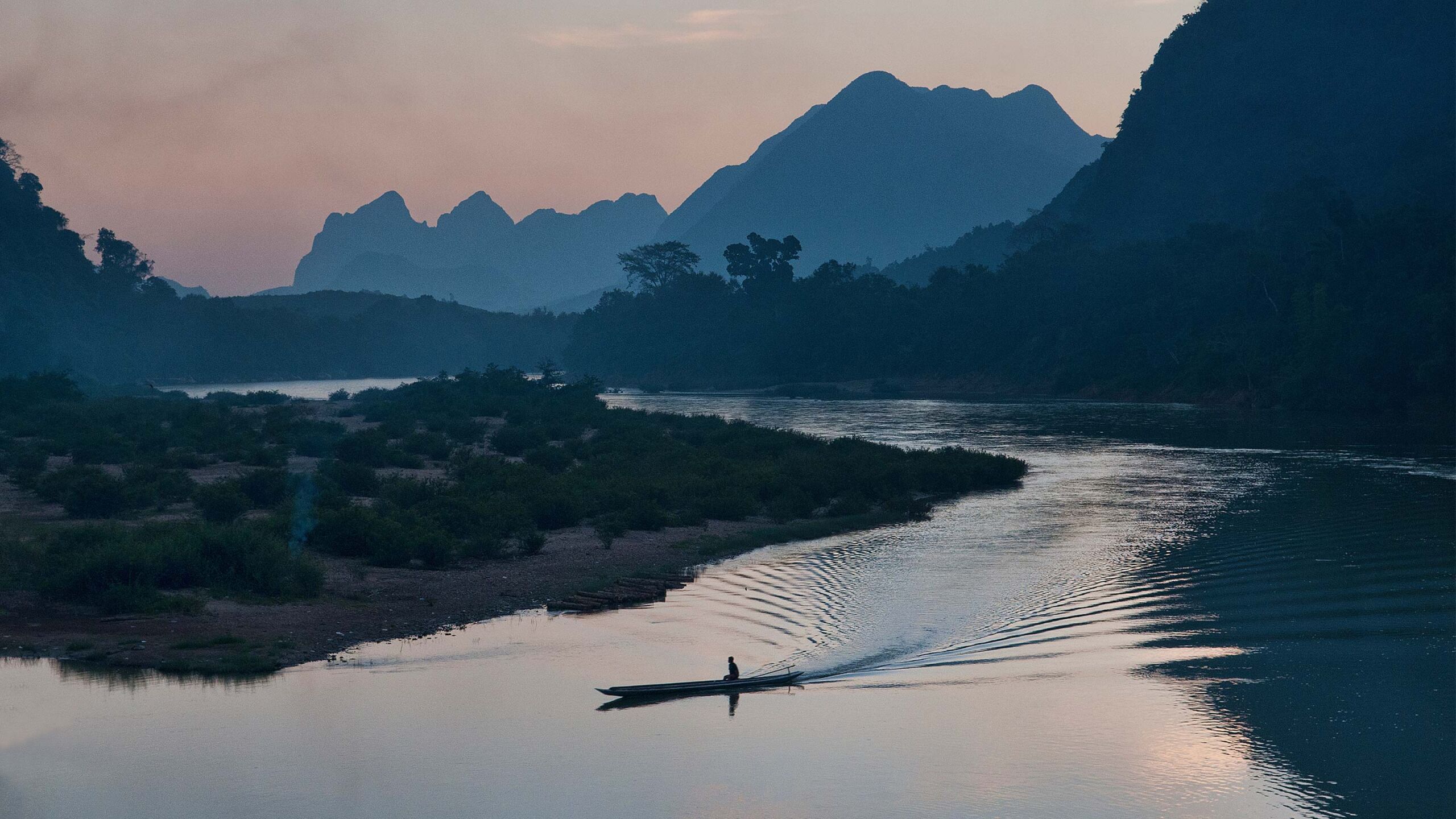
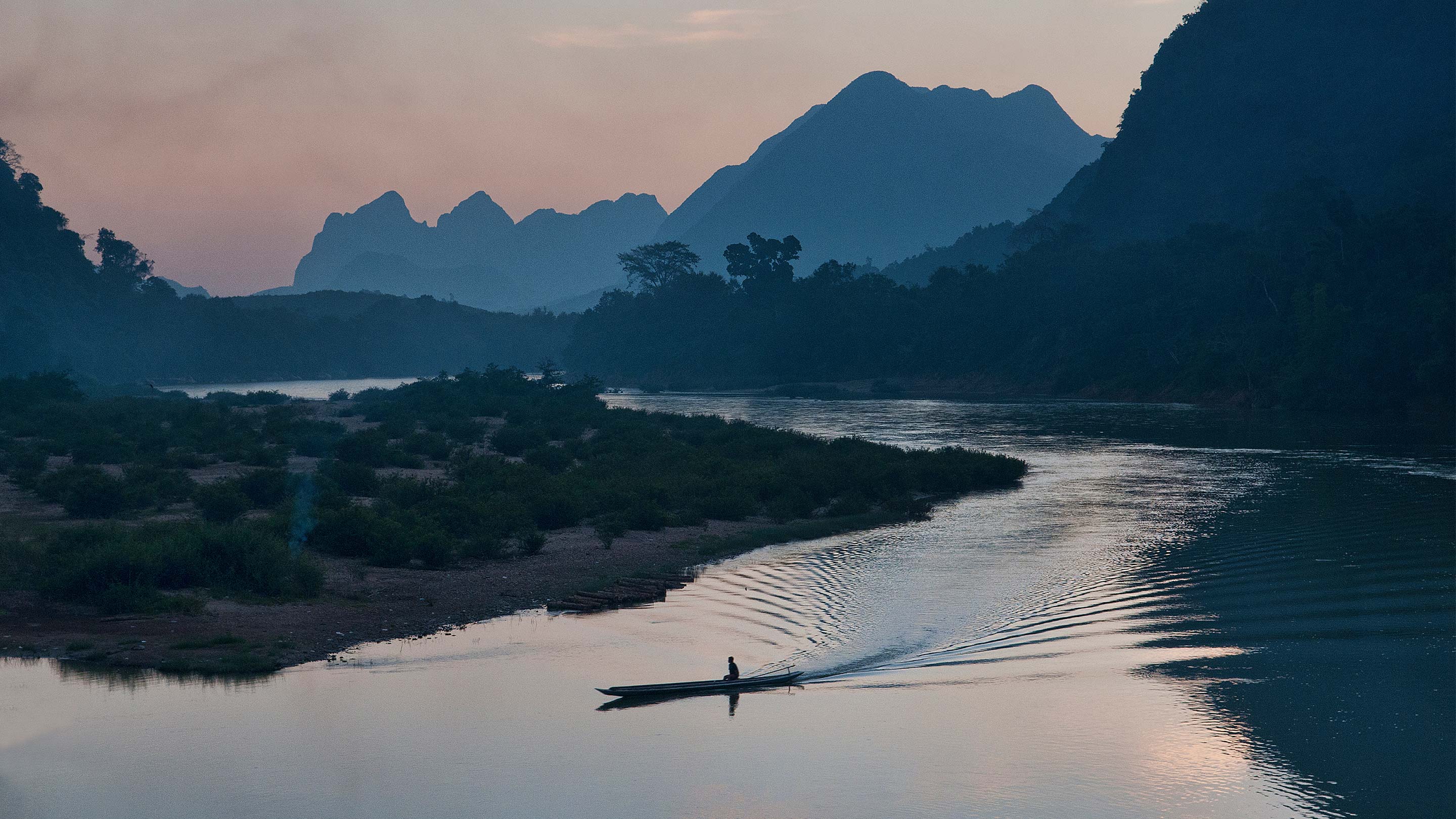
Led by the mighty Mekong, rivers have long been Laos’s lifelines, linking remote communities, transporting goods, supporting fishing and trade, and later, tourism. While cruising the Mekong from Luang Prabang to Huay Xai remains the classic river journey, the Nam Ou is perhaps the most enchanting. Though dam projects have curtailed parts of the route, its remaining stretches still flow through some of northern Laos’s most spellbinding scenery, dotted with delightful stops along the way.
Originating near the Chinese border, the Nam Ou runs 450 kilometers south to join the Mekong just north of Luang Prabang at Pak Ou. It was once possible to sail from Phongsali in the far north all the way down to Luang Prabang, but Chinese dams ended that. Even so, the section between Muang Khua and Nong Khiaw, aside from one small dam, remains navigable and captures the essence of Laos perfectly.
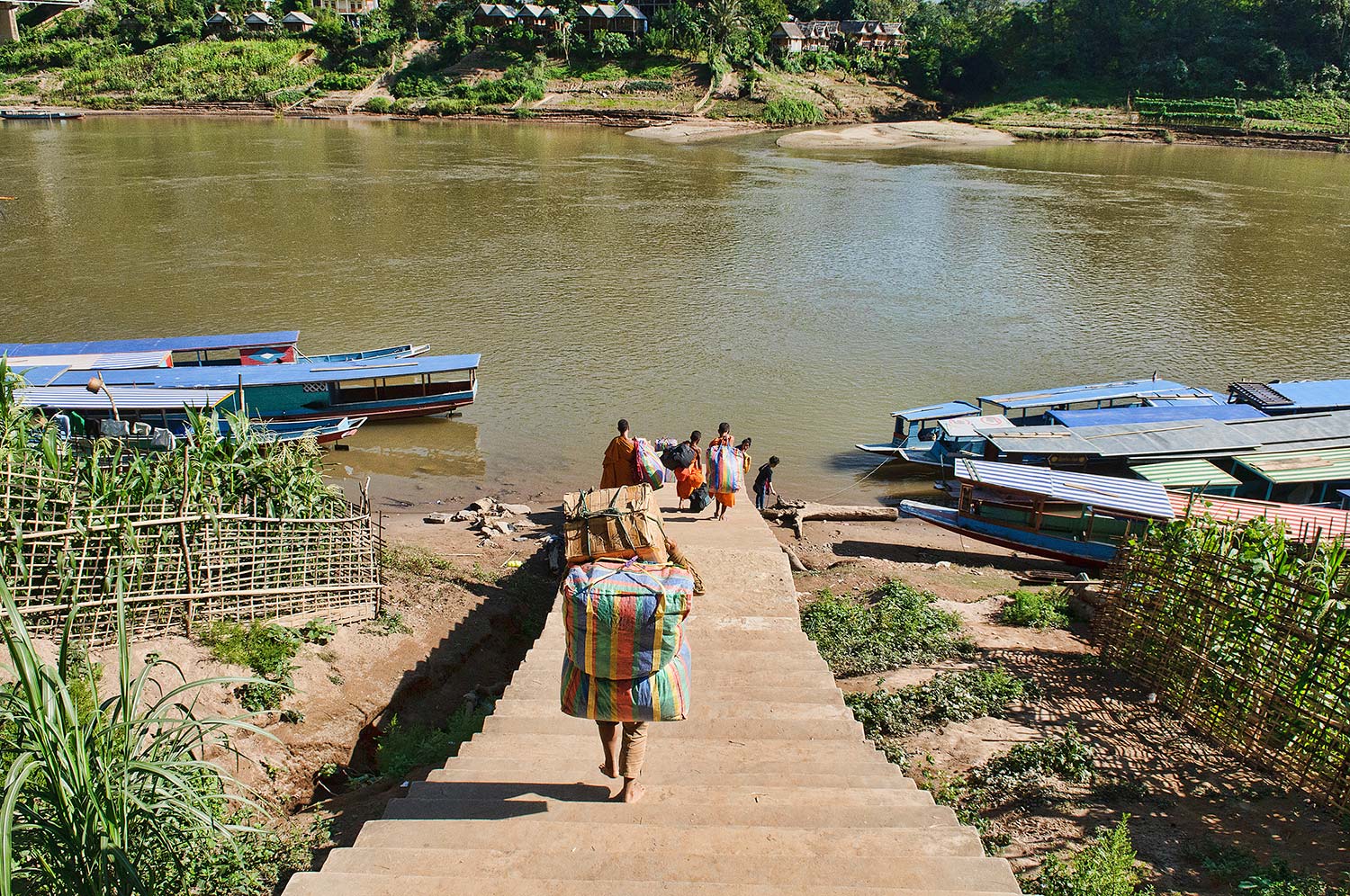
At the dock in sleepy Muang Khua, a Japanese traveler and I were the only passengers. He had been told to buy his ticket at 9 a.m. for a 10:30 departure and looked dismayed when I arrived at 10:25 to find no one around. By 11, still no boatman. I reassured him that this was simply Laos time. He had just crossed over from Vietnam, and his confusion turned to laughter when, fifteen minutes later, a young boy appeared with boat keys in hand.
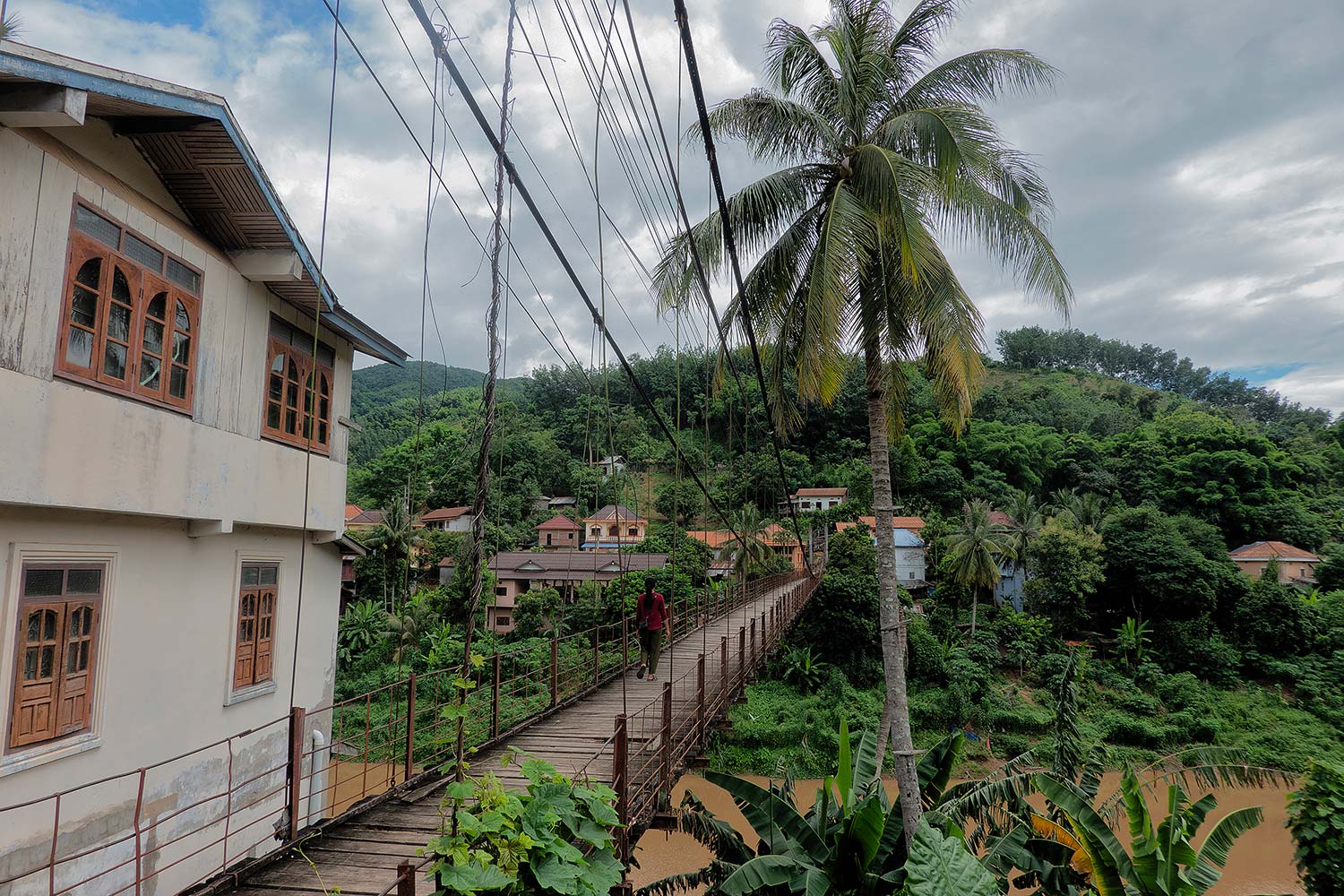
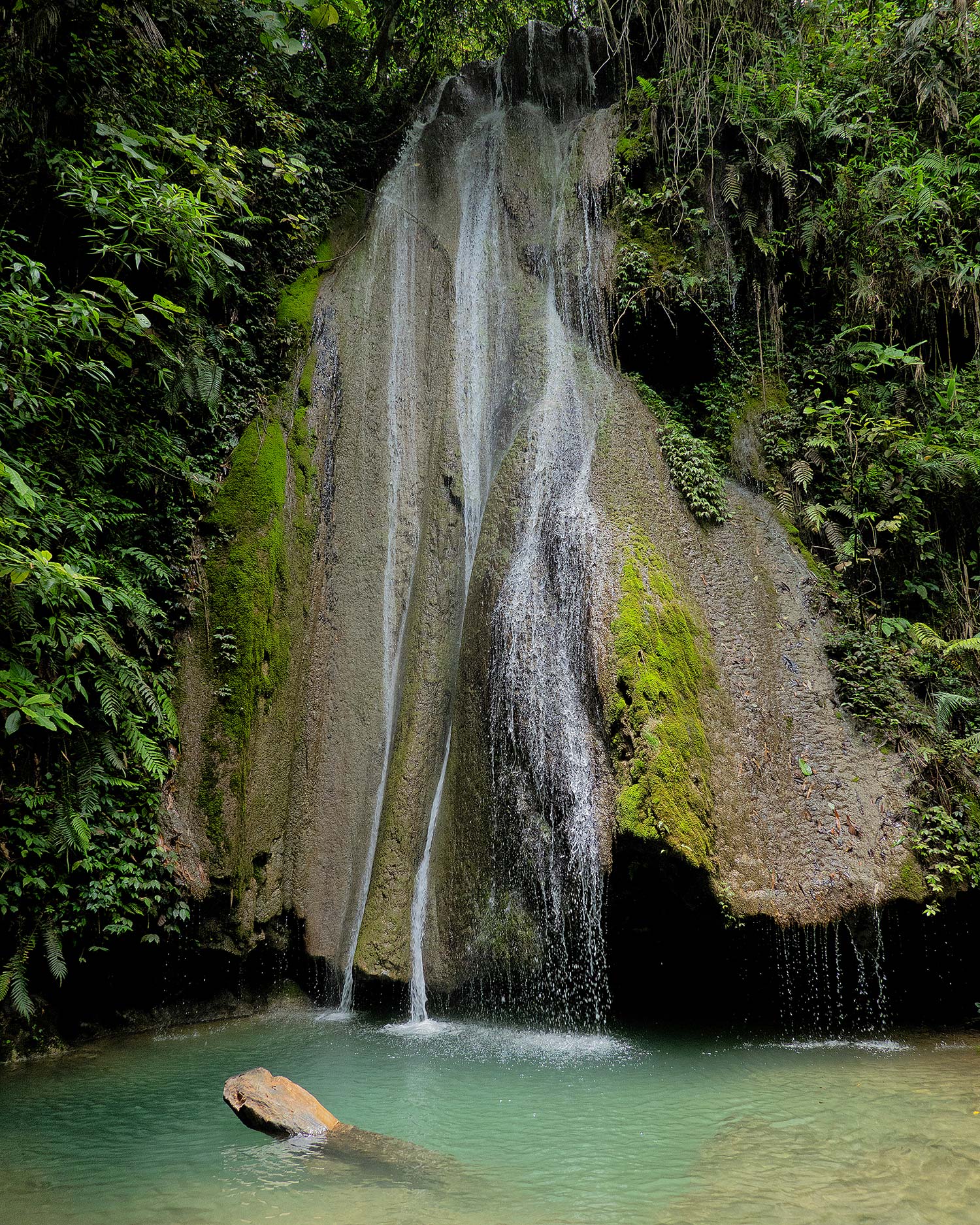
As we boarded our longtail, a group of naked children appeared from nowhere, shouting cheerful “Sabai dee!” before plunging into the Nam Ou and swimming after us, shrieking with delight. We passed the confluence with the Nam Pak under a weathered teak bridge where Khmu and Akha women balanced woven baskets of produce on their shoulders. Soon, the town slipped away, replaced by an endless world of muddy brown water and canopy green forest.
With the dams slowing the current to a crawl, we had time to gaze at the scenery, spotting kingfishers perched on reeds. What began as a private charter soon turned communal as we picked up villagers from tiny hamlets without piers, just muddy tracks leading down from thatched homes. Children gathered shyly on the banks, sneaking in greetings when the boatman was not looking.
About three-quarters of the way to Nong Khiaw, we reached a small dam and transferred to a tuk tuk that zipped us around it to another boat. The landscape shifted dramatically. Towering limestone peaks began closing in, rice fields glowed vivid green, and jungle-clad karsts framed clusters of thatched huts. Passing Sop Jam, a weaving village, we saw men crafting bamboo fishing baskets and women working old wooden looms, weaving sinh silk skirts in traditional patterns.
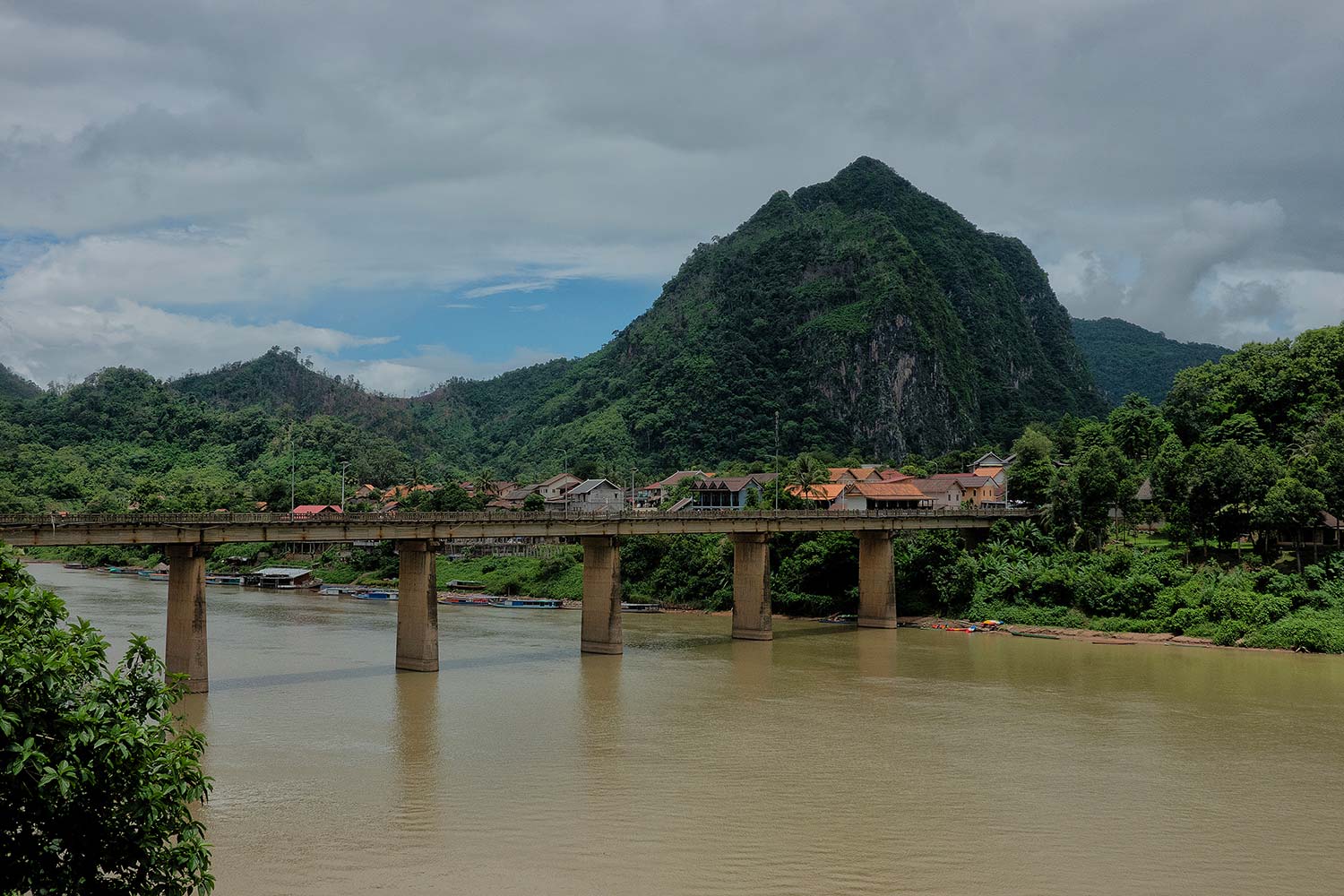
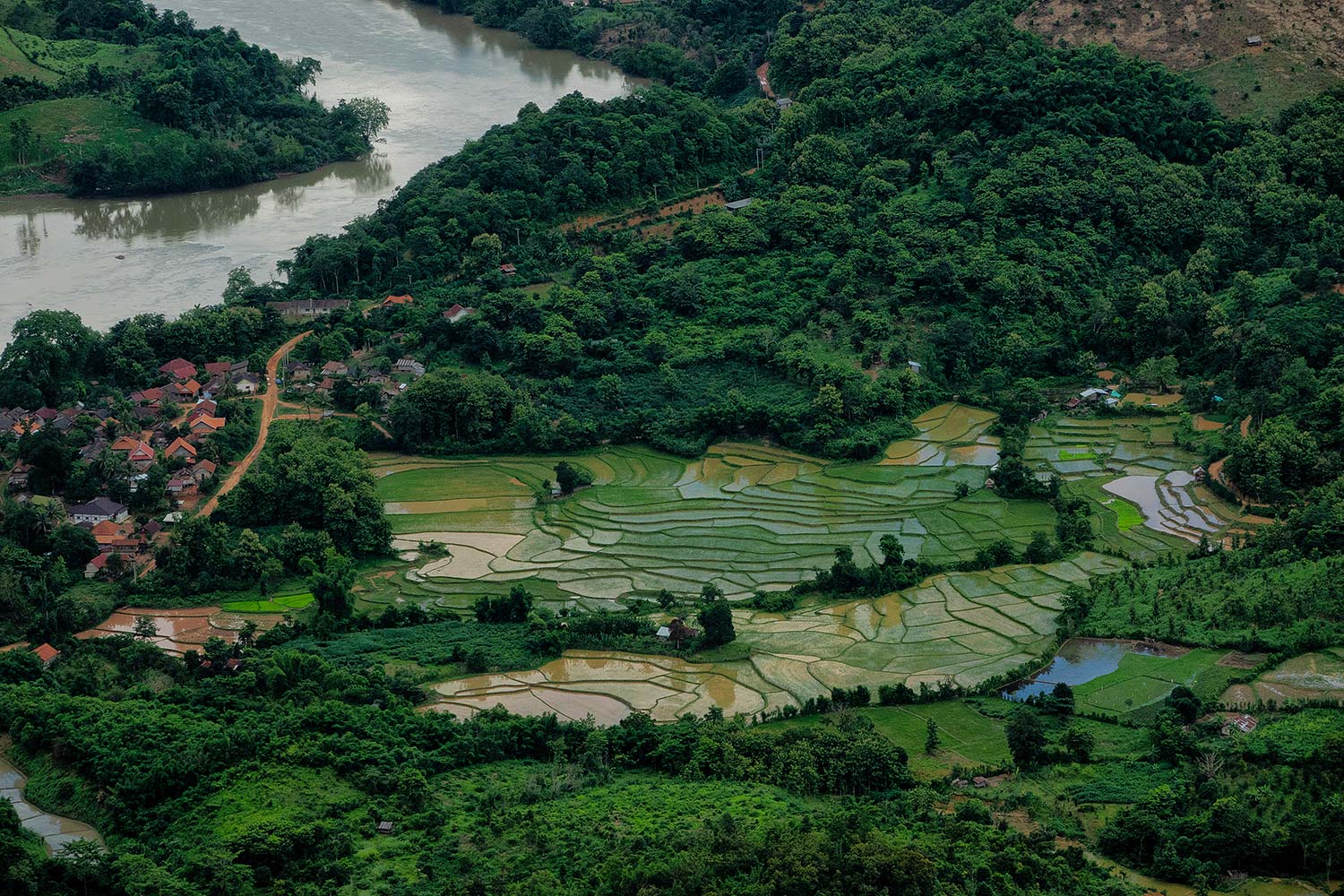
A few bends later, the river opened onto one of its most breathtaking stretches. The peaks loomed larger, the jungle thicker, and then suddenly a flotilla of colorful longtails appeared before a settlement that looked straight out of Lord of the Flies. We had arrived in Muang Ngoi.
When backpackers first popularized Laos decades ago, Muang Ngoi was one of the key stops on the so-called “banana pancake trail.” It was a one-dirt-road village of rice fields, karst peaks, and extraordinary warmth, reachable only by river. Travelers often came for a few days and stayed for months.
Today, Muang Ngoi is a touch more polished. The dirt road is paved, though the rough track leading in is rarely used, and most visitors still arrive by boat. Hammocks and river views remain the main draw, but locals have added bamboo ladders and ropes to reach spectacular viewpoints, as well as trails through rice paddies to waterfalls and minority villages. Kayaking the calm river is easy and unforgettable. For me, the slow pace and sense of time standing still capture everything I love about Laos, and why I first fell for this place nearly twenty years ago.
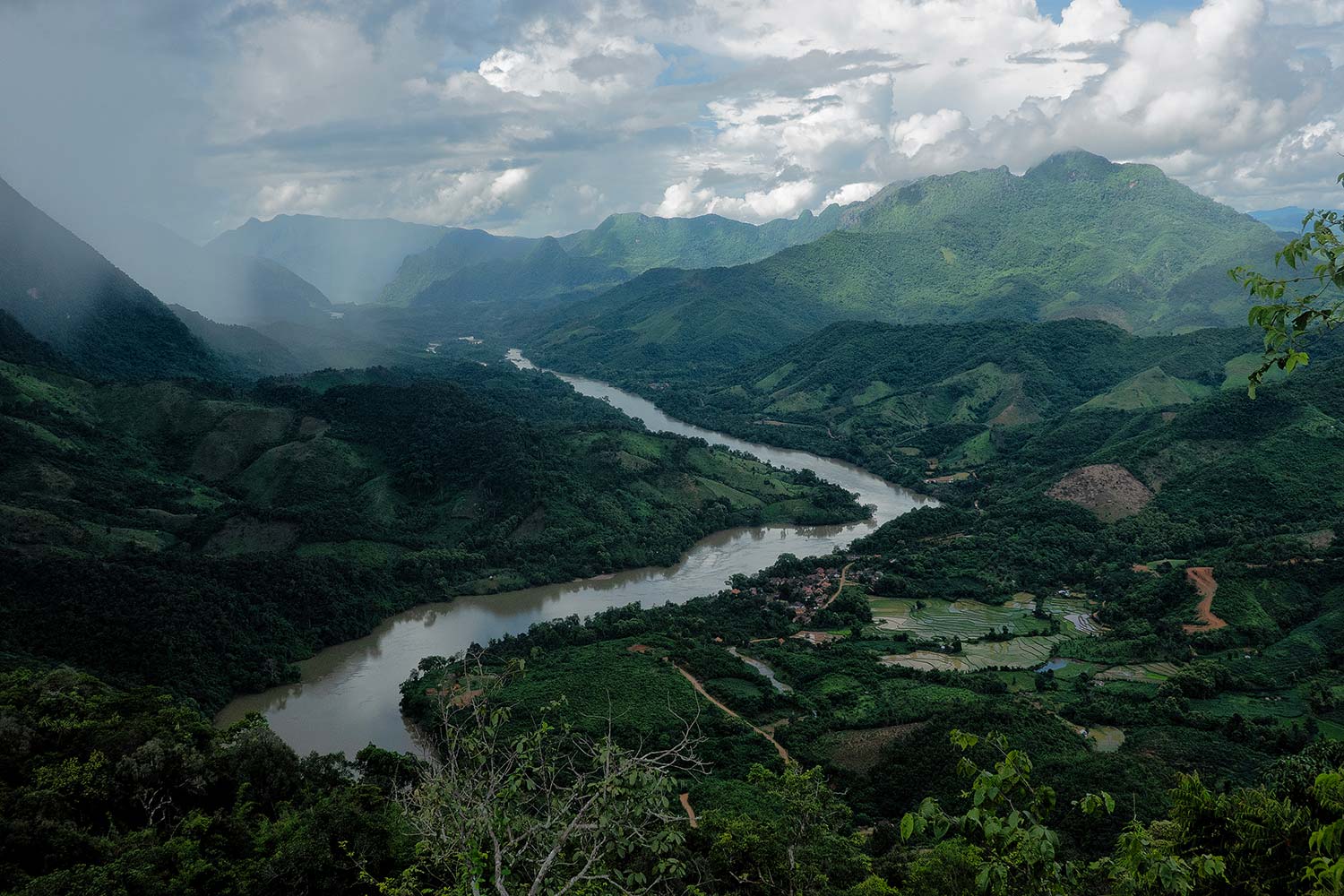
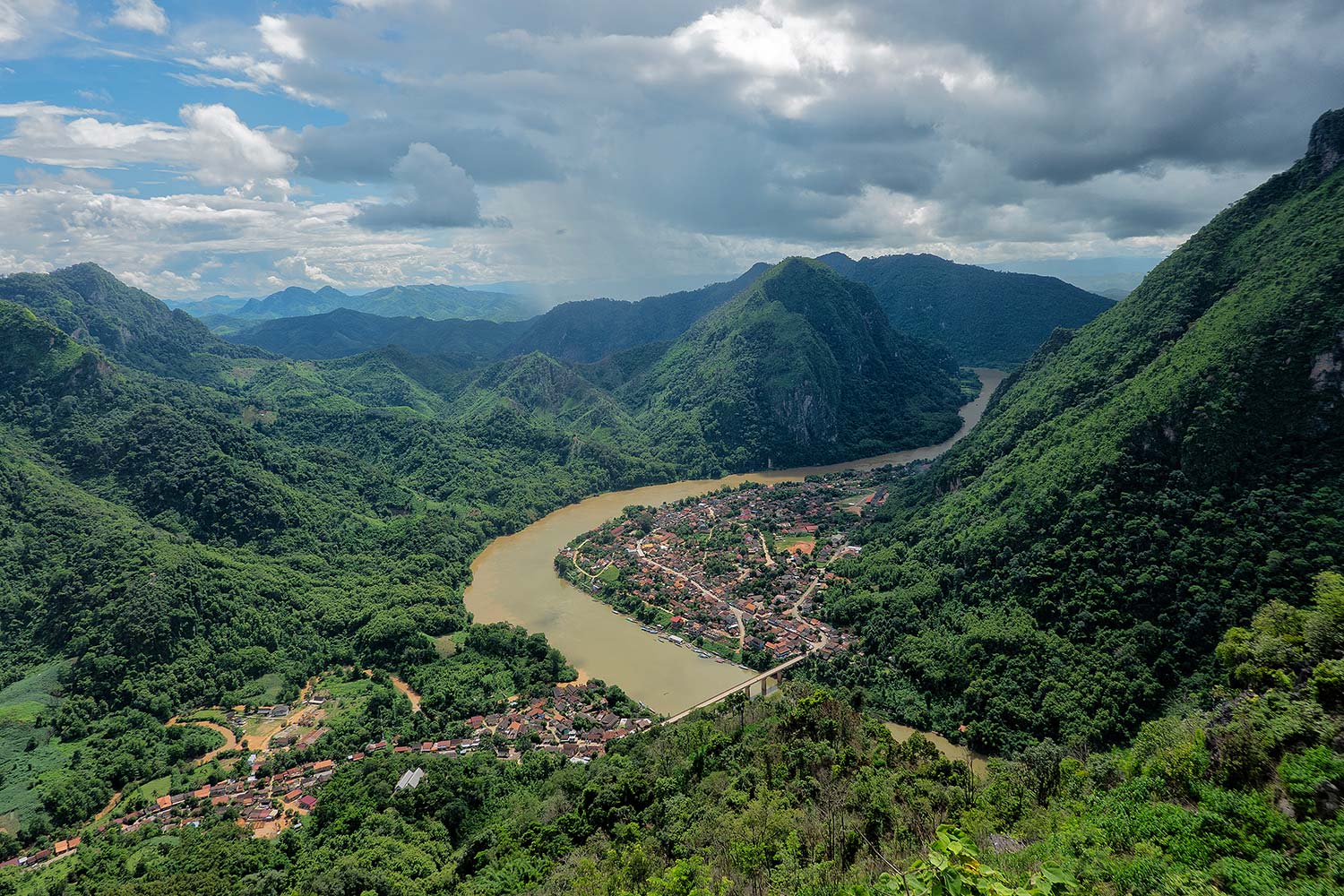
An hour’s drift downstream lies Nong Khiaw, once the river’s most popular stop before Muang Ngoi stole the spotlight. Now it is the more developed of the two, with boutique resorts, swimming pools, and good coffee. Minivans from Luang Prabang bring visitors in just a few hours, yet it still retains a rustic soul. Away from the main street of massage shops and cafés, locals convert empty barges into riverside bars or hang hammocks over the water to tempt guests to linger longer.
The scenery around Nong Khiaw is some of the most dramatic in northern Laos. When I first came here two decades ago, there was literally nothing to do but relax on the river. Now, locals have carved steps and trails up to eight viewpoints, offering sweeping panoramas over the valley and the concrete bridge that bisects the town. Built by Chinese engineers in 1978, it gave road access to the eastern bank and helped put Nong Khiaw on the map. In 2018, the engineers who built it returned to celebrate its 40th anniversary, and, true to Lao style, stayed a few days longer than planned.
To mark my own arrival, I hiked the steep path up to the Phu Daeng viewpoint, where a fluttering Lao flag crowns the summit. In winter, early risers are rewarded with a sea of clouds blanketing the valley, with peaks piercing through the mist. I visited during the rainy season, so there was no sea, only mist, but when the sun broke through for fifteen minutes, the view was sublime.
Back in town, I sweated out the climb at a herbal sauna, grabbed grilled chicken and sticky rice, and returned to my riverside guesthouse. Rocking on the balcony with a Beer Lao in hand, I thought about how many destinations can leave you stressed, trying to see it all and do it all. Here on the Nam Ou, as boats drifted by and the jungle whispered in the dusk, I realized I already had everything I needed.