


Going for a walk is hardly a revolutionary idea. Yet its growing popularity represents one of the bigger shifts in modern travel. Across the world, hiking and trekking are on the rise, with the global hiking tourism market poised to nearly double in value by 2033. As interest in nature-based travel grows, long-distance trails are being revived to accommodate travelers seeking immersive, low-impact journeys that prioritize experience and well-being over speed.
Governments and tourism boards are investing in marked routes that link villages, shrines, and landscapes, recognizing walking infrastructure as both a sustainable form of tourism and an economic lifeline for rural communities. At the same time, digital platforms such as AllTrails now report more than 80 million users globally, a clear sign that walking has moved well beyond the realm of an occasional pastime.
Within this renewed enthusiasm for hiking and trekking sits pilgrimage tourism. Far from being confined to strictly religious devotion, modern pilgrimage travel appeals to those seeking spiritual depth, cultural immersion, and personal reflection in a single journey. It is also increasingly attracting younger generations, putting paid to the notion that walking holidays are only for those who have reached a certain age.
Walking with intention
Much of walking’s appeal lies in its simplicity. It is accessible, low-impact, and adaptable. Established trails provide structure while offering a way for people to connect both with their surroundings and with one another. The appeal of escaping the constant noise of everyday life and replacing it with a wide-open landscape is as practical as it is philosophical.
There is a strong cultural dimension too. Many pilgrim routes pass through communities where ancient traditions and customs live on. Research on routes such as the Camino de Santiago in Spain shows that a significant proportion of modern walkers identify as cultural or spiritual rather than religious pilgrims. Many cite reflection, transition, or personal development among their motivations for committing to these long journeys.
Then there is the social dimension. Even for travelers who crave solitude, pilgrim trails create a quiet solidarity. You can walk alone for hours and still feel part of a shared experience. This combination of solitude and connection fits neatly with wider changes in travel, as travelers prioritize more time outdoors and seek environmentally conscious activities that offer meaningful interaction with local communities.
Where the paths are growing
In the U.S. alone, interest in hiking has skyrocketed over the past decade, with more than 63 million Americans now hiking annually. The Appalachian Trail, the longest hiking-only footpath in the world, draws more than three million visitors every year. In New Mexico, the Chimayó pilgrimage attracts an estimated 30,000 walkers during Holy Week, with participants traveling for miles on foot along desert roads and through small villages to reach El Santuario de Chimayó.
The trend extends far beyond the U.S. Europe has a network of long-distance walking routes certified under the Council of Europe’s Cultural Routes program, linking countries and centuries of history through heritage trails. In Asia, enthusiasm is growing too, with visitor numbers during Seoul Hiking Week recently jumping by 760% from the previous year.
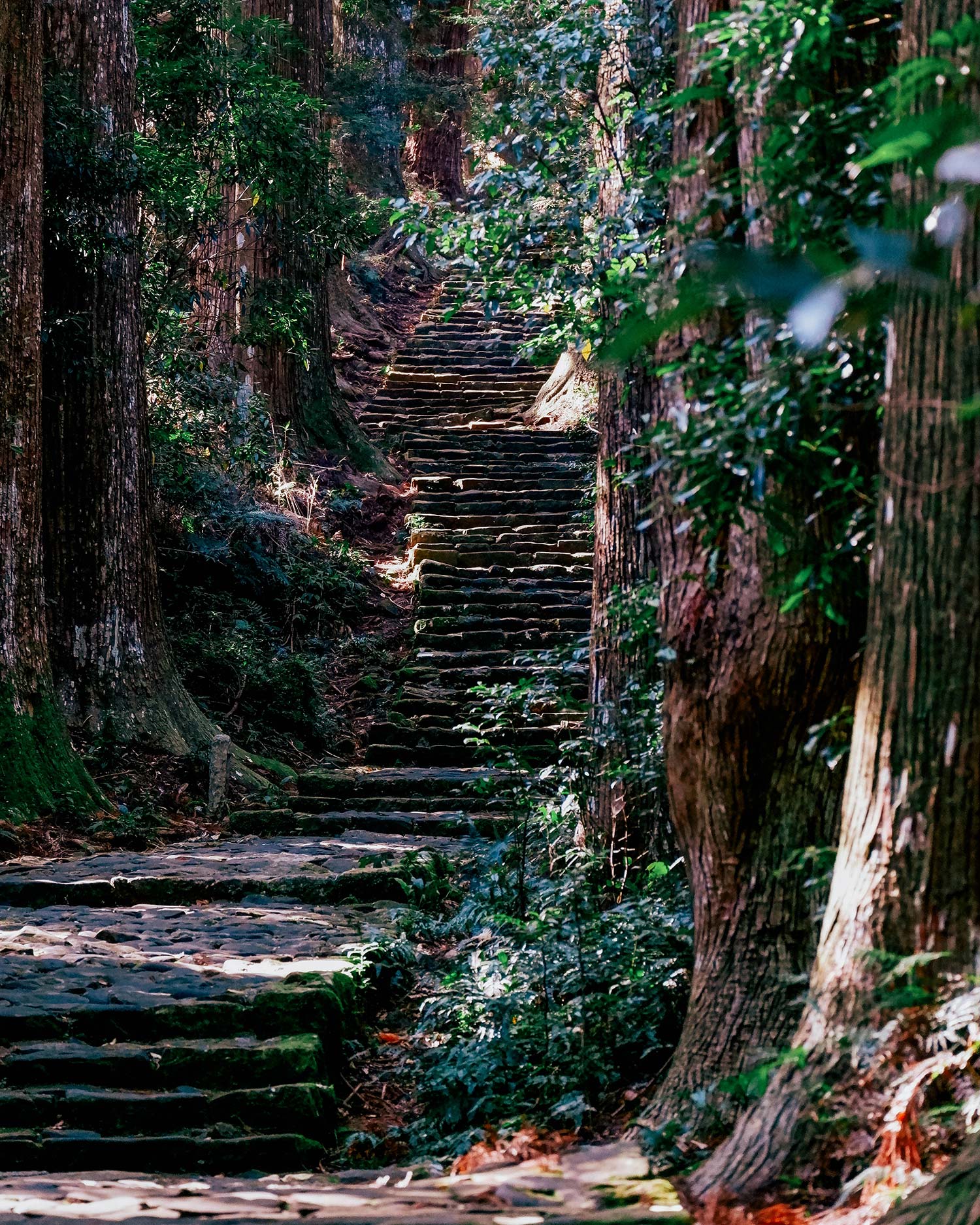
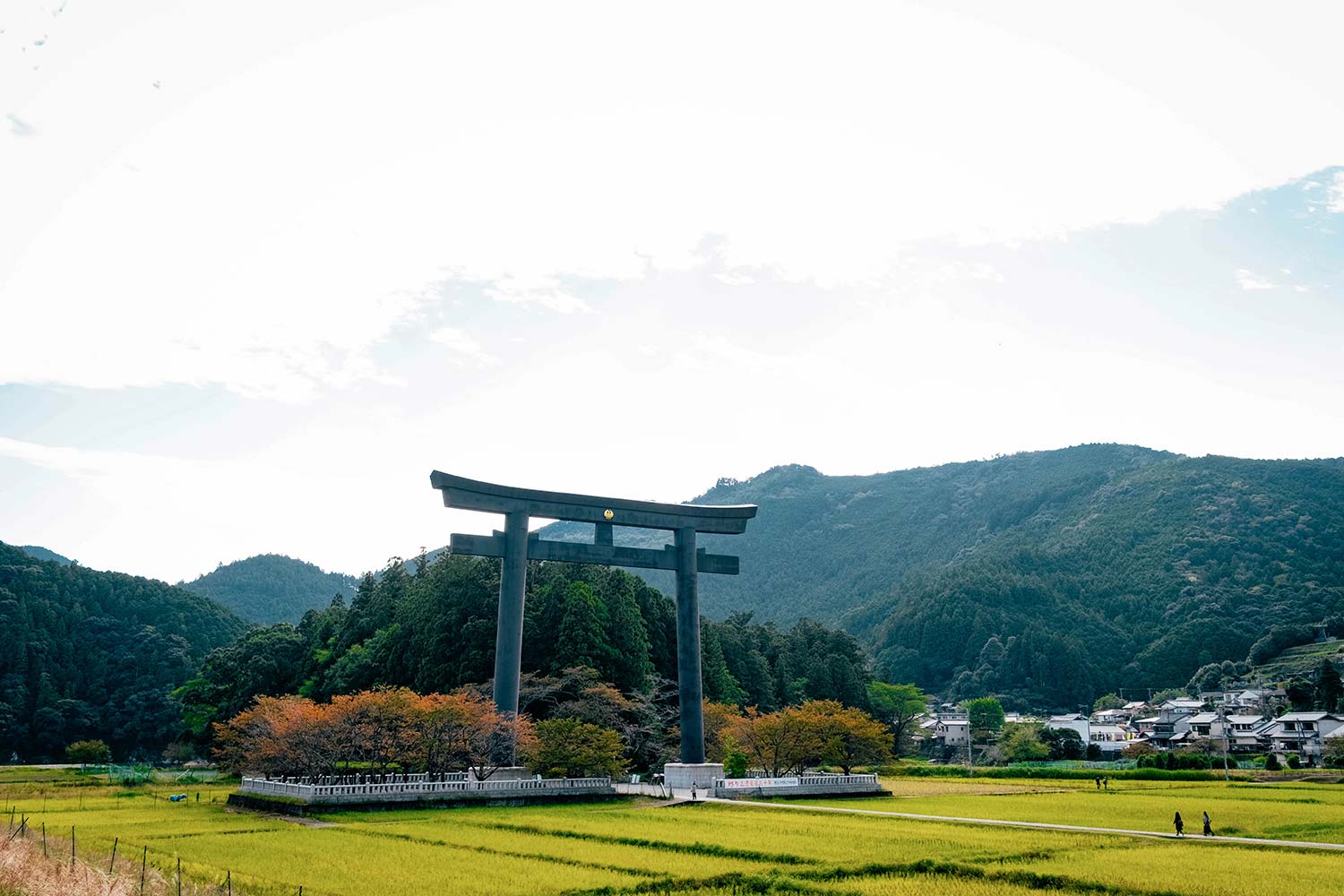
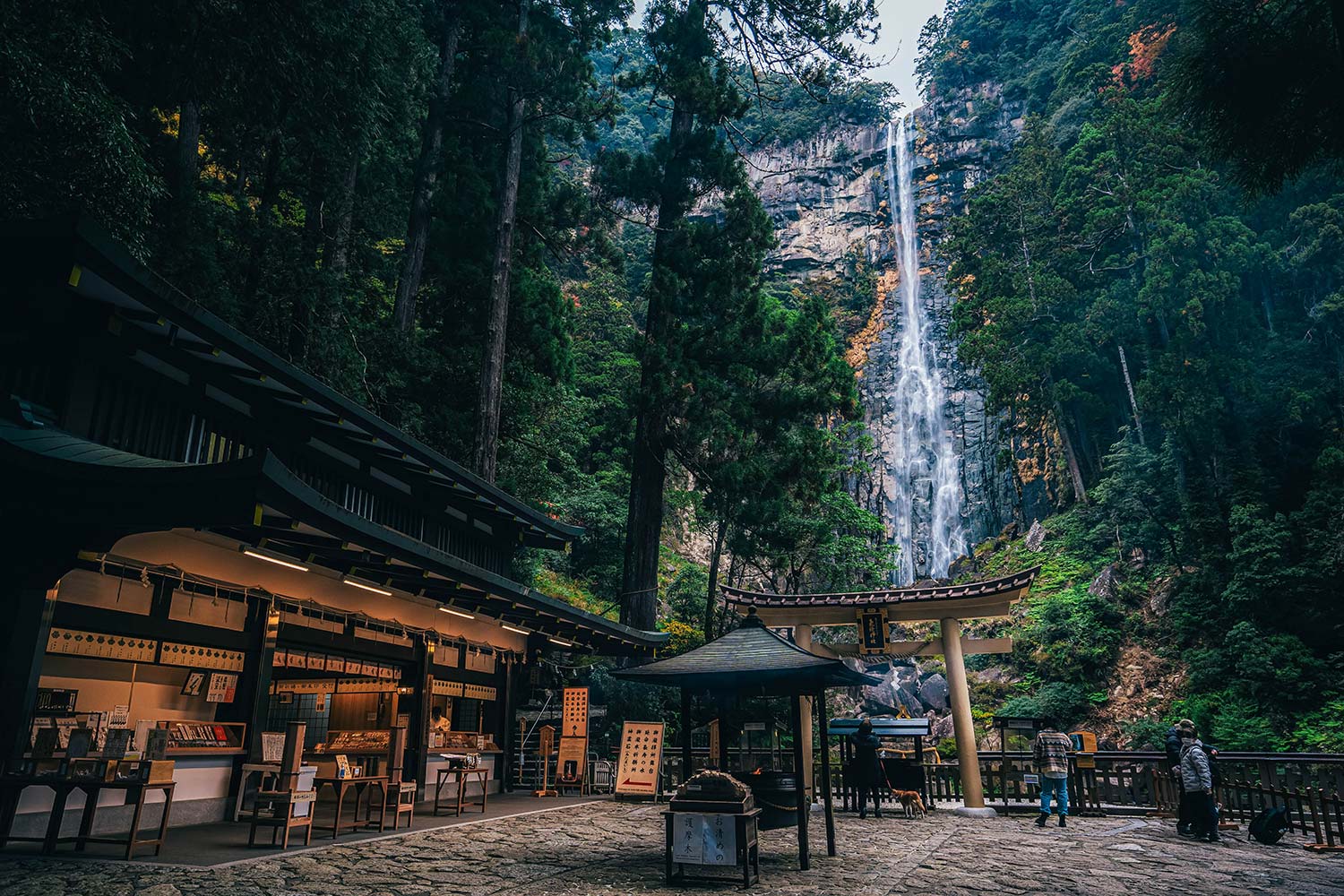
Japan’s Kumano Kodo is part of one of only two pilgrimage traditions recognized by UNESCO as World Heritage, alongside routes associated with Spain’s Camino de Santiago. Its network of thousand-year-old paths winds through the Kii Mountains, linking sacred shrines and forested ridgelines. Remote Lands’ Spiritual Japan: Path of Pilgrims itinerary brings travelers into the heart of these ancient routes. Guests hike sacred paths to visit the three Grand Shrines of Kumano — Hongu, Hayatama, and Nachi — with opportunities to experience Buddhist dawn prayers, stay in traditional shukubo lodgings, and rest weary legs in restorative onsen.
From movement to meaning
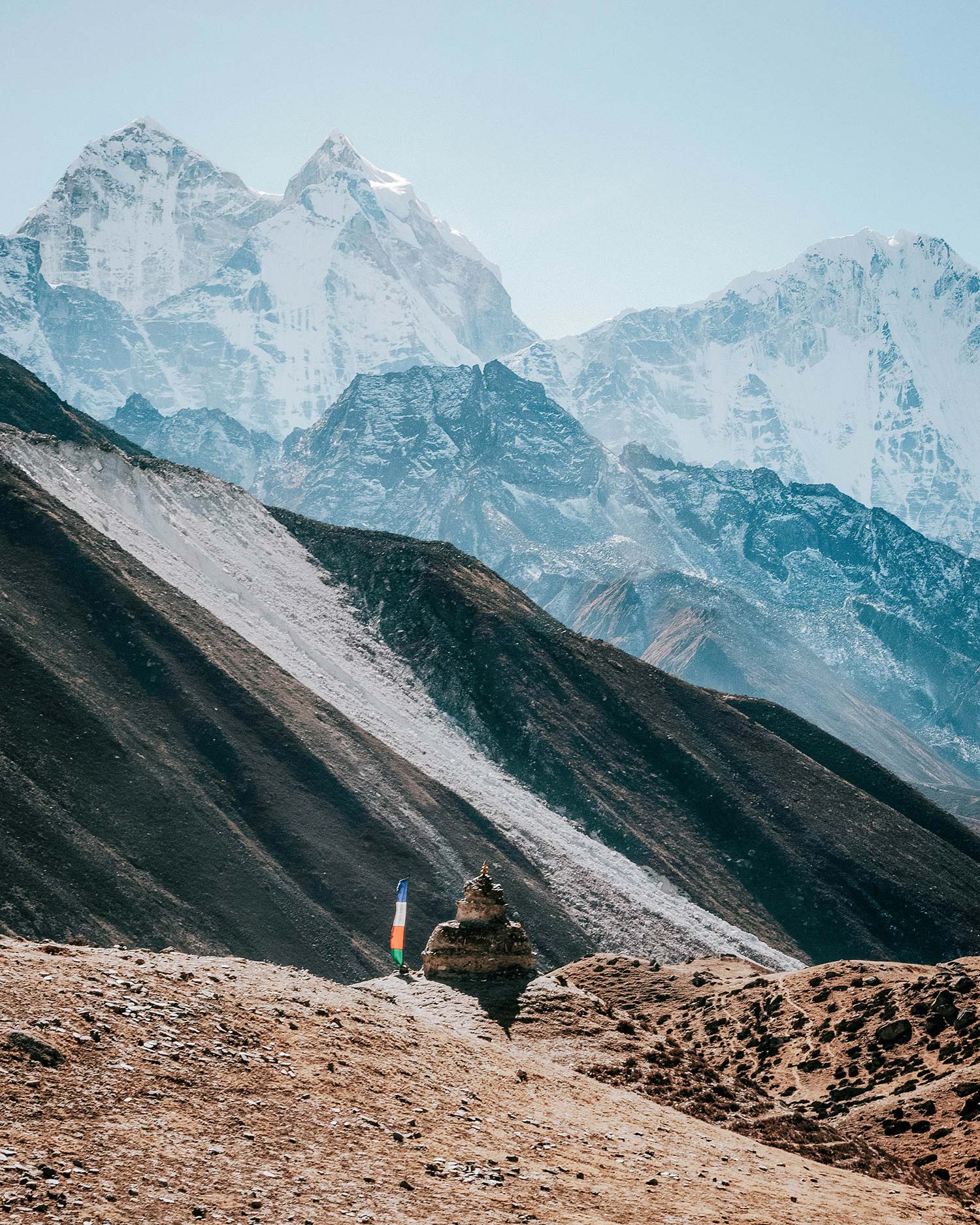
Walking can alter perception. It slows time and sharpens the senses. In travel terms, this is often described as deep or transformational travel. The former values immersion, narrative continuity, and physical engagement with place, while the latter places reflection, intentionality, and local connection at its heart.
Nowhere is this more evident than on a journey such as Remote Lands’ A Spiritual Journey to Mount Everest Base Camp. Trekking through high-altitude Himalayan terrain, travelers pass monasteries, mountain villages, and sacred landscapes that have shaped Tibetan Buddhist culture for centuries.
Pilgrimage travel sits naturally within this idea of deeper travel. Whether the motivation is spiritual, cultural, or personal, walking becomes a way of engaging with your surroundings rather than simply a means of getting from A to B.
Health in motion
The physical and psychological benefits of walking are well established. Regular brisk walking can help reduce the risk of cardiovascular disease, while physical activity and time spent in nature have been associated with lower levels of stress, anxiety, and depression and improvements in mood.
Out on the trails, the psychological effect can be more immediate. The repetitive rhythm of footsteps becomes meditative. Fresh air and shifting landscapes provide focus, while the physical exertion of a day spent walking can help make sleep more restorative.
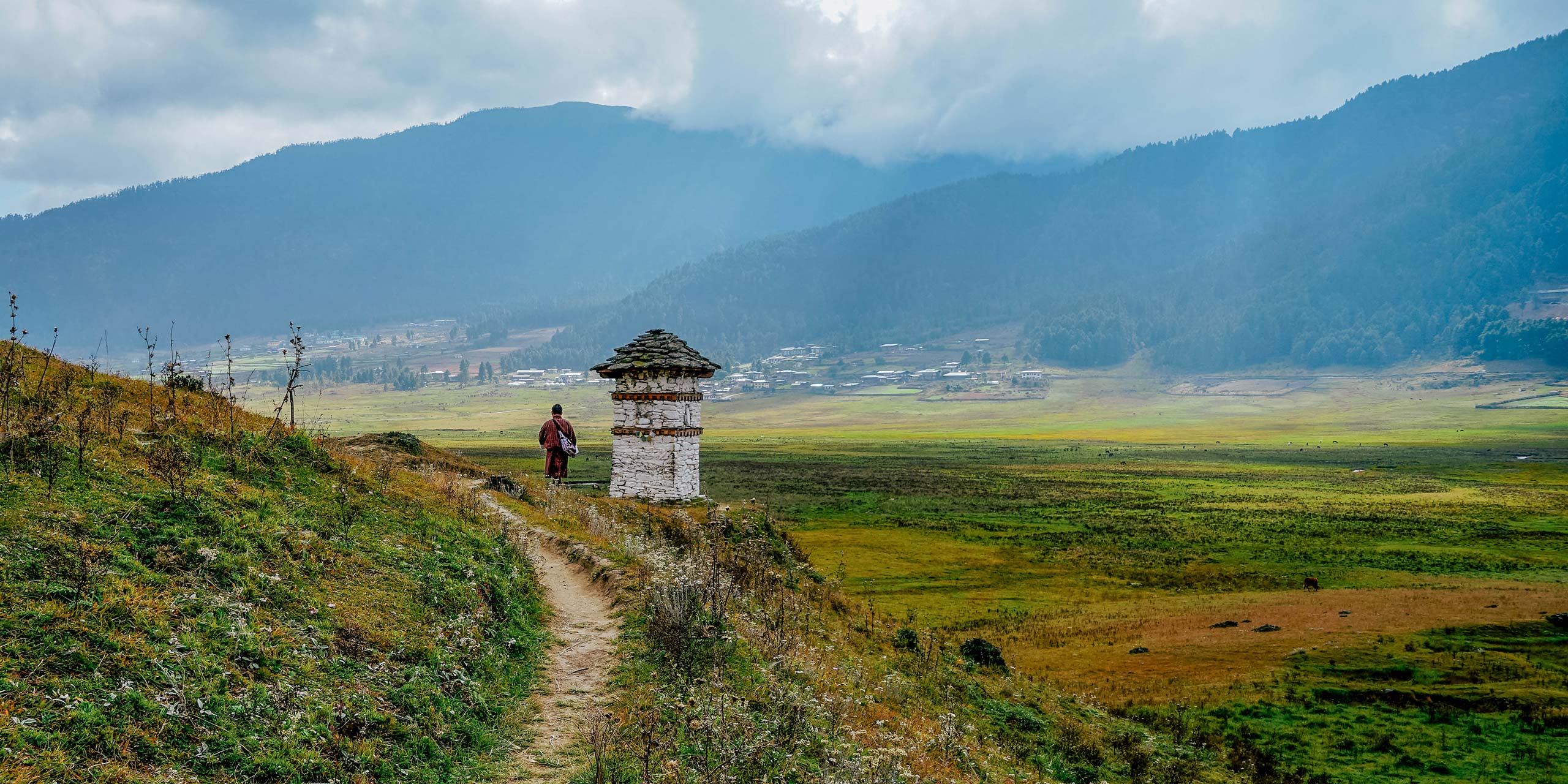
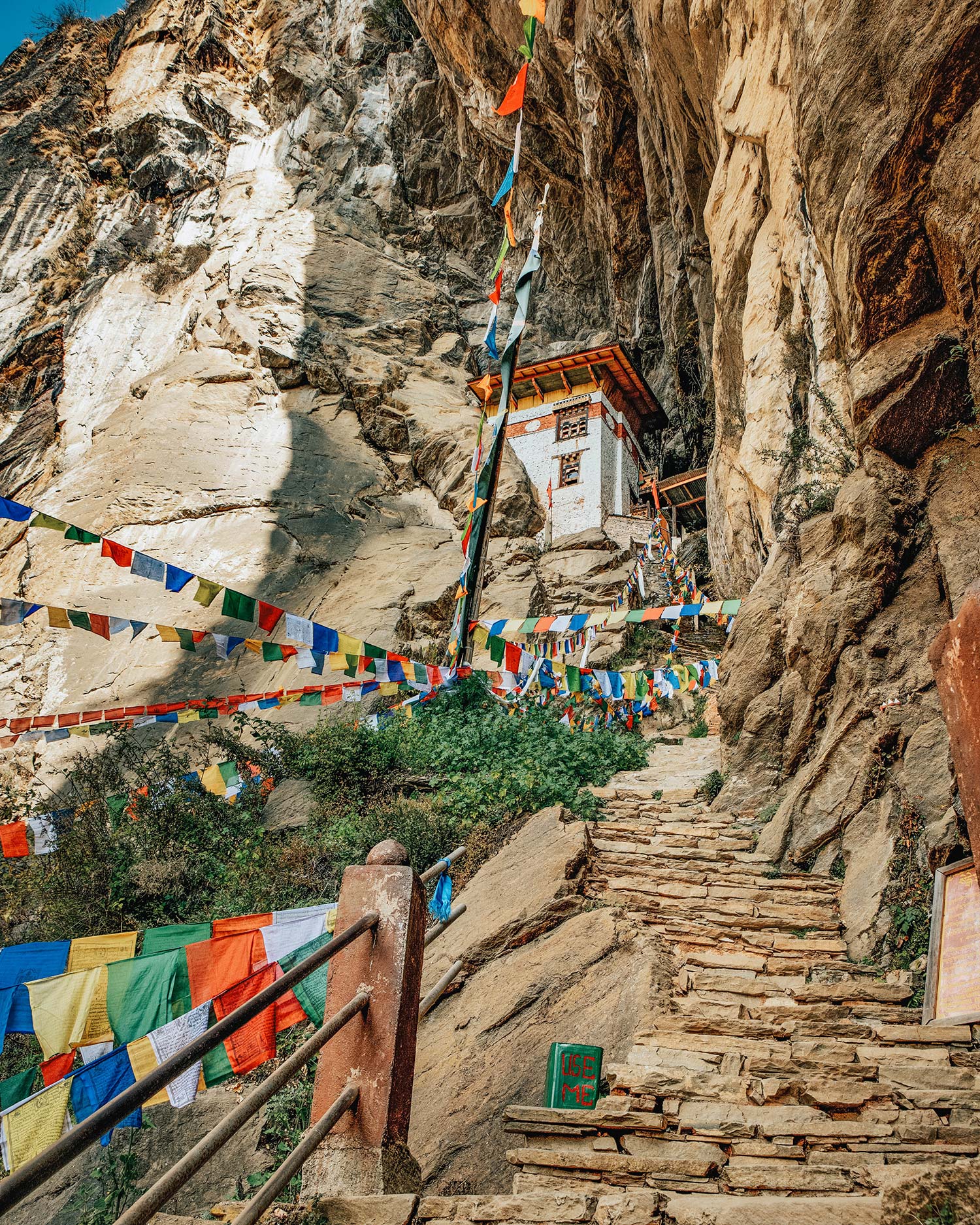
Nor does hiking have to be extreme to be rewarding. Remote Lands’ Pilgrim’s Valley Trek passes through the cultural heart of Bhutan, offering a personalized trekking experience through rural valleys and sacred sites. Mountain landscapes and monastery visits combine with encounters with village life, all experienced at a pace that allows time to absorb the surroundings.
Walking in all its forms
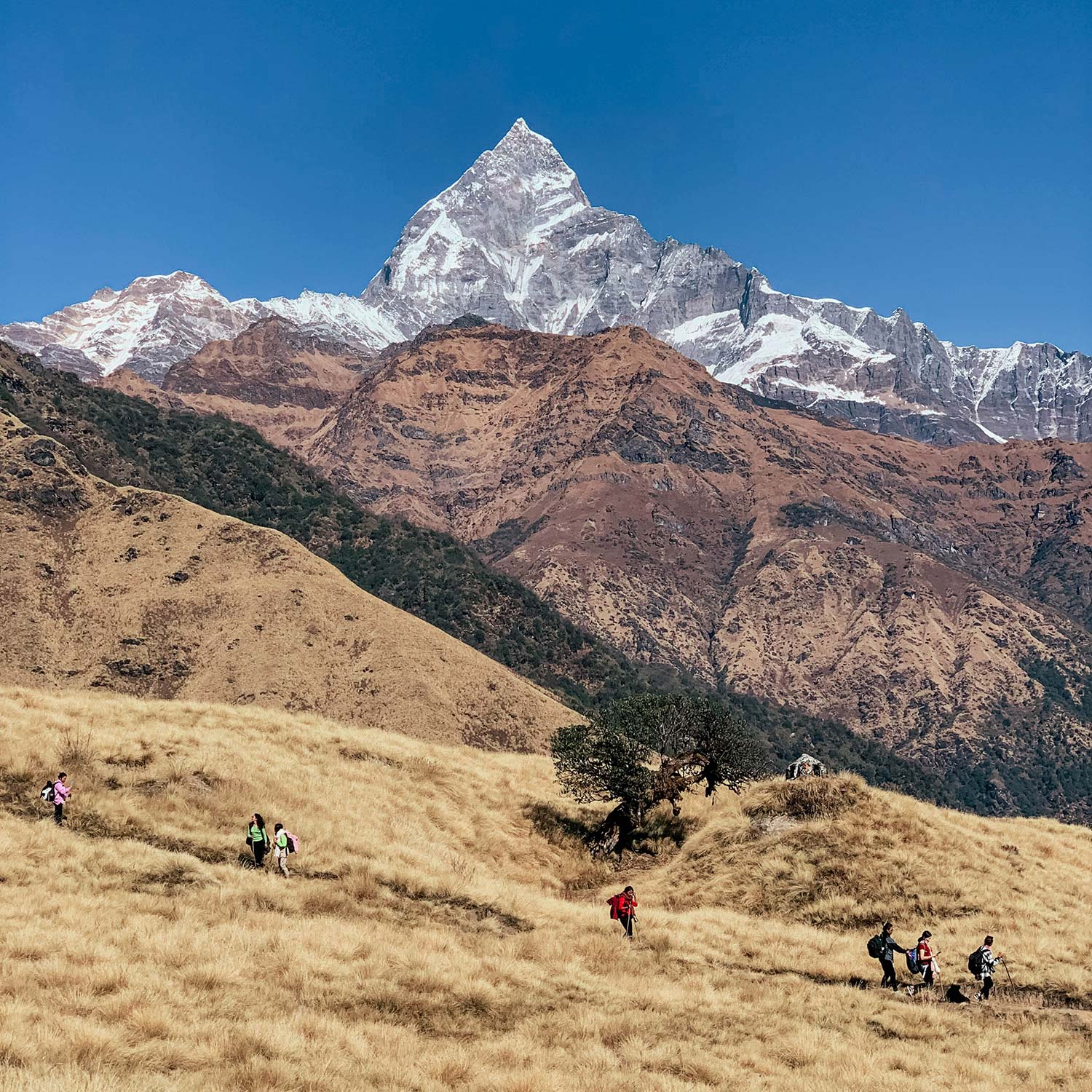
Walking tourism aligns closely with the priorities of many modern travelers, bringing together sustainability, physical well-being, and cultural depth. Pilgrimage tourism is just one branch of a much broader shift toward exploring destinations on foot. Thru-hiking iconic trails, alpine hut-to-hut routes, desert treks, and coastal paths all offer different possibilities for slower, more immersive journeys. Urban hiking, meanwhile, has emerged as an accessible gateway to long-distance walking.
Taken together, these forms of travel reflect a broader change in priorities, where pace, perspective, and genuine engagement with place matter more than simply getting there.