


Ask for advice on visiting Hong Kong and most of the suggestions you get will involve dim sum, shopping, skyscrapers, and neon lights. Pick up any magazine, and you’ll read the latest on the city’s Michelin-starred restaurants, rooftop bars, and the best panoramas for viewing iconic Victoria Harbour and its dazzling light show.
What you won’t hear as much about are pristine white-sand beaches, turquoise bays, challenging mountain hikes, and empty campgrounds in stunning locations. On a journey along the territory’s long-distance MacLehose Trail, I found all this and more in one of Asia’s best-kept outdoor secrets and greatest urban natural playgrounds.
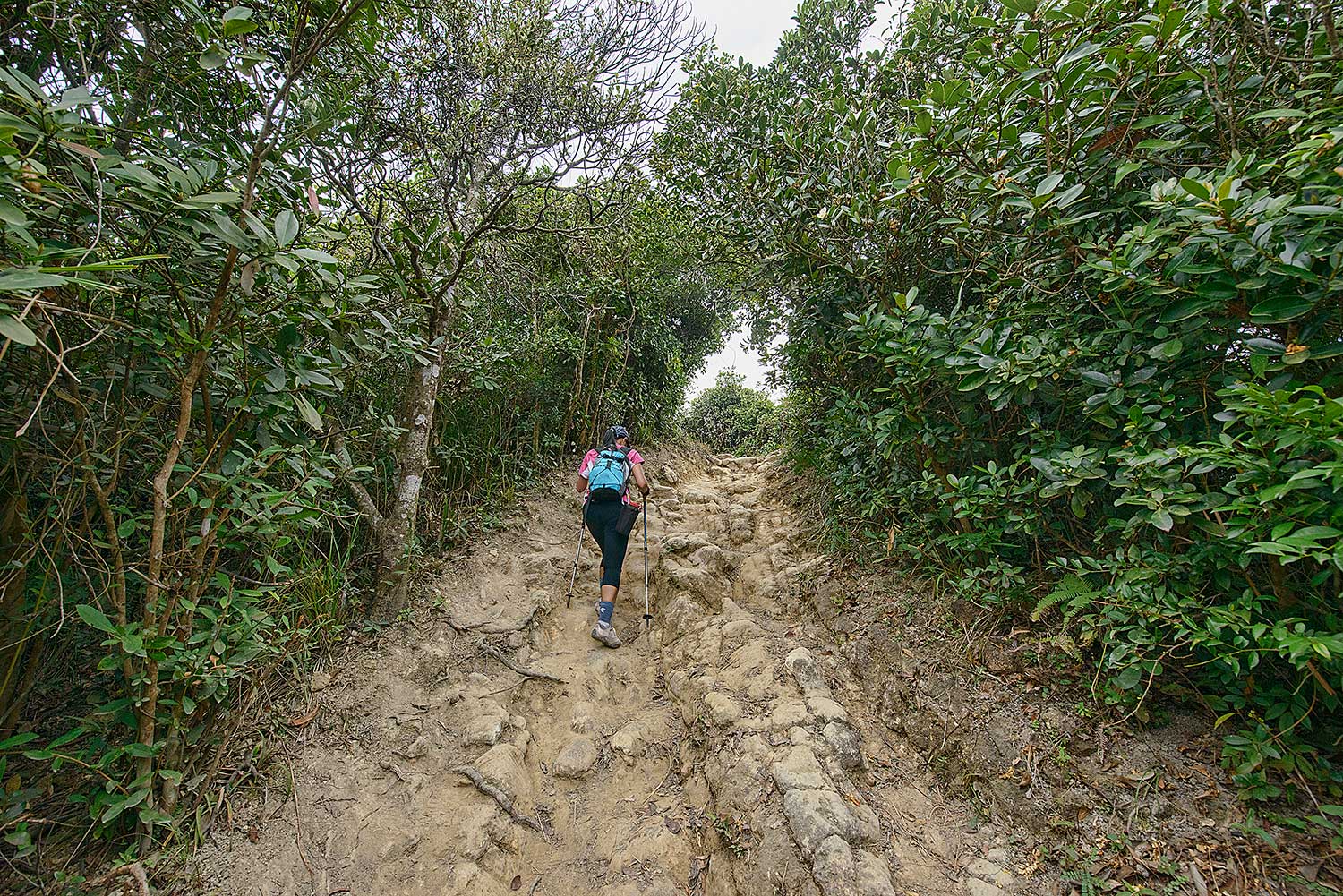
Hong Kong is an urban hiker’s dream destination, as my wife and I quickly discovered during a New Year’s escape. The city has a wealth of hiking trails, almost all accessible within 30 minutes or less from downtown via its superb public transit system. It also boasts four long-distance trails that cover much of Hong Kong Island and the New Territories. The MacLehose Trail is arguably the best of the bunch, divided into 10 sections and running for 100 kilometers, traversing beautiful white-sand beaches in Hong Kong’s far east as well as climbing its highest mountain, 957-meter Tai Mo Shan.
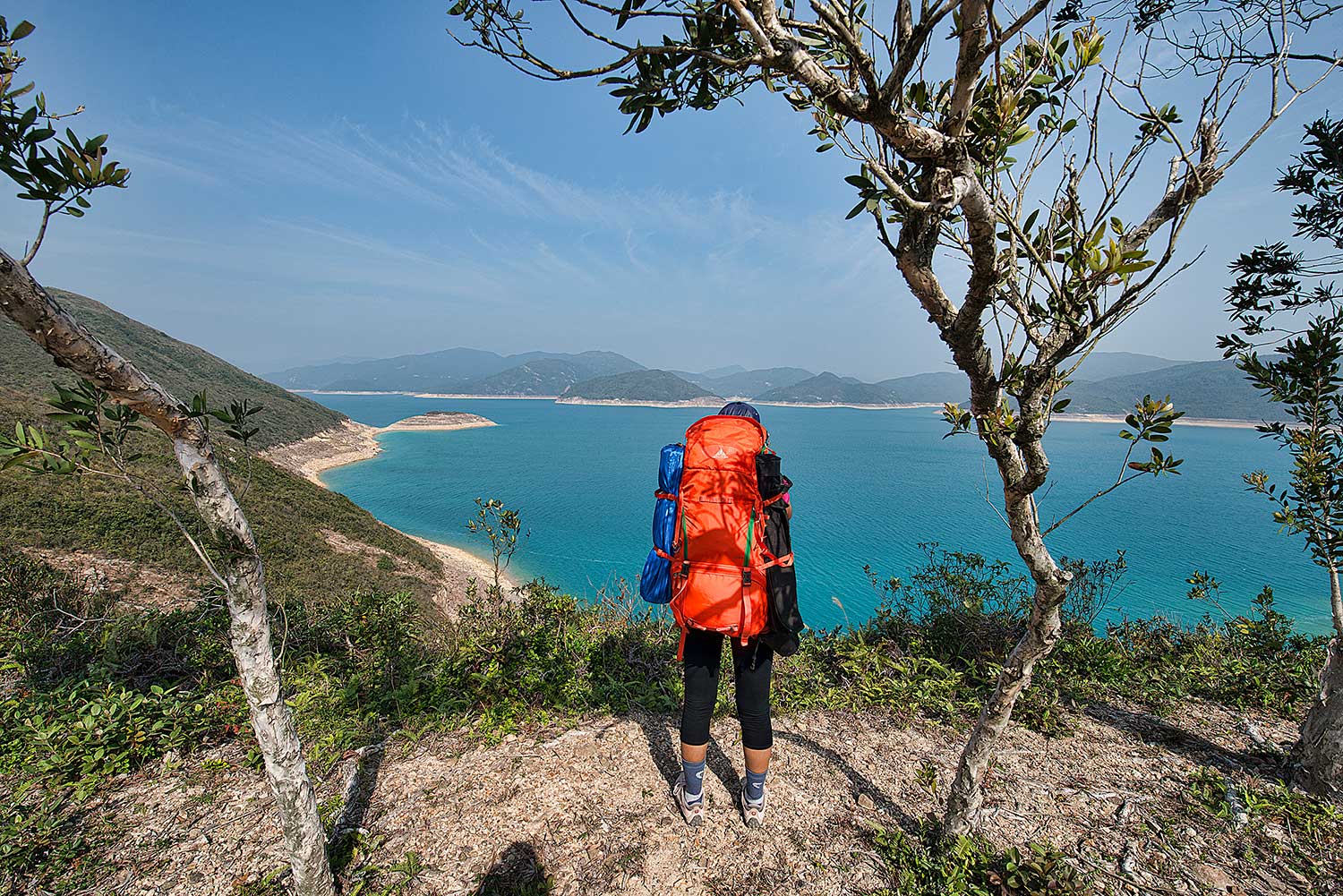
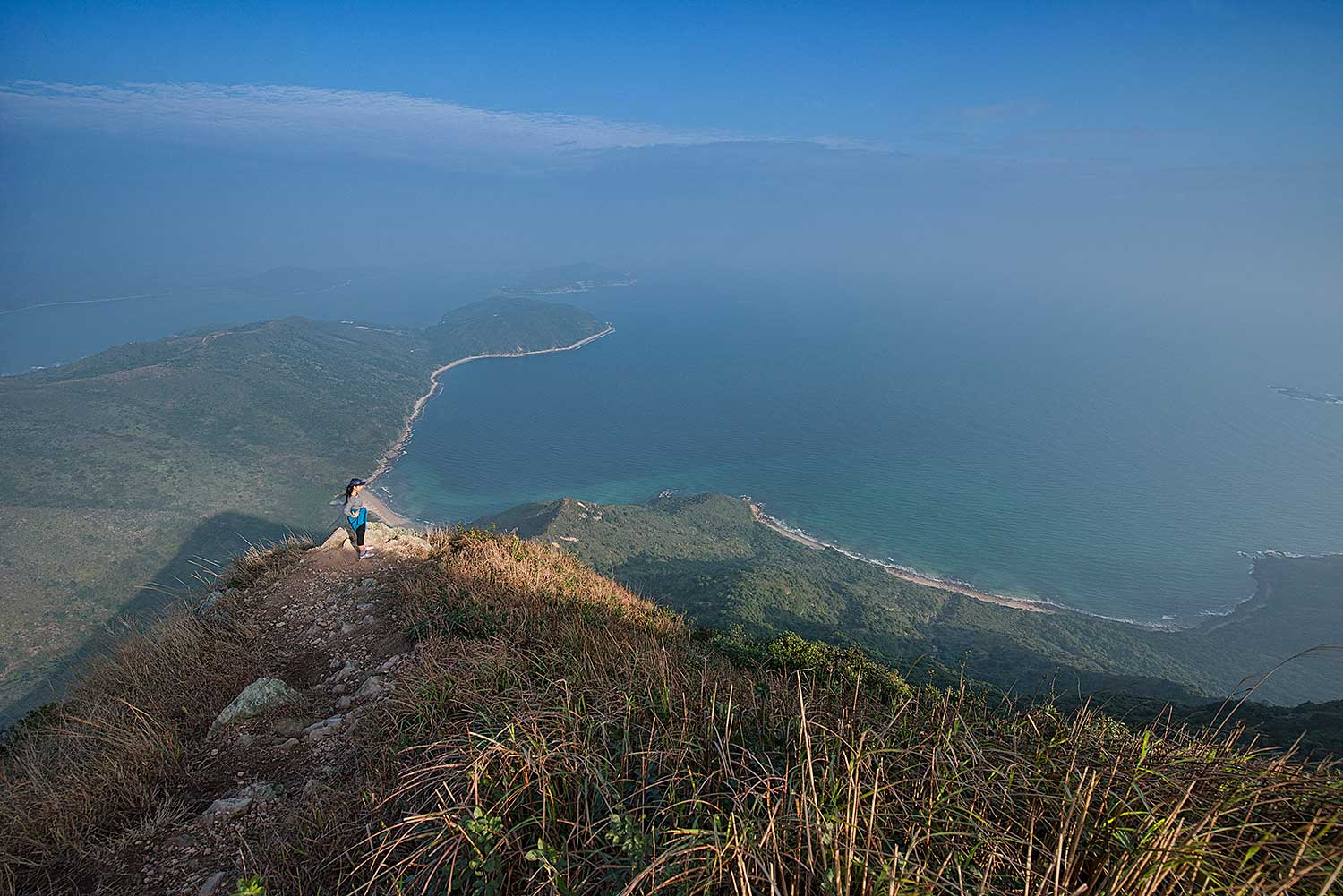
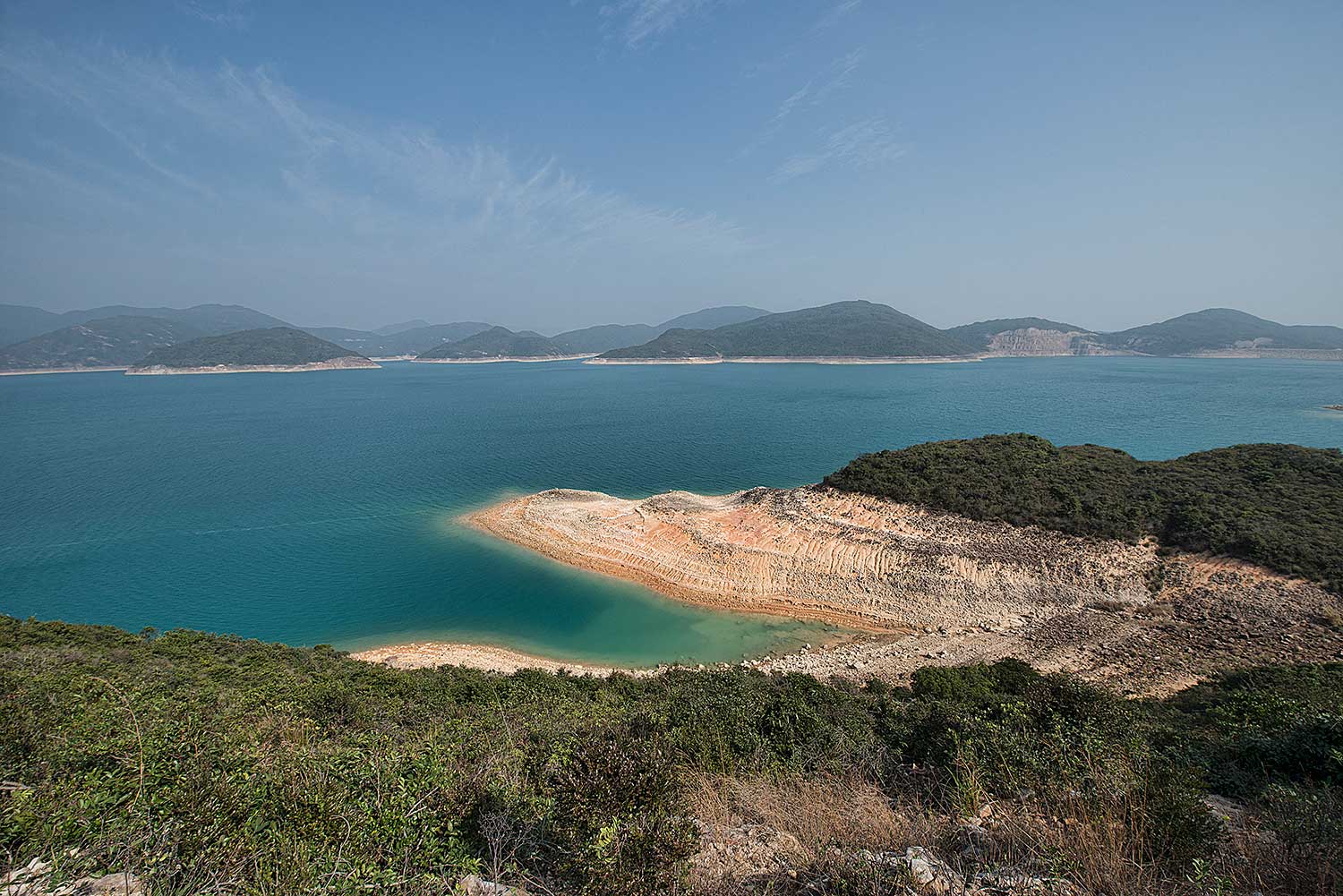
Bleary-eyed after a red-eye flight from Bangkok, we hopped on a local bus across the city and quickly left the high-rises behind, trading them for Sai Kung Country Park, a nature reserve on the east side of Hong Kong. Here, along the High Island Reservoir, we picked up the MacLehose, named after Crawford Murray MacLehose, Baron MacLehose of Beoch, Hong Kong’s longest-serving British governor and an avid hiker who was instrumental in creating the territory’s system of country parks. While ultramarathon runners have whizzed up and down the 100 vertiginous kilometers of trail in under 11 hours in one go, we took things a bit more leisurely, climbing up and down cliffs above beaches and bays that looked straight out of Hawaii. Pointed mountains rose around us, including the aptly named Sharp Peak, which provided phenomenal views over the entire coast after a short scramble to the top.
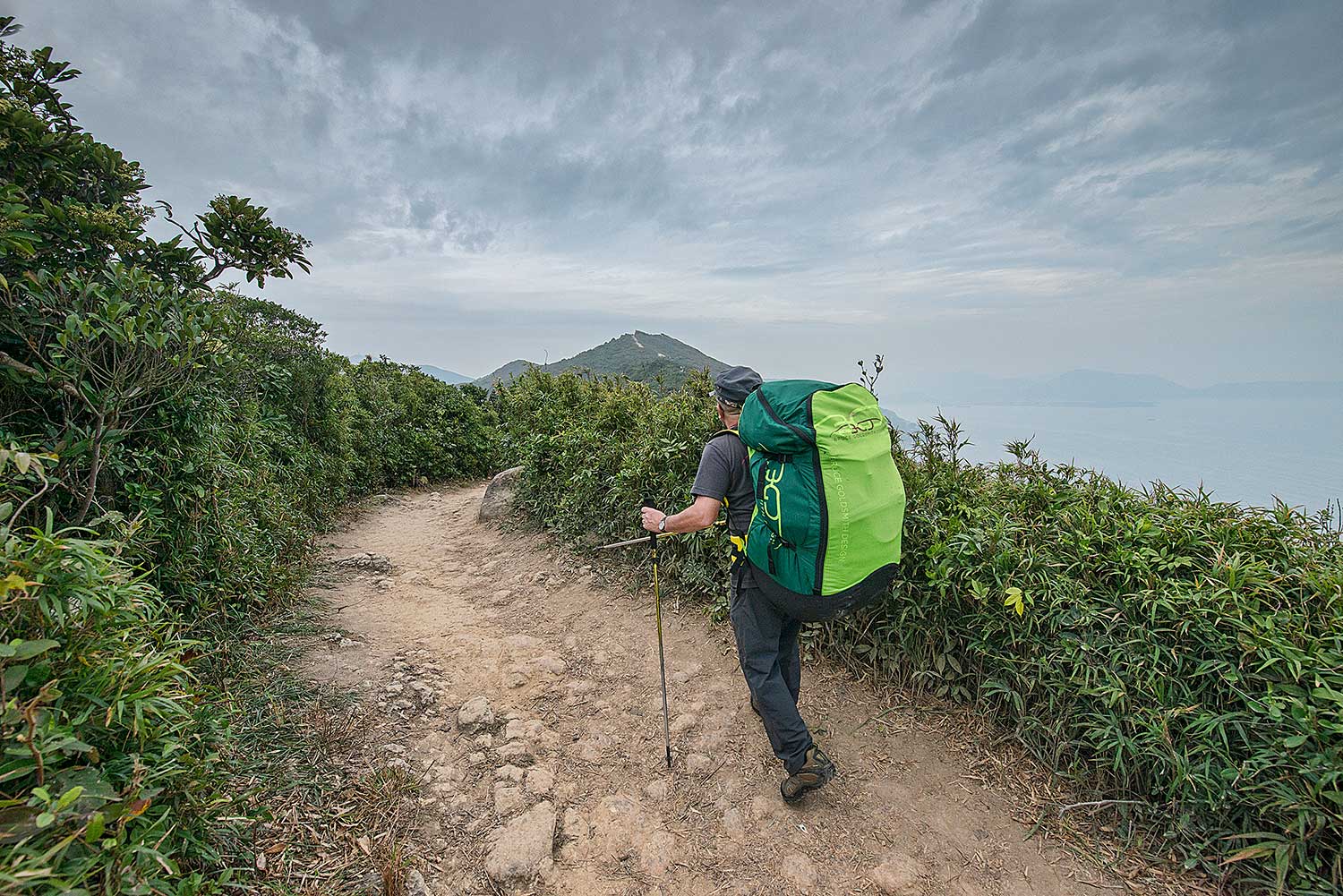
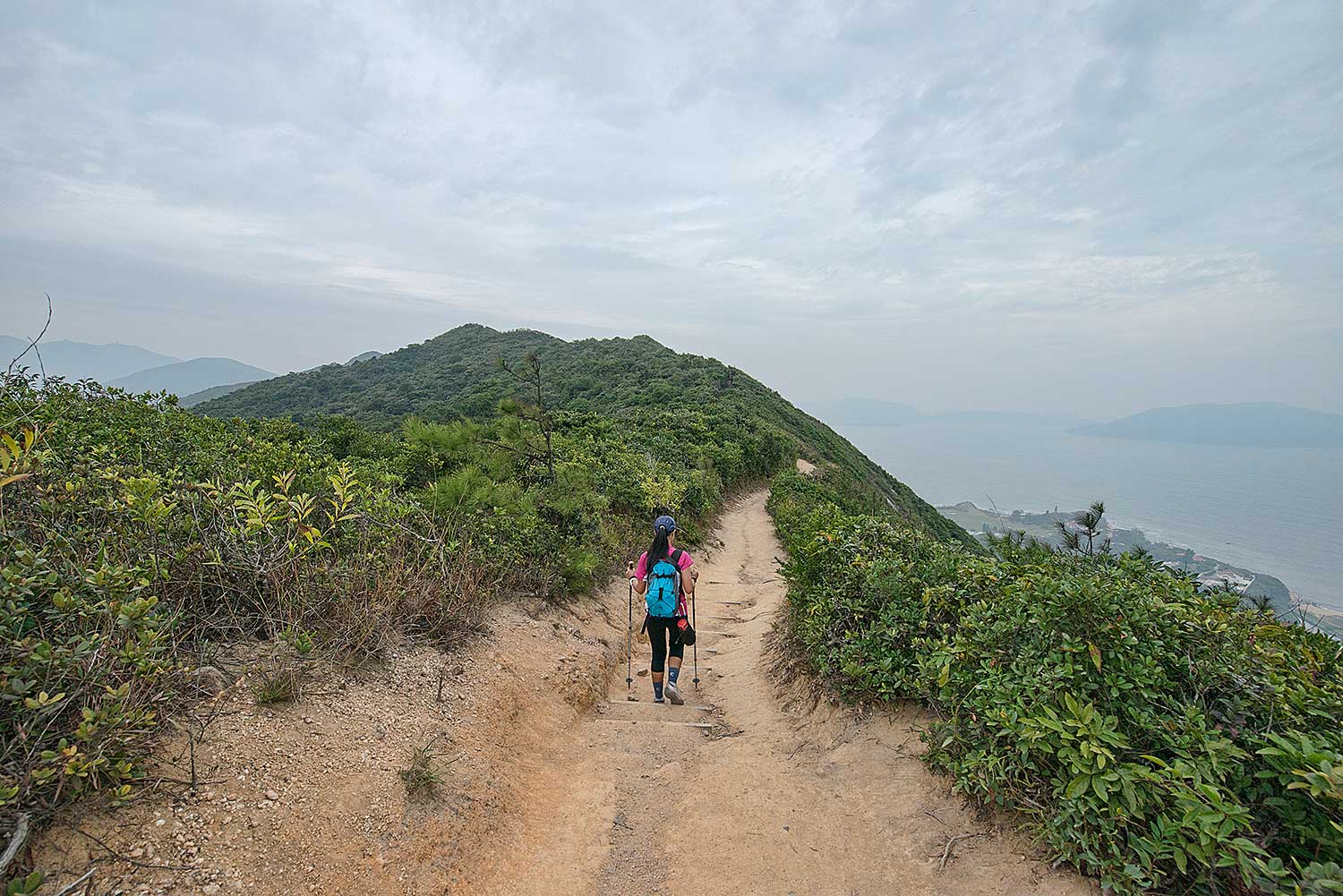
Despite it being New Year, the busiest time on the calendar and a major holiday period, we spent several nights camping on Ham Tin Wan Beach, a long stretch of dazzling white sand where we encountered only one other tent. The Country Parks Department has 36 free campsites scattered along Hong Kong’s trails, but as transportation around the territory is so good, most people come out for day trips, preferring to leave their heavy packs at home. For those willing to be self-sufficient, however, the rewards are incredible. Some of the beaches are next to old fishing villages that are mostly abandoned, although a handful of residents remain to tend their gardens and run small restaurants serving visitors. Some also rent tents and bedding to trekkers who don’t have their own gear.
Part of our reason for being here, of course, was simply the joy of being out in nature, but it was also because seemingly every hotel and Airbnb bed in the city was booked for New Year’s. Yet here we were, alone in paradise. While the city might be famed for its Symphony of Lights, illuminating Victoria Harbour and the surrounding high-rises, out along the MacLehose Trail we had a sky full of stars and almost zero light pollution. I’d never thought such darkness possible here, let alone imagined pitching a tent just a short ride from one of the world’s densest urban areas. My wife joked that while others were ensconced in their five-star stays, we had a million stars for our digs.
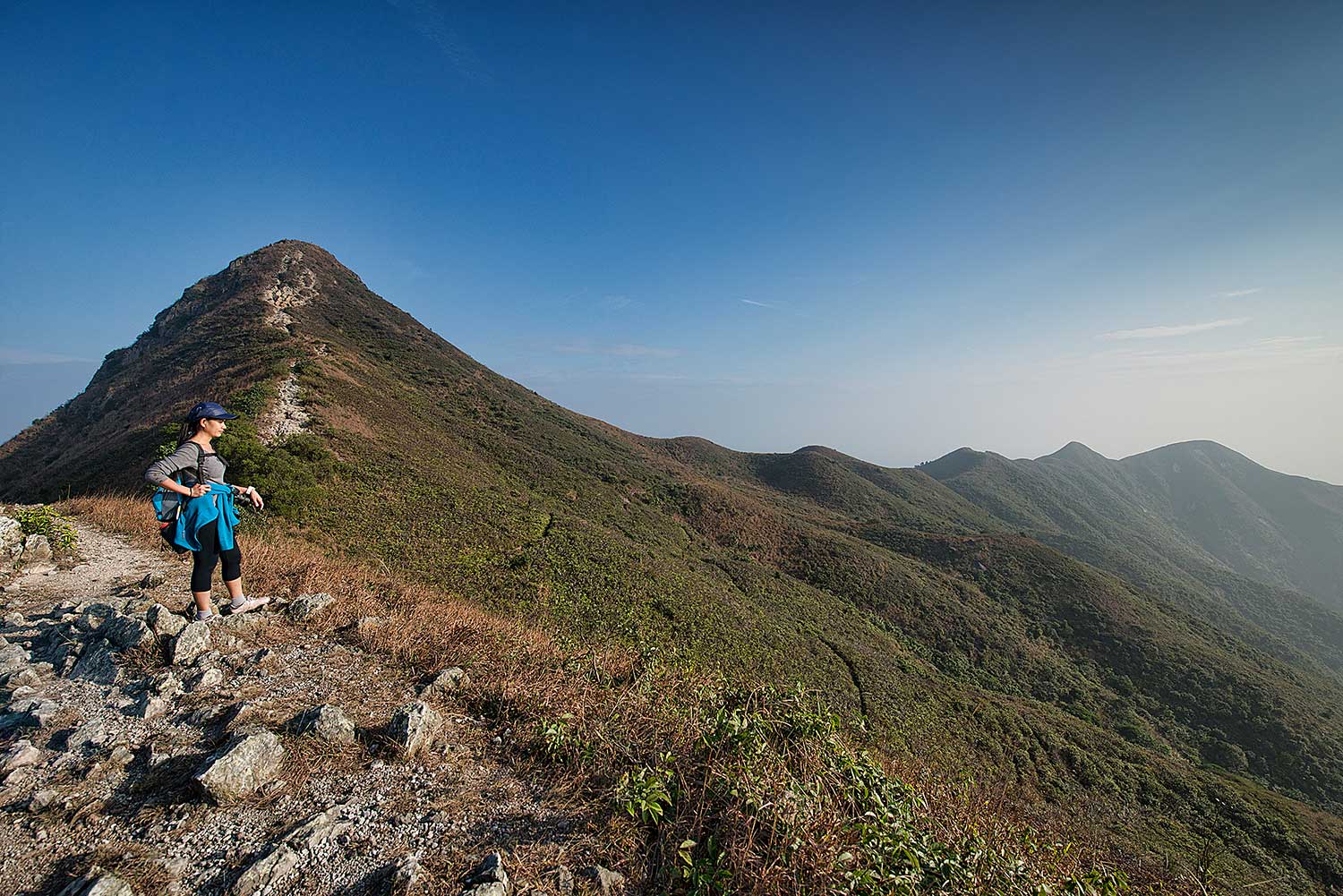
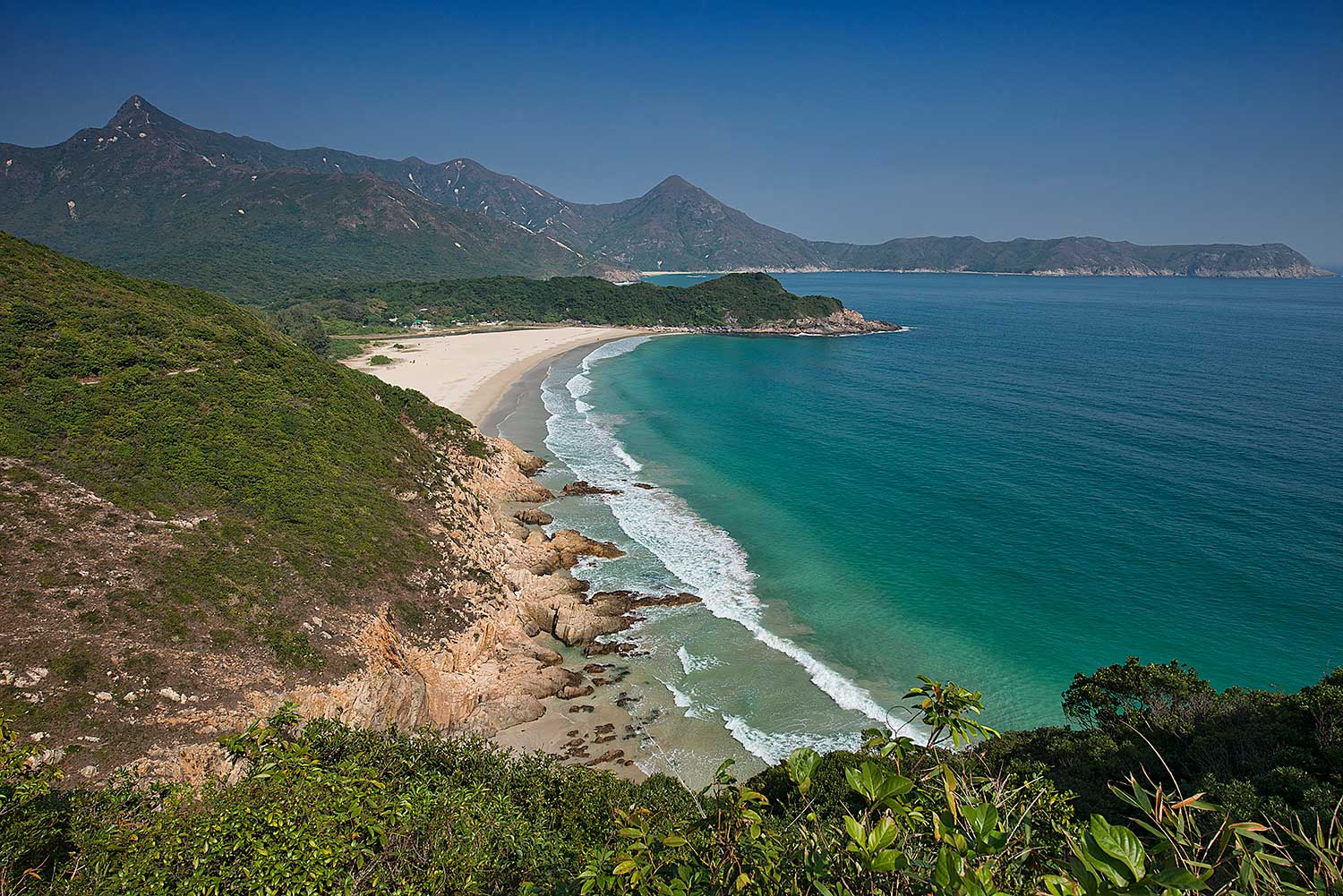
Long Ke Wan Beach on New Year’s Day was much busier than Ham Tin Wan. In fact, it was packed with local trekkers and their tents. This is one beach the rest of the world does know about: CNN once named it among the most beautiful beaches on the planet, and it has been compared to some of the best stretches of sand in the Maldives. It features silky white sand, a surrounding pine forest, azure water, and a stunning setting amid volcanic hills. I marveled at the scenery, again reminded of Hawaii or the Maldives. Yet despite the number of campers, it still wasn’t all that crowded. Getting here also requires a couple of kilometers of hiking, ensuring that you have to earn your Eden.
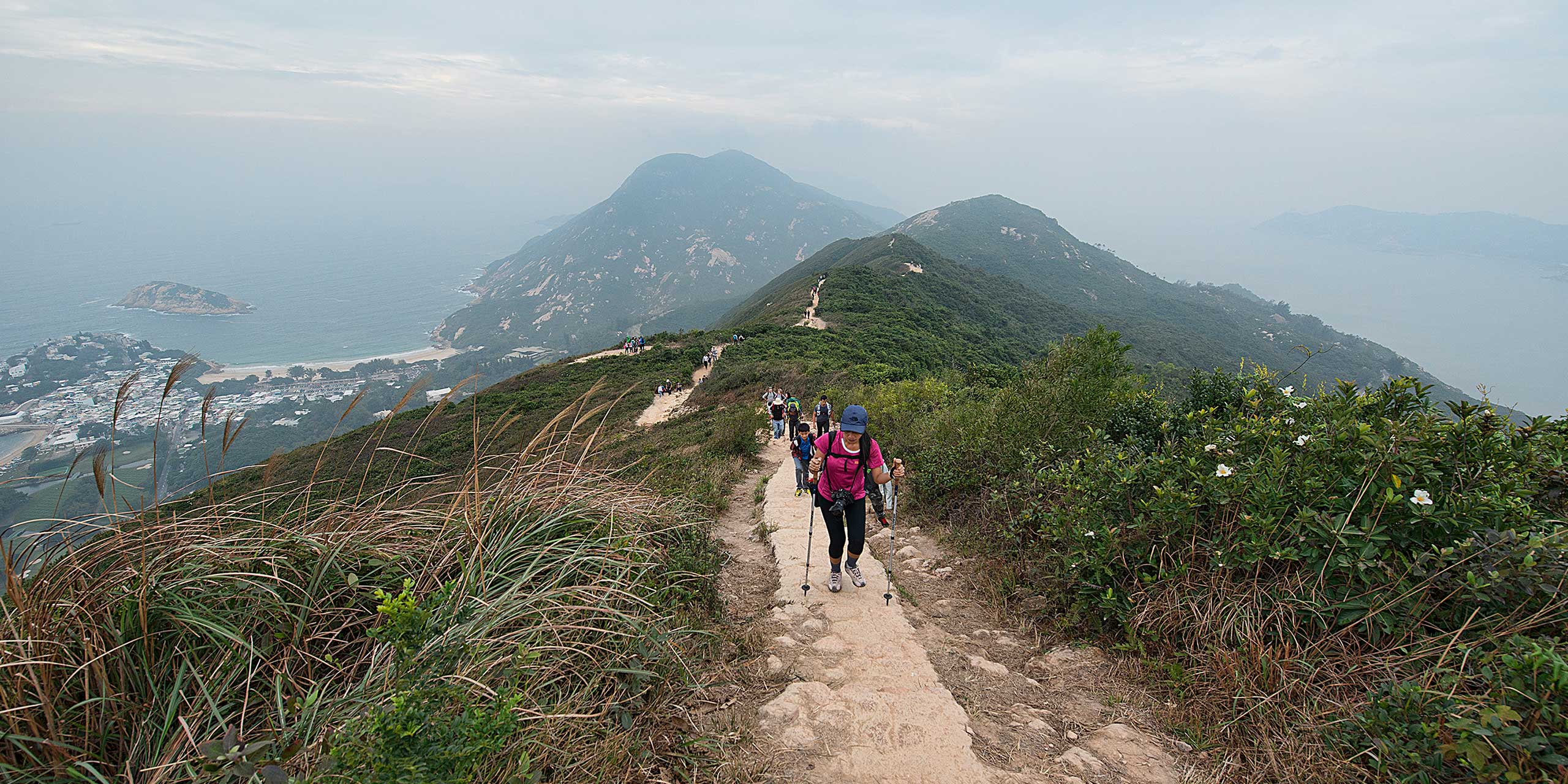
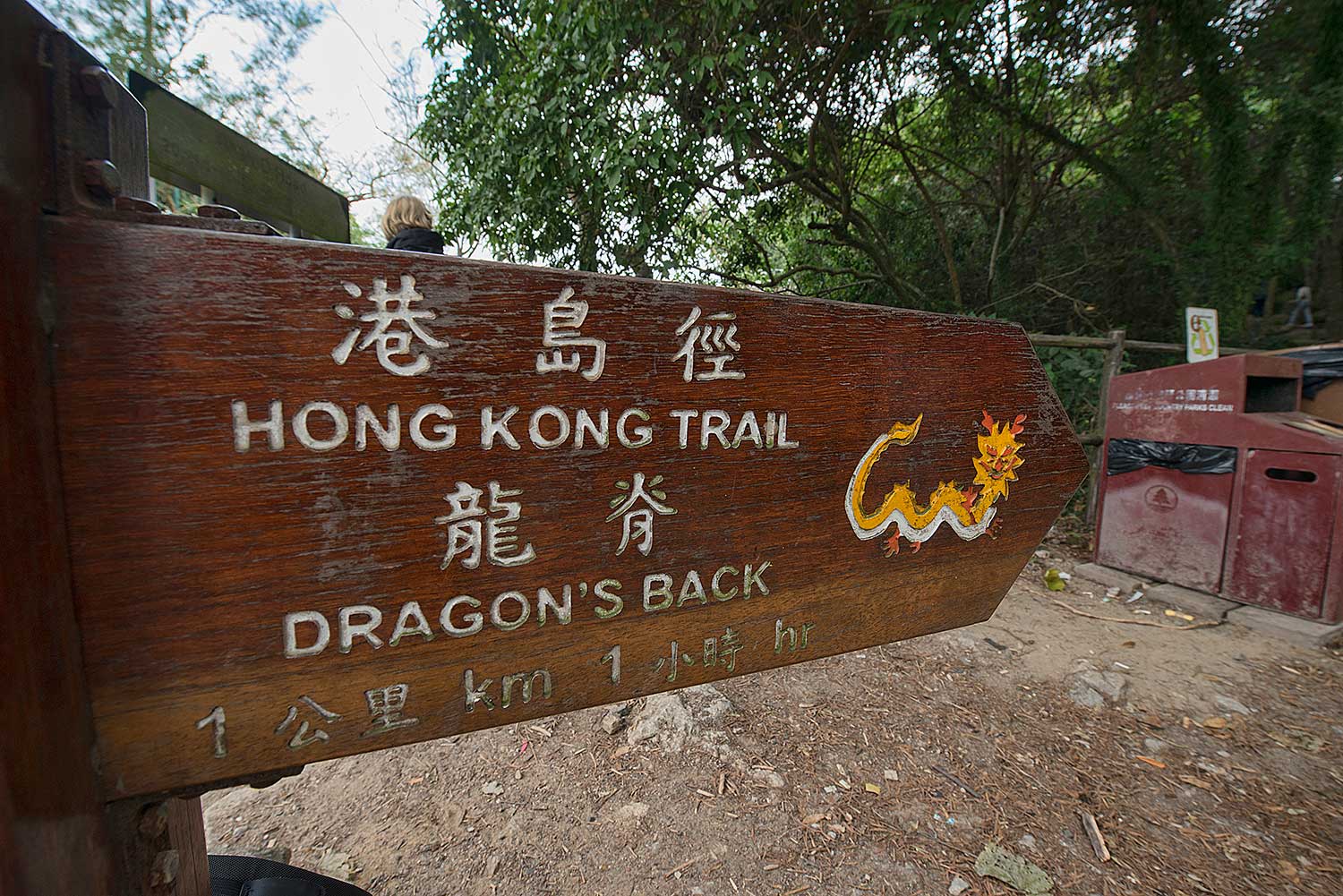
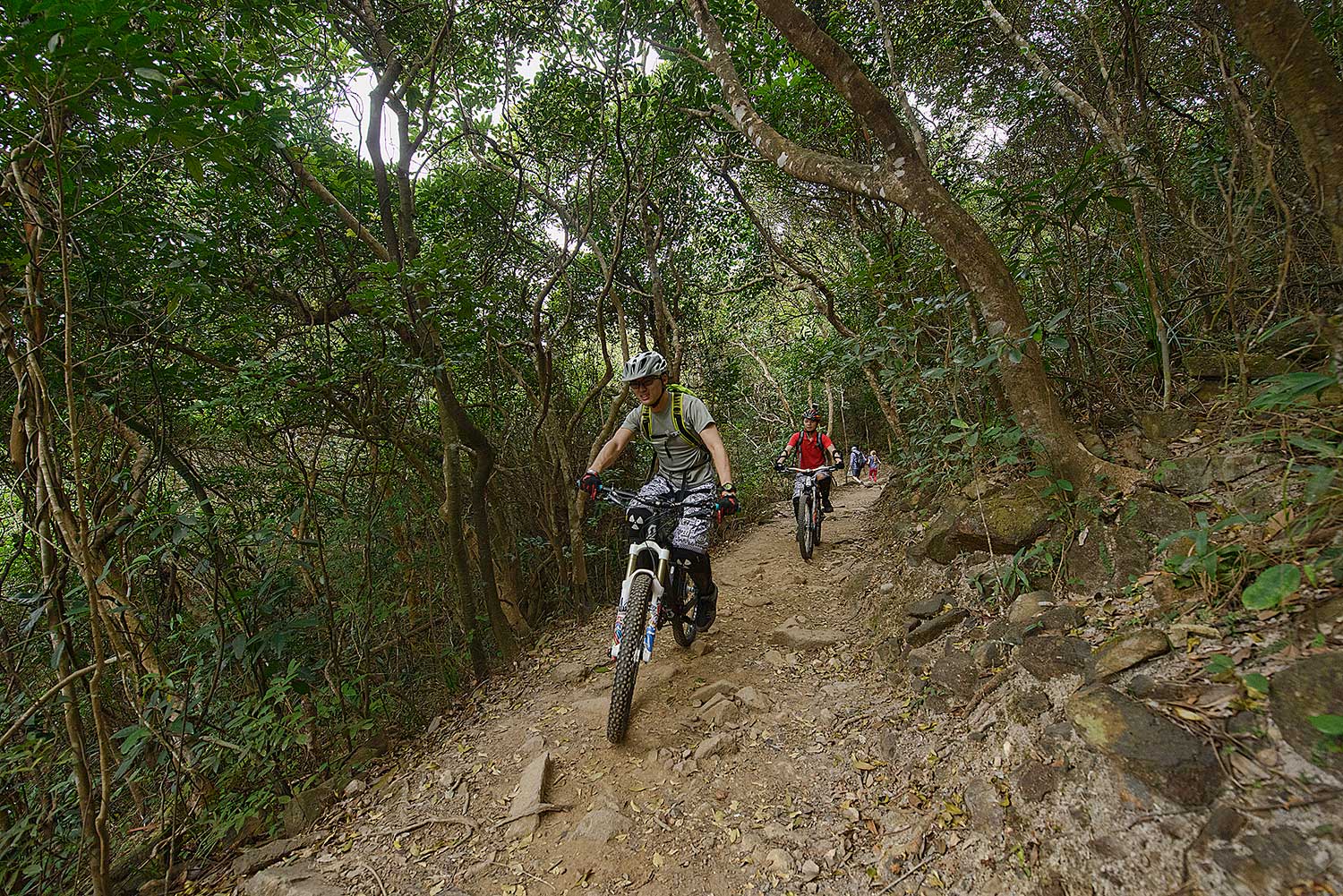
Several days later, we found ourselves on the Dragon’s Back, undoubtedly Hong Kong’s most famous hike, and for good reason. The trail follows a panoramic ridge along the spine of Hong Kong Island, and quick public buses to the trailhead, easy access points, and superlative views ensure plenty of company up here. Triathletes, trail runners, and fitness lovers also use it as their backyard. It didn’t have the solitude of Sai Kung and Sharp Peak, yet it was fun nevertheless. On our journey upward, we passed families with young kids, while mountain bikers came grinding past us on their afternoon workouts.
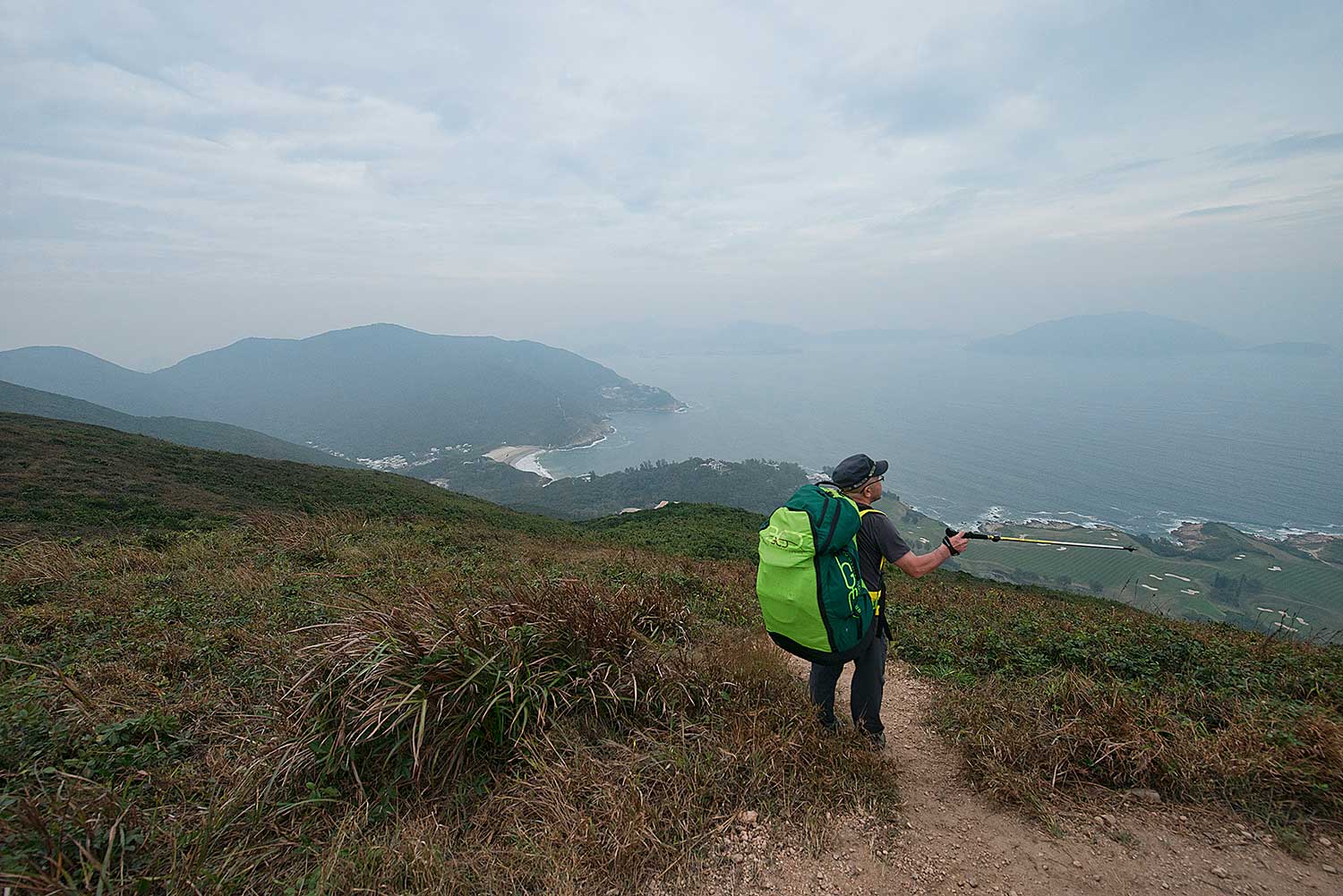
Farther toward the top, we hiked alongside an elderly Japanese man carrying a pack so large it made him look like a Nepali porter ferrying clients’ loads to Everest Base Camp. When I asked whether he was training for some Himalayan epic, he chuckled and told us he was almost 70 and far too old to be doing such things. Twenty minutes later, on reaching the summit ridge, he stopped to open his enormous bag, revealing an elaborate paragliding setup. Grinning at us, he said, “I take the scenic way down!”
Besides the MacLehose and the Dragon’s Back, Hong Kong also features the Lantau Trail, a 12-section, 70-kilometer route on Lantau Island that climbs over Lantau Peak, the island’s second-highest mountain, and offers magnificent sunrise and sunset views. Up here alone in the clouds, it was hard to believe this was the same island that housed the wildly busy Hong Kong International Airport, less than 30 kilometers away as the crow flies.
And then there is the 78-kilometer Wilson Trail, a real quad burner running south to north through Hong Kong Island and the New Territories and climbing more than 4,000 vertical meters along the way. It’s the most technical of Hong Kong’s major trails, relentlessly steep and with relatively few entry and exit points.
A huge storm system came in, preventing us from tackling any of the Wilson, but this was a blessing in disguise. We got to save something for our next trek, something we had already decided would happen again. Hong Kong was well worth a repeat visit for hiking. The storm also meant we could spend some time being regular tourists, making a beeline for Din Tai Fung and Crystal Jade to satisfy our now enormous xiaolongbao appetites and doing a bit more subdued hiking, including the one-hour jaunt up Old Peak Road to Victoria Peak. The Hong Kong landmark offers jaw-dropping views of the city skyline and waterfront, particularly at night when the city lights up.
Returning home from our journey and showing friends photos of the beaches and mountains, most could only stare in amazement and ask whether it was really Hong Kong. “Where were all the crowds?” they wanted to know. I recalled my first glimpse of Hong Kong years before, during little more than an airport stopover. I remember the plane descending toward the city as I awoke from a half-slumber and looked out the window to glimpse one of the most beautiful beaches I’d ever seen, surrounded by lush green hills. That image had brought me back so many years later to see the place on foot.
Even my wife had looked at me rather oddly before the trip when I suggested a hiking holiday in Hong Kong. I smiled back at her and happily recalled Kurt Vonnegut’s famous travel quote: “Peculiar travel suggestions are dancing lessons from God.”