

“My parents are okay living without money,” says Lee Ayu Chuepa. “But the world is changing quickly, and you can’t use papaya or pumpkin to pay school fees. There’s no point keeping our lives in the old way without connecting to the world.”
Lee is a man on a mission: to bring quality coffee to the world while improving the lives of his Akha community.
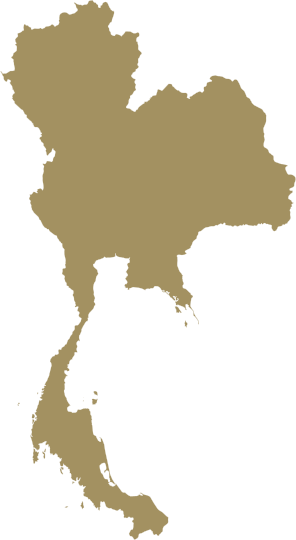
There are said to be about 80,000 Akha living in Thailand. Traditionally based in the mountains of southern China, many Akha migrated to Southeast Asia in the early 20th century. More recent unrest in Burma and Laos forced them and other ethnic minorities to settle in Thailand, where many remain stateless, without access to healthcare, education, or equal rights—often facing abuse and exploitation. Lee set out to change that, and he’s had considerable success.
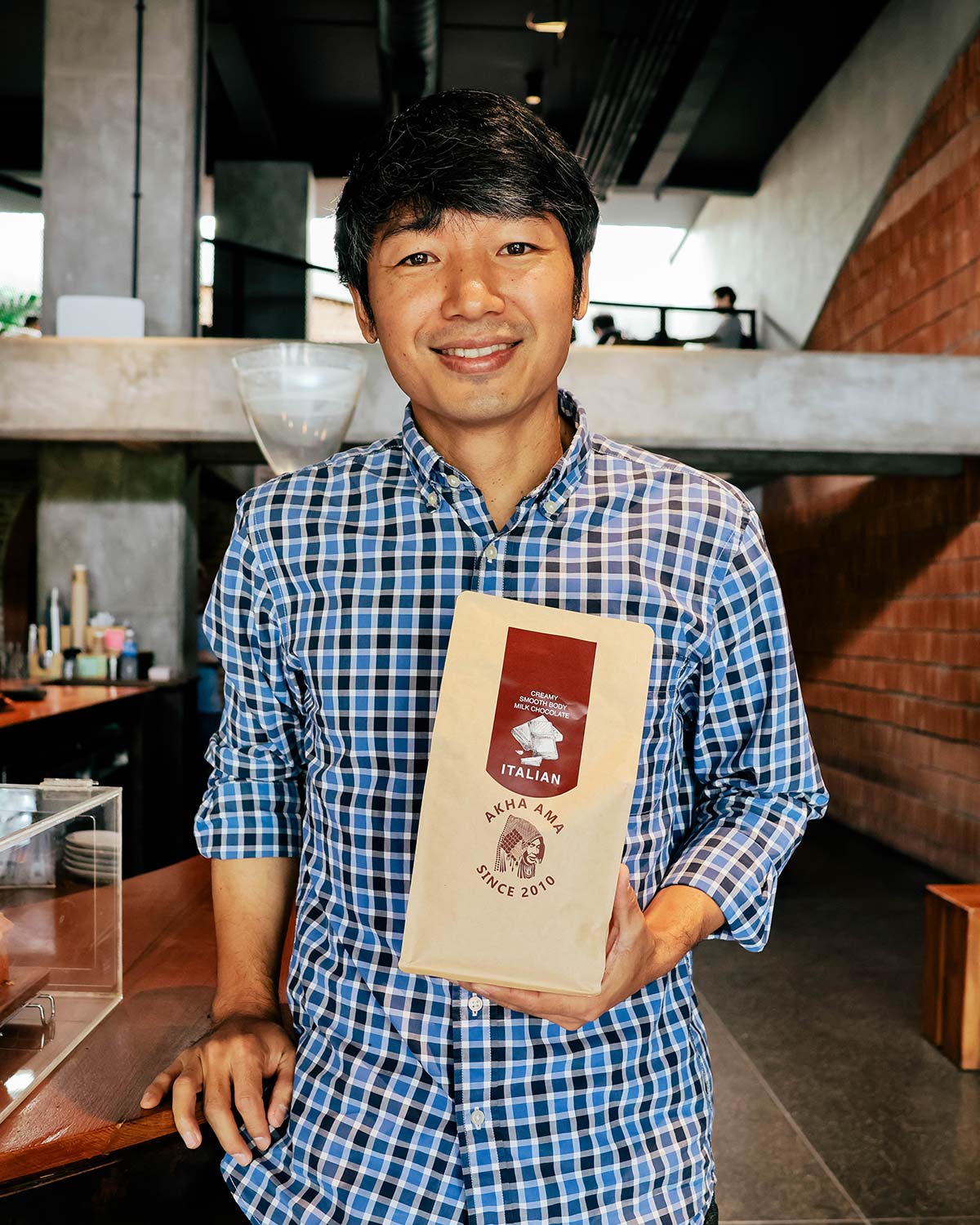
He comes from a village near Lamphun, a small town about 35 kilometres south of Chiang Mai. Facing many legal and financial hurdles, only around 5% of Akha people make it into higher education. Lee was one of them, graduating from Chiang Rai Rajabhat University with a degree in English studies.
“I have a strong passion for delivering skills and knowledge to other people,” he says. “After I finished university in 2007, I went to work for the Child’s Dream Foundation. For three and a half years, I worked with refugees, migrants, and internally displaced persons.”
But every time Lee returned home, he found his community in crisis. “Many of my friends had left the village only to end up working in karaoke bars, gas stations, or construction sites as unskilled labourers. I wondered how our parents saw our future and what the elders had to say about our traditions.”
Lee began to look for solutions within his own community. The Akha were growing tea, coffee, and fruit. But it wasn’t enough.
“When we were kids, we ate the coffee cherries,” he recalls. “At that time, the price we got was very low — three to four baht per kilo. My mother had learned how to process coffee at a royal project near our village, but we didn’t know anything about quality, acidity, or sweetness. The first time I drank coffee, I didn’t like it. We didn’t speak the coffee language.”
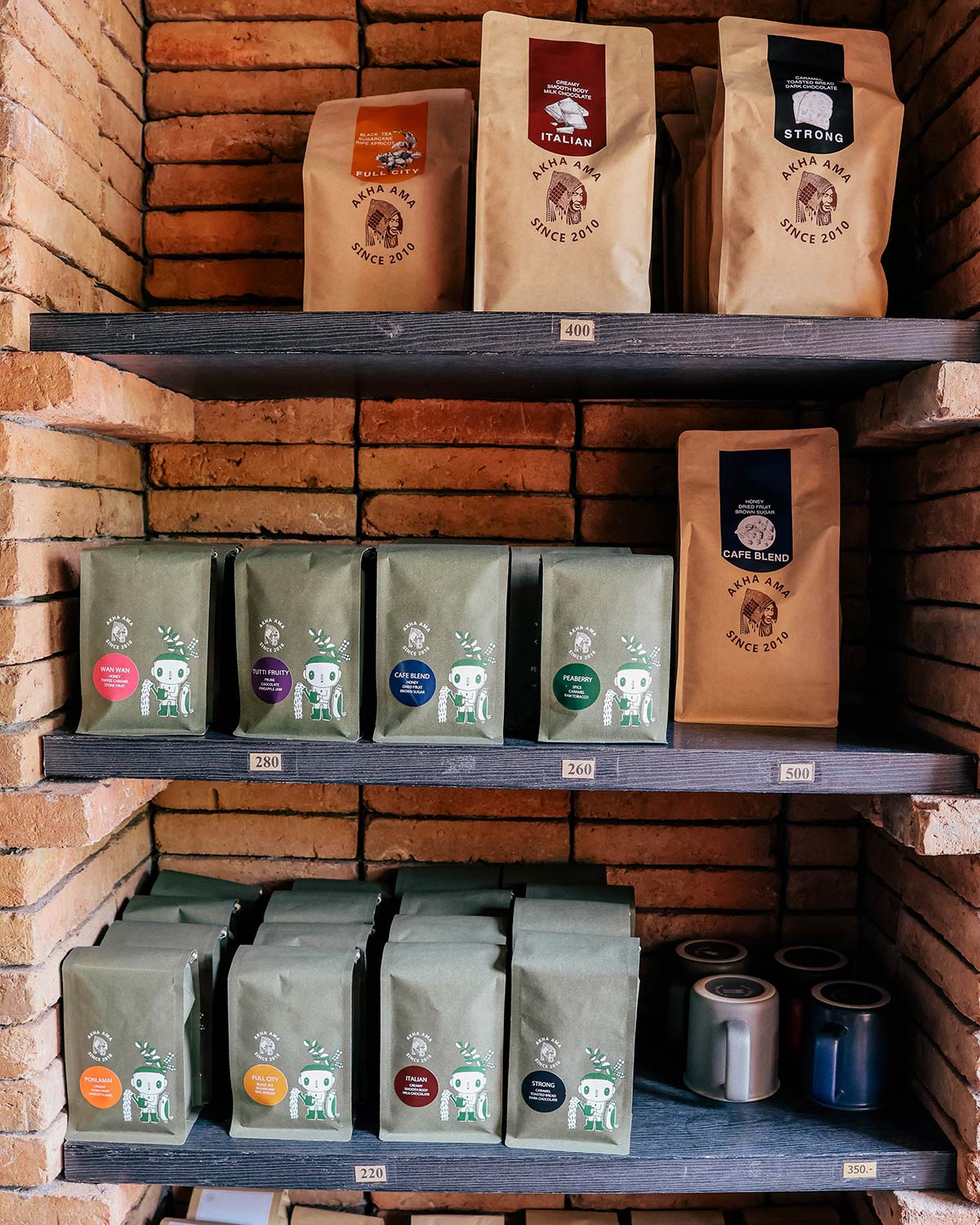
Part of the problem was market access. Lee’s community had no idea where to sell coffee beans.
“I had my dream job, but nothing had changed in my village,” he says. “The few people who got an education had to move to the city. Parents accepted that their kids would leave, but deep down, that didn’t feel right to me.”
He started talking to young Akha about their future. He interviewed Akha selling cheap goods in Chiang Mai’s night bazaar.
“I decided to start a social enterprise to represent my community to the larger world,” he says. “I thought coffee could be a commodity that would generate a good income. But I had to learn how to make coffee, how to drink coffee, and how to speak the coffee language properly. It wasn’t easy.”
Lee moved to Chiang Mai and started drinking in different coffee houses. “I drank so much coffee, it made me miserable. And I was a social worker, not a businessman. I had to learn how to sell, how to buy, how to make a profit. I hated it — but I had to do it.”
He began to study coffee consumption at the community, provincial, and national levels.
“I found that talking about Thai coffee wasn’t easy,” he adds. “People talked about Colombian, Brazilian, or Kenyan coffee. Most Thai coffee was dark roast, sold as iced coffee with condensed milk at street markets. Thai coffee and international coffee inhabited different worlds. I was trying to figure out how to bring Thai coffee into coffee houses — how to brew it with an espresso machine, how to make a latte or cappuccino.”
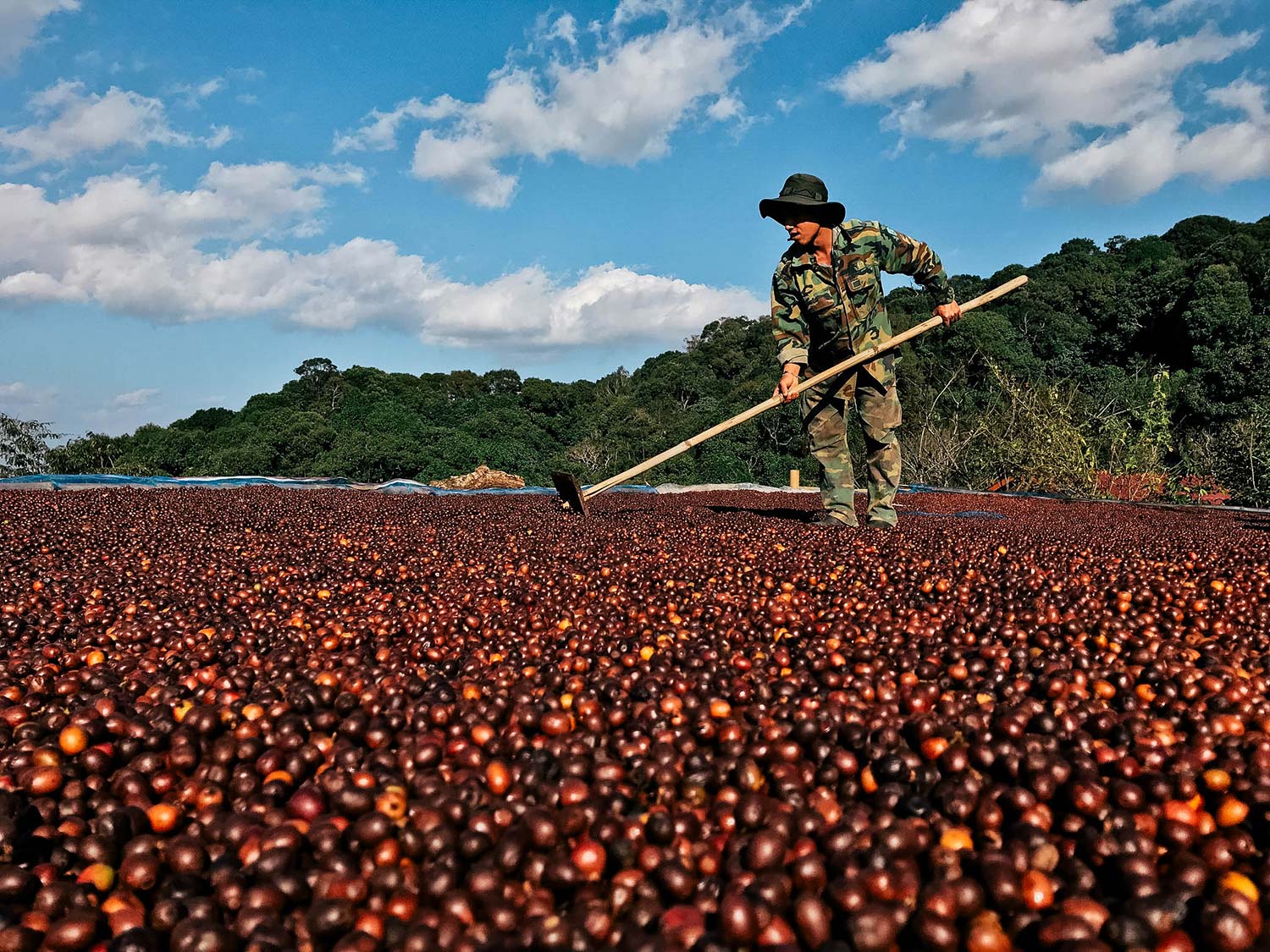
Lee began raising money to start a cooperative. “I thought Thais would love to support a social enterprise that makes a difference, but I was wrong. Thais don’t see a path to heaven by supporting this kind of community-oriented business. They want to make merit by building temples to do better in the next life. I needed a venture capitalist or an angel to get my idea off the ground.”
He reached out to contacts abroad. “In 2009, I approached a philanthropic family in Helsinki. They flew to Chiang Mai, and I took them to my village. I told them about my ideas and dreams — and they gave me some money. Akha Ama was born in March 2010.”
At first, Lee only involved members of his family. When asked whether they would have trusted outsiders, they said no. Even so, he managed to harvest two tons of coffee beans in the first year — and gave half of it away.
“I handed out 100 free samples every night in Chiang Mai’s old city. At that time, only Starbucks, McDonald’s, and a few hotels sold real coffee. There were fewer than 20 cafés in the whole province.”
By 2010, people were talking online about the “crazy boy” giving away coffee. Lee opened a small café outside Chiang Mai’s moat.
“My first customers were all foreigners curious about Thai coffee. But that changed over time. Locals thought that if foreigners trusted something, it must be good. Young Thais started drinking coffee, and customers began talking about espresso and cappuccino.”
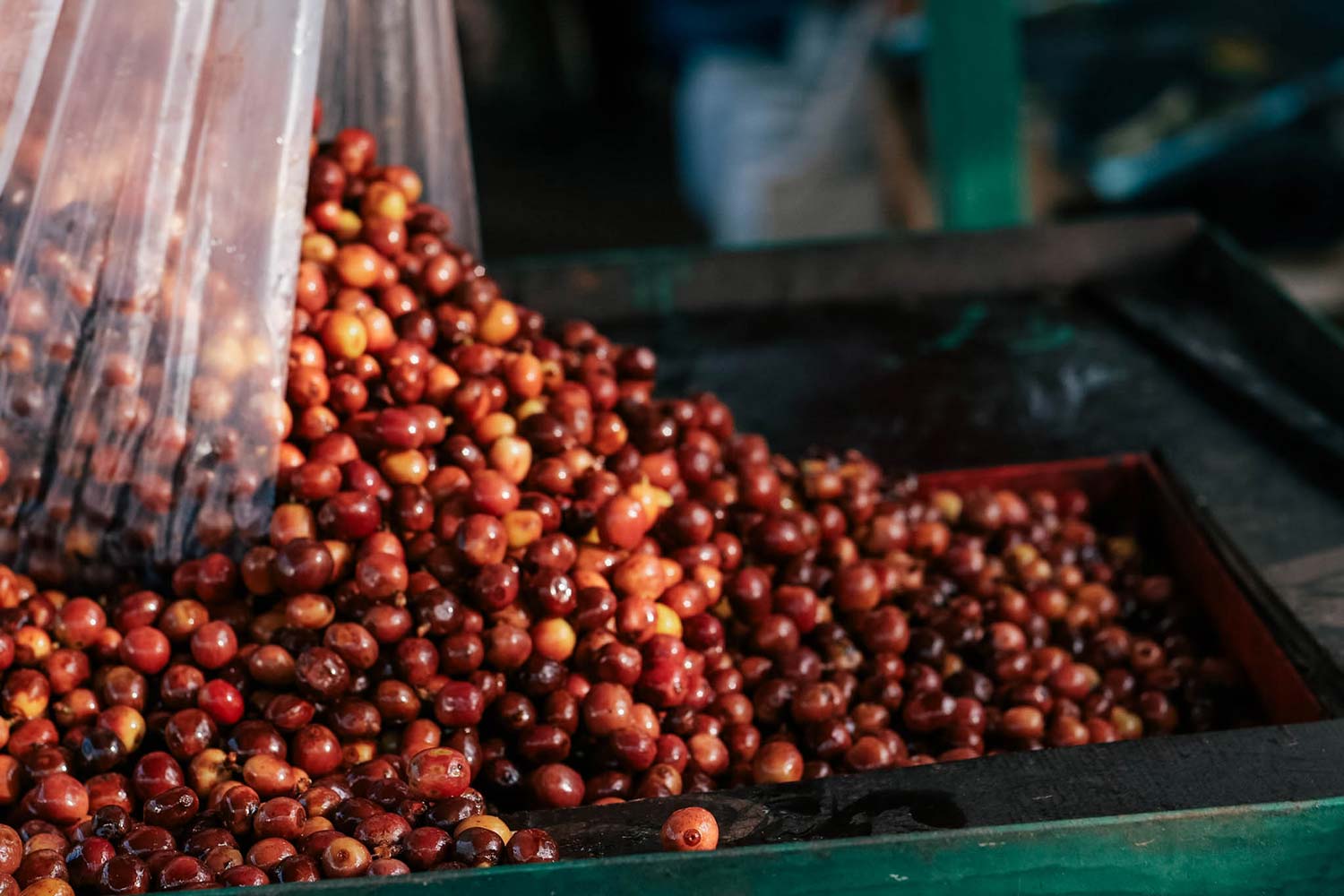
Six more farmers joined Akha Ama in the second year. As the company grew, it opened two larger cafés in Chiang Mai. Lee assembled a team, offered internships, and began thinking about packaging.
“I needed to learn more about retail and wholesale. I decided to go to Portland, Oregon, where Stumptown Coffee Roasters had developed a direct-trade model, buying directly from growers. That got international media talking.”
Soon, articles appeared about the mountain boy from Thailand who had gone to the U.S. to learn about coffee — and Thais took notice. Farmers from other Akha villages started joining the cooperative. By the third year, Akha Ama could no longer buy enough product from local farmers. In 2018, the company opened a roasting warehouse in Mae Rim, just outside Chiang Mai.
“Between 2013 and 2018, many new coffee houses opened across the country. I suggested opening one in Bangkok, but my team told me we needed to expand beyond Thailand.”
They set their sights on Japan. “The Japanese drink a lot of coffee, and they love stories about the origins of what they consume.”
Lee opened Akha Ama’s first Tokyo café in 2020, just as the COVID-19 pandemic hit.
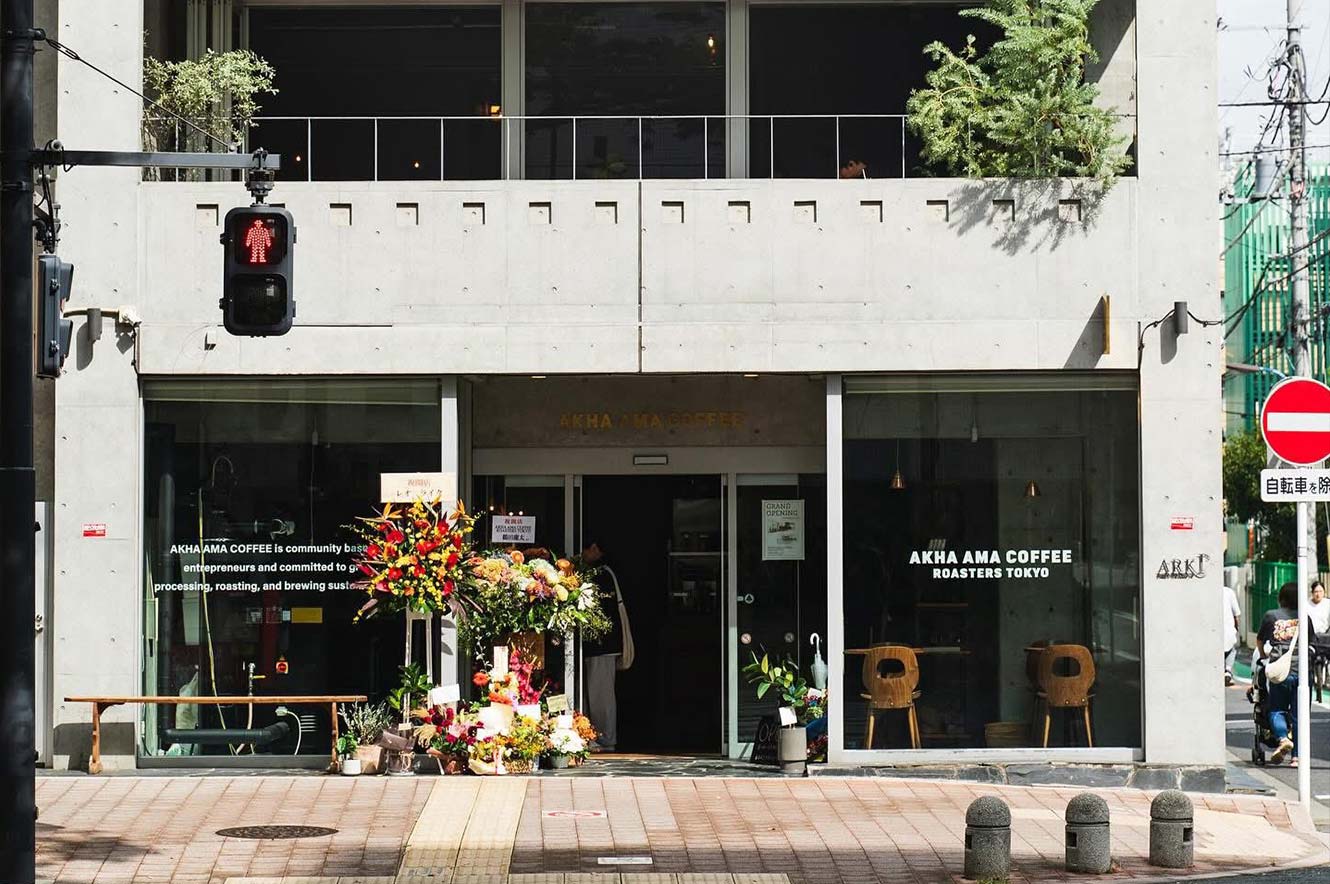
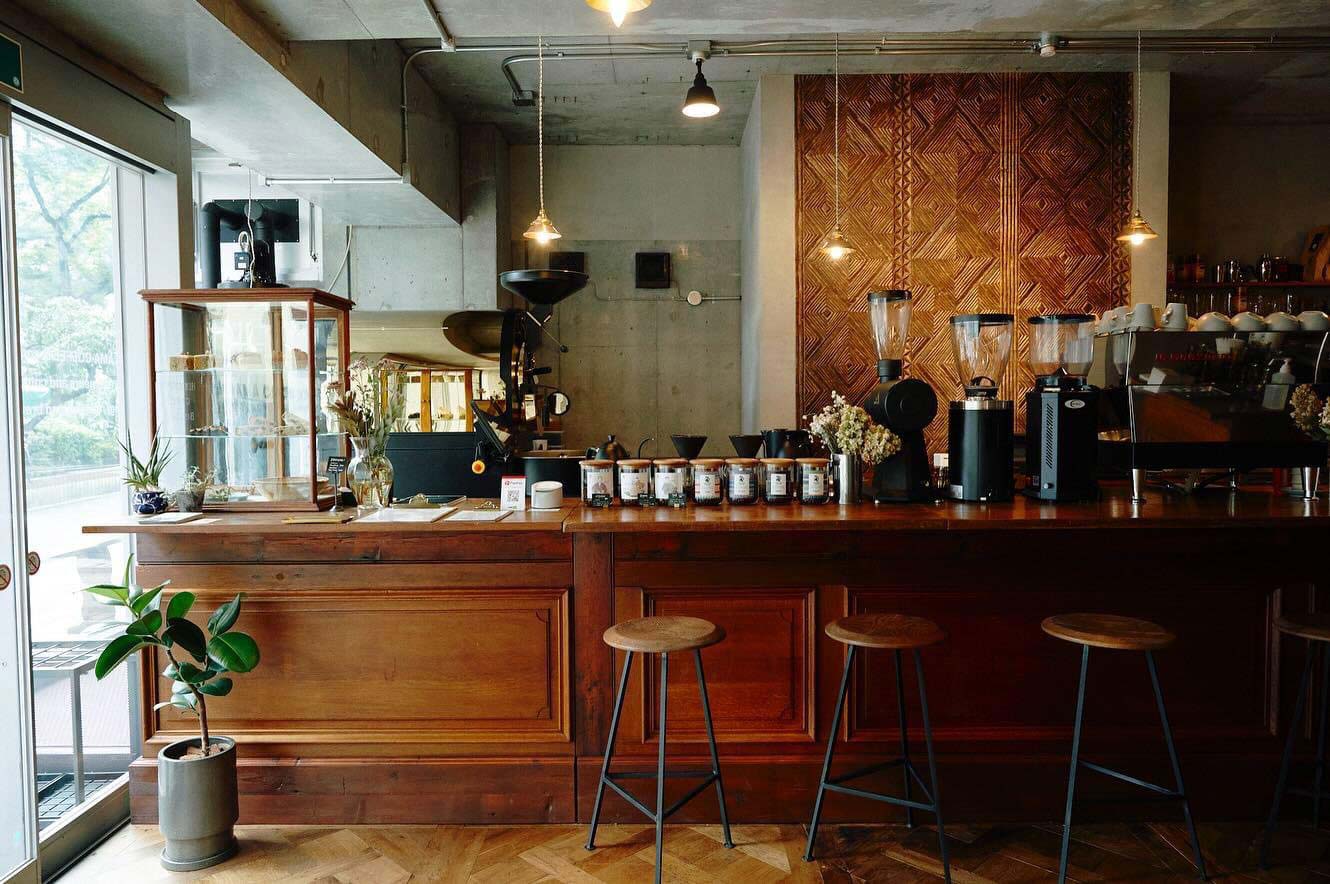
“We were lucky. The Japanese live in small apartments and can’t stay inside too long, so they came to collect coffee. We stayed open throughout COVID. The Japanese couldn’t visit Thailand, but they could drink Thai coffee. And we were able to ship to Japan.”
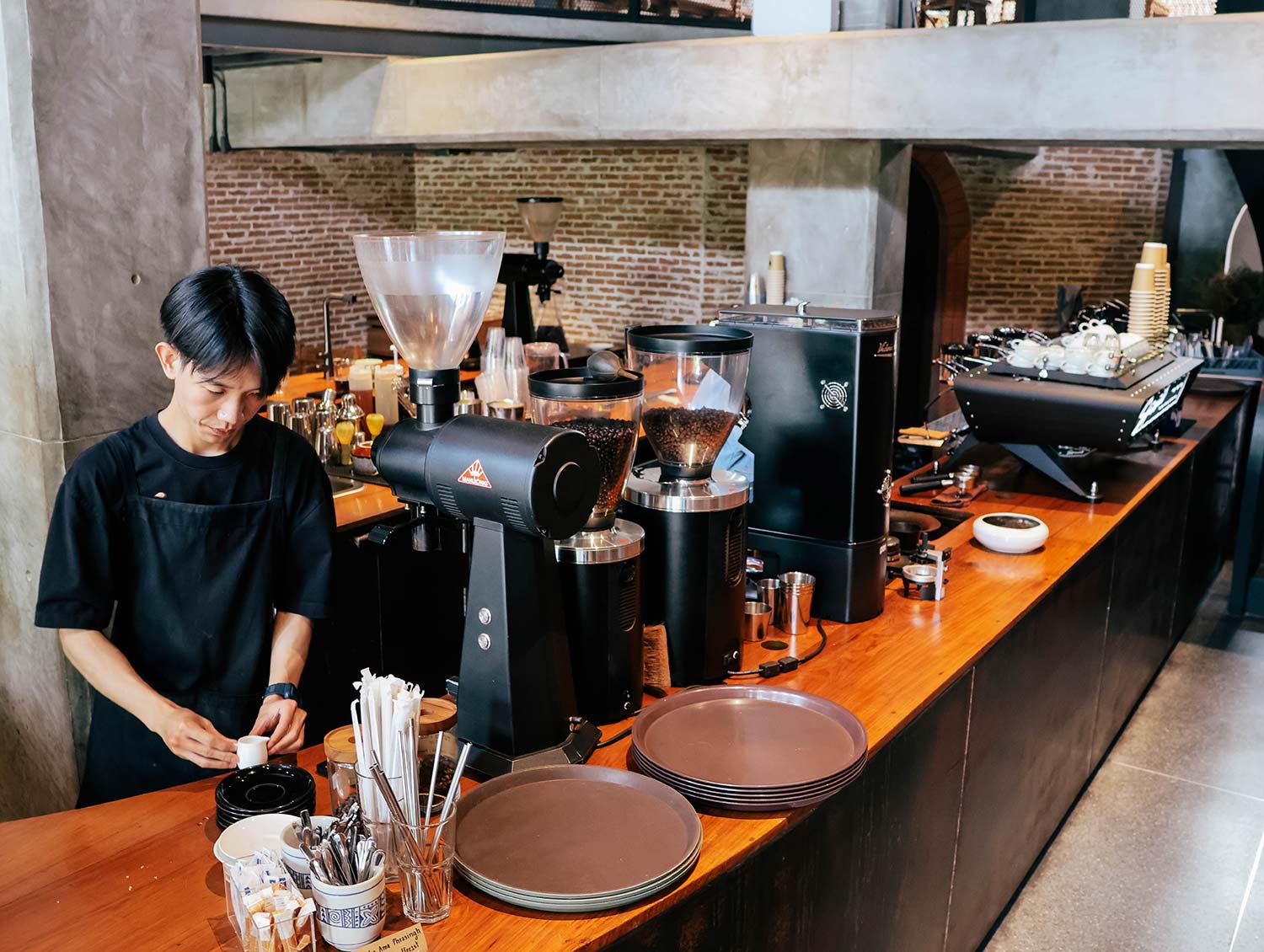
Post-pandemic, Akha Ama opened a second Tokyo branch — this time with an in-house roaster.
“Thais drink about 200 cups of coffee per year. The Japanese drink 350. Their population is much bigger, too. They can be picky, but they’re fair. So we’re looking to open more branches in Japan.”
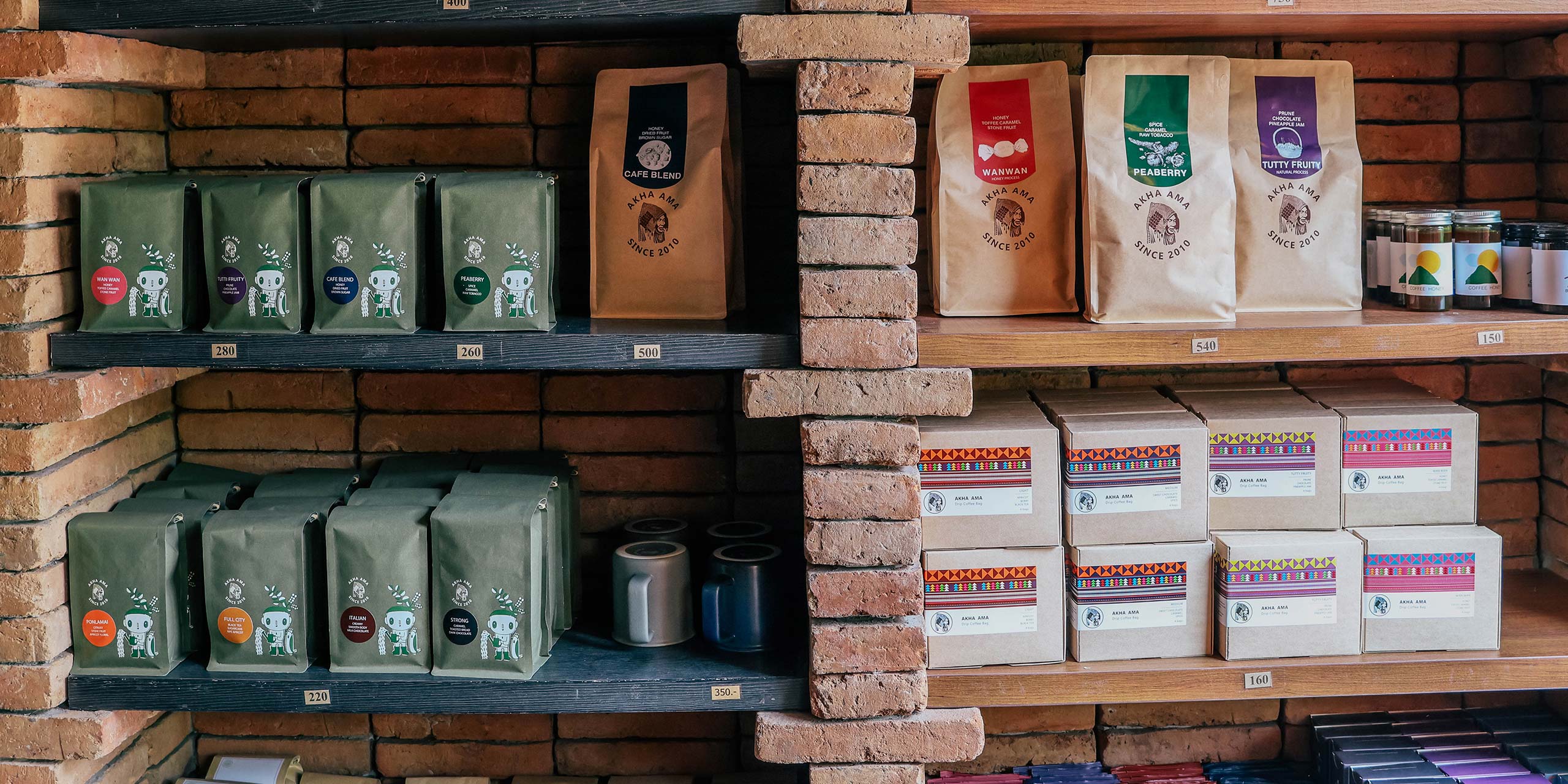
Back home, Akha Ama continues to grow and now buys coffee from thirty families. “Very few Thais grow coffee, so we buy from Akha, Lisu, Lahu, Mien, Karen, and Hmong. We also help them sell to other outlets.”
Lee notes that there isn’t enough coffee grown in Thailand to meet domestic demand — the country still exports more than 80% of its beans, even as Akha Ama now works with over 300 families.
“There’s lots of space in the market,” Lee says. “We want to teach more families better skills and knowledge — how to produce better varieties, and how to present our product. For the future, Akha Ama will focus on specialty coffee. We’re learning how to minimize farm use, grow more forest on our farms, and maximize both taste and quality. At the same time, Akha Ama is empowering and restructuring our communities to make them less prone to exploitation.”